Bonevia
Bonevia
Bonevia
Engineered for structural biocompatibility and high-load performance under strict operating room protocols.
Empowering global healthcare with premium orthopedic implants and customized surgical instrument tray systems.
Bonevia Orthopedic Technology Co., Ltd. is a clinical-grade, specialized manufacturer of orthopedic implants and comprehensive surgical solutions. Founded in 2015, our organizational focus targets structural advancement in trauma, spine management, and joint reconstruction technologies.
Operating a modernized, class-certified production facility of approximately 320㎡, Bonevia conforms strictly to international medical quality control standards. Generating an annual export volume between USD 8–15 million, our capabilities are verified by 6 years of export expertise and over 10 years of domestic clinical design experience.
Our global partnership network extends to over 850 distributors, hospital conglomerates, and medical institutions spanning Europe, Southeast Asia, the Middle East, and South America, ensuring stable raw material channels and predictable clinical supply chains.
Maximizing operating room throughput, mitigating surgical site infections (SSI), and extending mechanical instrument longevity.
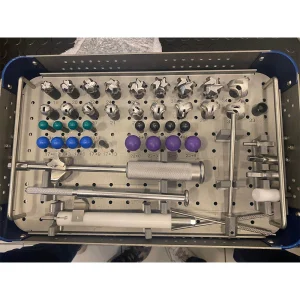
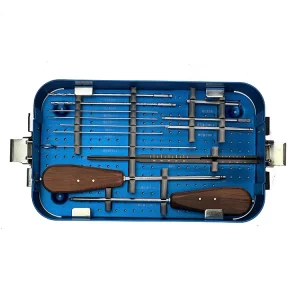
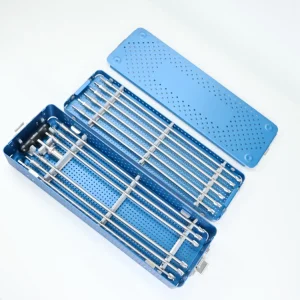
In modern orthopedic surgeries (such as total joint replacement or complex spinal fixations), the sheer volume of instruments—including trials, osteotomes, reamers, screws, and retractors—demands a highly organized, robust containment system. An Orthopedic Instrument Tray is not merely a holding box; it is an engineered medical system designed to meet rigorous thermal, mechanical, and microbiological standards.
Effective autoclave cycles require consistent, complete steam penetration to every surface of the instrument. High-quality trays utilize custom-engineered perforation patterns. Computational fluid dynamics (CFD) analysis indicates that a specific ratio of open-to-closed surface area on the tray base optimizes steam circulation while maintaining the structural rigidity needed to hold heavy steel instrumentation.
Orthopedic trays are subjected to aggressive enzymatic detergent washes, followed by saturated steam at temperatures up to 134°C (273°F) under pressure. To survive thousands of cycles without degradation, premium materials are required:
| Material Type | Thermal Conductivity | Chemical Durability (pH 2 - 12) | Weight Efficiency | Optimal Surgical Application |
|---|---|---|---|---|
| Anodized Aluminum | Very High (~120 W/m·K) | Moderate (Sensitive to alkaline cleaners) | High (Lightweight) | Trauma, Large Joint Instrument Sets |
| PPSU Polymer | Low (~0.35 W/m·K) | Excellent (Broad pH resistance) | Excellent (Very light) | Spine System Inlays, Small Fragment Cassettes |
| Stainless Steel 316L | Moderate (~16 W/m·K) | High (Resists pitting corrosion) | Low (Heavy) | Heavy-Duty Wire Baskets & Outer Containers |
Operating room costs are calculated by the minute. Intuitive, logical layouts within orthopedic trays minimize instrument selection errors, reducing surgical fatigue and procedure duration. Structured brackets, clear labeling, and silicone damping pads hold surgical tools securely in place, preventing micro-damage to sharp cutting edges during transportation and ultrasonic cleaning cycles.
The transformation from passive storage boxes to intelligent, digitized medical asset management systems.
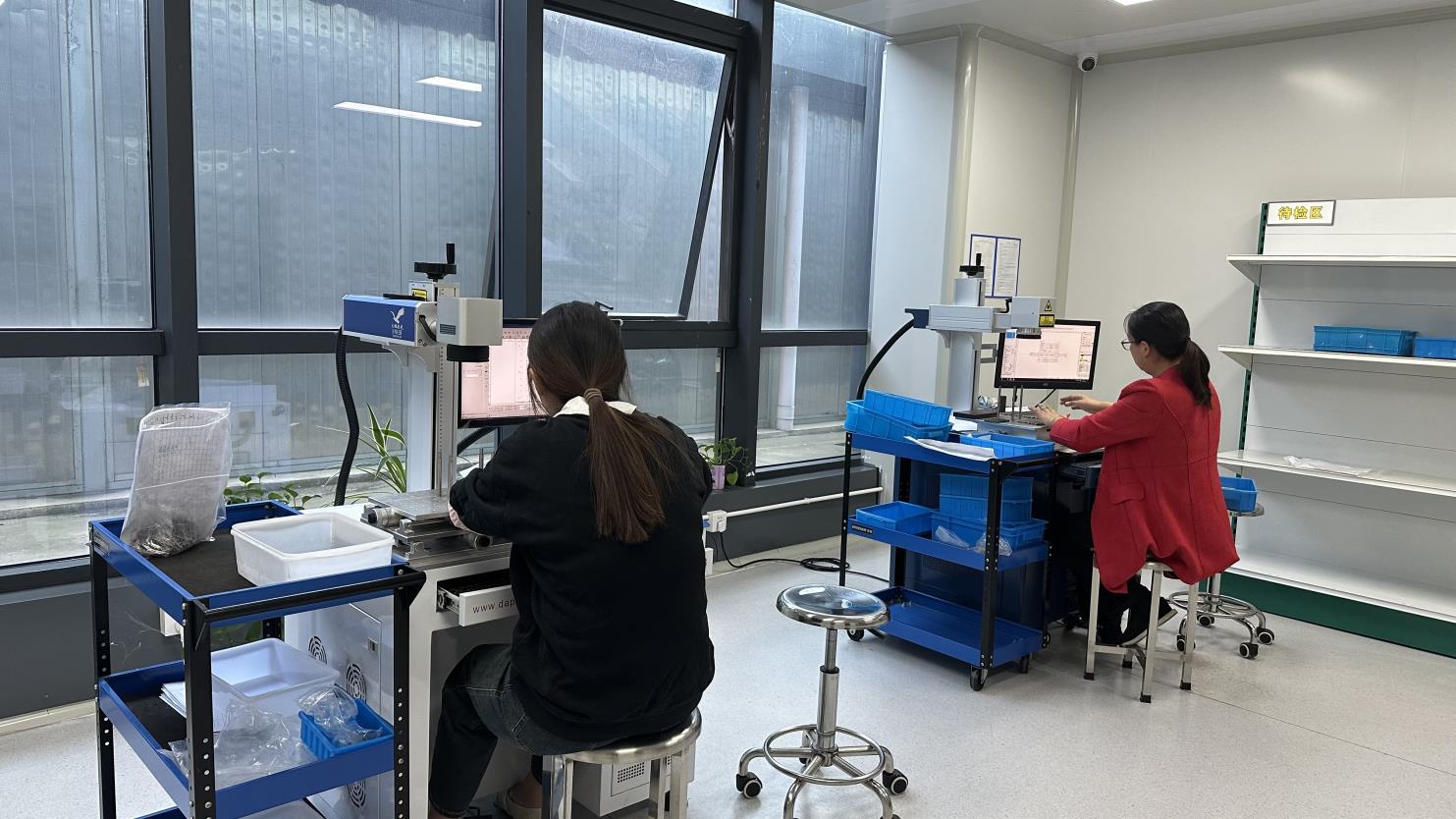
Integration of ultra-high frequency (UHF) RFID chips and laser-marked Unique Device Identification (UDI) directly into tray designs. This enables touchless inventory management, sterilizer cycle logging, and automatic tracking of usage history.
Hospitals are demanding customizable tray layouts. Adjustable silicone holders and structural clips allow technicians to modify internal configurations based on clinical trial changes, cutting down tool overhead.
Redesigned latch systems and heat-resistant silicone grips allow surgical technicians to handle hot, newly autoclaved trays safely. Secure locks reduce the risk of accidental drops during transport.
Key checkpoints for international distributors and hospital purchasing committees when evaluating offshore manufacturers.
Procuring orthopedic equipment demands strict adherence to regulatory standards. Hospital sourcing divisions must look beyond raw unit cost to minimize supply chain disruptions and patient safety risks.
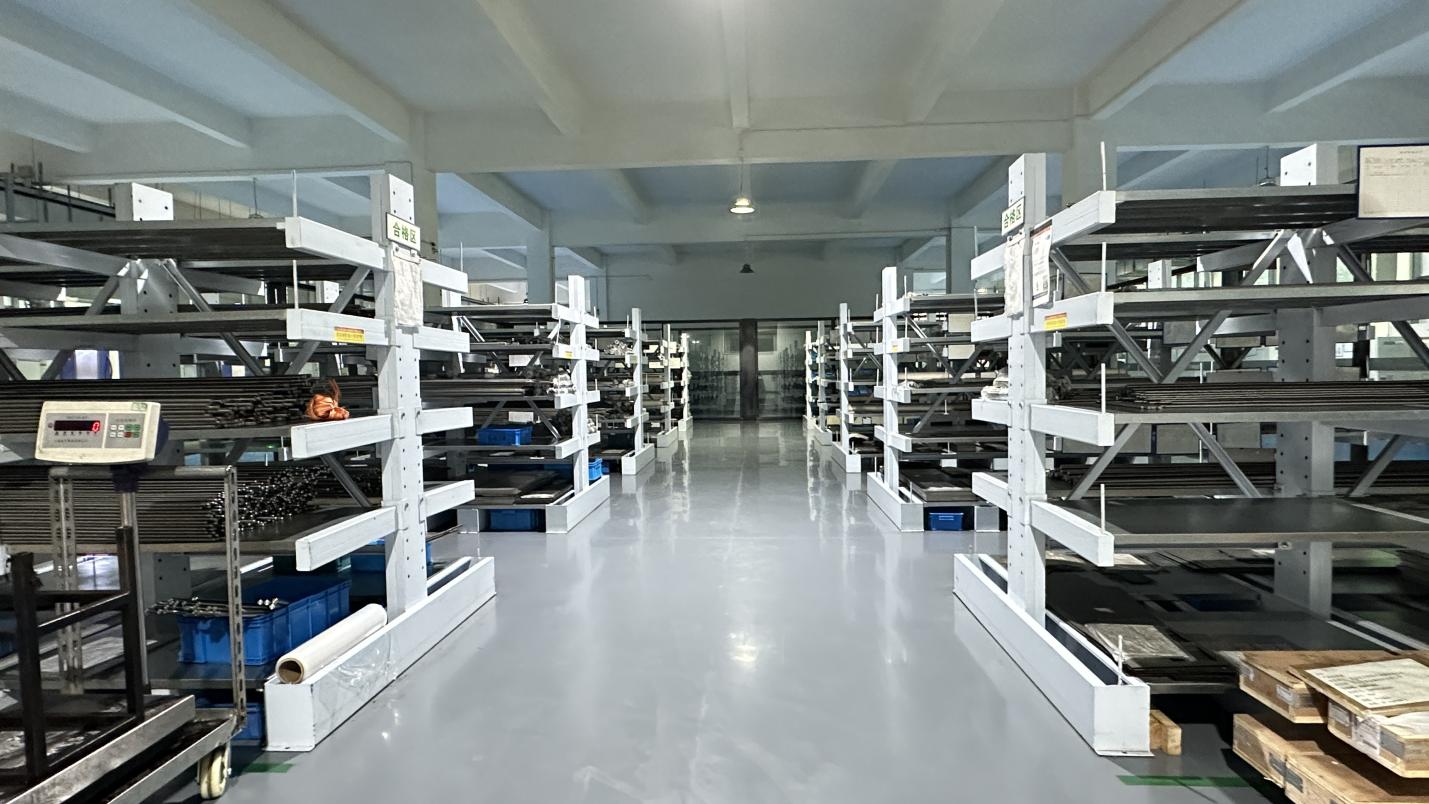
Leveraging advanced manufacturing clusters and automated quality control to deliver competitive, medical-grade products.
China's medical device industry has shifted from low-cost assembly lines to precision-engineered digital factories. By adopting Industry 4.0 standards, factories like Bonevia balance high-capacity output with clean-room precision.
Our localized supply chain ecosystem features raw material suppliers, specialized surface treatment operations, and high-efficiency shipping hubs. This integration ensures short lead times and reduces risk from global logistics shocks.
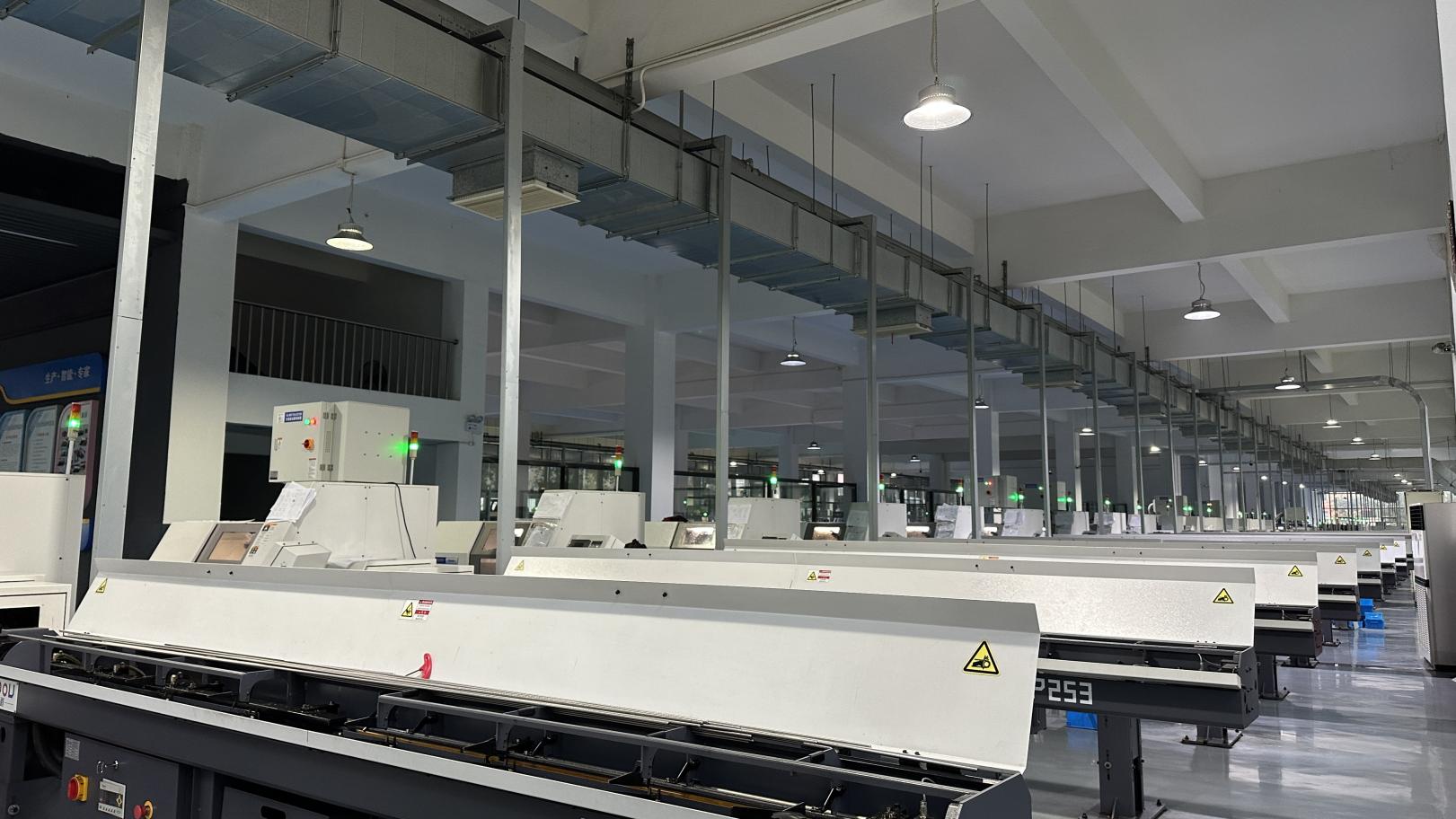
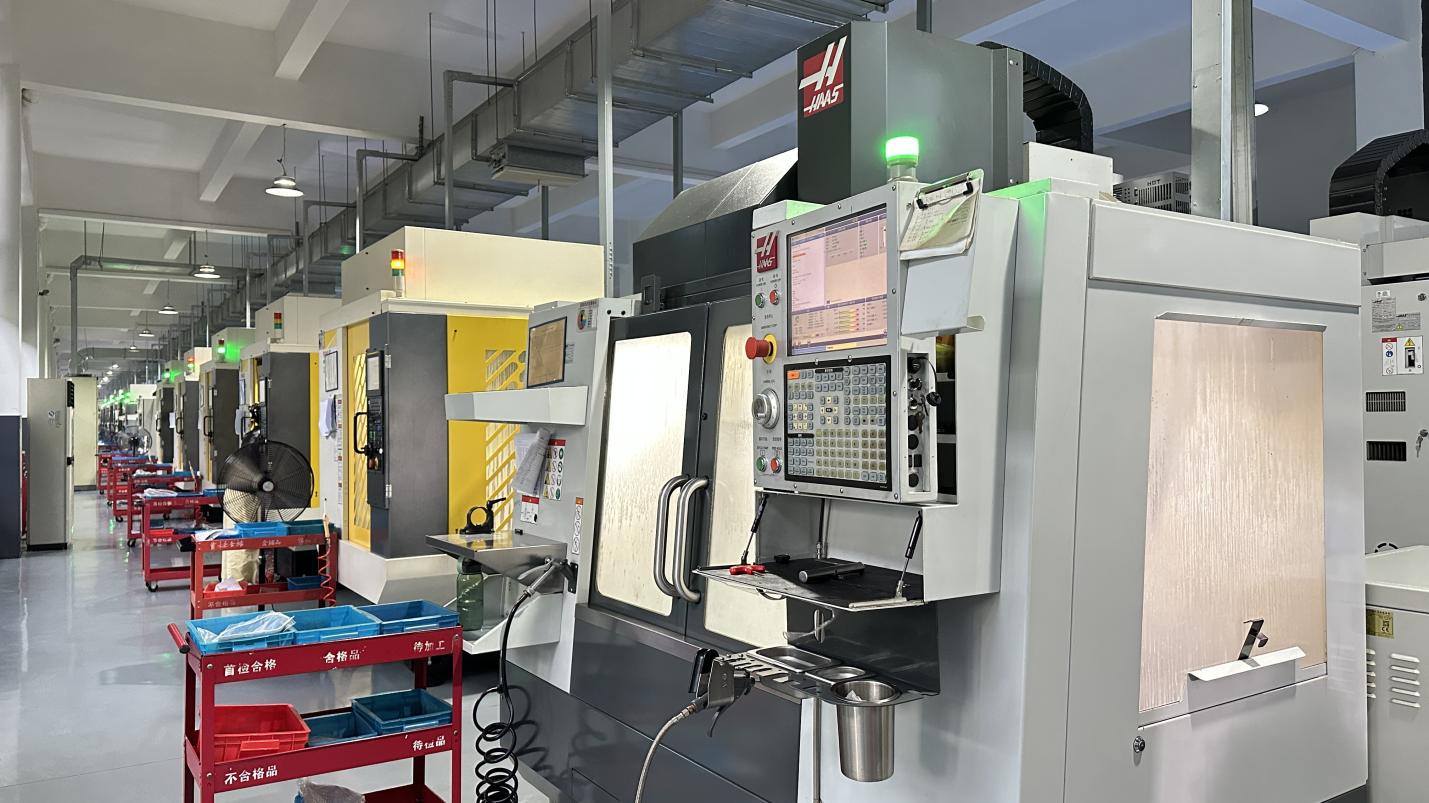
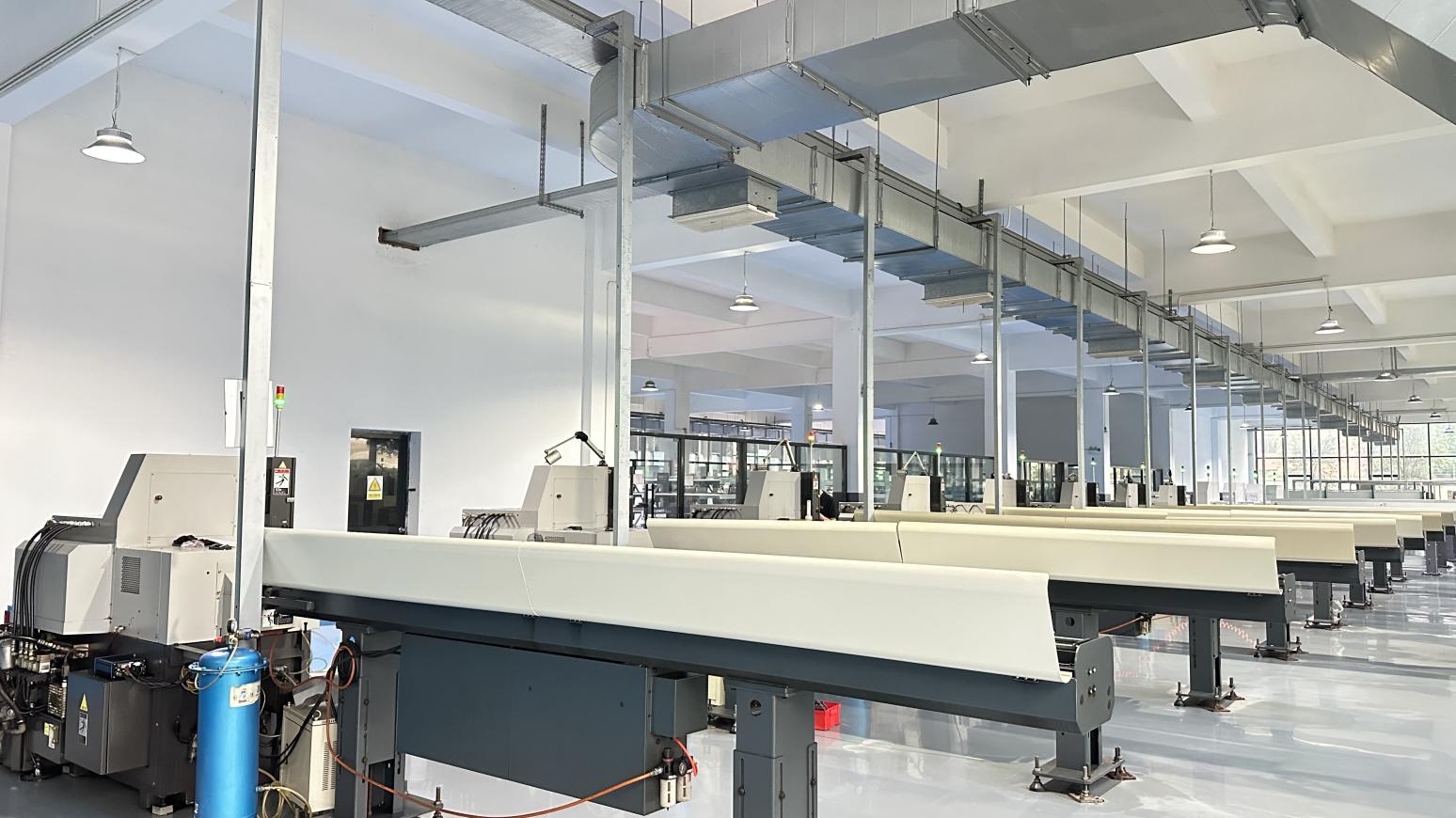
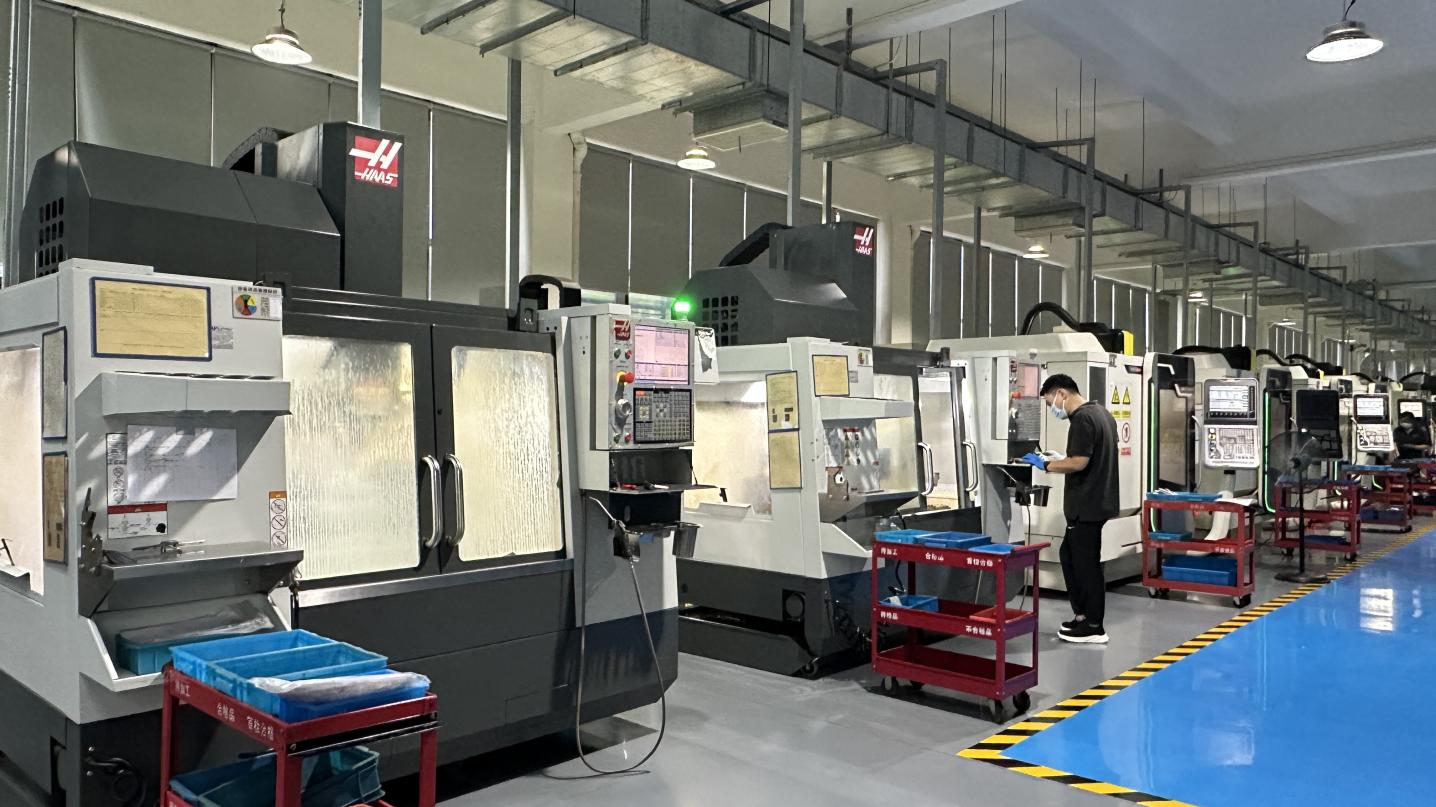
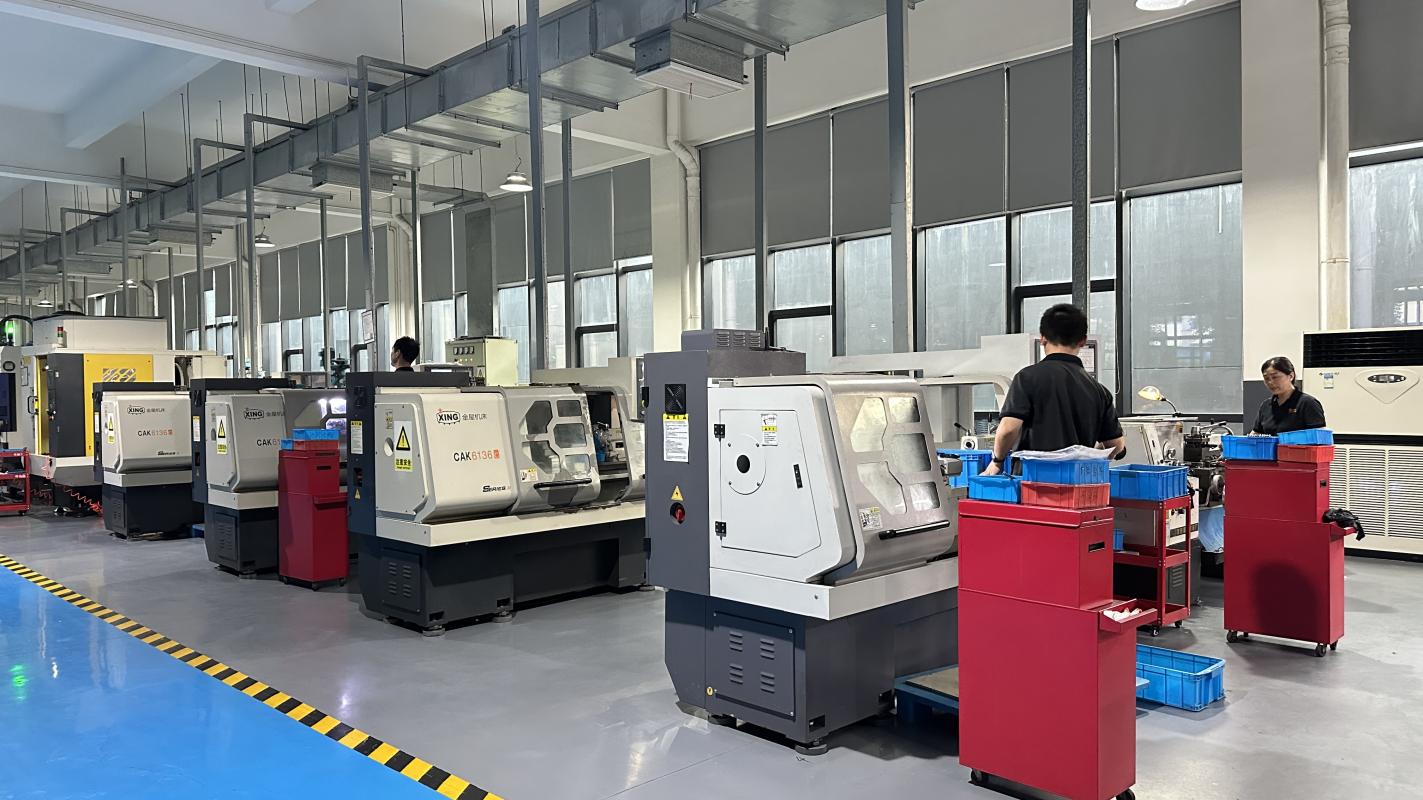
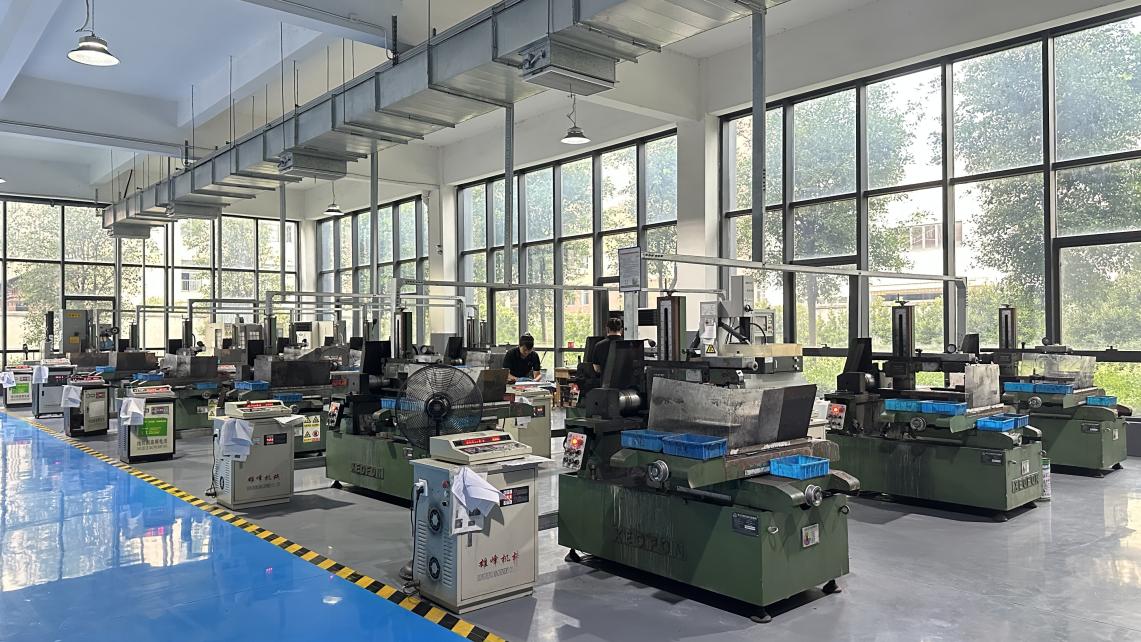
Our computer-numeric-control milling centers shape aluminum and stainless steel with tolerances down to ±0.01mm, ensuring a secure, snug fit for orthopedic instruments and implants.
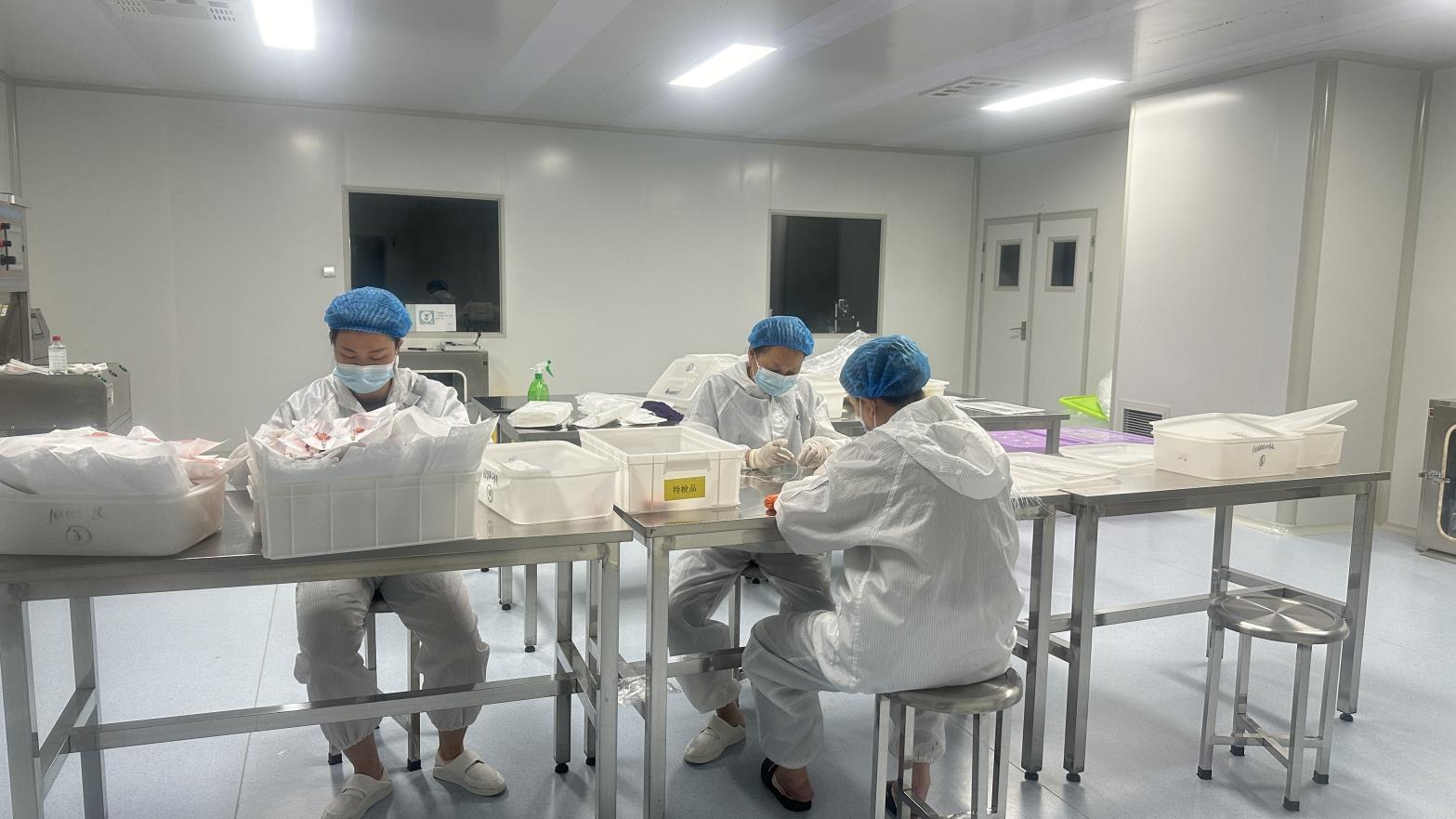
A specialized QA team of 35 professionals manages three-stage validation checks (incoming material analysis, in-process dimension verification, and final post-passivation inspection) to guarantee zero defects.
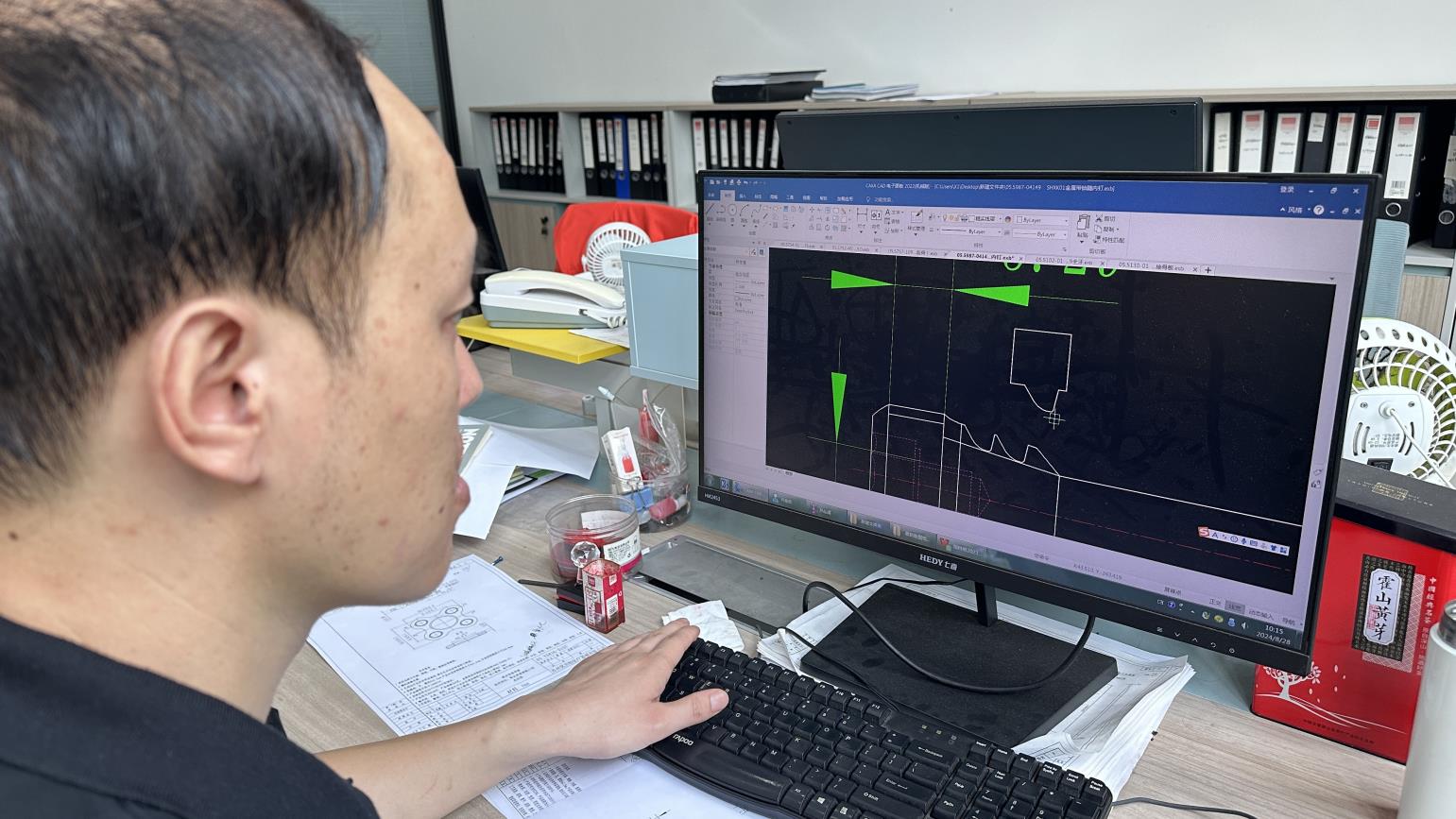
Supported by 85 R&D engineers, we turn concepts into digital prototypes and finished surgical trays quickly, launching 120 new designs annually to meet diverse clinical needs.
A step-by-step tour showing our medical-grade machining, assembly, and inspection lines.
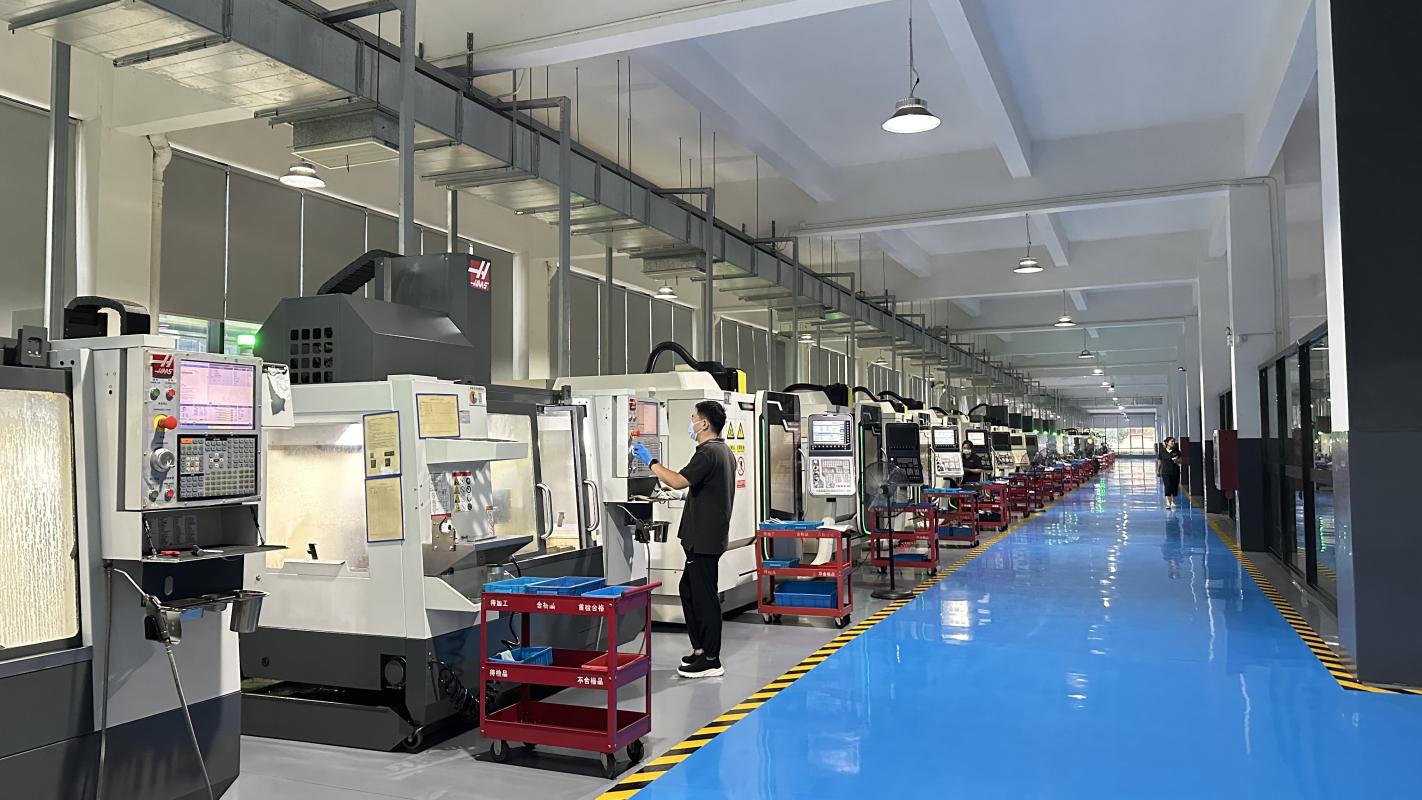
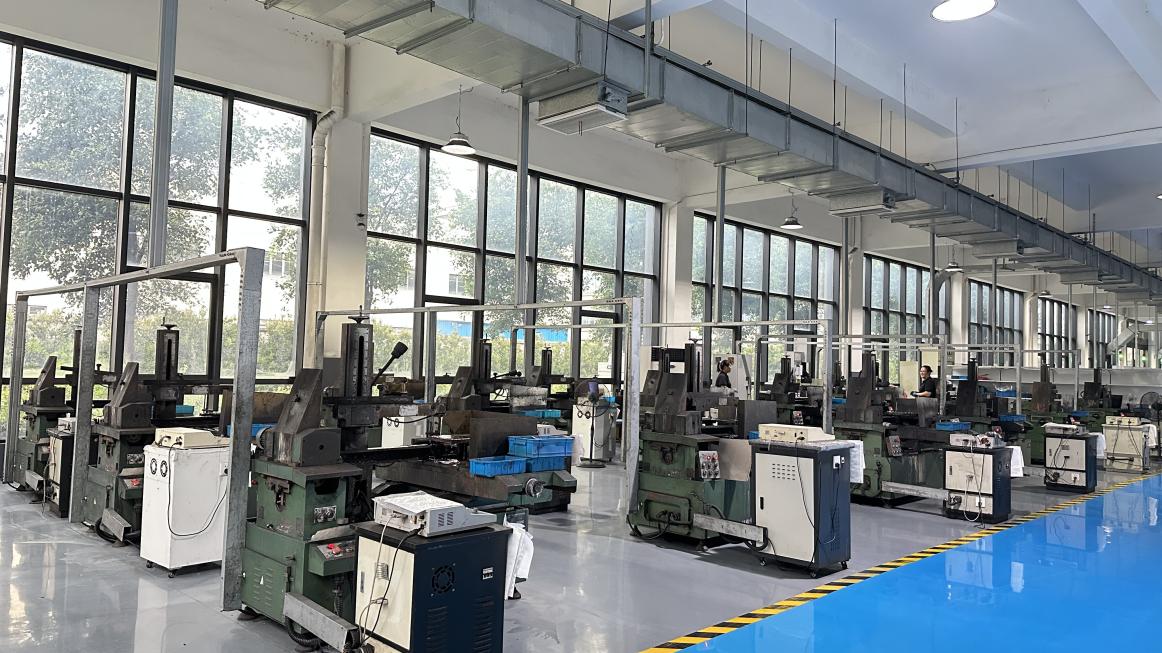
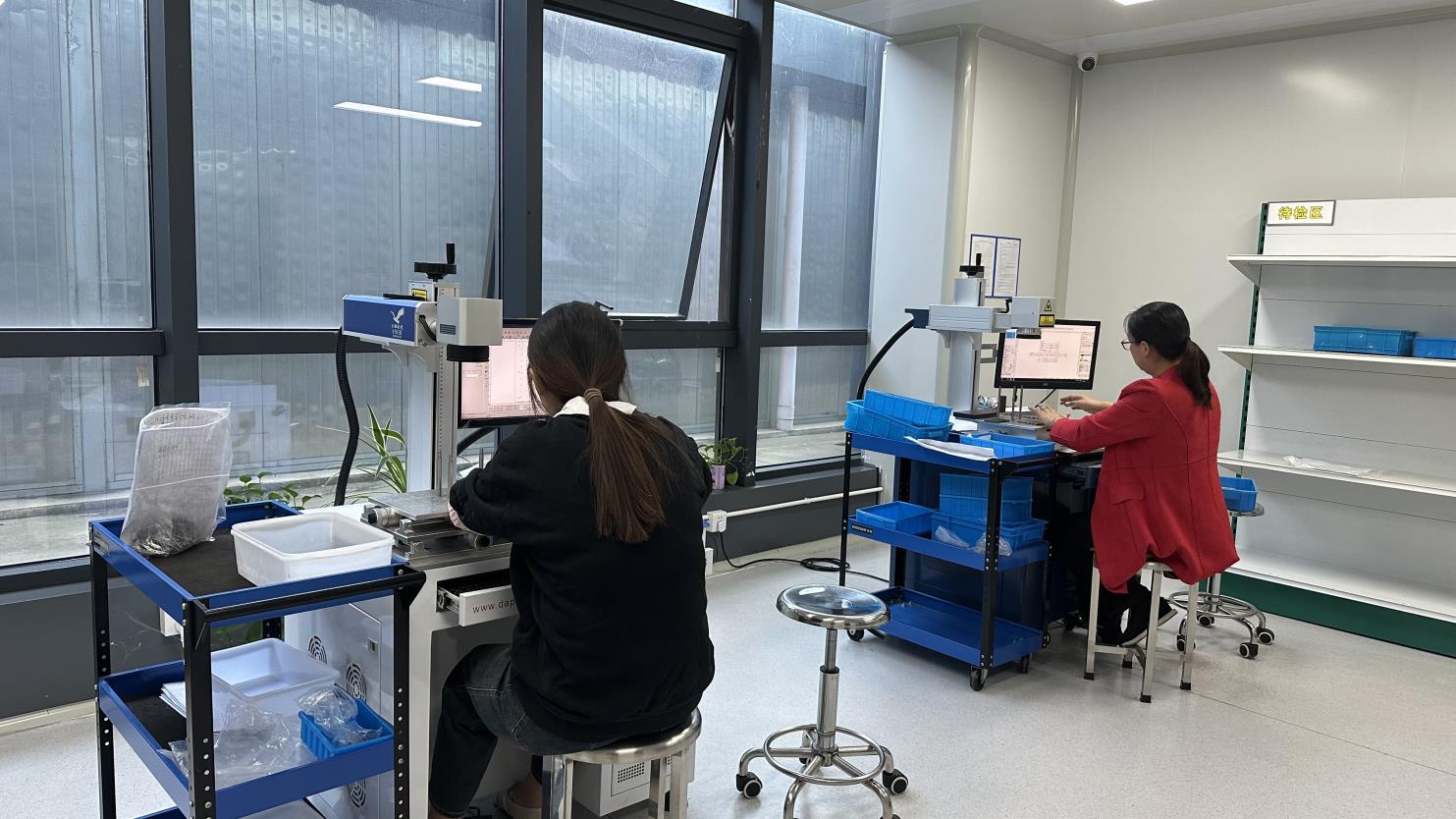
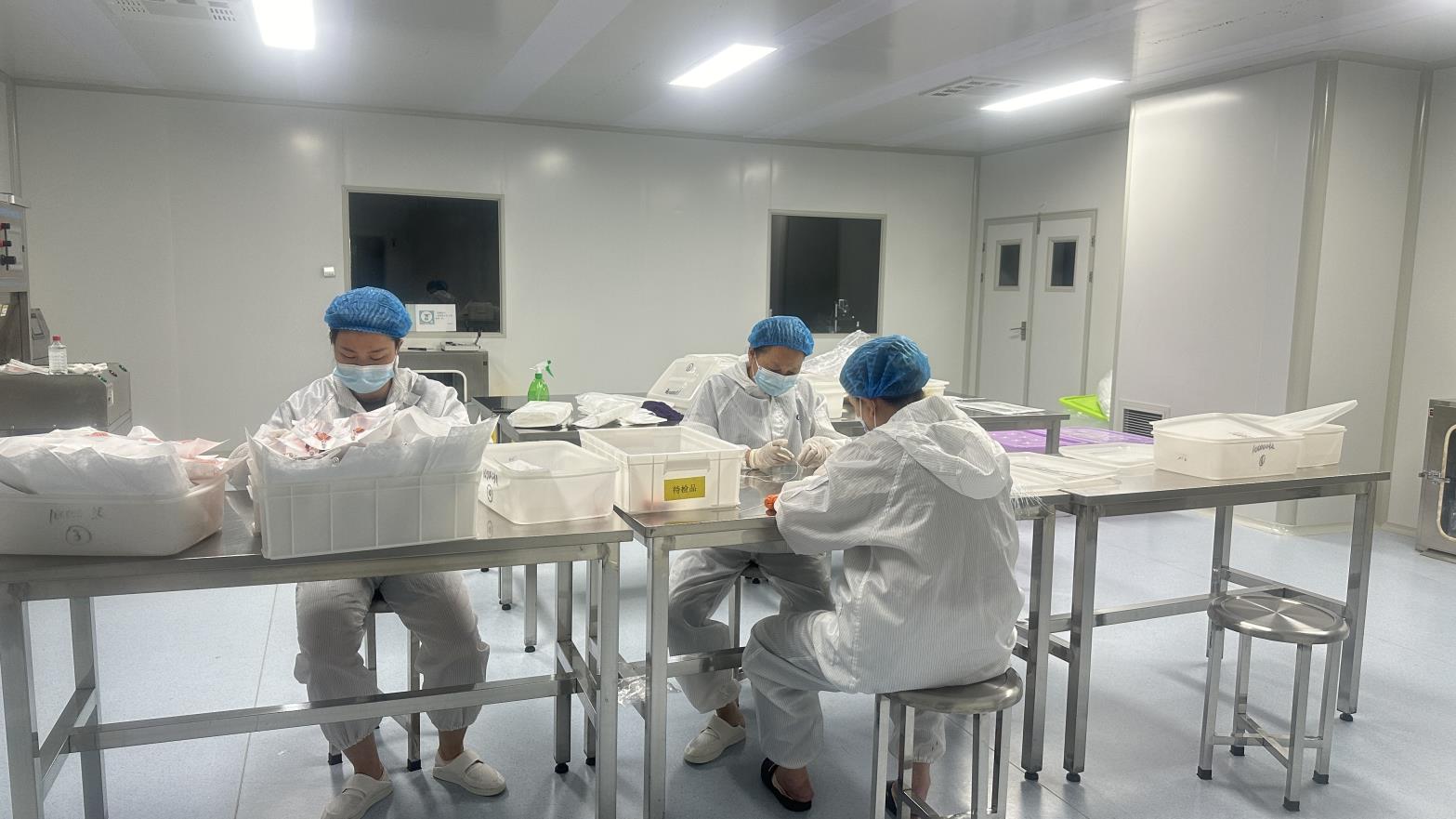

Adapting instrument layouts and material specifications to meet target requirements in modern surgery.
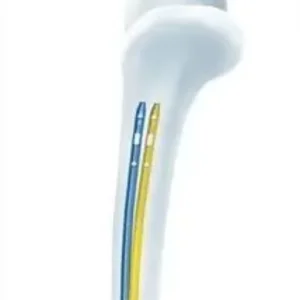
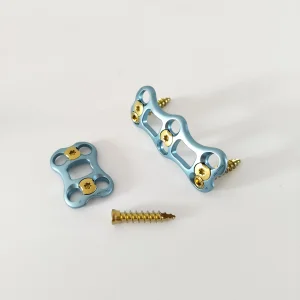
Our rapid-locking trays are optimized for emergency trauma rooms. Organizing implants by length and diameter allows surgeons to quickly select locking plates and intramedullary nails under high-stress conditions.
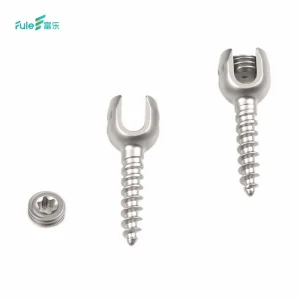
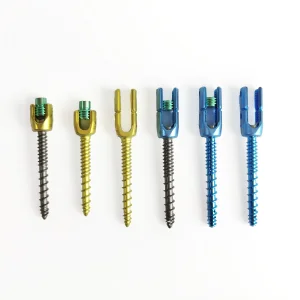
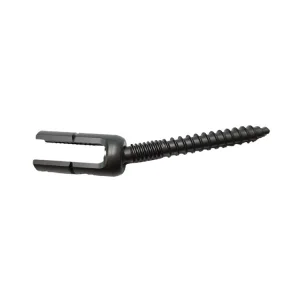
Spinal surgeries use complex arrays of multi-sized pedicle screws, rods, and cross-links. Our multi-tiered trays stack these components logically, reducing selection errors and protecting critical screw threads.
Veterinary clinics need versatile, cost-effective solutions. We supply scaled-down, modular tray systems that house instruments for animal hip prostheses and fracture plates, optimizing storage in smaller facilities.
Common questions from hospital purchasing departments, global distributors, and quality engineers.
We use high-grade anodized aluminum (6000-series), medical-grade polyphenylsulfone (PPSU) polymer, and passivated AISI 316L stainless steel. This combination ensures durability through repeated autoclave cycles and resistance to corrosion.
Yes. Our trays are tested and validated for vacuum steam sterilization cycles at 134°C (273°F) for 4 to 18 minutes. The custom perforation layouts ensure consistent steam contact and quick drying, minimizing moisture pockets.
Absolutely. Backed by our R&D team of 85 engineers, we offer full OEM/ODM services. We can design custom layouts, insert colored silicone brackets, and add laser-etched identification marks to fit your specific instrument sets.
Bonevia is certified under ISO 13485:2016 for medical device manufacturing. Our products meet CE standards, and we trace materials from the raw stock through finished packaging.
To prevent galvanic corrosion between different metals (such as steel instruments in an aluminum tray), we use medical-grade silicone brackets to physically isolate them, and apply hard-coat anodization to the aluminum.
Standard design shipments typically dispatch within 15 to 30 days. For custom OEM designs requiring prototype tooling, delivery times range from 45 to 60 days, depending on layout complexity.
Yes, our trays can be designed with dedicated slots for RFID transponders and flat surfaces for high-contrast, laser-marked DataMatrix barcodes, facilitating hospital inventory tracking.
For our standard catalog models, there is no strict MOQ. Customized OEM/ODM tray orders typically require a minimum of 50 units to offset setup and CNC programming costs.
Premium instrumentation designed to provide control and precision in the operating room.