Bonevia
Bonevia
Bonevia
High-precision trauma, joint, and spinal instruments designed for global clinical applications
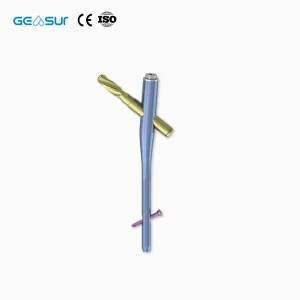
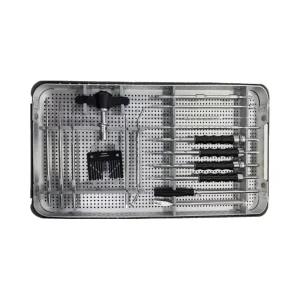
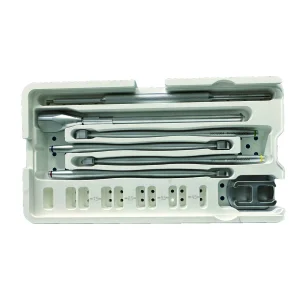
Over the past two decades, internal fixation methodologies have undergone a monumental shift. The industry transition from conventional Dynamic Compression Plates (DCP) to advanced Locking Compression Plates (LCP) has revolutionized fracture management. Titanium locking plates function as external-internal fixators, preserving periosteal blood supply by minimizing plate-to-bone contact friction.
In clinical environments, the stability offered by interlocking screw-plate configurations is paramount. These structures transform localized tensile loads into compressive forces across the construct, which is especially critical for osteoporotic bone structures and complex comminuted fractures. The reduction in mechanical failure rates—such as screw back-out and loss of reduction—has secured titanium as the gold-standard alloy for Class III implant devices globally.
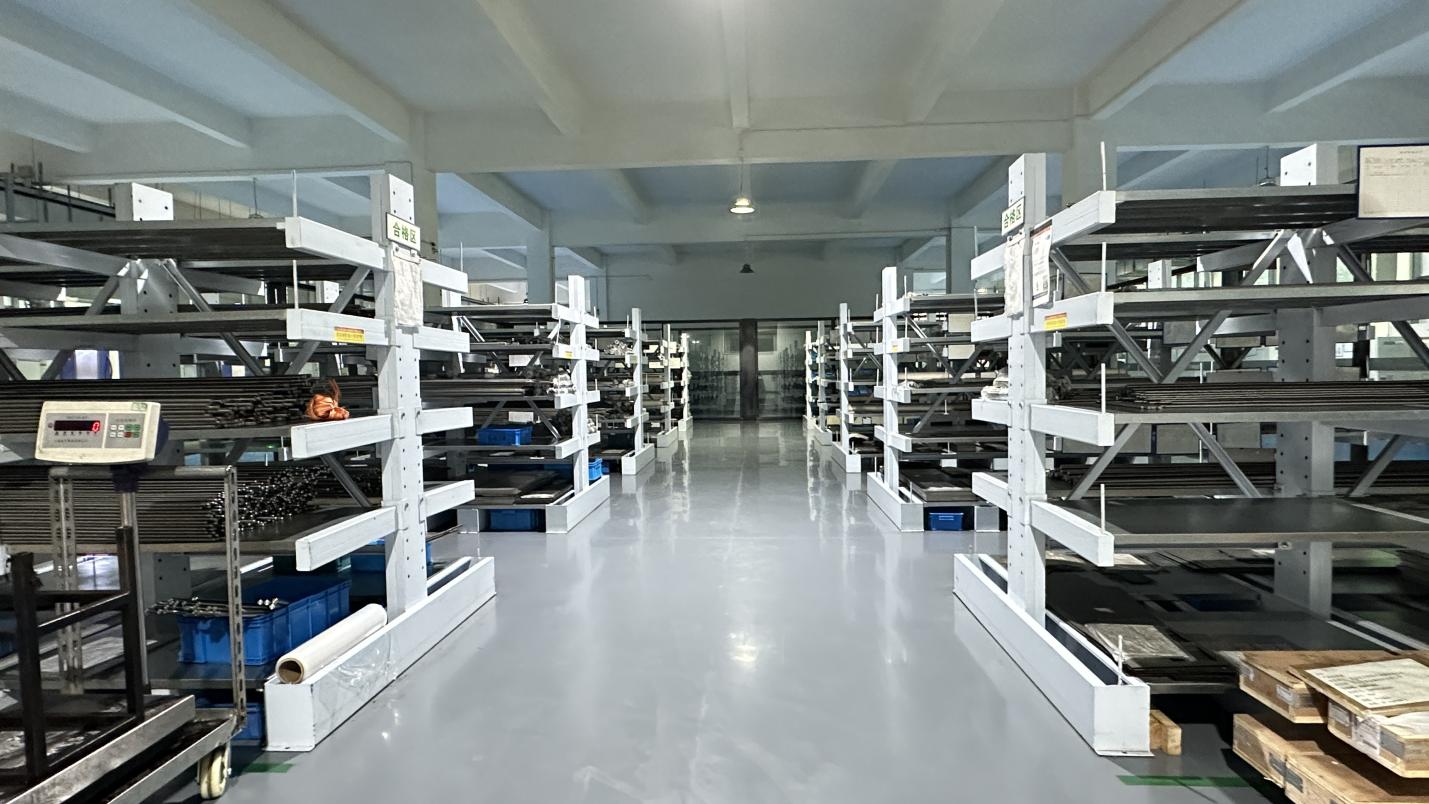
Bonevia Orthopedic Technology Co., Ltd. – Delivering precision internal fixation products globally since 2015
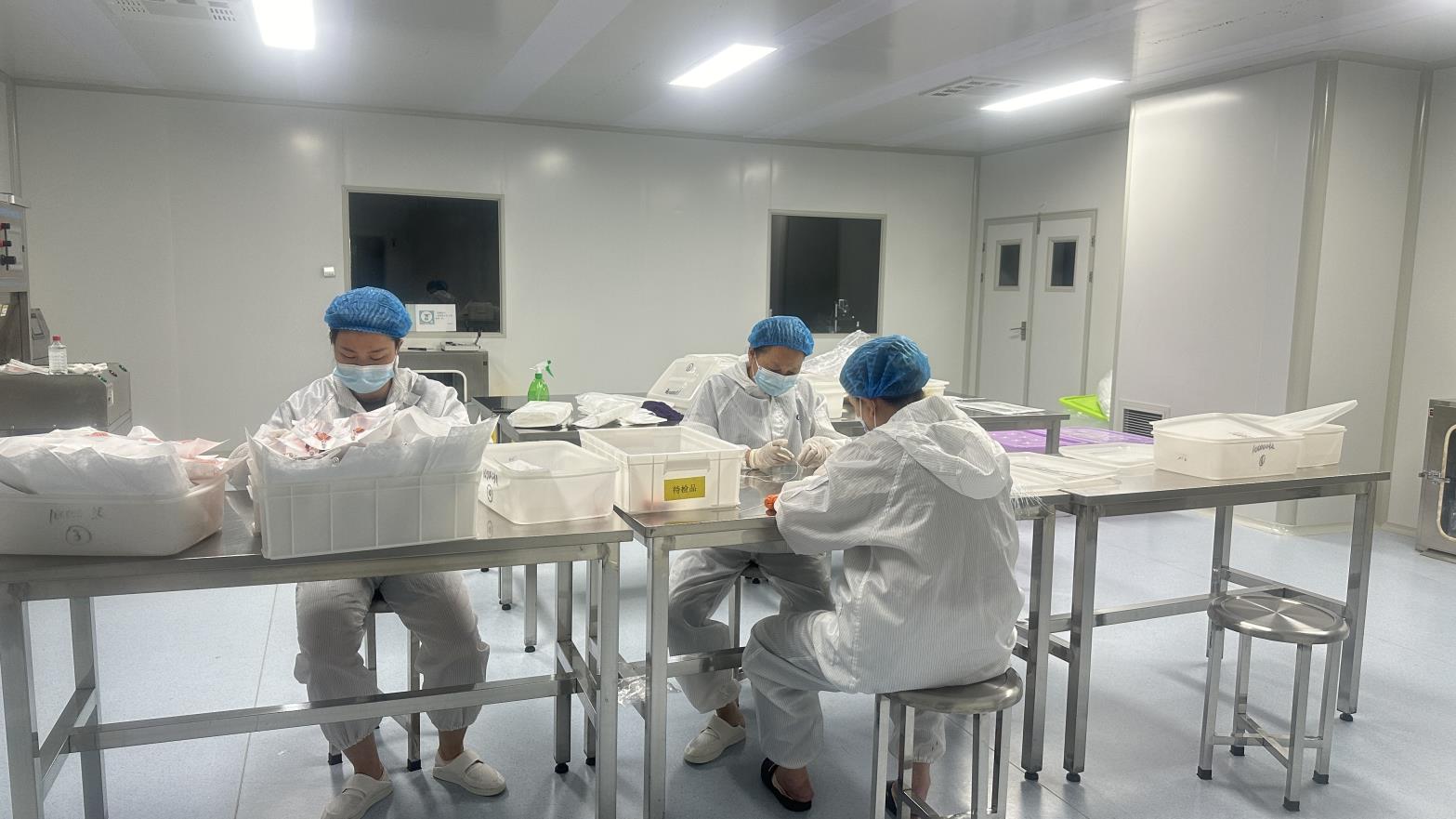
Bonevia Orthopedic Technology Co., Ltd. stands at the forefront of orthopedic implant design, manufacturing, and global distribution. Specializing in advanced trauma, spine, and joint reconstruction devices, Bonevia leverages state-of-the-art production technologies to turn clinical demands into high-performance surgical instruments. Our dedicated precision manufacturing and R&D core cleanrooms cover approximately 320m² of highly optimized, environmentally controlled space, meeting the most rigorous sanitary standards required for Class III implantable medical components.
Backed by over 10 years of industry experience and 6 years of specialized international export operations, Bonevia achieves an annual export revenue of USD 8 to 15 million. Through our robust global distribution networks, we supply healthcare providers, surgical centers, and distribution networks across Europe, Southeast Asia, the Middle East, and South America. Supported by an extensive supply chain matrix of over 850 industrial partners, Bonevia ensures continuity of raw materials, stable cost structures, and exceptional operational agility.
Transforming orthopedic manufacturing through automated production and total quality control systems
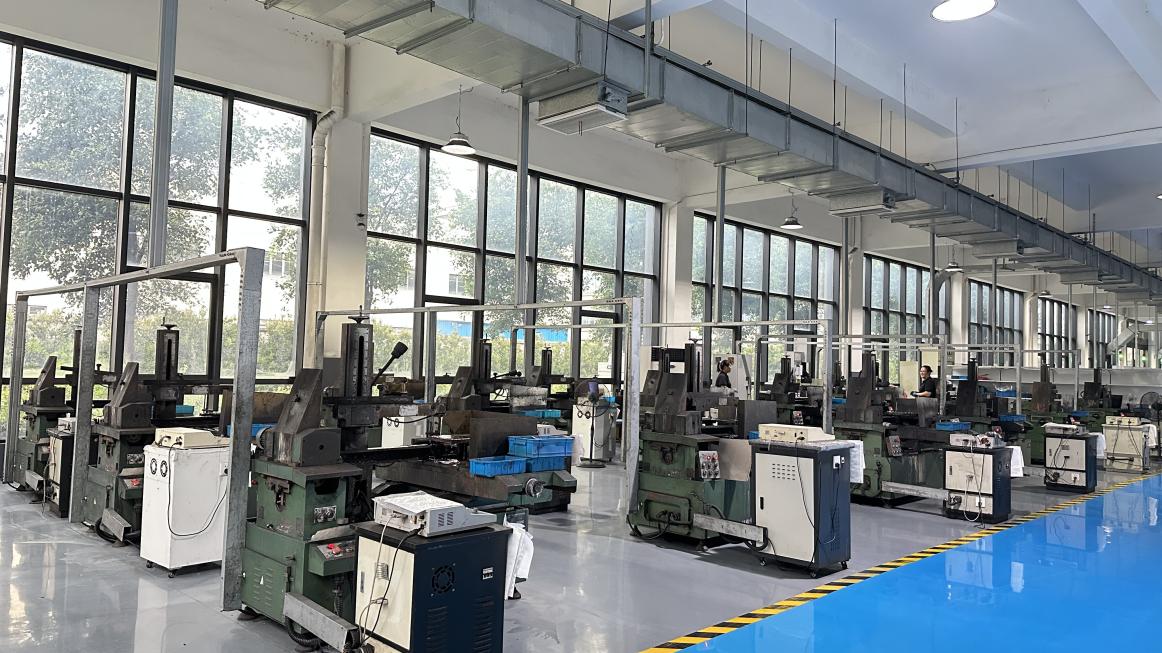
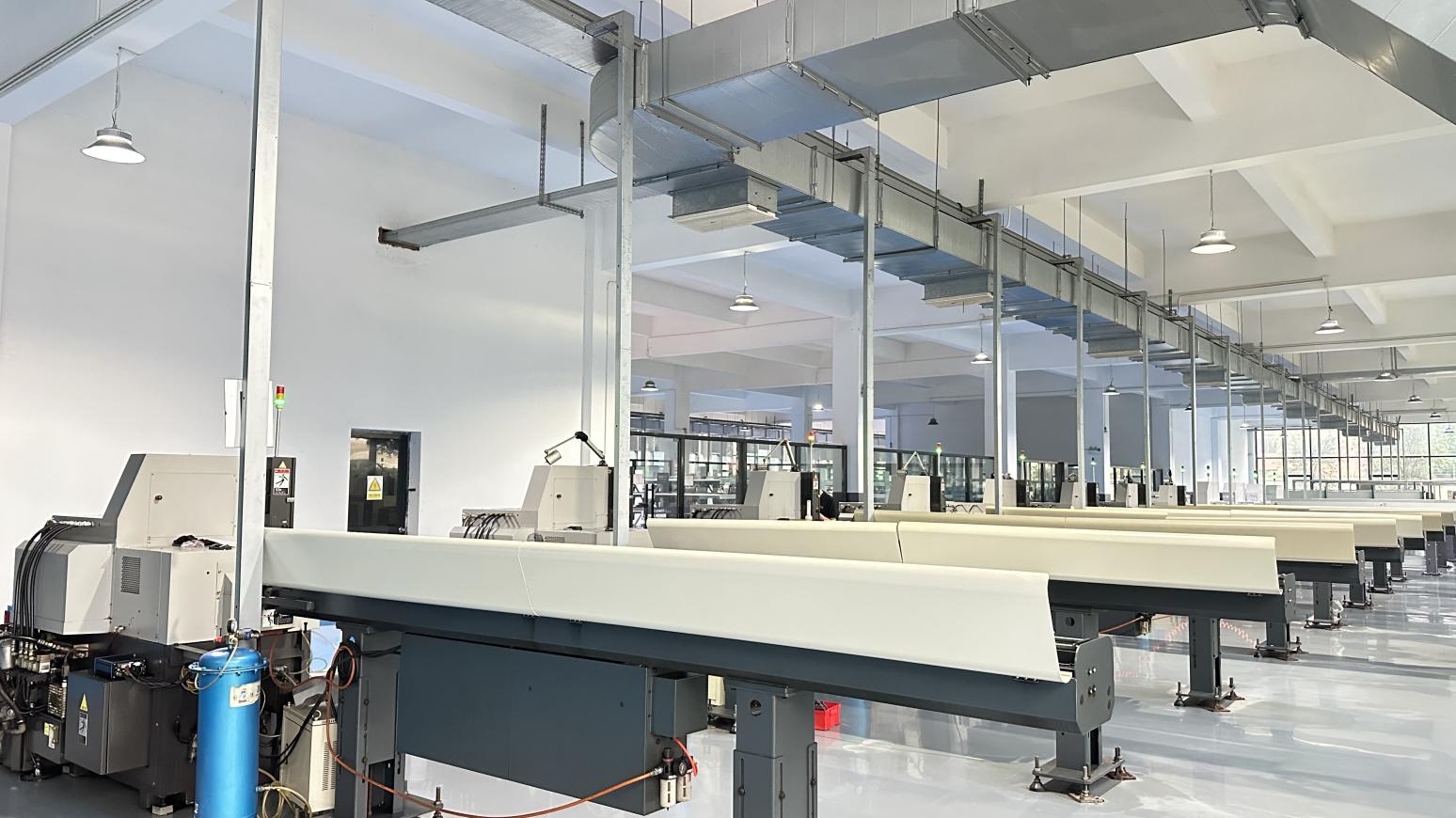
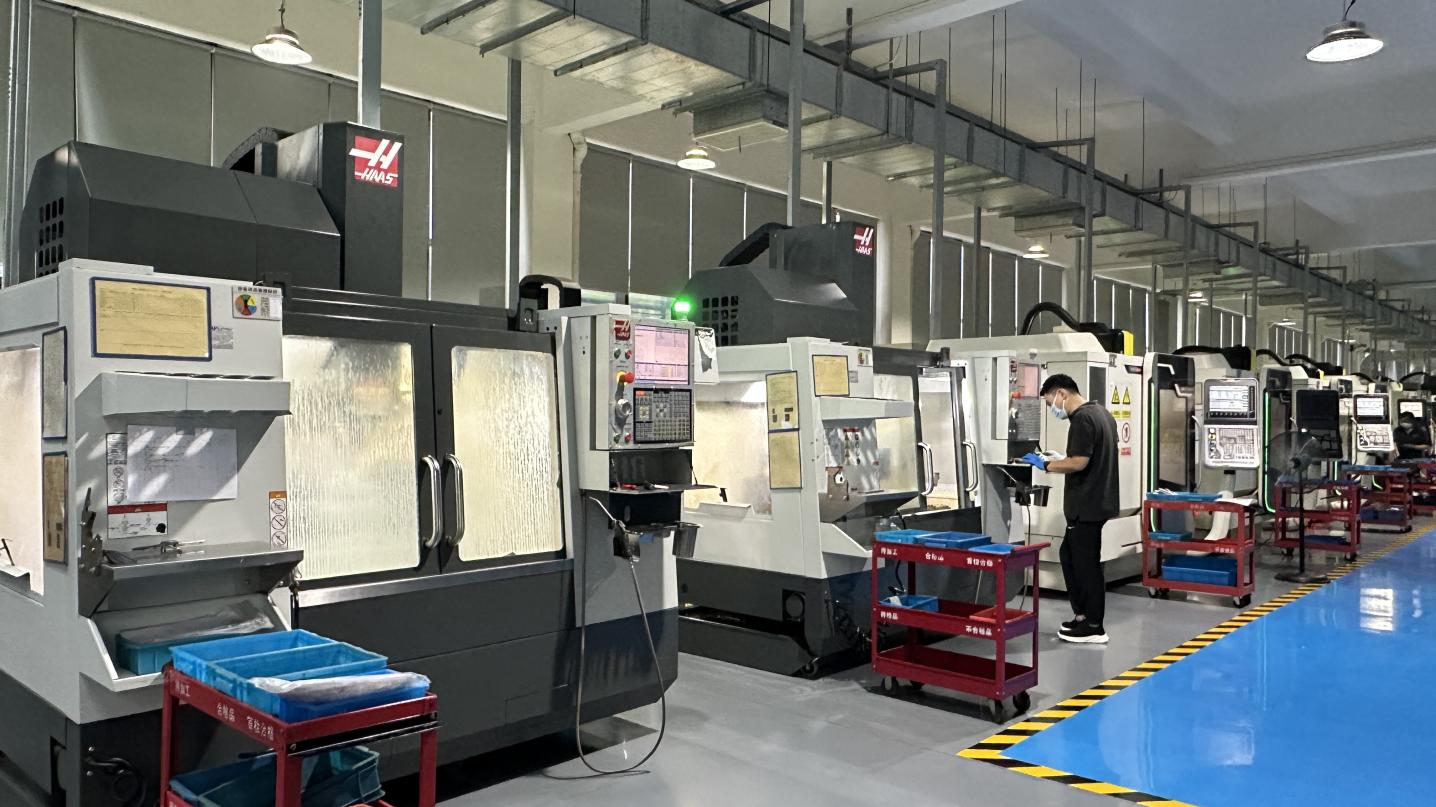
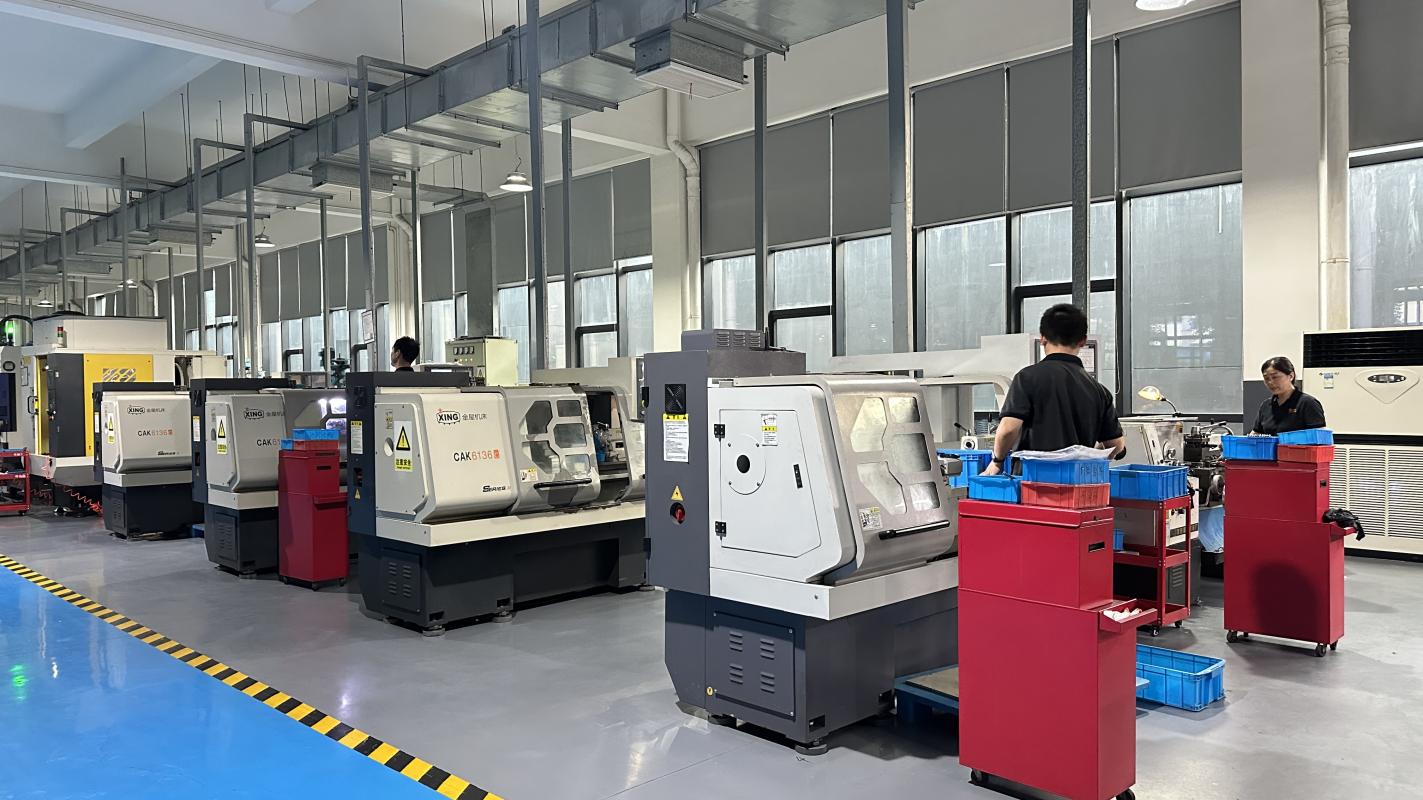
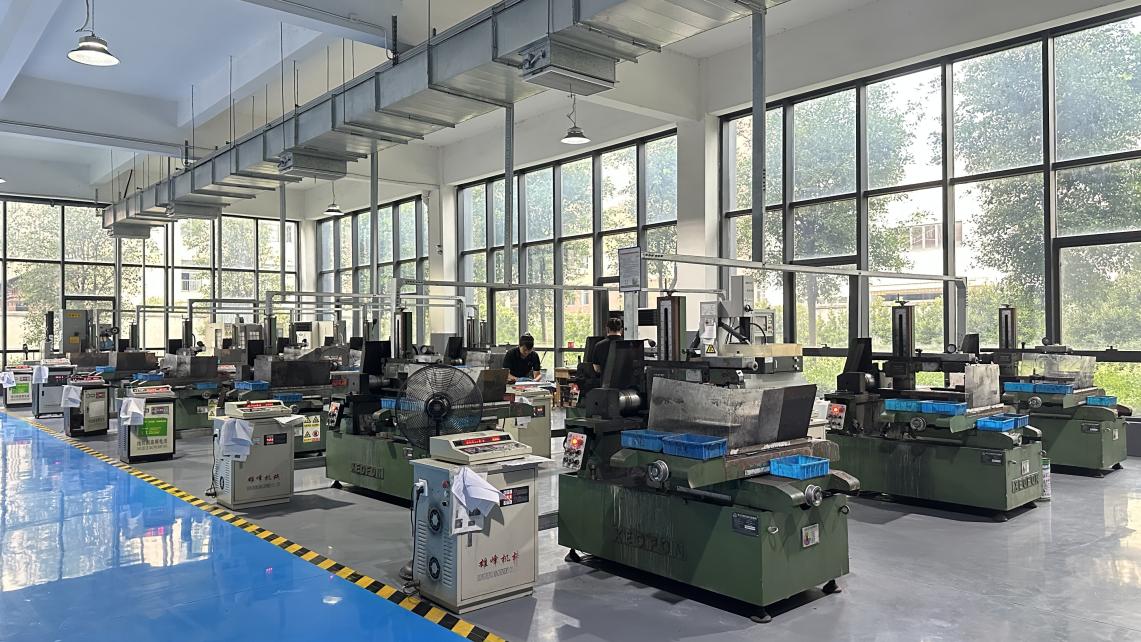
Utilizing high-axis CNC milling machines and automated wire-cutting tools to hold dimensional tolerances within micrometric levels, guaranteeing perfect fitment between locking screws and plates.
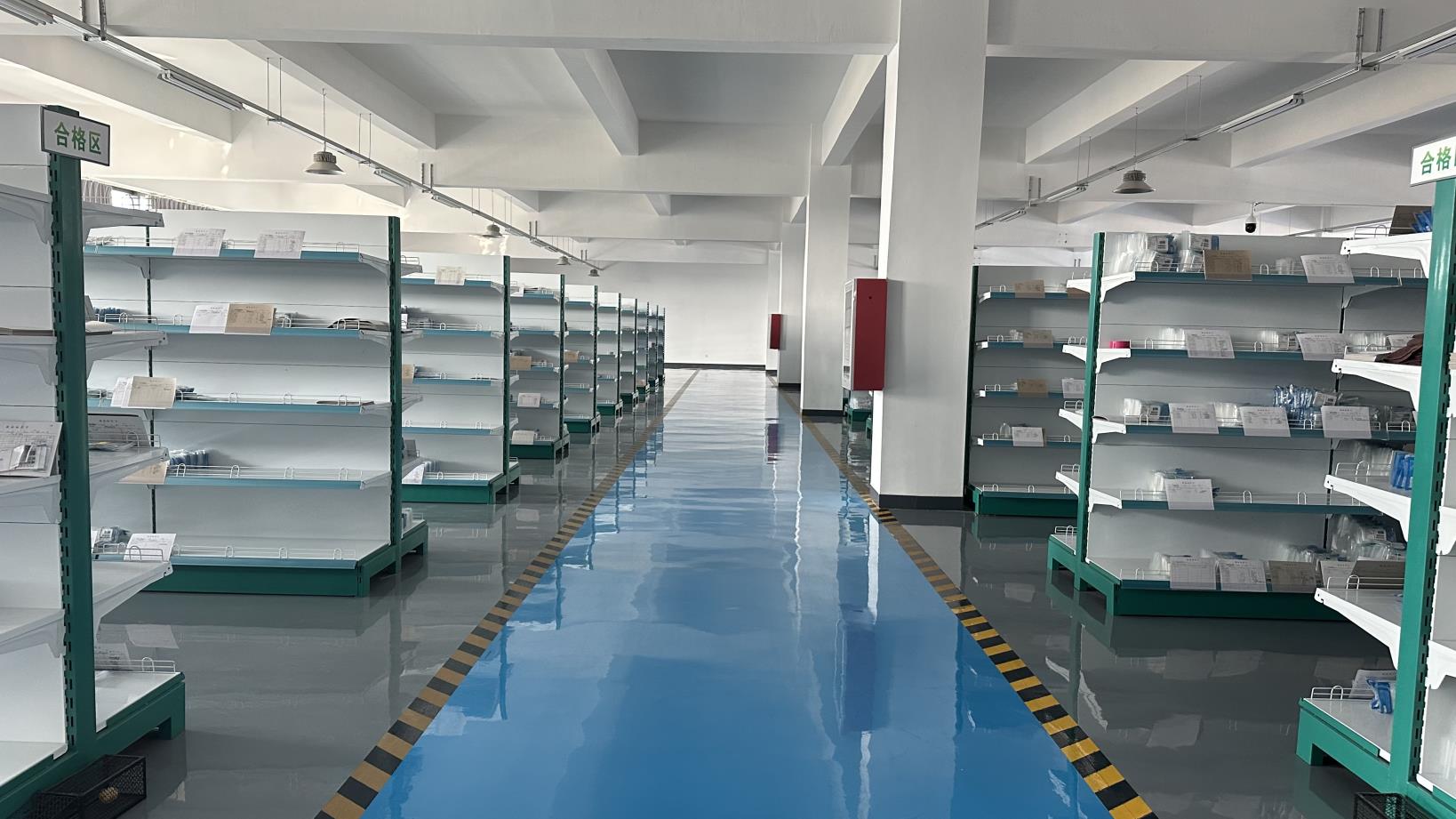
Our dedicated team of 35 QC professionals maintains rigid checkpoints covering raw material validation, in-process checking, final cleaning, and sterile barrier testing protocols.
Our OEM and ODM workflows allow rapid prototyping of specialized anatomical configurations. Supported by 85 engineers, we translate surgeon feedback into viable products quickly.
| Parameter | Technical Specifications | Clinical Importance |
|---|---|---|
| Material Composition | Medical Grade Titanium Alloy (Ti-6Al-4V ELI / ISO 5832-3) | Optimal biocompatibility, superior fatigue life, reduced allergy risk |
| Plate Thickness Range | 1.5mm (Mini) to 5.0mm (Large Fragment) | Anatomical compliance for varied bone structures and locations |
| Surface Treatment | Type II / Type III Anodization | Increases wear resistance, stops cold-welding, facilitates sizing identification |
| Dimensional Tolerance | ± 0.01mm (Precision CNC verification) | Guarantees precise interface matching between screw heads and plate threads |
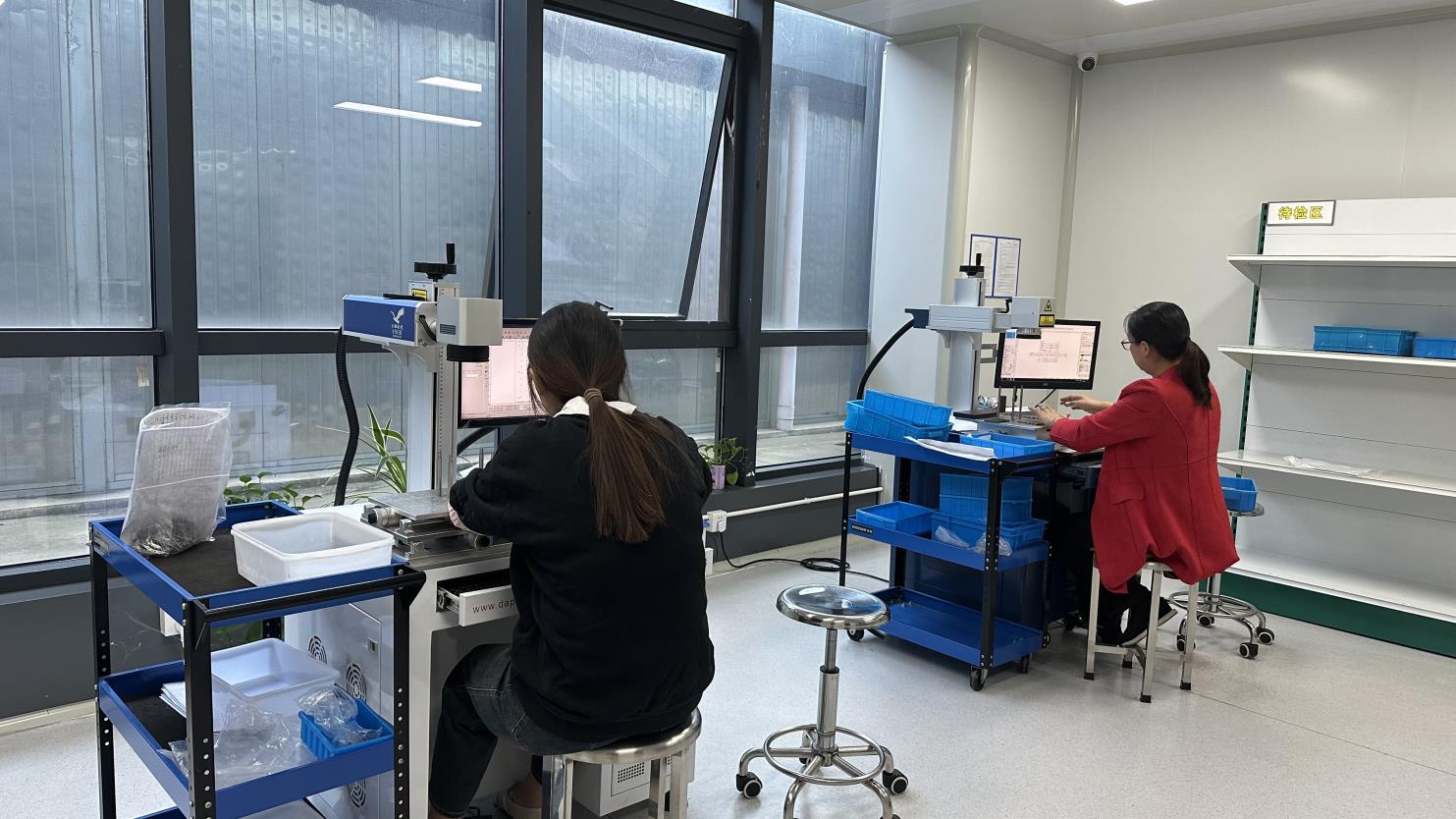
Step-by-step visual log of our orthopedic product development and quality validation systems
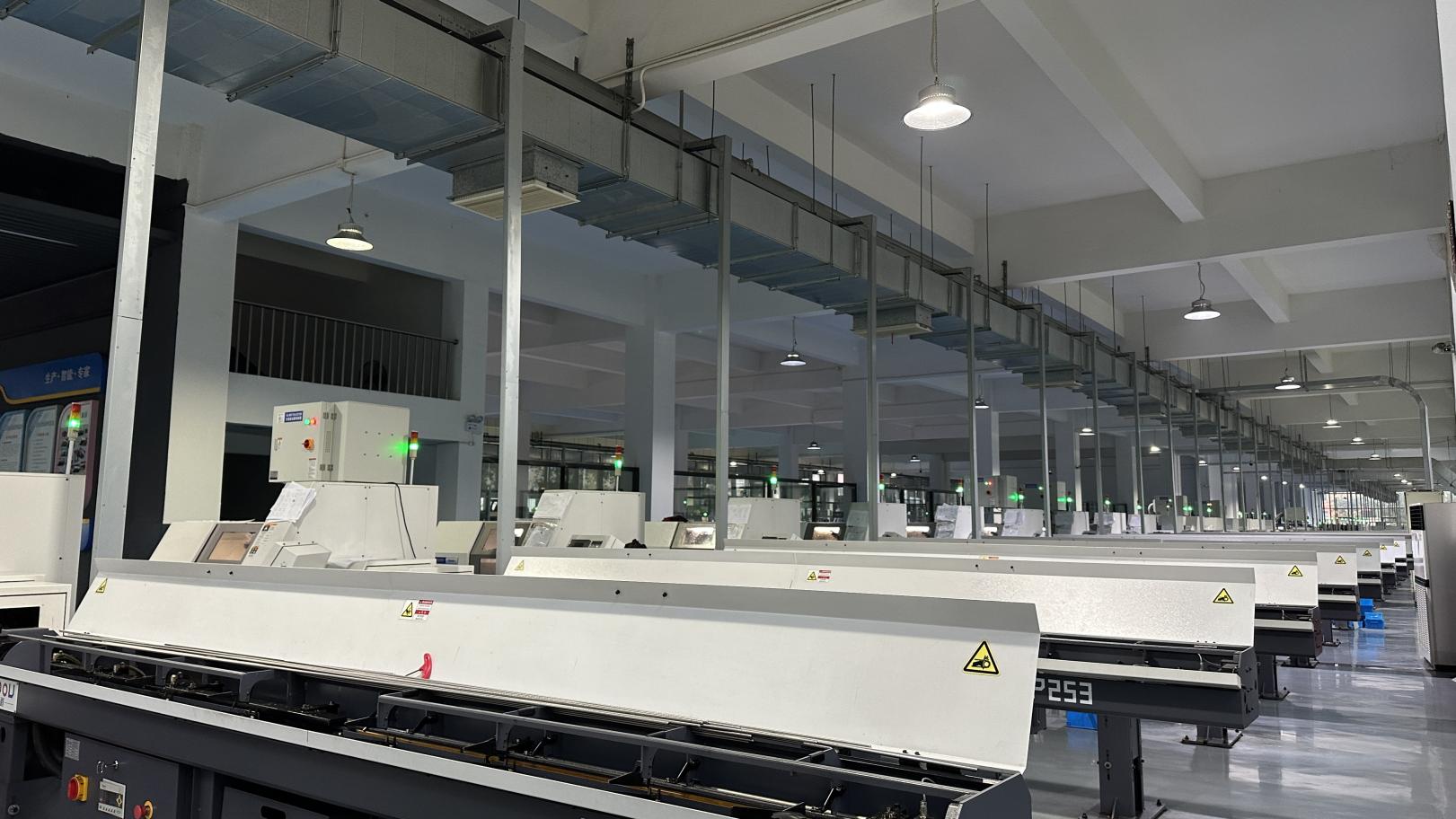
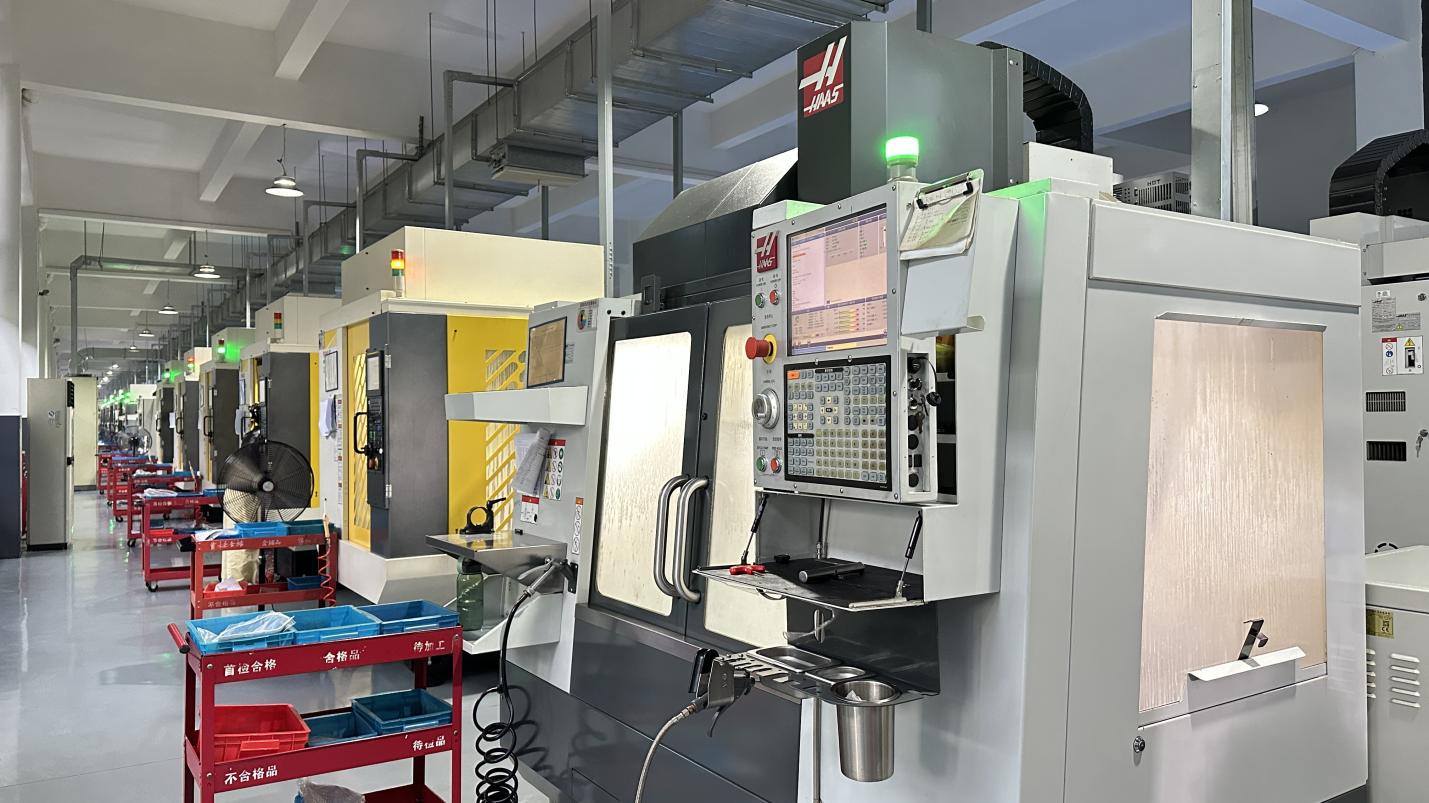
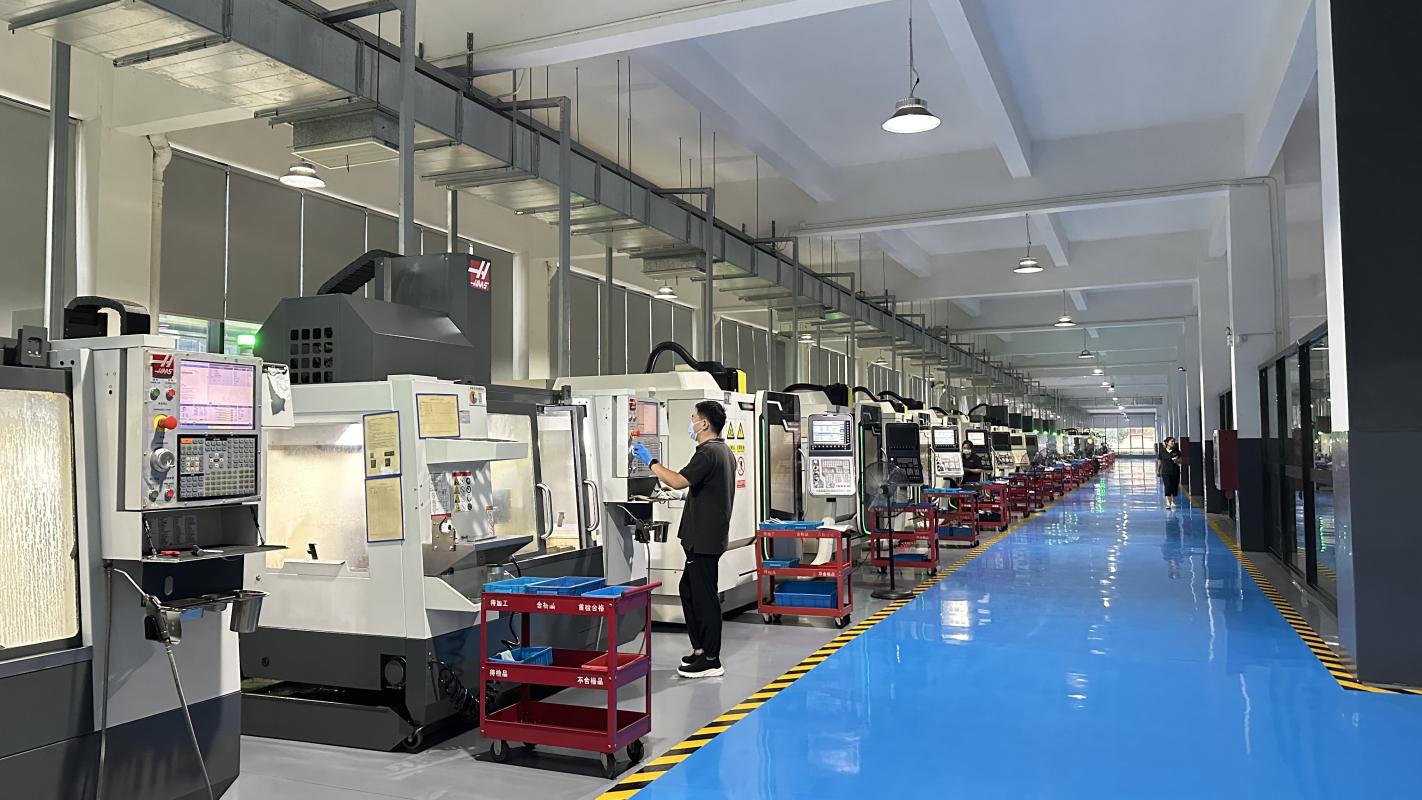
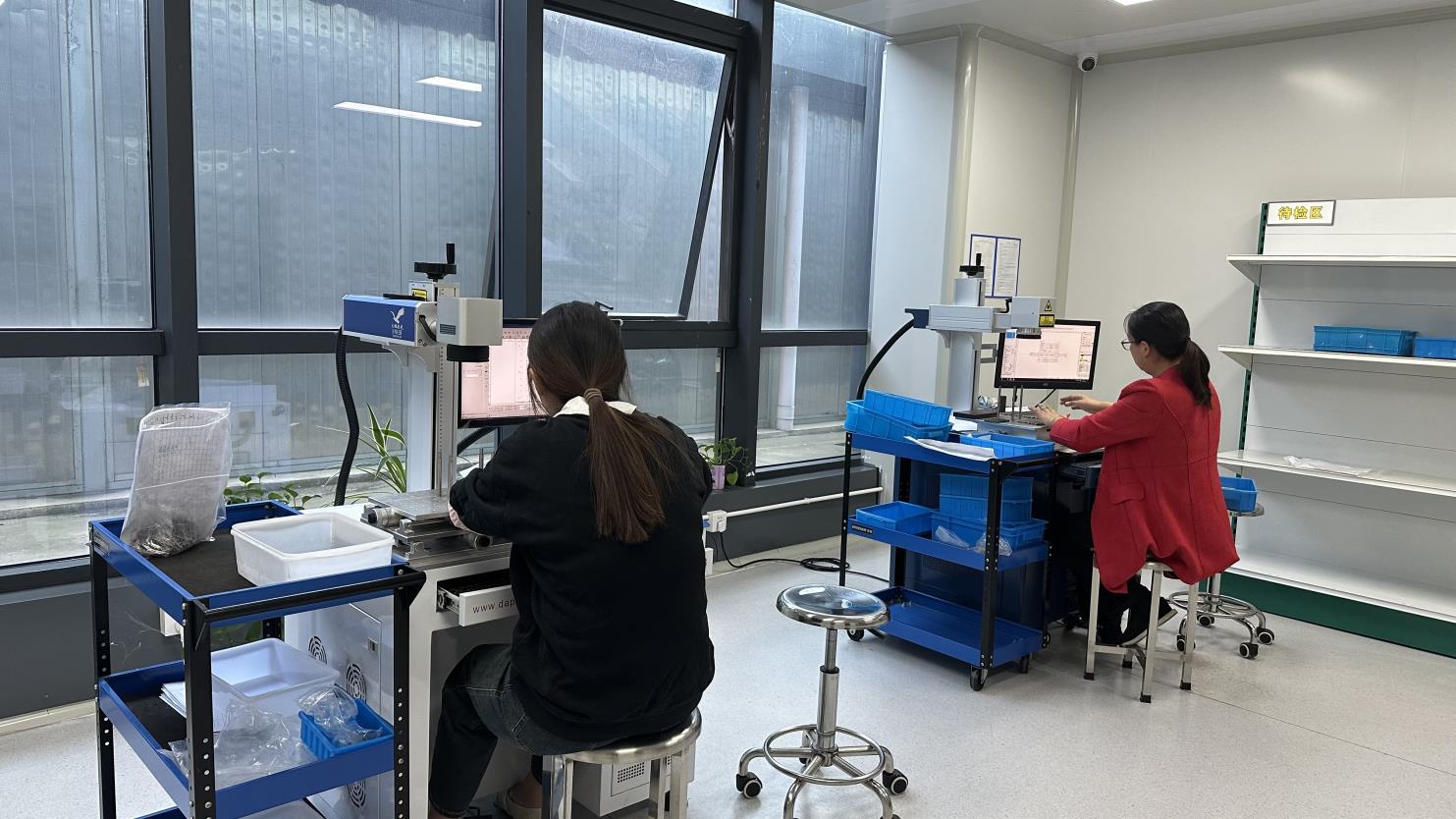
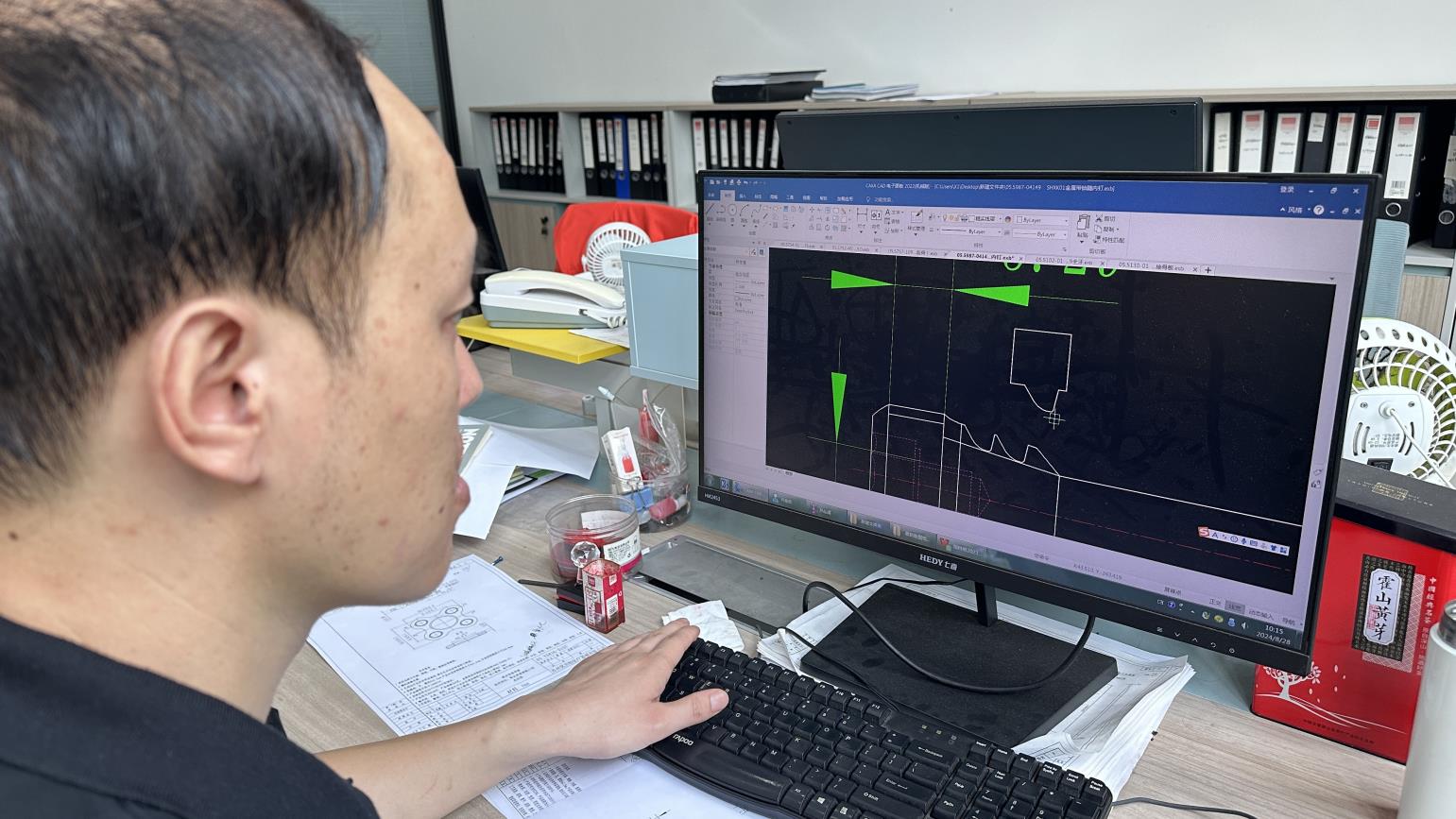
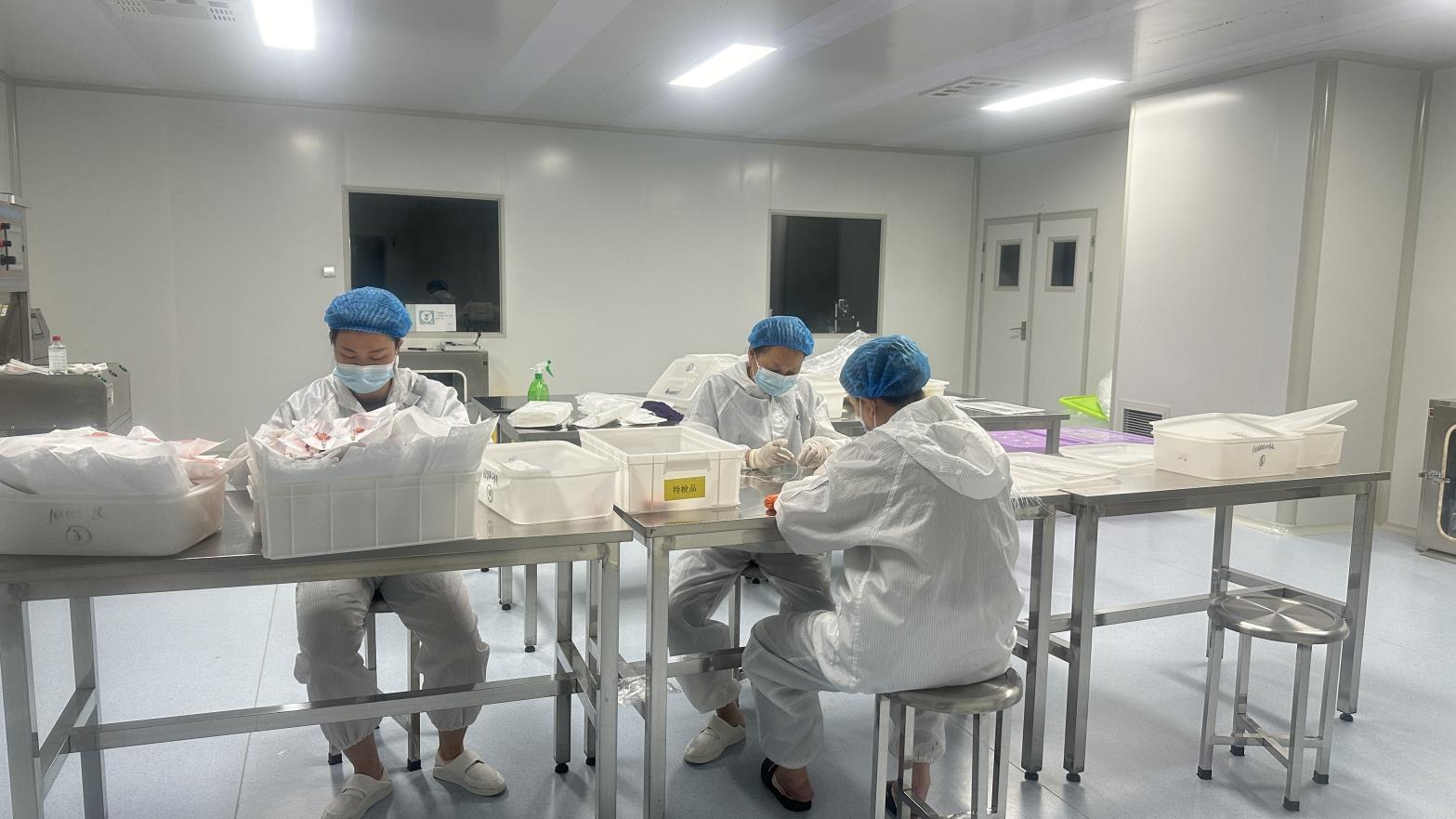
Aligning raw manufacturing outputs with practical orthopedic surgery environments
From a clinical perspective, orthopedic surgeons select specific fixation configurations based on fracture patterns and tissue biology. In pediatric trauma, biological preservation is the priority; implants like the Elastic Intramedullary Nail allow micro-motion that stimulates callus formation. Conversely, articular fractures necessitate rigid fixation using pre-contoured locking plates to restore anatomical alignment and joint mobility quickly.
For B2B procurement managers and global medical device distributors, sourcing implants involves balancing clinical efficacy with economic viability. Modern medical procurement teams look beyond basic item prices, focusing on total reliability metrics:
Technical and procurement responses for medical device buyers and orthopedic clinicians
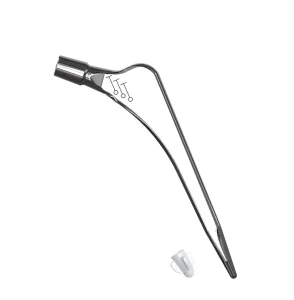
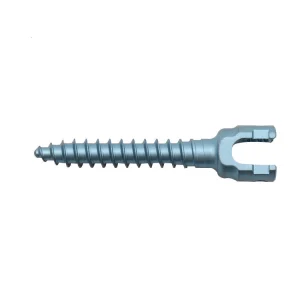
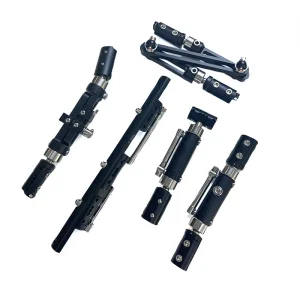
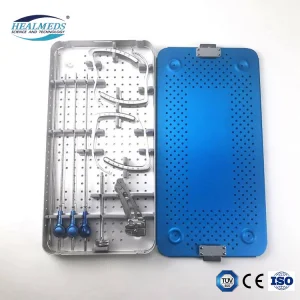
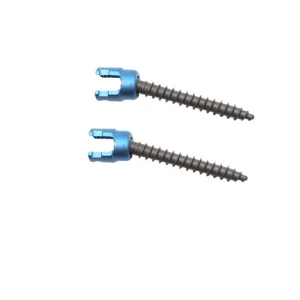
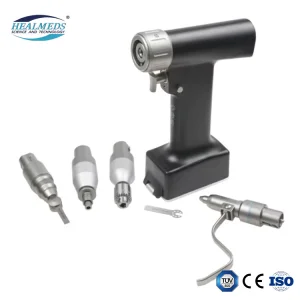
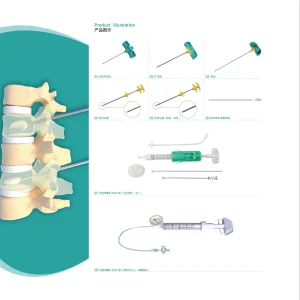
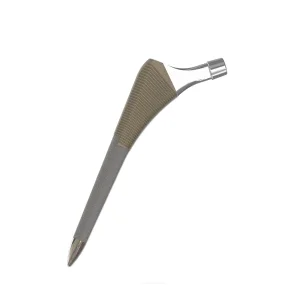
Additional advanced implants and instrumentation from our production facility