Bonevia
Bonevia
Bonevia
Precision engineered bone plates, nails, and orthopedic surgical toolkits trusted by surgeons globally.
Understanding the clinical requirements and mechanical properties of titanium mesh in neurosurgical procedures.
Cranial reconstruction, or cranioplasty, is a highly demanding neurosurgical procedure designed to restore the protective structural shell of the brain, optimize cerebral hemodynamics, and restore aesthetic symmetry to patients suffering from traumatic brain injuries (TBI), oncological resections, or congenital anomalies. The selection of materials is crucial to patient outcomes. Historically, materials such as autologous bone, polymethyl methacrylate (PMMA), and polyetheretherketone (PEEK) have been deployed. However, medical-grade titanium mesh remains the global gold standard due to its exceptional biocompatibility, superior tensile strength, lightweight properties, and outstanding corrosion resistance.
Neurosurgical procedures require materials that match the anatomical profile of the skull. Advanced titanium mesh provides the ultimate balance between structural rigidity and intraoperative malleability. It is strong enough to shield the brain parenchyma from external forces, yet ductile enough to be contoured by the surgical team to match complex temporal, frontal, or occipital curvatures.
| Material Property | Commercial Pure Titanium (Grade 2) | PEEK (Polyetheretherketone) | PMMA (Polymethyl Methacrylate) |
|---|---|---|---|
| Biocompatibility | Excellent (Osseointegrative) | Excellent (Inert) | Moderate (Risk of Exothermic Heat) |
| Tensile Strength (MPa) | 345 - 480 | 90 - 100 | 50 - 70 |
| Imaging Compatibility | Minimal CT/MRI Artifacts (Thin profile) | Radiolucent | Radiolucent |
| Infection Profile | Low (Rapid vascular growth support) | Low to Moderate | High (No vascular integration) |
| Modifiability | Intraoperative manual contouring | Pre-formed (CNC required) | Intraoperative polymerization |
The micro-architecture of cranial titanium mesh is intentionally engineered with specific pore sizes (ranging from 1.5mm to 3.0mm) to allow rapid soft-tissue ingrowth and vascularization. This prevents fluid collection (seroma formation) and facilitates the natural connection between the pericranial tissue layers and the dura mater. Without this vascular communication, the risk of implant extrusion and chronic infection increases dramatically. Consequently, high-precision slitting and wire-cutting procedures are deployed to ensure completely burr-free edges and uniform pore dimensions across the entire titanium mesh sheet.
Company Profile – Bonevia Orthopedic Technology Co., Ltd.
Bonevia Orthopedic Technology Co., Ltd. is a professional manufacturer specializing in orthopedic implants and surgical solutions, dedicated to advancing innovation in trauma, spine, and joint reconstruction products. Since its establishment in 2015, the company has grown steadily into a trusted supplier in the global orthopedic industry.
With a modern production facility covering approximately 320㎡, Bonevia maintains strict quality management standards and efficient manufacturing processes. The company records an annual export revenue of around USD 8–15 million, supported by 6 years of export experience and over 10 years of overall industry experience.
Quality assurance is a core focus at Bonevia. The company implements multiple inspection methods including incoming material inspection, in-process quality control, and final product testing, supported by a dedicated quality team of 35 professionals. This ensures all products meet international medical device standards.
Bonevia has a solid trade foundation with diversified global distribution networks, serving major markets across Europe, Southeast Asia, the Middle East, and South America. Its supply chain ecosystem includes more than 850 partners, enabling stable raw material sourcing and efficient production delivery.
The company serves a wide range of clients, including hospitals, orthopedic clinics, surgical centers, and medical distributors. Bonevia also demonstrates strong R&D capabilities, offering OEM and ODM customization services to meet specific clinical requirements.
In the past year, Bonevia successfully launched 120 new product designs, supported by a research and development team of 85 engineers, continuously driving innovation in orthopedic implant systems and surgical instruments.
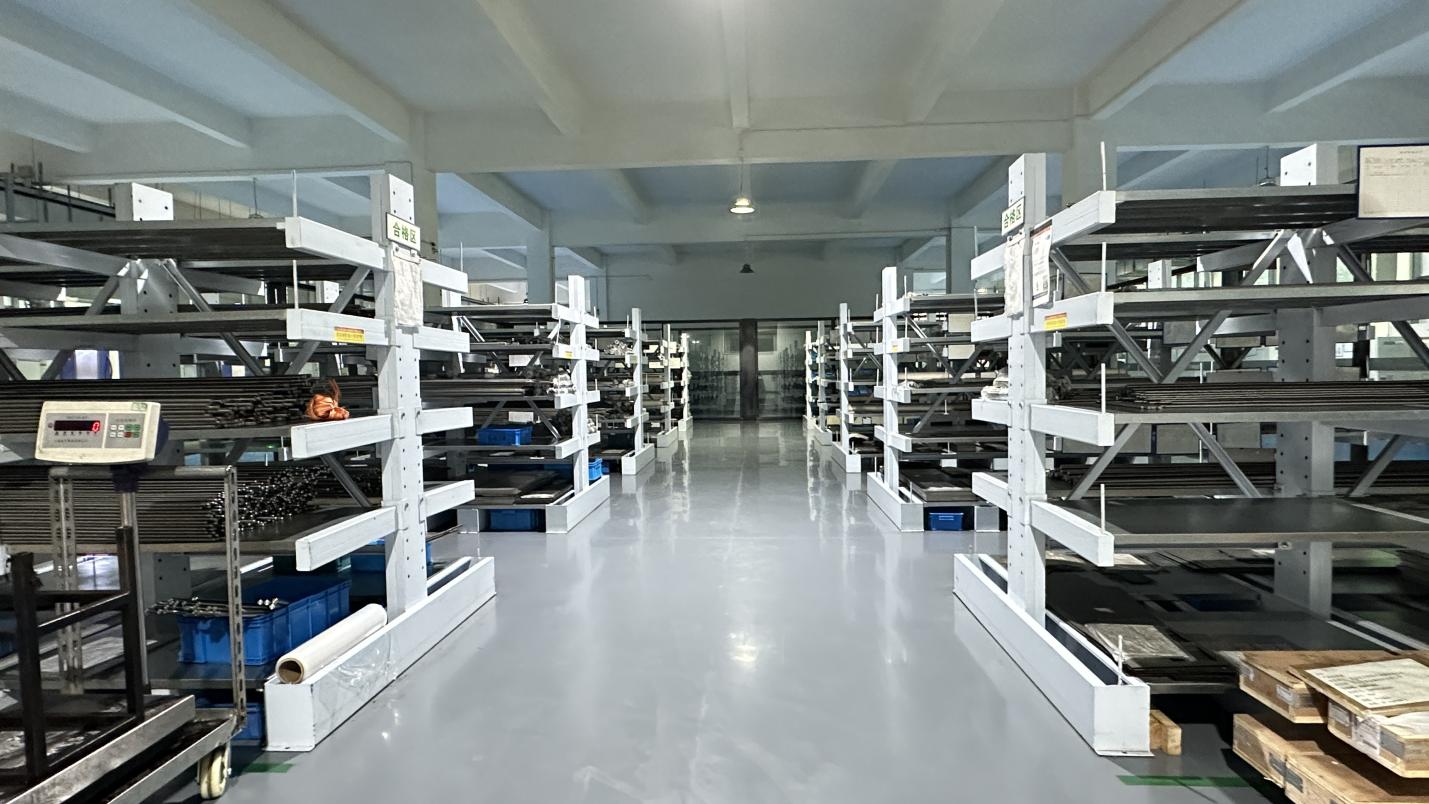
Aligning advanced medical manufacturing processes with country-specific regulatory frameworks.
Entering international healthcare markets requires adherence to medical regulatory standards. Bonevia manages a medical device manufacturing facility that meets the requirements of ISO 13485:2016 (Medical Devices — Quality Management Systems). This systematic framework guarantees complete traceability of every single titanium sheet from the primary mill ladle melt analysis to the final cleanroom sterile packaging.
Regulatory dynamics vary by region:
The manufacturing process relies on raw materials sourced from verified suppliers. Bonevia utilizes premium titanium alloys complying with ASTM F67 (Standard Specification for Unalloyed Titanium for Surgical Implant Applications) and ASTM F136 (Standard Specification for Wrought Titanium-6Aluminum-4Vanadium ELI for Surgical Implant Applications). The metallurgical structure undergoes strict testing:
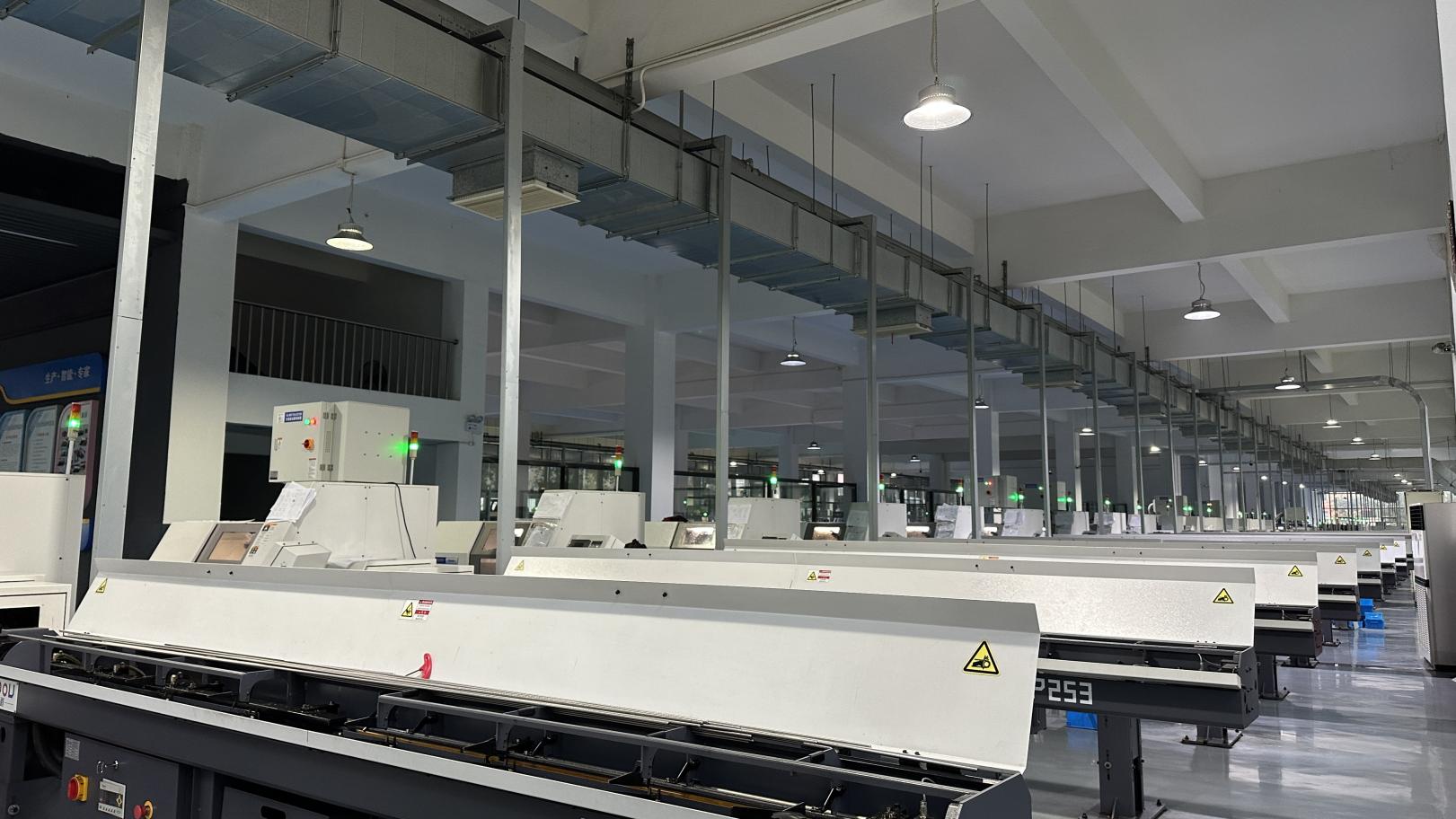
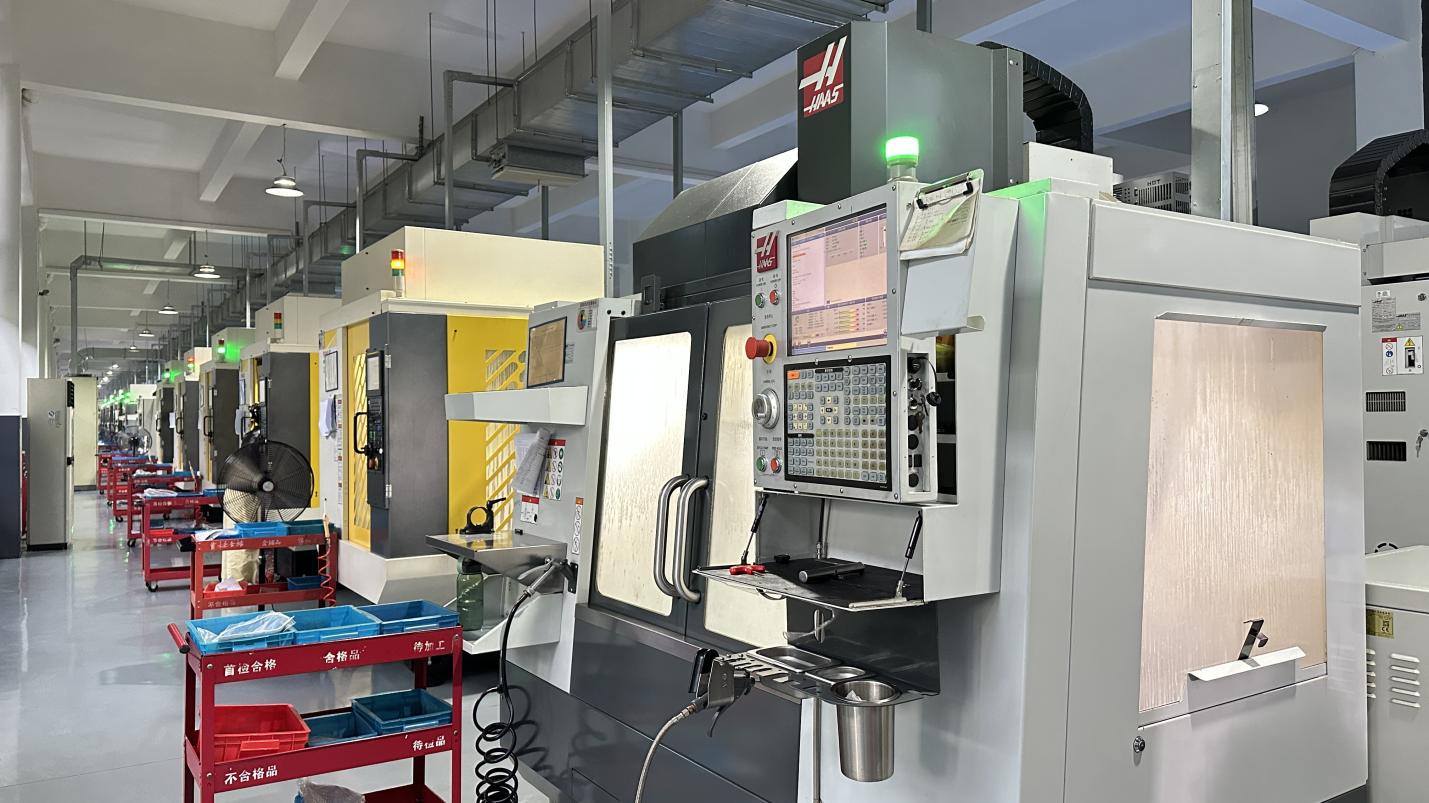
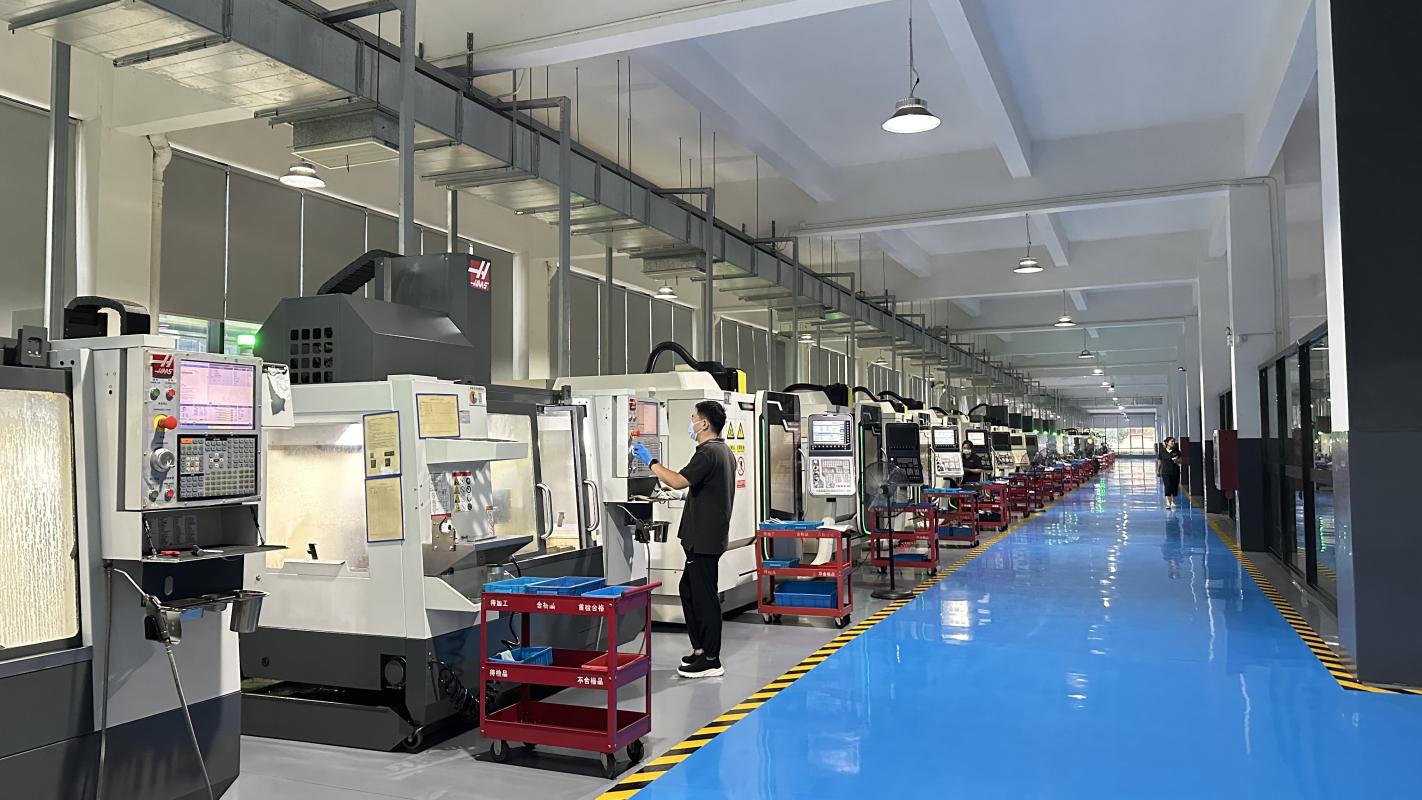
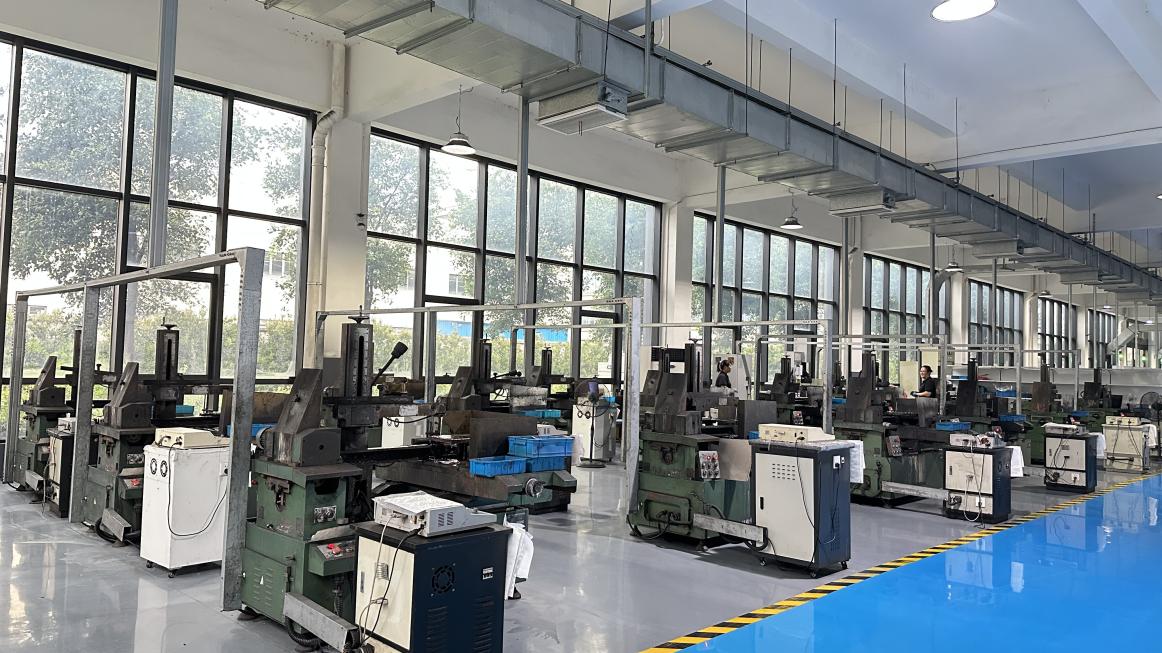
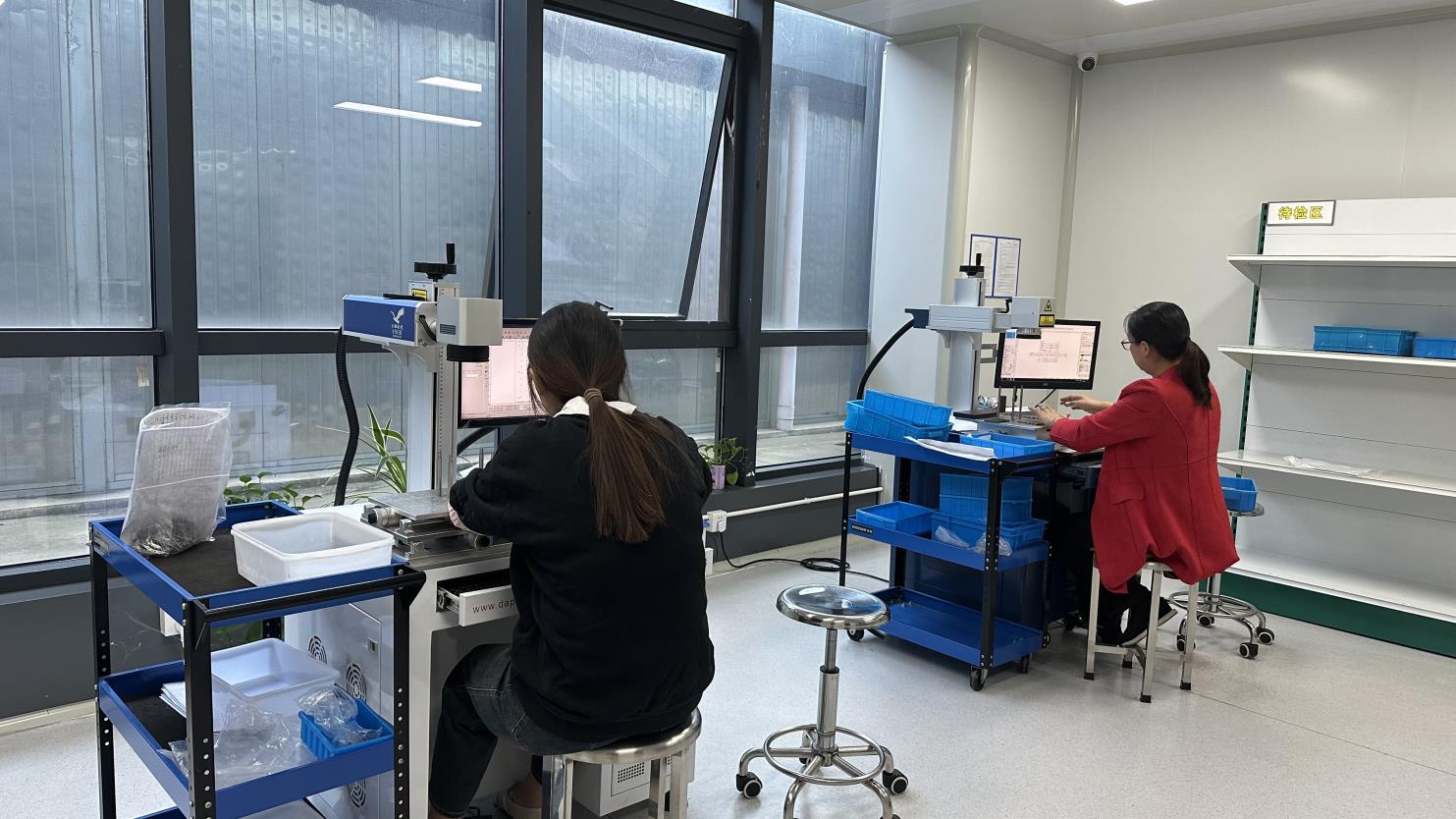
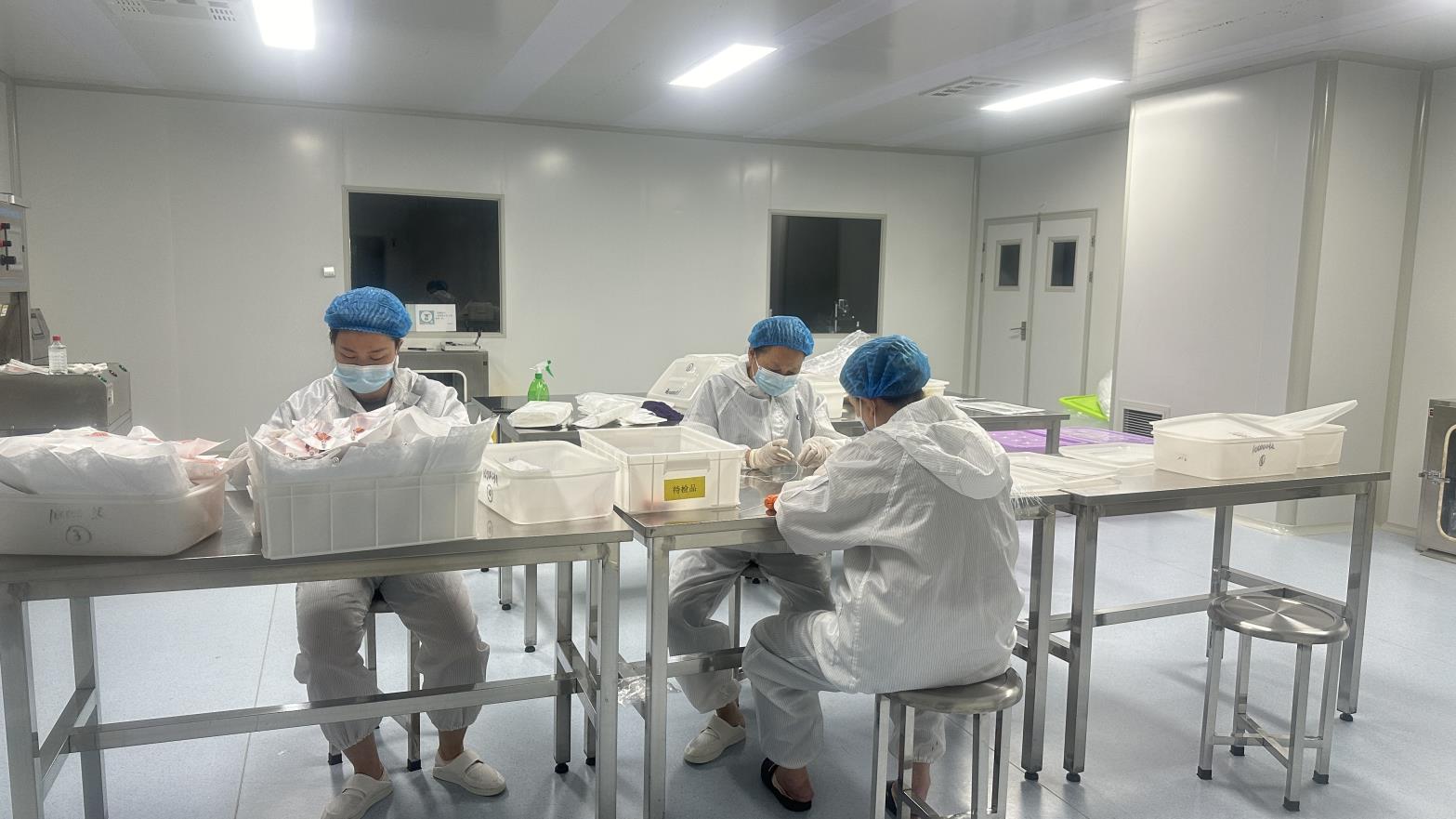
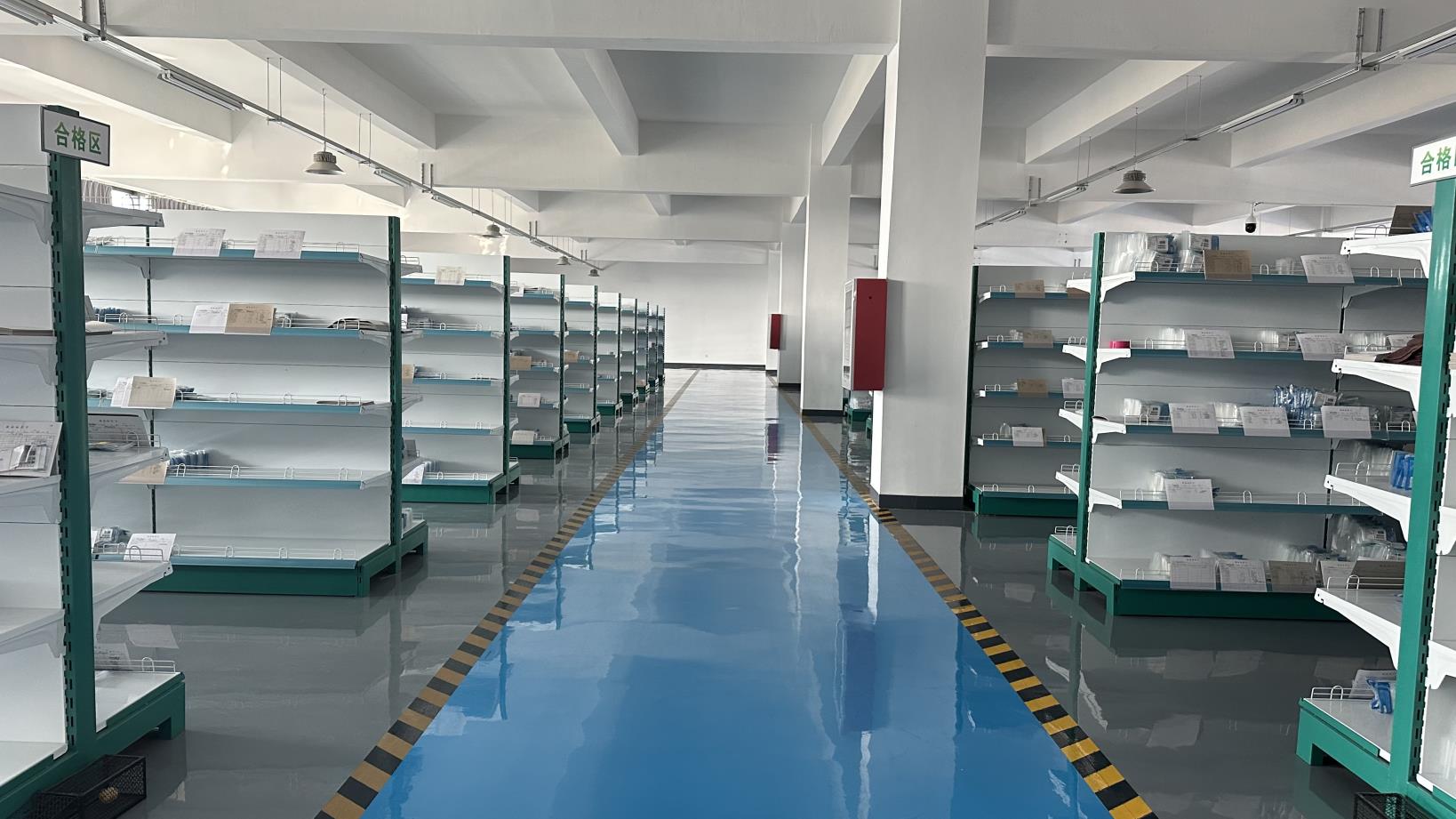
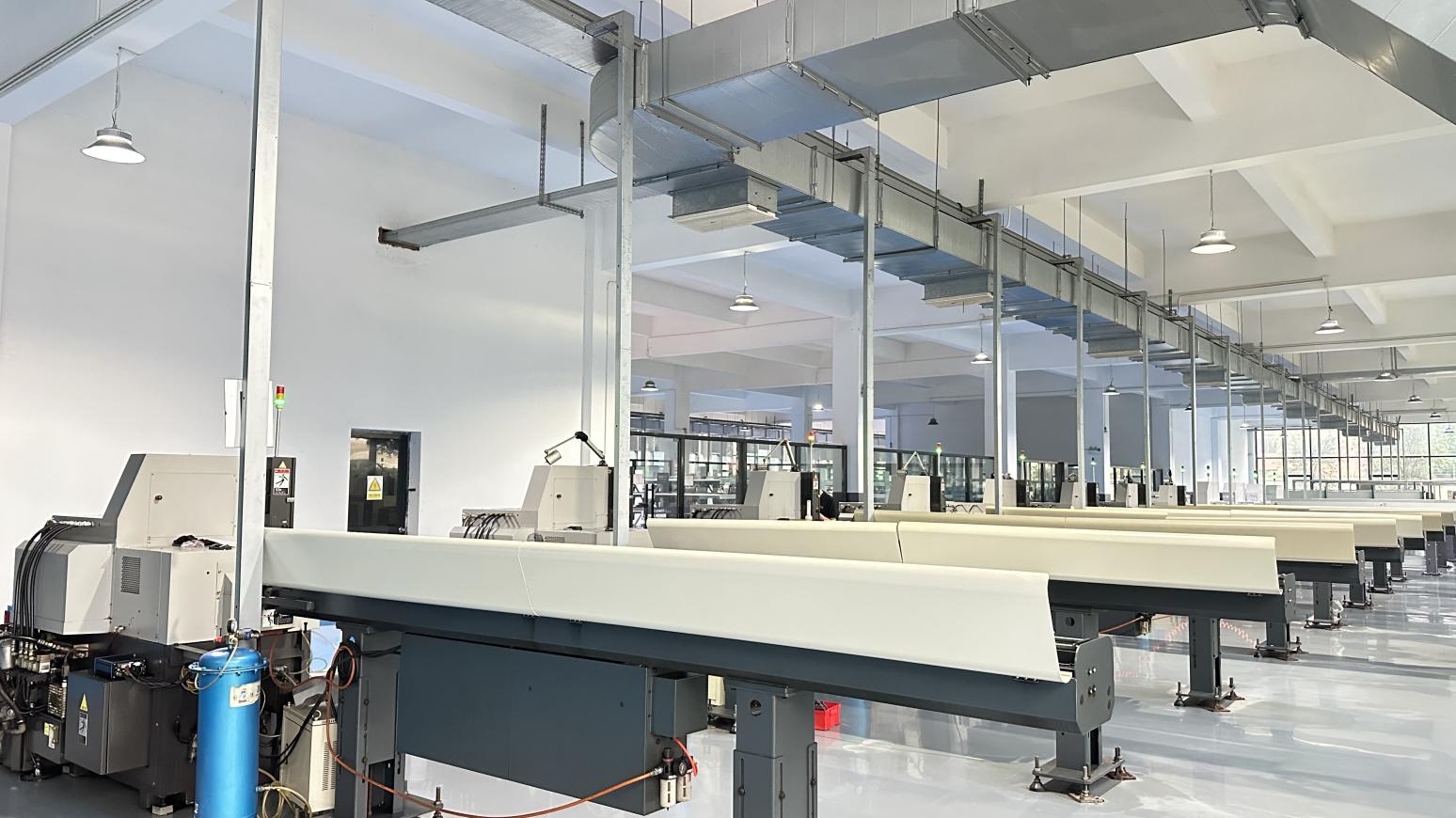
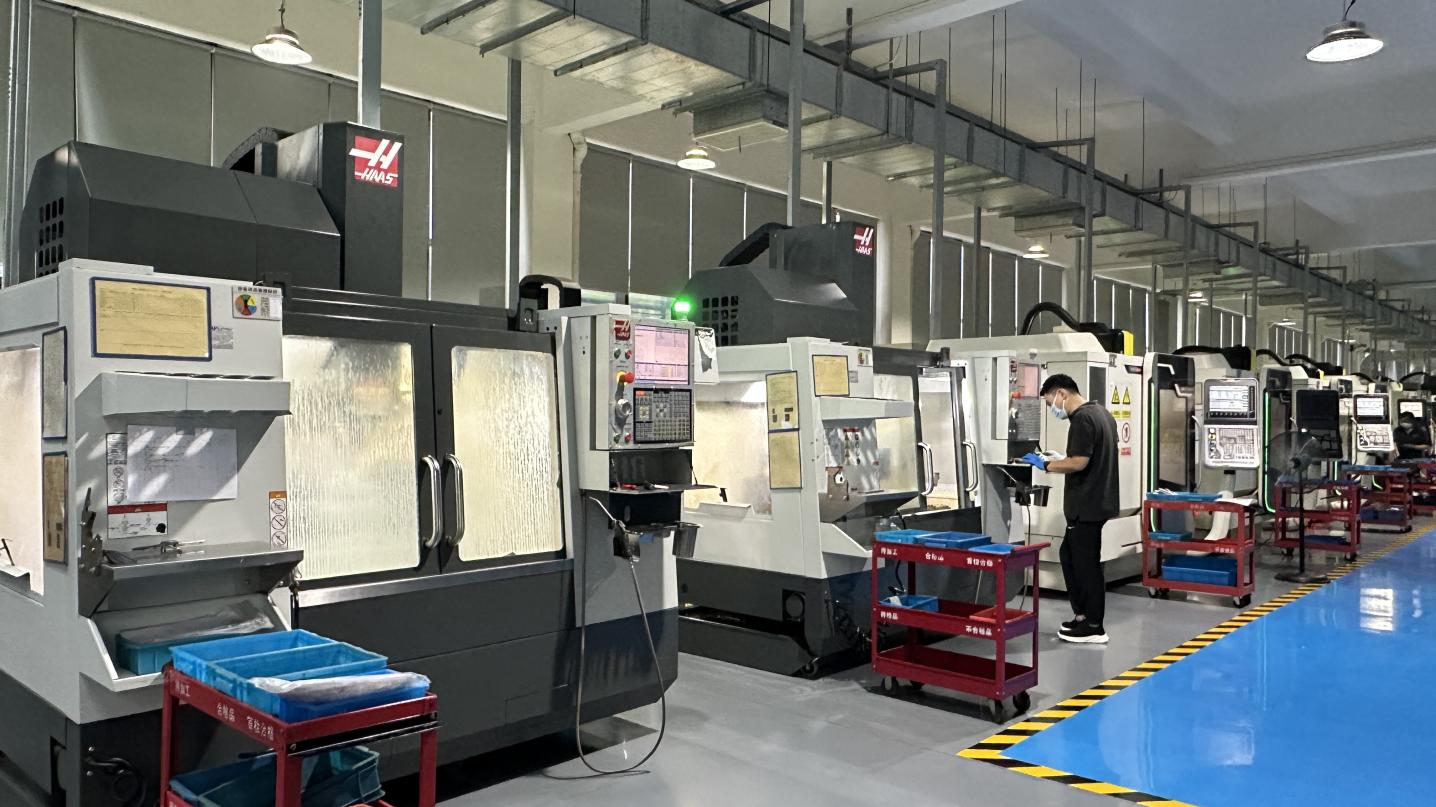
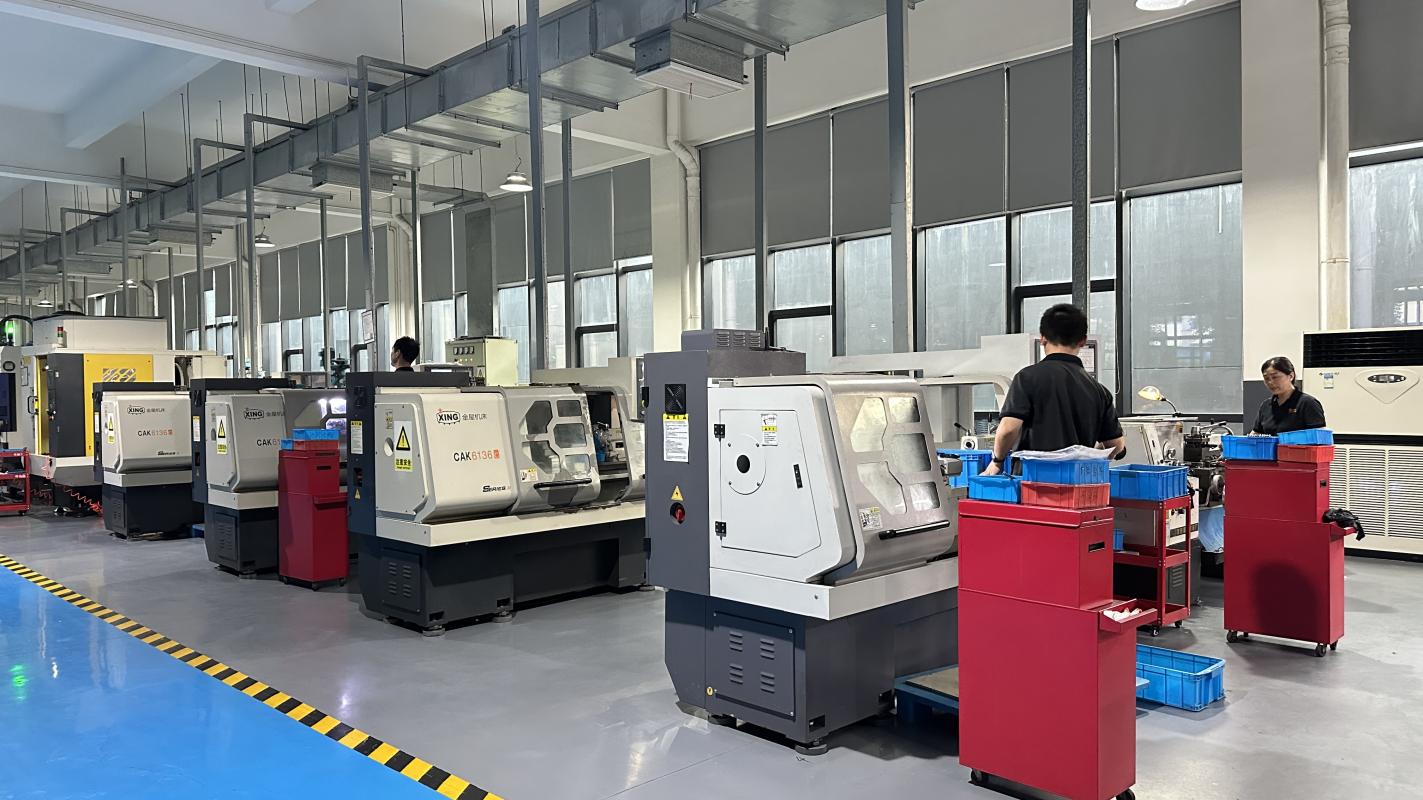
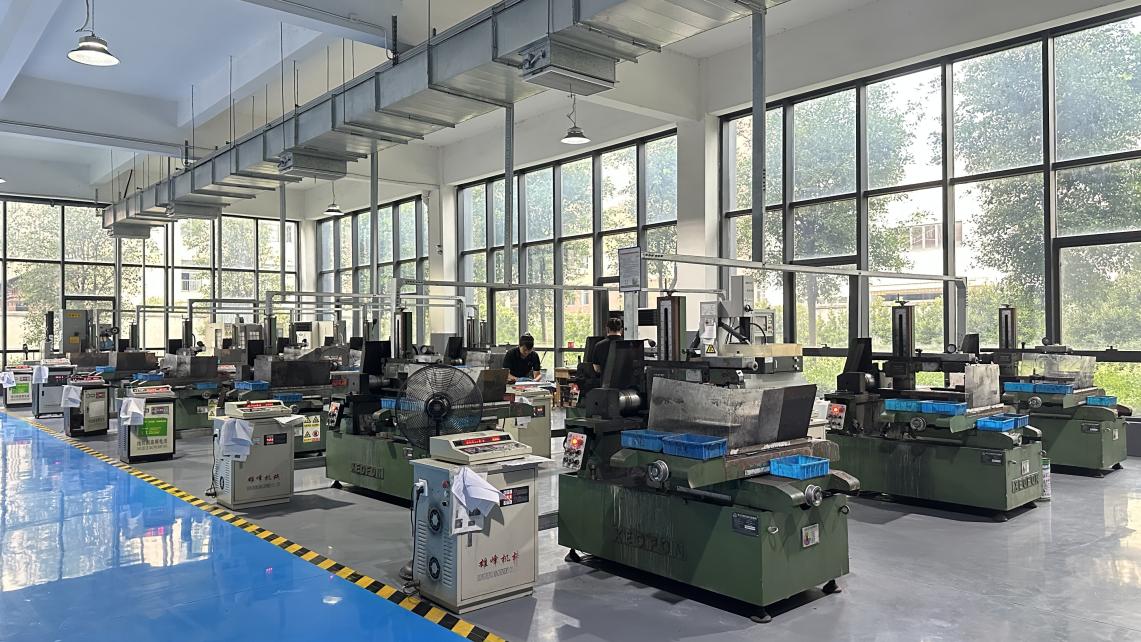
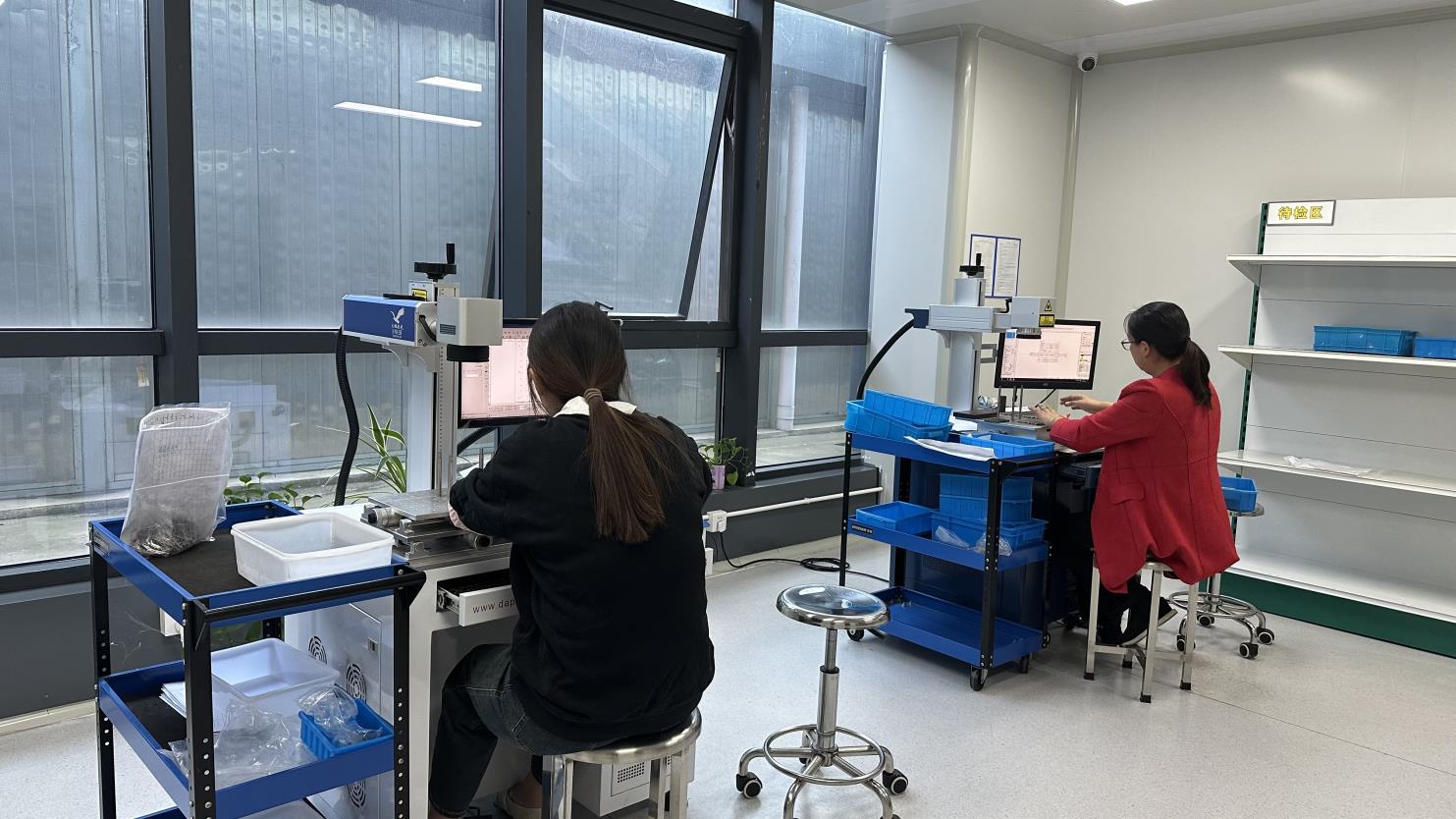
Visual workflow showing how raw medical-grade titanium is converted into high-precision surgical implants.
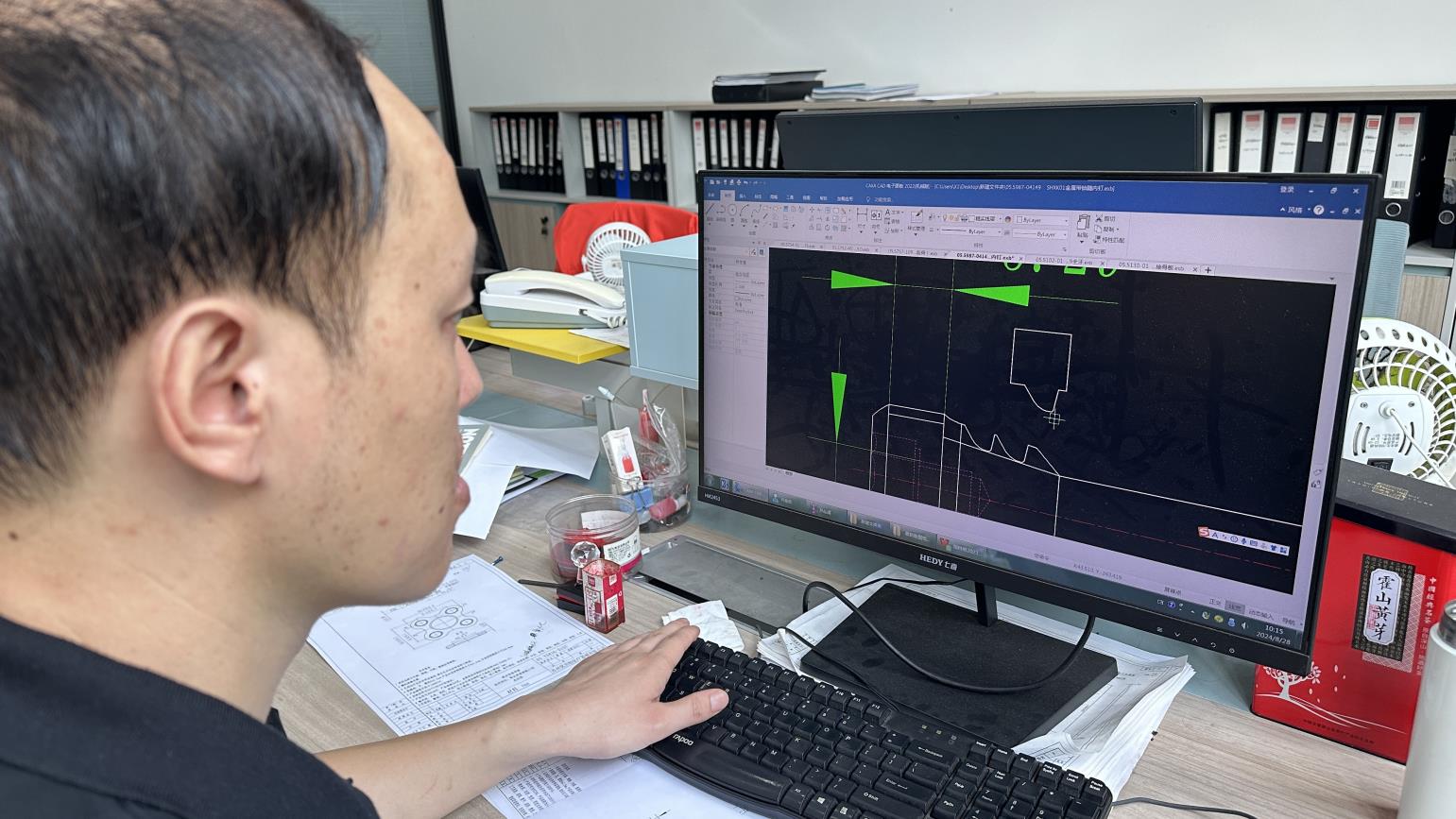
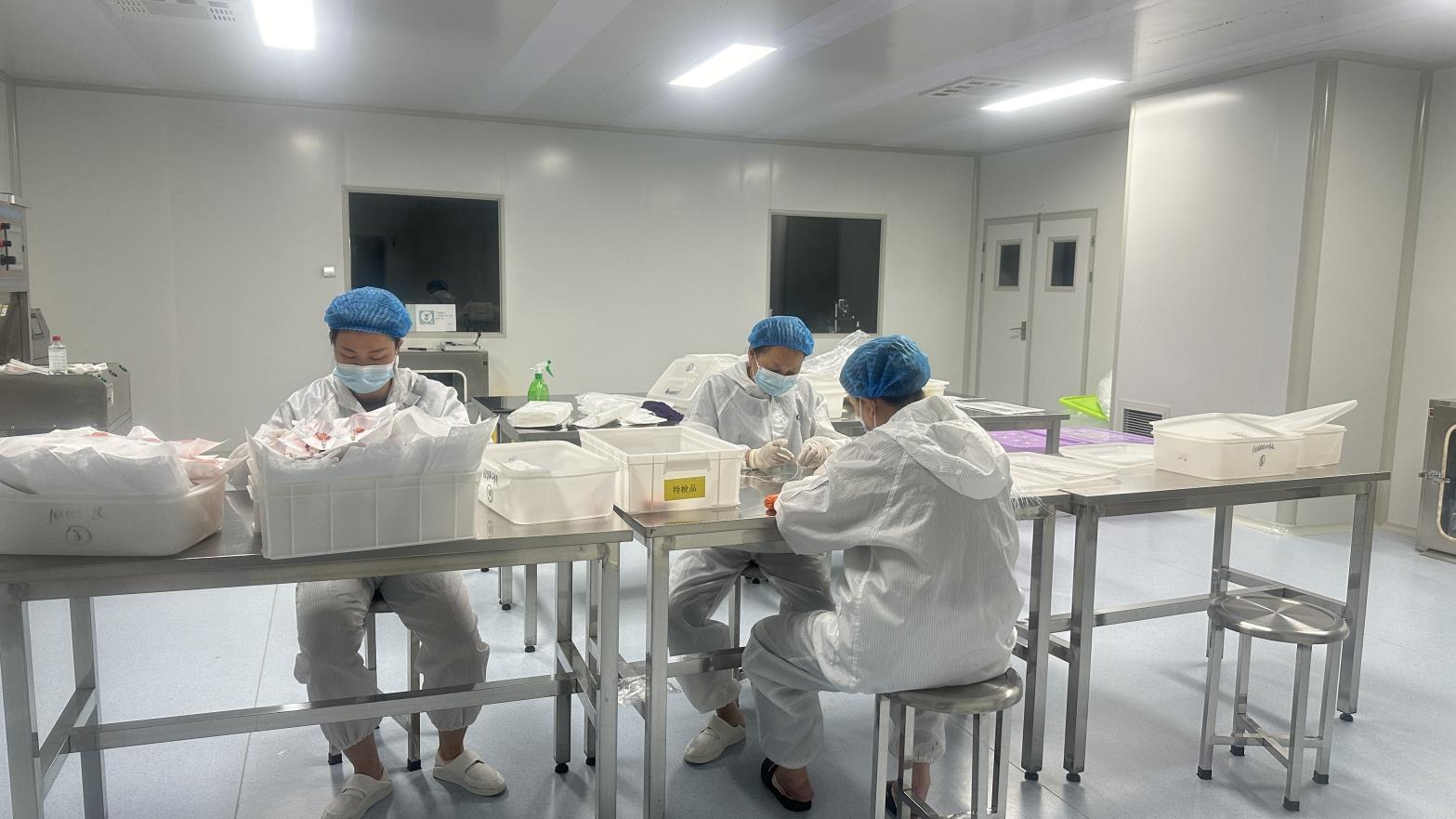
Evaluating B2B cost efficiencies, lead times, and technological advancements driving Chinese export markets.
China is home to the world's largest concentration of titanium smelting and processing hubs. This industrial centralization provides several key advantages:
For hospital purchasing systems and medical device distributors, the challenge is maintaining clinical safety while containing costs. Chinese manufacturers achieve 30% to 50% cost reductions compared to Western counterparts. This is done through lean production layouts and vertically integrated supply lines, without compromising compliance with ISO and ASTM standards. When purchasing from Chinese factories, procurement managers should focus on verifying three key elements: material certificates (MTR), third-party bio-compatibility records, and cleanroom sterilization validation reports (SAL 10-6).
How different titanium designs are utilized in modern neurosurgical procedures.
Following decompressive craniectomies due to severe traumatic brain injury, large titanium mesh plates are contoured to restore intra-cranial pressure dynamics and protect the brain from atmospheric compression syndrome.
After the removal of bone-invasive meningiomas or osteosarcomas, rigid titanium mesh combined with micro-screws secures the margins, offering immediate structural reconstruction.
Ultra-thin, malleable titanium sheets are used for reconstructing congenital skull deformities like craniosynostosis. These sheets are designed to adapt to the patient's anatomy while supporting future growth.
How advanced design techniques and manufacturing methods are shaping the future of cranial reconstruction.
The field of neurosurgical cranial implants is moving toward personalized medicine and advanced surface treatments. Key developmental areas include:
Addressing common questions regarding regulatory compliance, customization options, and material characteristics.
Grade 2 titanium is commercially pure titanium, offering high malleability, good ductility, and excellent corrosion resistance. This makes it ideal for mesh designs that need to be manually contoured in the operating room. Grade 5 titanium (Ti-6Al-4V) is an alloy with higher tensile strength, which is preferred for pre-formed implants or situations requiring maximum structural resistance against external forces.
Yes. Bonevia offers OEM and ODM services. Our engineering team can process CAD/CAM designs and work with clinical DICOM data to manufacture custom titanium implants, helping surgeons match the unique anatomical needs of each patient.
All our orthopedic implants are manufactured under strict environmental controls. We implement incoming inspection, in-process quality control, and final product testing. The finished products are packed in cleanroom environments and validated to achieve a Sterility Assurance Level (SAL) of 10-6, meeting international ISO 13485 standards.
Standard items are processed through our warehouse. For customized OEM/ODM runs, production times vary from 15 to 30 days depending on complexity, backed by our established raw material supply lines and a team of 85 R&D engineers.
High-durability spinal, trauma, and veterinary reconstructive solutions.