Bonevia
Bonevia
Bonevia
Direct sourcing of micro-invasive joint reconstruction and spinal fixation solutions, fully compliant with CE/ISO standards.
Analyzing clinical efficacy, patient-specific kinematics, and the strategic advantages of early intervention.
Unicompartmental Knee Arthroplasty (UKA) represents a highly specialized alternative to Total Knee Arthroplasty (TKA) for patients with compartmentalized osteoarthritis. In contrast to total knee replacements, which require the excision of both cruciate ligaments and the complete resurfacing of the joint, UKA preserves healthy tissue, including the Anterior Cruciate Ligament (ACL) and Posterior Cruciate Ligament (PCL), thereby maintaining natural joint proprioception and kinematics.
Global procurement specialists are increasingly selecting UKA implants because of their distinct physiological benefits: faster post-operative rehabilitation, reduced hospital stay durations, decreased blood loss during surgery, and superior range of motion. Modern patient cohorts demand active lifestyles post-intervention, positioning UKA as a critical component in orthopedic surgical center offerings worldwide.
"Clinical registries demonstrate a survivorship rate of over 92% to 95% at 10-15 years for UKA when executed with precise instrumentation. This makes material purity and tolerance accuracy the primary benchmarks for hospital purchasing teams."
For medical device distributors and hospital networks across Europe, North America, and Latin America, securing high-performing orthopedic implants is highly complex. Stringent regulatory frameworks, such as the EU MDR (Medical Device Regulation), necessitate extensive biocompatibility validation, material traceability, and continuous clinical evaluation.
Key procurement requirements include:
A reliable manufacturer specializing in orthopedic implants and customized surgical solutions.
Bonevia Orthopedic Technology Co., Ltd. is a professional manufacturer specializing in orthopedic implants and surgical solutions, dedicated to advancing innovation in trauma, spine, and joint reconstruction products. Since its establishment in 2015, the company has grown steadily into a trusted supplier in the global orthopedic industry.
With a modern production facility covering approximately 320㎡, Bonevia maintains strict quality management standards and efficient manufacturing processes. The company records an annual export revenue of around USD 8–15 million, supported by 6 years of export experience and over 10 years of overall industry experience.
Quality assurance is a core focus at Bonevia. The company implements multiple inspection methods including incoming material inspection, in-process quality control, and final product testing, supported by a dedicated quality team of 35 professionals. This ensures all products meet international medical device standards.
Bonevia has a solid trade foundation with diversified global distribution networks, serving major markets across Europe, Southeast Asia, the Middle East, and South America. Its supply chain ecosystem includes more than 850 partners, enabling stable raw material sourcing and efficient production delivery.
The company serves a wide range of clients, including hospitals, orthopedic clinics, surgical centers, and medical distributors. Bonevia also demonstrates strong R&D capabilities, offering OEM and ODM customization services to meet specific clinical requirements. In the past year, Bonevia successfully launched 120 new product designs, supported by a research and development team of 85 engineers, continuously driving innovation in orthopedic implant systems and surgical instruments.
Showcasing state-of-the-art CNC Swiss lathe machining, wire-cutting, laser marking, and advanced quality validation.
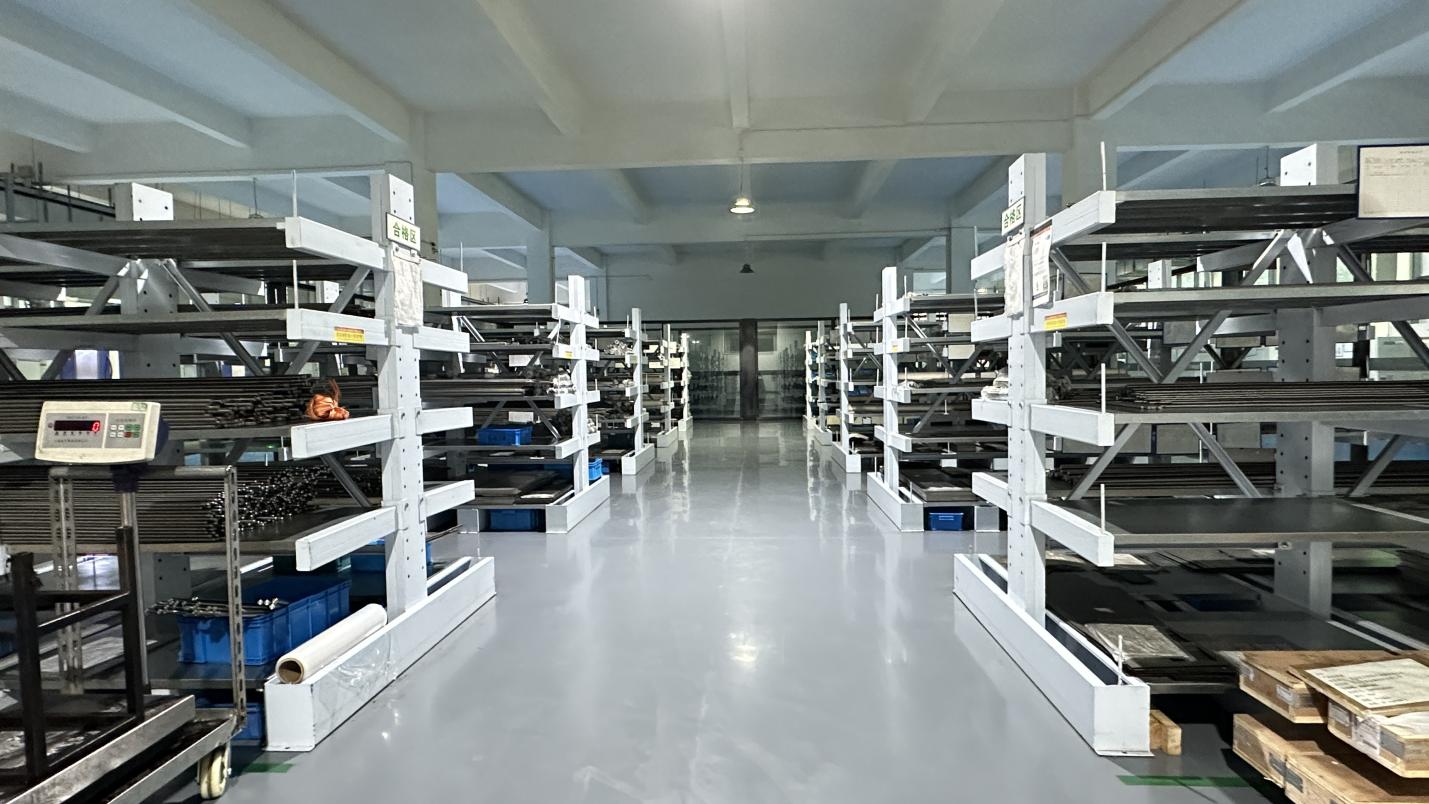
Raw biomedical alloys undergo optical emission spectrometry and ultrasonic testing to verify material density and alloy distribution.
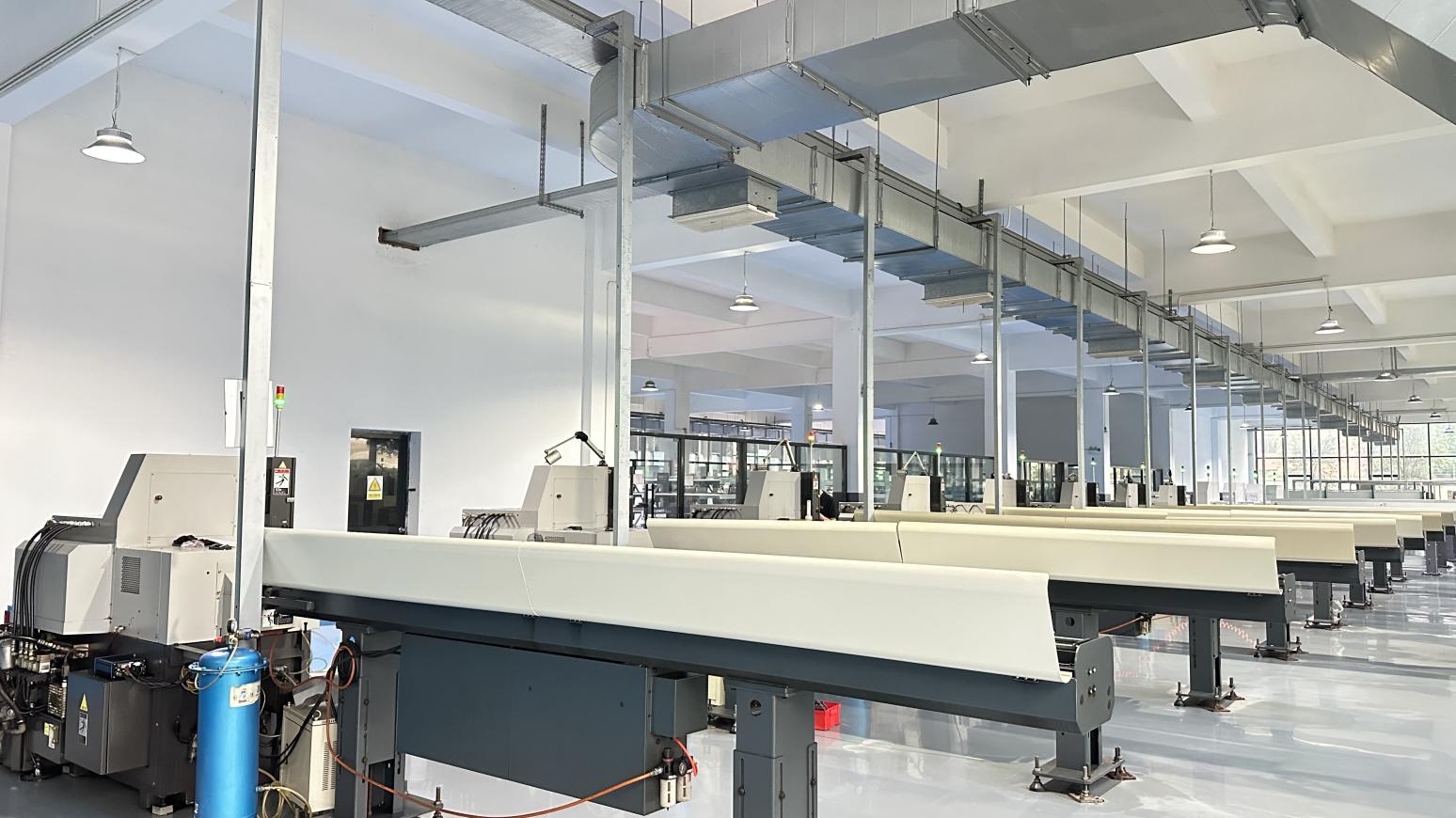
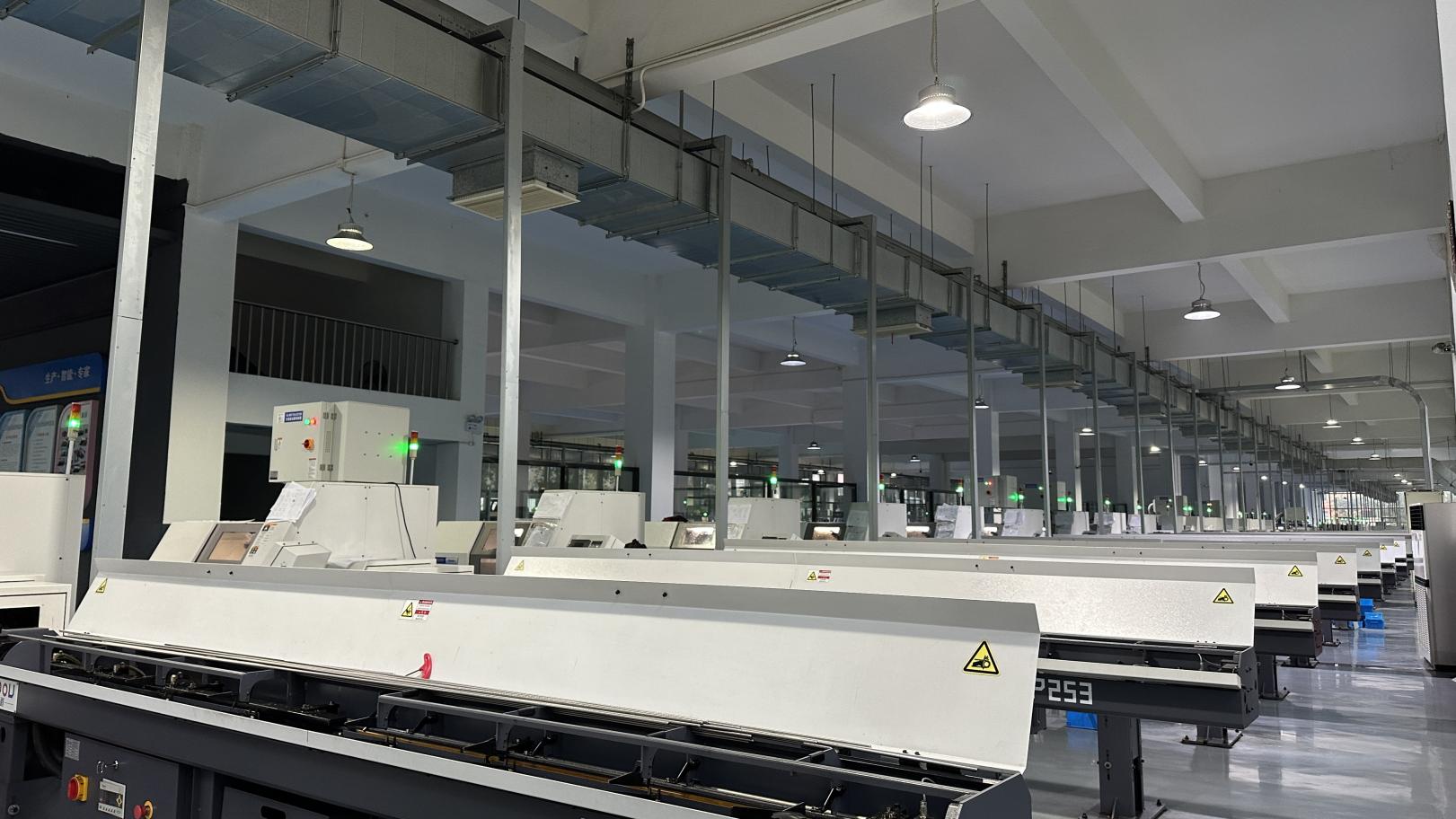
Utilizing high-precision slitting machines to prepare surgical rod and plate blanks for multi-axis milling and turning operations.
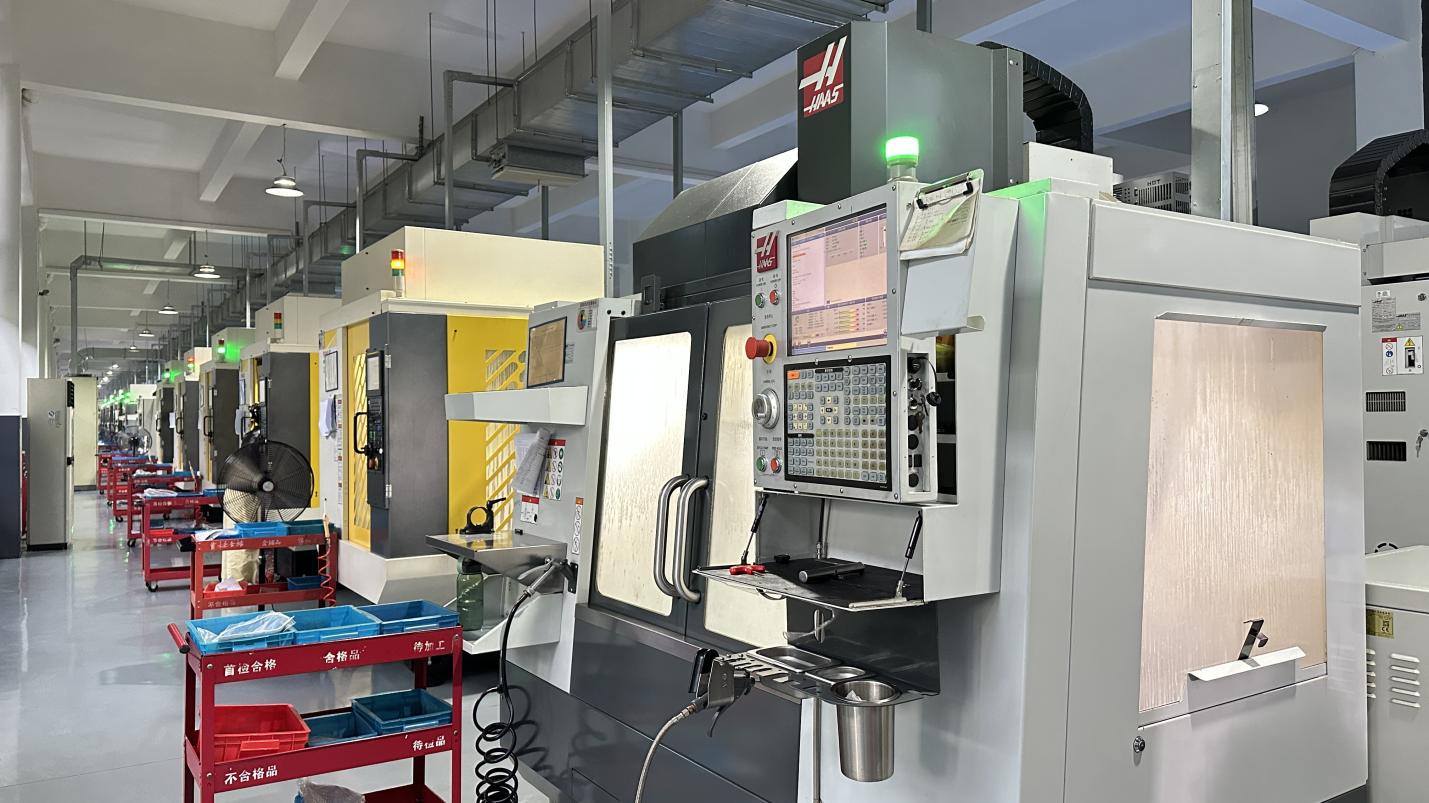
Milling intricate anatomical contours of implants. Tolerance thresholds are strictly limited to ±5 microns.
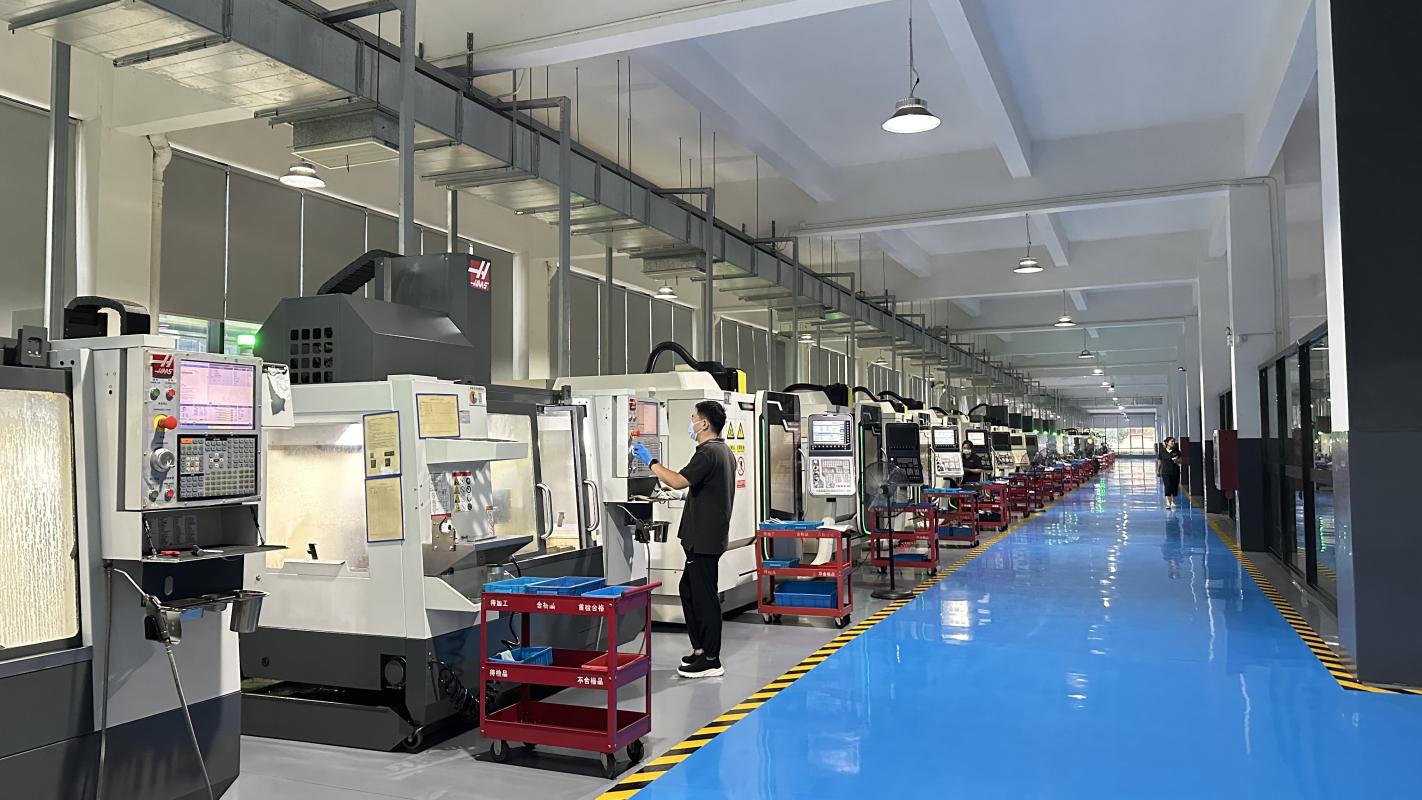
Dedicated lathes processing fixation screws, joint pins, and cannulated shafts with uniform structural integrity.
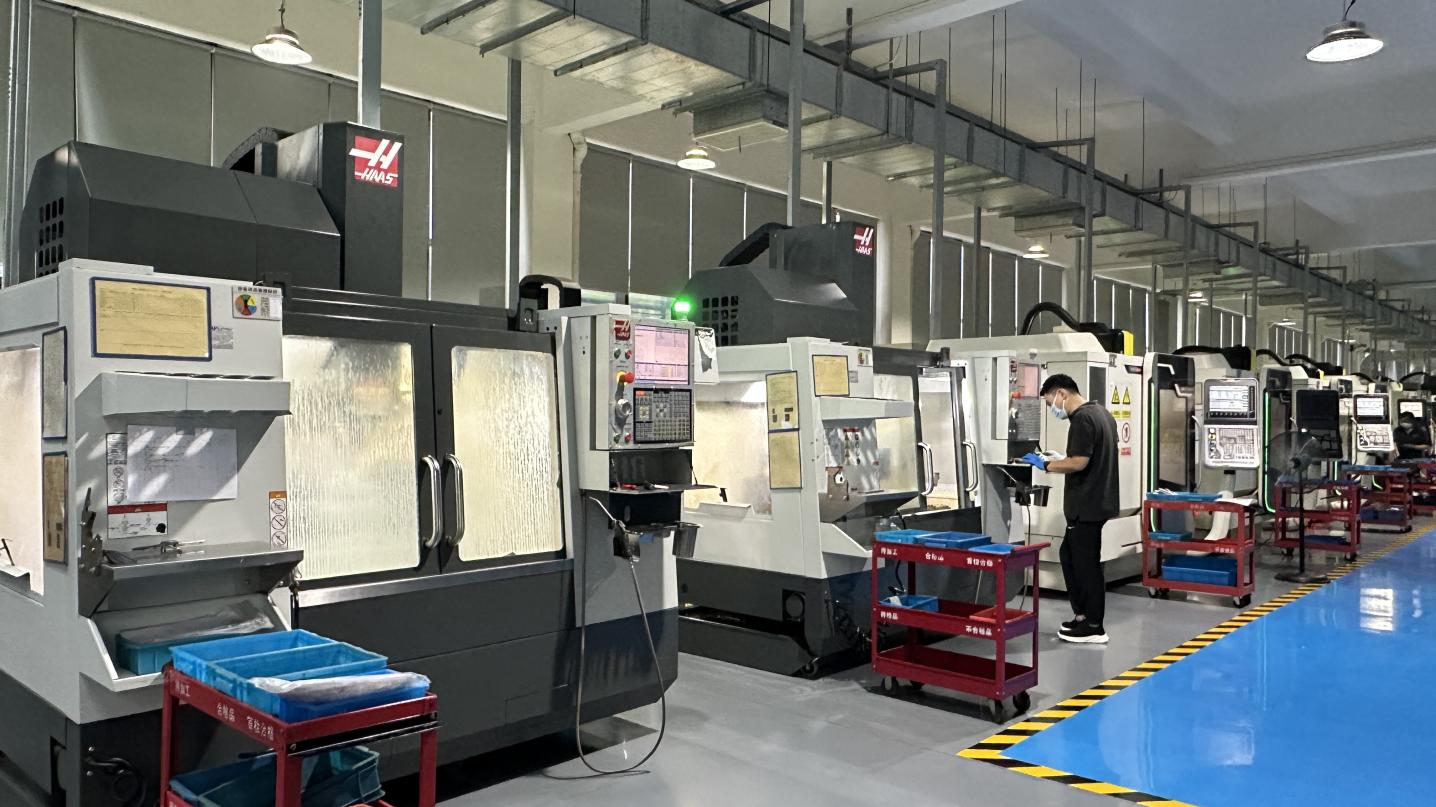
Multi-axis tooling path design facilitates minimal surface roughness (Ra < 0.4 microns) for joint mating surfaces.
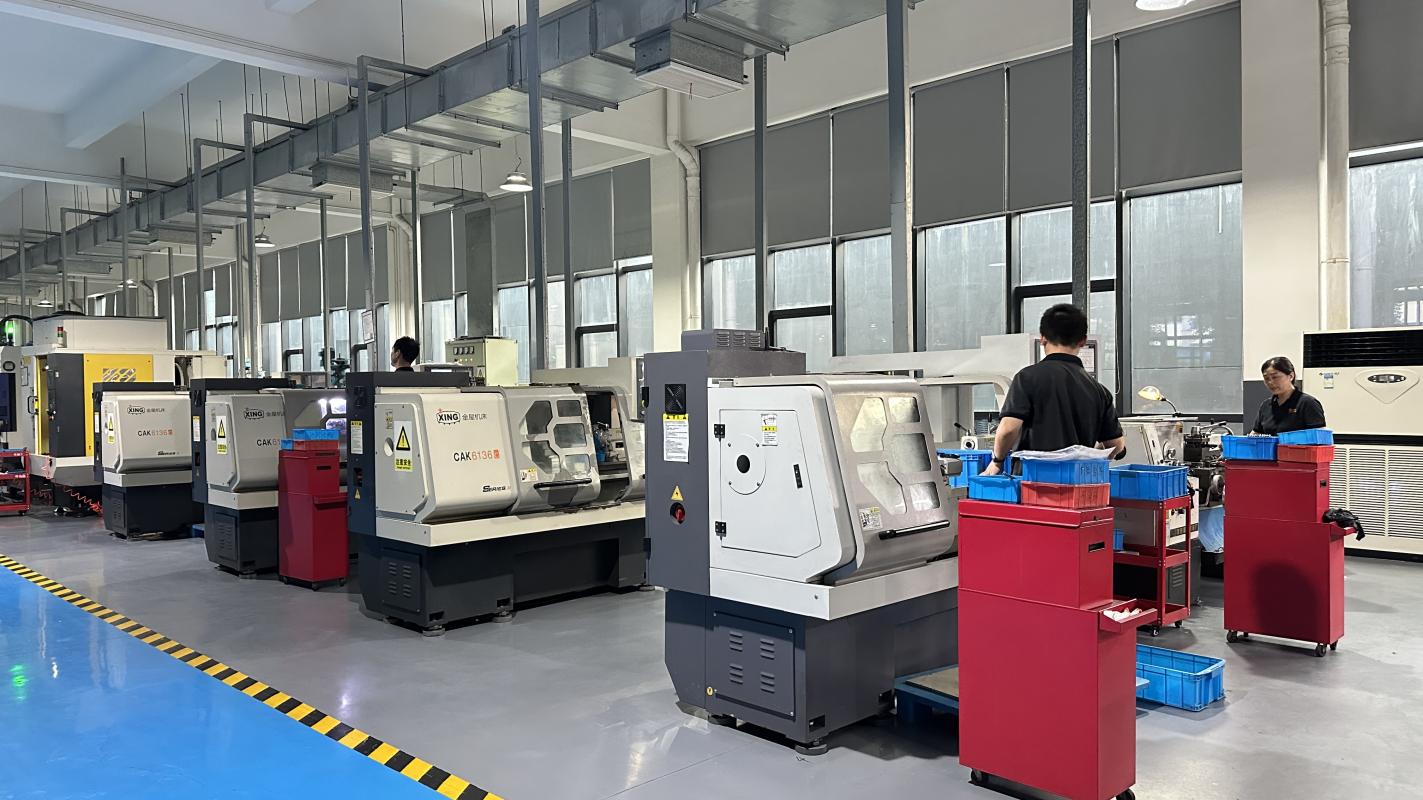
Precision bone-thread pitch profiles generated using computerized Lathe units, preventing screw thread stripping.
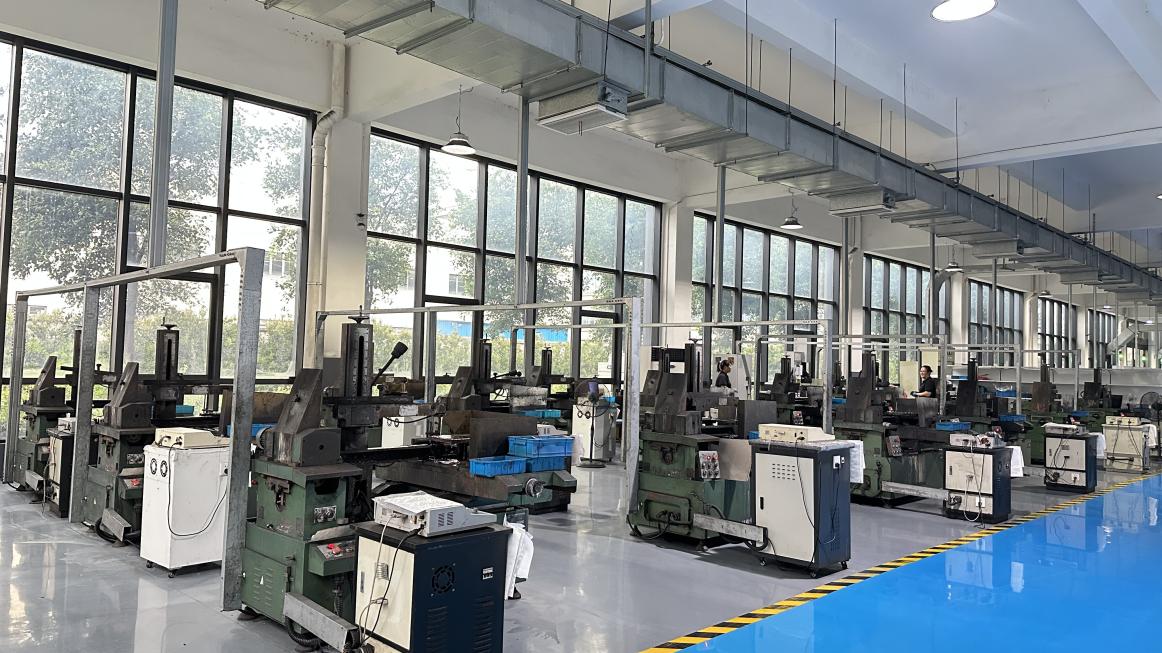
Executing complex geometries and micro-grooves through precision electrical discharge wire-cutting.
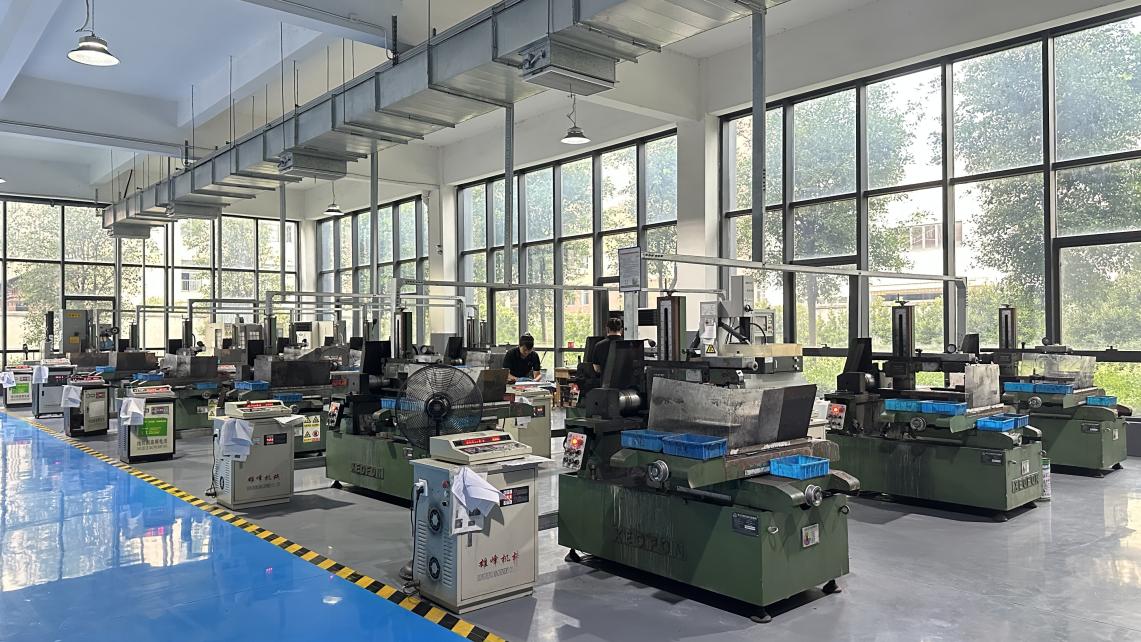
Fine-tuned instrumentation keyways processed under constant temperature control to avoid thermo-expansion bias.
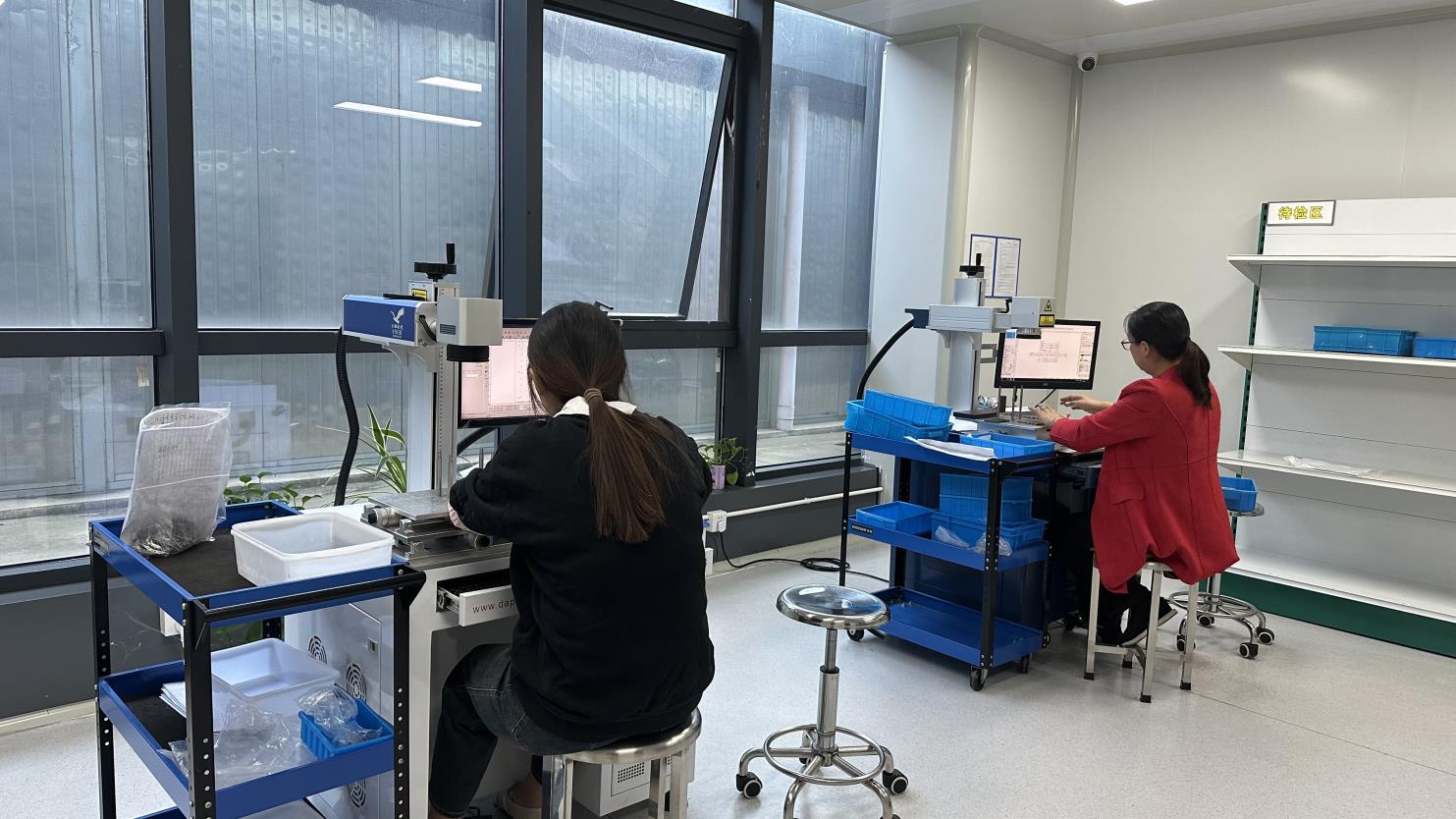
Applying Unique Device Identification (UDI) codes onto surgical components to ensure 100% downstream clinical traceability.
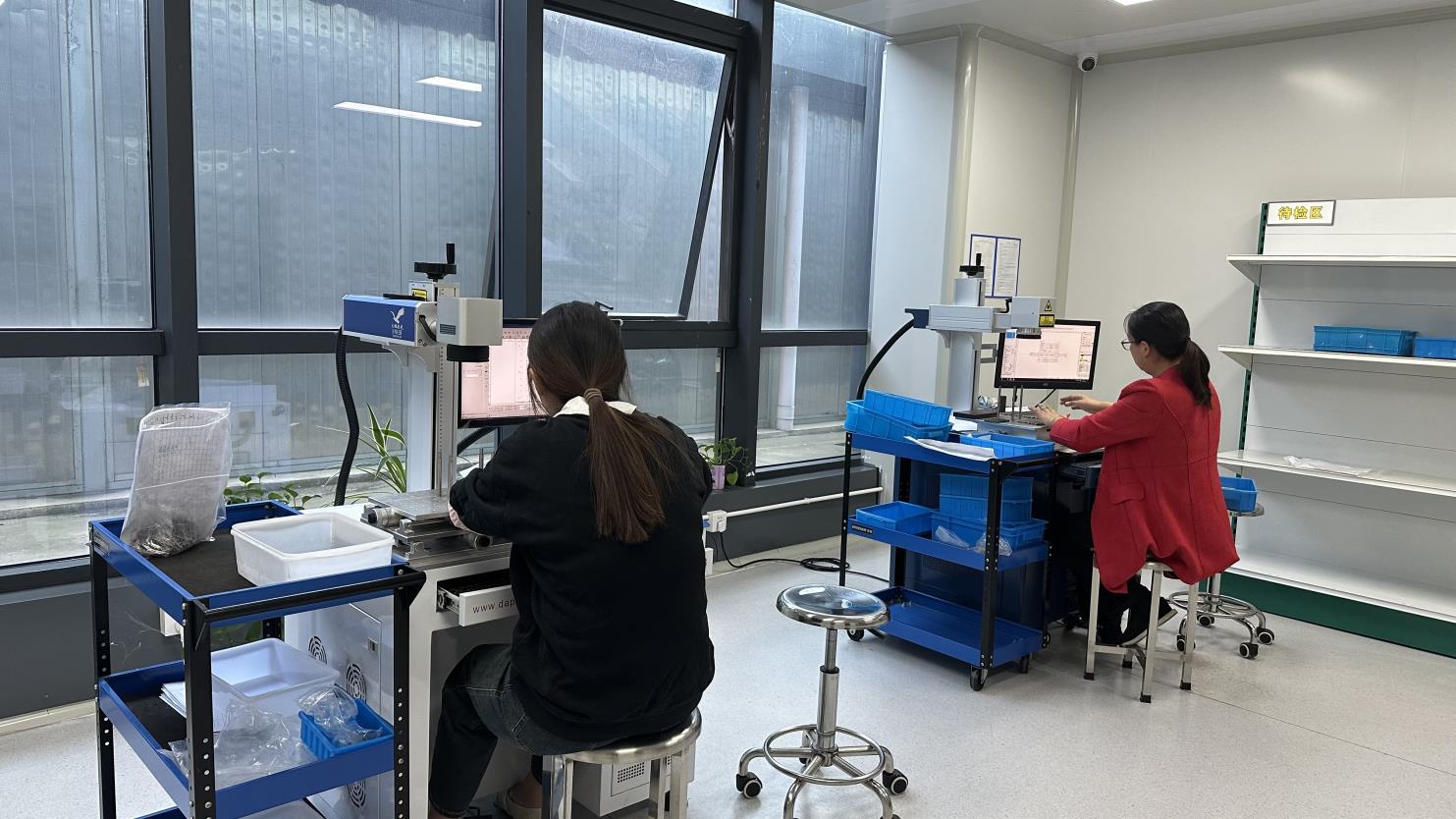
Creating clean labels that survive autoclaving cycles without degrading corrosion-resistant passivation layers.
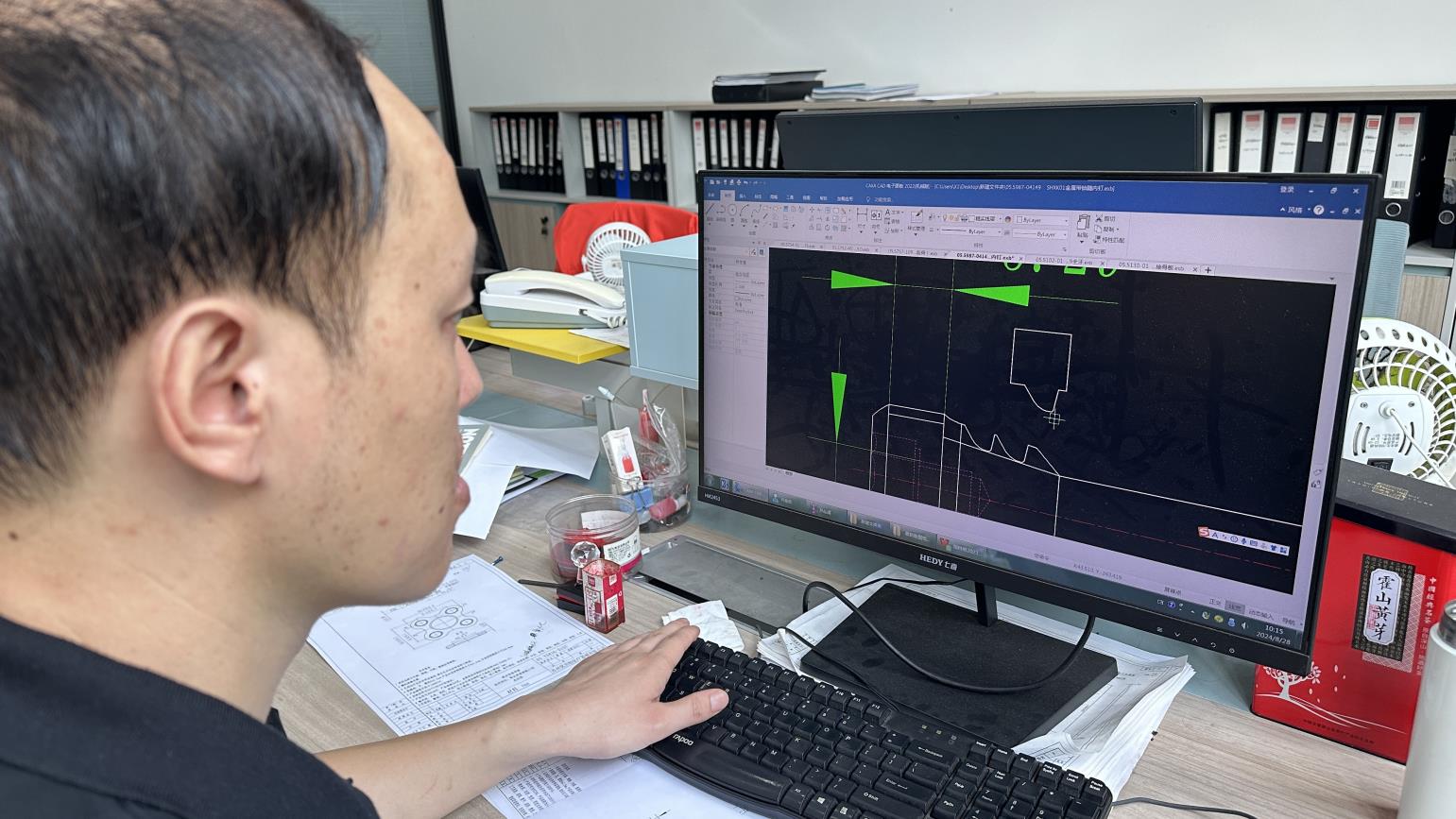
Transforming orthopedist inputs into functional 3D clinical models, with customized tolerances for surgical alignment.
Utilizing Coordinate Measuring Machines (CMM) to inspect critical dimensions against blueprints before cleaning.
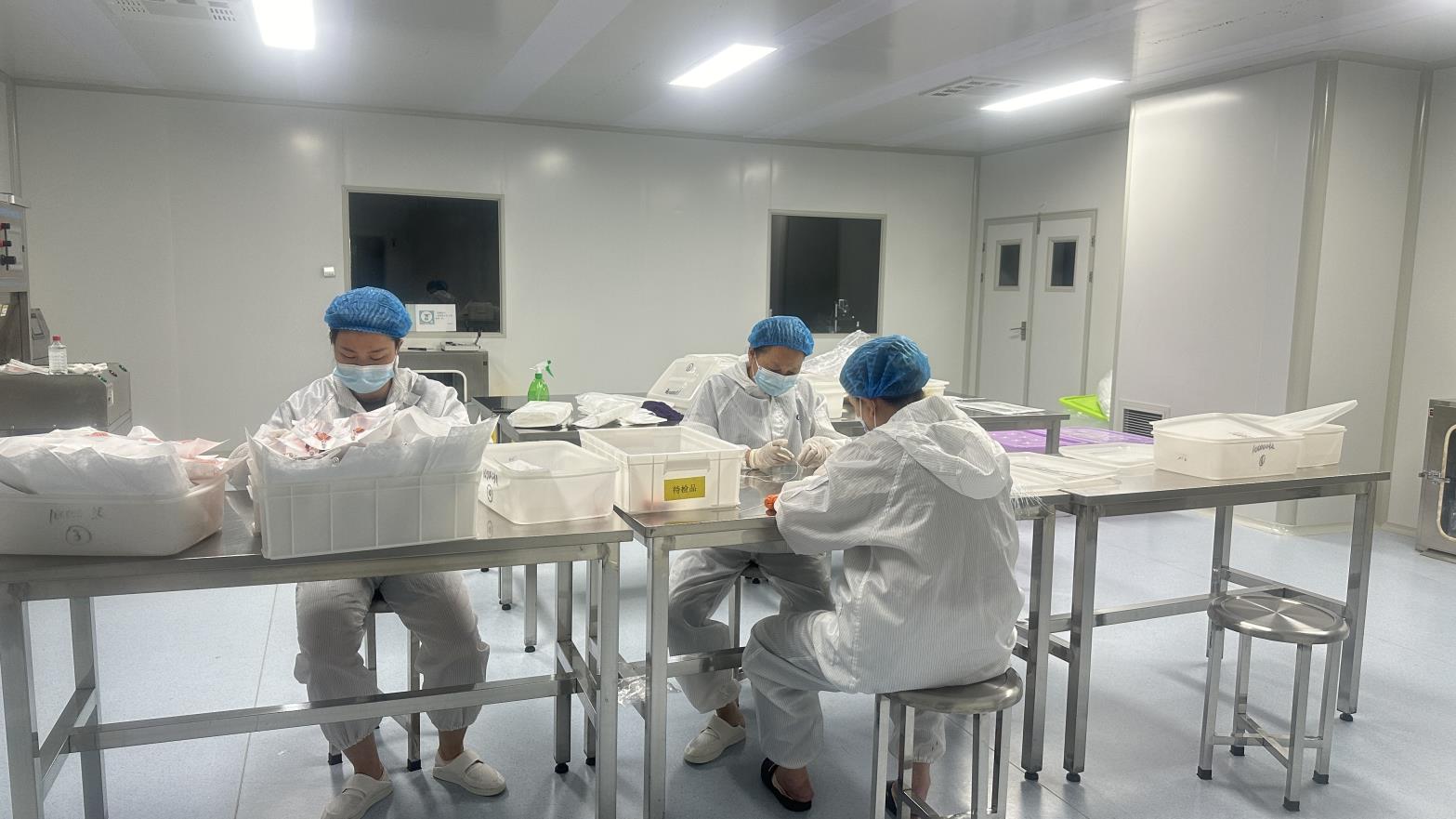
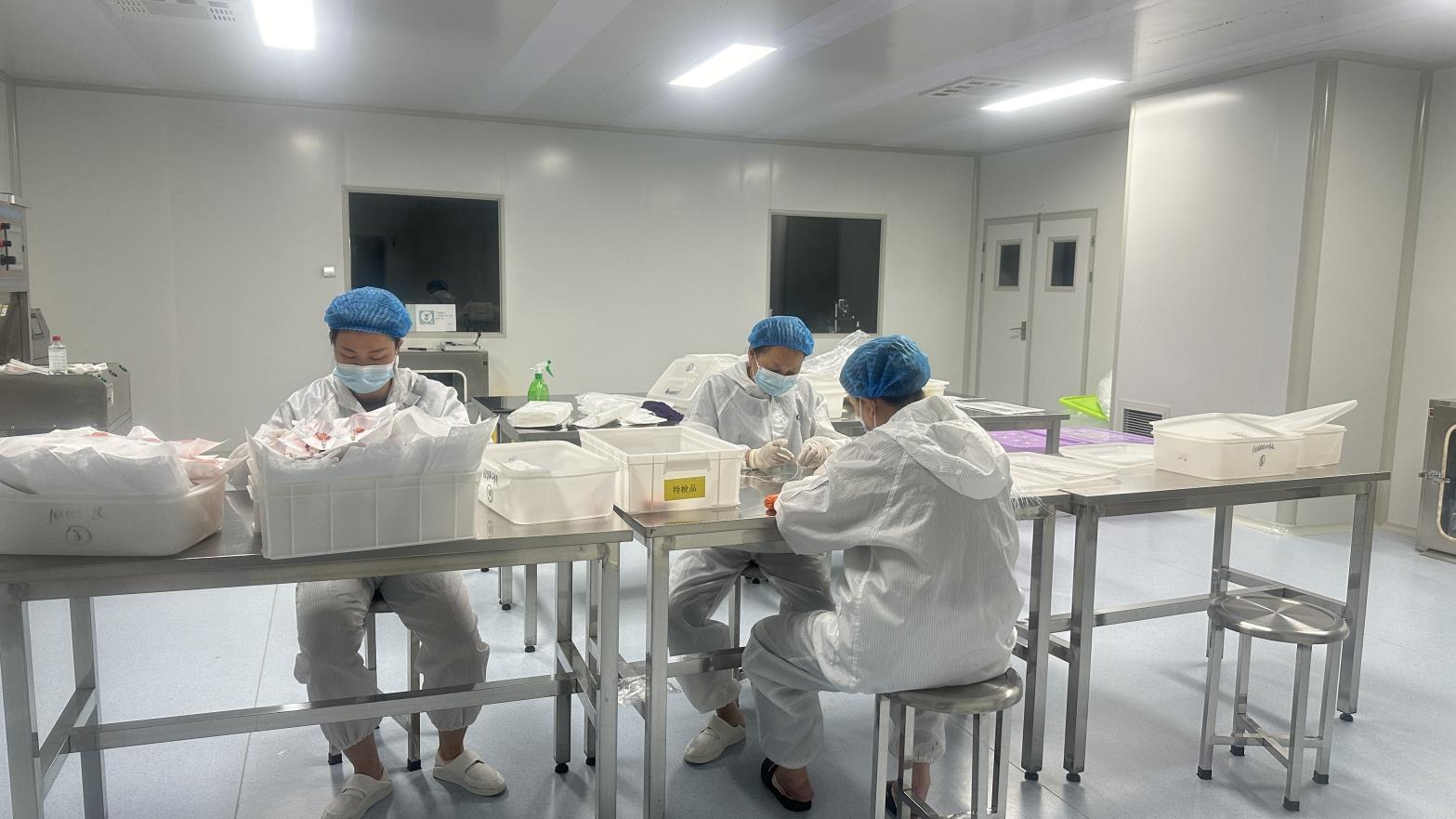
Processing in cleanroom environments to minimize particulate and bio-burden counts prior to sealing and labeling.

Applying rigorous temperature controls and strict batch isolation logic, preventing dispatch cross-contamination.
By using regional material supplies and optimized milling routines, China-based factories like Bonevia help international buyers hedge against supply chain volatility. With access to over 850 verified supply chain partners, raw titanium and specialized plastics are acquired under long-term pricing contracts. This minimizes the impact of global raw material price fluctuations on the final pricing of the devices.
Furthermore, the integration of design, tooling fabrication, milling, laser marking, and sterile packaging within a single facility cuts manufacturing lead times down significantly. In osteoarticular clinical deployments, speed-to-market allows medical distributors to satisfy hospital bid requirements without holding high safety stocks.
The application of Unicompartmental Knee Arthroplasty varies significantly based on localized healthcare models:
Expert answers to common queries regarding regulatory compliance, manufacturing tolerances, and delivery of orthopedic implants.
All orthopedic implants and surgical instruments are manufactured in facilities certified under ISO 13485:2016. Every batch undergoes rigorous quality assurance inspections, including raw material verification, in-process checking by our 35-person QC team, and dimensional tolerance checks using computerized coordinate measuring machines (CMM).
Yes. Backed by our R&D team of 85 engineers, we offer full OEM and ODM services. We customize design specifications, optimize toolpaths, and mark products with Unique Device Identifiers (UDIs) to suit your market's regulatory demands and anatomical profiles.
Our products utilize certified Ti-6Al-4V ELI (ASTM F136) and high-density UHMWPE. Raw metals are verified through microstructure examinations and tensile tests. In-house ultrasonic testing ensures there are no subsurface voids or structural micro-fractures, and components undergo strict chemical clean cycles and bio-burden tests before packaging.
With 6 years of direct export experience and partnerships with over 850 suppliers, we manage lead times through buffer stocks of medical-grade alloys. Typical standard product dispatches take between 15-30 days, while custom OEM runs require about 45-60 days. Our shipping processes include complete documentation, certificates of conformance, and customs clearances for Europe, Southeast Asia, South America, and the Middle East.
Complementary medical systems supporting high-volume reconstructive and trauma procedures.