Bonevia
Bonevia
Bonevia
Explore our premium orthopedic surgical tools, implants, and external fixators trusted by surgeons worldwide.
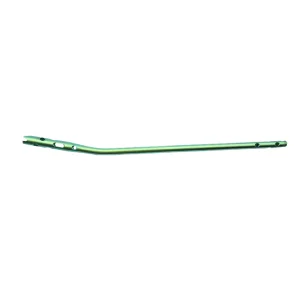
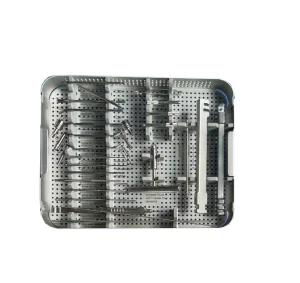
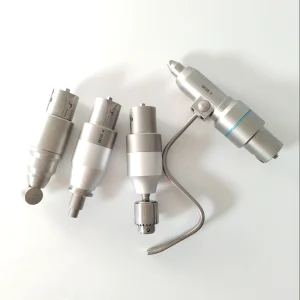
For decades, orthopedic surgery relied on permanent metallic hardware made of titanium or stainless steel to stabilize bone fractures. While effective, these permanent implants often present long-term challenges, including stress shielding, hardware prominence, localized pain, thermal sensitivity, and the inevitable requirement for a secondary removal surgery. The emergence of bioresorbable orthopedic implants has revolutionized this clinical landscape.
Bioresorbable implants, constructed from high-molecular-weight polymers like Poly-L-Lactic Acid (PLLA), Poly-Glycolic Acid (PGA), Poly-D,L-Lactic Acid (PDLLA), and their copolymers (PLGA), are engineered to temporarily support the bone during the critical phase of osteogenesis. As the bone heals and regains load-bearing capability, the implant undergoes progressive hydrolytic degradation, eventually metabolizing into carbon dioxide and water. This guide explores the mechanical principles, global supply chains, manufacturing processes, and technological roadmaps that define the elite class of bioresorbable implant factories in China, demonstrating why leading distributors and clinical networks are transitioning to these advanced polymer solutions.
"The core value proposition of bioresorbable fixation lies in the synchronized decay of implant mechanical strength with the corresponding increase in physiological bone load capacity."
Bonevia Orthopedic Technology Co., Ltd. is an industry-leading developer and manufacturer specializing in advanced orthopedic implants and complete surgical instrumentation systems. Dedicated to driving engineering innovation across trauma, spine, joint reconstruction, and sports medicine, we provide high-performance solutions designed to elevate clinical outcomes globally.
Founded in 2015, Bonevia operates a modern manufacturing and R&D facility with a footprint optimized for high-efficiency and ultra-precise production. Operating under strict medical-grade QA/QC systems, the company maintains a strong international market presence, generating USD 8–15 million in annual export revenues across key regions, including Europe, Southeast Asia, South America, and the Middle East.

The formulation of bioresorbable orthopedic implants demands an intricate balance between mechanical properties, degradation rates, and biocompatibility. Our research and production rely on three primary classifications of synthetic polymers, engineered to address distinct anatomical environments:
To customize degradation profiles, advanced copolymers like PLGA (Poly-L-lactide-co-glycolide) are utilized. By adjusting the monomer ratio of L-lactide to glycolide, factories can fine-tune the implant's in vivo lifetime to match specific clinical applications—from rapid-healing pediatric craniofacial reconstruction to slow-healing adult tibial osteotomies.
A transparent look inside our state-of-the-art facility, demonstrating strict regulatory compliance, precision machining, and cleanroom packaging.
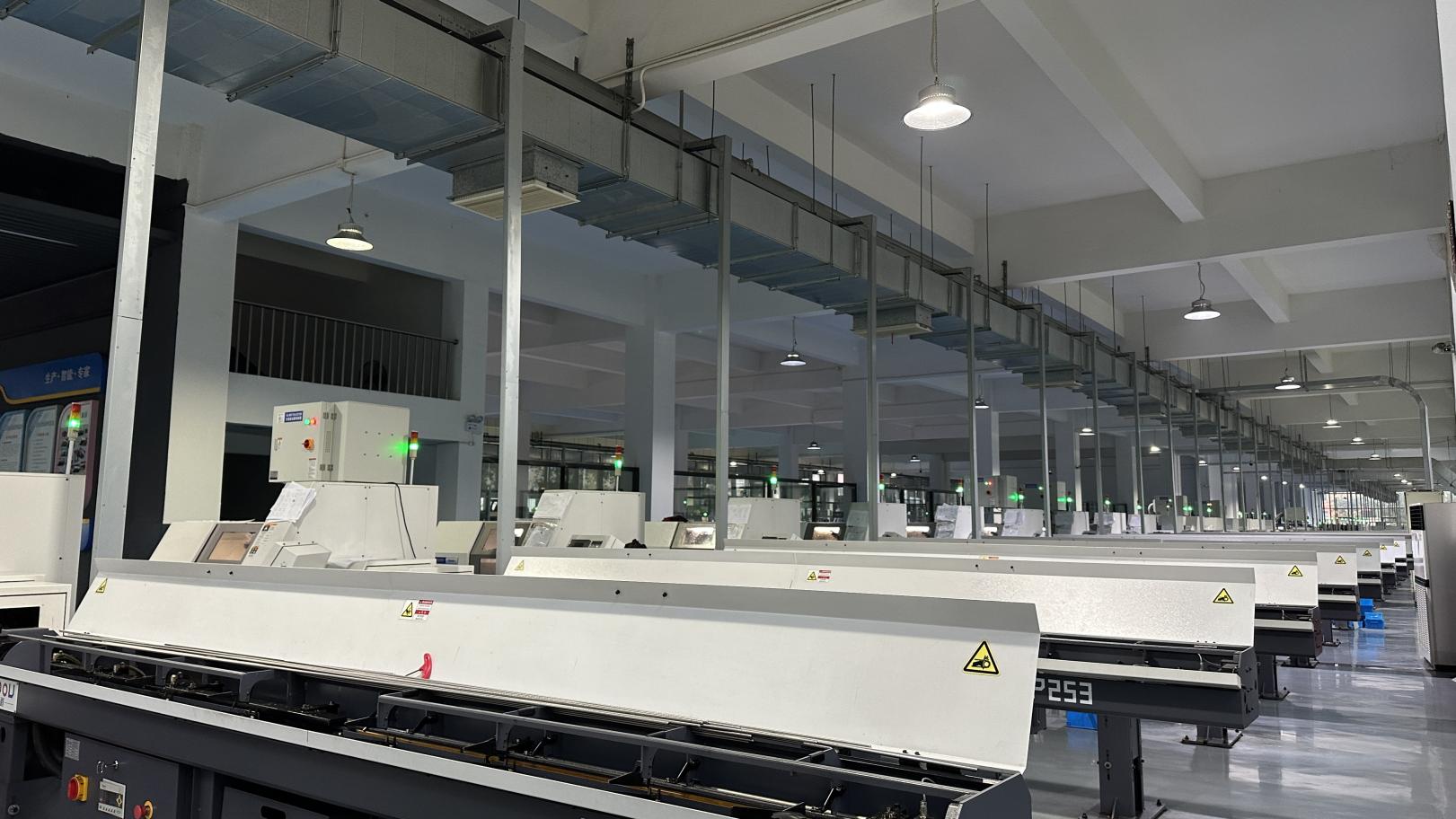
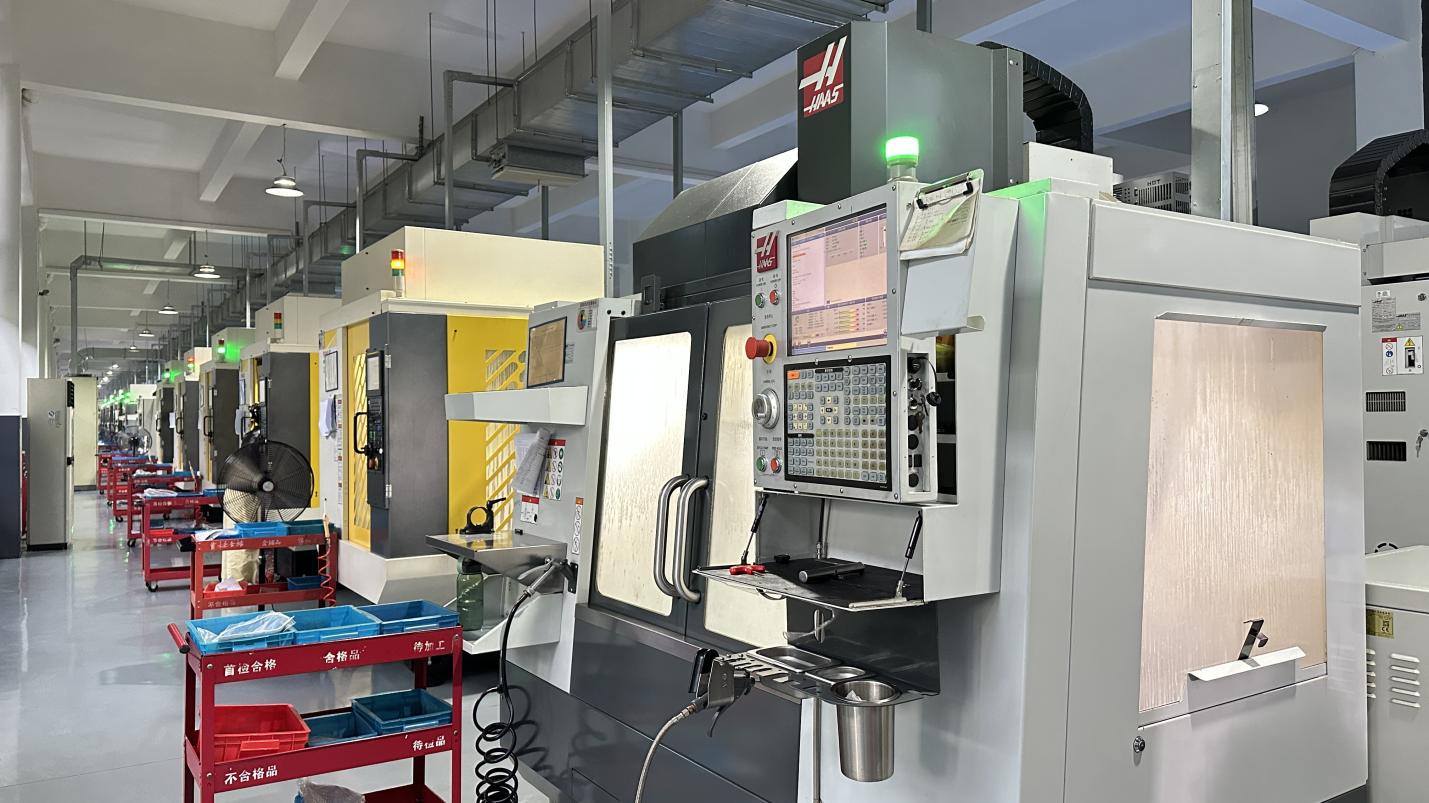
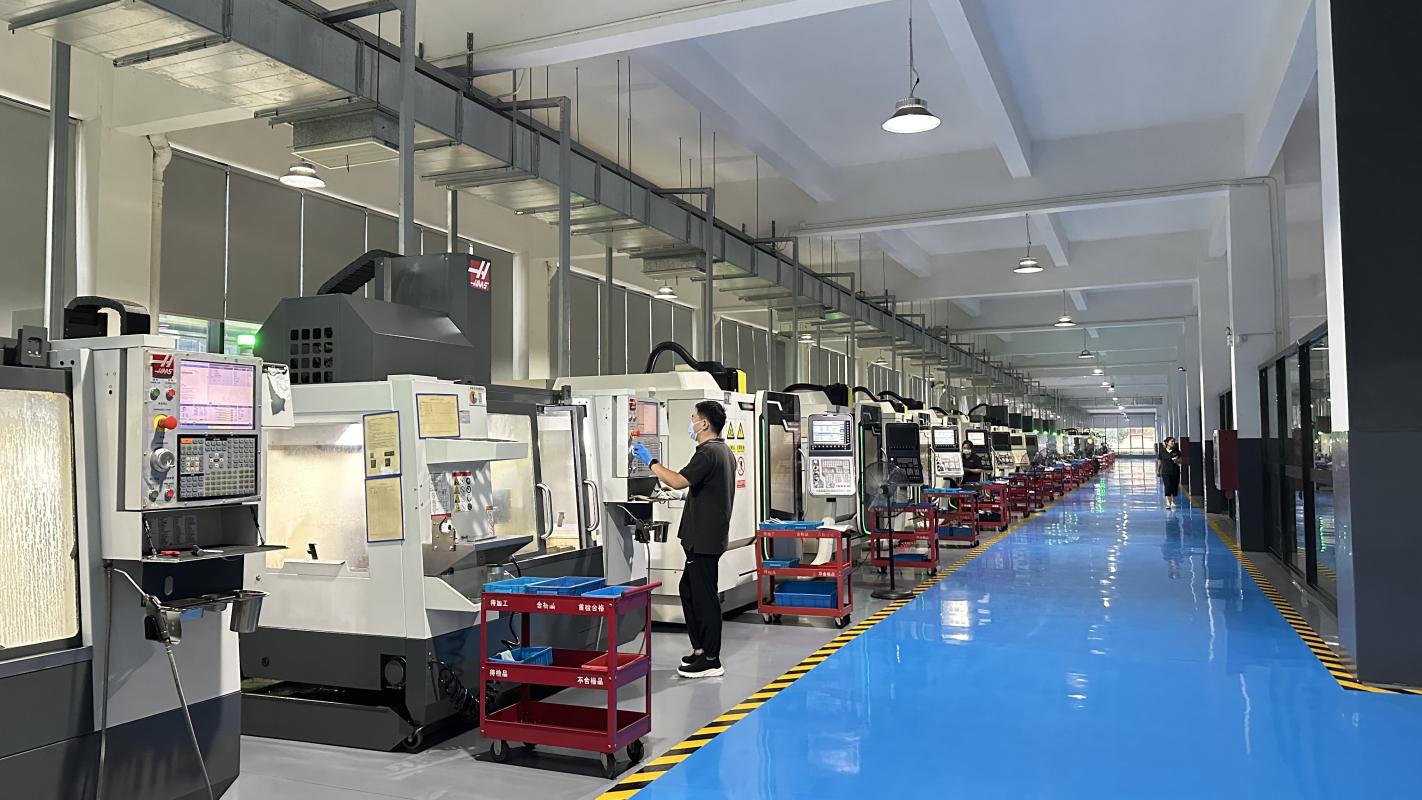
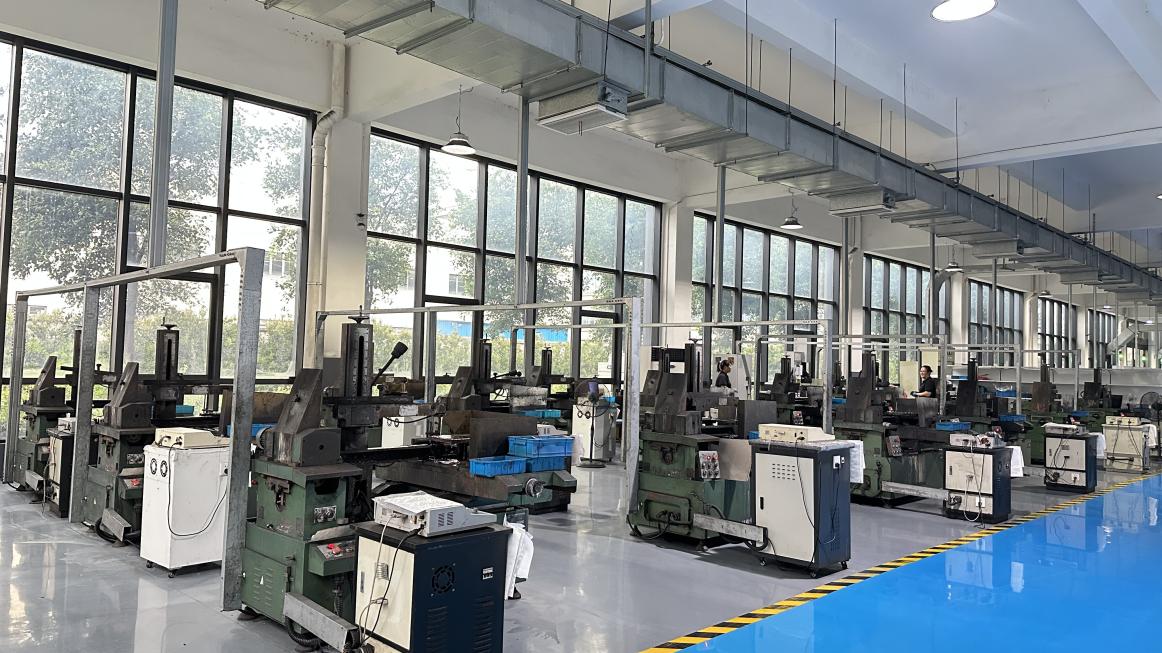
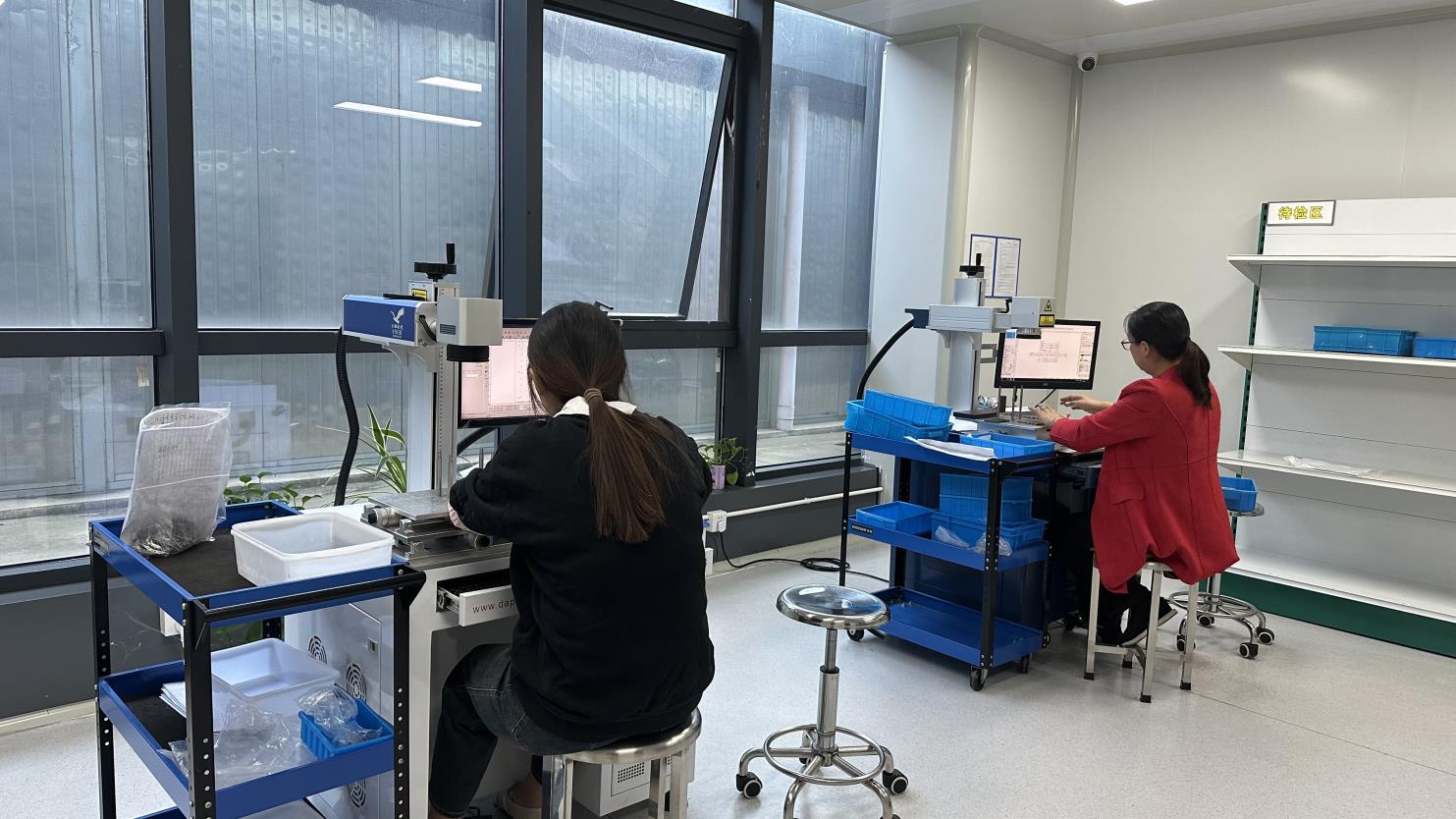
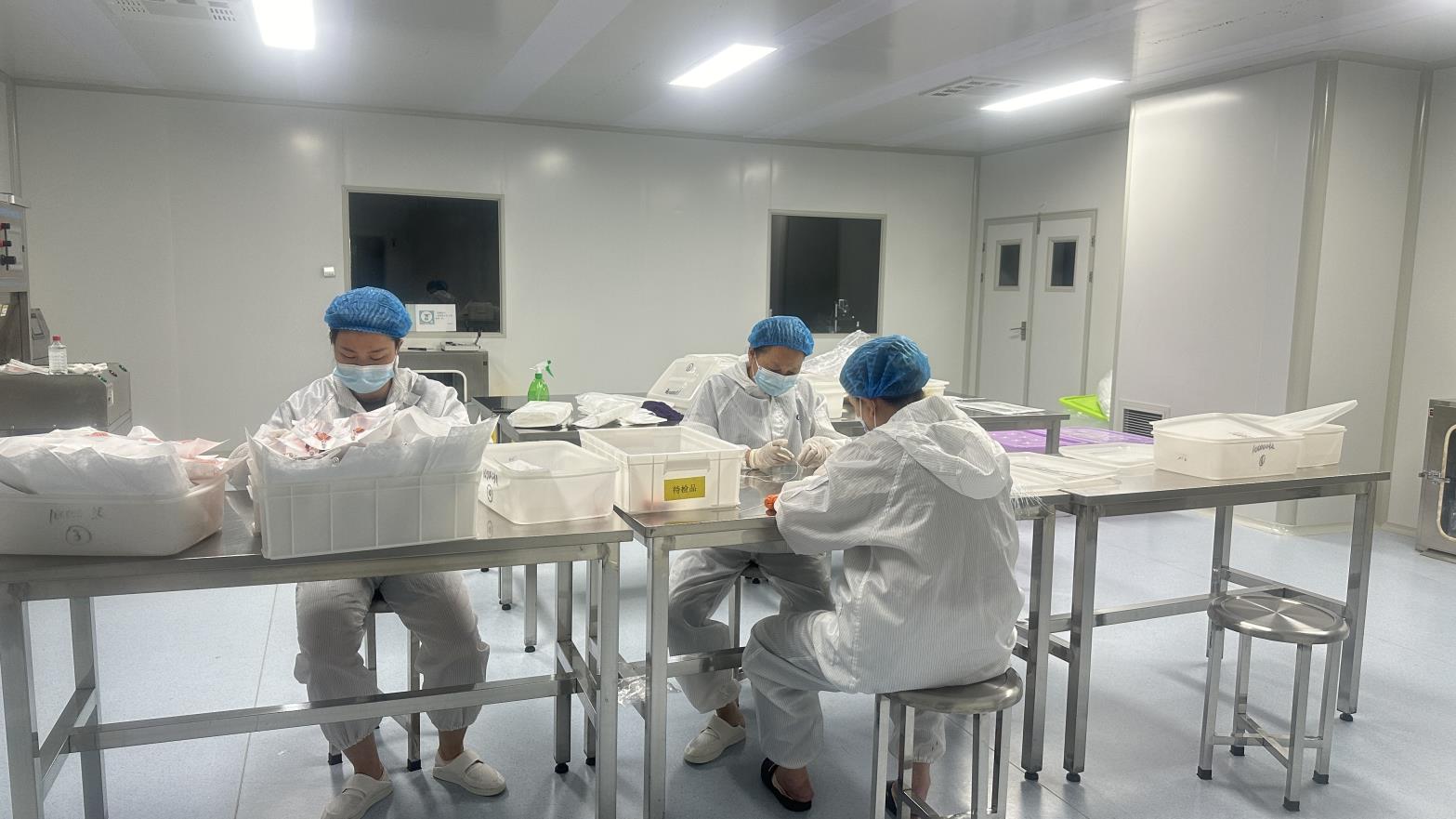

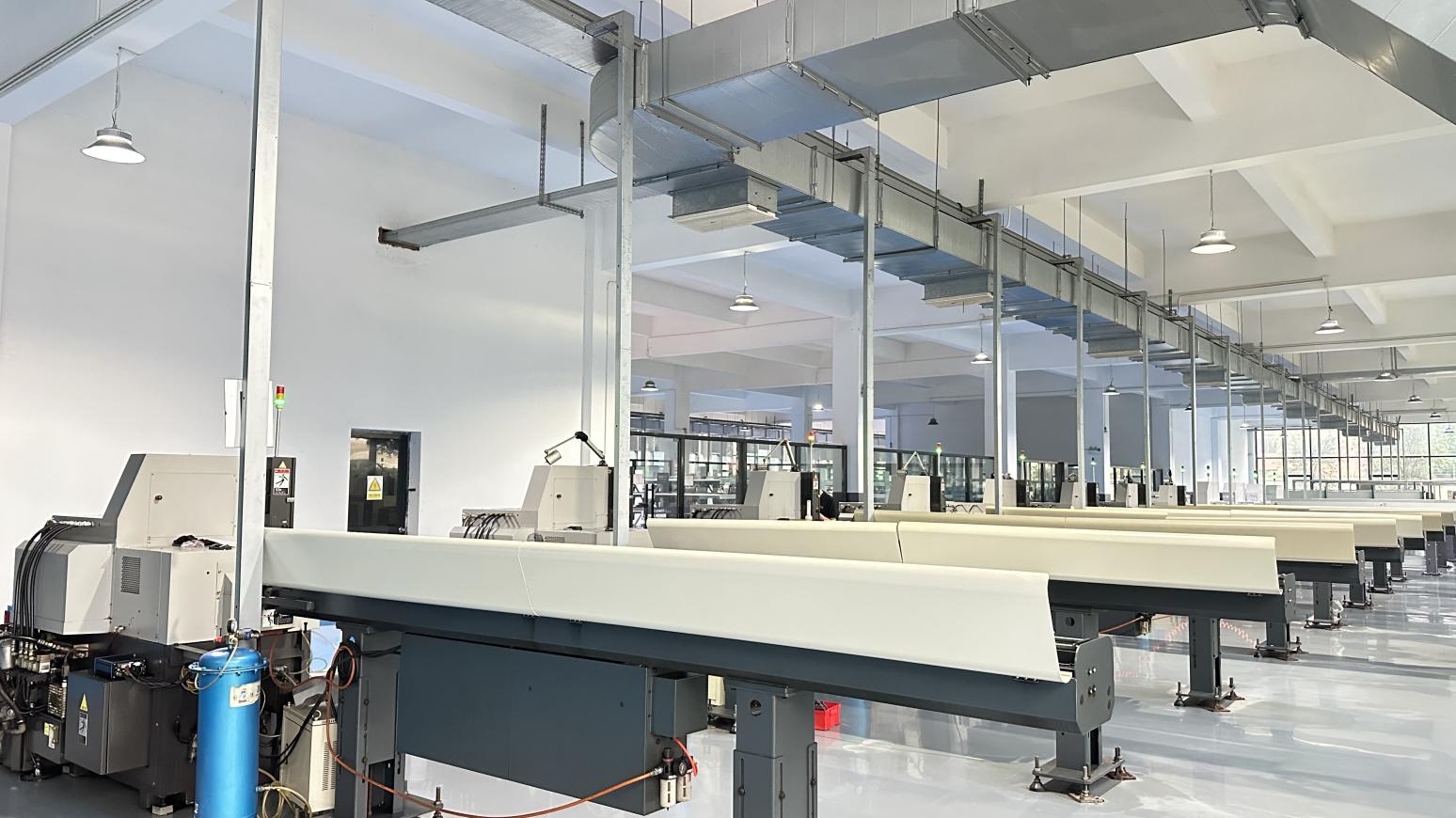
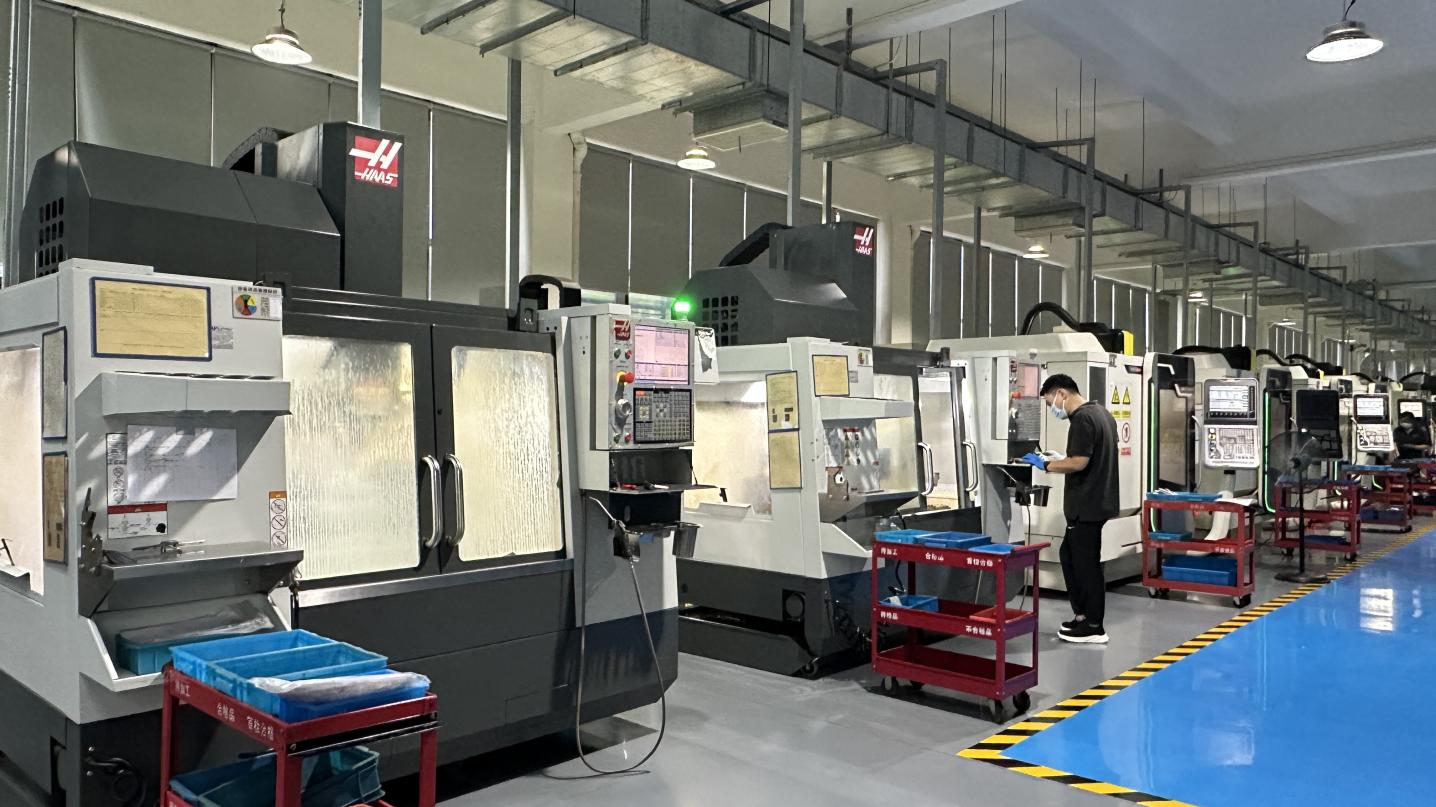
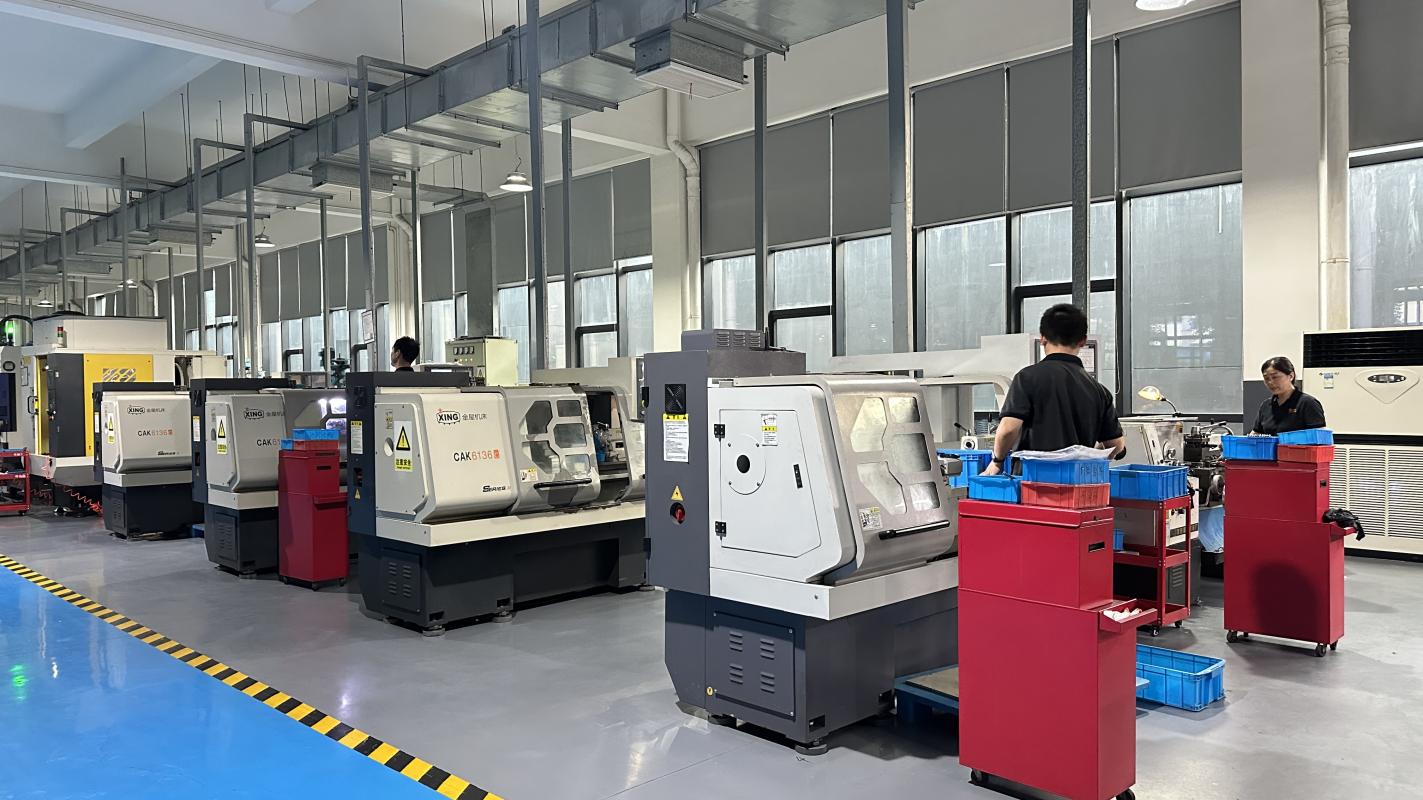
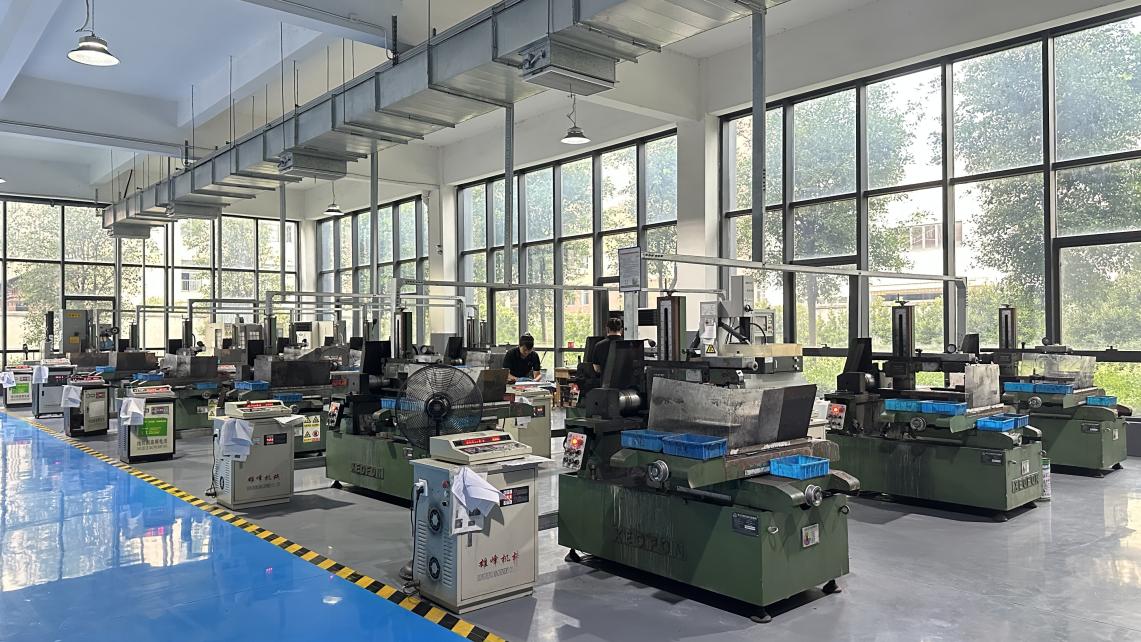
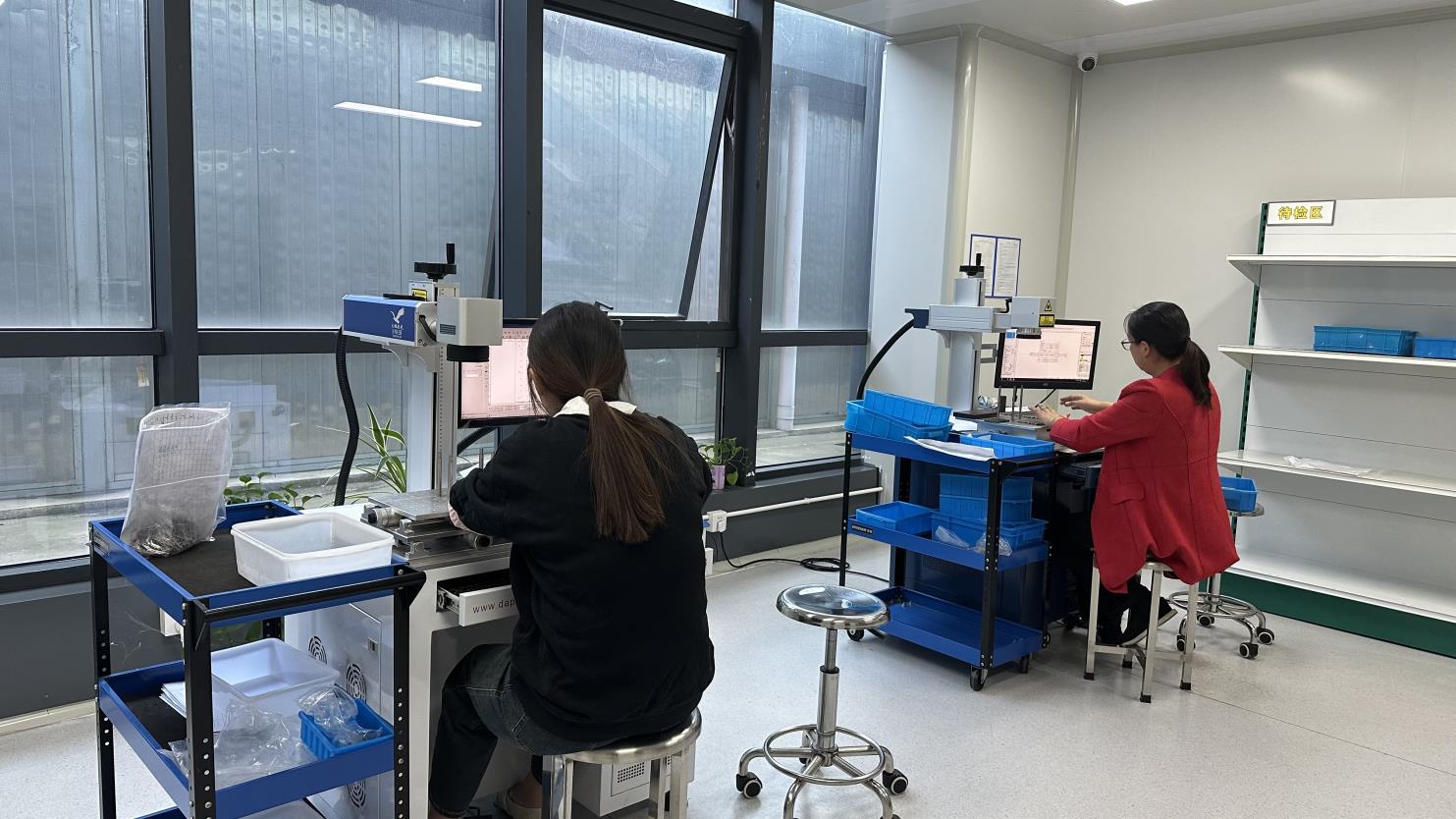
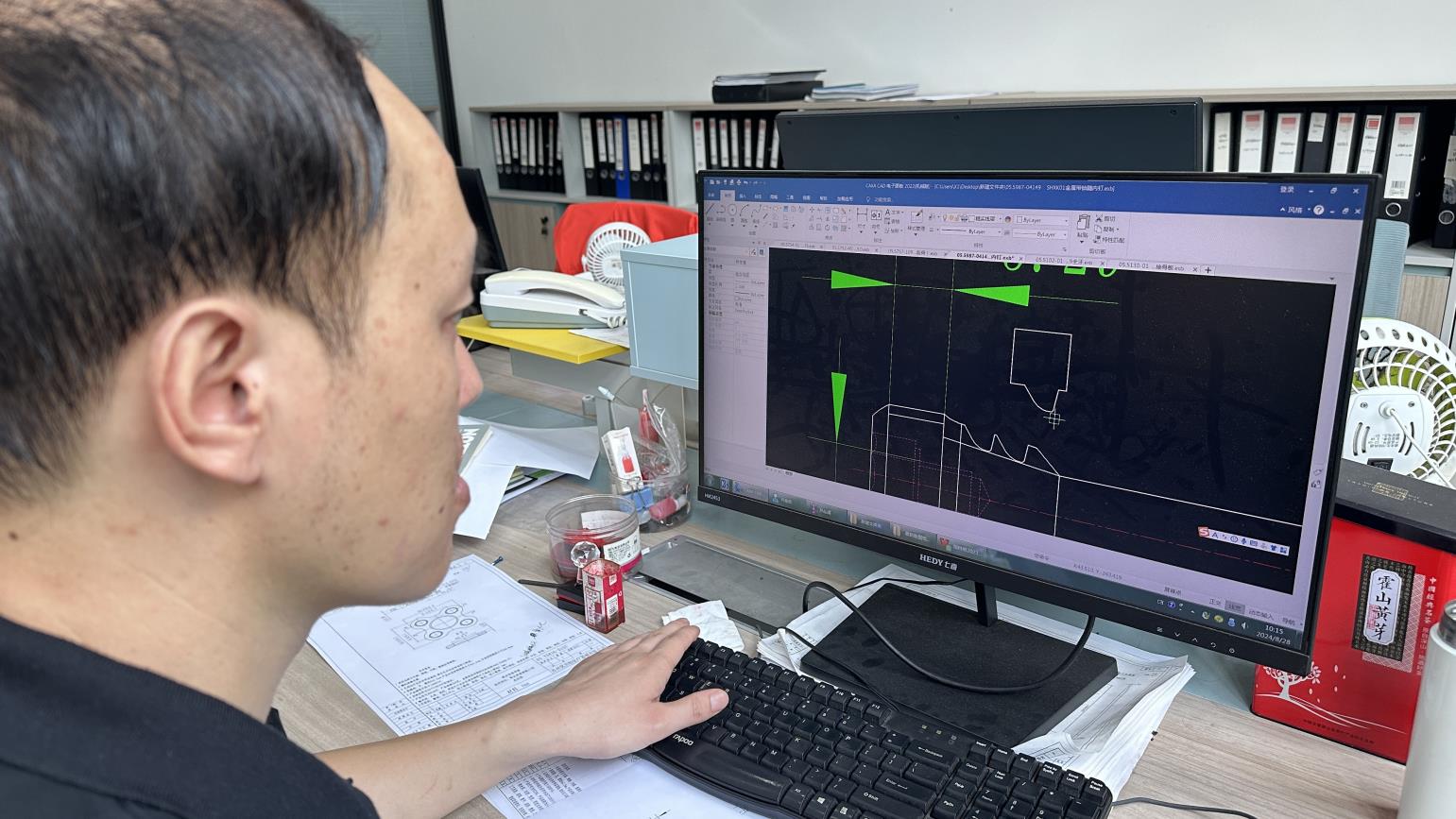
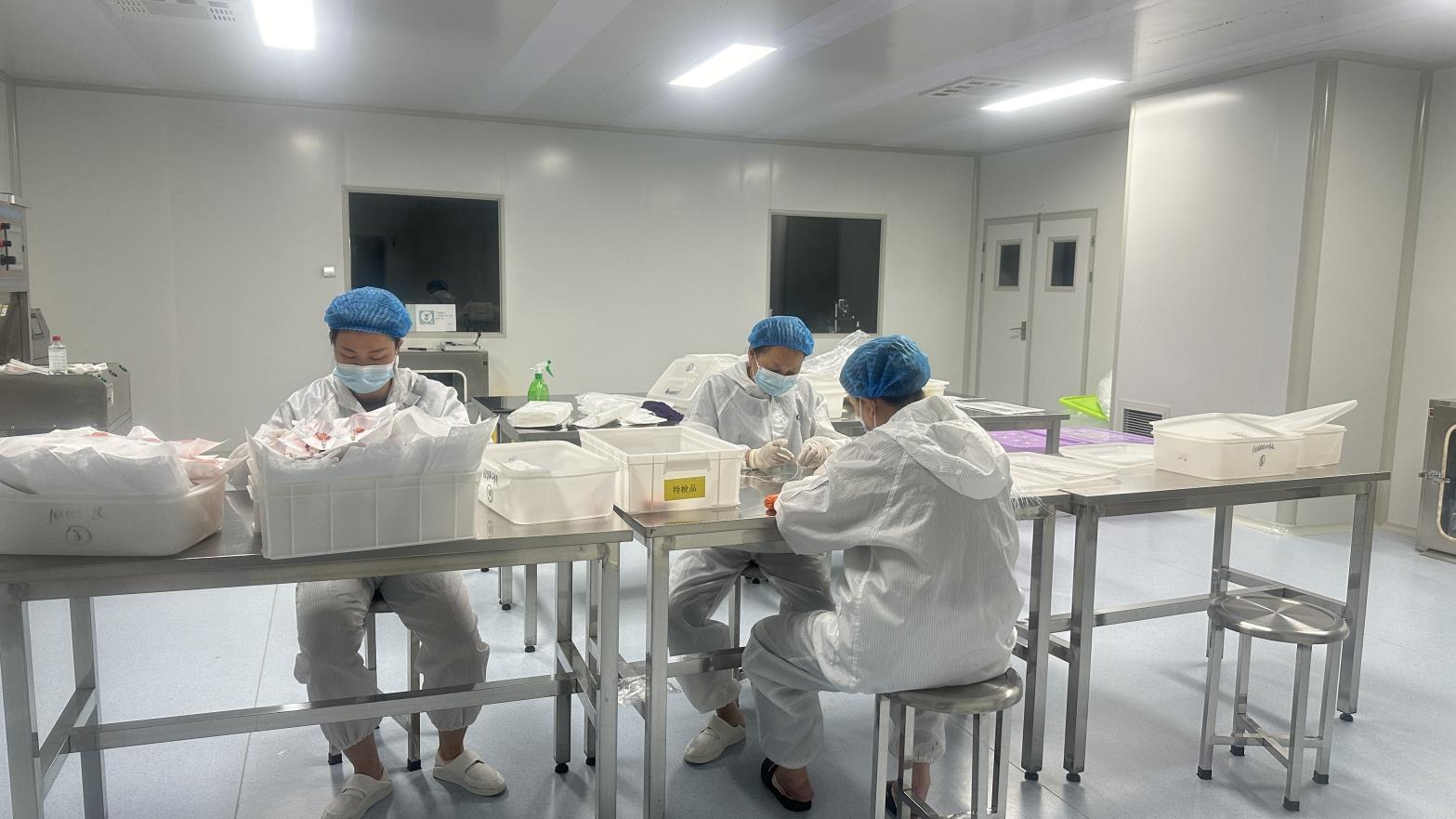
Sourcing Class III medical devices demands strict compliance and risk mitigation. For bioresorbable orthopedic implants, quality control goes beyond standard metal machining, requiring specialized testing of polymer behaviors under physiological conditions.
Bioresorbable polymers are sensitive to high temperatures. We validate ethylene oxide (EtO) and E-beam sterilization cycles to maintain material integrity, in compliance with ISO 11135 and ISO 11137 standards.
All implants undergo cytocompatibility, systemic toxicity, sensitization, and implantation evaluations in accordance with ISO 10993, verifying zero adverse histopathological reactions during degradation.
We provide comprehensive Technical Files, containing raw material validation (DMF), degradation profiling data, and mechanical stress curves, ensuring smooth CE MDR and FDA regulatory submissions.
Continuous R&D shaping the next generation of bioactive and patient-specific smart orthopedic systems.
Addressing the core technical, regulatory, and production questions raised by medical device buyers.
Complete surgical instrumentation, veterinary power tools, and high-precision implants engineered for global medical markets.