Bonevia
Bonevia
Bonevia
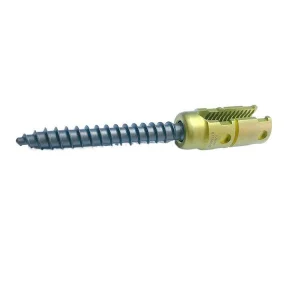
In modern trauma and reconstructive orthopedics, cortical screws constitute the structural baseline for rigid internal fixation. Unlike cancellous screws designed for porous bone structures, cortical screws are engineered with shallower threads, smaller pitches, and a larger outer-to-inner diameter ratio to engage securely with dense cortical bone.
For global medical distributors, hospital purchasing groups, and implant brand owners, purchasing cortical screws goes beyond sourcing basic hardware. It demands a rigorous validation of raw material biocompatibility, structural thread integrity, and strict adherence to international regulatory frameworks. High-performance cortical fixation systems must withstand variable shear, bending, and torsional forces during initial screw insertion and subsequent long-term skeletal loading.
B2B buyers prioritize titanium alloys (Ti-6Al-4V ELI / ASTM F136) and high-grade stainless steels (316LVM / ASTM F138). These alloys prevent galvanic corrosion and ensure excellent osteointegration.
Screws must features self-tapping flutes with micro-machined lead threads. Precise pitches ensure efficient torque conversion and minimal bone thermal necrosis during installation.
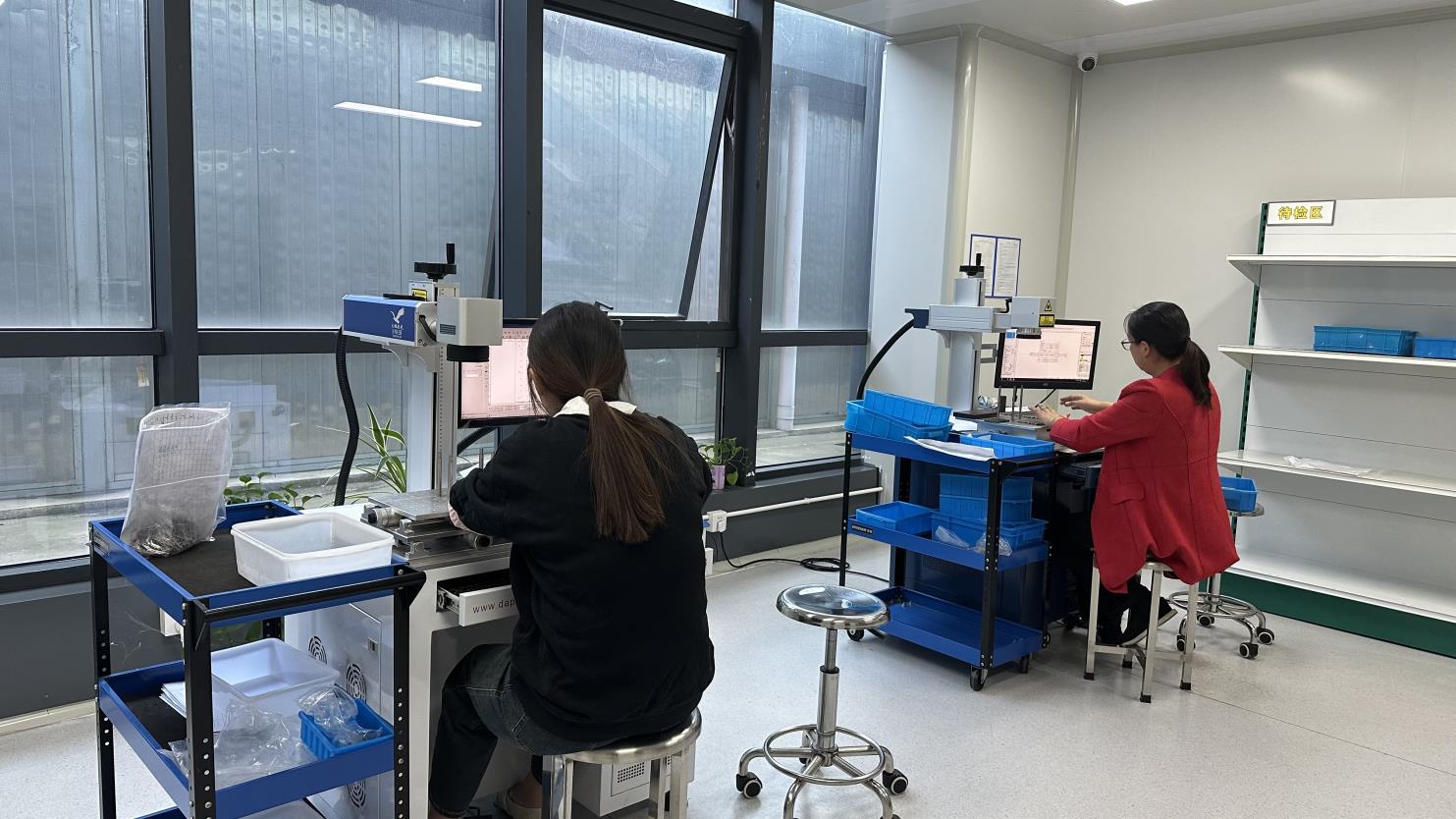
B2B buyers demand full material heat-number tracking, ISO 13485 compliance certifications, and single-unit laser marking compatibility for post-market surveillance.
Cortical screws are not standalone implants; they are part of integrated internal fixation systems. Manufacturers must offer comprehensive systems designed to interface seamlessly with dynamic compression plates (DCP), limited contact dynamic compression plates (LC-DCP), and modern locking compression plates (LCP).
Clinical challenges such as screw loosening, bone resorption, and plate-screw interface cold welding require precise engineering solutions. By utilizing variable-angle locking technology and advanced titanium surface anodization, modern cortical screws provide reliable bone-implant stability. This reduces the risk of post-operative displacement and supports early patient mobilization.
Our cortical screws play a vital role across multiple anatomical reconstruction workflows:
Bonevia Orthopedic Technology Co., Ltd. is a professional manufacturer specializing in orthopedic implants and surgical solutions, dedicated to advancing innovation in trauma, spine, and joint reconstruction products. Since its establishment in 2015, the company has grown steadily into a trusted partner in the global orthopedic industry.
Operating from our high-precision manufacturing facility covering approximately 320㎡, Bonevia combines lean manufacturing principles with advanced medical-grade micro-machining. With 6 years of specialized export experience, we support medical device distributors and hospitals in Europe, Southeast Asia, the Middle East, and South America.
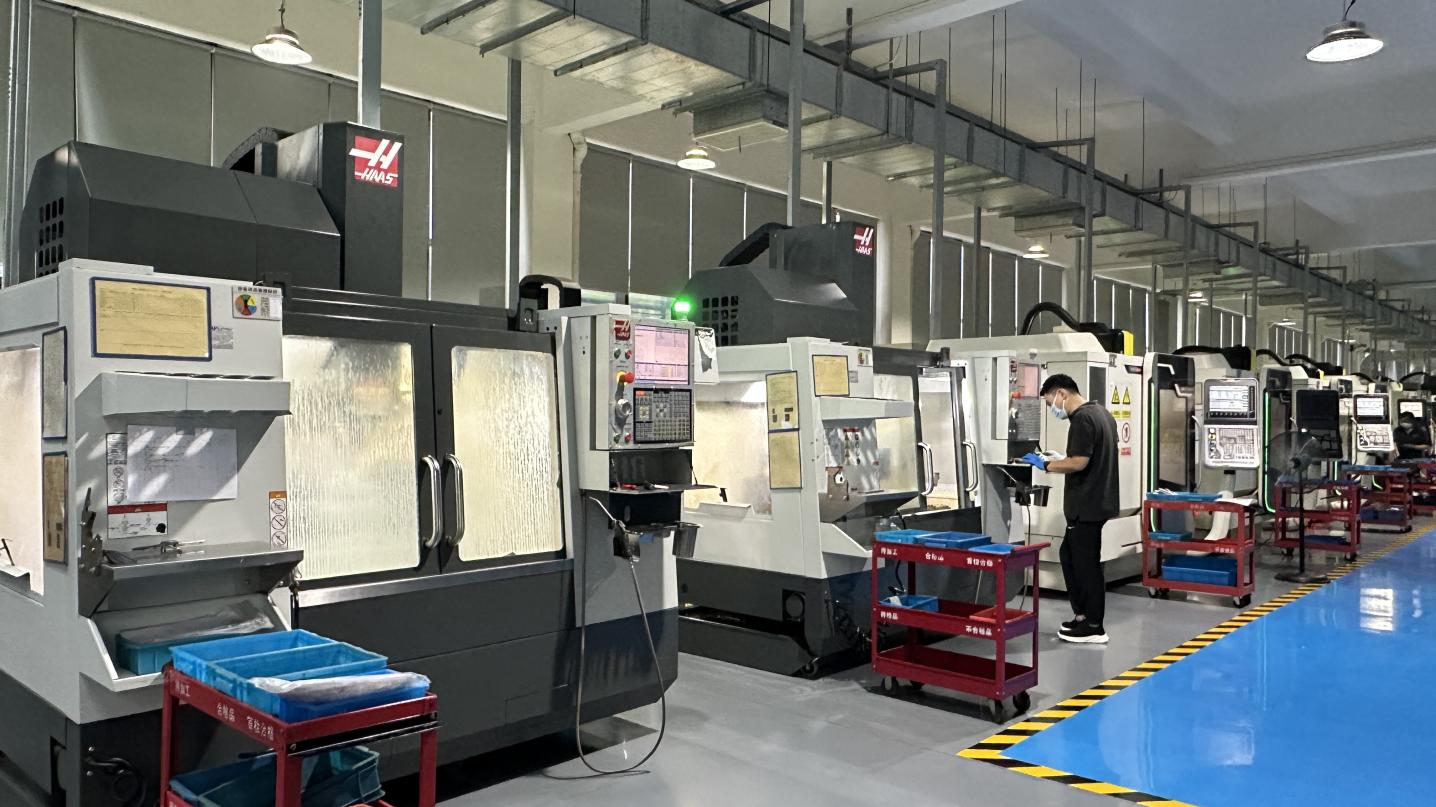
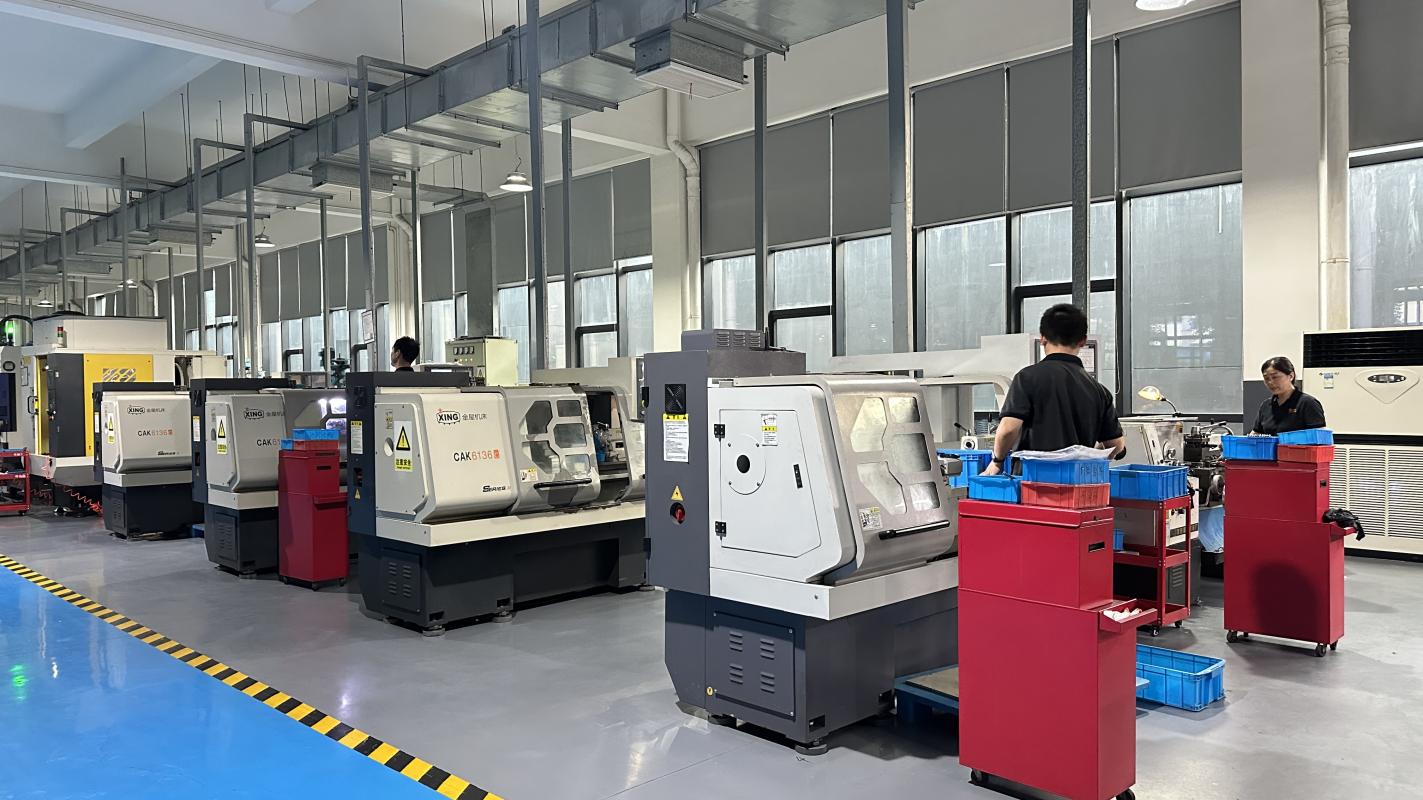
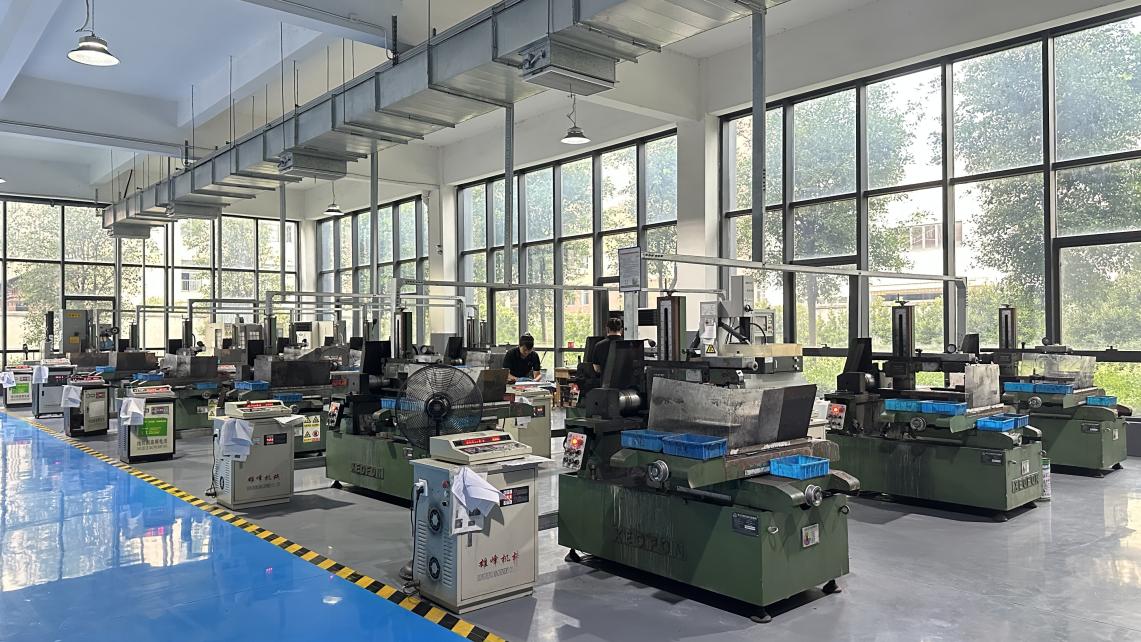
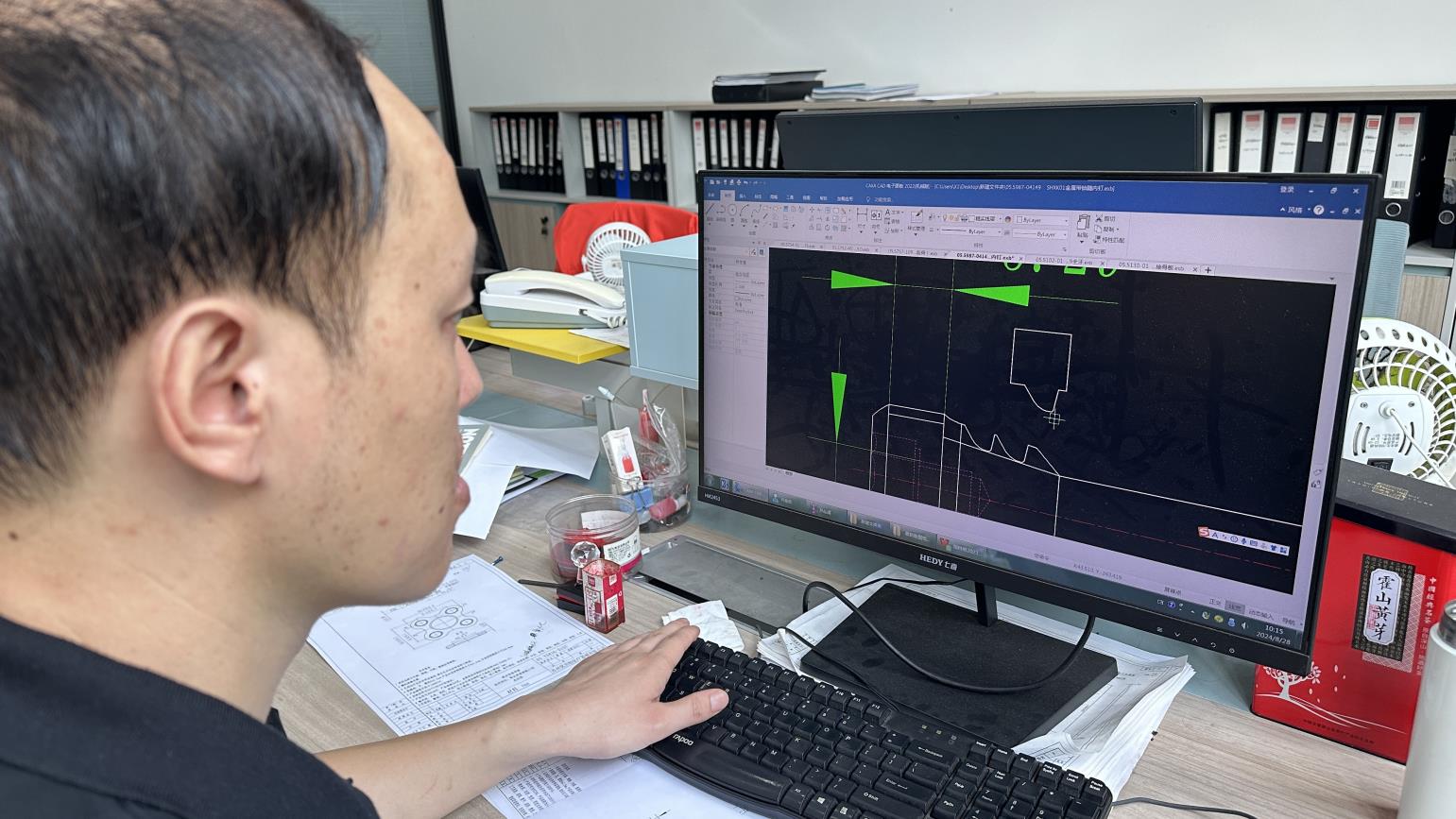
Manufacturing cortical screws demands consistent quality control at every stage. A single micro-defect can compromise the mechanical integrity of an implant under load. At Bonevia, we utilize Swiss-type CNC lathes and wire-cutting machinery to maintain tolerances within ±0.005mm.
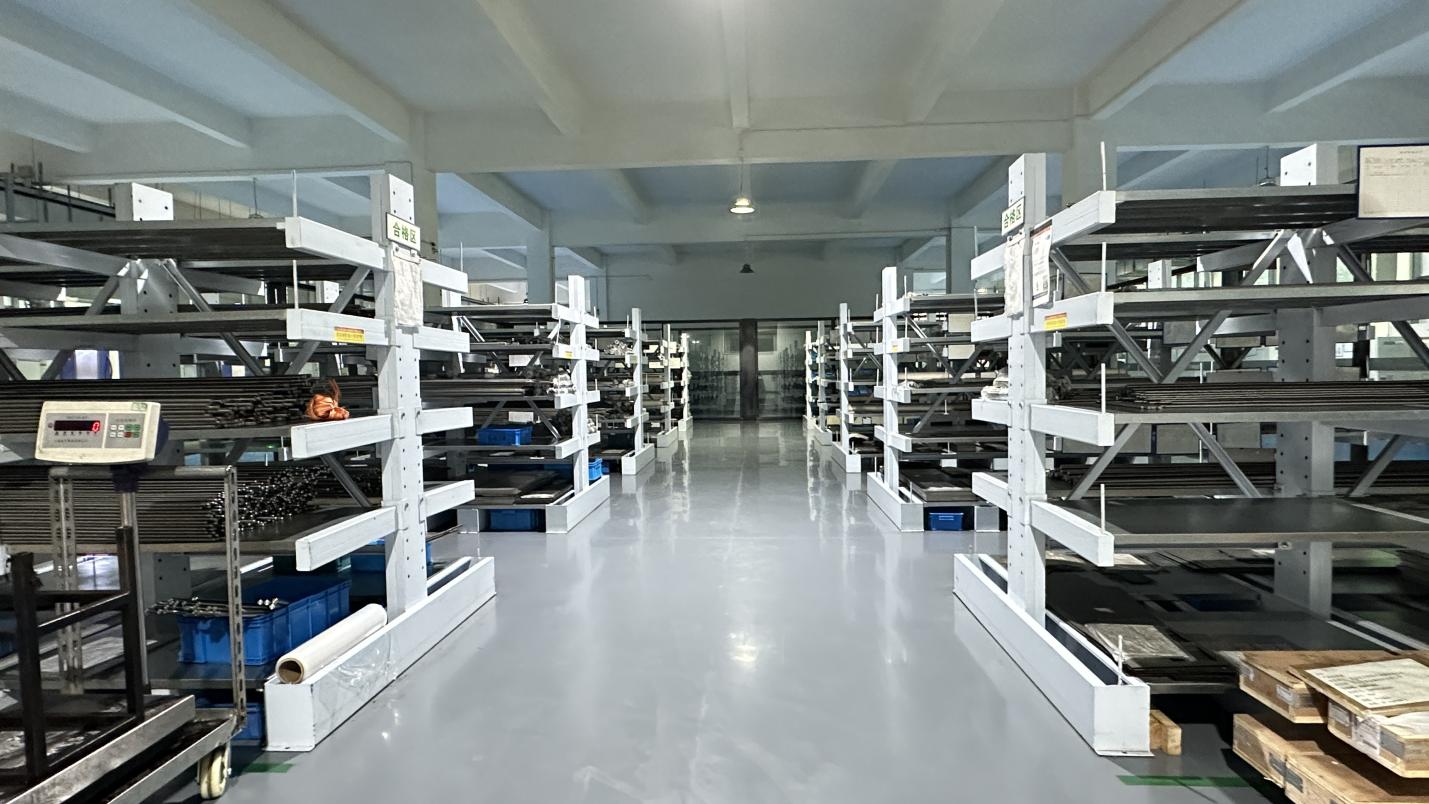
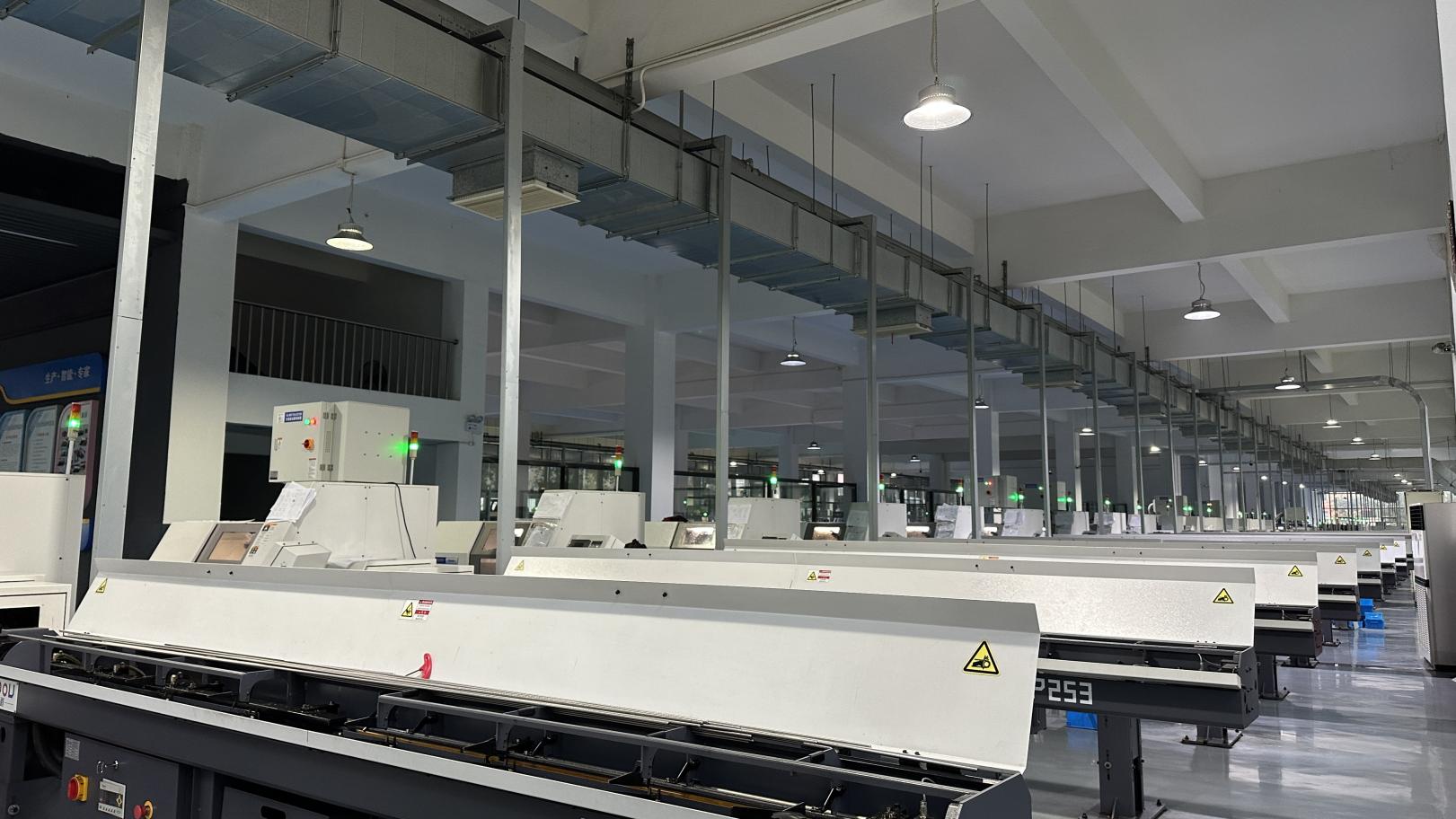
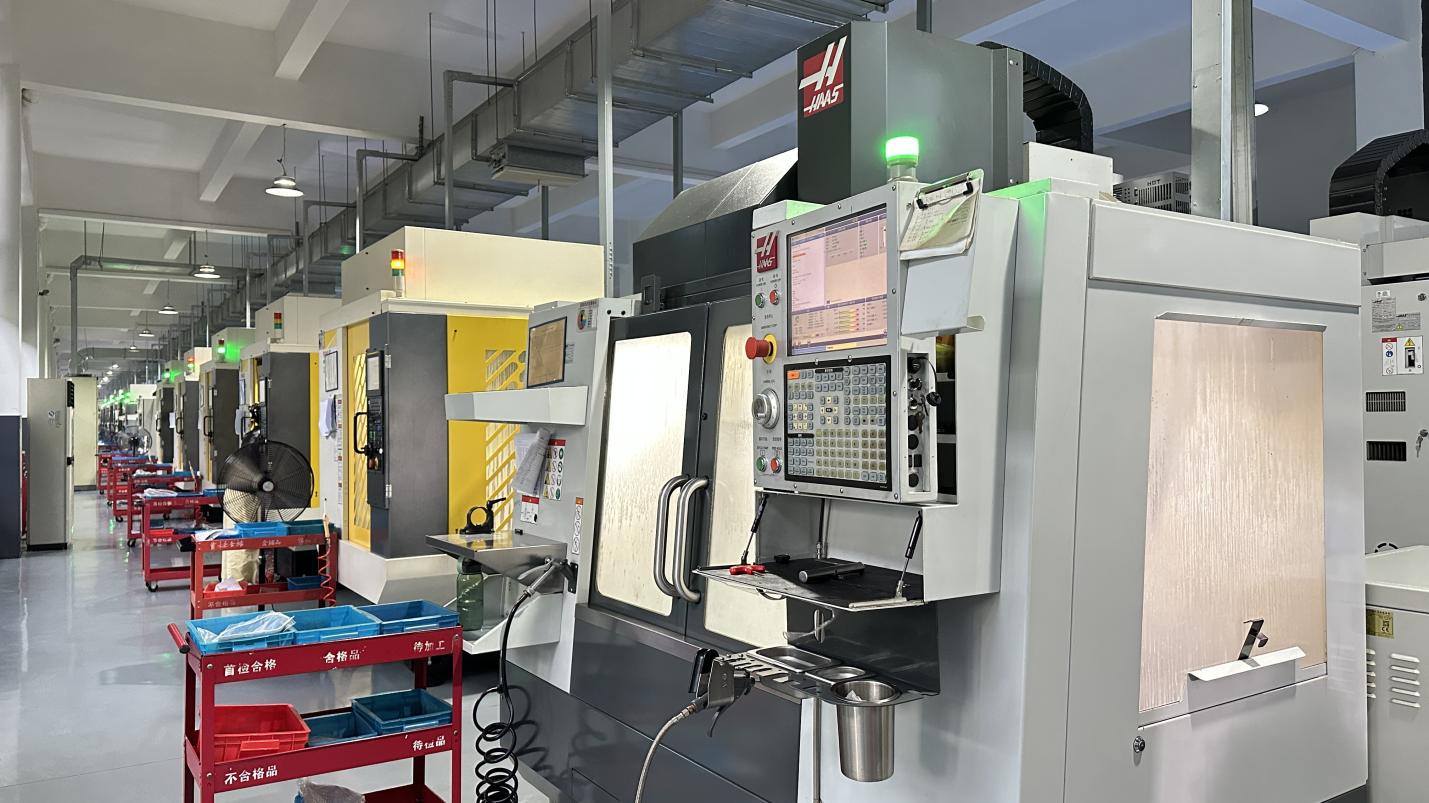
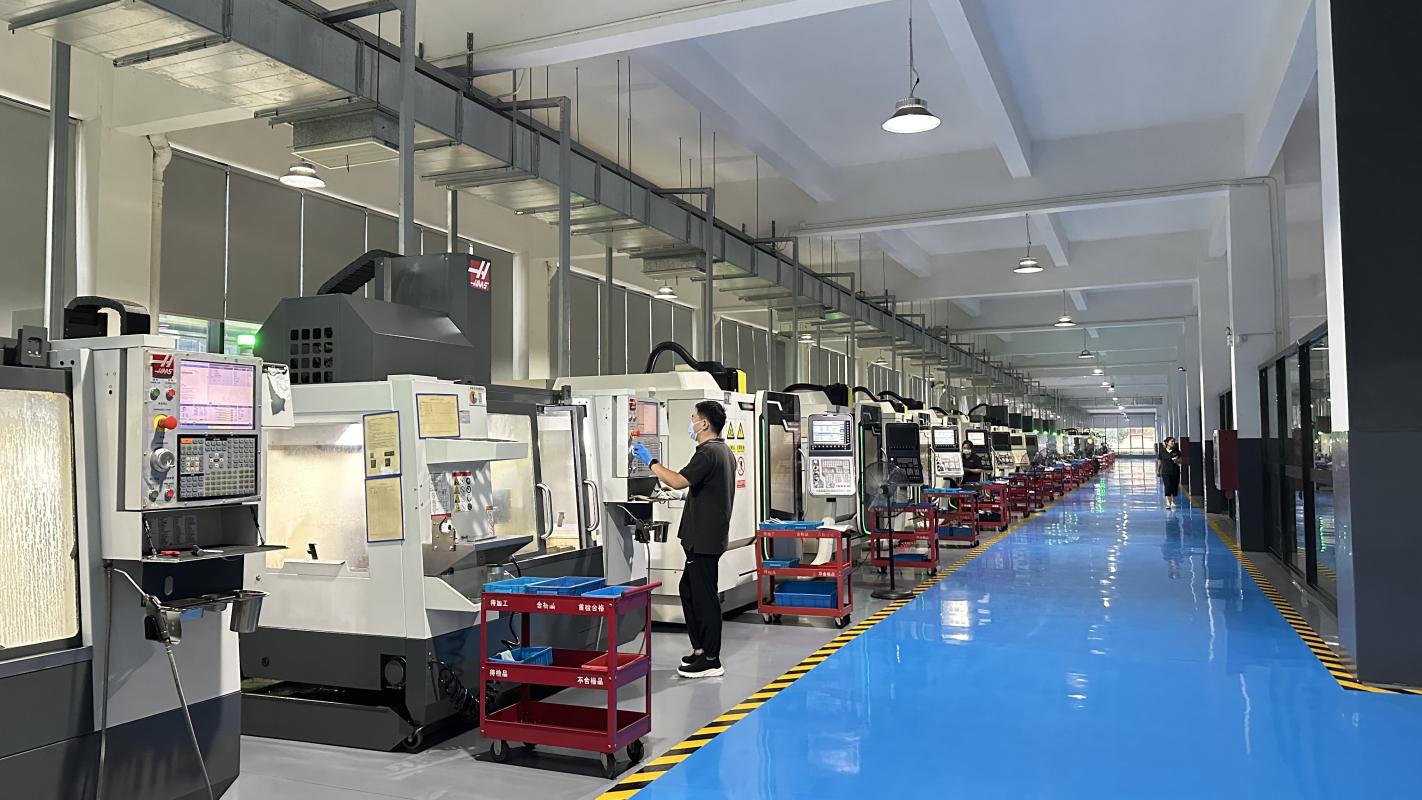
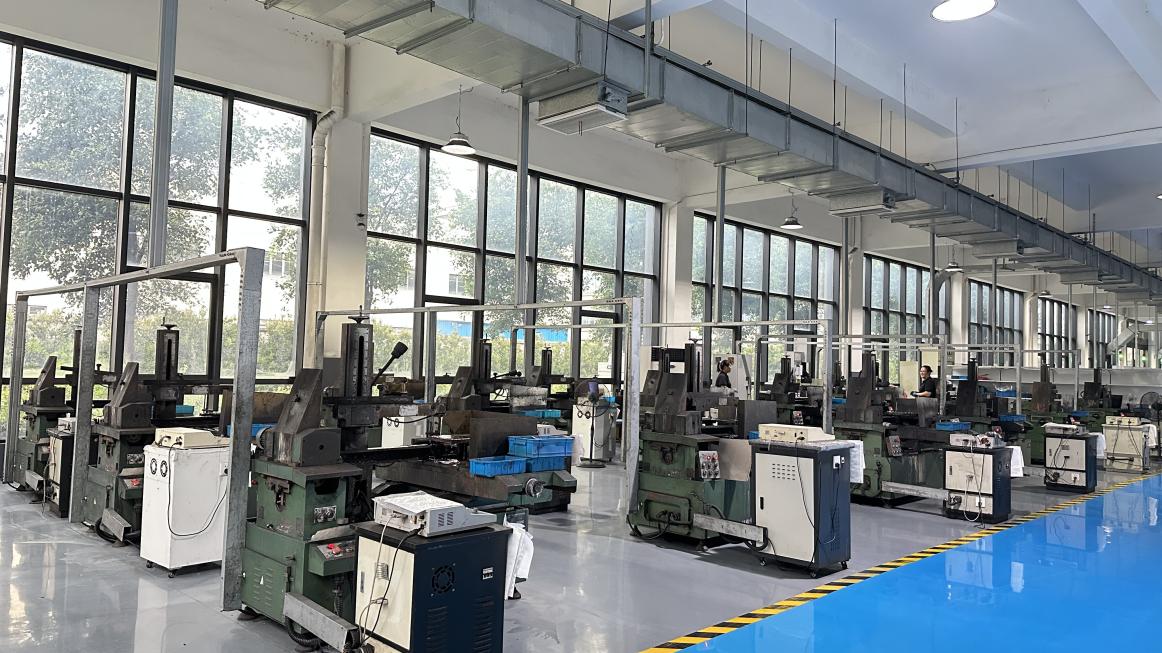
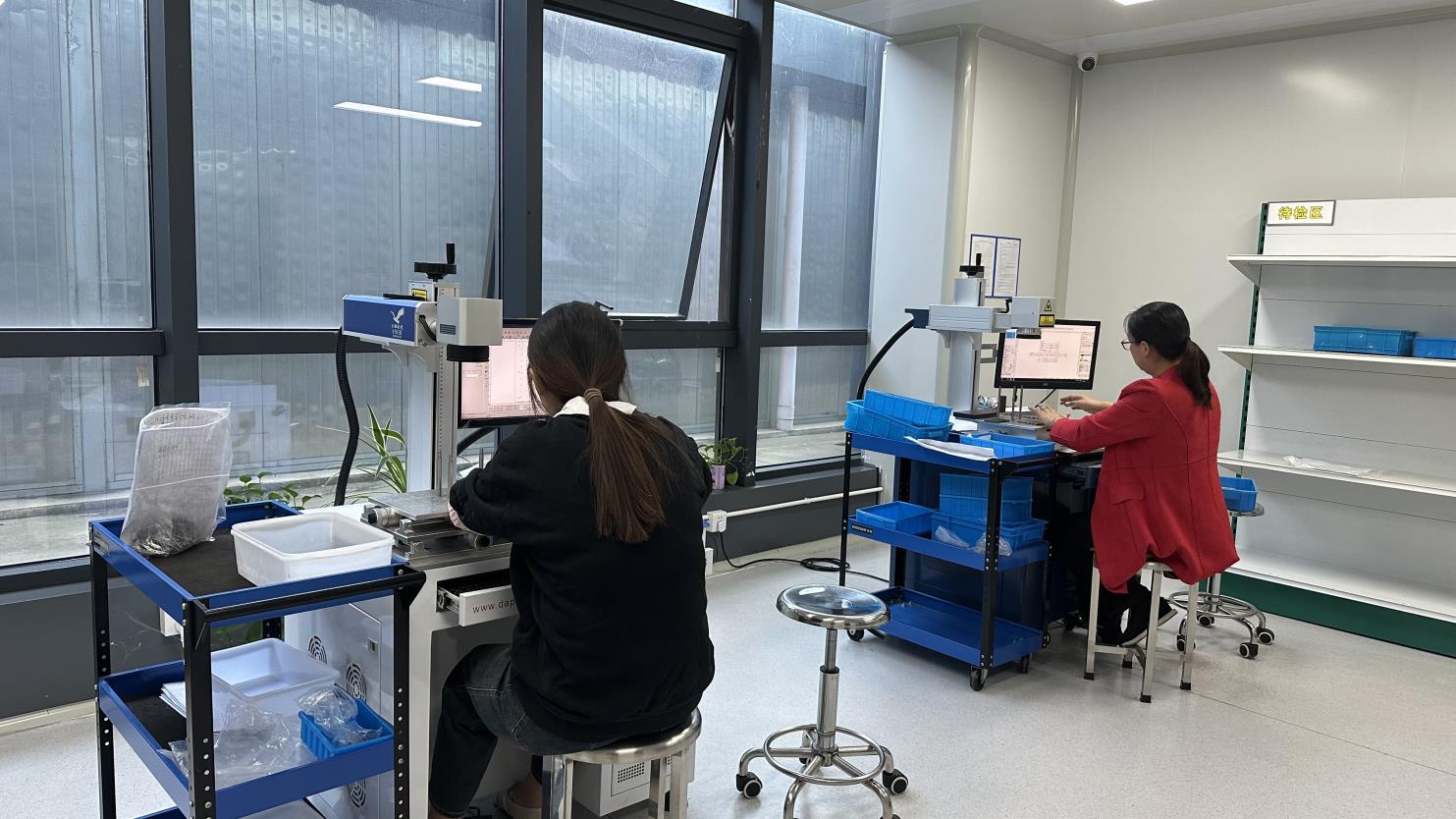
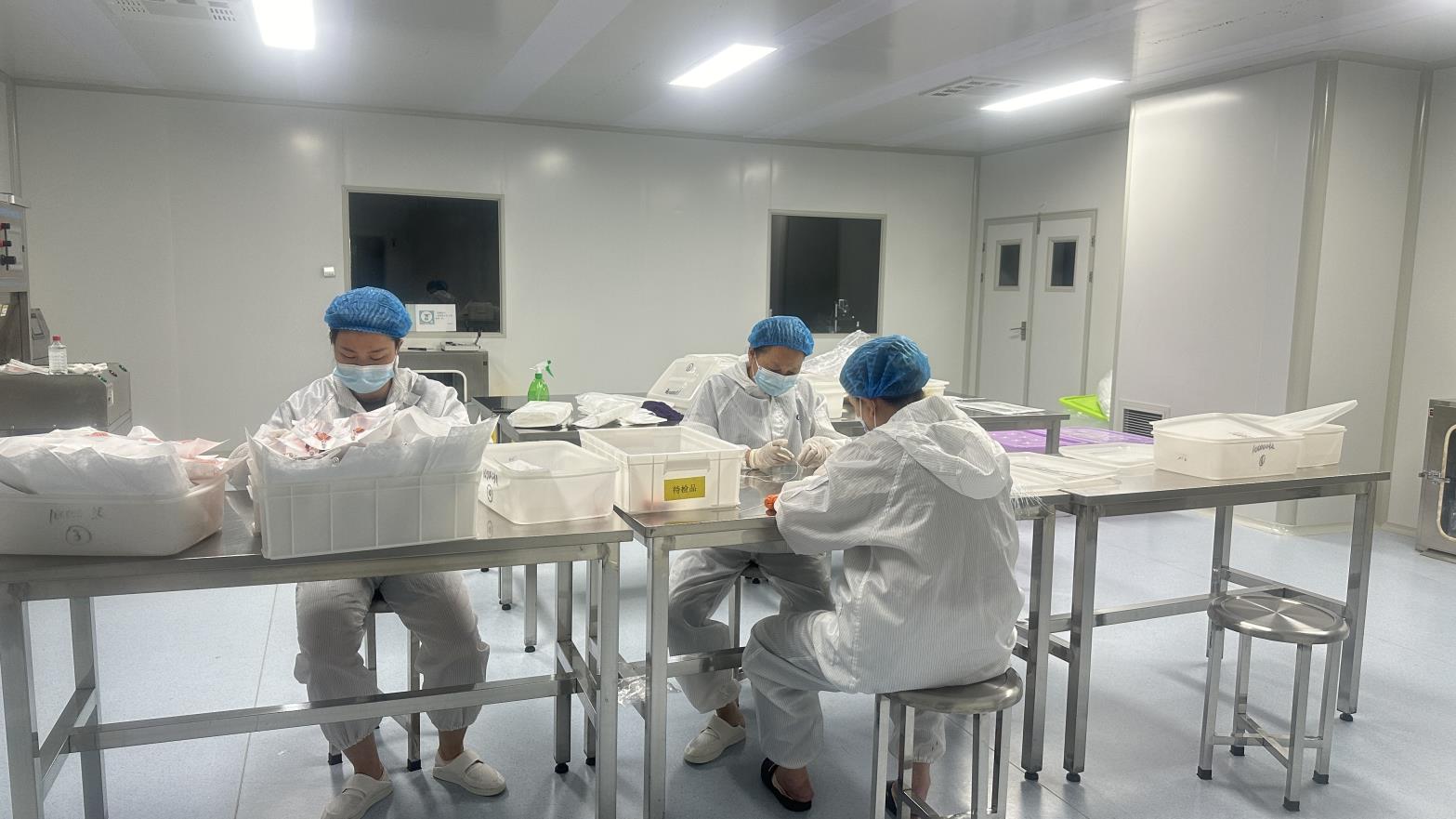

Consistent dimensions are critical for ensuring reliable pull-out strength and structural stability. Bonevia invests in advanced equipment to keep our manufacturing standards aligned with international requirements:
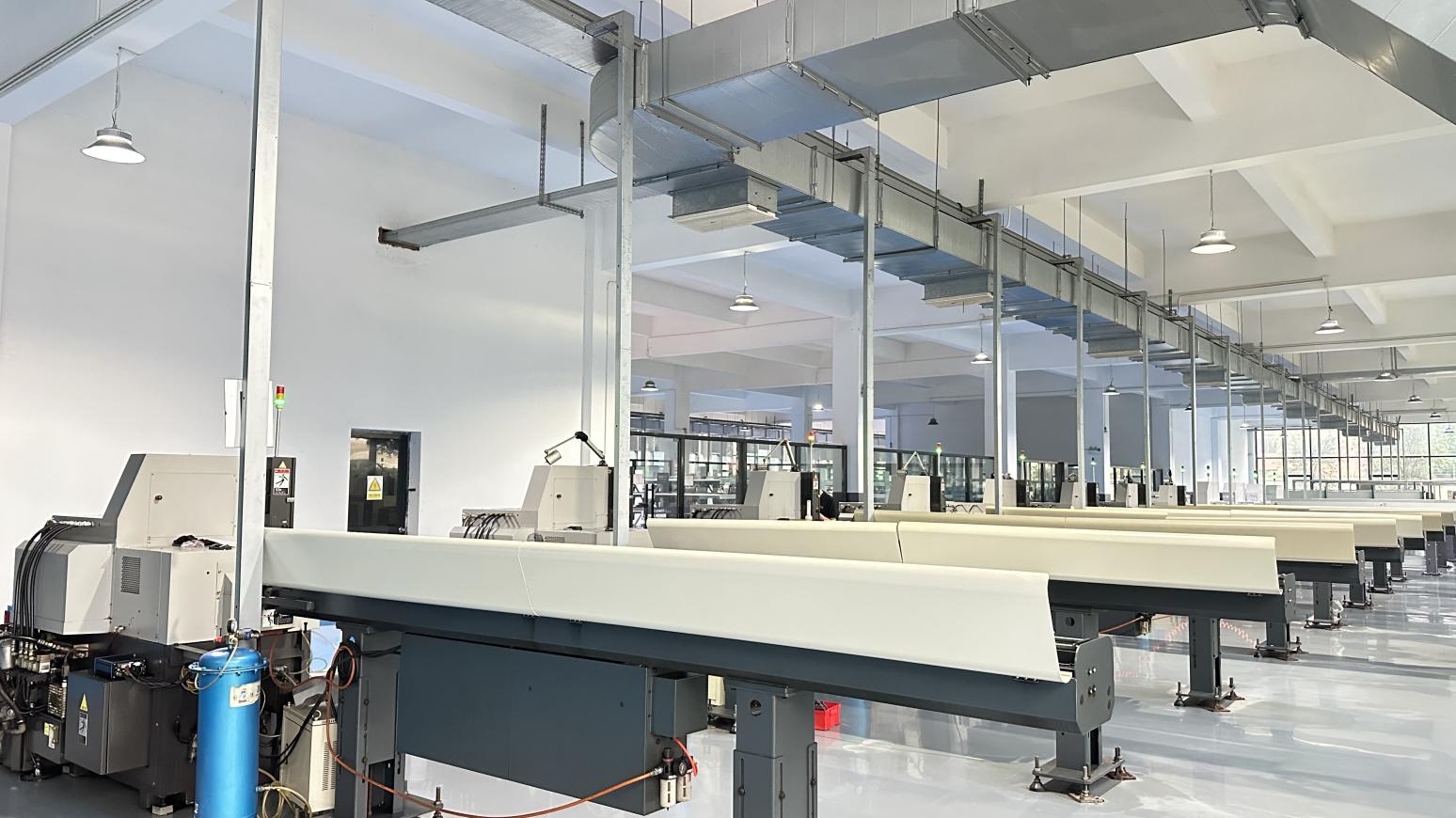
Navigating the regulatory requirements for medical devices is essential in today's B2B landscape. Importing implants like cortical screws requires compliance with strict safety and efficacy standards set by national and regional regulatory bodies.
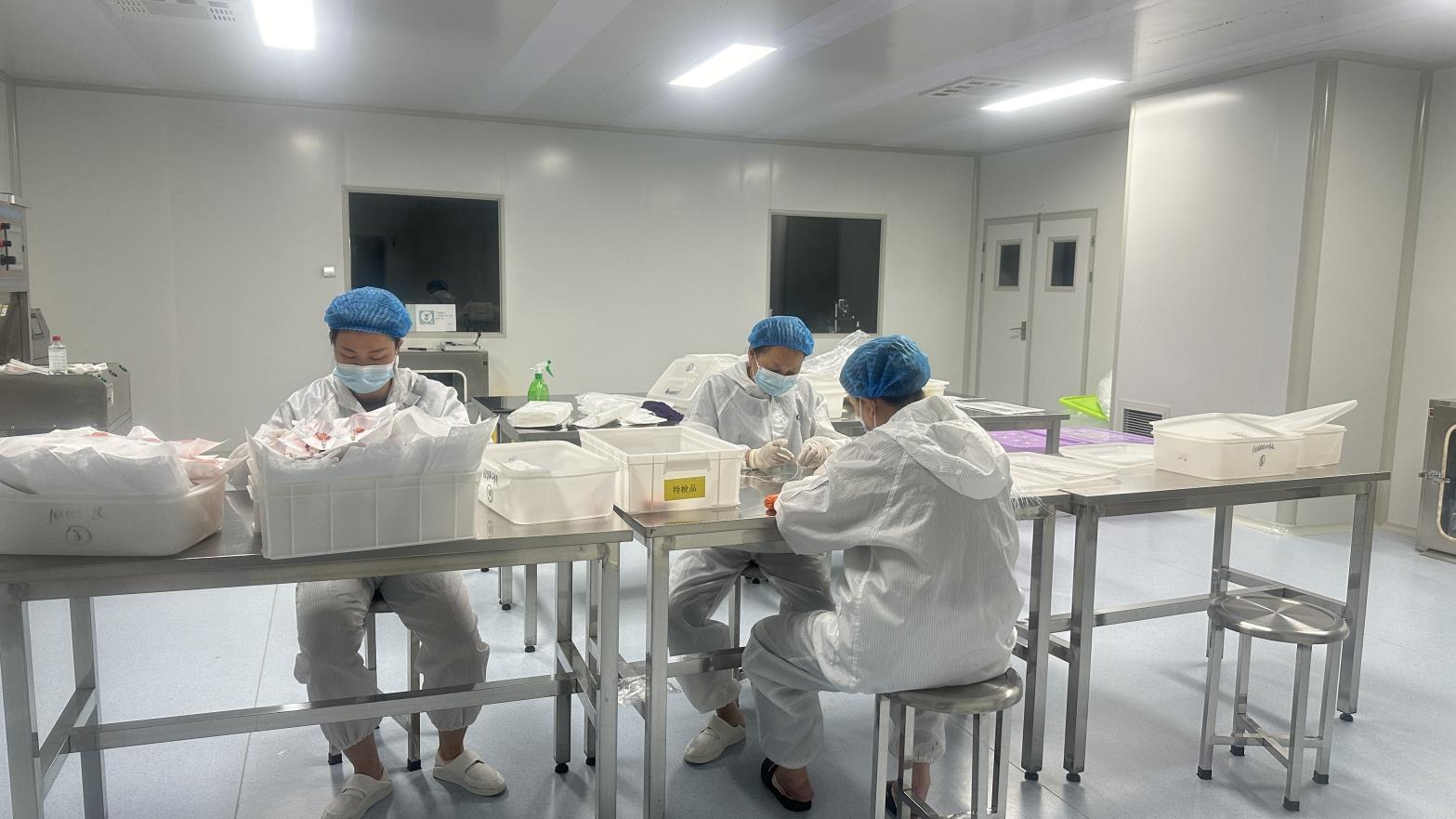
Our quality management system is certified under ISO 13485. This covers all stages of production, from raw material procurement to cleanroom packaging, ensuring traceablitity and process consistency.
We design and manufacture our products in alignment with European Medical Device Regulation (MDR 2017/745) requirements, supporting our clients' registration processes in the EU.
We maintain detailed technical files, including biocompatibility reports (ISO 10993) and mechanical testing documentation (ASTM F543), to support streamlined regulatory submissions.
Additionally, our experienced logistics department manages customs clearance and global distribution challenges. By coordinating with major freight carriers, we ensure reliable delivery timelines for distributors across Europe, South America, and the Middle East.
At Bonevia, quality assurance is managed by a dedicated team of 35 QA and QC professionals. Our validation protocols include raw material verification, in-process dimension checks, and final verification testing to ensure every production run meets design specifications.
Recognizing that different clinical situations require specific solutions, our R&D department—backed by 85 engineers—provides design customization services. In the past year, we developed and launched 120 new product designs. Whether you need custom thread pitches, alternative drive shapes (such as Torx or cruciform), or specific anodization colors, our engineering team can translate your specifications into manufacturing designs.