Bonevia
Bonevia
Bonevia
Precision-engineered, clinically verified large fragment instrumentation and surgical solutions manufactured under strict CE & ISO regulatory standards.
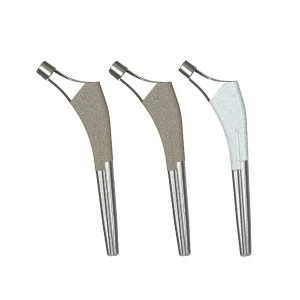
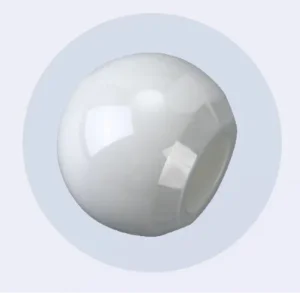
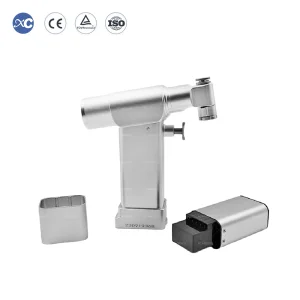
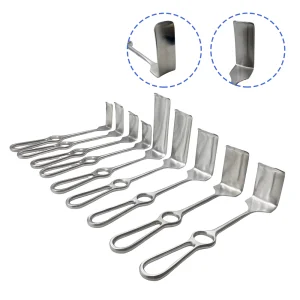
Bonevia Orthopedic Technology Co., Ltd. is a leading, professional manufacturer specializing in orthopedic implants and dynamic surgical solutions. We are dedicated to advancing global innovation in trauma fixation, spine systems, and joint reconstruction products. Since our establishment in 2015, the company has scaled dynamically into a trusted supplier in the international orthopedic manufacturing sector, serving tier-1 medical distributors, surgical centers, and trauma hospitals globally.
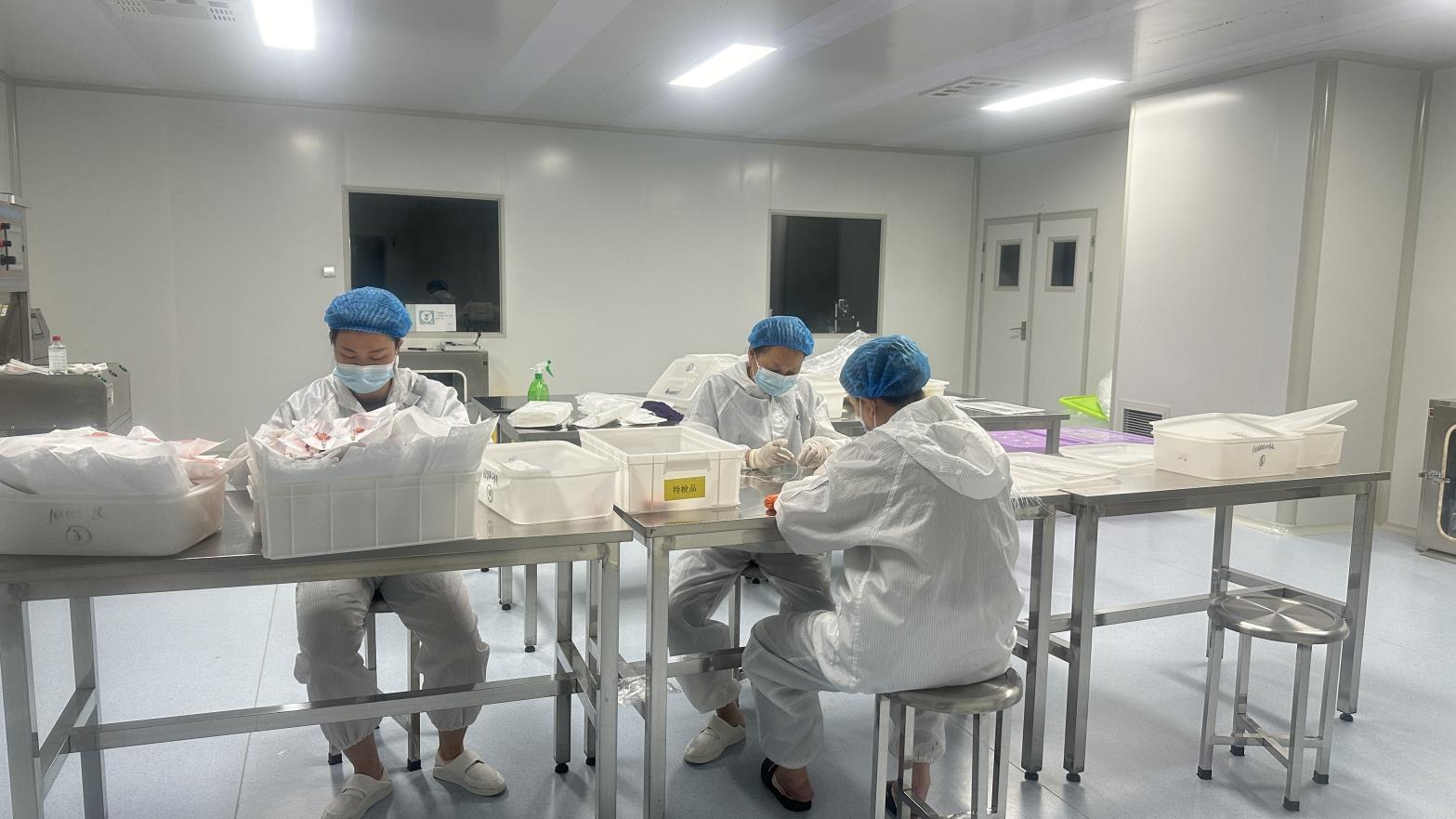
Equipped with a modern precision manufacturing cleanroom and production facility covering approximately 320㎡, Bonevia upholds strict quality management and high-efficiency manufacturing pipelines. Our global distribution network supports an annual export revenue of USD 8–15 million, backed by over 10 years of overall industry expertise and 6 years of specialized international export operations.
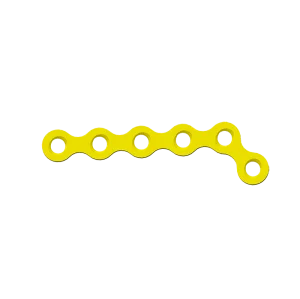
In modern trauma orthopedics, internal fixation has transitioned from simple mechanical compression to biologically optimized stability. Large Fragment Locking Plates (typically optimized for 4.5mm and 5.0mm screw configurations) play a critical role in treating complex fractures of the femur, tibia, humerus, and pelvic ring. Unlike conventional plates, which rely on plate-to-bone friction for stability, locking plates function as internal fixators. By locking the screw head angularly into the plate hole, they create a rigid construct that preserves periosteal perfusion, minimizing osteonecrosis underneath the plate.
By preventing compression of the plate against the periosteum, the blood supply to the bone is sustained. This accelerates cortical healing and drastically reduces the incidence of non-unions and implant failures under dynamic loads.
Integrating dynamic compression and locking structures within a single hole allows orthopedic surgeons to apply axial compression (using standard cortical screws) or angular stability (using locking screws) according to the fracture pattern.
Our titanium plates (Ti-6Al-4V ELI) conform to ASTM F136 standards. The mechanical interface withstands cyclic torsional stress and heavy load transmission in load-bearing large bone reconstructions.
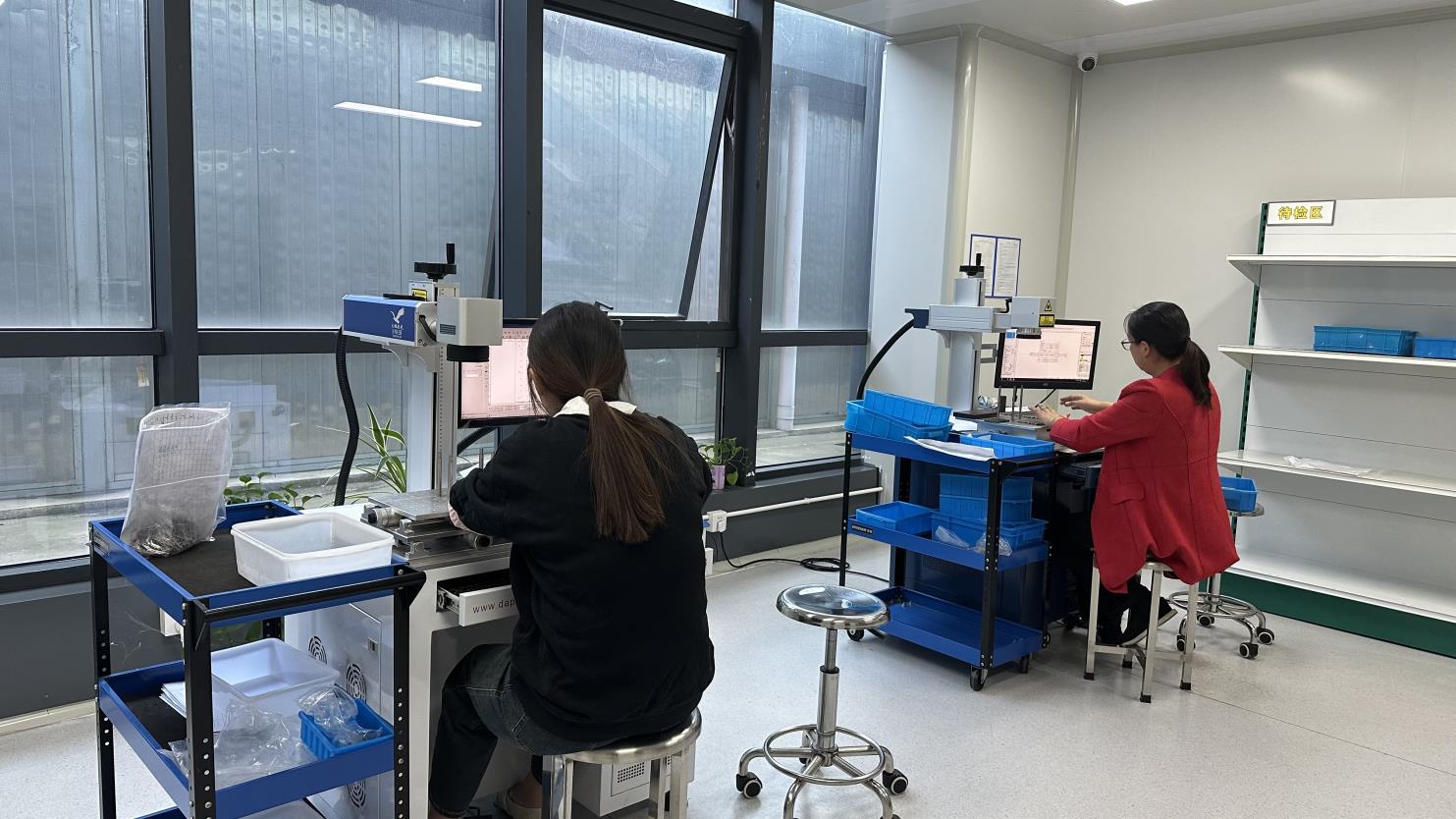
Precision execution at every phase guarantees that Bonevia implants are highly reliable. Our production ecosystem is monitored from chemical analysis of raw materials to sterile cleanroom packaging.
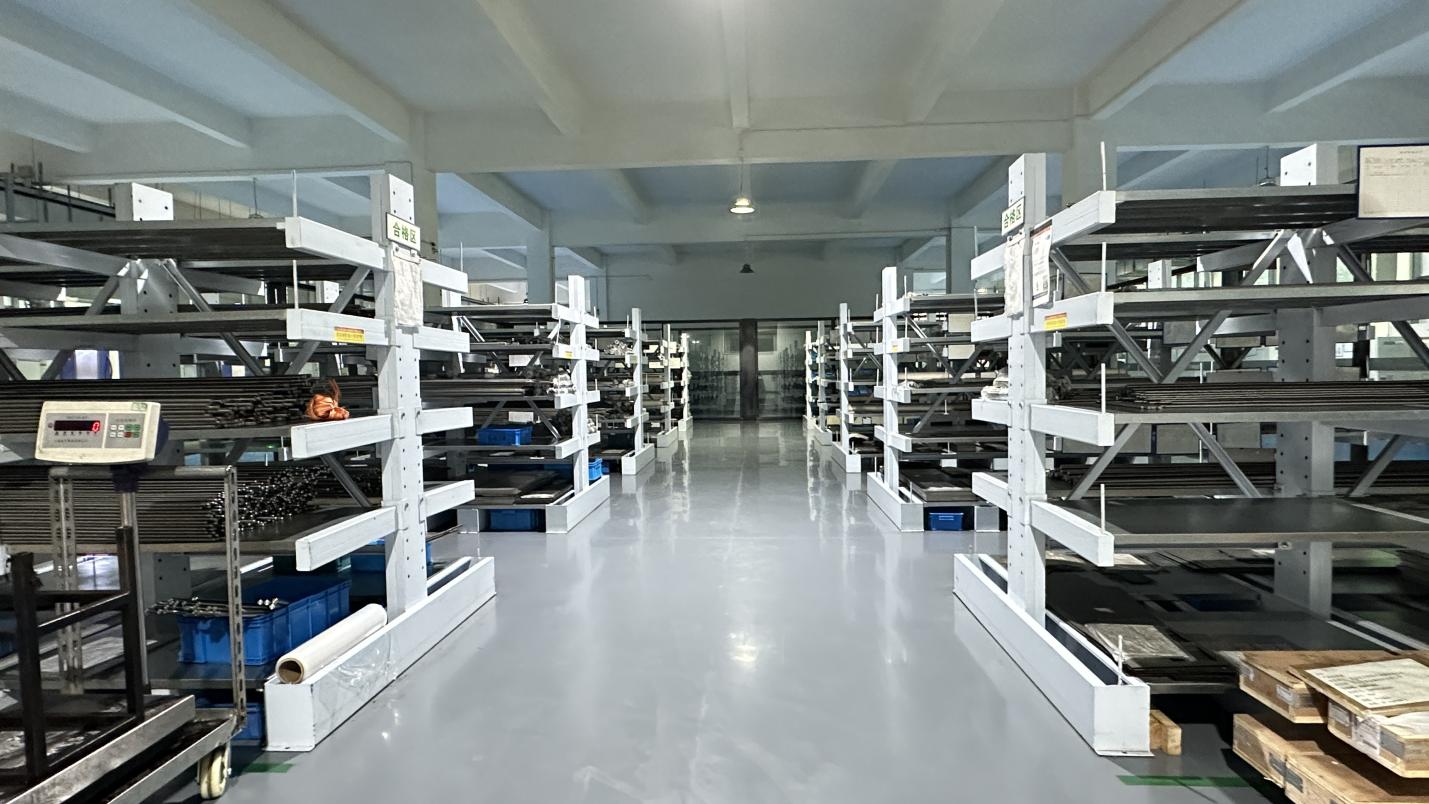
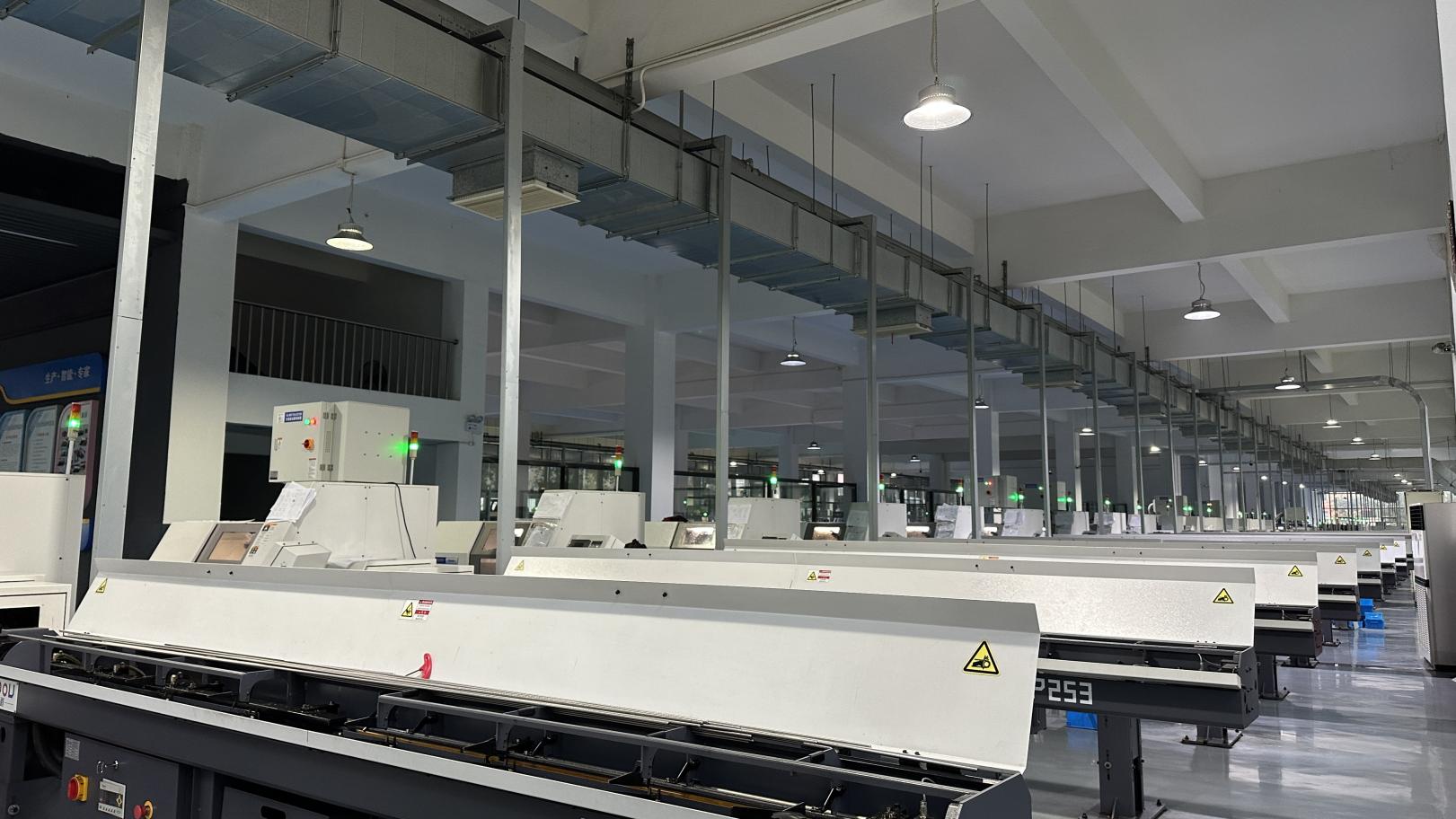
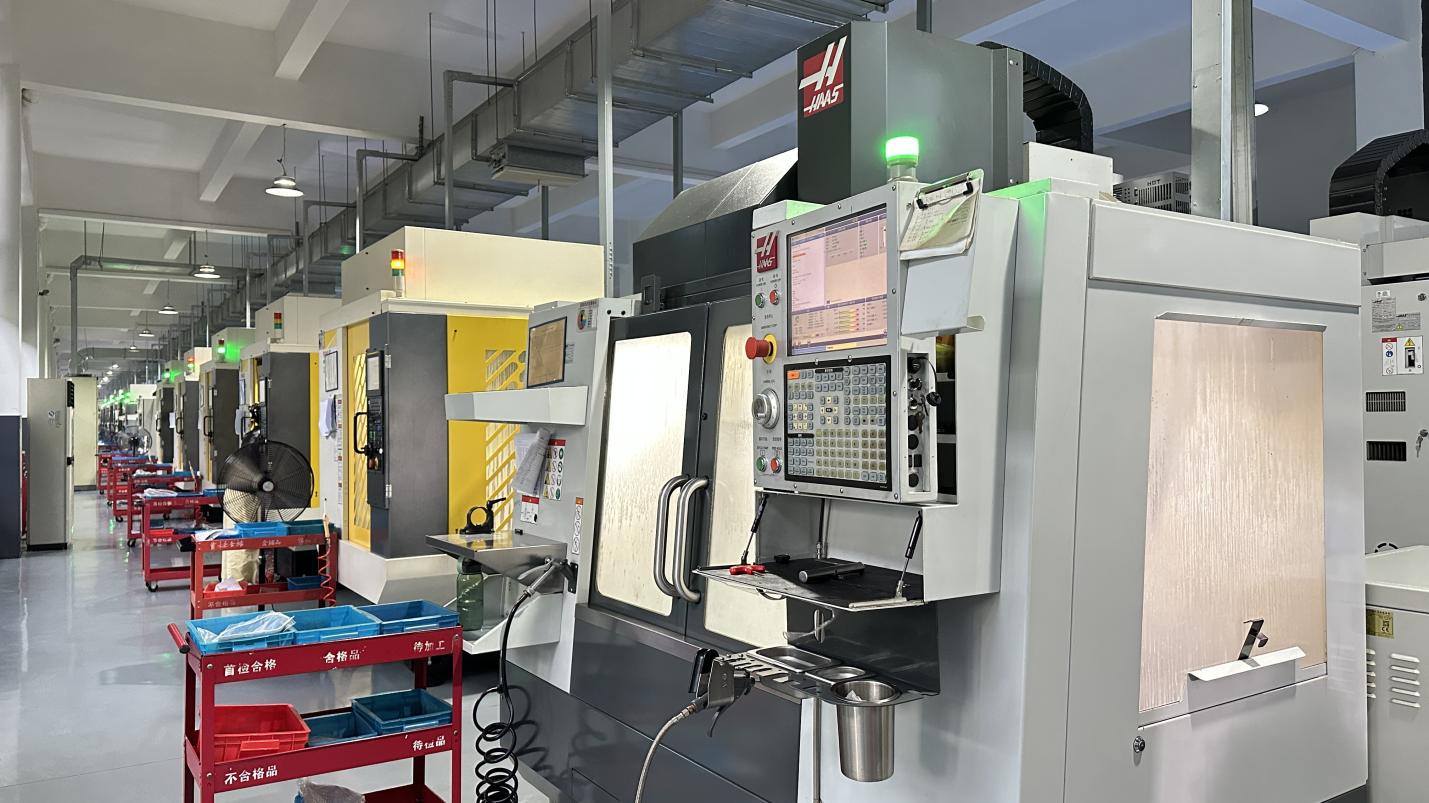
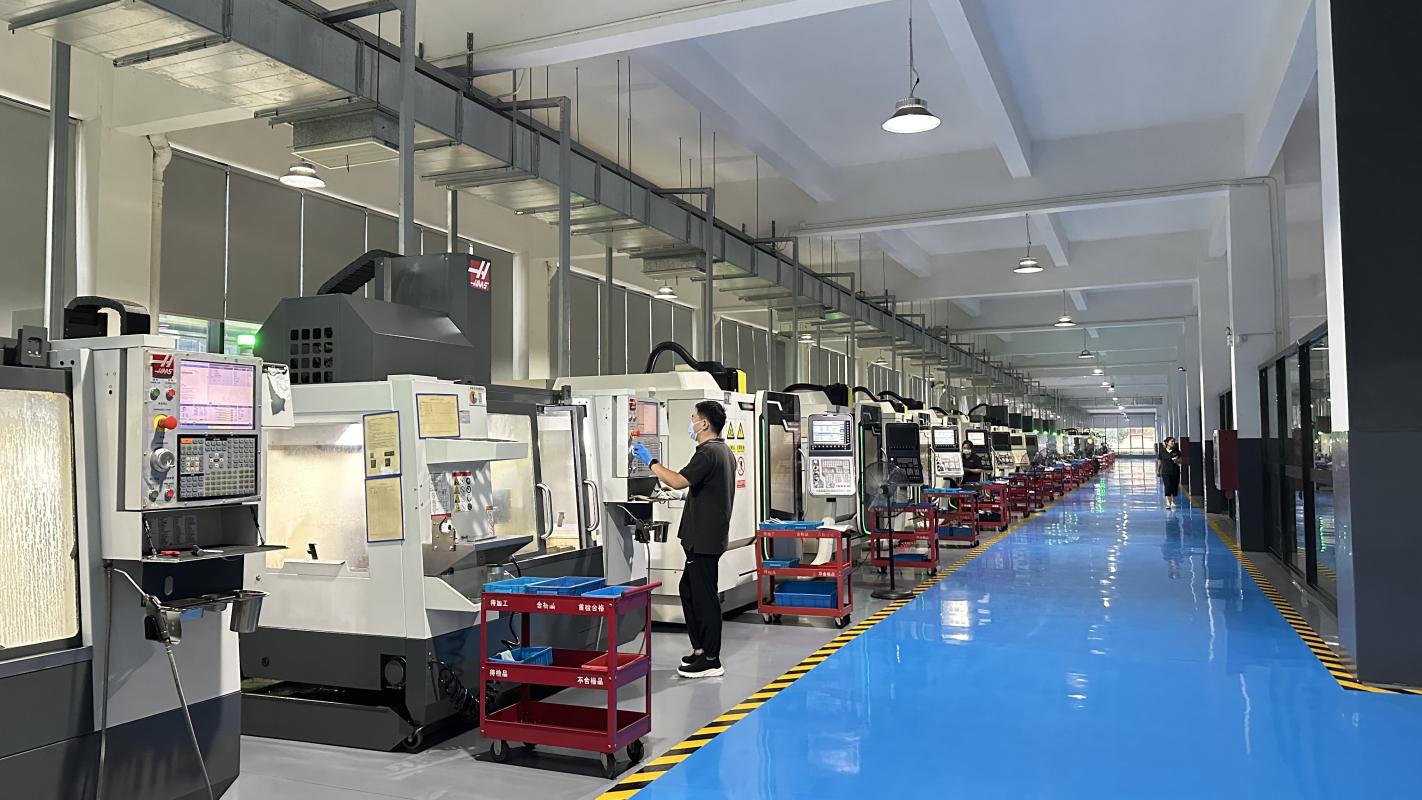
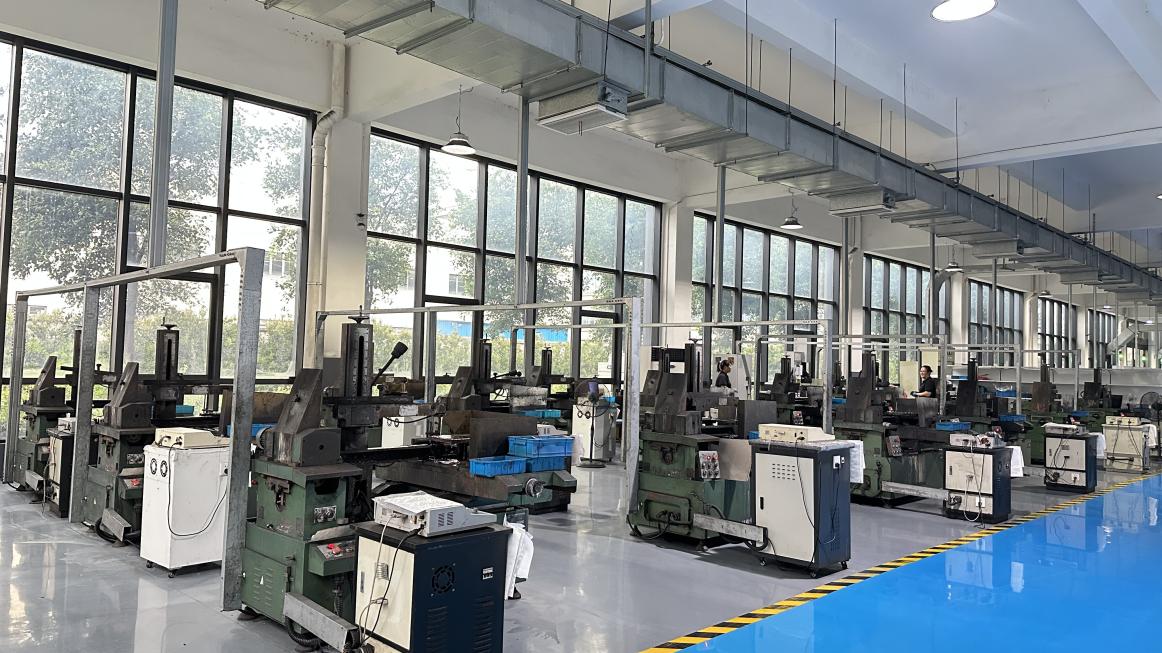
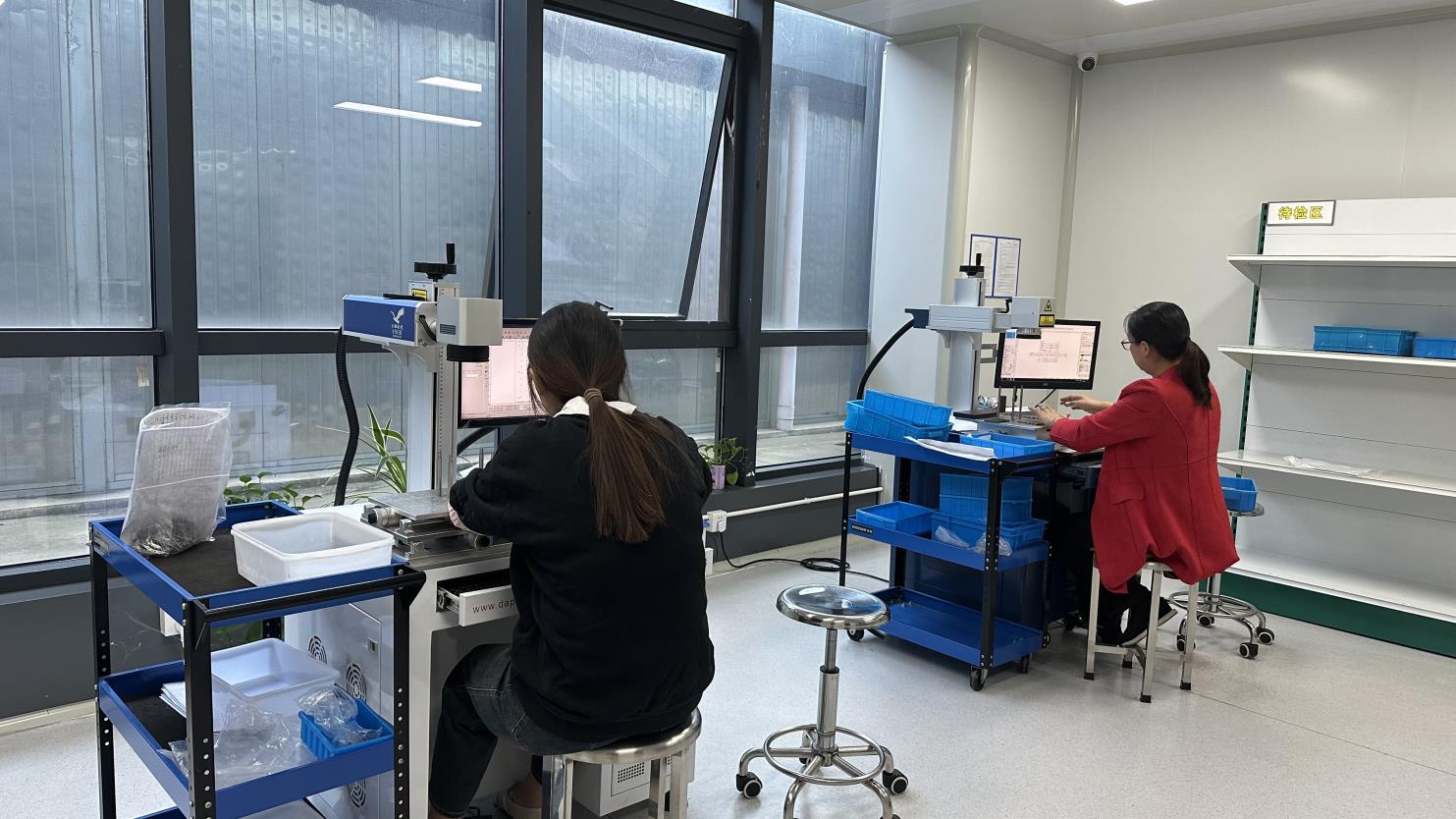
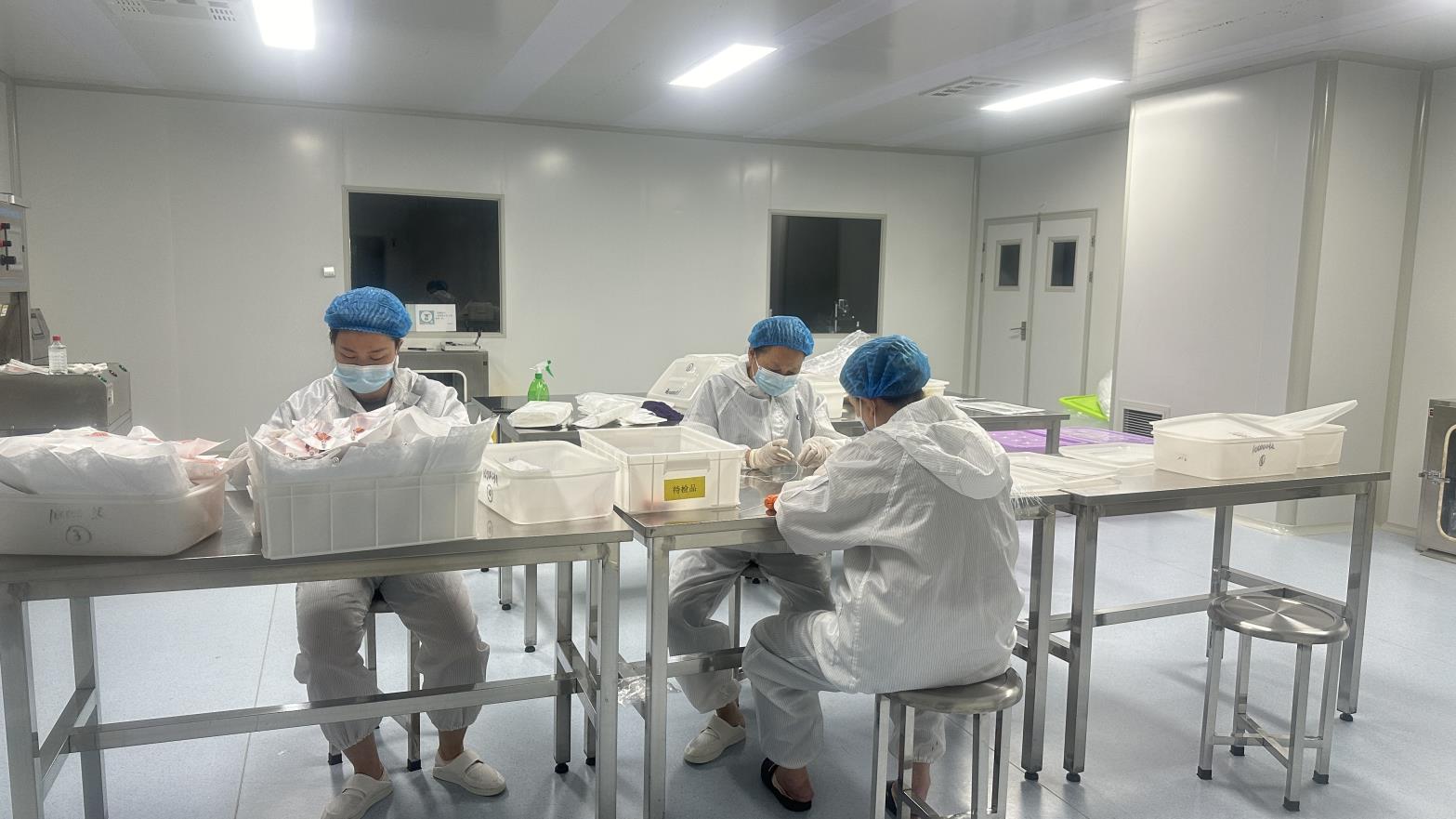
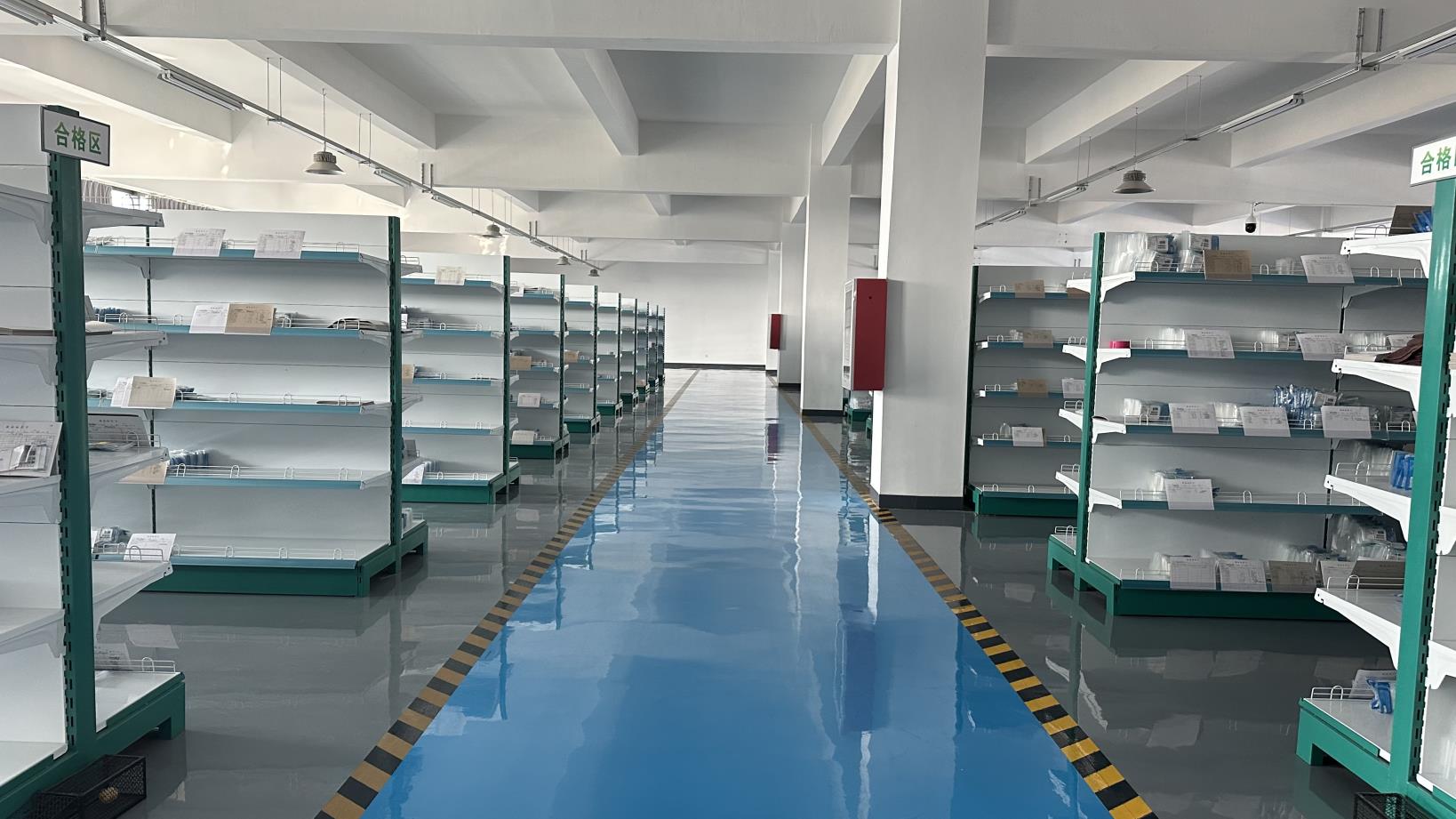
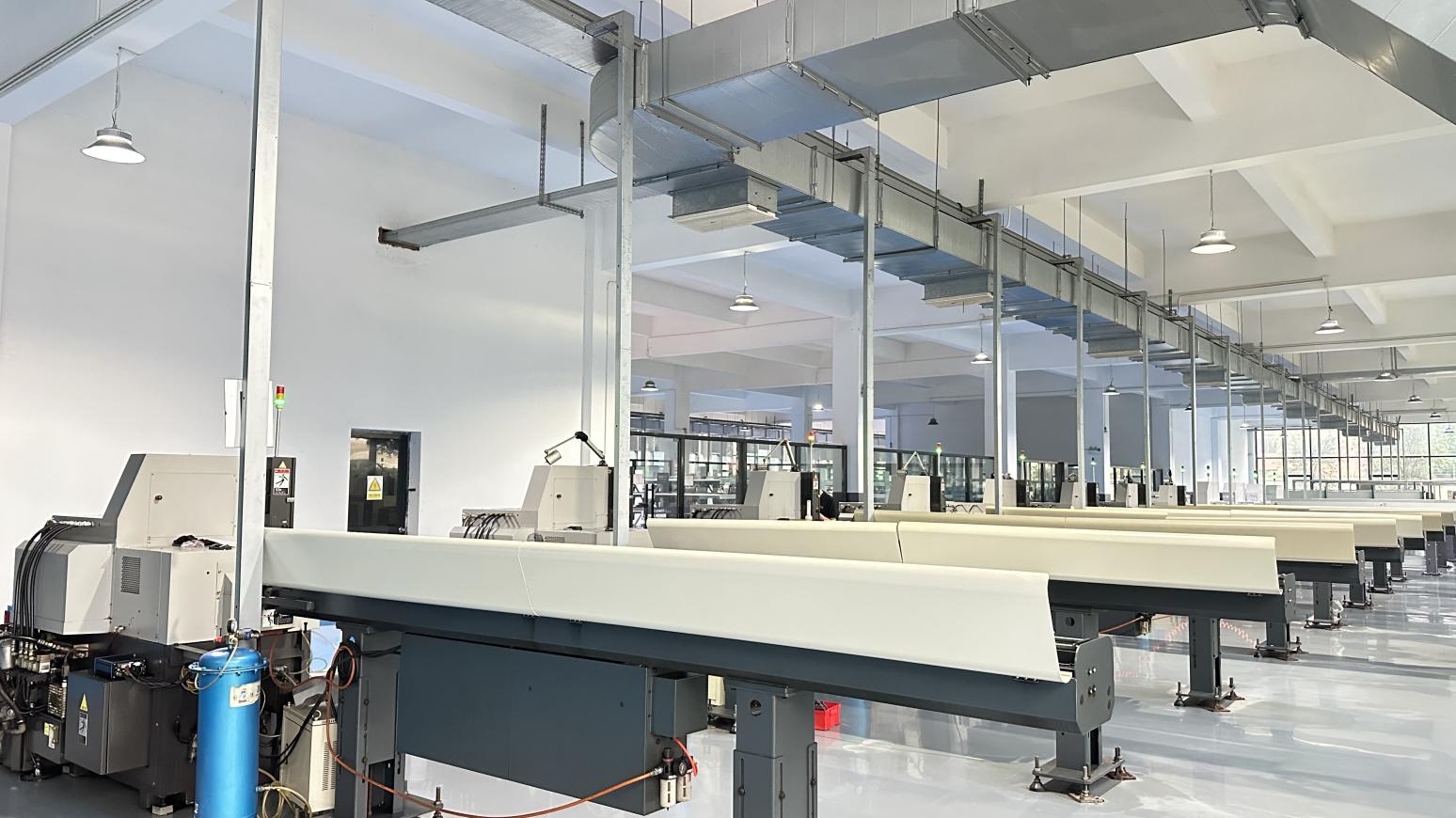
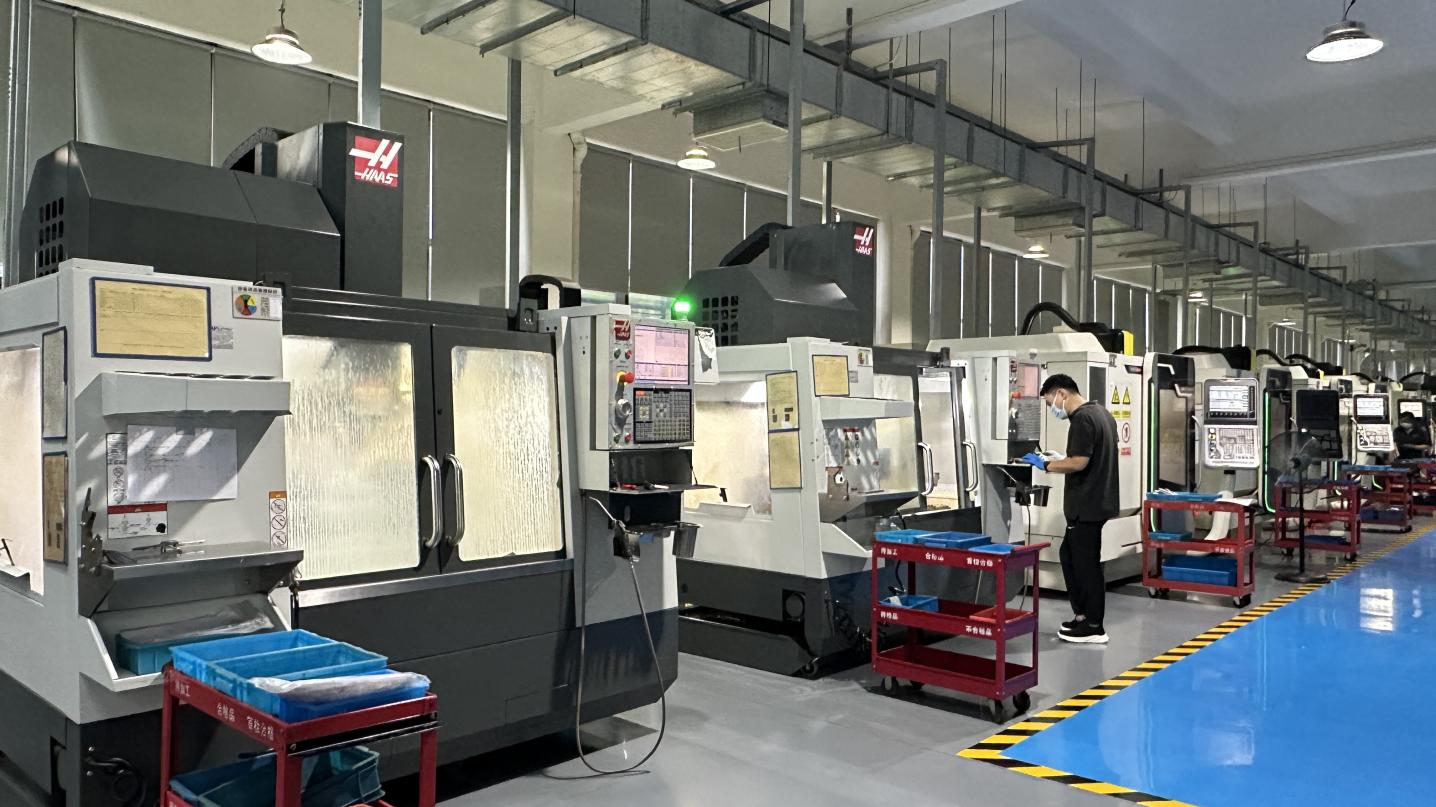
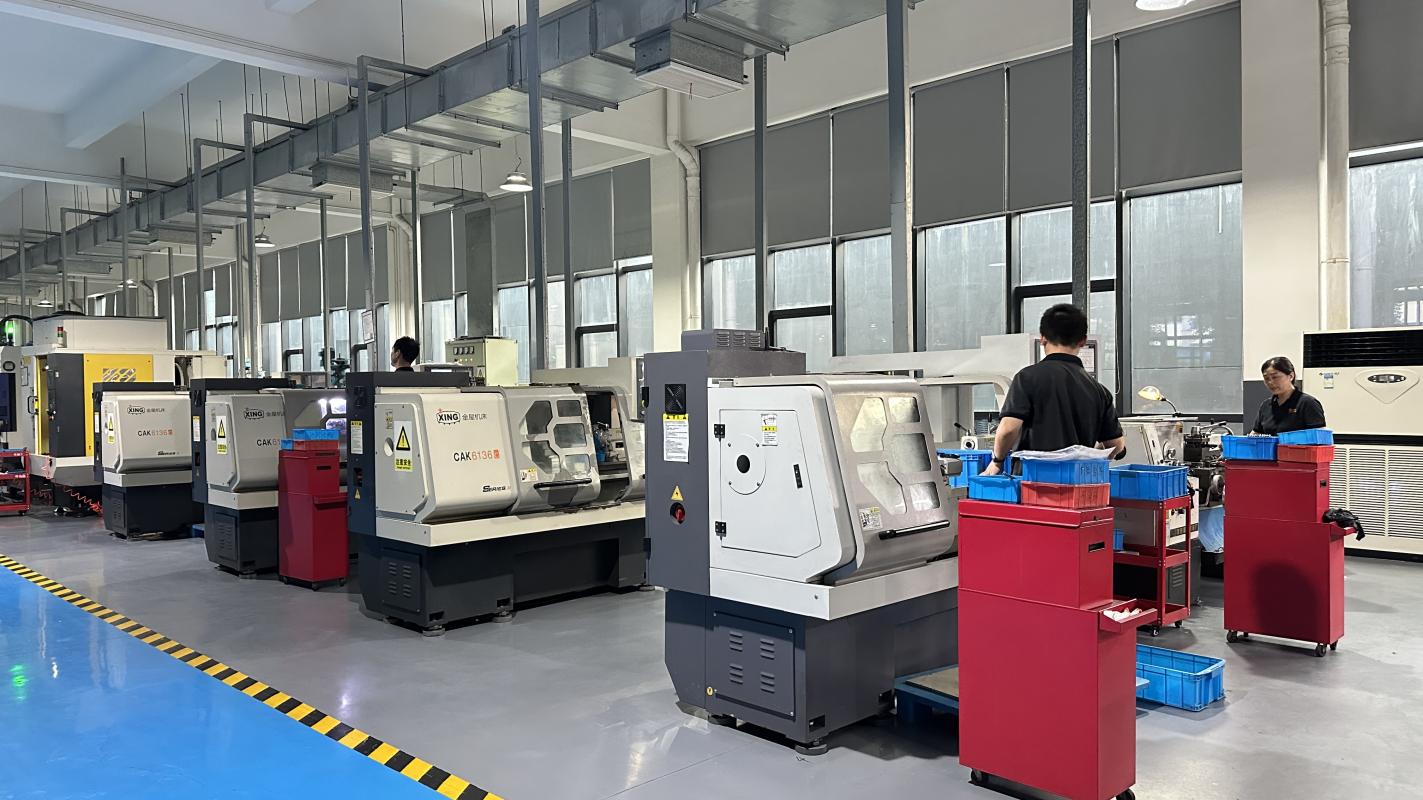
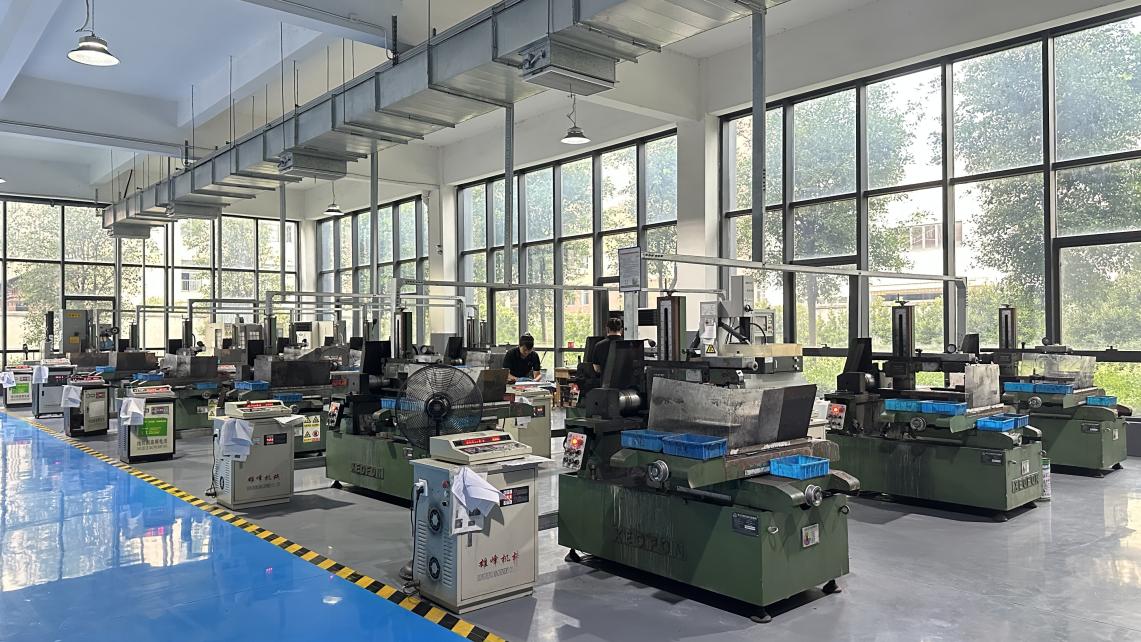
As life expectancy rises globally, the incidence of osteoporotic fractures and high-energy polytraumas (resulting from vehicular accidents and industrial activities) has grown exponentially. The demand for reliable implant systems that shorten hospital stays and mitigate postoperative complications is at an all-time high. Bonevia responds to these trends by providing global medical distributors and hospitals with cost-effective, high-performing trauma systems.
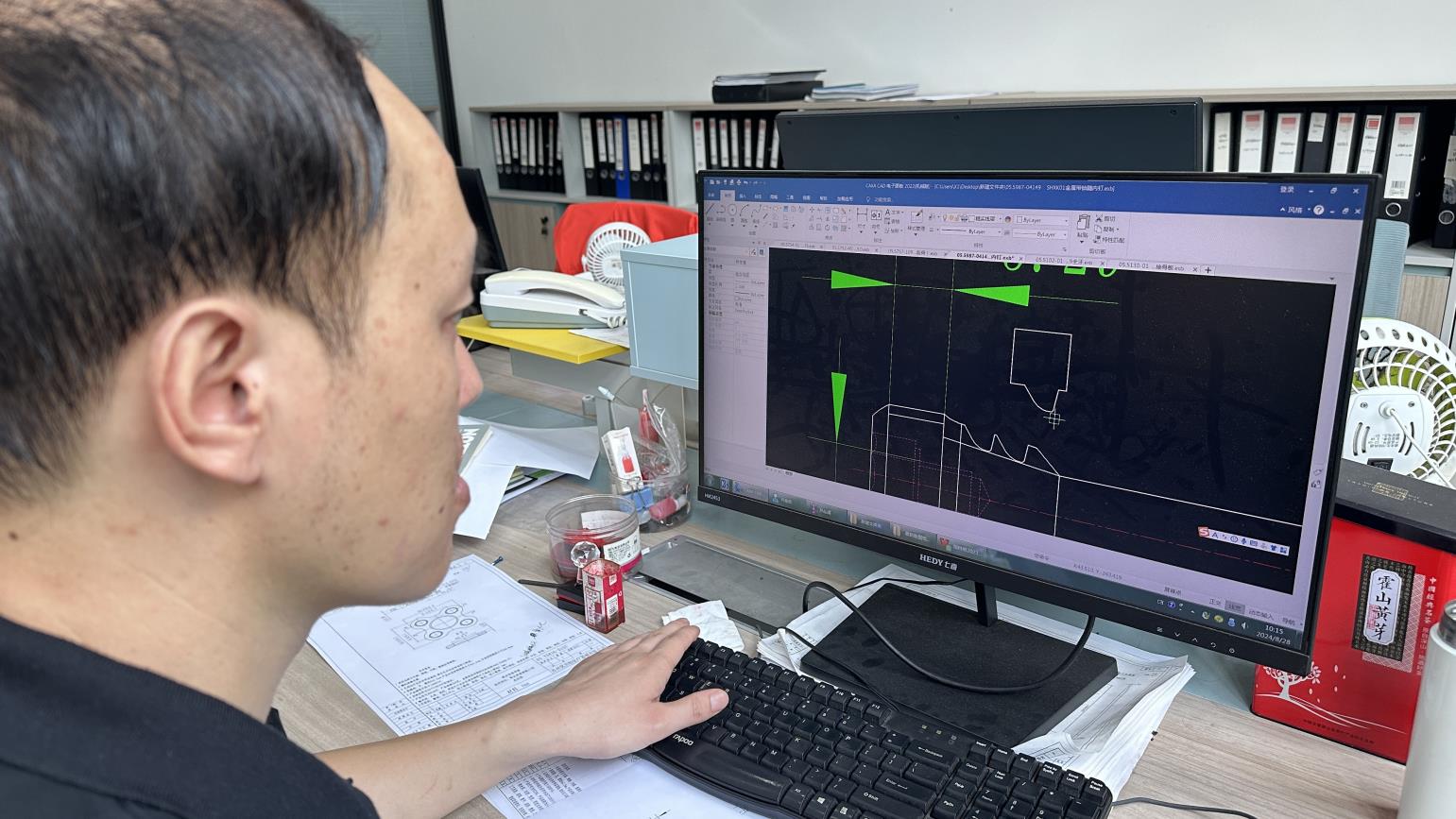
With a state-of-the-art design center and 85 dedicated engineers, we facilitate rapid prototyping and custom-designed locking configurations. We support clinical customization for unique localized anatomies across Europe, Southeast Asia, South America, and the Middle East.
Operating with a network of over 850 verified material and logistics partners, we secure high-grade biocompatible titanium alloys and medical-grade stainless steels. This shields our clients from volatile pricing and delivery delays.
Bonevia locking plates are built to address challenging clinical scenarios in trauma departments worldwide:
Conventional screws frequently lose purchase in compromised bone. Bonevia's fixed-angle locking constructs prevent screw toggle and loss of reduction, enabling earlier patient mobilization and reducing risks associated with prolonged bed rest in elderly populations.
Complex comminuted fractures require stable structural bridging. Our anatomically contoured large fragment plates bridge extensive segmental zones, offering high stability under multi-axial bending stresses without dynamic deformity.
We comply fully with ISO 13485 quality management systems. Our QA professionals execute complete process mapping, including spectral raw material testing, micro-hardness verification, dimensional tolerance inspections, and fatigue limits validation matching ASTM F382 requirements.
As the orthopedics sector moves towards digitized, biological implants, Bonevia's R&D division is focused on the following developments:
Developing anodic oxidation techniques to create nanostructured surfaces that promote osseointegration, along with bioactive hydroxyapatite coatings to accelerate bone-to-plate bonding.
Integrating clinical CT scan DICOM data with direct laser metal sintering (DLMS) to fabricate patient-specific plates for severe bone defects and reconstructive surgeries.
We manufacture our plates primarily from high-strength Titanium Alloy Ti-6Al-4V ELI (conforming to ASTM F136 standards) and medical-grade Pure Titanium (ASTM F67). We also offer high-purity 316L Stainless Steel (ASTM F138) to meet diverse clinical preferences and regulatory requirements in different global territories.
Standard dynamic compression plates rely on the compression force between the plate and the bone to achieve stability, which can impair blood flow. Locking plates create a rigid, fixed-angle frame where the screw head locks into the plate. This design provides structural support without compromising the periosteal blood supply, making it highly effective for osteoporotic bone.
Yes, we provide full-service OEM and ODM customization. Supported by our R&D team of 85 engineers, we work from CAD designs, prototypes, or clinical images to manufacture plates that meet specific anatomical shapes or custom thickness and hole requirements.
For standard catalog configurations, shipment usually occurs within 15–30 days depending on stock levels. Customized OEM designs require 45–60 days to allow for prototyping, precise milling, validation, and sterilization packaging.
Every implant is laser-marked with a unique batch number, material code, and serial number. We record trace records from raw material purchase bills through mechanical testing, CNC processing, and cleaning, ensuring compliance with ISO 13485 auditing.
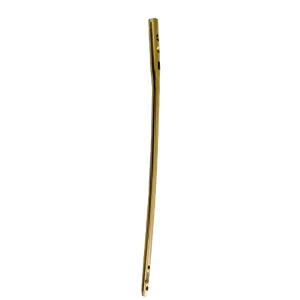
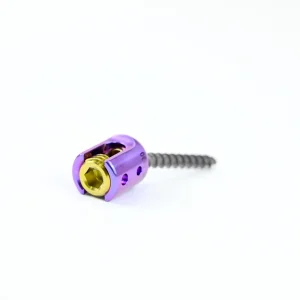
Explore our extended line of spinal fixation, intramedullary locking nails, veterinary trauma devices, and orthopedic power tools.