Bonevia
Bonevia
Bonevia
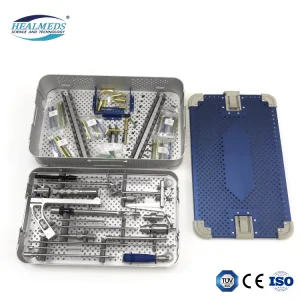
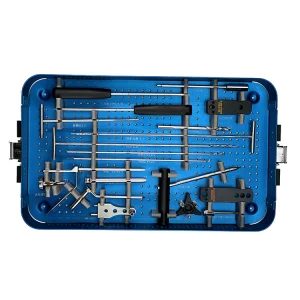
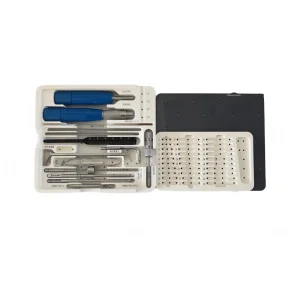
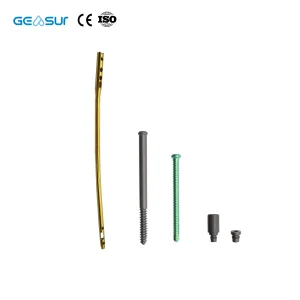
Precision-crafted surgical instrumentation and internal fixation systems optimized for diverse bone-restoration protocols.
Orthopedic trauma care demands swift, highly reliable internal fixation systems that restore mechanical load-bearing capacity, promote natural bone healing, and minimize postoperative risks. As clinical paradigms transition toward minimally invasive surgery (MIS), the design and structural integrity of trauma implants (such as locking plates, cannulated screws, and intramedullary nails) must withstand complex biomechanical stresses.
From micro-fracture stability to major structural realignment, implants constructed from ISO-standard titanium alloys and ultra-high-molecular-weight polyethylene (UHMWPE) form the backbone of modern osteosynthesis. Partnering with a vertically integrated manufacturer ensures complete material transparency, traceable quality metrics, and compliance with stringent Class III medical device protocols.
Pioneering clinical innovation and establishing strategic partnerships across global medical distribution channels.
Founded in 2015, Bonevia Orthopedic Technology Co., Ltd. is a specialized developer and manufacturer of advanced orthopedic implants and complex surgical instrument portfolios. Engineered to support surgeons in trauma repair, spinal intervention, and joint reconstruction, the company balances technical design innovation with rigid structural testing.
Operating a modernized manufacturing footprint of 320㎡ optimized for high-throughput precision engineering, the company processes custom medical alloys with zero-tolerance tolerances. Supported by an expert R&D framework consisting of 85 dedicated design engineers, Bonevia collaborates directly with orthopedists and biomechanical researchers. This agile development pipeline has yielded over 120 novel component blueprints in the past calendar year alone, expanding their footprint in global healthcare markets.
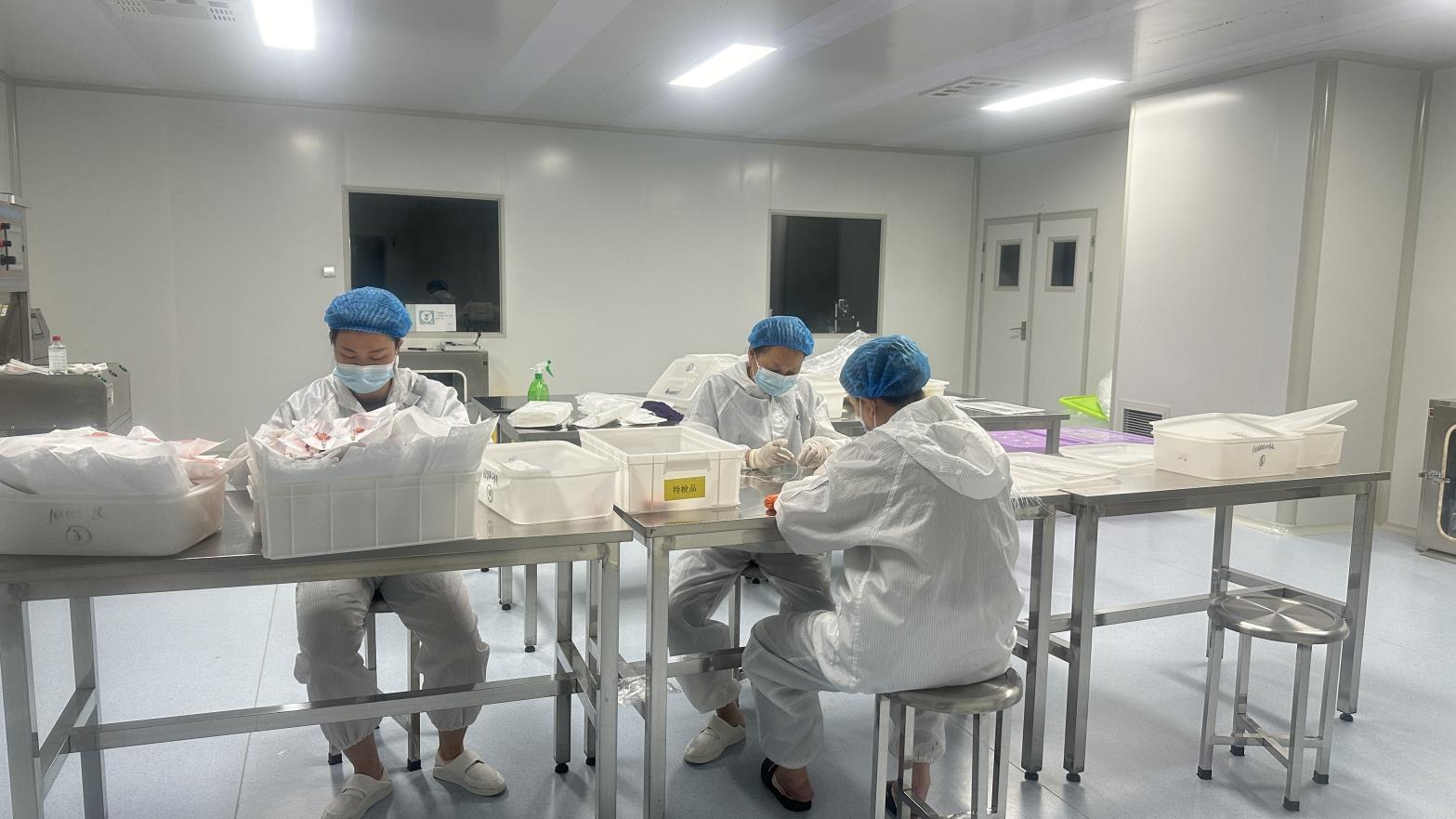
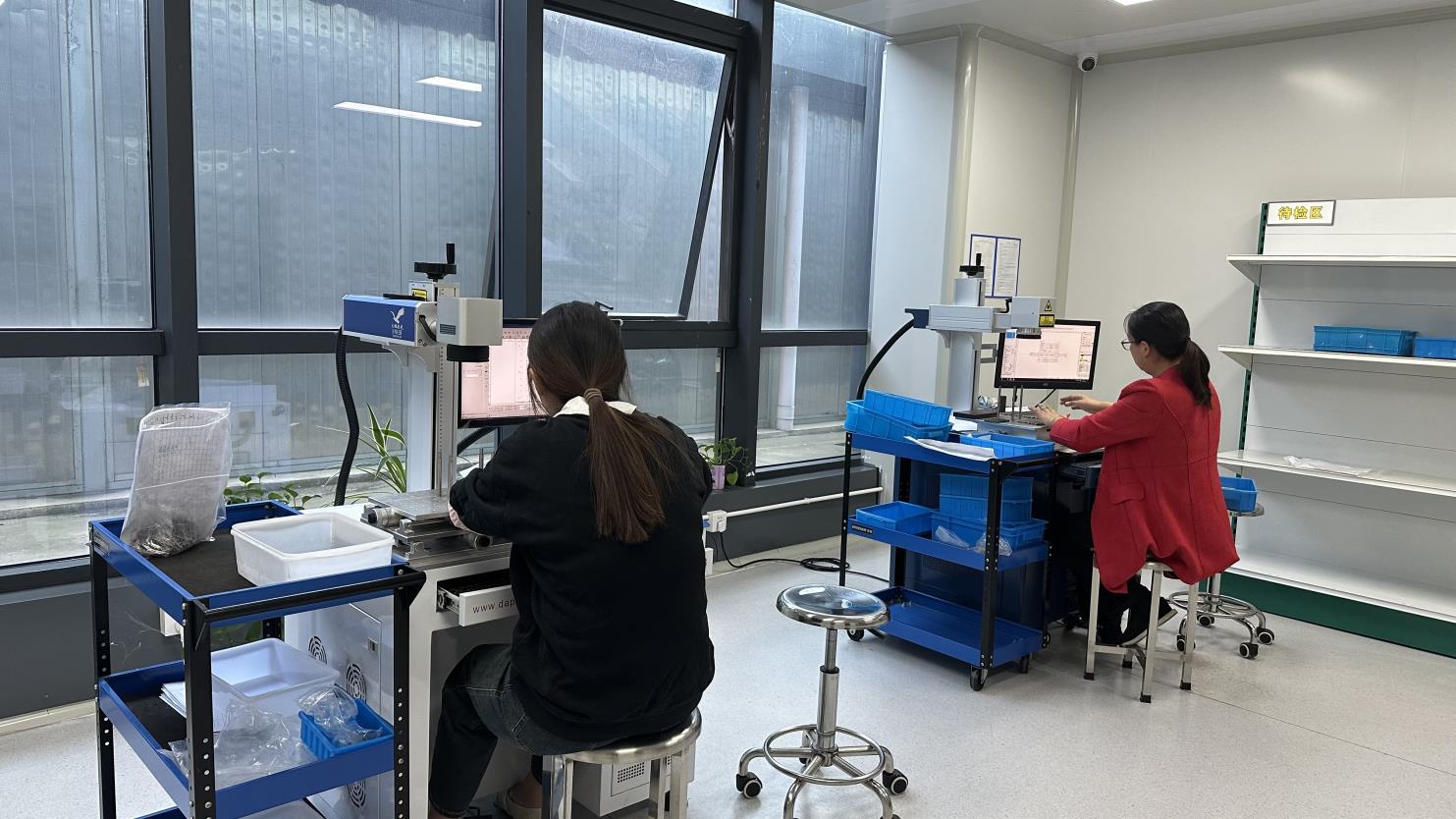
Every implant shipped conforms to precise physical properties, ensured by a multi-tiered inspection protocol. Led by a team of 35 quality assurance professionals, our validation cycle covers three distinct control phases:
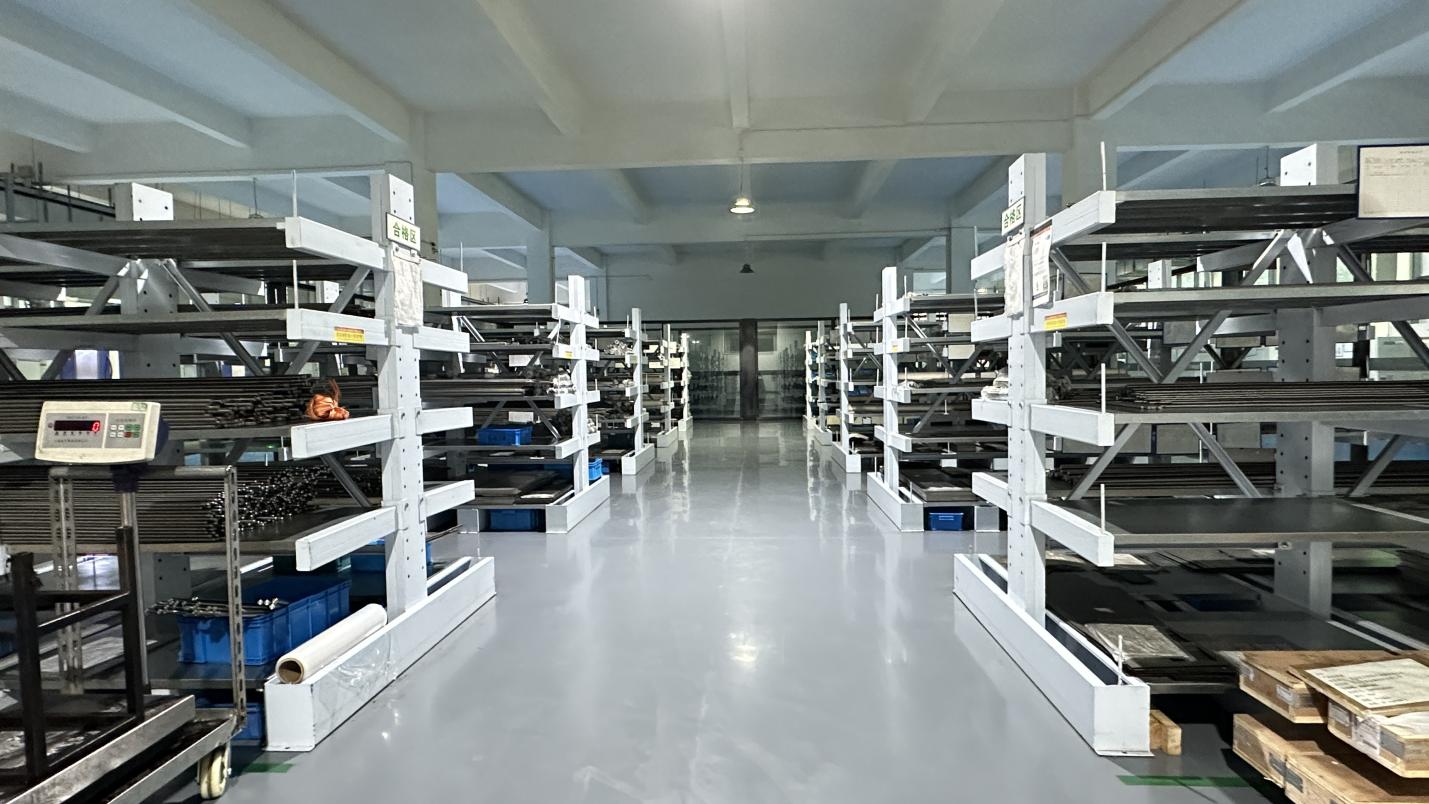
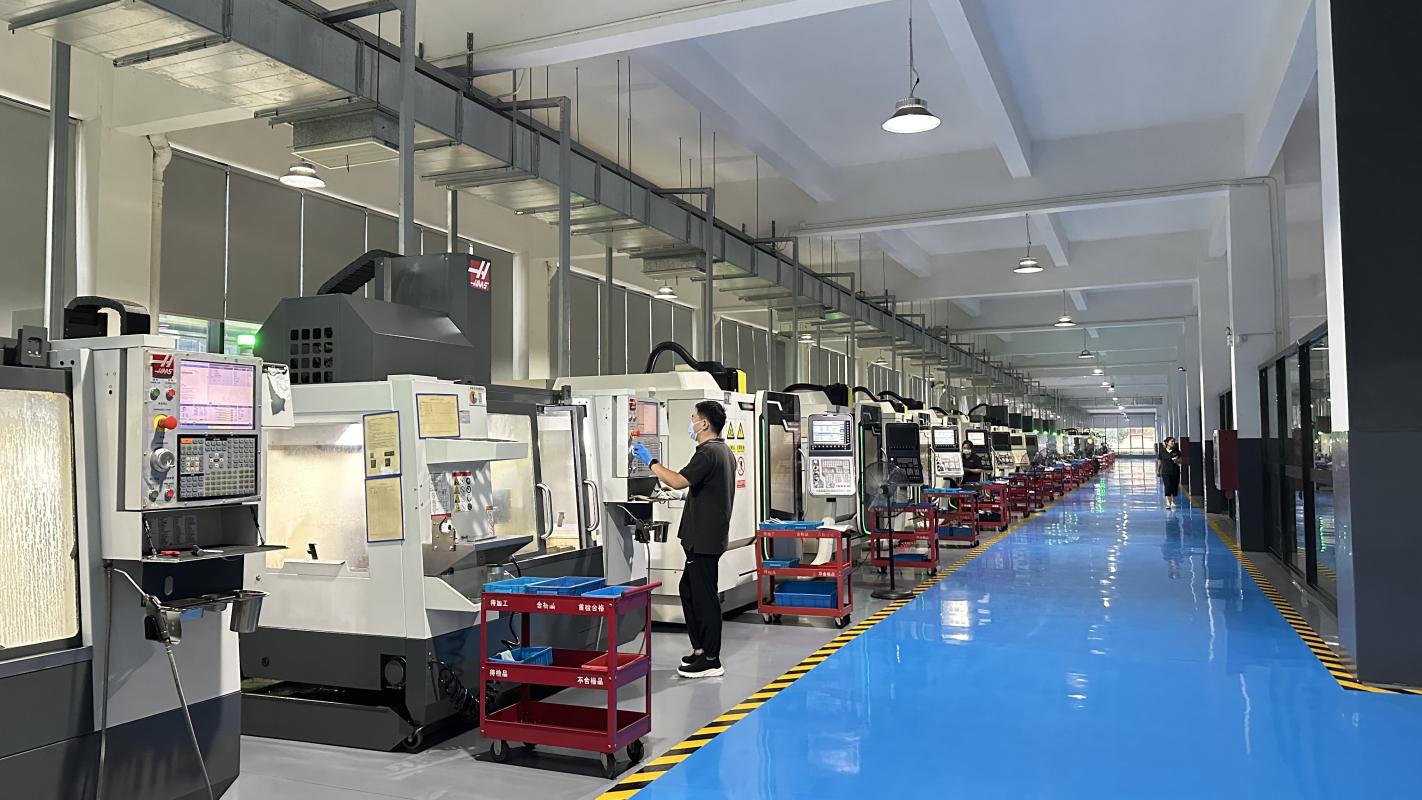
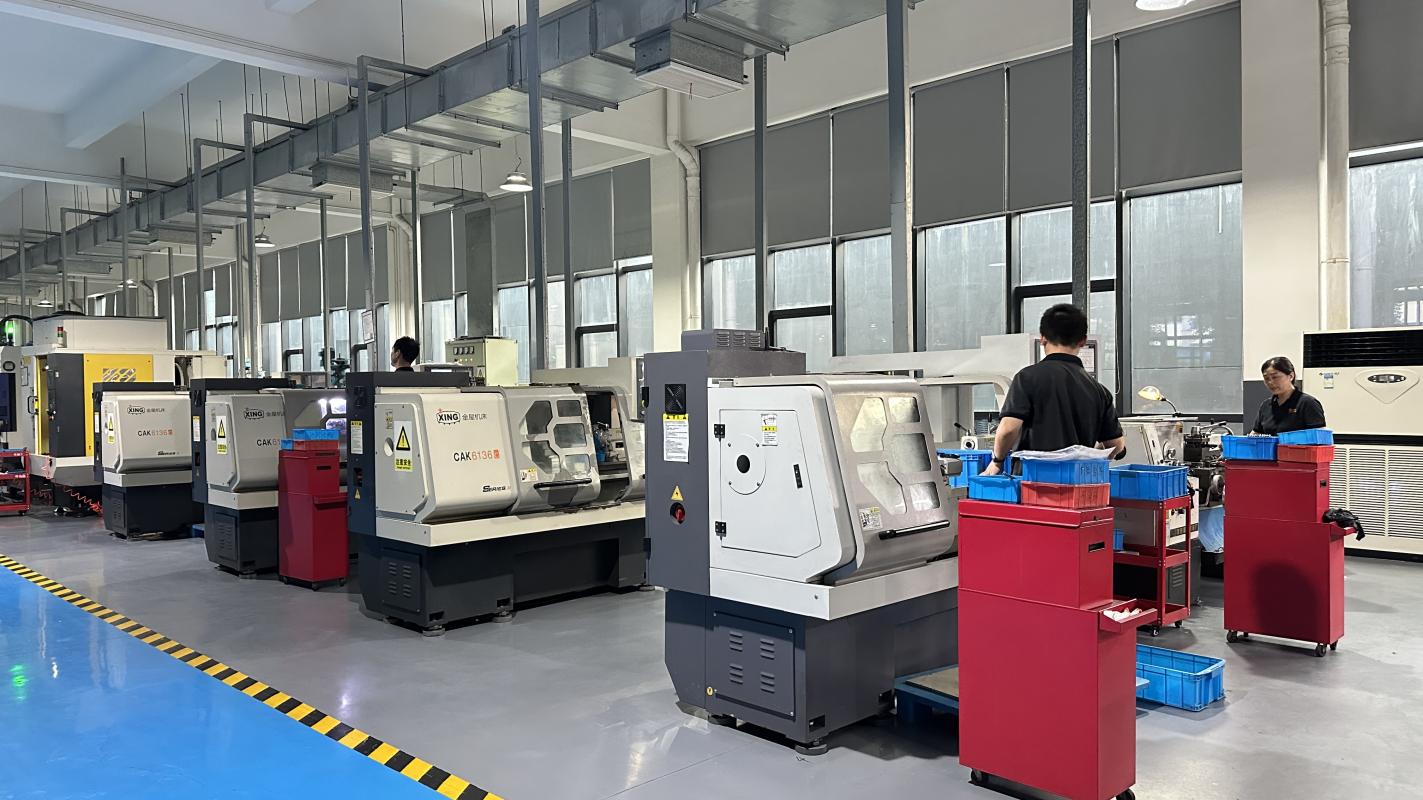
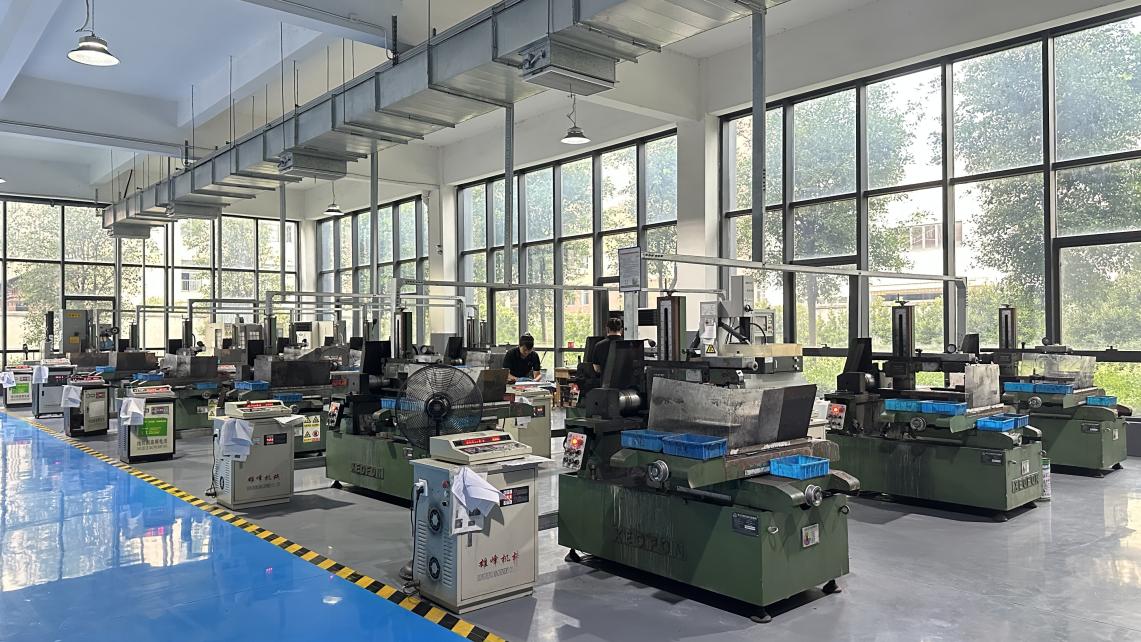
Inside our state-of-the-art manufacturing lines where medical-grade raw materials are transformed into life-changing implants.
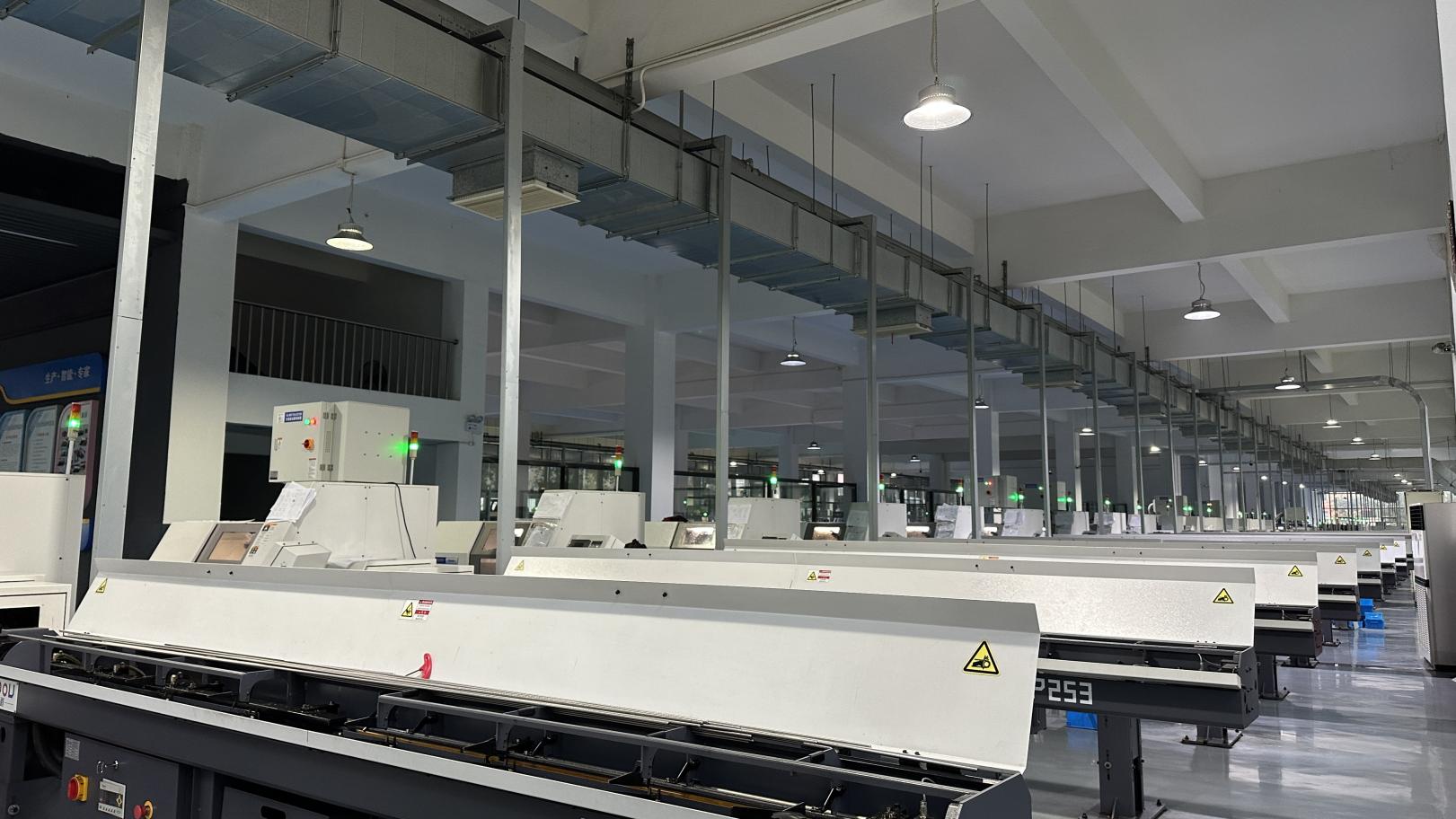
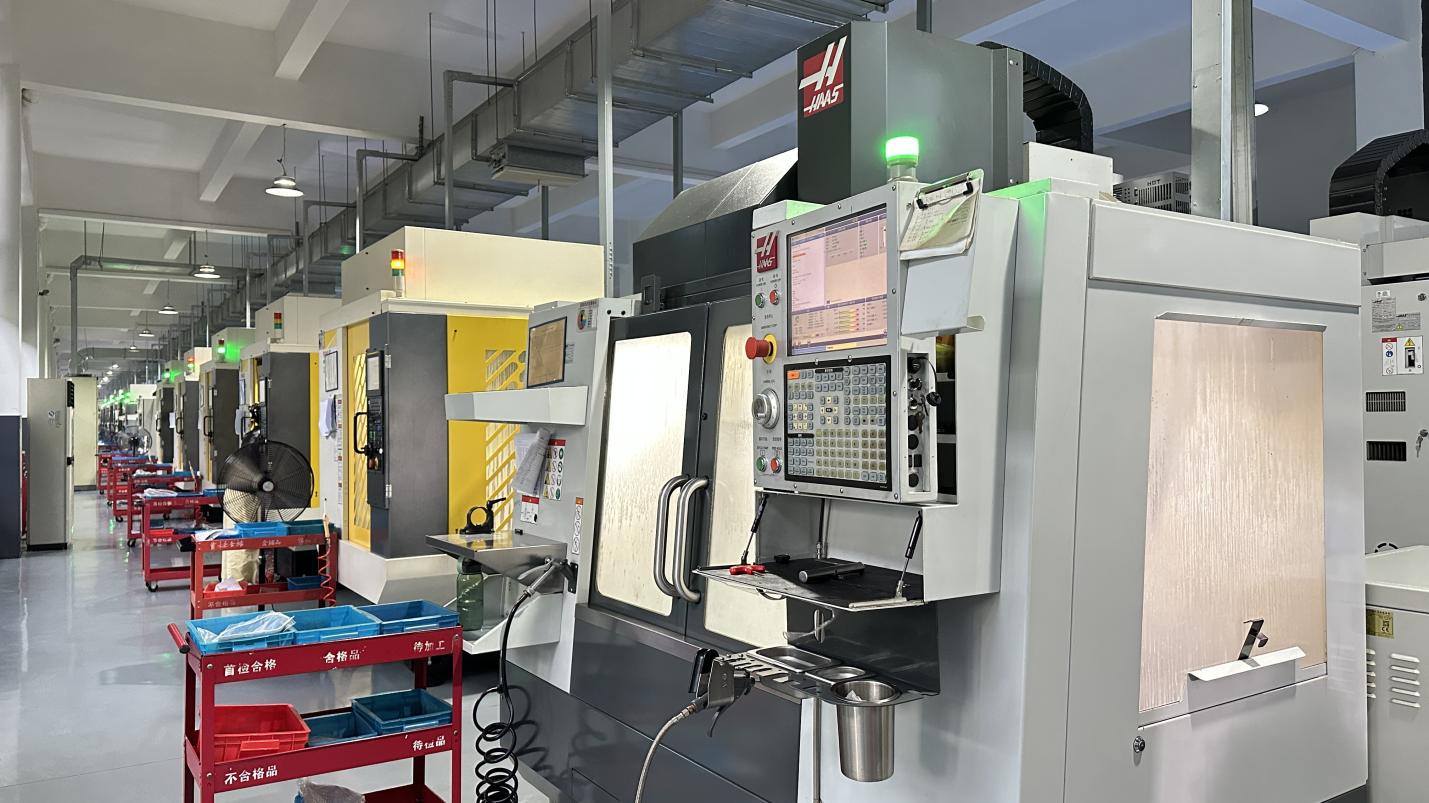
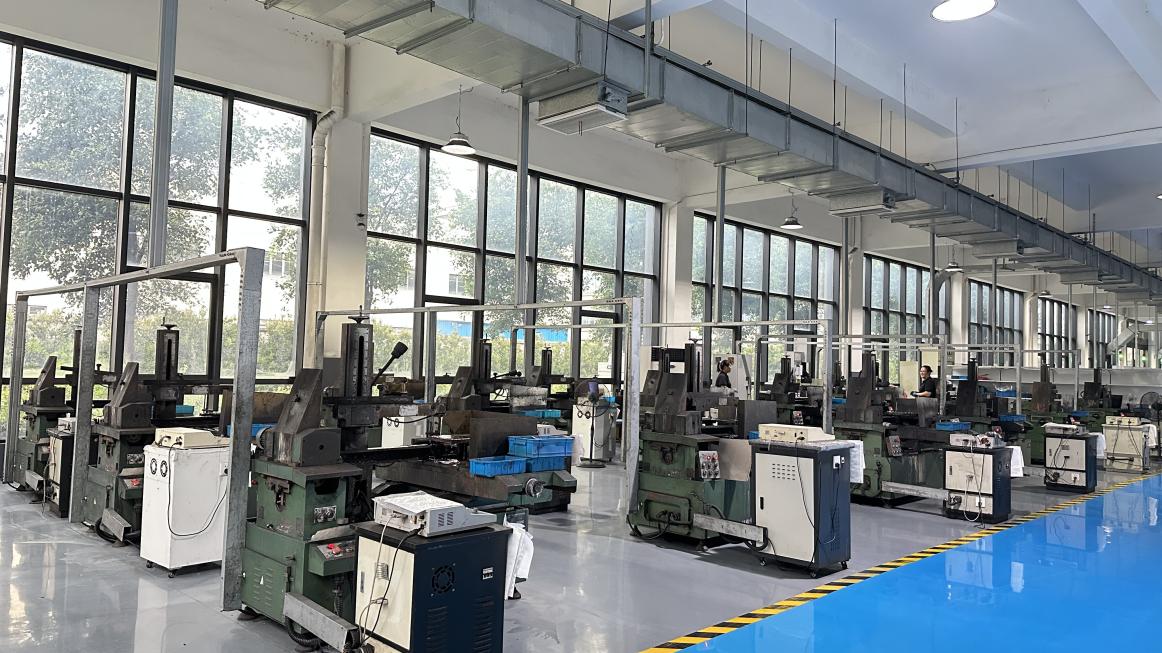
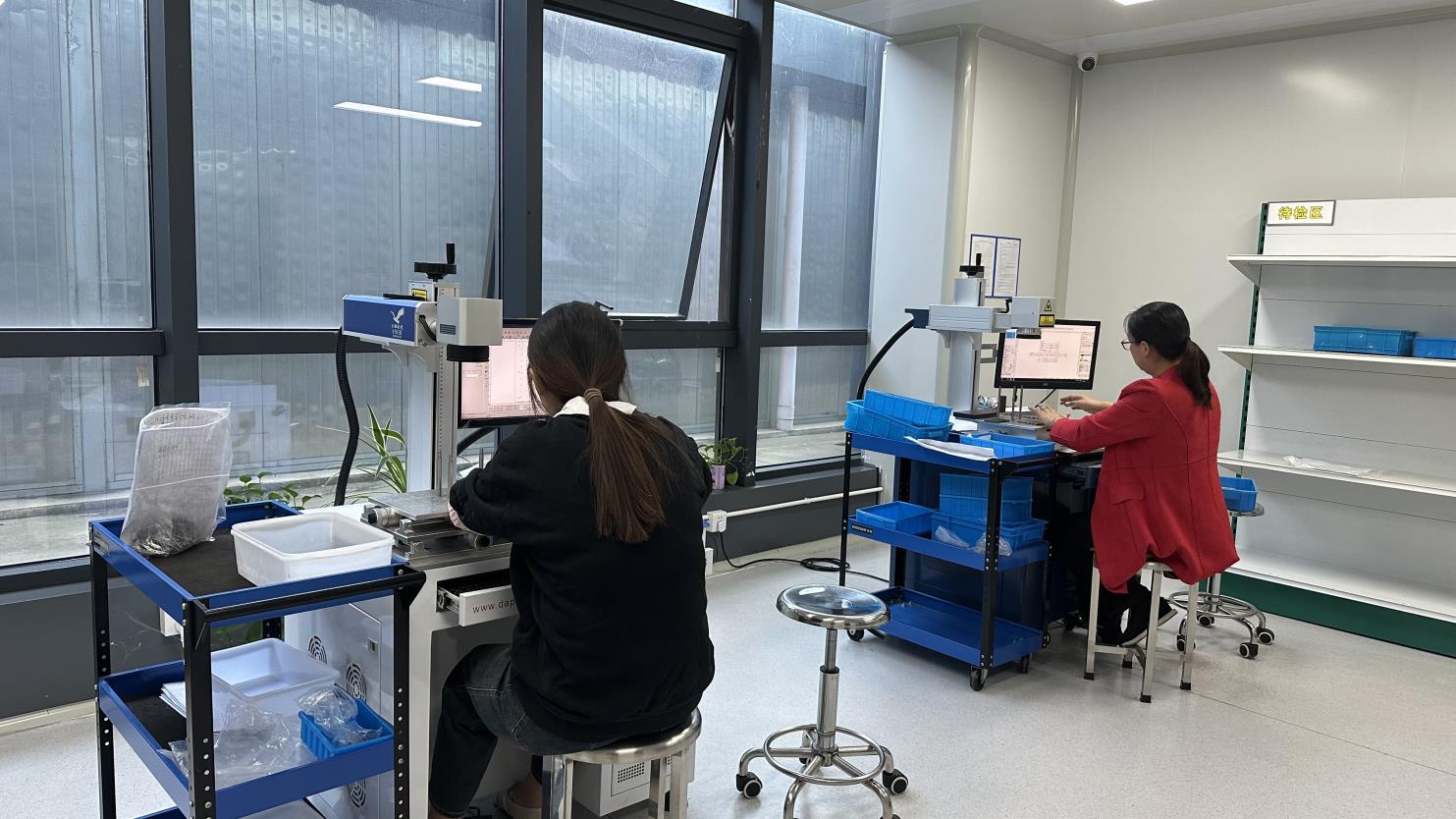
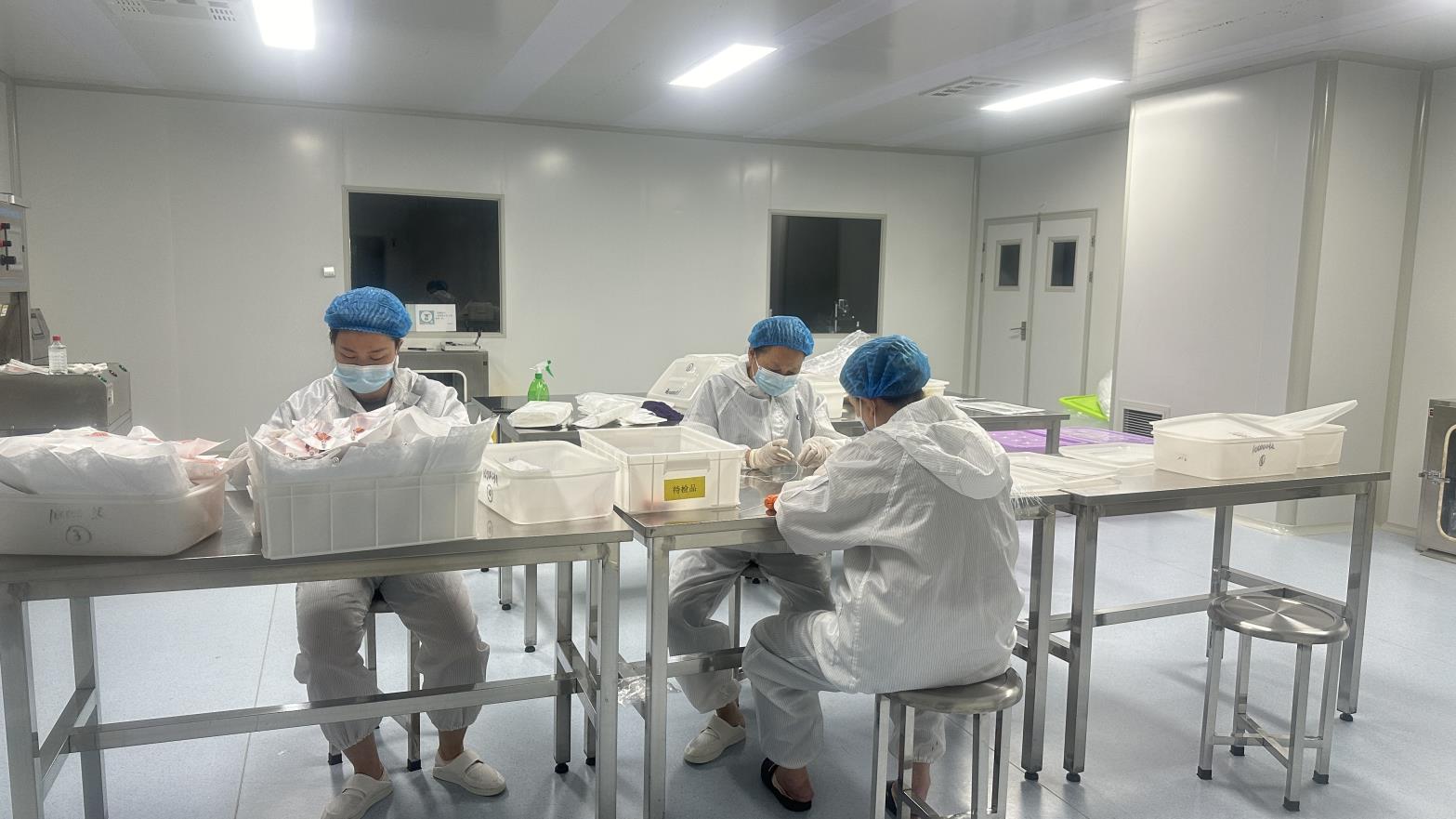
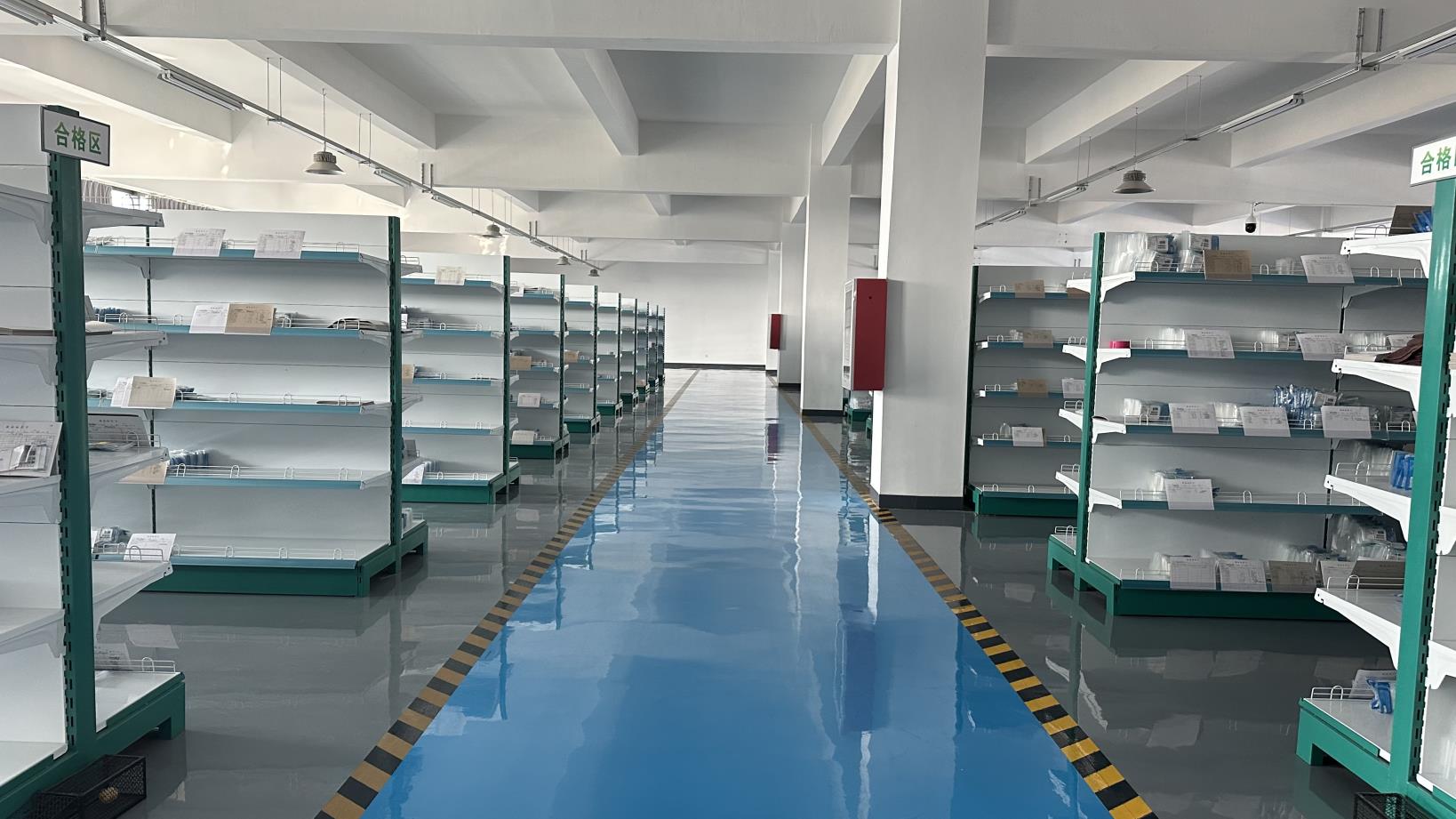
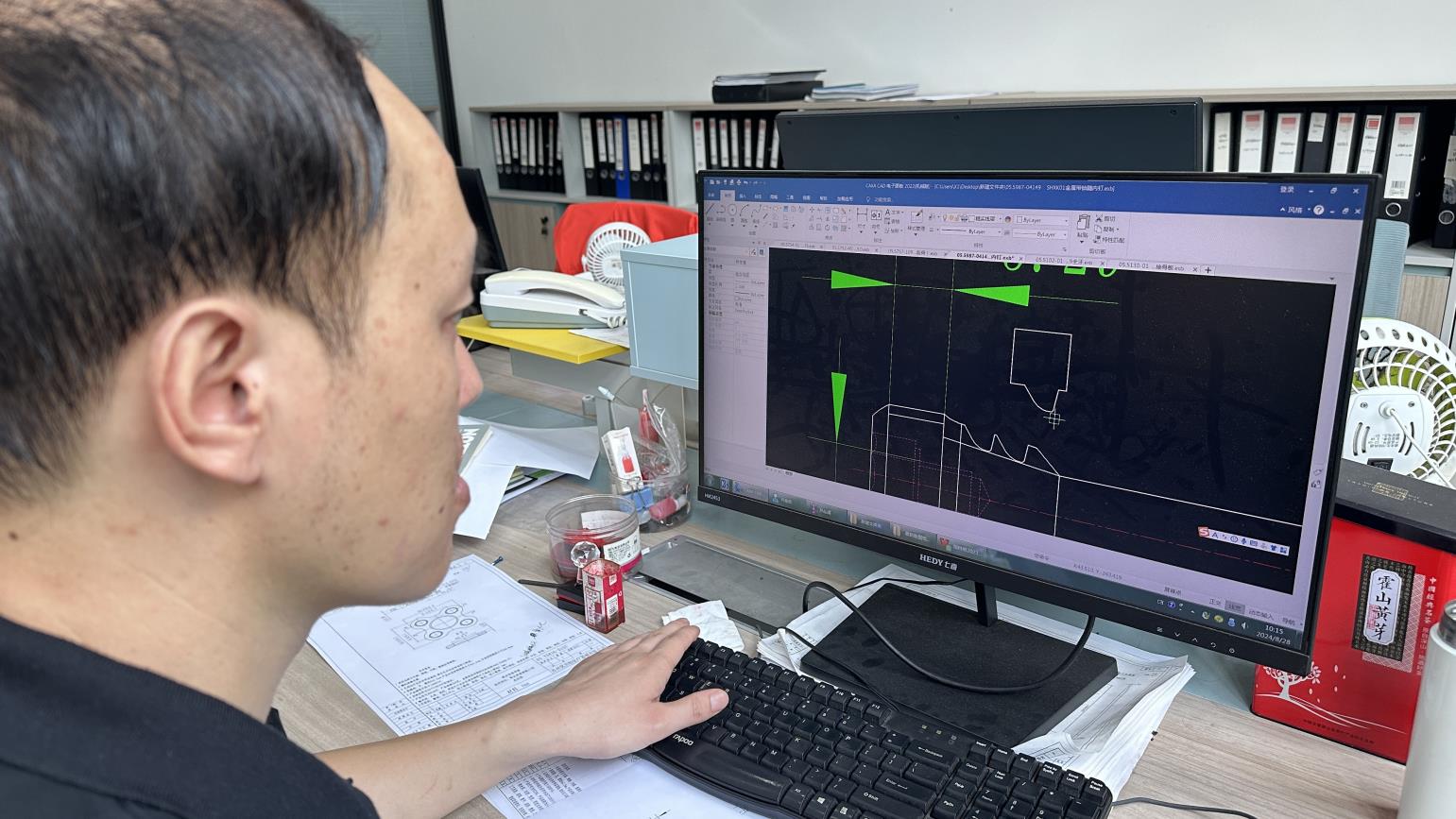
Orthopedic trauma implants function under severe physiological environments. Standard stainless steel configurations are increasingly replaced by Titanium Alloy (Ti-6Al-4V ELI) and commercially pure titanium (CP Ti) to maximize biocompatibility, minimize elastic modulus mismatch, and encourage osseointegration.
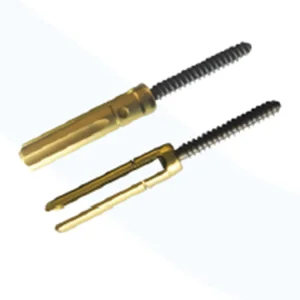
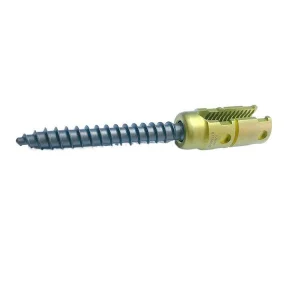
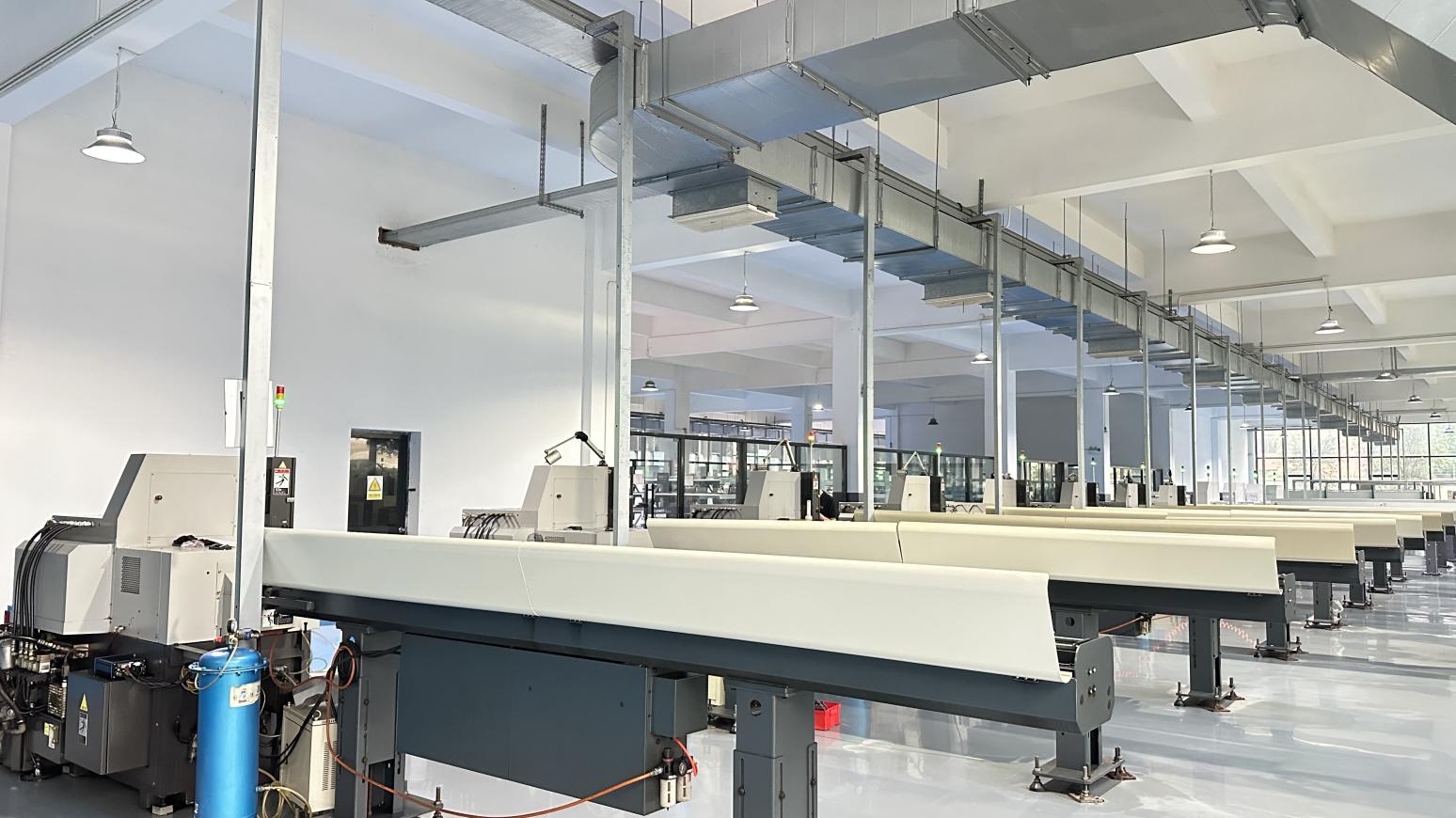
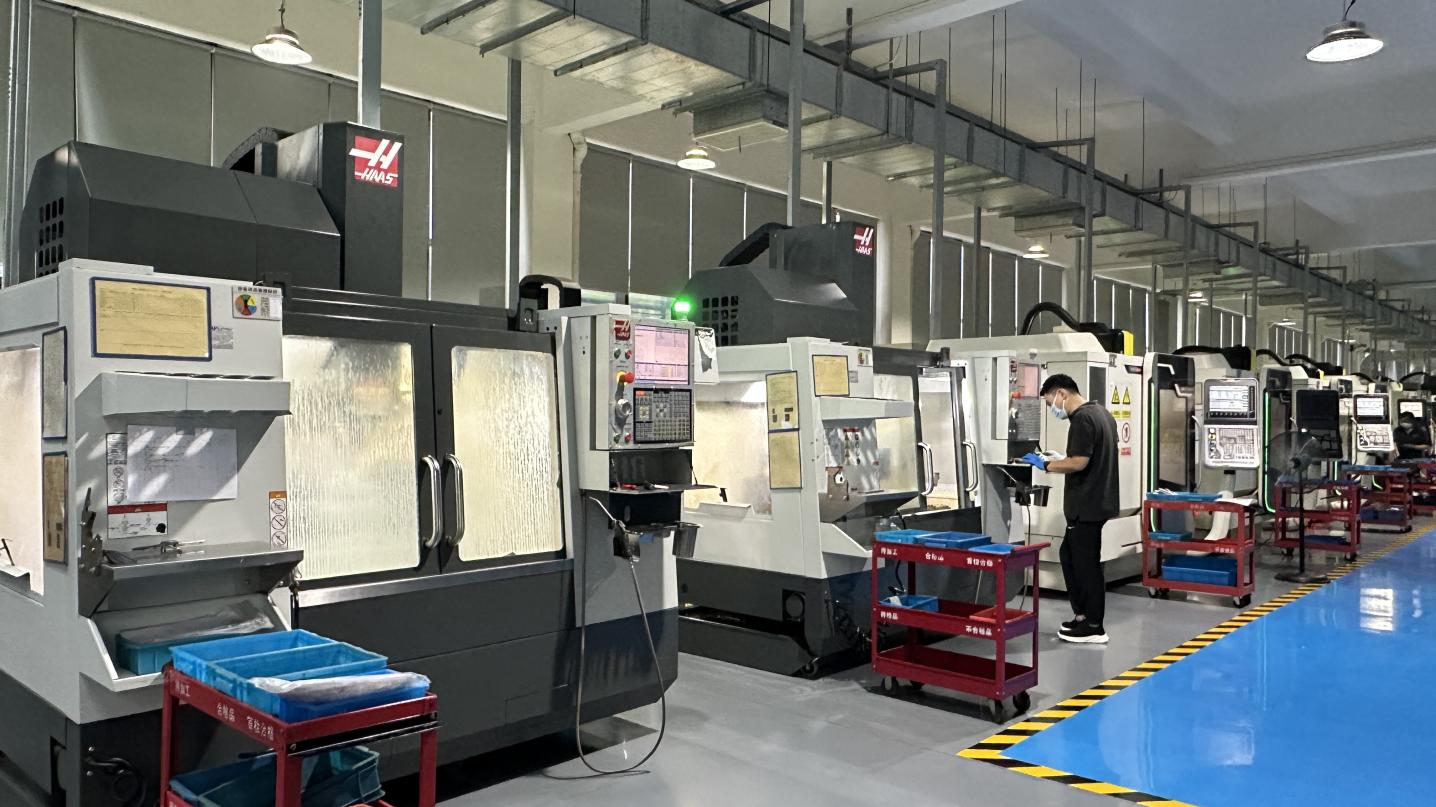
Bonevia utilizes swiss-type CNC machining centers, precision wire-EDM slitting, and advanced surface modification processes. This ensures all screw threads possess optimized pitch angles for maximum pullout resistance while maintaining anatomical curves along matching bone structures.
To reduce bacterial colonization rates and increase wear resistance, structural implants are treated with electrochemical anodization. This creates a stable titanium dioxide protective layer and offers color-coded identification for faster implant selection during complex surgeries.
Our ISO-certified manufacturing facility operates state-of-the-art processing systems to maintain zero-defect standards.
Different regions present unique challenges for orthopedic trauma care. Anatomical shapes, bone density distributions, access to healthcare facilities, and local medical traditions vary worldwide. Recognizing these challenges, Bonevia has optimized its trauma systems to adapt to specific localized surgical realities:
For regions with aging populations, implants must maintain stable fixation in weak, compromised bone structures. Bonevia's advanced locking compression plates feature optimized configurations that distribute loads evenly, reducing the risk of screw pullout in fragile bones.
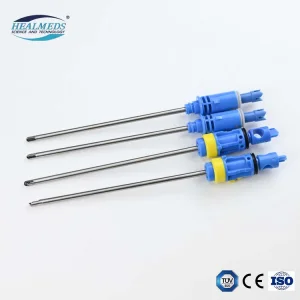
In modern clinical settings, reducing soft-tissue disruption is key to faster recovery. Our targeted guides and percutaneous screw options enable surgeons to securely stabilize fractures through minimal incisions, reducing local infection rates and surgical times.
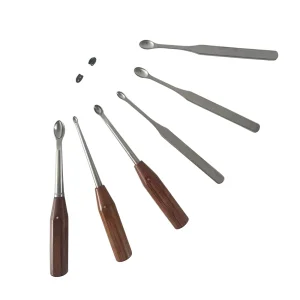
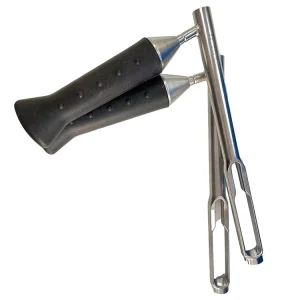
Expanding beyond human healthcare, our specialized surgical instrumentation (such as the veterinary-specific Hart Spoon) provides clinical solutions for veterinary surgical facilities worldwide, adapting human-grade materials for veterinary trauma care.
Continuous clinical innovation is critical for improving patient outcomes. Over the next five years, Bonevia's engineering and research framework will focus on developing three key technologies:
Developing next-generation magnesium-based alloys and polymeric materials that gradually absorb into the body as the bone heals, eliminating the need for secondary implant removal surgeries.
Utilizing electron beam melting (EBM) additive manufacturing to create custom metal scaffolds that mimic natural bone trabeculae, facilitating rapid bone growth and integration.
Integrating slow-release silver nanoparticle coatings and customized antibiotics directly onto the implants to prevent bio-film formation and post-operative infection.
How our vertically integrated logistics networks ensure reliable global delivery.
Global medical supply chains demand strict reliability, prompt responses, and cost management. Operating in China's advanced orthopedic industrial clusters allows Bonevia to offer key strategic advantages to global distributors and hospitals:
Our raw material supply chain includes over 850 certified material suppliers. This diversified network ensures an uninterrupted supply of medical-grade titanium and specialized stainless steel, shielding our clients from market price fluctuations and supply disruptions.
Backed by 85 skilled engineers, we can adapt designs, modify sizes, or create complete custom instrument kits to meet specific clinical preferences or local registration needs, ensuring flexibility across global markets.
Successfully navigating regulatory approvals is essential for global medical device distribution. Bonevia conforms to strict international standards to ensure rapid clinical acceptance:
Answering common questions about manufacturing standards, materials, and distribution processes.
Bonevia uses medical-grade Titanium Alloy (Ti-6Al-4V ELI) conforming to ASTM F136 and ISO 5832-3 standards. For specific anatomical plates that require high ductility for hand-shaping during surgery, we also utilize commercially pure Titanium (CP Ti Grade 2 / Grade 4) in compliance with ASTM F67.
We provide complete technical documentation dossiers, including raw material certificates, biocompatibility studies (ISO 10993), sterilization validation, mechanical testing reports (ASTM F543 for bone screws), and cleanroom environmental reports, helping clients secure fast local clearances.
Yes, our R&D team can adapt plate profiles, alter screw lengths, and modify instrumentation layout configurations (OEM/ODM services) to meet localized anatomical requirements or clinical preferences.
Every batch of raw medical material undergoes spectrum analysis to confirm chemical composition, microstructure grain size analysis to evaluate fatigue life, and tensile testing to confirm yield strength.
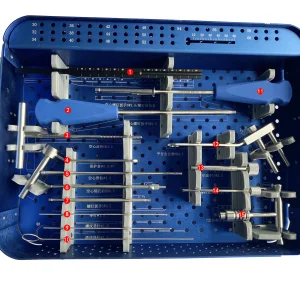
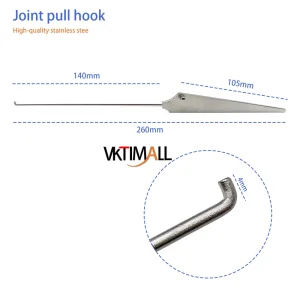
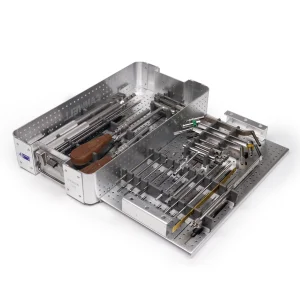
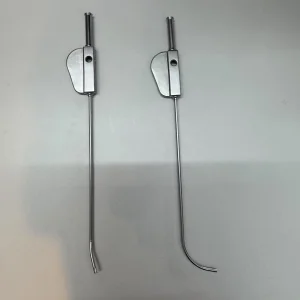
Clinical-grade orthopedic implant arrays and specialized instruments designed to support complex spine and reconstructive surgeries.