Bonevia
Bonevia
Bonevia
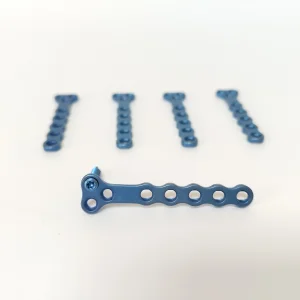
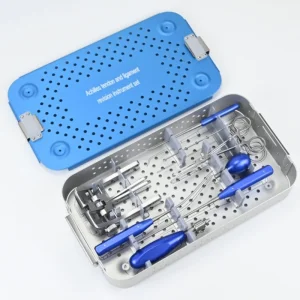
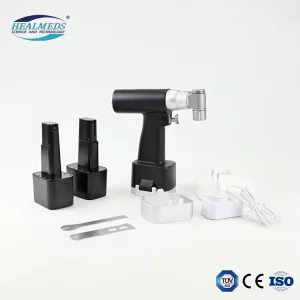
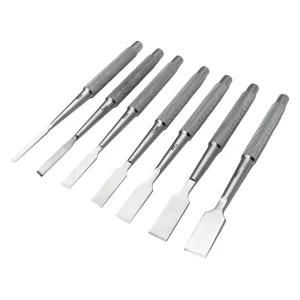
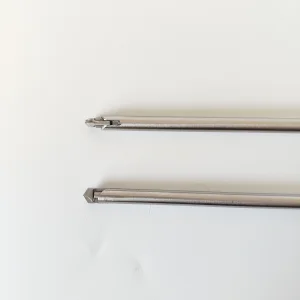
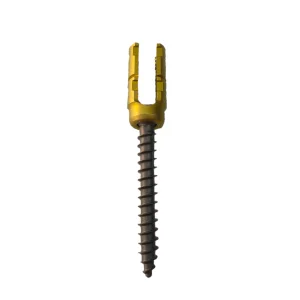
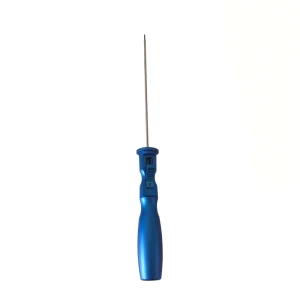
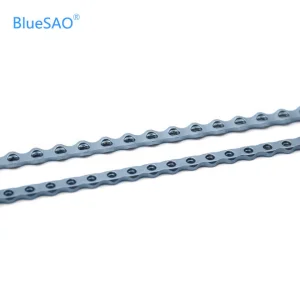
Proximal humeral fractures account for approximately 6% of all adult fractures, presenting significant challenges in elderly populations with osteoporotic bone. The evolution of Proximal Humeral Locking Plates (PHLP) has revolutionized trauma surgery by introducing fixed-angle stability. Unlike conventional plates, locking systems function as internal fixators, retaining periosteal blood supply and preventing primary reduction loss.
Modern design methodologies focus heavily on anatomical pre-shaping to reduce intraoperative manipulation. Integrated suturing holes around the proximal rim facilitate tendon anchoring, reinforcing cuff reconstructions and stabilizing the greater and lesser tuberosities.
For medical device distributors and international healthcare buyers, sourcing proximal humeral plates requires navigating complex regulatory environments. The transition from MDD to CE MDR in Europe and strict FDA 510(k) clearances in the United States place massive compliance burdens on manufacturers.
Top-tier Chinese factories address these challenges by aligning production directly with ISO 13485, using medical-grade Titanium Alloy (Ti-6Al-4V ELI) according to ASTM F136 specifications. This assures maximum biocompatibility, high fatigue strength, and long-term diagnostic compatibility (minimal MRI artifacts).
The global orthopedic implants market is progressing toward advanced surface treatments and composite materials. Current research underscores the efficacy of anodic oxidation (Type II & Type III anodizing) in improving corrosion resistance and bone-implant interfaces.
Additionally, the integration of polyaxial locking screw mechanisms allows surgeons to steer screws up to 15 degrees off-center. This enables targeted screw placement in regions of highest bone mineral density, significantly reducing risks of varus collapse or humeral head perforation.
Clinical reports indicate that standard locking plates sometimes suffer from structural failure in osteoporotic bone, primary driven by screw cut-out. To resolve this, leading developers integrate collateral calcar support screws. These inferomedial screws act as structural columns, transferring compressive loads directly to the humeral shaft. Factories that offer custom-designed proximal plates with precise calcar support geometries gain substantial clinical and commercial advantages.
Bonevia Orthopedic Technology Co., Ltd. is a professional manufacturer specializing in orthopedic implants and surgical solutions, dedicated to advancing innovation in trauma, spine, and joint reconstruction products. Since its establishment in 2015, the company has grown steadily into a trusted supplier in the global orthopedic industry.
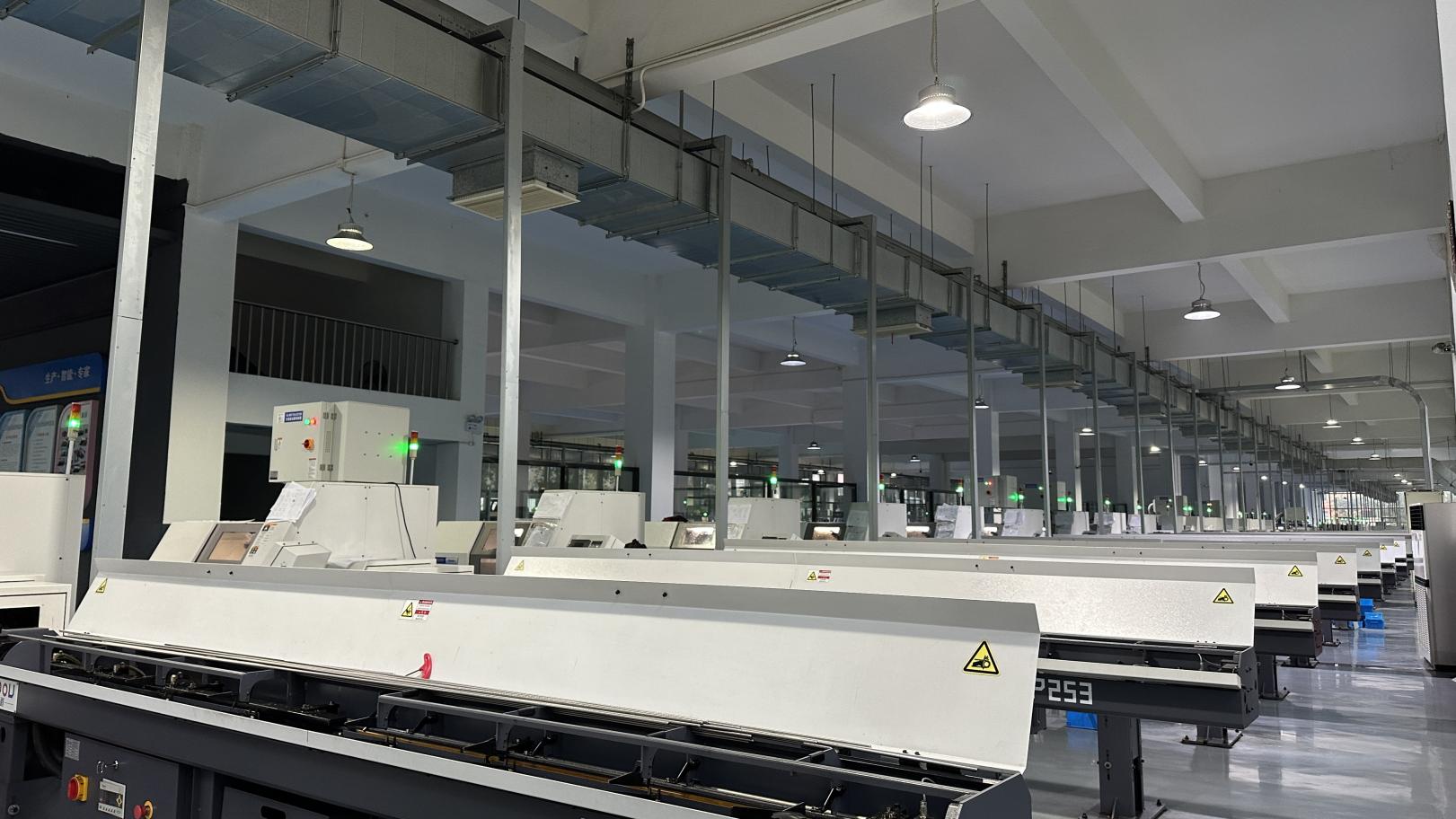
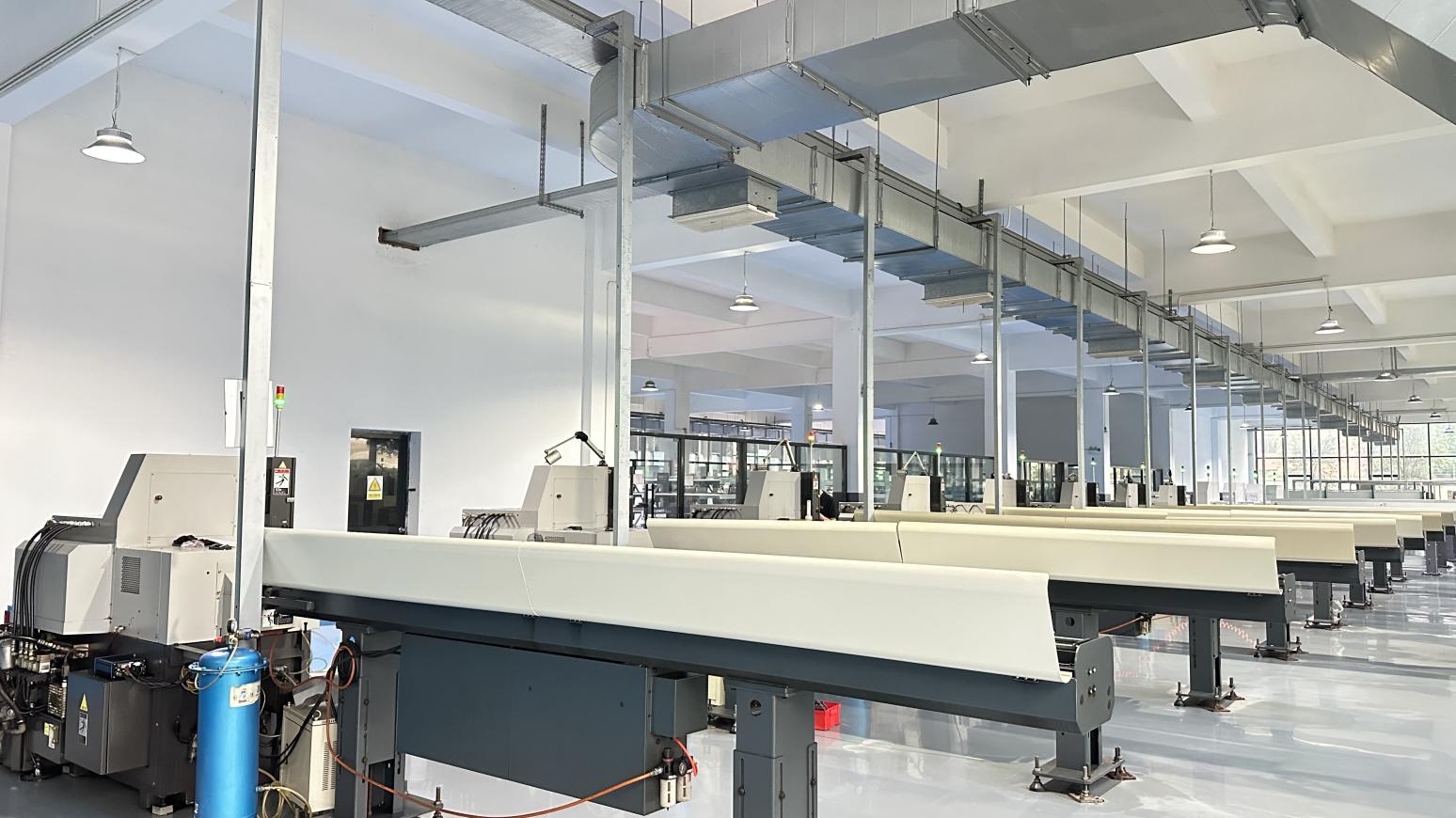
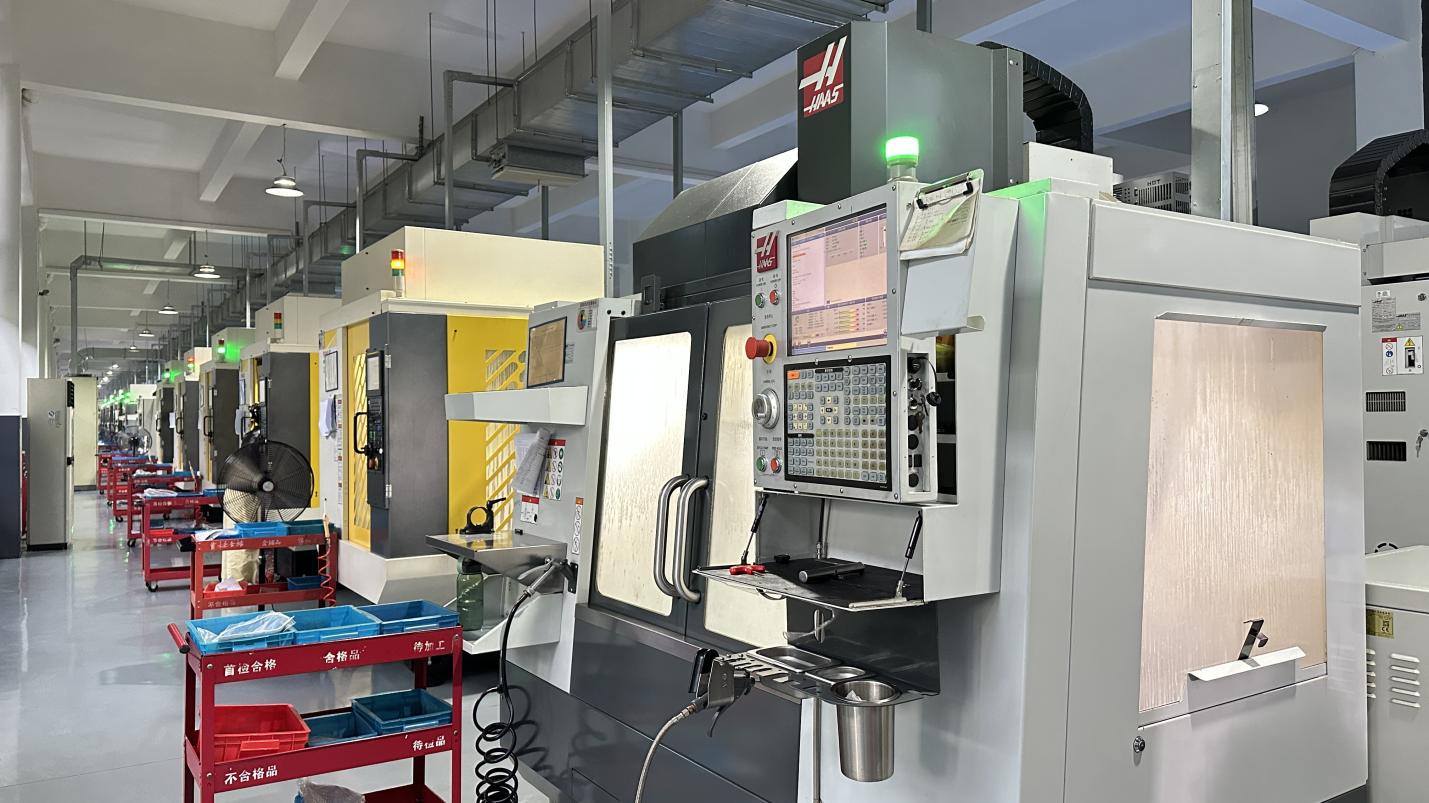
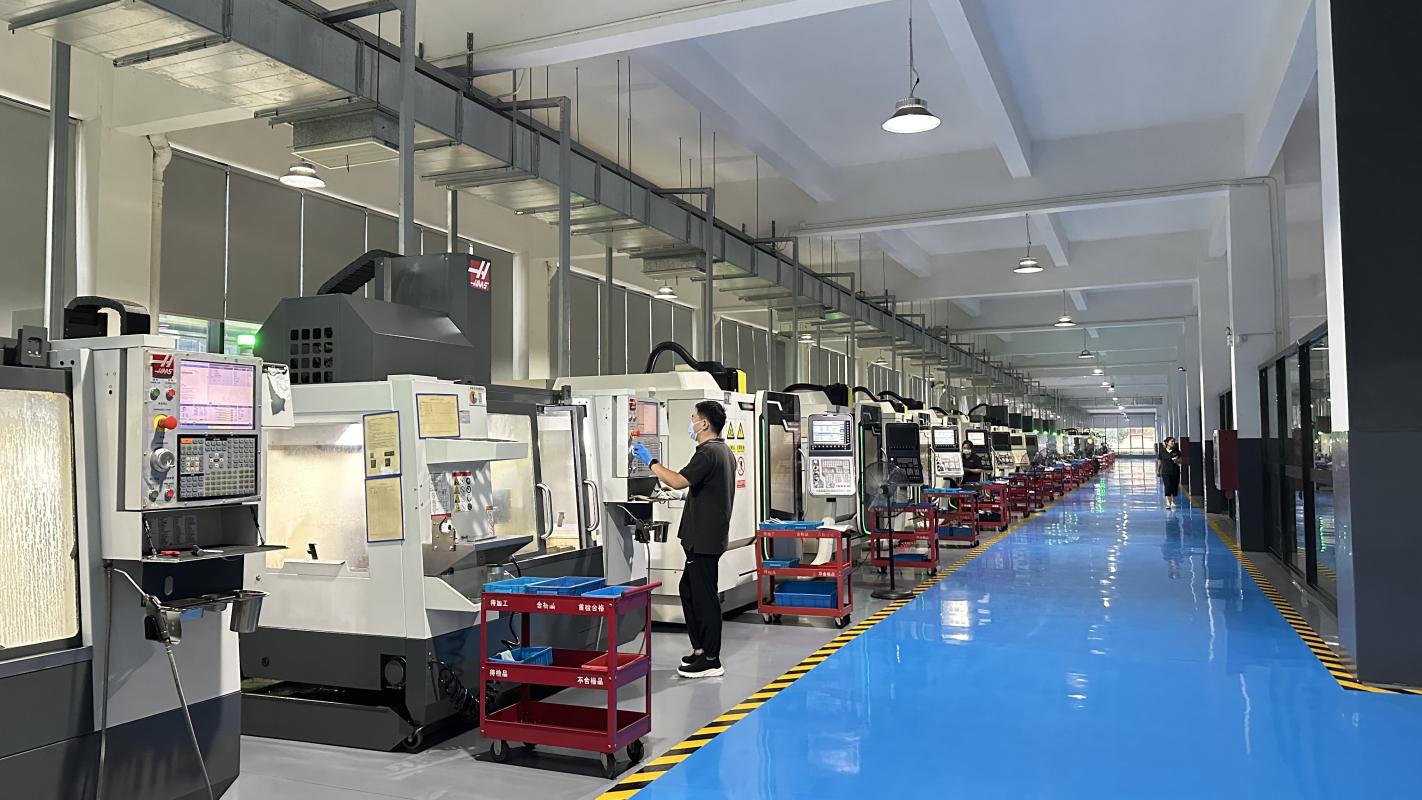
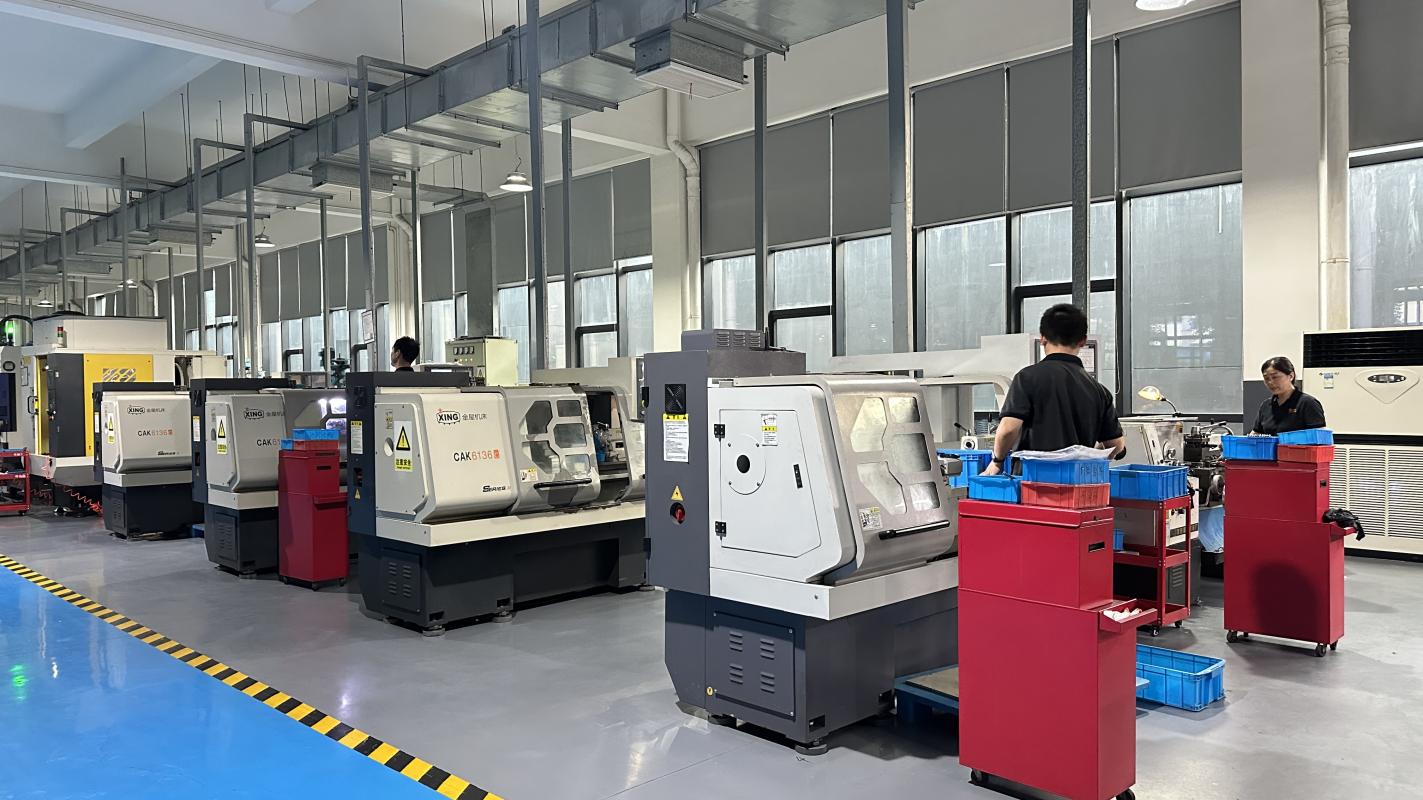
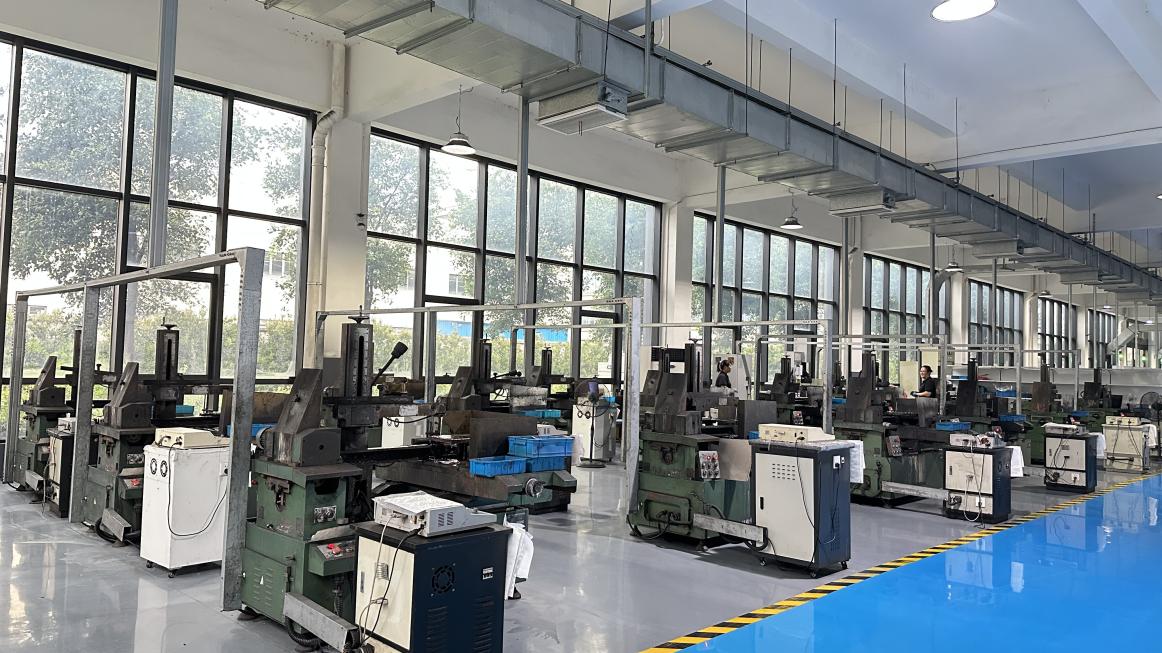
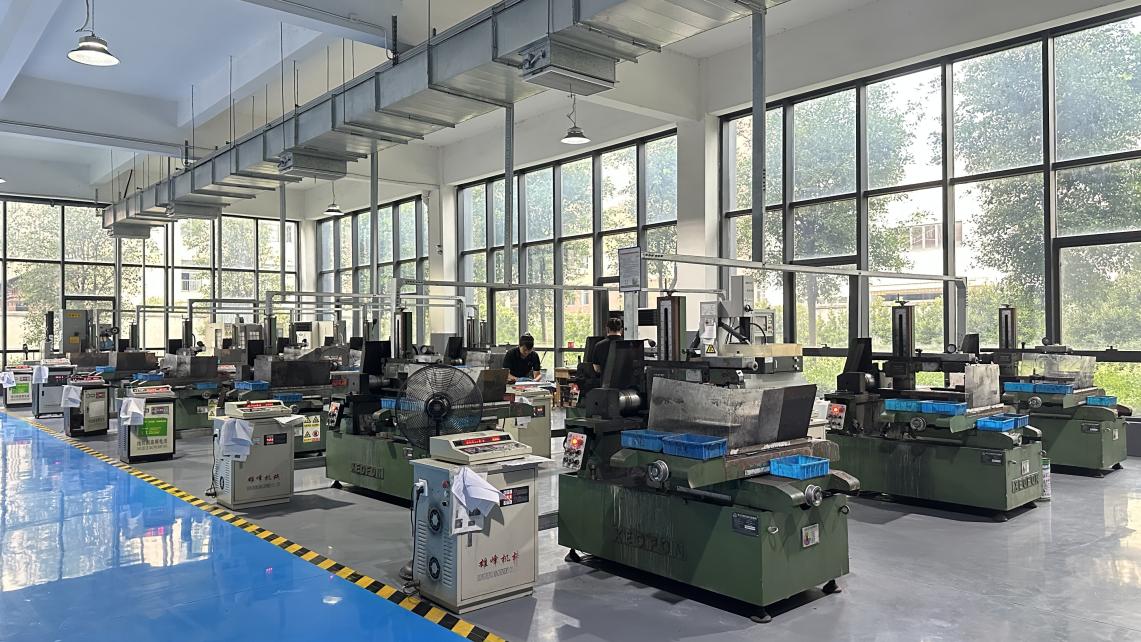
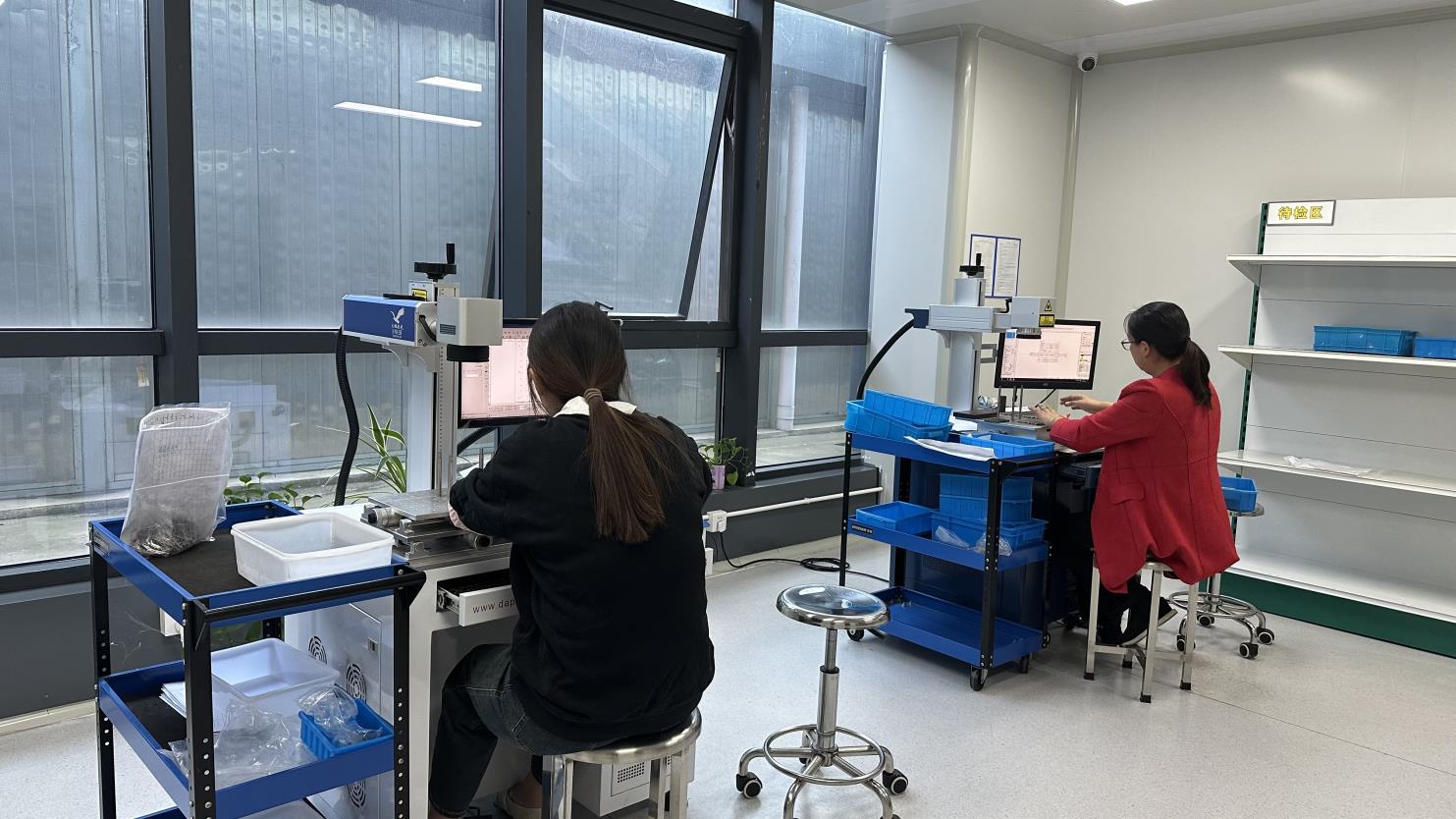
With a modern production facility covering approximately 320㎡, Bonevia maintains strict quality management standards and efficient manufacturing processes. The company records an annual export revenue of around USD 8–15 million, supported by 6 years of export experience and over 10 years of overall industry experience.
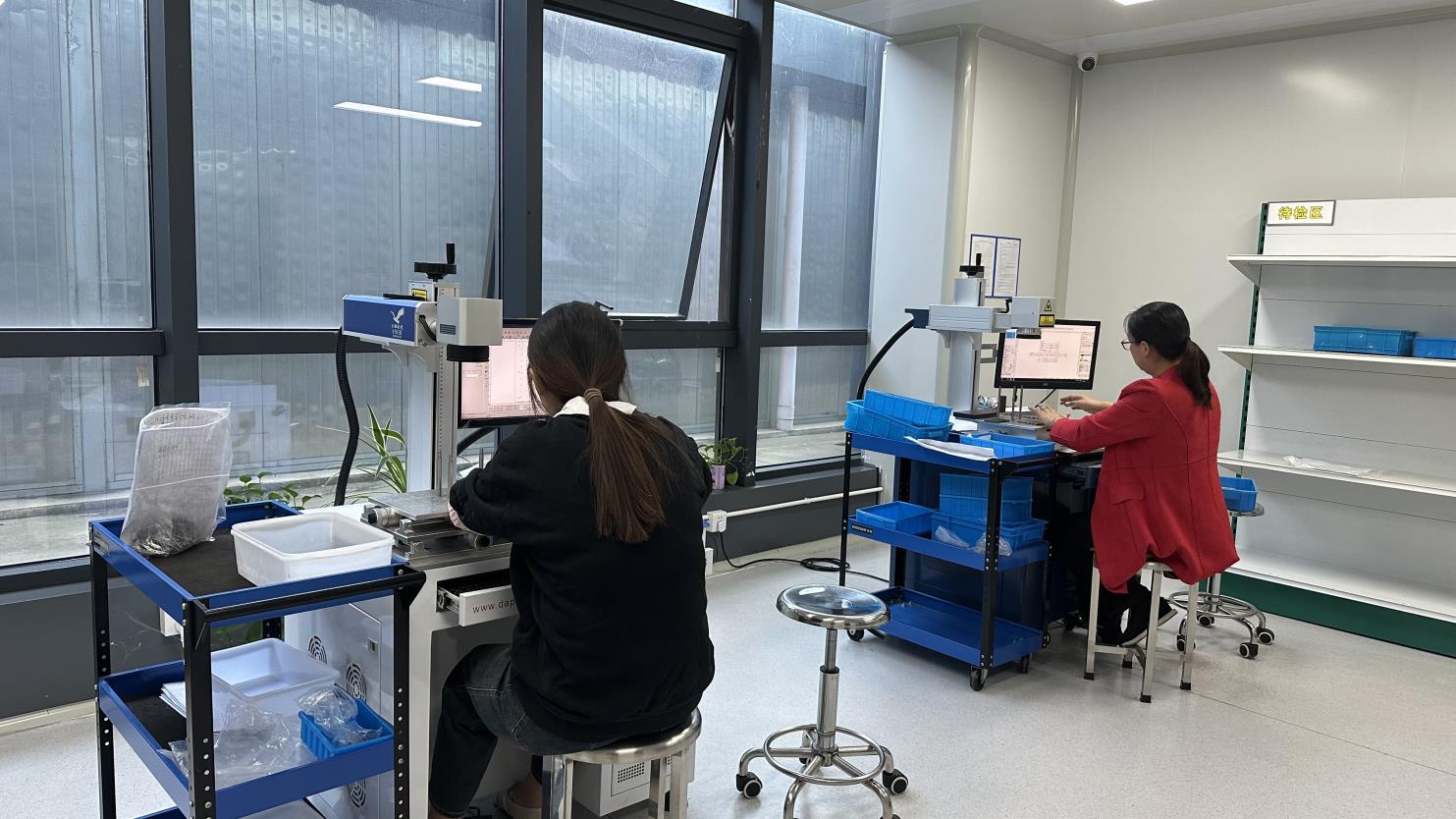
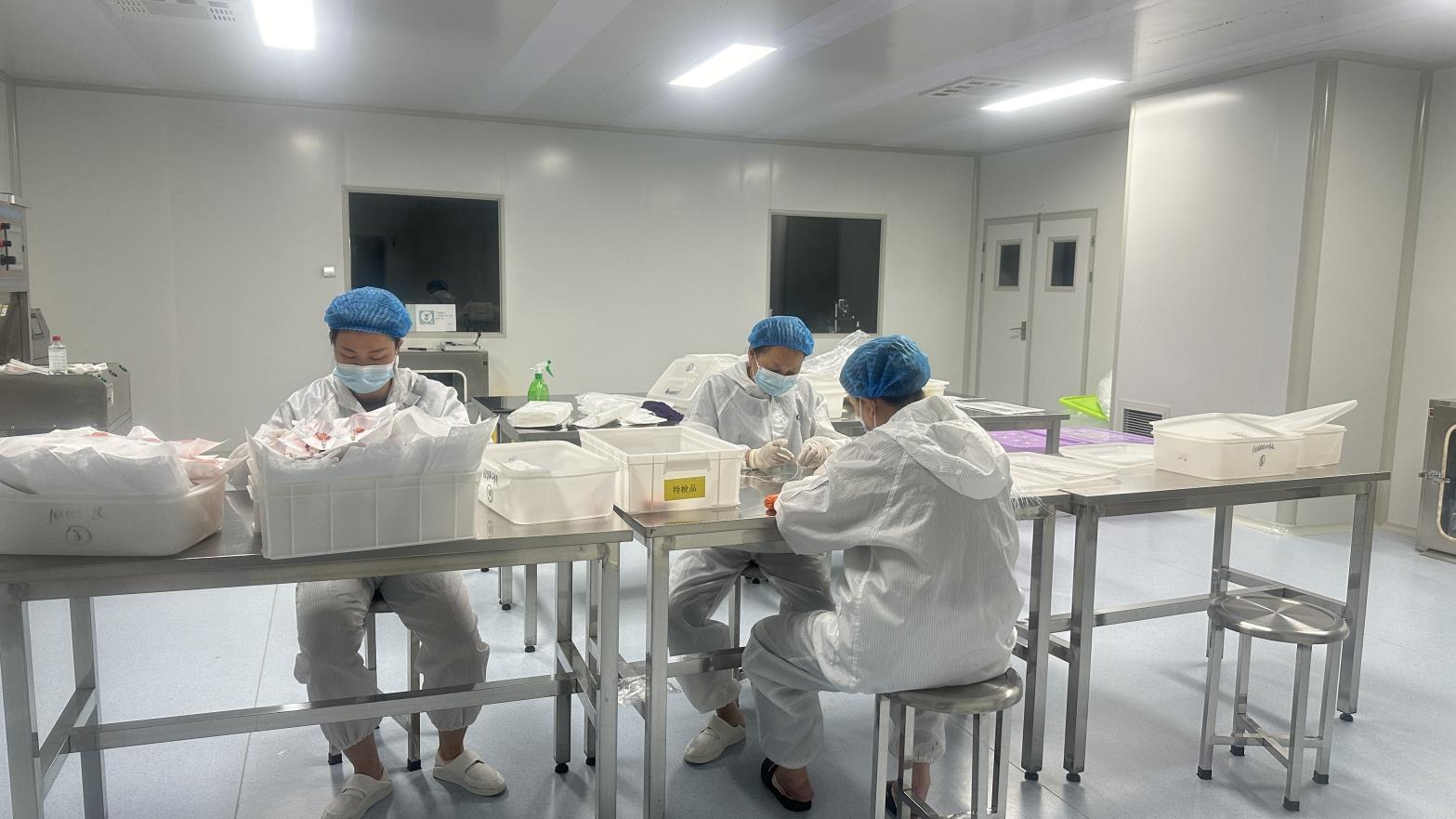
Quality assurance is a core focus at Bonevia. The company implements multiple inspection methods including incoming material inspection, in-process quality control, and final product testing, supported by a dedicated quality team of 35 professionals. This ensures all products meet international medical device standards.
Bonevia has a solid trade foundation with diversified global distribution networks, serving major markets across Europe, Southeast Asia, the Middle East, and South America. Its supply chain ecosystem includes more than 850 partners, enabling stable raw material sourcing and efficient production delivery.
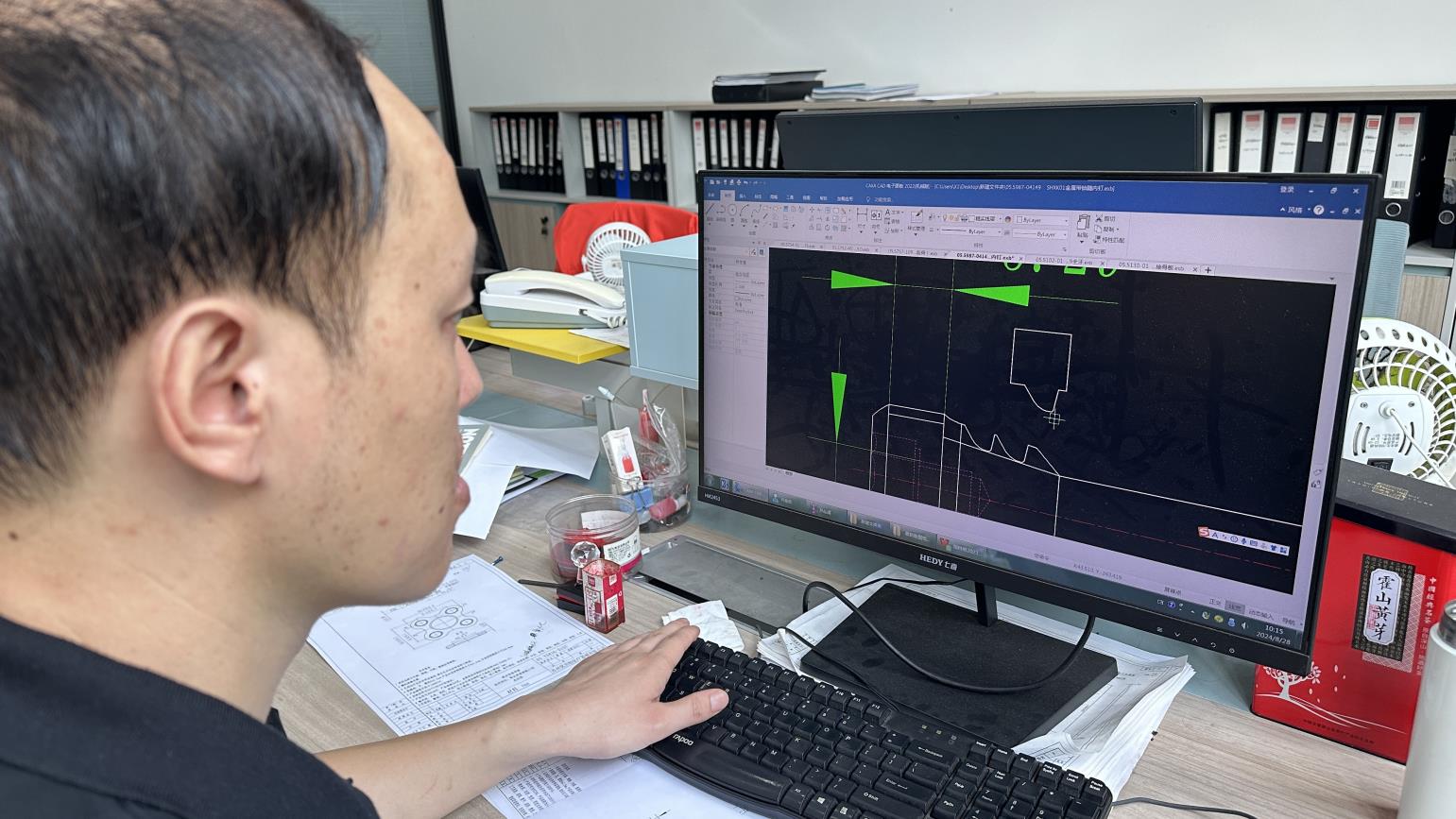
The company serves a wide range of clients, including hospitals, orthopedic clinics, surgical centers, and medical distributors. Bonevia also demonstrates strong R&D capabilities, offering OEM and ODM customization services to meet specific clinical requirements. In the past year, Bonevia successfully launched 120 new product designs, supported by a research and development team of 85 engineers, continuously driving innovation in orthopedic implant systems and surgical instruments.
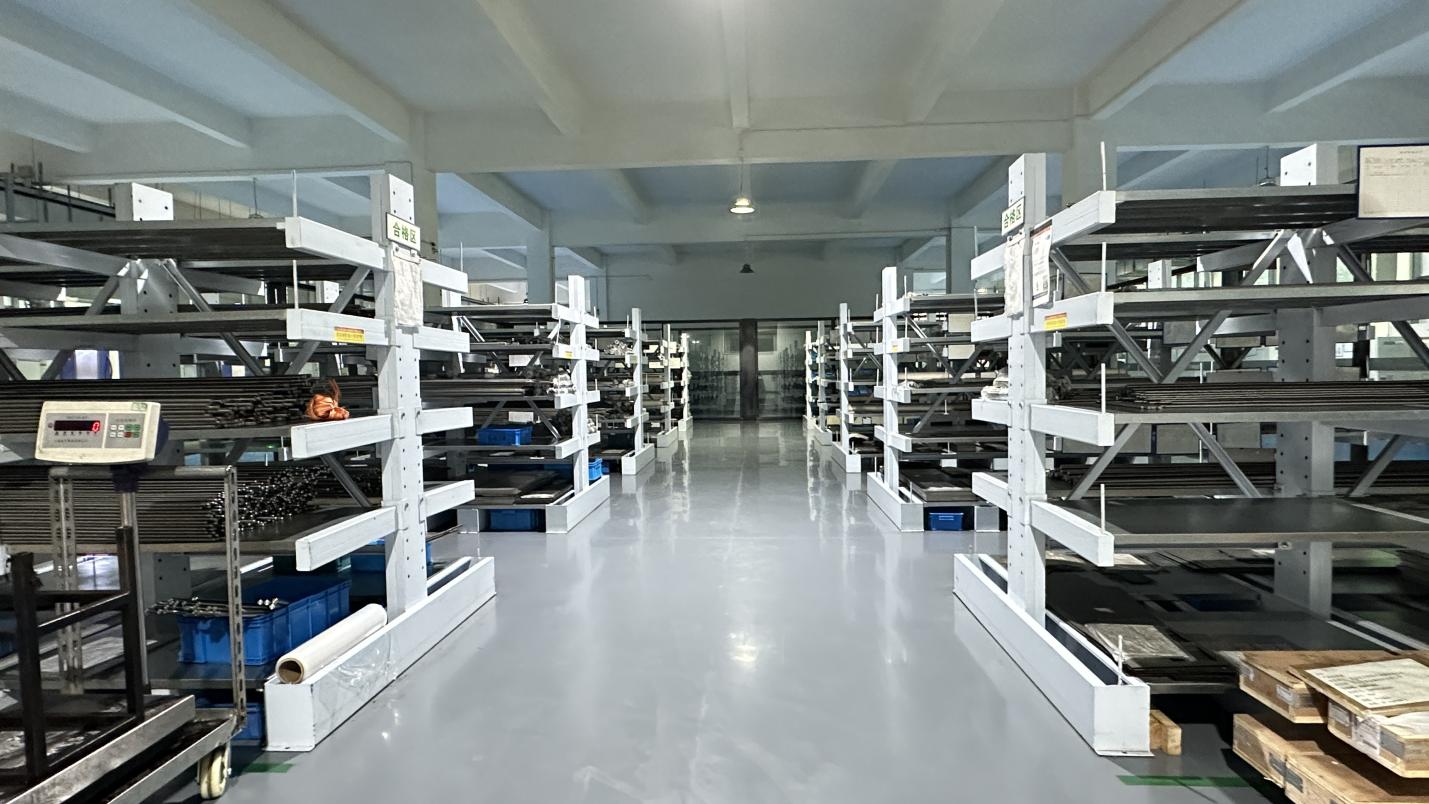
By upgrading production protocols with Industry 4.0 automated machining and rigorous quality control steps, Bonevia maintains traceabilty from raw titanium billets to final sterile-ready implants.