Bonevia
Bonevia
Bonevia
Explore our elite portfolio of high-precision orthopedic tools, external fixators, and joint reconstruction technologies.
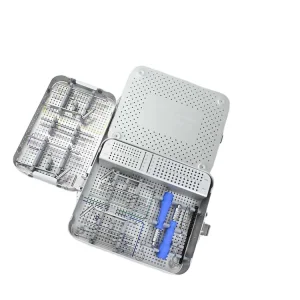
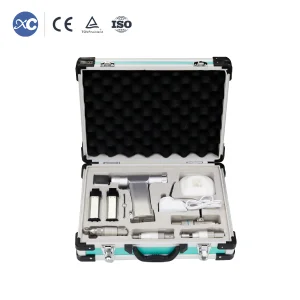
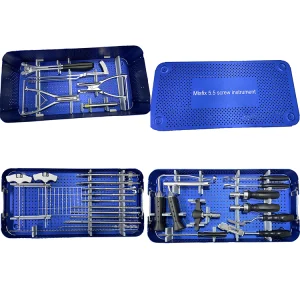
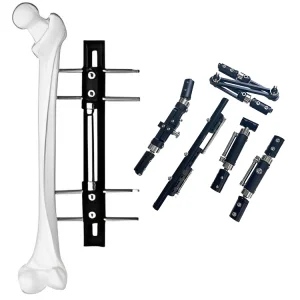
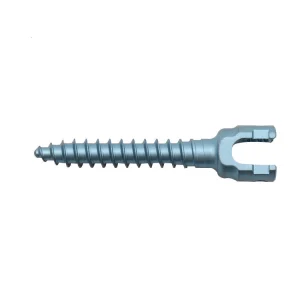
Within modern osteosynthesis, the selection and mechanical execution of bone anchoring systems directly dictate patient recovery times and implant integrity. Self-tapping bone screws represent a significant technological evolution over traditional non-tapping variants. Engineered with a cutting flute integrated into the tip, these advanced devices eliminate the clinical requirement for pre-tapping procedures. The flute behaves as a cutting edge, carving a matching thread pathway inside the pre-drilled pilot hole during insertion.
Clinical advantages are robust. By eliminating a manual tapping step, surgical teams save valuable operative time, minimizing patient exposure to anesthesia. Furthermore, self-tapping profiles ensure intimate contact between the screw thread and the host bone, maximizing pull-out strength and structural stability. This mechanical performance is highly beneficial for securing fractures, spinal fixation devices, and soft-tissue anchors.
SEO Insights & Semantic Focus: High-performance self-tapping mechanisms mitigate the risk of micro-fractures in cortical bones while balancing torque requirements, safeguarding the surrounding osteocytes from thermal necrosis during placement.
During surgical insertion, axial force and rotational torque are converted into material-displacement force. The profile design of the cutting flute determines how bone debris is managed:
Uncompromising regulatory standards demand specialized alloys designed for long-term biocompatibility and high load-bearing thresholds.
Conforming to ASTM F136 specifications, Grade 23 Extra Low Interstitial (ELI) titanium is the global benchmark for implantable bone screws. Renowned for its fatigue resistance, high strength-to-weight ratio, and low elastic modulus, it minimizes stress shielding while remaining visible under standard fluoroscopy.
Conforming to ASTM F138 standards, vacuum arc remelted (VAR) stainless steel offers structural stiffness for complex trauma fixation configurations. It delivers high yield strength and corrosion resistance, serving as a reliable material for temporary fixation assemblies.
Advanced anodization processes (Type II and Type III) form durable titanium oxide surface layers. These treatments enhance wear resistance, offer distinct color coding for surgical convenience, and improve osseointegration markers on the screw shank.
A trusted global manufacturer specialized in high-performance orthopedic implants and advanced trauma systems.
Established in 2015, Bonevia Orthopedic Technology Co., Ltd. is a dedicated manufacturer of orthopedic implants and surgical solutions. We prioritize innovation and precision engineering across our trauma, spine, and joint reconstruction product lines.
Supported by 6 years of export experience and more than 10 years of orthopedic industry expertise, Bonevia serves an international network of medical distributors, clinics, hospitals, and surgical centers. Our production capabilities include comprehensive OEM and ODM customization services designed to meet precise clinical preferences.
Our commitment to reliable performance is backed by a global distribution network across Europe, Southeast Asia, the Middle East, and South America, maintaining a diverse ecosystem of over 850 partners.
From design visualization to material processing, our engineering teams ensure compliance with regulatory standards for implant performance and patient safety.
Quality Assurance Protocol: Our quality assurance team features 35 dedicated professionals managing strict multi-stage inspection routines, including incoming raw materials verification, in-process checking, and finished product validation.
Trace the development journey of our surgical implants from raw material processing to final packaging.
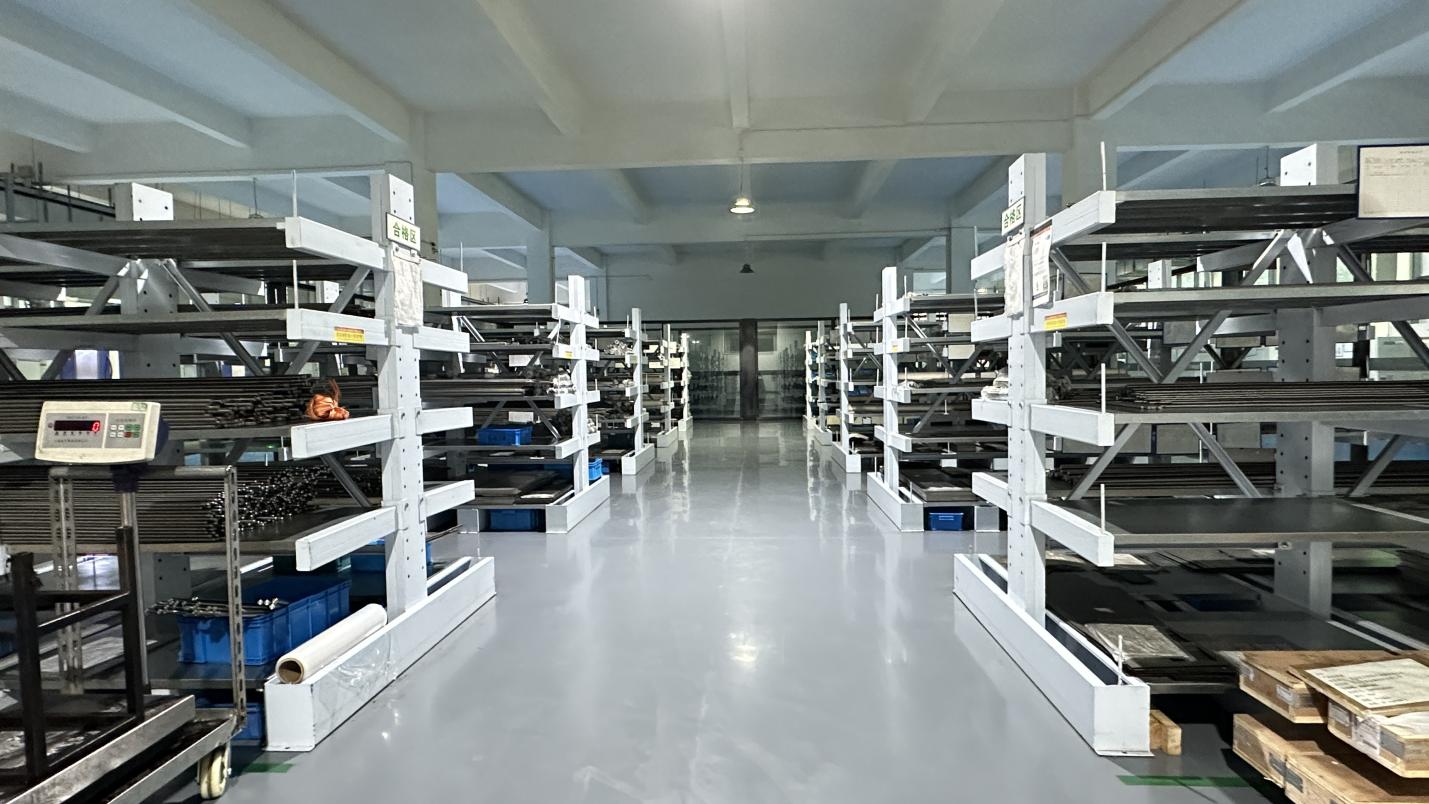
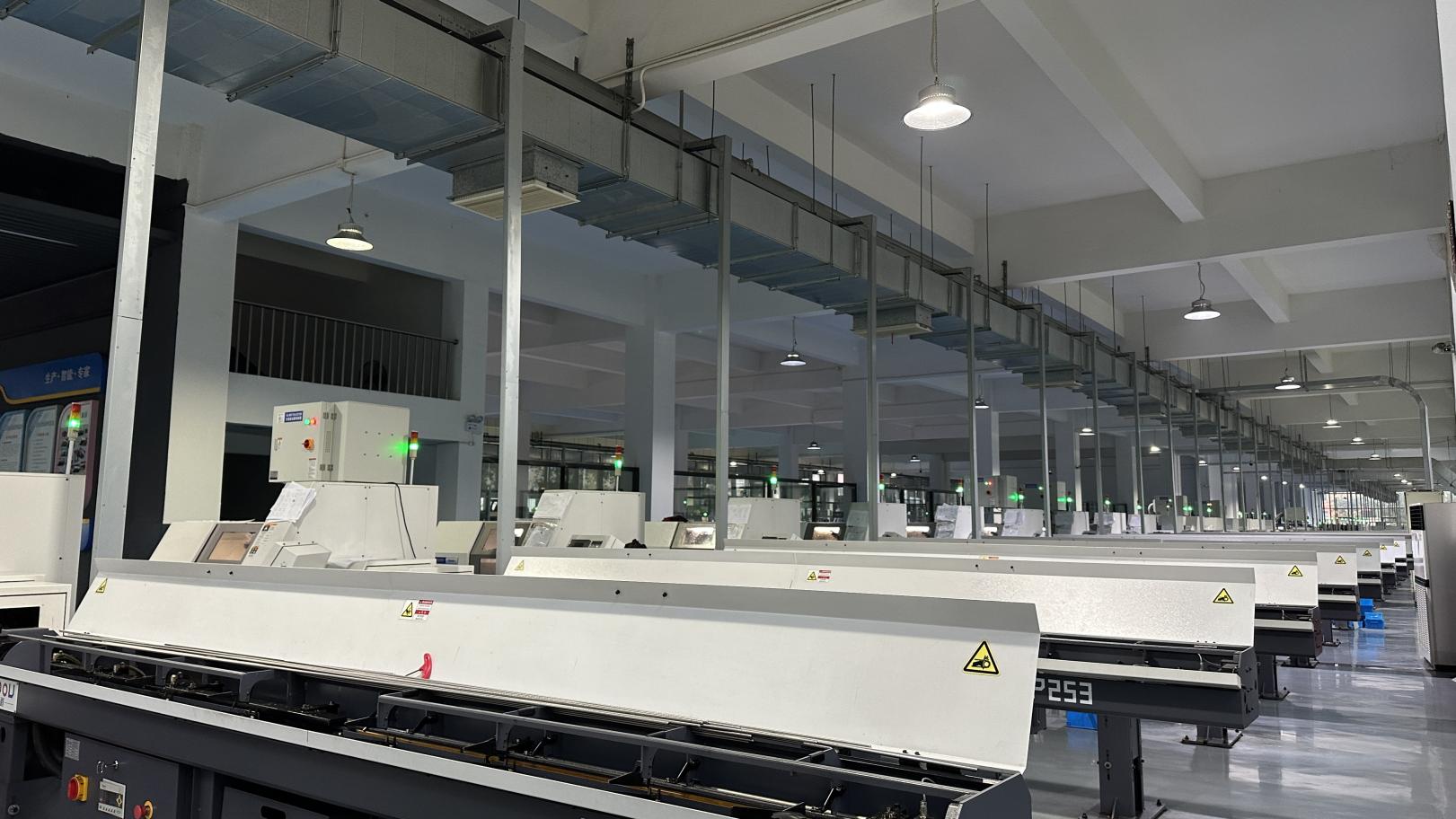
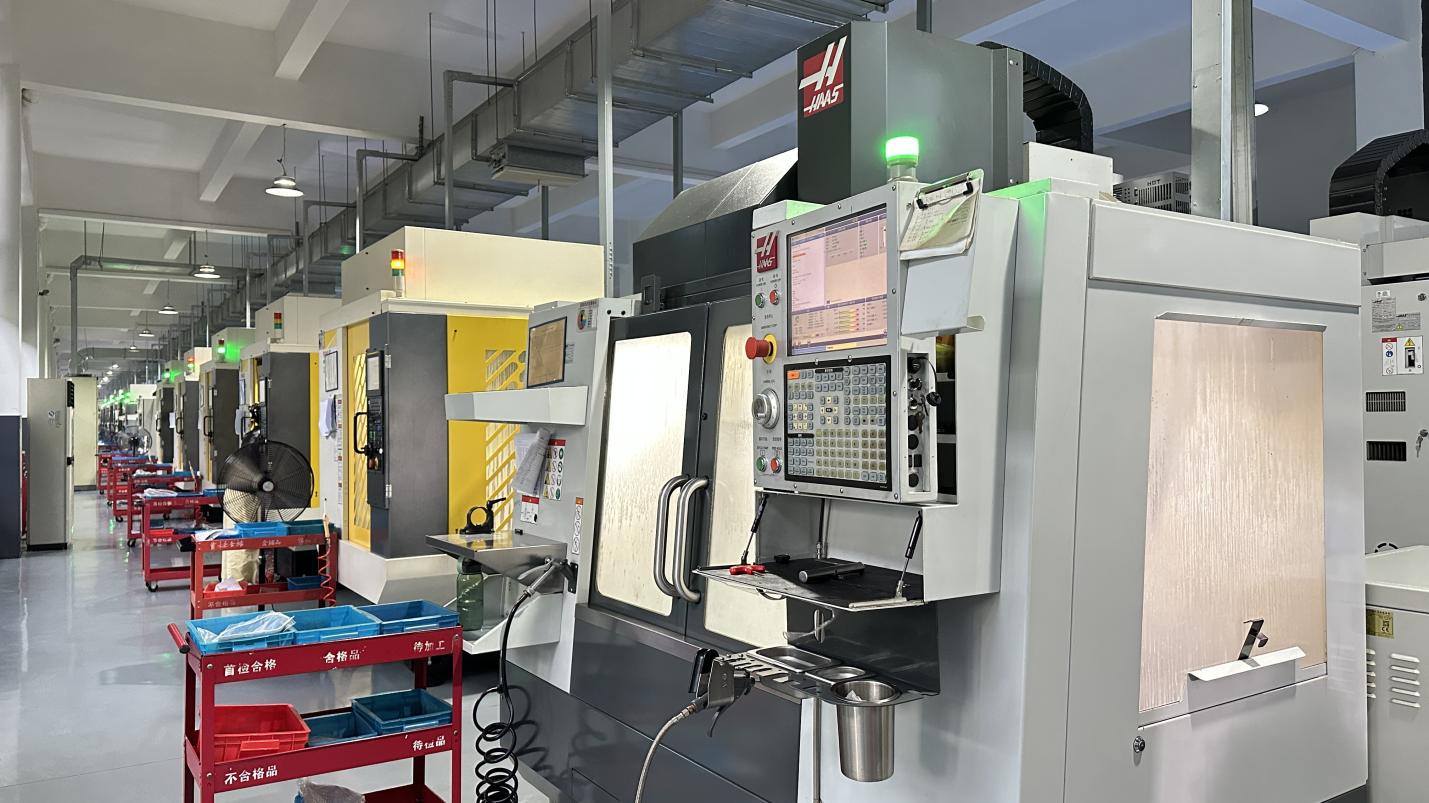
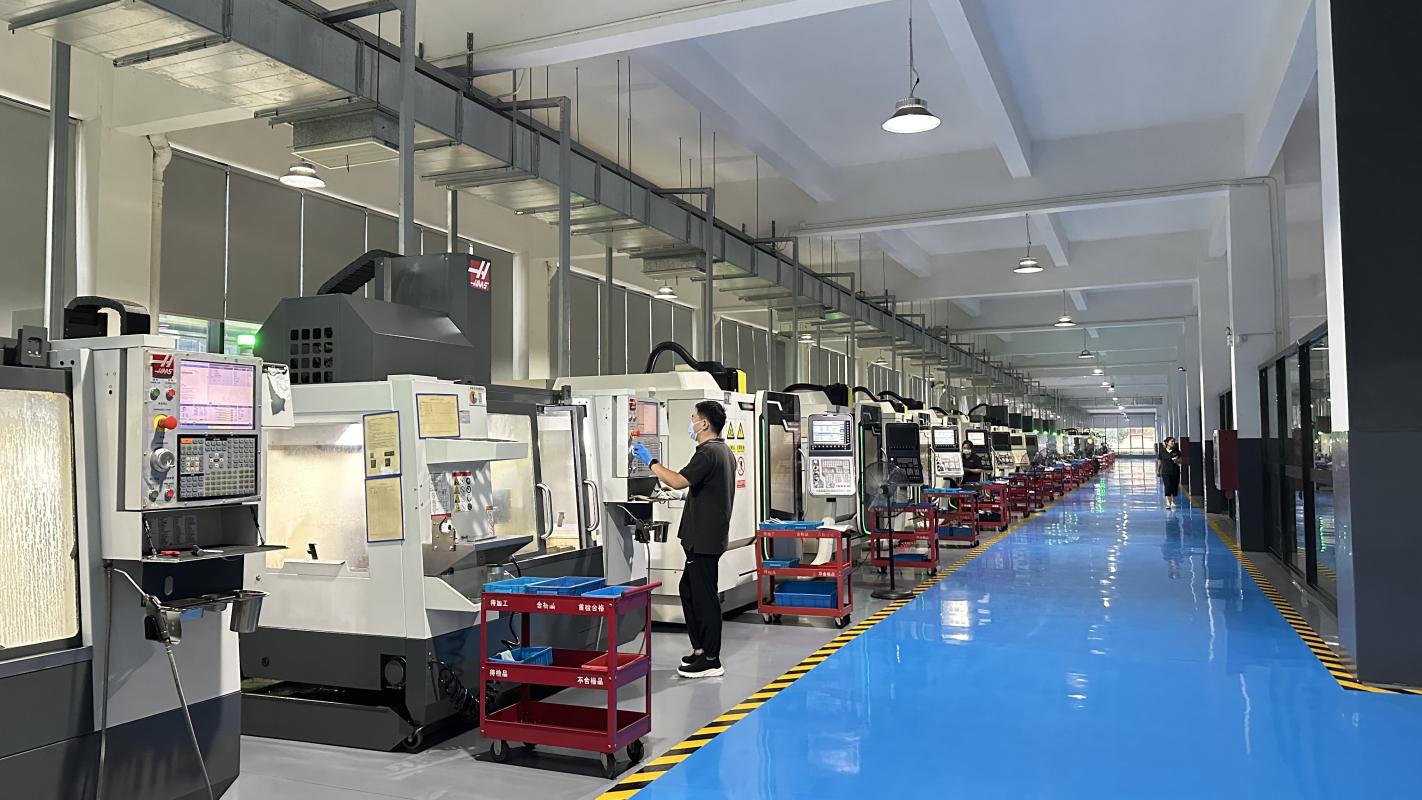
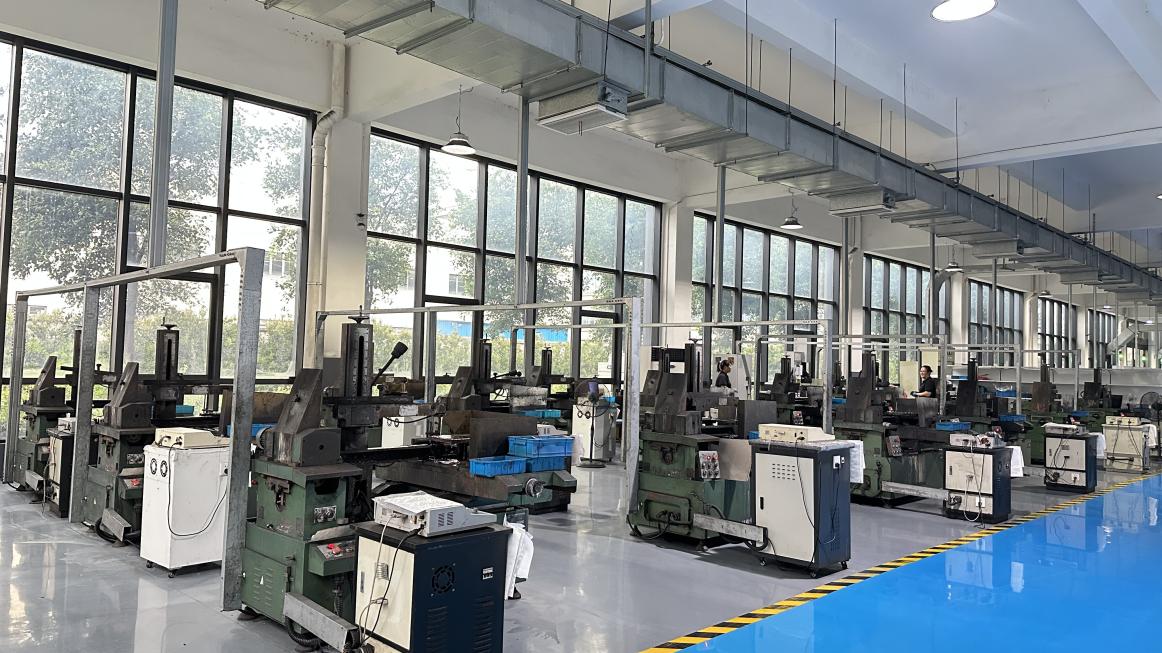
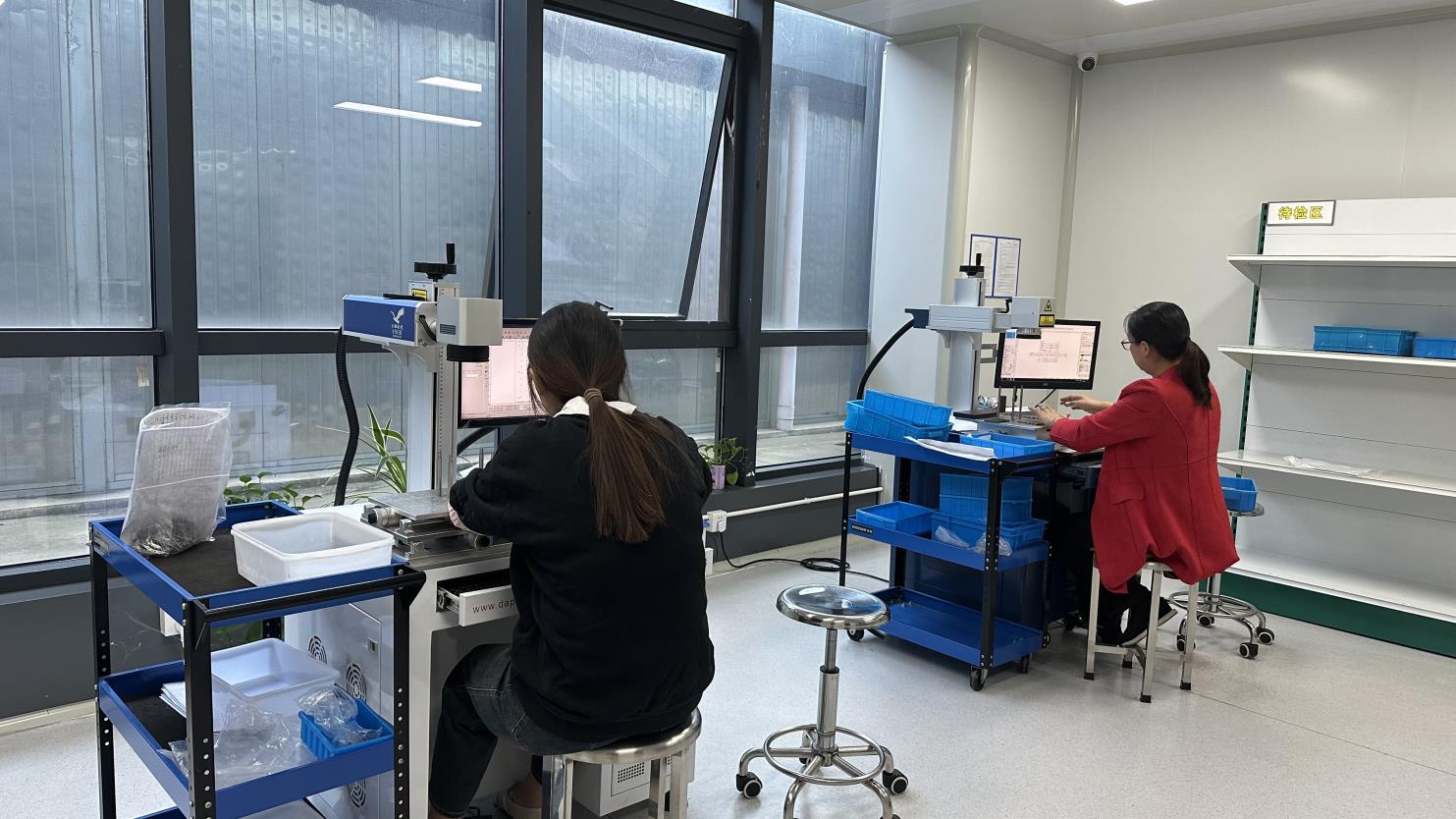
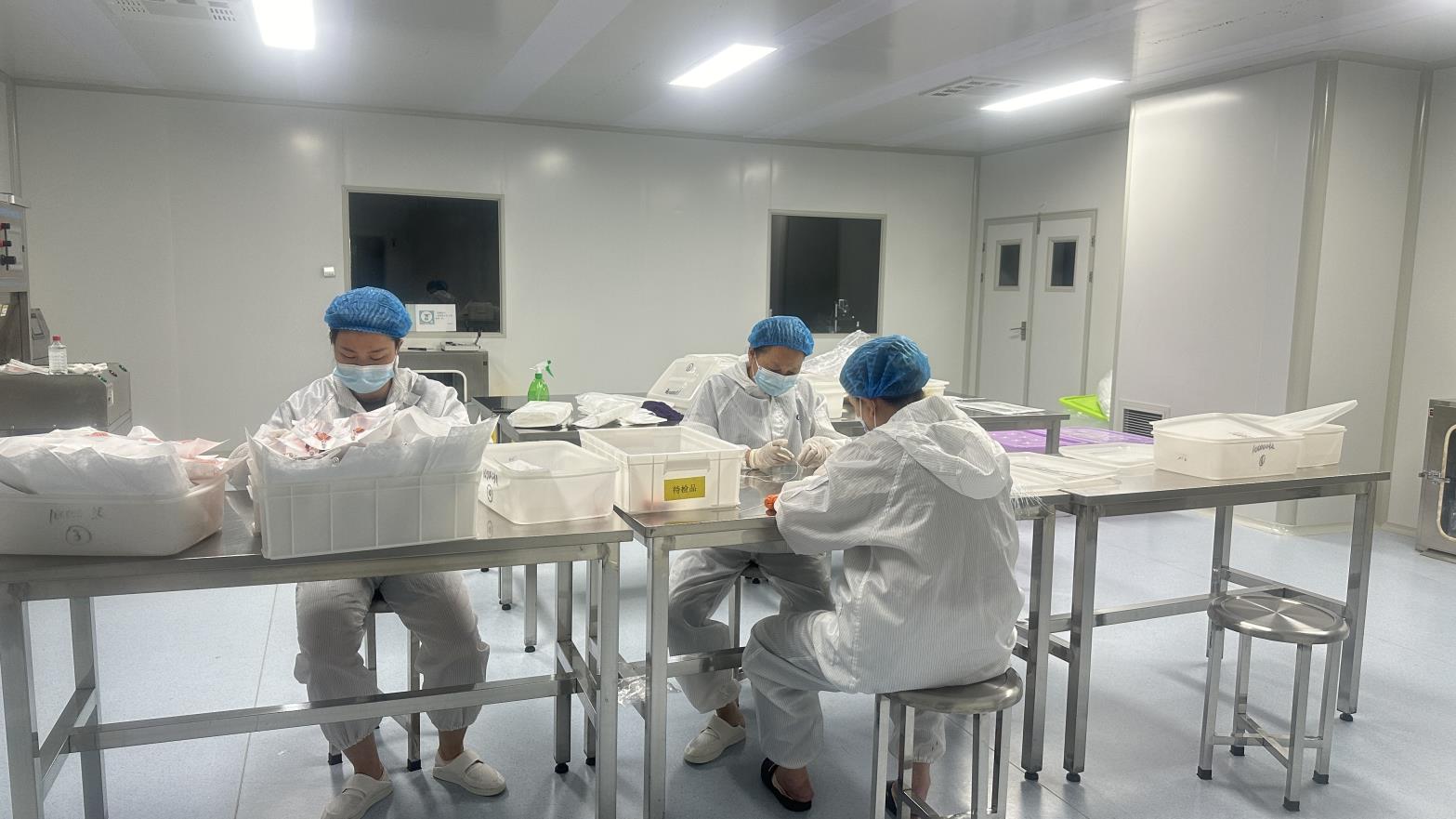
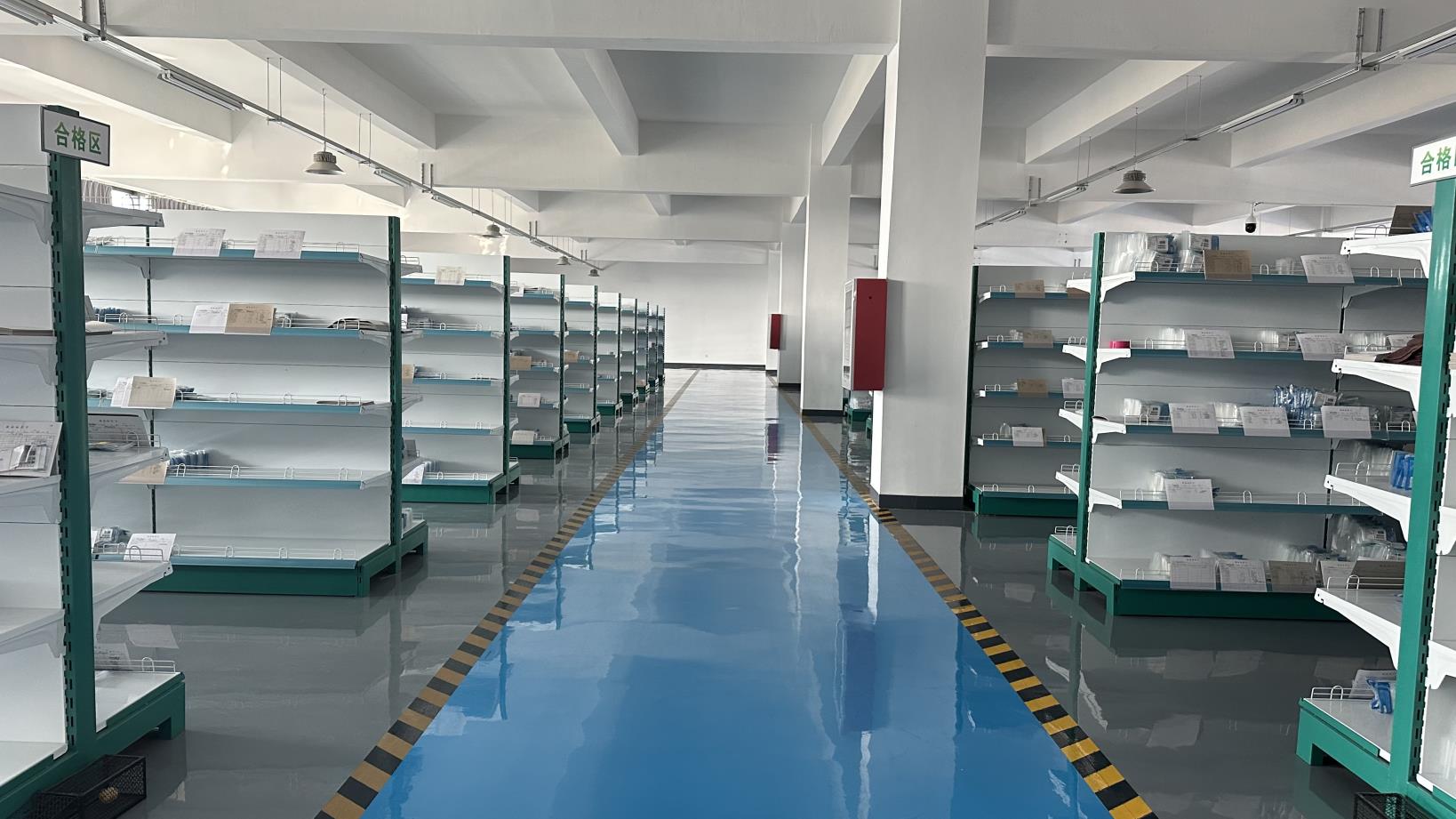
Bonevia operates advanced manufacturing machinery within a production facility designed for precise machining and quality validation.
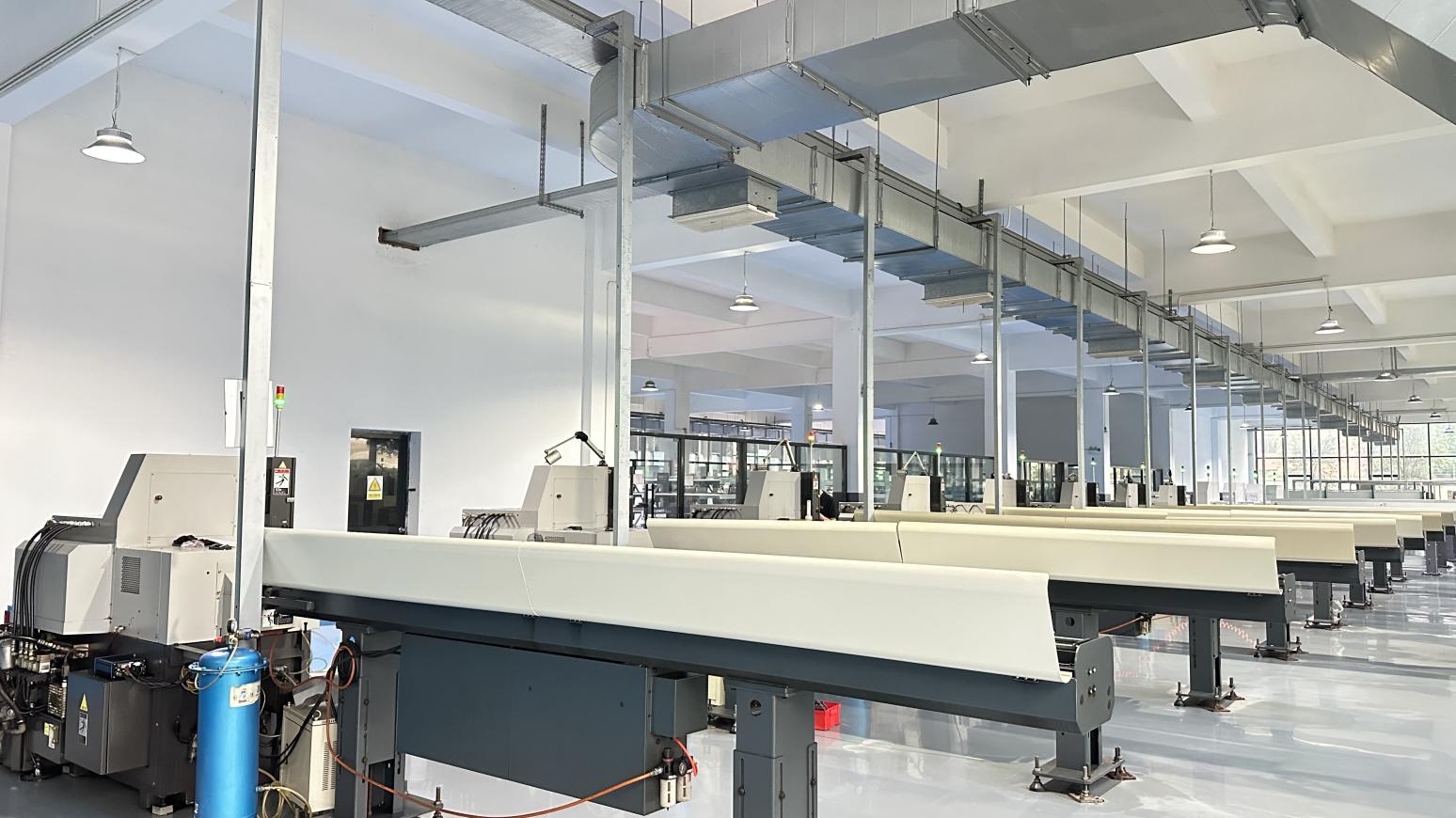
Handles primary metal rod reduction and preparation with tight tolerances.
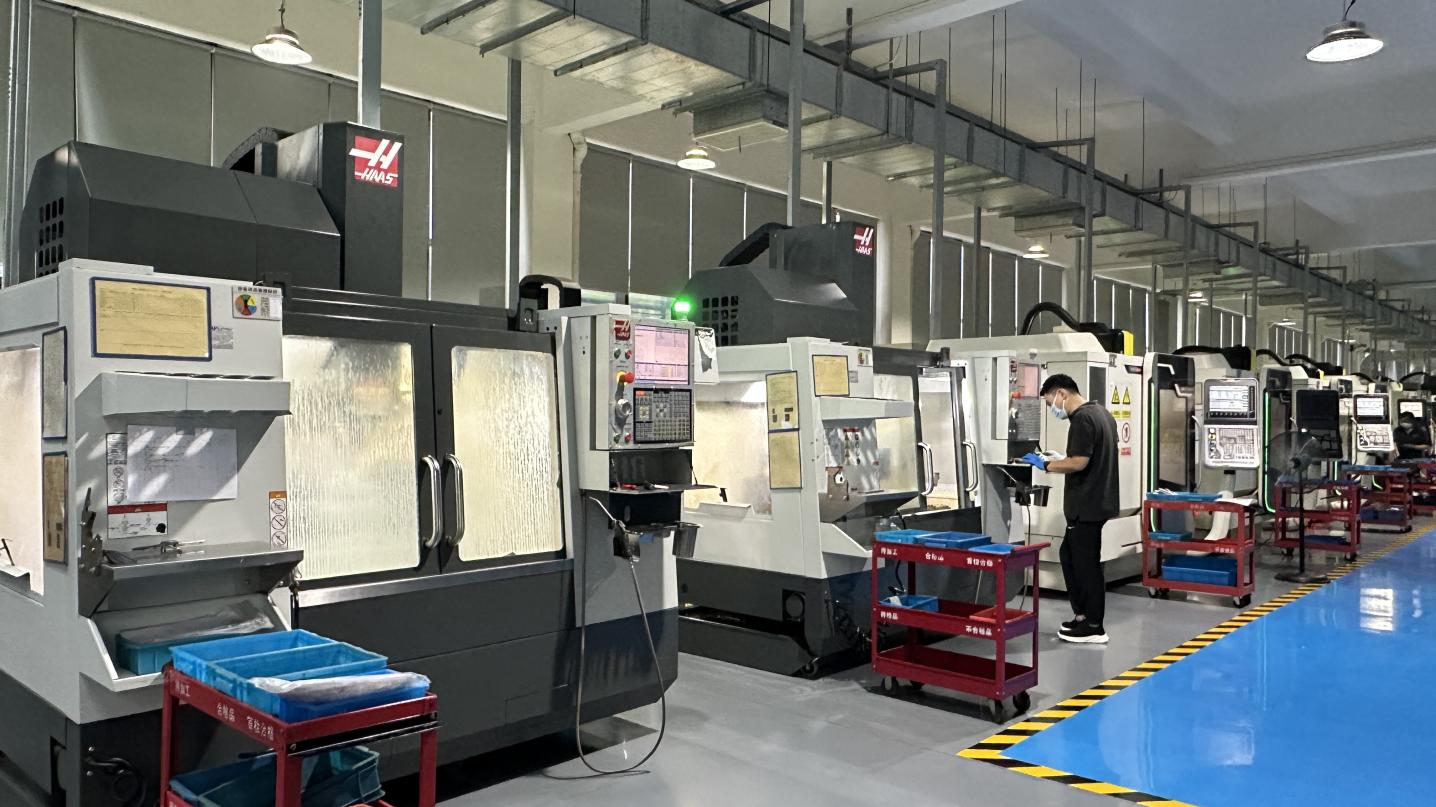
Produces complex thread profiles and precise driver recess designs.
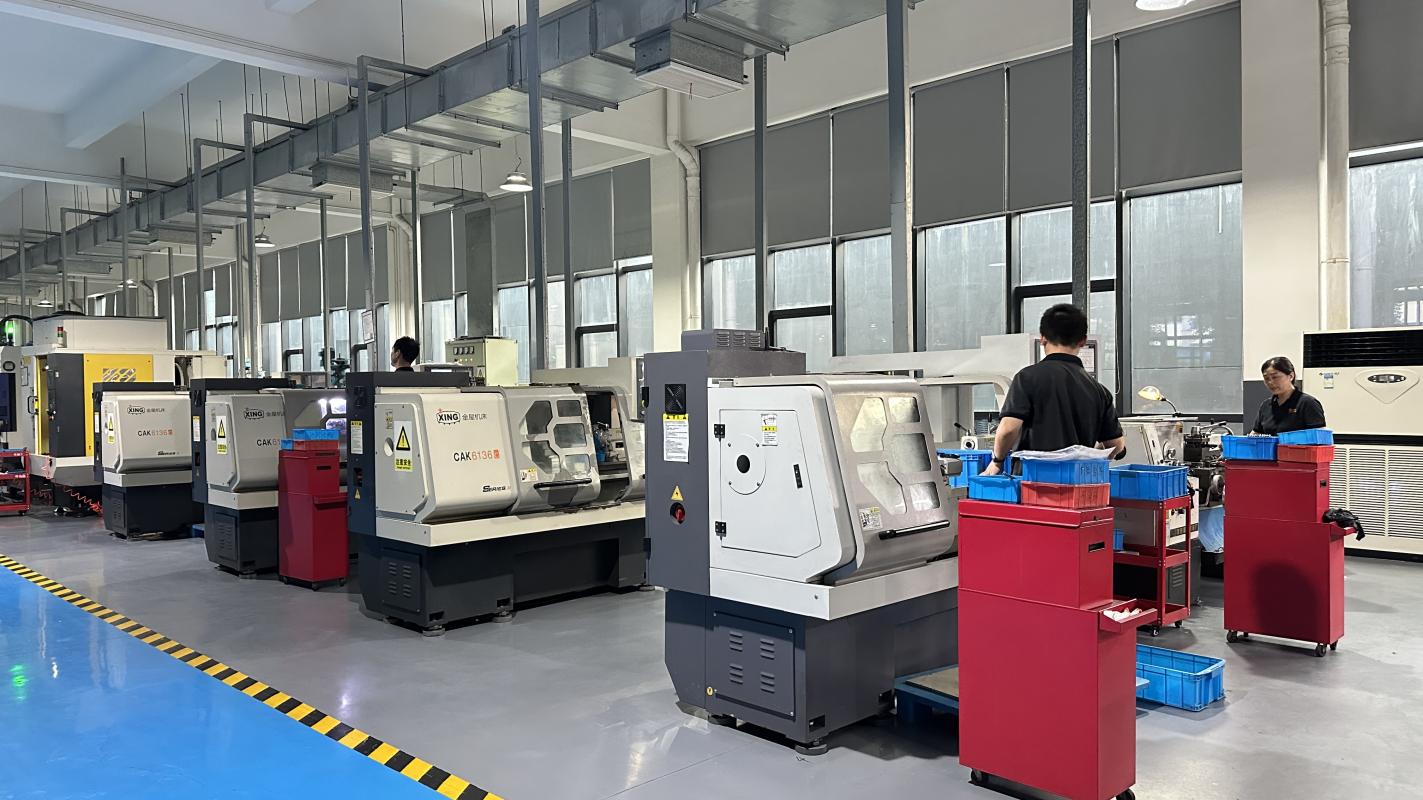
Optimizes component dimensional accuracy before surface treatment.
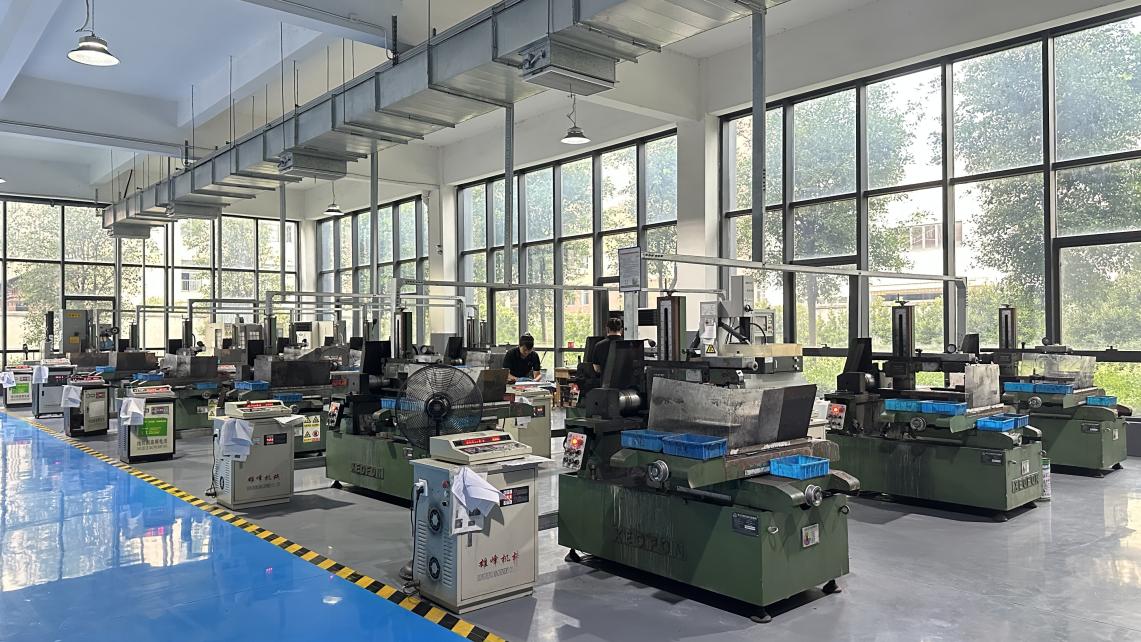
Performs ultra-fine slot cuts and detailed geometric tooling profiles.
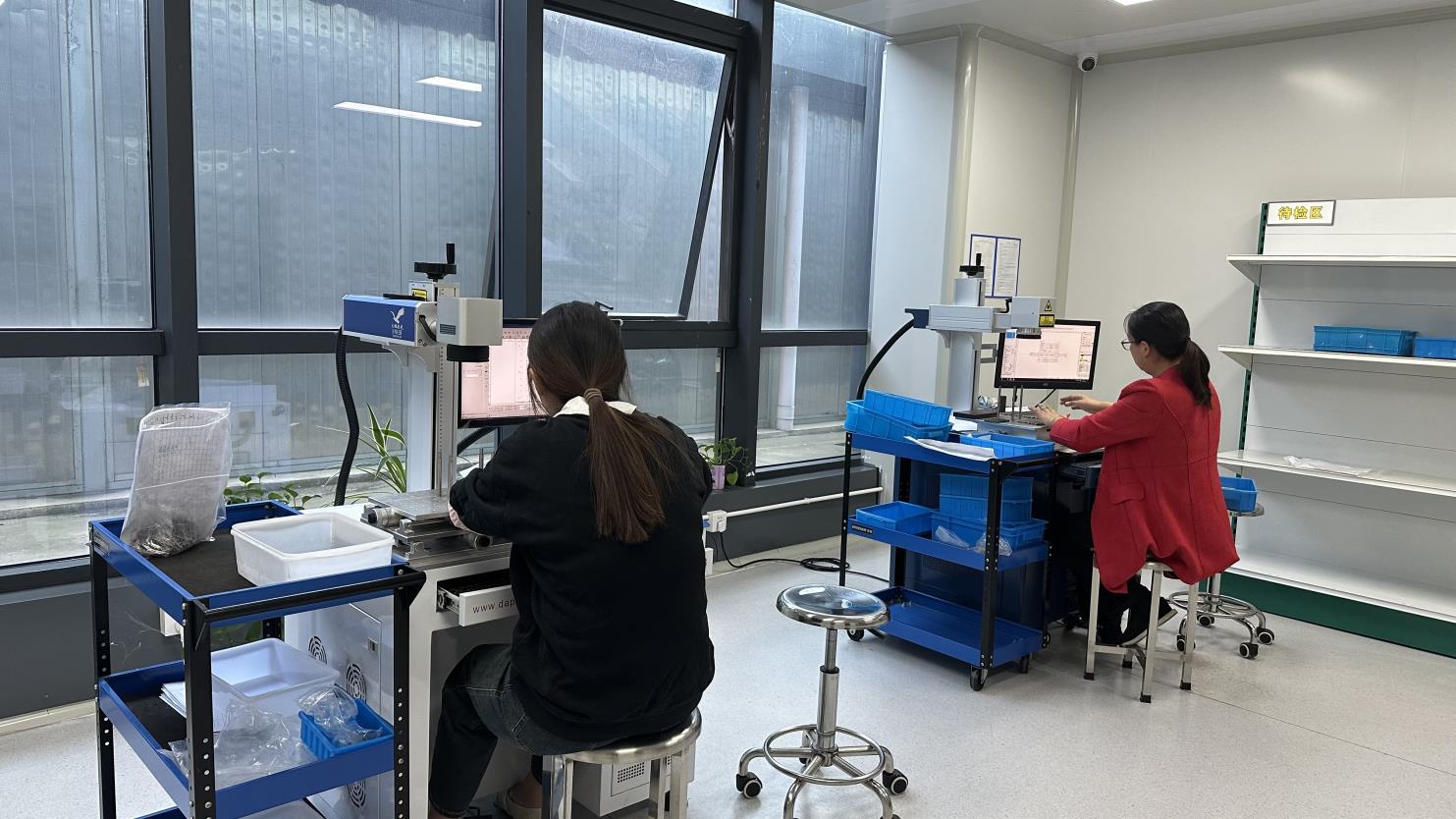
Applies high-resolution batch codes, logos, and size details without structural damage.
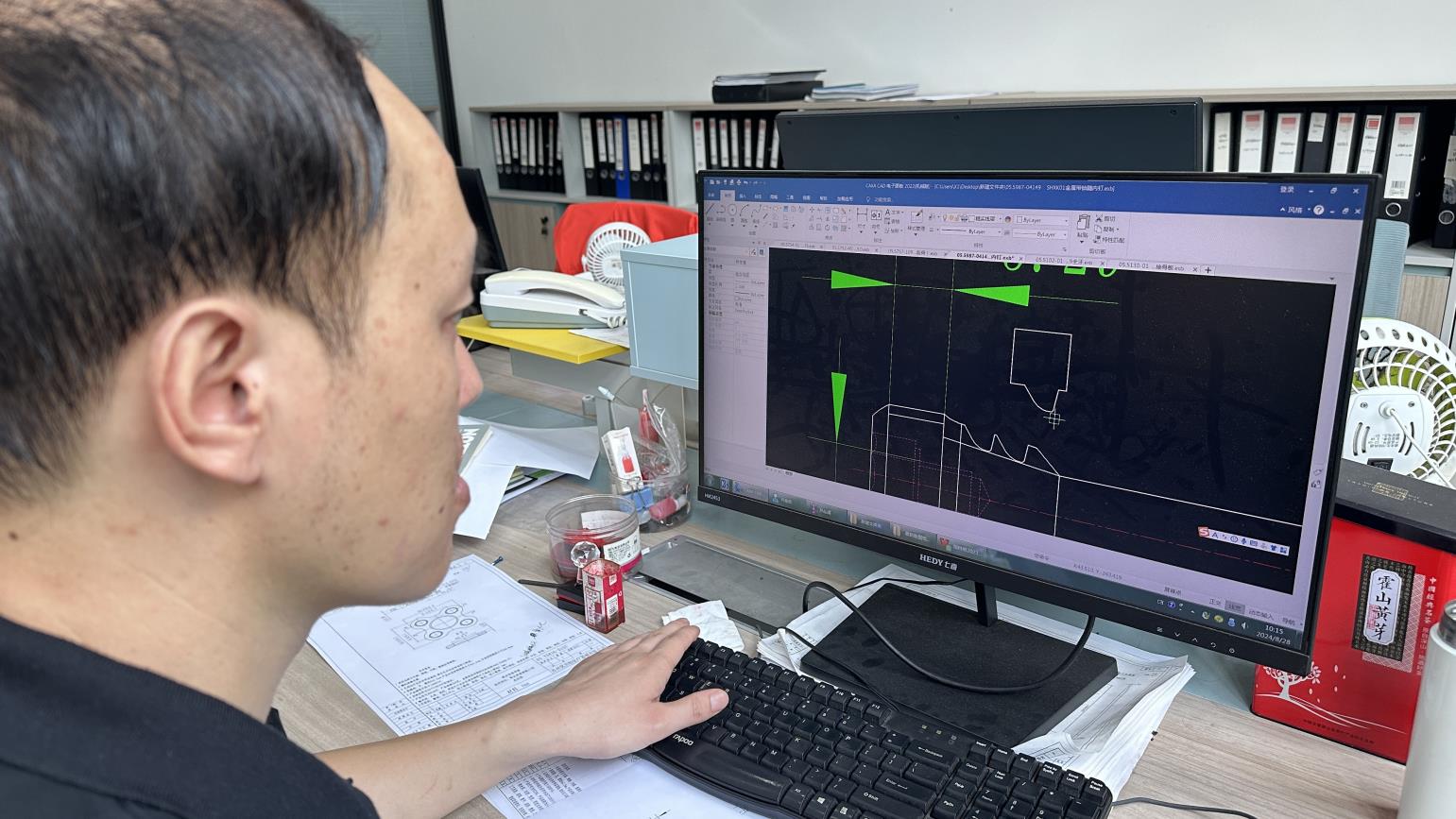
Collaborates with clinical experts to model implants using finite element analysis.
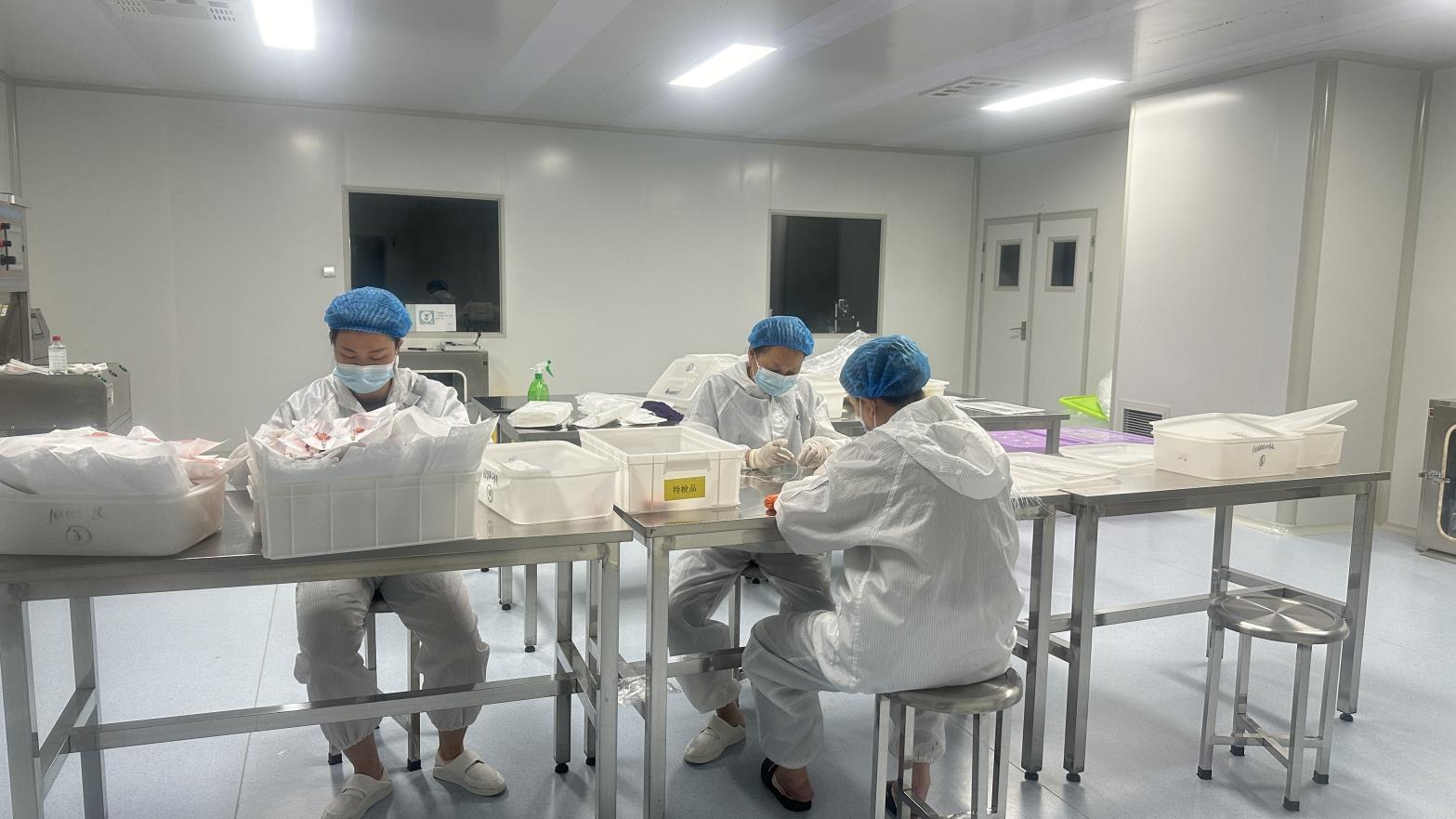
Handles physical verification protocols, surface roughness measurements, and chemical composition analysis.
Aligning advanced orthopedic manufacturing with specialized surgical requirements and global supply standards.
Our self-tapping bone screws are used in diverse clinical environments, including:
Exporting implantable medical devices requires comprehensive trace-audit documentation. Bonevia ensures that each batch of bone screws contains detailed material heat-lot traceability records, certificate of compliance documentation, and cleanroom validation metrics.
Our operations comply with the European Union Medical Device Regulation (MDR) frameworks, maintaining quality assurance and logistical efficiency across all international shipments.
Developing innovative solutions to meet the evolving demands of modern osteosynthesis.
Researching magnesium alloy and polymer composites to design temporary implants that dissolve safely after healing, eliminating secondary removal procedures.
Applying biomimetic hydroxyapatite (HA) coatings to self-tapping threads to encourage rapid bone growth and minimize structural loosening risks.
Developing custom implant interfaces designed to connect patient-specific plates directly with customized self-tapping fixation configurations.
Answers to common technical, logistics, and design customization questions.
Explore our range of joint prosthetics, specialized arthroscopy tools, spinal components, and surgical accessories.