Bonevia
Bonevia
Bonevia
Premium clinical solutions designed for optimal trauma stabilization and osteosynthesis procedures.
Decade-long manufacturing excellence powering healthcare organizations across the globe.
Bonevia Orthopedic Technology Co., Ltd. is a professional manufacturer specializing in orthopedic implants and surgical solutions, dedicated to advancing innovation in trauma, spine, and joint reconstruction products. Since its establishment in 2015, the company has grown steadily into a trusted supplier in the global orthopedic industry.
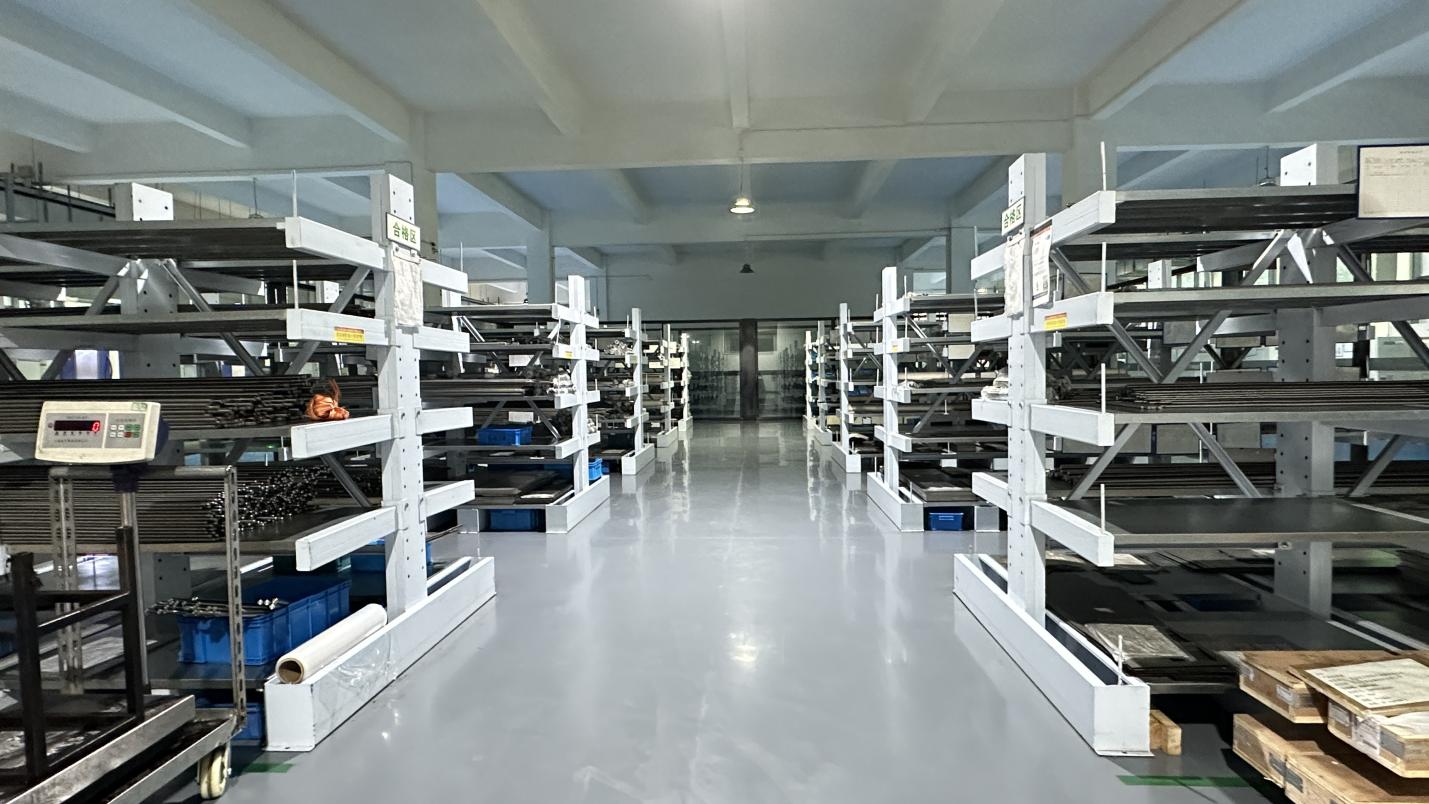
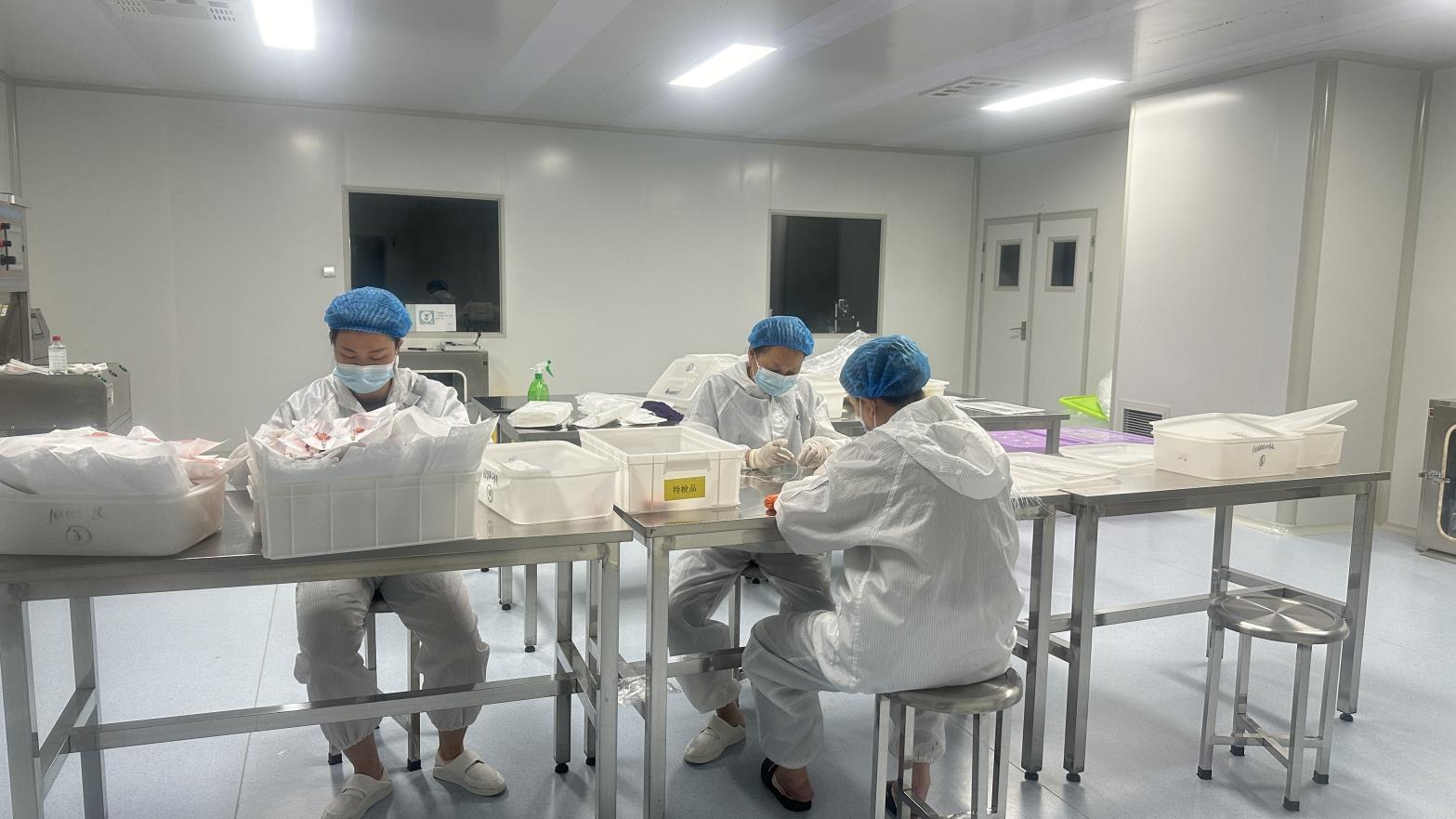
With a modern production facility covering approximately 320㎡ of cleanroom and office space, Bonevia maintains strict quality management standards and efficient manufacturing processes. The company records an annual export revenue of around USD 8–15 million, supported by 6 years of export experience and over 10 years of overall industry experience.
The human tibia is the second longest bone in the body and is highly susceptible to fractures due to its prominent subcutaneous location. The introduction of intramedullary nailing (IMN) revolutionized the treatment paradigm of tibial shaft fractures, establishing itself as the gold standard for stabilizing diaphyseal fractures. By providing relative stability and load-sharing biomechanical properties, tibial intramedullary nails stimulate callus formation via secondary bone healing, allowing earlier weight-bearing and accelerated rehabilitation compared to compression plating techniques.
Biochemically, modern intramedullary nails are designed to balance elasticity and rigidity. Premium nails are constructed from high-strength medical alloys like Titanium-6Aluminum-4Vanadium Extra Low Interstitial (Ti-6Al-4V ELI) conforming to ASTM F136 or biocompatible cobalt-chromium alloys. These metals closely mirror the modulus of elasticity of cortical bone, minimizing stress shielding while providing robust angular and torsional stability.
"Clinical success in tibial fracture fixation hinges on anatomical alignment, soft tissue preservation, and structural stability. The design architecture of contemporary tibial intramedullary nails must accommodate the Herzog bend (typically 10° to 11° proximal posterior angulation) to prevent posterior displacement and optimize entry point trajectory."
A critical failure mode of older intramedullary nailing systems was the loss of rotation and alignment control, particularly in highly unstable, comminuted, or distal/proximal metaphyseal-diaphyseal fractures. Modern tibial nail designs integrate advanced multi-planar locking screw patterns.
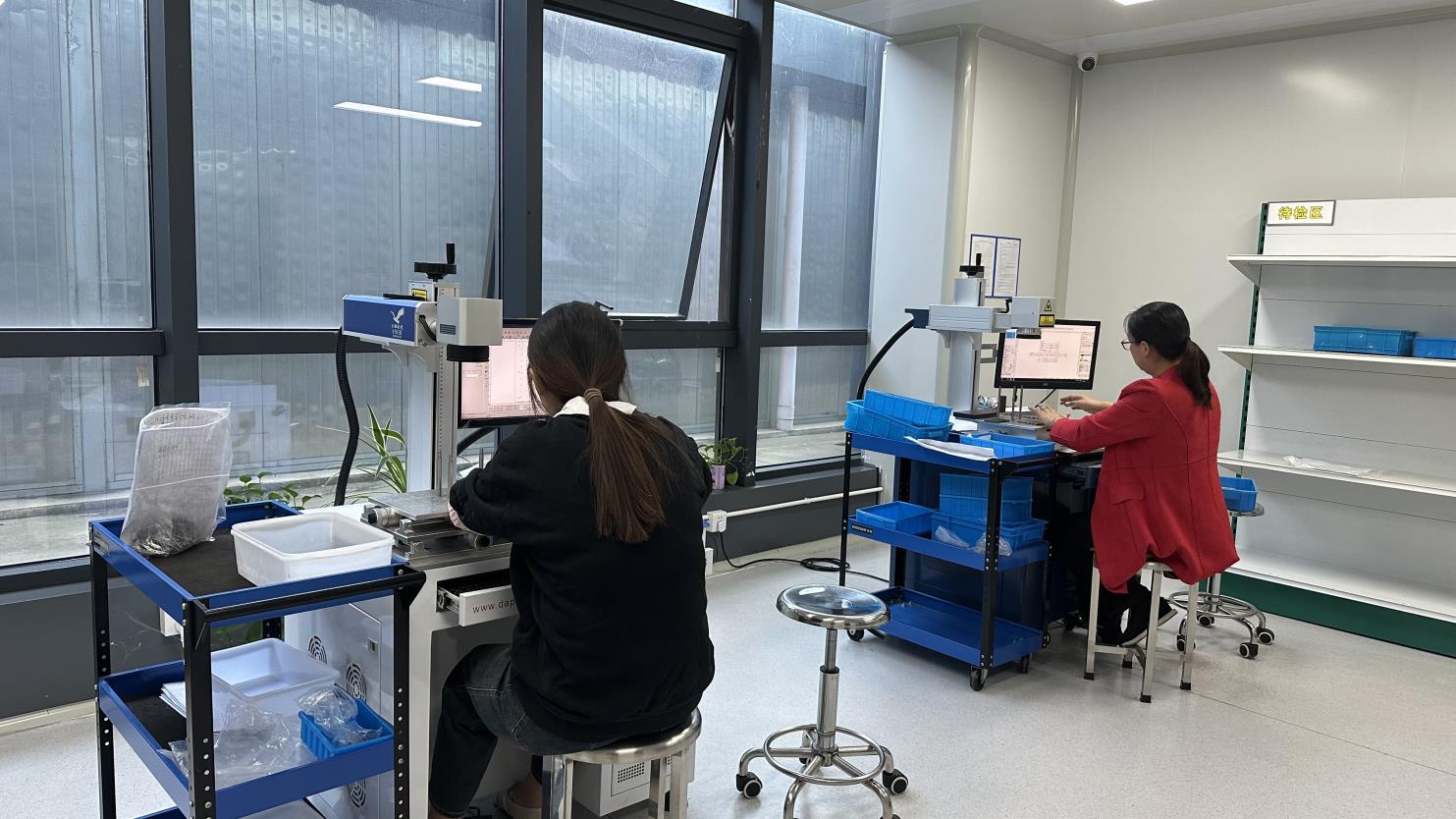
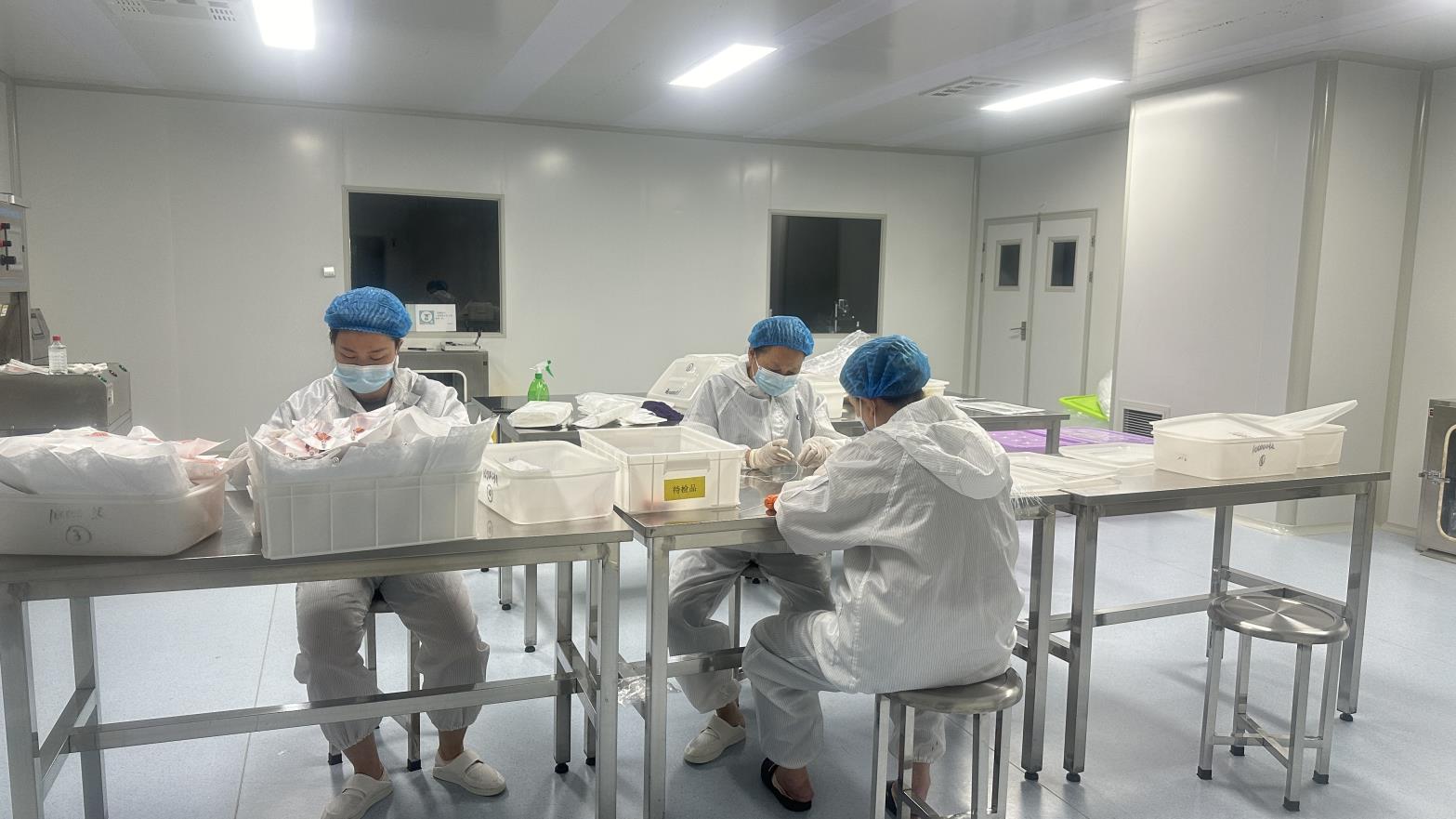
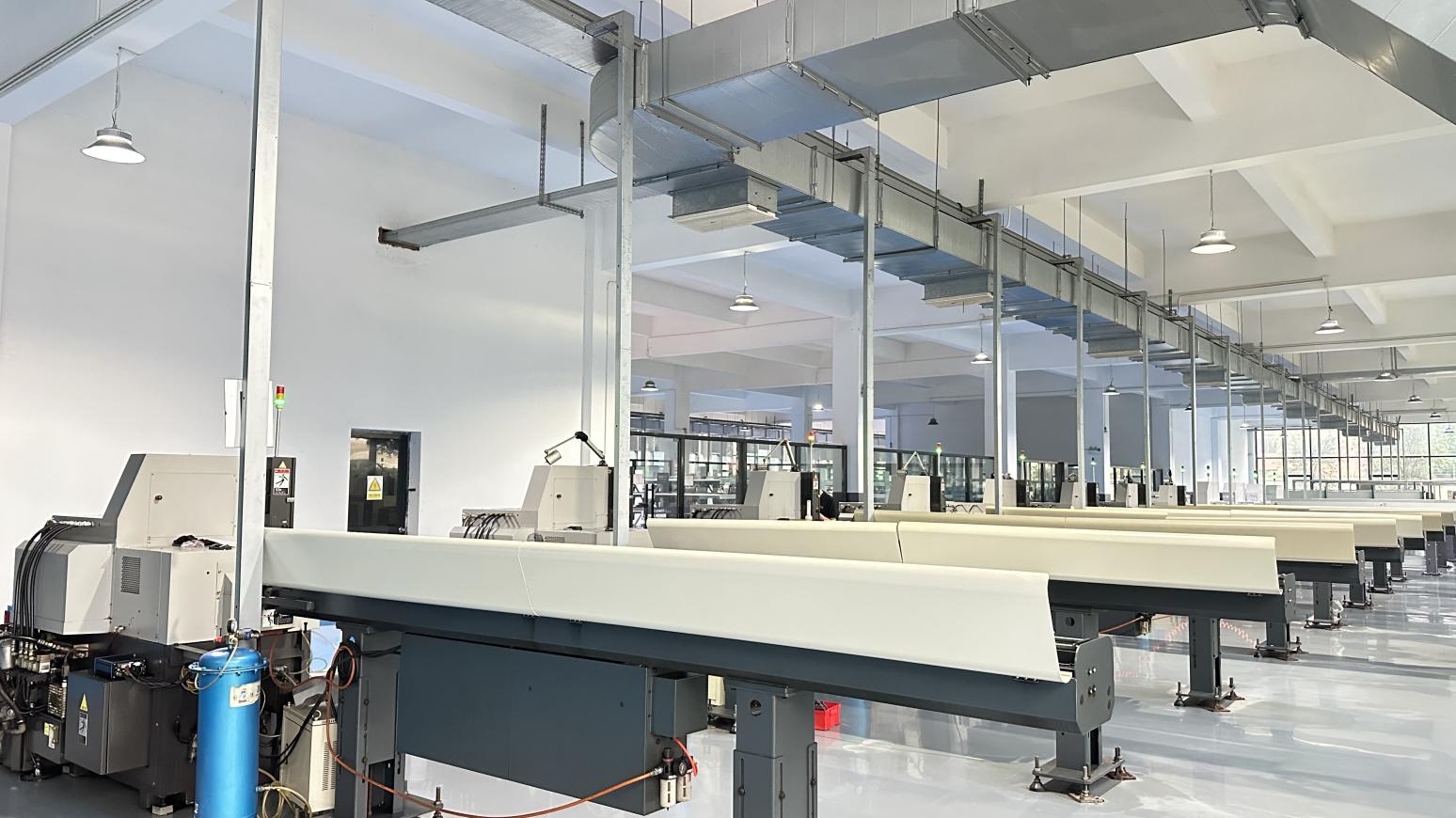
China has transitioned from a high-volume basic metalware manufacturer to a high-precision center for advanced orthopedic medical devices. Leading Chinese factories deploy state-of-the-art CNC Swiss-type lathes, multi-axis machining centers, and class-10,000 ISO cleanrooms to produce implants that rival Western brands in tolerances, finishing, and biological integration.
The structural advantages of sourcing from top Chinese exporters like Bonevia include deep supply chain integration, raw material traceability (conforming to premium titanium standards), and highly competitive production yields. These factors dramatically reduce the total cost of ownership (TCO) for global distributors, public hospital systems, and national health authorities, without compromising patient safety or clinical outcomes.
Recognizing that orthopedic clinical preferences vary significantly between markets—such as the preference for suprapatellar vs. infrapatellar insertion instrumentation—top Chinese factories emphasize robust ODM/OEM customization. Our design and engineering offices leverage rapid prototyping, finite element analysis (FEA), and mechanical stress testing to deliver bespoke implant profiles, customized instruments, and private-label packaging to meet specific target market regulations.
Transparent production validation conforming to EN ISO 13485 and Directive 93/42/EEC (MDD).
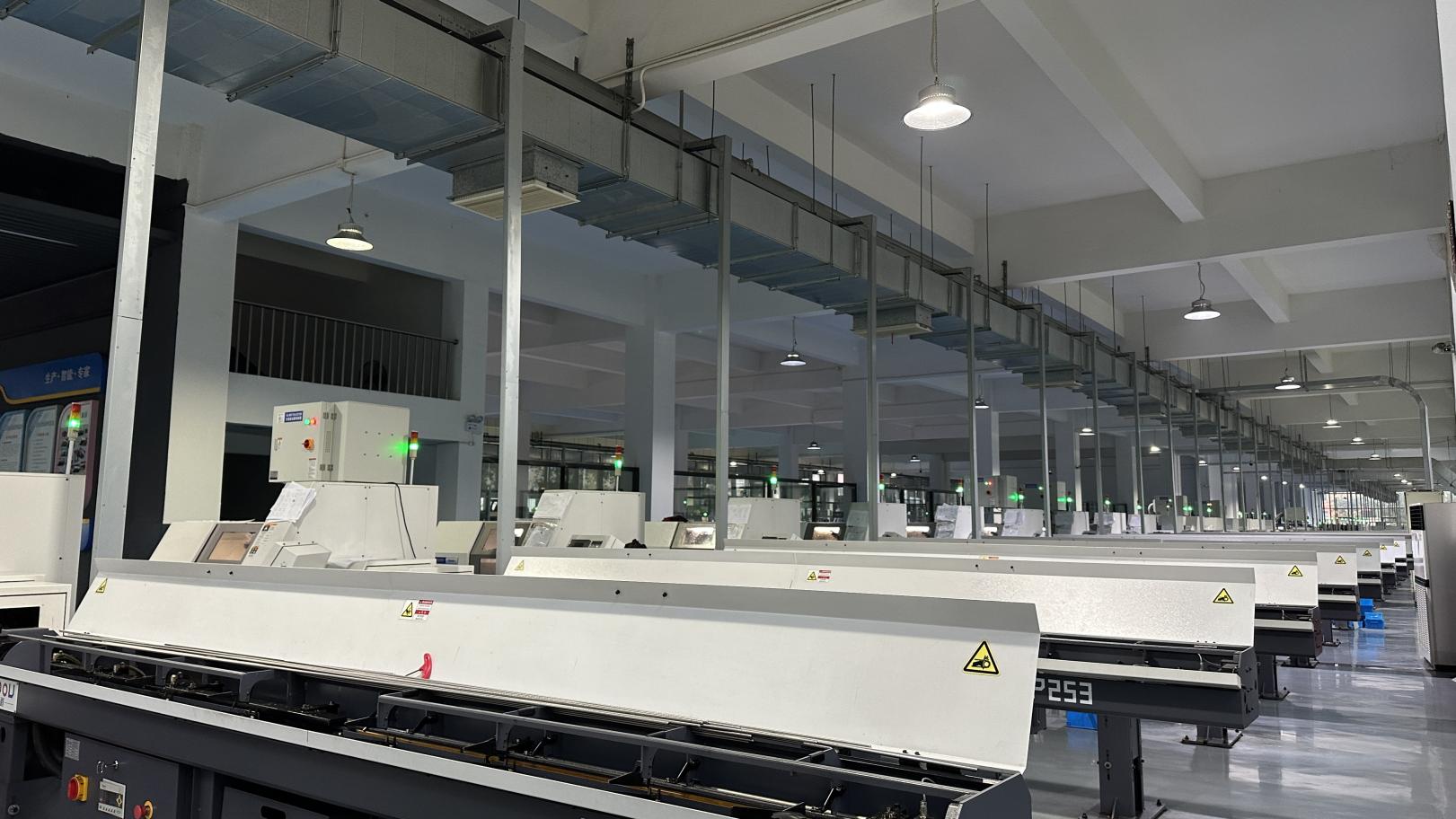
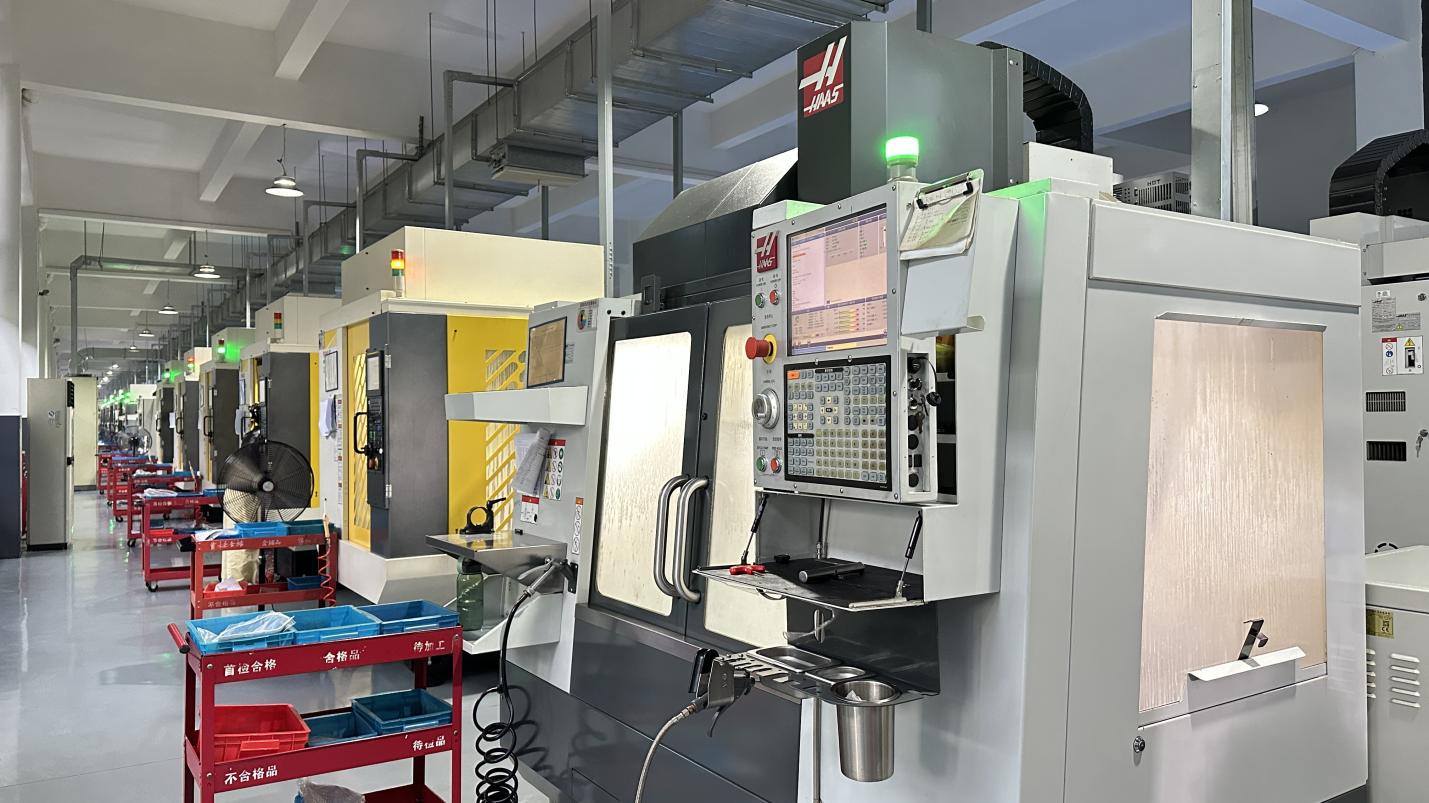
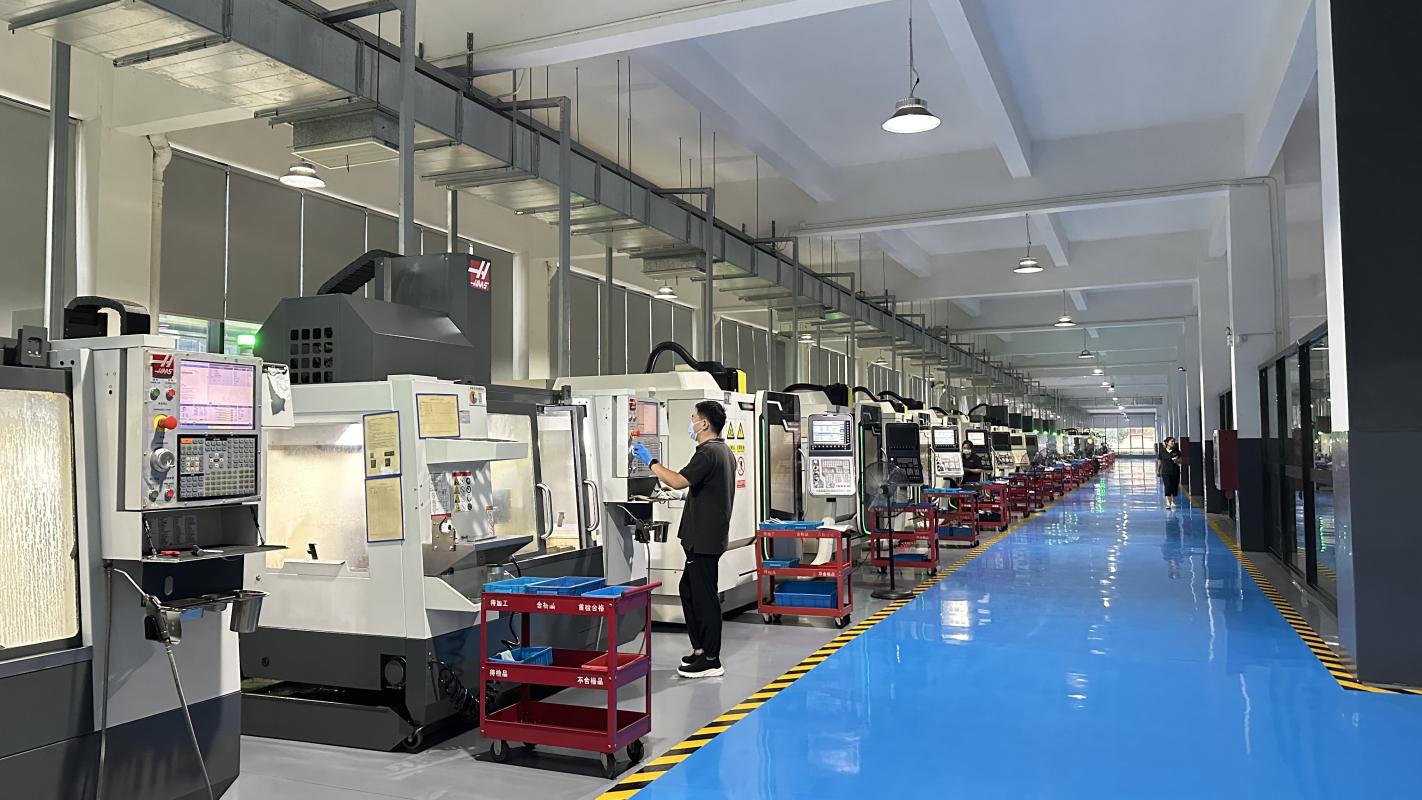
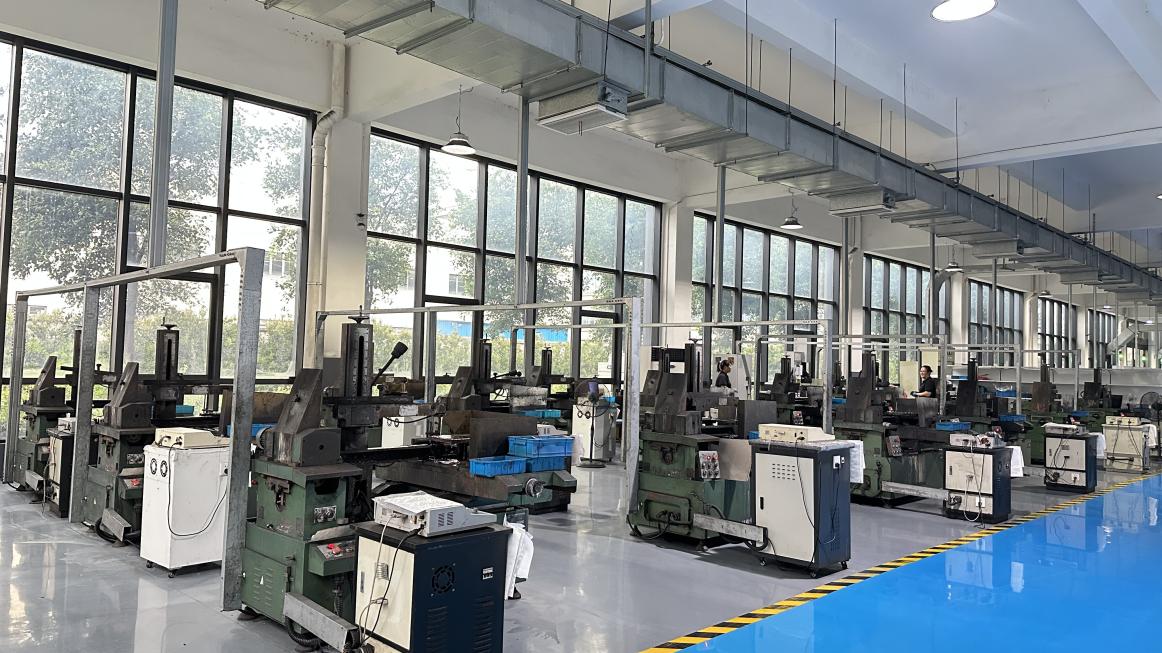
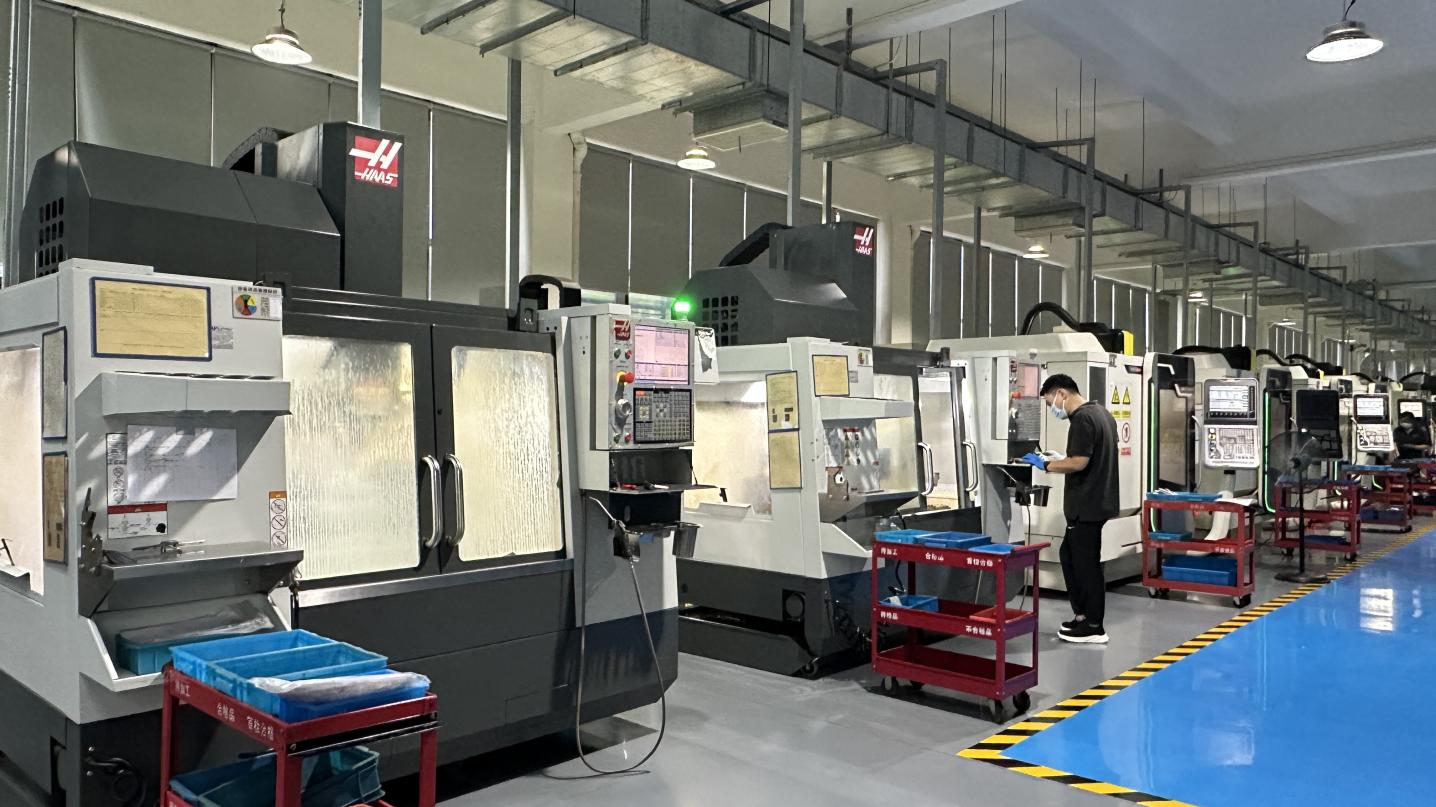
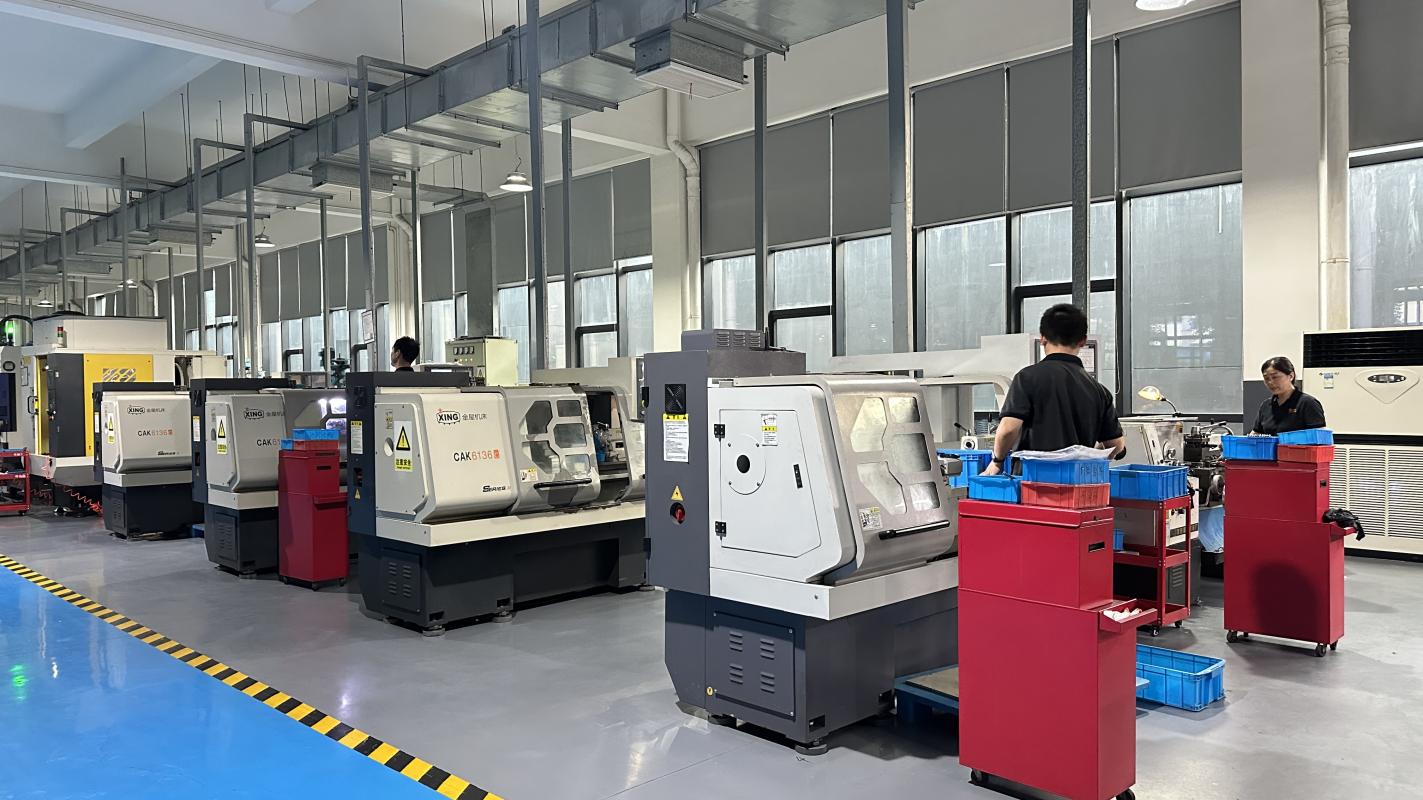
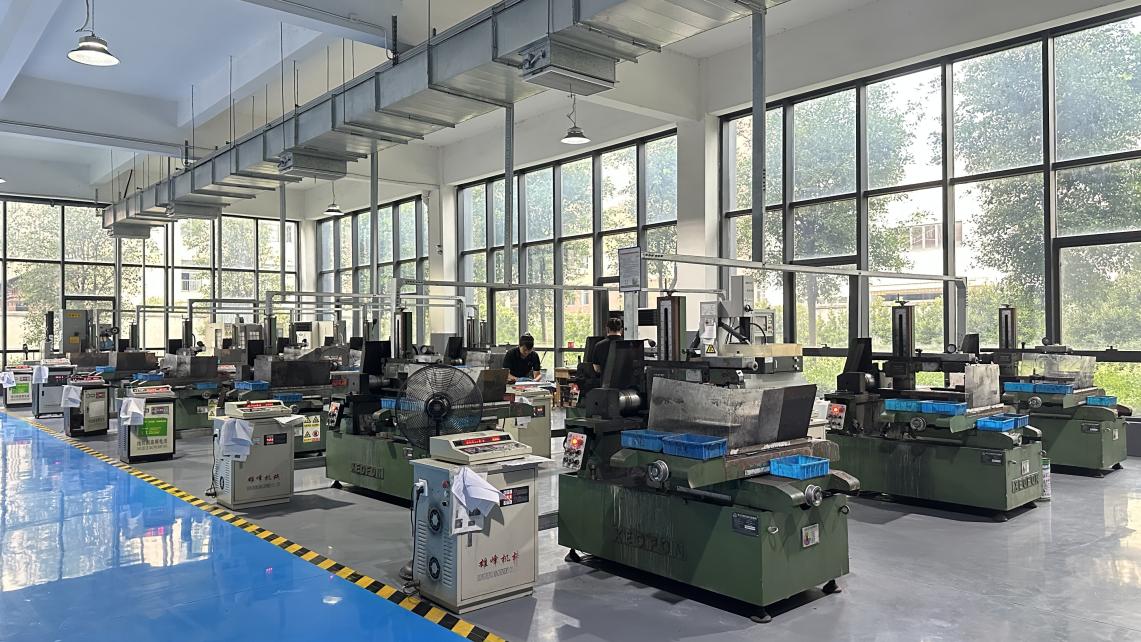
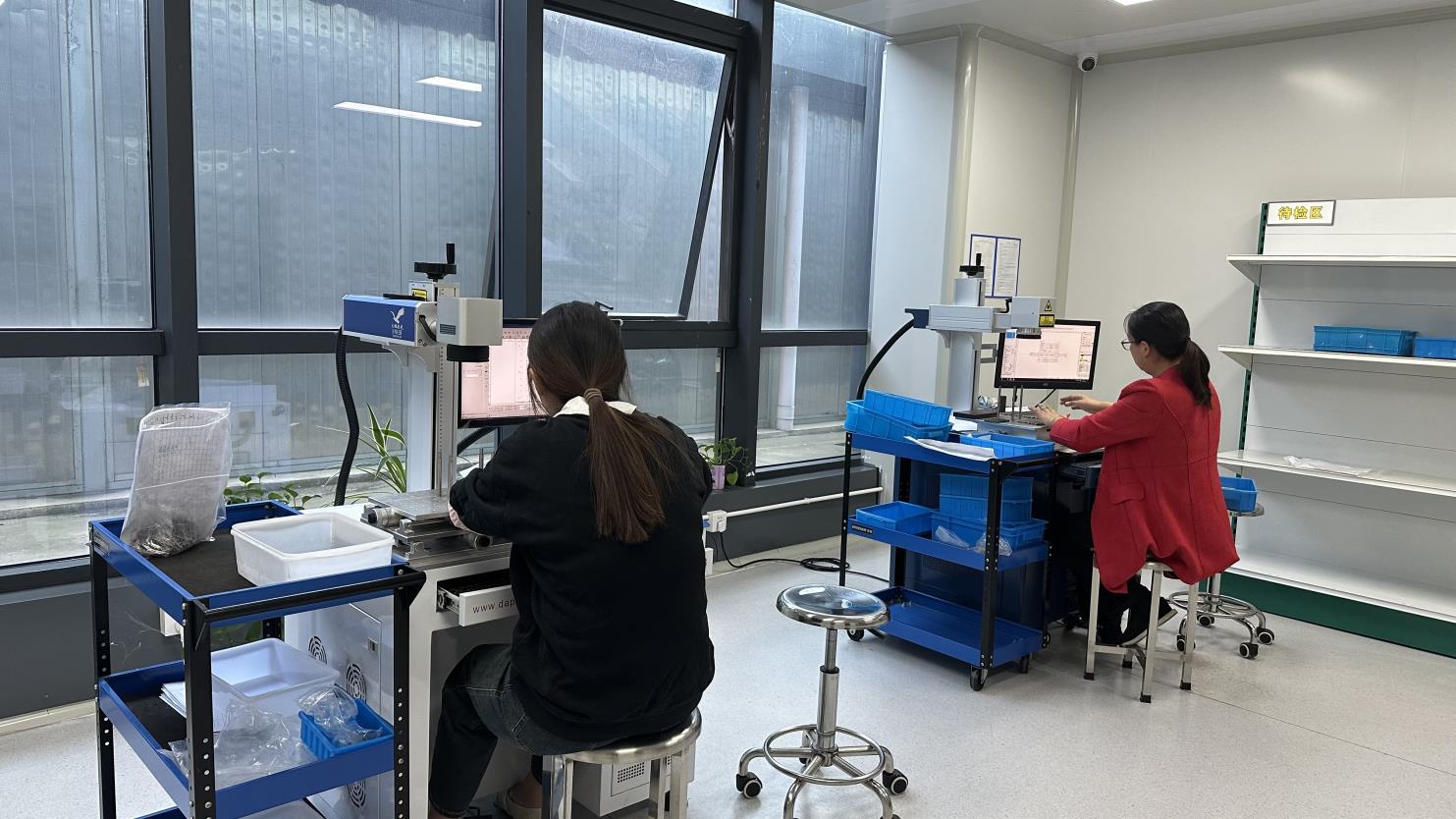
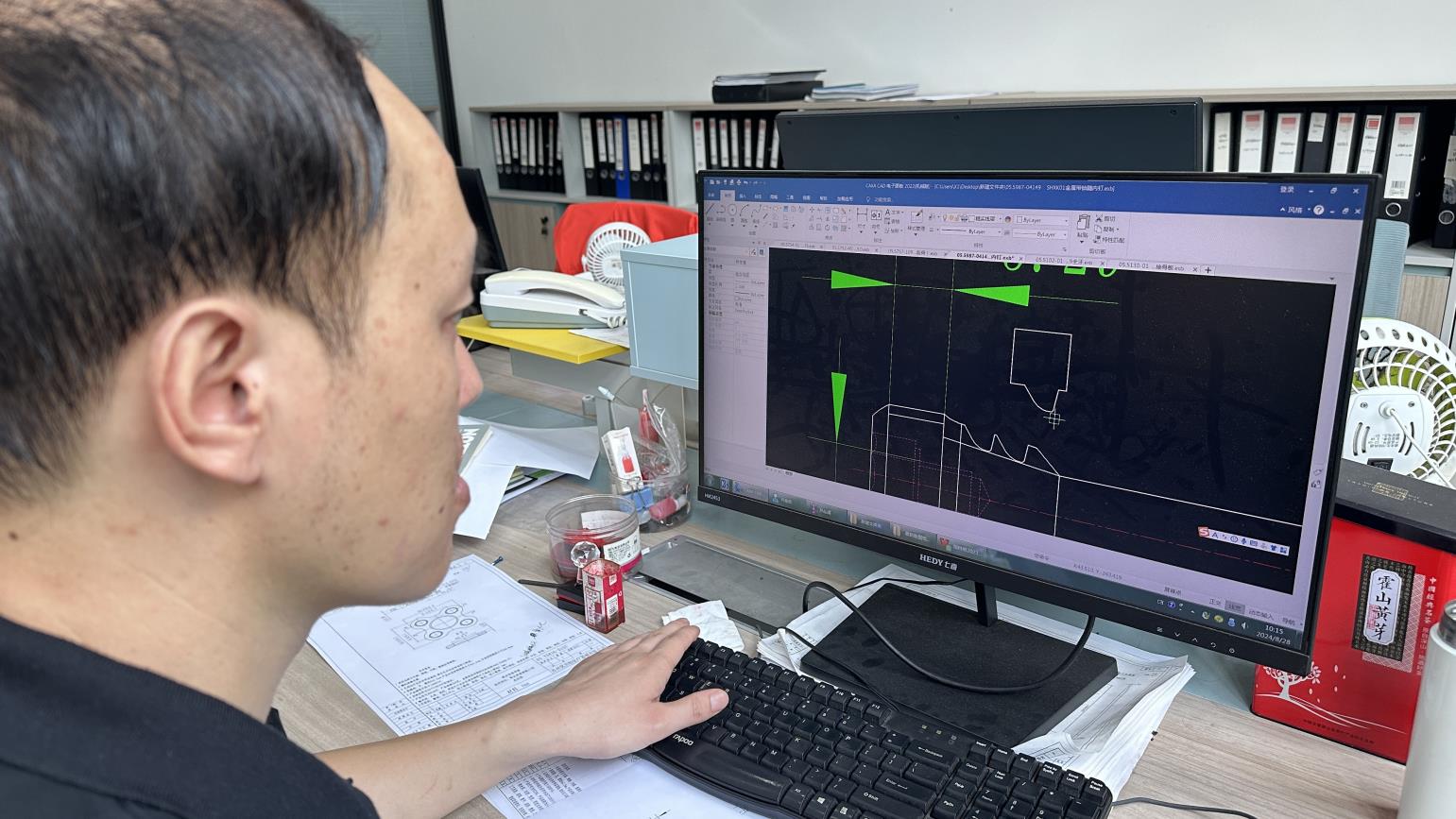
Procurement professionals at global medical distribution firms, hospital networks, and tender committees face the persistent challenge of optimizing implant cost while ensuring absolute regulatory and clinical compliance. When vetting tibial intramedullary nail suppliers, strategic buyers emphasize several key dimensions:
Implant systems must meet strict regulatory compliance. Bonevia operates a robust quality assurance architecture staffed by a dedicated team of 35 quality specialists. Our incoming material inspection checks titanium bars for microstructure consistency, chemical composition, and mechanical properties. In-process control verifies dimensions down to single-micron tolerances using coordinate measuring machines (CMM). Final product testing involves rigorous mechanical validation (fatigue, bending, and torsional resistance testing) to ensure clinical reliability.
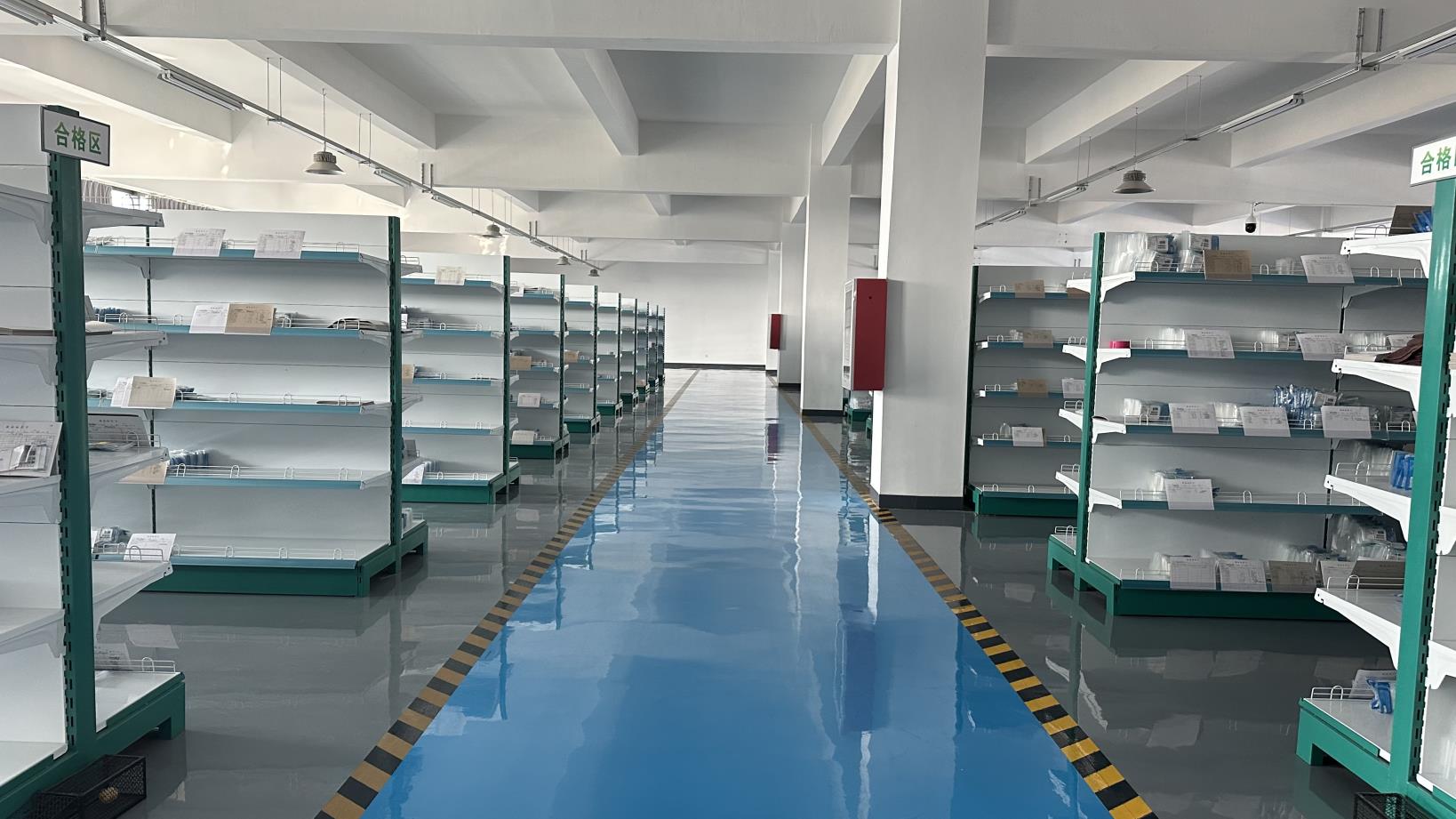
Stockouts in trauma implants can disrupt clinical schedules. Our supply network includes over 850 partners, securing our upstream raw material pipeline. Operating with efficient manufacturing processes and dedicated logistics, Bonevia exports between USD 8–15 million annually, ensuring reliable delivery schedules across Europe, Southeast Asia, the Middle East, and South America.
"A reliable orthopedic supply chain requires deep technical collaboration. By launching 120 new product designs in the past year alone, supported by 85 R&D engineers, Bonevia ensures our inventory remains aligned with modern clinical trends."
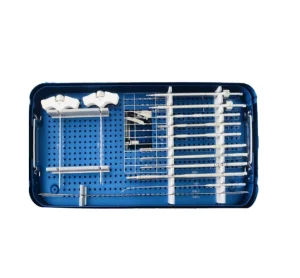
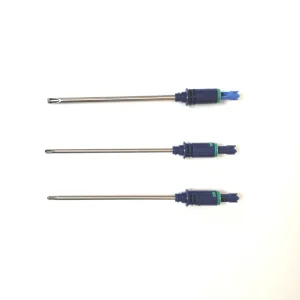
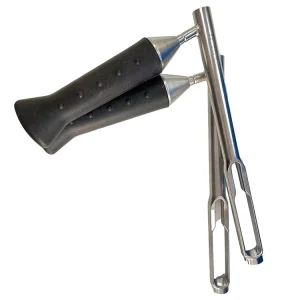
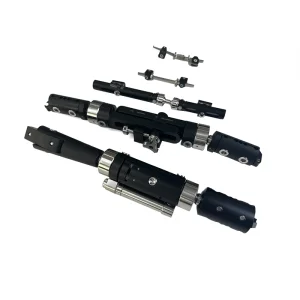
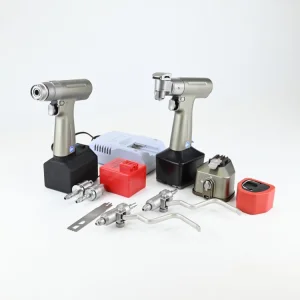
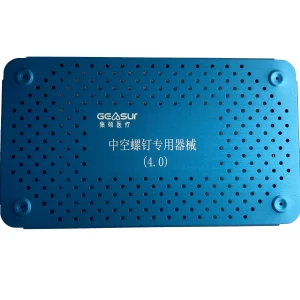
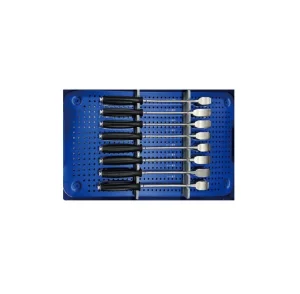
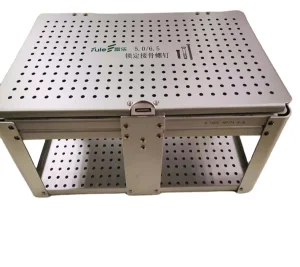
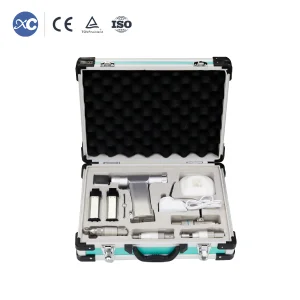
An intramedullary nail is only as good as the instrumentation used to implant it. High-quality tibial nail systems must be backed by user-friendly, robust, and ergonomically optimized instrument sets. Instrument cases typically contain:
The field of osteosynthesis is evolving, driven by digital technology, minimally invasive surgery (MIS), and advanced biological research. Exporters and developers like Bonevia monitor three primary technological trends:
Modern surface modifications aim to improve osseointegration and reduce implant-related infections. Chemical anodization (Type II anodization) creates a dense titanium oxide layer that increases wear resistance and reduces metal ion release. R&D initiatives focus on bioactive coatings, such as hydroxyapatite (HA) or silver-ion anti-infective barriers, to support bone-implant bonding and prevent biofilm formation on the nail shaft.
While titanium remains the standard, carbon-fiber reinforced polyetheretherketone (CFR-PEEK) is an emerging alternative. These radiolucent implants allow artifact-free CT and MRI imaging, facilitating postoperative oncological assessment and fracture healing tracking. They also offer excellent fatigue life and a modulus of elasticity closer to human bone.
The integration of micro-sensors within hollow intramedullary nails is transitioning from research to clinical development. These sensors monitor in-vivo load-sharing dynamics, tracking healing progression in real time and alerting surgeons to delayed union or mechanical failure before clinical symptoms manifest.
Essential insights for medical device distributors, orthopedic surgeons, and procurement managers.
Cannulated tibial nails feature a hollow center that allows them to be inserted over a guide wire, which is standard practice in reamed nailing procedures. This approach permits the use of larger, stronger nails. Solid nails are typically used in unreamed techniques, reducing the risk of thermal necrosis and fat embolism, which can be advantageous in open fractures with soft-tissue compromise.
Titanium alloys (specifically Ti-6Al-4V ELI) offer a lower modulus of elasticity than stainless steel (316LVM), which helps reduce stress shielding. They also exhibit superior biocompatibility, corrosion resistance, and fatigue life. However, stainless steel remains a cost-effective alternative with high stiffness, preferred in specific clinical applications.
Bonevia leverages an 85-engineer R&D team and CNC machining facilities to provide OEM/ODM customization. We collaborate with partners from initial CAD design and FEA testing to clinical prototyping and cleanroom packaging, ensuring all products align with your target market's regulatory frameworks.
Our quality control protocols span incoming raw material inspection, in-process dimension checks, and final testing. Standard steps include chemical analysis of metals, CMM dimensional verification, surface roughness checks, cleanroom bioburden monitoring, and mechanical fatigue testing.
Precision-engineered systems designed to meet high-performance clinical requirements.