Bonevia Bonevia

China Top Titanium Interference Screws Manufacturers & Supplier

Premium Medical-Grade Fixation Solutions for ACL/PCL Reconstructions and Sports Medicine. Engineered by Bonevia Orthopedic Technology for Maximum Biomechanical Stability and Osteointegration.

Featured Orthopedic & Sports Medicine Implants

High-precision orthopedic systems manufactured to the world's most rigorous medical device standards.
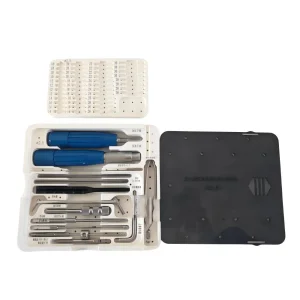
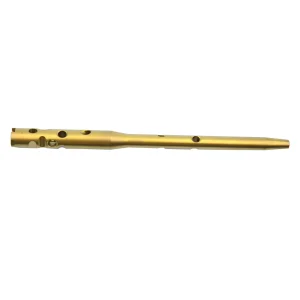
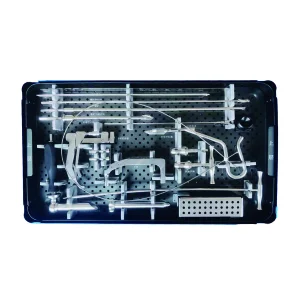
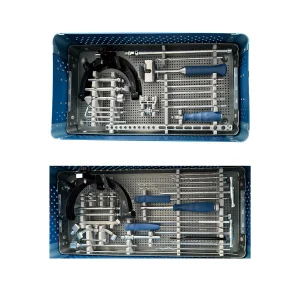
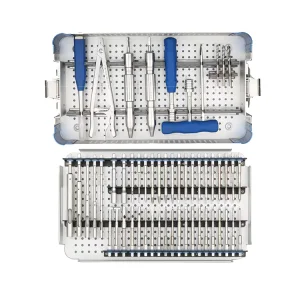
Cannulated Screw Instrument Set 2.5mm
Cannulated Screw Instrument Set, Complete Implantation Surgical Instrument Kit 2.5mm
View Technical Details
Geasure Humeral Intramedullary Nail
Geasure Orthopedic Implants Humeral Intramedullary Interlocking Nail Titanium Alloy CE Certified
View Technical Details
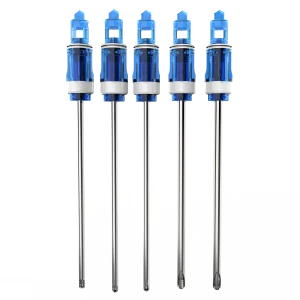
Orthopedic Flexible Reamer
Orthopedic Flexible Reamer Veterinary Surgical Instrument
View Technical Details
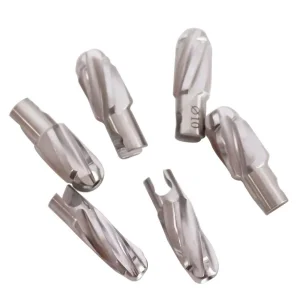
CANWELL Arthroscopy Shaver Blade
CANWELL Arthroscopy Shaver Blade Fit for Conmed LINVATEC Joint Arthroscopy Shaver Cutter Sports Medicine
View Technical Details
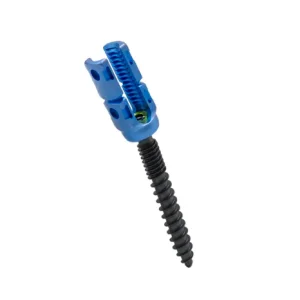
Titanium Pedicle Screws Kit
Factory Price Orthopedic Spinal Titanium Pedicle Screws Pyroplasty Kit for Spine Surgery
View Technical Details
Stainless Steel Osteosynthesis Nail Set
Geasure GA3X Stainless Steel Orthopedic Osteosintesis Interlocking Nail Fixation Instrument Set
View Technical Details
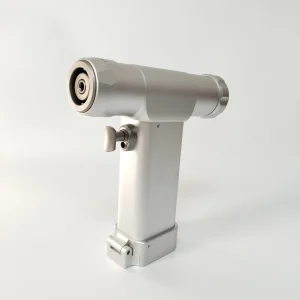
Veterinary Orthopedic Bone Drill
High Quality Veterinary Surgical Instruments Certified Power Orthopedic Planer Bone Drill
View Technical Details
Interlocking Intramedullary Nail Set
Tibial Femur Interlocking Intramedullary Nail Orthopedic Instruments Implant Set
View Technical Details

Clinical Significance & Biomechanical Design of Titanium Interference Screws

An authoritative analysis of graft fixation performance, metallurgy requirements, and arthroscopic surgical precision.

In reconstructive sports medicine, particularly ligament reconstructions such as the Anterior Cruciate Ligament (ACL) and Posterior Cruciate Ligament (PCL), the selection of fixation devices determines the timeline of structural recovery and joint stability. Titanium interference screws represent the gold standard for securing bone-patellar tendon-bone (BTB) and soft-tissue autografts/allografts within bone tunnels. The mechanical requirements of interference screw fixation demand an optimal balance of structural rigidity, thread sharpness to minimize graft laceration, and a bio-inert surface chemistry that encourages immediate bone contact.

Key Engineering Objective: To provide primary mechanical stability immediately post-operation, matching the physiological loads of rehabilitation, while preventing pull-out failure or slippage during early motion phases.

Material Metallurgy: Ti-6Al-4V ELI (Grade 23)

High-end interference screws are manufactured from Titanium-6Aluminum-4Vanadium Extra Low Interstitial (Ti-6Al-4V ELI), corresponding to ASTM F136 specifications. This medical-grade alloy features minimized levels of oxygen, nitrogen, carbon, and hydrogen, which significantly improves fracture toughness and fatigue resistance compared to standard Grade 5 titanium. Biocompatibility is reinforced by the spontaneous formation of a passive titanium dioxide (TiO₂) oxide layer that blocks corrosion and prevents the release of metallic ions into surrounding synovial fluid.

Thread Geometry and Graft Protection

A critical engineering compromise in interference screw manufacturing is the geometry of the screw thread. The threads must be sharp enough to engage bone and graft tissue securely, yet sufficiently rounded to avoid cutting or damaging the delicate collagen fibers of soft-tissue grafts. Progressive thread depth and variable pitch designs allow surgeons to achieve high insertion torque and exceptional pull-out strength without compromising graft integrity. Cannulated designs are mandatory to allow guide wires to direct precise trajectory along the anatomical bone tunnel axis.

Company Profile & Advanced Capabilities

Bonevia Orthopedic Technology Co., Ltd. — Setting global benchmarks in orthopedic implant manufacturing.

2015
Established
USD 8-15M
Annual Export
35 Prof.
Quality Assurance
85 Eng.
R&D Team

Bonevia Orthopedic Technology Co., Ltd. is a professional manufacturer specializing in orthopedic implants and surgical solutions, dedicated to advancing innovation in trauma, spine, and joint reconstruction products. Since its establishment in 2015, the company has grown steadily into a trusted supplier in the global orthopedic industry.

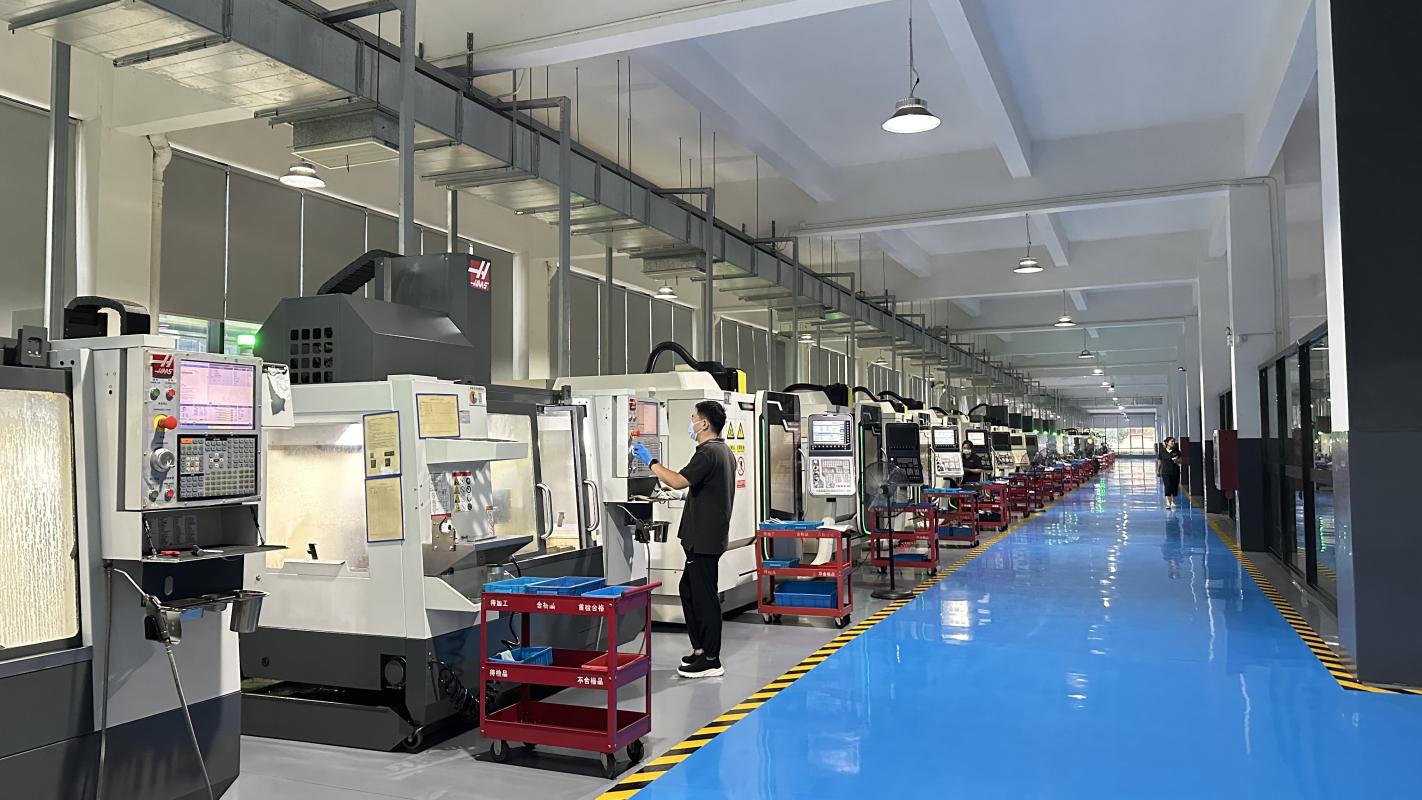
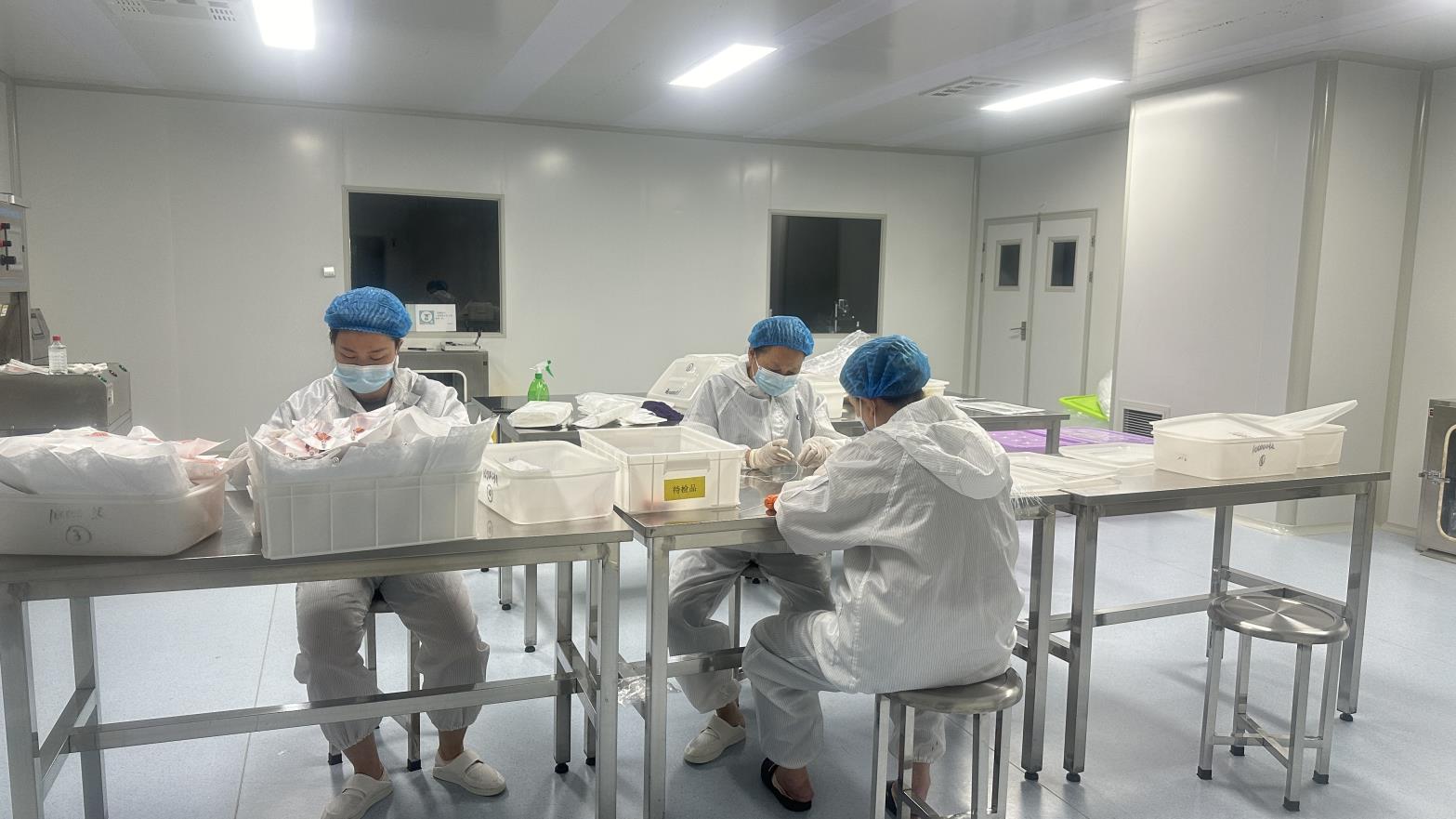
With a modern production facility covering approximately 320㎡ (comprising high-precision micro-machining and certified clean packaging spaces), Bonevia maintains strict quality management standards and efficient manufacturing processes. The company records an annual export revenue of around USD 8–15 million, supported by 6 years of export experience and over 10 years of overall industry experience.

Quality assurance is a core focus at Bonevia. The company implements multiple inspection methods including incoming material inspection, in-process quality control, and final product testing, supported by a dedicated quality team of 35 professionals. This ensures all products meet international medical device standards.

Bonevia has a solid trade foundation with diversified global distribution networks, serving major markets across Europe, Southeast Asia, the Middle East, and South America. Its supply chain ecosystem includes more than 850 partners, enabling stable raw material sourcing and efficient production delivery. The company serves a wide range of clients, including hospitals, orthopedic clinics, surgical centers, and medical distributors. Bonevia also demonstrates strong R&D capabilities, offering OEM and ODM customization services to meet specific clinical requirements. In the past year, Bonevia successfully launched 120 new product designs, supported by a research and development team of 85 engineers, continuously driving innovation in orthopedic implant systems and surgical instruments.

Precision Manufacturing & Workflow

Inside Bonevia's advanced fabrication pipeline, from raw material validation to final sterile packaging.

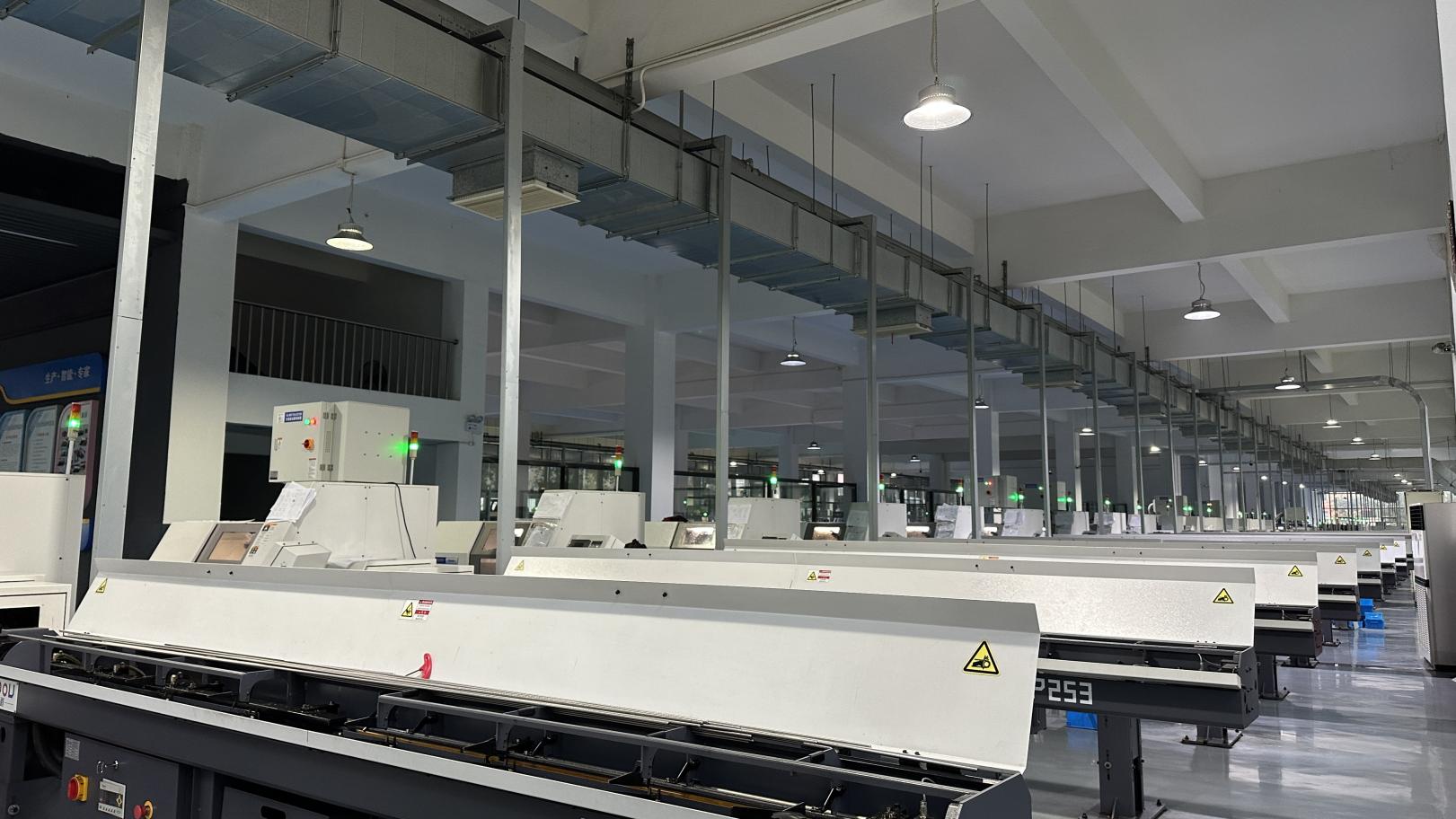
Medical Raw Materials Processing
1. Materials Validation
Titanium Slitting Process
2. Titanium Slitting
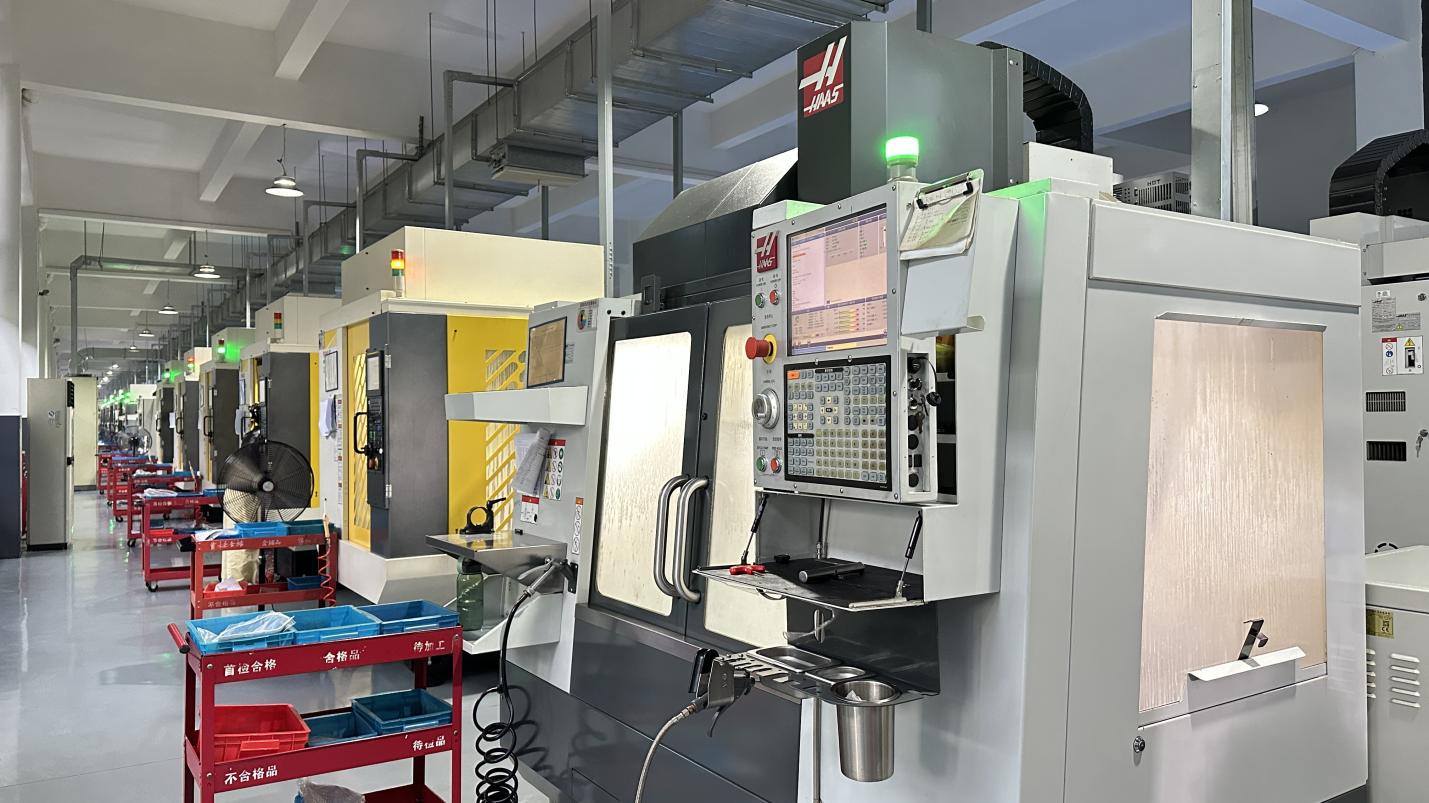
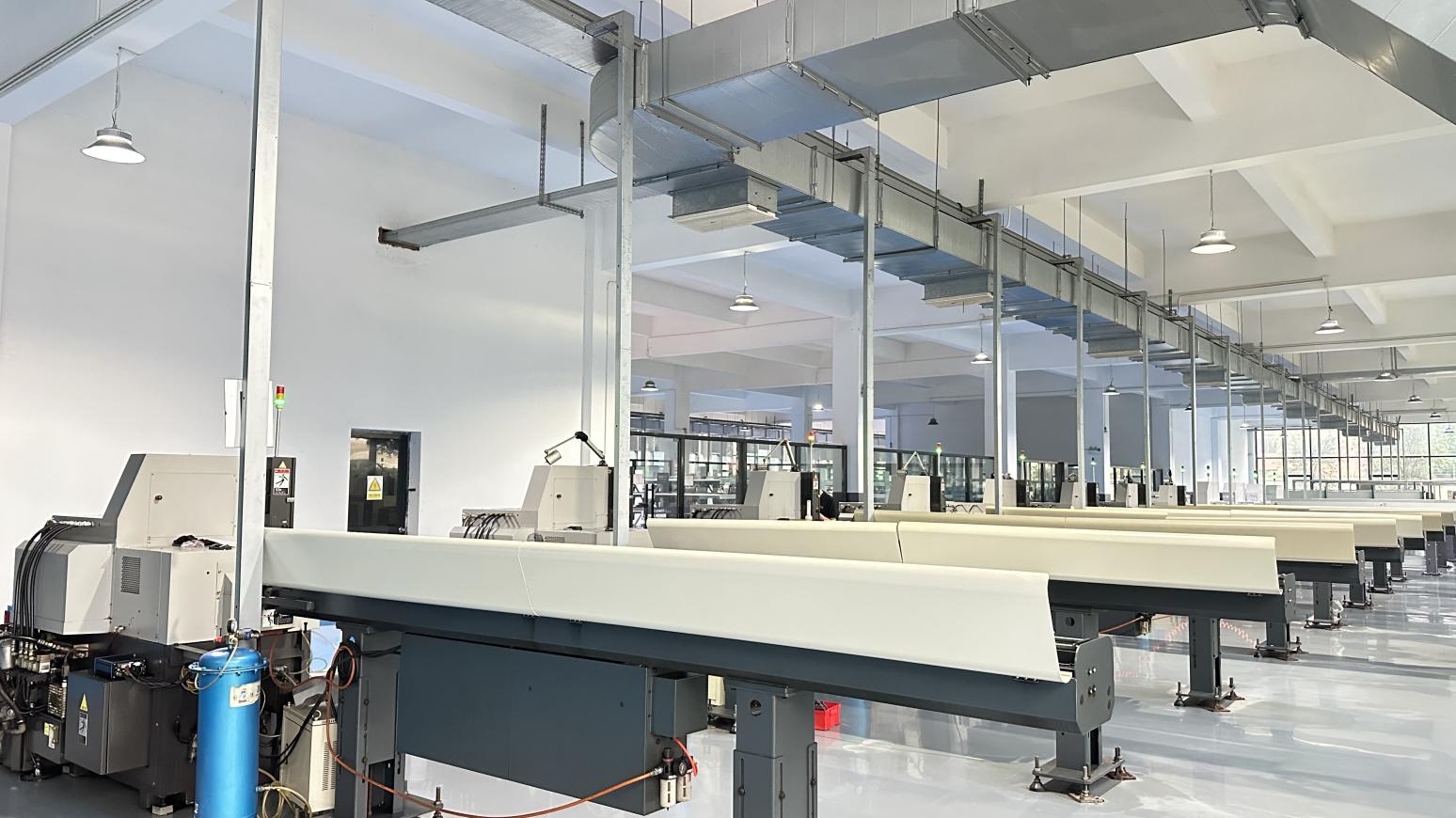
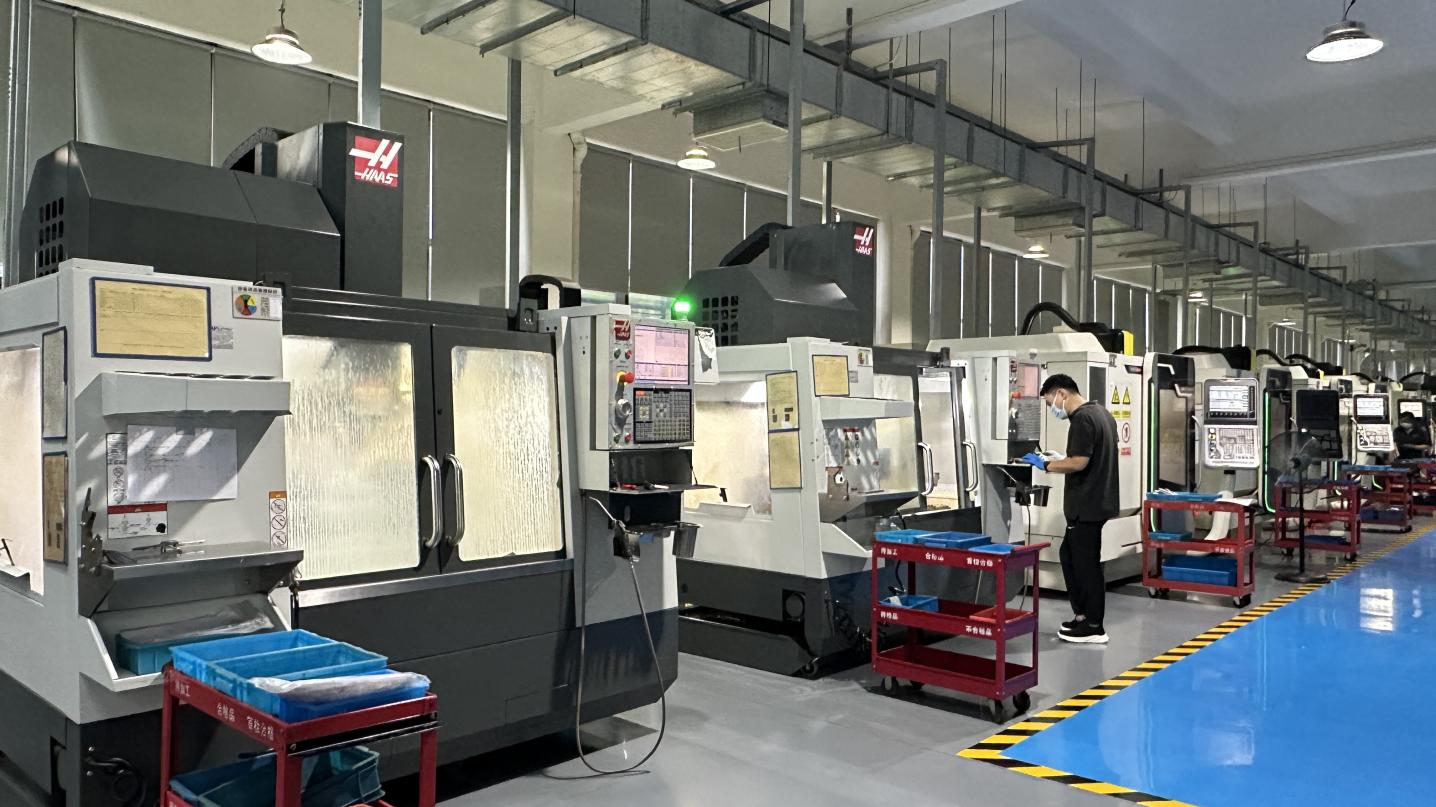
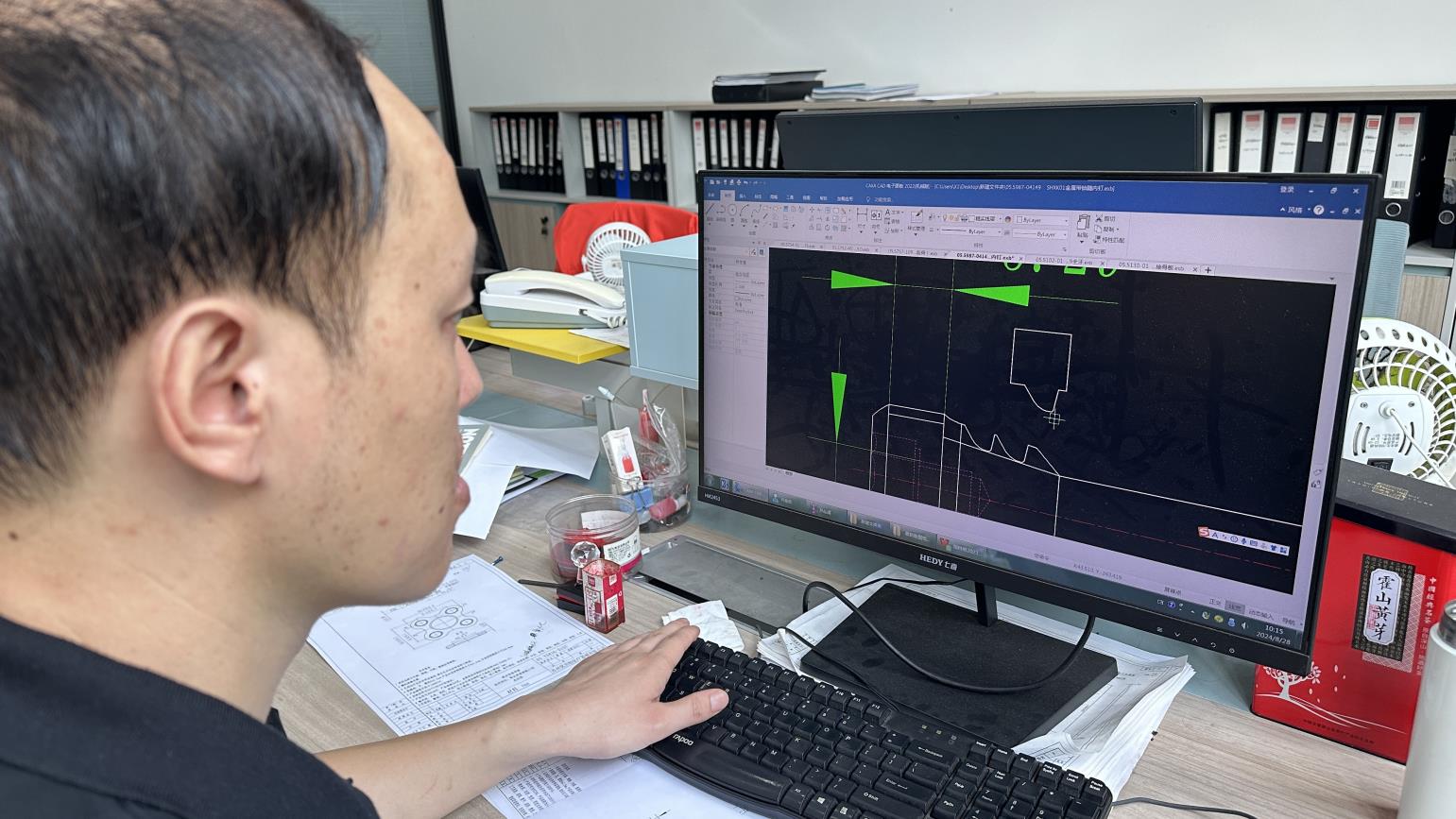
High Precision CNC Machining
3. Machining (A)
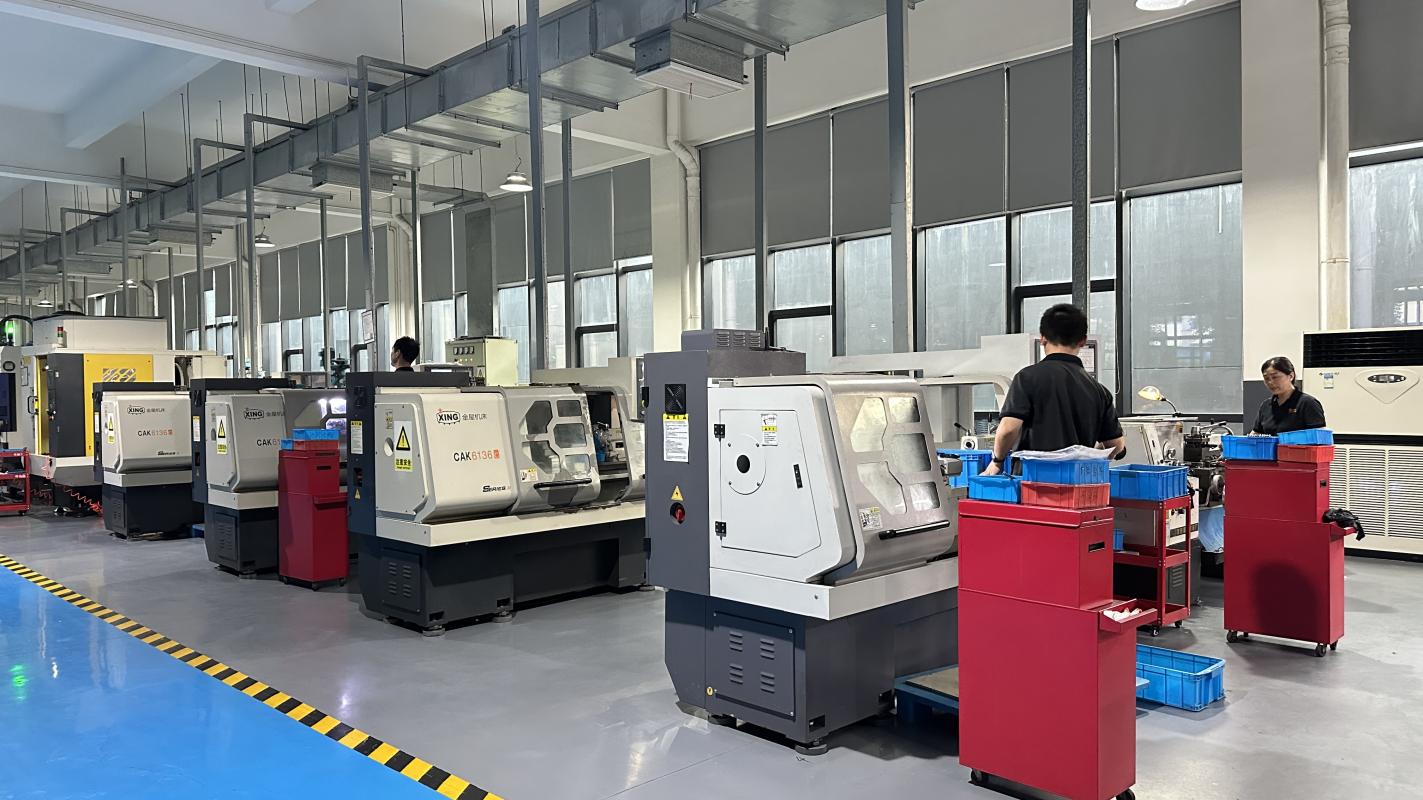
Implant Machining Quality Check
4. Machining (B)
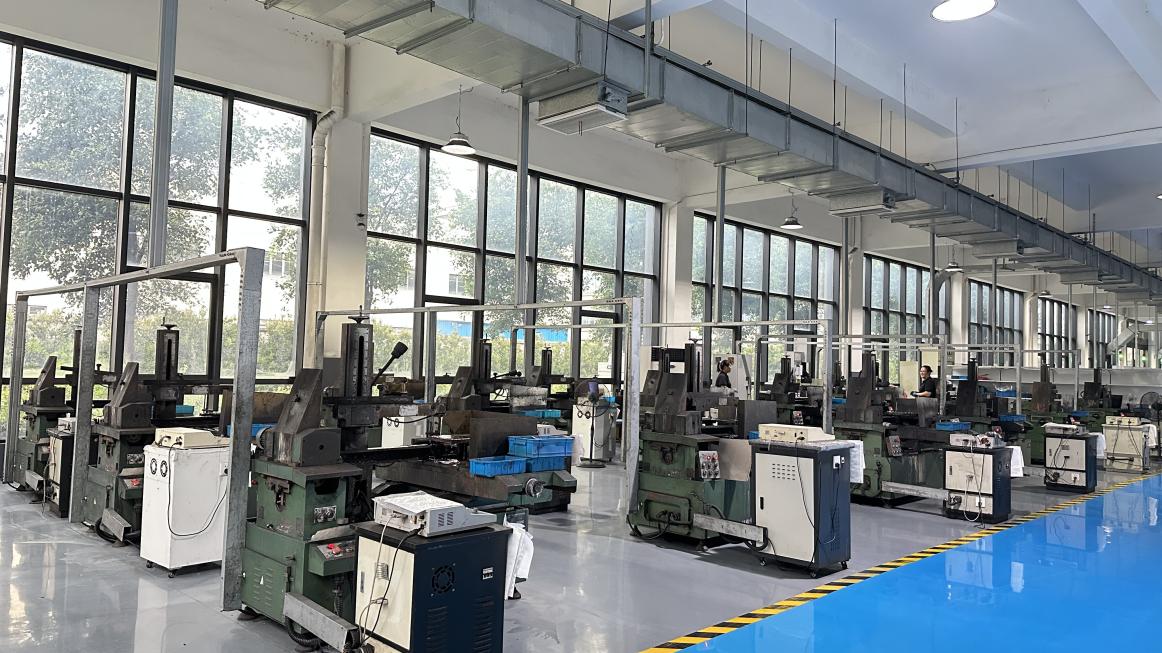
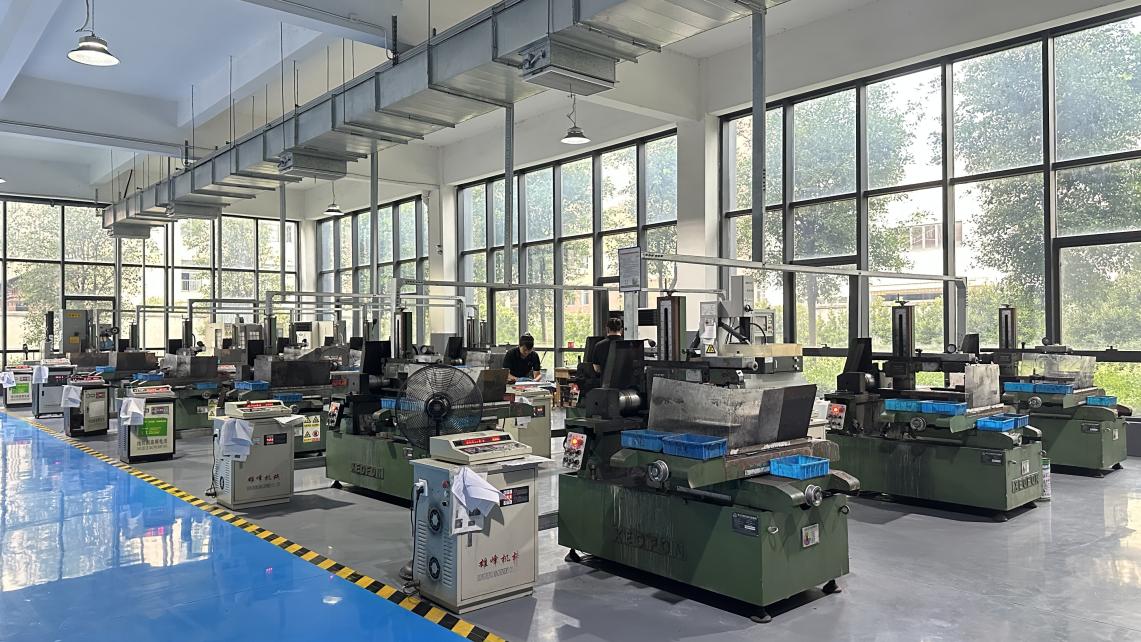
Precision Wire-cutting Process
5. Wire-cutting
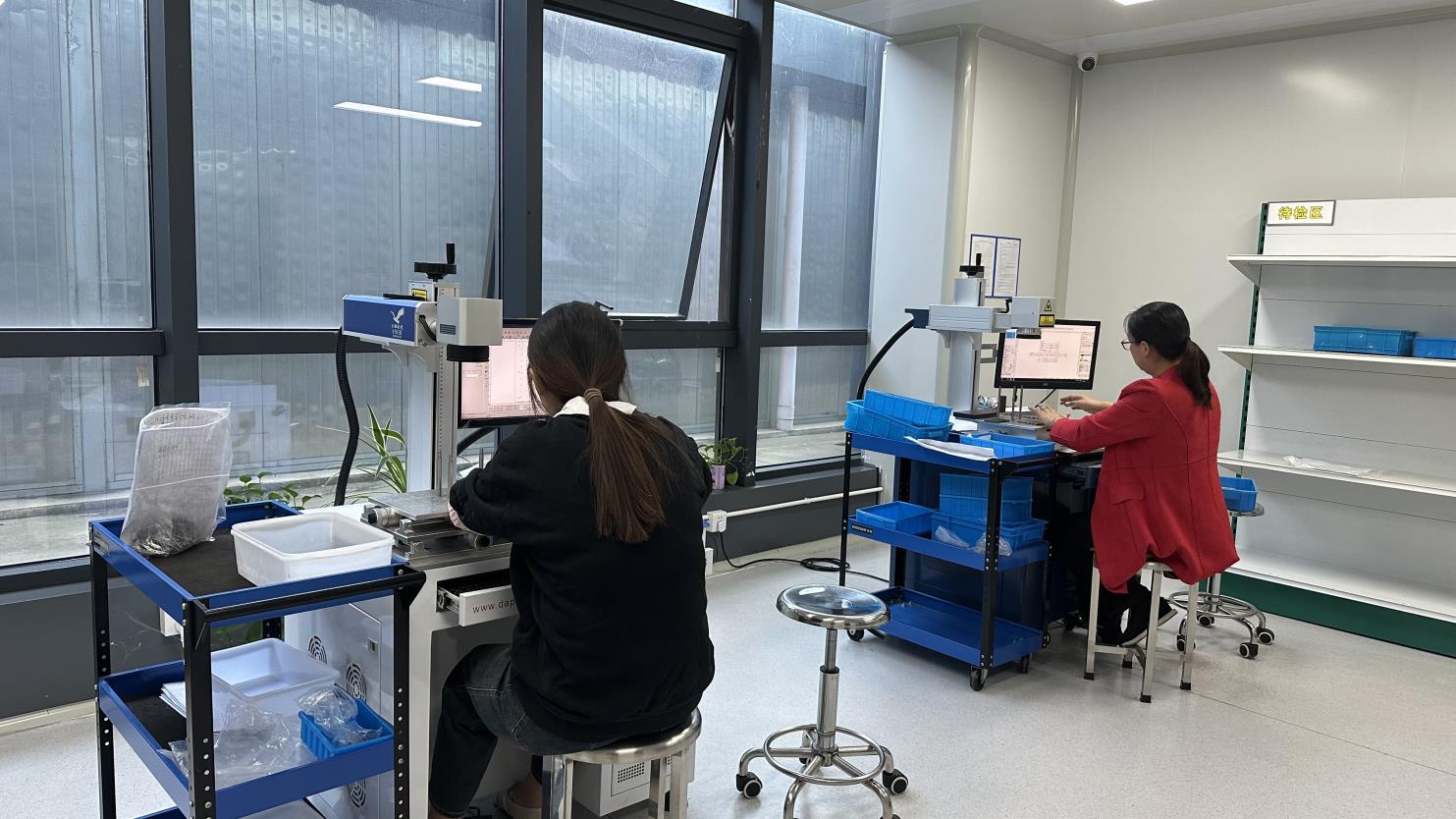
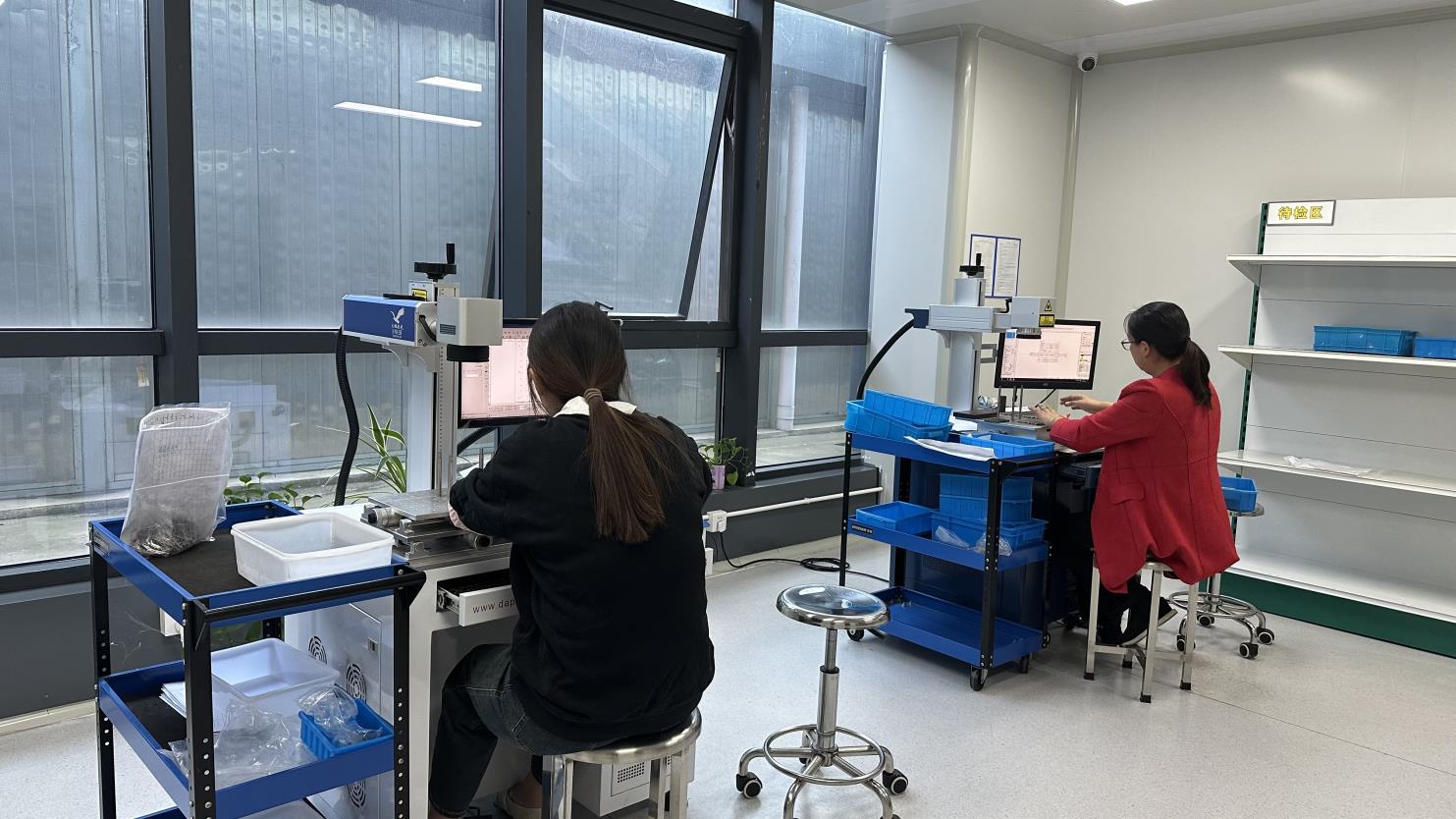
Implant Laser Marking
6. Laser Marking
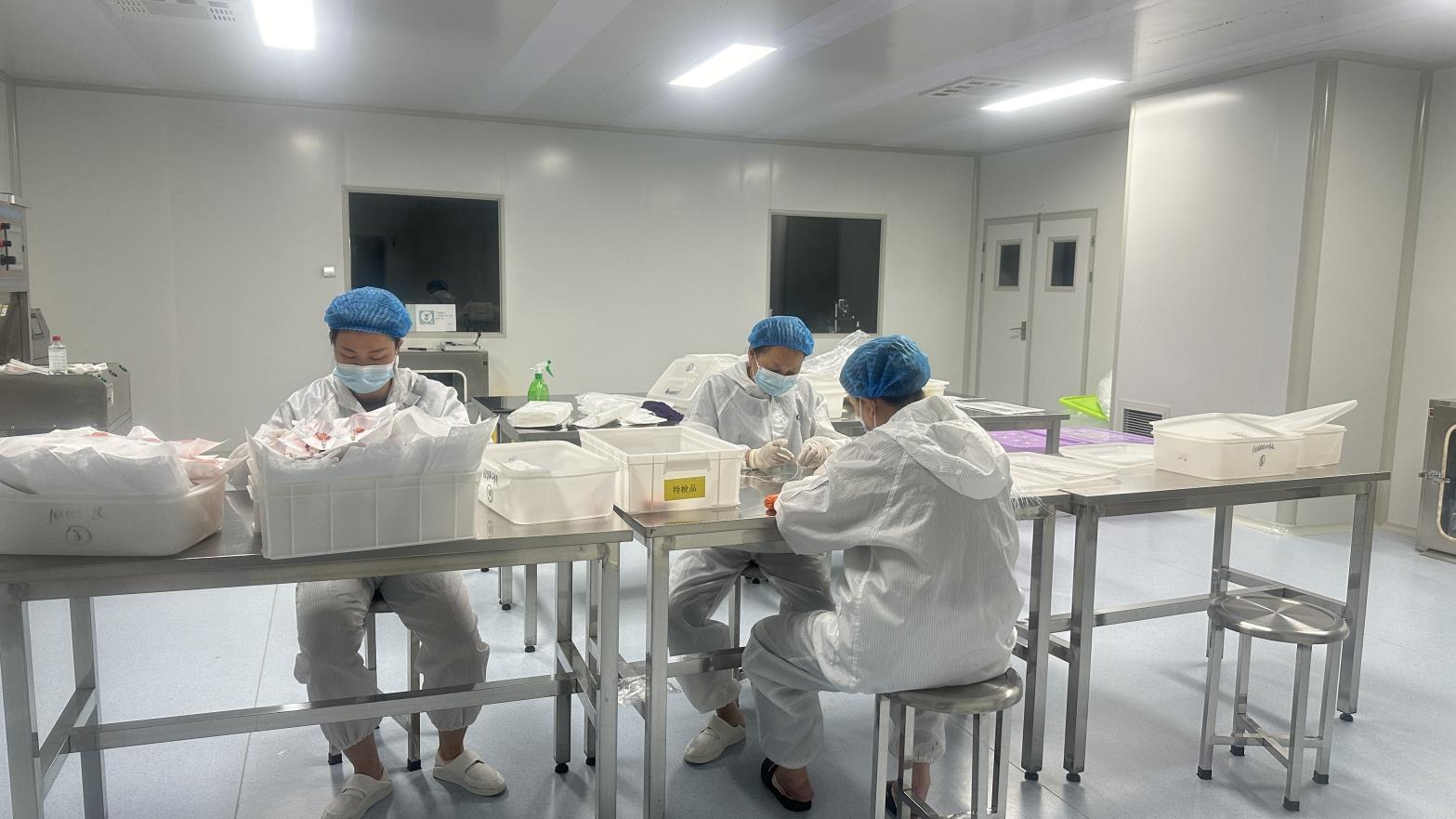
Inspection and Sterile Packing
7. Inspection & Packing
Finished Goods Clean Warehouse
8. Warehouse & Log.

Machinery Assets & Technical Capabilities

Heavy Duty Slitting Machine
Slitting Machine
High Speed CNC Machining Center
CNC Machining Center
High Precision Lathe
Lathe
Advanced Wire-cutting Machine
Wire-cutting Machine
Fiber Laser Marking Station
Laser Marking Machine
Biomechanical CAD Design
CAD/CAM Design
Quality Control Inspection Room
Quality Inspection

Technology Roadmap & Future Outlook

Innovation vectors in next-generation sports medicine fixation devices.

The orthopedic implant sector is transitioning toward biologically active materials and smart geometries. Over the next five years, the research and development roadmap for interference screws centers on three primary technological advancements:

  • Surface Modification & Nanotexturing: Applying electrochemical anodization processes to create self-organized titanium dioxide (TiO₂) nanotube arrays. These structures mimic the cellular extracellular matrix, accelerating osteoblast proliferation, alkaline phosphatase activity, and local osseointegration.
  • Bioabsorbable Alloys (Magnesium-based): Developing biodegradable metallic screws (Mg-Ca-Zn alloys) that match the mechanical properties of human cortical bone while gradually dissolving and replacing the screw volume with natural bone, eliminating secondary foreign-body reactions and long-term joint MRI artifacts.
  • 3D-Printed Lattice Configurations: Utilizing Selective Laser Melting (SLM) to fabricate interference screws with a solid mechanical core and a porous, trabecular-like surface structure. This porous geometry enables biological bone ingrowth directly into the screw body, creating an integrated bone-screw construct.
Feature / Metric Traditional Machined Titanium Nanotextured Titanium (TiO₂) Magnesium Alloy (Absorbable)
Primary Mechanical Fixation Excellent (> 500 N pull-out) Excellent (> 520 N pull-out) Good (~ 400 N pull-out)
Osseointegration Rate Moderate (Contact Osteogenesis) Fast (Active Osteoblast Recruitment) Progressive (Simultaneous Bone Replacement)
Secondary Removal Requirement Extremely Rare Extremely Rare None (Completely absorbed in 12–18 months)
Imaging Interference (MRI/CT) High Artifact Profile High Artifact Profile Negligible Artifact Profile

China Factory 4.0: Supply Chain Resilience & Efficiency

Leveraging domestic raw materials, automated robotics, and lean manufacturing cycles to optimize B2B procurement costs.

In global medical device procurement, maintaining supply chain security is crucial for maintaining margins and ensuring clinical access. Bonevia Orthopedic Technology leverages China's industrial ecosystem to deliver reliable medical components.

Our production advantage is driven by three main operational parameters:

  • Localized Raw Material Ecosystem: We source titanium bars and sheets from certified domestic smelters specializing in medical-grade titanium (ASTM F136). This direct supply chain insulates our production lines from geopolitical shipping issues and volatile material costs.
  • CNC Robotics & Automated Verification: Using multi-axis CNC machines and automated optical measurement systems reduces human error during production. This keeps geometric dimensional tolerances within +/- 0.005 mm, ensuring consistent quality across high-volume production runs.
  • Strategic Logistics Hubs: Located close to China’s major shipping ports, our facility offers flexible air and sea freight options. This enables efficient customs clearance and fast delivery times to distributors globally.

Global B2B Purchasing Requirements & Auditing Standards

A guide for compliance officers, supply chain directors, and clinical engineers.

Procuring implants like titanium interference screws requires strict regulatory verification. B2B procurement managers should evaluate the following structural credentials during factory audits:

1. Regulatory and Compliance Benchmarks

Suppliers must hold active ISO 13485 (Medical Devices Quality Management Systems) certifications. Implantable devices must meet CE mark requirements for Europe and applicable FDA clearances for US markets. Cleanrooms must adhere to Class 10,000 (ISO Class 7) standards to prevent particulate and endotoxin contamination prior to sterilization.

2. Biomechanical Validation and Testing Protocols

Every design batch must be backed by technical documentation demonstrating compliance with:

  • ASTM F543: Standard Specification and Test Methods for Metallic Medical Bone Screws, measuring torsional yield strength, driving torque, and axial pull-out force.
  • ISO 10993: Biological Evaluation of Medical Devices, ensuring the titanium alloy shows no signs of cytotoxicity, sensitization, systemic toxicity, or genotoxicity.

3. Factory Audit Checklists

B2B procurement teams must audit a manufacturer's Statistical Process Control (SPC) records. Every production lot should be traceable to its original raw material heat number. An audit must confirm the separation of raw materials, machined implants, and post-processed, cleanroom-packed final products.

Macro Industry Solutions: Custom OEM/ODM Capabilities

Empowering global medical brands with customized orthopedic implant designs.

Bonevia Orthopedic Technology provides comprehensive OEM and ODM support for orthopedic device companies, surgical instrument brands, and large-scale hospital networks.

  • OEM Services: We manufacture interference screws, pedicle systems, intramedullary nails, and arthroscopy tools to client-provided CAD specifications, maintaining high dimensional accuracy.
  • ODM Engineering: With an R&D team of 85 engineers, we help clients refine designs, optimize thread patterns for specific surgical techniques, and develop matching instrumentation kits.
  • Private Label & Packaging: We provide cleanroom-validated sterile blister packaging with customized labeling, regulatory barcodes, and instructions for use (IFU), allowing products to be imported ready for clinical distribution.

Localization Support & Compliance Assurance

Assisting partners with national registrations, regional clinical trials, and customs clearance.

Registering medical devices with regional health authorities (such as ANVISA, HSA, SFDA, or national Ministries of Health) can be a complex process. Bonevia supports global distributors by providing necessary technical documentation, including:

  • Material Test Reports (MTR) verifying compliance with ASTM F136.
  • Cleanroom bioburden testing and validation reports.
  • Gamma sterilization validation protocols.
  • Biomechanical testing data sheets.

We work with international logistics providers to ensure all shipments are documented correctly with medical-grade HS codes, preventing customs delays at destinations in South America, the Middle East, Southeast Asia, and Europe.

Technical Q&A: Titanium Interference Screws

Direct answers from our engineering and metallurgy departments.

What are the mechanical advantages of Ti-6Al-4V ELI over standard PEEK materials?
Ti-6Al-4V ELI titanium alloy has significantly higher shear and torsional strength than PEEK. This minimizes the risk of the screw head stripping or the screw body shearing during insertion into hard, dense bone tunnels. Additionally, titanium supports direct contact osteogenesis, whereas PEEK is chemically inert and typically becomes encapsulated by fibrous tissue.
How does thread design affect soft tissue graft safety during insertion?
Sharp threads provide secure fixation but can cut or damage soft tissue. Our screws feature rounded outer thread profiles and a variable pitch. This design helps pull the screw into the bone tunnel with lower torque while compressing and securing the graft rather than cutting the collagen fibers.
What packaging options do you offer for overseas markets?
We offer both non-sterile bulk packaging and sterile individual packaging. Sterile packaging is processed in our cleanrooms and sterilized using Gamma irradiation or ETO, with validation data supplied for regulatory compliance.
Can you manufacture customized dimensions or drive interfaces?
Yes. We can customize thread lengths, diameters, cannulation sizes, and drive connections (such as hex, star, or trilobe shapes) through our OEM/ODM design and manufacturing services.

Additional Orthopedic & Instrument Systems

Supporting trauma, spine, joint, and veterinary surgical procedures with precision-engineered products.
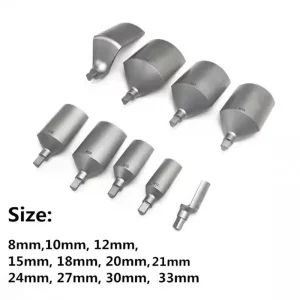
TPLO Veterinary Surgical Saw Blade
TPLO Veterinary Surgical Instruments Saw Blade
View Technical Details
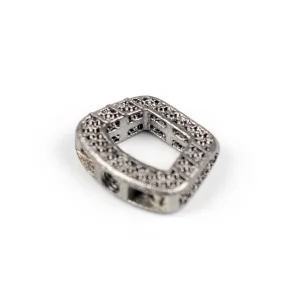
3D Printed Titanium Spinal Fusion Cage
CANWELL CV-I 3D Printed Titanium Spinal Fusion Cage Porous Spine Implants Tlif Plif Alif Lumbar Cage
View Technical Details
Pedicle Screw Posterior Fixation System
5.5 Pedicle Screw Posterior Fixation System Spine Titanium Alloy Orthopedic Implants
View Technical Details
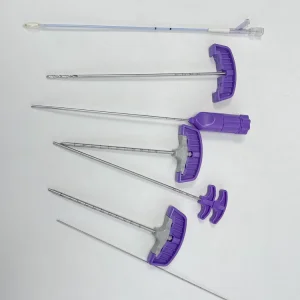
Broken Screws Removal Instrument Set
Geasure Ortopedia Broken Screws Removed Instrument Set Screw Removable Instrument Set
View Technical Details
Titanium Alloy Rod Coupling
Rod to Rod Coupling Titanium Alloy Class III Hospital Application Lifetime Warranty
View Technical Details
Electric Cast Removal Saw Machine
Orthopaedic Instrument Medical Electric Cast Removal Saw Machine with Vacuum Cleaner
View Technical Details
PEEK Suture Anchor Rotator Cuff
CANWELL PEEK Suture Anchor MDP 04 Class III Sports Medicine Shoulder Rotator Cuff CE ISO
View Technical Details
OLIF Spinal Fusion Cage Instrument Set
Spinal Surgery OLIF Spinal Fusion Cage Instrument Set PEEK Cage Surgical Instruments
View Technical Details