Bonevia
Bonevia
Bonevia
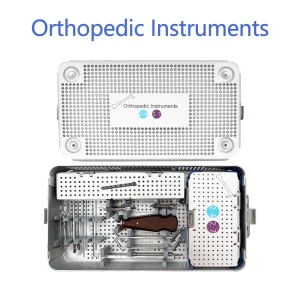
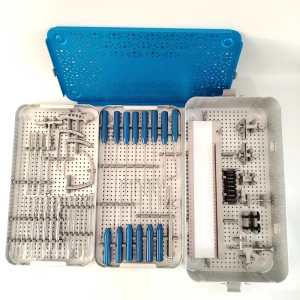
Explore our cutting-edge, clinically-certified orthopedic instruments engineered for stabilization, reconstructive osteotomy, and high-performance fracture management.
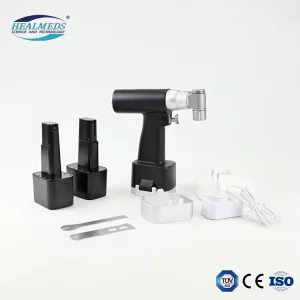
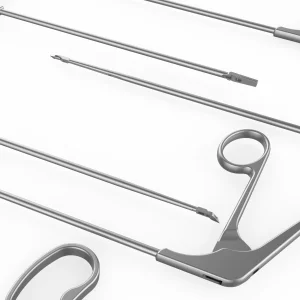
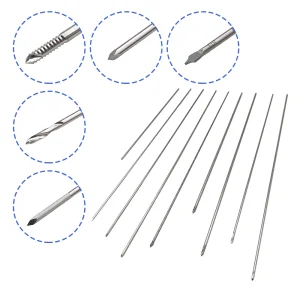
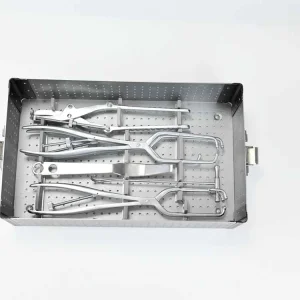
Unilateral external fixators have long served as a mechanical cornerstone of modern orthopaedic trauma surgery. Used globally to manage unstable fractures, corrective osteotomies, non-unions, and bone defects, these devices present a less invasive alternative to internal fixation, mitigating the risks of soft tissue complications and localized infection. Globally, the demand for modular, robust, and lightweight external fixators has escalated rapidly, driven by the increased incidence of high-energy industrial and traffic accidents, alongside a growing geriatric demographic prone to complex fractures.
In B2B medical supply chains, procurement professionals balance strict quality thresholds, technical adaptability, and cost structures. The choice between titanium alloy (e.g., Ti-6Al-4V ELI) and carbon fiber composite materials determines the device's weight, radiological compatibility, and ultimate structural stability. Procurement managers require reliable manufacturing partners capable of conforming to global standards like CE marks, ISO 13485, and FDA guidelines while maintaining scalable production capacity to avert supply chain disruptions.
"Medical distributors and clinical networks face intense pressure to acquire trauma systems that optimize patient recovery profiles through dynamic compression, structural biomechanics, and ease of assembly in sterile emergency departments."
Unilateral frame configurations must balance stability and compression. They require adequate rigidity to resist shear forces at the fracture gap while preserving axial micromotion (dynamic loading) to support osteogenesis and secondary bone healing. Adjustable pins, multi-planar clamping joints, and modular carbon fiber rods allow clinical teams to customize mechanical constructs for individual patient anatomy and fracture classification (such as Gustilo-Anderson II/III open fractures).
Furthermore, micro-polishing of the pin-bone interface and precise thread design are critical to minimizing pin-tract infections, which are historically the most frequent complication in external fixator applications. This highlights the vital link between structural material science and clinical performance.
Technological advancement has led to hybrid unilateral structures. Medical-grade titanium alloys provide high tensile strength and fatigue resistance, while carbon-reinforced polymers offer radiolucency. Radiolucency allows surgeons to monitor bone healing via fluoroscopy without visual obstruction from metal components.
In addition, advanced polymer components reduce the total weight of the external frame, which significantly improves patient mobility and comfort during extended rehabilitation periods. This material synergy represents the future direction of international orthopaedic design.
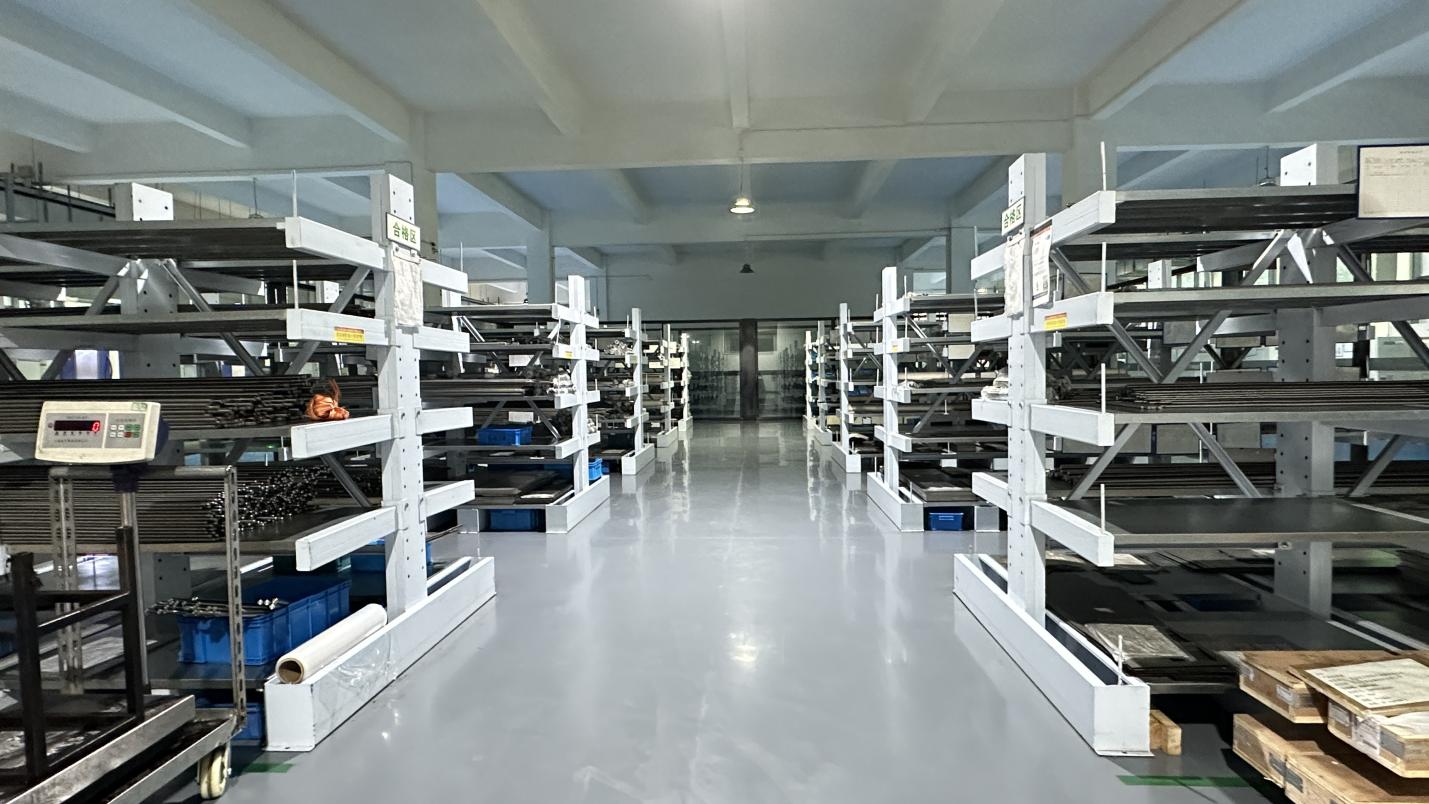
Established in 2015, Bonevia Orthopedic Technology Co., Ltd. has developed into a professional manufacturer of high-quality orthopedic implants and surgical solutions. The company specializes in trauma systems, spine systems, and joint reconstruction devices, serving clinical requirements around the world.
Operating a modern production facility covering approximately 320㎡, Bonevia maintains strict quality control and efficient manufacturing operations. The business generates an annual export revenue of USD 8–15 million, backed by 6 years of export experience and over 10 years of overall industry experience.
With an active supply chain of over 850 partners, Bonevia guarantees stable raw material sourcing and prompt product delivery to diverse markets across Europe, Southeast Asia, the Middle East, and South America.
Our research and development team drives innovation in orthopedic design, launching 120 new product designs in the past year alone to keep pace with evolving clinical techniques.
A dedicated team oversees strict quality assurance protocols, from incoming material inspections and in-process controls to final product testing.
We provide full customization, offering tailored dimensions, material specifications, and branding options to help medical distributors meet specific local regulatory demands.
Bonevia employs advanced Swiss-type CNC centers, laser marking, and wire-cutting machinery. This integrated workflow delivers consistent orthopedic implants with strict tolerances.
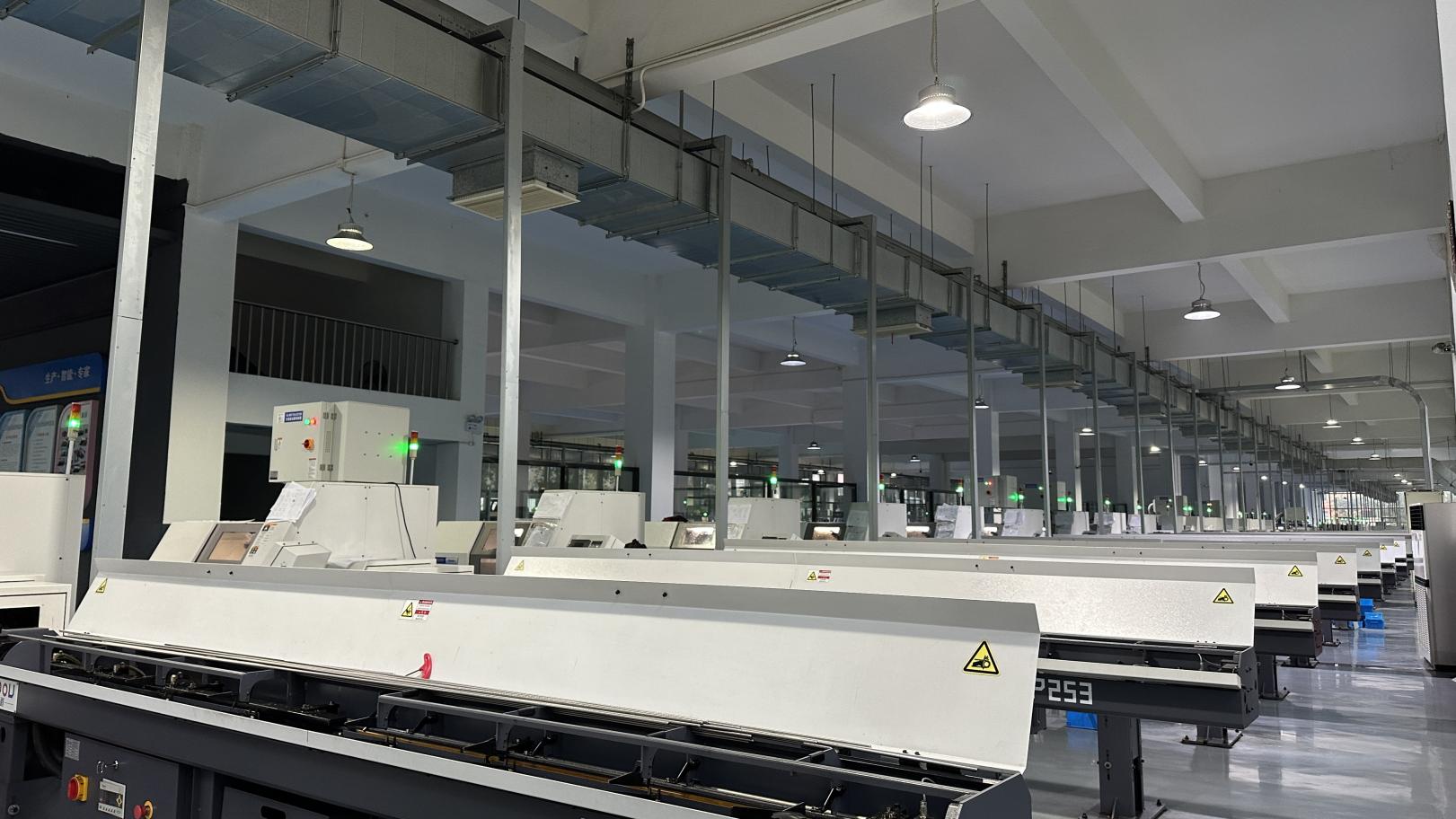
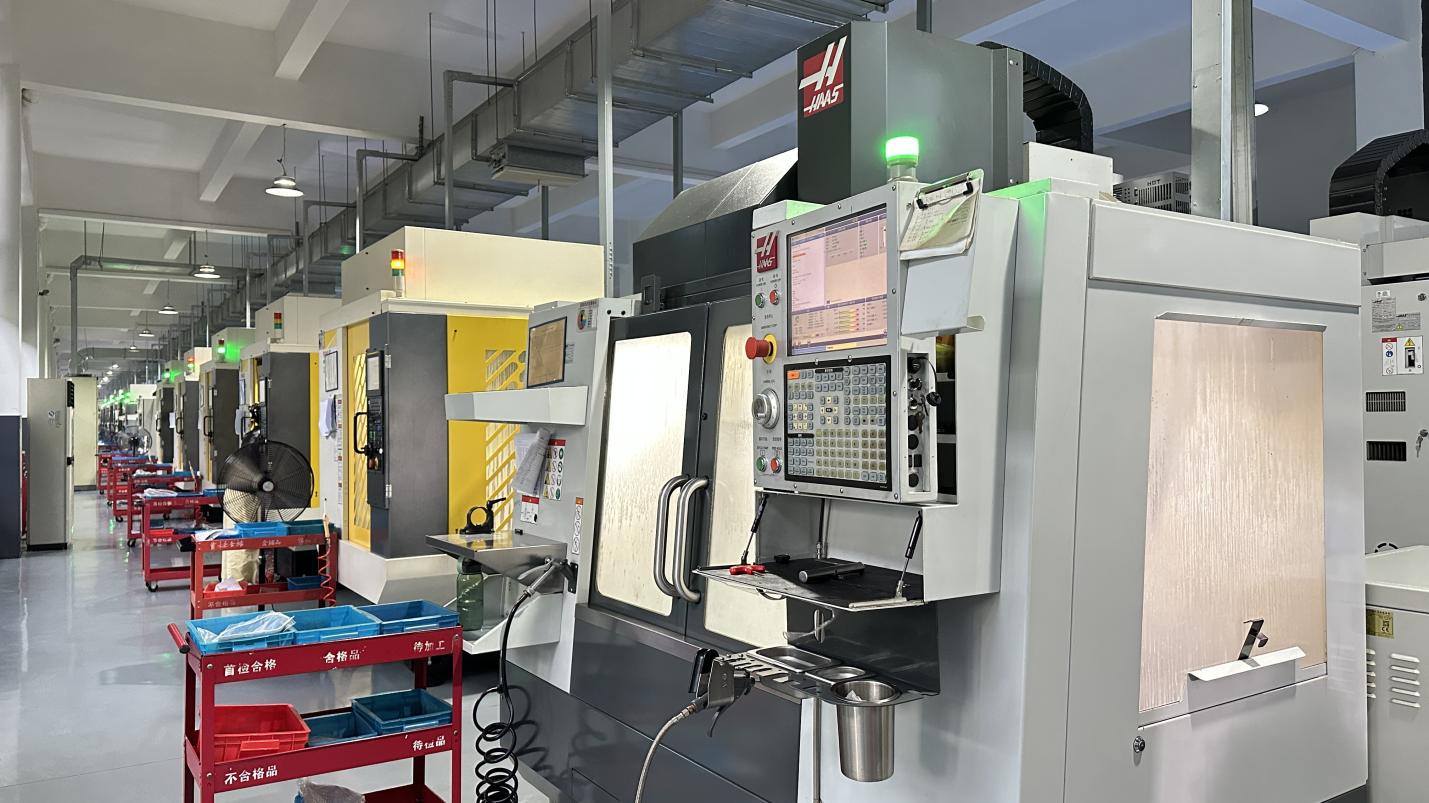
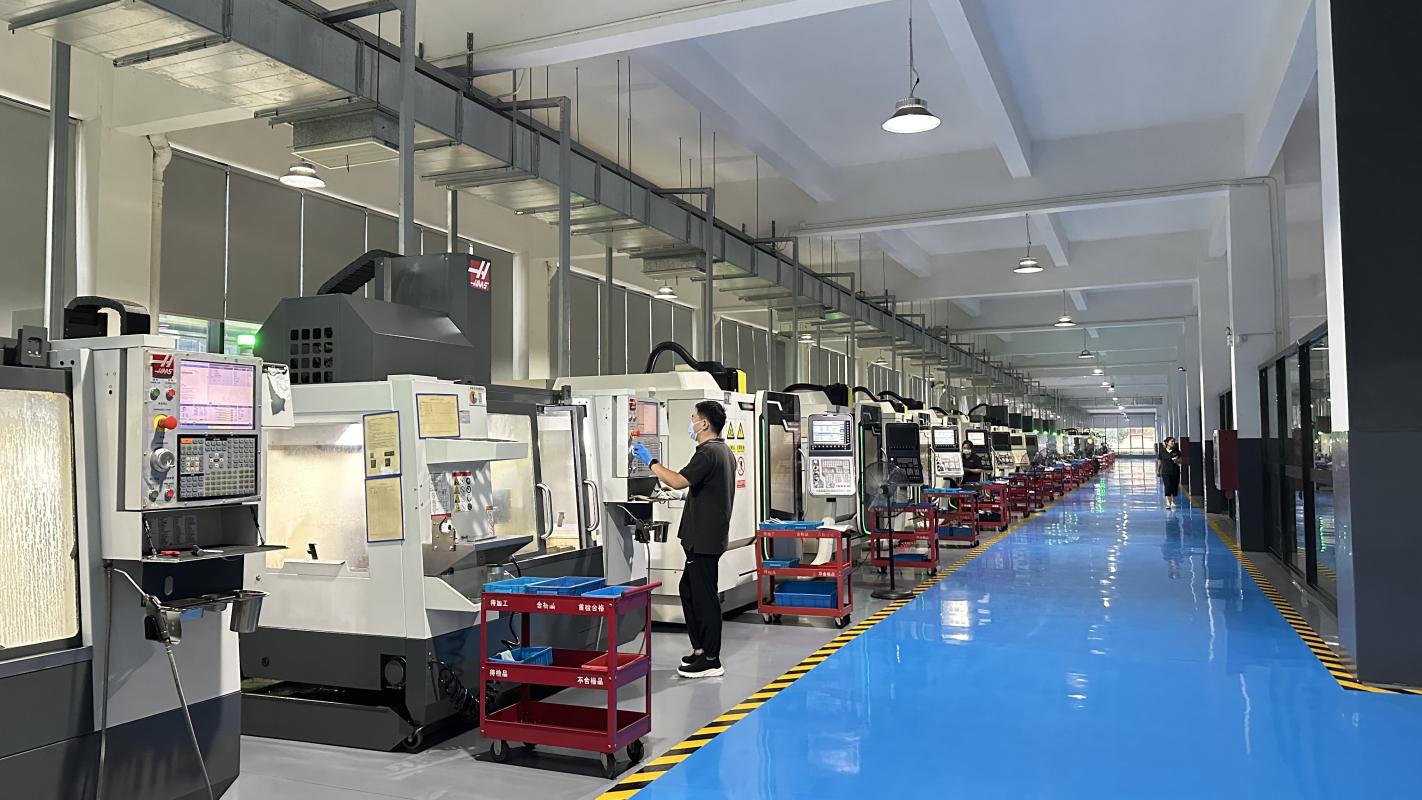
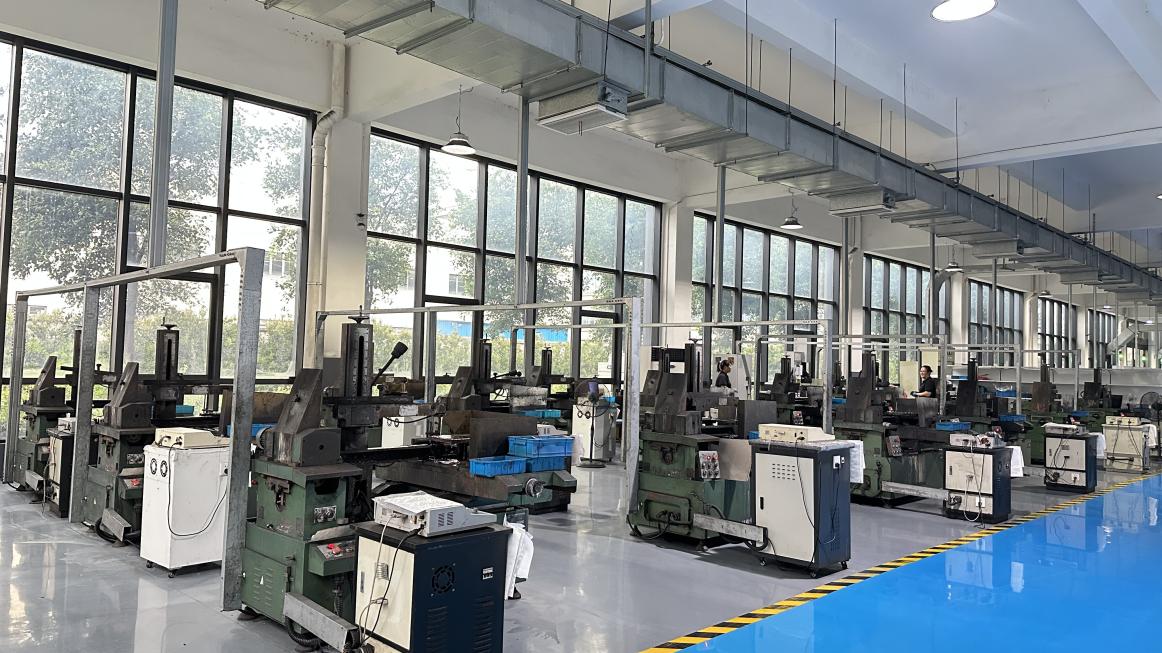
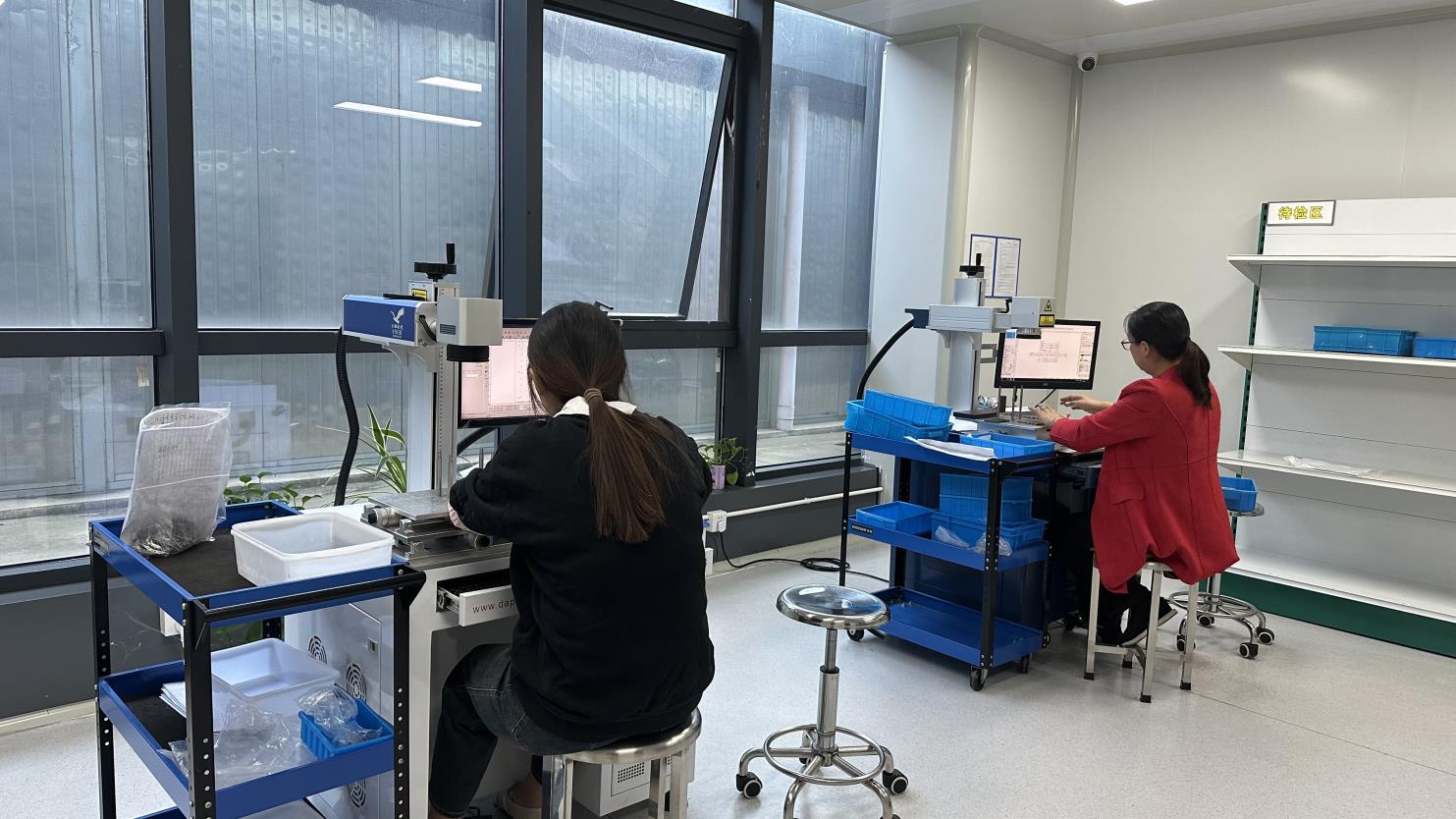
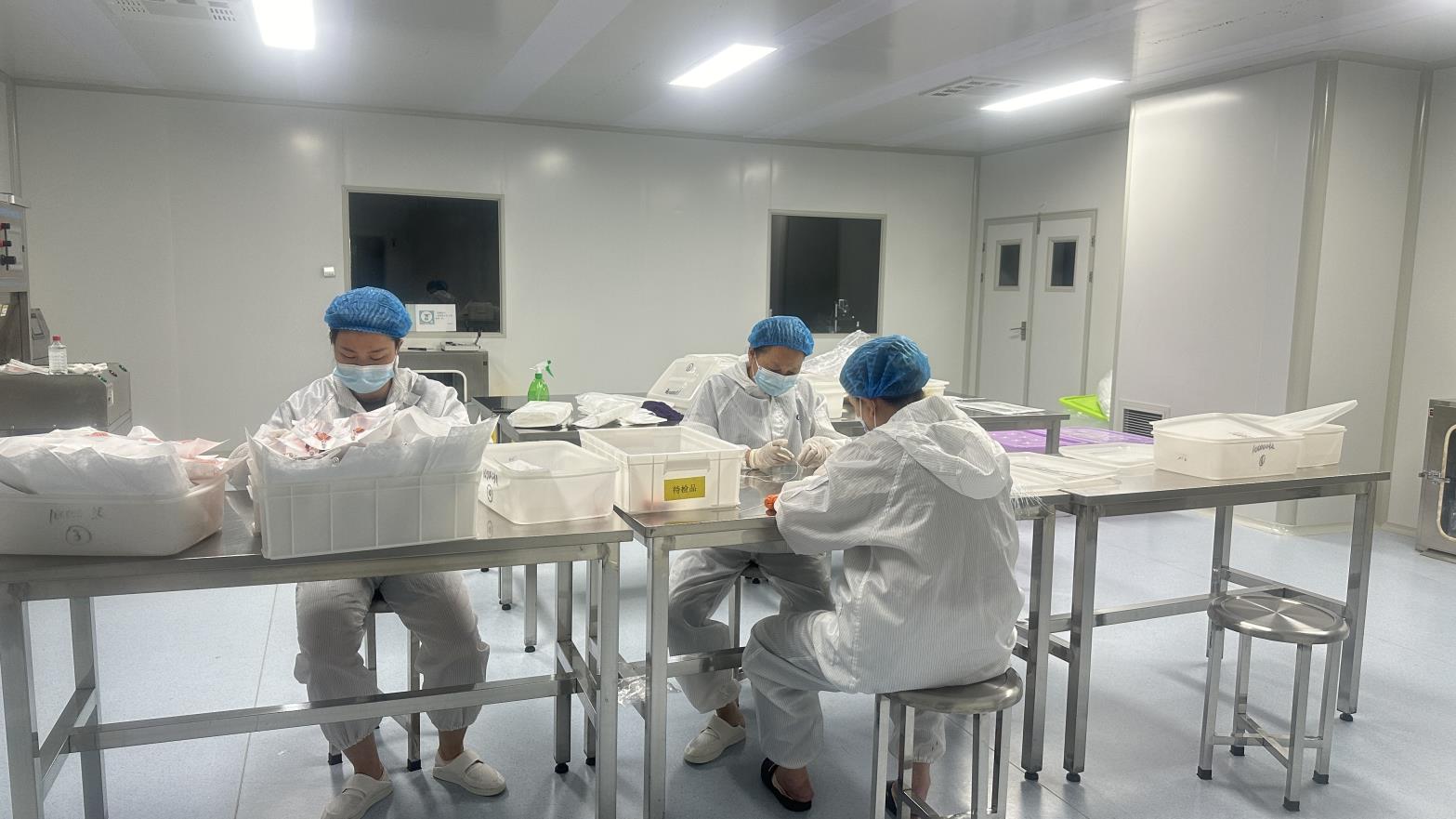
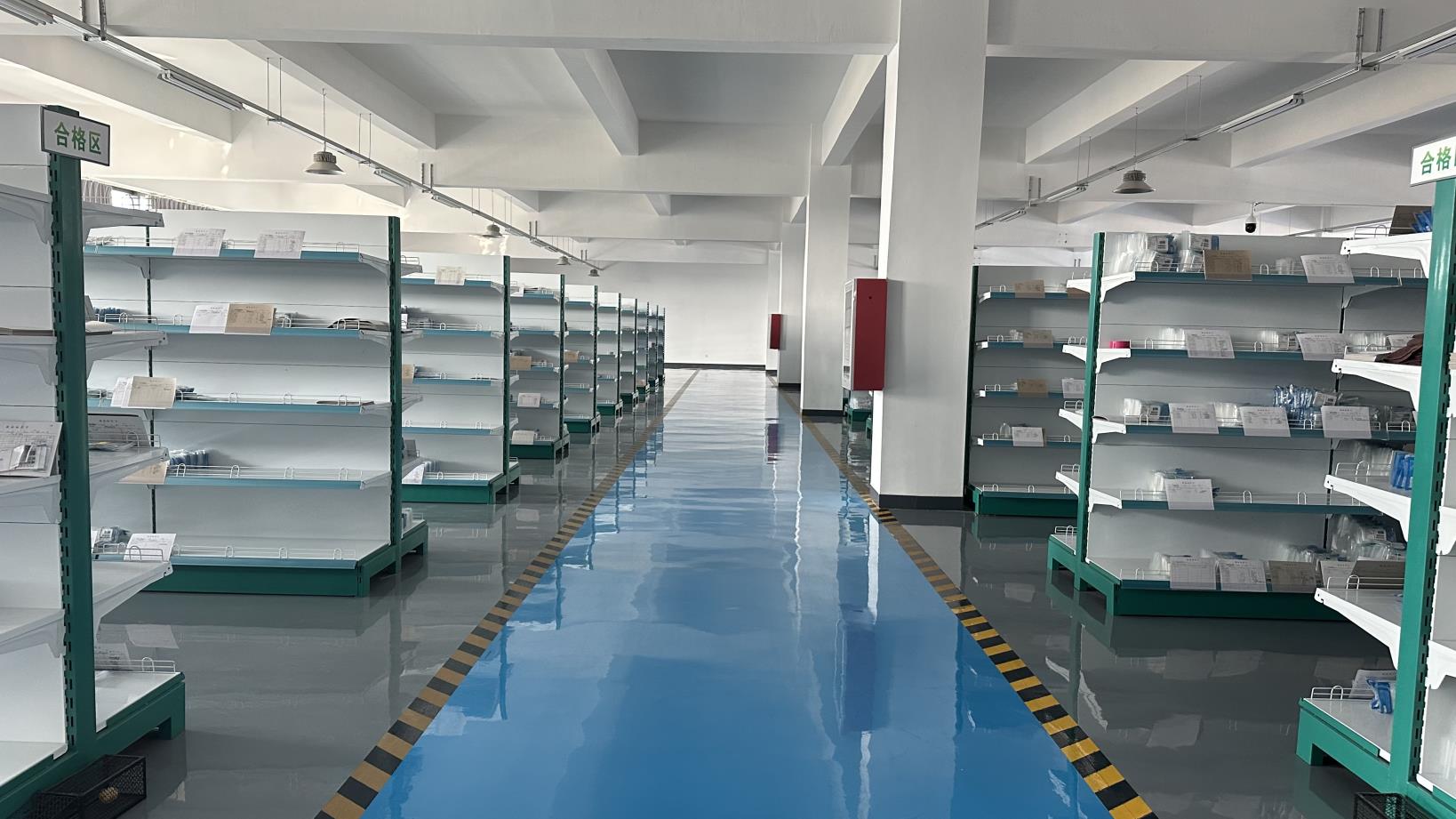
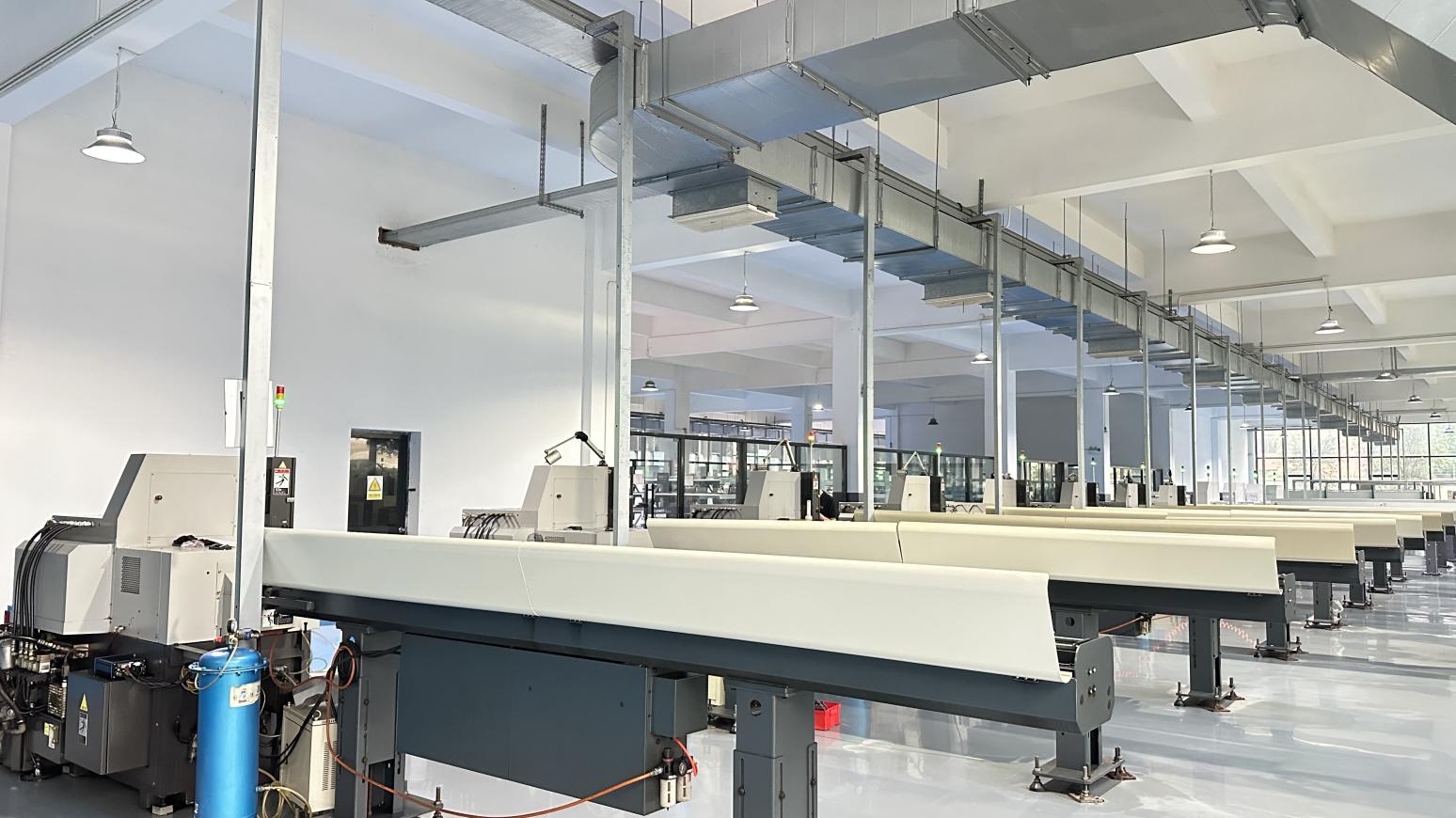
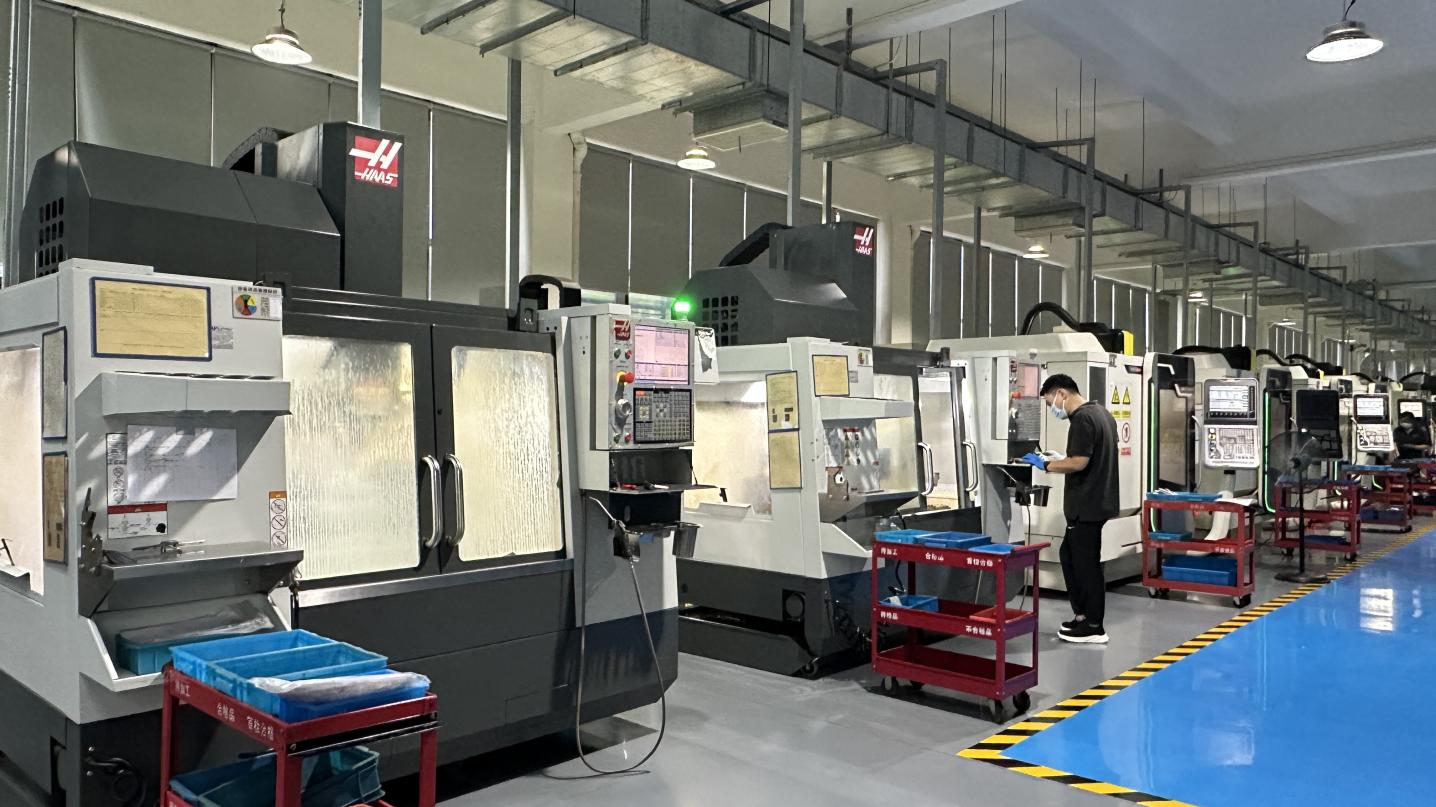
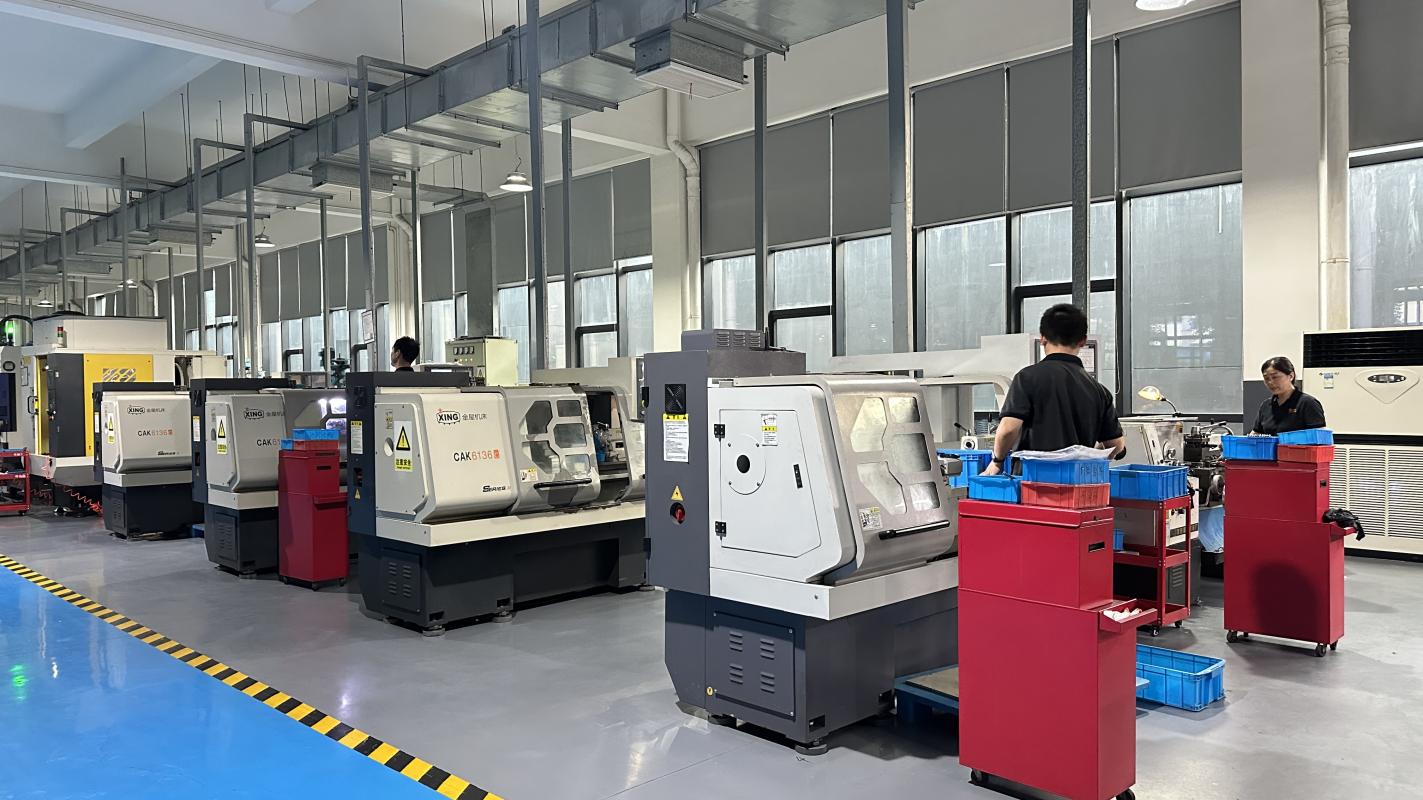
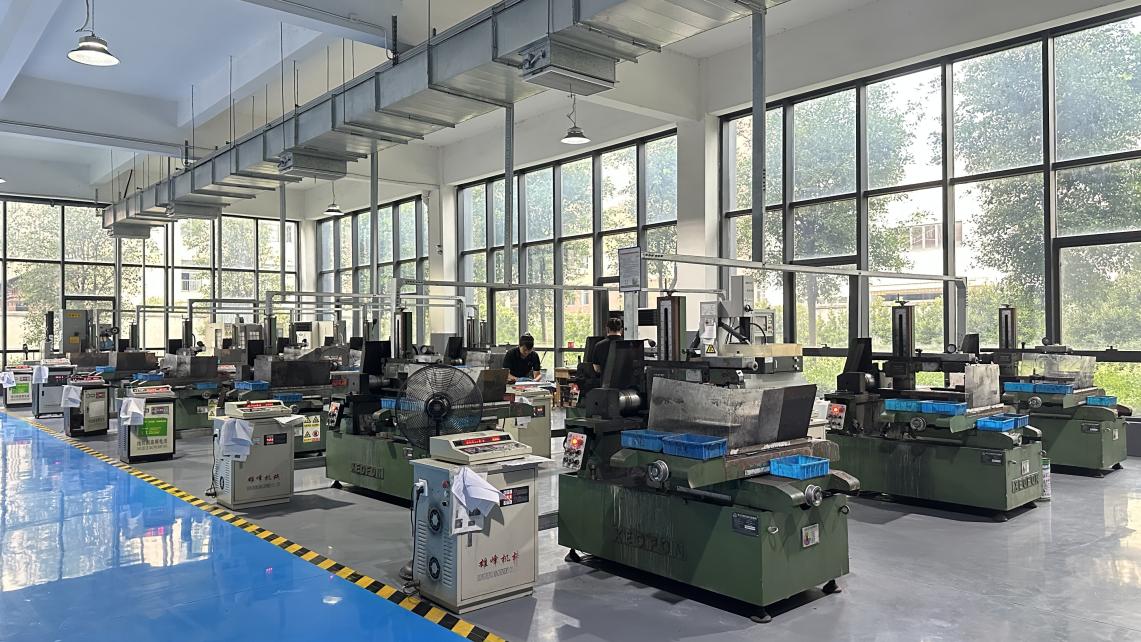
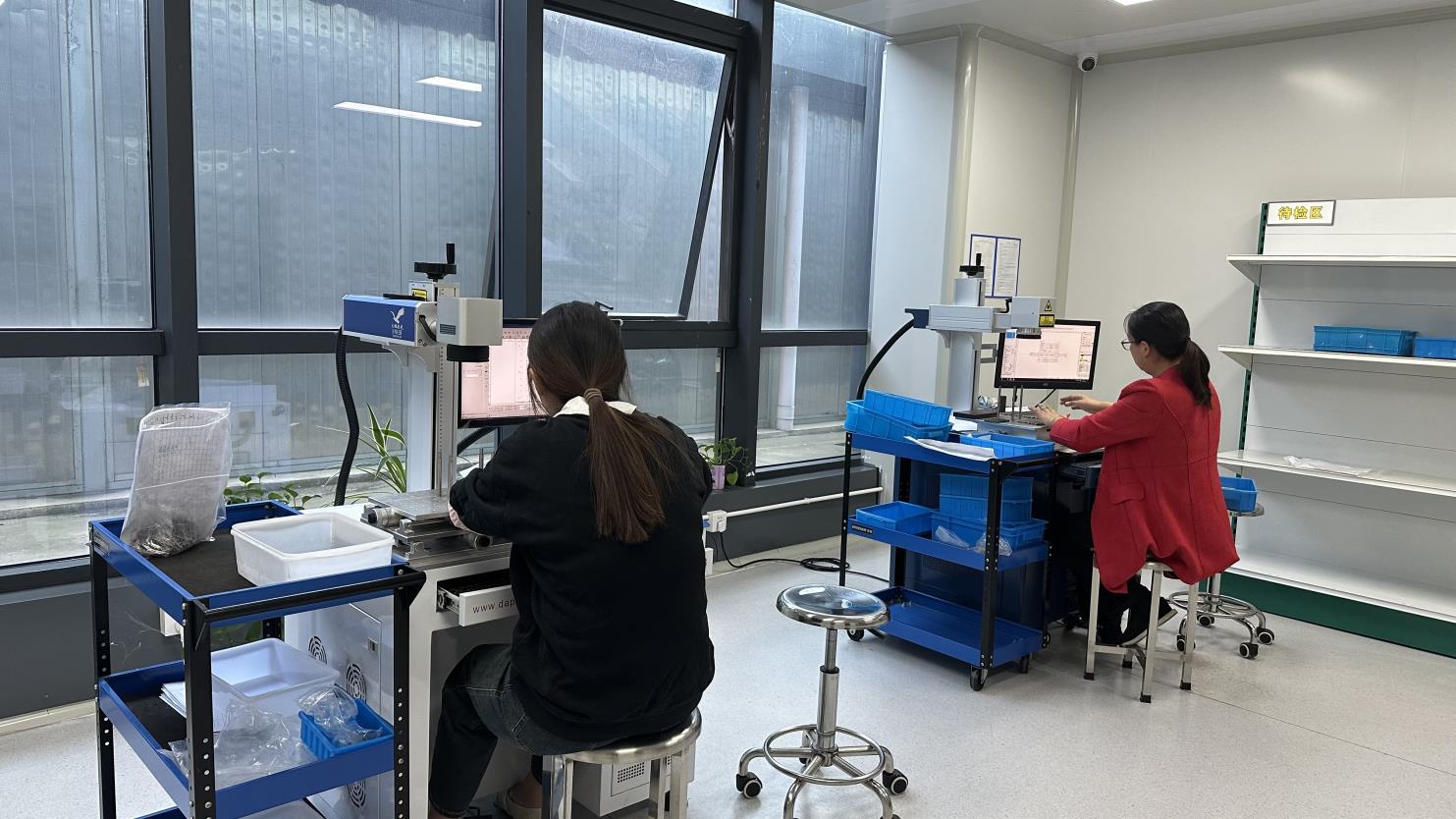
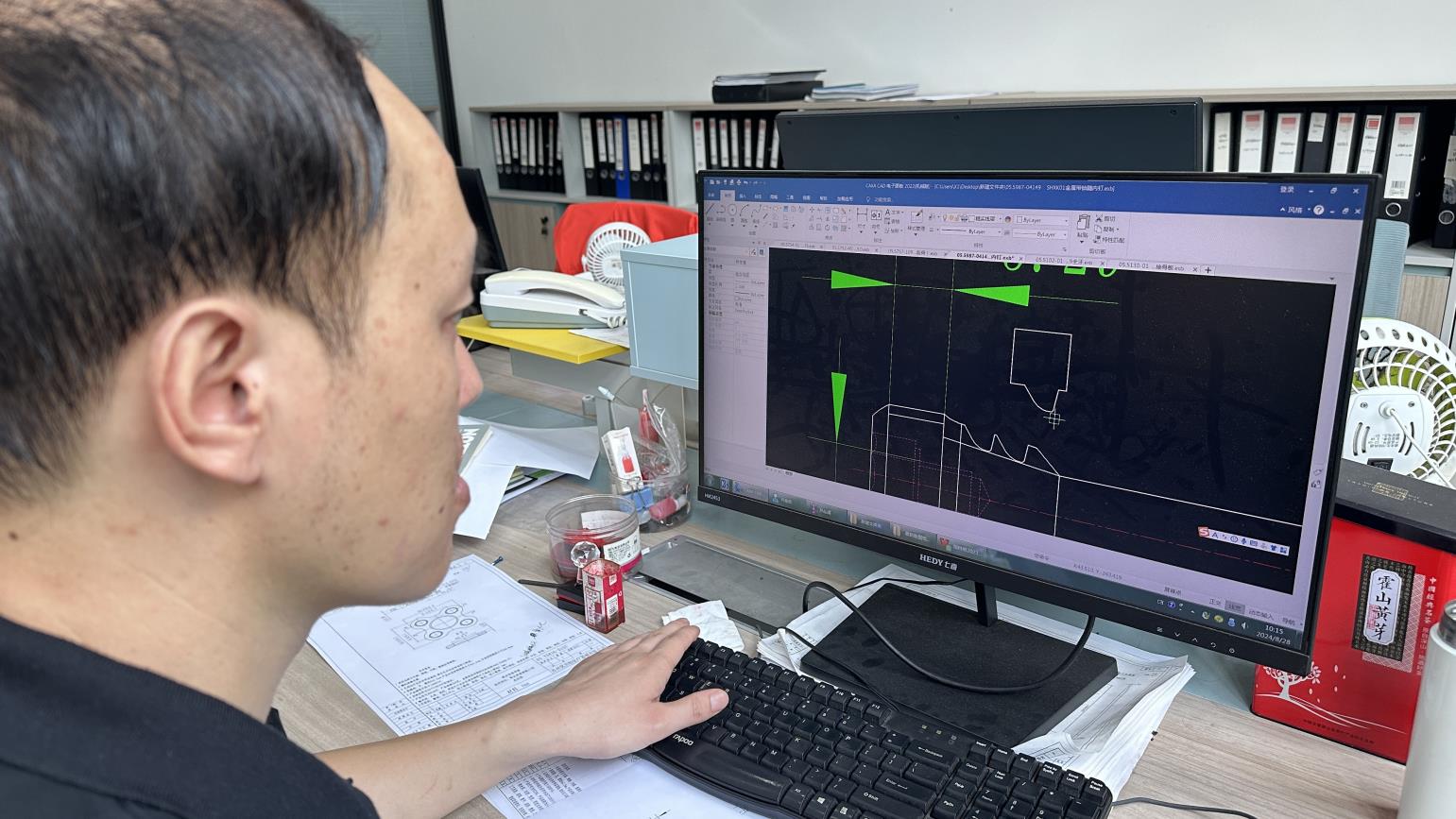
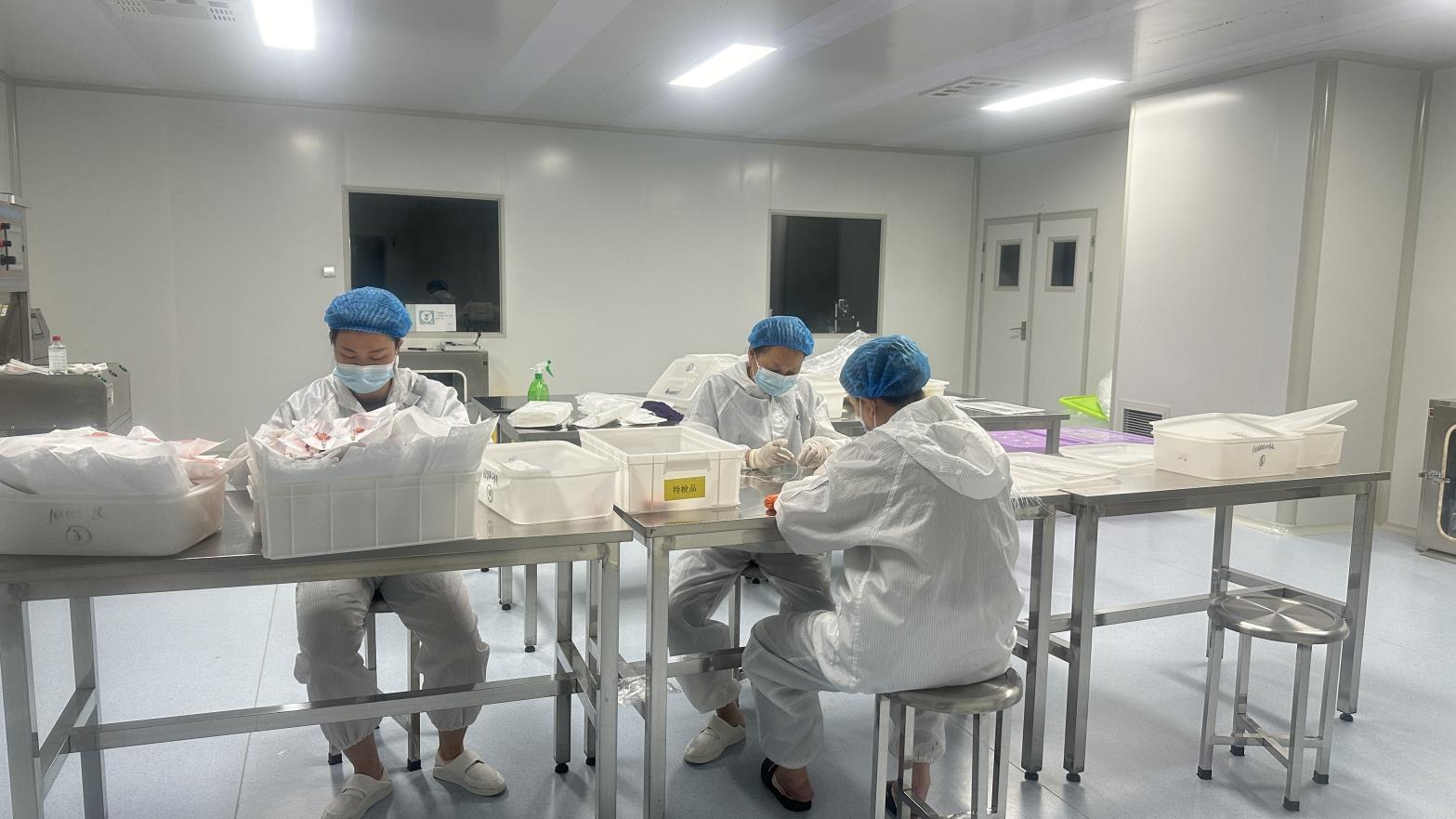
Bonevia combines advanced material science with cost-effective Chinese manufacturing to deliver reliable orthopedic products worldwide.
Our quality management team of 35 professionals maintains strict production controls. Every component—from titanium rods to locking clamps—undergoes material inspection, in-process checking, and final testing. We maintain documentation to support regulatory approvals in South America, the Middle East, Southeast Asia, and Europe.
We trace every manufacturing batch back to the raw material melt, providing orthopedic distributors with the transparency required for public healthcare tenders.
Located in China's orthopedic manufacturing cluster, Bonevia works with over 850 raw material and logistics partners. This network enables us to secure high-grade medical alloys and manage delivery times efficiently, even for customized OEM projects.
Our facility combines design, prototyping, and production processes. This integration shortens the development cycle for new clinical instruments and custom configurations.
The global trauma fixator market is evolving toward designs that support faster clinical workflows and early patient mobilization. Key shifts include:
Bonevia keeps pace with these shifts. Our R&D team introduced 120 new designs last year, refining clamping mechanisms and material blends to meet these clinical trends.
Find answers to common questions about materials, regulatory compliance, and procurement terms.
Browse our comprehensive selection of intramedullary implants, joint reconstruction systems, and specialized arthroscopy tools.