Bonevia
Bonevia
Bonevia
Explore our verified high-quality orthopedic medical systems, surgical instruments, and prosthetic components manufactured to match the rigorous standards of global hospital supply networks.
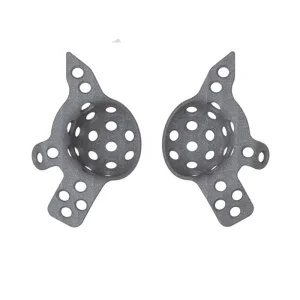
In modern joint reconstruction, the transition towards cementless total hip arthroplasty (THA) represents a significant evolutionary leap in biomaterials and orthopedic design. Unlike cemented variants, which rely on polymethyl methacrylate (PMMA) bone cement for mechanical locking, cementless stems utilize a biological fixation strategy known as osseointegration.
The primary stability of a cementless femoral stem depends entirely on its structural fit within the prepared medullary canal. Our advanced engineering focuses on optimizing the Press-Fit Coefficient. Through a tapered wedge geometry and micro-textured surfaces, the initial friction resists rotational and axial forces, suppressing early micromotion below the critical threshold of 150 microns. This strict threshold prevents fibrous tissue formation and promotes direct bone apposition.
Over time, secondary stability is achieved through cellular growth. The surrounding trabecular bone migrates directly into the porous layer of the titanium implant. This clinical paradigm significantly increases the survivorship of the joint replacement system, particularly in active, younger patients who demand higher physiological loading capacity.
Our cementless stems and acetabular cups feature state-of-the-art coatings, including plasma-sprayed Titanium (Ti) porous surfaces and bio-active Hydroxyapatite (HA). The micro-pore size is kept within the optimal range of 100–400 micrometers, boasting a porosity level of 40% to 60%. This mimics natural trabecular bone structural mechanics, optimizing osteoconduction and reducing the risk of stress shielding according to Wolff's Law.
Constructed from high-tensile Titanium Alloy (Ti-6Al-4V ELI) conforming to ISO 5832-3, these implants deliver an excellent fatigue life, strong corrosion resistance, and a low Young's Modulus. This closer mechanical match to human cortical bone mitigates proximal bone resorption and thigh pain, ensuring reliable clinical outcomes.
Bonevia Orthopedic Technology Co., Ltd. is a professional manufacturer specializing in orthopedic implants and surgical solutions, dedicated to advancing innovation in trauma, spine, and joint reconstruction products. Since its establishment in 2015, the company has grown steadily into a trusted supplier in the global orthopedic industry.
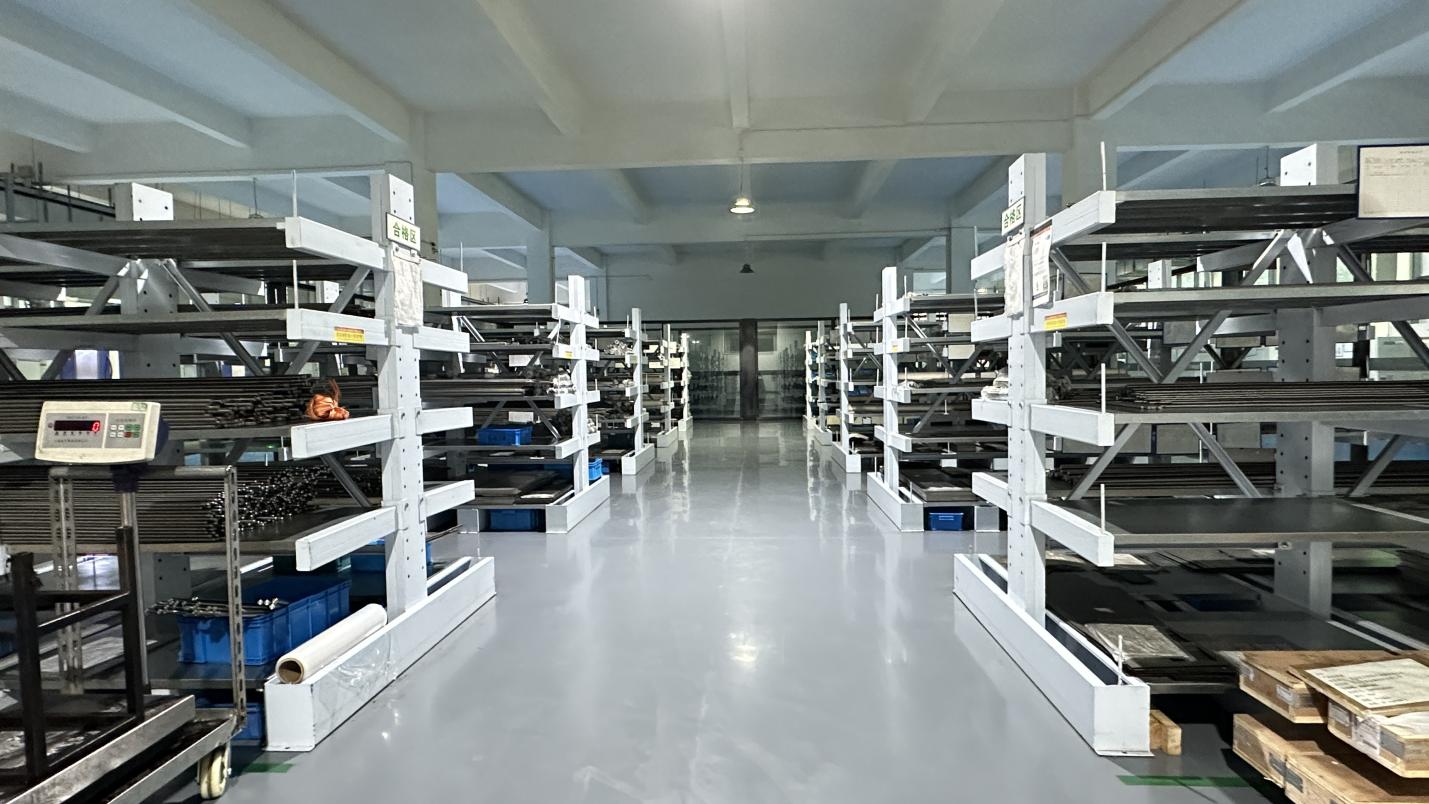
With a modern production facility covering approximately 320㎡, Bonevia maintains strict quality management standards and efficient manufacturing processes. The company records an annual export revenue of around USD 8–15 million, supported by 6 years of export experience and over 10 years of overall industry experience.
Quality assurance is a core focus at Bonevia. The company implements multiple inspection methods including incoming material inspection, in-process quality control, and final product testing, supported by a dedicated quality team of 35 professionals. This ensures all products meet international medical device standards.
Bonevia has a solid trade foundation with diversified global distribution networks, serving major markets across Europe, Southeast Asia, the Middle East, and South America. Its supply chain ecosystem includes more than 850 partners, enabling stable raw material sourcing and efficient production delivery.
The company serves a wide range of clients, including hospitals, orthopedic clinics, surgical centers, and medical distributors. Bonevia also demonstrates strong R&D capabilities, offering OEM and ODM customization services to meet specific clinical requirements. In the past year, Bonevia successfully launched 120 new product designs, supported by a research and development team of 85 engineers, continuously driving innovation in orthopedic implant systems and surgical instruments.
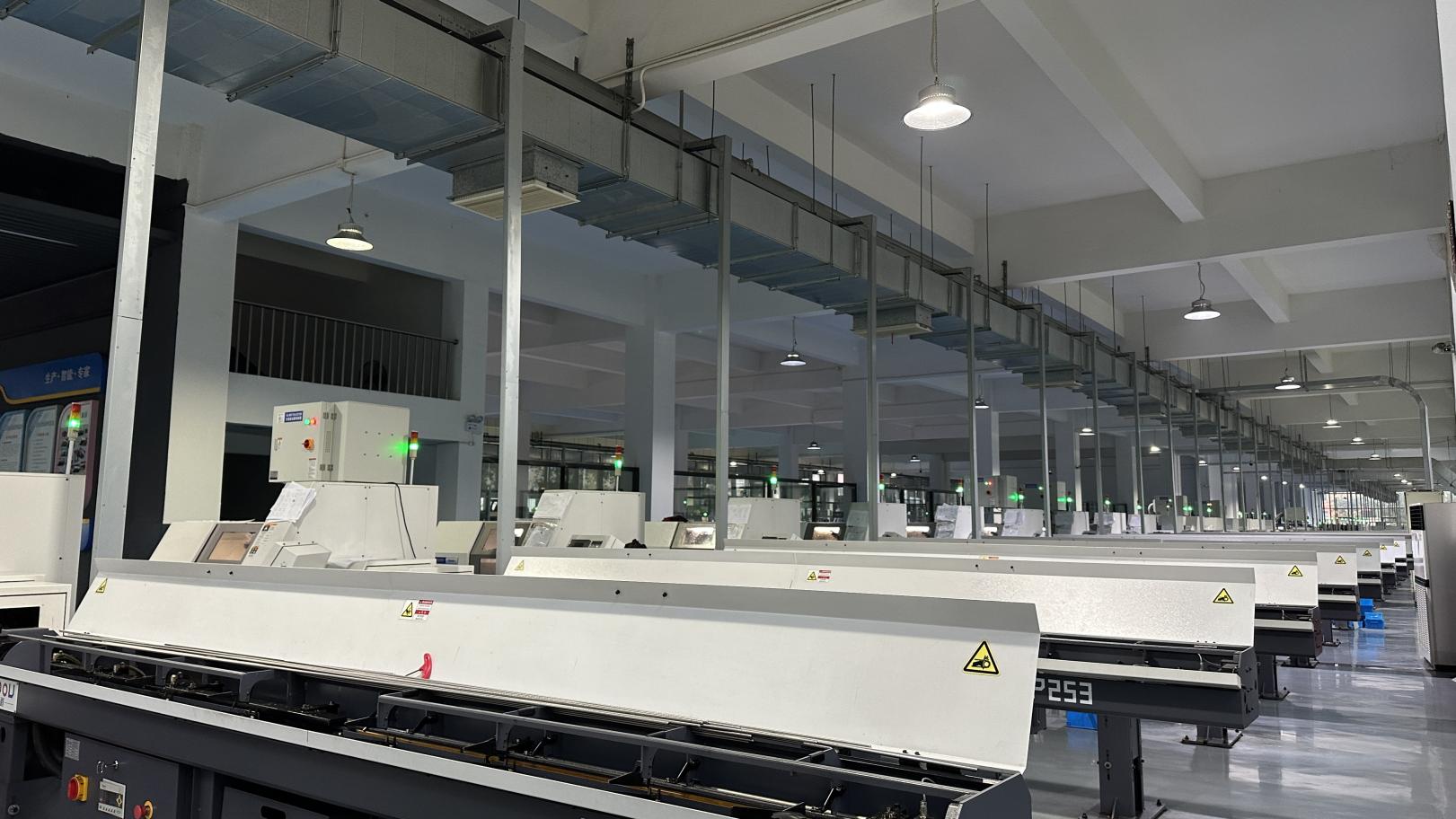
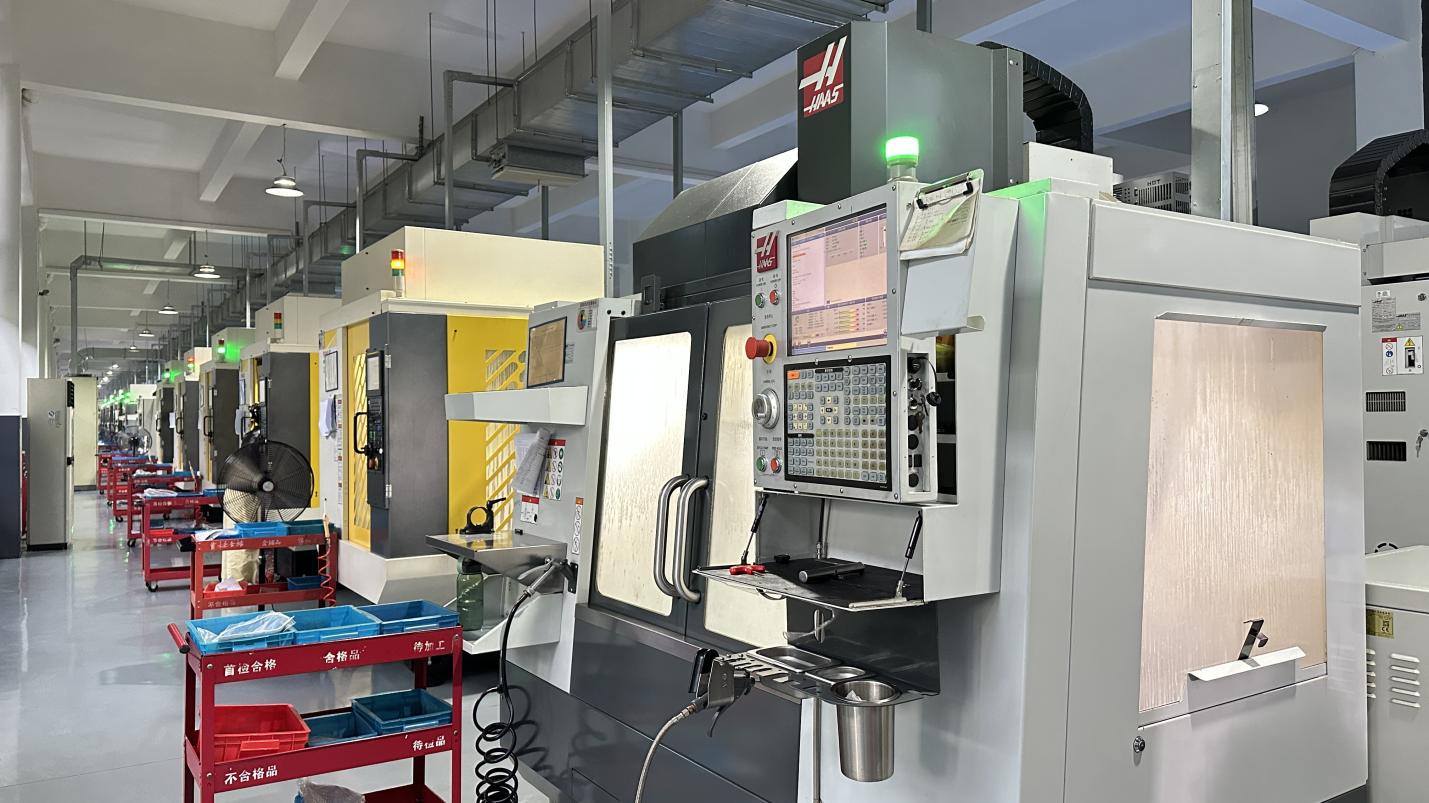
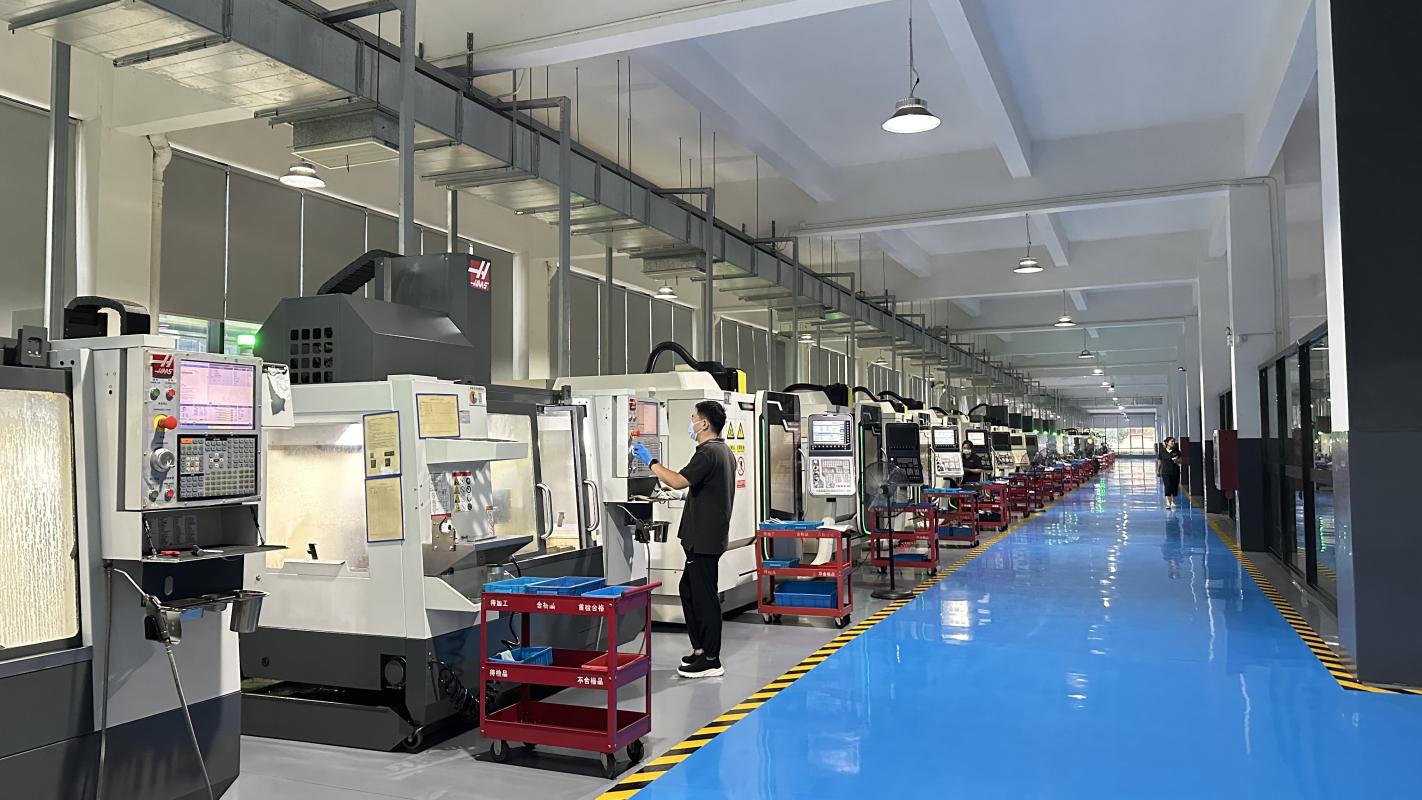
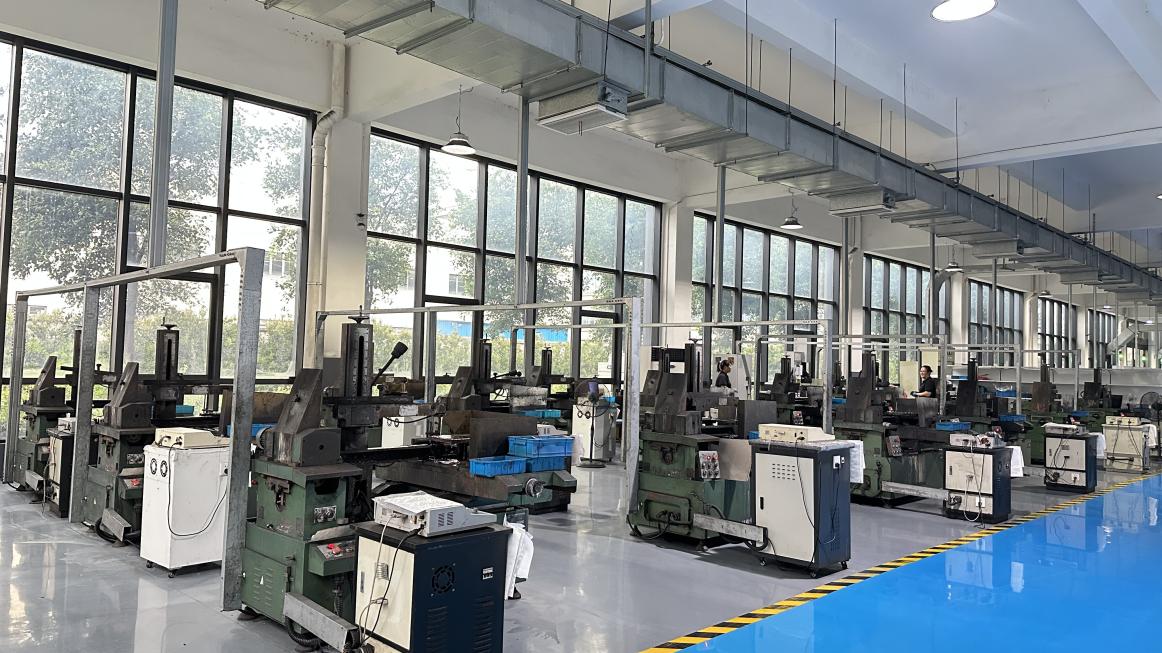
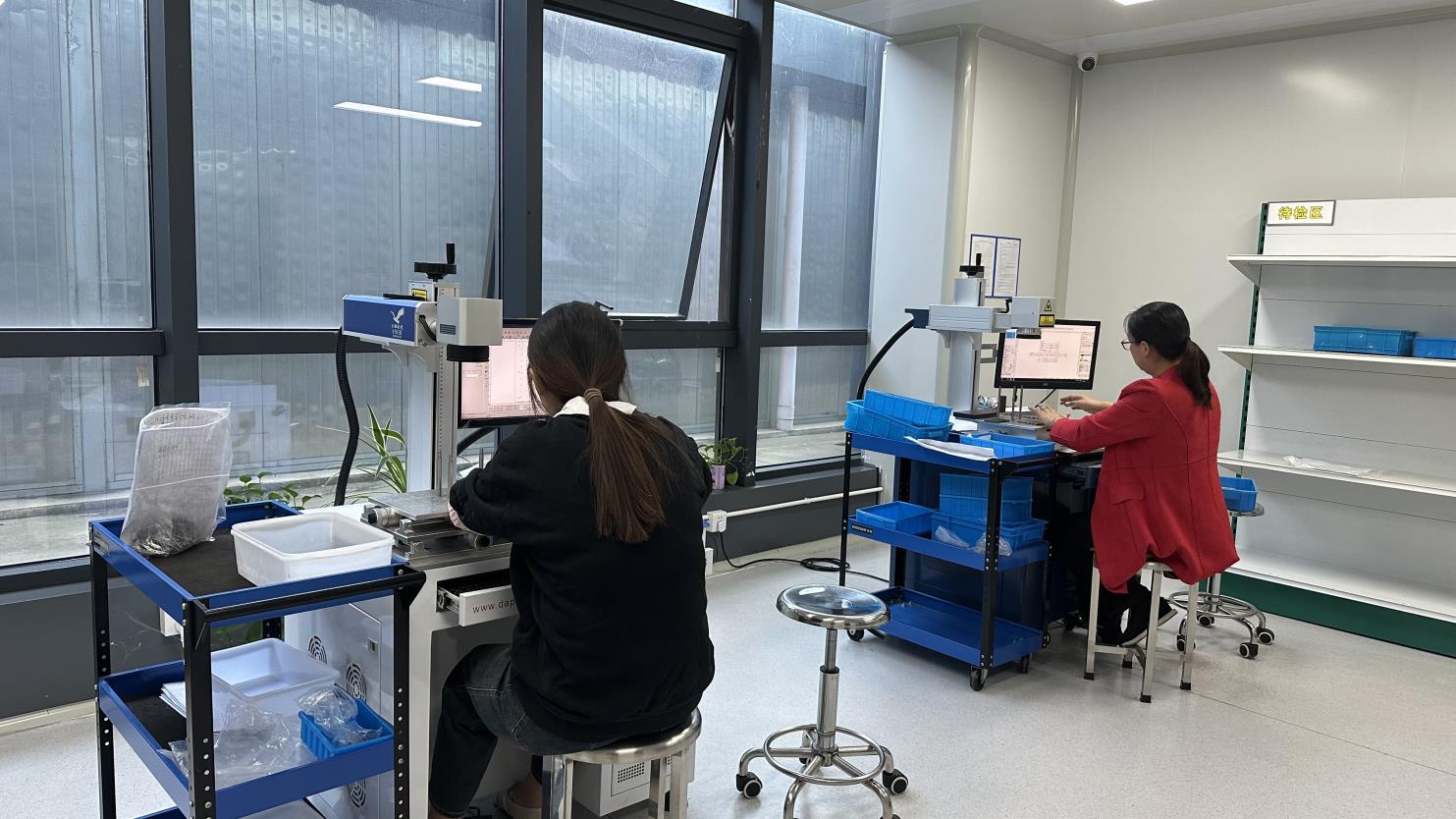
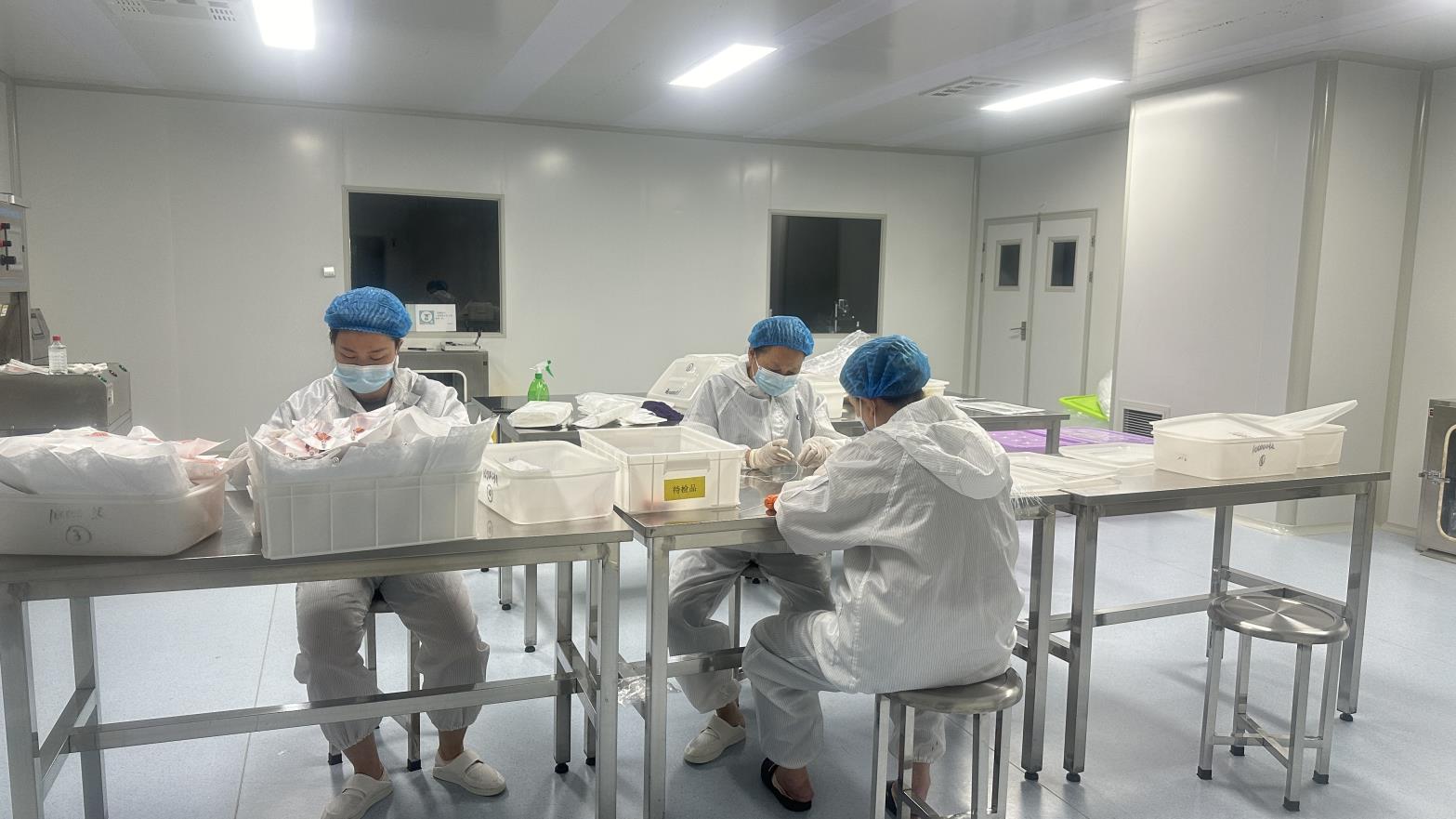
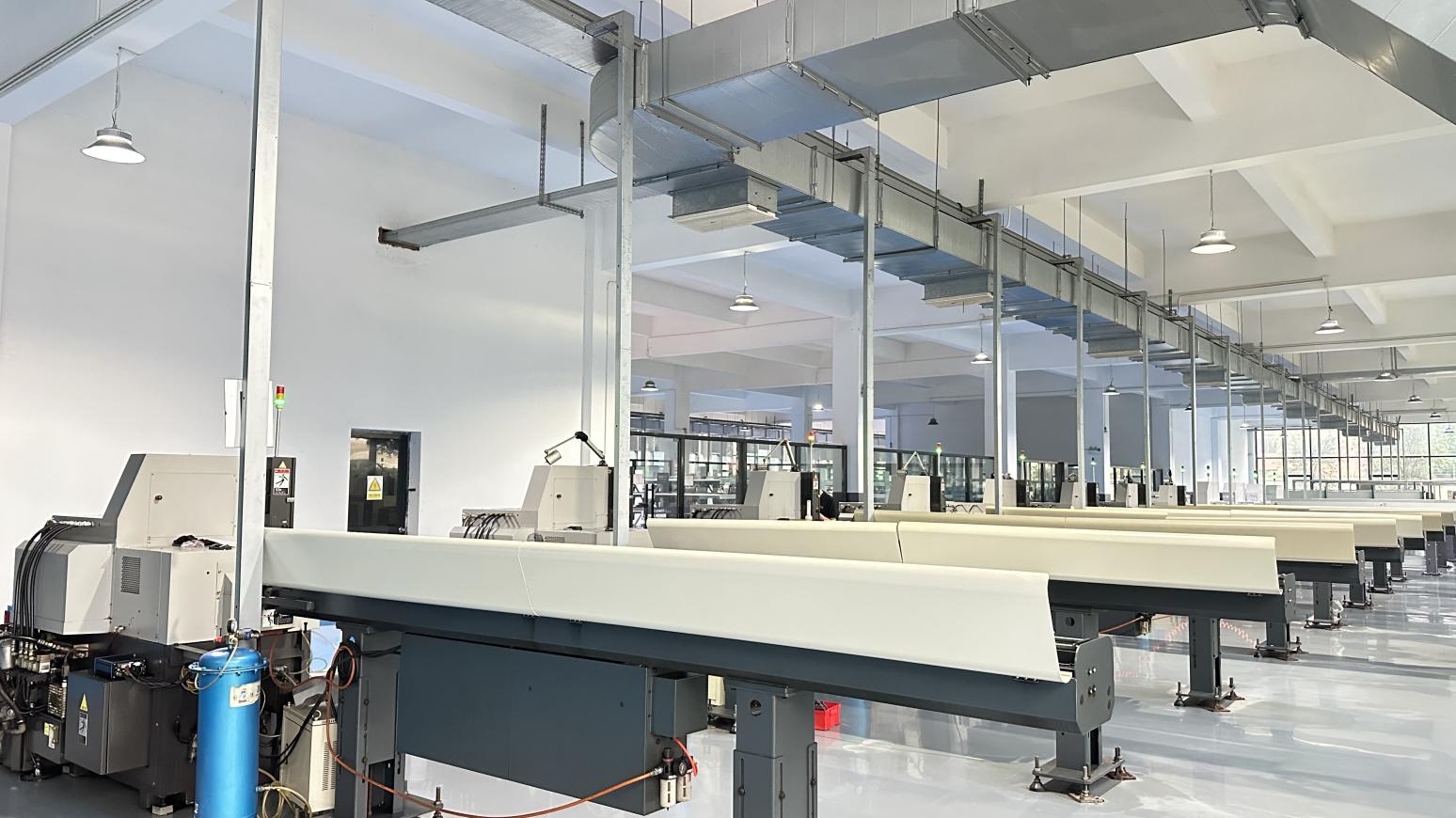
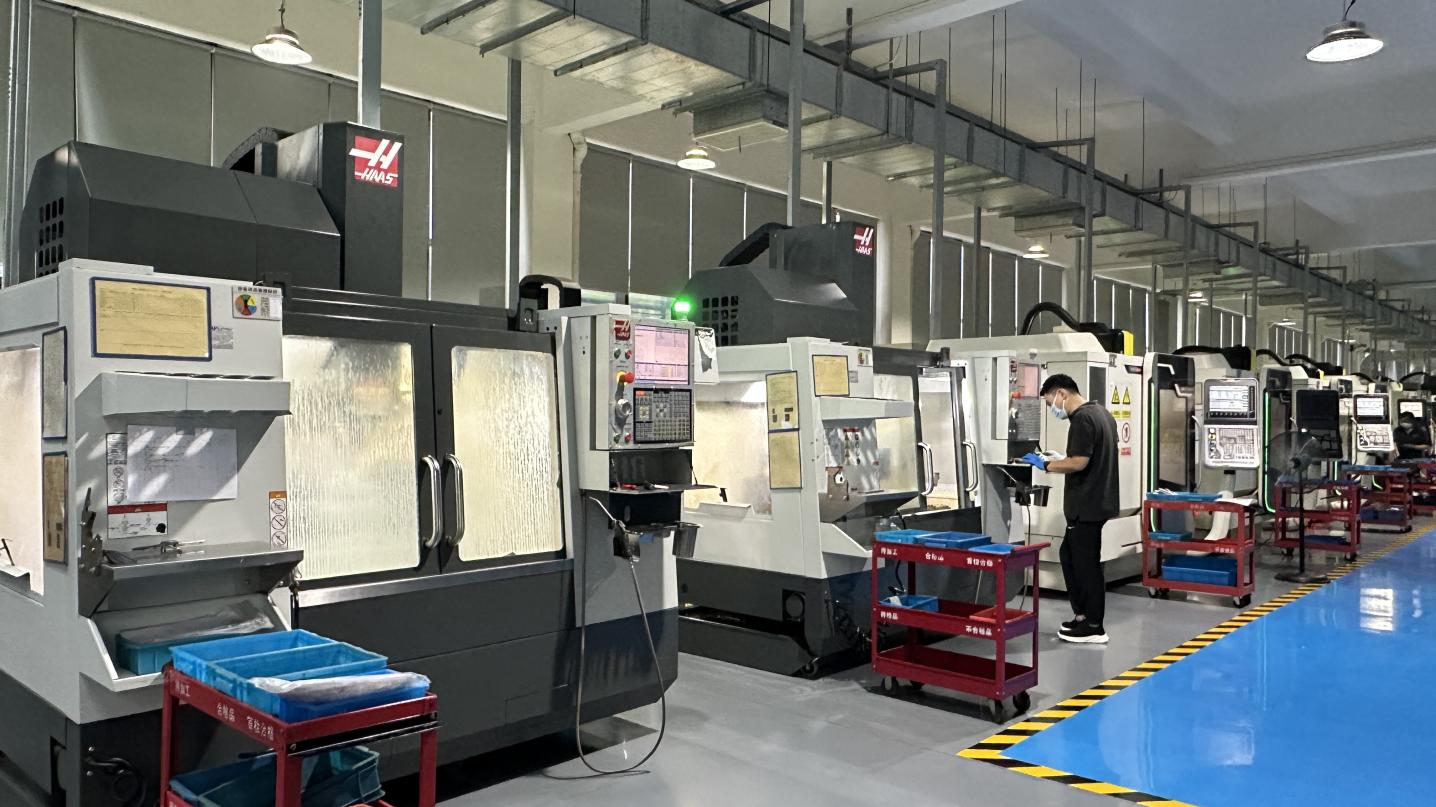
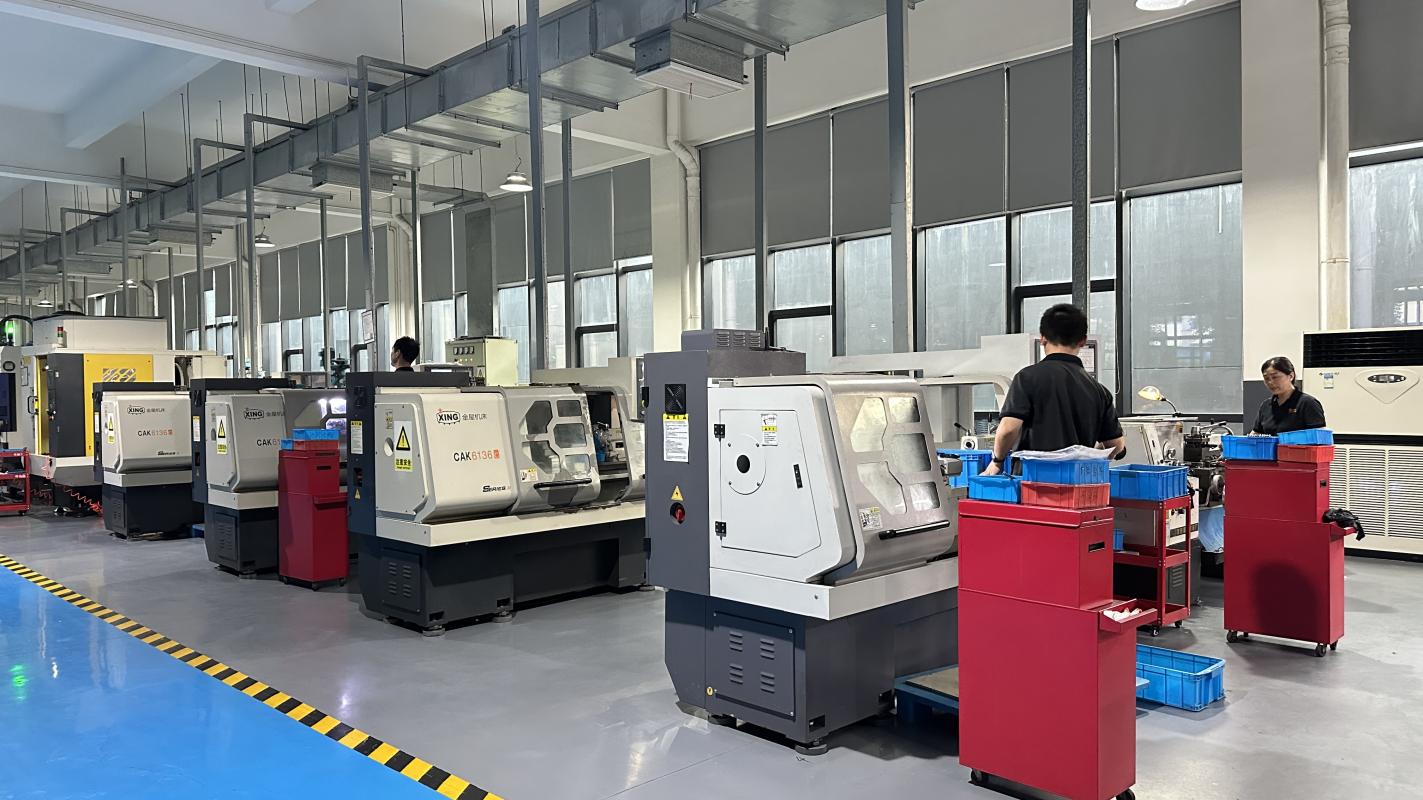
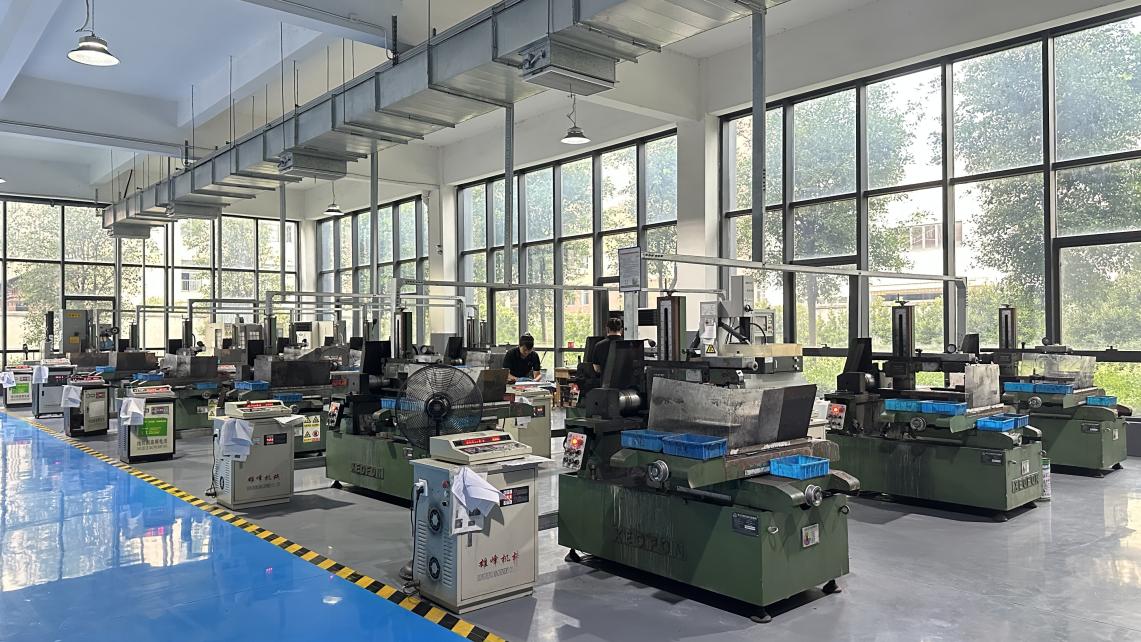
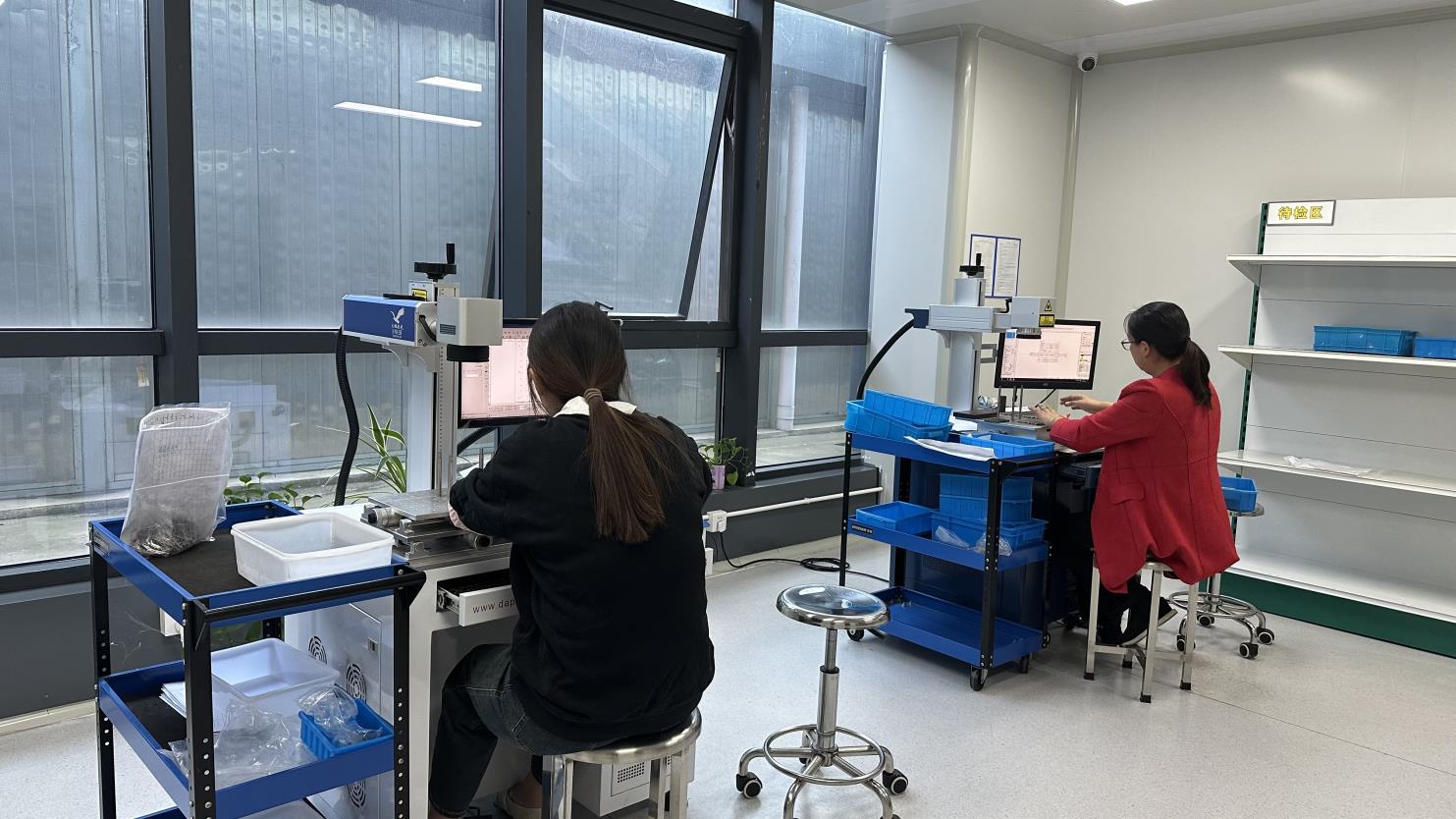
Step inside our highly regulated manufacturing pipeline. From certified raw titanium bars to high-speed 5-axis CNC machining, wire cutting, and Class 10,000 cleanroom final packaging, every phase is tracked via an ERP system for unmatched quality control and compliance.

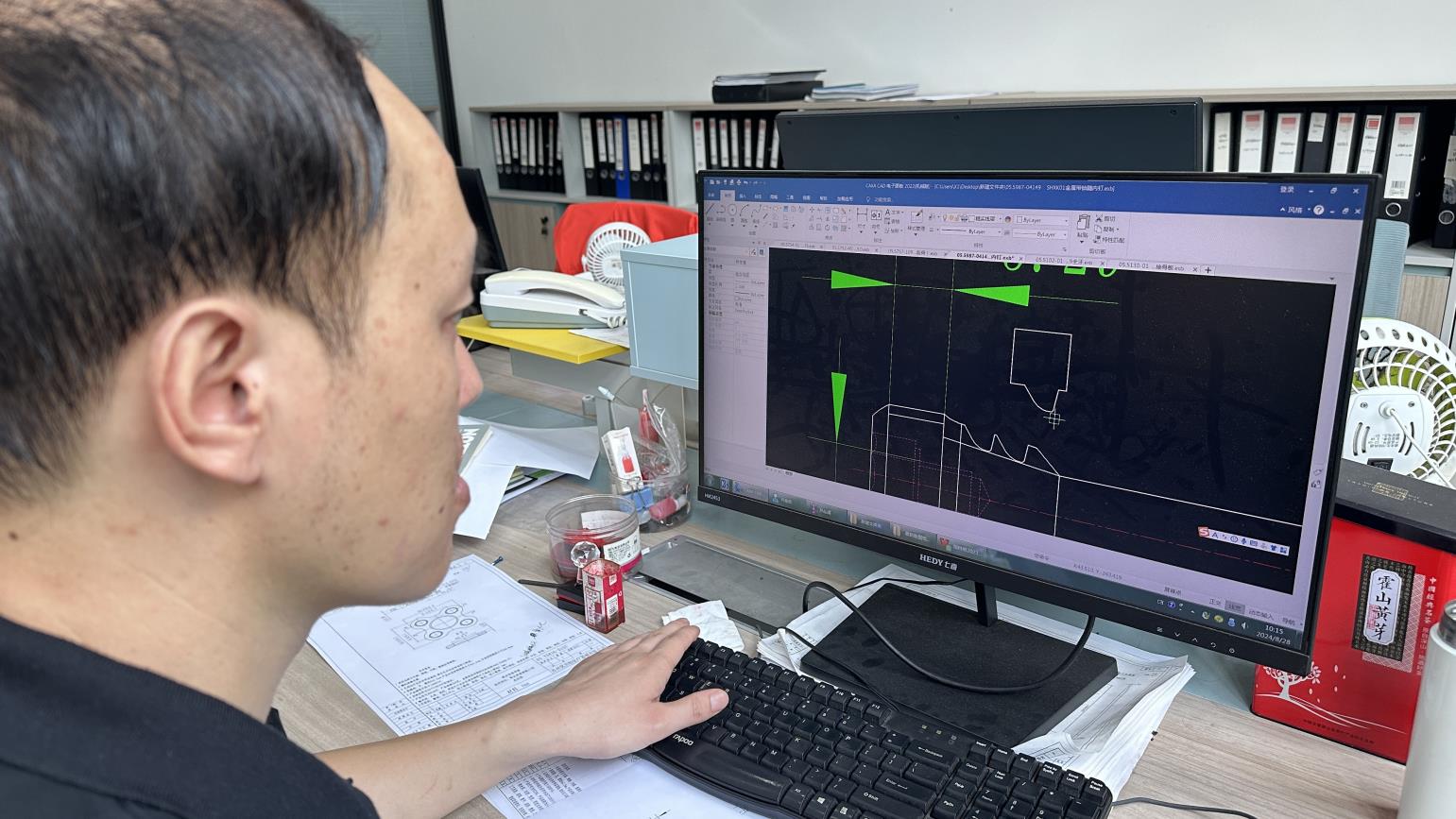
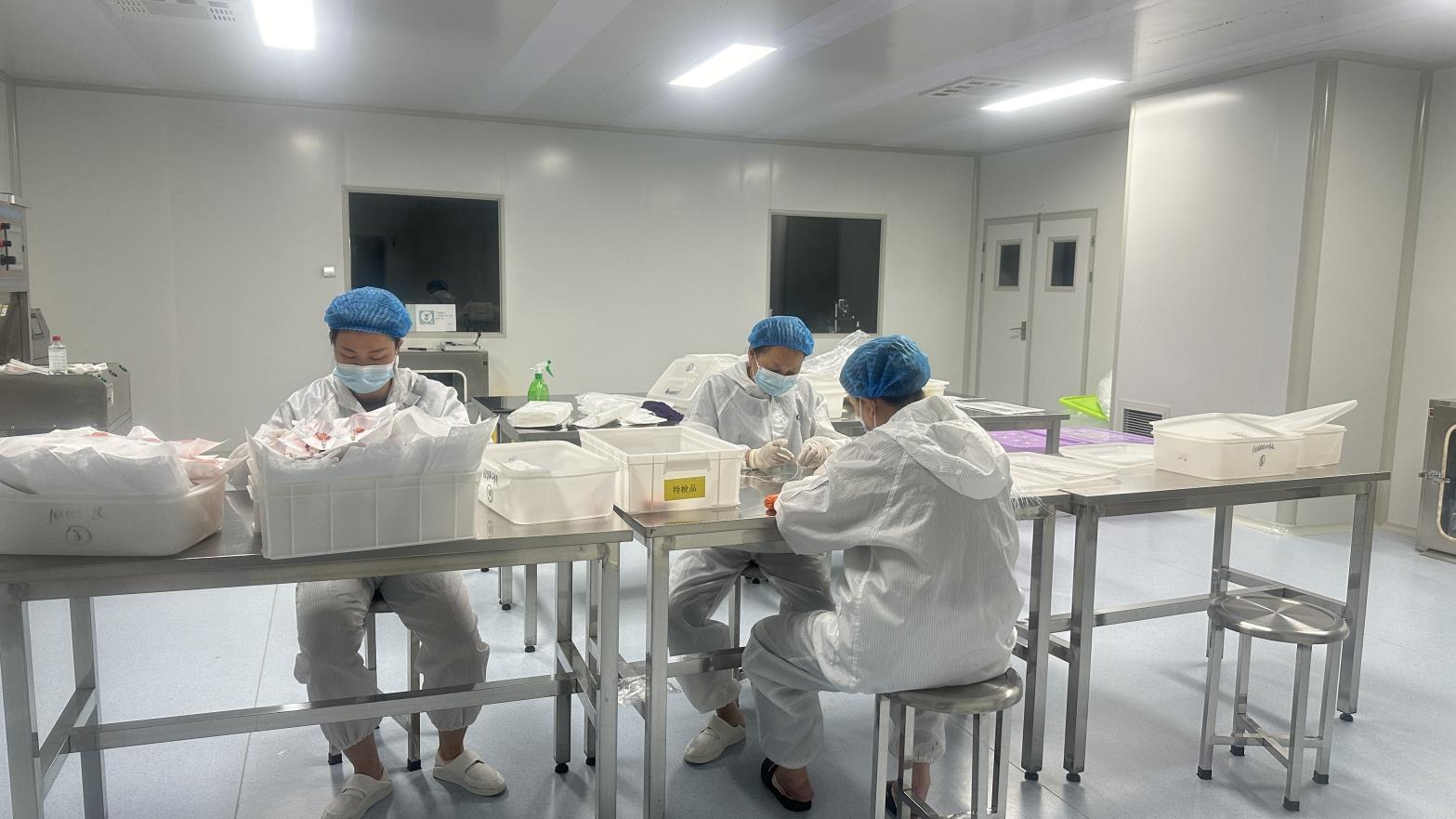
Global orthopedic procurement directors are increasingly choosing China as their primary manufacturing hub for joint reconstruction implants. This structural shift is driven by strategic cost-efficiency combined with rigorous quality and raw material management.
China's medical manufacturing corridors host an optimized network of high-purity titanium extraction mills, CNC tool builders, state-of-the-art coating laboratories, and specialized sterilization facilities. This concentration of resources minimizes transportation times, isolates supply chains from geopolitical disruptions, and stabilizes the costs of raw titanium alloy (Ti-6Al-4V ELI).
Equipped with advanced 5-axis Swiss machining centers and 3D metal printing facilities, Chinese manufacturers like Bonevia can easily transition between bulk production runs and customized, low-volume patient-specific designs. This versatility dramatically accelerates production cycles compared to Western facilities.
By combining automated coordinates measuring machines (CMM) with visual laser checks, Bonevia guarantees that every cementless revision cup and femoral stem is manufactured to strict micrometer tolerances. Our QA processes include incoming material verification, ultrasonic testing for internal voids, and roughness profile measurements to ensure optimal press-fit outcomes.
Integrating regional logistics networks and optimized energy structures allows us to deliver high-quality, international-grade implants at competitive rates. This enables global healthcare networks, distributors, and buyers to maintain healthy margins while offering reliable, life-changing orthopedic solutions.
Entering diverse international medical device markets requires navigating complex regulatory standards. Bonevia provides comprehensive support, acting as a collaborative regulatory partner rather than just an OEM supplier.
Our manufacturing facility is audited and certified to the ISO 13485 quality standard, ensuring a traceable, rigorous process for class III medical devices.
We support distributors with necessary technical documentation (Technical Files, STED format) to secure local regulatory approvals across South America, SE Asia, and the Middle East.
All implants are compatible with validated ISO 11137 Gamma Irradiation or ISO 11135 EtO sterilization protocols, achieving a sterility assurance level of 10-6.
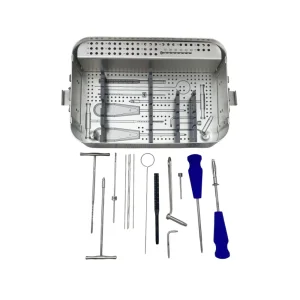
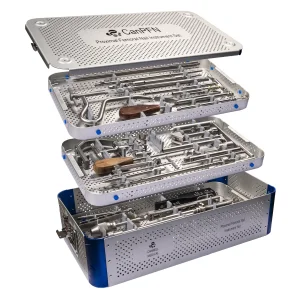
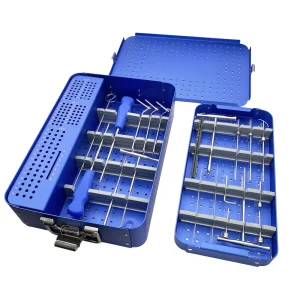
We design, customize, and laser-mark specialized surgical instrument trays to streamline procedures in local operating rooms.
Every shipment from our warehouse is accompanied by a material certificate validating the chemical composition and mechanical properties of the titanium alloy. Our strict batch numbering system enables complete, backward traceability from the surgical theater directly to the raw titanium batch, ensuring complete peace of mind.
Navigating local regulations requires thorough and accurate documentation. Bonevia assists with regulatory filings, provides translation-ready technical data sheets, and performs verification studies to streamline the approval process. Our experienced regulatory team is prepared to address direct audits from international health authorities.
The field of cementless total hip arthroplasty is evolving rapidly. Key trends shape how manufacturers design and fabricate long-term implants:
Selective Laser Melting (SLM) enables the creation of interconnected 3D porous structures that simulate natural bone density, promoting rapid vascularization and bone ingrowth.
Active research into silver-ion or iodine-doped coatings aims to significantly reduce post-operative periprosthetic joint infections (PJI).
Pairing cementless titanium shells with vitamin E stabilized, highly cross-linked polyethylene (HXLPE) or ceramic-on-ceramic bearings helps minimize wear debris and osteolysis.
Modern short-stem geometries conserve proximal femoral bone stock, leaving more treatment options open for younger patients if revision surgery is needed later.
Get answers to the most common questions regarding clinical standards, sourcing, customized orders, and regulatory approvals.
Browse our range of trauma fixation tools, spine instrumentation, joint replacement solutions, and specialized veterinary orthopedic equipment.