Bonevia
Bonevia
Bonevia
Explore our cutting-edge orthopedic implants, spinal fusion cage platforms, and precision surgical instruments engineered for optimal patient outcomes.
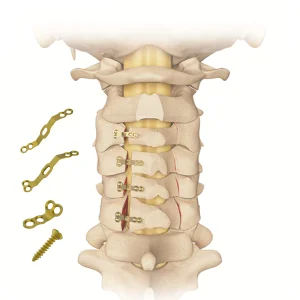
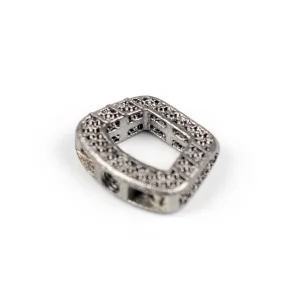
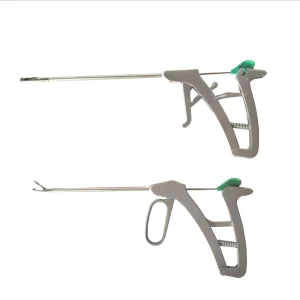
Bonevia Orthopedic Technology Co., Ltd. is a professional manufacturer specializing in orthopedic implants and surgical solutions, dedicated to advancing innovation in trauma, spine, and joint reconstruction products. Since its establishment in 2015, the company has grown steadily into a trusted supplier in the global orthopedic industry.
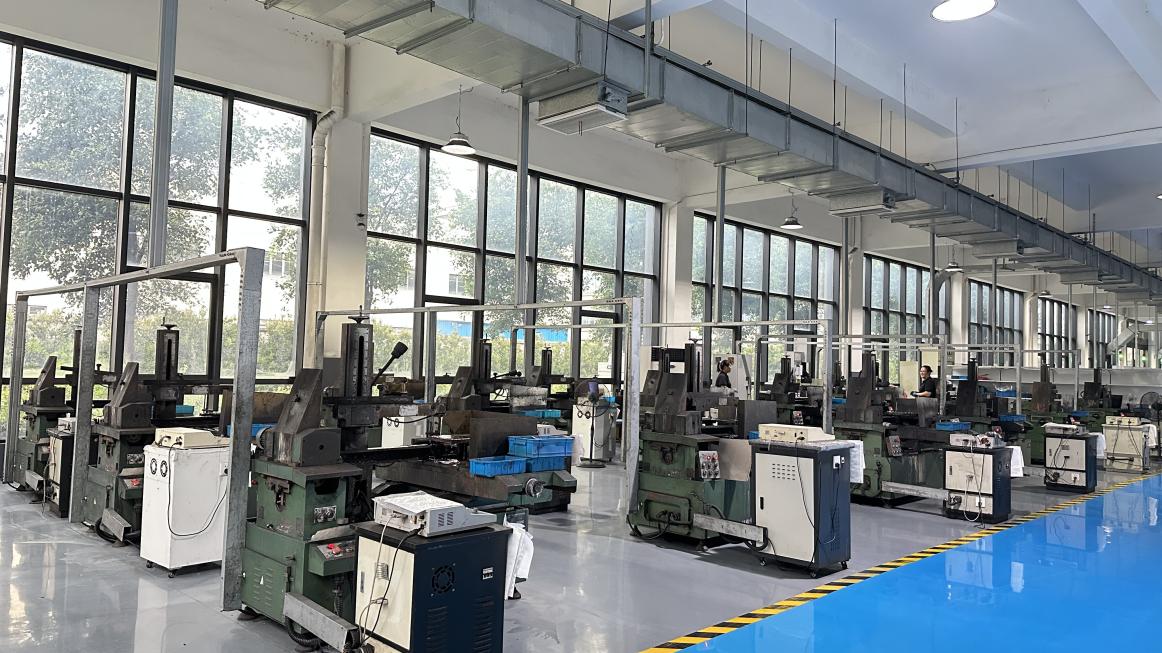
With a modern production facility covering approximately 320㎡, Bonevia maintains strict quality management standards and efficient manufacturing processes. The company records an annual export revenue of around USD 8–15 million, supported by 6 years of export experience and over 10 years of overall industry experience.
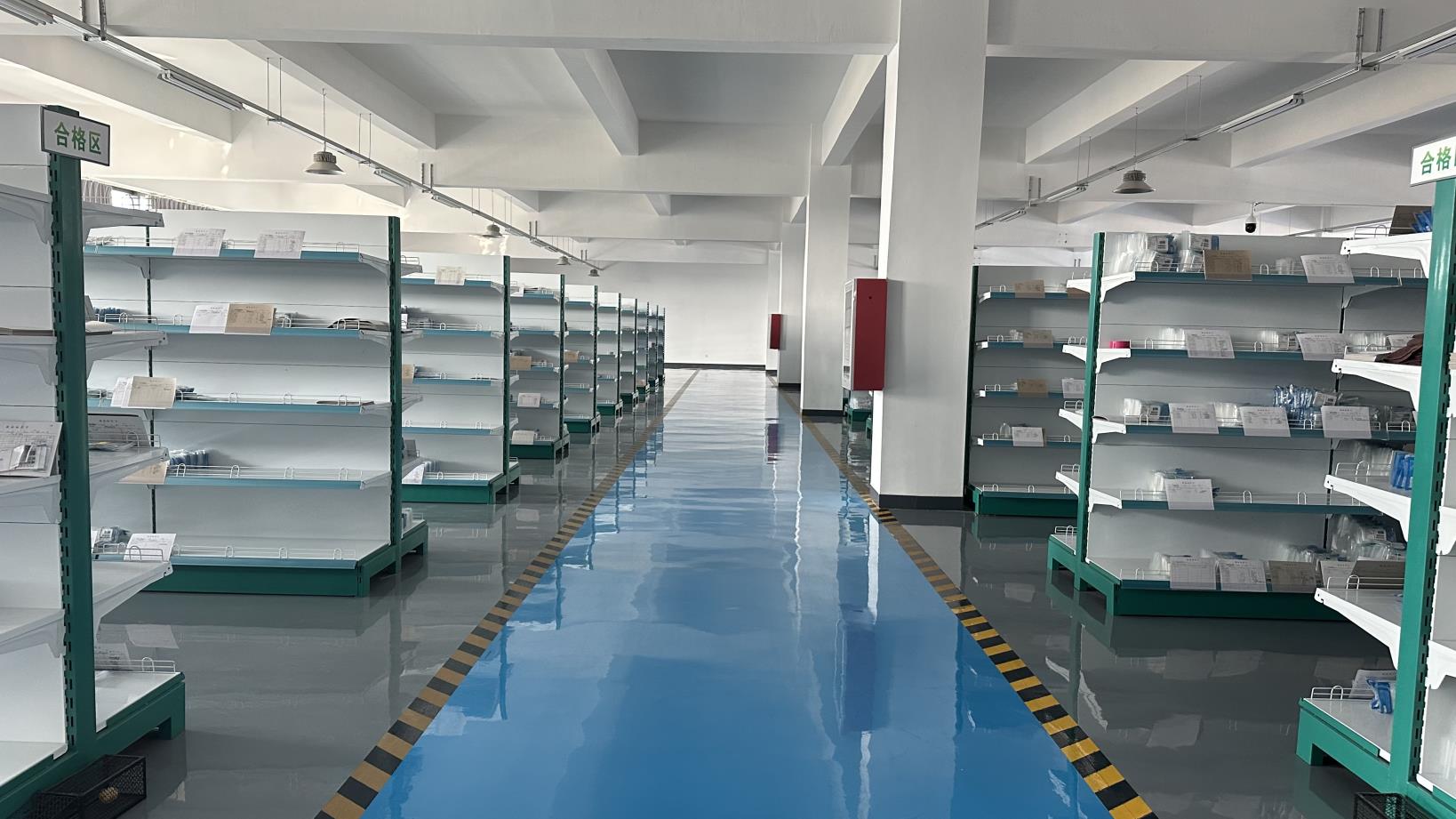
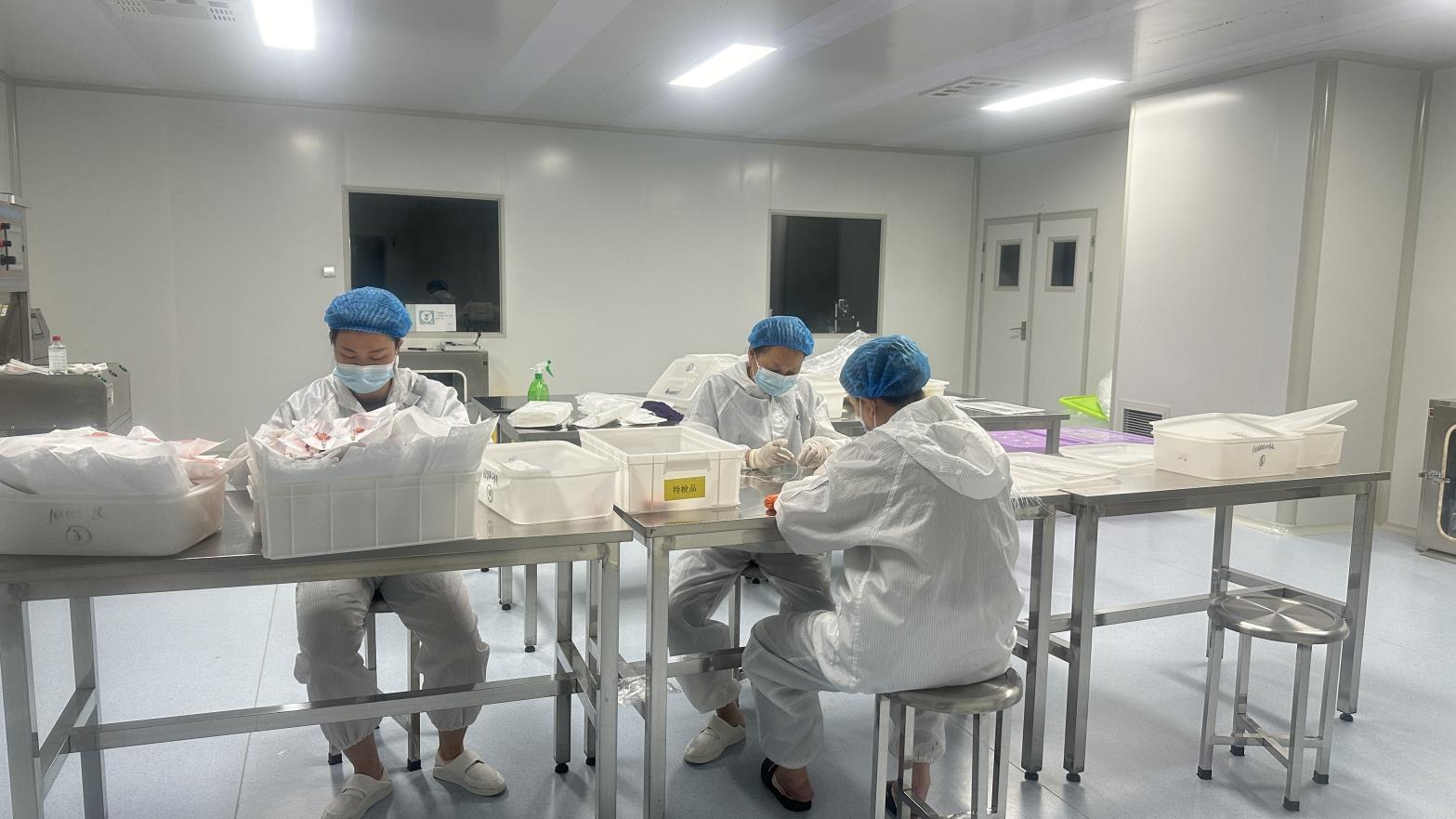
Quality assurance is a core focus at Bonevia. The company implements multiple inspection methods including incoming material inspection, in-process quality control, and final product testing, supported by a dedicated quality team of 35 professionals. This ensures all products meet international medical device standards.
Bonevia has a solid trade foundation with diversified global distribution networks, serving major markets across Europe, Southeast Asia, the Middle East, and South America. Its supply chain ecosystem includes more than 850 partners, enabling stable raw material sourcing and efficient production delivery.
The company serves a wide range of clients, including hospitals, orthopedic clinics, surgical centers, and medical distributors. Bonevia also demonstrates strong R&D capabilities, offering OEM and ODM customization services to meet specific clinical requirements.
In the past year, Bonevia successfully launched 120 new product designs, supported by a research and development team of 85 engineers, continuously driving innovation in orthopedic implant systems and surgical instruments.
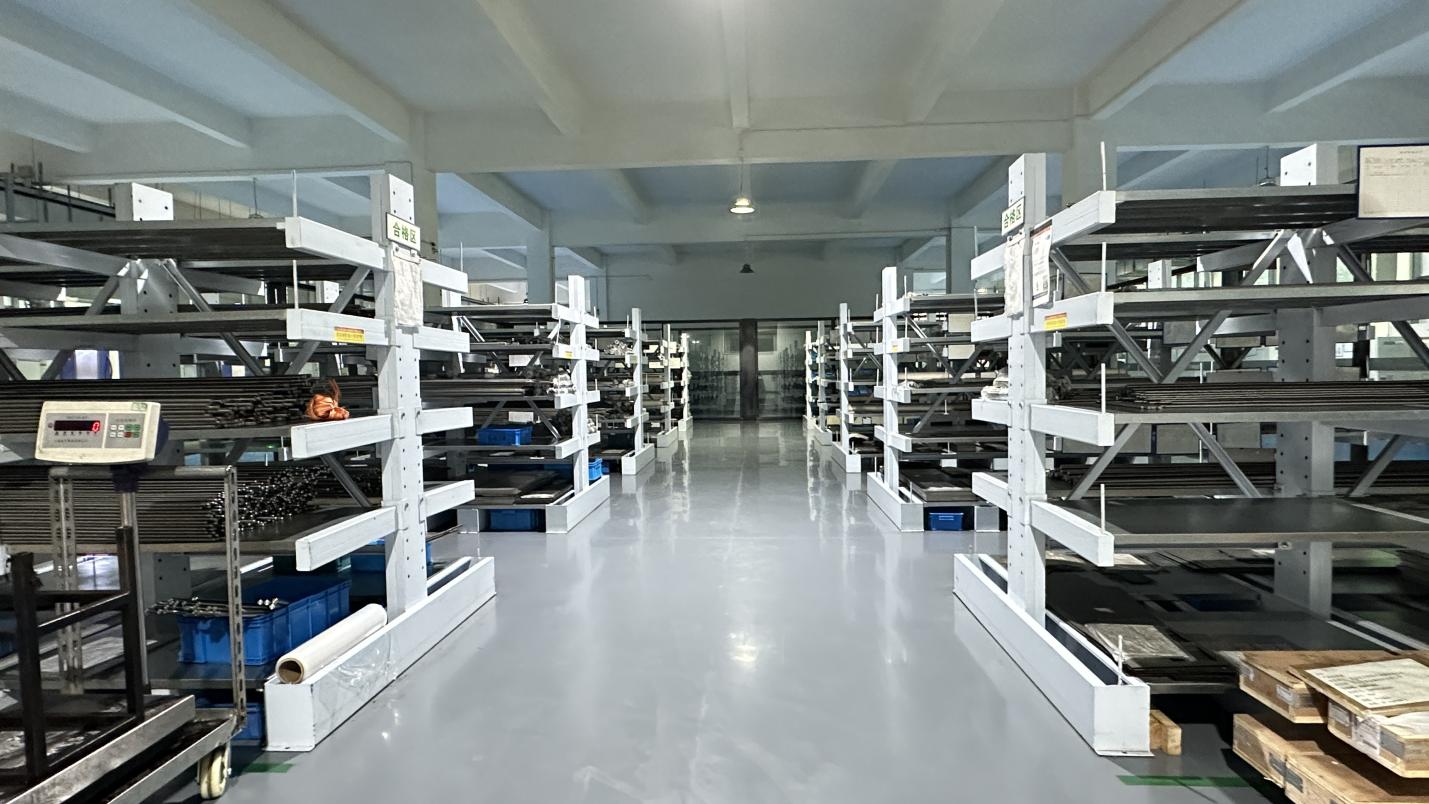
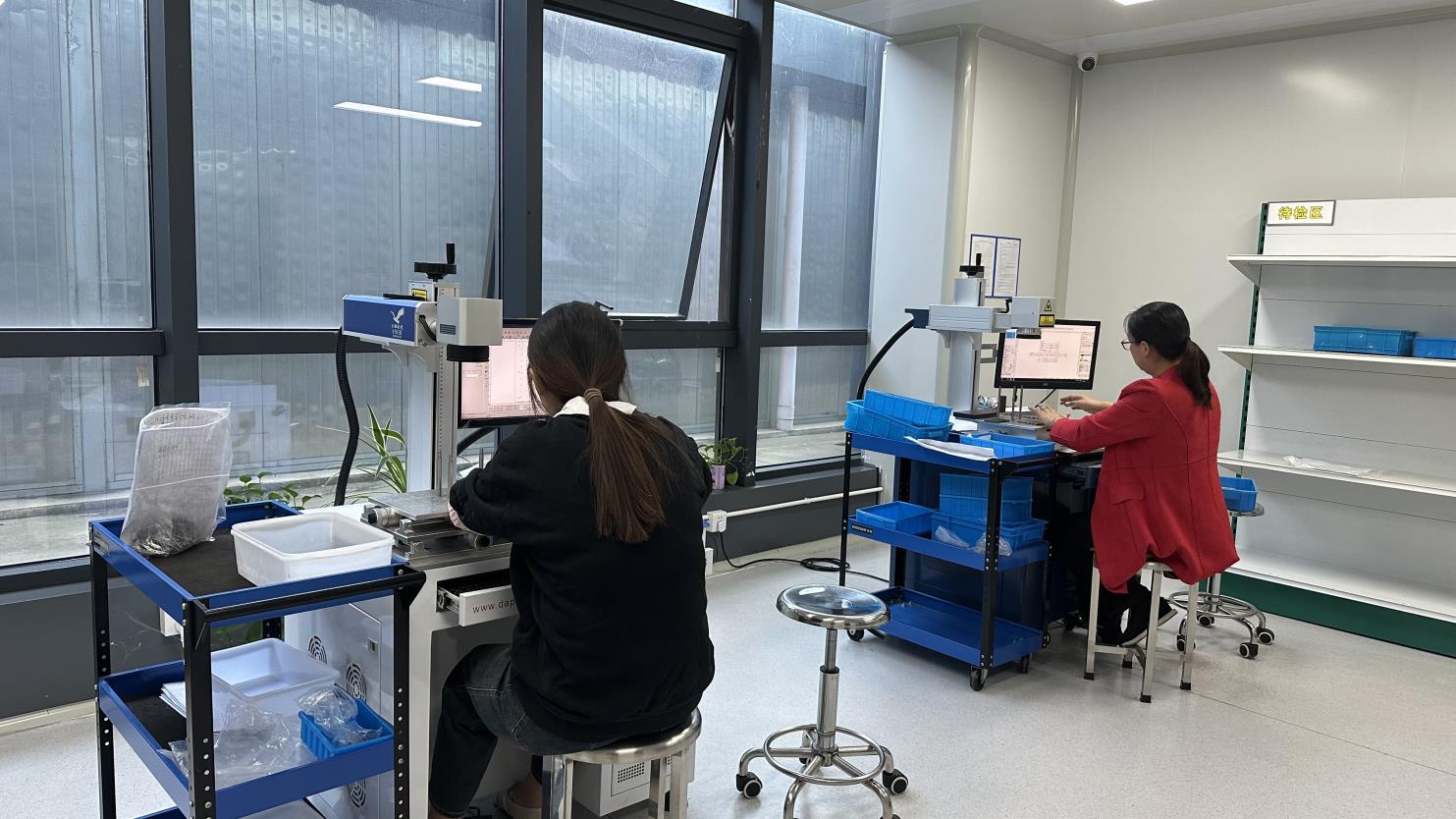
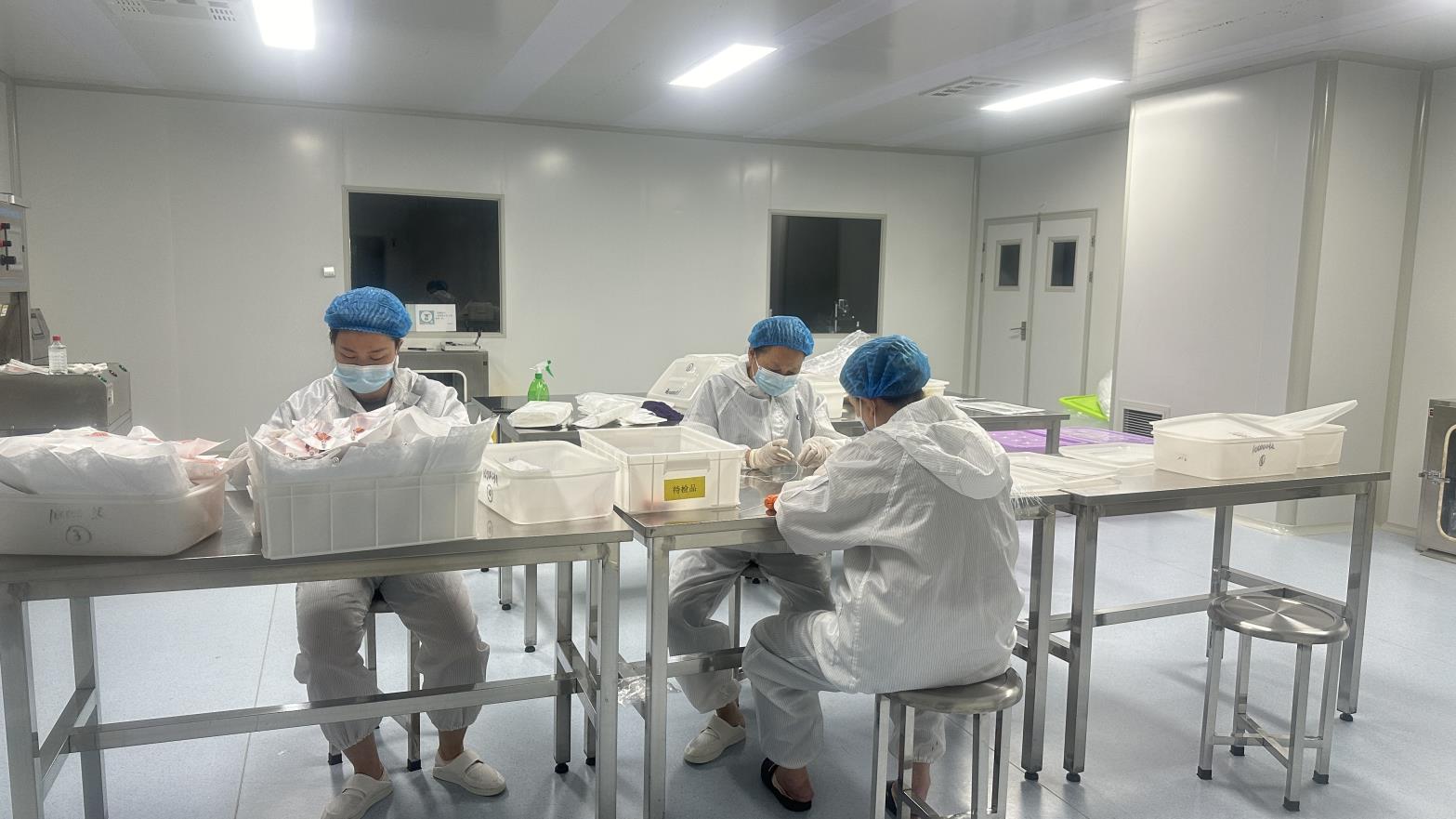
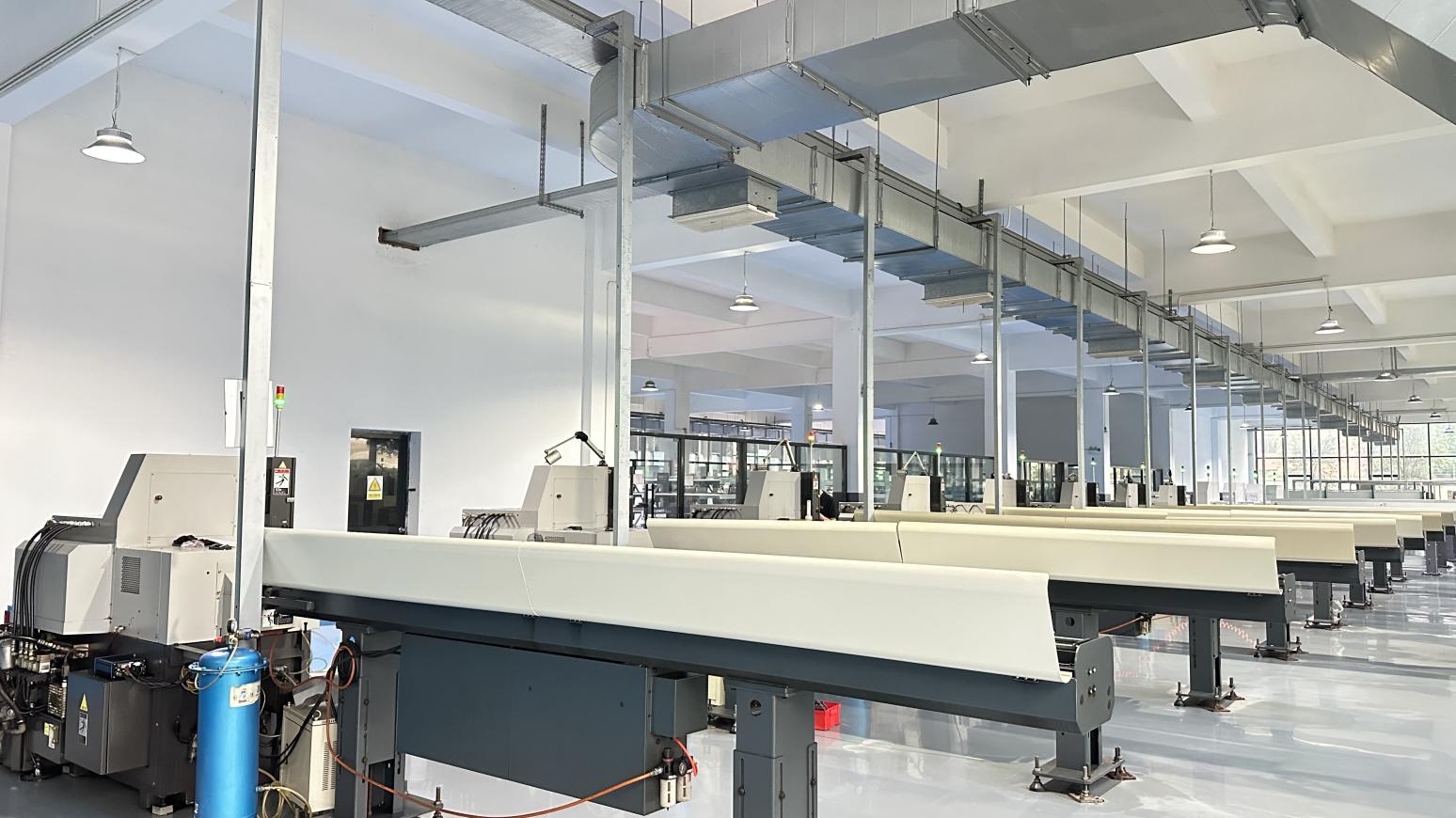
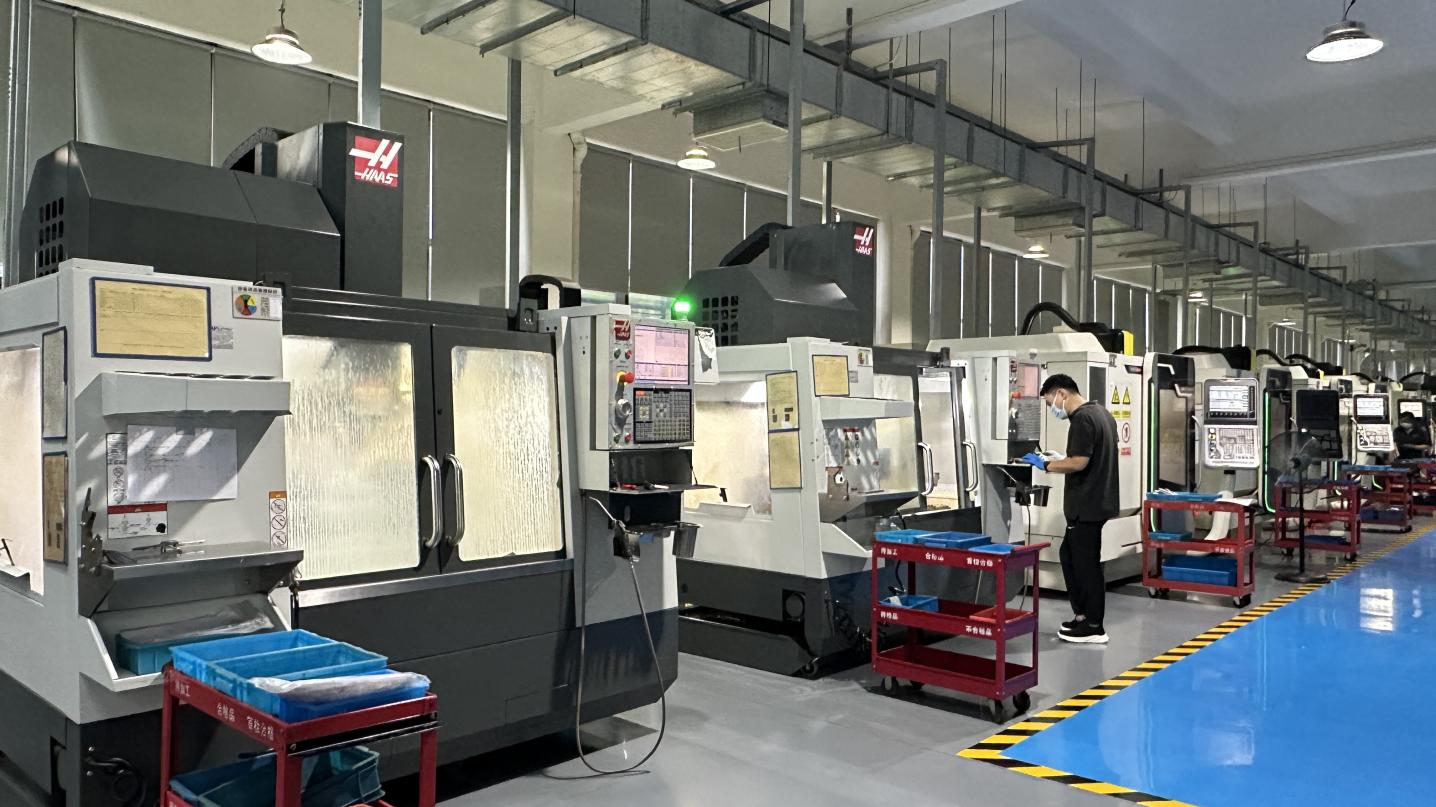
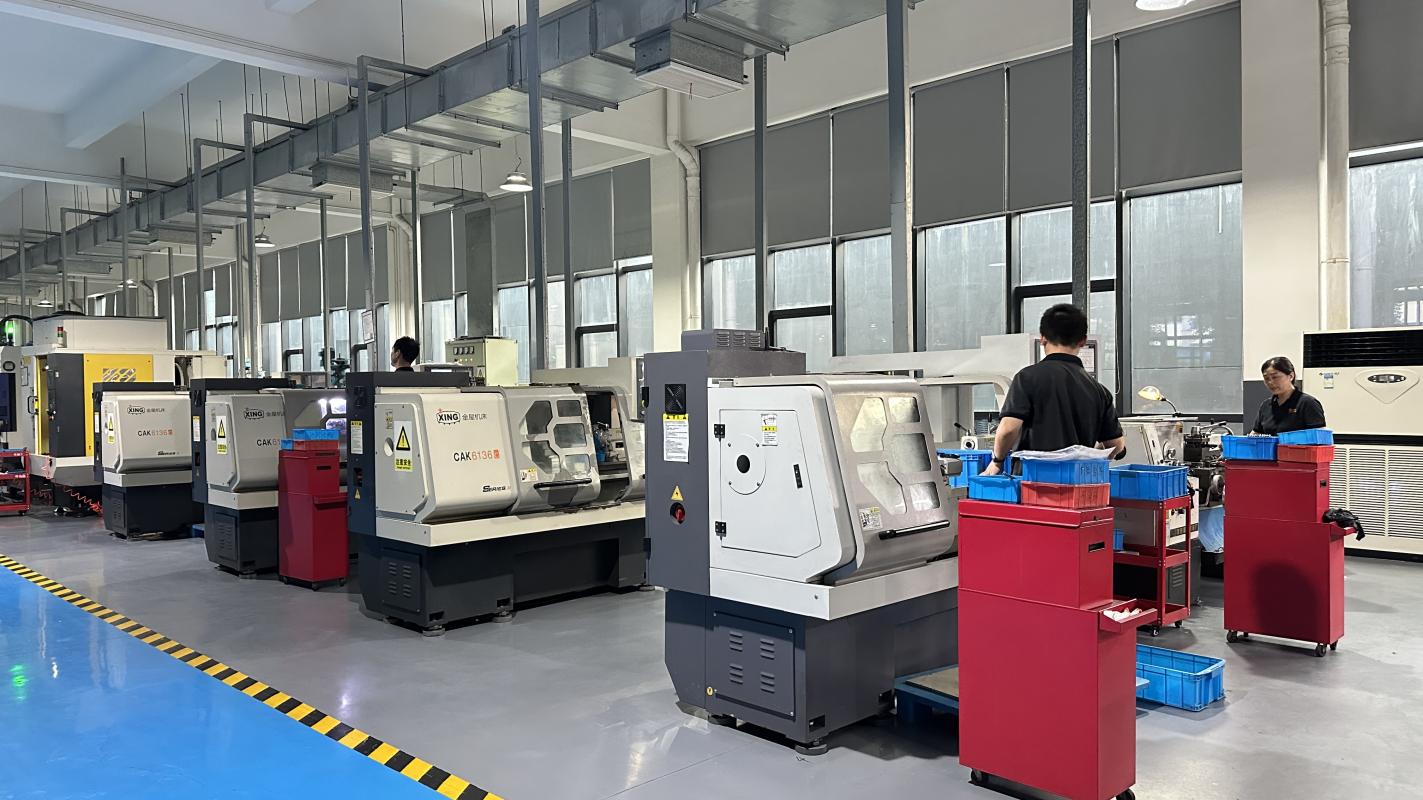
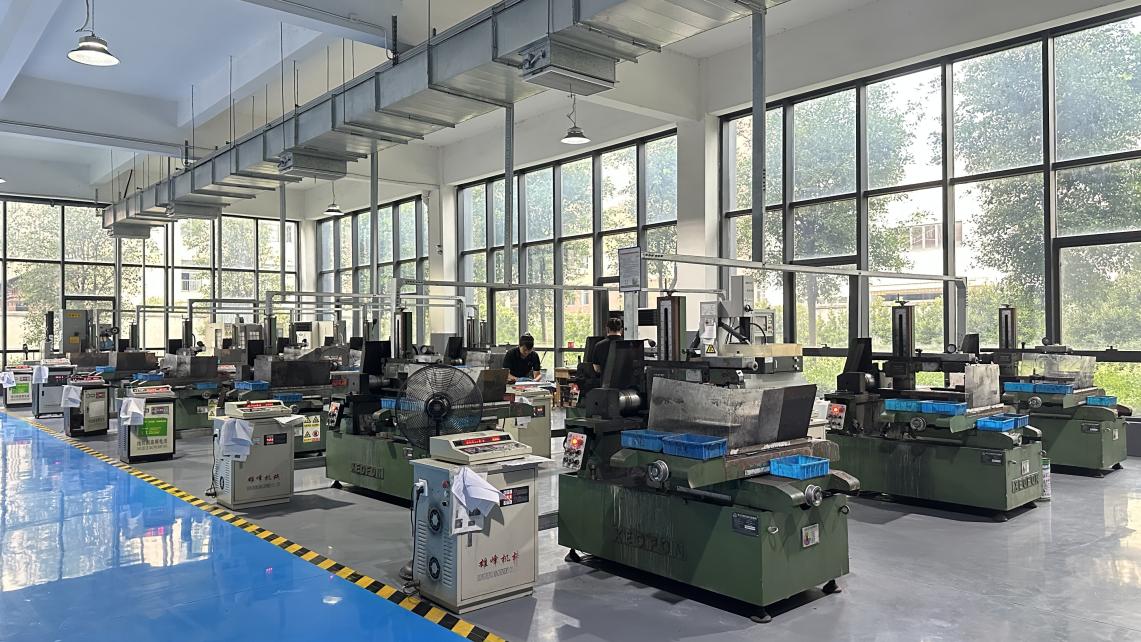
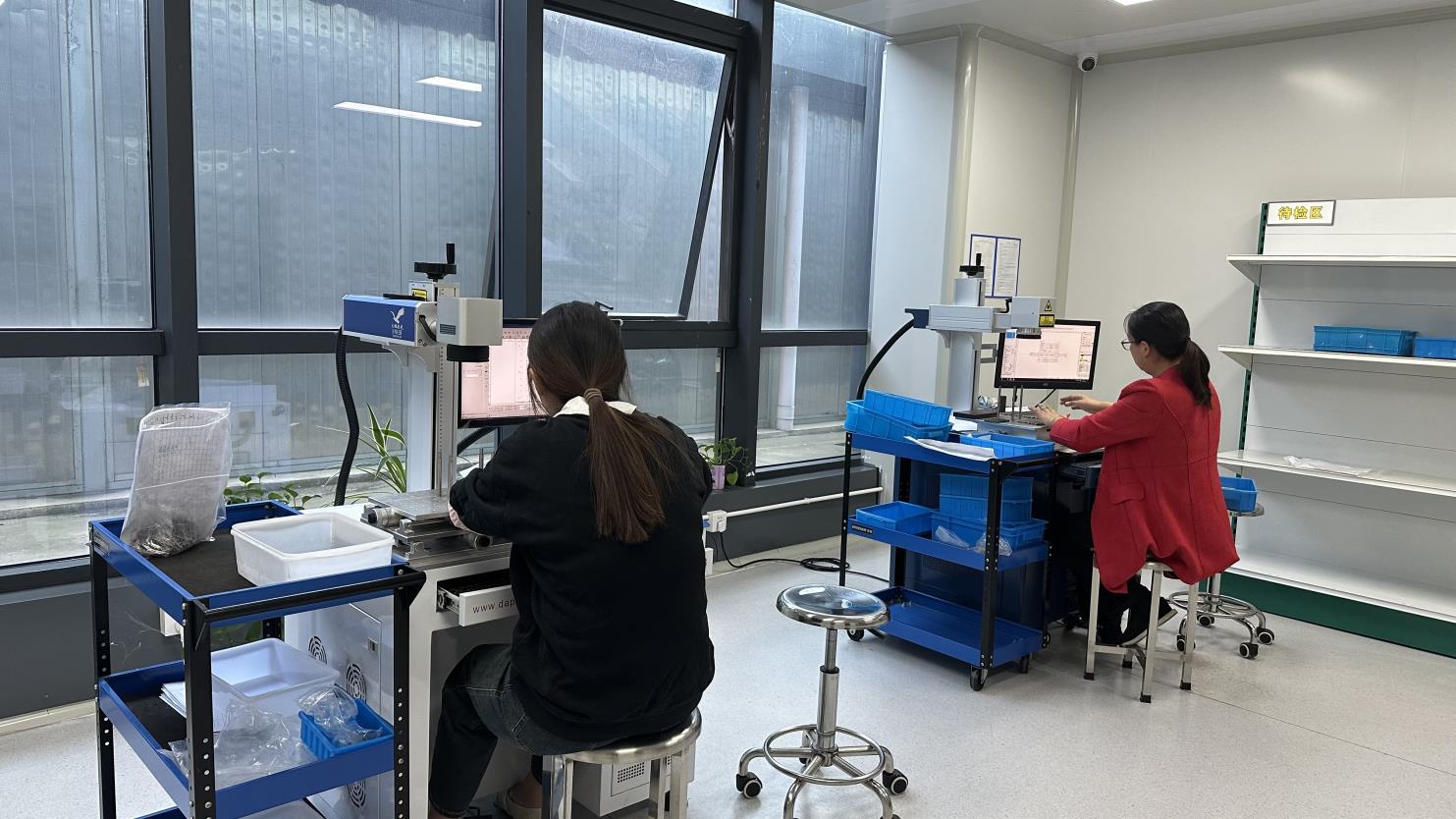
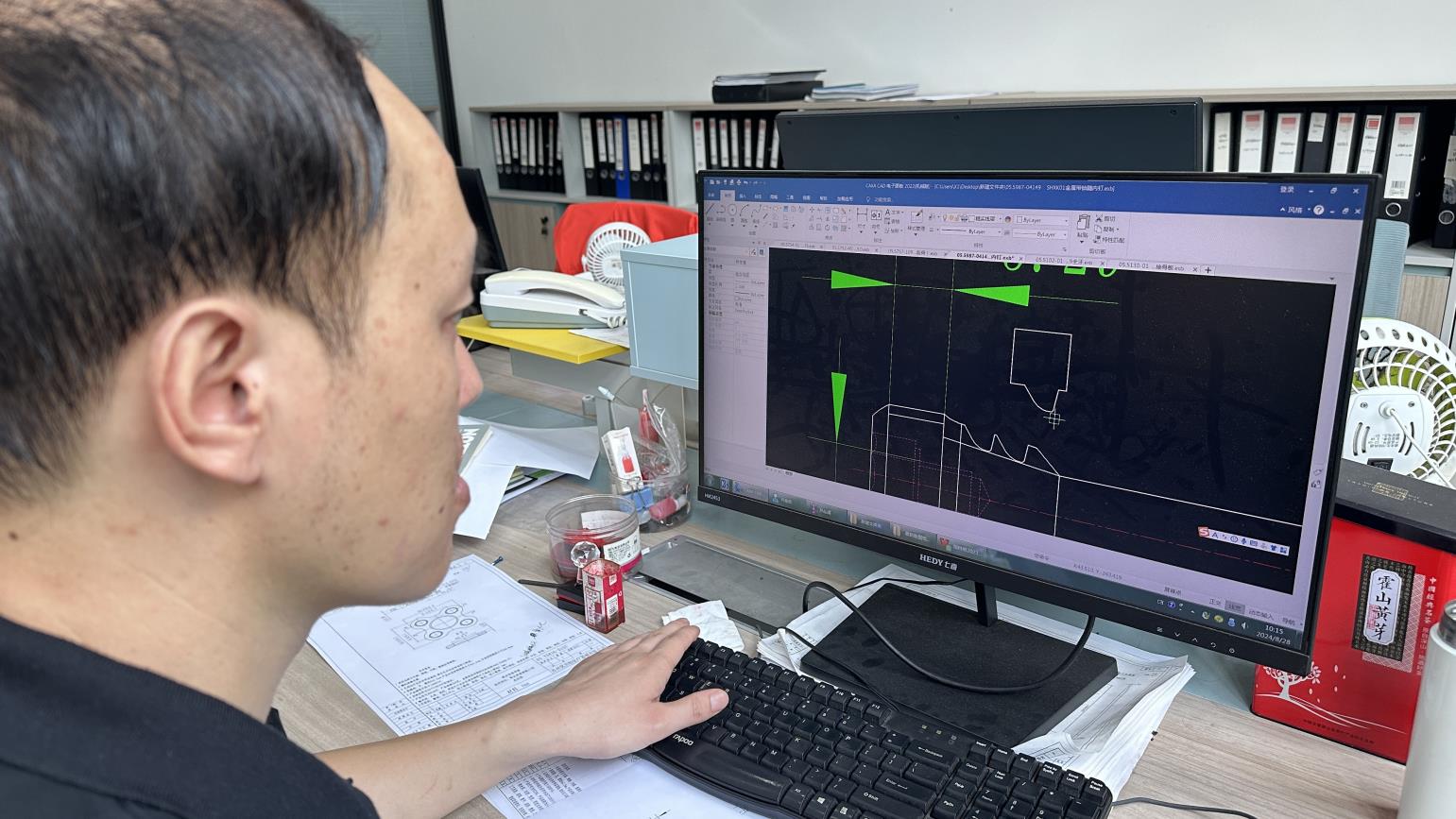
From medical-grade raw materials to micro-precision laser engraving, discover our traceably monitored manufacturing cycle for high-quality orthopedic implants.
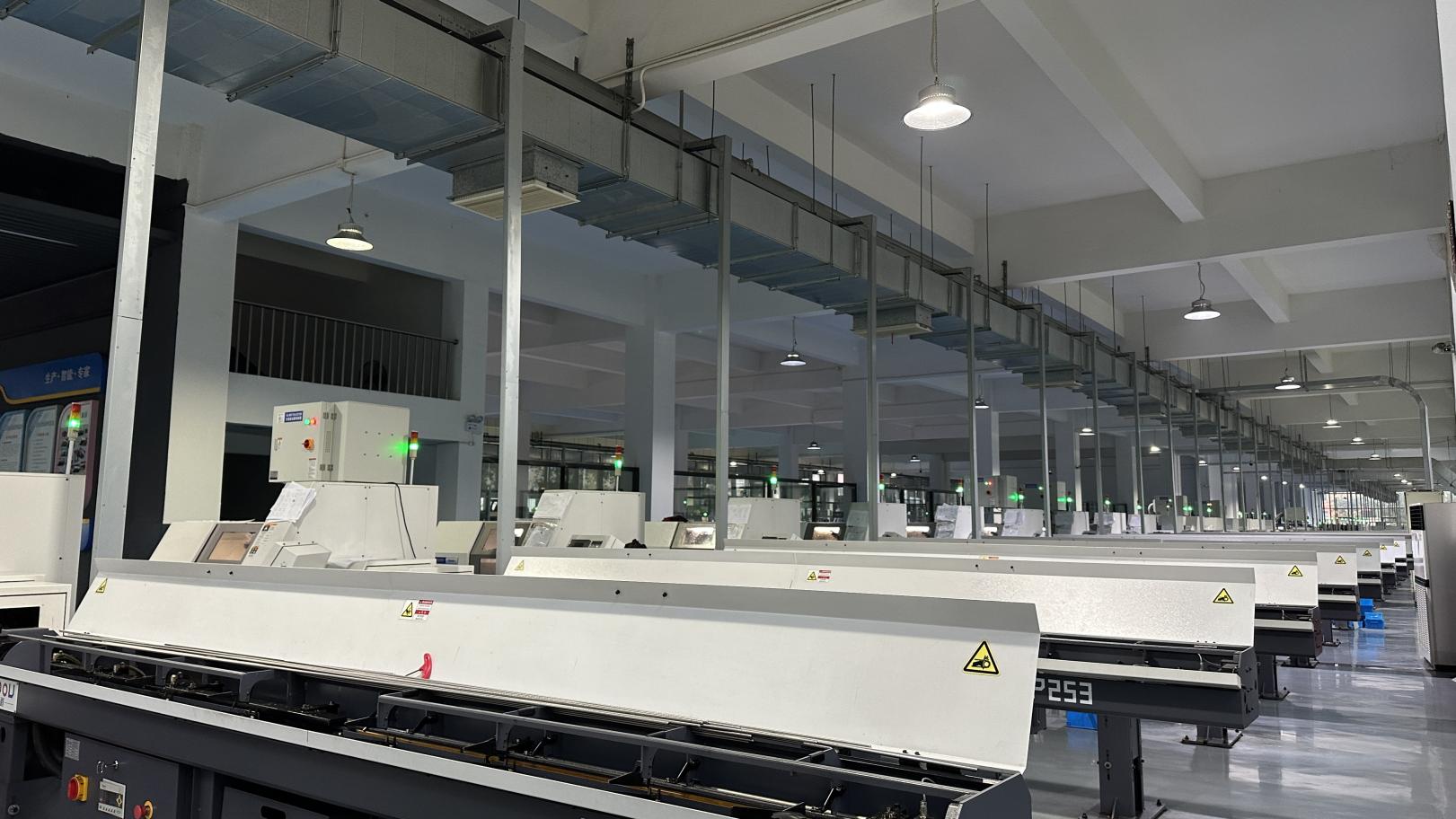
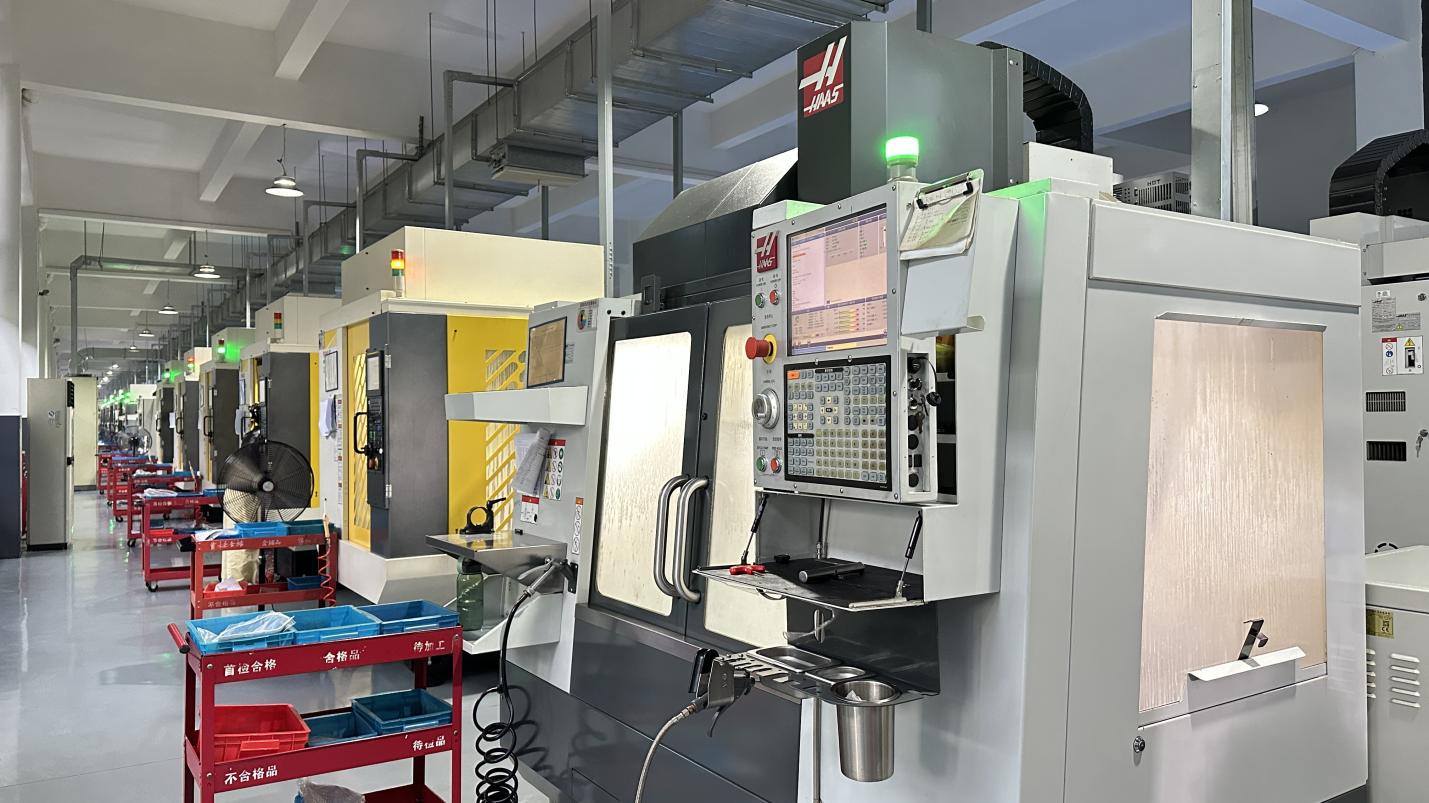
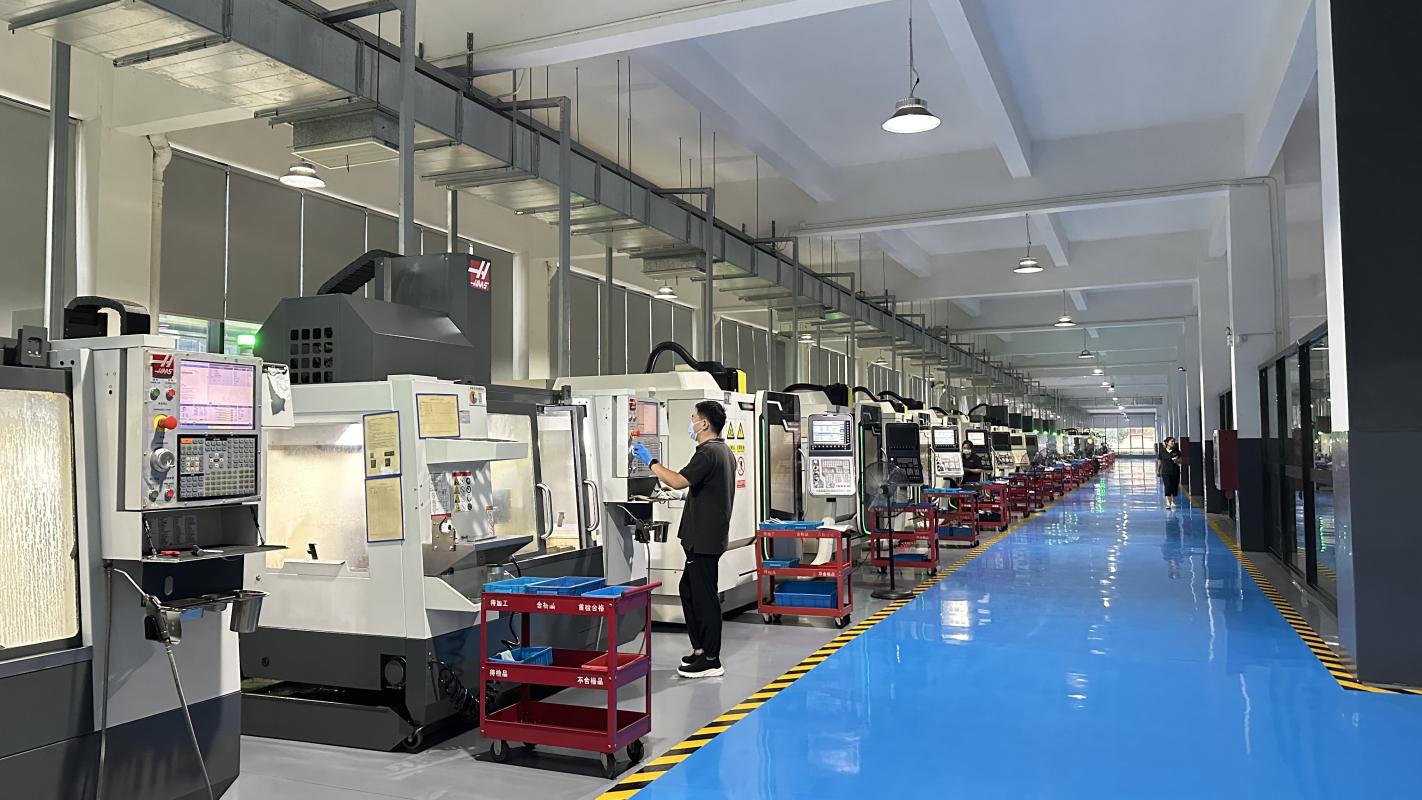
An in-depth analysis of biomechanical engineering, supply chain efficiencies, and regulatory compliance standards for international orthopedic procurement officers.
Femoral locking plates represent a critical advancement in orthopedic trauma surgery, specifically engineered for the stabilization of complex proximal, distal, and shaft fractures of the femur. As the global population ages and the incidence of high-energy trauma events persists, the demand for reliable internal fixation implants has scaled exponentially. Current clinical consensus highlights that locking plate constructs provide superior biomechanical stability compared to conventional non-locking plates, particularly in osteoporotic bone or comminuted intra-articular fractures where standard screw purchase is compromised.
The global market for orthopedic trauma fixation is characterized by strict regulatory requirements, evolving surgeon preferences for anatomical contouring, and a transition toward minimally invasive plate osteosynthesis (MIPO) techniques. In this mature market, healthcare systems and multinational medical device distributors seek manufacturing partners who can guarantee dimensional consistency, raw material purity, and verifiable compliance with ISO 13485, CE, and FDA protocols.
Acts as a fixed-angle construct, preserving periosteal vascularity and improving early mobilization capacity.
Pre-shaped configurations reduce the need for intraoperative bending, lowering surgical time and stress concentration.
China has established itself as the global epicenter for medical-grade titanium and stainless steel machining. Specialized industrial clusters in East China allow factories like Bonevia Orthopedic Technology to leverage an integrated supply chain that spans from raw material smelting (specifically Grade 5 ELI titanium conforming to ASTM F136 standards) to state-of-the-art 5-axis CNC milling, wire cutting, and advanced anodization treatments.
This concentration of technological infrastructure results in notable cost-to-performance efficiencies. By utilizing automated Swiss-type lathes and high-speed CNC machining centers, Chinese exporters achieve micron-level tolerances that ensure perfect compatibility between the screw heads and the plate's locking holes. Furthermore, the localized availability of secondary processes, including cleanroom packaging and electrochemical surface treatment, minimizes production lead times, allowing global distributors to maintain leaner inventories.
Achieves tolerances under 0.01mm, eliminating thread mismatch and guaranteeing structural stability under cyclical loads.
Scalable production reduces per-unit costs, allowing global distributors to enjoy higher margins without sacrificing implant quality.
Femoral locking plates are utilized across a spectrum of clinical settings. Distal femoral locking plates are the gold standard for stabilizing extra-articular, unicondylar, and bicondylar fractures (AO/OTA Type 33). These plates are contoured to sit on the lateral aspect of the distal femur, featuring multiple locking screw options that diverge through the condyles to maximize purchase in the cancellous bone.
In proximal femoral applications, locking systems are deployed to manage subtrochanteric fractures, neck-shaft non-unions, and osteotomies. For geriatric patients presenting with severe osteoporosis, these plates serve as a structural bridge that prevents implant migration, cutout, and varus collapse, which are frequent complications with conventional compression plates.
Ideal for complex articular splits where anatomical reconstruction of the joint surface is paramount.
Provides rigid fixation in degraded bone structures, preventing secondary displacement and malunion.
The orthopedic implant industry is experiencing a rapid technological evolution. One of the most significant shifts is the integration of 3D printing (additive manufacturing) for customized, patient-specific implants. 3D-printed titanium structures can mimic the porous nature of trabecular bone, promoting direct osseointegration and reducing the stress-shielding effect that often leads to bone resorption around dense metal plates.
Additionally, surface engineering technologies are advancing. Anodization Type II (often referred to as grey anodization) is increasingly used to improve fatigue strength and reduce cold welding between locking screws and plates. Research is also progressing in bioactive and antimicrobial coatings—such as silver nanoparticles or bone morphogenetic proteins (BMP)—designed to actively combat surgical site infections and accelerate fracture healing.
For medical device distributors and hospital procurement managers, selecting an OEM/ODM supplier in China requires a systematic evaluation of quality management systems (QMS). A reliable partner must hold valid ISO 13485 certification, which governs the design and manufacture of medical devices. Buyers should request comprehensive material traceability records, including raw heat analysis reports and mechanical testing verification (such as tensile strength and elongation metrics).
Understanding the testing protocols of the manufacturer is also crucial. Advanced suppliers subject their bone plates to ASTM F382 static and dynamic bending tests to verify the fatigue life of the constructs. Establishing clear protocols for packaging (e.g., medical-grade Tyvek pouching) and sterilization readiness ensures that incoming shipments can be integrated directly into local clinical distribution channels without regulatory bottlenecks.
Expert answers addressing materials science, clinical efficacy, custom manufacturing, and global import regulations for orthopedic implants.
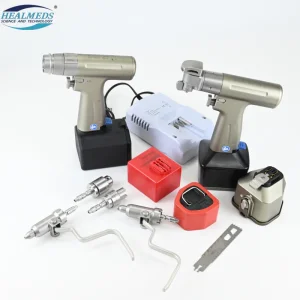
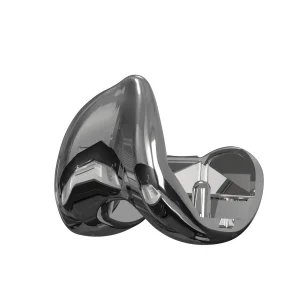
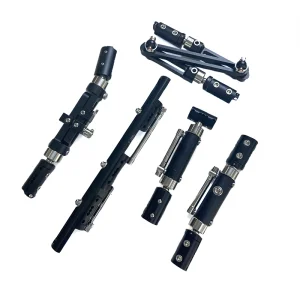
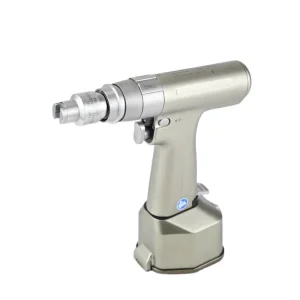
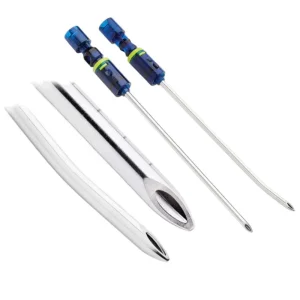
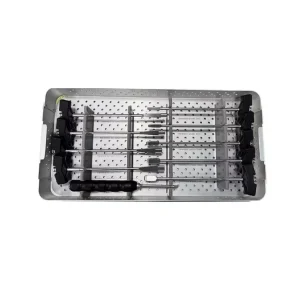
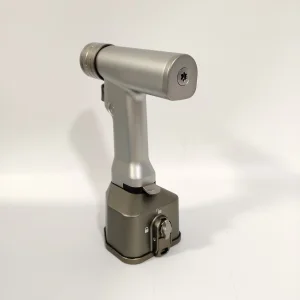
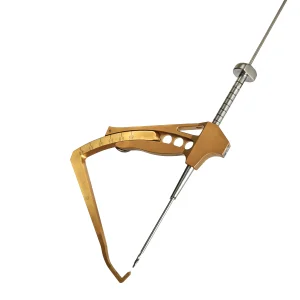
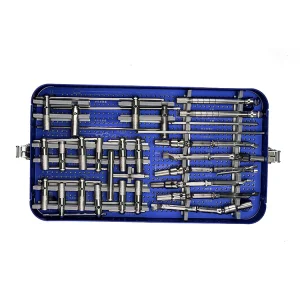
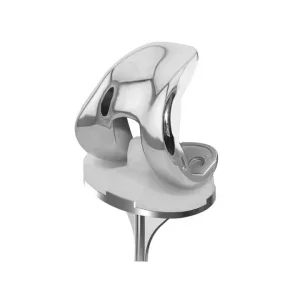
Complete your clinical setup with high-precision electric power tools, external fixation systems, and specialized joint replacement instrumentation.