Bonevia
Bonevia
Bonevia
Explore our high-precision spine hardware, trauma plates, and specialized surgical instrument arrays engineered for global distribution.
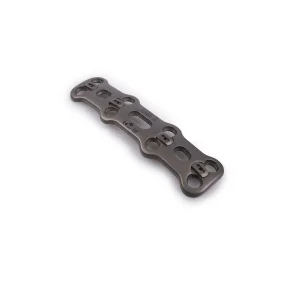
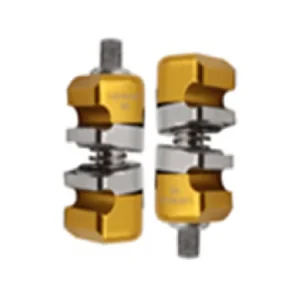
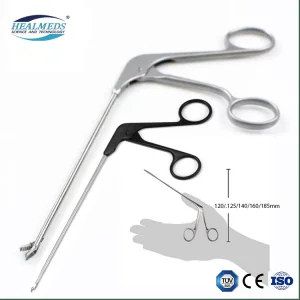
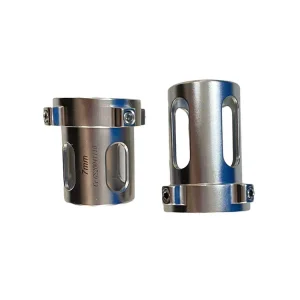
Established in 2015, Bonevia Orthopedic Technology Co., Ltd. stands at the forefront of the orthopedic medical device industry. We are dedicated to providing cutting-edge solutions across trauma, reconstruction, and spinal fusion procedures.
Operating a modern fabrication and assembly plant covering 320㎡ (configured for maximum high-precision throughput), Bonevia bridges the gap between state-of-the-art medical grade materials (such as Grade 5 Ti-6Al-4V ELI titanium alloy and PEEK-OPTIMA) and custom surgical system designs. With 10 years of domestic industry experience and 6 years of global export operations, we serve medical distributors, surgical centers, and healthcare systems across Europe, Southeast Asia, South America, and the Middle East.
"By integrating incoming metallurgical verification, in-process micron-level metrology, and cleanroom packaging validation, we maintain an uncompromised line of defense for human spinal health."
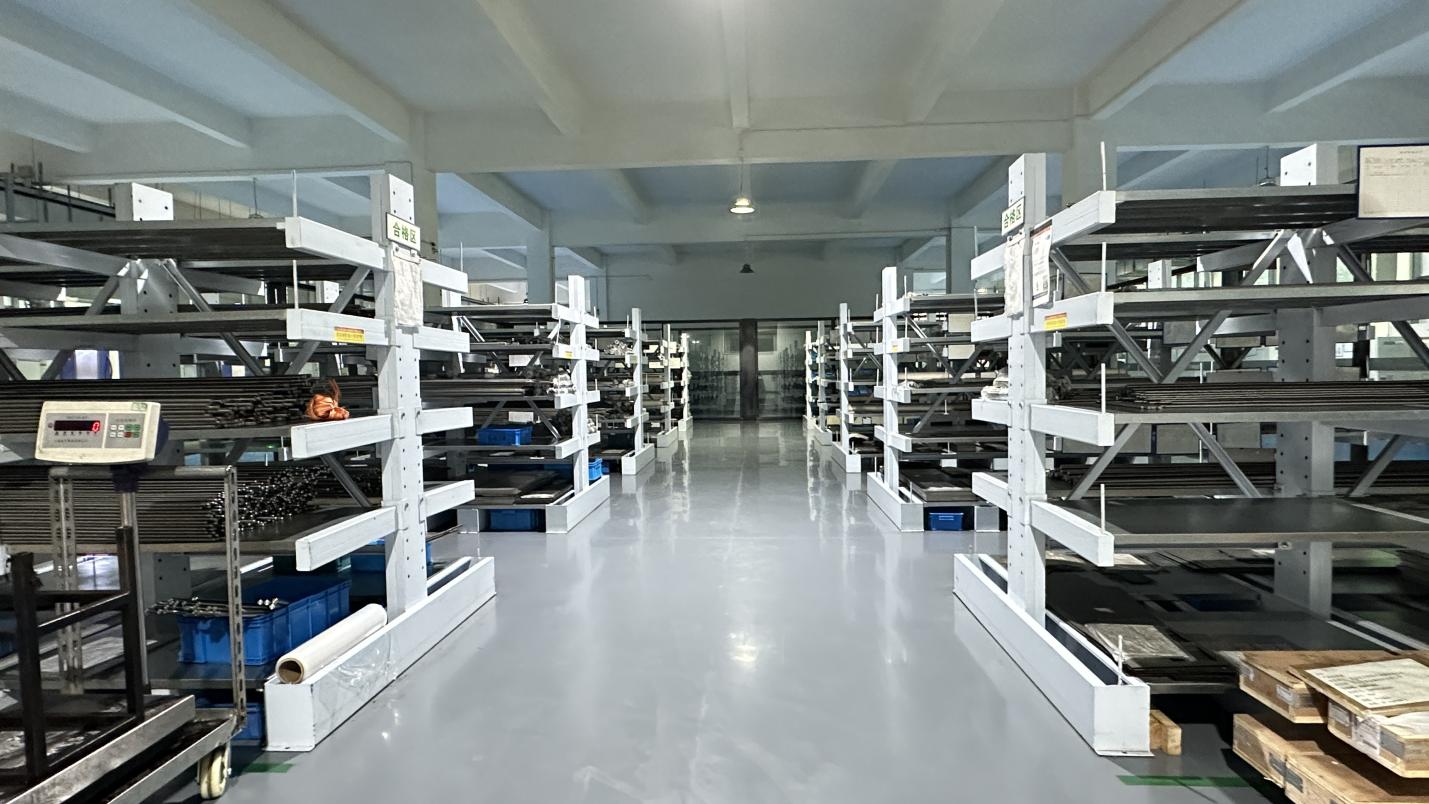
Statistical validation of Bonevia's role in the global orthopedic manufacturing supply chain.
Analyzing the cost, technology, and logistical advantages that drive procurement decisions.
Sourcing from China gives global purchasers access to highly integrated industrial ecosystems. Key medical device zones, such as Jiangsu (Changzhou) and Zhejiang, centralize raw material suppliers, specialized surface finishers, anodization hubs, and testing labs, driving lead times down significantly.
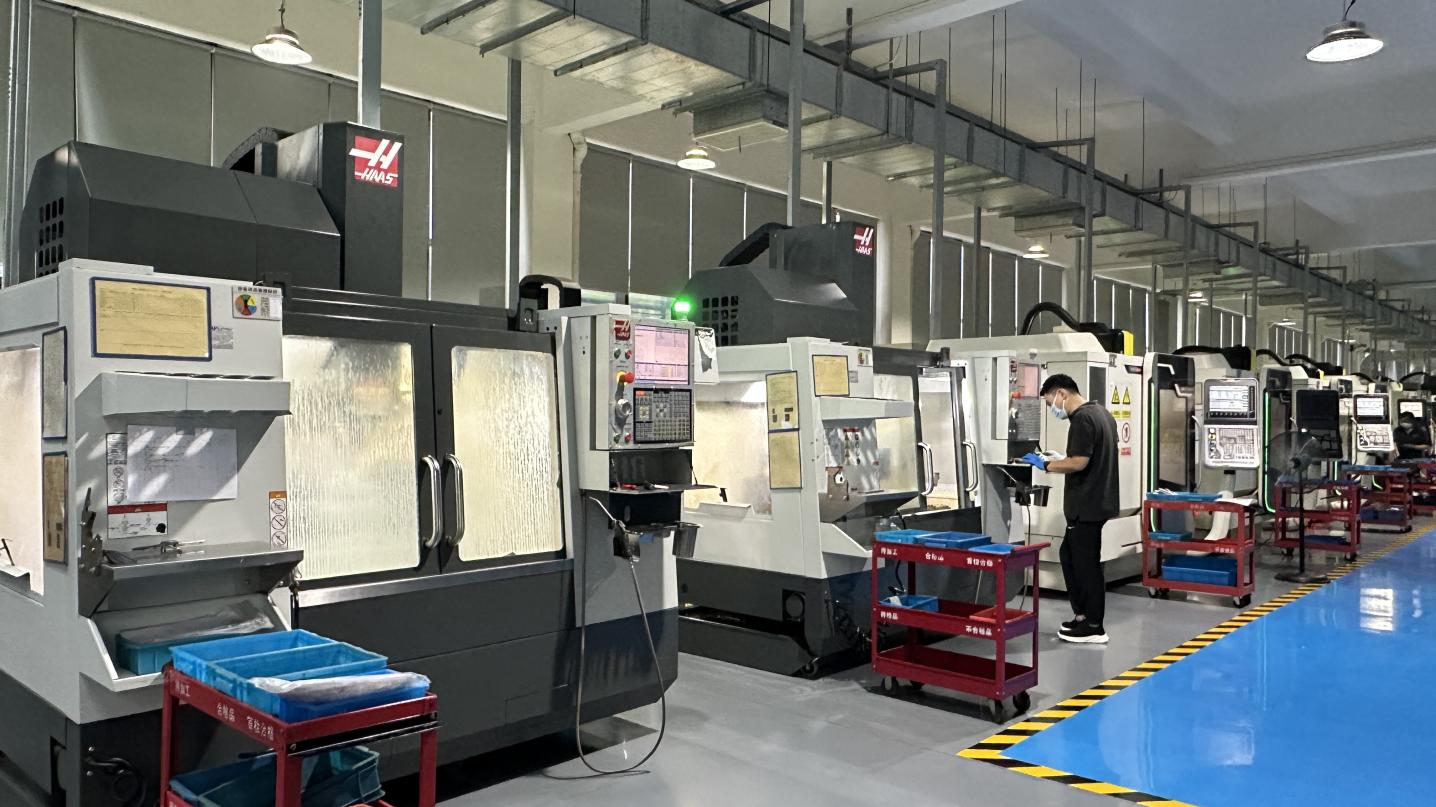
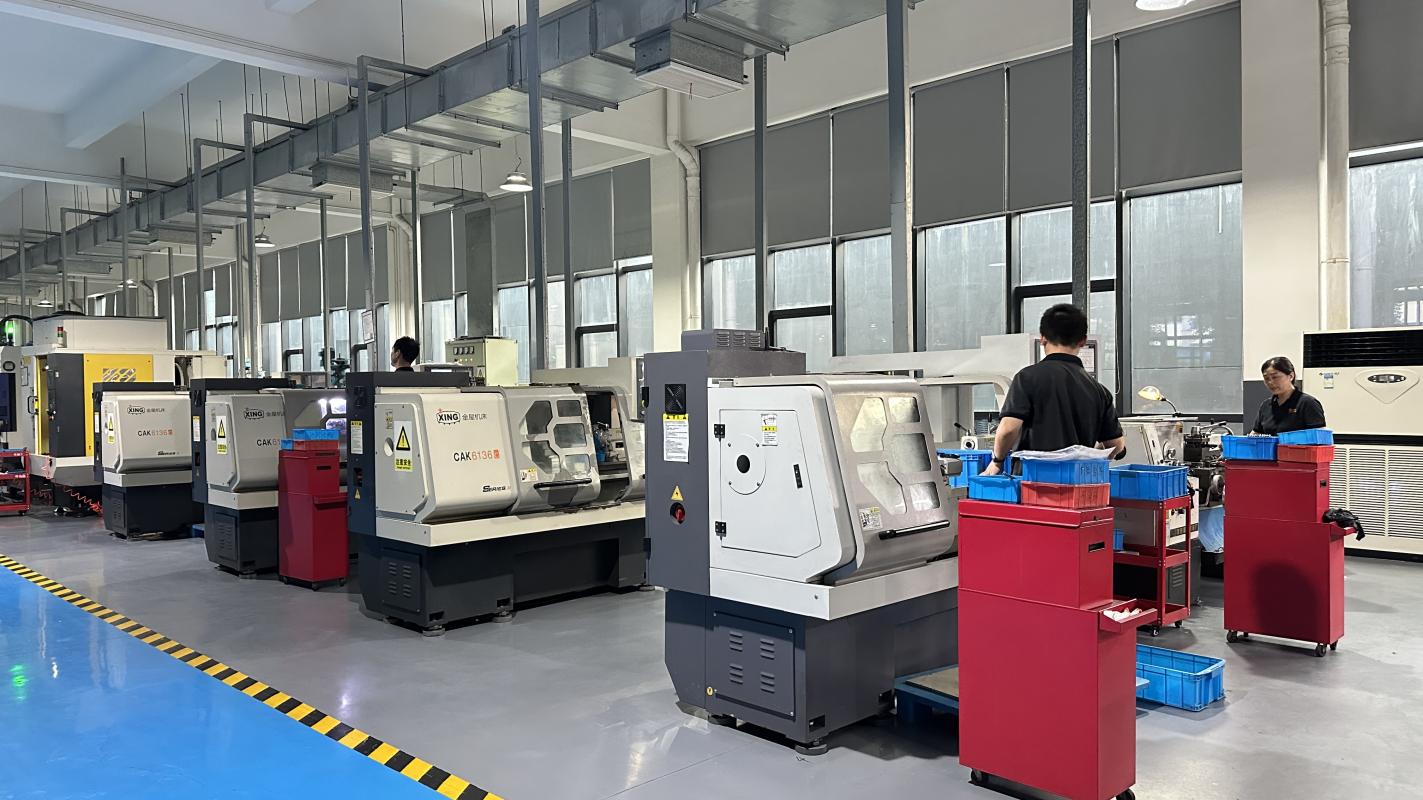
Chinese spine factories utilize Swiss-style Citizen and Star multi-axis CNC machines. This allows for thread pitch accuracy down to 2 microns, essential for polyaxial pedicle screws, locking mechanisms, and self-tapping tips that minimize intraoperative bone damage.
Bonevia ensures complete traceability under CE and ISO 13485 structures. All minimally invasive spinal hardware undergoes strict mechanical verification, including static compression shear testing (ASTM F1717 / ASTM F2077) to guarantee long-term fatigue limit survival under physiological loading.
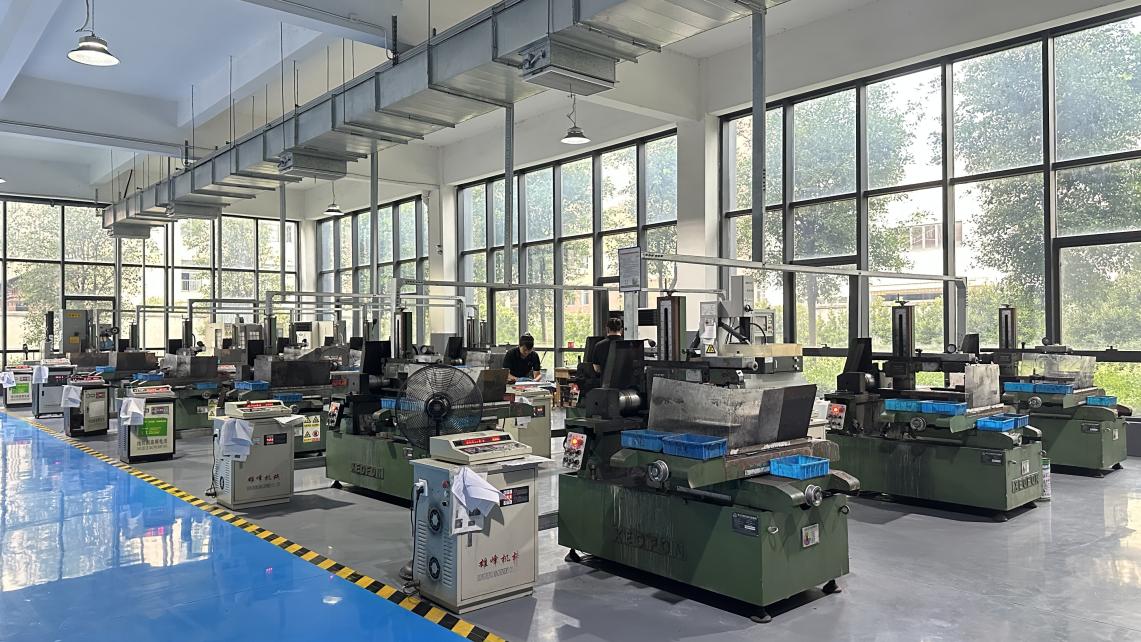
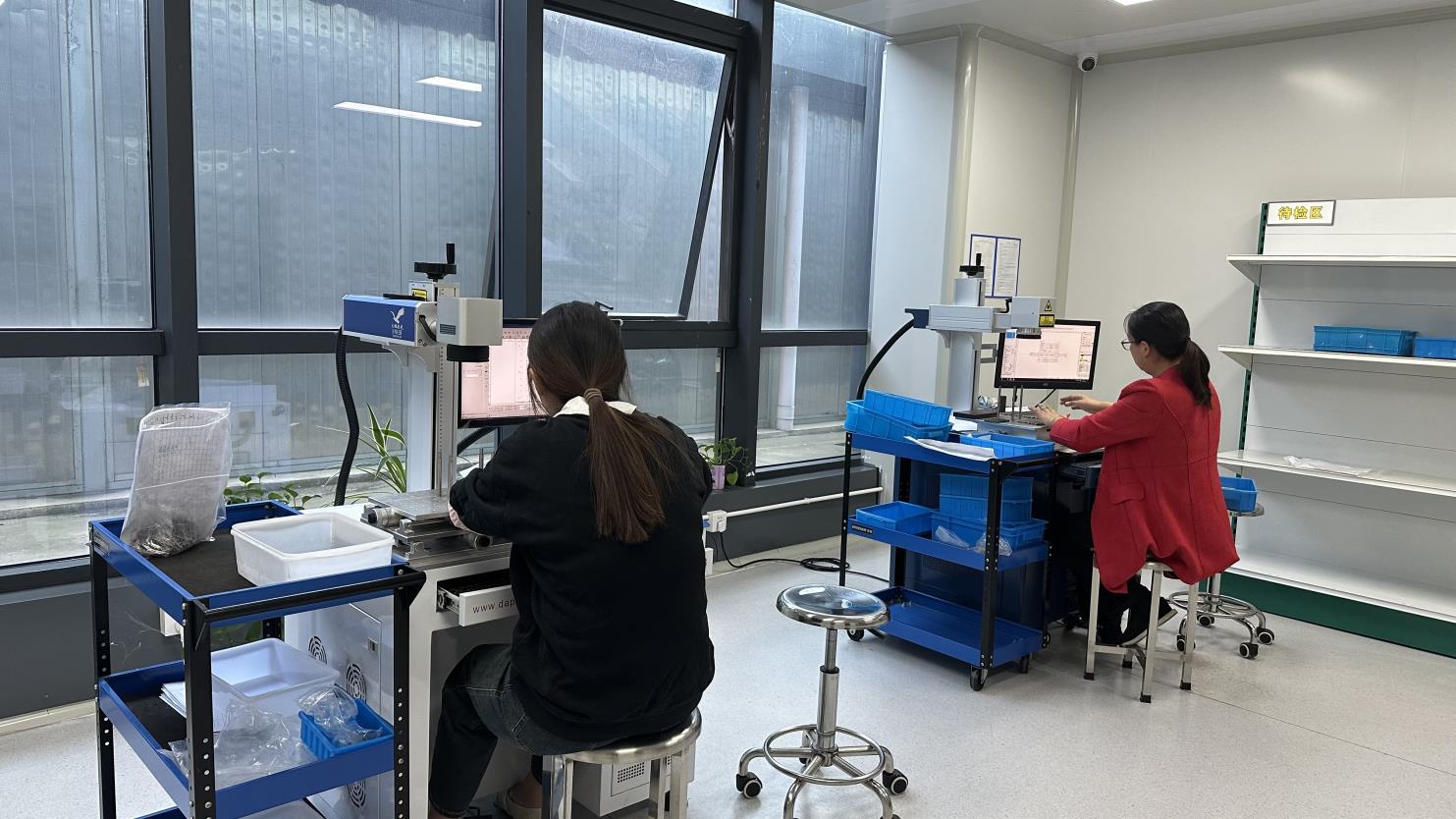
An overview of our precision machining, wire-cutting, laser marking, and validation protocols.
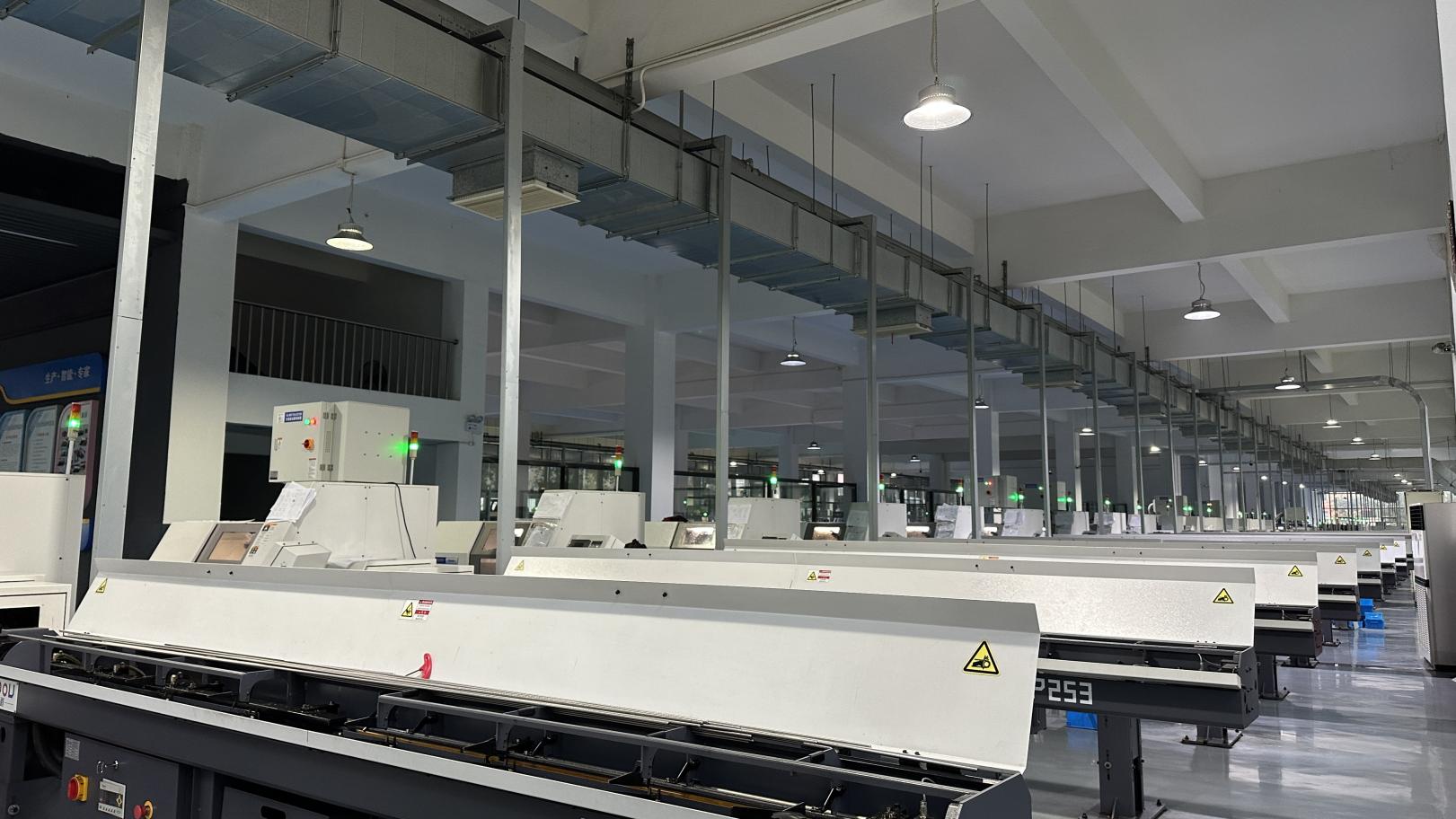
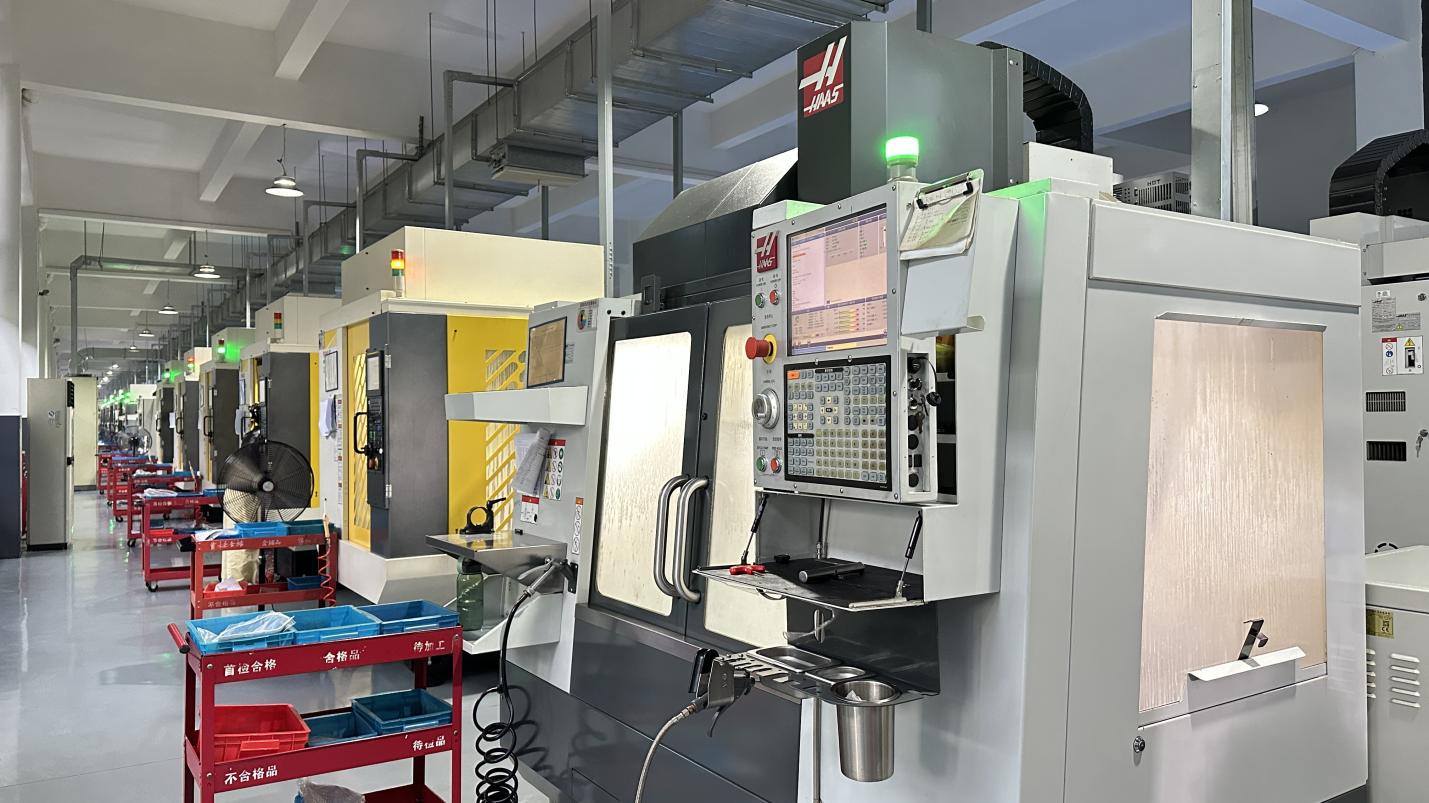
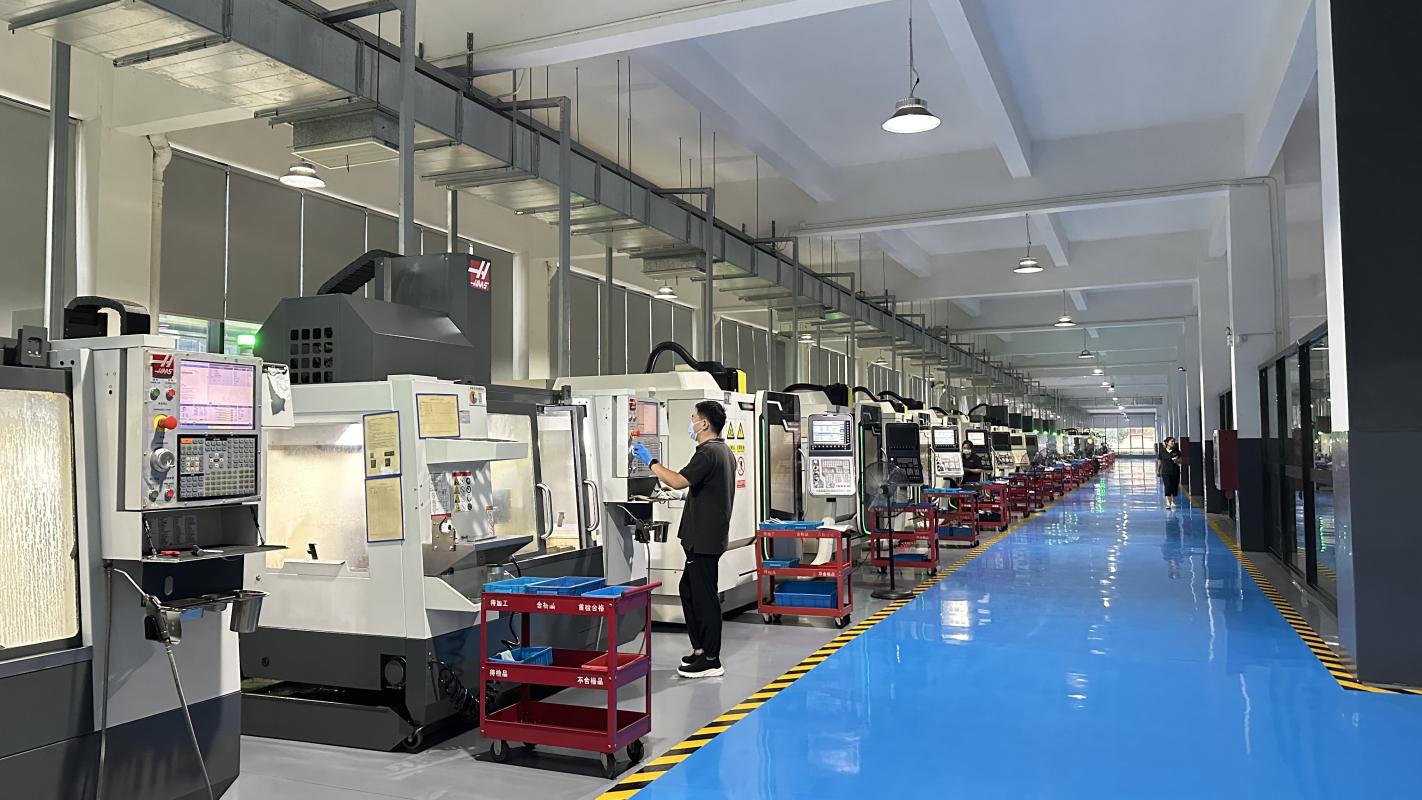
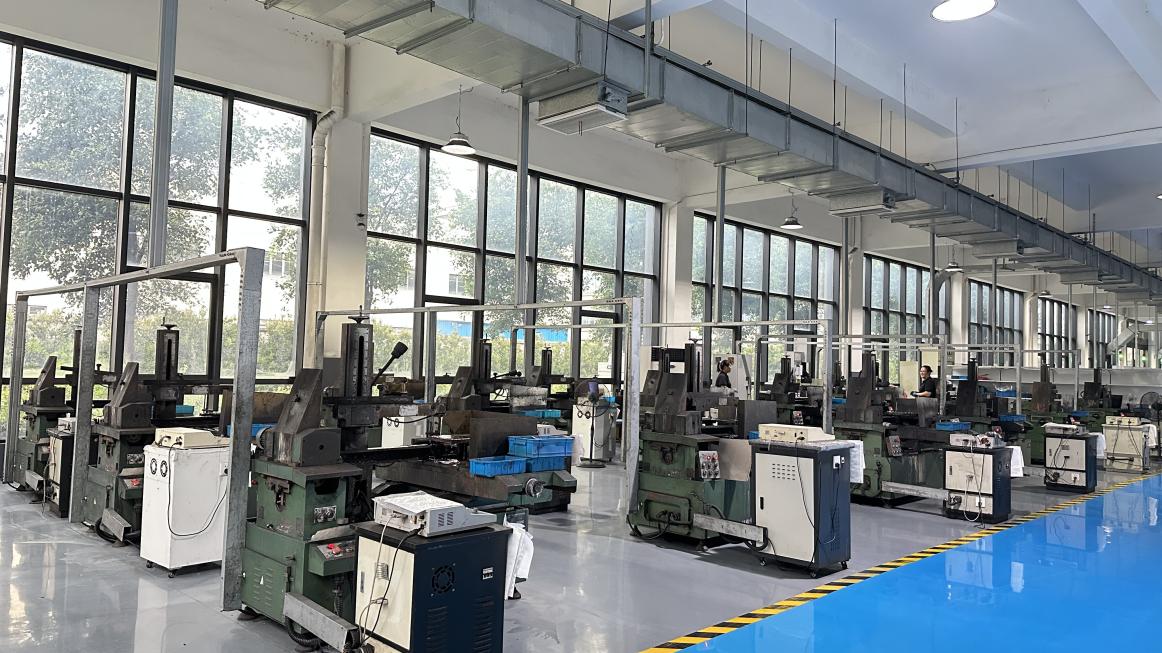
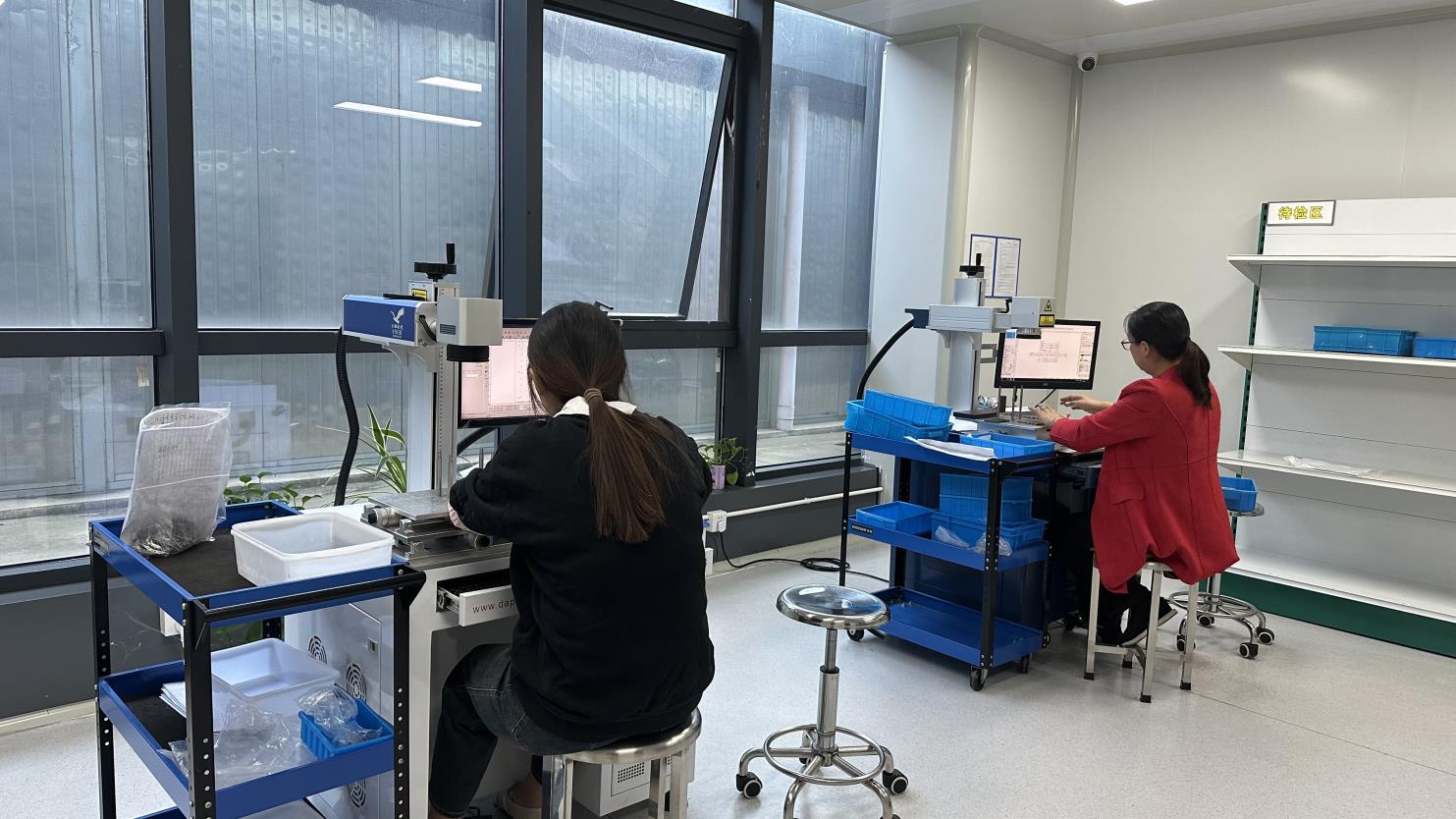
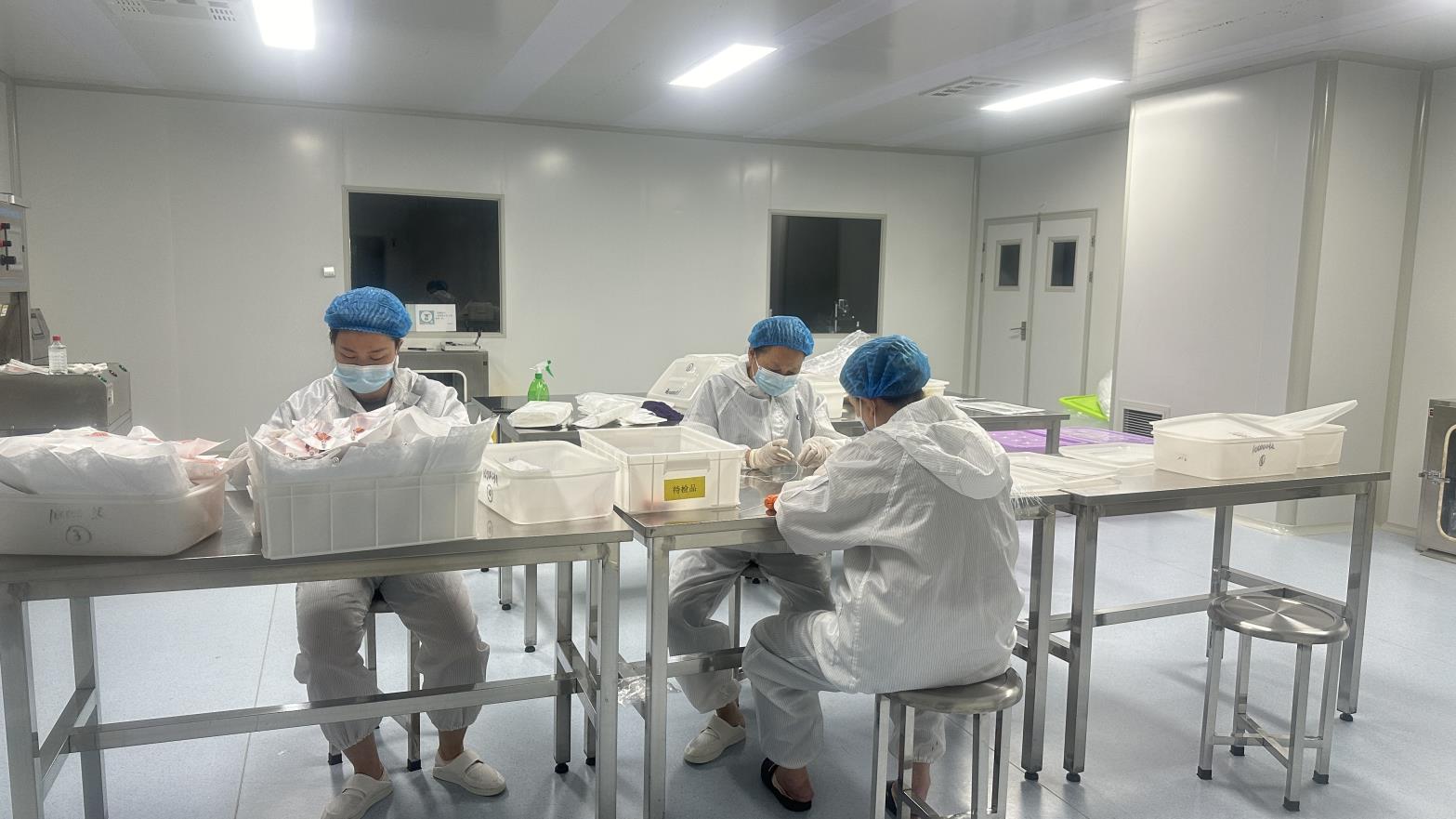

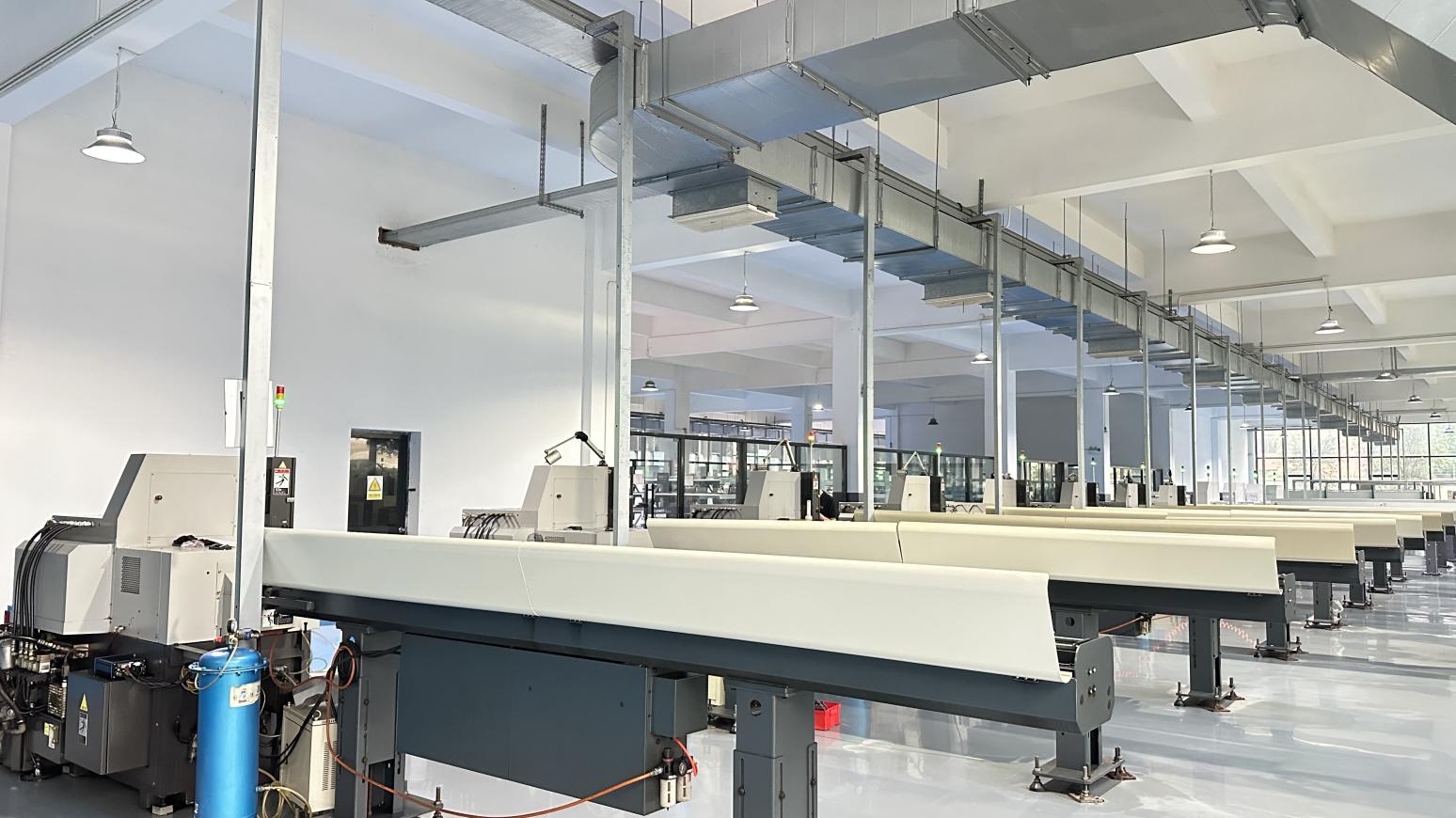
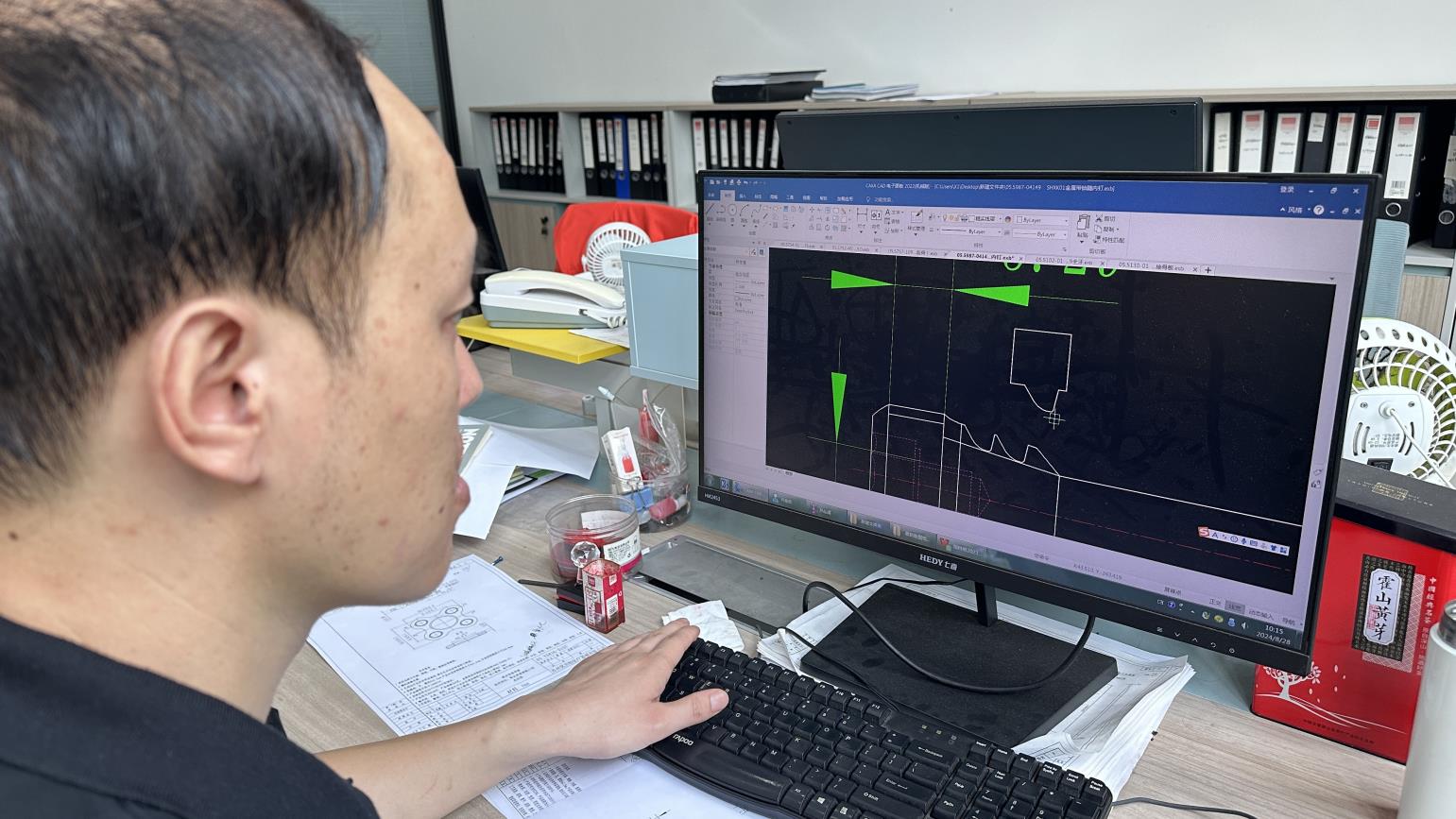
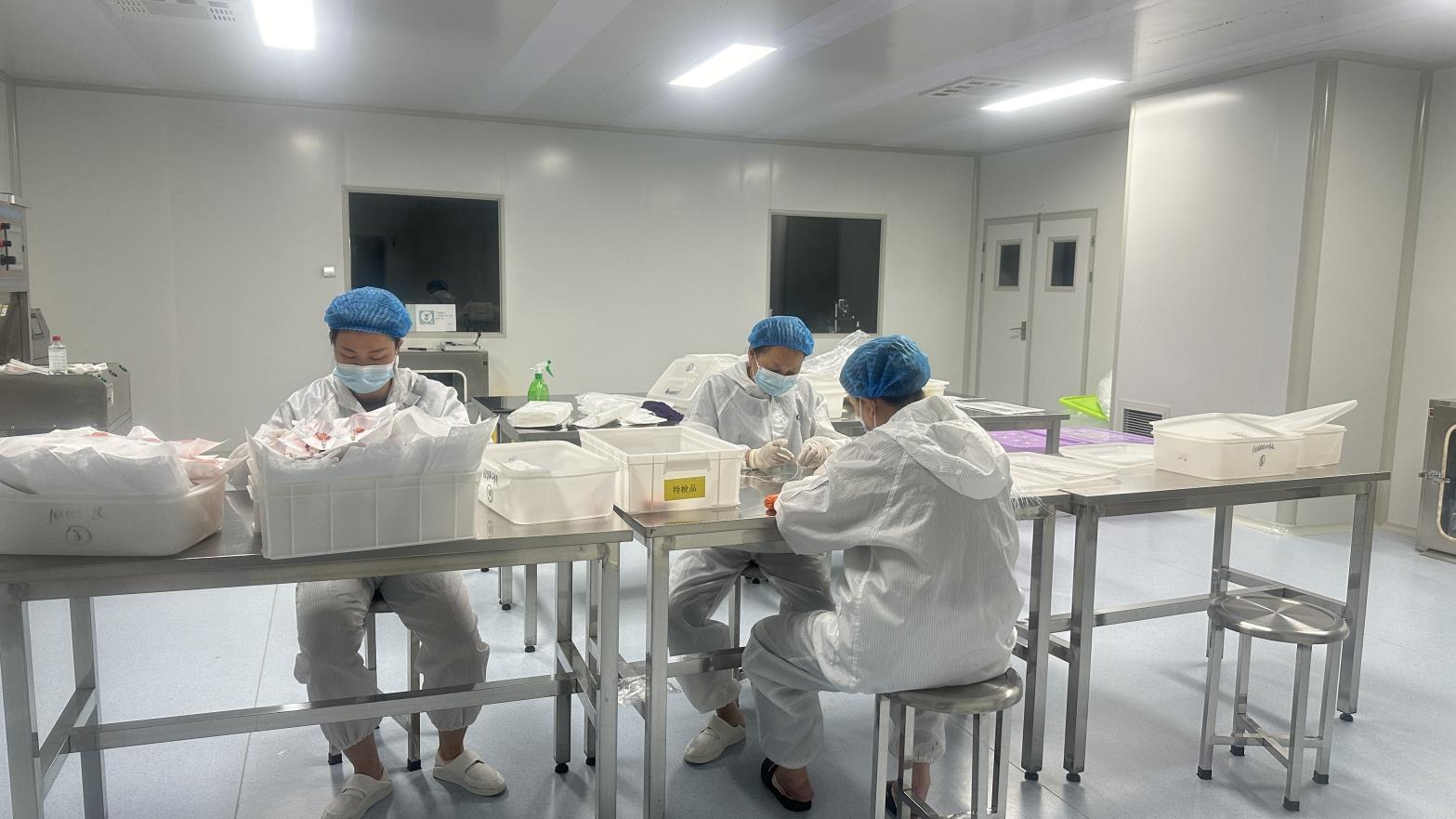
How our implant portfolios resolve complex spinal pathologies through minimally invasive routes.
Our PEEK Interbody Fusion Cages (Cervical & Lumbar systems) provide mechanical stability and restore lordotic angle. The elasticity of PEEK matches human bone, reducing stress-shielding effects and promoting solid fusion.
Featuring low-profile pedicle screw systems, reset sleeves, and dual-channel spinal correction instruments, we enable surgeons to perform precise fractional curve correction, reducing operational trauma and blood loss.
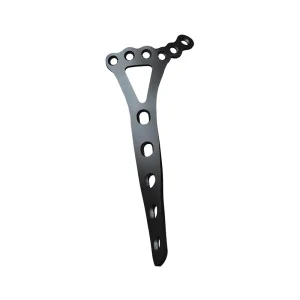
From anterior cervical plate designs conforming to AO principles to percutaneous pedicle systems, our implants provide immediate rigid fixation. This allows patients to achieve faster post-operative mobilization.
The convergence of biomaterials, surface modification, and robotic compatibility.
Additive manufacturing using Selective Laser Melting (SLM) is standard in modern interbody development. Interconnected pore networks mimic trabecular bone structure, enhancing osseointegration and mechanical interlocking.
Surface modification plays an important role in device lifespan. Type II anodization of titanium screws improves wear resistance, reduces cold-welding tendencies with surgical drivers, and supports antibacterial property integration.
Modern MISS procedures rely on real-time fluoroscopic and robotic tracking. Implants must feature strict dimensional tolerance limits to prevent navigation errors, ensuring correct screw trajectory placement.
Answers to critical questions regarding compliance, manufacturing standards, and supply chain management.
We source medical-grade Grade 5 titanium alloy (Ti-6Al-4V ELI) and PEEK-OPTIMA polymers exclusively from certified international suppliers. Every raw batch undergoes incoming metallurgical analysis, and material test reports (MTR) are mapped to finished batch numbers for trace verification.
Bonevia operates under ISO 13485 medical quality management guidelines. Our principal products hold CE markings and conform to standard regulatory pathways, enabling smooth import clearance in Europe, Southeast Asia, and South America.
Yes. Backed by 85 R&D engineers, we design and produce tailored orthopedic solutions. Working from your 3D CAD files or clinical drawings, we perform finite element analysis (FEA) to verify mechanical performance before prototype production.
We combine Swiss CNC lathe cycles with secondary automated chemical deburring and electro-polishing. Every screw thread is inspected under digital profile projectors to verify pitch geometry and eliminate potential stress concentration zones.
Depending on configuration complexity, standard implant batches are delivered within 30 to 45 days. Our supply chain network of over 850 partners ensures consistent material sourcing, even during periods of high demand.
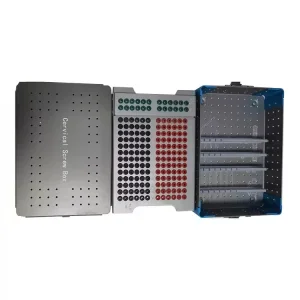
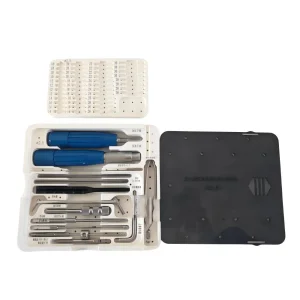
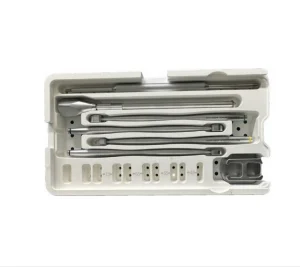
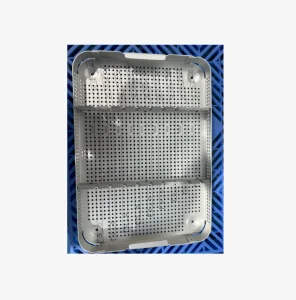
Yes, we provide anodized aluminum sterilization containers and surgical layouts tailored to specific implant sets, such as posterior cervical cages or fracture fixation systems.
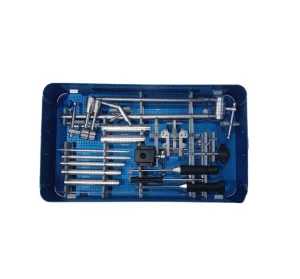
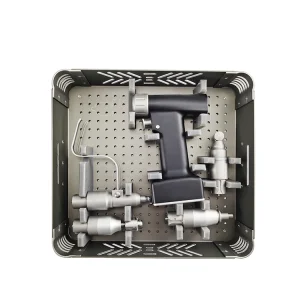
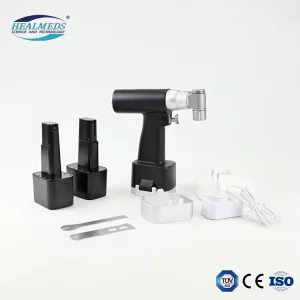
High-precision orthopedic systems, veterinary drills, and surgical containment instrumentation.