Bonevia
Bonevia
Bonevia
Explore our hot-selling, CE-certified systems engineered for optimal clinical outcomes and precise surgical procedures.
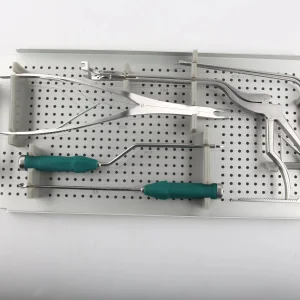
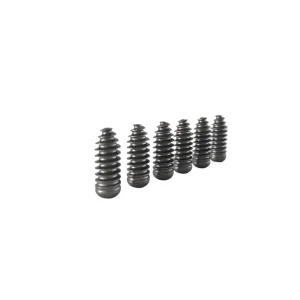
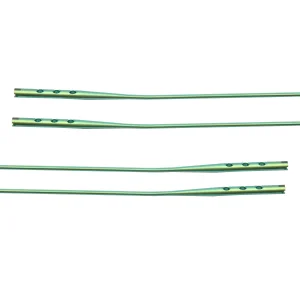
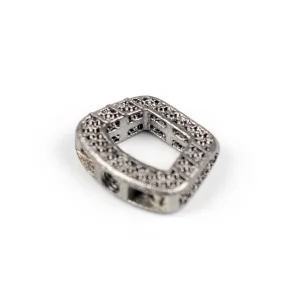
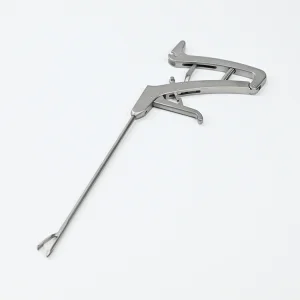
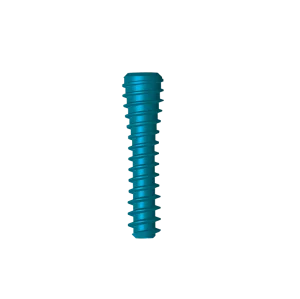
The Proximal Femoral Nail Antirotation (PFNA) system represents a revolutionary milestone in orthopedic trauma surgery. Globally, the demographic transition toward aging populations has caused an exponential rise in geriatric hip fractures—particularly trochanteric, intertrochanteric, and subtrochanteric femur fractures. Traditional compression screw systems (like DHS) carry significant risks of mechanical failure, rotation, and cut-out when deployed in osteoporotic bone.
The PFNA intramedullary system mitigates these risks through a biomechanically superior helical blade mechanism. Rather than removing local cancellous bone, the insertion of the helical blade compacts the surrounding bone. This leads to outstanding rotational and angular stability, significantly increasing load-bearing capacity and reducing critical complications like implant cut-out.
As a leading Chinese wholesale exporter, we recognize that modern clinical environments require extreme dimensional accuracy, physiological anatomical curves, and material integrity. Our PFNA intramedullary nail systems feature optimized designs including a 5-degree/6-degree Herzog bend, variable static/dynamic locking slots, and a cannulated path for precise guide-wire insertion.
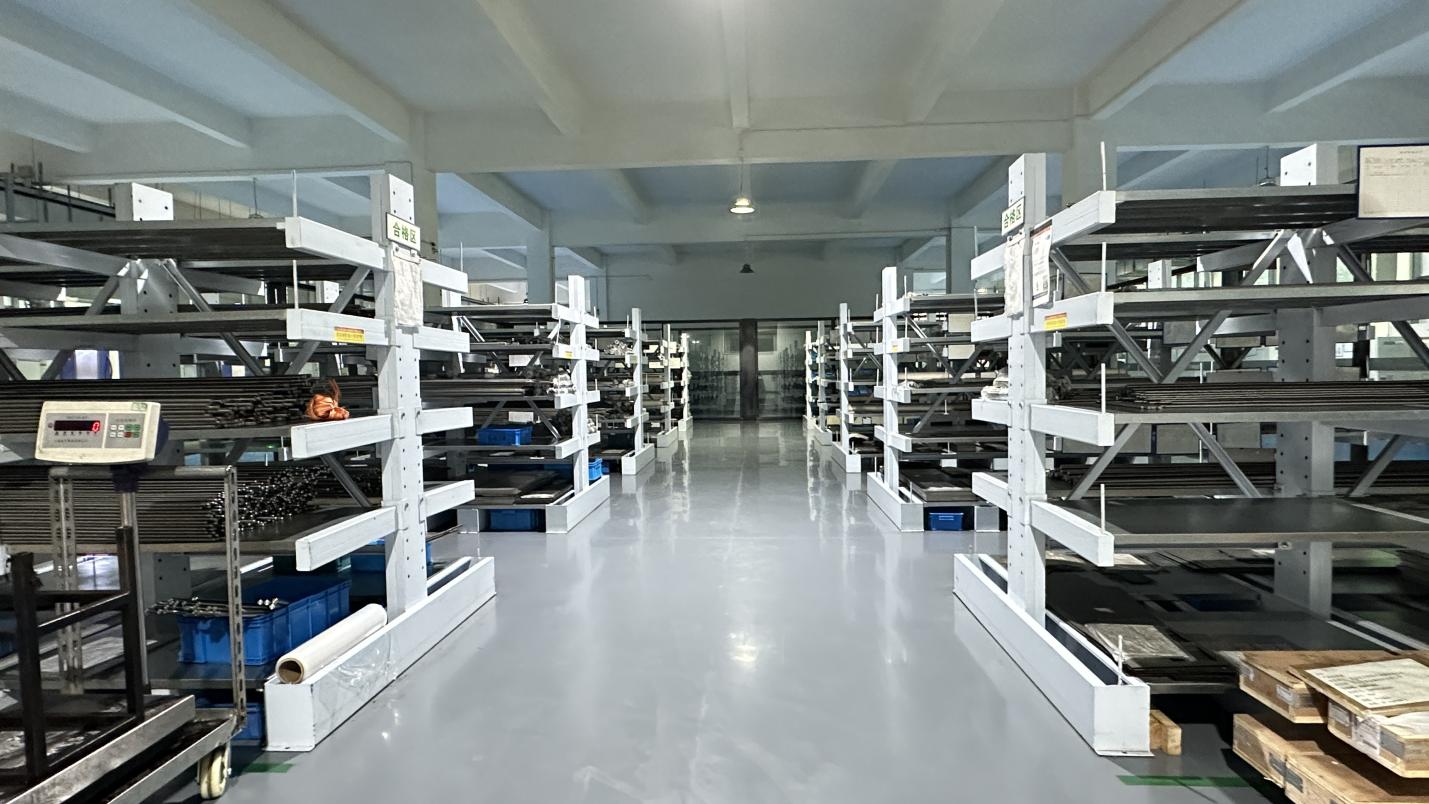
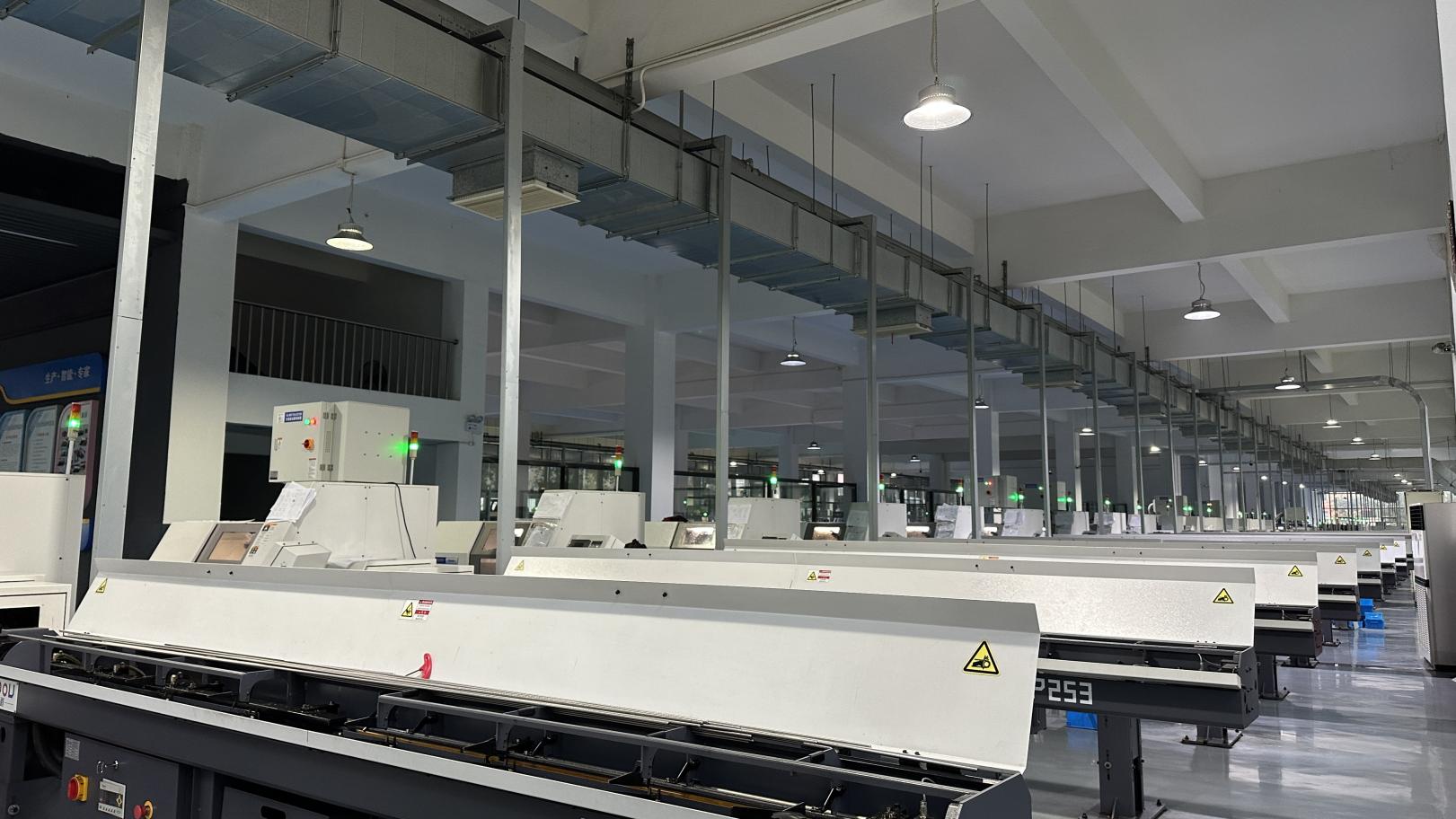
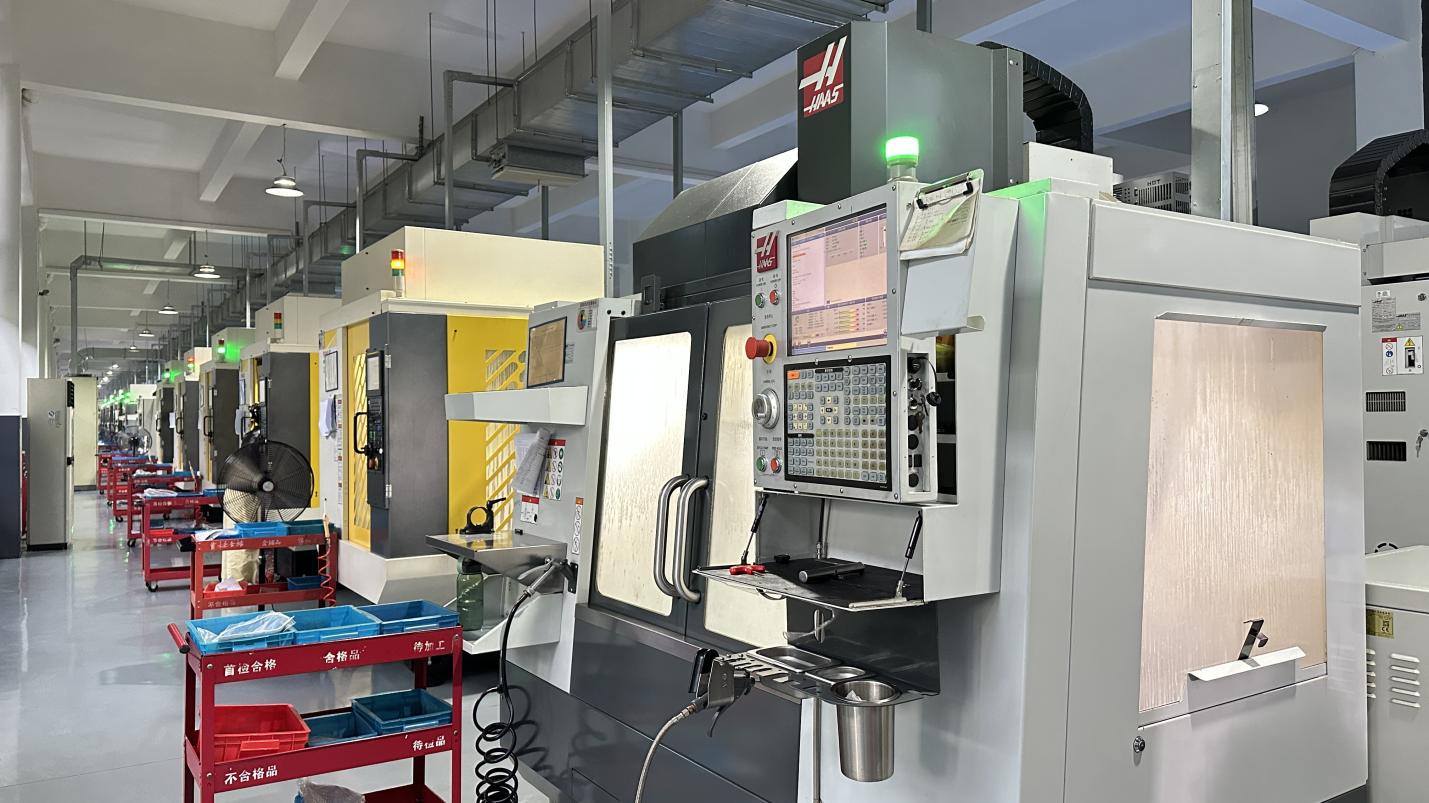
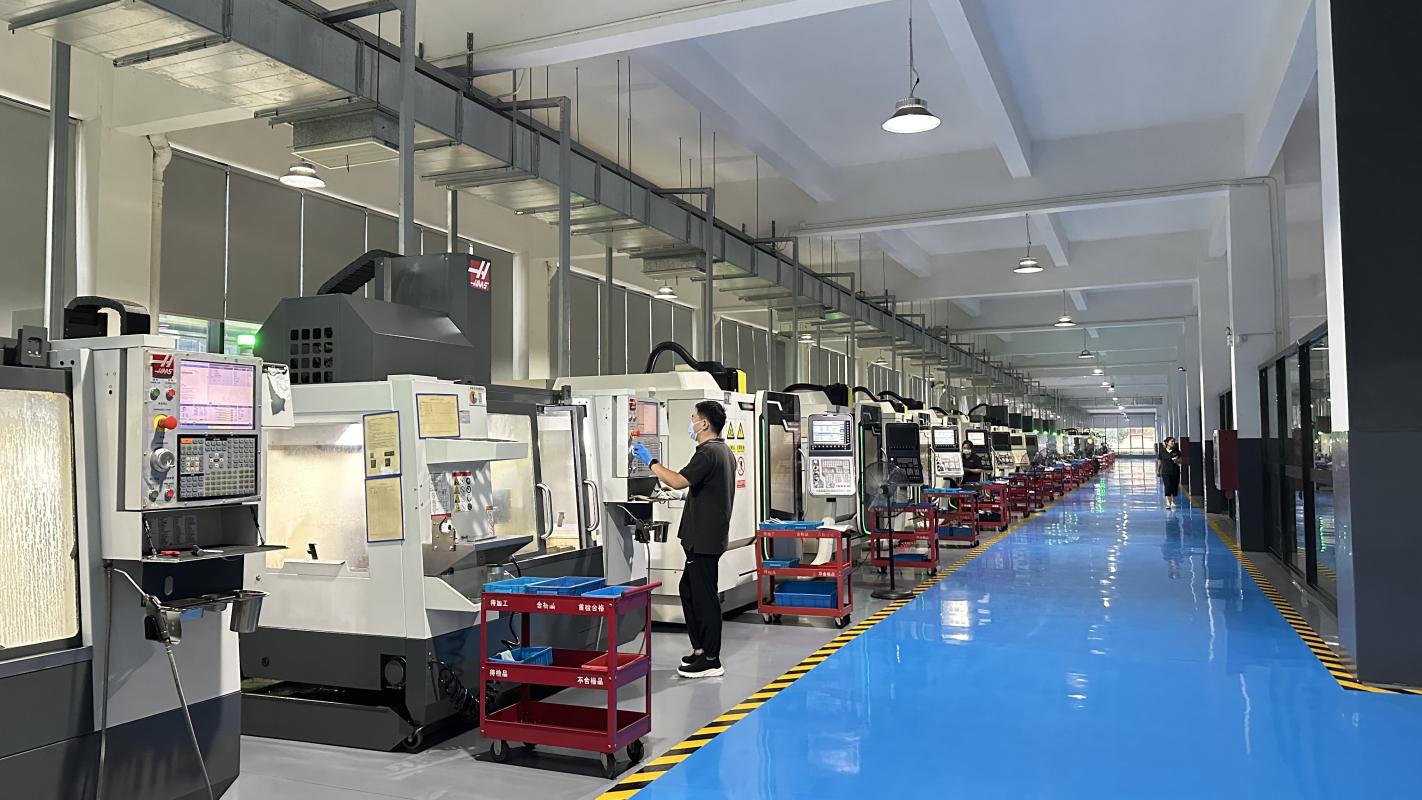
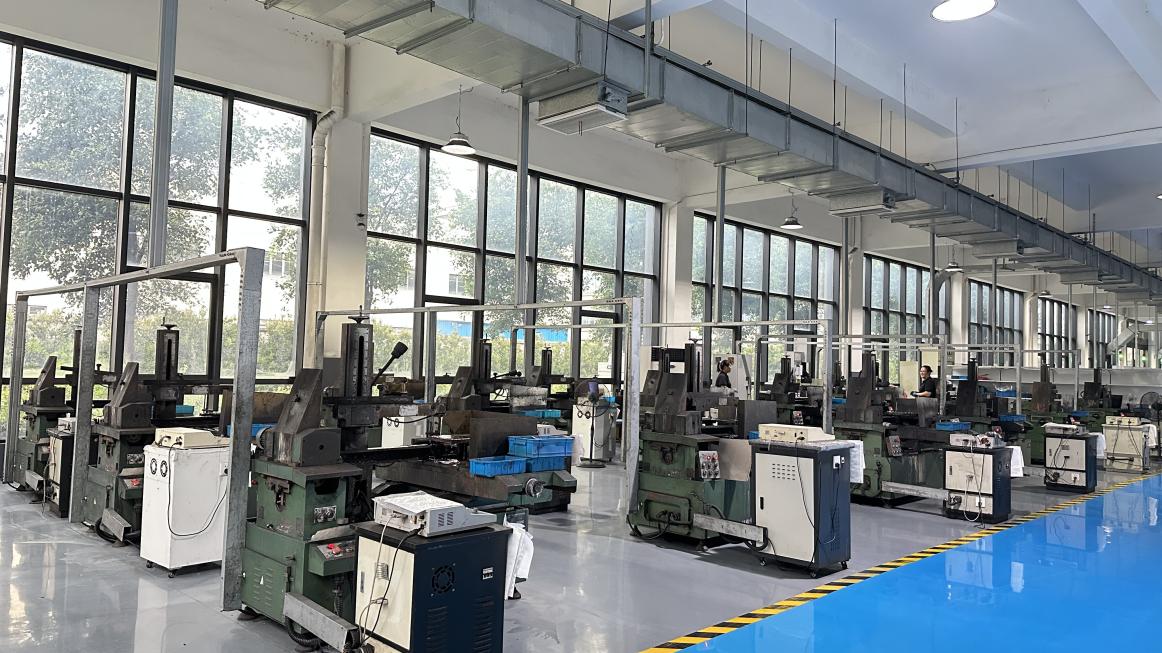
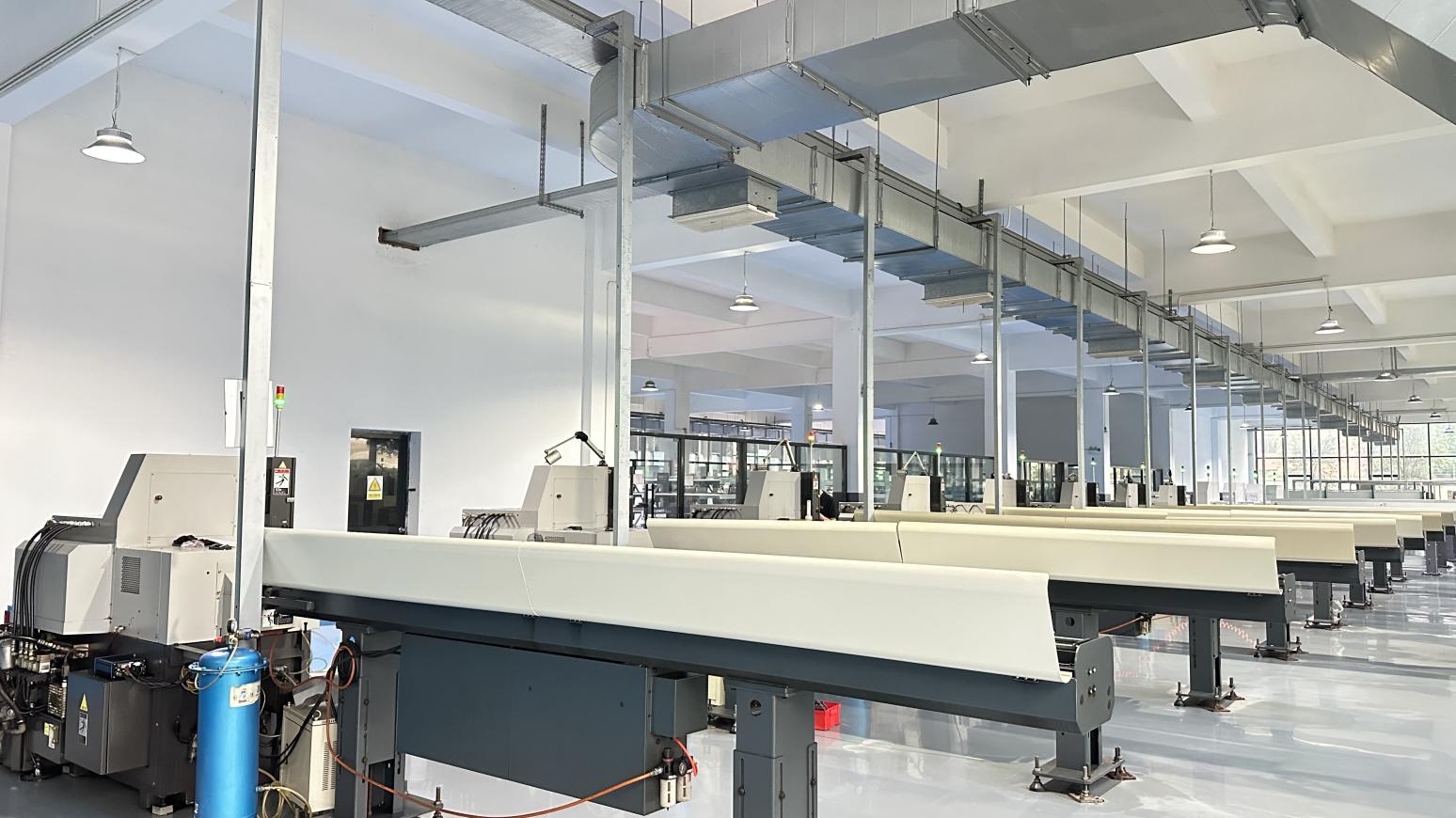
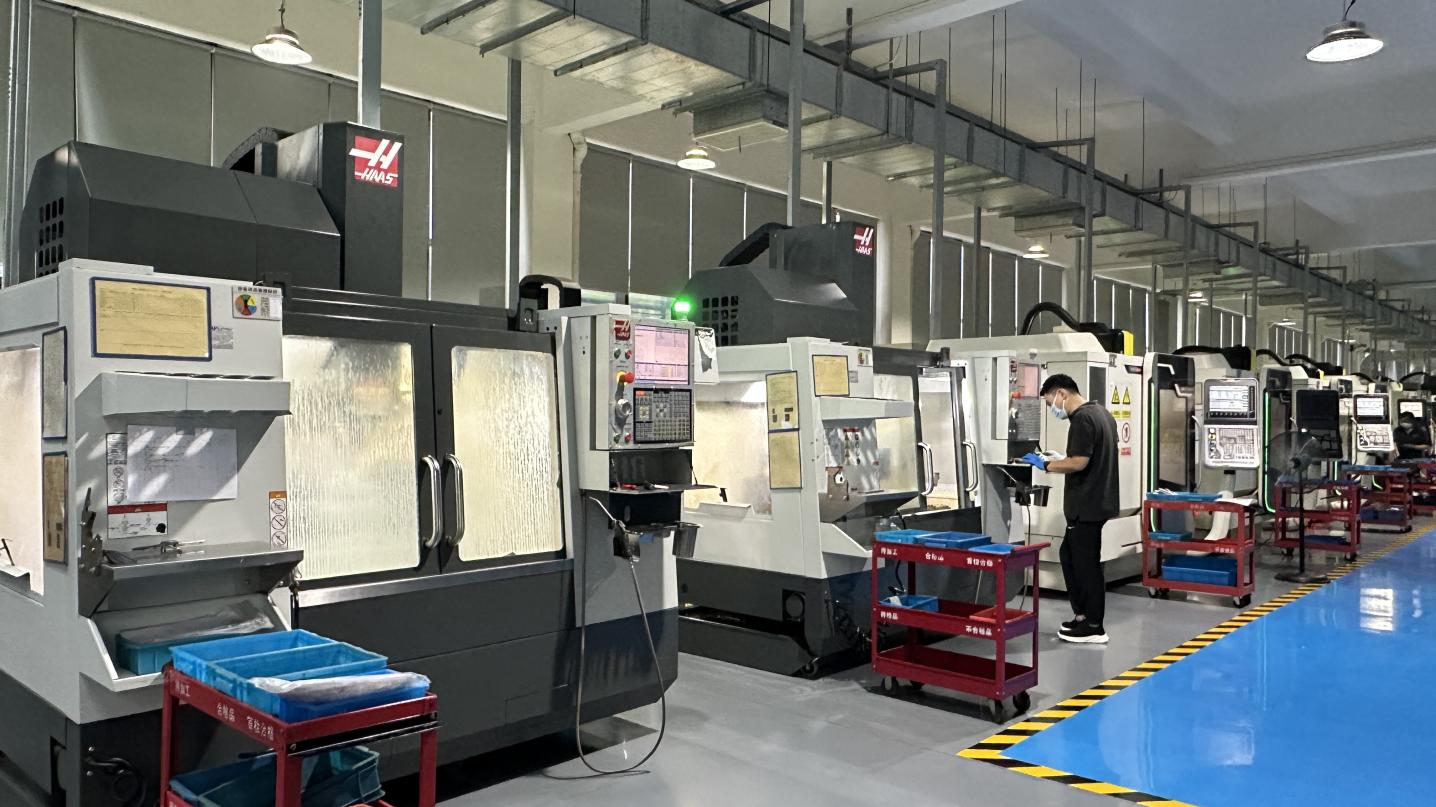
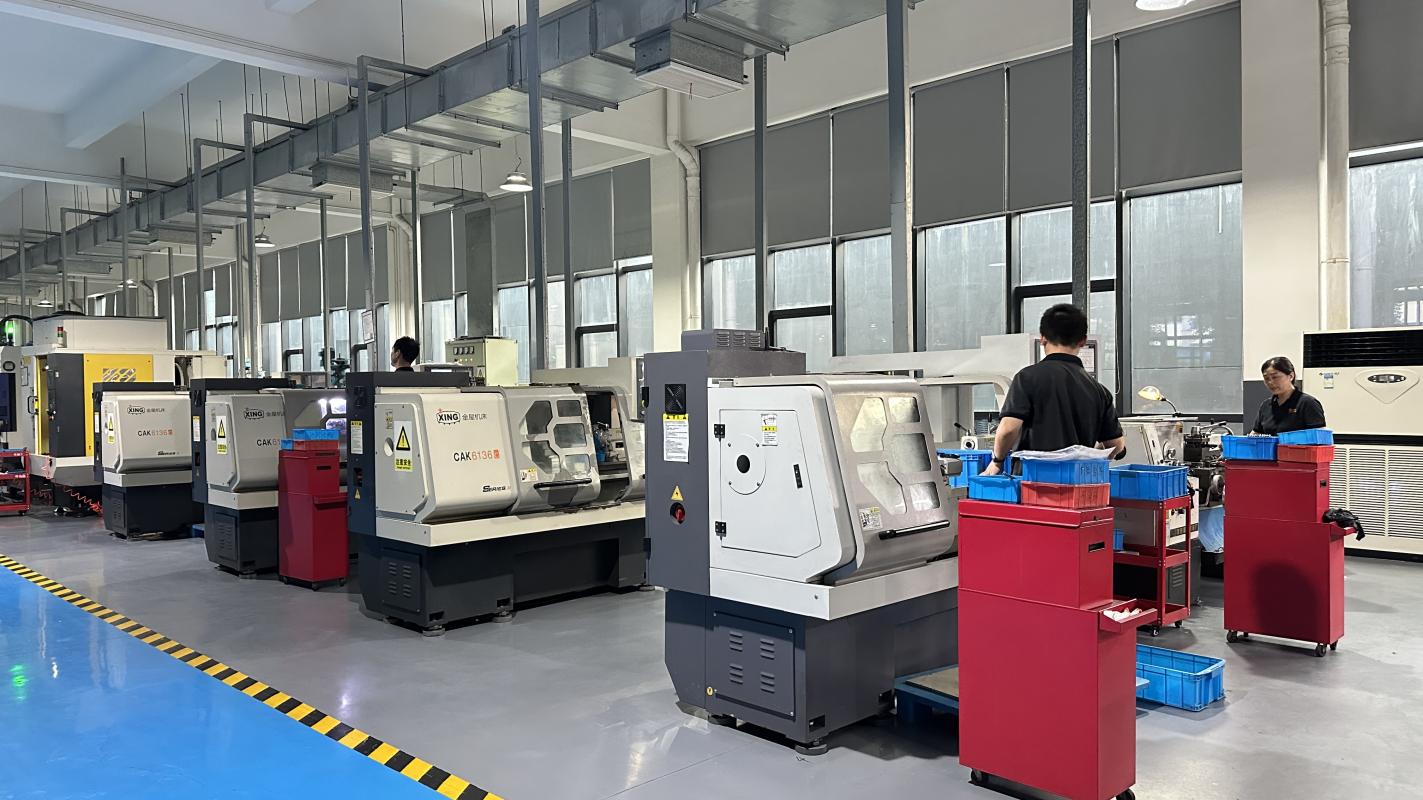
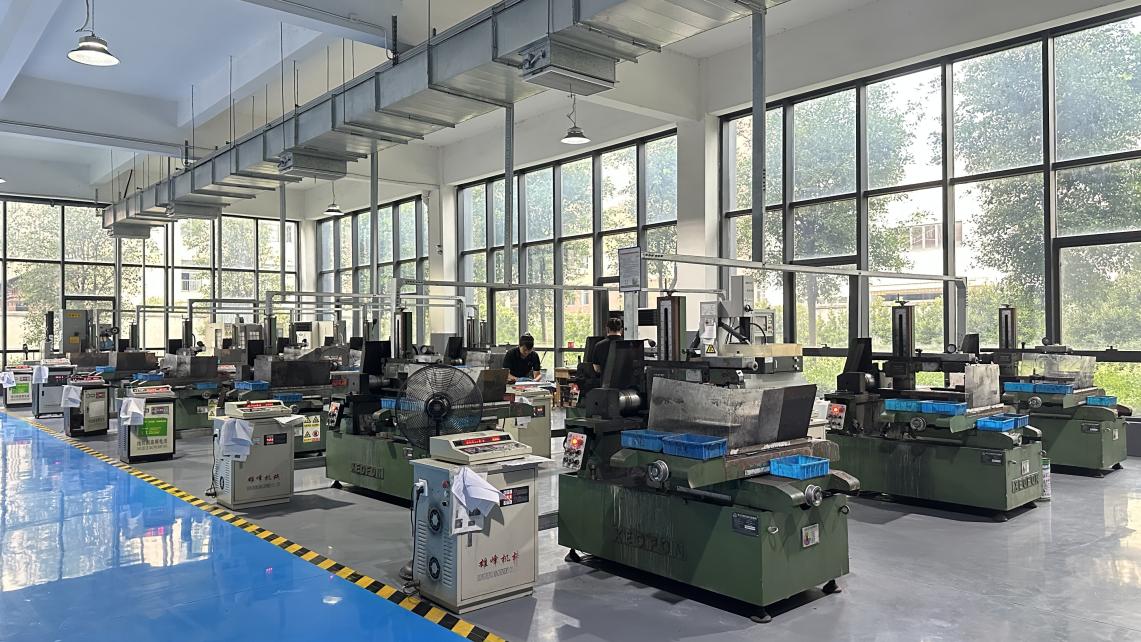
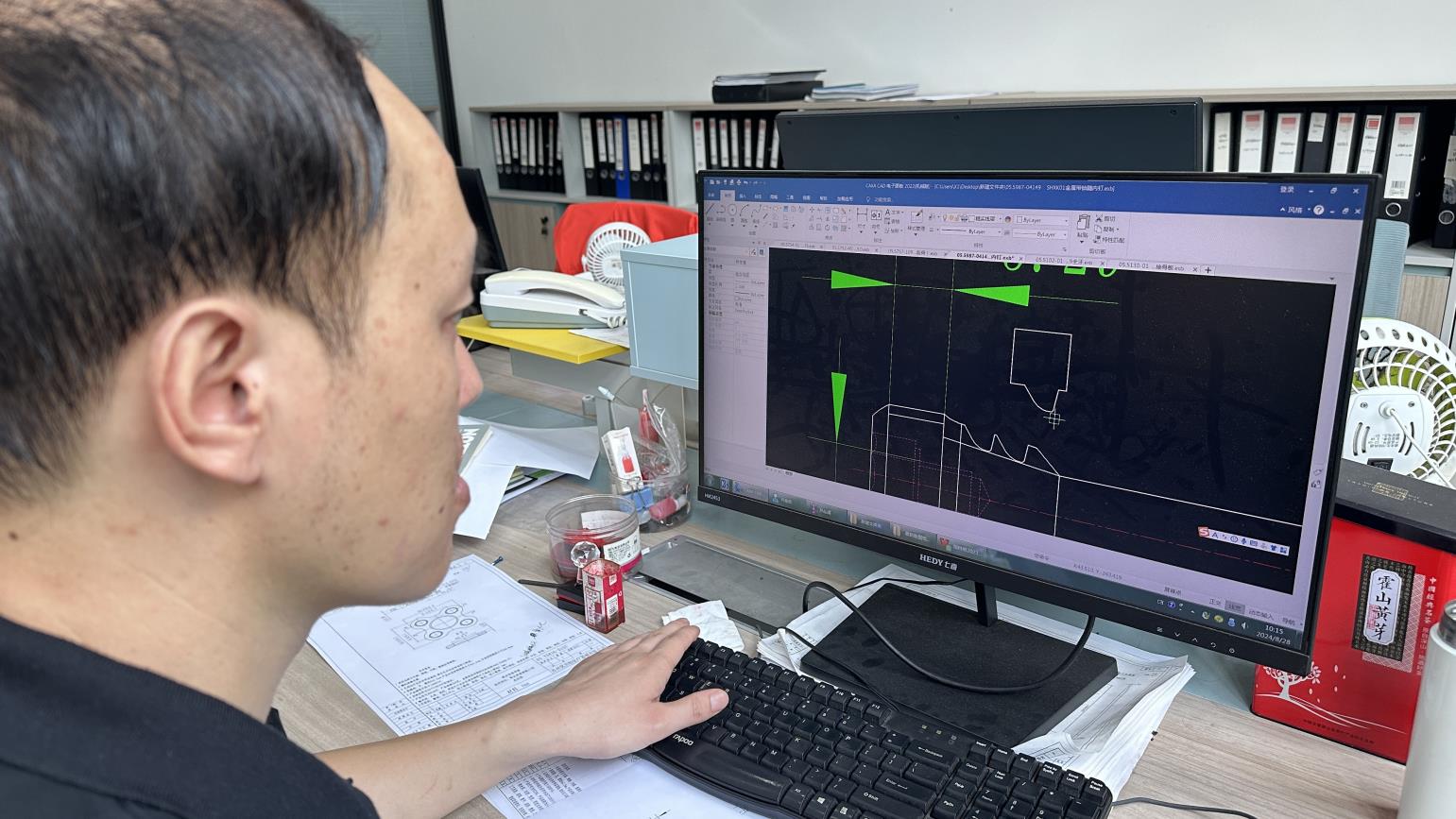
Leveraging multi-axis Swiss-type lathe centers and modern milling machines allows Bonevia to attain dimensional tolerances within micrometer limits. This ensures identical compatibility between proximal nail assemblies and corresponding locking screws.
We source medical-grade titanium alloy (Ti-6Al-4V ELI / ASTM F136 / ISO 5832-3) from verified suppliers. Advanced spectroscopic material analysis and mechanical stress testing are performed at intake, generating full traceability logs.
Supported by 85 R&D engineers, we released over 120 new designs last year. From modifying proximal dimensions for localized demographics to customized instrument cases, we offer end-to-end orthopedic OEM solutions.
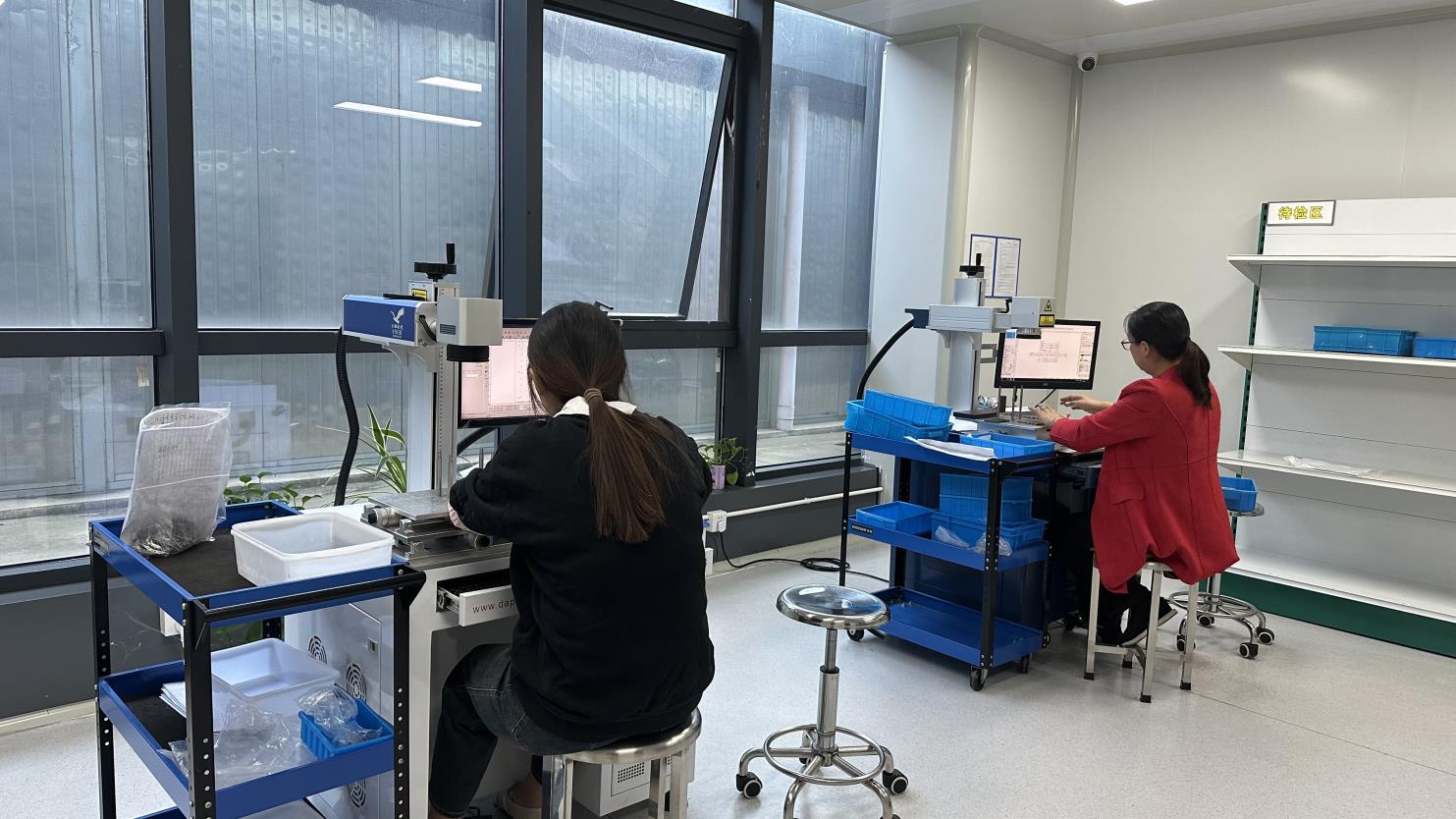
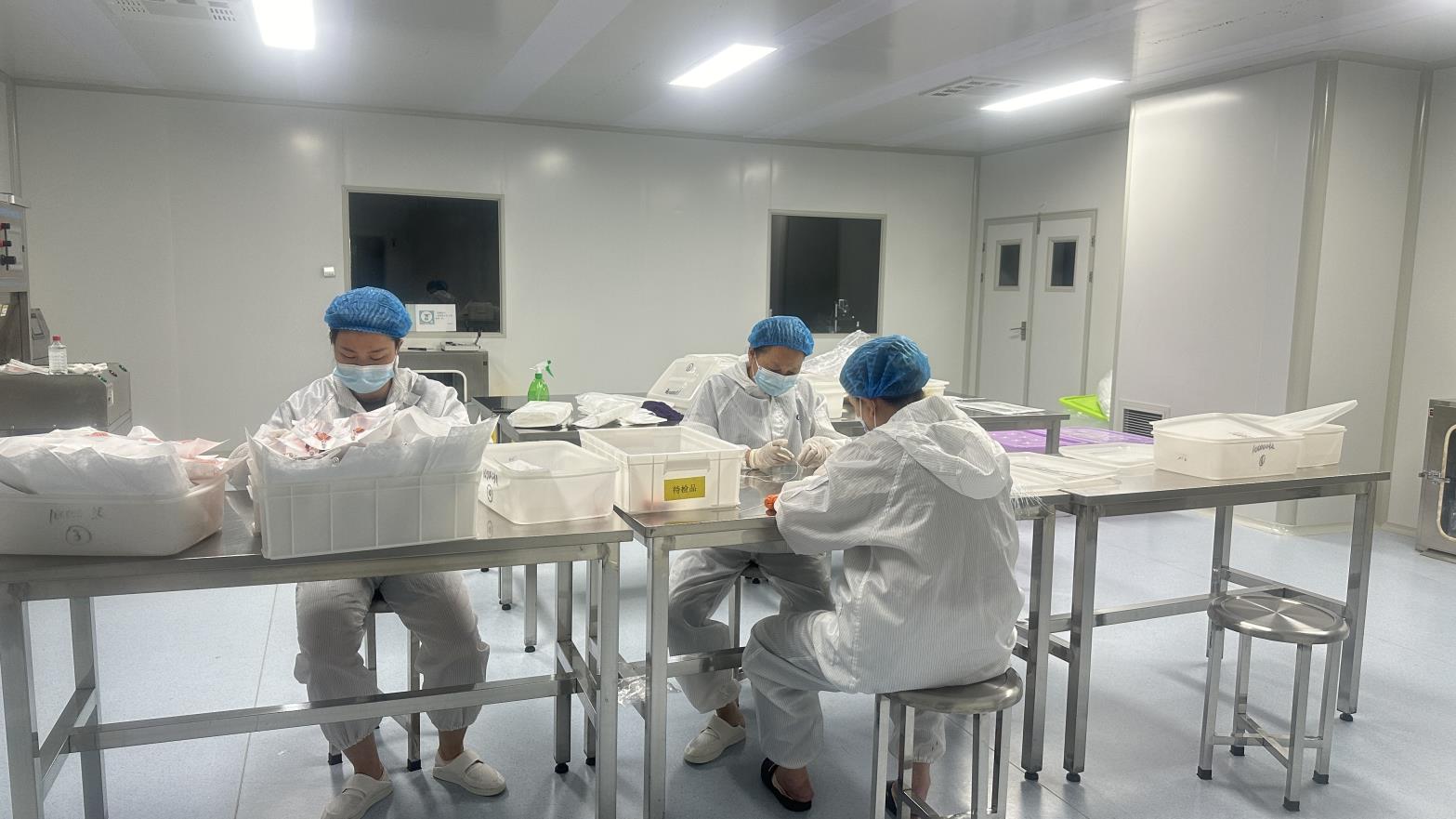
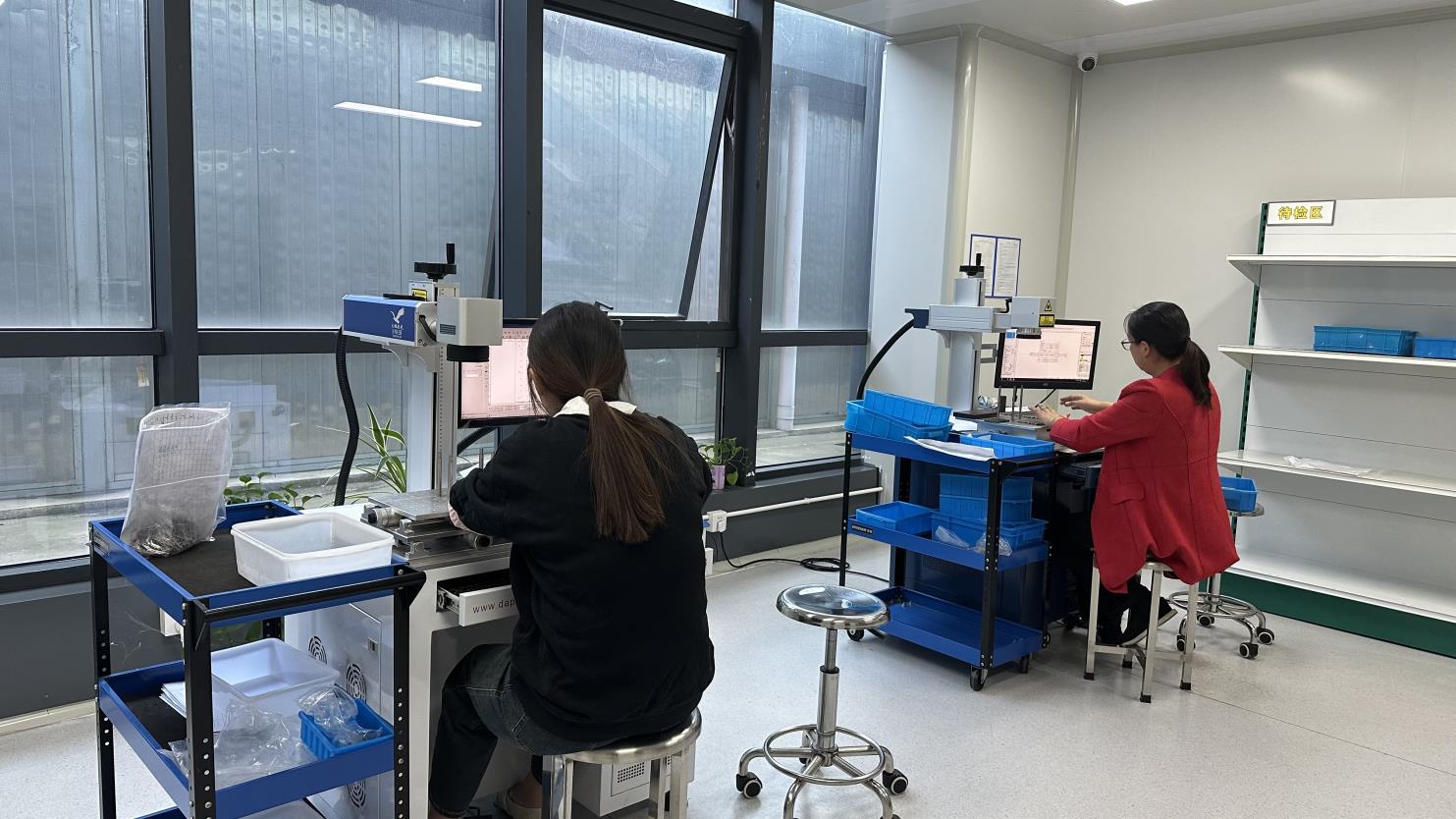
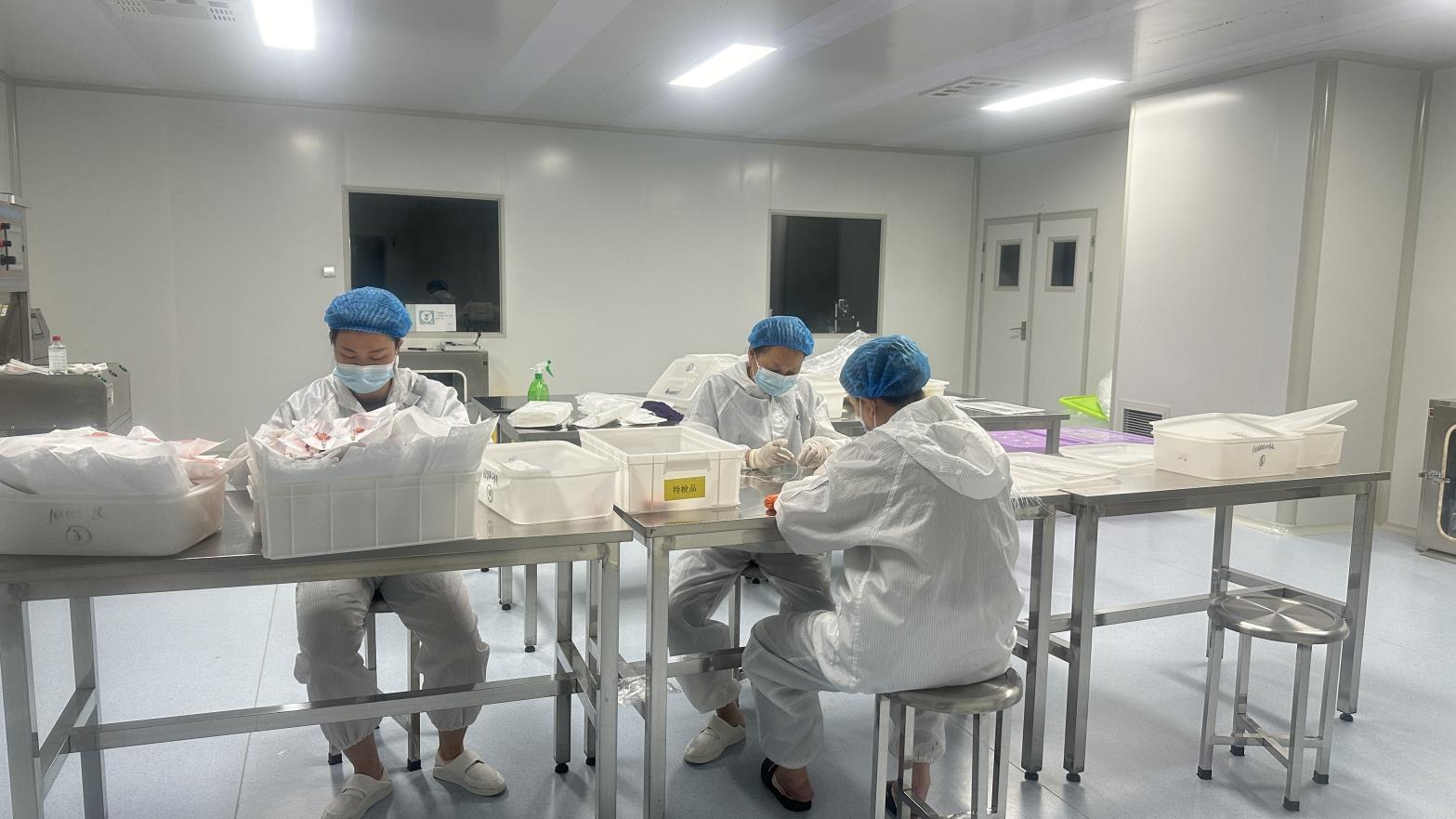
Our production flow is integrated vertically within a 320㎡ modern facility, managing every process stage to guarantee compliance with ISO 13485 guidelines.

International medical device distributors, healthcare procurement groups, and hospital networks operate in complex regulatory environments. For surgical implants like PFNA intramedullary nails, compliance with global safety standards is essential.
At Bonevia, we construct our export ecosystem to align with CE and ISO 13485 standards. This support enables swift customs clearance and local medical device registrations across Europe, Southeast Asia, South America, and the Middle East.
Our supply chain accommodates diverse packaging formats (sterile vs. non-sterile bulk), customized labeling for complete traceability, and reliable delivery timelines. We utilize a partner network of over 850 raw material suppliers and logistical freight forwarders to ensure steady wholesale fulfillment.
Modern clinical practices require implant configurations tailored to local patient populations and varying surgeon preferences. For example, East Asian demographic data generally requires shorter proximal lengths and tighter Herzog curvature angles compared to standard European metrics.
We address these regional clinical requirements by providing:
Modern surgical pathways rely on smaller, soft-tissue-preserving incisions. Our targeting guides are calibrated to align perfectly with proximal anatomical markers, helping surgeons optimize entry angles, reduce operating times, and minimize intraoperative blood loss.
Advanced anodization treatments (Type II Anodization) are applied to our titanium implant surfaces. This process increases wear resistance, improves biocompatibility, and minimizes the risk of cold welding between proximal assemblies and dynamic fixation components.
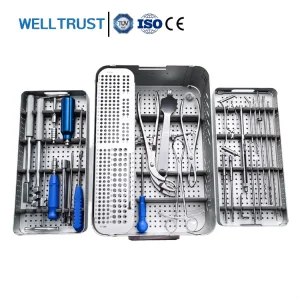
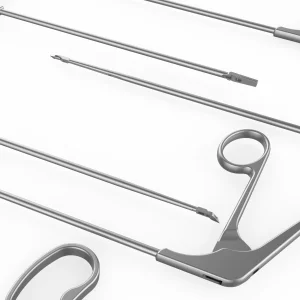
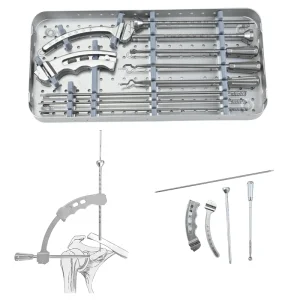
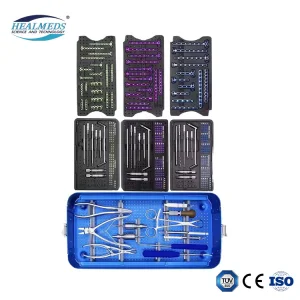
Distributors prefer purchasing implants alongside matching, high-performance surgical instrument kits. Bonevia produces modular, color-coded surgical toolkits that streamline processing, sterilization, and deployment within active operating rooms.
Review answers to common technical, material, and logistical questions received from international distributors and procurement organizations.
Complete surgical lines, external fixation hardware, and advanced sports medicine instrumentation options.