Bonevia
Bonevia
Bonevia
Engineered to meet strict international standards, our surgical instruments and implants provide premium biomechanical performance.
Posterior Lumbar Interbody Fusion (PLIF) has established itself as the gold-standard surgical approach for treating degenerative disc disease, spondylolisthesis, and spinal instability. Within this clinical matrix, the choice of interbody spacer material plays a decisive role in long-term surgical success. Over the past two decades, Polyetheretherketone (PEEK) has largely supplanted traditional titanium and bone autografts owing to its singular biomechanical and radiolucent attributes. PEEK polymer exhibits an elastic modulus (approximately 3.6 GPa) that closely mirrors human cortical bone. This reduces the risk of stress shielding—a common complication associated with stiffer metallic implants that leads to localized bone resorption and implant subsidence.
Clinical Focus: The radiolucency of PEEK is highly advantageous, allowing spine surgeons to evaluate radiographic fusion progress and bone bridging over time via standard X-rays and CT scans, without the visual interference of metallic artifacts.
As global healthcare systems shift toward value-based purchasing, sourcing direct-from-manufacturer orthopedic implants from established Chinese suppliers has become a key strategic move for medical device distributors, hospital networks, and orthopedic group purchasing organizations (GPOs). This report details the manufacturing mechanics, clinical applications, market directions, and supply chain strategies of wholesale PLIF PEEK Cages.
When evaluating PLIF PEEK cages, quality assurance managers must pay close attention to several design metrics:
The global orthopedic implant market is currently undergoing a structural transformation. PEEK cage designs are evolving beyond static structures toward bioactive, hybrid, and patient-specific systems. Key technology trends shaping the market include:
| Technology Generation | Material Configuration | Osteointegration Profile | Market Application Status |
|---|---|---|---|
| First Generation | Pure PEEK-OPTIMA® / Medical PEEK | Passive (Physical bone bridging through graft windows) | Widely established; standard for cost-effective distribution. |
| Second Generation | Titanium-Coated PEEK (Plasma Sprayed) | Active (Enhanced interface bone-bonding via porous Ti surface) | Growing demand in high-end private healthcare markets. |
| Third Generation | Bioactive Composites (PEEK + Hydroxyapatite / Zeolite) | Chemical (Stimulates localized calcium deposition and bone cell activity) | Clinical trials and early commercial distribution. |
| Modern Evolution | 3D Printed Porous PEEK Structures | Structural (Porosity permits direct bony ingrowth throughout the cage) | High R&D focus; targeted at premium surgical centers. |
For wholesale procurers, maintaining a balanced inventory that spans both cost-competitive First Generation pure PEEK cages and highly requested Titanium-coated or hybrid options is key to capturing diverse market shares across regional healthcare systems.
Hospital procurement departments and orthopedic importers operate under strict regulatory and quality parameters. An optimized procurement matrix must account for both biological safety and financial sustainability. Key factors include:
International buyers prioritize partners that demonstrate comprehensive quality inspection frameworks, including:
Bonevia Orthopedic Technology Co., Ltd. is a professional manufacturer specializing in orthopedic implants and surgical solutions, dedicated to advancing innovation in trauma, spine, and joint reconstruction products. Since its establishment in 2015, the company has grown steadily into a trusted supplier in the global orthopedic industry.
With a modern production facility covering approximately 320㎡, Bonevia maintains strict quality management standards and efficient manufacturing processes. The company records an annual export revenue of around USD 8–15 million, supported by 6 years of export experience and over 10 years of overall industry experience.
Quality assurance is a core focus at Bonevia. The company implements multiple inspection methods including incoming material inspection, in-process quality control, and final product testing, supported by a dedicated quality team of 35 professionals. This ensures all products meet international medical device standards.
Bonevia has a solid trade foundation with diversified global distribution networks, serving major markets across Europe, Southeast Asia, the Middle East, and South America. Its supply chain ecosystem includes more than 850 partners, enabling stable raw material sourcing and efficient production delivery.
The company serves a wide range of clients, including hospitals, orthopedic clinics, surgical centers, and medical distributors. Bonevia also demonstrates strong R&D capabilities, offering OEM and ODM customization services to meet specific clinical requirements.
In the past year, Bonevia successfully launched 120 new product designs, supported by a research and development team of 85 engineers, continuously driving innovation in orthopedic implant systems and surgical instruments.
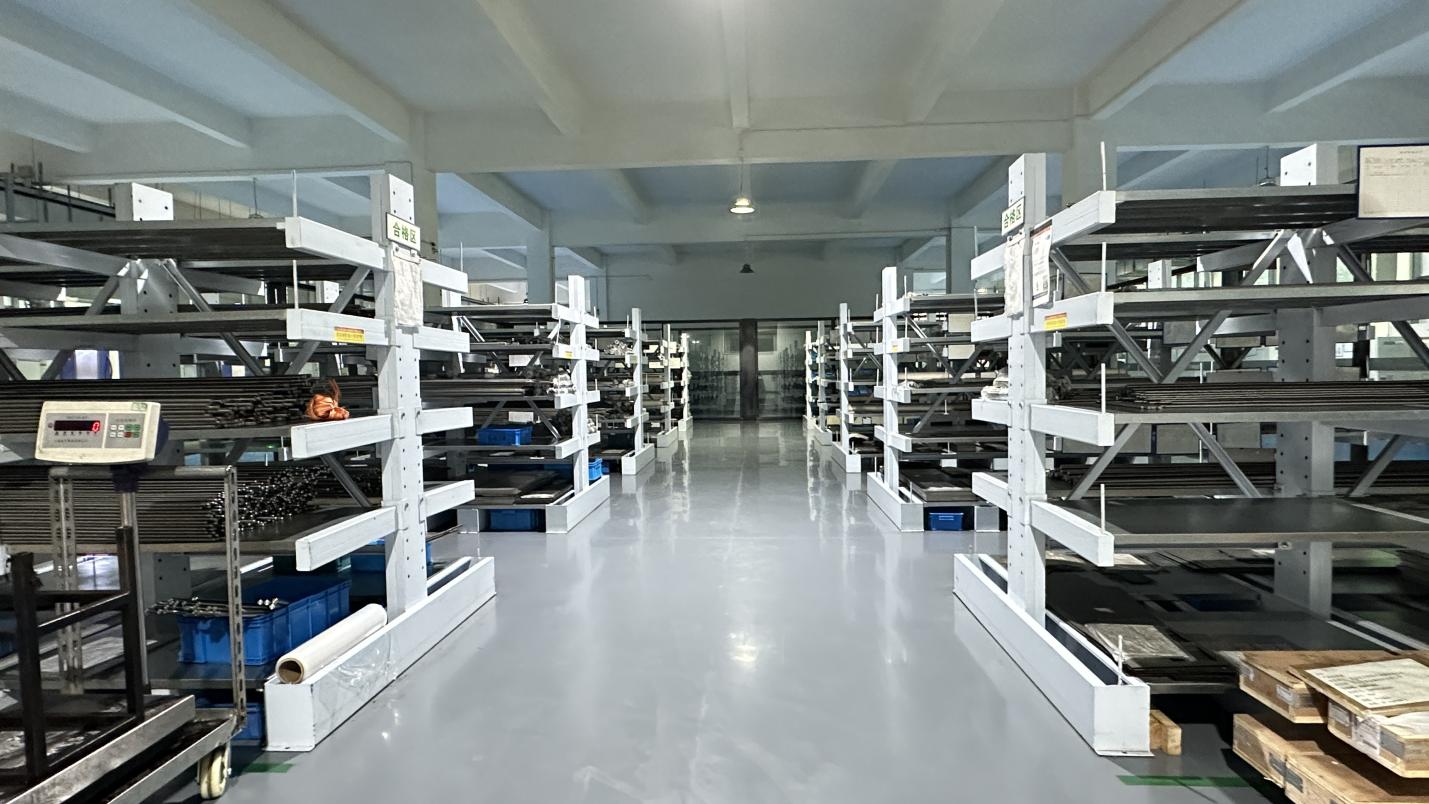
Every step of our production process is strictly monitored under ISO 13485 controls to ensure anatomical precision and material integrity.
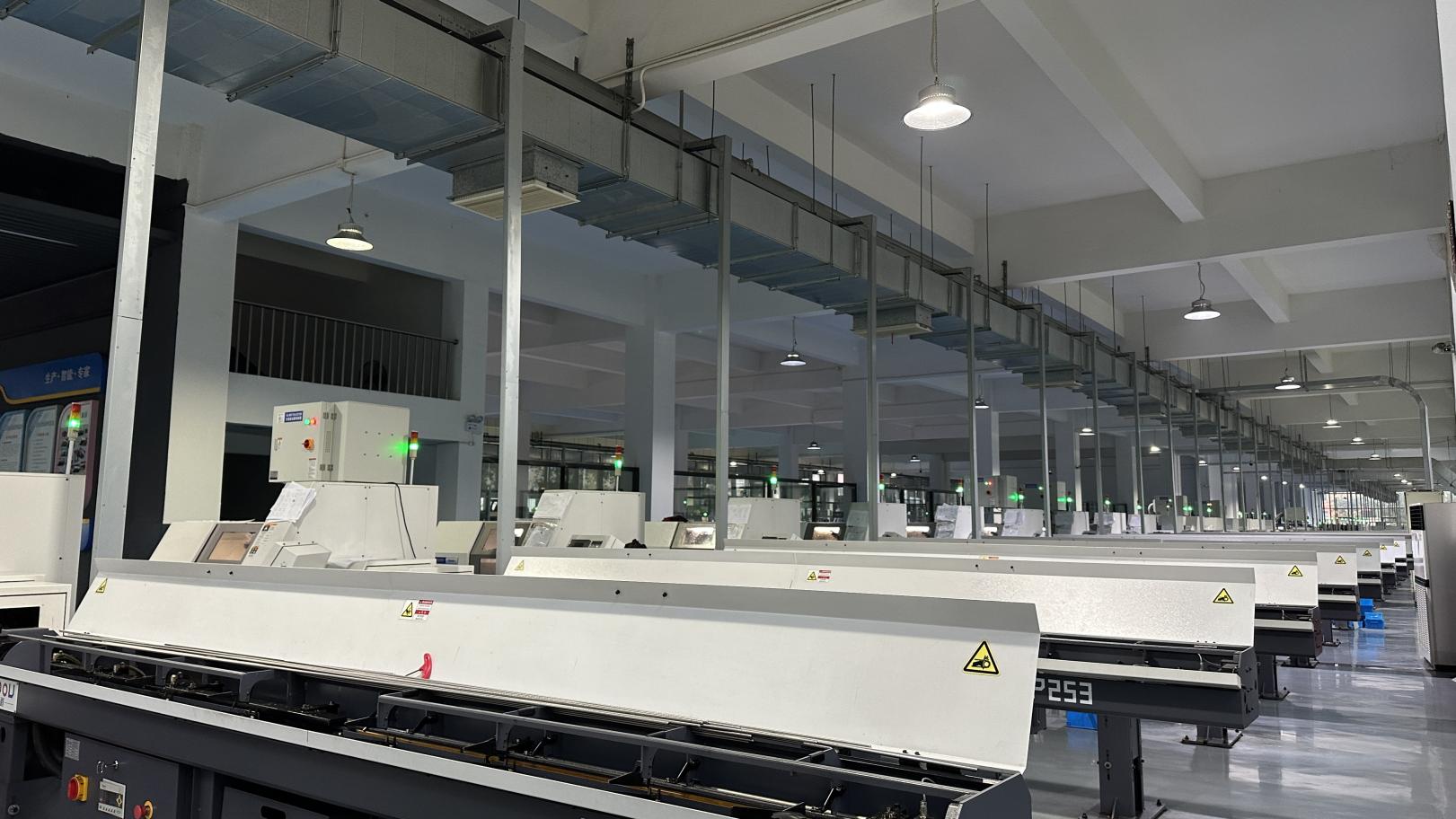
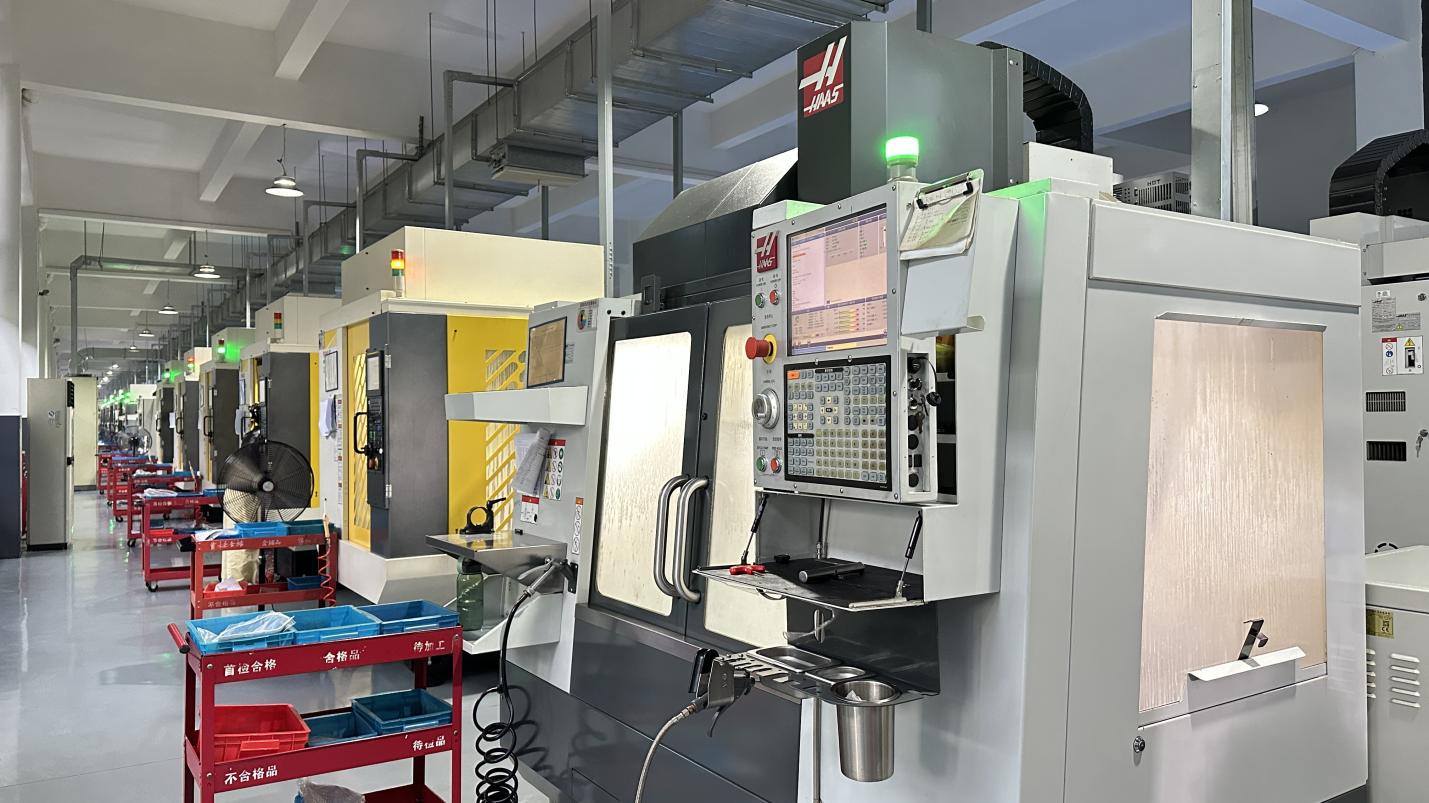
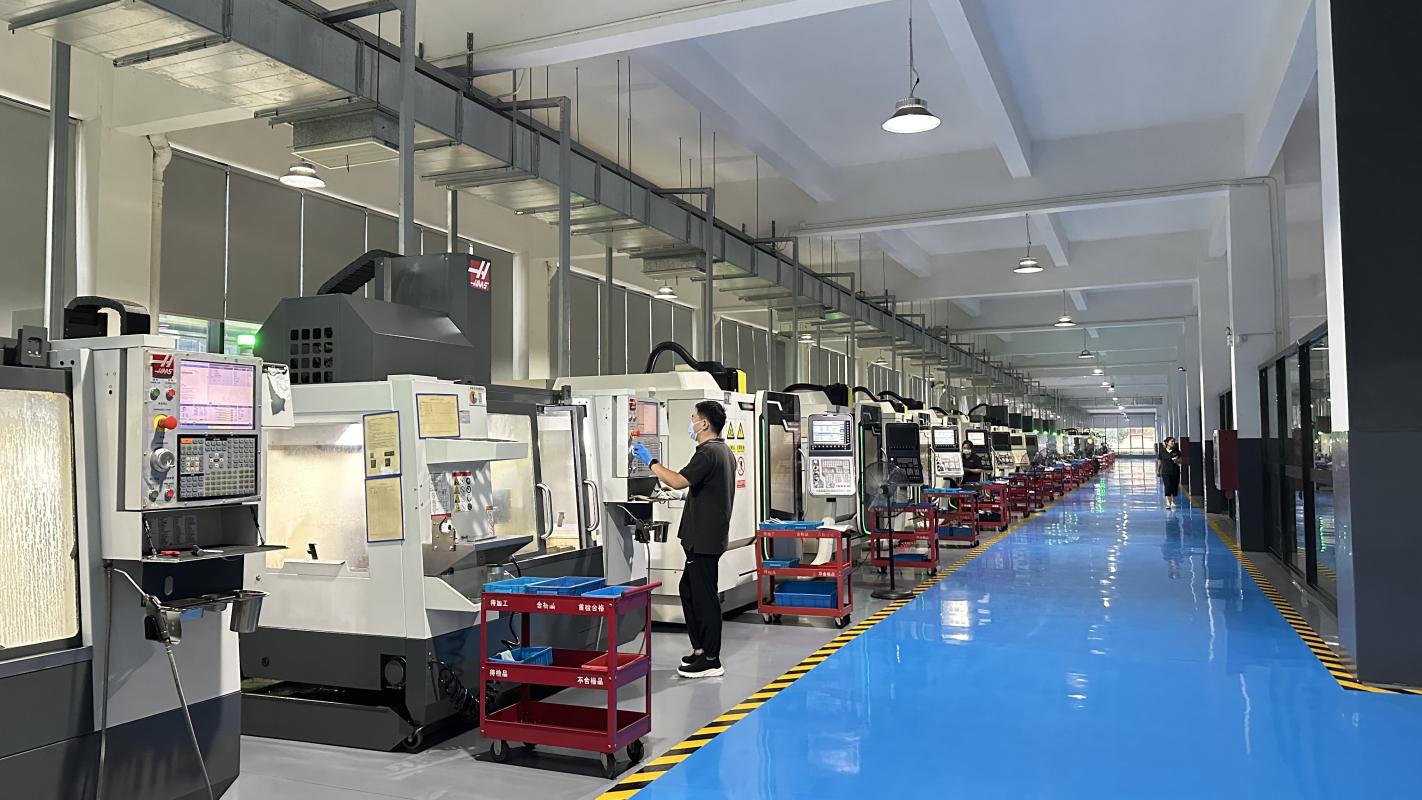
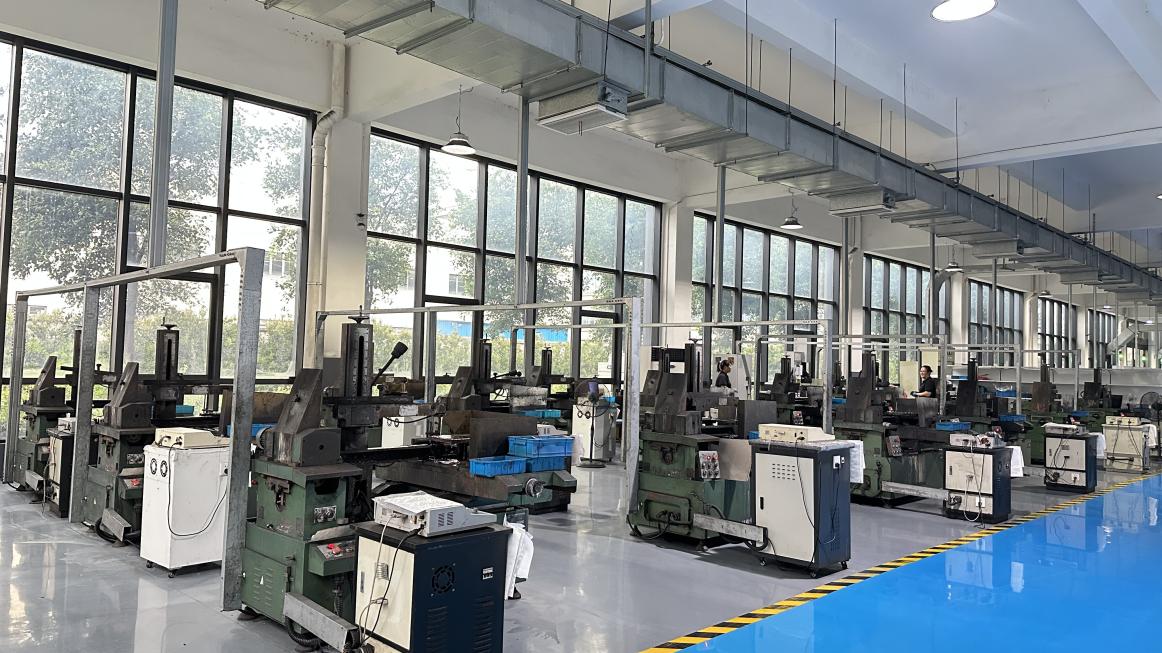
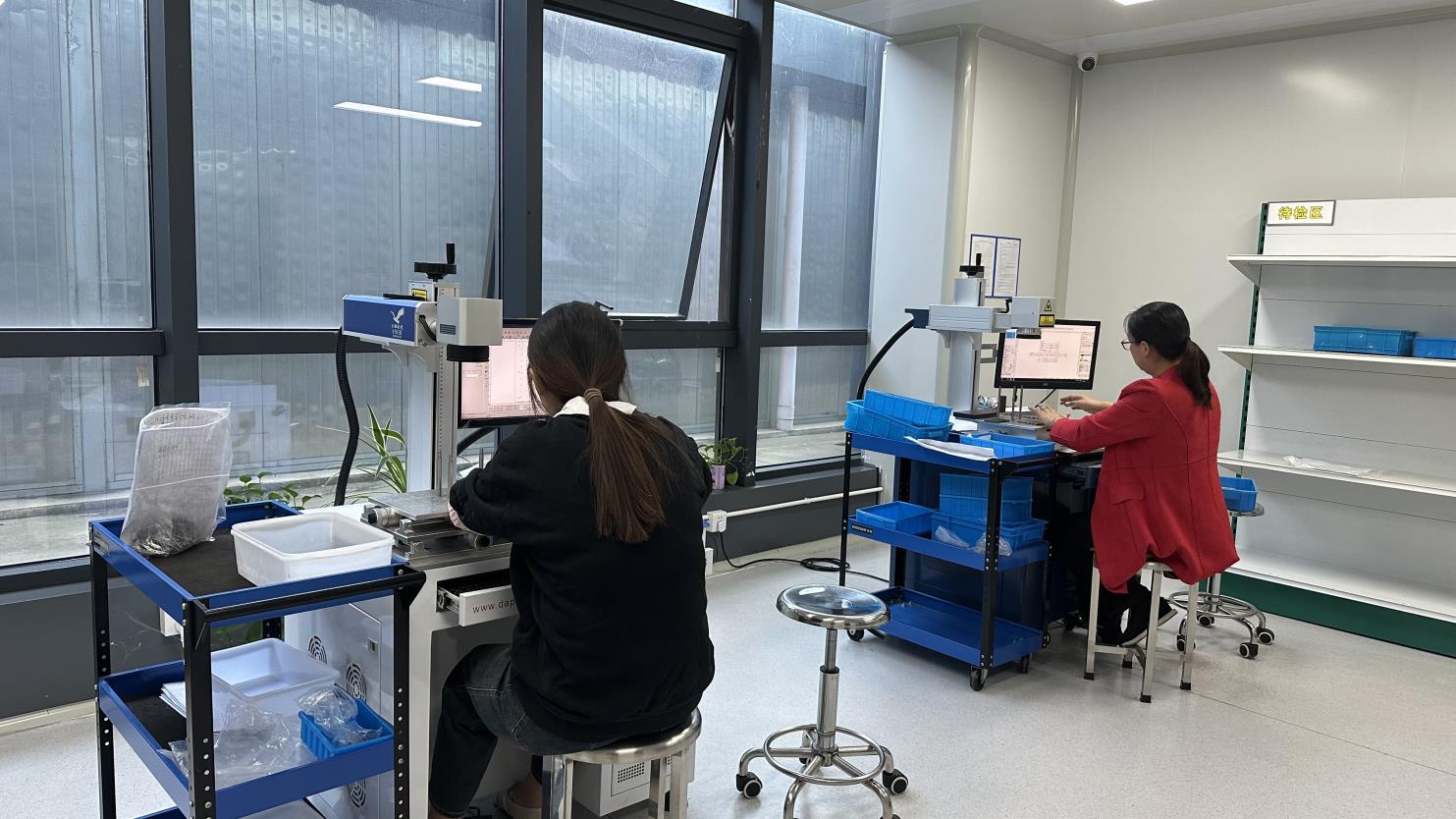
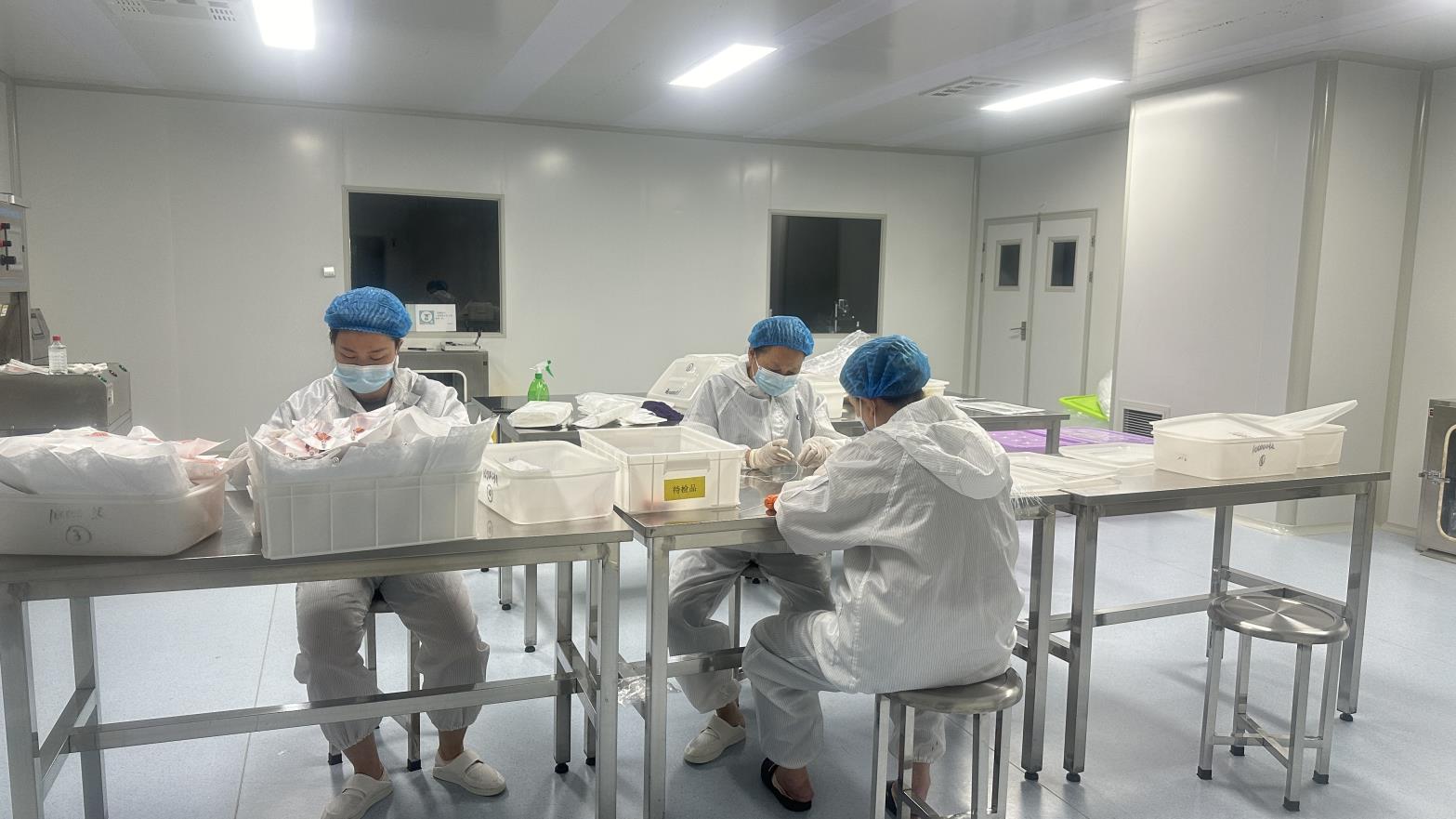

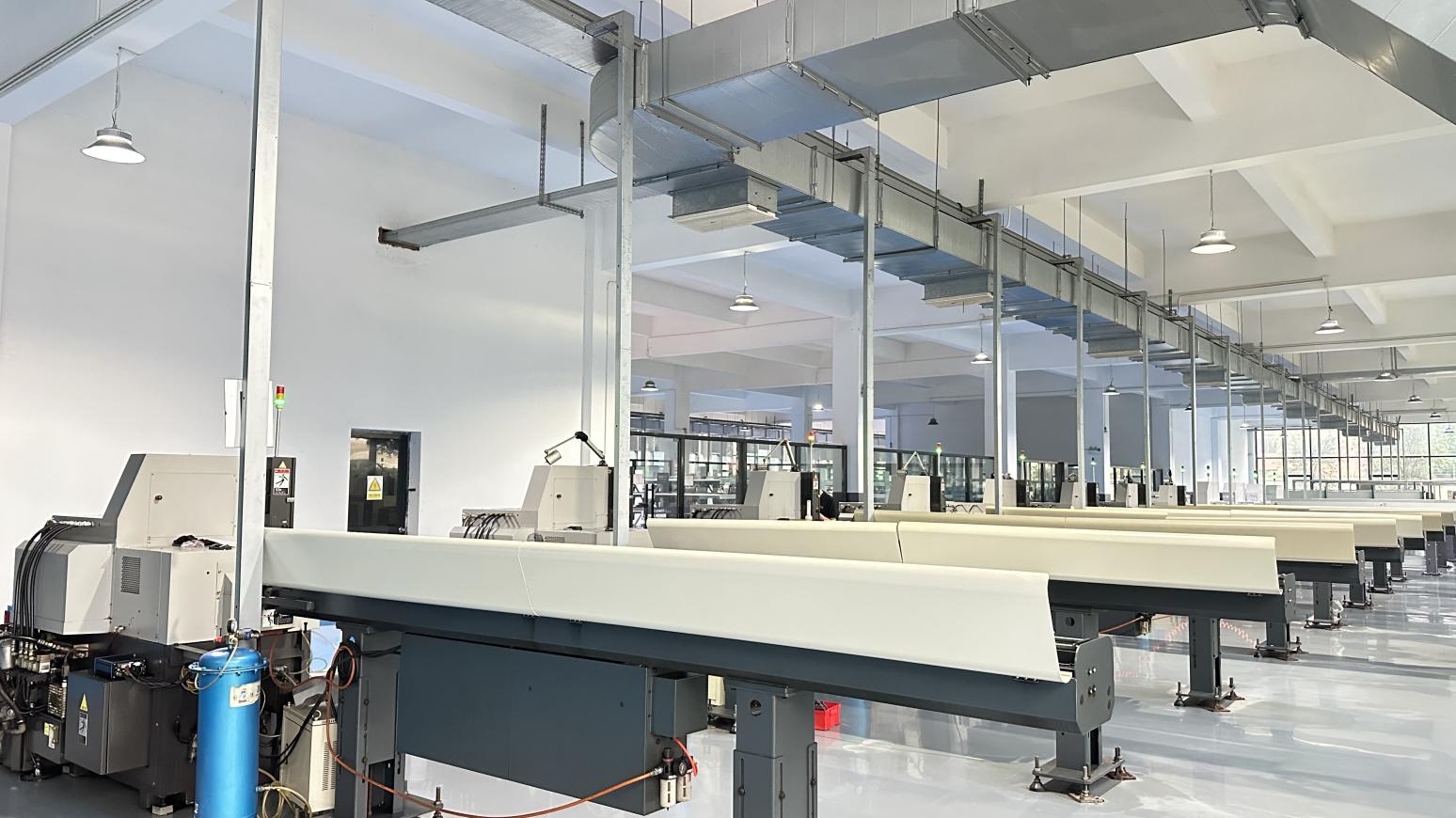
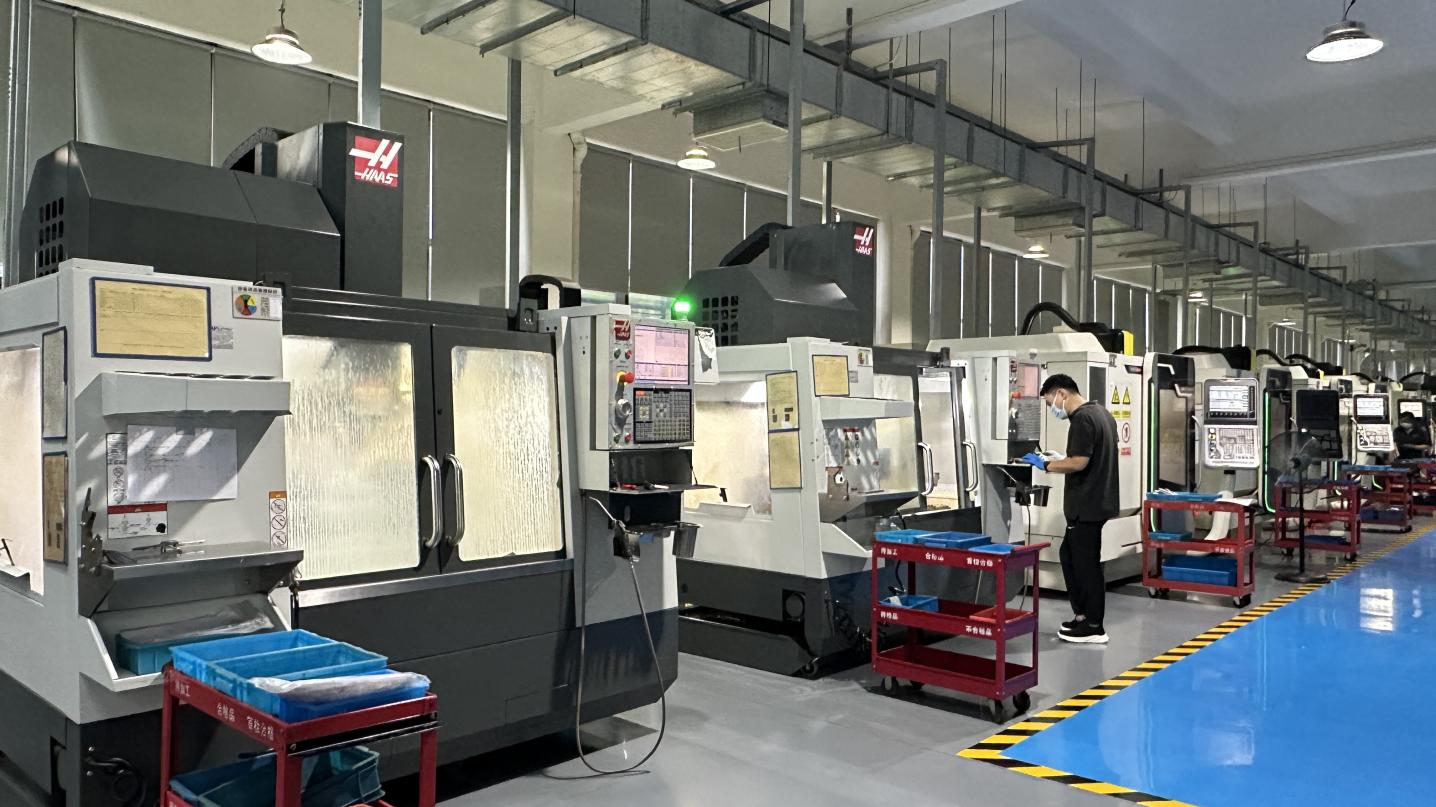
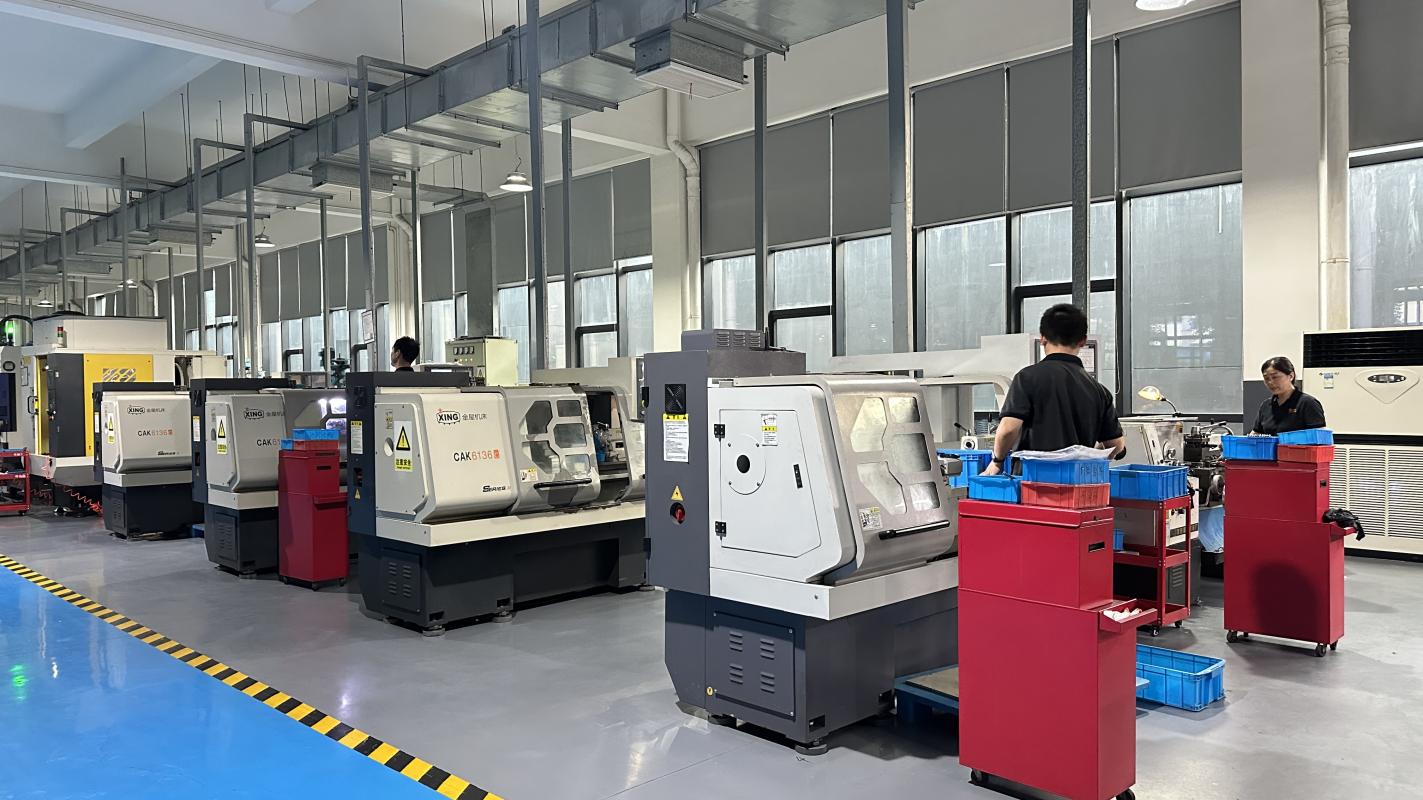
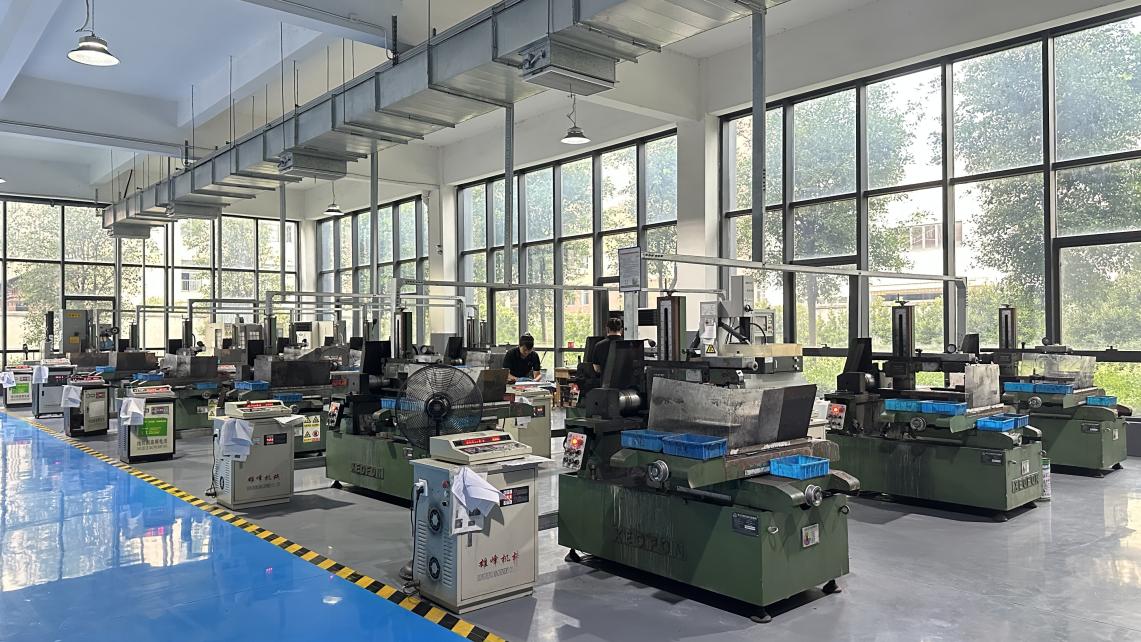
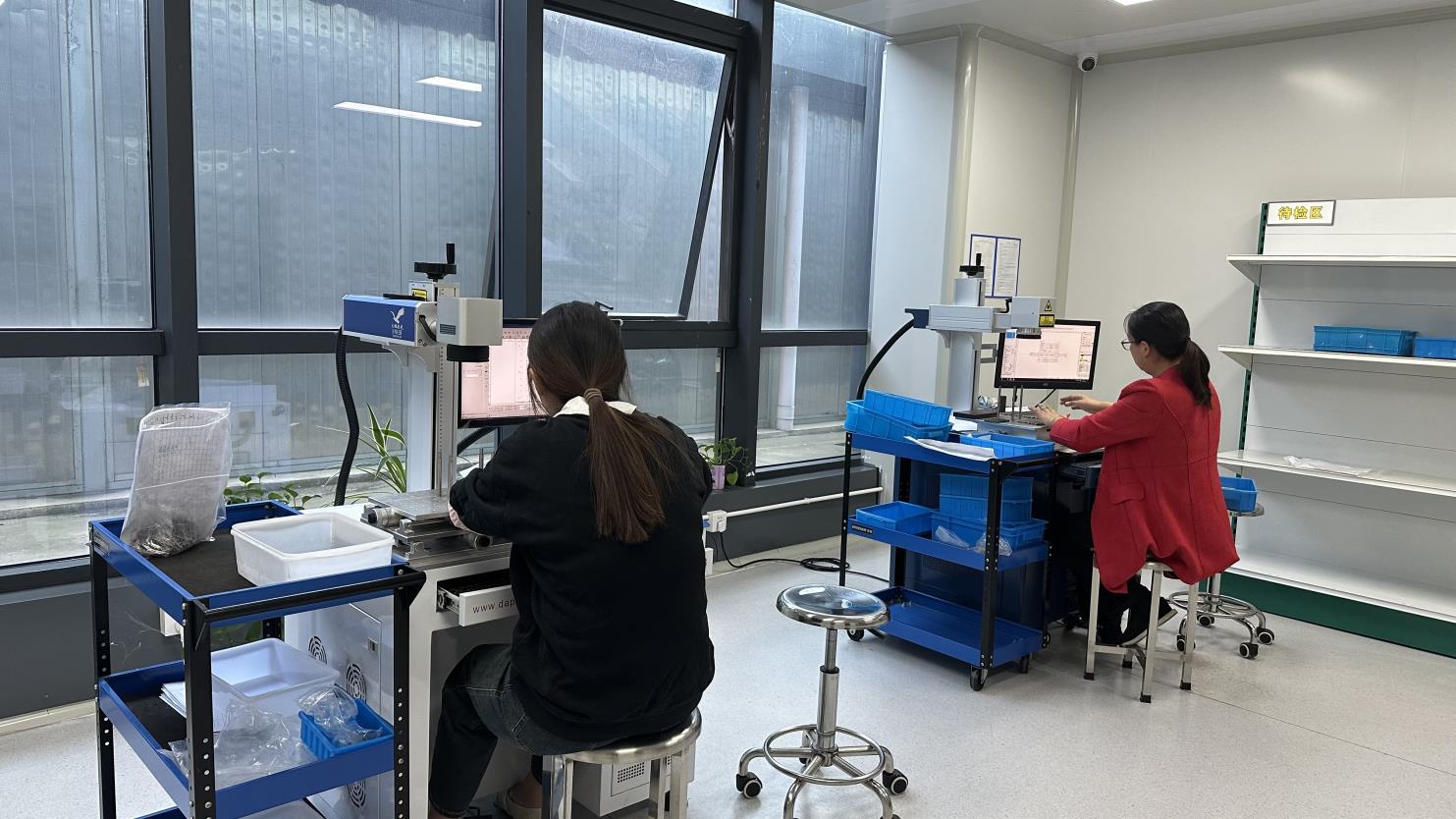
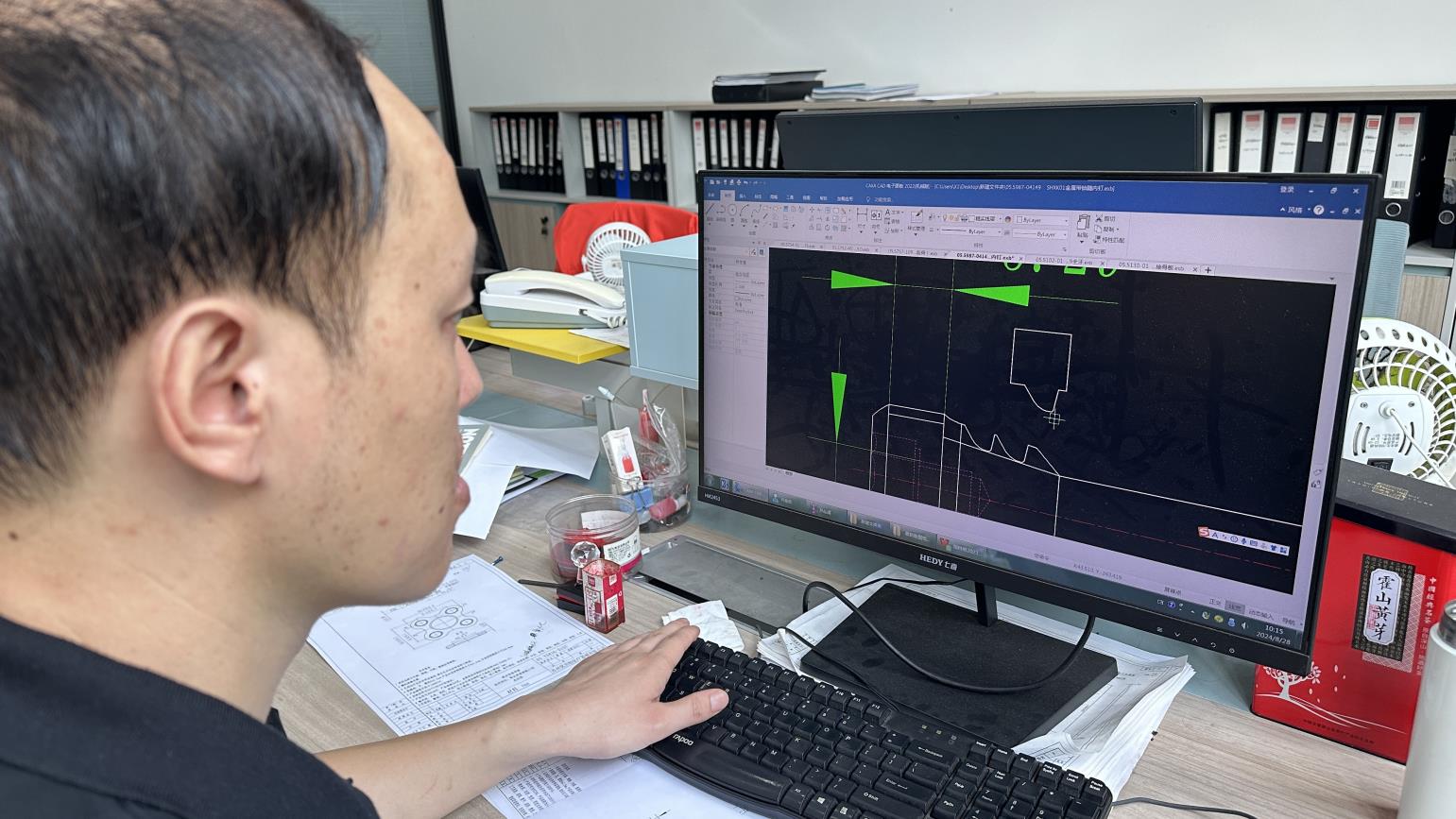
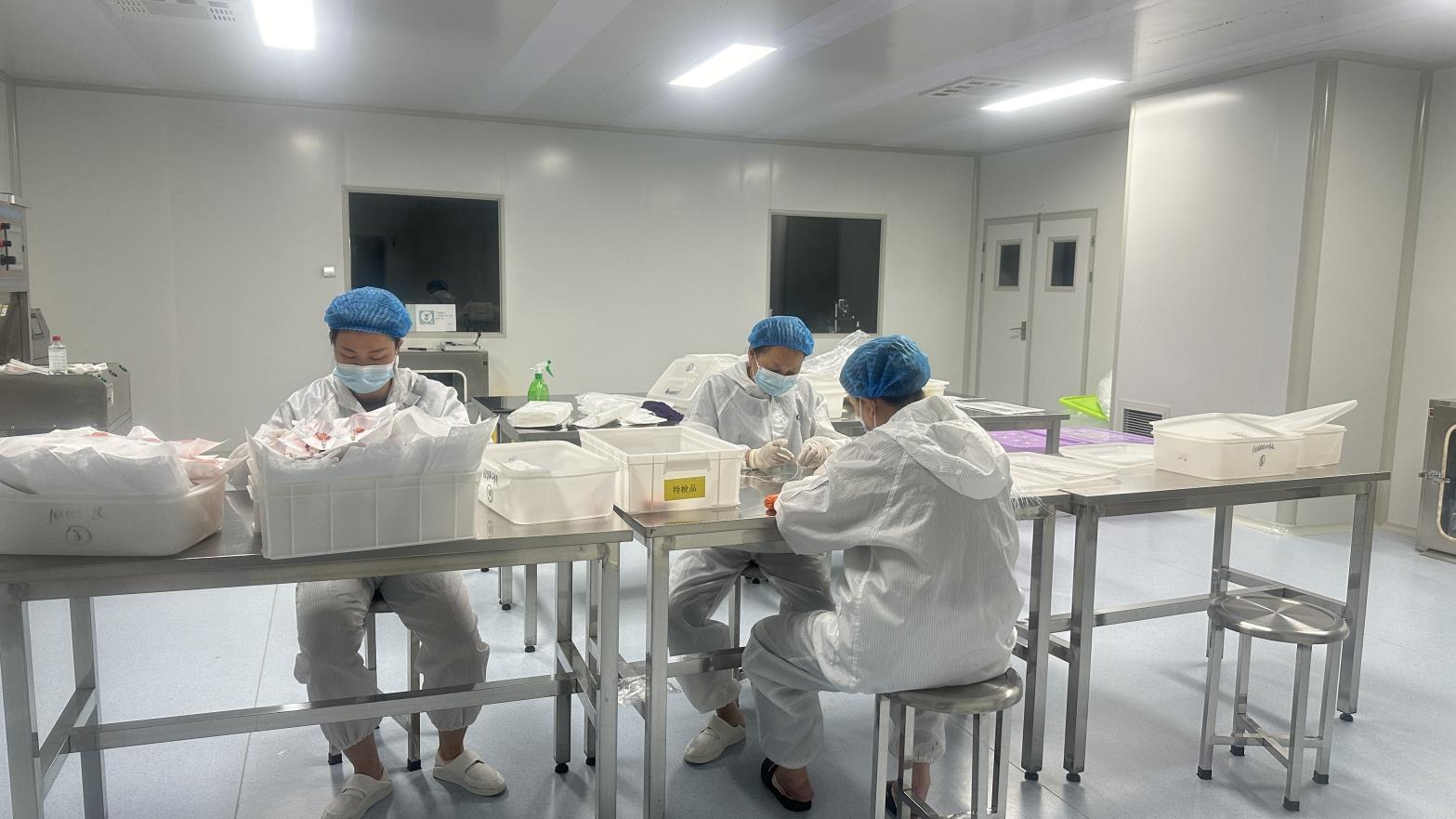
Building clinical and technical authority requires more than standard catalog supplies. Large distributors and hospital networks require customizable platforms tailored to regional preferences. Bonevia addresses these requirements through dedicated systems:
Supported by our 85 R&D engineers, we work closely with orthopedic teams to modify cage heights, lordotic angles (e.g., 4° to 12°), and contact tooth designs to optimize initial primary stability and fit local surgical preferences.
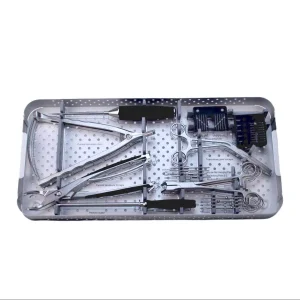
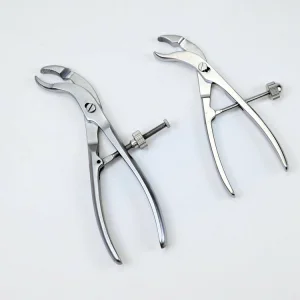
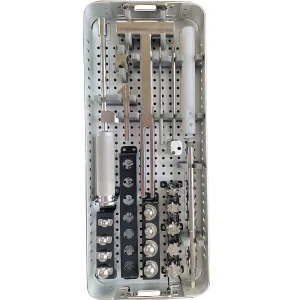
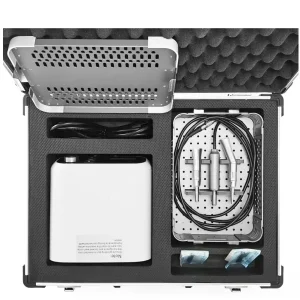
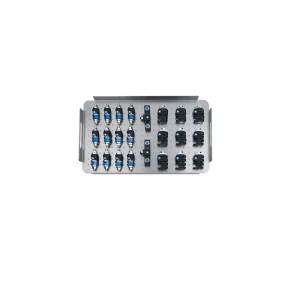
An interbody fusion cage cannot be implanted without proper instrumentation. We provide matching implant-inserter systems, trial spacers, bone graft packers, and sizers in durable medical-grade stainless steel sterilizing cases.
Navigating import regulatory approvals (such as MDR in Europe, ANVISA in South America, and regional registrations in Southeast Asia) can be challenging. Our compliance teams provide full support, offering documentation, ISO certifications, and detailed batch testing records to facilitate customs clearance and national product registrations.
Spinal fusion is evolving rapidly. Next-generation advancements focus on modifying implant surfaces to stimulate early bone healing at the molecular level. Current developmental tracks at Bonevia include:
Key questions and insights regarding PEEK cage engineering, material specifications, and wholesale sourcing.
Explore our wider catalog of joint systems, internal fixations, osteotomy tools, and spinal instruments.