 Bonevia
Bonevia
Bonevia
Explore our high-precision surgical instruments, reconstruction systems, and specialized clinical kits engineered for arthroscopic joint repairs and bone reconstruction.
The sports medicine industry is experiencing a profound paradigm shift driven by demographic changes, active aging populations, and structural innovations in arthroscopic surgery. Suture anchors—the critical stabilization nodes used to reattach torn tendons to the humeral head in rotator cuff repairs—have evolved from simple fixation devices to highly complex, biomechanically optimized, bio-interactive implant systems. Current clinical data underscores that achieving long-term tendon-to-bone healing depends heavily on the mechanical stability and tissue integration properties of the suture anchor system.
Biomedical research has moved beyond simple tensile strength measurements. Today's advanced suture anchors are analyzed on complex parameters like cyclic loading resilience, pull-out force thresholds, and footprint distribution pressure. As clinical protocols demand accelerated post-operative physical therapy, the initial mechanical fixation of the rotator cuff footprint must withstand the physiological forces of early mobilization. The industry is seeing a transition away from traditional metal anchors (such as Titanium alloys) toward bio-absorbable composites and Polyetheretherketone (PEEK) polymers, which reduce artifacts in post-operative MRI imaging and better match the natural elasticity modulus of cortical bone.
Double-row transosseous-equivalent (TOE) repair techniques have become the clinical standard. These techniques utilize knotless bridge constructs to distribute contact pressure uniformly across the tendon footprint, maximizing the contact area and reducing micro-motion during healing.
PEEK anchors demonstrate excellent fatigue resistance and biological inertness. Additionally, biocomposites containing osteoconductive agents like Tricalcium Phosphate (TCP) or Hydroxyapatite (HA) actively promote bony ingrowth, gradually replacing the implant site with natural trabecular bone structure.
Procuring surgical implants is a highly regulated process with strict requirements. Professional medical device distributors, hospital purchasing groups, and global OEMs prioritize clinical safety, regulatory compliance, and supply chain security above all else. A suture anchor is classified as a high-risk Class III implantable medical device in most jurisdictions (including Europe and China), meaning it requires complete regulatory documentation, ISO 13485 quality systems, and validation data for every step of manufacturing and sterilization.
During the auditing process, global procurement teams scrutinize trace documentation, raw material certification (such as medical-grade titanium conforming to ASTM F136 or medical-grade PEEK certified under ASTM F2026), cleanroom classification, and sterilization validation (Gamma radiation or Ethylene Oxide gas under ISO 11137 / ISO 11135). Furthermore, with hospital systems pushing for cost containment and value-based healthcare, sourcing direct from verified Chinese contract manufacturers has transitioned from a cost-cutting tactic to a strategic imperative. Procurement managers seek partners who can provide customized OEM modifications—such as custom thread pitches, modified eyelet shapes, and pre-loaded high-tensile UHMWPE (Ultra-High-Molecular-Weight Polyethylene) sutures—while maintaining regulatory compliance.
Establishing clinical equivalence requires manufacturers to provide detailed mechanical validation data, including pull-out strength curves, insertion torque metrics, and biocompatibility studies (complying with ISO 10993). In addition to physical product specs, suppliers must maintain a clean record of quality inspections and secure packaging validation (ISO 11607) to ensure sterile integrity for up to 5 years.
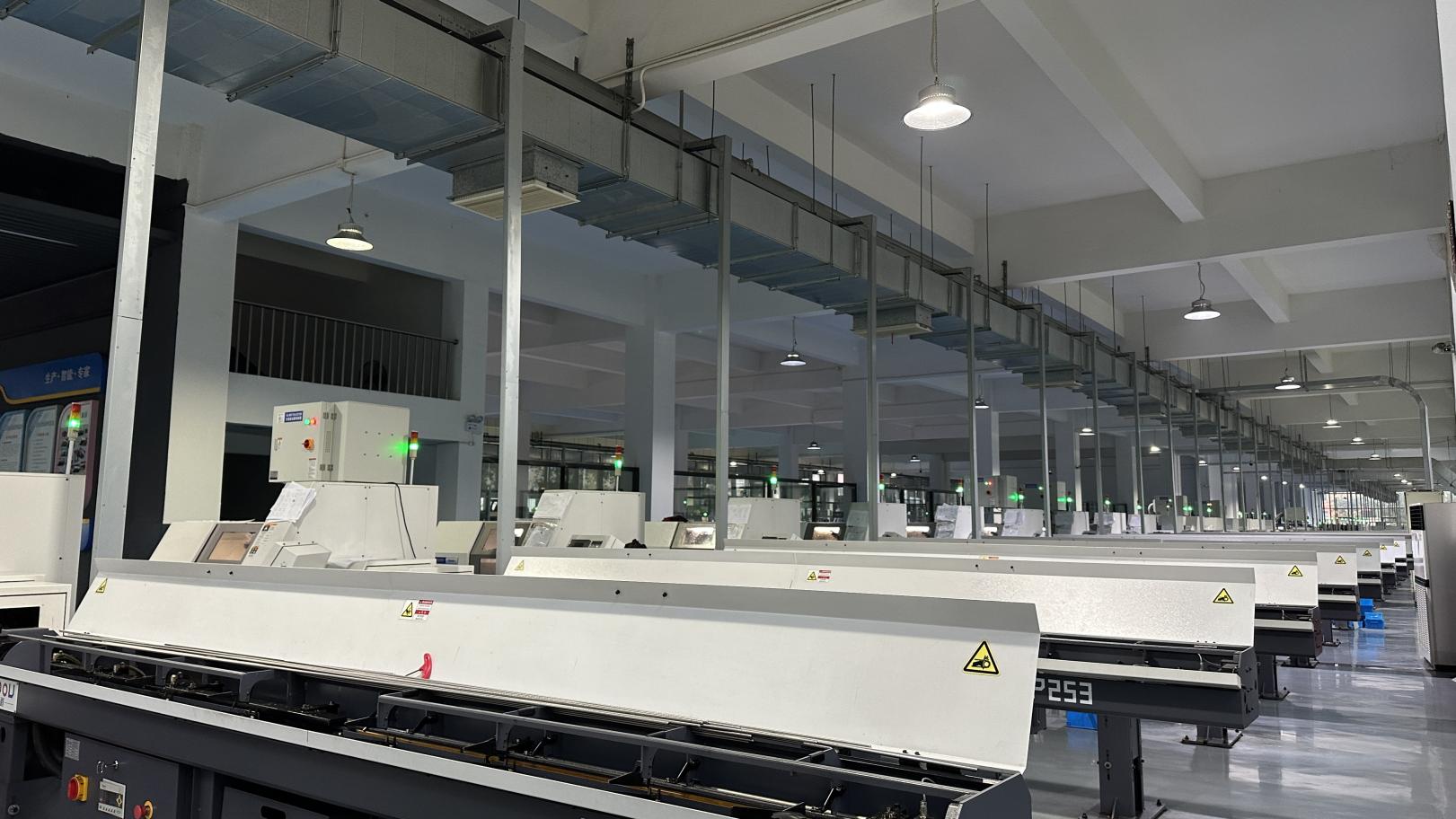
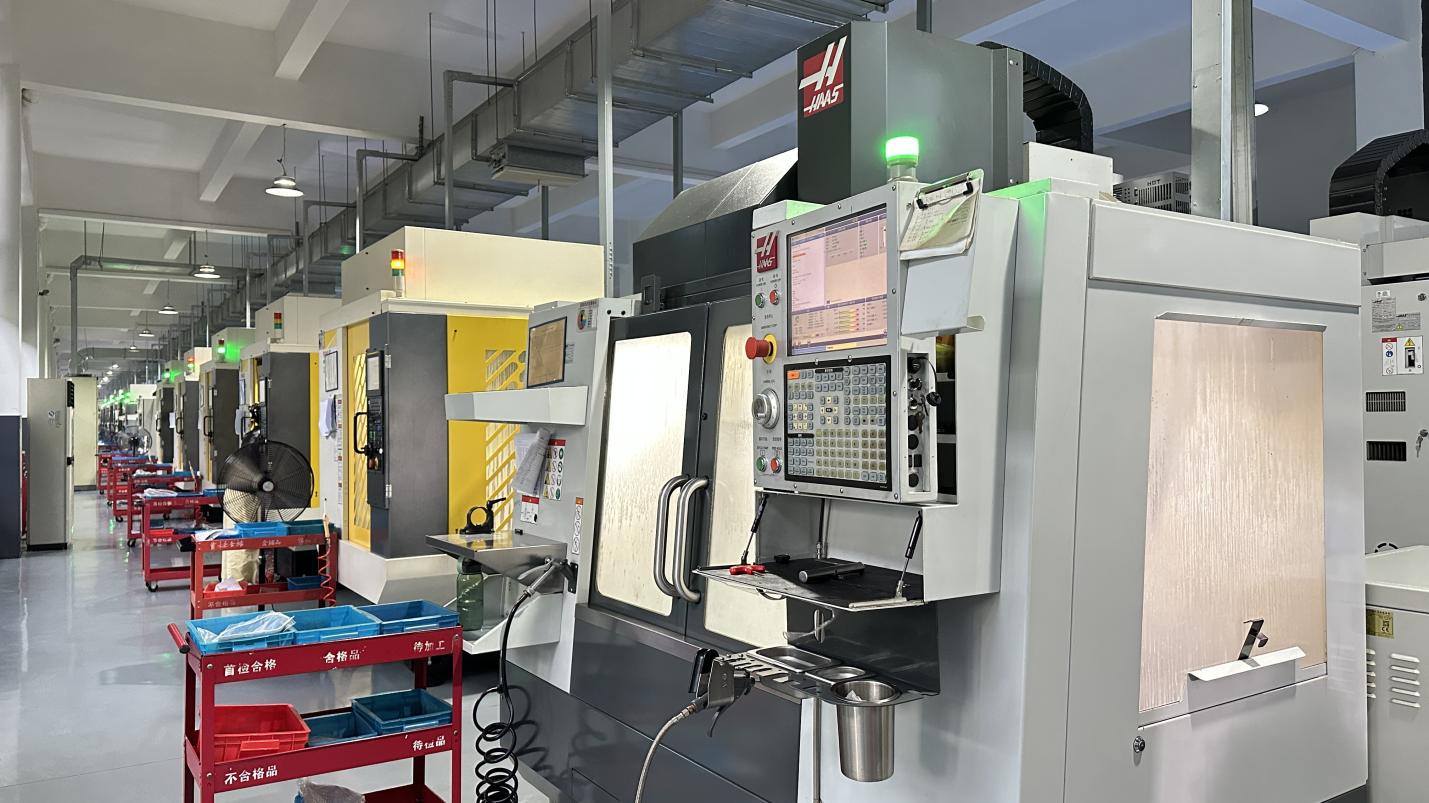
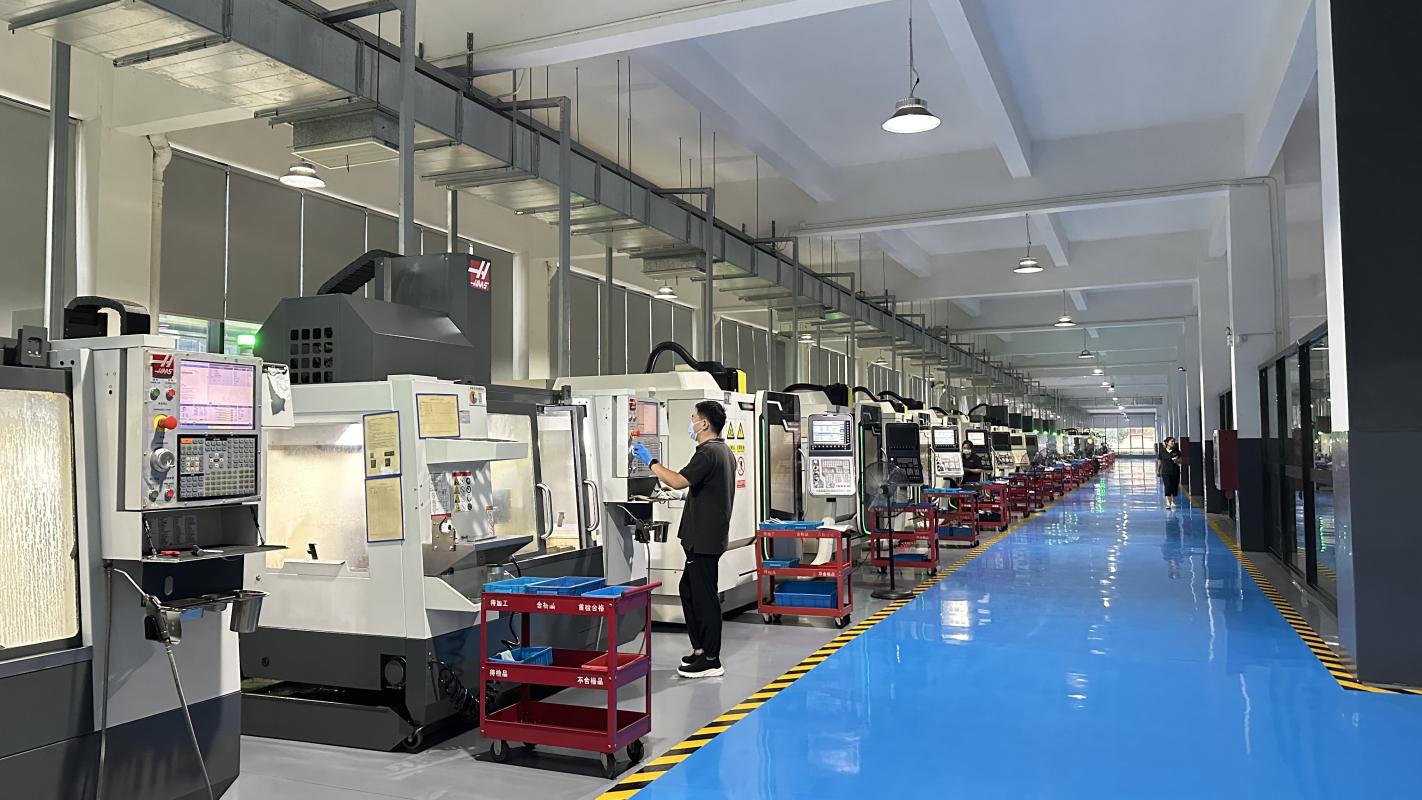
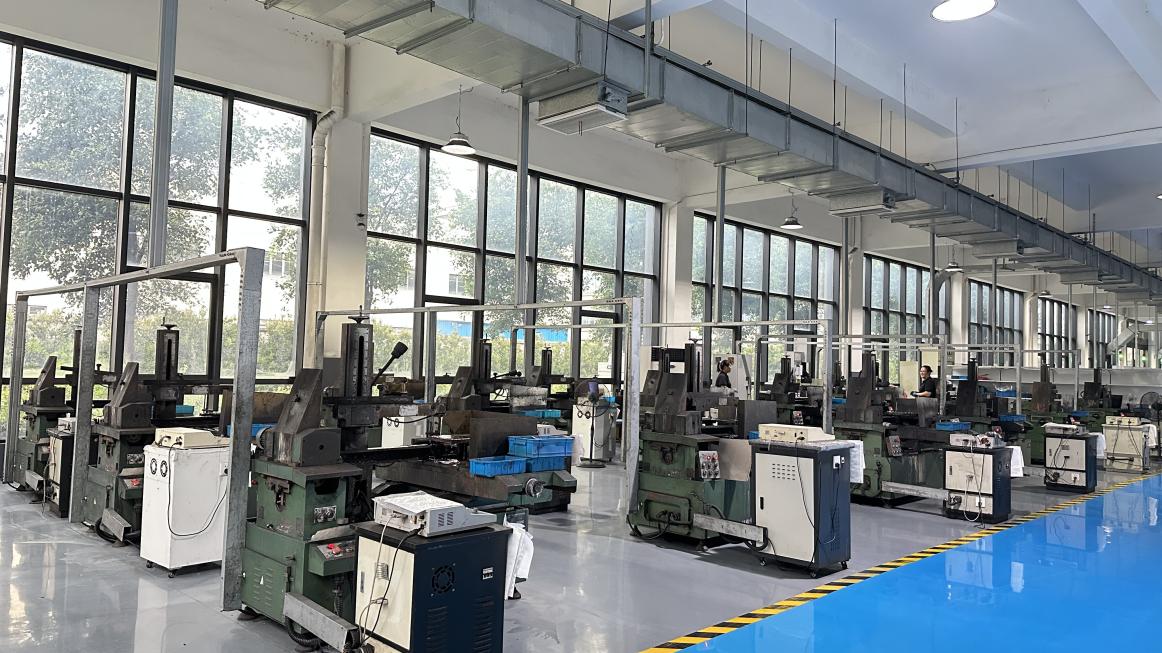
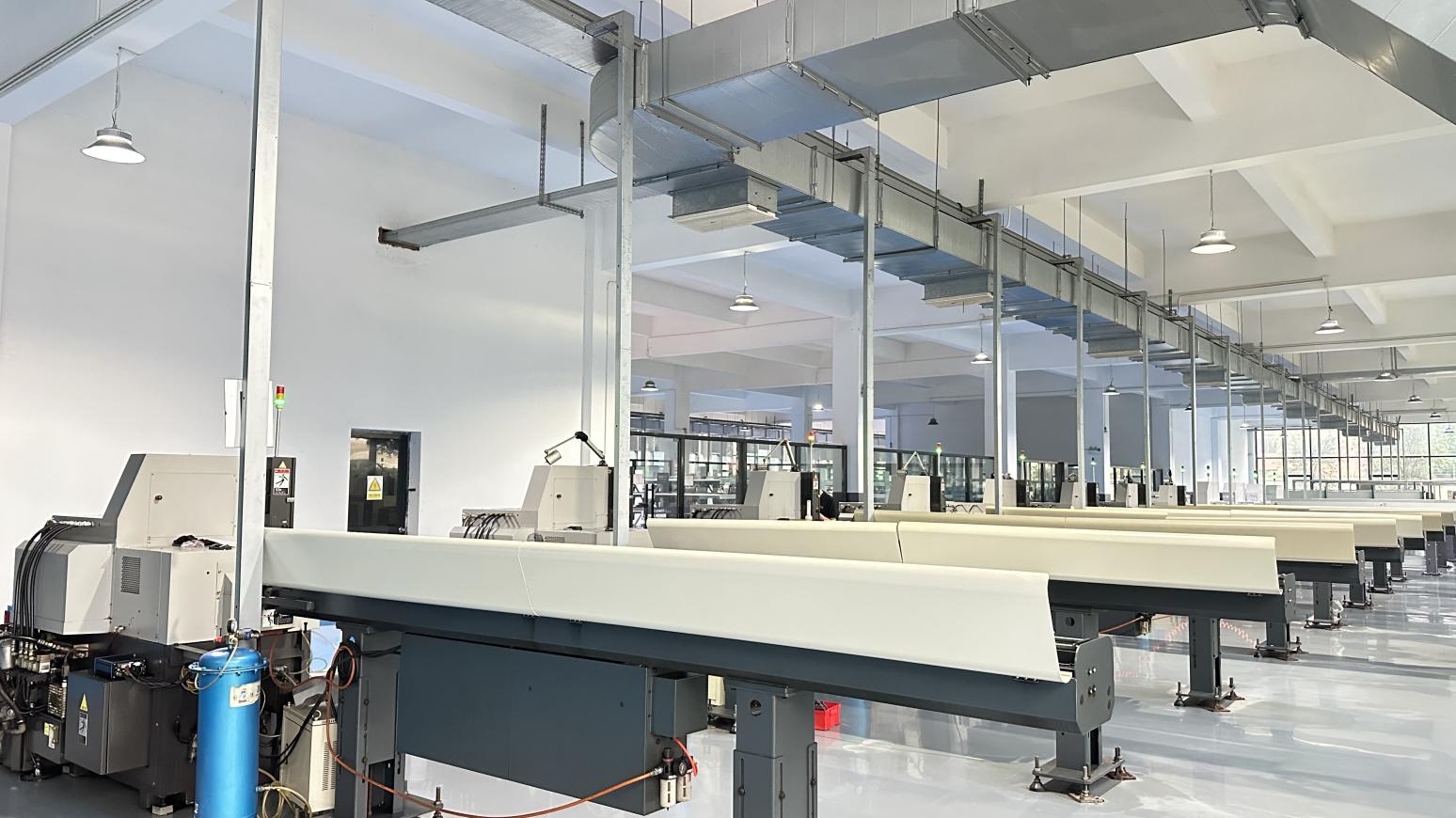
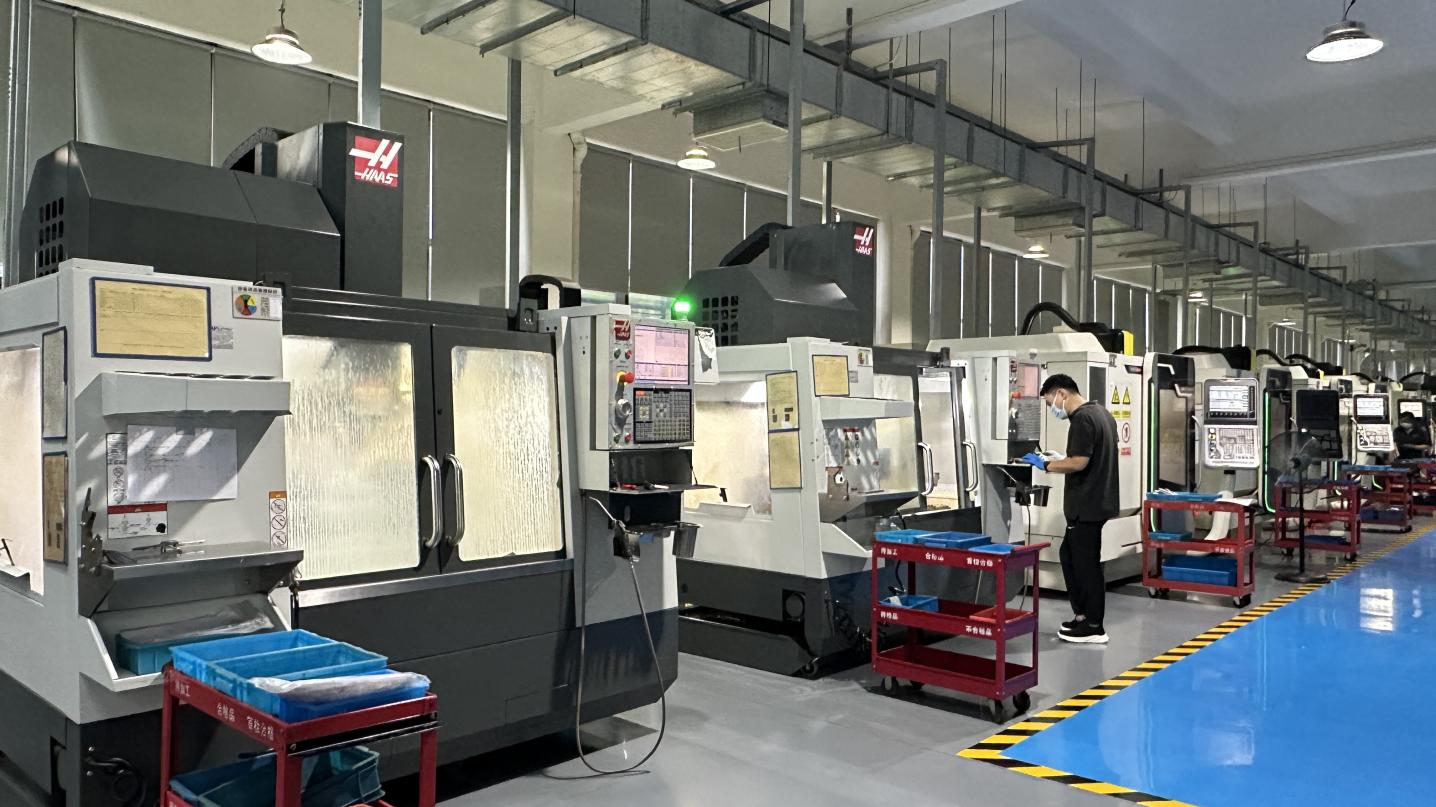
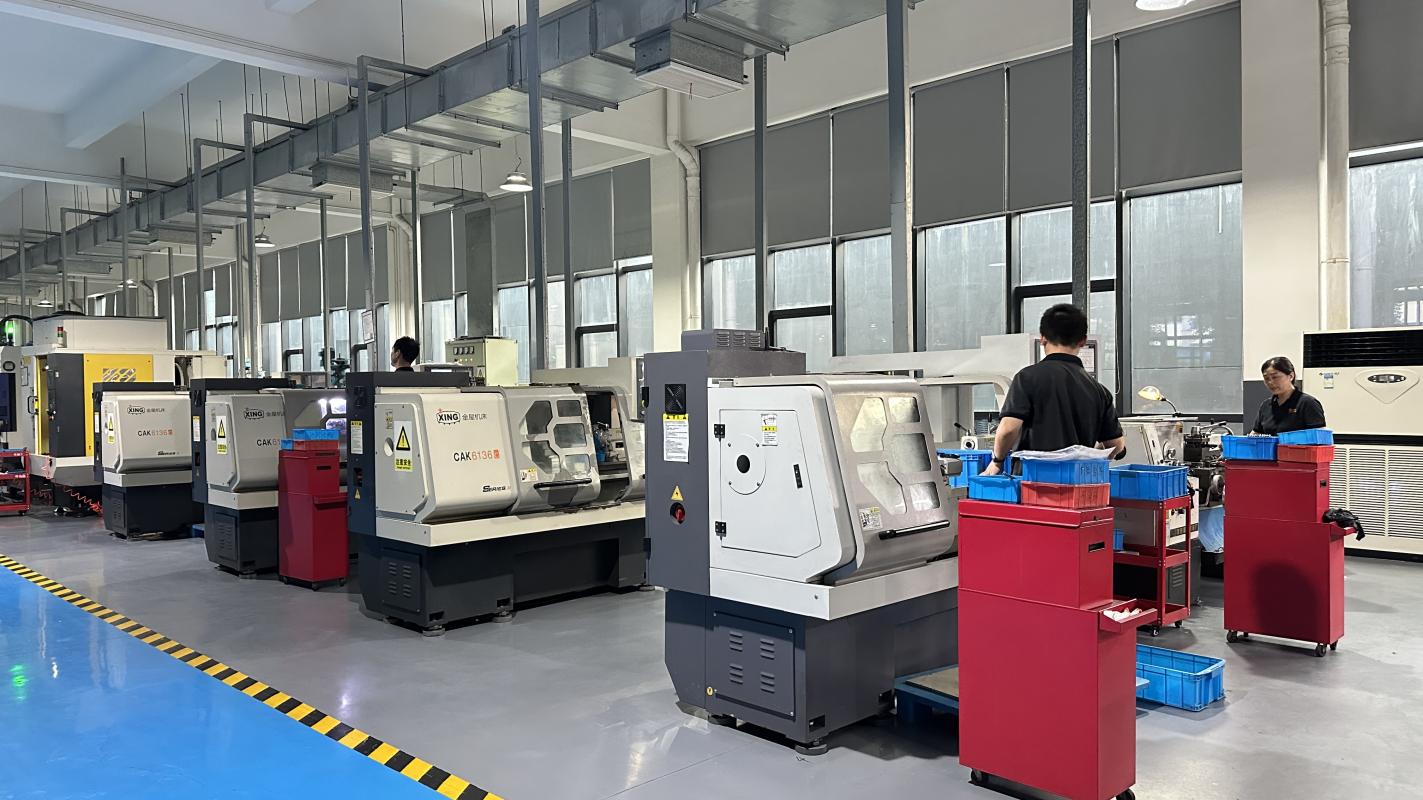
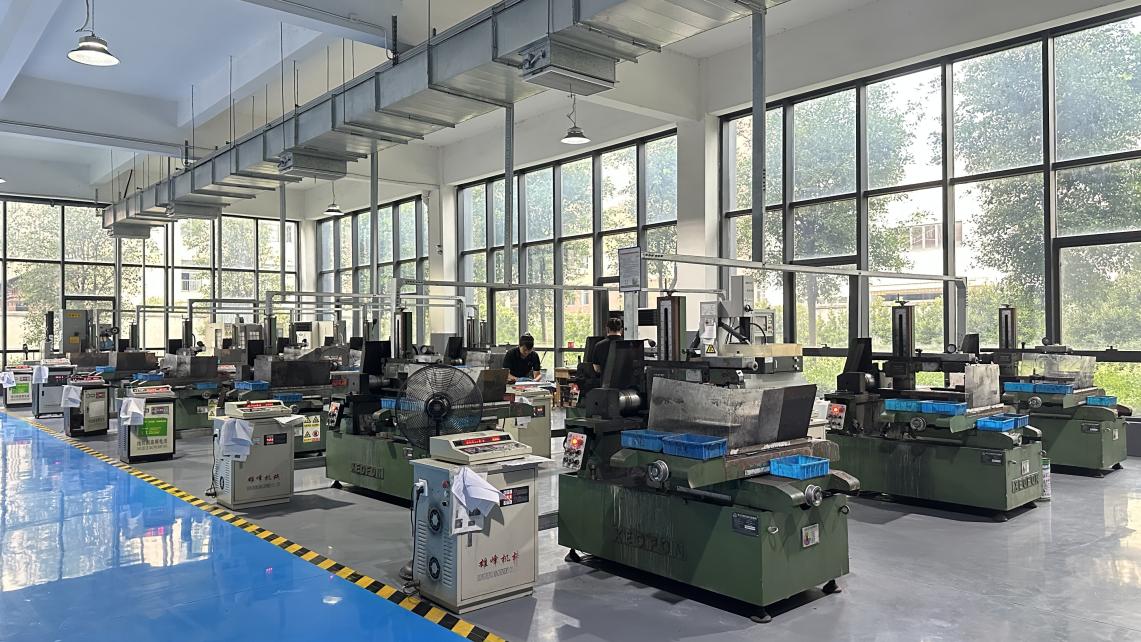
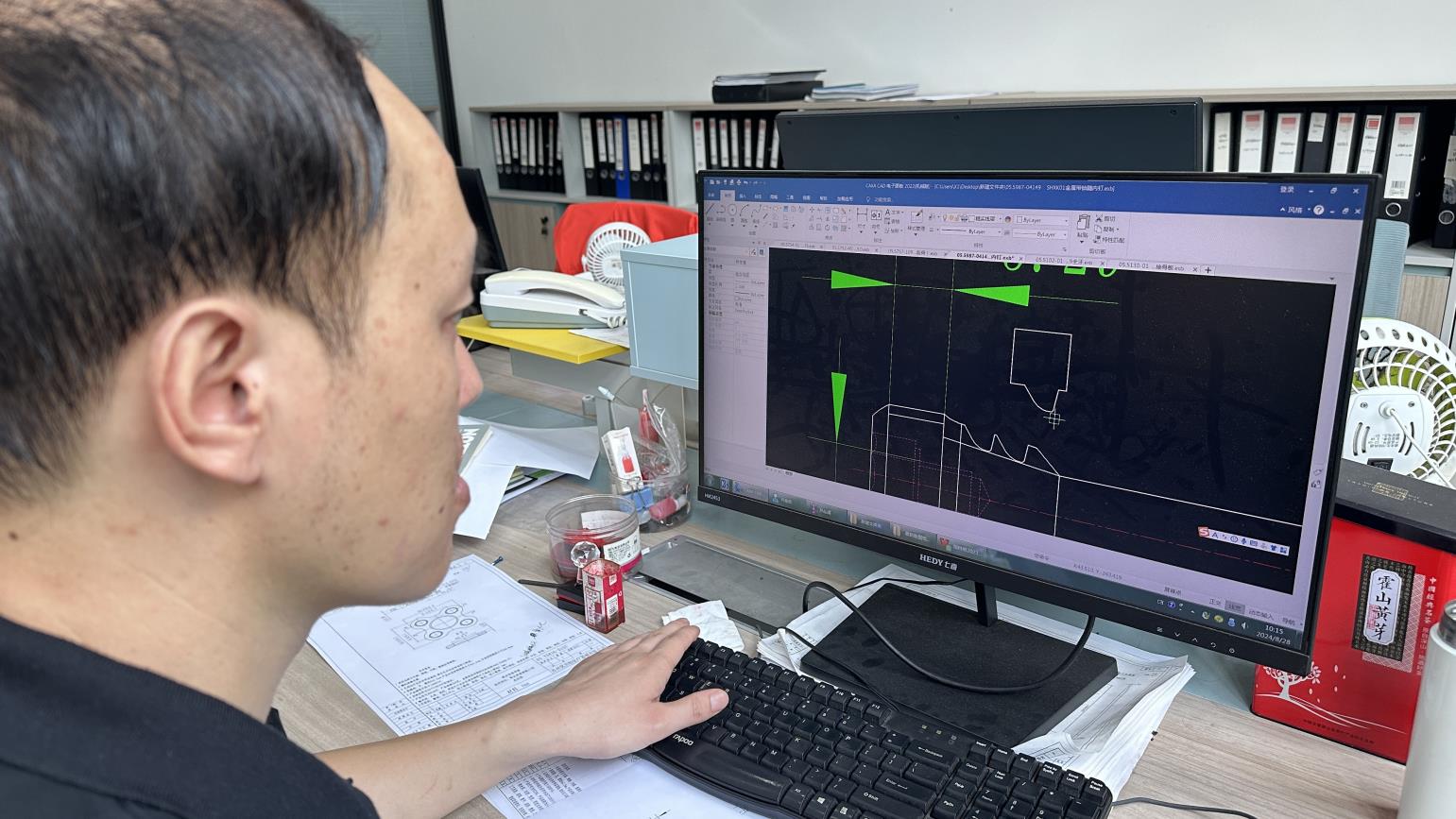
The manufacturing ecosystem in China has evolved from high-volume assembly lines to high-precision, automated smart factories. By integrating advanced production equipment and digital control loops, Chinese orthopedic manufacturers can achieve tolerances down to the single-micron level. This high precision is essential for processing implant grade materials like PEEK and titanium, which require exact thread geometries and eyelet profiles to prevent suture abrasion or insertion failure.
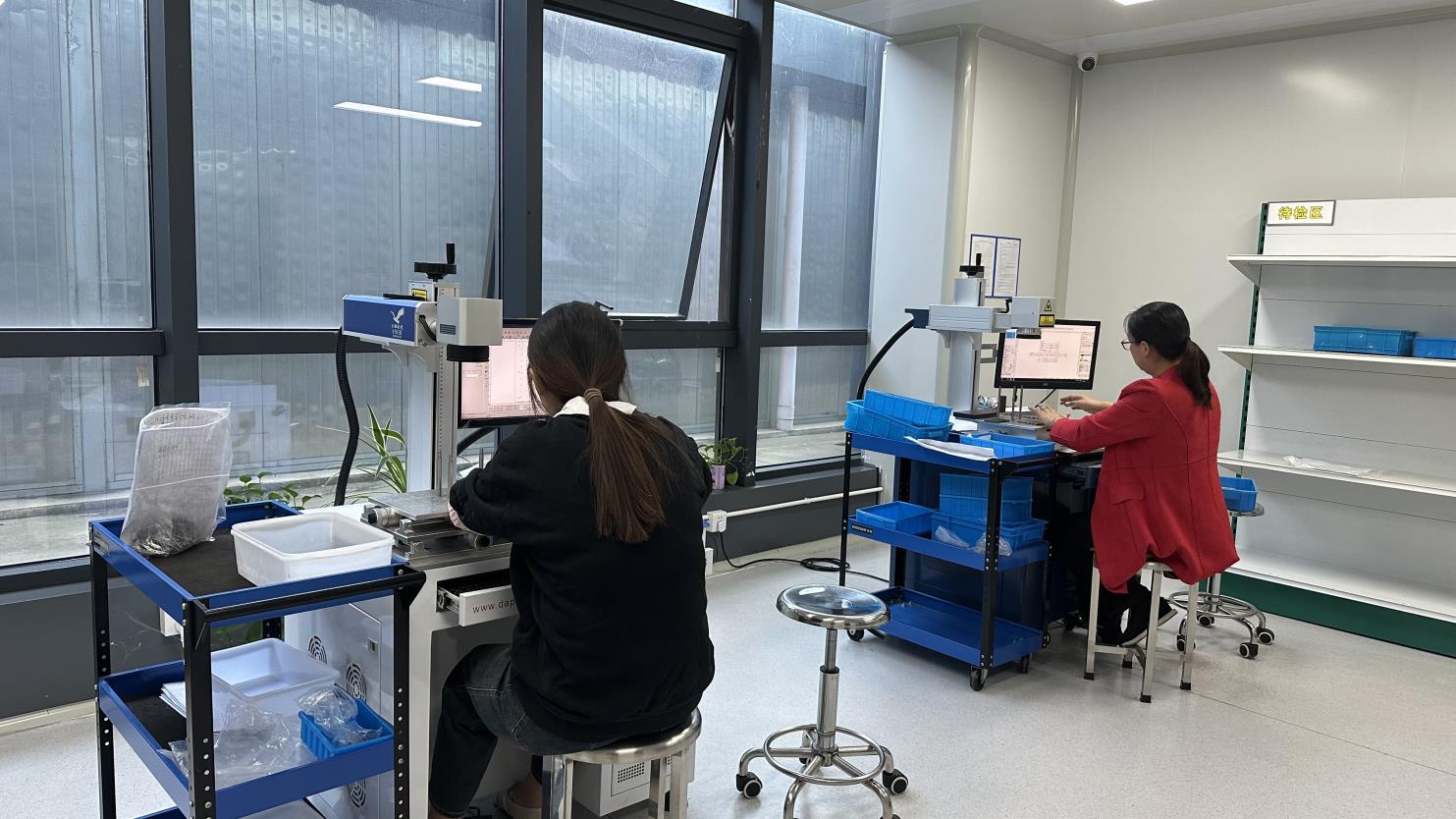
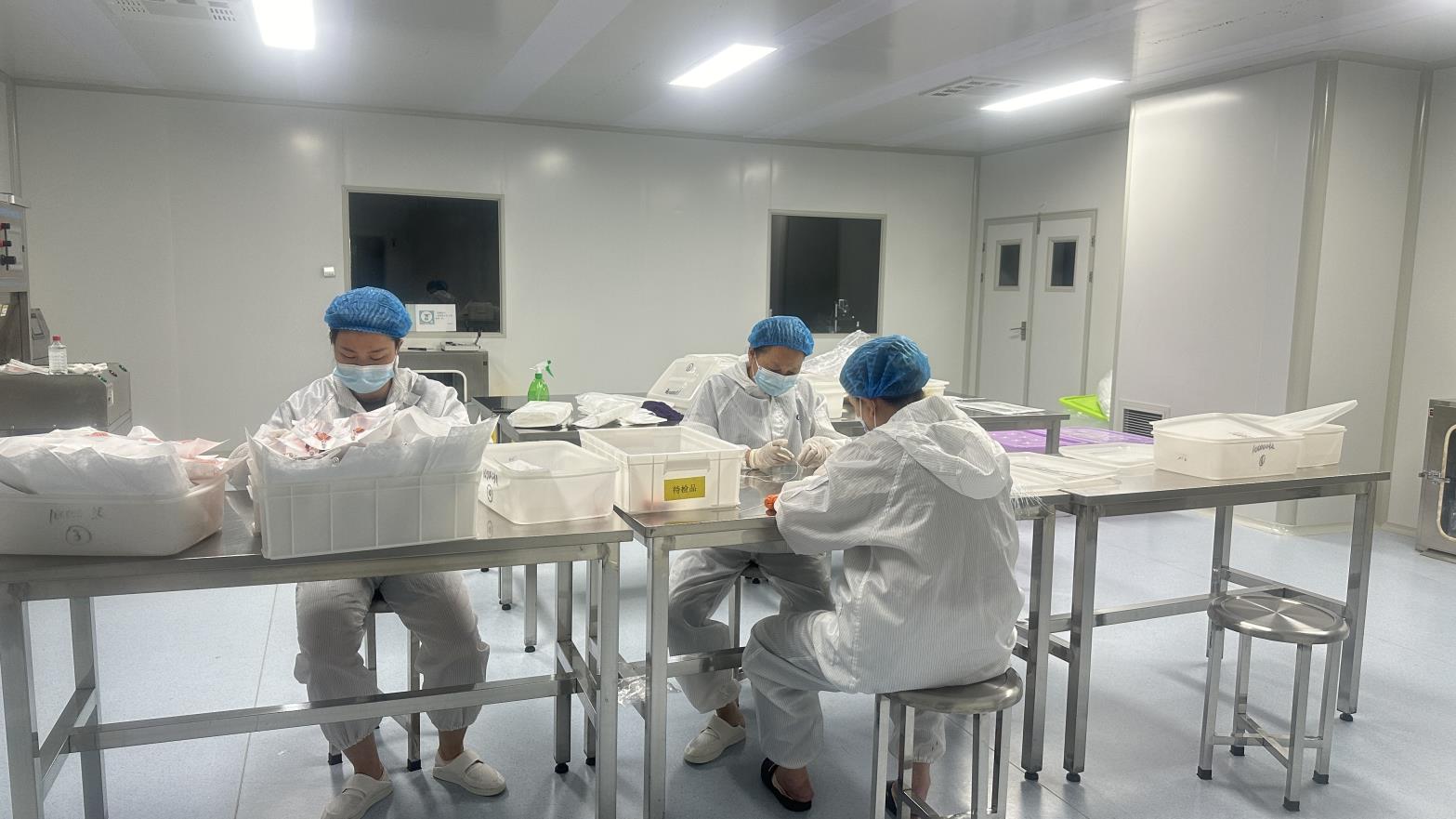
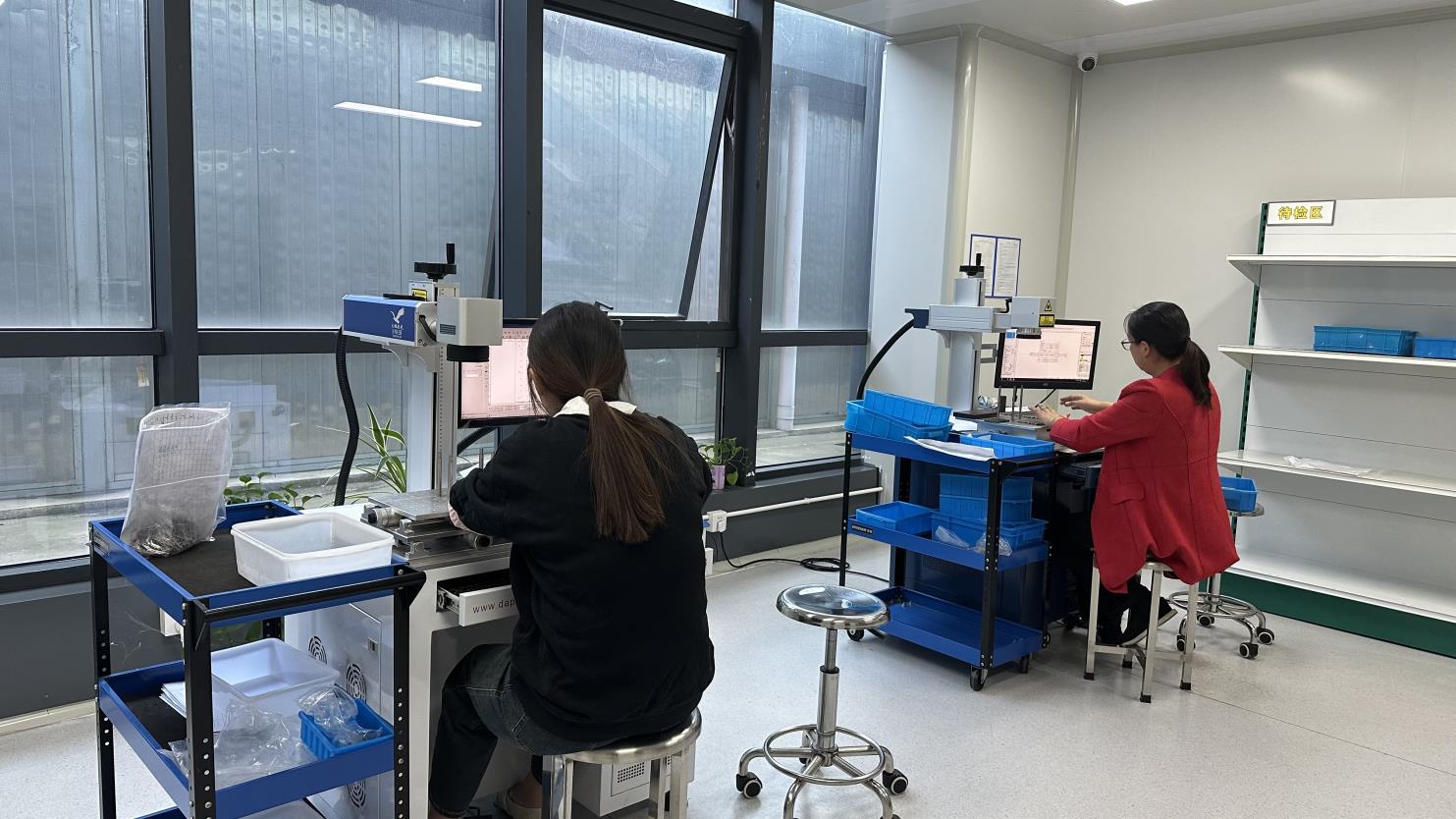
China's Factory 4.0 infrastructure combines vertical integration of the raw material supply chain with advanced manufacturing technologies like Swiss-type multi-axis CNC machines, laser engraving systems, and cleanroom automated packaging. This tight integration provides exceptional resilience against supply chain disruptions, allowing for rapid scale-up of production and shorter lead times compared to traditional manufacturing hubs. For global sports medicine brands, this means faster go-to-market cycles and consistent batch-to-batch quality.
Take a look inside our cleanrooms, machining centers, and quality control labs. Every step of our production process is strictly audited to ensure compliance with global medical device standards.


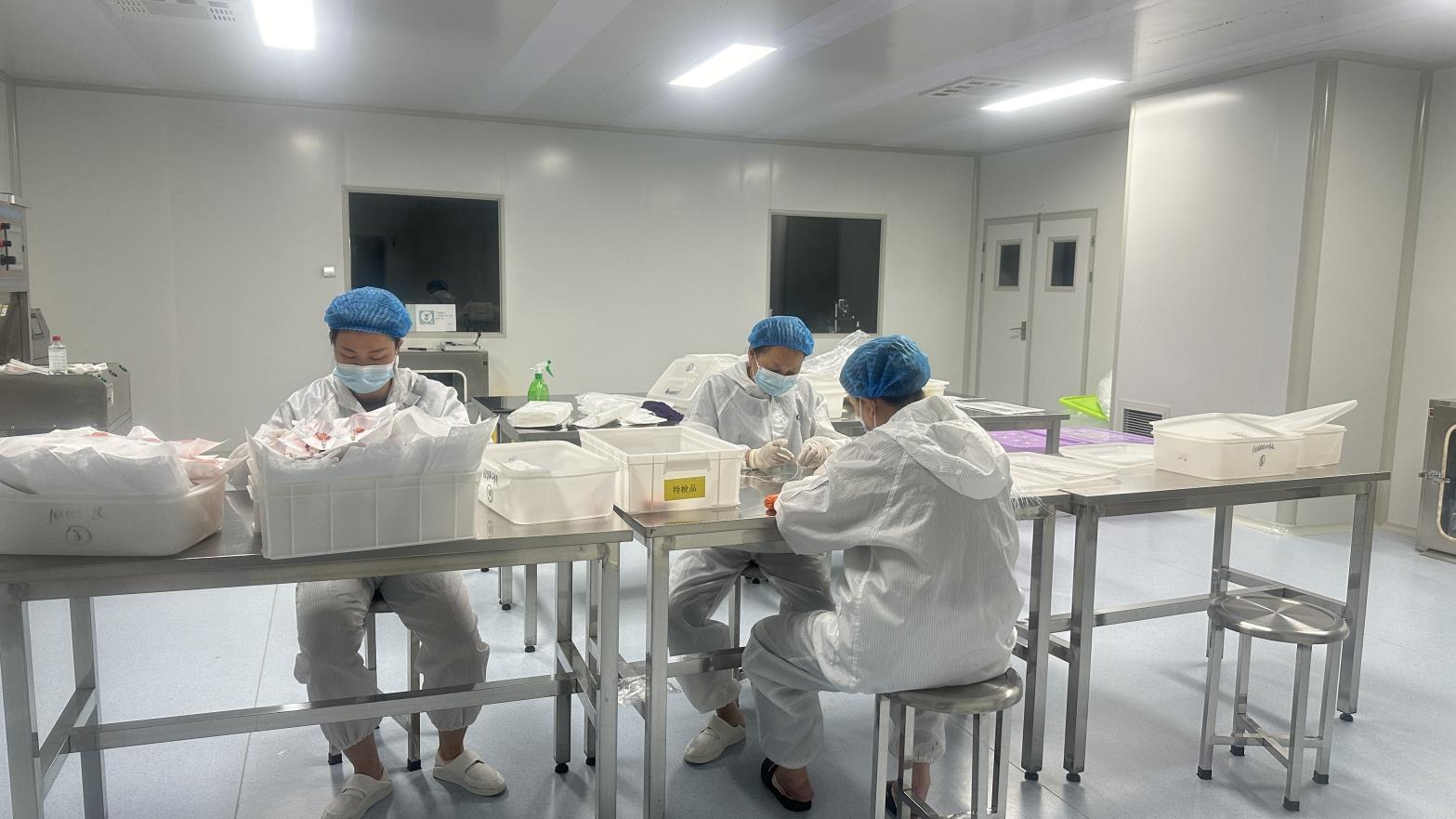
Bonevia Orthopedic Technology Co., Ltd. is a professional manufacturer specializing in orthopedic implants and surgical solutions, dedicated to advancing innovation in trauma, spine, and joint reconstruction products. Since its establishment in 2015, the company has grown steadily into a trusted supplier in the global orthopedic industry.
With a modern production facility covering approximately 320㎡, Bonevia maintains strict quality management standards and efficient manufacturing processes. The company records an annual export revenue of around USD 8–15 million, supported by 6 years of export experience and over 10 years of overall industry experience.
Quality assurance is a core focus at Bonevia. The company implements multiple inspection methods including incoming material inspection, in-process quality control, and final product testing, supported by a dedicated quality team of 35 professionals. This ensures all products meet international medical device standards.
Bonevia has a solid trade foundation with diversified global distribution networks, serving major markets across Europe, Southeast Asia, the Middle East, and South America. Its supply chain ecosystem includes more than 850 partners, enabling stable raw material sourcing and efficient production delivery.
The company serves a wide range of clients, including hospitals, orthopedic clinics, surgical centers, and medical distributors. Bonevia also demonstrates strong R&D capabilities, offering OEM and ODM customization services to meet specific clinical requirements. In the past year, Bonevia successfully launched 120 new product designs, supported by a research and development team of 85 engineers, continuously driving innovation in orthopedic implant systems and surgical instruments.
Rotator cuff suture anchors are primarily utilized across three clinical repair techniques, depending on the tear size and the patient's activity level. Understanding these clinical scenarios is vital for procurement agents when selecting suture eyelet configurations and thread designs:
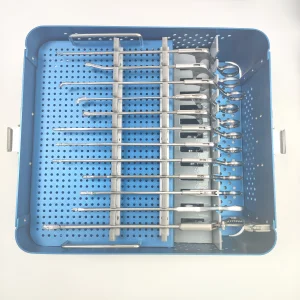
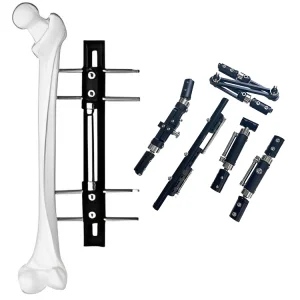
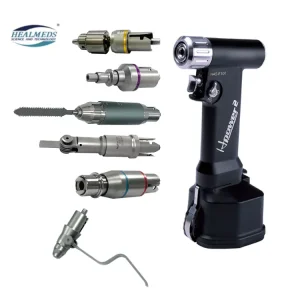
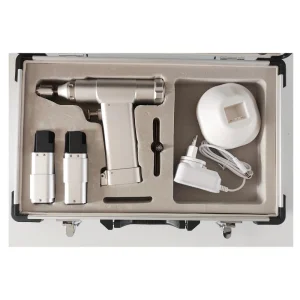
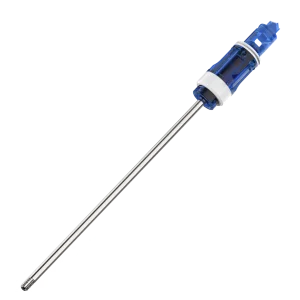
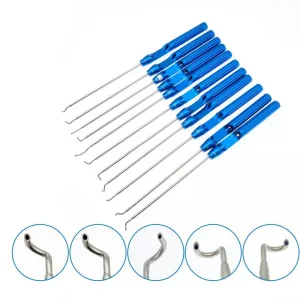
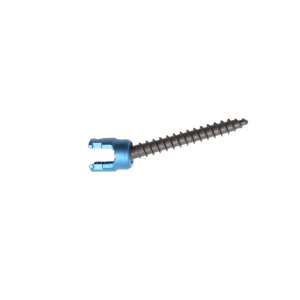
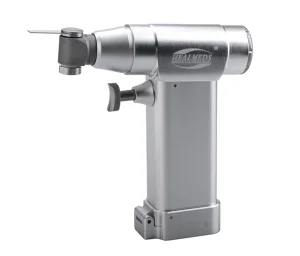
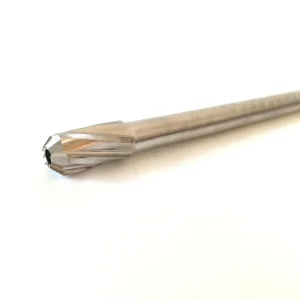
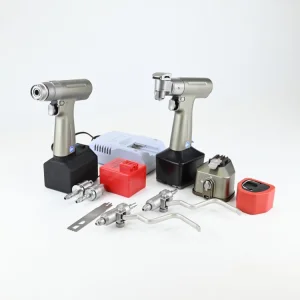
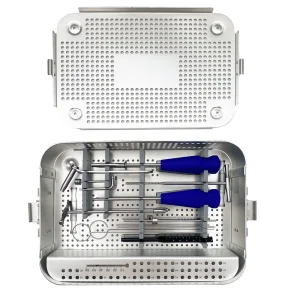
Our extended product line includes arthroscopic blade sets, pedicle screws, spinal stabilization implants, and surgical power tools.
Answers to common technical, material, and regulatory questions from medical device distributors and hospital procurement teams.