Bonevia
Bonevia
Bonevia
Discover our highly specialized selection of surgical systems, custom instrument sets, and implant solutions designed for optimal clinical performance.

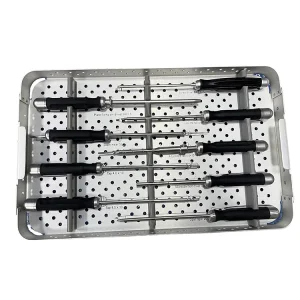
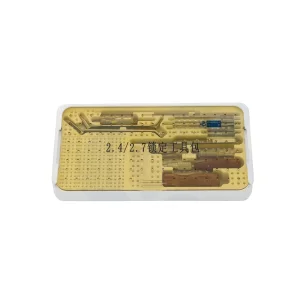
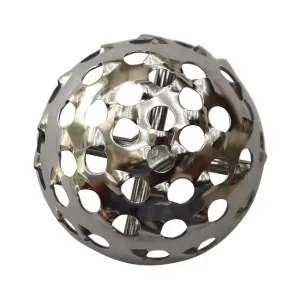
A technical examination of cancellous screw development, clinical requirements, and material innovation in modern orthopedic surgery.
Cancellous bone, characterized by its porous, trabecular structural architecture, presents distinct mechanical challenges for orthopedic fixations compared to dense cortical bone. To optimize fixation and mitigate the risk of implant failure, custom OEM cancellous screws are designed with a deep thread profile and a wide pitch. This specific configuration maximizes the surface area of contact between the implant and the trabecular structures, thereby increasing the pull-out strength in osteopenic and porous bone matrices.
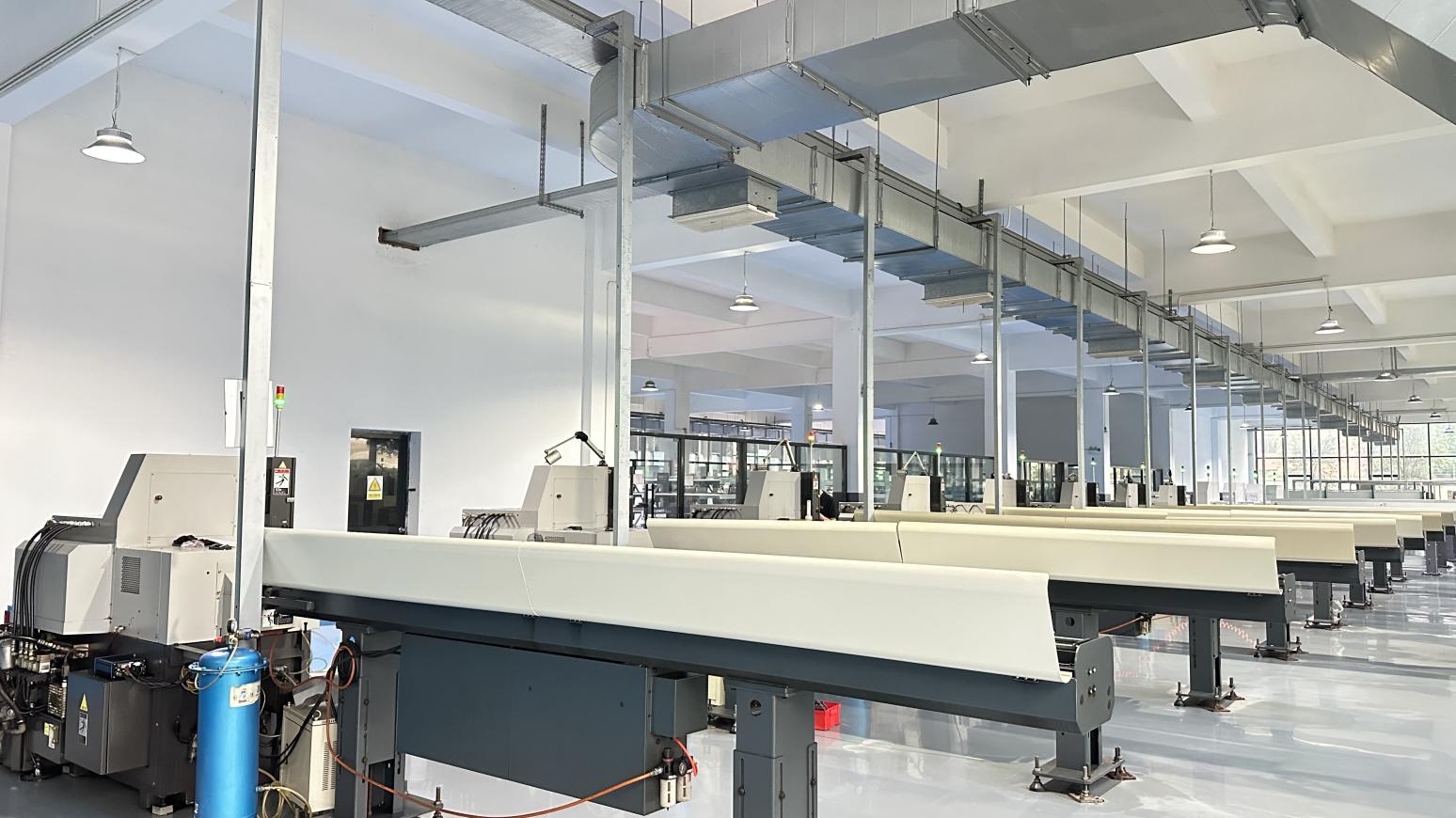
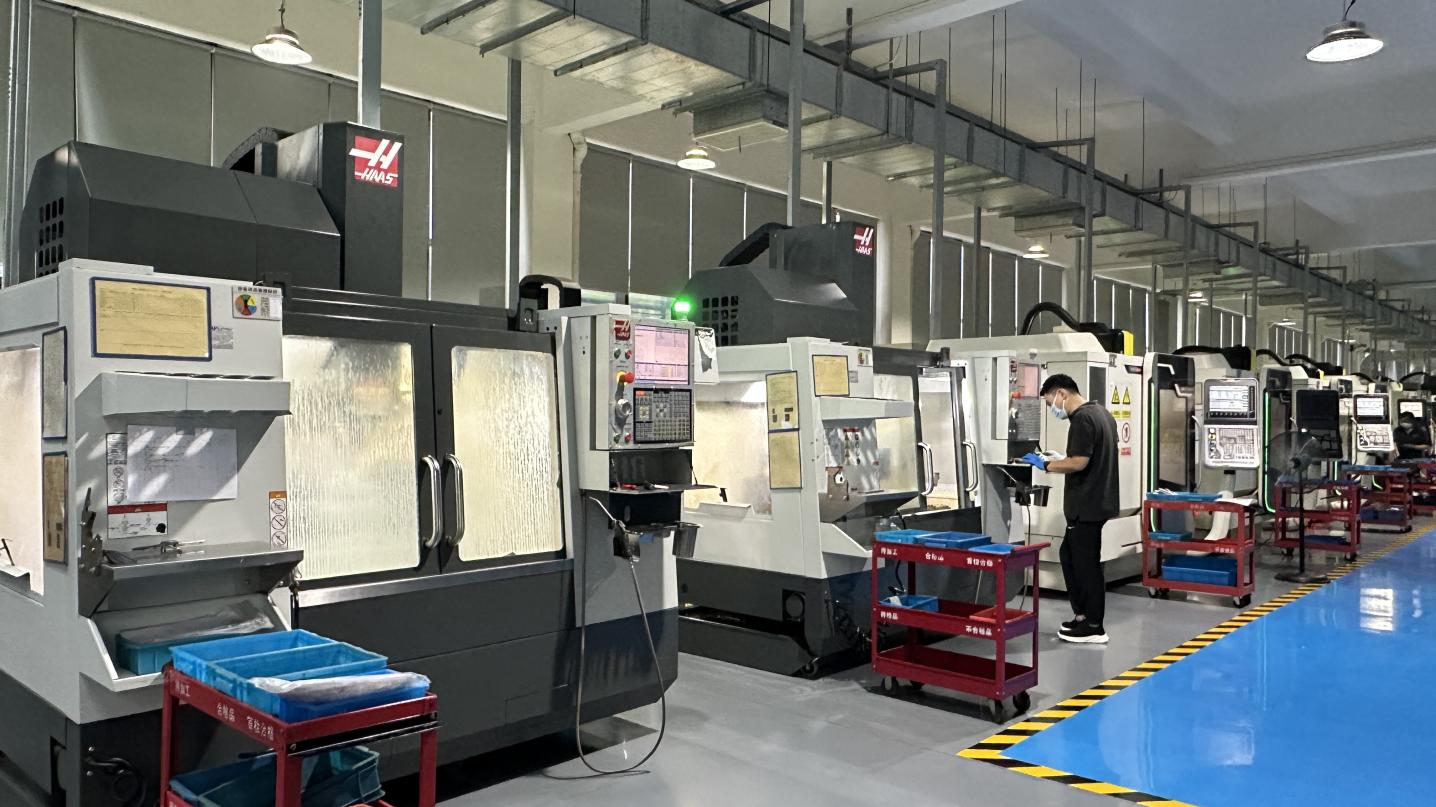
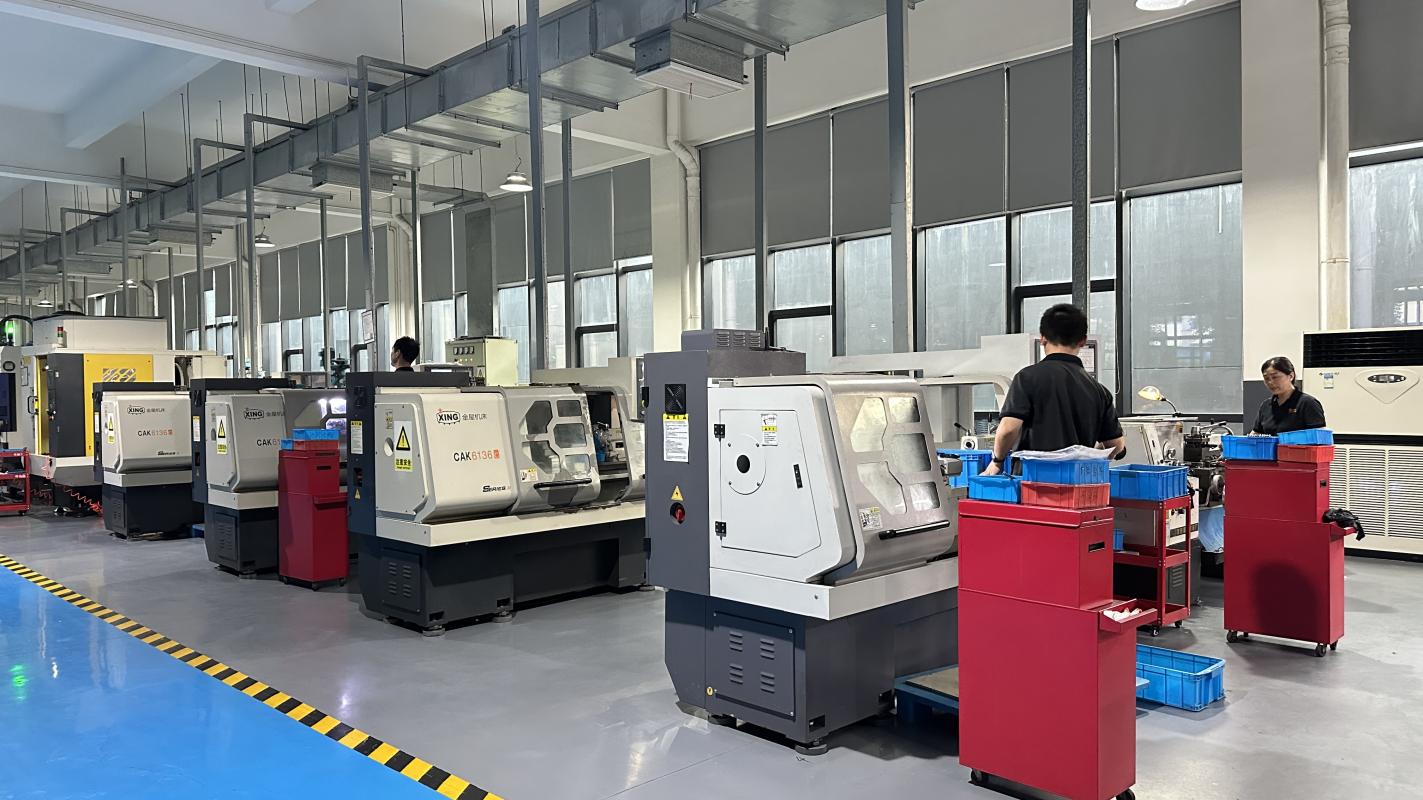
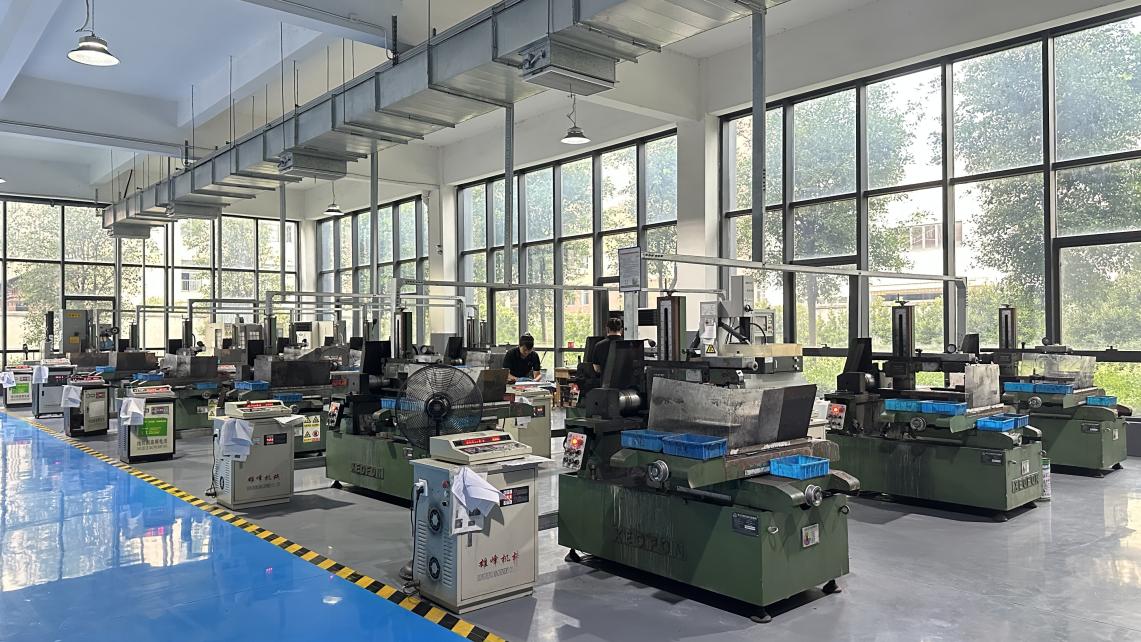
Recent orthopedic studies emphasize that the thread pitch-to-diameter ratio is critical in determining the shear stress distribution along the bone-implant interface. By customizing cancellous screw geometry via state-of-the-art CNC machining centers, manufacturers can manipulate parameters such as core diameter, thread depth, and lead angles to match specific anatomical requirements. This level of personalization is highly sought-after by medical device distributors and orthopedic hospital networks looking to enhance surgical outcomes in fracture fixations, joint reconstructions, and spinal treatments.
The global orthopedics market is transitioning from standardized "one-size-fits-all" fixation components to targeted, patient-centric solutions. With the rise of minimally invasive surgical (MIS) protocols, modern cancellous screw designs integrate cannulation features. Cannulated cancellous screws allow surgeons to insert guide wires dynamically, ensuring precise positioning and alignment before screw driving, minimizing surrounding tissue trauma and reducing operational timelines.
Historically, medical-grade stainless steel (such as 316L) served as the standard material for trauma fixation components. However, current global procurement requirements lean heavily towards Titanium Alloy (Ti-6Al-4V ELI / ASTM F136) due to its outstanding biocompatibility, lower elastic modulus (which reduces stress shielding), and superior fatigue limit. In-depth research into surface treatments, such as type II anodization, acid-etching, and hydroxyapatite (HA) coatings, demonstrates enhanced osseointegration, encouraging faster bone cell attachment directly to the screw threads.
Simultaneously, the industry is closely tracking the development of bioabsorbable polymers (such as PLLA, PLDLA) and magnesium alloys. These materials gradually degrade in the human body as bone healing progresses, eliminating the need for a secondary retrieval operation. As a premier OEM and ODM manufacturer, Bonevia Orthopedic Technology stays ahead of these trends by continuously refining material procurement channels and adapting processing systems to support next-generation materials.
Bonevia Orthopedic Technology Co., Ltd. is a leading partner in the design, engineering, and global supply of class-leading orthopedic implants.
Established in 2015, Bonevia Orthopedic Technology Co., Ltd. is a professional manufacturer specializing in orthopedic implants and surgical solutions, dedicated to advancing innovation in trauma, spine, and joint reconstruction products. Over the years, the company has grown steadily into a trusted supplier in the global orthopedic industry.
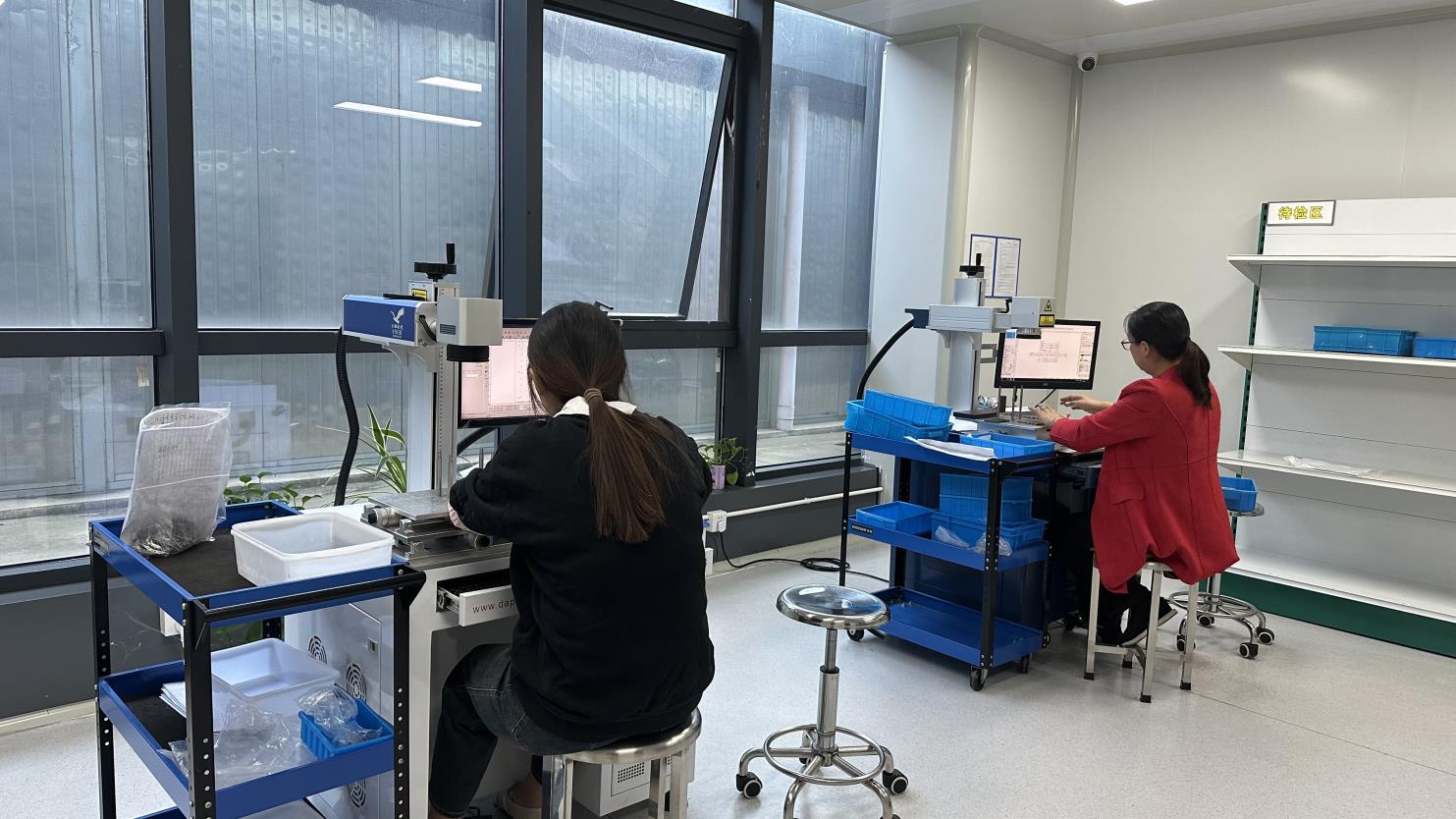
With a modern production facility covering approximately 320㎡, Bonevia maintains strict quality management standards and efficient manufacturing processes. The company records an annual export revenue of around USD 8–15 million, supported by 6 years of export experience and over 10 years of overall industry experience.
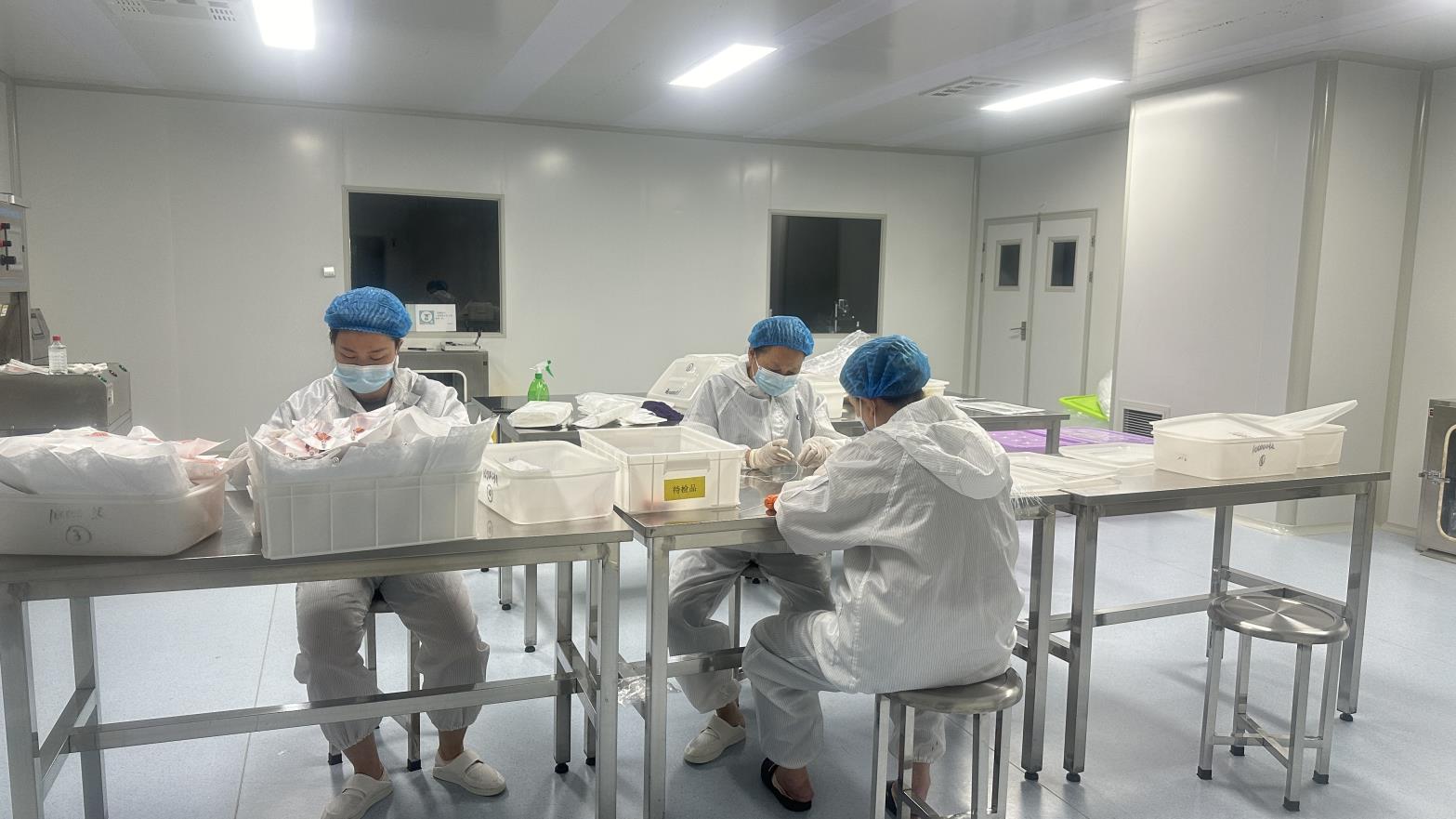
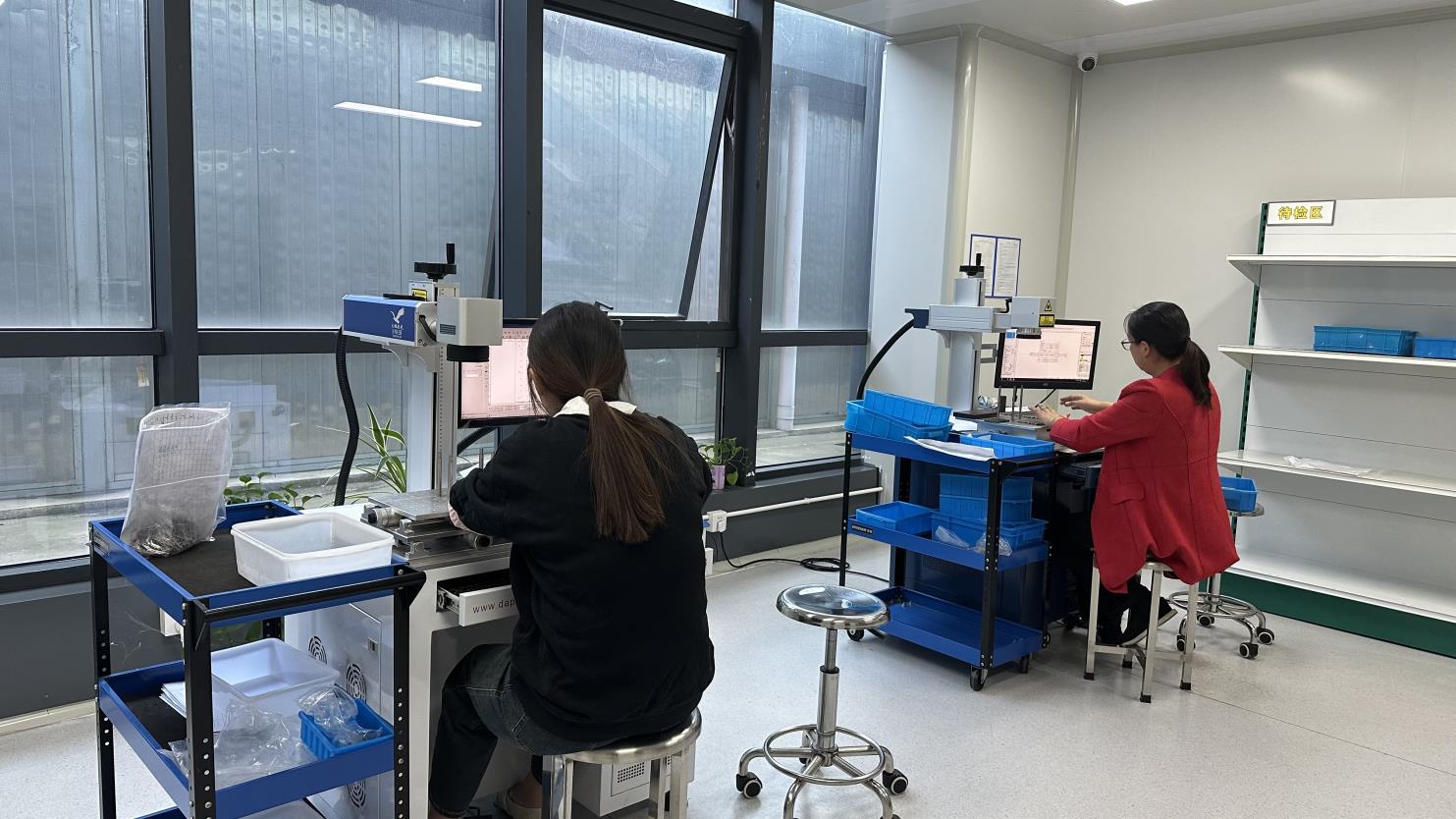
Quality assurance is a core focus at Bonevia. The company implements multiple inspection methods including incoming material inspection, in-process quality control, and final product testing, supported by a dedicated quality team of 35 professionals. This ensures all products meet international medical device standards.
Bonevia has a solid trade foundation with diversified global distribution networks, serving major markets across Europe, Southeast Asia, the Middle East, and South America. Its supply chain ecosystem includes more than 850 partners, enabling stable raw material sourcing and efficient production delivery.
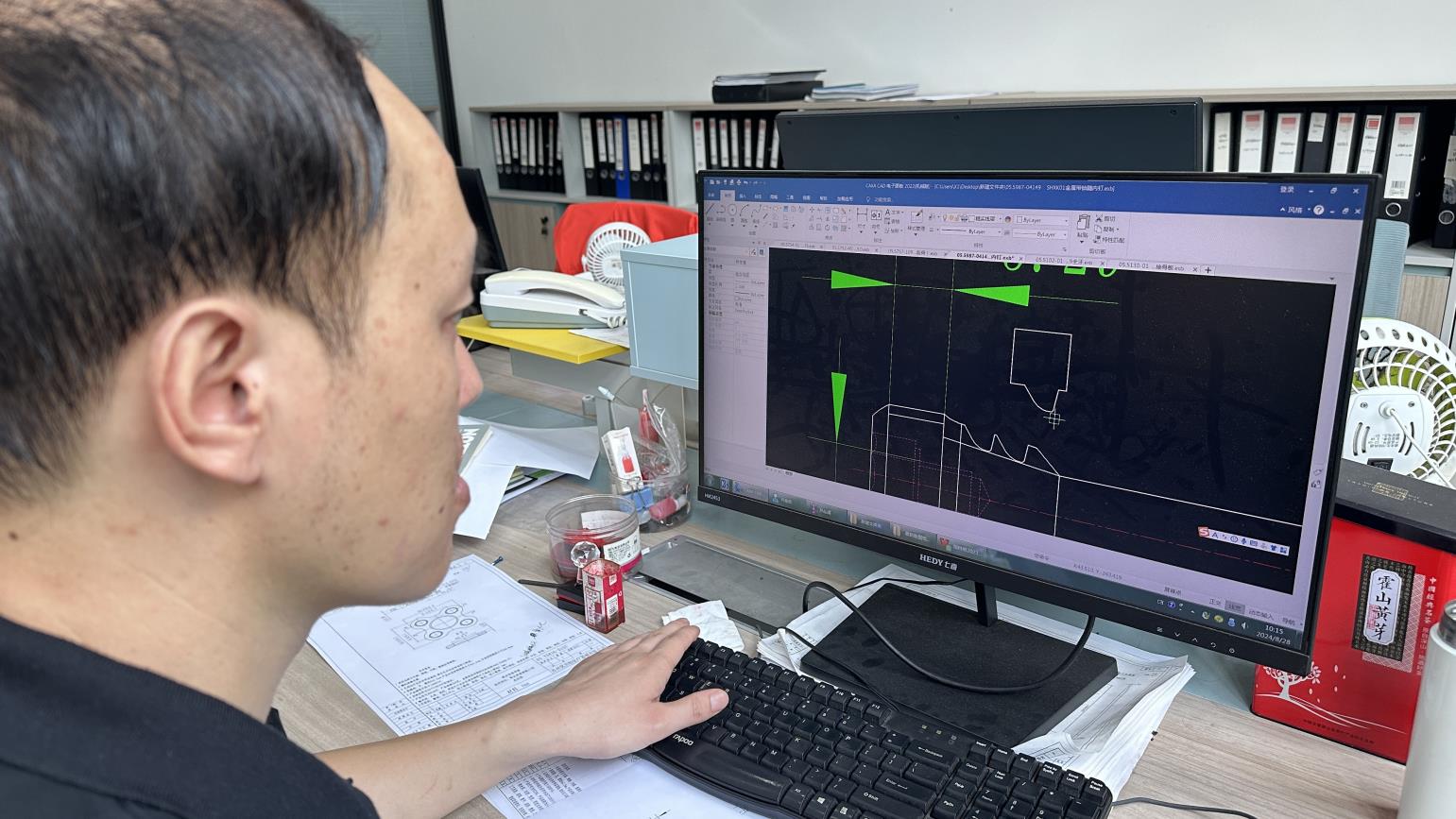
The company serves a wide range of clients, including hospitals, orthopedic clinics, surgical centers, and medical distributors. Bonevia also demonstrates strong R&D capabilities, offering OEM and ODM customization services to meet specific clinical requirements. In the past year, Bonevia successfully launched 120 new product designs, supported by a research and development team of 85 engineers, continuously driving innovation in orthopedic implant systems and surgical instruments.
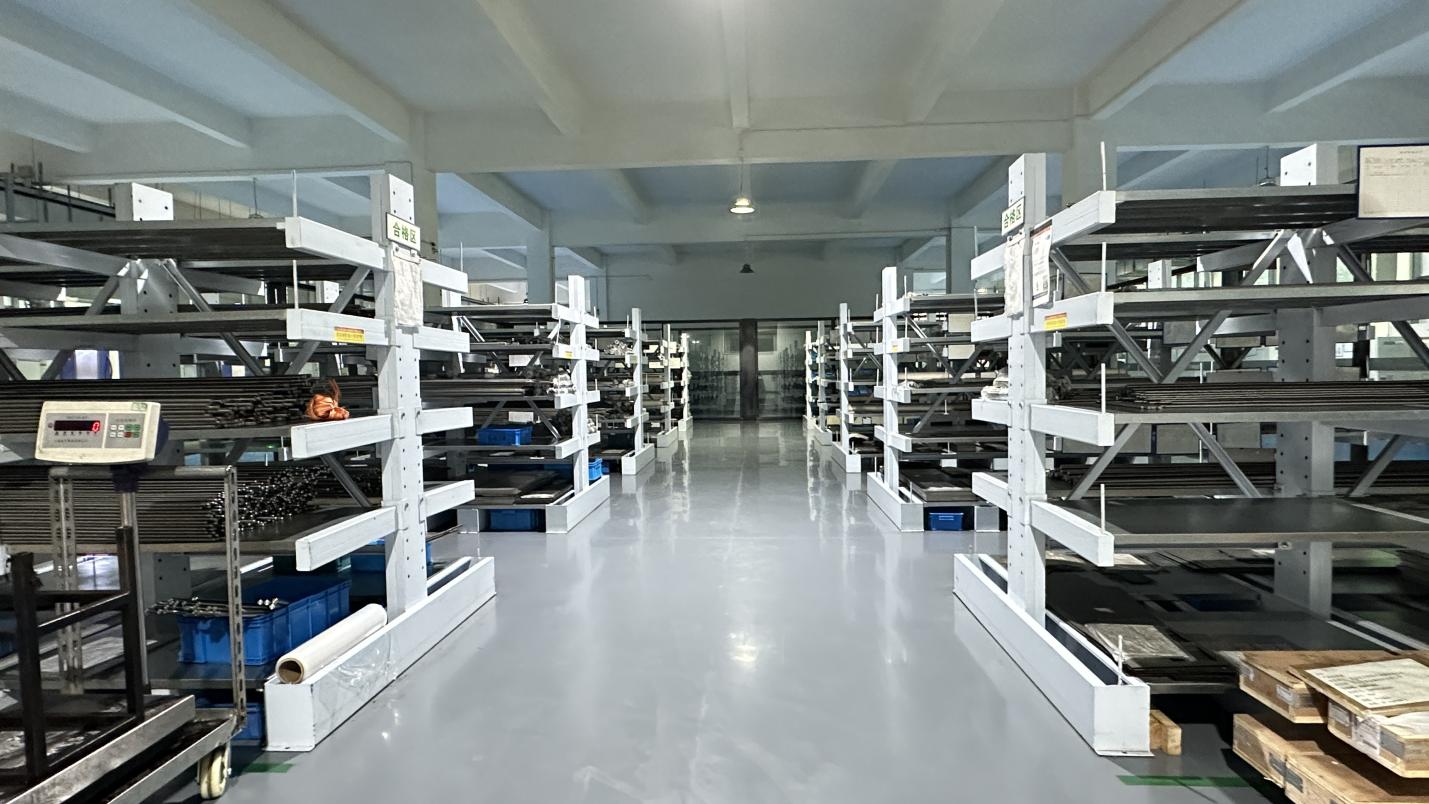
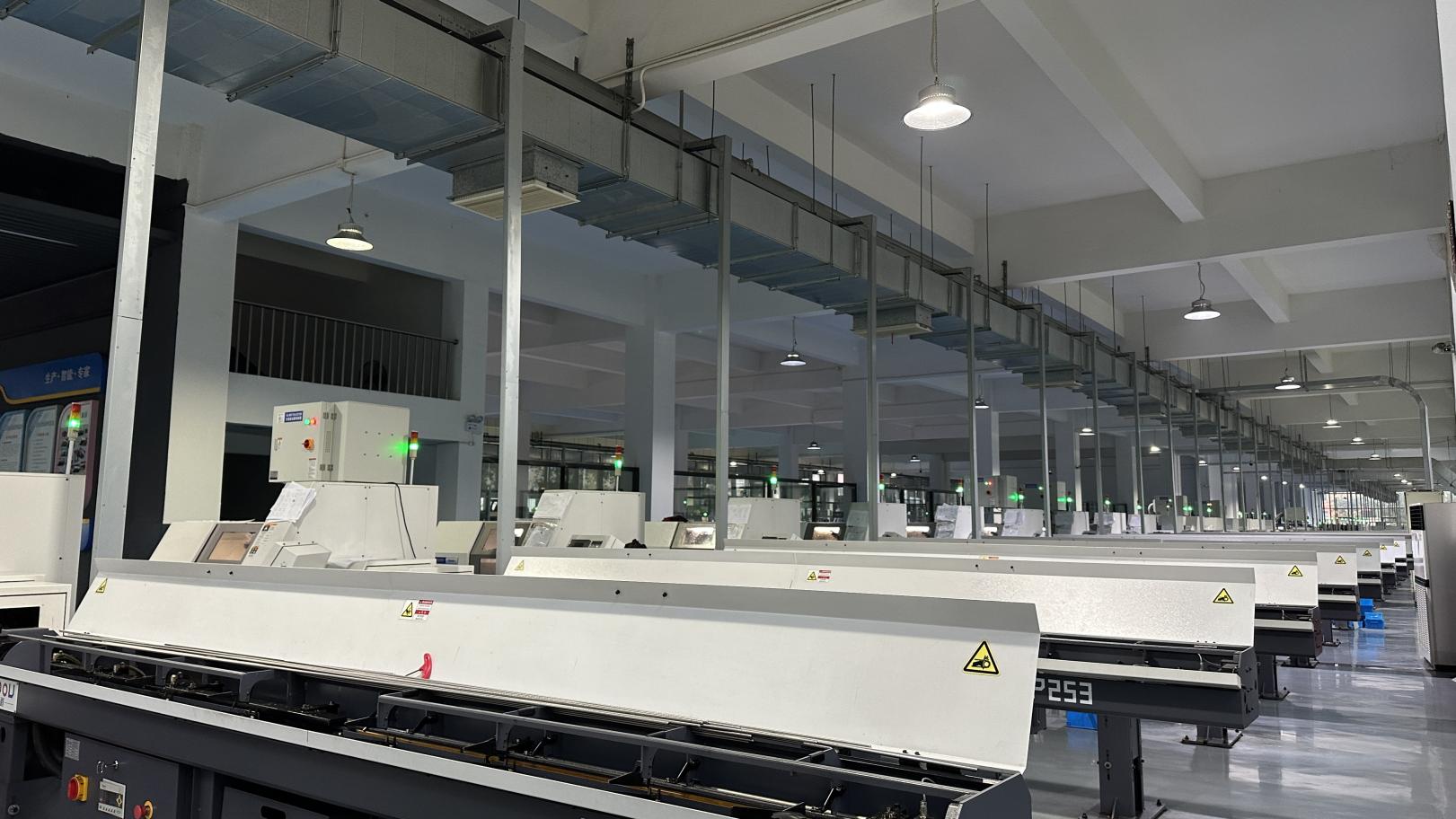
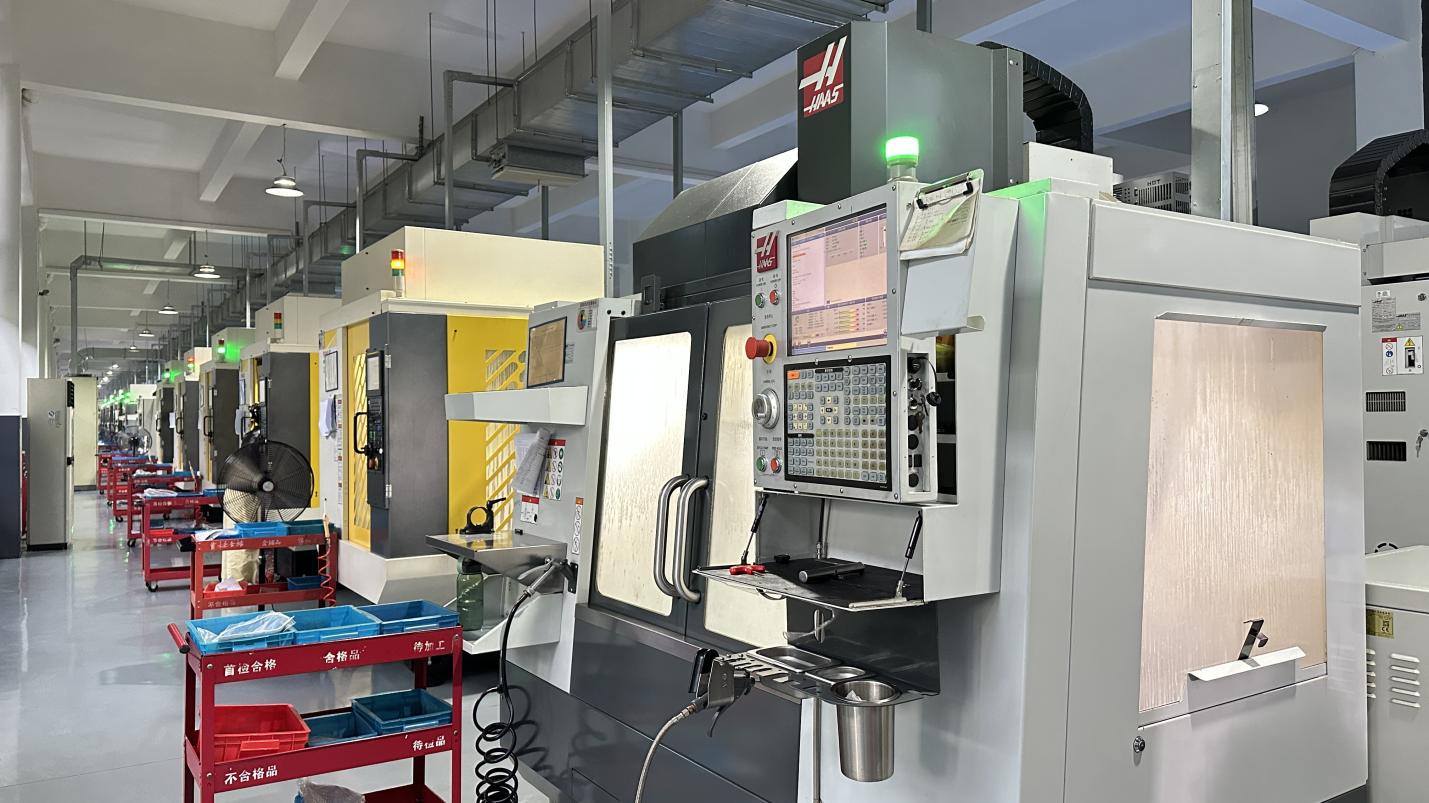
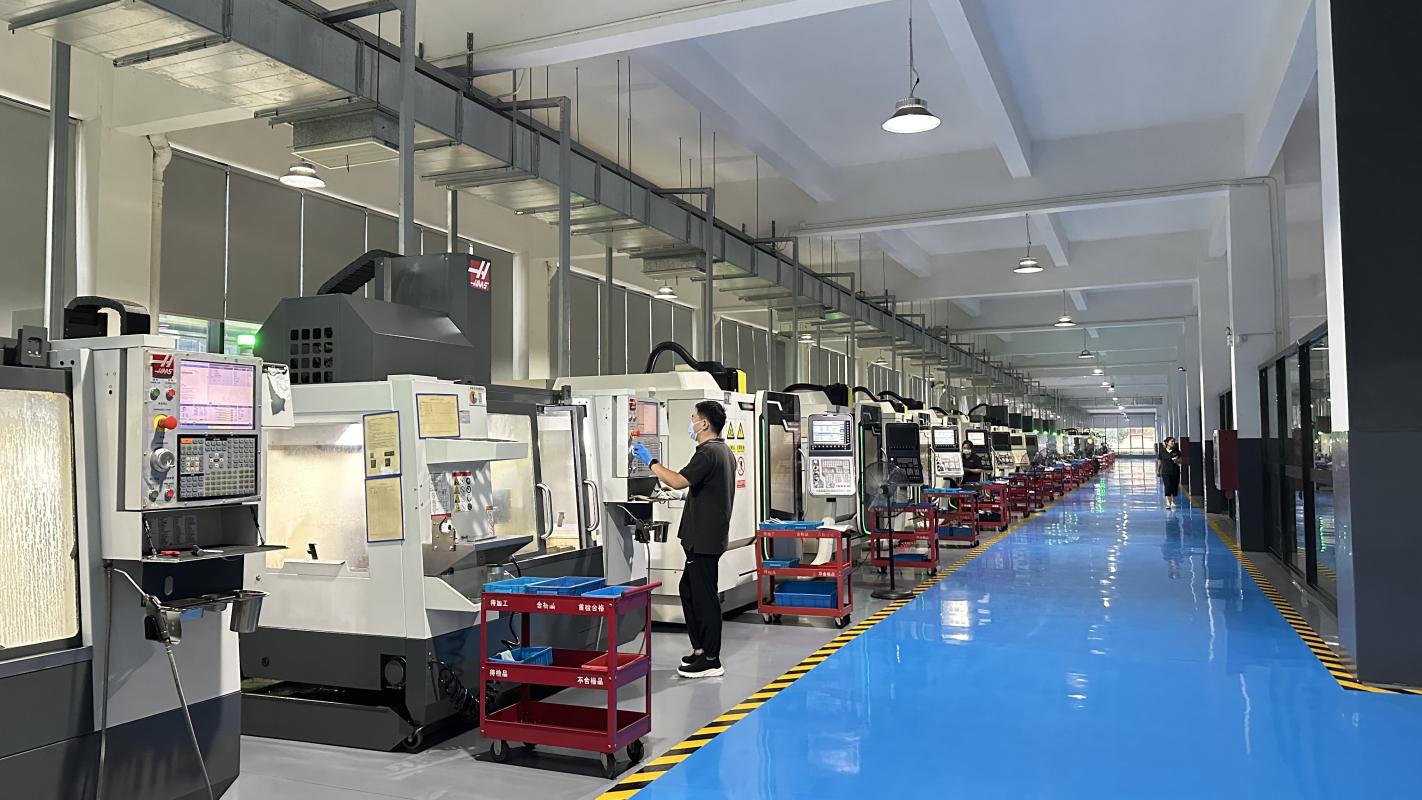
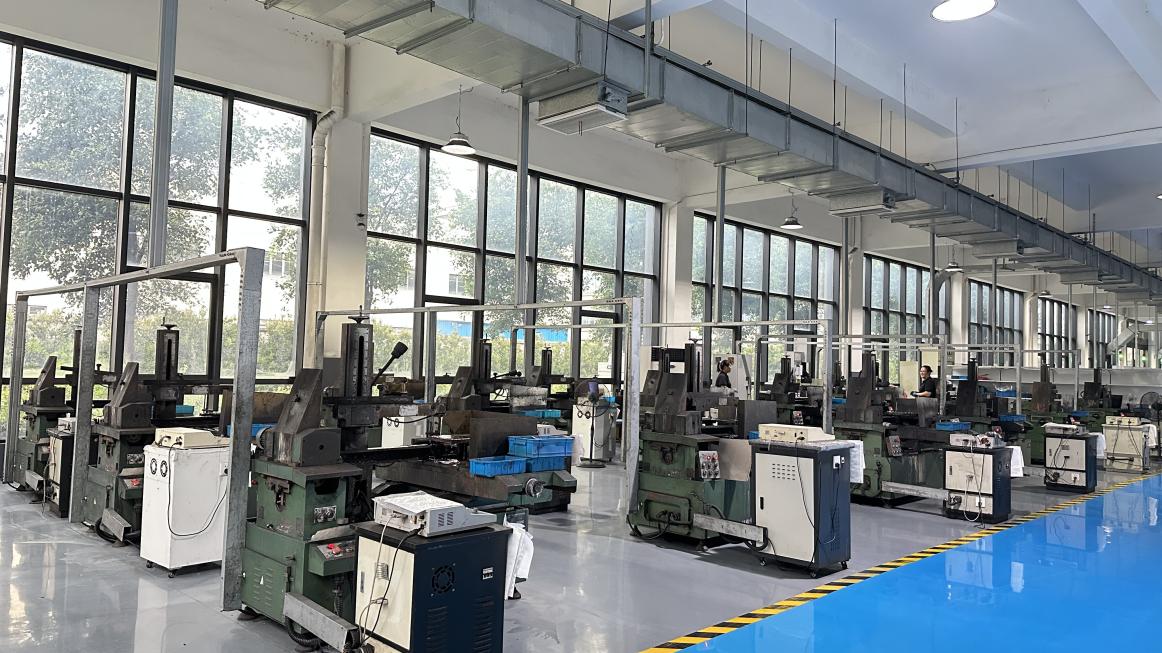

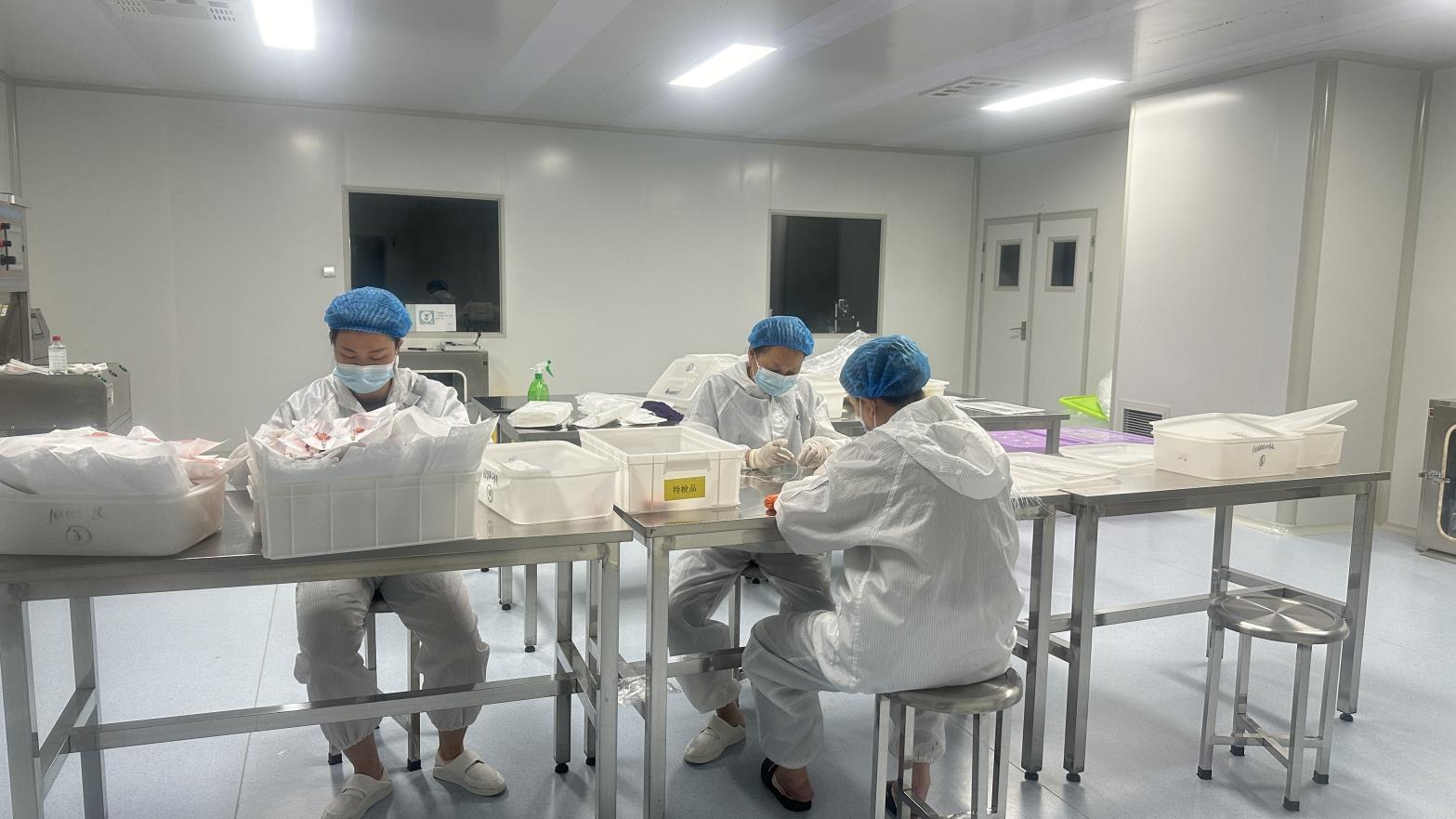
Assessing regulatory certification pathways, compliance protocols, and manufacturing verification for medical-grade hardware.
In the medical device supply chain, regulatory compliance is non-negotiable. Custom cancellous screws fall under Class II (FDA) and Class IIa/IIb (EU MDR) medical classification systems. Procurement directors from hospitals and medical associations look for partners with established ISO 13485:2016 certification, ensuring a highly integrated quality management system.
The transitioning of European regulations to EU MDR 2017/745 has increased data requirements for clinical evaluation, technical files, and post-market clinical follow-ups (PMCF). Bonevia addresses these shifts by providing comprehensive traceability and validation reports, including mechanical fatigue test documentation, bio-compatibility test reports (ISO 10993 series), and cleanroom validation data.
Disruptions in material logistics emphasize the need for a stable supply chain partner. Bonevia's network of over 850 partners ensures continuous access to high-quality titanium and medical steel raw materials. Furthermore, offering flexible OEM/ODM manufacturing means distributors can tailor designs to specific regulatory and clinical expectations in different markets, like Europe, Southeast Asia, South America, or the Middle East.
Exploring future orthopedic trends, including additive manufacturing, surface integration, and smart diagnostics.
The next step in cancellous screw design involves additive manufacturing (3D printing). Selectively laser melting (SLM) allows for the production of screws with solid cores and highly porous outer surfaces, mimicking natural bone trabeculae. These structures facilitate osseointegration, establishing direct biological interlocking with host tissues.
In parallel, advanced surface engineering focuses on bioactive coatings. Antimicrobial surface designs, utilizing silver nanoparticles or copper ions, help reduce surgical site infection risks. Additionally, drug-eluting surfaces are being studied to deliver osteoinductive proteins locally, improving bone healing rates in elderly or diabetic patient groups.
Bonevia’s R&D team, comprised of 85 design engineers, works on projects that combine structural mechanics with biology. By using finite element analysis (FEA) software, the team simulates how screws behave inside living bone matrices under stress. In the past year alone, the R&D division released 120 new designs, maintaining a strong focus on quality and product advancement.
Answers to common technical, manufacturing, and regulatory questions from procurement managers.
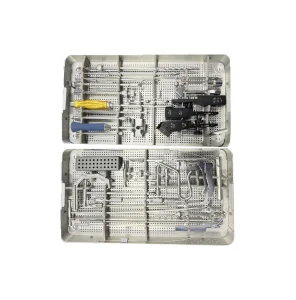
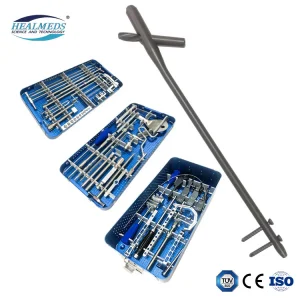
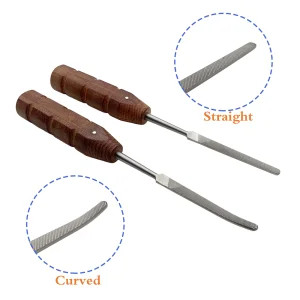
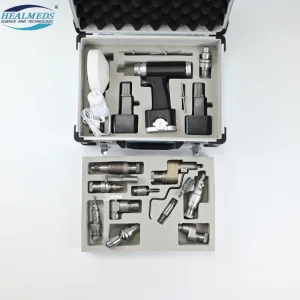
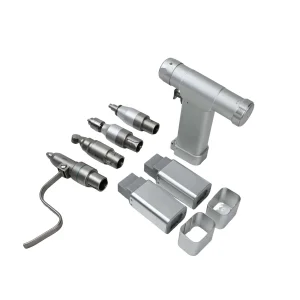
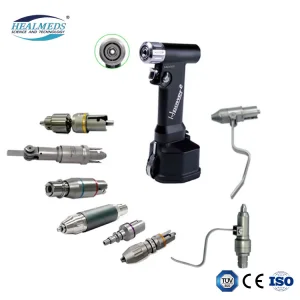
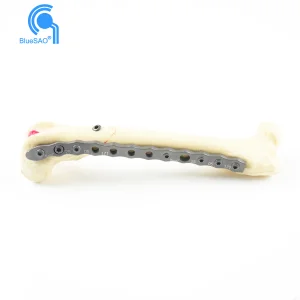
Explore our technical portfolio of intramedullary nail systems, high-speed power drills, manual instruments, and specialized veterinary orthopedics.