Bonevia
Bonevia
Bonevia
Advanced Orthopedic, Joint Reconstructive, and Spinal Device Instrumentation Matrix
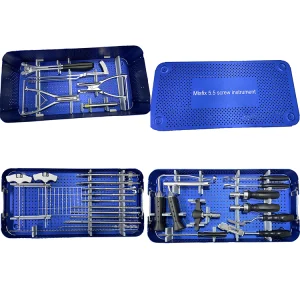
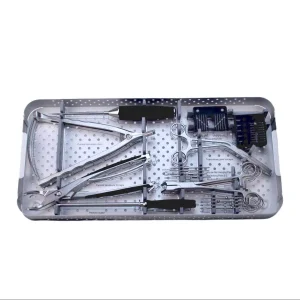
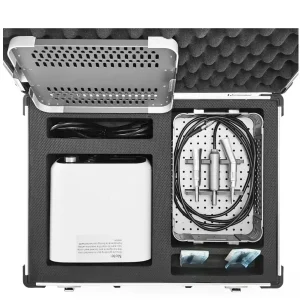
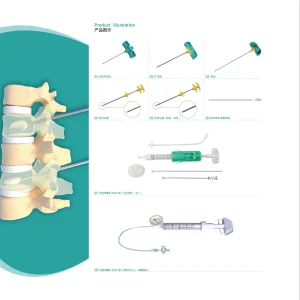
Craniofacial reconstruction represents one of the most complex domains of modern craniomaxillofacial (CMF) surgery. Patients presenting with large cranial bone defects, congenital anomalies, traumatic injuries, or oncological resections require highly individualized treatment pathways. Off-the-shelf, standard implants often fail to accommodate the complex anatomical curvatures of the human skull, leading to suboptimal aesthetic and functional outcomes, increased operating times, and higher rates of post-operative complications such as implant migration or infection.
To address these clinical shortcomings, the global healthcare sector has transitioned rapidly toward Patient-Specific Implants (PSIs). Custom OEM craniofacial implants leverage high-resolution Computed Tomography (CT) scans to fabricate implants modeled directly on the patient's individual skeletal topography. This clinical paradigm shift relies heavily on the integration of advanced medical grade materials, virtual surgical planning (VSP), and precise multi-axis CNC manufacturing to produce biocompatible interfaces that fit seamlessly within the target anatomy.
As a global partner in CMF solutions, our OEM craniofacial implant offerings bridge the gap between advanced bioengineering and clinical delivery. We focus on addressing the core issues faced by medical distributors and surgical centers: long design lead times, inconsistent mechanical properties, and complex regulatory clearances. By utilizing medical-grade Titanium alloys (Ti-6Al-4V ELI) and Polyetheretherketone (PEEK), our implants exhibit optimal strength-to-weight ratios, excellent tissue compatibility, and resistance to degradation.
Furthermore, our custom-guided templates and anatomical models facilitate superior preoperative simulation. This approach minimizes intraoperative adjustments, thereby reducing anesthesia exposure time for patients and optimizing the clinical workflow in the operating room. Through advanced design controls, we ensure that every custom cranial plate or mandibular implant satisfies rigorous mechanical and physiological criteria.
Bonevia Orthopedic Technology Co., Ltd. — Driving Innovation in Reconstruction Since 2015
Established in 2015, Bonevia Orthopedic Technology Co., Ltd. has established itself as an innovative manufacturer specializing in orthopedic implants, craniofacial systems, and custom surgical solutions. With a firm commitment to advancing global trauma, spinal, and joint reconstruction technologies, the company has scaled its operations to become a reliable supplier to clinical centers and medical device distributors worldwide.
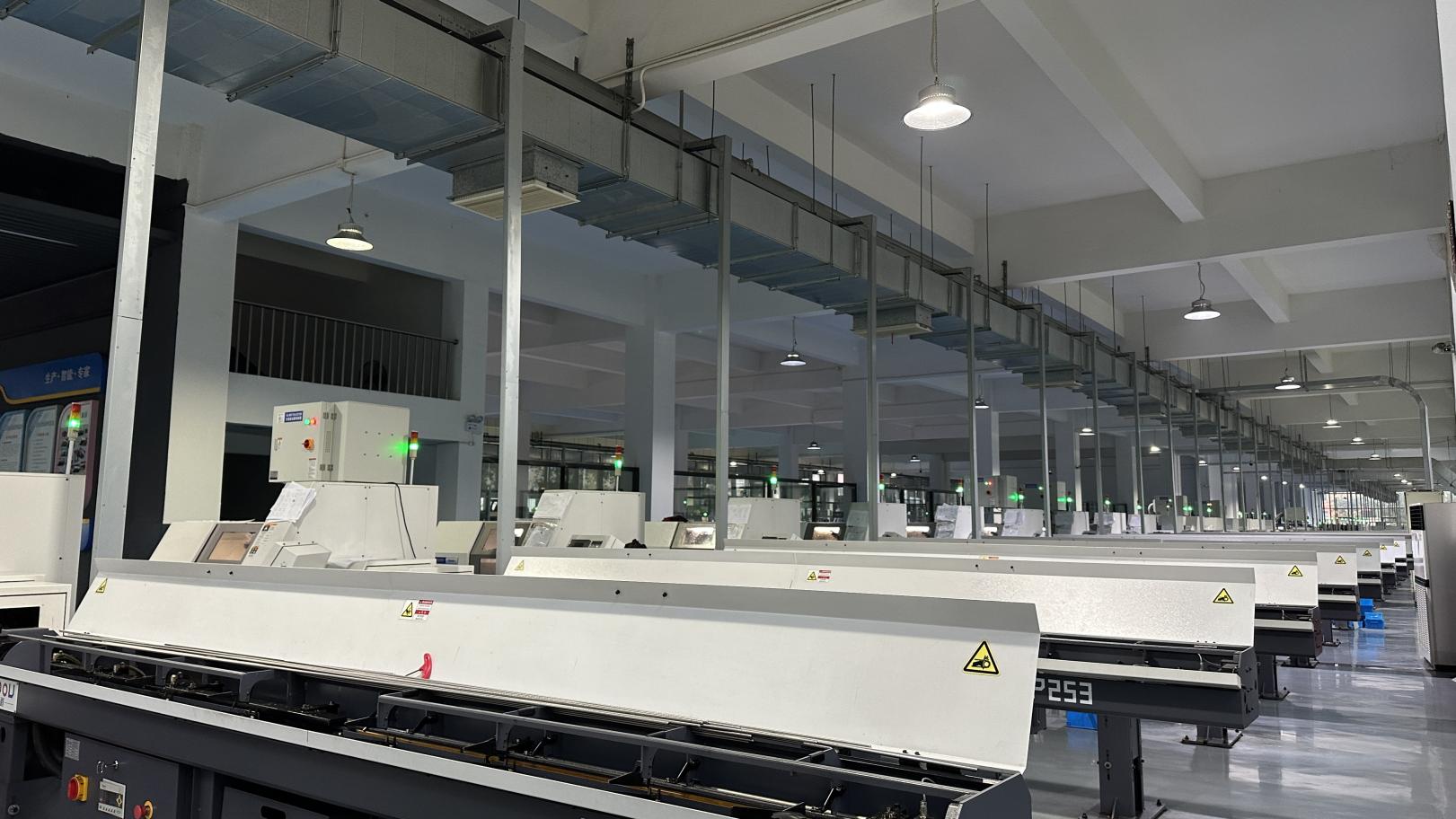
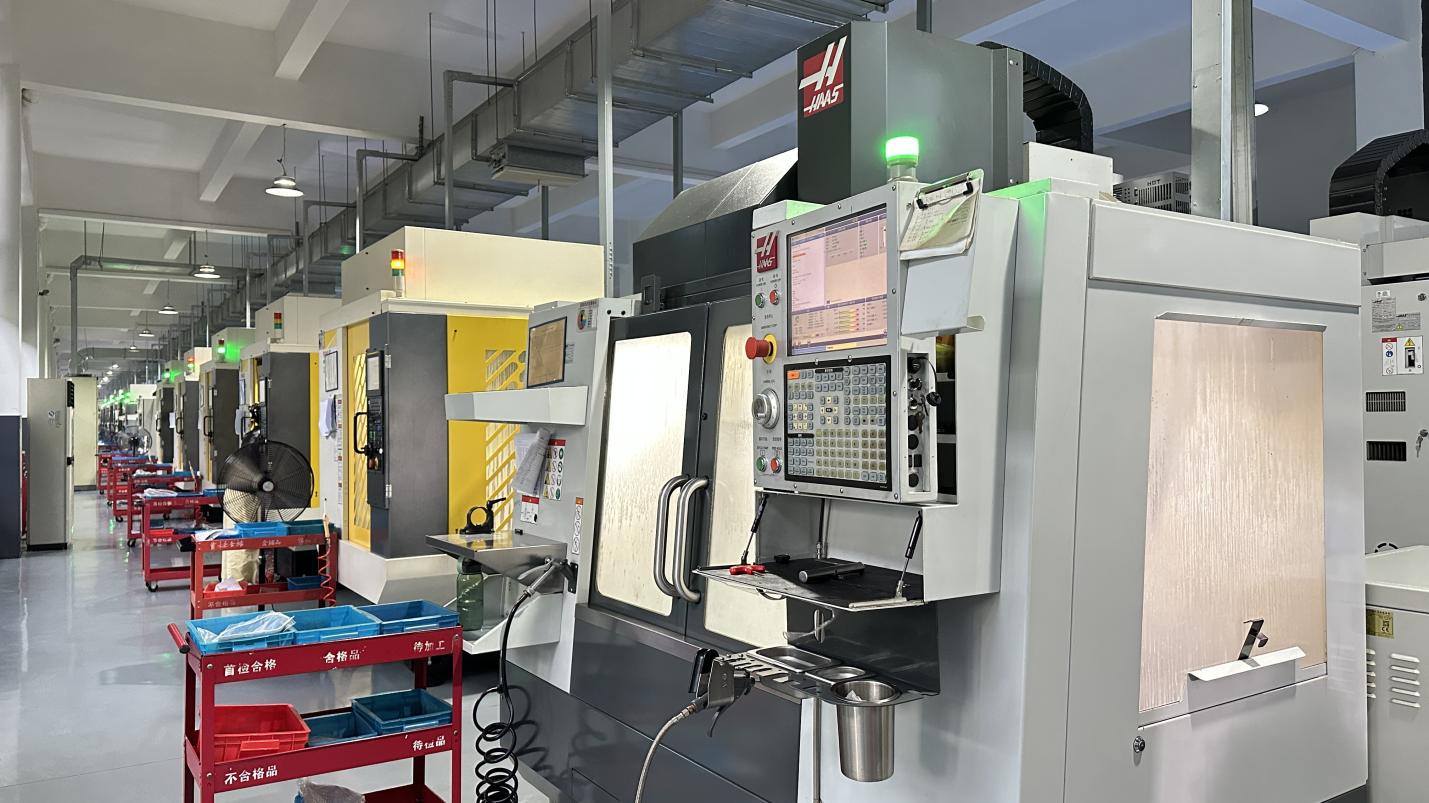
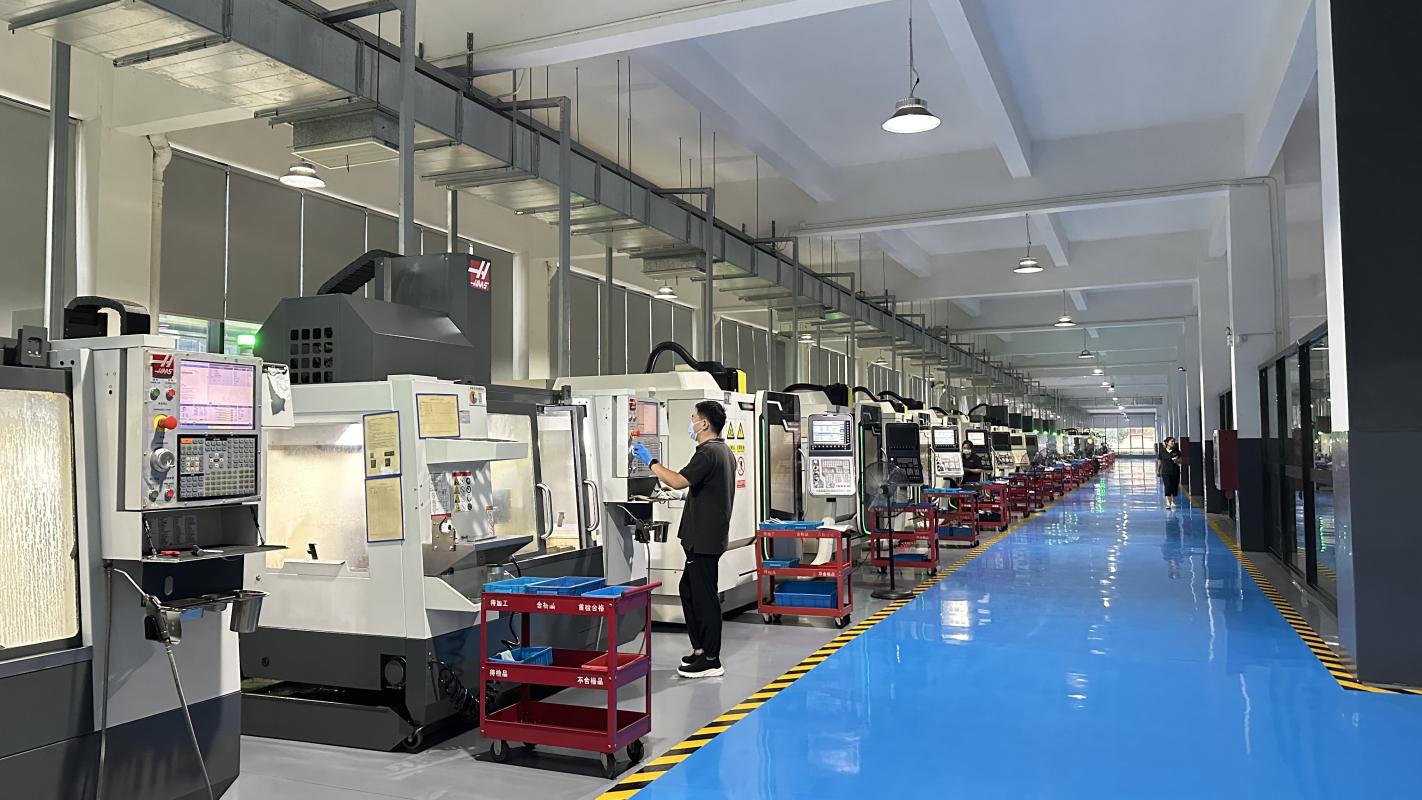
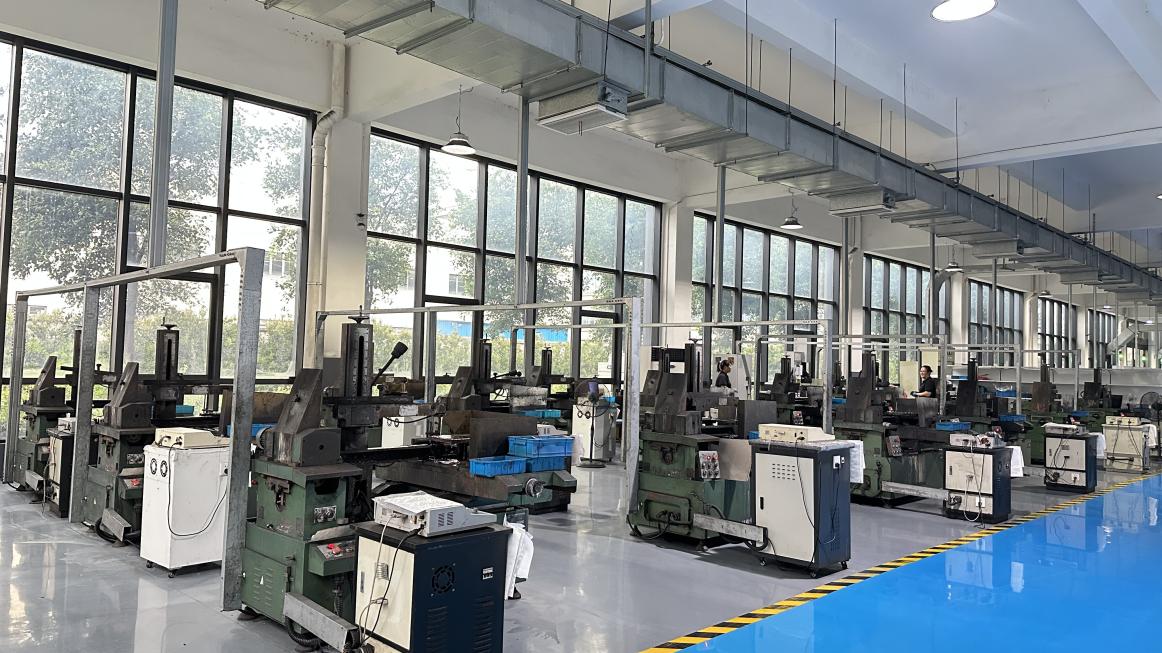
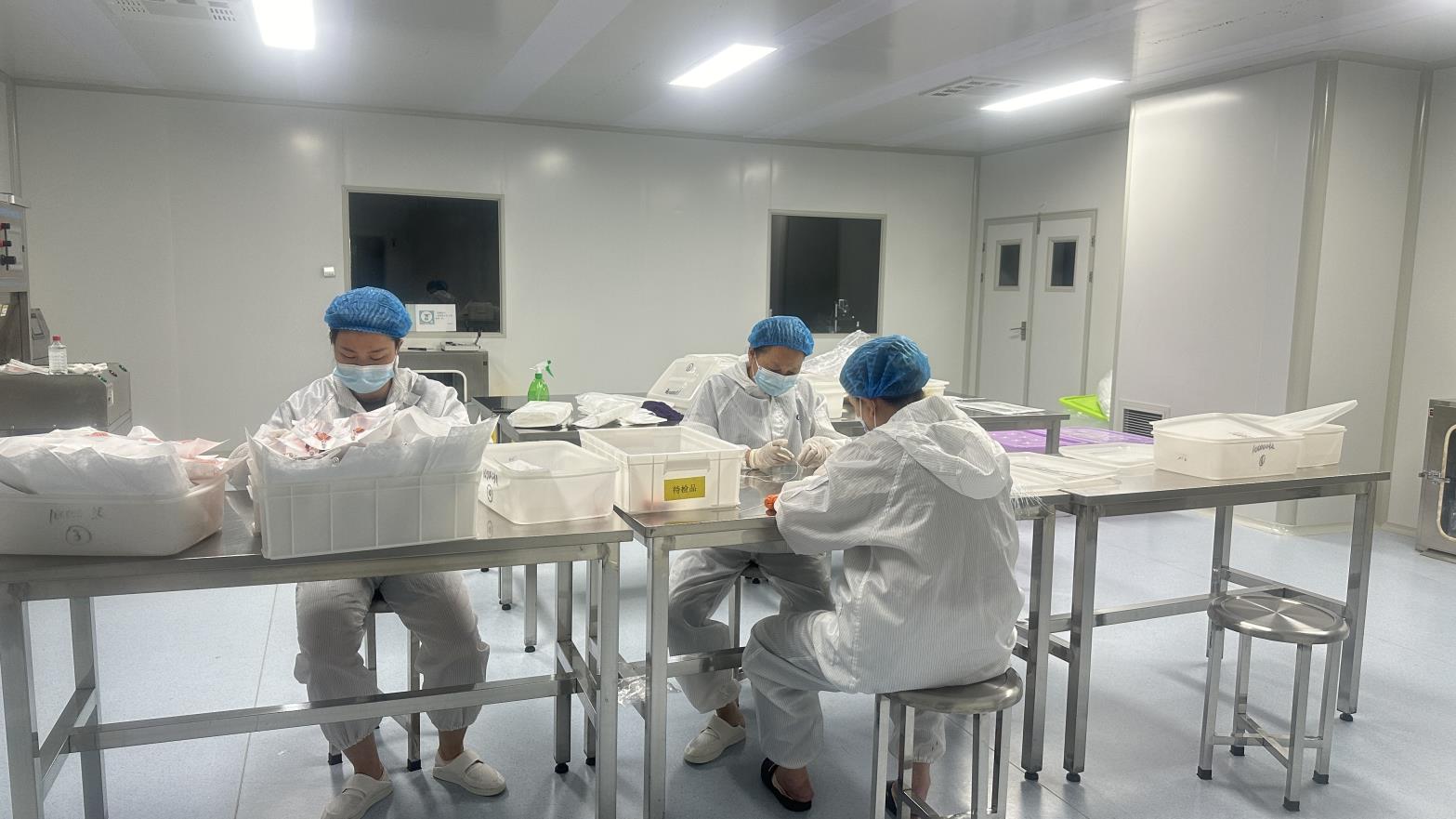
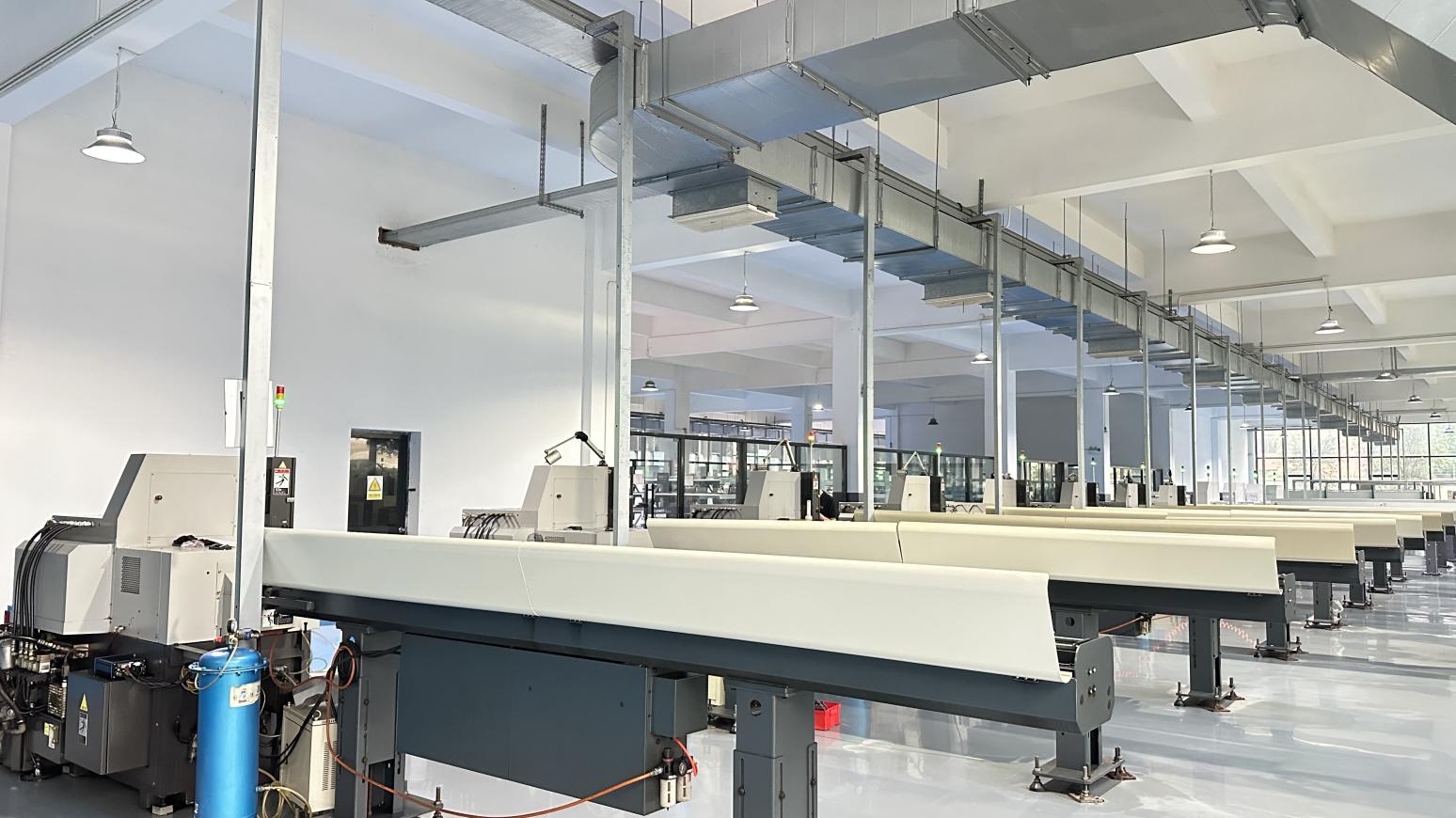
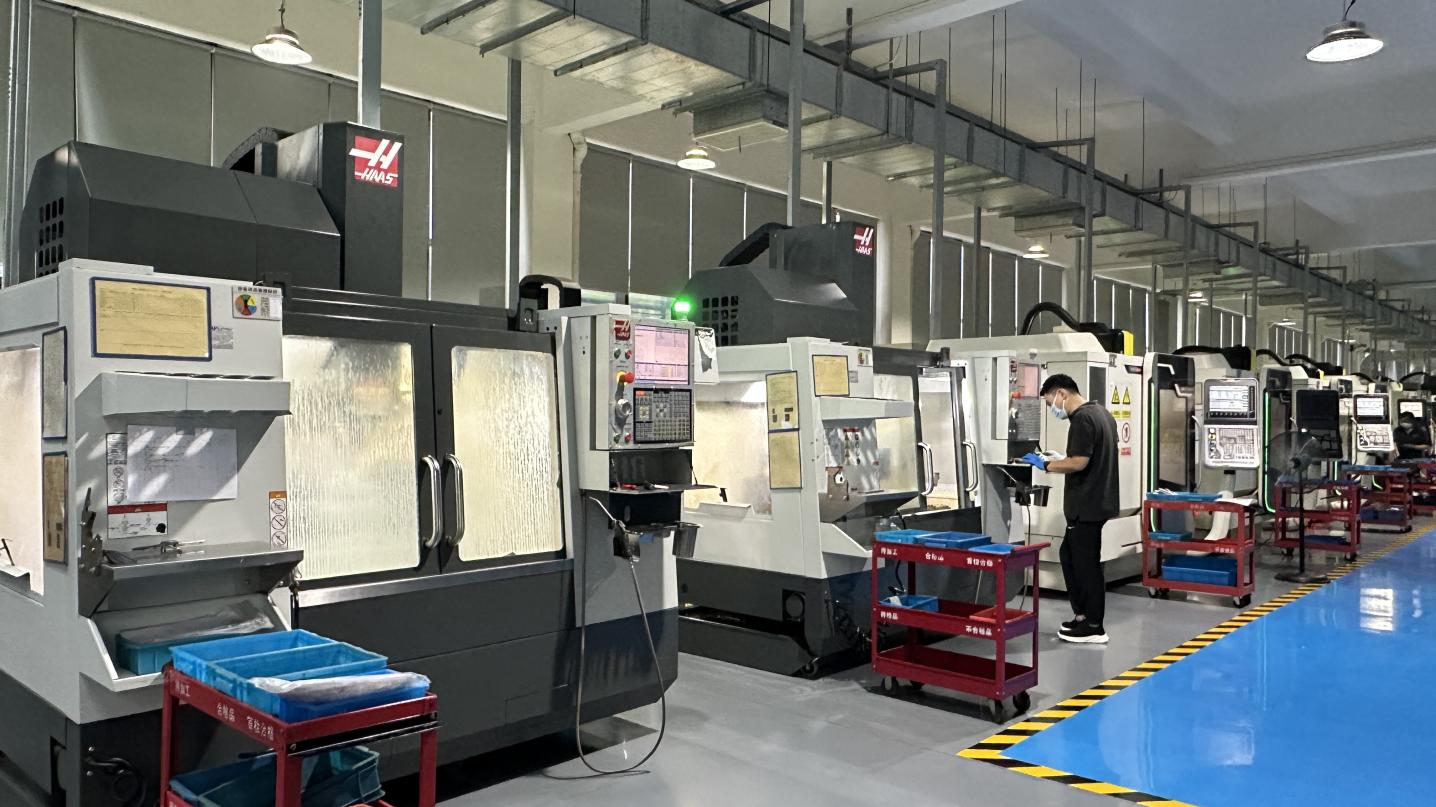
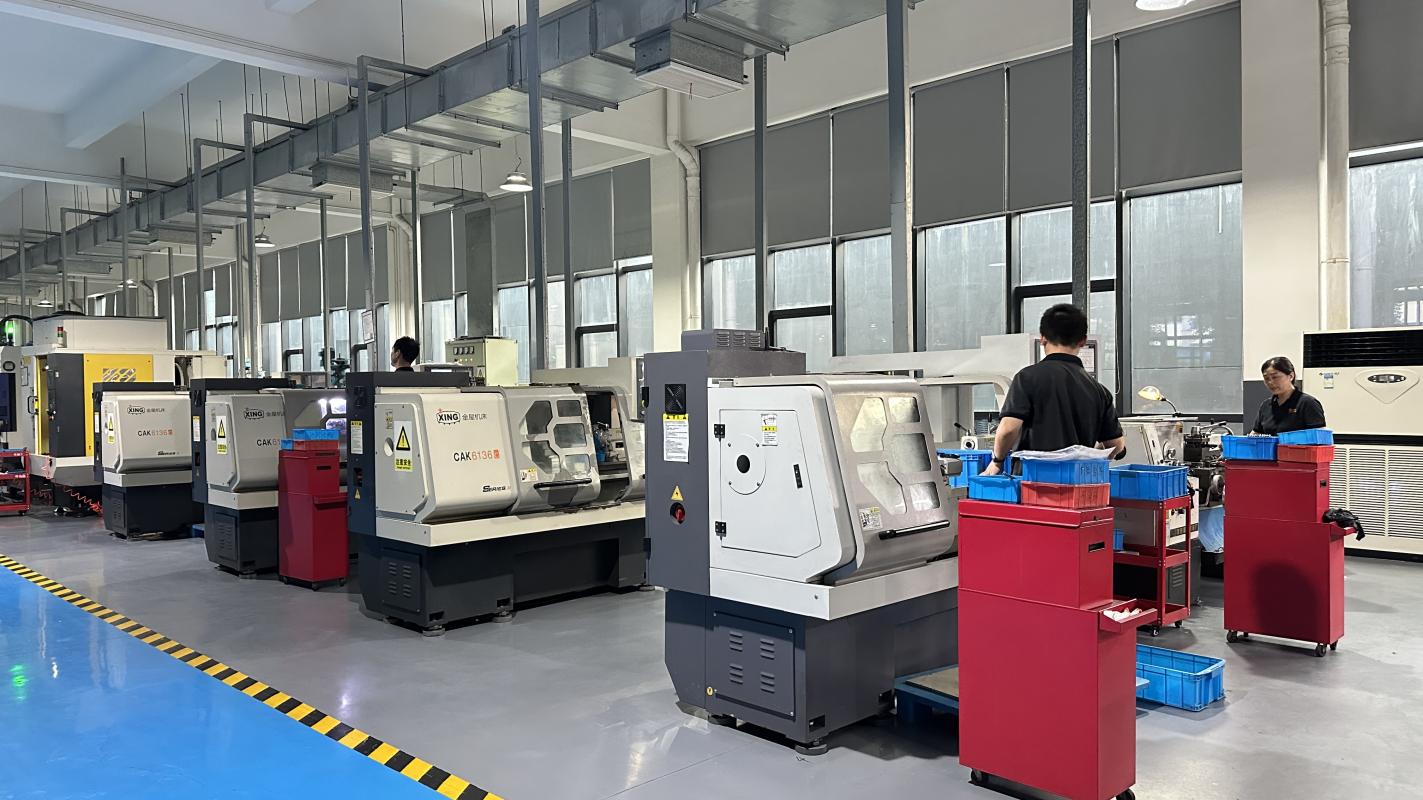
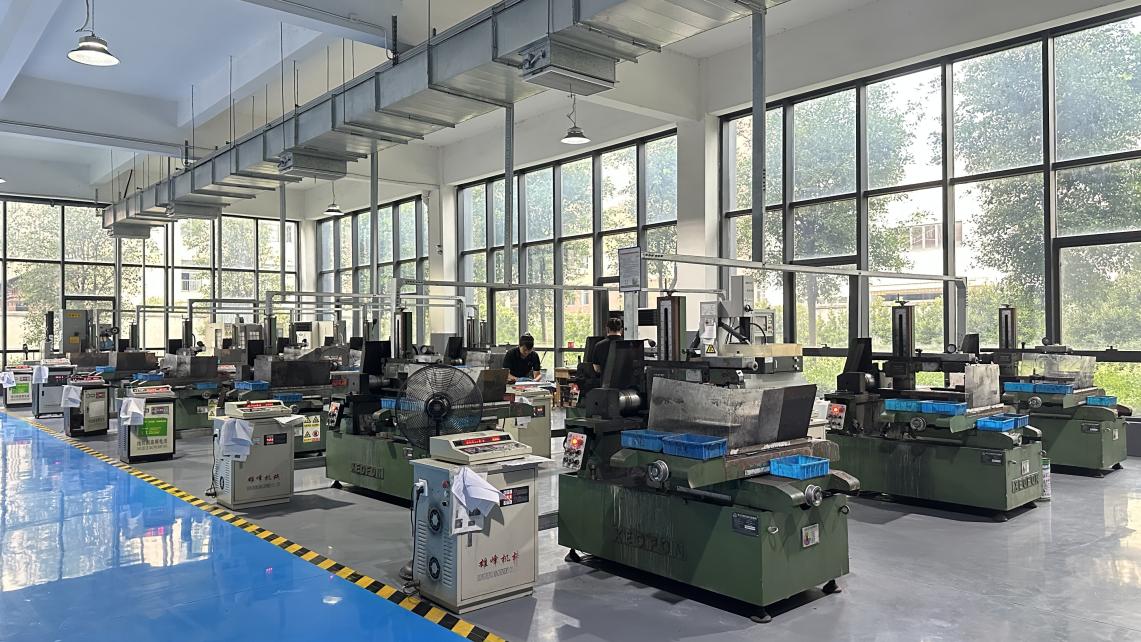
Operating from a high-precision, modernized production facility covering approximately 320㎡, Bonevia combines lean manufacturing methodologies with state-of-the-art machinery. The facility is calibrated to support both low-volume custom prototyping and high-throughput production runs, maintaining strict environmental controls to guarantee product integrity. This manufacturing capability is backed by a global export presence, generating an annual export revenue of USD 8–15 million.
With over 10 years of overall industry experience and 6 years of specialized global export experience, Bonevia has constructed a robust international trade foundation. Our supply chain network is supported by more than 850 industrial partners, ensuring access to high-purity medical-grade raw materials and uninterrupted production schedules.
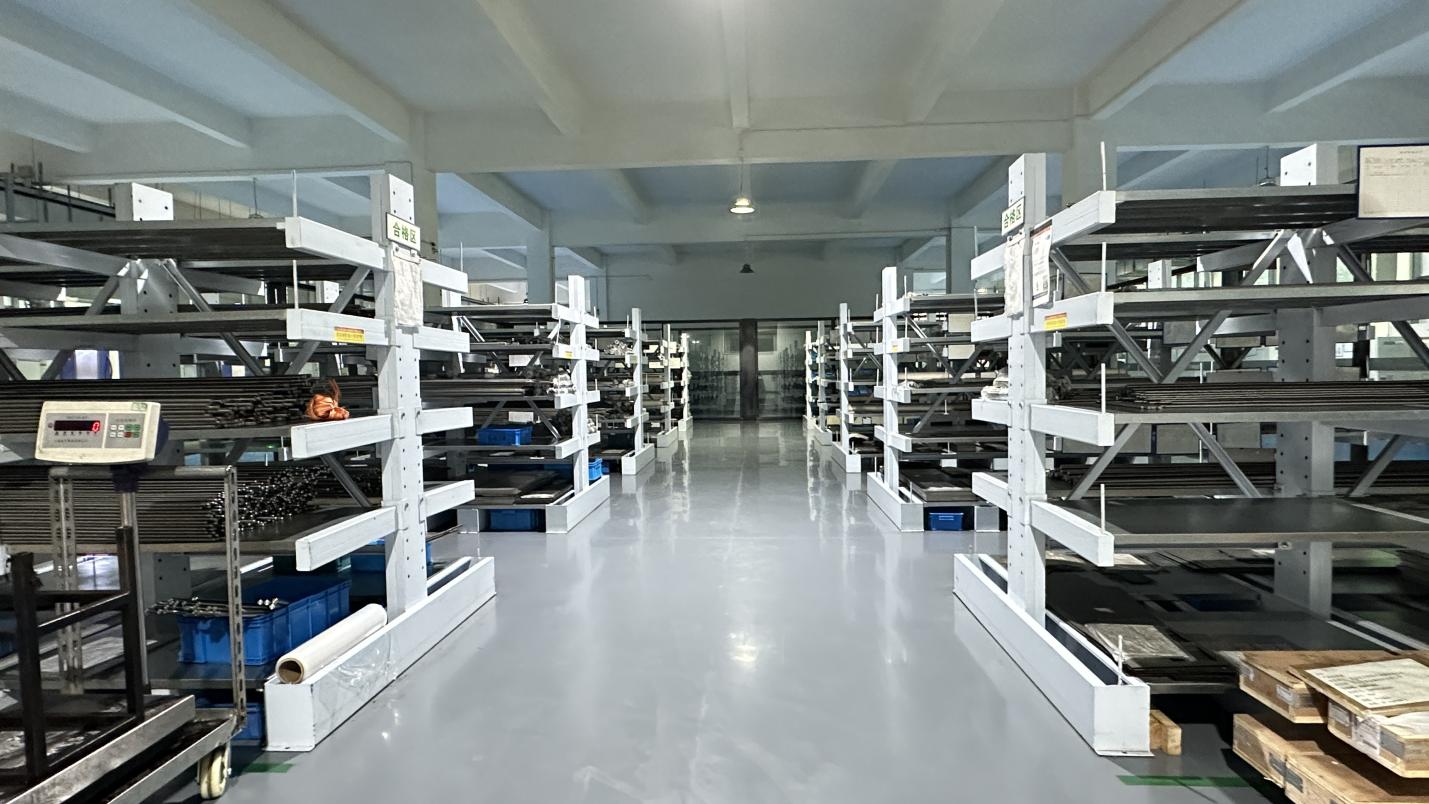
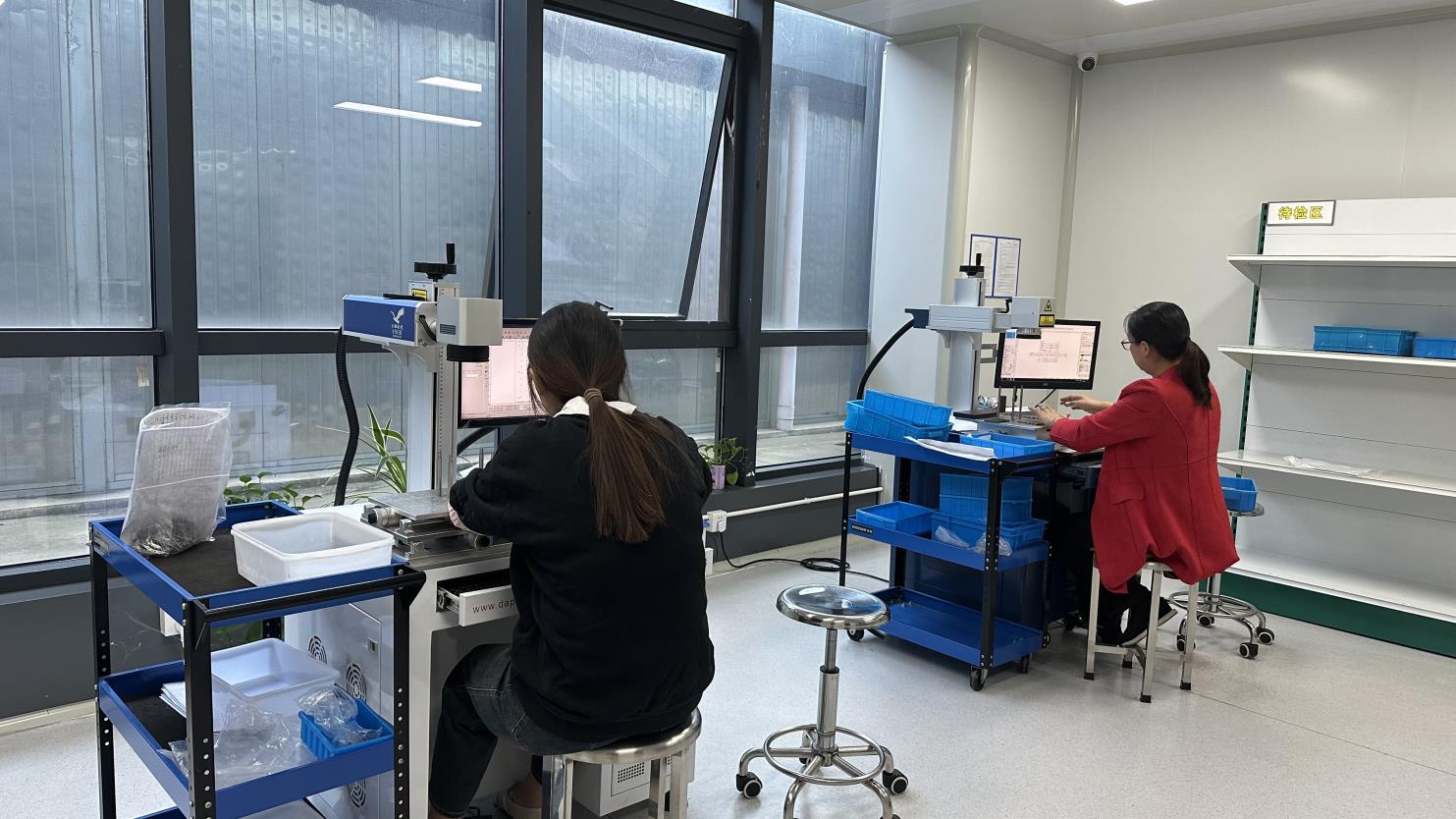
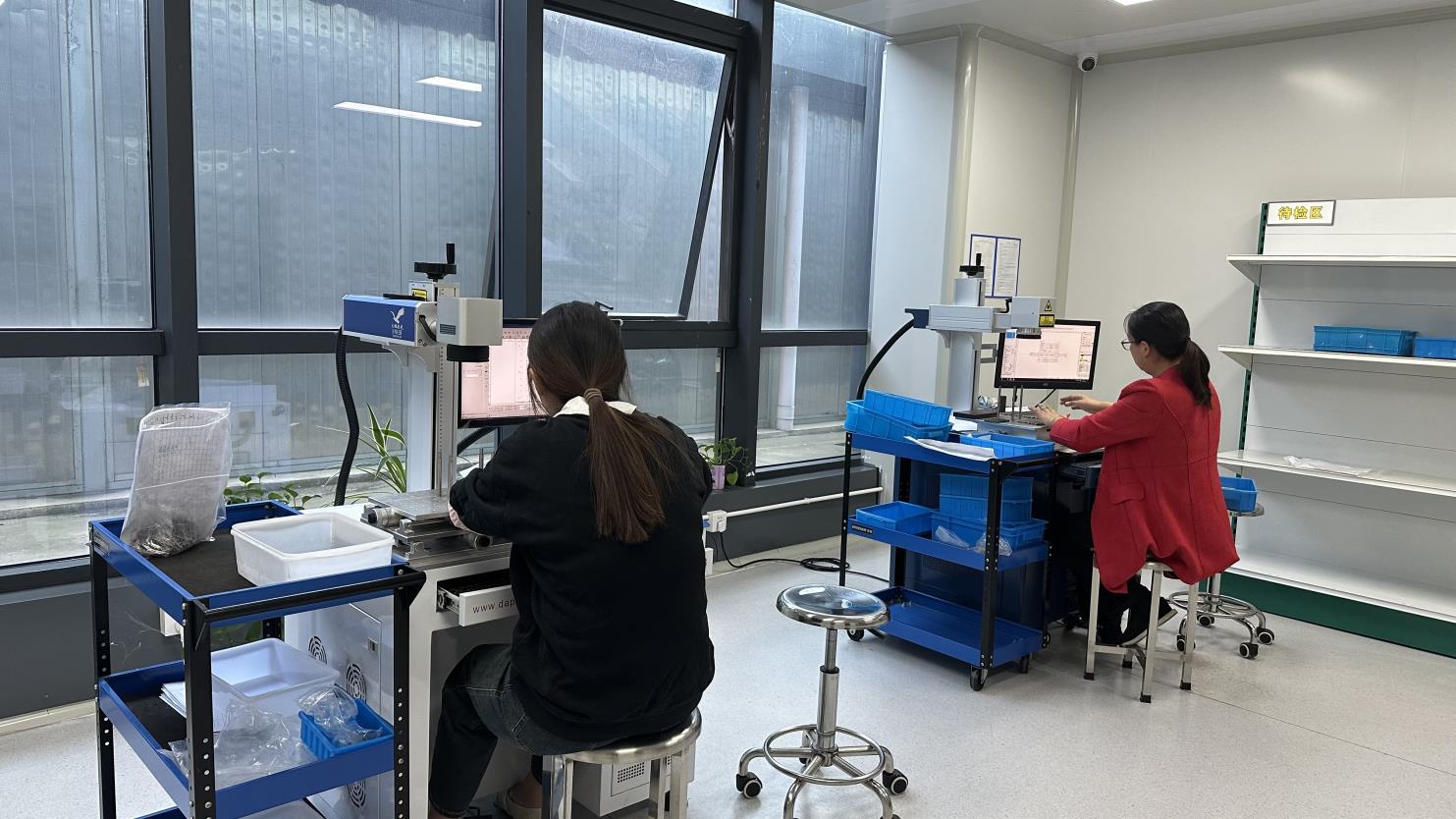
A granular look at the specialized technological path of custom implant and instrument production at our facility.

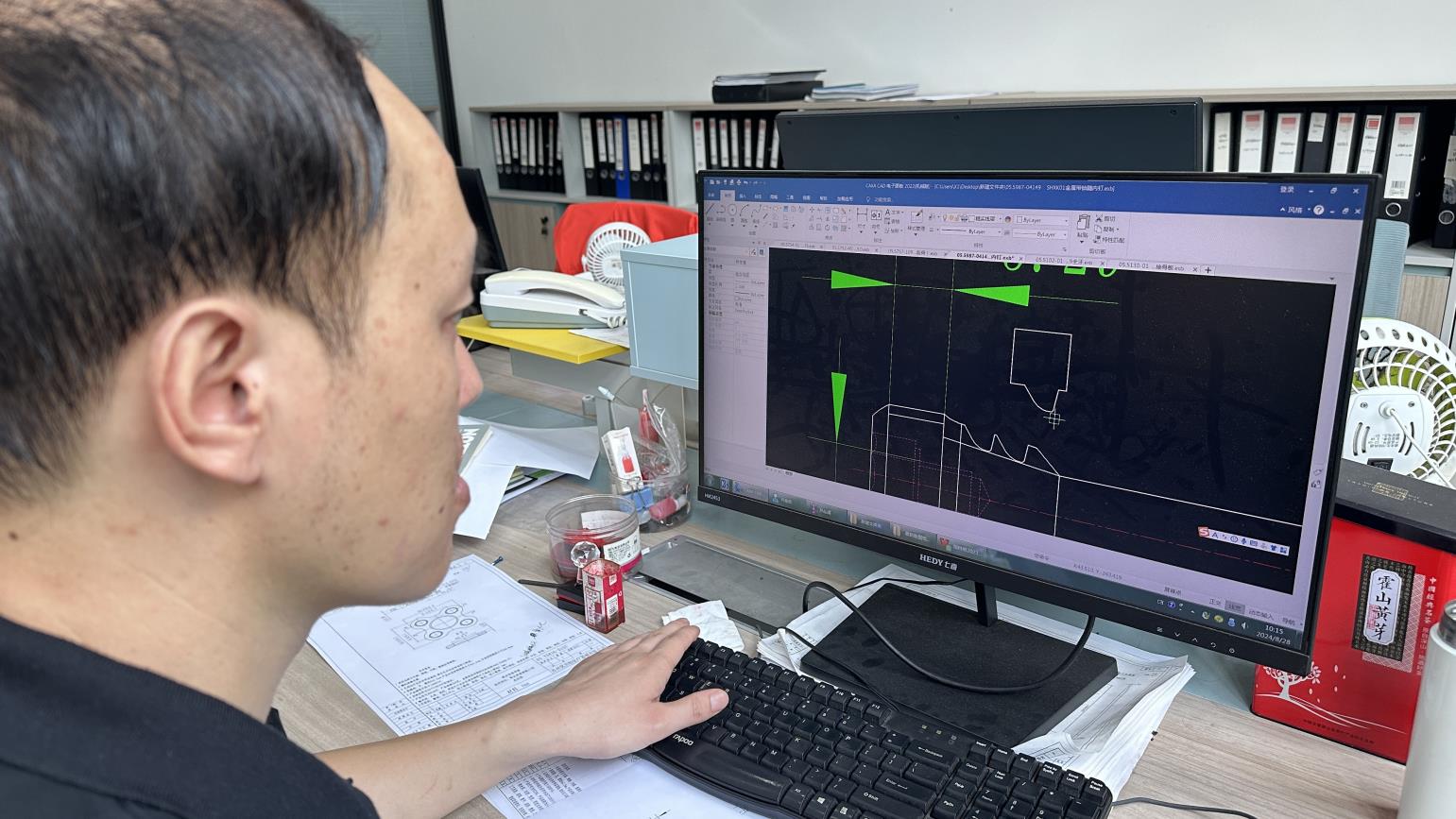
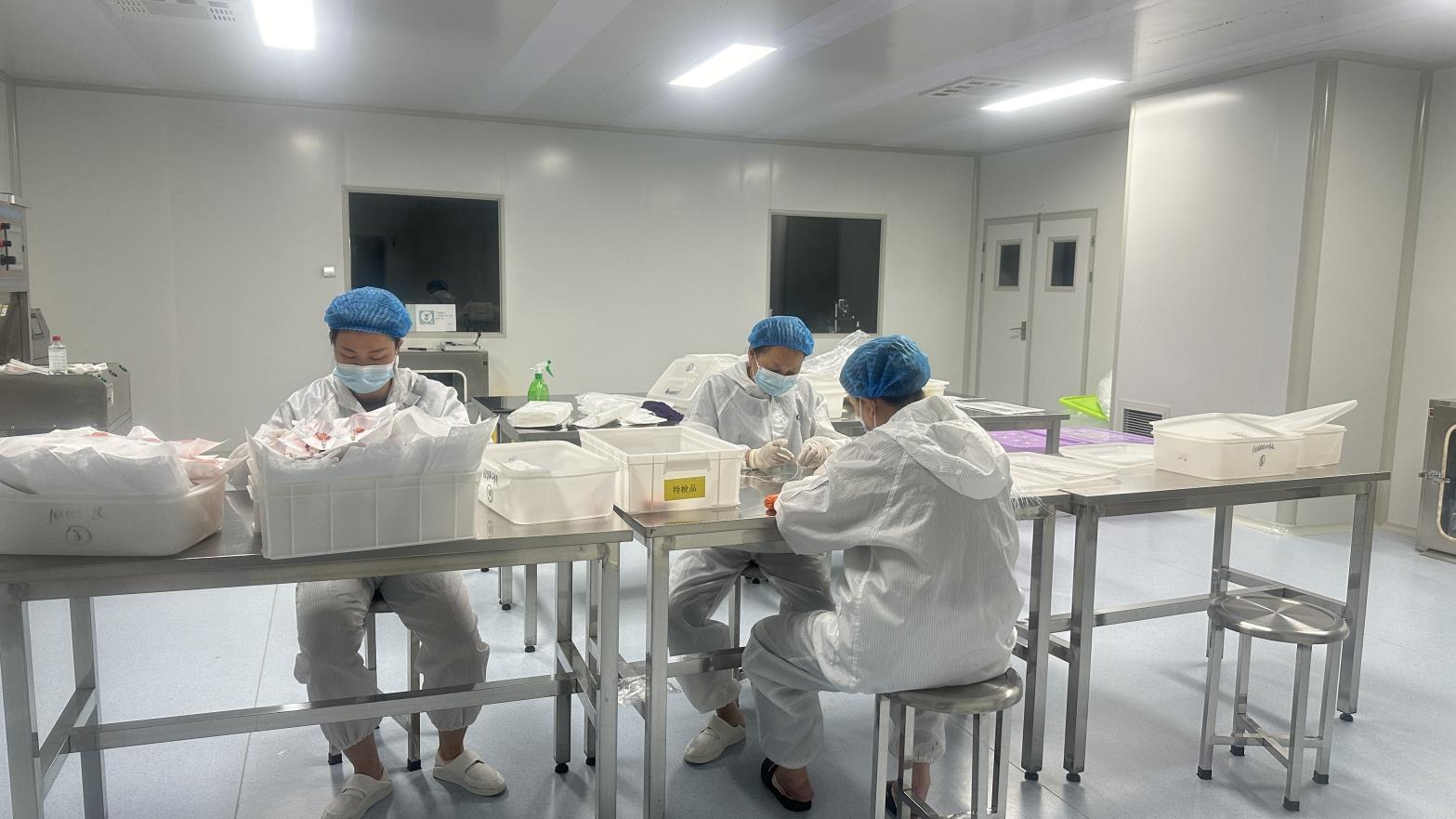
Our custom OEM craniofacial implants and orthopaedic systems serve a diverse range of medical institutions, including municipal hospitals, neurosurgery clinics, private craniomaxillofacial trauma units, and multinational medical device distributors. We have structured a broad global logistics network that delivers components safely and timely across major regions:
To maintain product reliability, Bonevia implements a rigorous material validation framework. Our 35-member quality assurance team oversees incoming raw material evaluation, in-process control charting, and final mechanical characterization. This structured oversight guarantees that every customized titanium plate or PEEK skull spacer aligns with the required medical specifications before export.
Our operational workflow utilizes advanced manufacturing equipment to maintain processing consistency:
This integration of CAD software with advanced manufacturing machinery allows Bonevia to offer efficient OEM and ODM customization services. The engineering team, comprising 85 R&D professionals, designed and validated 120 new medical device configurations within the past fiscal year, demonstrating our design agility and rapid response to clinical requests.
Providing specialized implant geometries for anatomical sites and reconstructive indications.
Following wide local excision of cranial tumors (such as meningiomas invading bone or osteosarcomas), substantial defects are left in the neurocranium. Standard off-the-shelf mesh requires complex intraoperative bending and shaping, which can compromise the structural integrity of the material and extend operation times.
Our custom OEM PEEK and titanium implants are manufactured from pre-operative CT datasets to match the thickness and curvature of the excised bone margins. This provides adequate protection for the underlying cerebral cortex while restoring symmetric skull geometry.
High-impact forces (such as motor vehicle collisions or industrial accidents) can result in comminuted fractures of the orbital floor, zygomatic arch, and maxilla. Reconstructing these structural segments is critical for correcting diplopia and restoring facial symmetry.
Our OEM division designs custom anatomical plates that serve as precise templates, matching the patient's skeletal features to support orbital contents and re-establish proper midfacial projection.
Severe end-stage arthritis, ankylosis, or condylar resorption requires total joint replacement. Our customized mandibular and condylar prostheses are designed to articulate with the skull base, restoring masticatory function.
By utilizing high-strength Titanium alloys for the structural stem combined with biocompatible polymer interfaces, these custom assemblies ensure long-term stability and functional articulation.
Pediatric and adult patients presenting with craniofacial microsomia, Treacher Collins syndrome, or craniosynostosis require reconstructive solutions tailored to their unique skeletal development.
We supply custom distraction osteogenesis components and reconstructive plates that accommodate complex bone geometries, providing stable fixation and supporting osteogenesis as directed by the clinical planning team.
How Bonevia is integrating advanced technologies to shape the next generation of implant manufacturing.
Our technology roadmap prioritizes the integration of artificial intelligence into the pre-operative planning phase. Currently, converting a patient's CT scan into a validated 3D implant model requires manual segmentation, which can introduce variance and delay manufacturing. By applying specialized algorithms, we aim to automate the detection of bone margins and generate optimized implant shapes. This transition is projected to reduce planning lead times from several days to a few hours, helping clinical partners treat urgent trauma cases more efficiently.
To improve the interface between implants and host tissue, we are refining surface treatment techniques to produce porous, trabecular-like microstructures on titanium surfaces. This biomimetic profile encourages natural bone ingrowth (osseointegration), which secures the implant over time and lowers the risk of aseptic loosening. Additionally, we are evaluating bio-active coatings, such as hydroxyapatite (HAp), to assist bone remodeling at the contact borders. These advancements aim to improve long-term outcomes in complex reconstructive cases.
Addressing technical, regulatory, and mechanical questions for procurement officers and clinical directors.
Precision Trauma Fixation, Spinal Rod Systems, and Specialized Veterinary Instruments