Bonevia
Bonevia
Bonevia
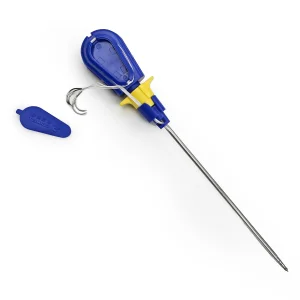
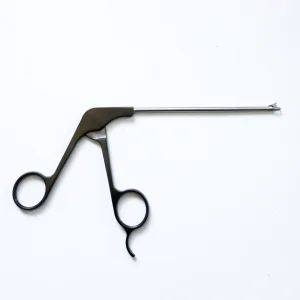
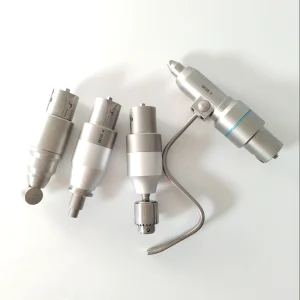
A comprehensive analysis of biomechanical considerations, high-purity medical metallurgy, and surgical OEM alignment.
Cranio-maxillofacial (CMF) surgery presents a unique set of biomechanical challenges. Unlike long bones, which are subject to high compressive and torsional forces from weight-bearing, the facial skeleton demands highly complex, multi-directional strain stabilization. Maxillofacial plating systems must support bone healing during active mastication, speech, and facial expressions, maintaining dimensional stability without placing excessive stress on thin cortical bone layers.
From an osteosynthesis perspective, plating systems must offer a balance of load sharing and load bearing. If a plate is too rigid, it can lead to stress shielding, which prevents the underlying bone from receiving the micro-strains necessary for physiological remodeling. Conversely, if the plate is too flexible, micro-motion at the fracture gap can disrupt angiogenesis and osteoblast formation, leading to non-union or delayed union. Consequently, custom OEM suppliers prioritize medical grade Titanium (such as Grade 2 Pure Titanium or Grade 5 Ti-6Al-4V ELI) with precise elastic moduli matching human cortical bone.
Typically used for delicate pediatric craniofacial surgeries, midface fractures, and orbital rim reconstructions. Requires extreme precision in hole profiling and screw thread matching to prevent thread stripping in ultra-thin bone structures.
The clinical standard for zygomaticomaxillary complex (ZMC) fractures and orthognathic surgical fixations. These systems balance anatomical low-profile designs with the structural integrity required to resist masticatory stresses.
Heavy-duty, load-bearing plating solutions configured with locking screw mechanisms. Necessary for bridging segmental bone defects in oncology cases and stabilizing high-stress load zones along the mandibular angle and symphysis.
A trusted manufacturer specializing in orthopedic implants and surgical solutions since 2015.
Established in 2015, Bonevia has grown steadily into a key OEM/ODM manufacturing partner in the global orthopedic and cranio-maxillofacial implant industry. With an industrial presence backed by over 10 years of experience, we support medical device brands, distributors, and surgical centers worldwide.
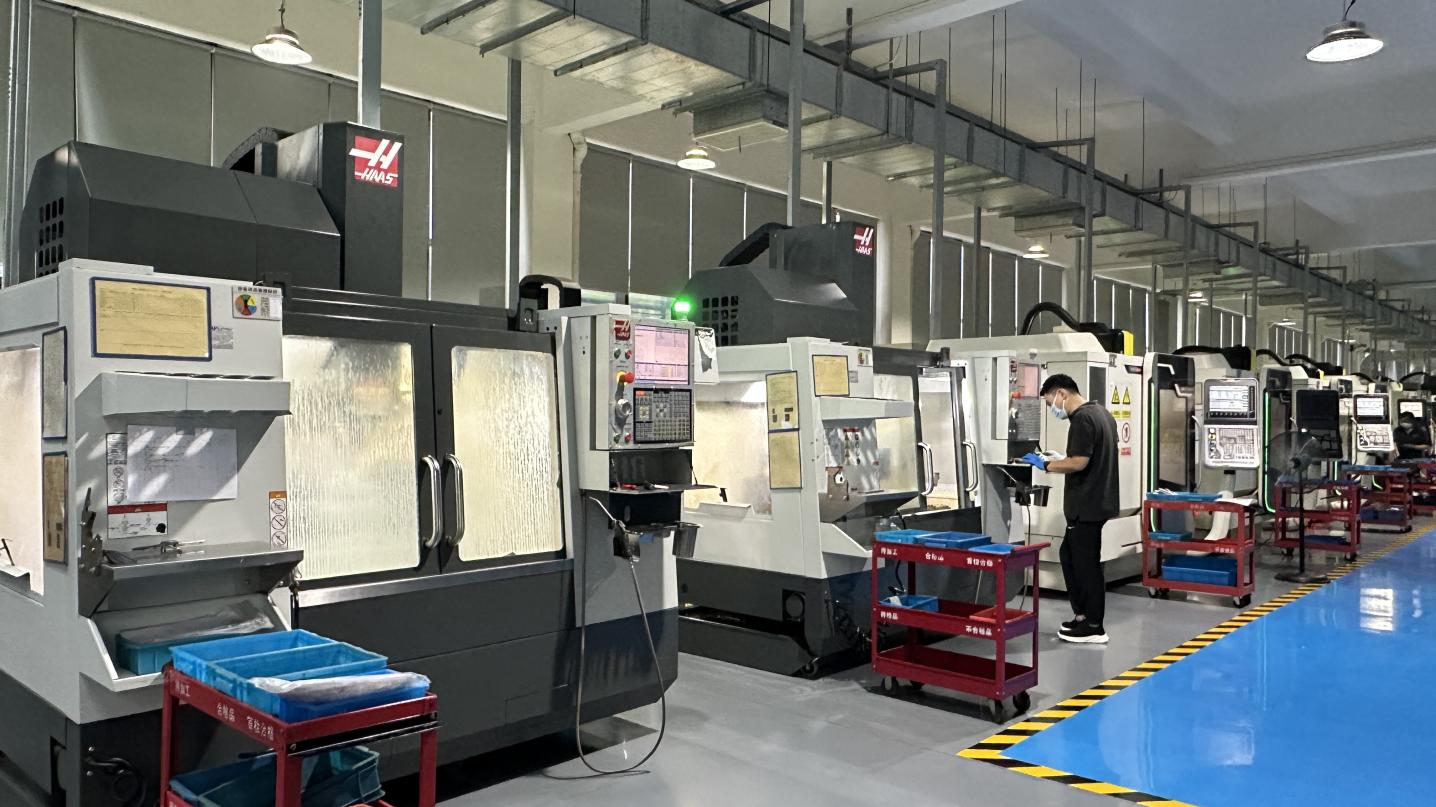
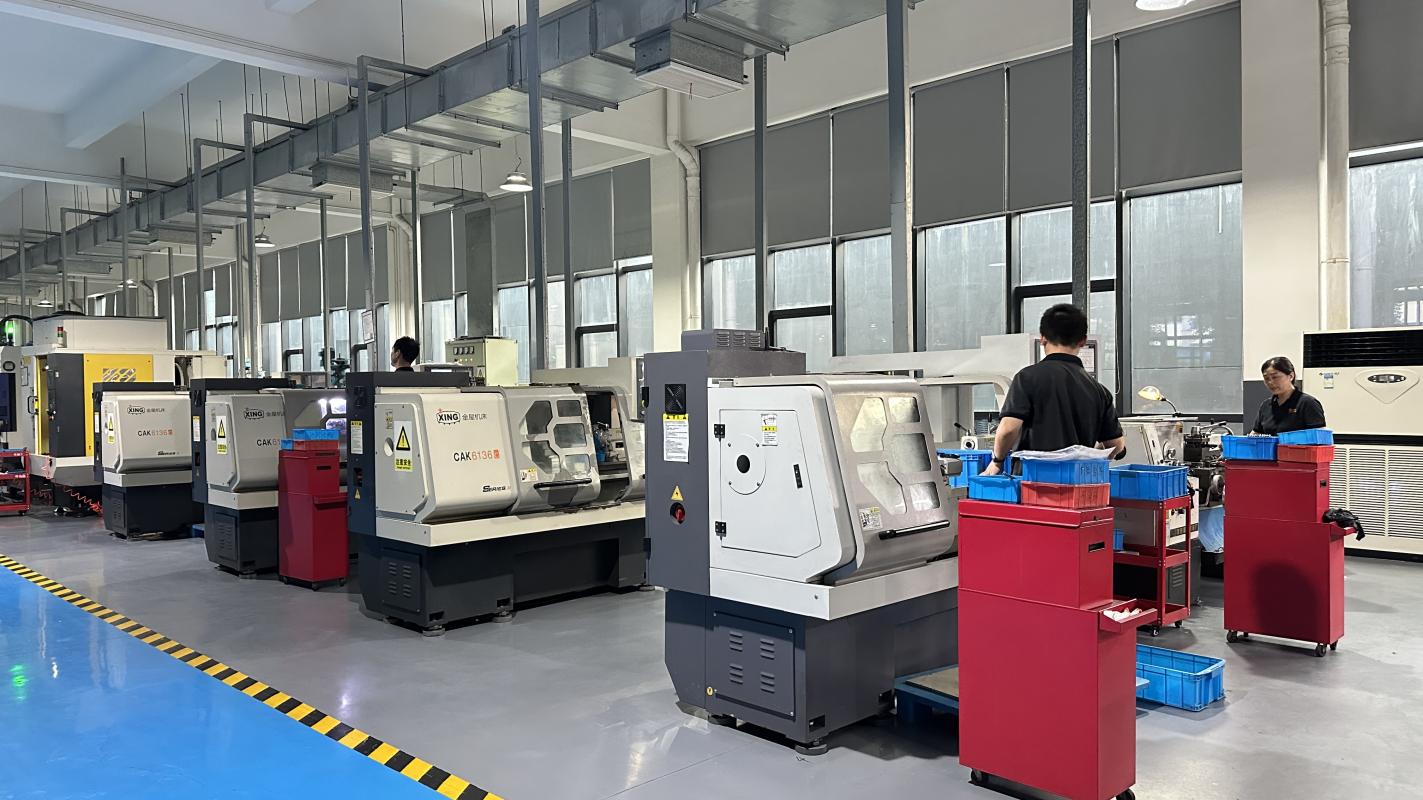
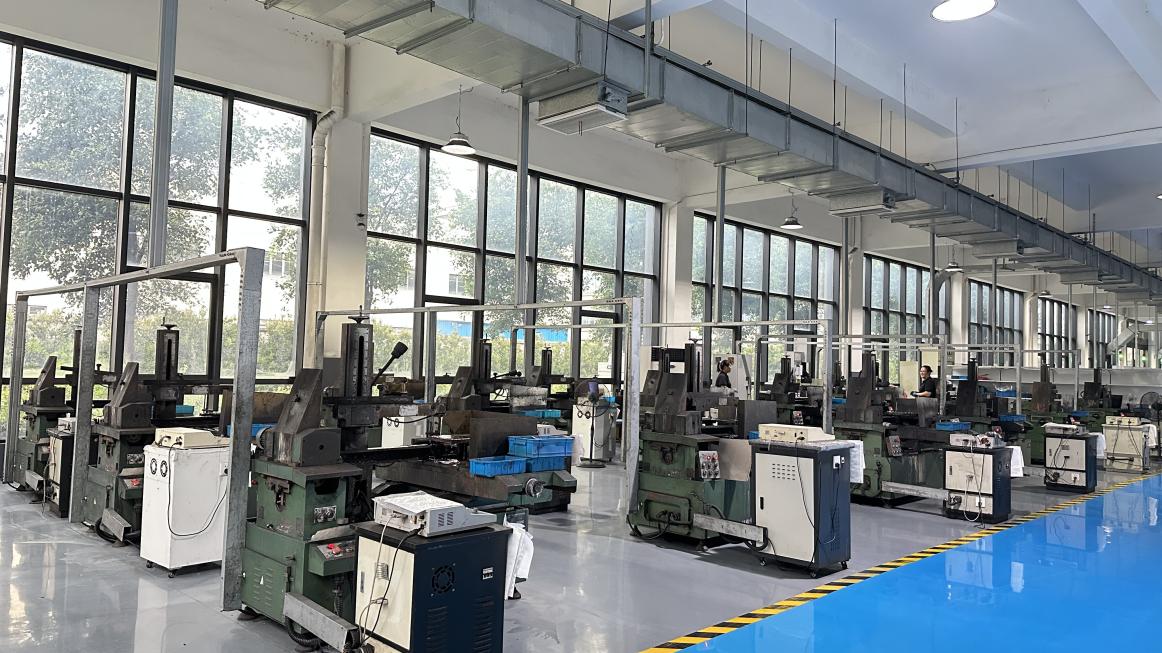
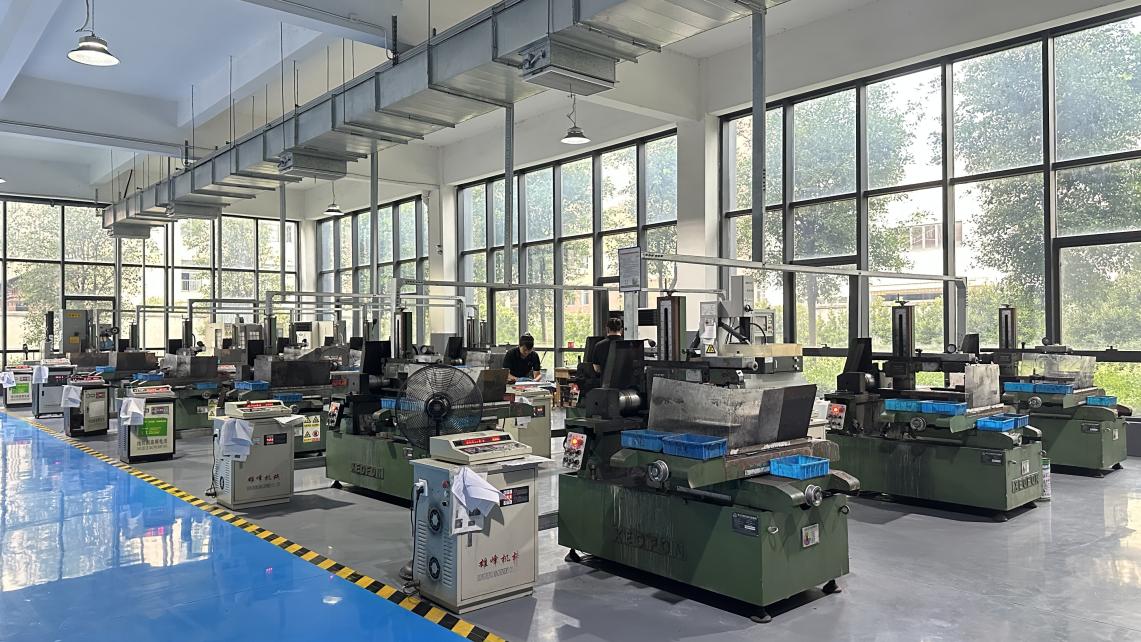
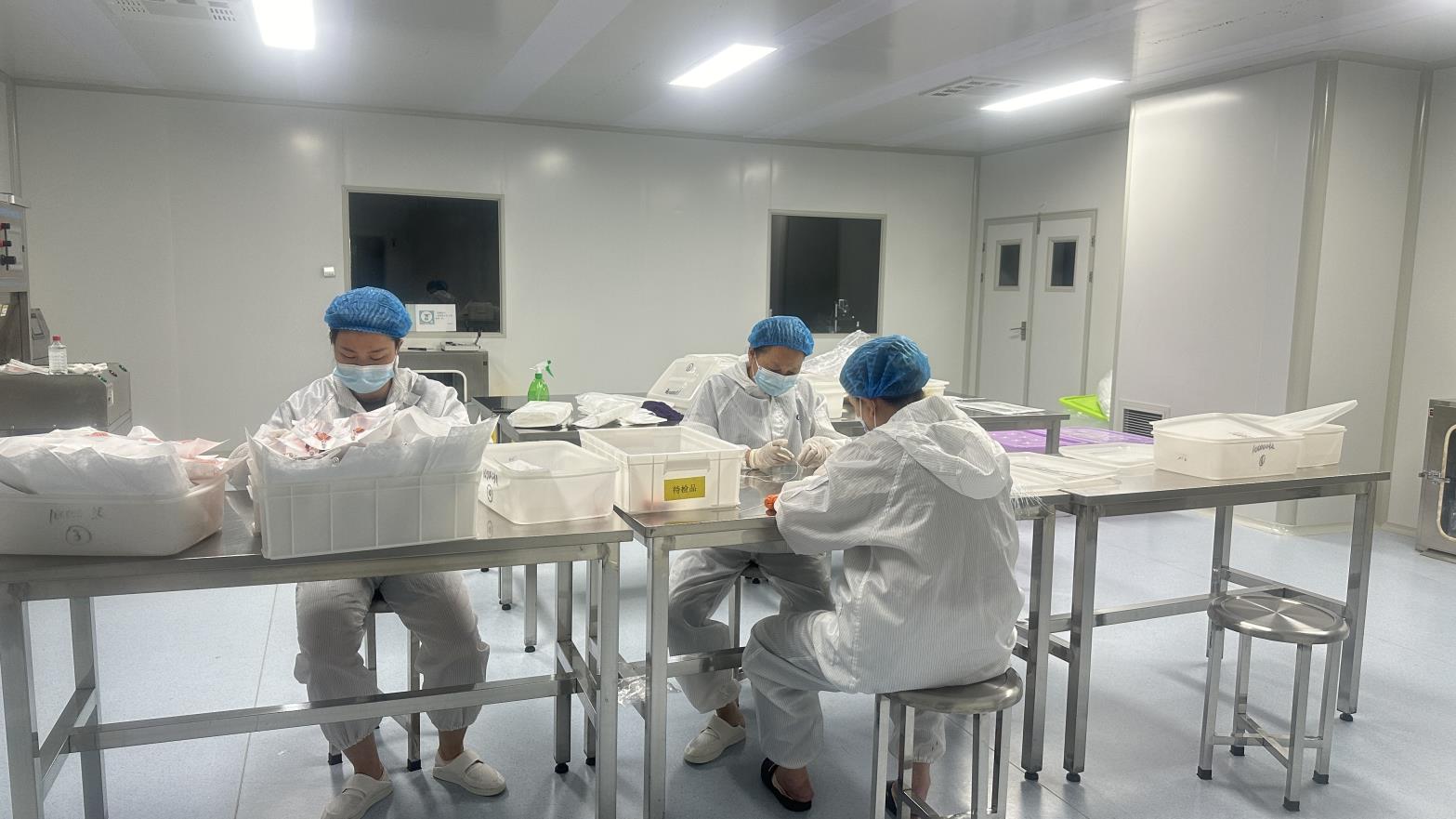
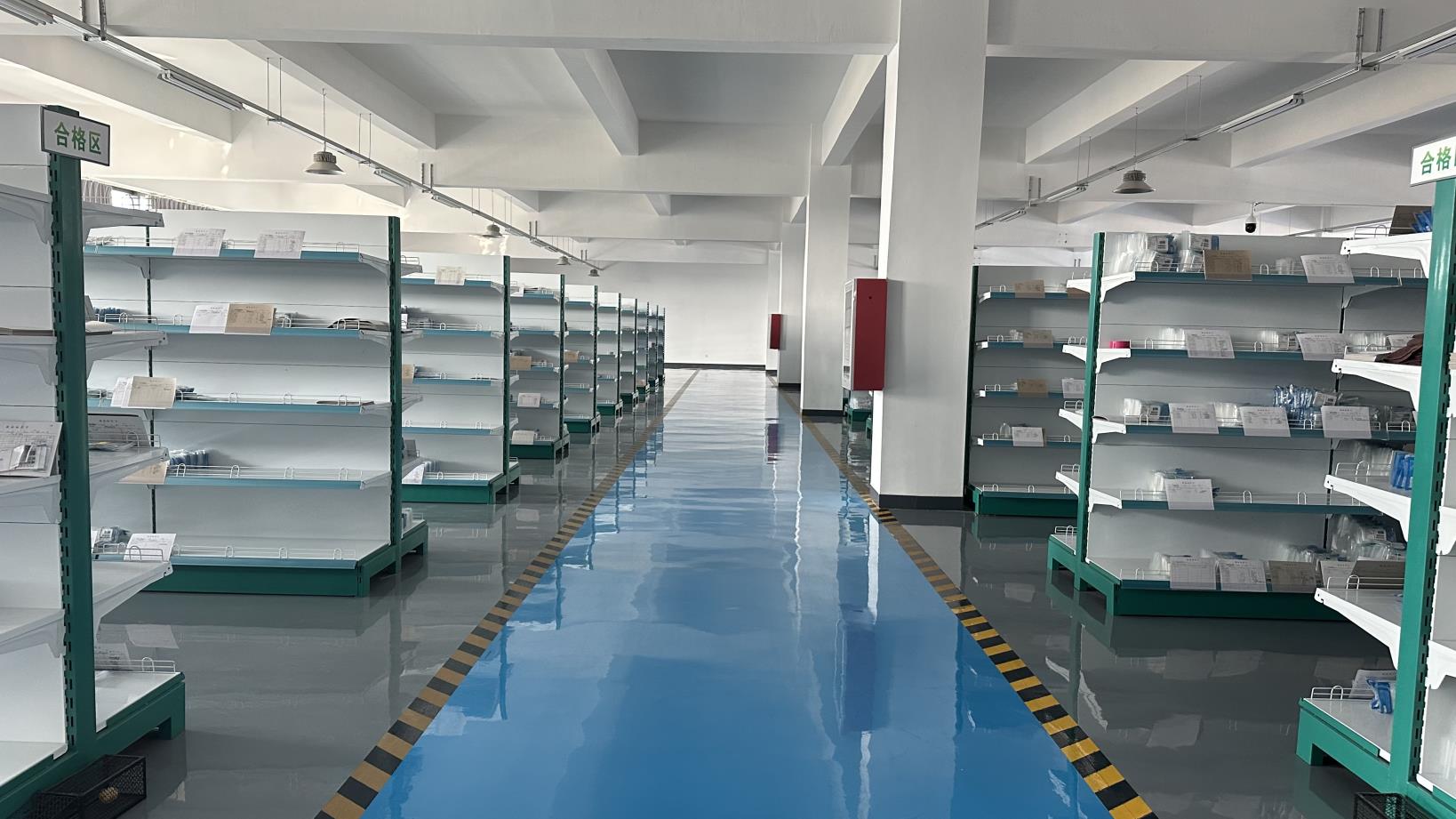
Operating out of a modern production facility covering 320m², Bonevia maintains strict quality control measures. We manage a robust supply chain ecosystem involving over 850 partners, enabling reliable raw material sourcing and consistent production cycles.
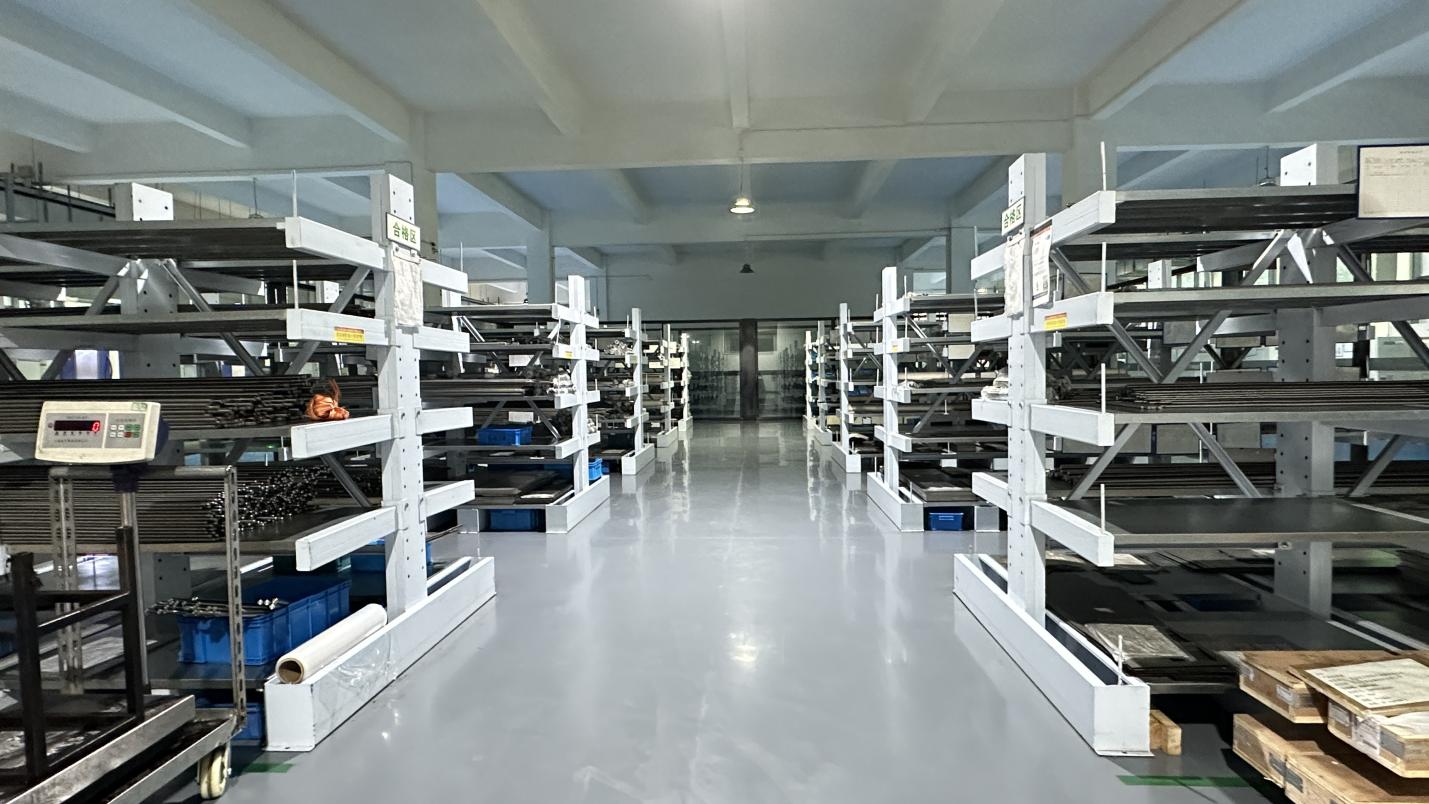
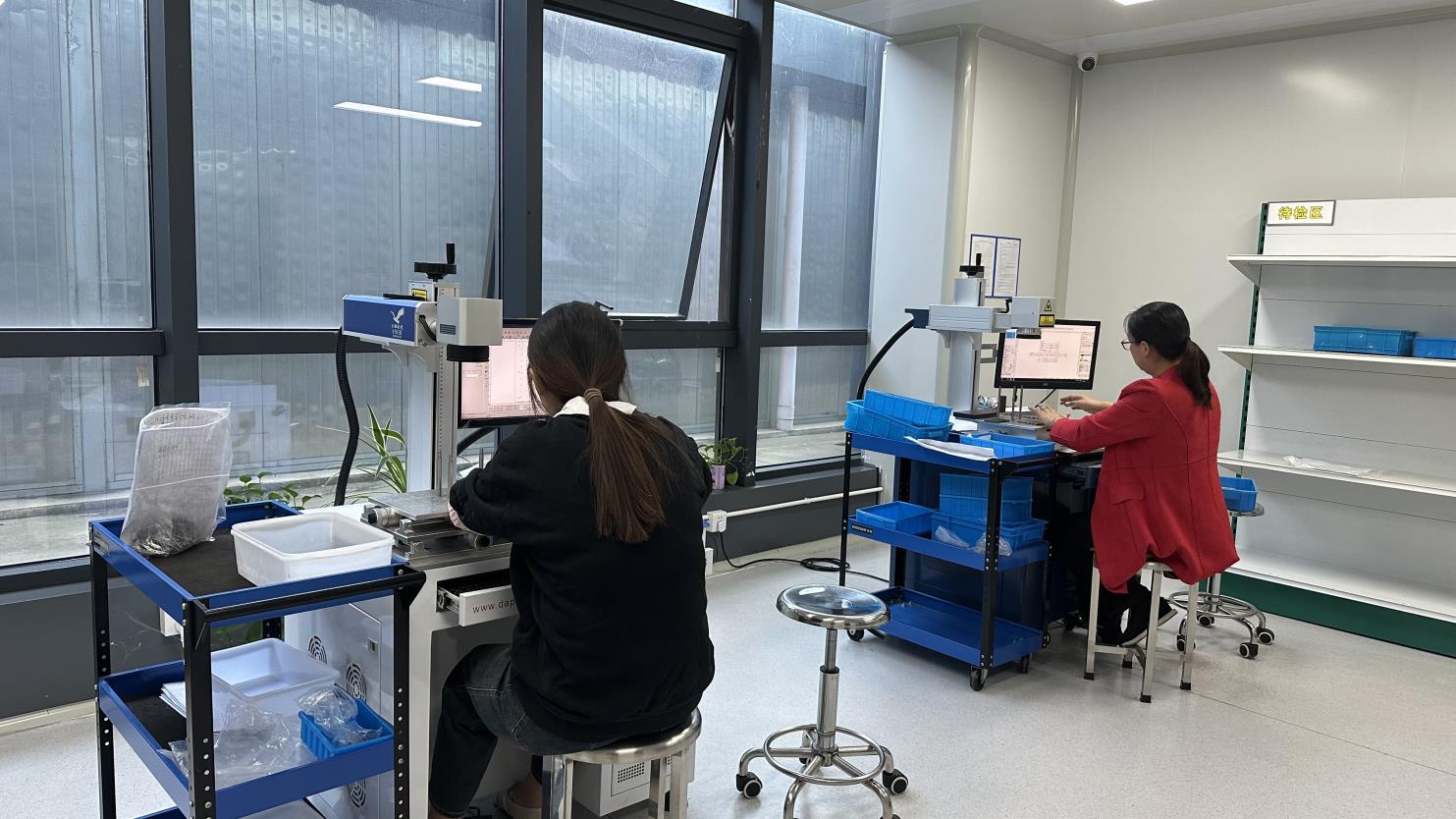
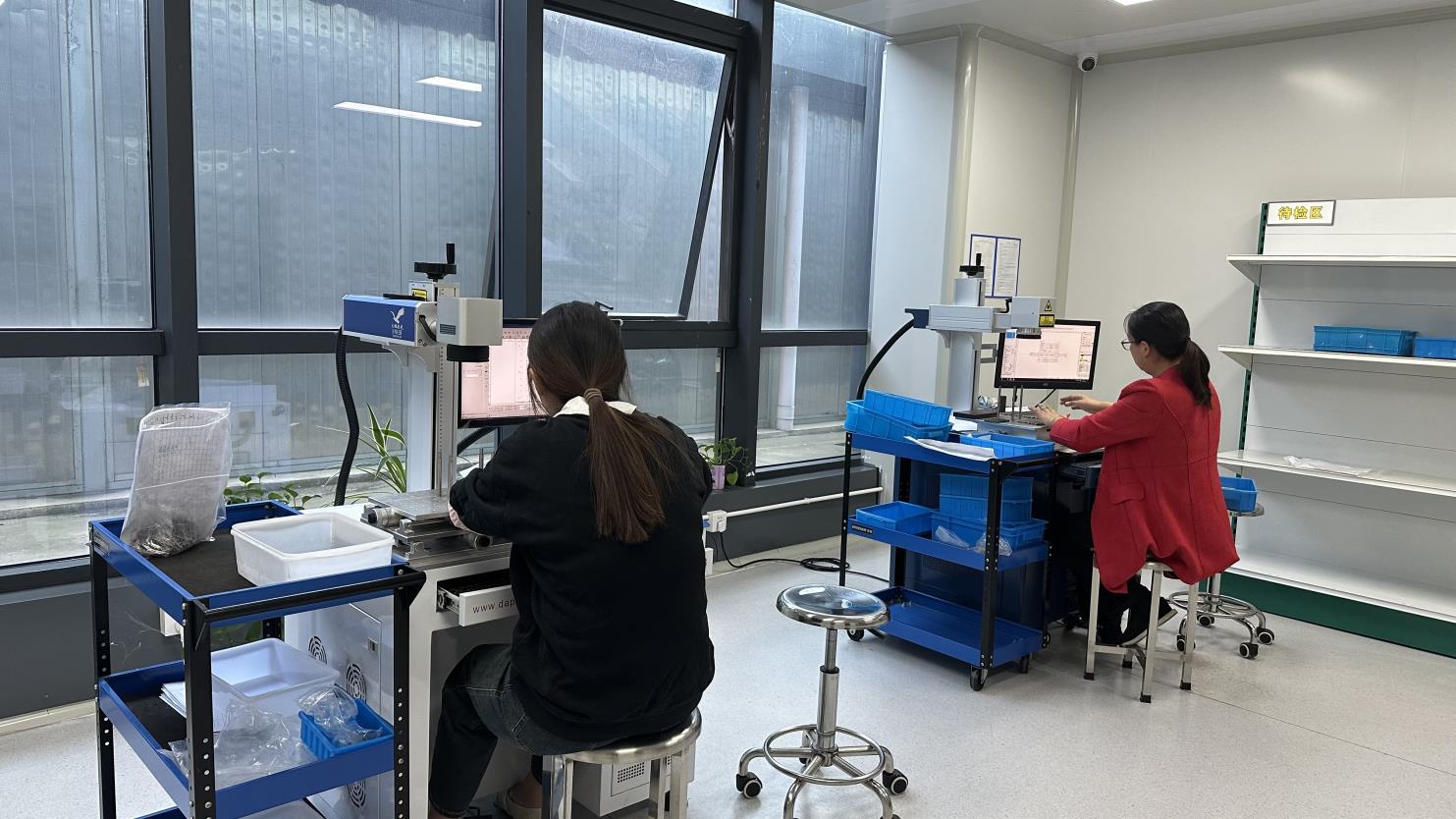
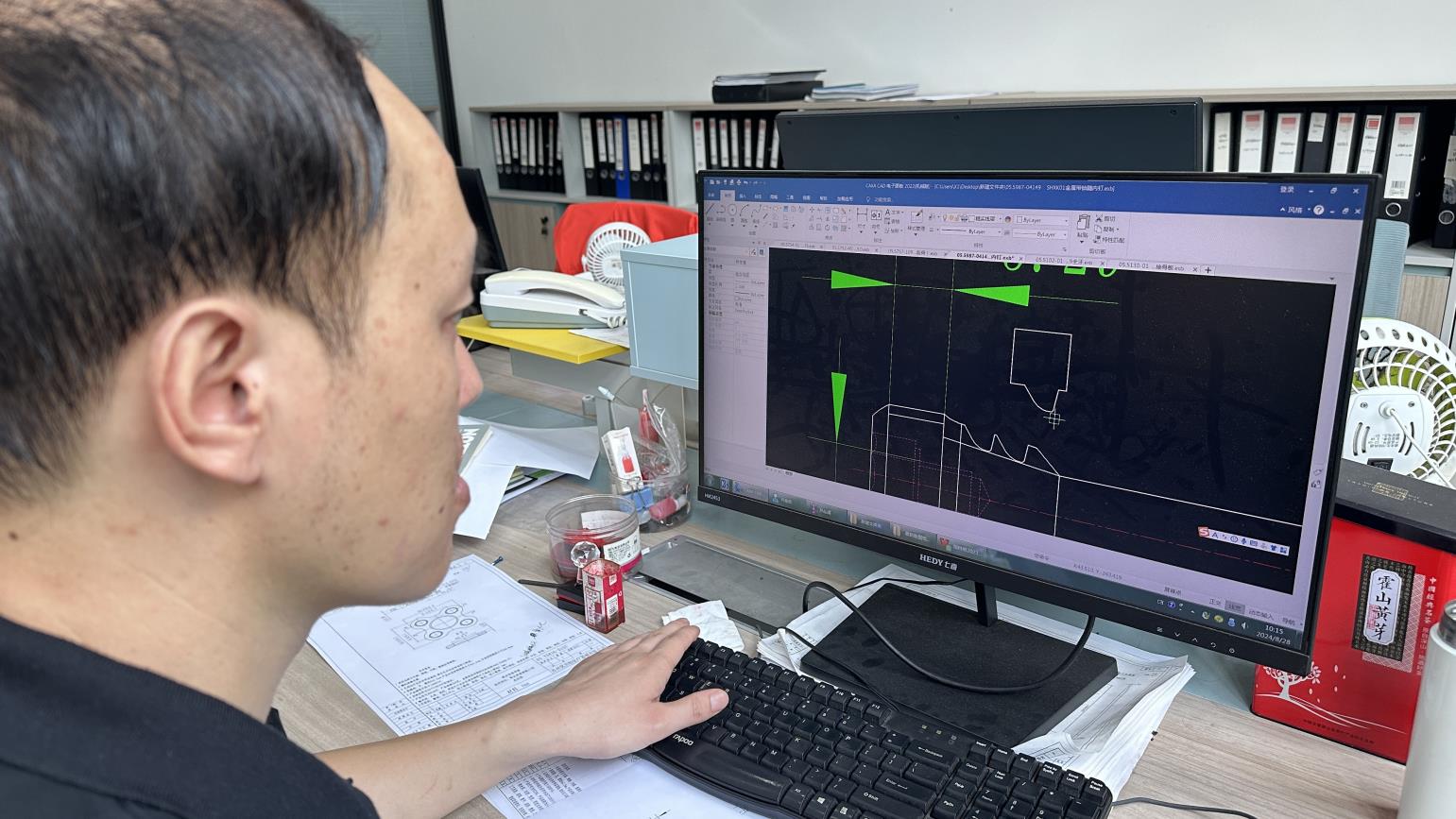
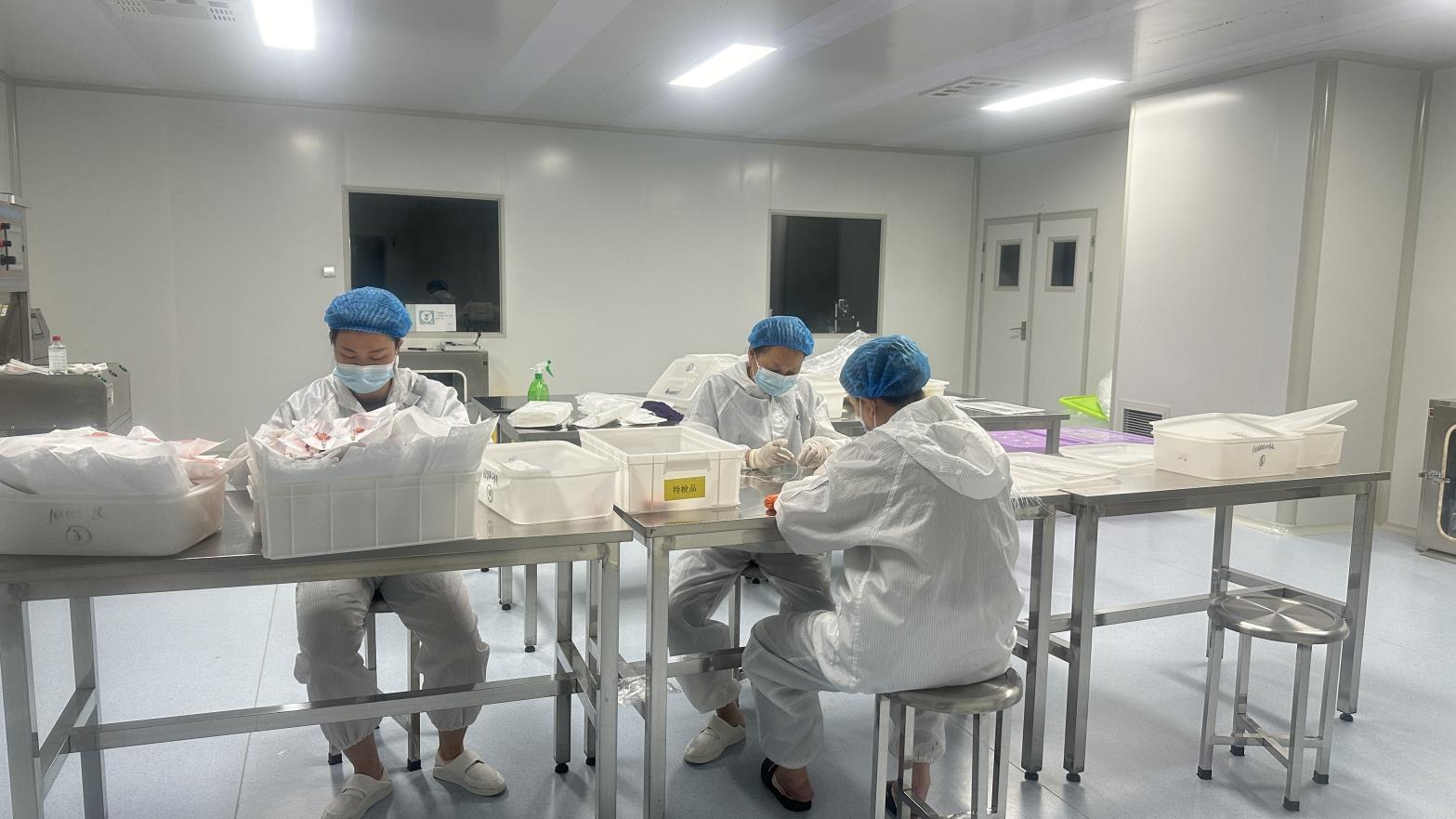
Bonevia Orthopedic Manufacturing and Testing Facility
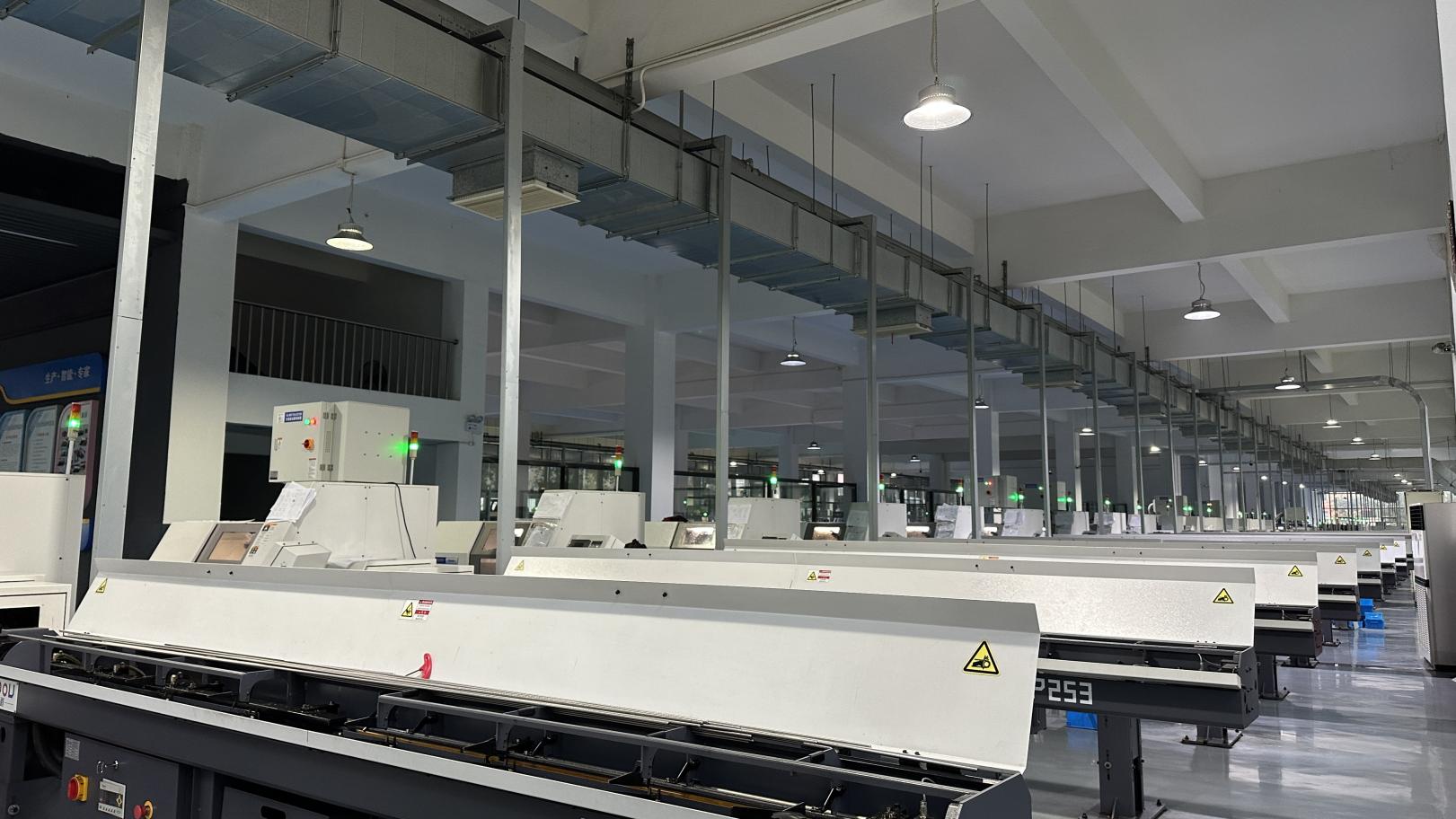
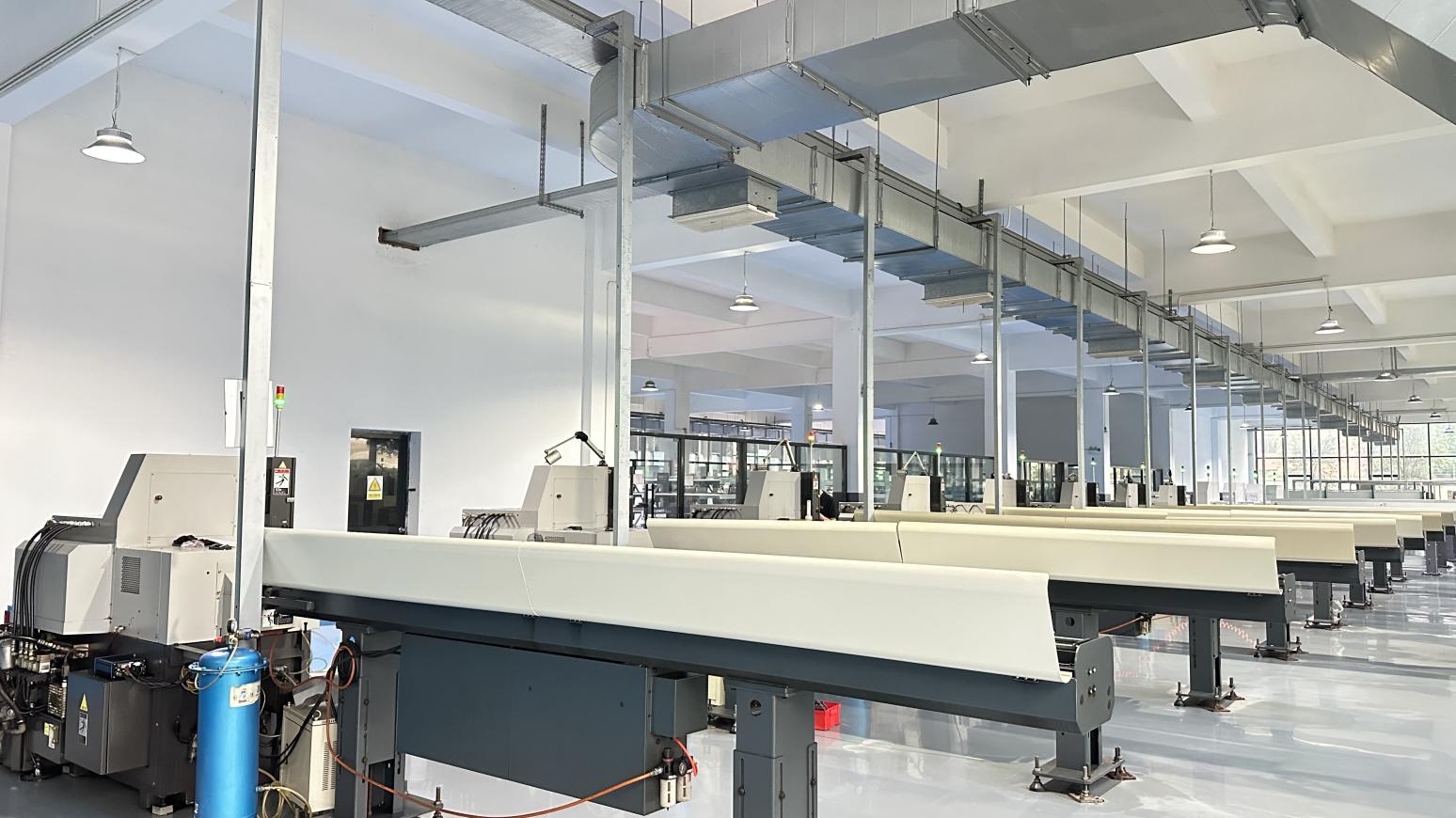
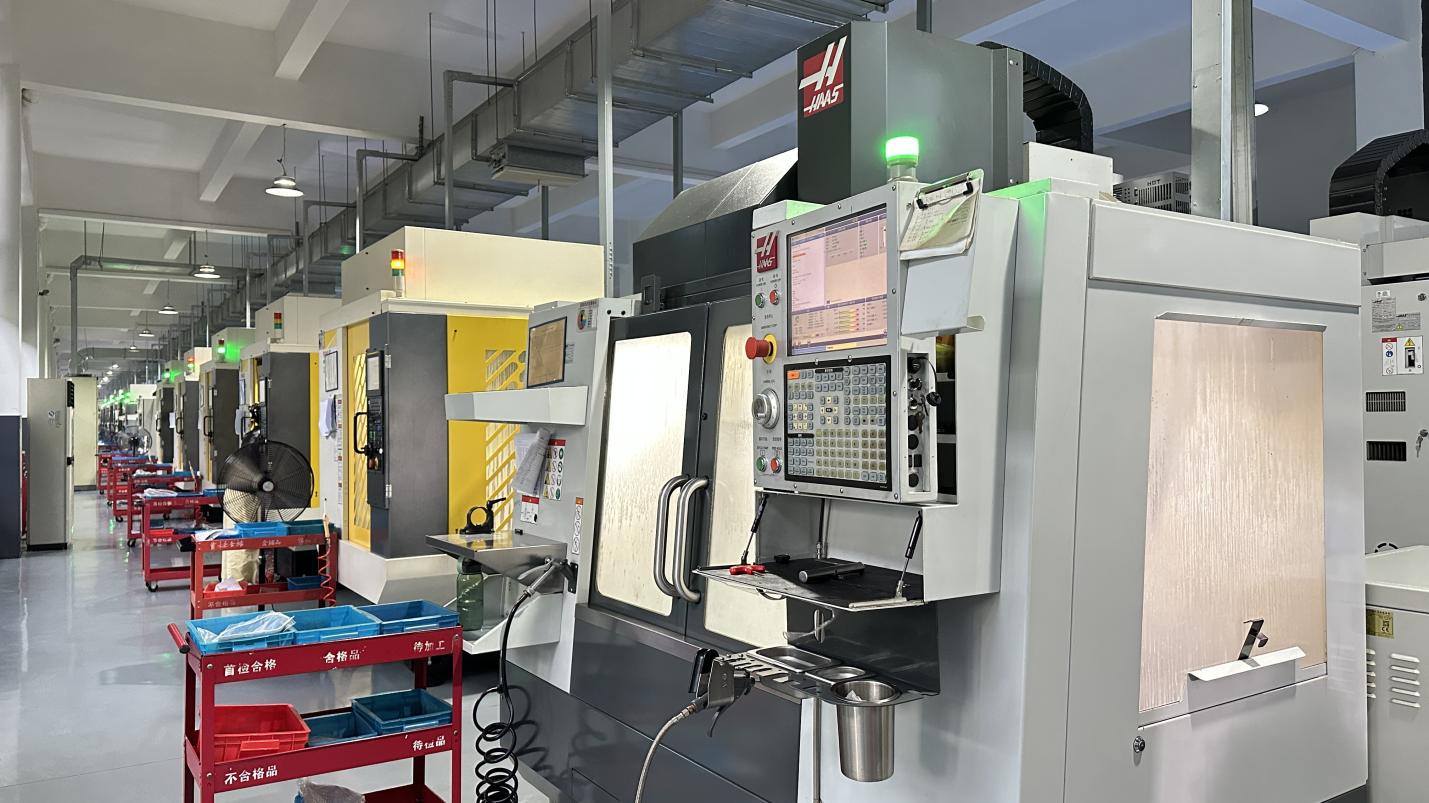
Our end-to-end manufacturing workflow guarantees mechanical precision and surface safety for CMF plating systems.
Understanding metallurgy is critical to selecting the correct plate profile for various CMF reconstructions.
CMF plate performance depends heavily on the select titanium grade. Pure titanium (Grades 2-4) offers excellent ductility for hand-contouring during surgery, while titanium alloys (Grade 5 ELI) provide the high fatigue limits required for load-bearing mandibular reconstruction.
| Material Specification | Yield Strength (MPa) | Tensile Strength (MPa) | Elongation (%) | Primary Clinical Application |
|---|---|---|---|---|
| CP Titanium Grade 2 | 275 - 450 | 345 - 500 | ≥ 20% | Pediatric miniplates, orbital floor plates, low-stress midface panels |
| CP Titanium Grade 4 | 480 - 620 | 550 - 750 | ≥ 15% | Standard orthognathic plates, midface osteotomy stabilization |
| Ti-6Al-4V ELI (Grade 5 Extra Low Interstitial) | 825 - 860 | 860 - 930 | ≥ 10% | Mandibular load-bearing plates, locking reconstruction plates |
Simply choosing titanium is not enough to ensure long-term implant integration. At Bonevia, our custom OEM maxillofacial systems undergo electrochemical surface treatments. Dynamic anodization creates a uniform titanium oxide (TiO₂) barrier that prevents titanium ion release into surrounding tissues. Additionally, this oxide layer can be color-coded (pink, blue, gold) to help surgeons identify plate thickness and screw compatibility in the sterile field.
How maxillofacial plating systems are adapted across different surgical demands and regional markets.
In high-capacity trauma centers, speed and versatility are key. Bonevia offers standardized plates that can be bent in multiple planes without micro-cracking, helping surgeons match complex orbital and midfacial curvatures under operating room time constraints.
Le Fort I, II, and sagittal split osteotomies require highly reliable bone fixation. Our low-profile plates minimize post-operative palpability for patients and reduce irritation to the overlying gingival tissues, leading to better patient comfort.
Veterinary orthopedics frequently requires downscaled, robust implants for feline and canine CMF reconstruction. Our mini and micro systems are utilized by animal hospitals to repair jaw fractures and congenital deformities in companion animals.
The transition from standardized plates to Patient-Specific Implants (PSI) and bio-resorbable polymers.
Standard plates require manual bending by surgeons, which can introduce stress concentrations. The industry is shifting toward CAD/CAM-designed PSIs milled or 3D-printed from high-resolution patient CT scans, ensuring exact anatomical fit.
Selective Laser Melting (SLM) enables the fabrication of porous titanium mesh structures. These porous surfaces encourage bone ingrowth (osseointegration), making them well-suited for large oncological craniofacial reconstructions.
To avoid secondary surgeries for implant removal (especially in pediatric patients), research is focused on magnesium alloys and bio-absorbable polymers (PLLA/PDLA) that degrade into non-toxic components over time.
How Bonevia integrates raw material access, advanced CNC tooling, and logistics to deliver cost-effective OEM solutions.
China’s orthopedic manufacturing sector benefits from localized industrial clusters. Our facility secures raw medical-grade titanium from established domestic suppliers, reducing long-distance import times and mitigating global raw material price fluctuations.
Bonevia's in-house capabilities—spanning wire-cutting, slitting, multi-axis CNC machining, and automated laser marking—allow us to control manufacturing tolerances down to ±0.01mm. This vertical integration keeps production efficient and ensures consistent quality.
Supported by our quality management system and dedicated QC team, we balance production speed with performance testing, ensuring every batch meets international standards before shipping.
Ensuring compliance with medical device regulations for global markets.
Our quality management system is certified under ISO 13485:2016, covering the design, production, and distribution of titanium CMF and trauma implant systems.
All implants undergo evaluation in accordance with ISO 10993, including cytotoxicity, systemic toxicity, and sensitization tests, to ensure long-term patient safety.
Every maxillofacial plate and screw is laser-marked with unique batch IDs and serial numbers. This complete traceability spans from raw material processing through final sterile packaging.
Technical and commercial answers for orthopedic distributors, purchase directors, and biomedical engineers.