Bonevia
Bonevia
Bonevia
A comprehensive analysis of why Polyetheretherketone has revolutionized modern ACL, PCL, and soft tissue reconstructions.
Over the last two decades, ligament reconstruction has witnessed a paradigm shift in biomaterial choices. Traditionally, metal implants (such as Titanium alloys) and bioabsorbable polymers (such as PLA and PLGA) dominated the market. However, Titanium’s high Young’s modulus relative to human bone often led to stress-shielding, and its radiopacity restricted clear post-operative radiographic evaluation. On the other hand, early-generation bioabsorbable materials frequently provoked localized inflammatory responses during degradation phases, compromising bone-implant interface integration.
Polyetheretherketone (PEEK) has emerged as the definitive solution to these legacy clinical challenges. As a semi-crystalline, high-performance thermoplastic, PEEK exhibits an elasticity modulus (typically between 3 to 4 GPa) that is exceptionally close to that of cortical bone. This biomechanical alignment mitigates the risk of bone resorption by facilitating standard load-sharing across the interface.
The natural elasticity match of PEEK minimizes interface micromotion, reducing the incidence of bone tunnel widening. This provides structural stability that supports stable soft tissue-to-bone integration, particularly in anterior cruciate ligament (ACL) reconstructions.
Unlike metallic screws, PEEK does not create scatter or artifact halos during post-operative MRI, CT, or X-ray imaging, allowing orthopedists to accurately assess the progressive bone tunnel fill and tendon integration.
Medical-grade PEEK complies with ISO 10993 standards for long-term implantation, demonstrating zero cytotoxic reaction and a low risk of systemic immune response compared to rapidly degrading polymers.
PEEK can withstand repeated autoclaving, Ethylene Oxide (EtO), and Gamma radiation sterilization cycles without degrading its molecular structure or losing mechanical properties.
Standardizing the custom OEM mechanical boundaries, thread profiles, and driver interfaces required by orthopedic medical brands.
Procurement teams from multinational medical device companies require strict customization parameters to fit their instrumentation setups. Achieving the optimum balance of torsional yield strength, thread engagement pull-out force, and insertion torque limits is key for surgical efficiency. As a dedicated OEM supplier, Bonevia Orthopedic delivers customized solutions across all key dimensions.
Our custom PEEK interference screws feature advanced driver interfaces, such as hexagonal and star profiles, to optimize torque distribution and minimize stripping risks. Variable pitch structures are implemented to improve initial press-fit stability in dense cortical bone, while custom cannulated avenues allow for smooth guide-wire compatibility.
| Specification Parameter | Standard OEM Range | Options & Configurations | Applicable Standards |
|---|---|---|---|
| Outer Diameters | Ø 5.0 mm to 12.0 mm | 0.5 mm or 1.0 mm increments | ASTM F2026 / ISO 13485 |
| Length Options | 15 mm to 35 mm | Custom tapered profiles available | ASTM F2026 |
| Internal Cannulation | Ø 1.1 mm to 2.2 mm | Designed for Nitinol / Stainless guide wires | ISO 5832-1 Compliant Fits |
| Drive Connection Profile | Hexagonal (SW 2.5/3.5) / Star (Torx T15/T20) | Deep socket design for high insertion torque | ISO 10664 / Custom Fit |
| Thread Geometry | Fully threaded, blunt threads, dual-lead | Tendon protection thread configurations | OEM Proprietary Design Integration |
Combining cost-effective scale with ISO-regulated micro-machining tolerances to safeguard global medical inventories.
Operating Swiss-type high-precision CNC lathes, Bonevia maintains tight dimensional tolerances (+/- 0.01 mm) on complex PEEK screw designs, including internal cannulations and delicate external threads.
By leveraging an ecosystem of over 850 partners, we secure medical-grade PEEK resins with full chemical and mechanical lot trace documents, mitigating material procurement delays.
Final inspection, ultra-sonic cleaning, and primary packaging are conducted within class-controlled environments to minimize biological burden and particulate contamination prior to shipment.
With an annual export value of USD 8-15 million, Bonevia handles high-volume custom production for sports medicine companies in Europe, Southeast Asia, South America, and the Middle East, offering a dependable supply of orthopedic surgical implants.
Over a decade of manufacturing experience in orthopedic implants and customized surgical instruments.
Established in 2015, Bonevia Orthopedic Technology Co., Ltd. specializes in orthopedic implants and surgical solutions, focusing on trauma, spine, joint reconstruction, and sports medicine devices. With a production facility designed for modern high-precision fabrication, Bonevia applies quality control systems to support medical device supply chains.
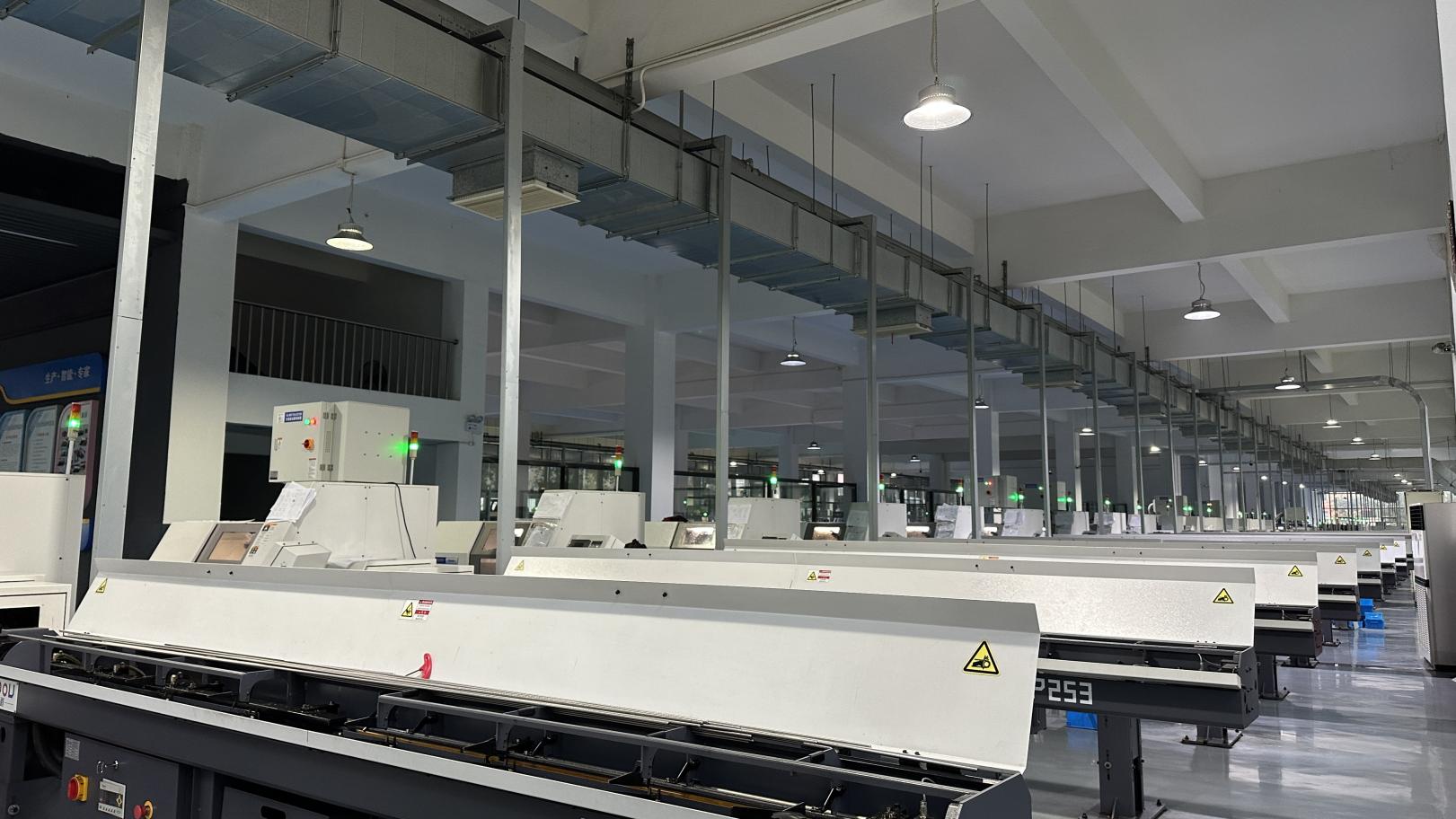
Our facility houses advanced manufacturing lines, featuring Swiss CNC machining centers, wire-cutting machines, and laser-marking systems. Our quality assurance team of 35 professionals conducts incoming materials verification, in-process dimension checks, and final product inspections. Supported by 85 R&D engineers, we introduced 120 new designs in the past year, showcasing our dedication to continuous product improvement.
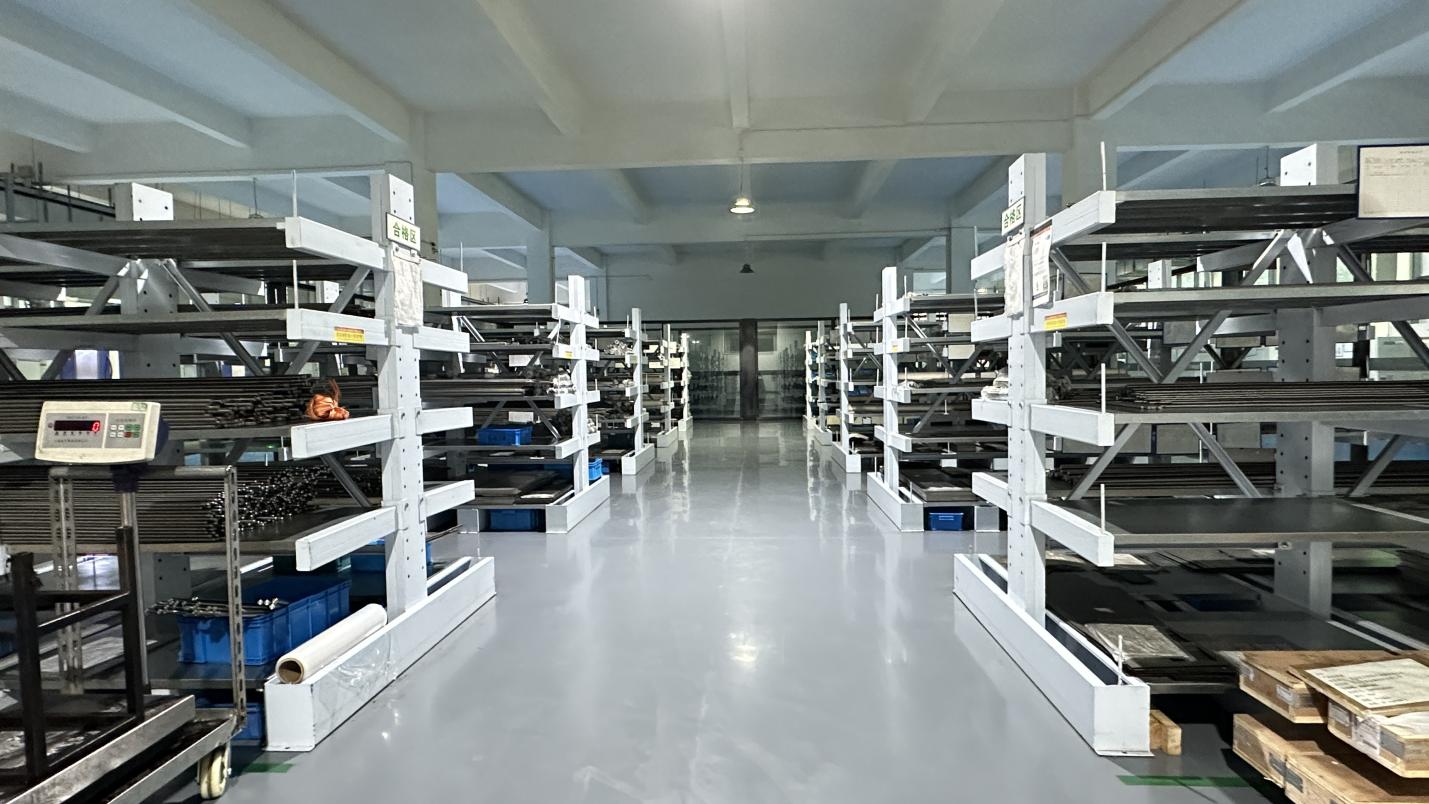
A transparent overview of our medical-grade manufacturing process, from raw stock selection to sterile-ready warehouse storage.
1. Raw Materials Inspection
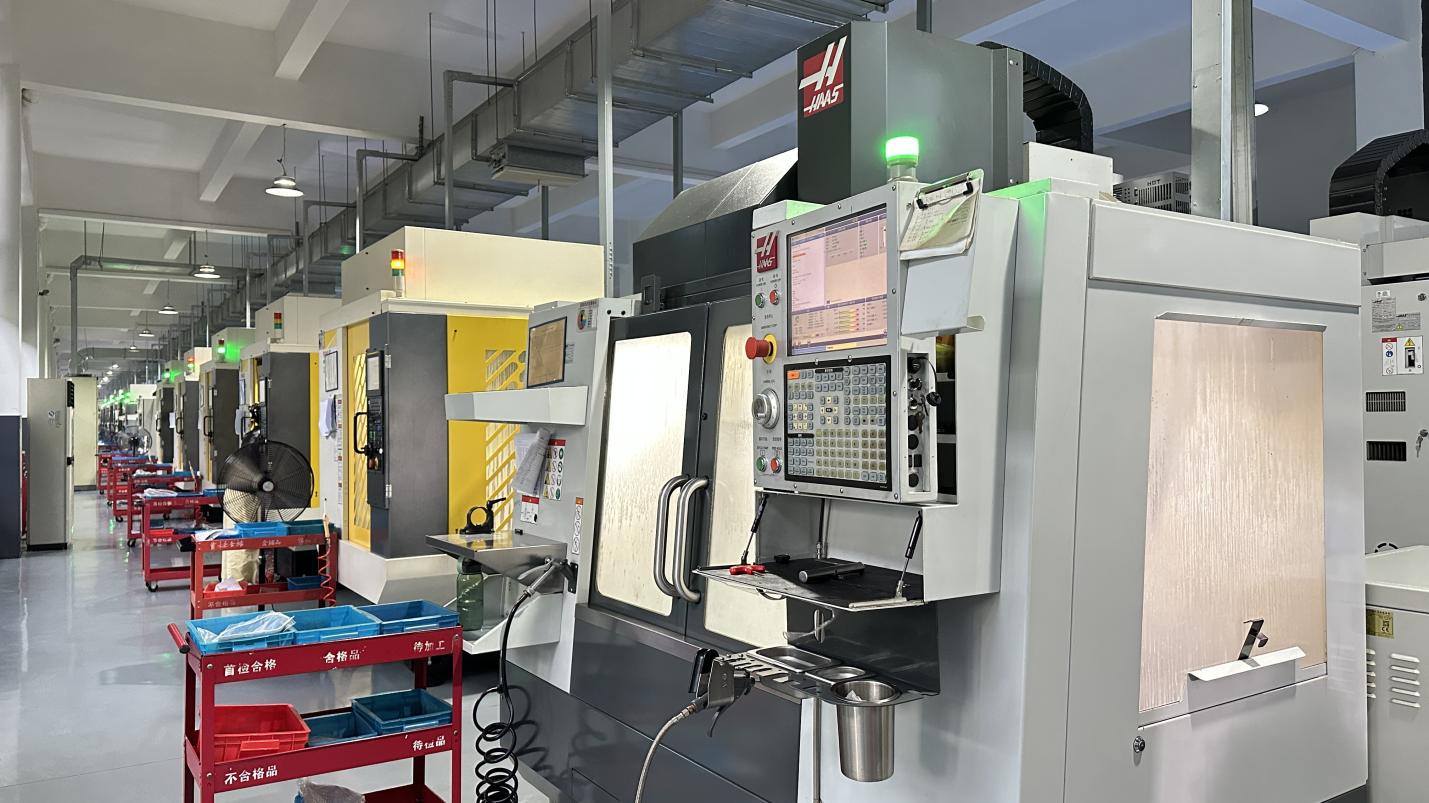 2. Slitting / Bar Preparation
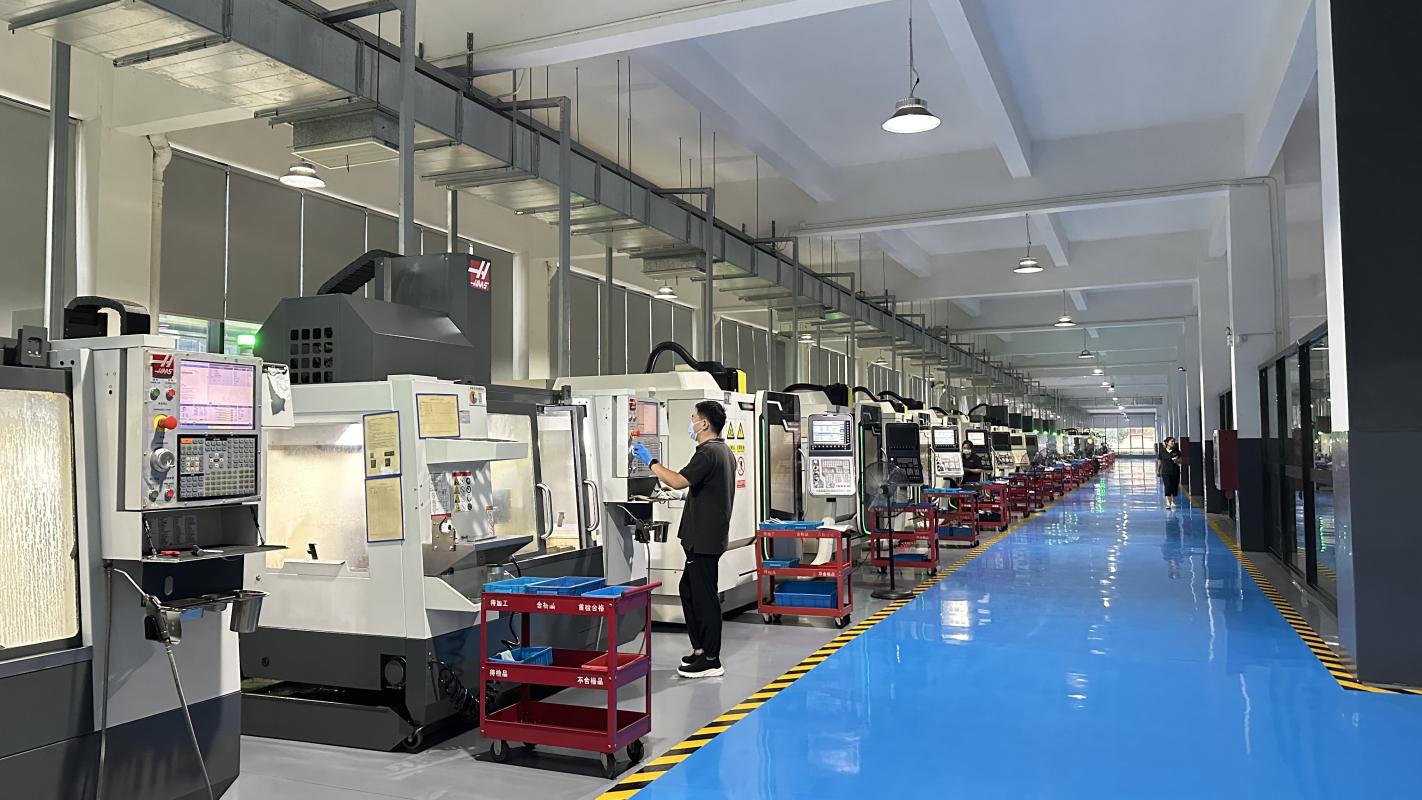 3. Precision Machining
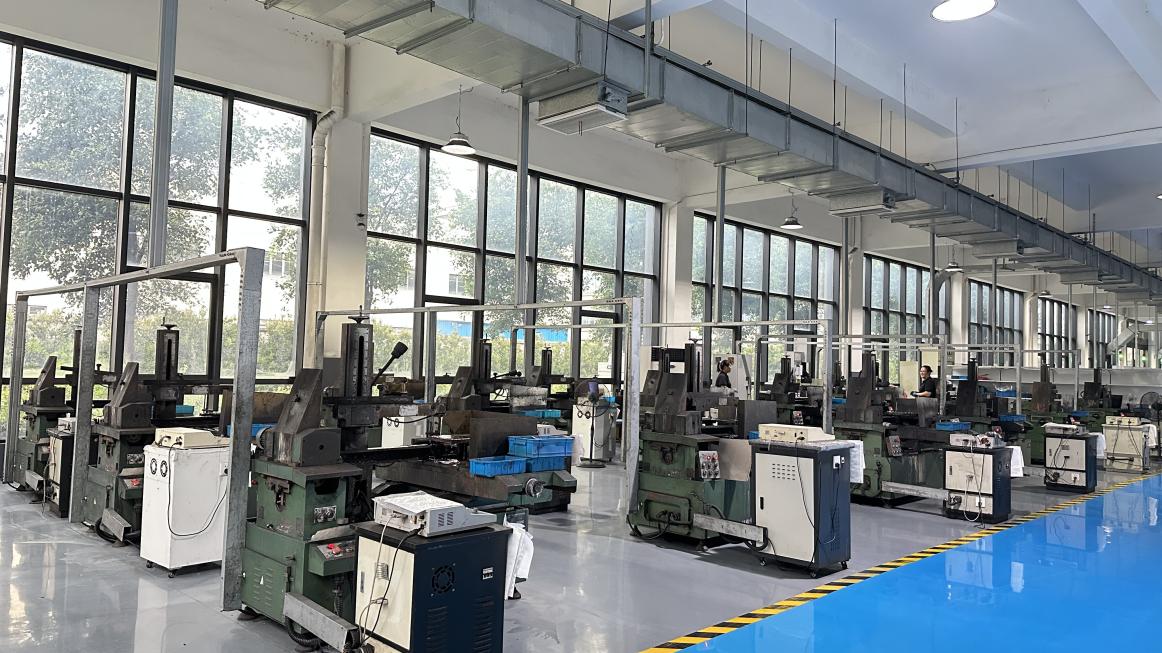 4. Wire-cutting
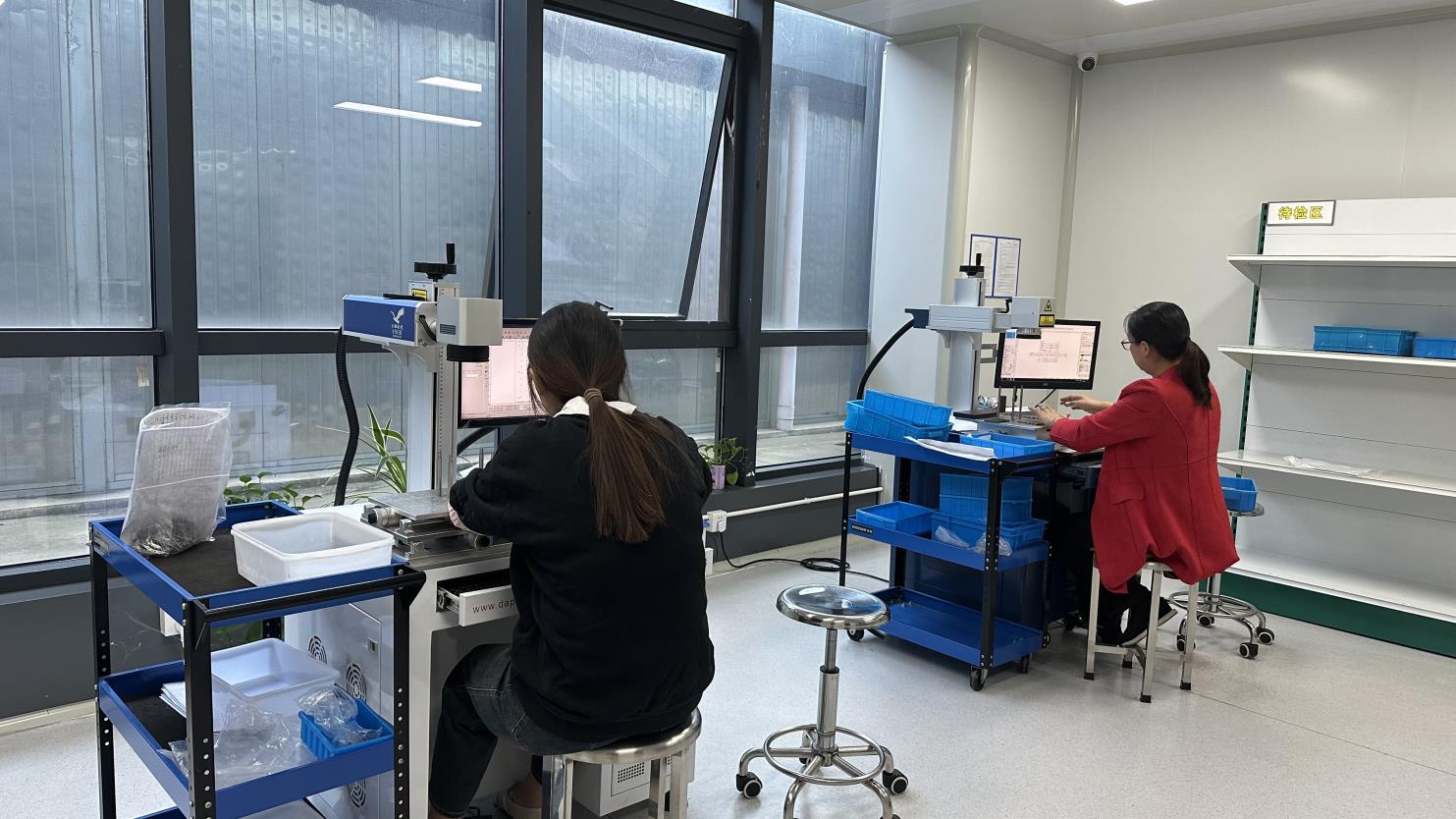 5. Laser Marking
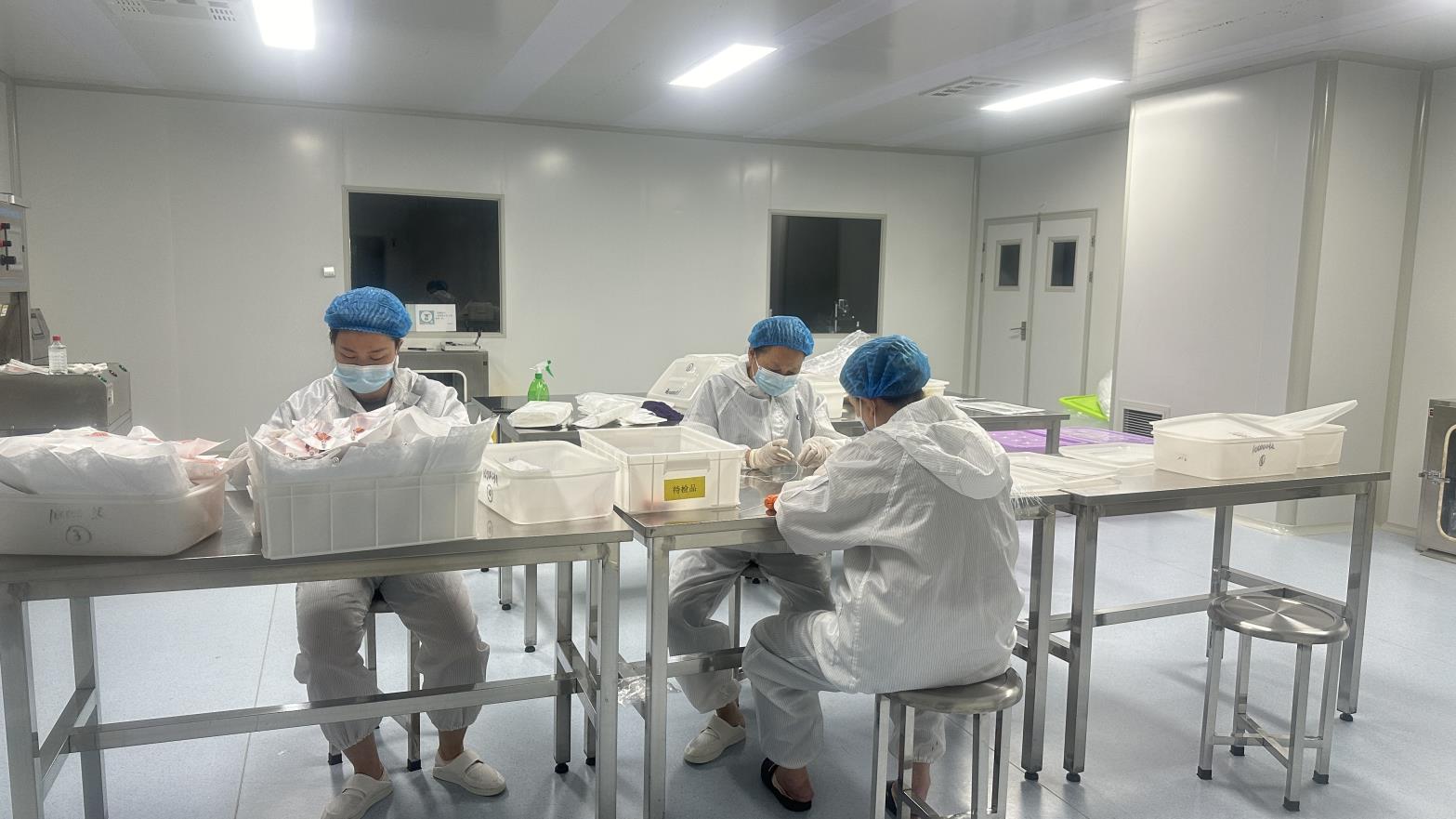 6. Inspection & Packaging
 7. Warehouse Storage
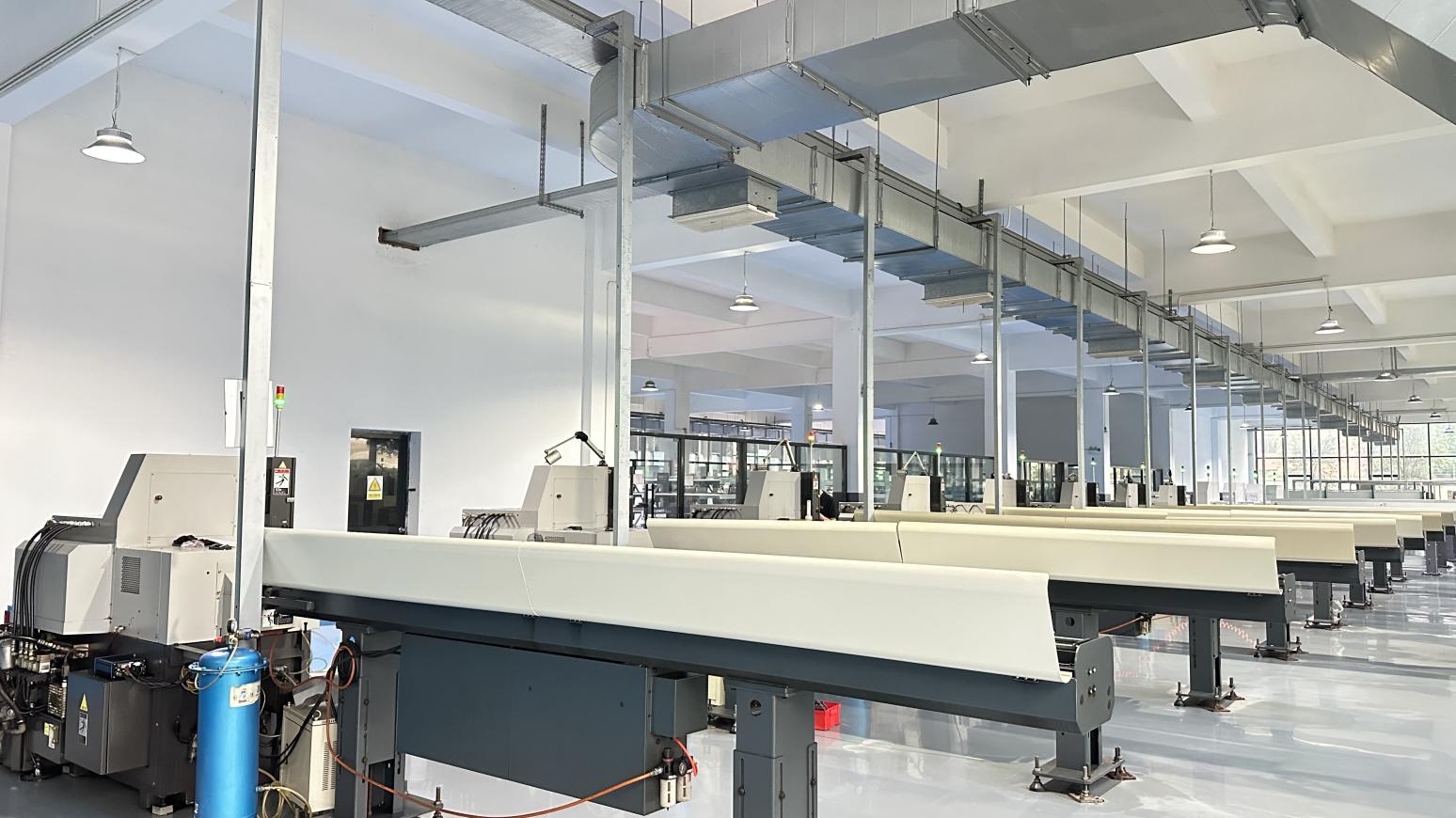 8. Slitting Machine Setup
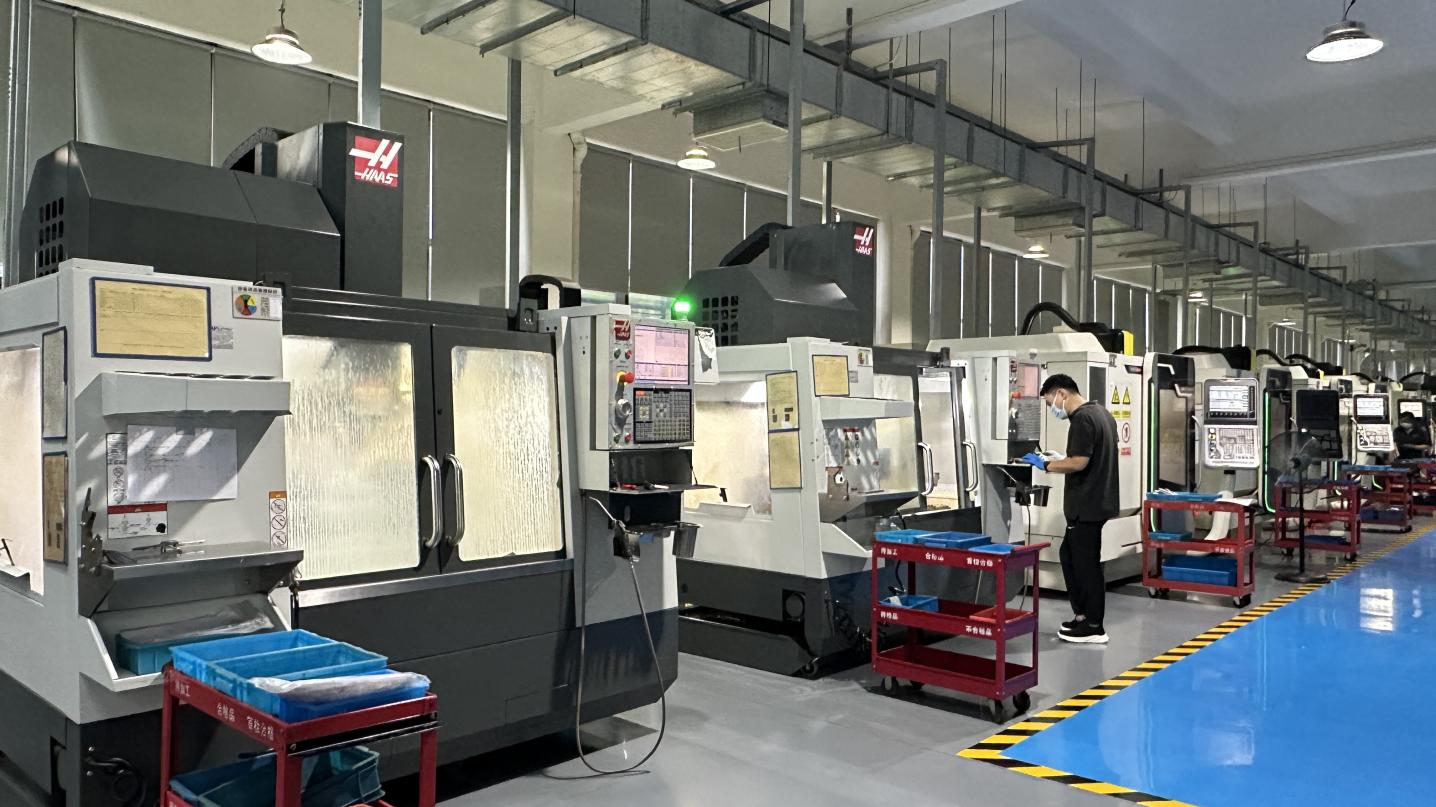 9. CNC Machining Center
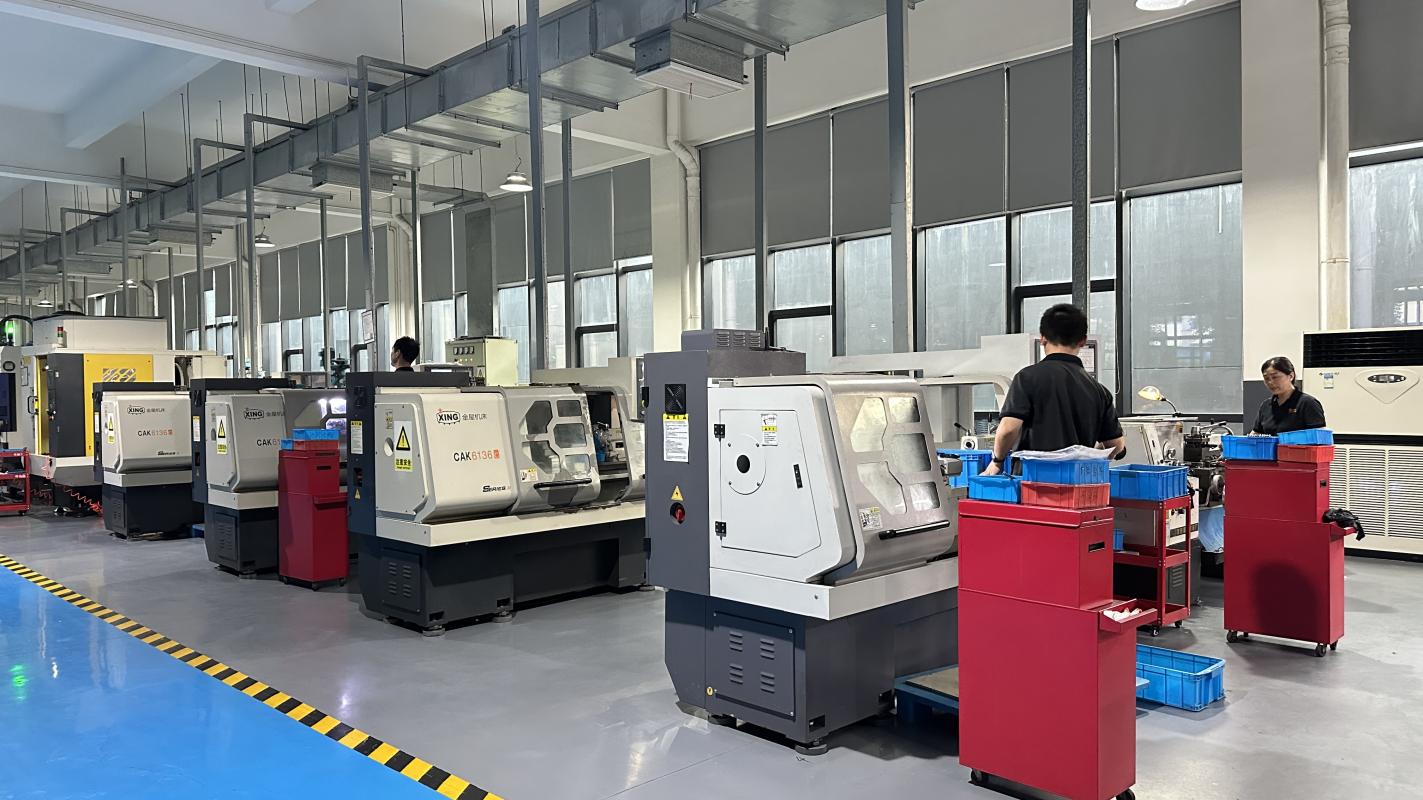 10. Lathe Processing
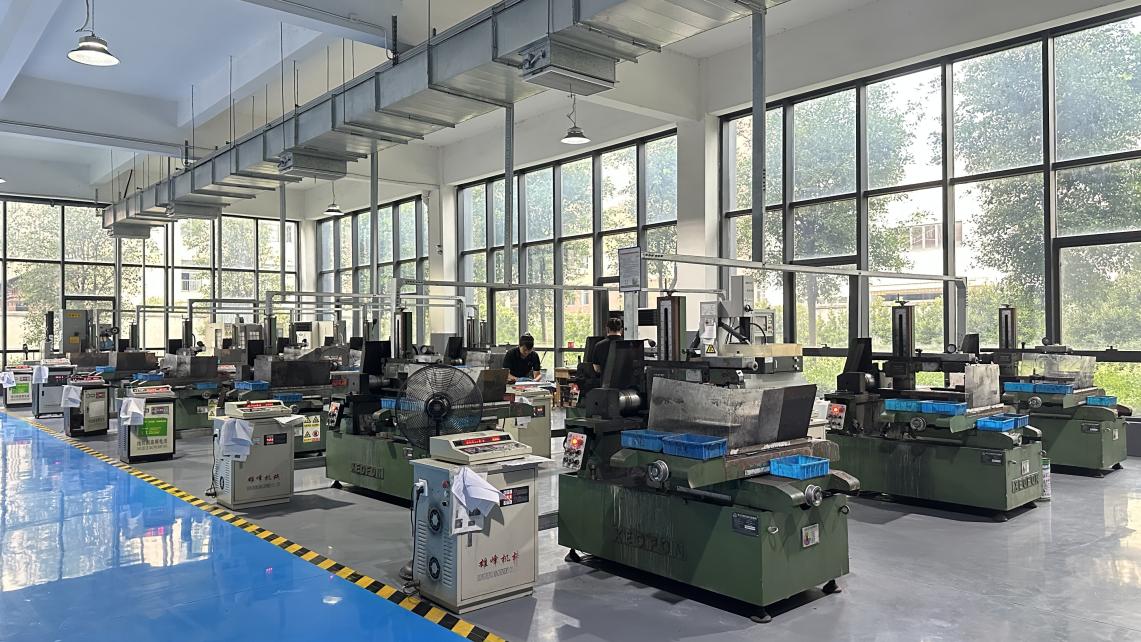 11. Wire-cutting Machine
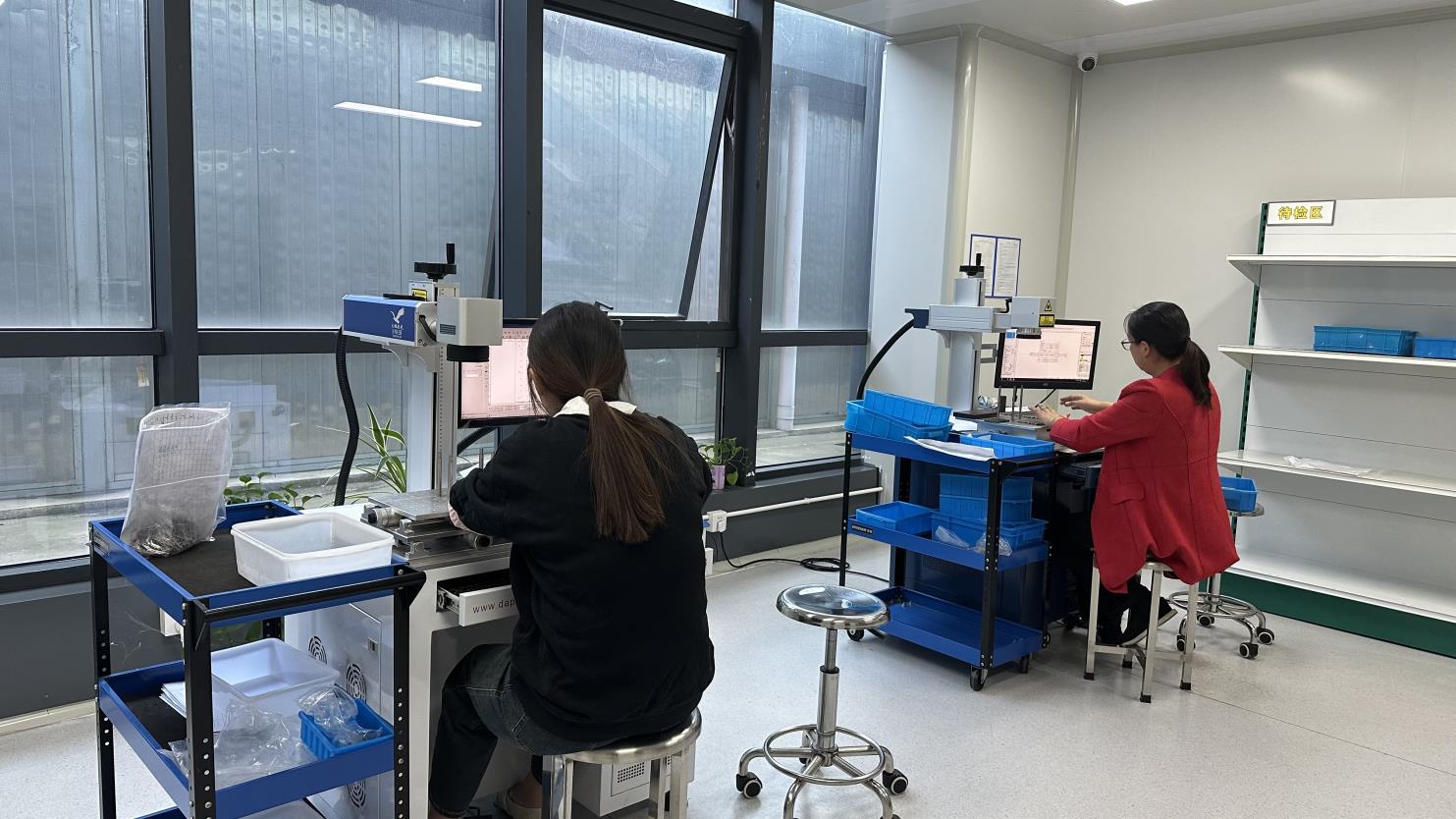 12. Laser Marking Machine
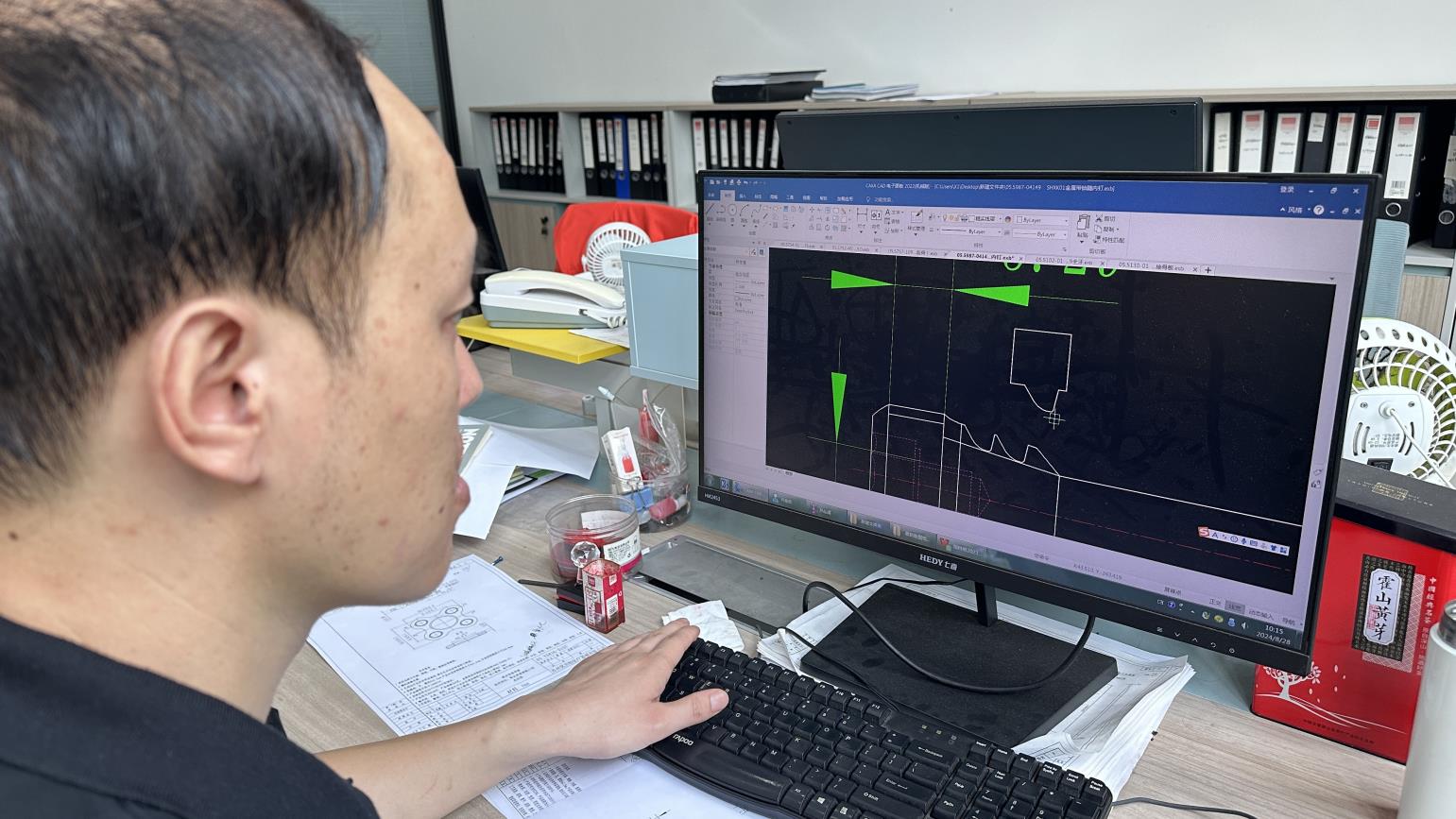 13. Design Verification
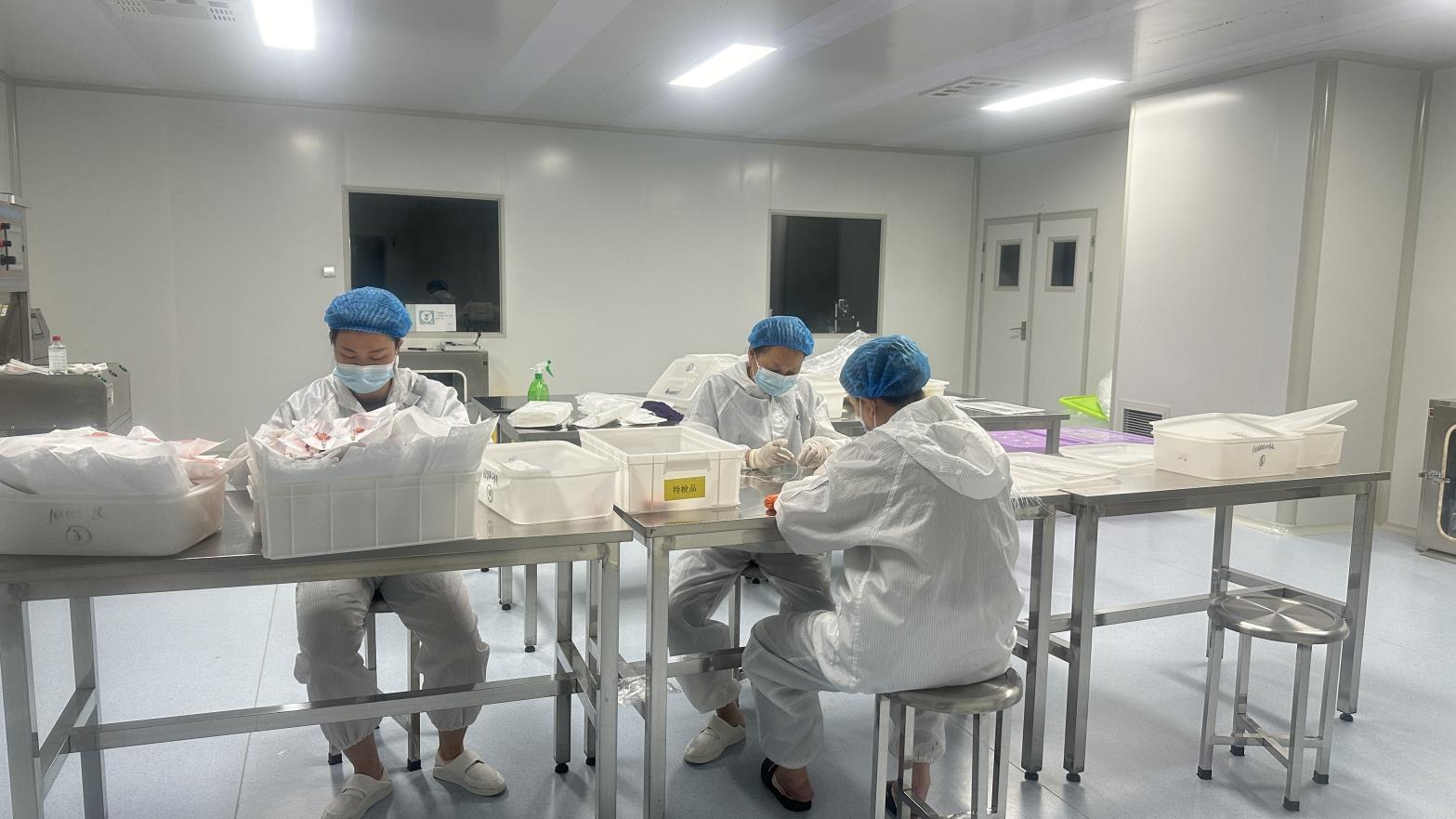 14. Quality Inspection
Addressing critical regulatory, mechanical, and logistical questions for global medical device sourcing partners.
We source only high-purity, medical-grade PEEK resins that comply with ASTM F2026 standards for surgical implant applications. Every shipment is accompanied by raw material certifications, chemical composition analysis, and biocompatibility verification records.
Yes. Our R&D team, consisting of 85 experienced engineers, specializes in converting proprietary CAD designs into high-precision CNC programs. We customize thread geometries (e.g., dual-lead or variable-pitch threads) and drive interfaces (such as star/torx or hex socket designs) to match your custom surgical instrumentation.
We operate under an ISO 13485 quality management system. Our QA/QC department of 35 specialists monitors production from incoming material verification through to final inspections. We maintain batch traceability to ensure compliance with global regulatory standards.
Lead times range from 4 to 8 weeks, depending on the complexity of the design and order volume. Standard MOQ starts from 100 units per size for customized configurations, allowing clients to control initial inventory levels during product launch phases.
We provide both non-sterile bulk packaging and sterile-ready individual packaging in cleanroom conditions (ISO Class 7/Class 10,000 environment) using medical-grade Tyvek pouches. Sterilization options include Gamma Irradiation or Ethylene Oxide (EtO) depending on your regulatory pathway.