Bonevia
Bonevia
Bonevia
Explore our elite range of CE and ISO-certified medical devices engineered for total joint reconstruction, trauma fixation, and minimally invasive procedures.
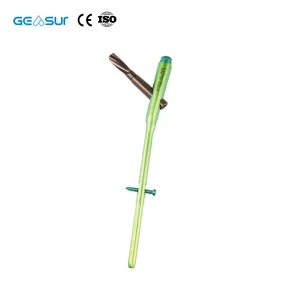
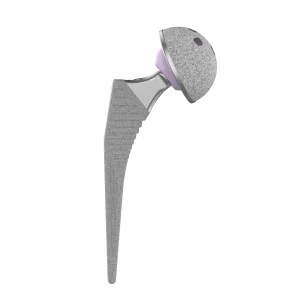
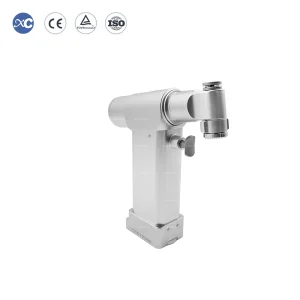
Analyzing the surgical requirements, raw material sourcing constraints, and regulatory pathways governing Total Knee Arthroplasty (TKA).
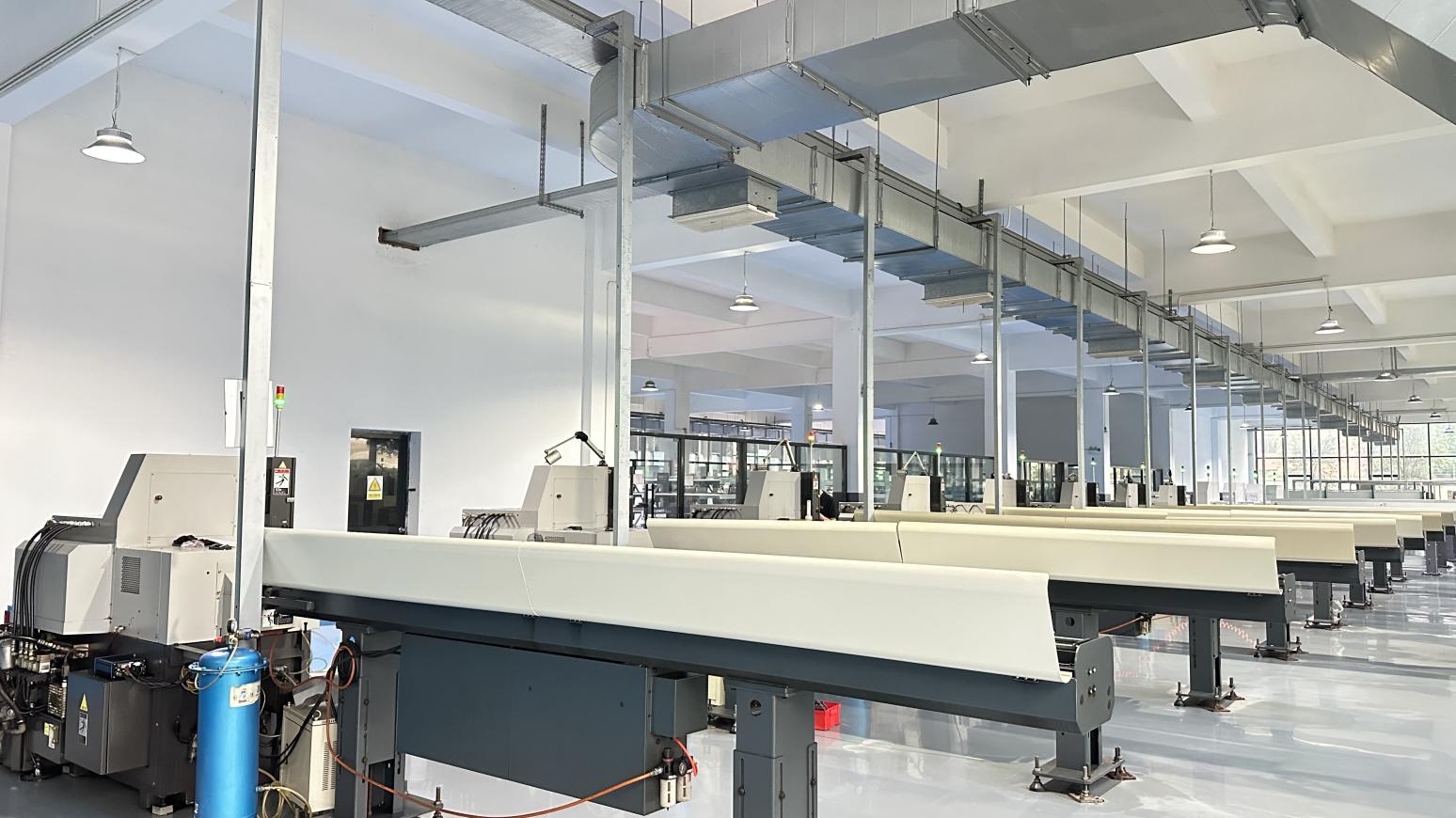
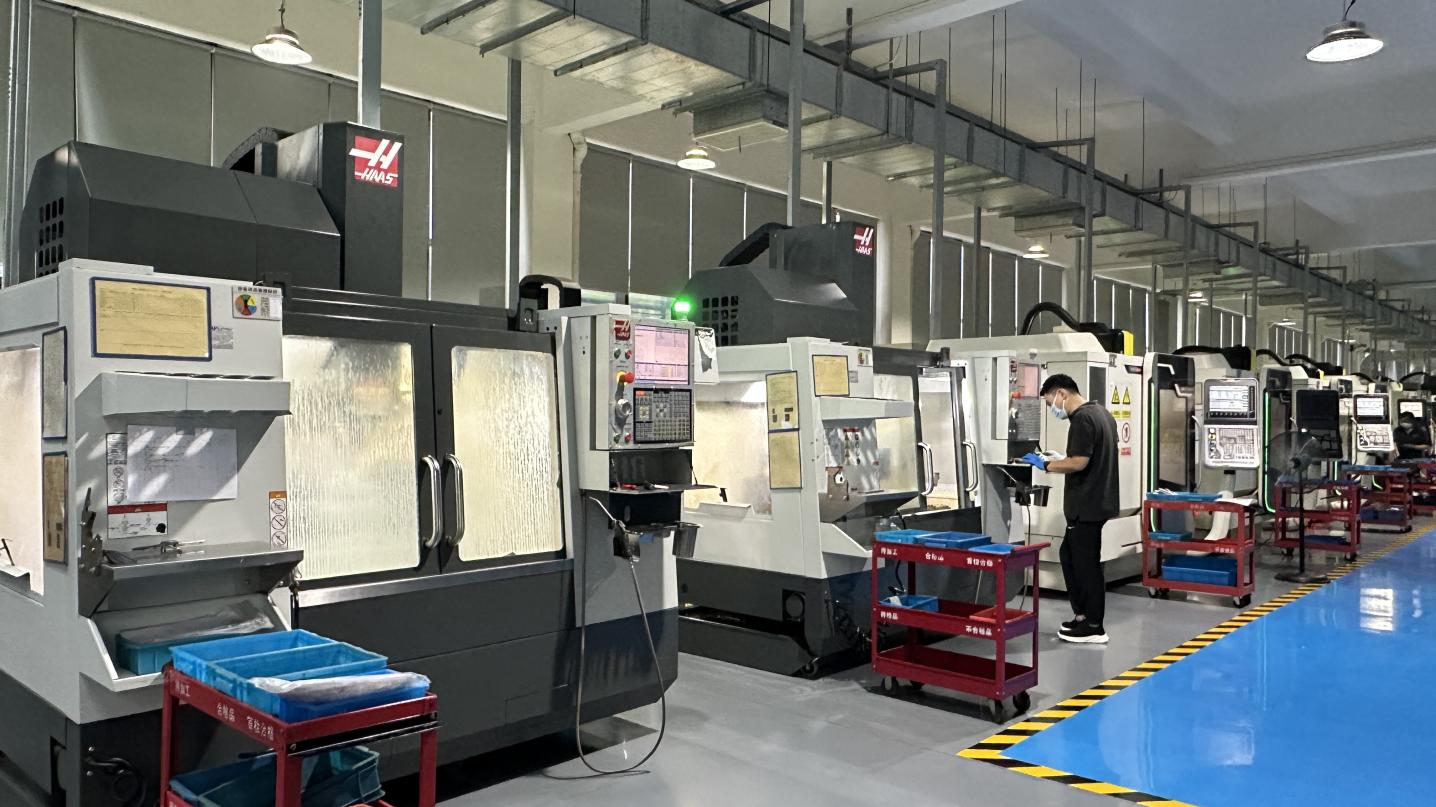
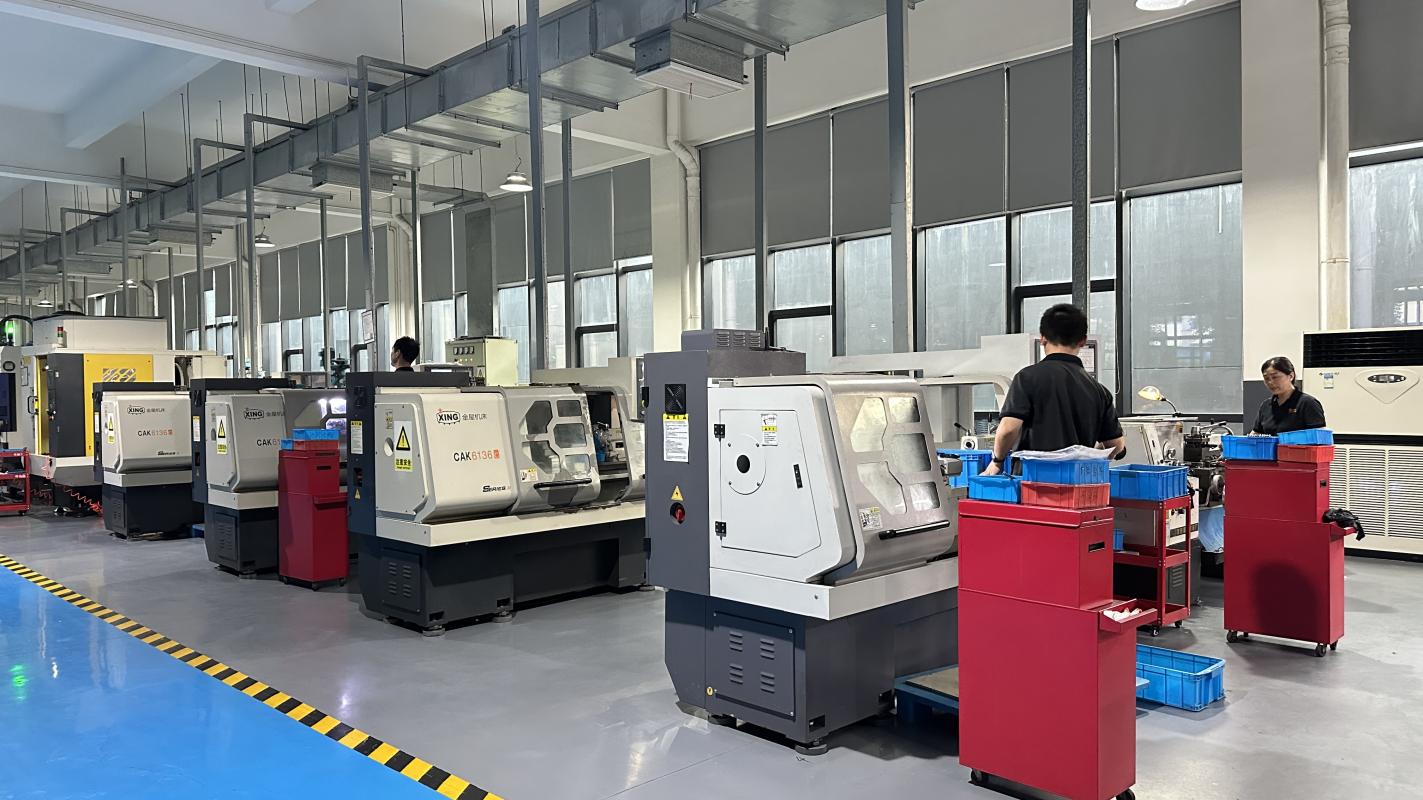
Modern joint reconstruction demands ultra-low wear rates. B2B purchasers globally emphasize materials like highly cross-linked polyethylene (HXLPE) infused with Vitamin E to mitigate oxidative degradation. Our OEM manufacturing line leverages advanced CNC profiling to deliver anatomical femoral components with sub-micron surface finishes, minimizing contact stress and osteolysis risks.
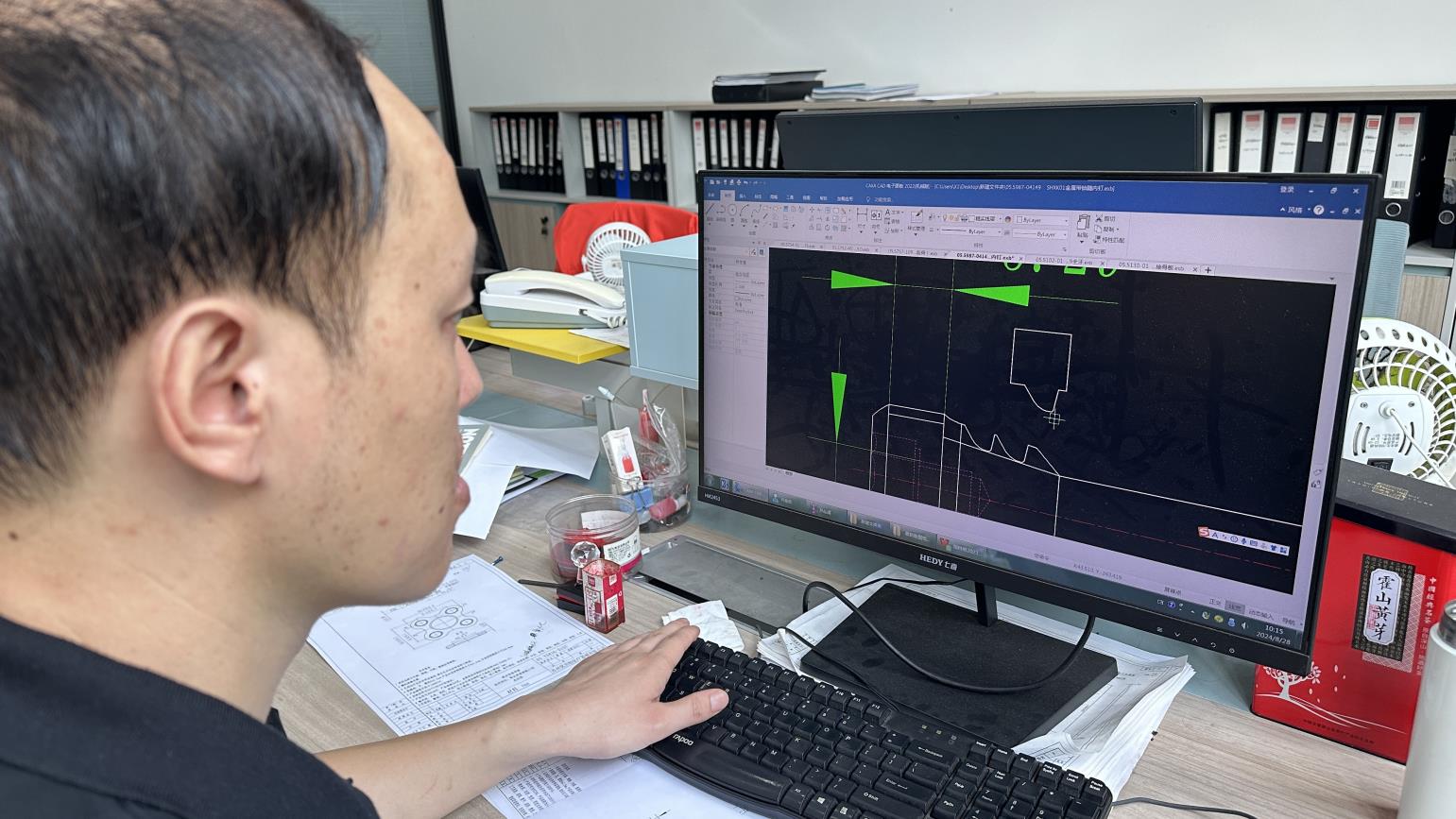
Patient anatomy varies significantly across regions. A major procurement bottleneck for hospitals and distributors is the availability of morphology-specific configurations. Our engineering team utilizes advanced CAD/CAM software to support customized sizing, asymmetrical tibial trays, and high-flexion designs tailored specifically for Asian, European, and American populations.
Value-based healthcare drives the need for cost-efficient orthopaedic implants without compromising clinical outcomes. We mitigate procurement risks by stabilizing supply relationships with premium raw material providers, maintaining certified stock of medical-grade Titanium Alloy (Ti6Al4V ELI) and Cobalt-Chromium-Molybdenum (CoCrMo).
A Premier Global Innovator in Orthopedic Implants & Joint Reconstruction Solutions.
Bonevia Orthopedic Technology Co., Ltd. is a professional manufacturer specializing in orthopedic implants and surgical solutions, dedicated to advancing innovation in trauma, spine, and joint reconstruction products. Since its establishment in 2015, the company has grown steadily into a trusted supplier in the global orthopedic industry.
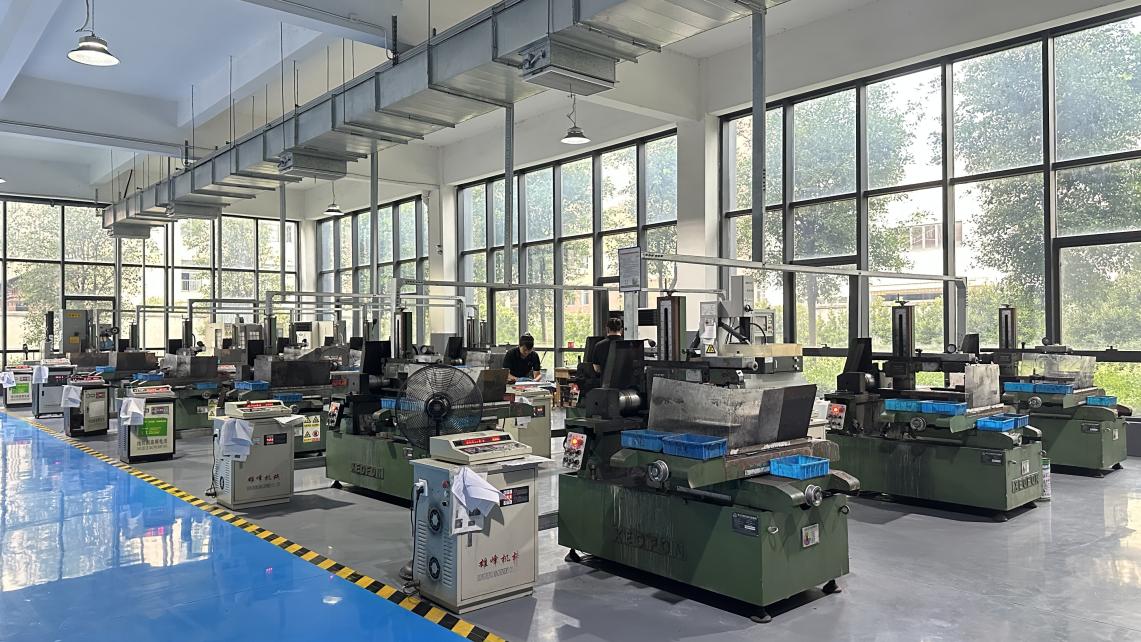
With a modern production facility covering approximately 320㎡, Bonevia maintains strict quality management standards and efficient manufacturing processes. The company records an annual export revenue of around USD 8–15 million, supported by 6 years of export experience and over 10 years of overall industry experience.
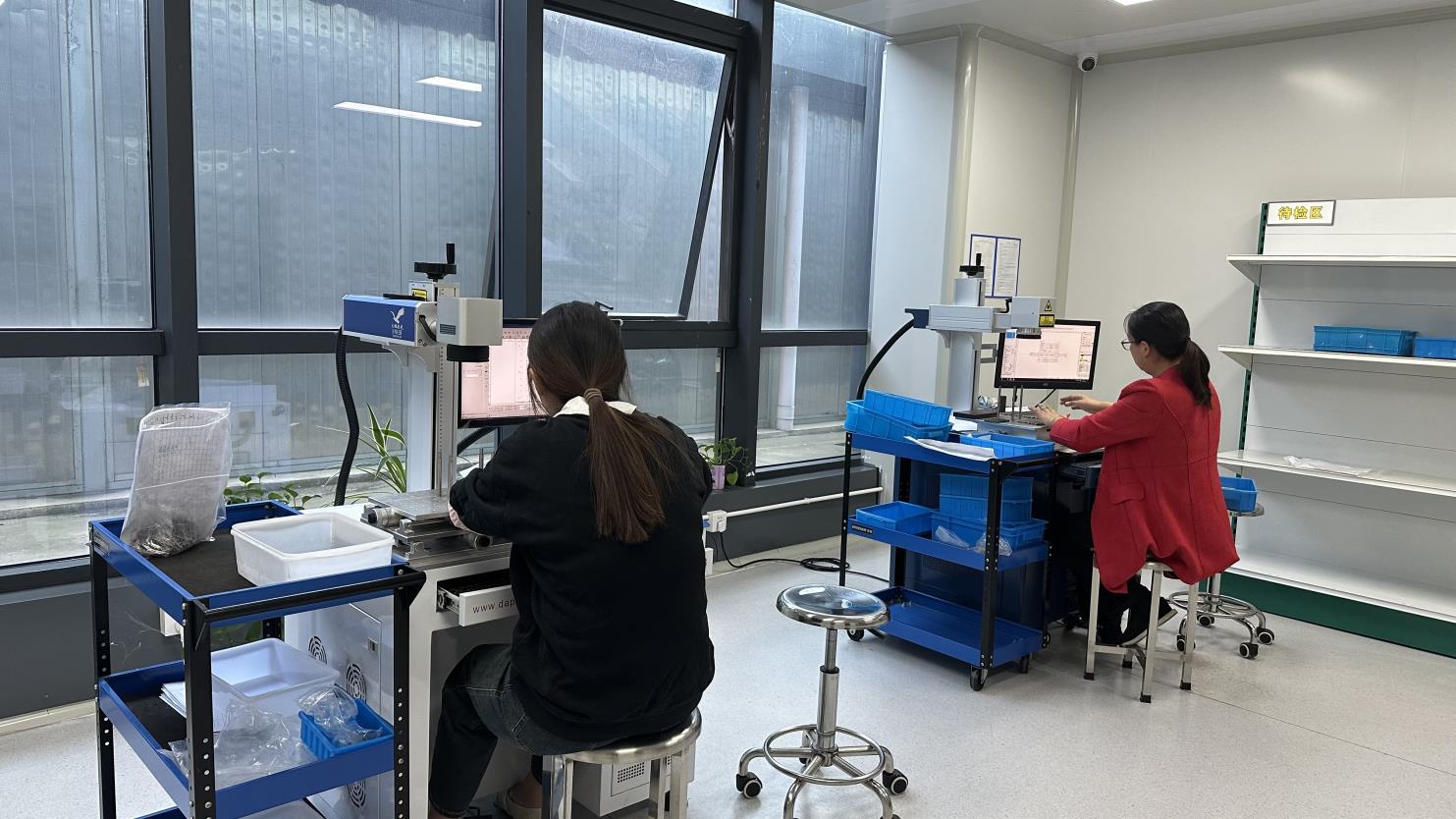
Quality assurance is a core focus at Bonevia. The company implements multiple inspection methods including incoming material inspection, in-process quality control, and final product testing, supported by a dedicated quality team of 35 professionals. This ensures all products meet international medical device standards.
Bonevia has a solid trade foundation with diversified global distribution networks, serving major markets across Europe, Southeast Asia, the Middle East, and South America. Its supply chain ecosystem includes more than 850 partners, enabling stable raw material sourcing and efficient production delivery. The company serves a wide range of clients, including hospitals, orthopedic clinics, surgical centers, and medical distributors. Bonevia also demonstrates strong R&D capabilities, offering OEM and ODM customization services to meet specific clinical requirements.
In the past year, Bonevia successfully launched 120 new product designs, supported by a research and development team of 85 engineers, continuously driving innovation in orthopedic implant systems and surgical instruments.
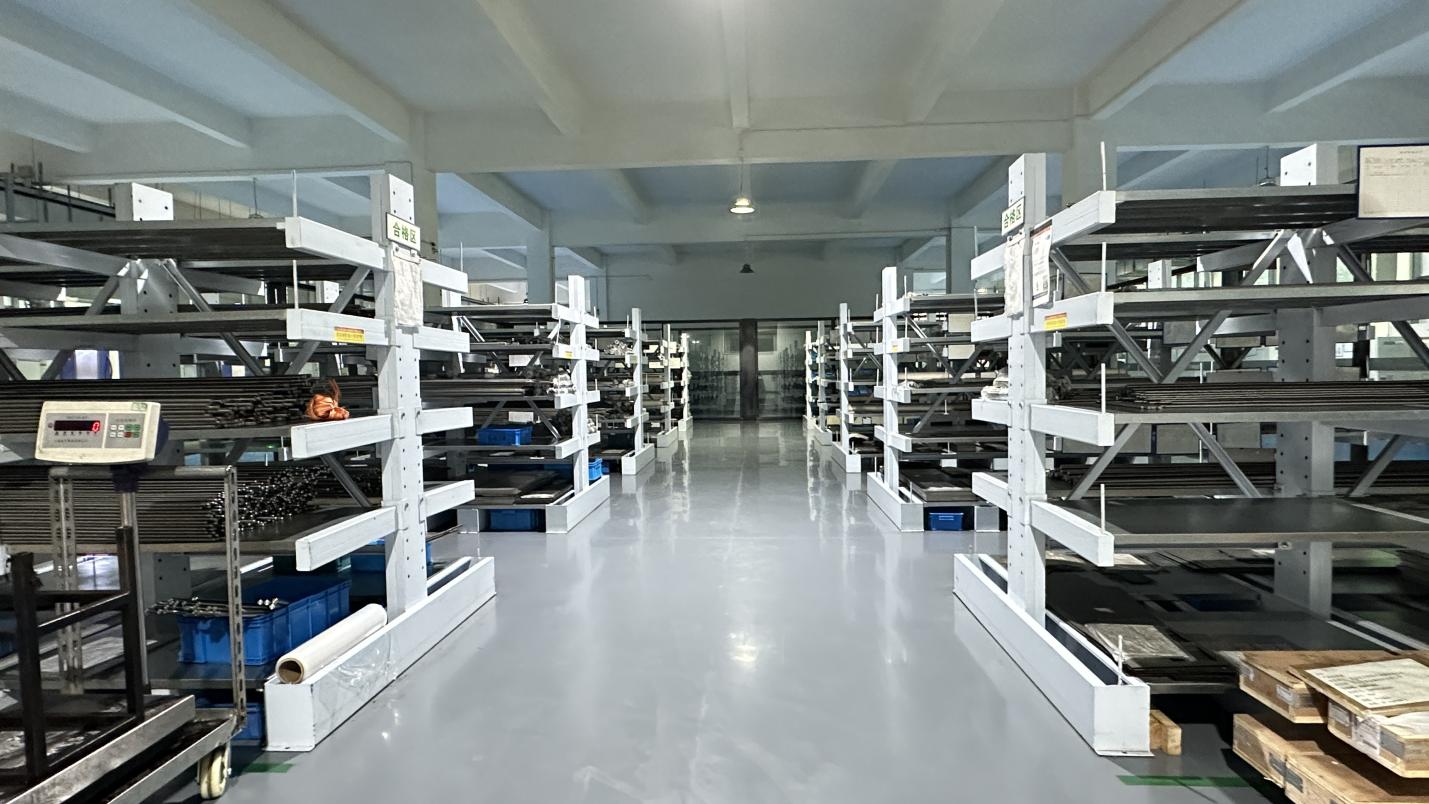
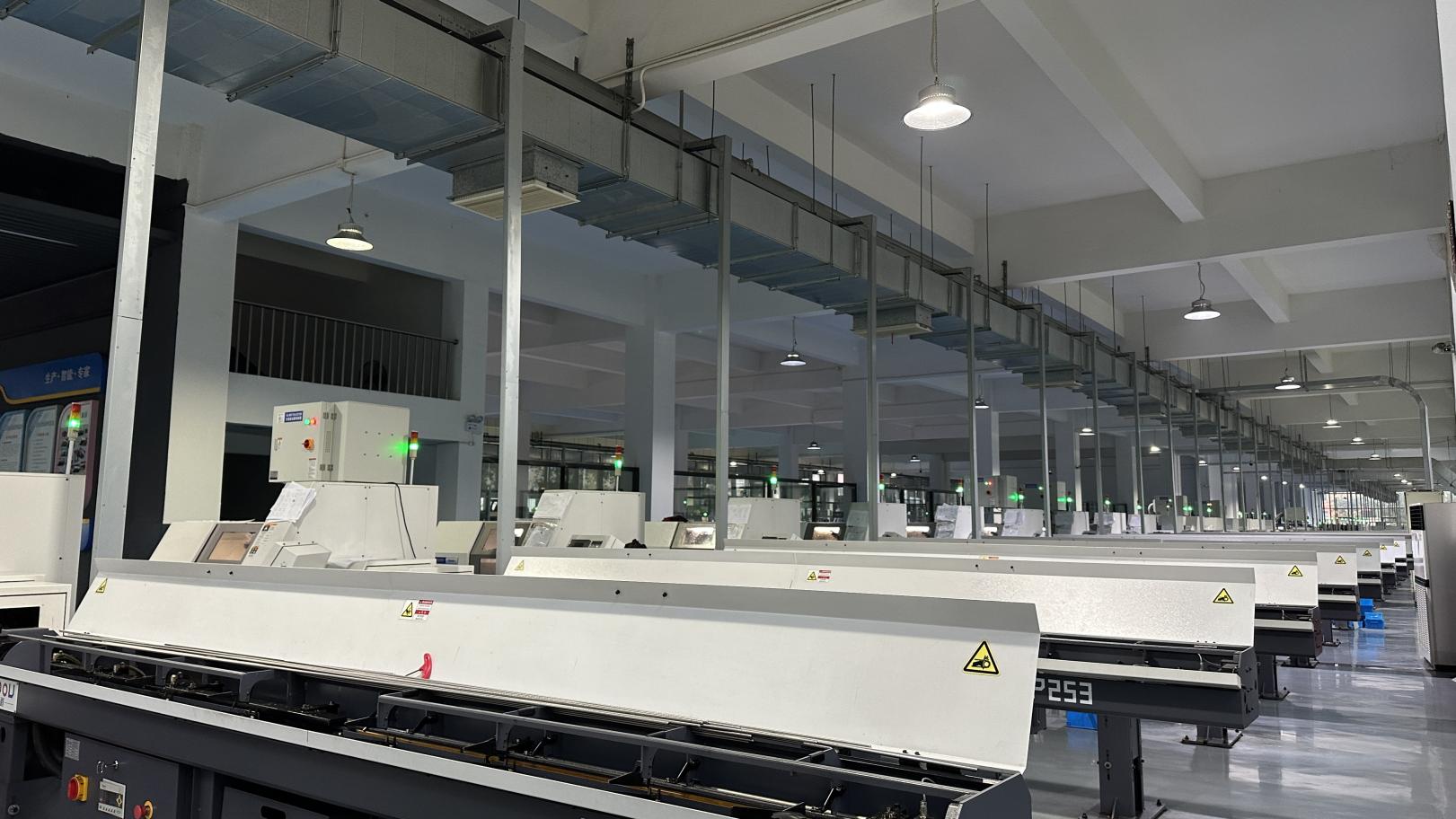
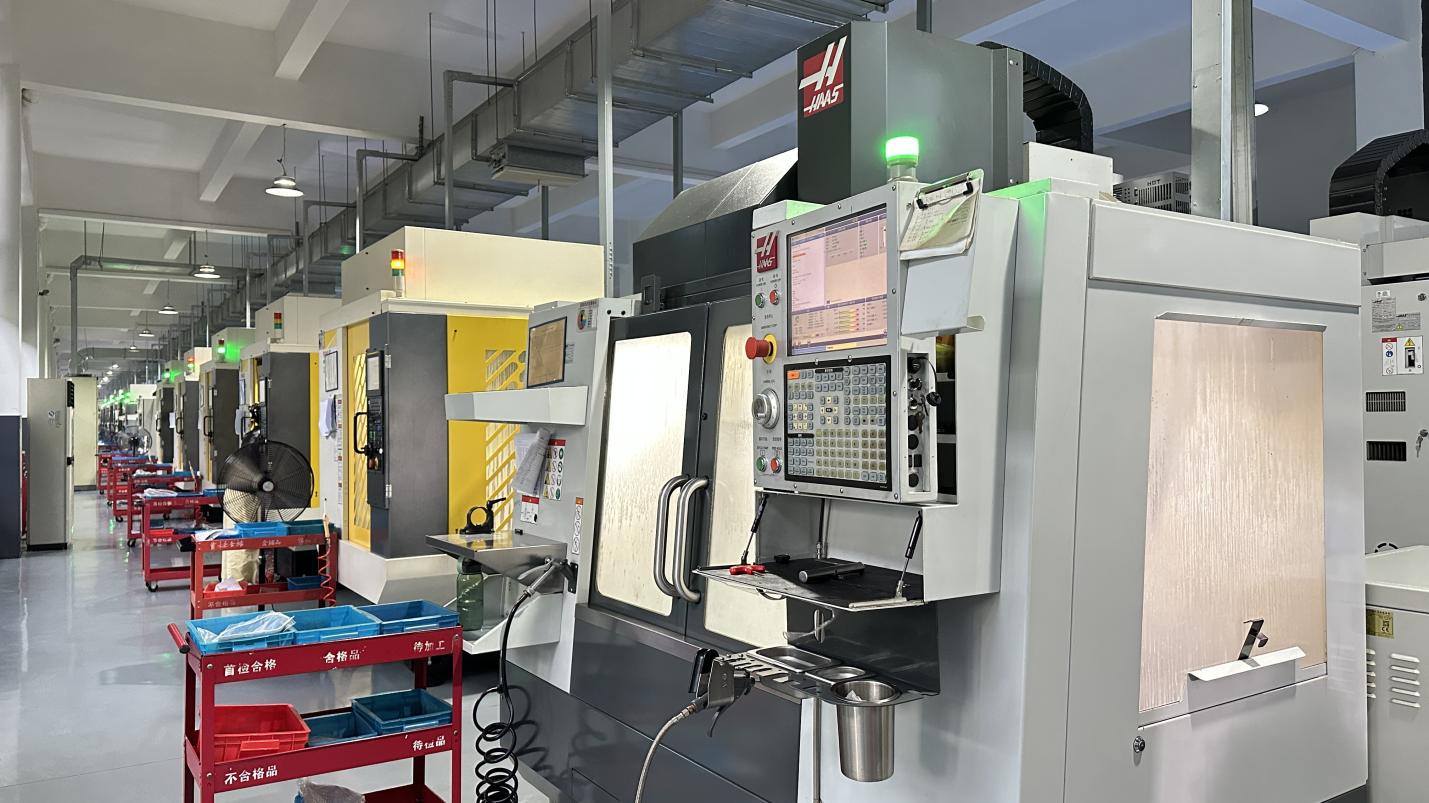
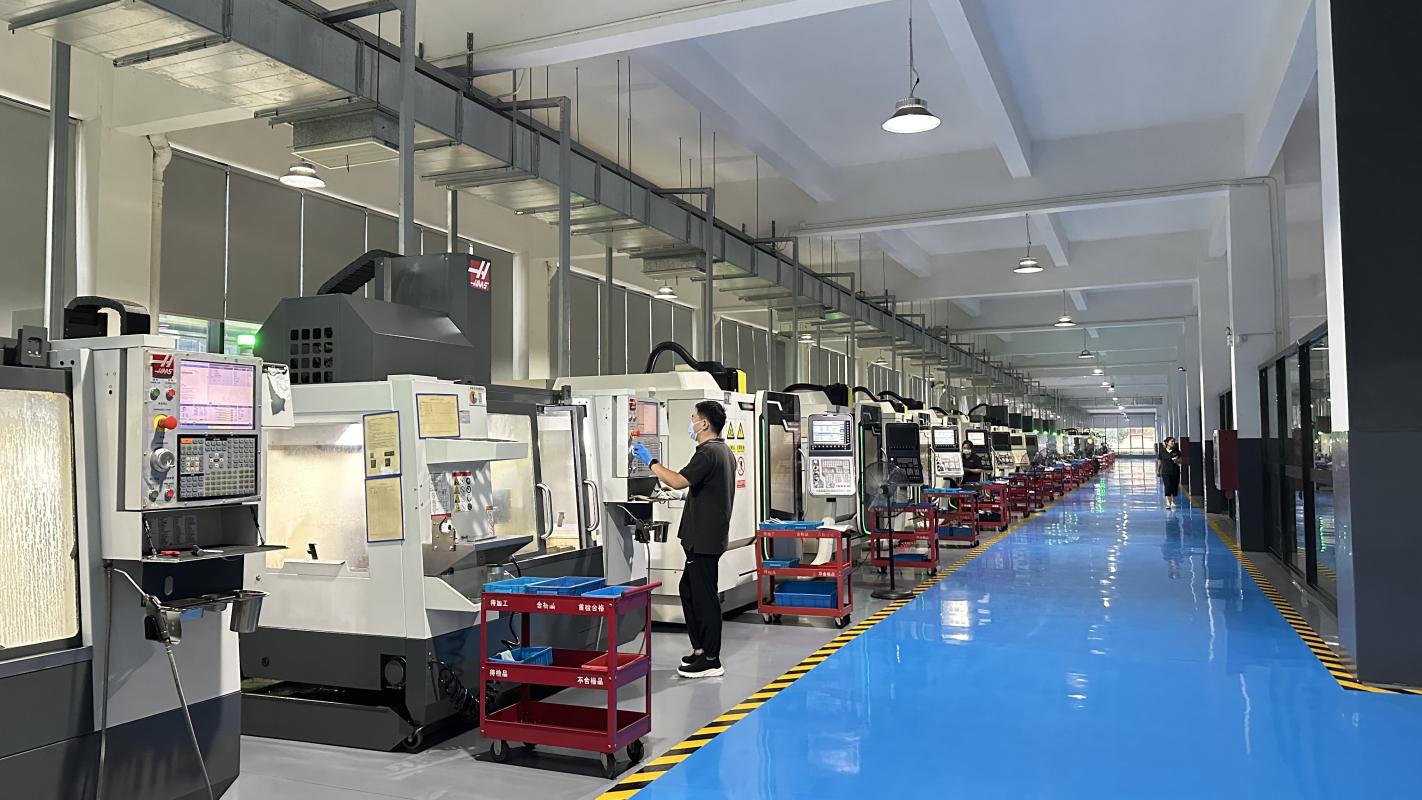
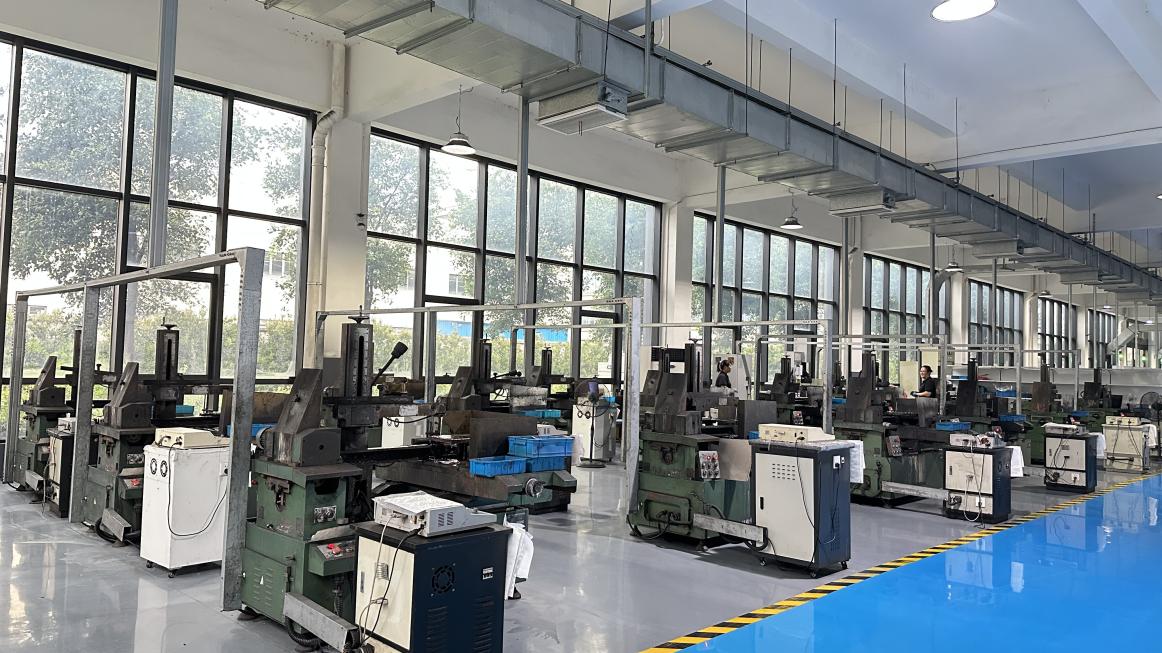
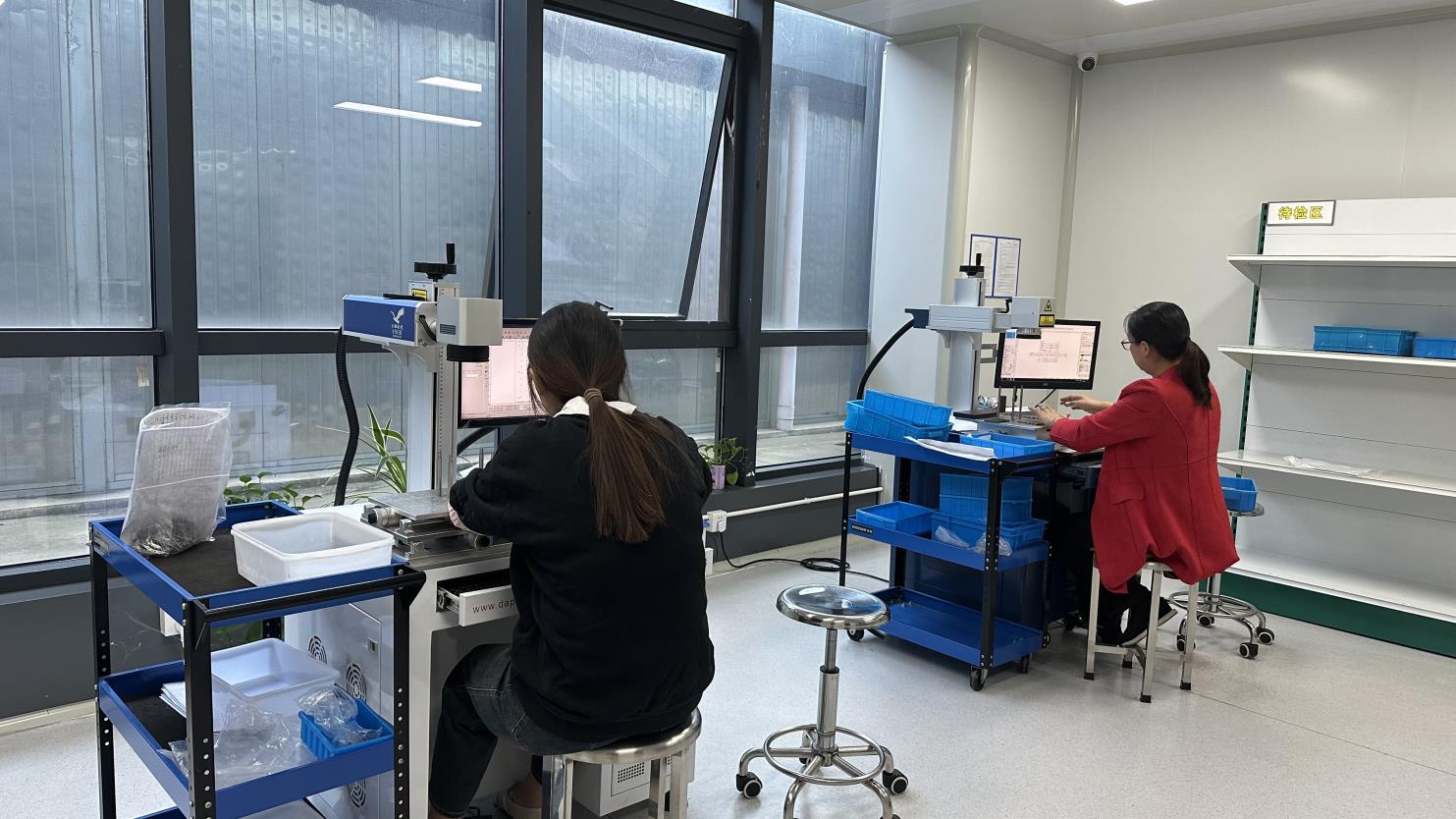
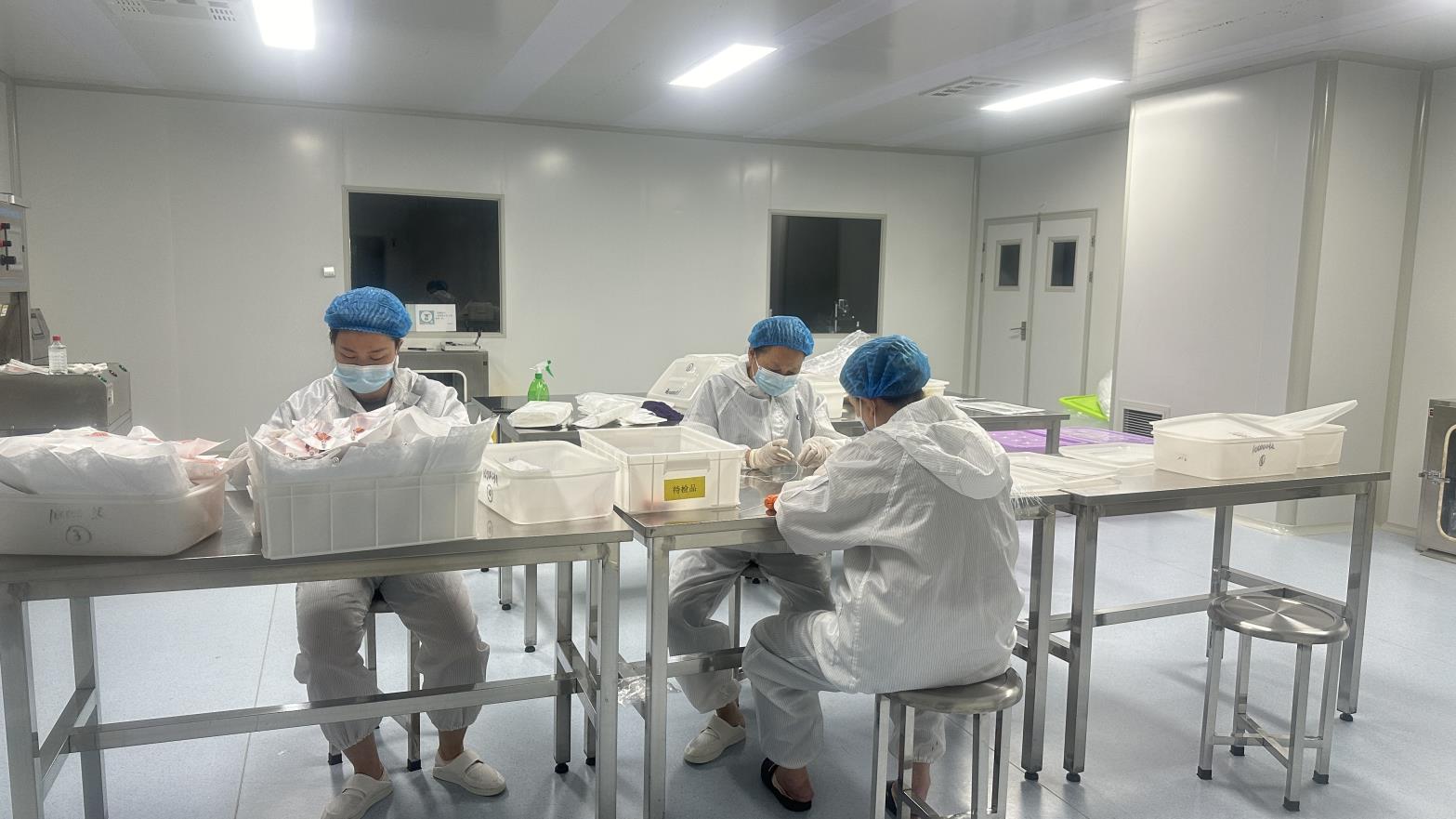
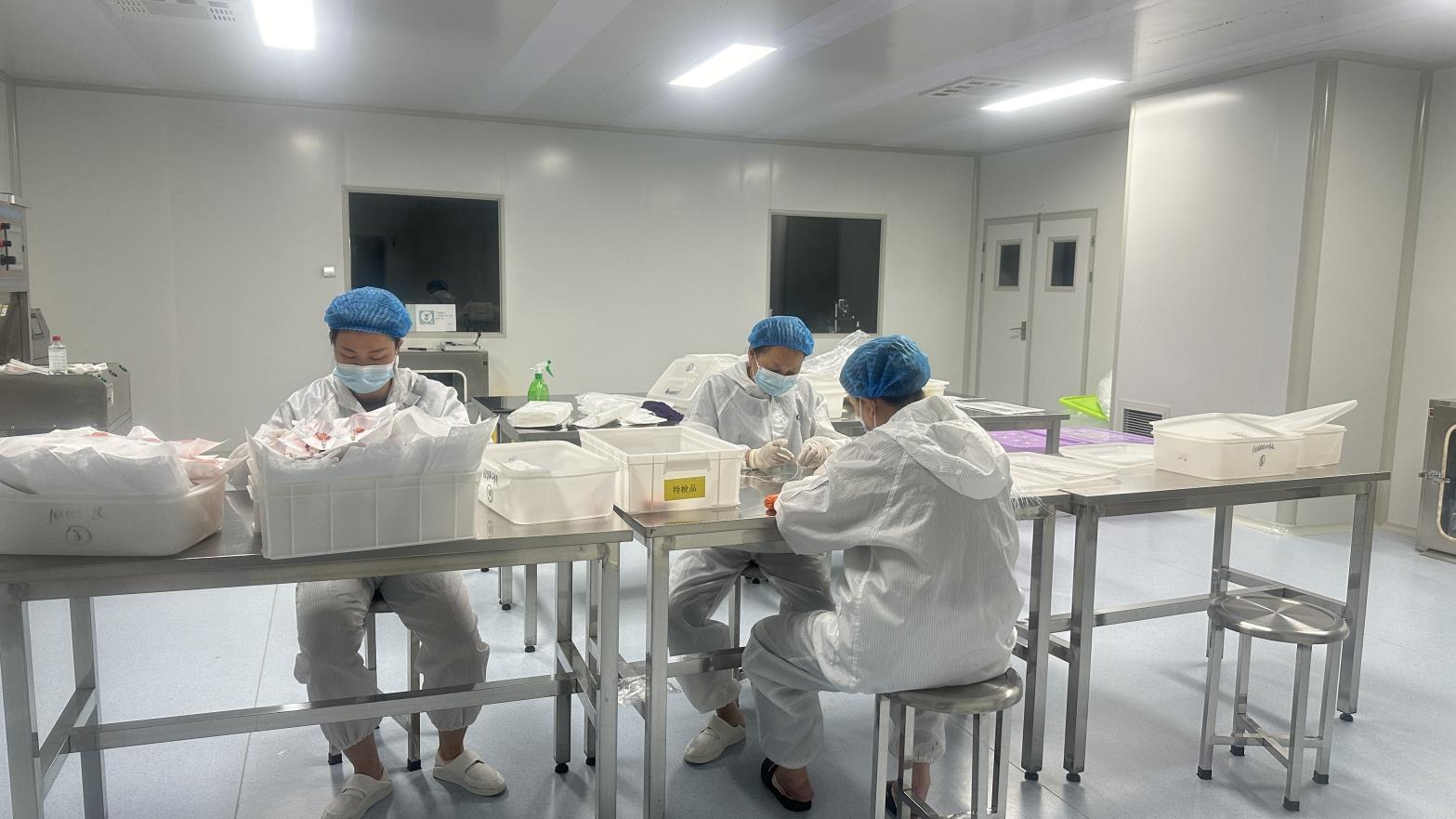
Inside our high-precision facility, showcasing the critical steps taken to execute advanced manufacturing and laser-guided inspection protocols.

Deep-dive research into next-generation total knee implants technology, structural advancements, and materials science.
Understanding knee arthroplasty configurations is crucial for procurement. CR designs preserve the Posterior Cruciate Ligament (PCL), demanding excellent patient bone stock and soft-tissue balance. PS configurations substitute the damaged PCL via a cam-and-post mechanism, providing mechanical stabilization during flexion. Our OEM capabilities allow for manufacturing both modalities under rigid tolerance levels to assist orthopedic surgeons in customized clinical scenarios.
The industry is rapidly shifting away from conventional bone cements toward direct biological fixation. By incorporating additive manufacturing (3D printing) using titanium alloy powder, we are developing porous structures that mimic native human trabecular bone. This facilitates osteointegration, establishing solid long-term mechanical stability and reducing revision rates in younger, active patients.
Hydroxyapatite (HA) coating acts as a bioactive matrix that accelerates bone deposition onto titanium surfaces. Our plasma-spray HA coating technology ensures high bond strength and structural uniformity. This specialized surface engineering promotes rapid biological fixation and decreases the micro-motion at the implant-bone interface, significantly boosting clinical outcomes.
How we ensure risk mitigation and smooth market entry for high-risk medical implants.
Total knee implants fall under high-risk regulatory classes (such as Class III FDA or Class III CE under EU MDR). Meeting these demanding criteria requires strict quality control systems. Bonevia maintains robust production practices ensuring full tracking records from chemical melting analysis to cleanroom sterilization and final distribution.
Key information regarding materials, OEM capabilities, and procurement operations for orthopedic buyers.
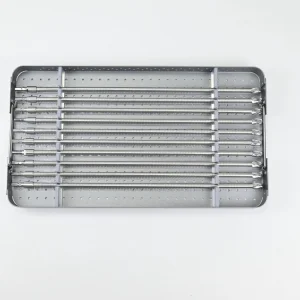
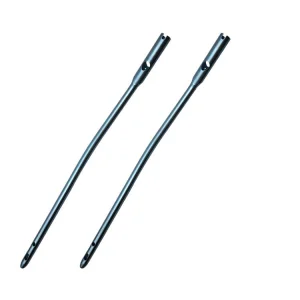
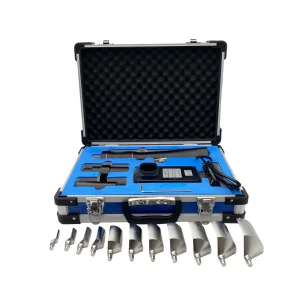
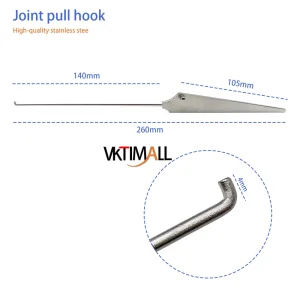
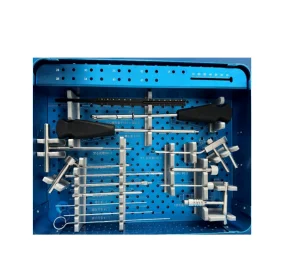
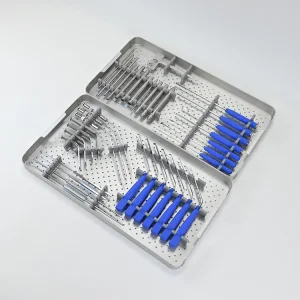
Complete your surgical systems with our durable, medical-grade trauma fixation plates, surgical power saws, and orthopedic instrumentation sets.