Bonevia
Bonevia
Bonevia
Direct from our state-of-the-art production lines, engineered to international regulatory compliance
An authoritative industry analysis of trends, material science advancements, and global supply configurations
The global orthopedic reconstructive landscape is witnessing an unprecedented transition from standard Anatomical Total Shoulder Arthroplasty (aTSA) to Reverse Shoulder Arthroplasty (RSA). Initially designed for cuff tear arthropathy, RSA has expanded into primary indications including massive rotator cuff tears, complex proximal humeral fractures, and revisions.
By reversing the normal biomechanics—placing the convex glenosphere component on the scapula and the concave socket on the humerus—RSA relies on the deltoid muscle rather than the rotator cuff to elevate the arm. This biomechanical shift requires exceptional structural integrity, precise center-of-rotation shifting, and highly customized implant stems that only professional OEM manufacturers can deliver.
Modern joint arthroplasty success relies heavily on tribological interfaces and osteoconductive coatings. Key components such as the glenosphere and humeral stem are forged from Titanium alloy (Ti6Al4V ELI) or Cobalt-Chromium-Molybdenum (CoCrMo), adhering strictly to ISO 5832 specifications.
To reduce aseptic loosening, manufacturers apply vacuum plasma-sprayed (VPS) titanium and hydroxyapatite (HA) coatings. These coatings promote rapid osseointegration at the bone-implant interface. For articulation, ultra-high-molecular-weight polyethylene (UHMWPE) blended with Vitamin E is the standard, dramatically reducing wear rates and preventing oxidation-induced delamination over the implant's lifetime.
Clinical demands are shifting toward bone-preserving configurations. Stemless shoulder implants utilize multi-directional fixation fins or anchors rather than traditional humeral stems, conserving metaphyseal bone stock for younger, active patients.
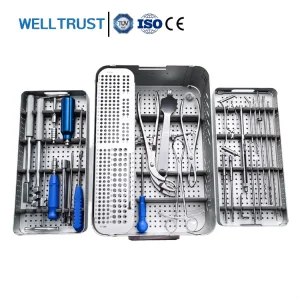
Simultaneously, the integration of Patient-Specific Instrumentation (PSI) based on 3D CT reconstructions allows surgeons to execute optimal glenoid version and inclination. As an OEM partner, producing high-precision surgical instruments, guide systems, and customizable trials is as critical as manufacturing the implants themselves.
A blueprint for medical device distributors, purchasing consortia, and multinational brands sourcing OEM orthopedic implants
Compliance is paramount in orthopedic device manufacturing. Global buyers look for factories certified under ISO 13485:2016 quality management systems. Implants fall under high-risk regulatory classes (Class III in EU MDR 2017/745, Class II/III under US FDA guidelines).
Contract manufacturers must provide complete Design History Files (DHF), biocompatibility testing (ISO 10993), sterilization validation (ISO 11137), and continuous post-market clinical follow-up (PMCF) support to guarantee risk mitigation for the importer of record.
The manufacturing of shoulder prosthesis requires sub-micron tolerances. For the humeral head and glenosphere, spherical roundness tolerances must be within 2-5 micrometers, with a surface finish (Ra) of less than 0.05 microns to minimize friction.
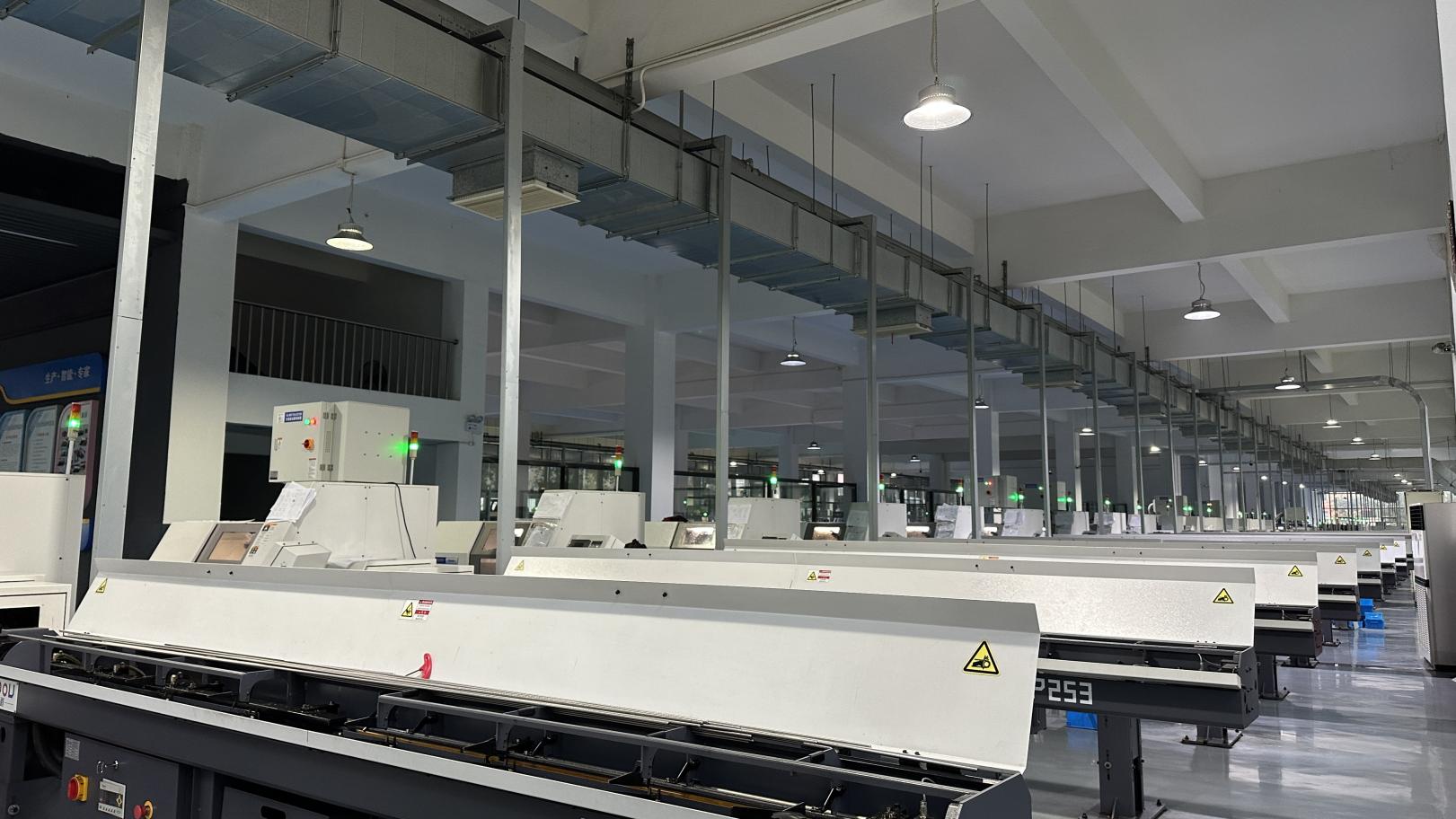
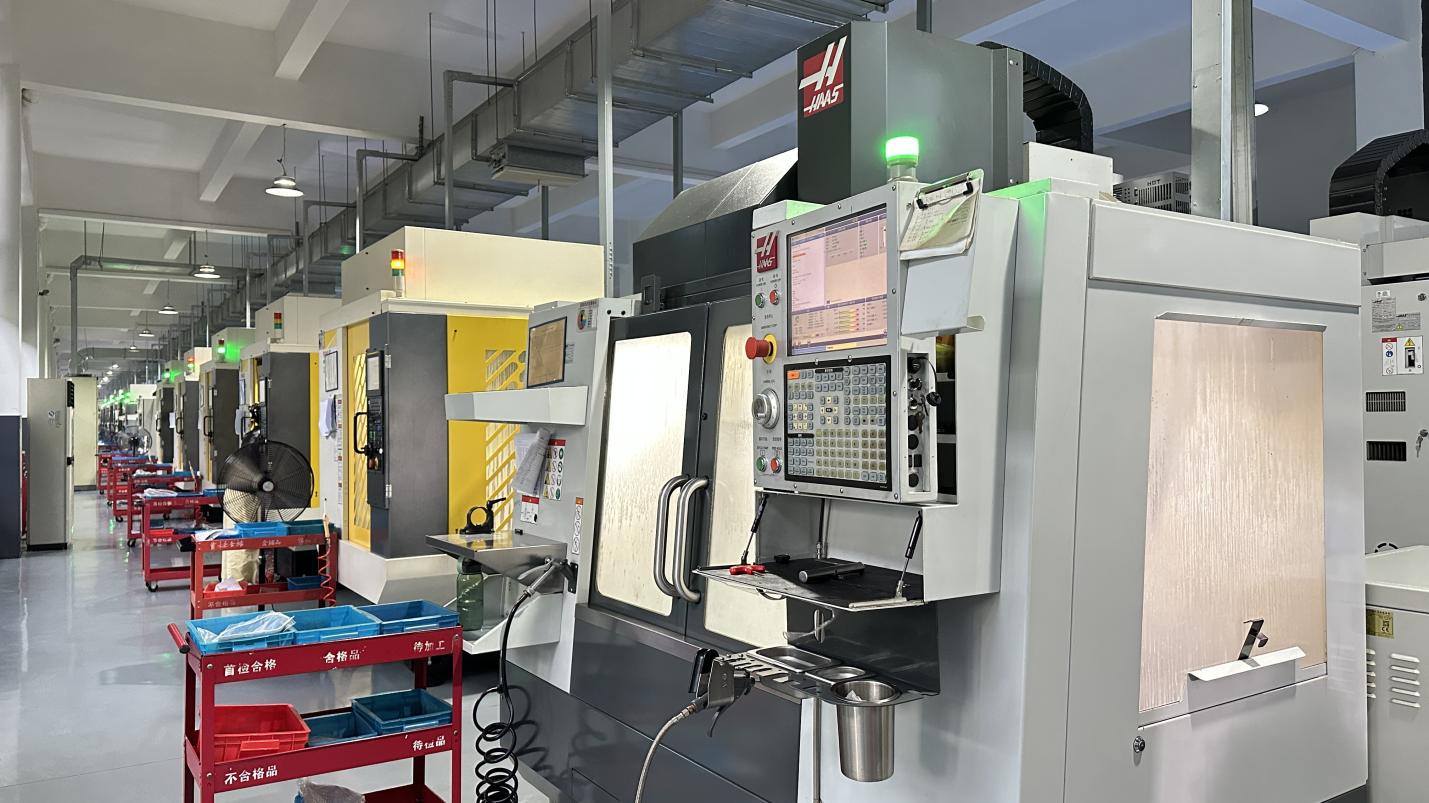
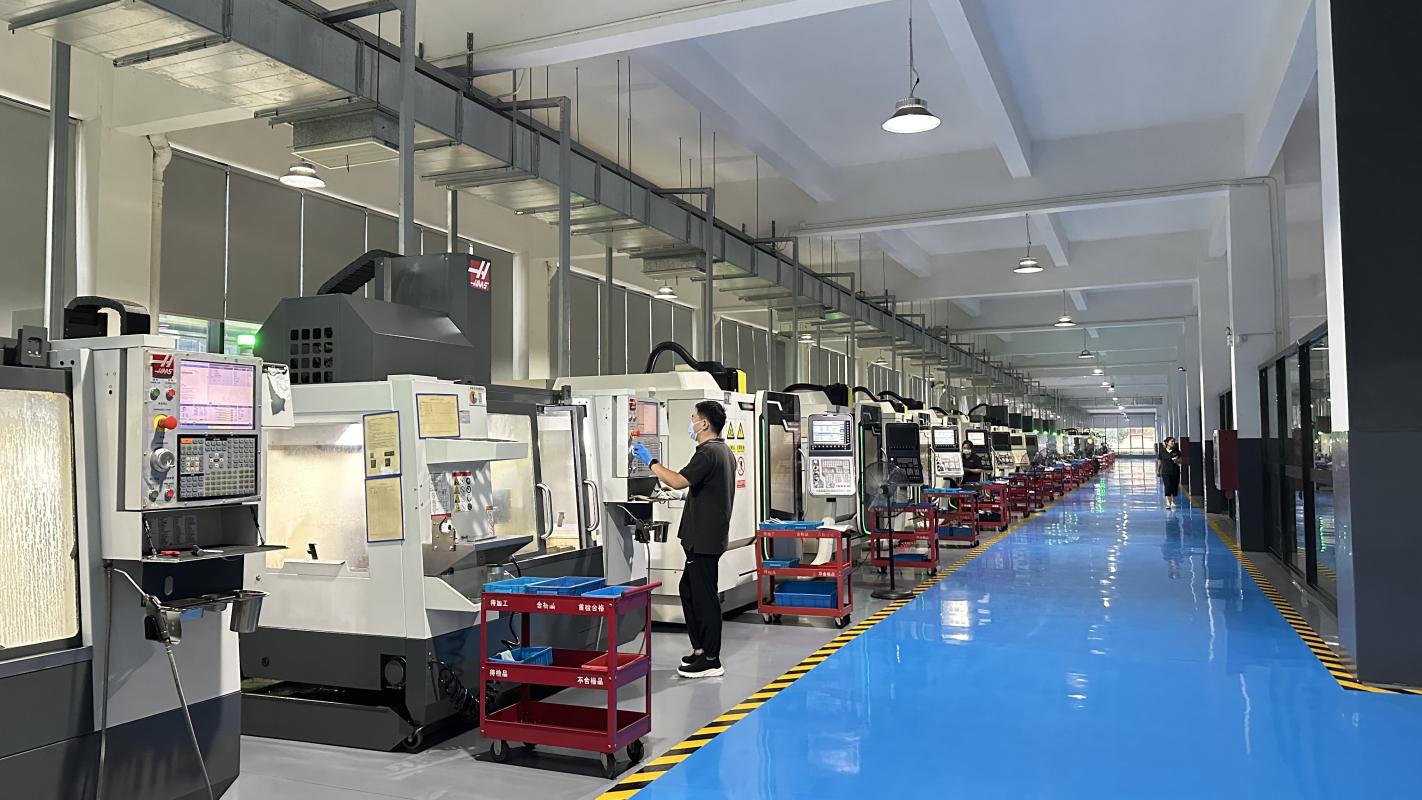
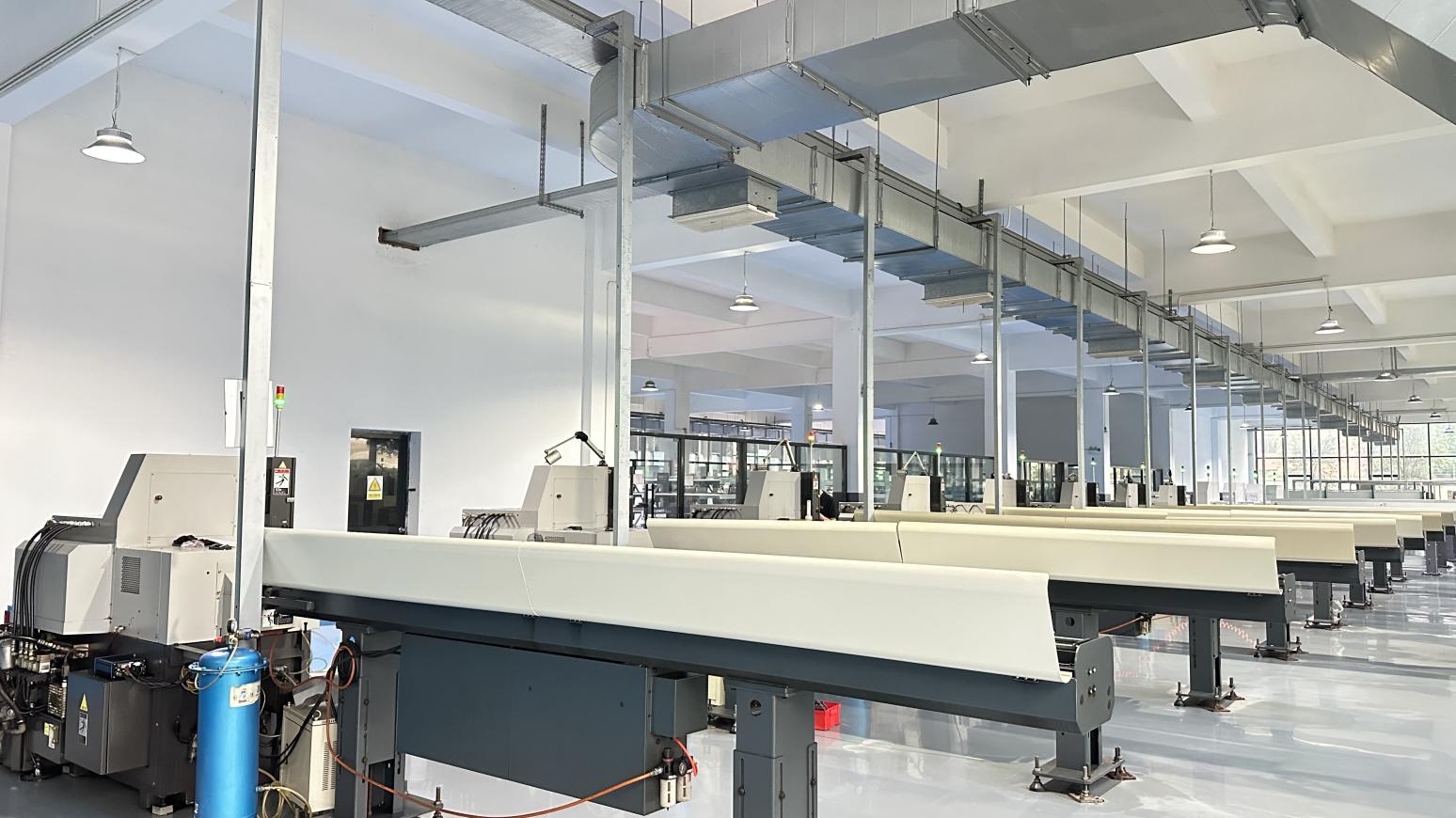
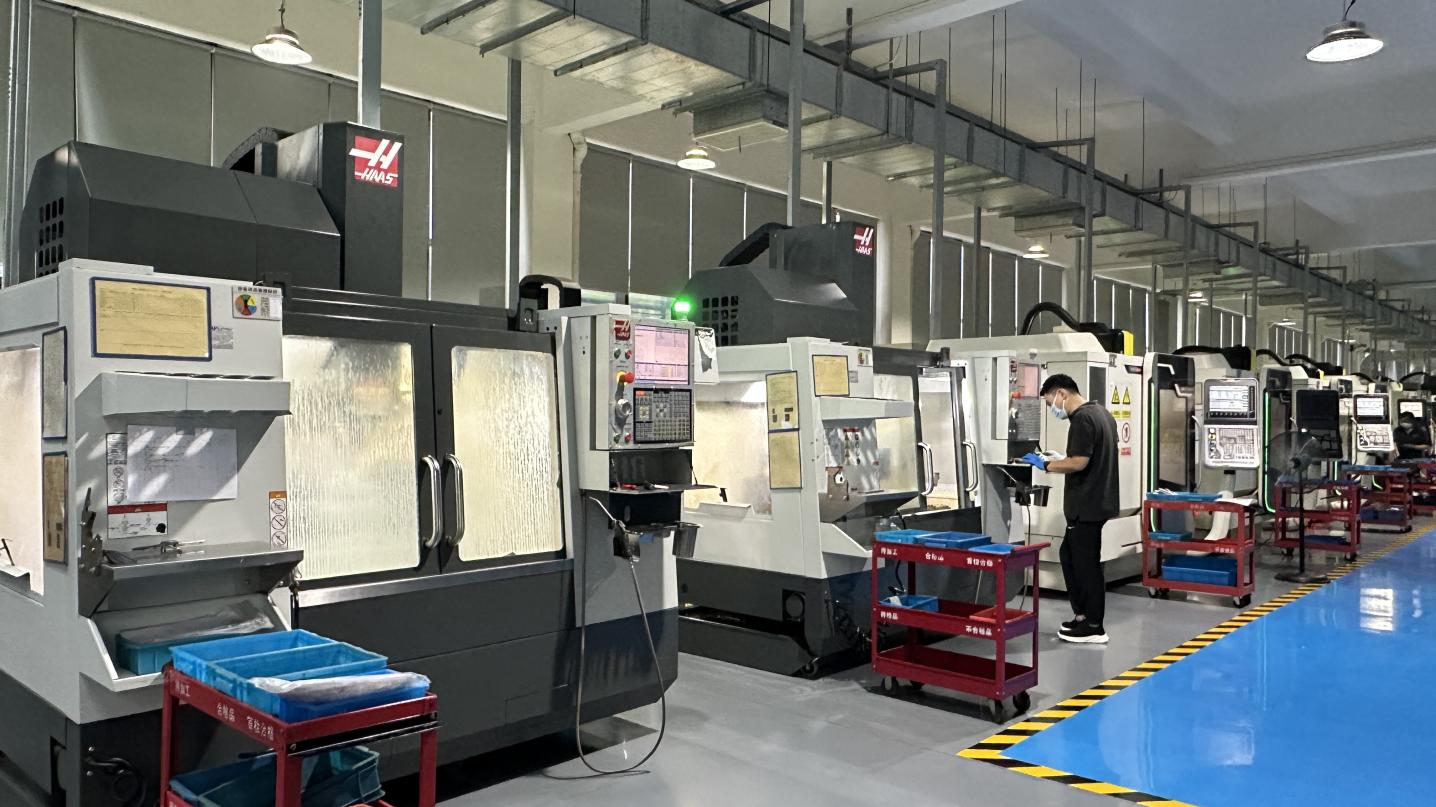
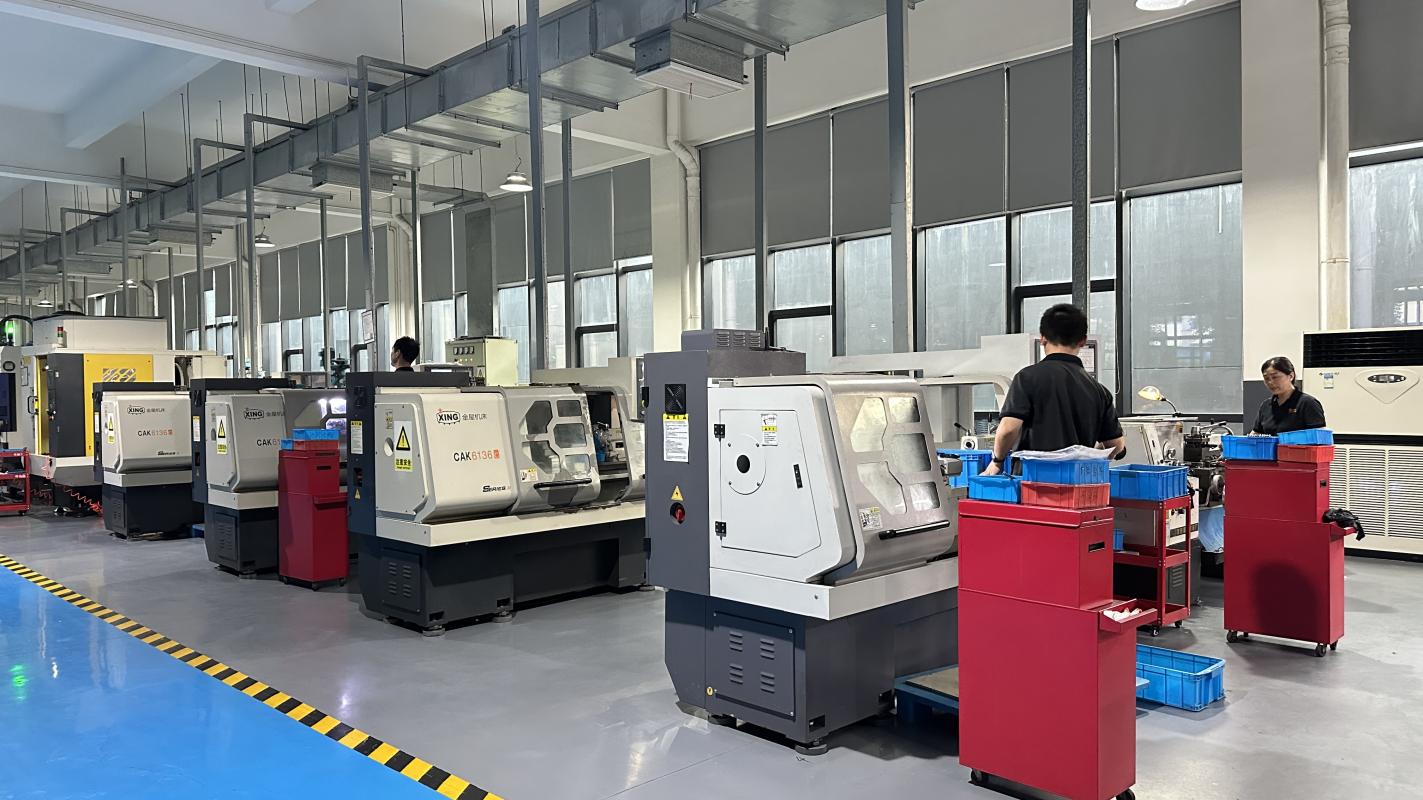
Purchasers prioritize OEMs that utilize advanced multi-axis CNC Swiss machining, turning-milling centers, and coordinate measuring machines (CMM) for verification, ensuring perfect component interchangeability in modular systems.
Before launching a shoulder prosthesis line, the design must undergo rigorous mechanical testing according to ASTM and ISO standards. This includes dynamic fatigue testing of the humeral stem, testing the security of modular connections, and glenoid shear testing under simulated physiological loads.
A reliable OEM supplier provides comprehensive test reports proving that the implant system can survive at least 5 million cycles without mechanical failure or excessive wear debris generation.
Partnering with a world-class OEM/ODM manufacturer to secure your medical device supply chain
Bonevia Orthopedic Technology Co., Ltd. is a professional manufacturer specializing in orthopedic implants and surgical solutions, dedicated to advancing innovation in trauma, spine, and joint reconstruction products. Since its establishment in 2015, the company has grown steadily into a trusted supplier in the global orthopedic industry.
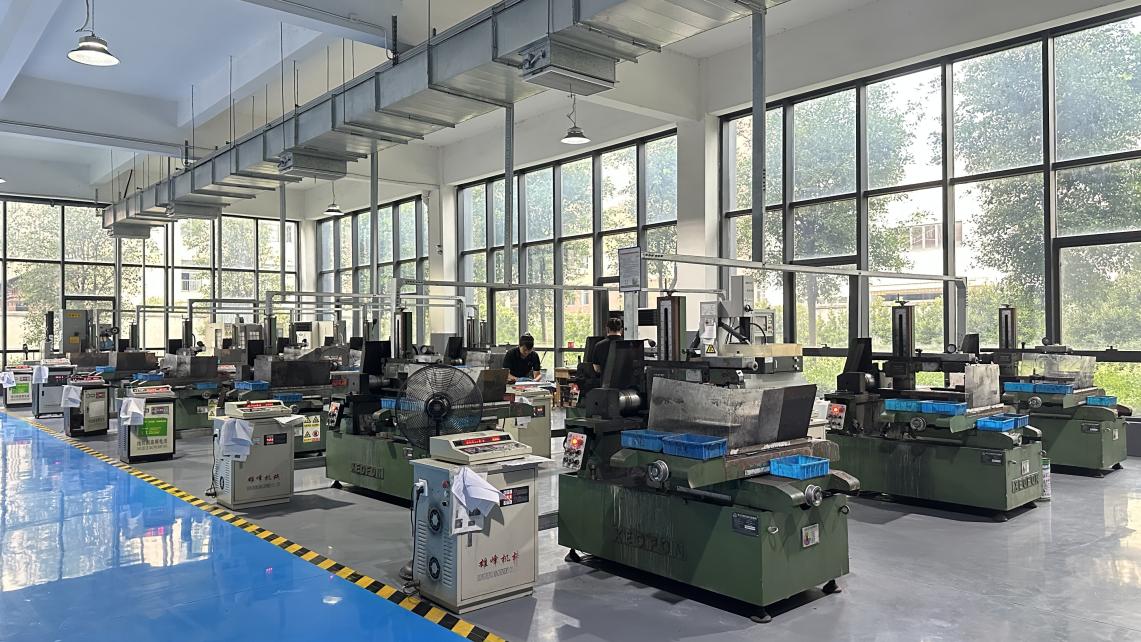
With a modern production facility covering a specialized cleanroom and production spaces including a 320㎡ high-precision manufacturing unit, Bonevia maintains strict quality management standards and efficient manufacturing processes. The company records an annual export revenue of around USD 8–15 million, supported by 6 years of export experience and over 10 years of overall industry experience.
Quality assurance is a core focus at Bonevia. The company implements multiple inspection methods including incoming material inspection, in-process quality control, and final product testing, supported by a dedicated quality team of 35 professionals. This ensures all products meet international medical device standards.
Bonevia has a solid trade foundation with diversified global distribution networks, serving major markets across Europe, Southeast Asia, the Middle East, and South America. Its supply chain ecosystem includes more than 850 partners, enabling stable raw material sourcing and efficient production delivery.
The company serves a wide range of clients, including hospitals, orthopedic clinics, surgical centers, and medical distributors. Bonevia also demonstrates strong R&D capabilities, offering OEM and ODM customization services to meet specific clinical requirements.
In the past year, Bonevia successfully launched 120 new product designs, supported by a research and development team of 85 engineers, continuously driving innovation in orthopedic implant systems and surgical instruments.
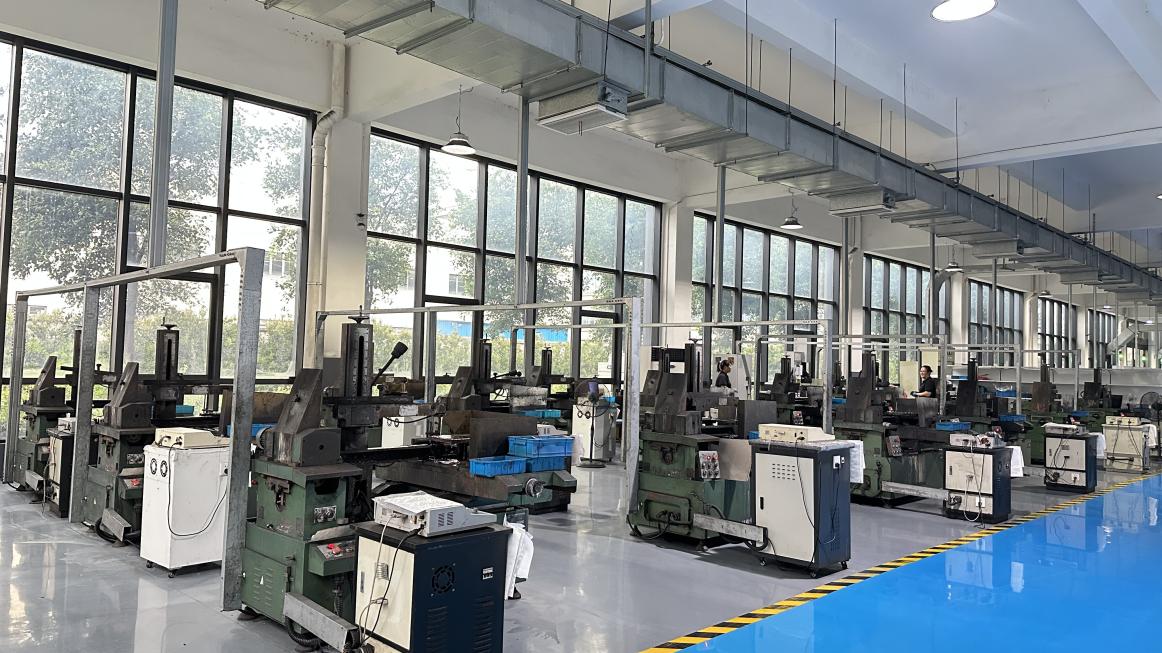
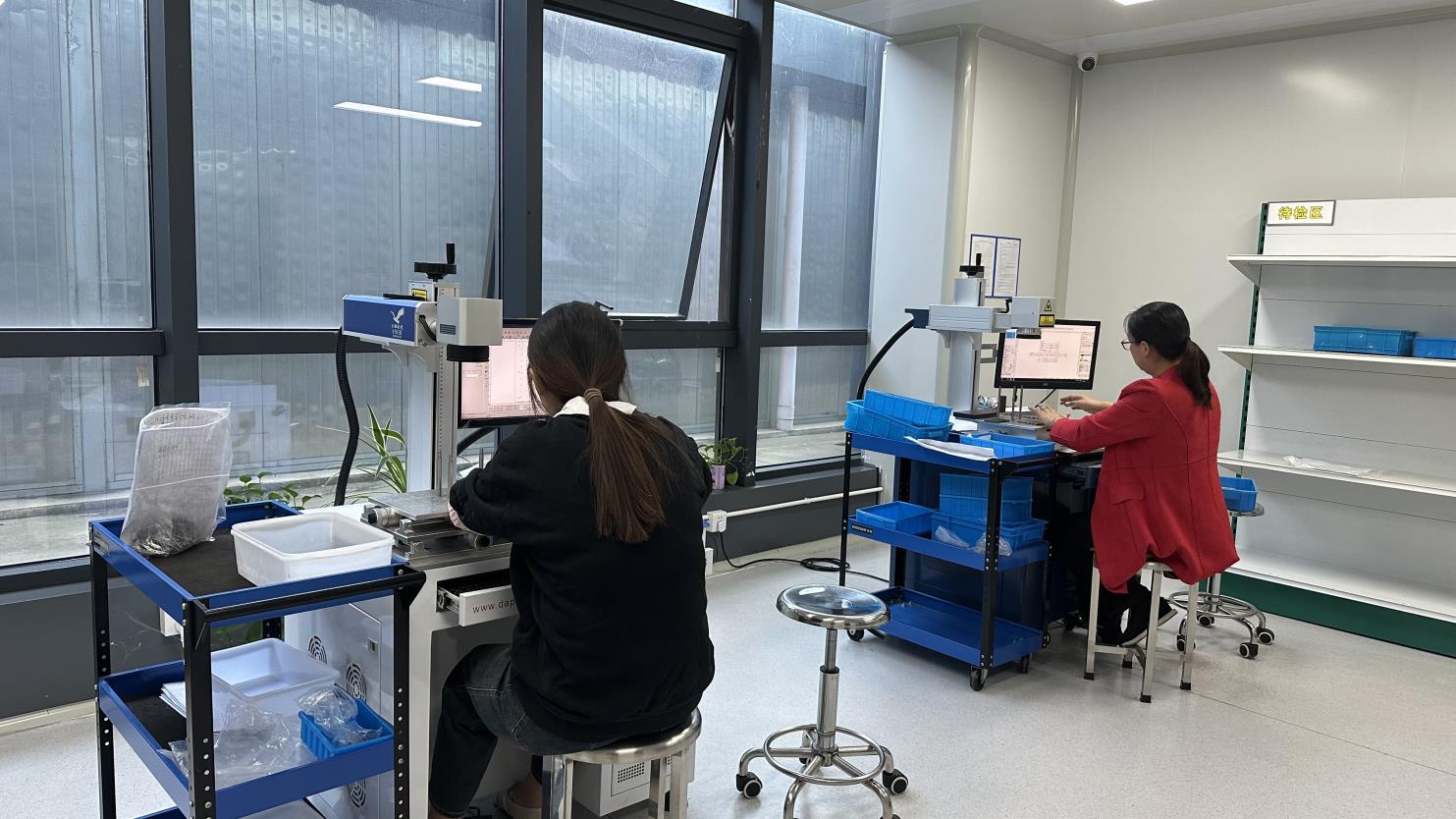
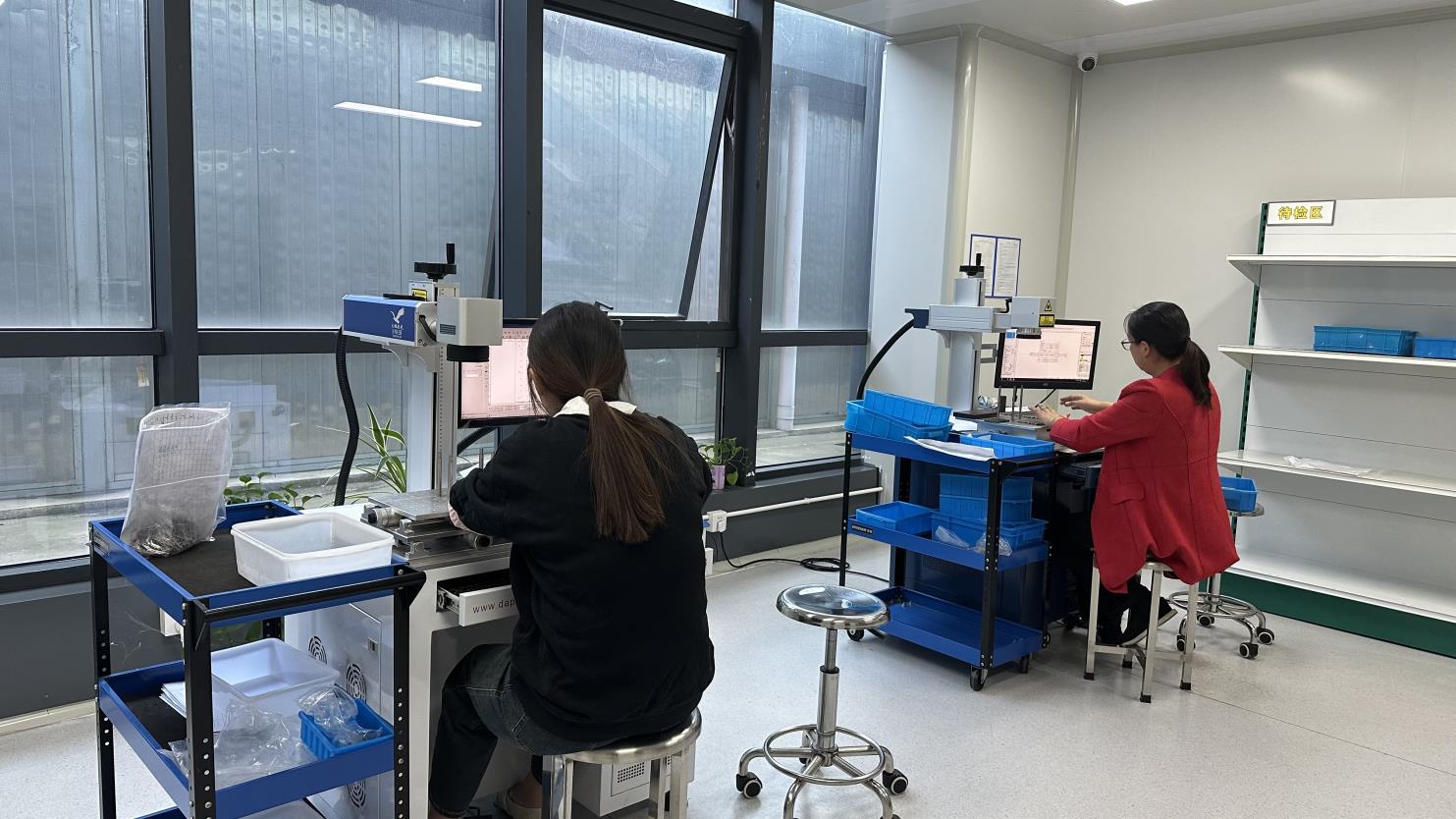
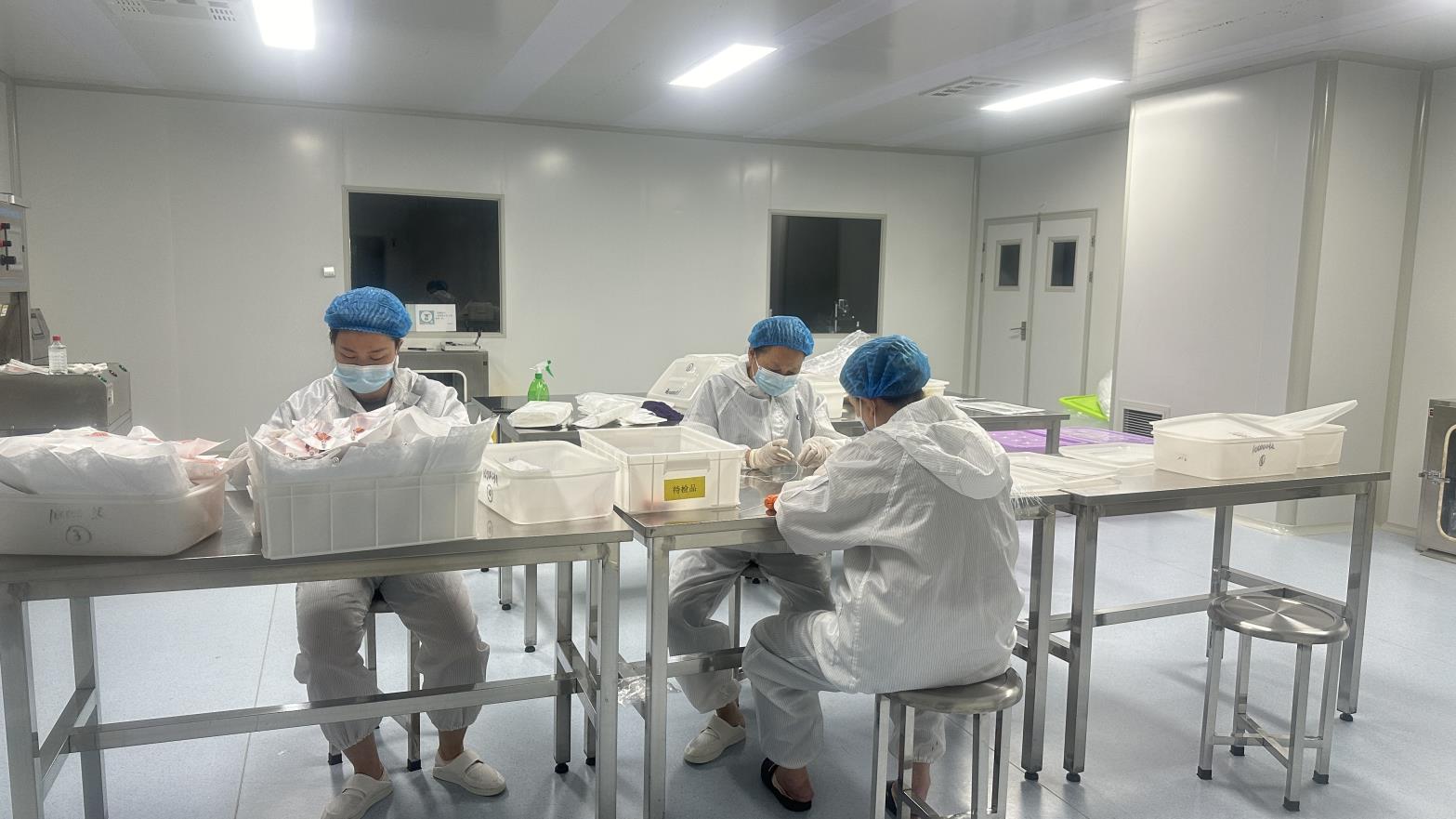
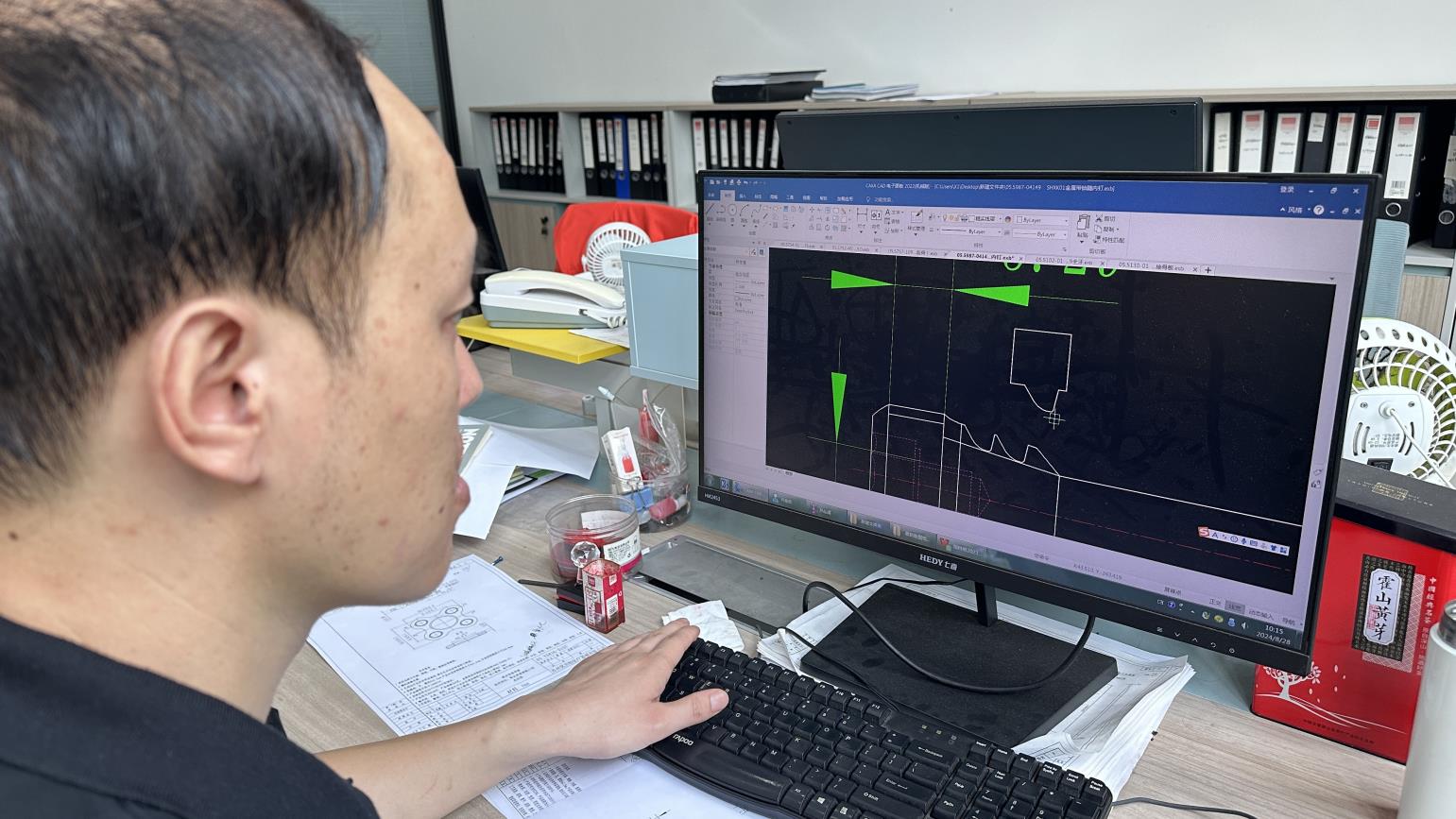
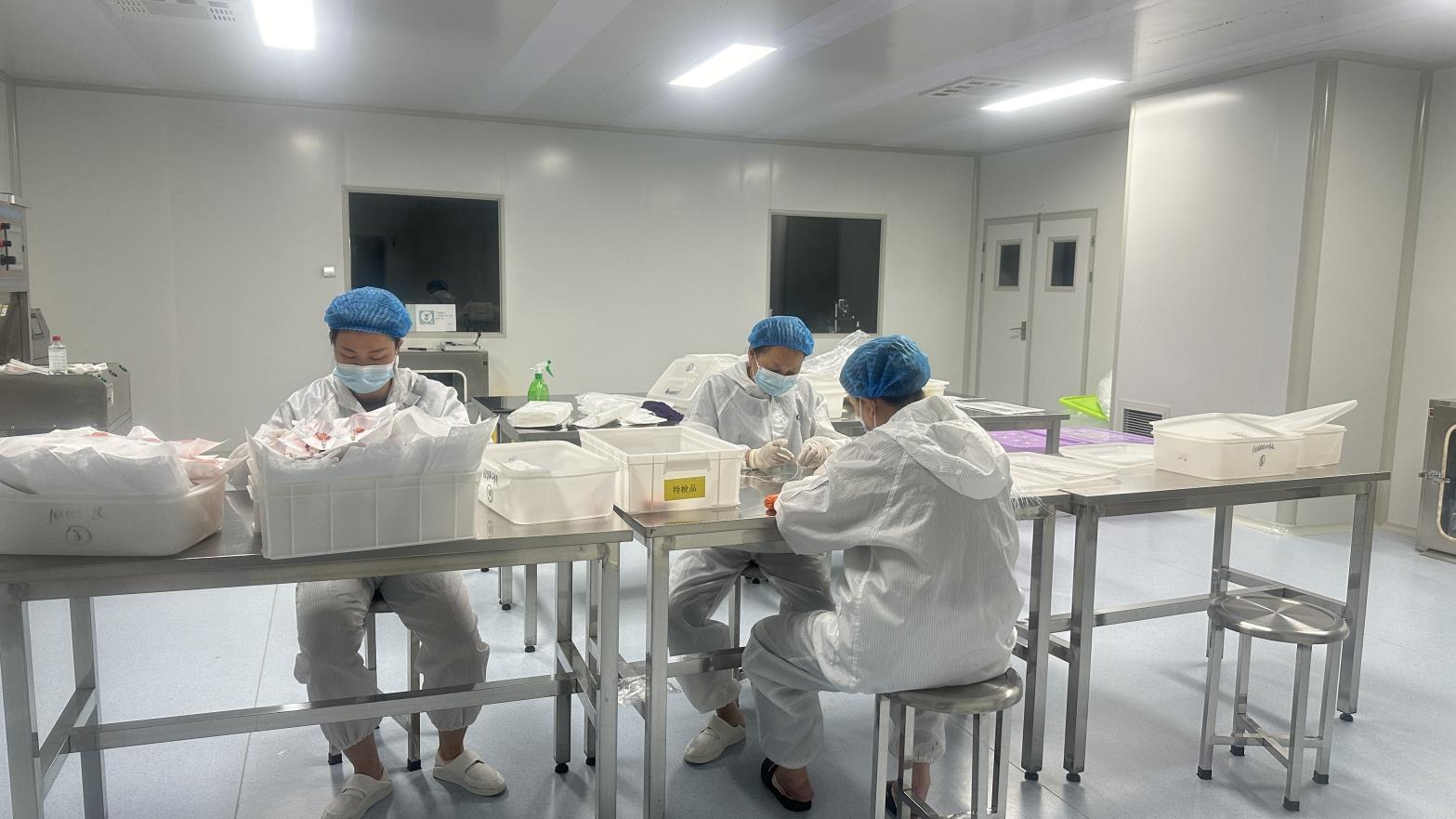
An inside look at our advanced manufacturing lines and quality inspection gateways

How Bonevia leverages integrated ecosystems to provide superior value, quality stability, and delivery times
Operating within China's medical manufacturing hubs allows Bonevia to utilize a complete industrial cluster. We maintain direct relations with ISO-verified titanium smelters and orthopedic grade polymer suppliers. This structural integration eliminates raw material volatility, reducing lead times for complex customized OEM orders by up to 35% compared to European and American counterparts.
Our 85-person design and engineering team turns around custom implant modifications and instrument schematics within 7 to 14 days, supported by rapid 3D printing and digital rendering.
We run continuous production campaigns for standard components, providing medical device labels with competitive per-unit costs and stable margins.
Every production lot is documented with full raw material trace reports, dimensional inspection certificates, and sterile barrier monitoring sheets, ensuring zero liability.
Tailoring shoulder replacement portfolios to diverse patient anatomies and regional surgical protocols
In Asian and South American markets, patients often exhibit smaller bone statures compared to North American demographics. Bonevia designs custom humeral stems and glenoid components with scaled configurations. These designs allow surgeons to achieve secure mechanical press-fit without sacrificing surrounding bone, avoiding intraoperative cortical fractures.
In regions with mature joint replacement programs, the demand for revision systems is growing. Bonevia’s modular stems and long-stem humerus configurations adapt to bone loss patterns, utilizing modular proximal body segments and distal locking screws for customized reconstruction.
For active populations, achieving postoperative range of motion is the priority. Our implants feature smooth articular curvatures and variable glenosphere offset options to prevent scapular notching, enabling patients to confidently return to active daily living and low-impact sports.
Direct answers regarding regulatory credentials, manufacturing minimum order quantities (MOQs), and design modifications
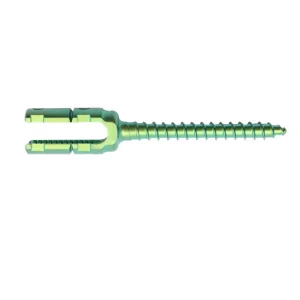
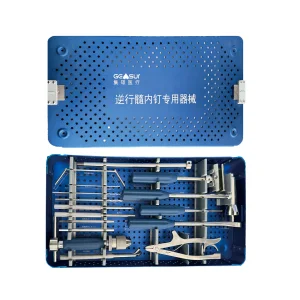
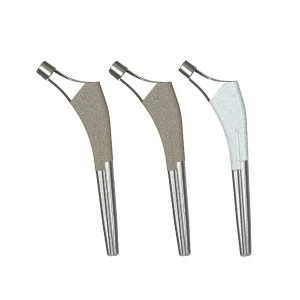
High-demand orthopedic implants and specialized instrument kits available for international distribution