 Bonevia
Bonevia
Bonevia
Explore our elite clinical solutions engineered for sports medicine, arthroscopy, and complex trauma reconstruction.
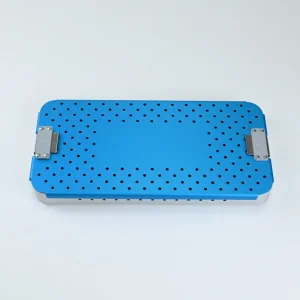
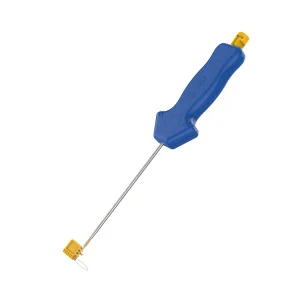
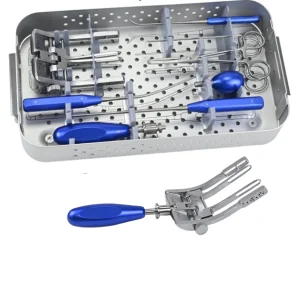
Anterior Lumbar Interbody Fusion (ALIF) has become an essential technique for stabilizing the lumbar spine. Clinicians use it to treat degenerative disc disease (DDD), spondylolisthesis, and deformities. Approaching from the front allows surgeons to completely clear the disc space and insert a cage with a larger footprint. This design restores disk height, expands the neural foramina, and corrects sagittal alignment better than posterior methods.
For medical device brands, orthopedic distributors, and surgical centers, selecting a reliable OEM/ODM manufacturer for ALIF fusion cages is critical. A high-performance cage must balance mechanical strength, biological compatibility, and clear imaging under X-ray or MRI. Advanced manufacturing methods now make it possible to integrate locking screws, create anatomical shapes, and apply porous structures that support natural bone growth.
Designed to replicate the natural modulus of bone, reducing stress shielding and minimizing risk of endplate subsidence.
Engineered with various lordotic angles and footprints to match individual patient anatomy and restore natural spinal alignment.
Available in premium implant-grade PEEK and porous 3D titanium alloys to maximize bone ingrowth and long-term fusion success.
The global market for spinal fusion implants is growing steadily, driven by aging populations, more active older adults, and improvements in minimally invasive spine surgery (MISS). However, stricter regulatory systems—like the EU MDR in Europe, the FDA 510(k) in the US, and similar rules in South America and the Asia-Pacific region—have raised the standards for device manufacturers.
Because of these strict standards, top orthopedic brands are shifting from simple contract manufacturing to working with integrated OEM/ODM development partners. Brands need suppliers who do more than just machine parts; they need partners with strong R&D teams, validated cleanrooms, complete quality management, and the documentation required for regulatory approval.
Bonevia Orthopedic Technology Co., Ltd. is a professional manufacturer specializing in orthopedic implants and surgical solutions, dedicated to advancing innovation in trauma, spine, and joint reconstruction products. Since its establishment in 2015, the company has grown steadily into a trusted supplier in the global orthopedic industry.
With a modern production facility covering approximately 320㎡, Bonevia maintains strict quality management standards and efficient manufacturing processes. The company records an annual export revenue of around USD 8–15 million, supported by 6 years of export experience and over 10 years of overall industry experience.
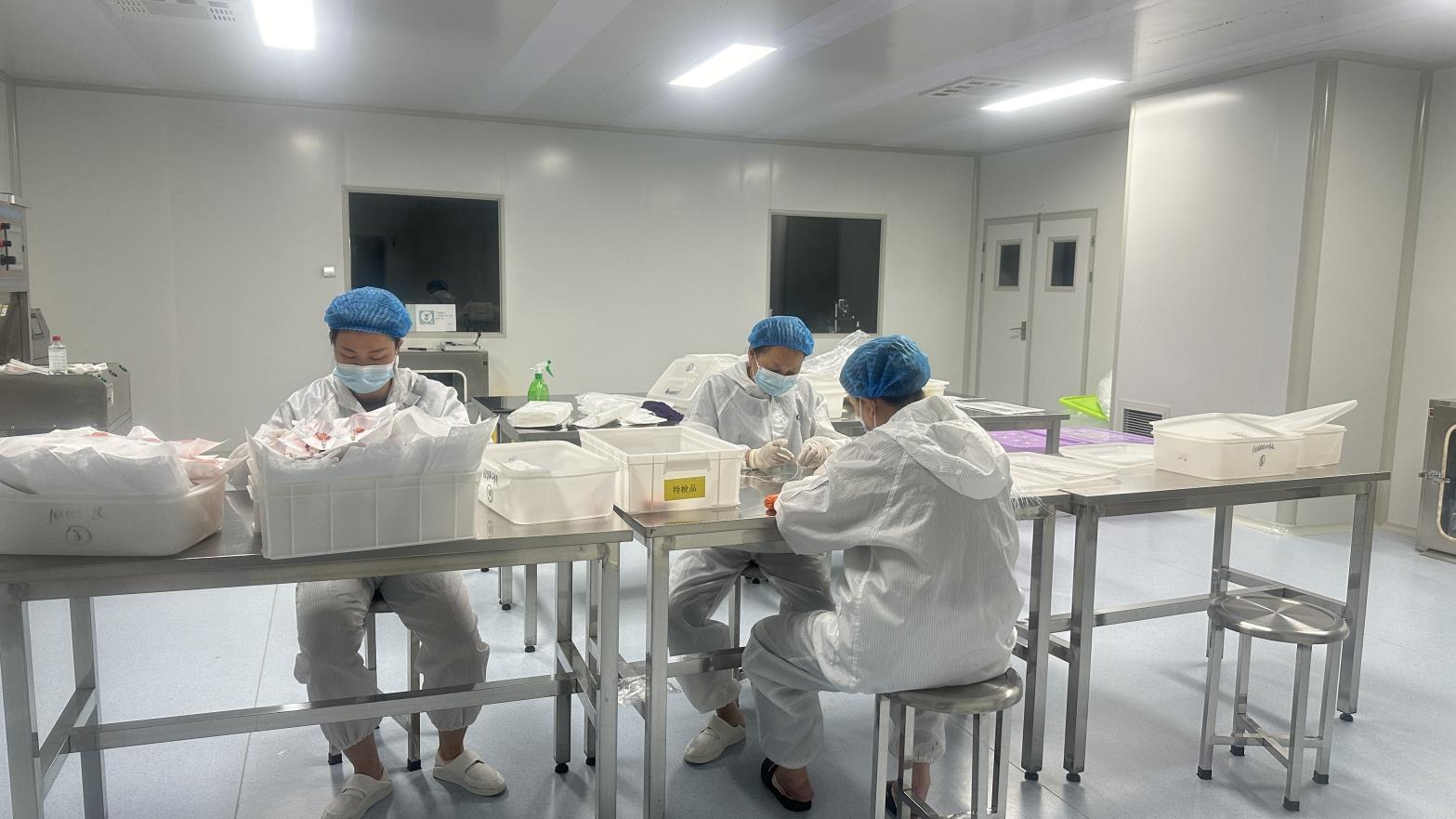
Quality assurance is a core focus at Bonevia. The company implements multiple inspection methods including incoming material inspection, in-process quality control, and final product testing, supported by a dedicated quality team of 35 professionals. This ensures all products meet international medical device standards.
Bonevia has a solid trade foundation with diversified global distribution networks, serving major markets across Europe, Southeast Asia, the Middle East, and South America. Its supply chain ecosystem includes more than 850 partners, enabling stable raw material sourcing and efficient production delivery.
The company serves a wide range of clients, including hospitals, orthopedic clinics, surgical centers, and medical distributors. Bonevia also demonstrates strong R&D capabilities, offering OEM and ODM customization services to meet specific clinical requirements. In the past year, Bonevia successfully launched 120 new product designs, supported by a research and development team of 85 engineers, continuously driving innovation in orthopedic implant systems and surgical instruments.
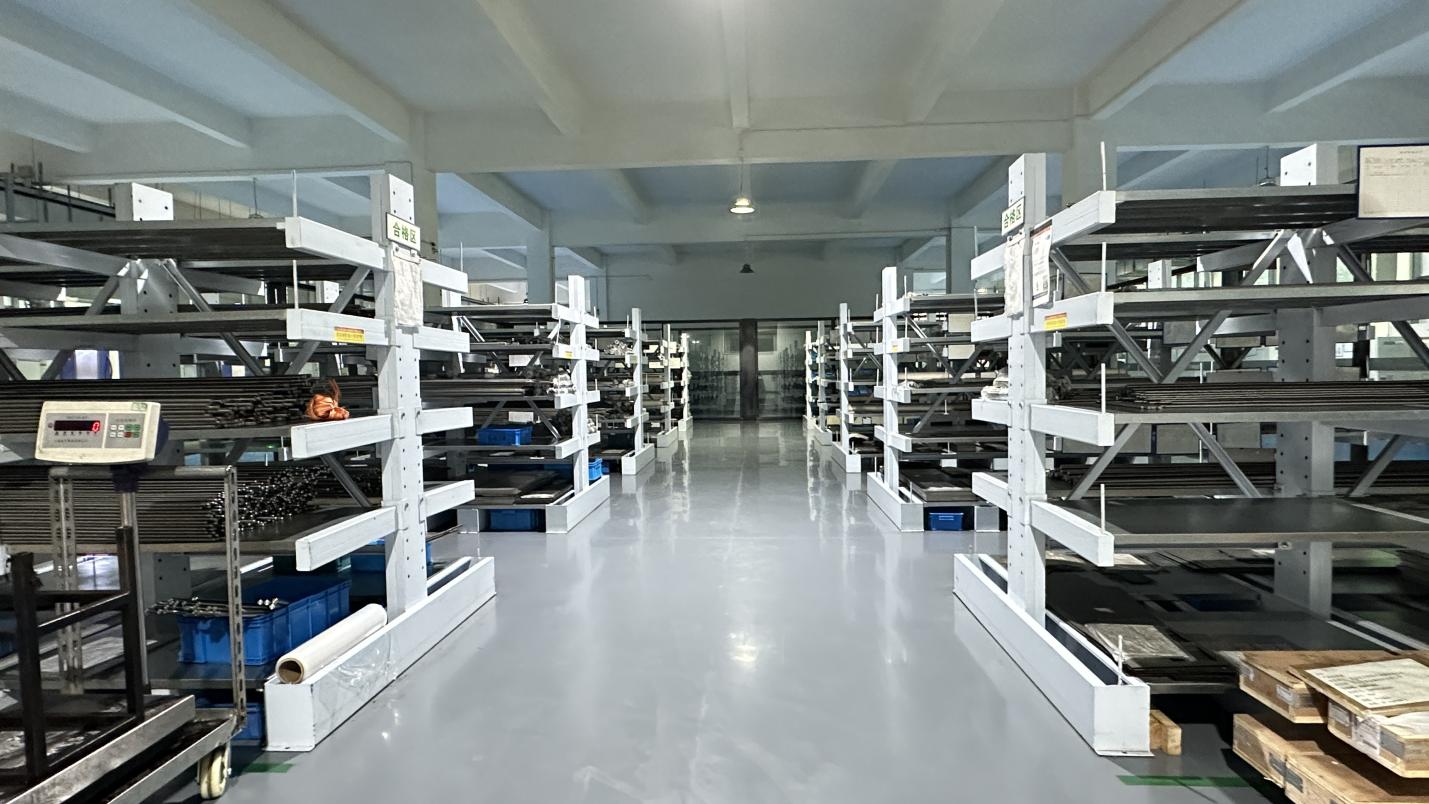
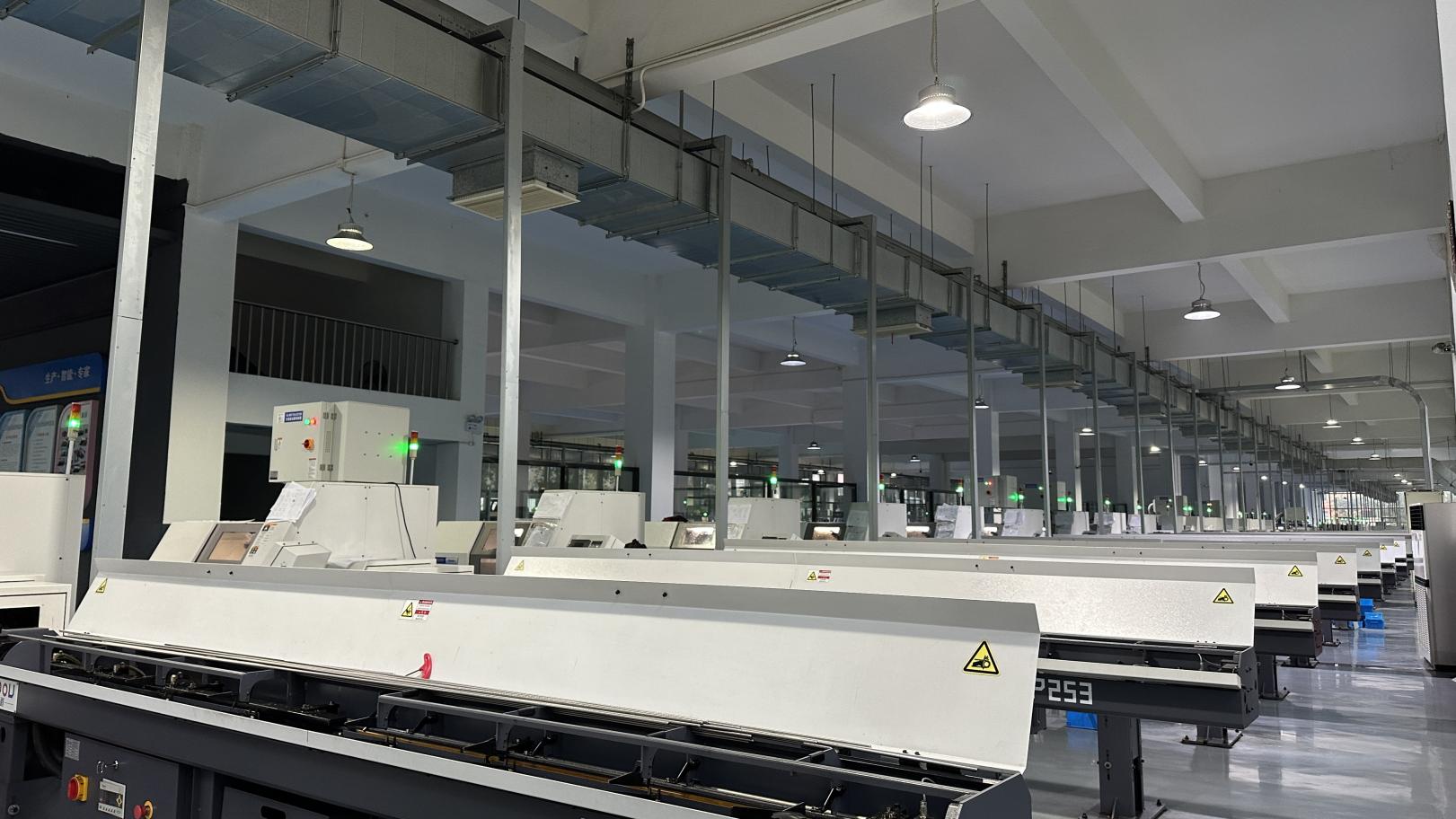
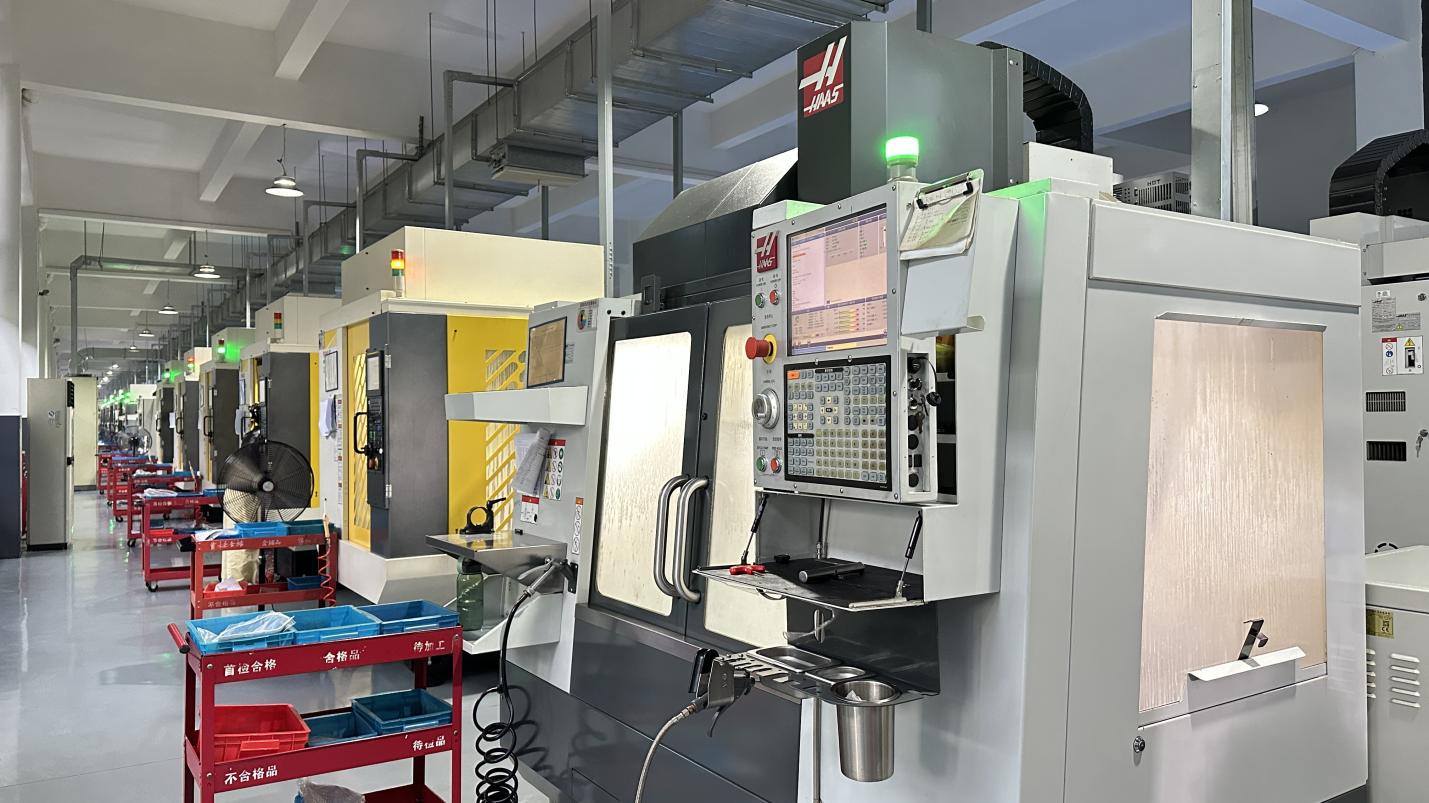
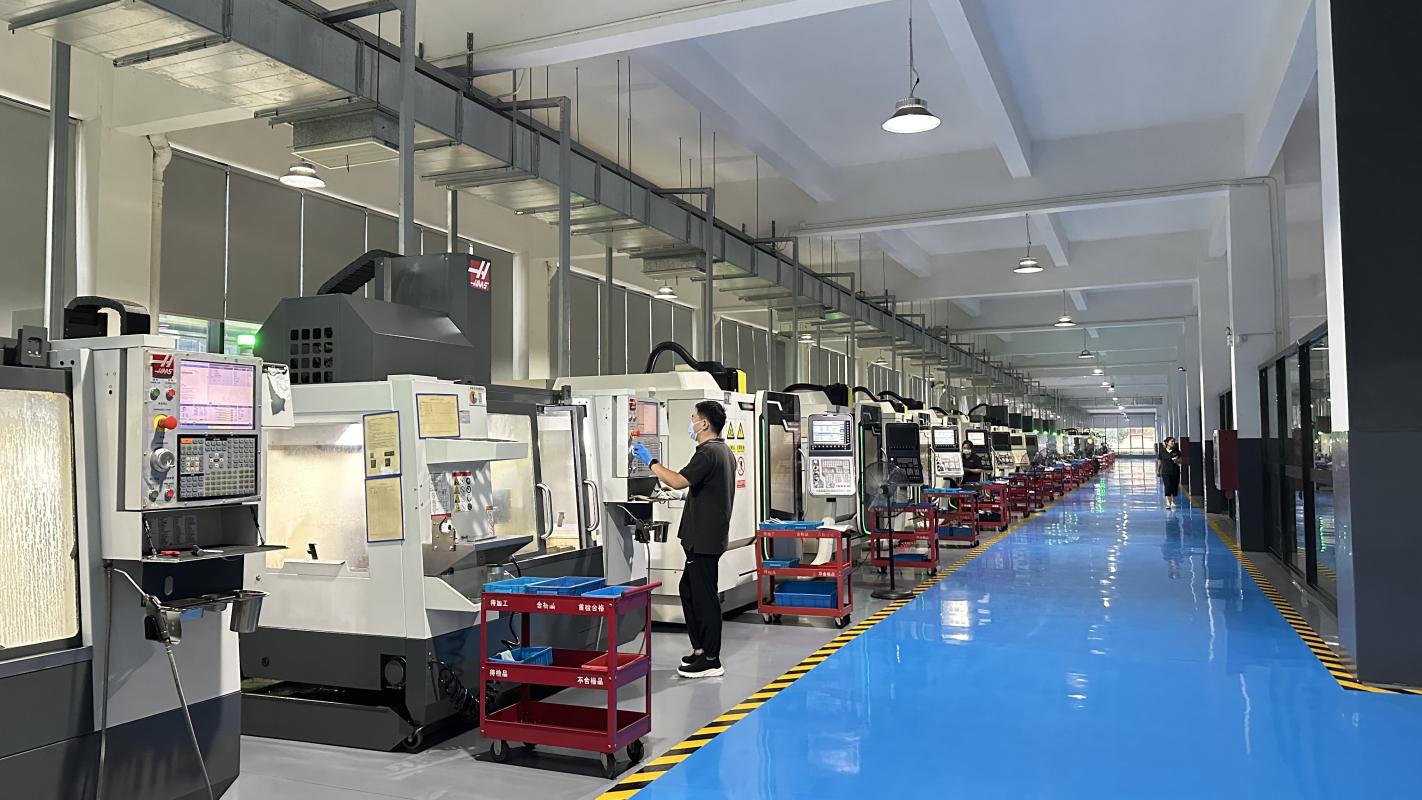
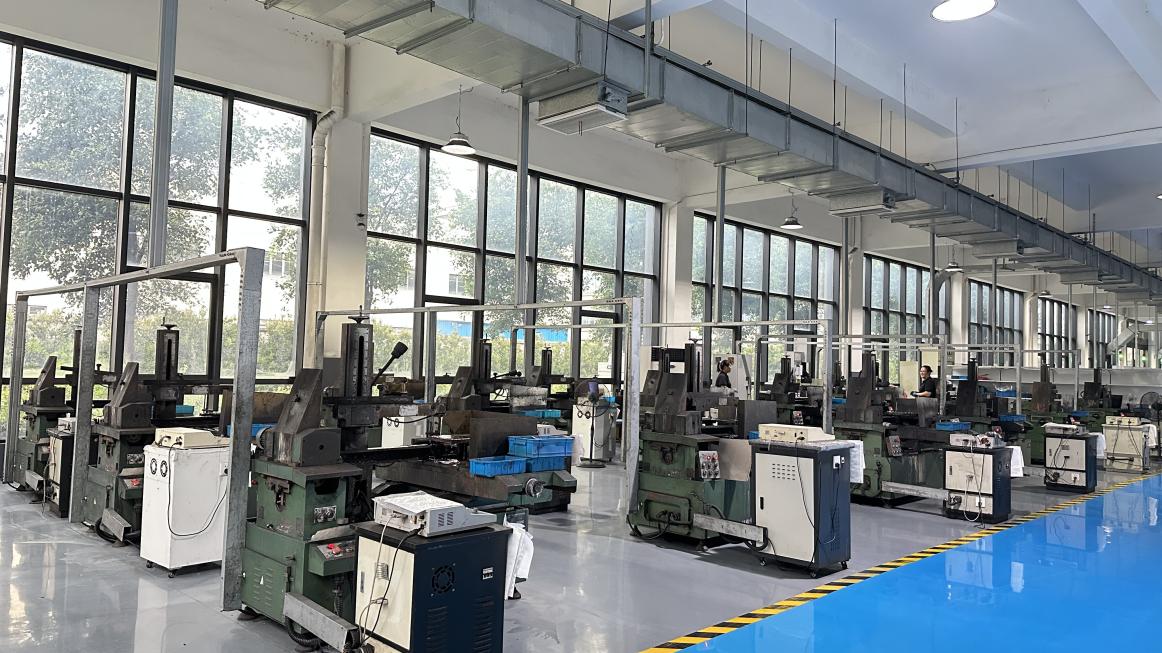
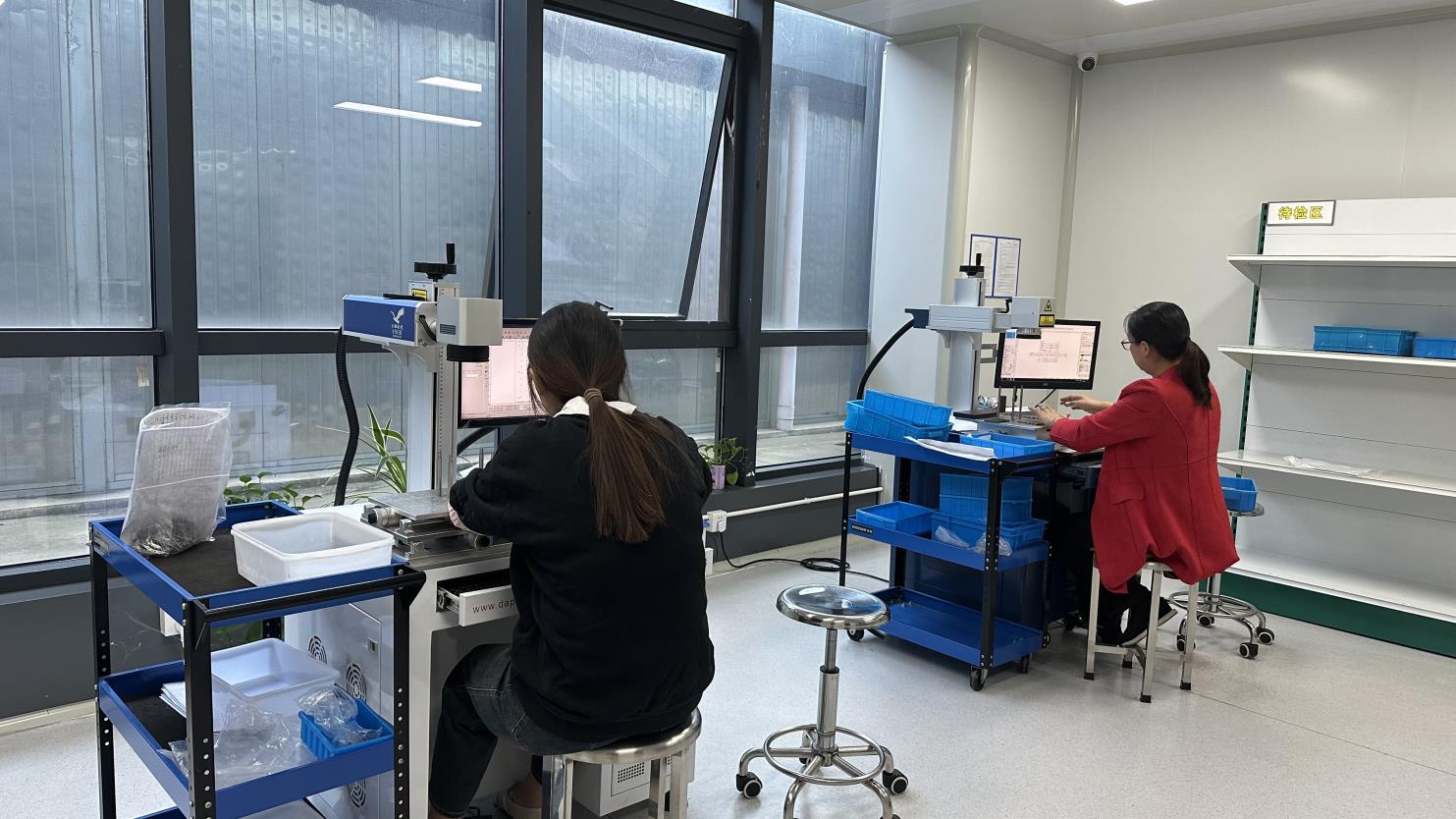
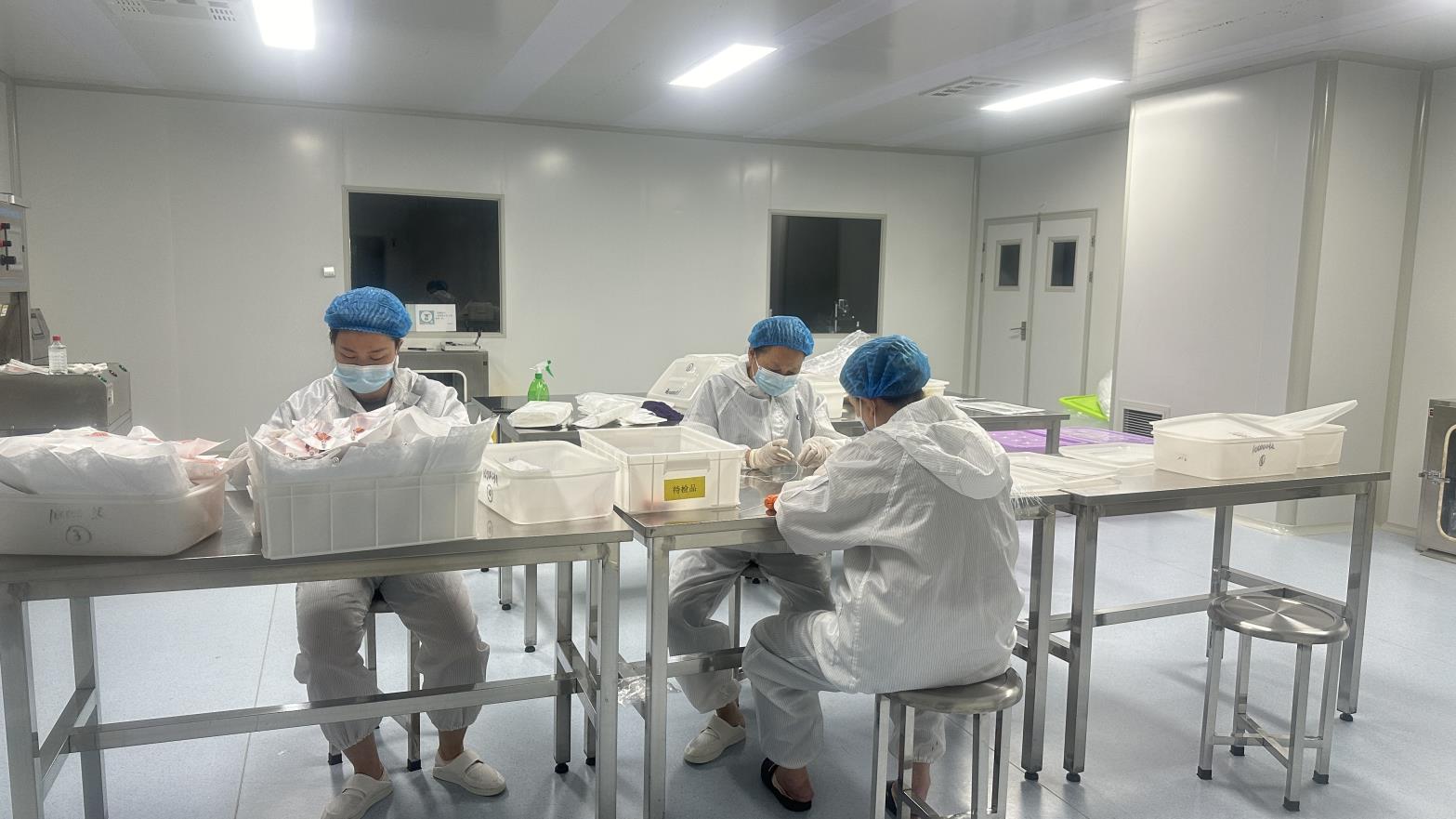
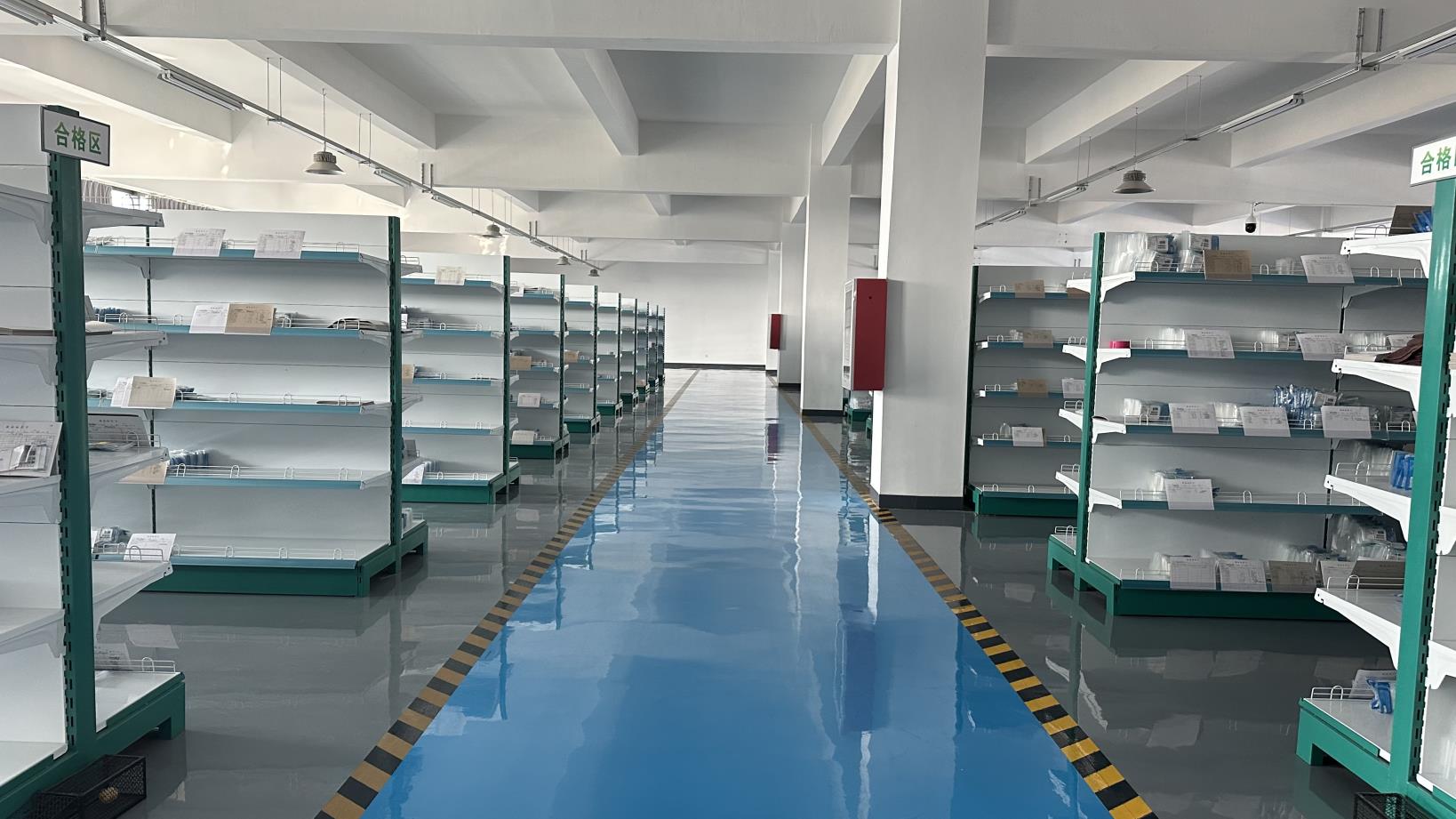
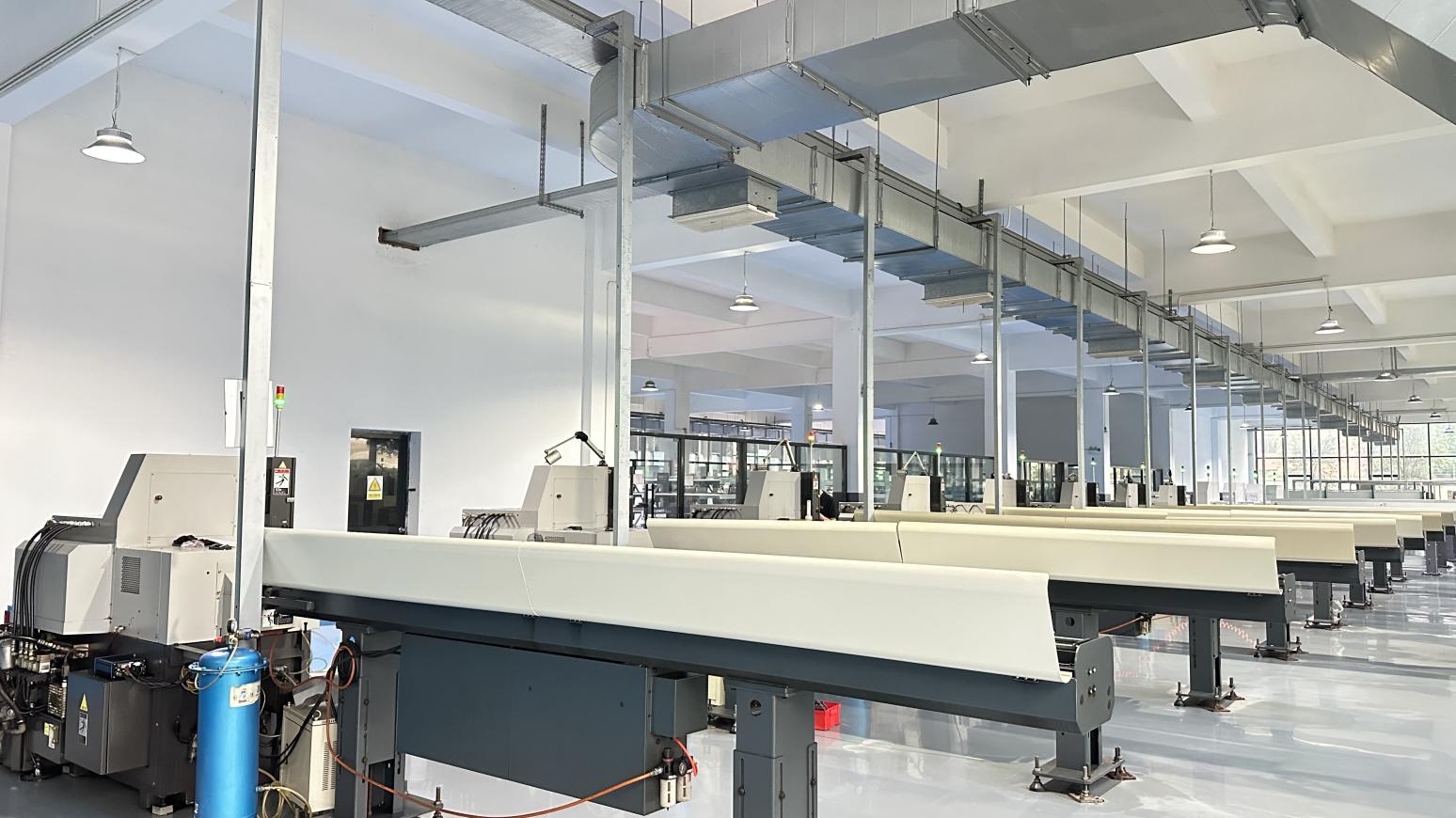
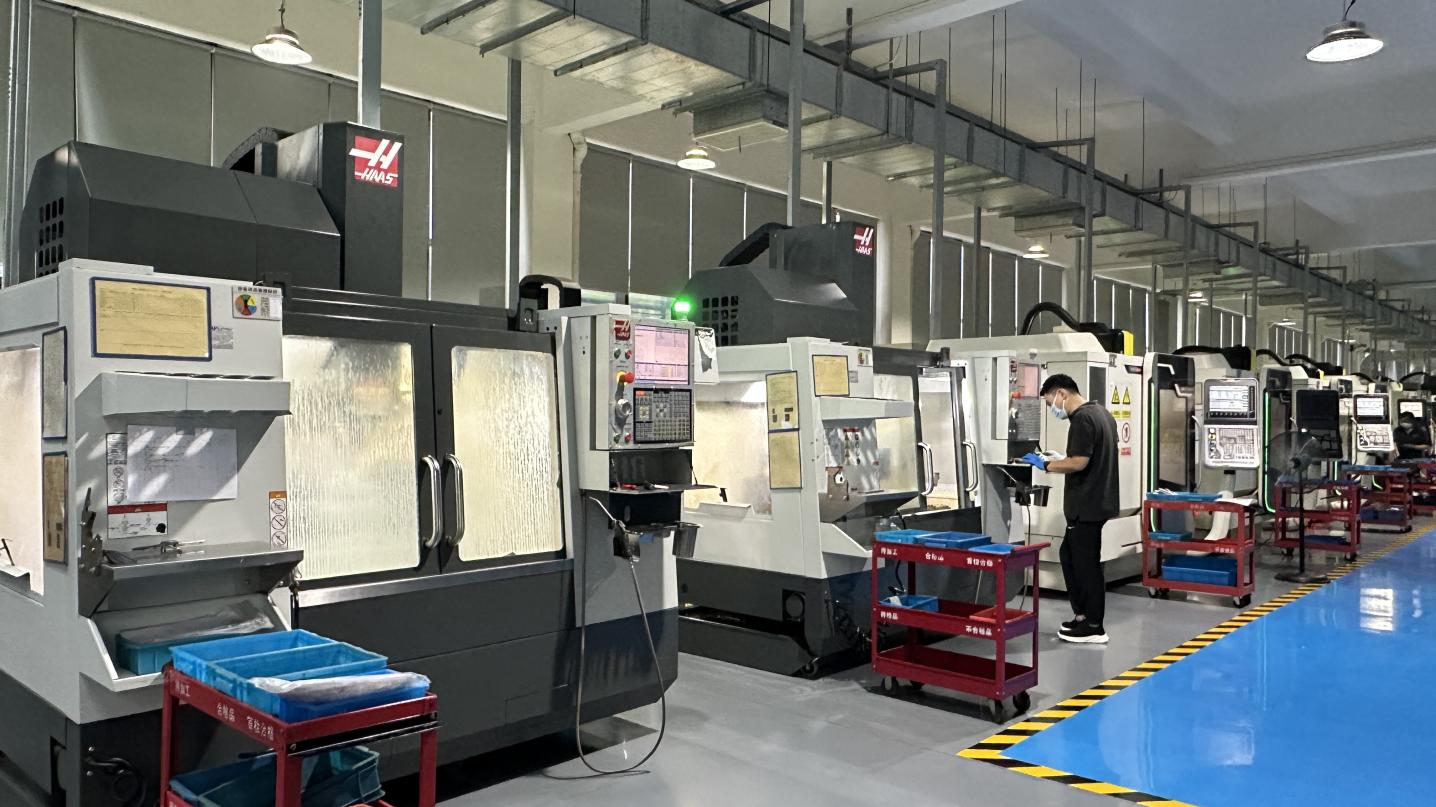
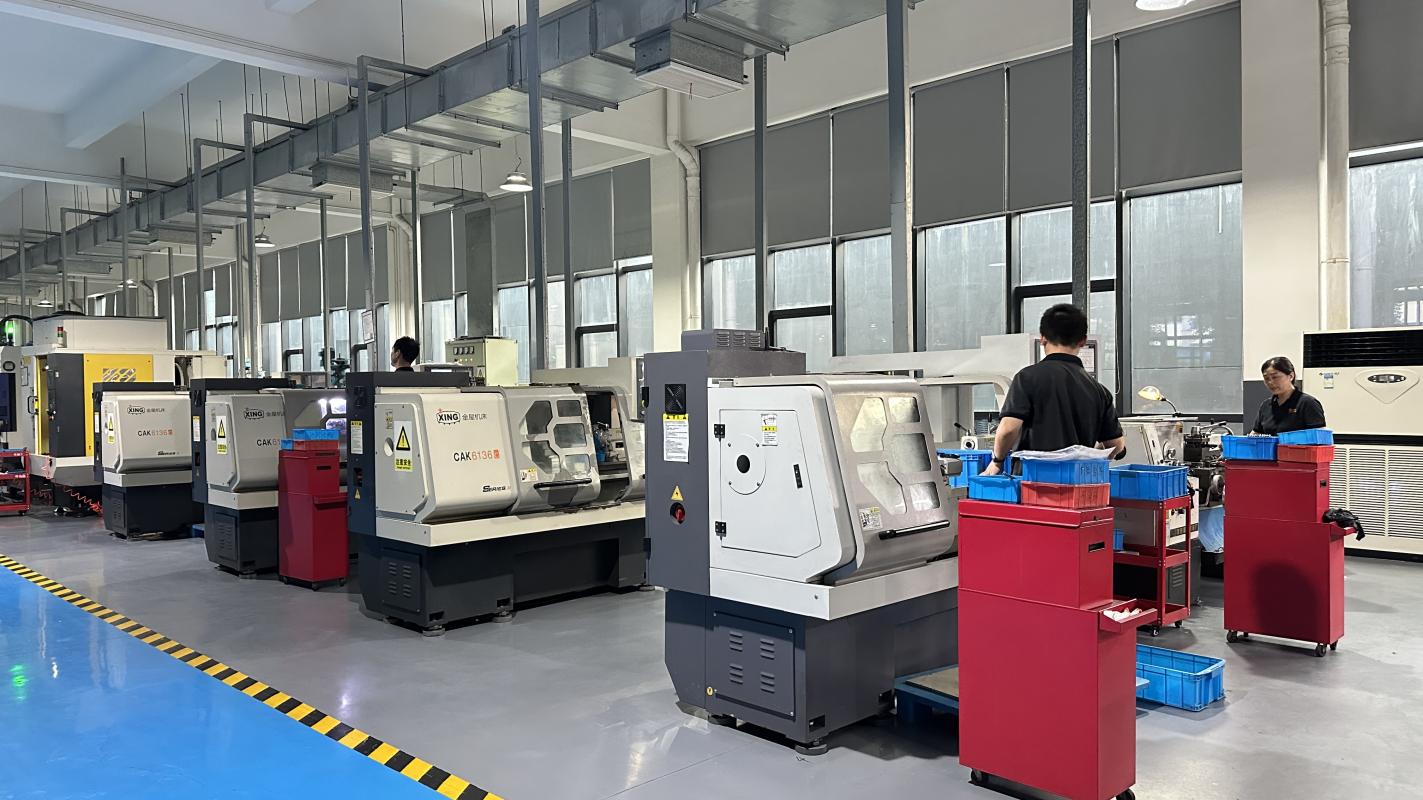
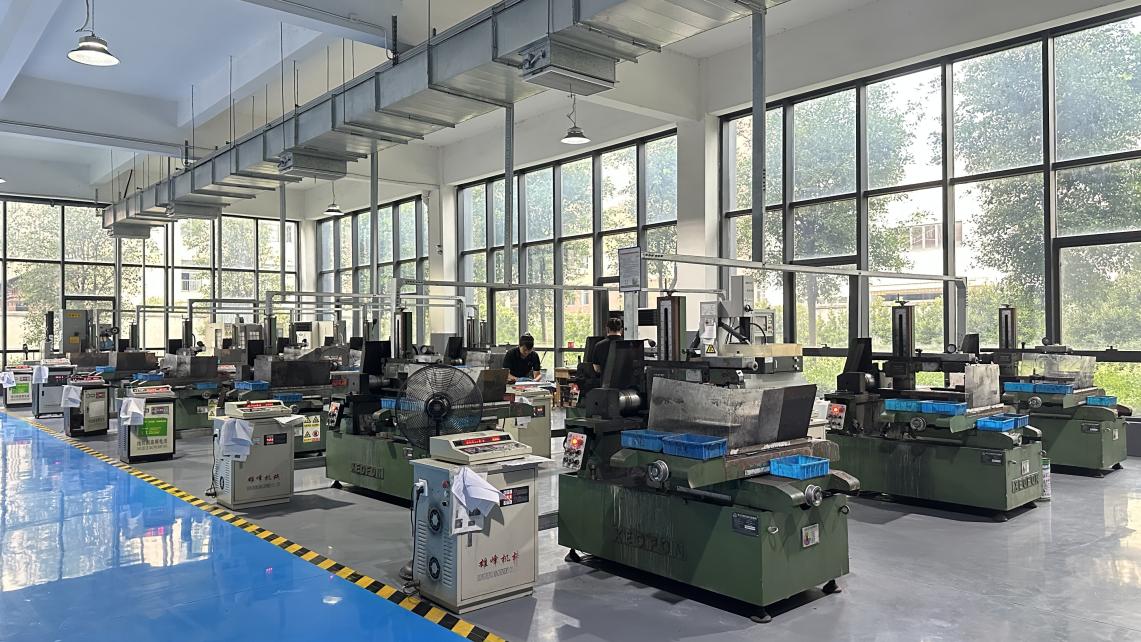
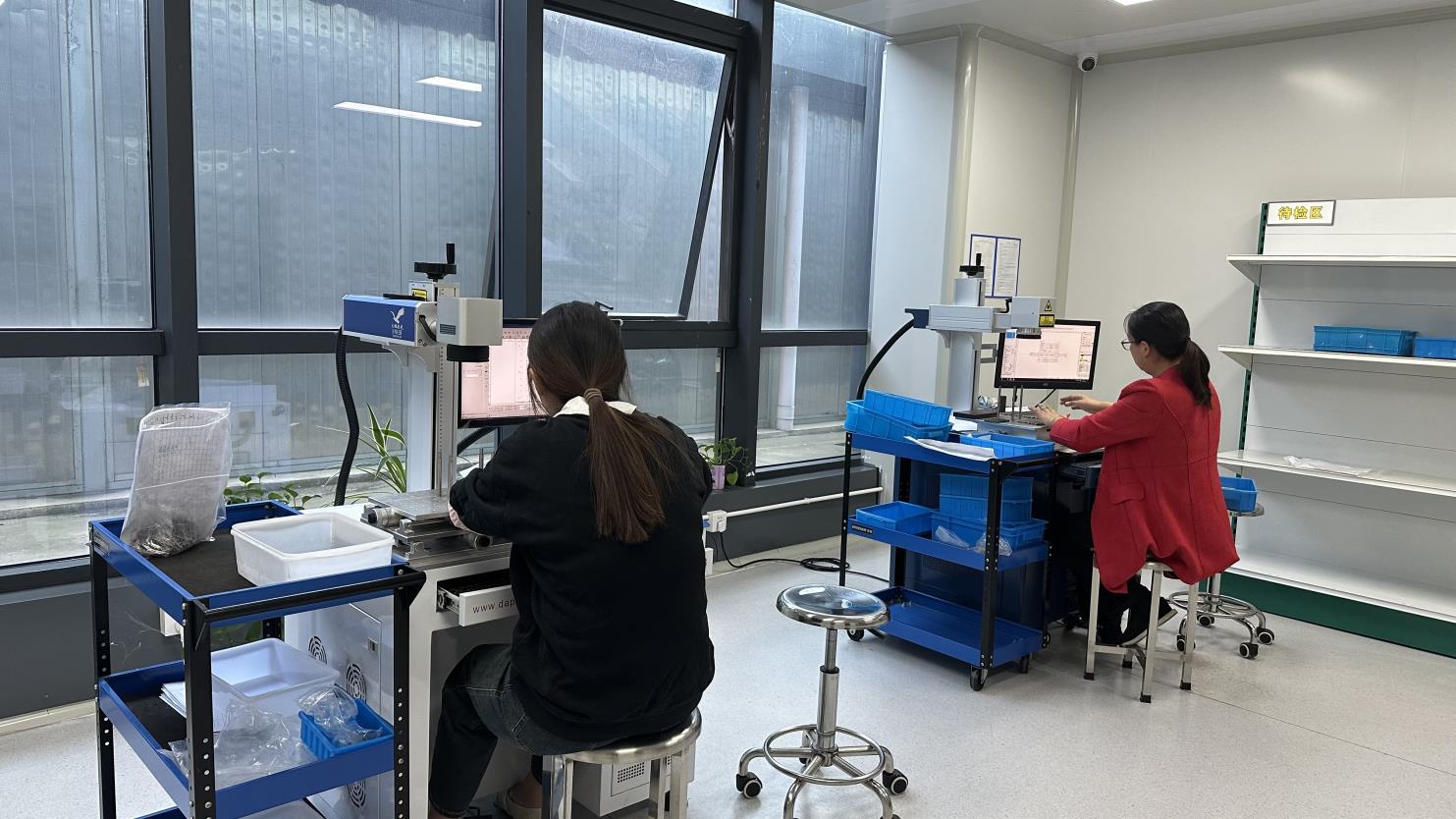
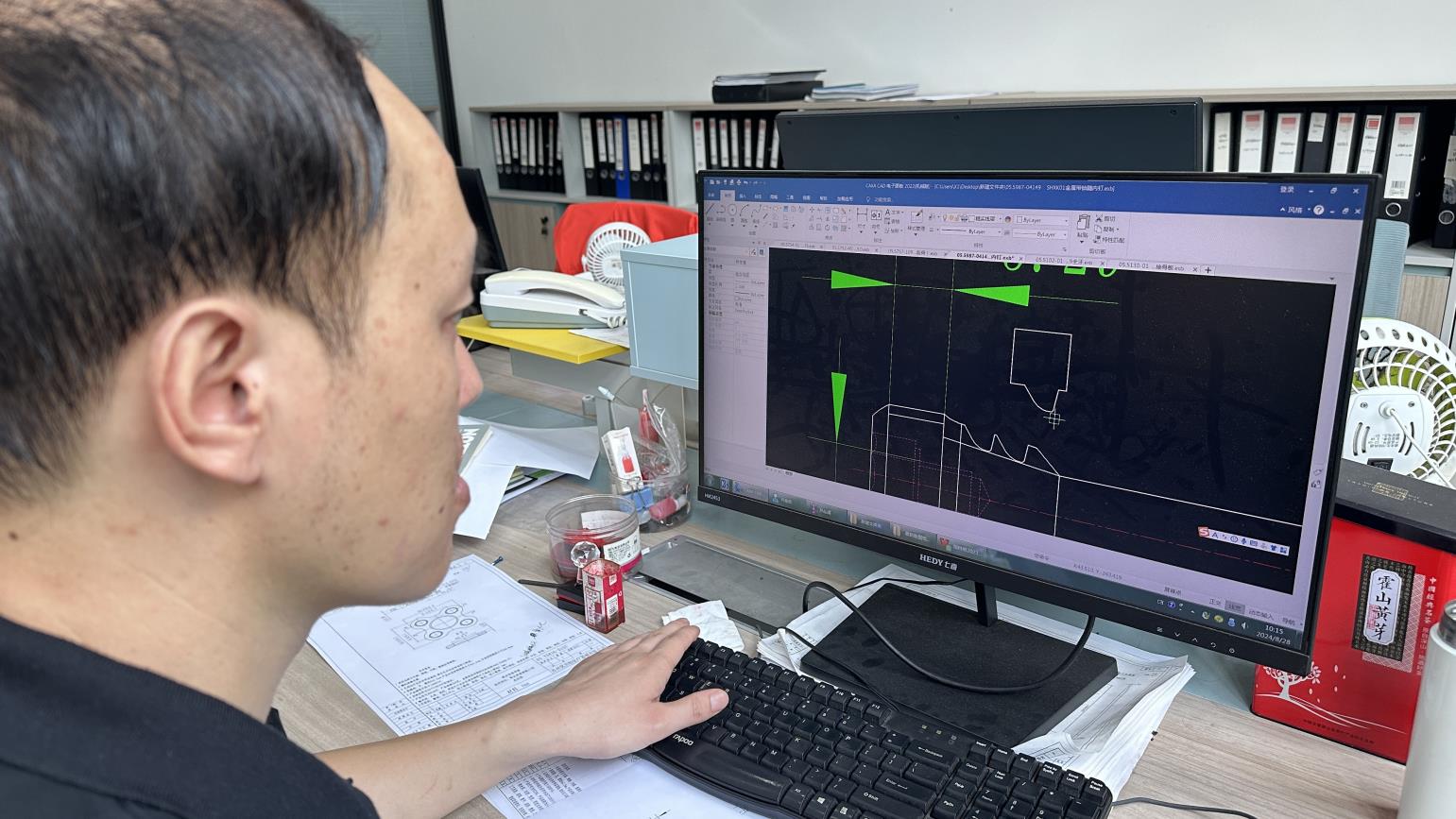
Take a look inside our manufacturing processes. We combine advanced CNC machining, wire cutting, laser marking, and strict quality control to ensure every implant meets high clinical standards.
Surgical practices vary by region, and patient anatomy differs around the world. Because of this, standard implant sizes are not always enough. For example, East Asian patient profiles often require narrower widths and smaller heights compared to European or North American profiles. Additionally, surgeon preferences for dynamic, rigid, or standalone lockable cages dictate which design is best for each market.
Our OEM/ODM services help medical brands customize implants for these regional needs. We manage the entire process, including:
The technology behind spinal implants is shifting toward dynamic, bioactive designs. Plain PEEK materials are being upgraded with porous titanium coatings or composite materials like hydroxyapatite (HA) to encourage faster bone growth. At the same time, 3D printing is making it possible to produce lattice structures that allow bone cells to grow directly through the implant.
Looking ahead, Bonevia is focusing on three main areas for spinal implant development:
Find answers to common questions about our OEM/ODM manufacturing processes, materials, quality control, and shipping services.
We manufacture our ALIF cages using implant-grade materials like PEEK (polyetheretherketone) and Titanium Alloys (Ti6Al4V ELI). All raw materials come with full traceability certificates and comply with ASTM and ISO standards for permanent implants.
Yes. We specialize in custom sizing, lordotic angles, and plate connections designed for different patient profiles. Our R&D team can design custom cages and matching surgical tools based on your technical drawings or specifications.
Our operations follow ISO 13485 medical device quality standards. We perform incoming material tests, in-process dimension checks, and final cleaning and packaging validations, managed by our 35-person quality team.
Lead times vary depending on design complexity and regulatory needs. Typically, standard OEM modifications take 4 to 8 weeks, while full ODM projects, including prototype creation and mechanical testing, take 12 to 24 weeks.
Explore our trauma plating systems, intramedullary nails, and spinal reconstruction implants designed for stability and patient recovery.
Work with our R&D team and quality assurance experts to bring your orthopedic designs to market. Contact our engineers today to discuss your project requirements.
Contact Our Technical Team