Bonevia
Bonevia
Bonevia
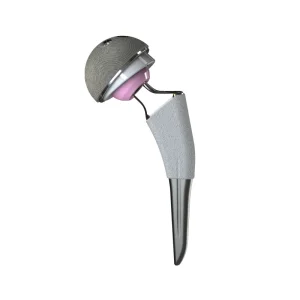
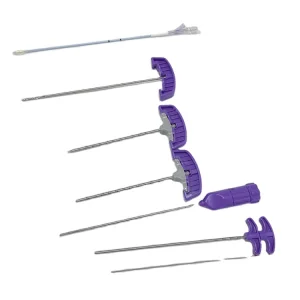
Explore our core surgical systems and instruments engineered for sports medicine, joint reconstruction, and trauma fixation.
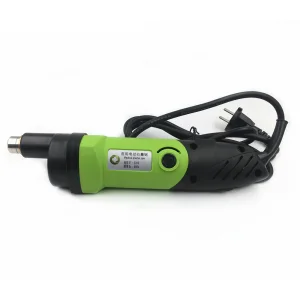
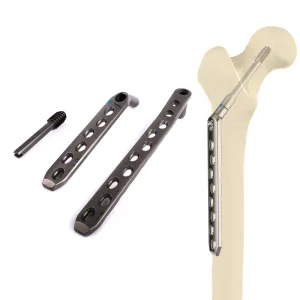
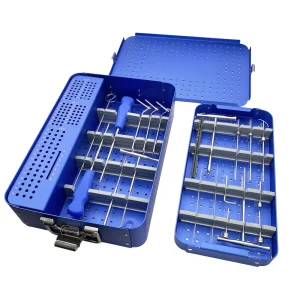
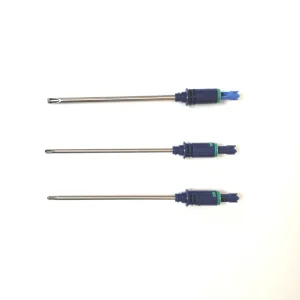
Bonevia Orthopedic Technology Co., Ltd. is a clinical-driven professional manufacturer specializing in orthopedic implants, surgical instrumentation, and custom trauma solutions. We are dedicated to advancing surgical innovation across global healthcare networks, providing specialized solutions for trauma fixation, spinal fusion, joint reconstruction, and sports medicine.
Established in 2015, Bonevia has transitioned into a key strategic manufacturing partner for medical device brands, GPOs, hospital systems, and global distributors. Equipped with a modern fabrication center, our production facility features a specialized 320㎡ high-efficiency floor space optimized for high-precision CNC multi-axis milling, wire EDM cutting, and sterile packing. Through direct vertical integration and efficient processes, we secure an annual export revenue of USD 8–15 million, backed by over 10 years of domestic medical sector expertise and 6 years of export trade experience across high-compliance markets.
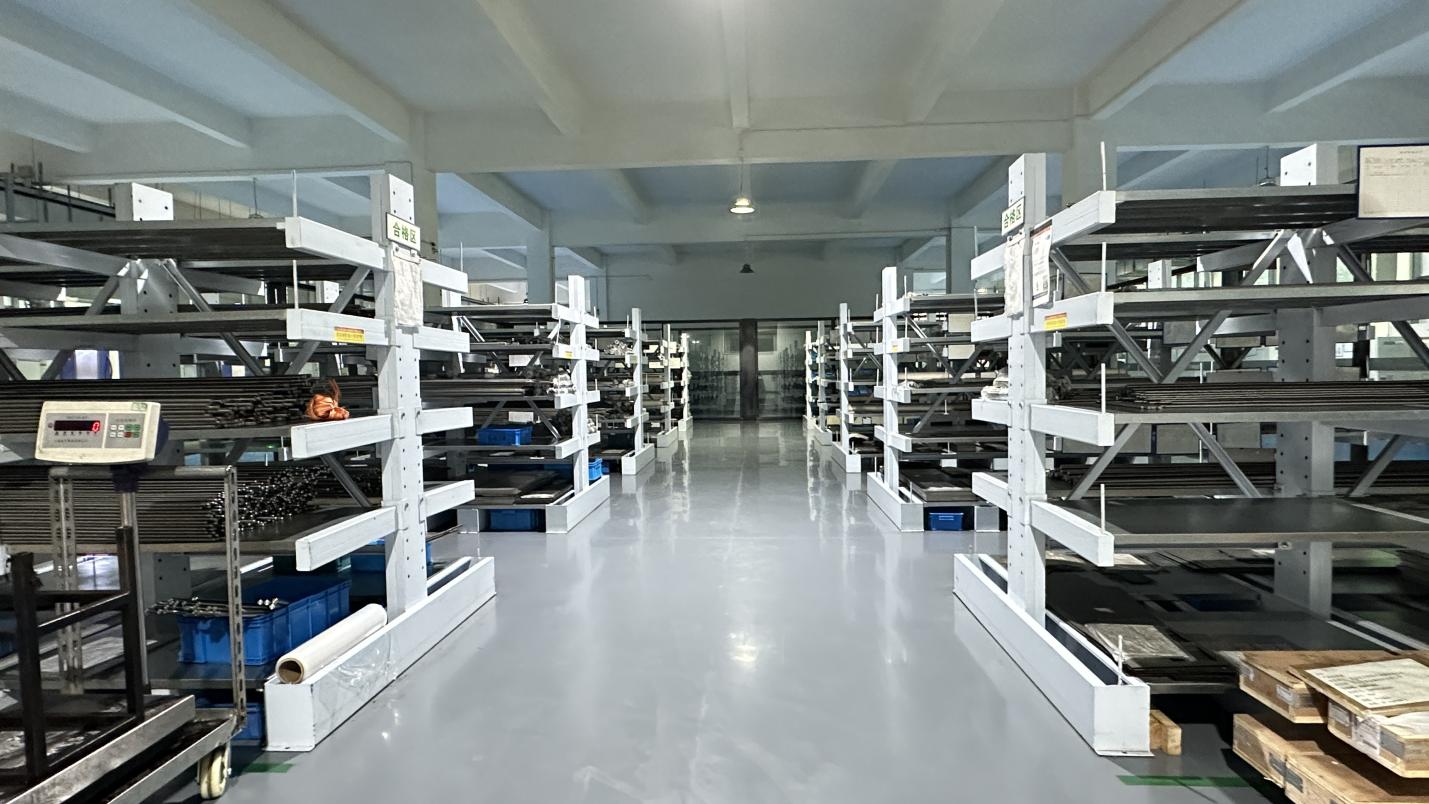
A robust supply infrastructure engineered for quality stability and on-time global logistics.
Ensuring optimal osteosynthesis through clinical design, metallurgy controls, and biomechanical parameters.
We source medical-grade Titanium Alloy (Ti-6Al-4V ELI / ASTM F136) and Stainless Steel (316LVM / ASTM F138) to guarantee biocompatibility. Our alloys feature low interstitial elements (ELI) for enhanced fracture toughness and superior fatigue resistance under variable loads.
Applying electrochemical surface modifications, including Type II and Type III titanium anodization. This creates a bio-inert oxide layer that minimizes ion leakage, increases wear resistance, and allows for color-coding of screw diameters for swift surgical identification.
Our plate geometries incorporate specialized combination dynamic compression holes (Combi-Holes). They give surgeons the option to compress bone fragments statically using standard cortical screws or stabilize them angularly using locking screws within a single construct.
From medical CAD designs to regulatory-ready packaging, we translate clinical concepts into market-ready implants.
Our engineering team works closely with consulting orthopedic surgeons and bioengineers. Using 3D computer modeling, we execute detailed Finite Element Analysis (FEA). This process simulates implant performance, predicts stress-shielding regions, and optimizes structural profiles before manufacturing prototypes.
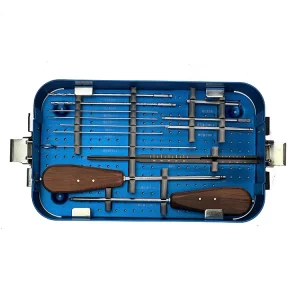
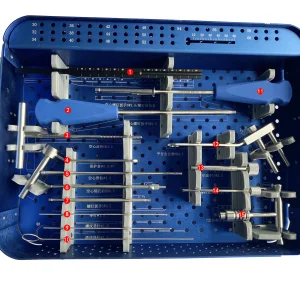
Our OEM/ODM solutions extend beyond single implants. We develop complete surgical instrument sets, including drill guides, customized aiming devices, depth gauges, torque limiters, and trials. This ensures the implants pair correctly with their corresponding instruments during surgery.
Leveraging patient-specific CT datasets, we design anatomically pre-contoured plates. This reduces the need for intraoperative plate bending, preserves the periosteum, and decreases OR time. These designs are highly beneficial in complex reconstructive procedures and pediatric osteotomies.
We provide medical devices that comply with FDA Unique Device Identification (UDI) regulations, featuring durable laser-etched matrix barcodes. Implants are packaged in ISO Class 7 cleanrooms using validated thermoformed blister trays, maintaining high sterility assurance levels (SAL 10^-6).
Every step in our fabrication facility is monitored by a team of 35 QC specialists, ensuring complete material traceability.
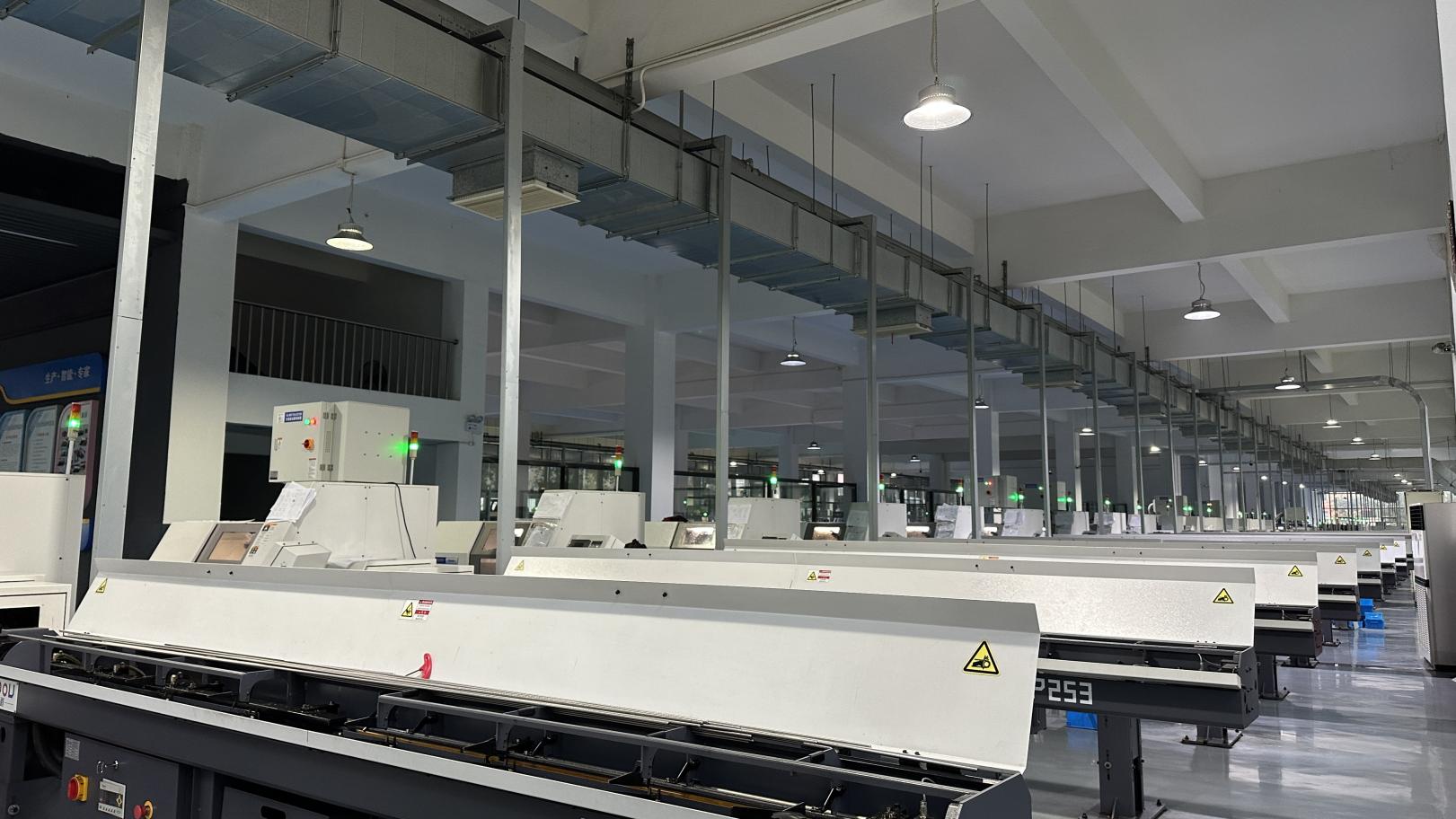
Incoming verification of titanium bars & plates using spectral analysis to ensure correct chemical composition.
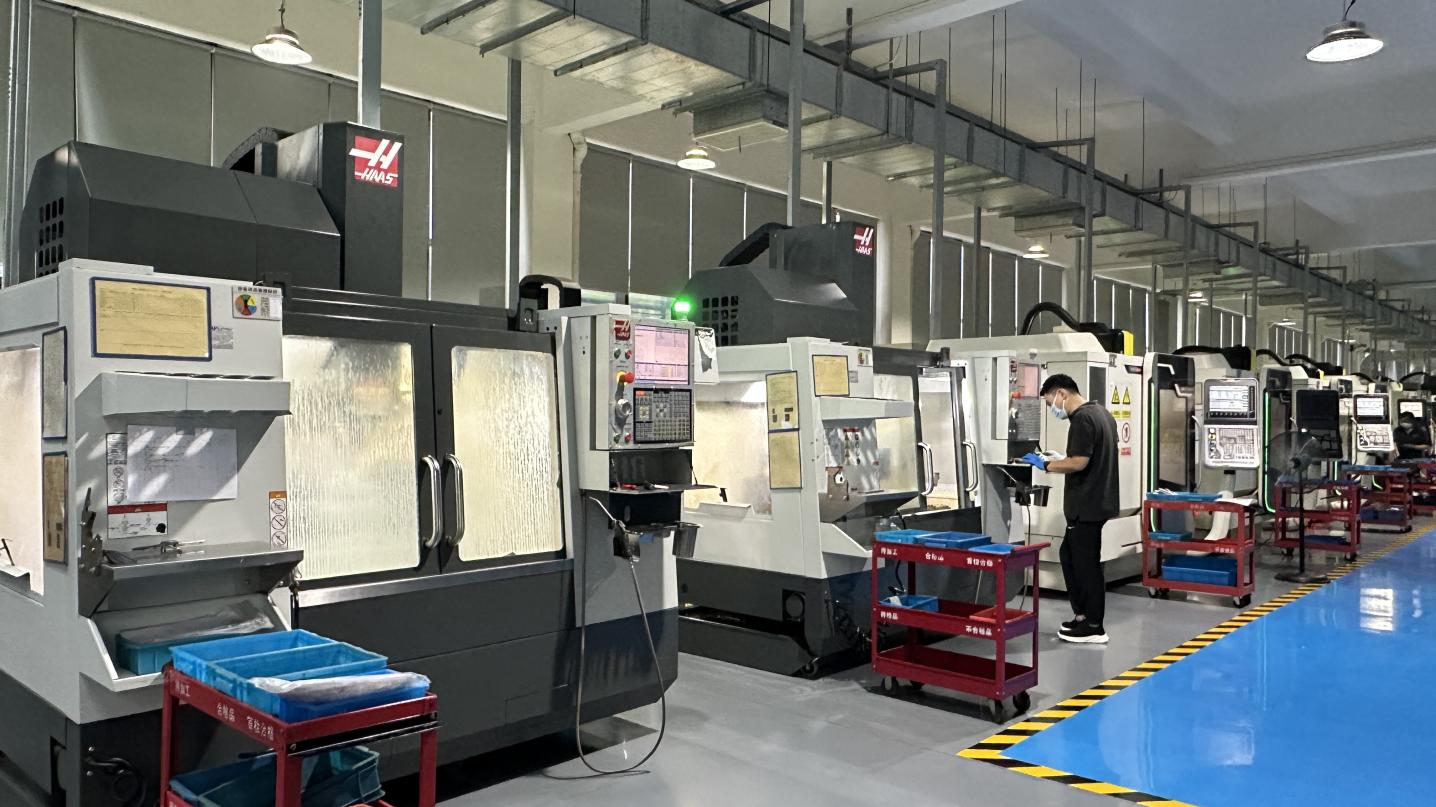
Heavy-duty slitting and sectioning of medical alloy rods to exact sizes for the machining queue.
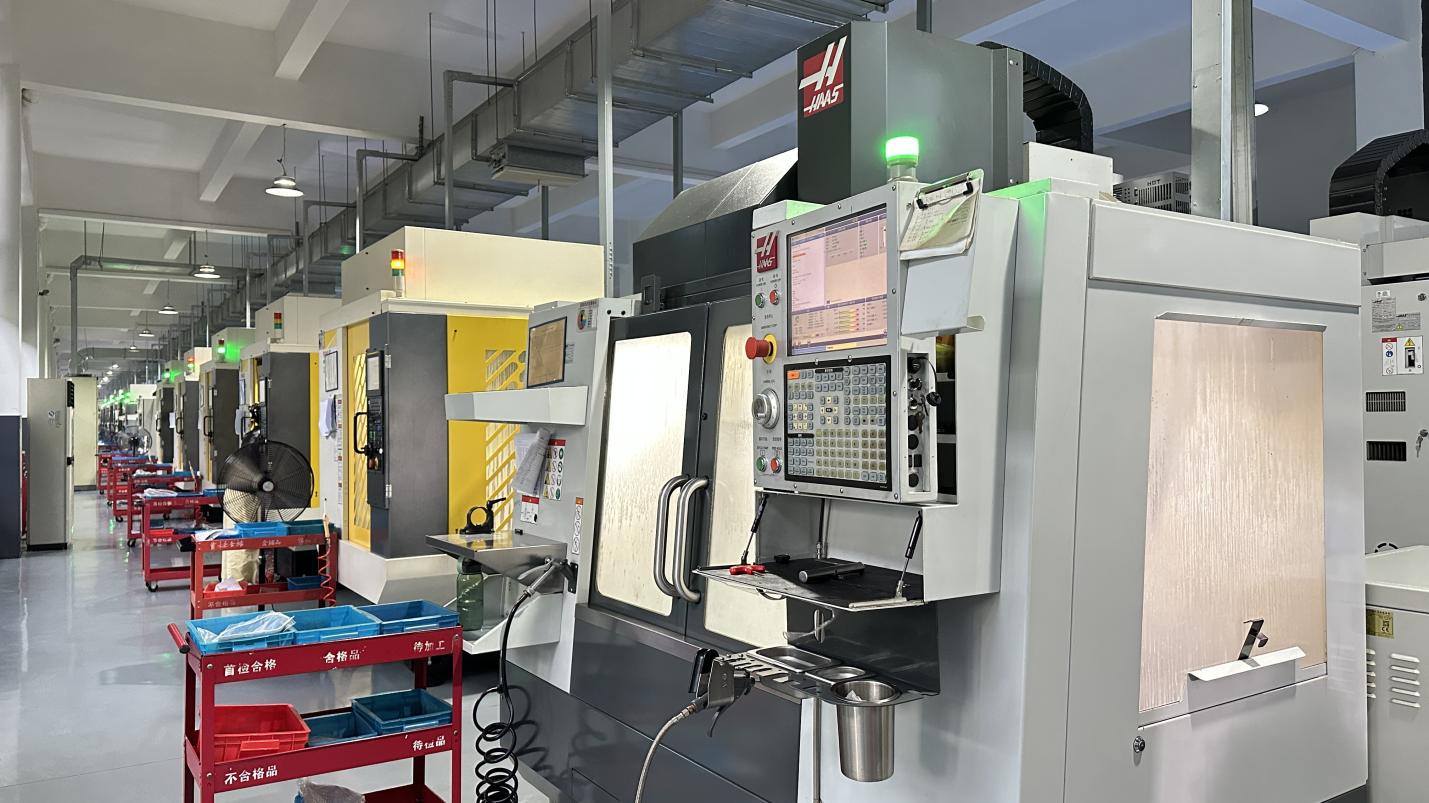
Precise slicing of plate profile blocks, maintaining material integrity and avoiding structural micro-fractures.
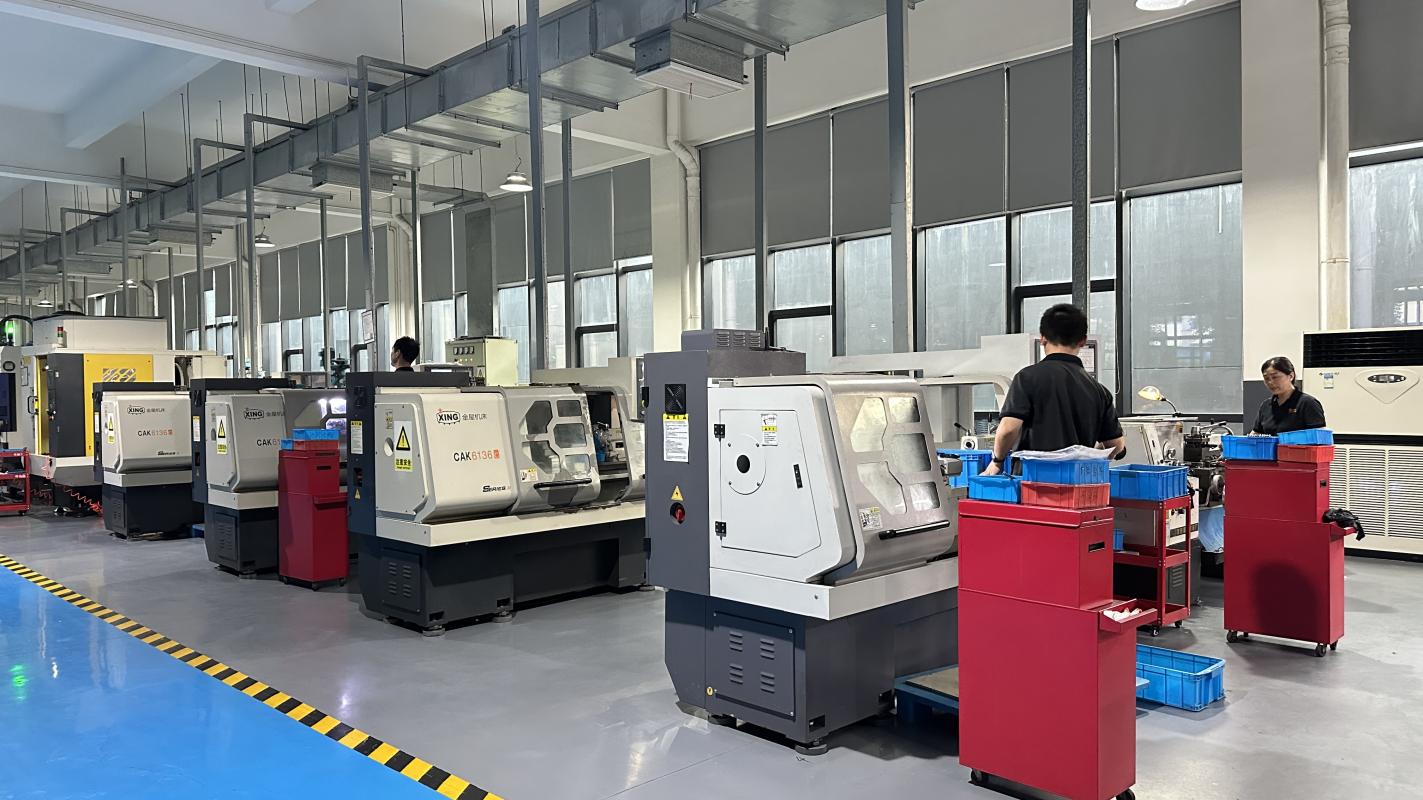
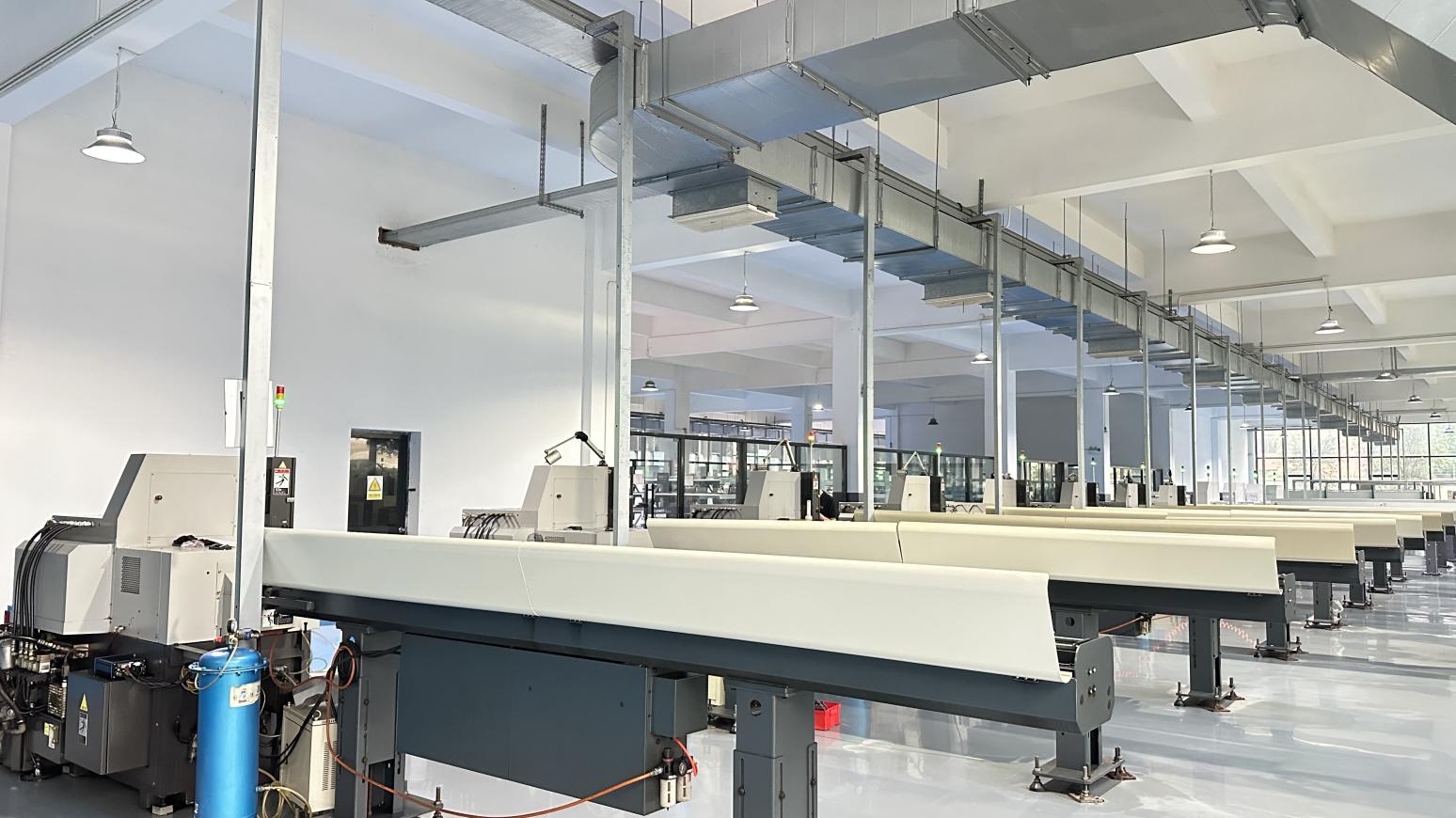
Multi-axis milling machines carving anatomically contoured bone plate shapes with micro-millimeter precision.
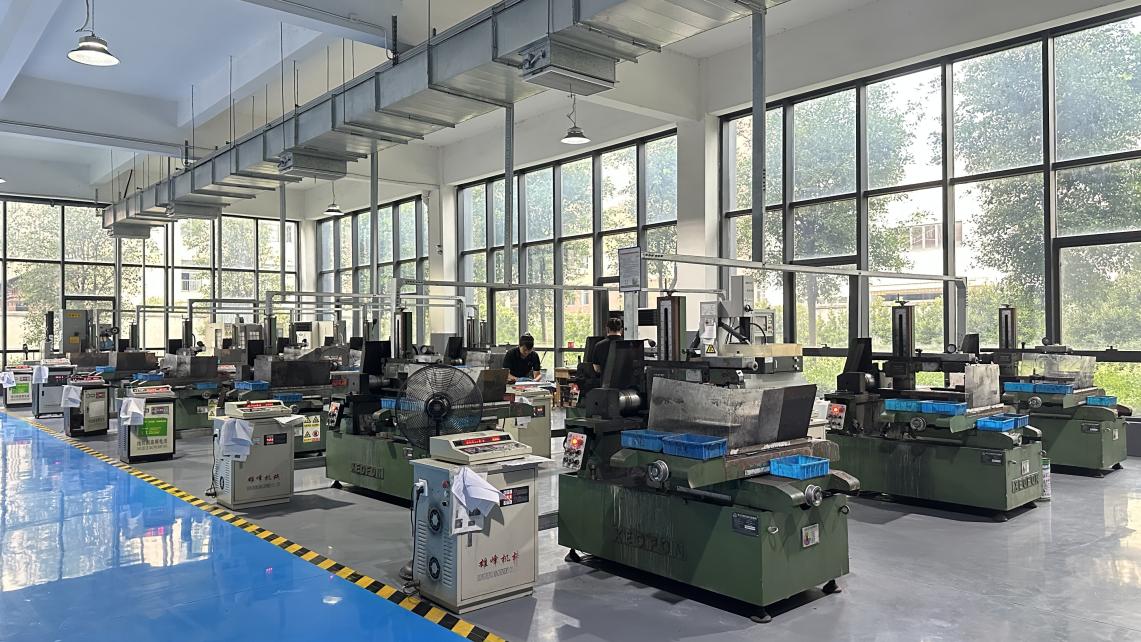
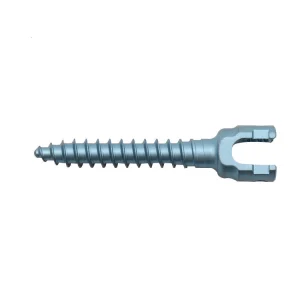
Ultra-precise lathe turning of orthopedic locking and cortical screw threads, ensuring consistent thread pitch.
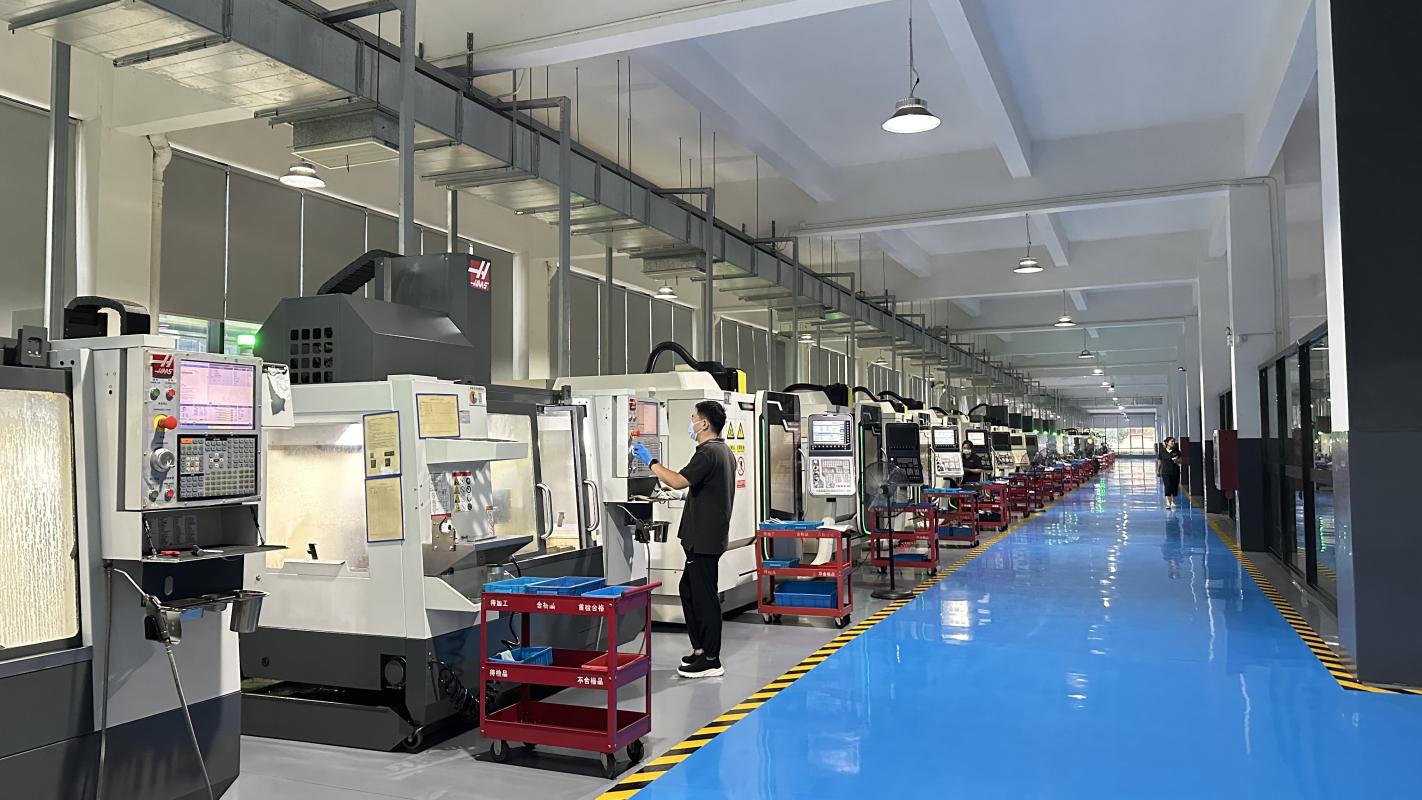
Machining bone plate surfaces to achieve a smooth finish, reducing dynamic stress points.
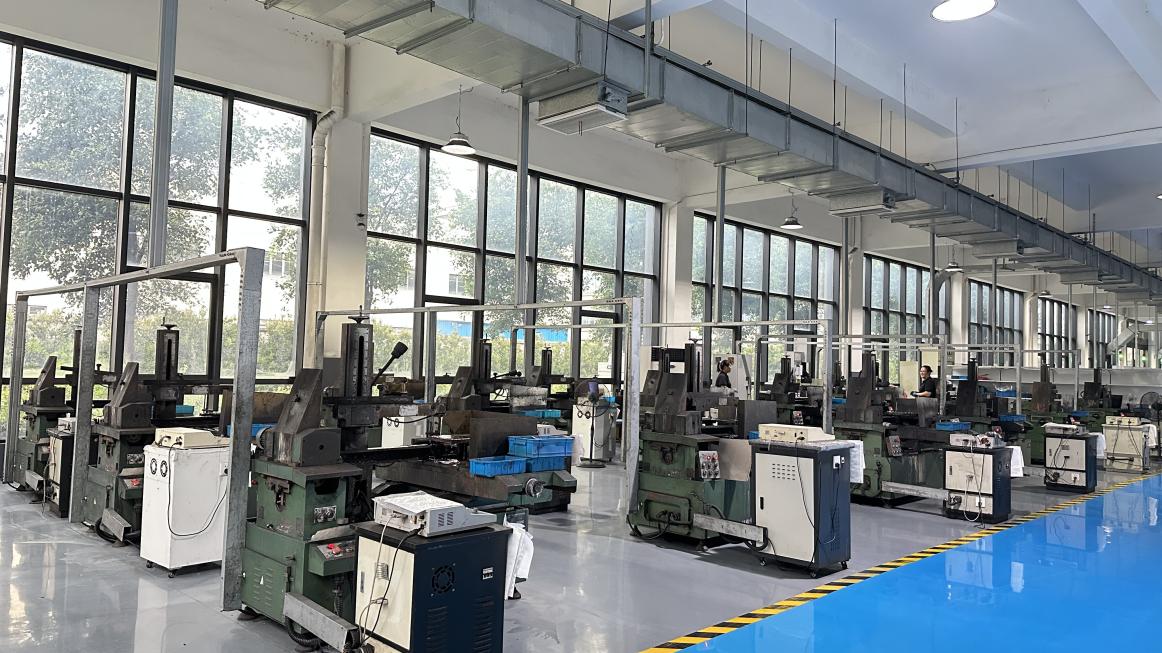
Secondary machining and deburring stages to smooth plate edges and prevent vascular tissue irritation.
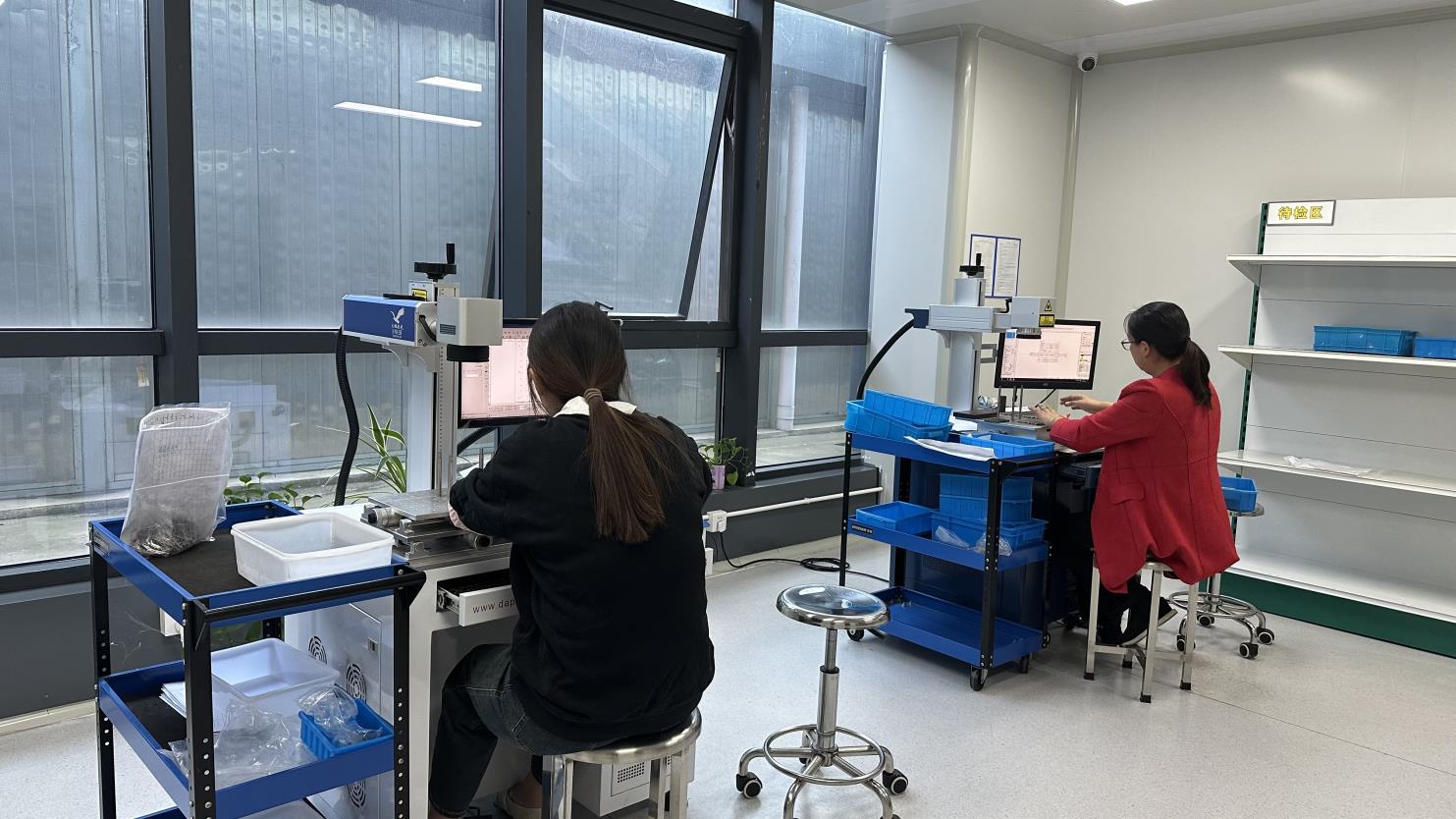
High-precision electrical discharge wire-cut machines forming complex locking tab features.
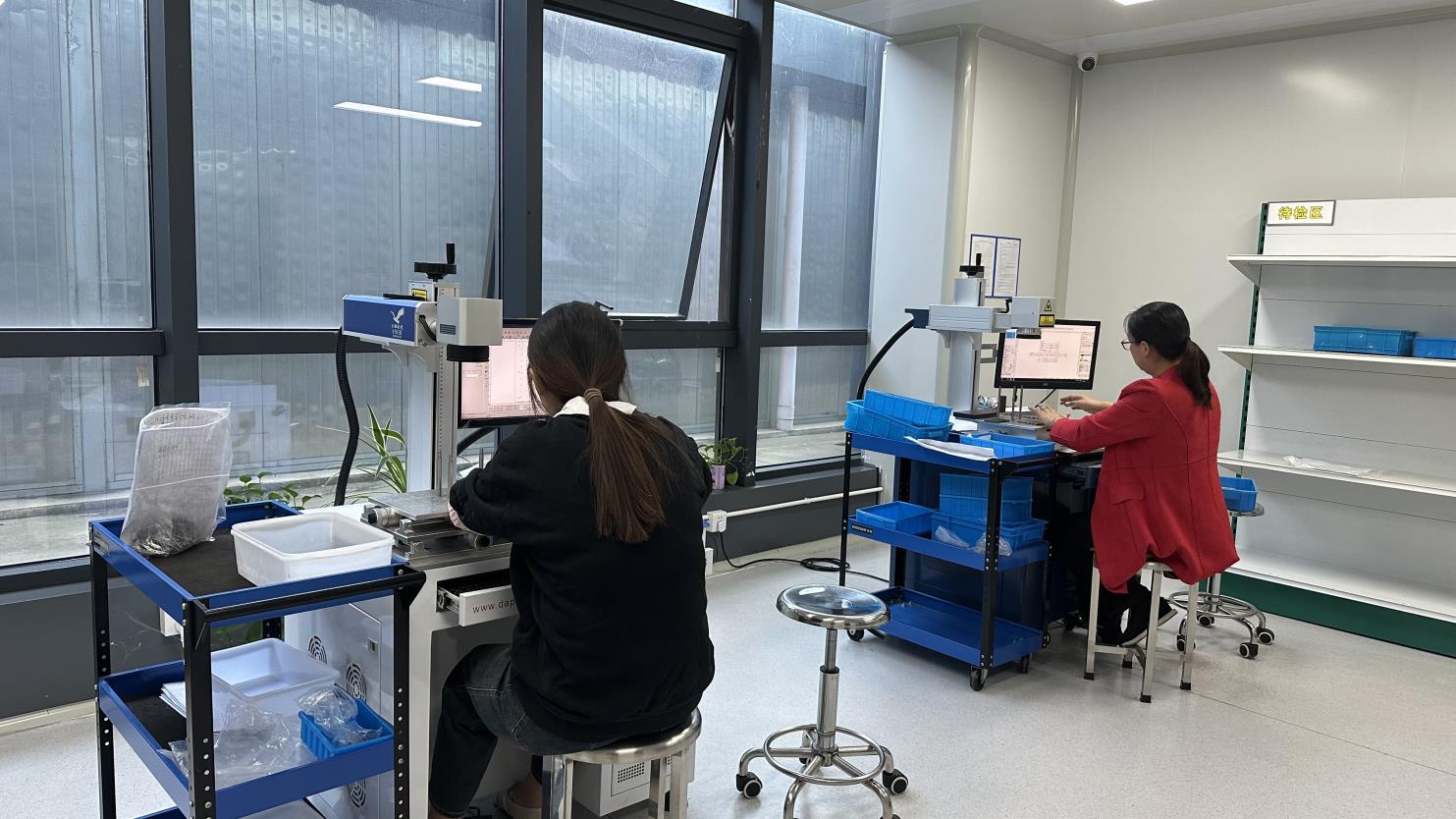
Executing thin structural slots and surgical pathways for specialized reconstruction designs.
Automated fiber laser system etching UDI barcodes and batch numbers directly onto implants.
Durable markings ensure visibility during revision surgeries and maintain clear records for tracing.
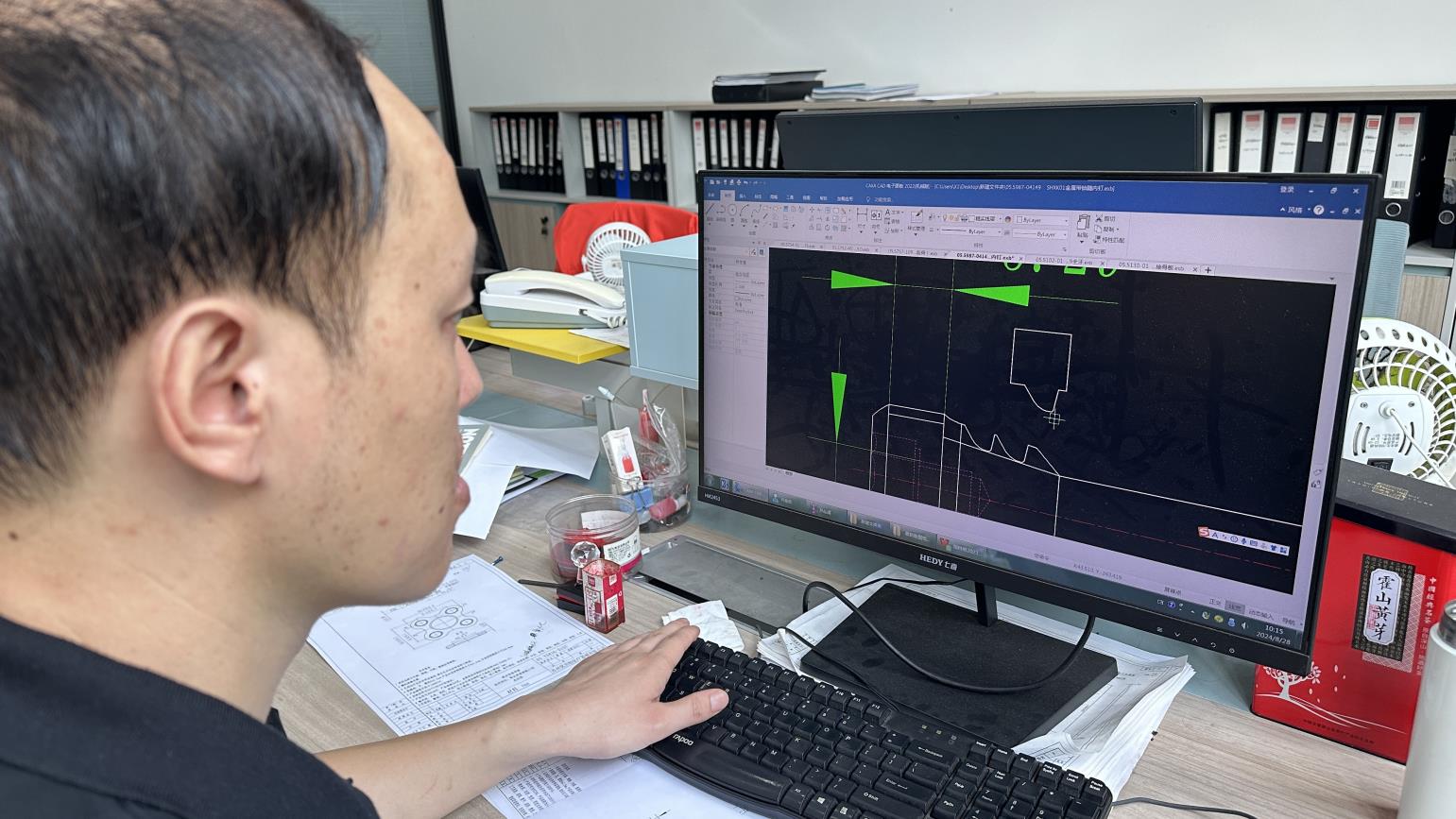
Cross-referencing finished batches with initial design parameters using advanced CAD modeling tools.
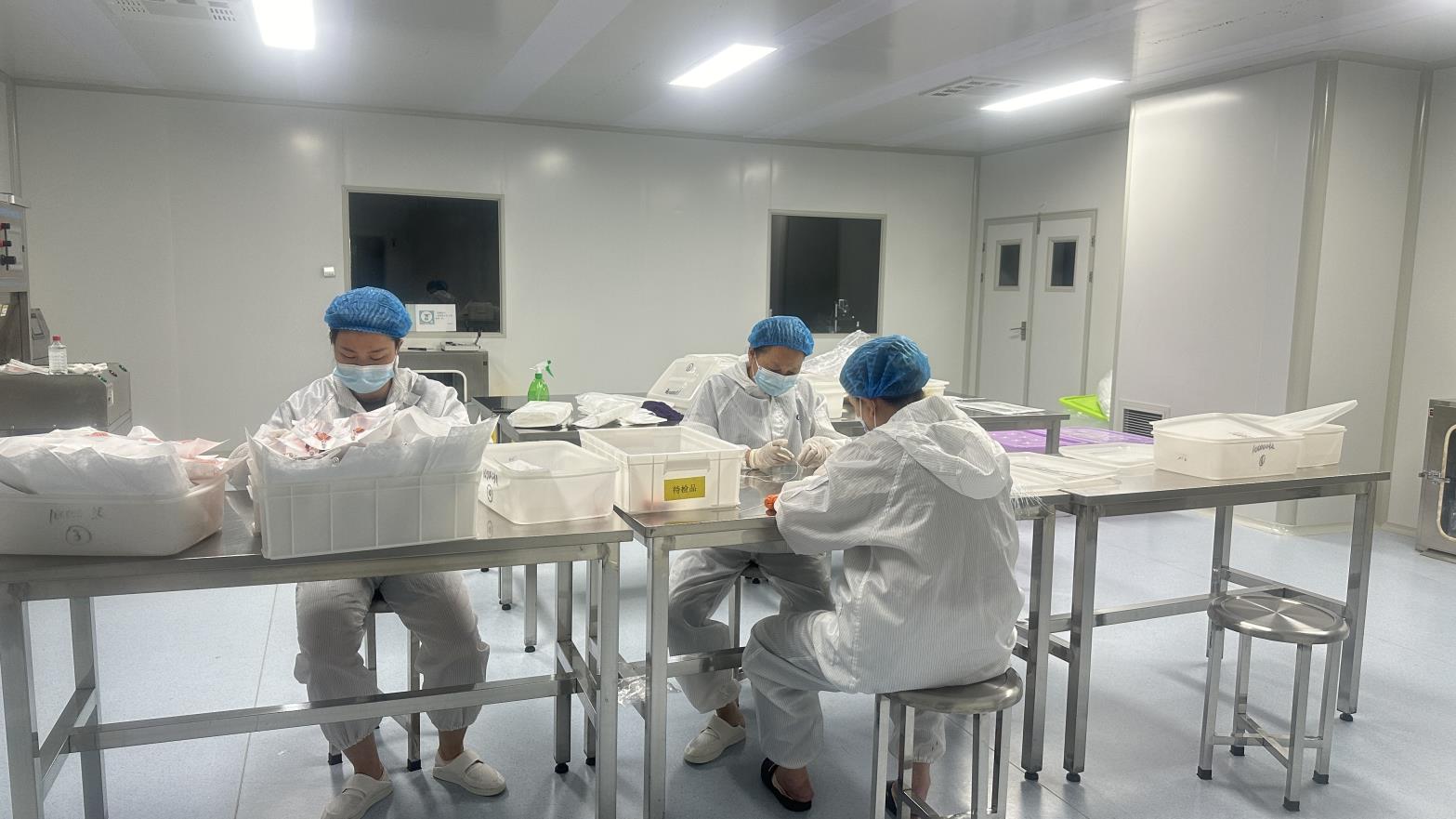
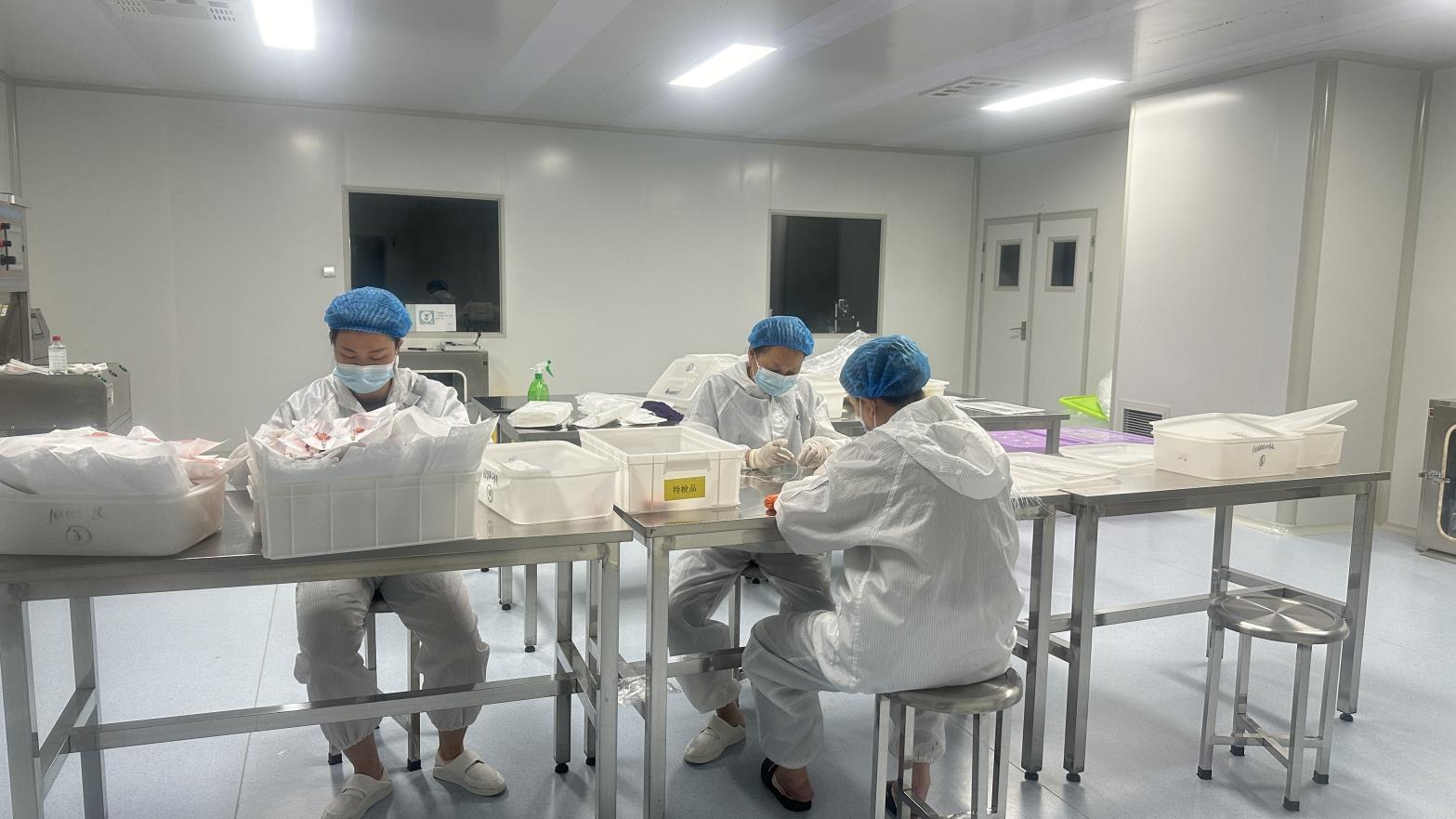
Dimensional and micro-crack inspections, followed by cleanroom packaging in double-barrier peelable pouches.
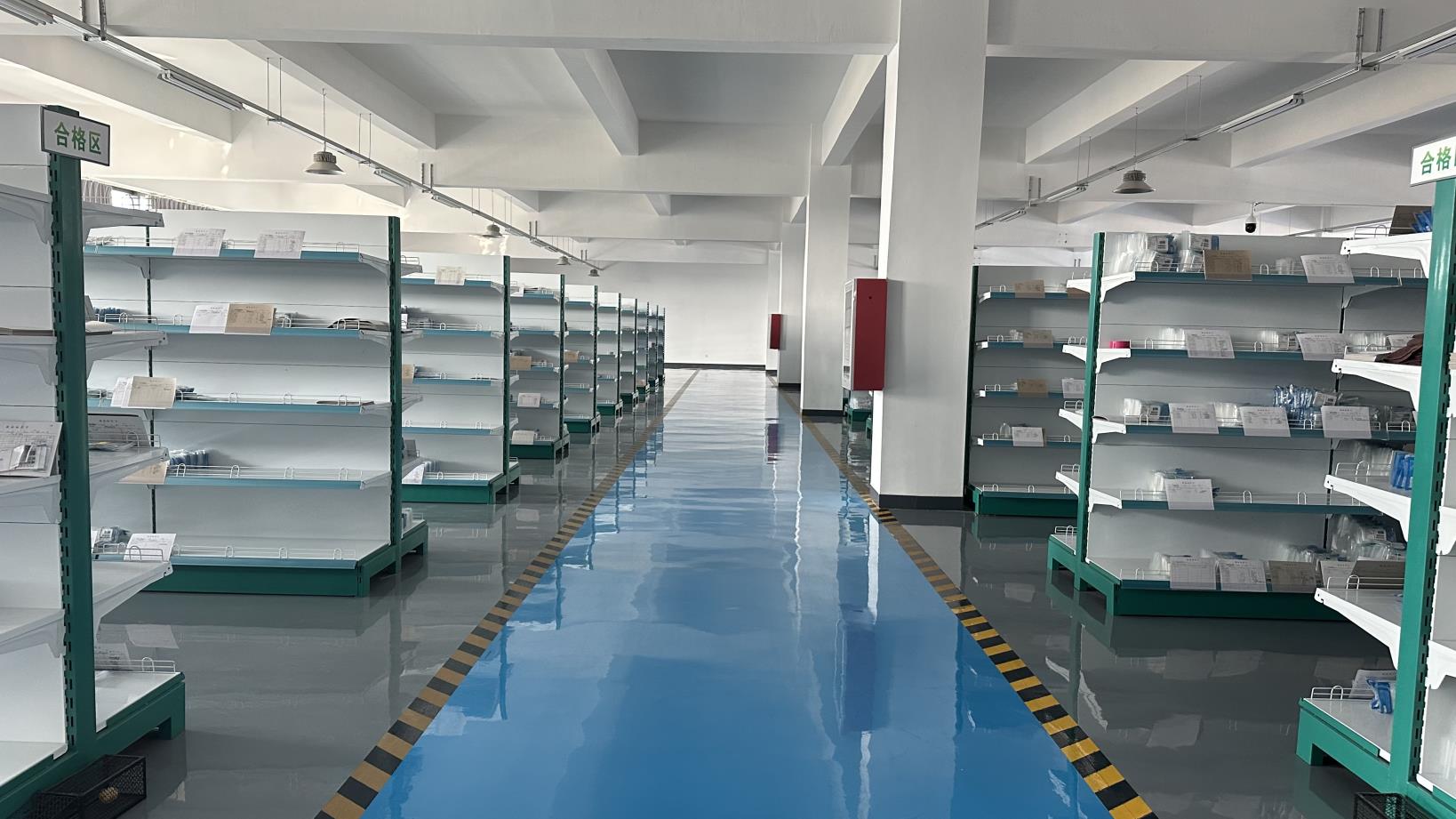
Secure holding bay for sterilized batches, ready for logistics dispatch and immediate worldwide shipping.
How our manufacturing infrastructure helps global distributors reduce operational risks and manage procurement costs.
Bonevia leverages its location in China's advanced medical manufacturing hubs. This provides access to certified titanium suppliers, heat-treatment facilities, and specialized surface treatment plants. Proximity to these resources allows us to offer cost-competitive manufacturing while meeting international quality standards.
We apply rigorous verification protocols (Installation, Operational, and Performance Qualification) to all CNC tools and processes. Our engineering teams perform automated CMM coordinate inspection, optical microscopy profile analysis, and routine mechanical testing, including torque and pull-out tests.
We assist our partners with local health registrations, including FDA 510(k), CE MDR Class III, and country-specific filings. We provide complete technical files, biocompatibility reports (ISO 10993), sterilization validation data (ISO 11137), and raw material certificates to support compliance.
Supporting diverse orthopedic applications, from specialized human trauma surgeries to veterinary procedures.
Our dynamic locking plates and cannulated screws are used in trauma surgery to treat proximal femur fractures, distal radius fractures, and clavicle breaks. They provide the necessary stability to facilitate primary bone healing and early patient mobilization.
We manufacture a specialized line of micro-locking plates, distal femoral plates, and surgical saws for small animal procedures. These systems are designed to fit the unique anatomy of dogs, cats, and small animals, supporting veterinary clinics worldwide.
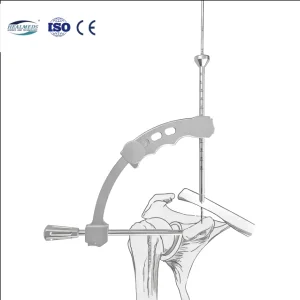
Providing specialized solutions like aiming guides and reconstruction devices for AC joint repairs and ligament reconstruction. These products help restore natural biomechanics and promote tendon-to-bone integration in active patients.
Key advancements shaping the design and manufacturing of modern orthopedic implants.
The industry is transitioning toward biodegradable alloys (like magnesium and zinc) for temporary fixation. These materials slowly dissolve as the bone heals, eliminating the need for a second surgery to remove the hardware and reducing long-term clinical risks.
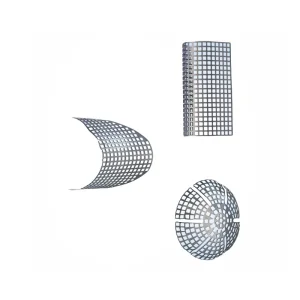
Additive manufacturing enables the production of porous titanium mesh structures. These structures mimic the mechanical properties of trabecular bone, helping to prevent stress shielding and encouraging direct bone ingrowth for long-term stability.
To reduce the risk of implant-associated infections, manufacturers are developing active surface coatings, such as silver nanoparticles and copper-infused oxide layers. These coatings inhibit bacterial colonization without affecting osseointegration.
Answers to technical, regulatory, and logistics questions commonly asked by our procurement partners.
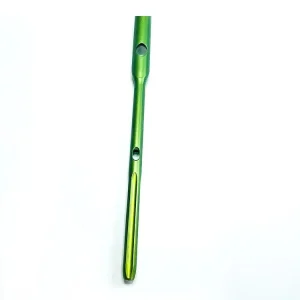
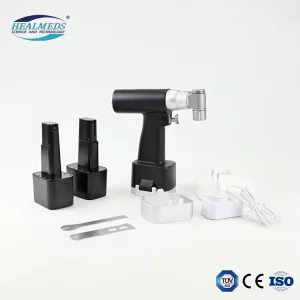
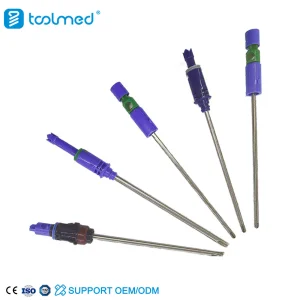
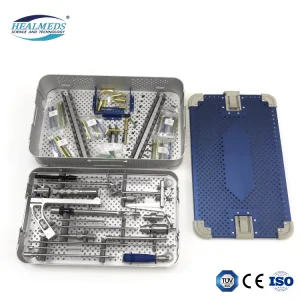
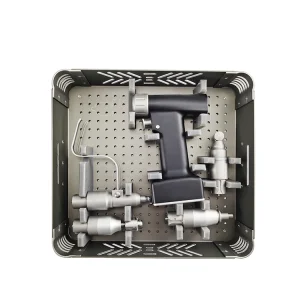
Browse our selection of specialized implants, orthopedic power tools, and instrument kits for joint and spinal surgeries.