Bonevia
Bonevia
Bonevia
Explore our foundational range of surgical devices, traumatology solutions, and implant assemblies engineered to global medical regulations.
Over the past few decades, total hip arthroplasty (THA) has evolved into one of the most successful surgical procedures globally. However, the lifespan of orthopedic implants is highly dependent on the wear rate of their articulating bearing interfaces. Historically, metal-on-polyethylene pairings were the standard, but the wear debris generated by polyethylene particles often triggered osteolysis, leading to premature implant loosening and revision surgery.
The introduction of high-performance ceramic hip heads has revolutionized this field. Using advanced ceramics such as Zirconia Toughened Alumina (ZTA), modern bearing surfaces offer extreme hardness, superior wettability, and chemical inertness. The result is an exceptionally low coefficient of friction and a negligible wear rate, allowing orthopedic implants to withstand the dynamics of younger, more active patient profiles.
Our OEM/ODM manufacturing capability specializes in configuring these precise geometries, maintaining strict control over the microstructural density to eliminate risks of micro-separation and catastrophic component fracturing.
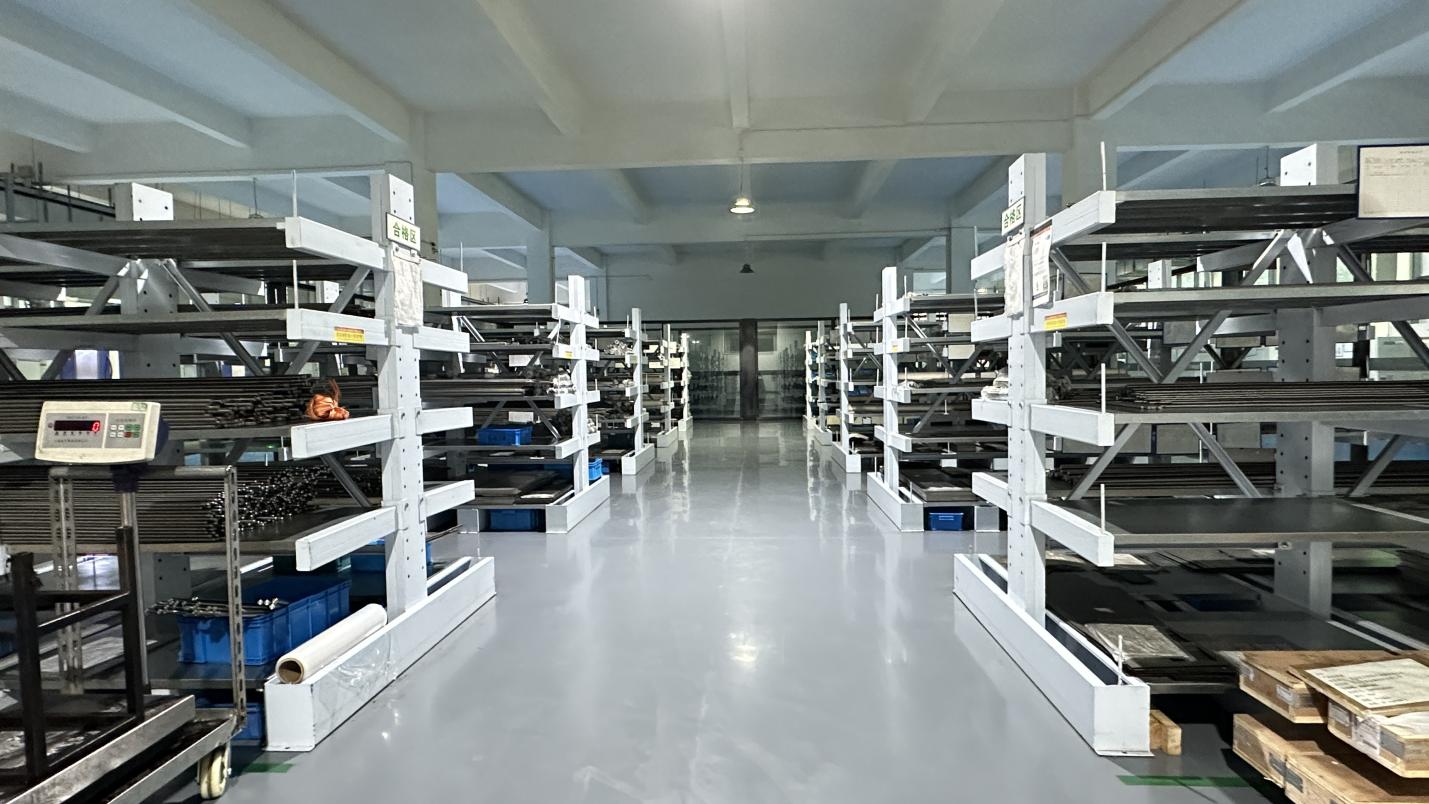
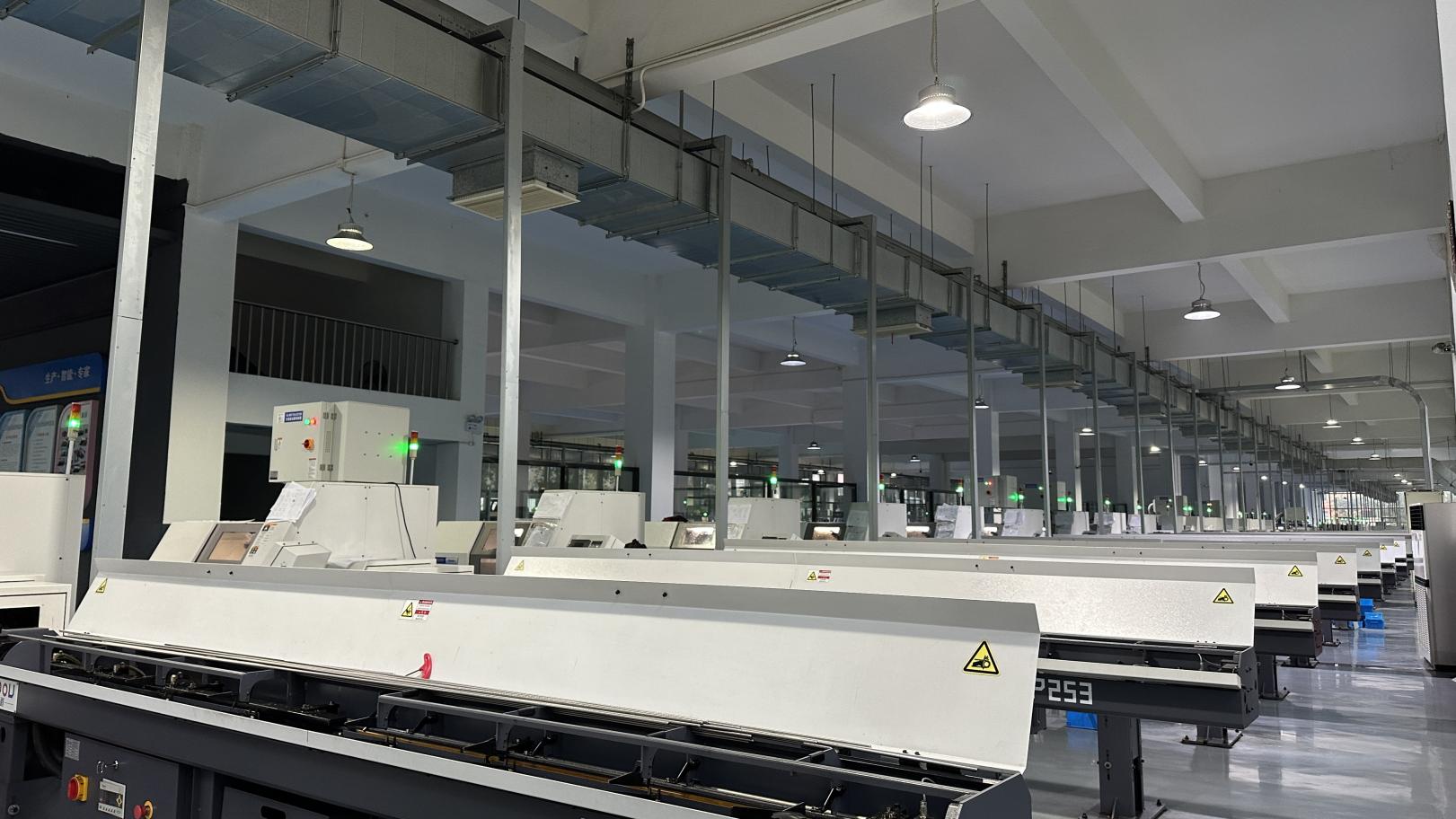
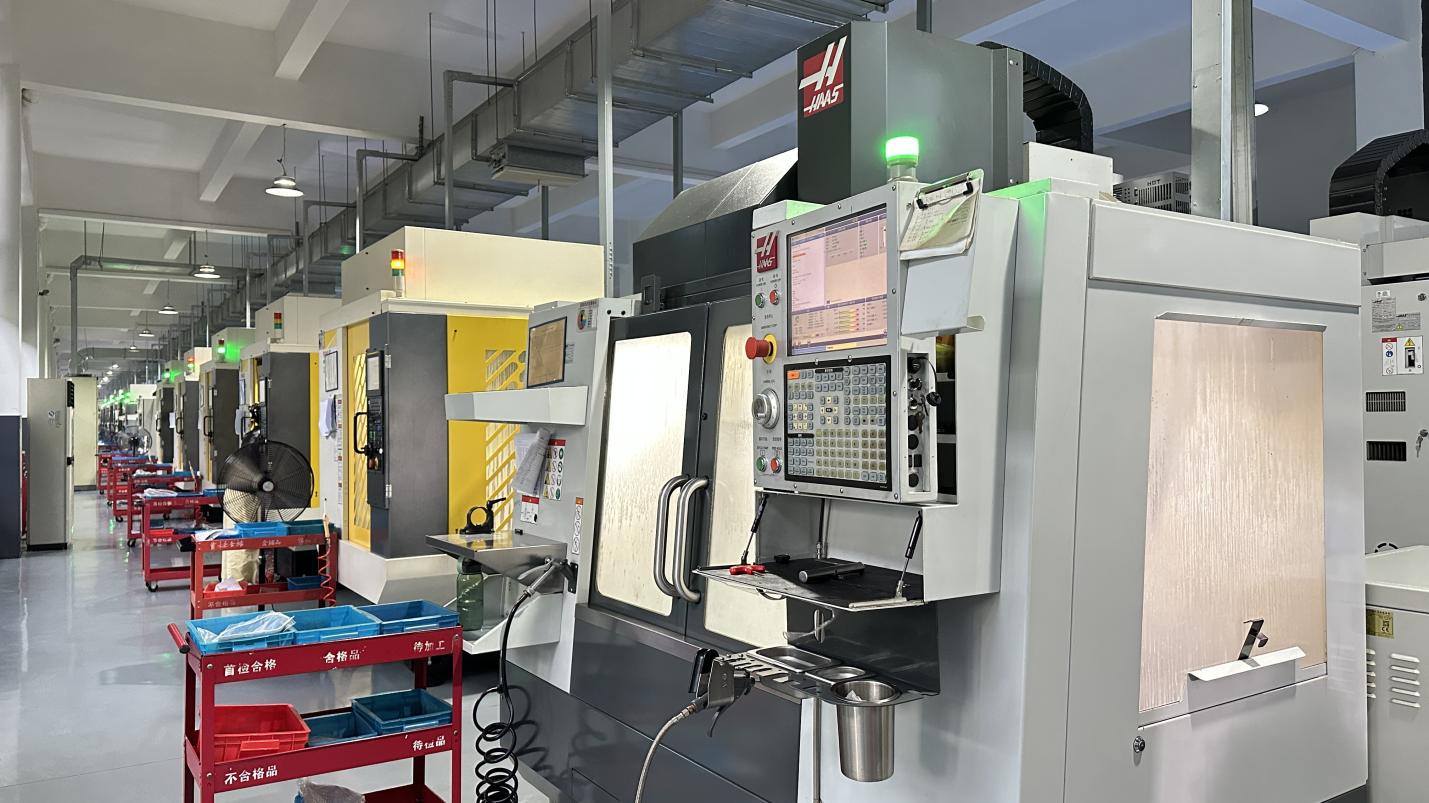
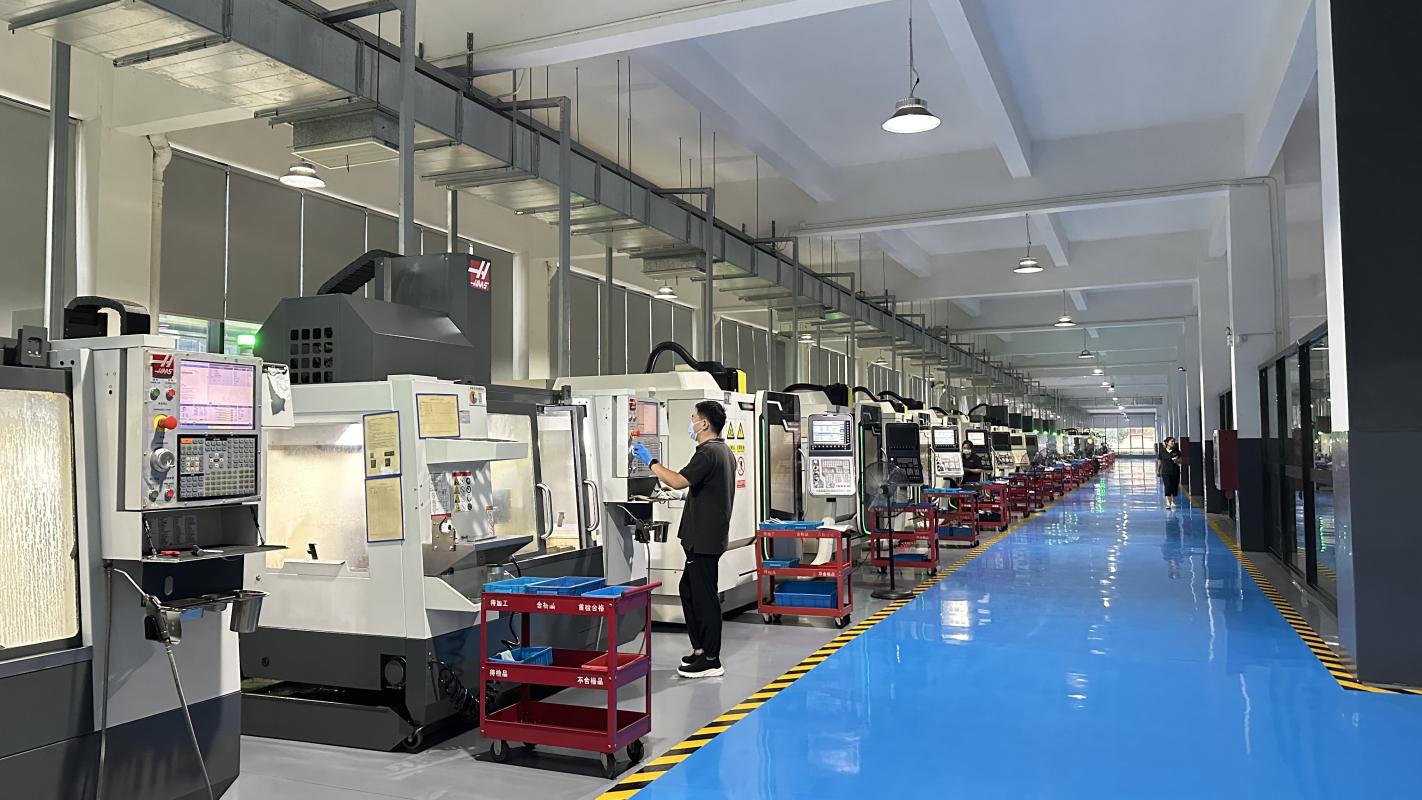
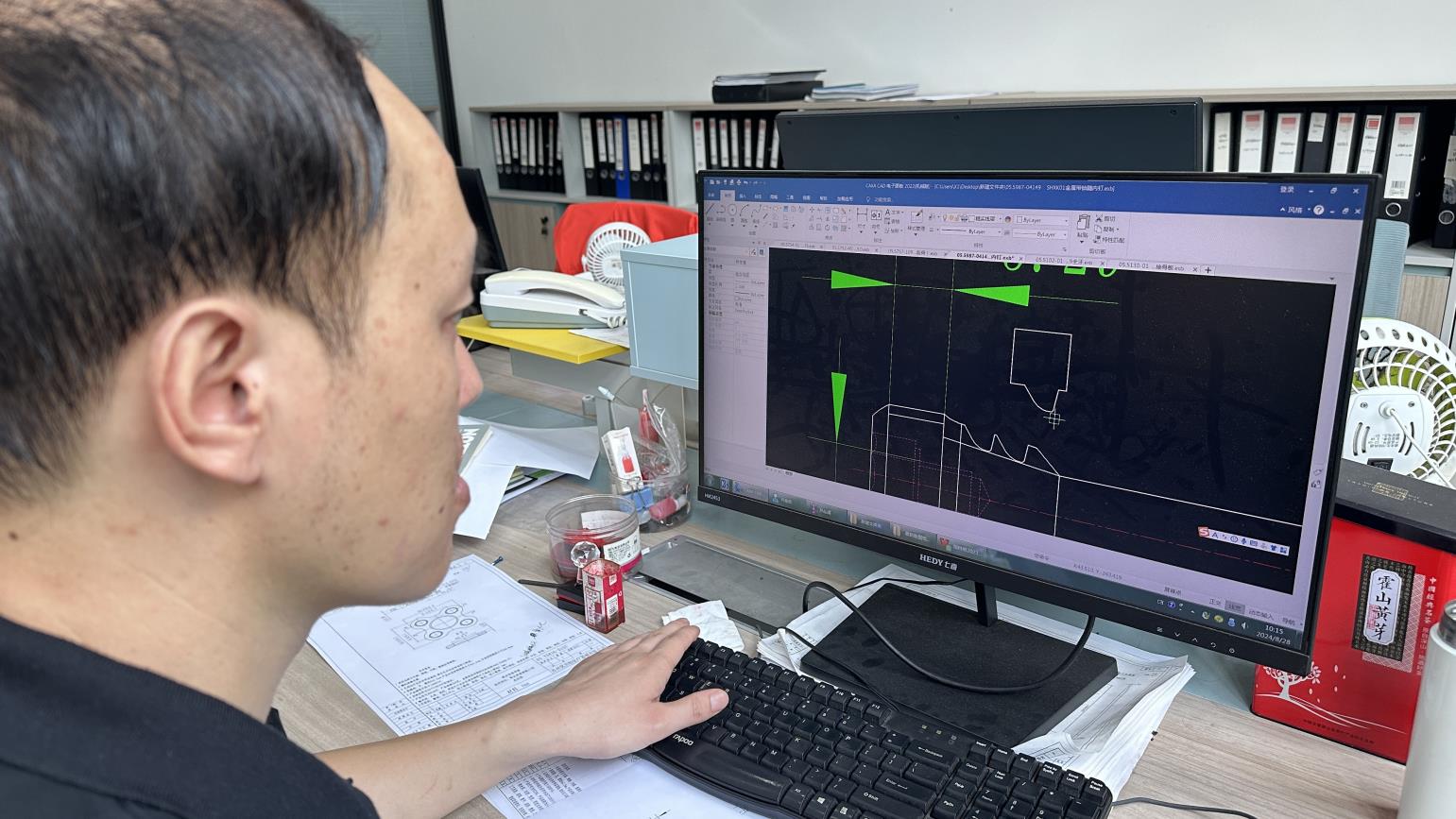
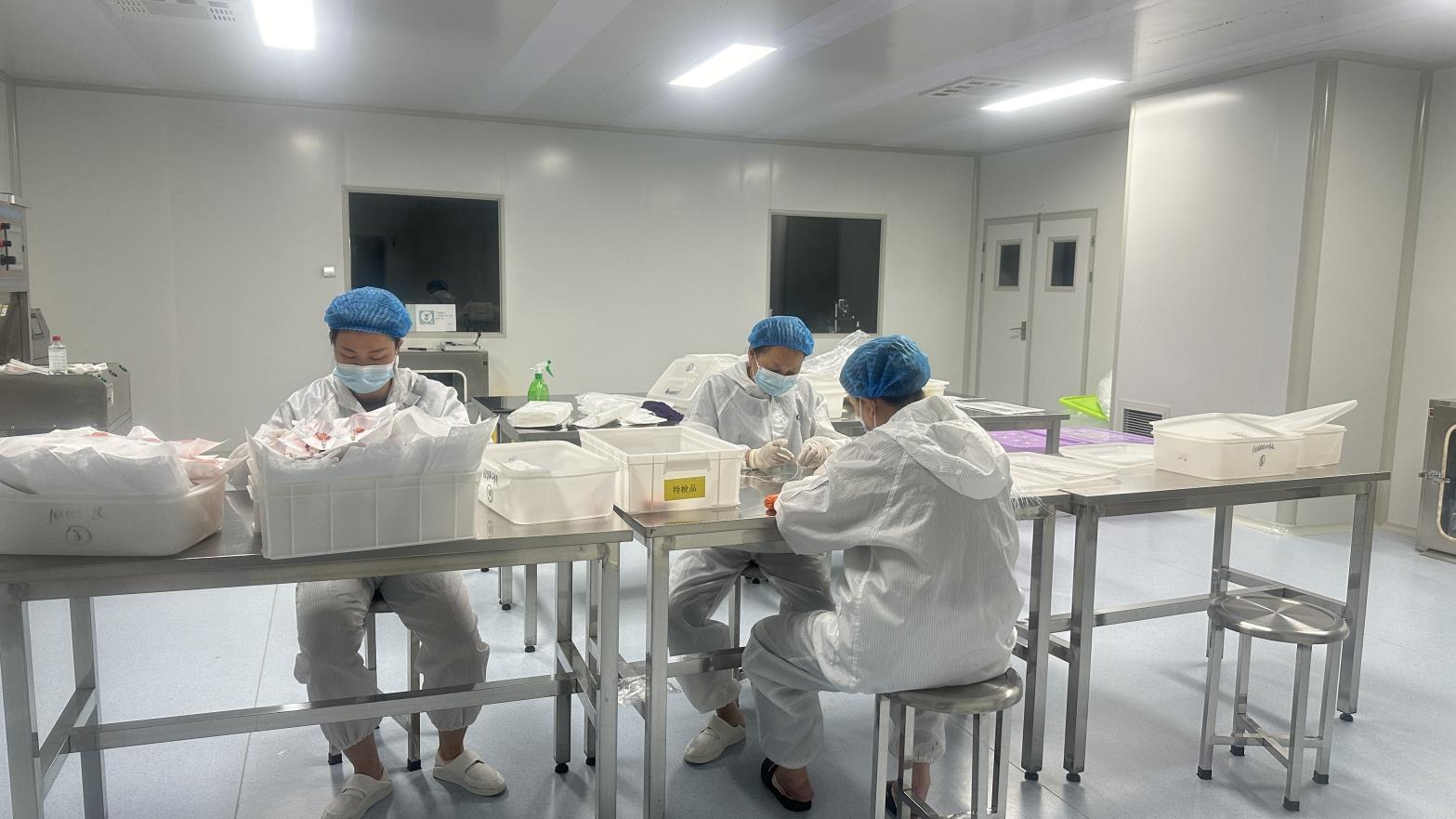
A comprehensive overview of our physical production workflow, implementing rigorous quality controls and specialized machining technologies to guarantee standard-setting component integrity.
Established in 2015, Bonevia Orthopedic Technology Co., Ltd. has developed into a reliable, quality-focused manufacturing hub in the global medical sector. Operating from a highly efficient production facility covering approximately 320㎡, we utilize sophisticated machinery designed to execute complex, close-tolerance fabrication profiles. Our export structure achieves an annual revenue of USD 8-15 million, backed by over 10 years of collective industry experience and 6 years of global export presence.
Our quality assurance framework is supported by a dedicated team of 35 quality control specialists who handle incoming materials inspection, in-process checking (IPQC), and comprehensive final product testing. With our powerful engineering group containing 85 dedicated professionals, we designed and rolled out 120 new products over the last fiscal year, allowing us to support custom OEM and ODM demands from orthopedic clinics, hospitals, and multinational medical device distributors globally.
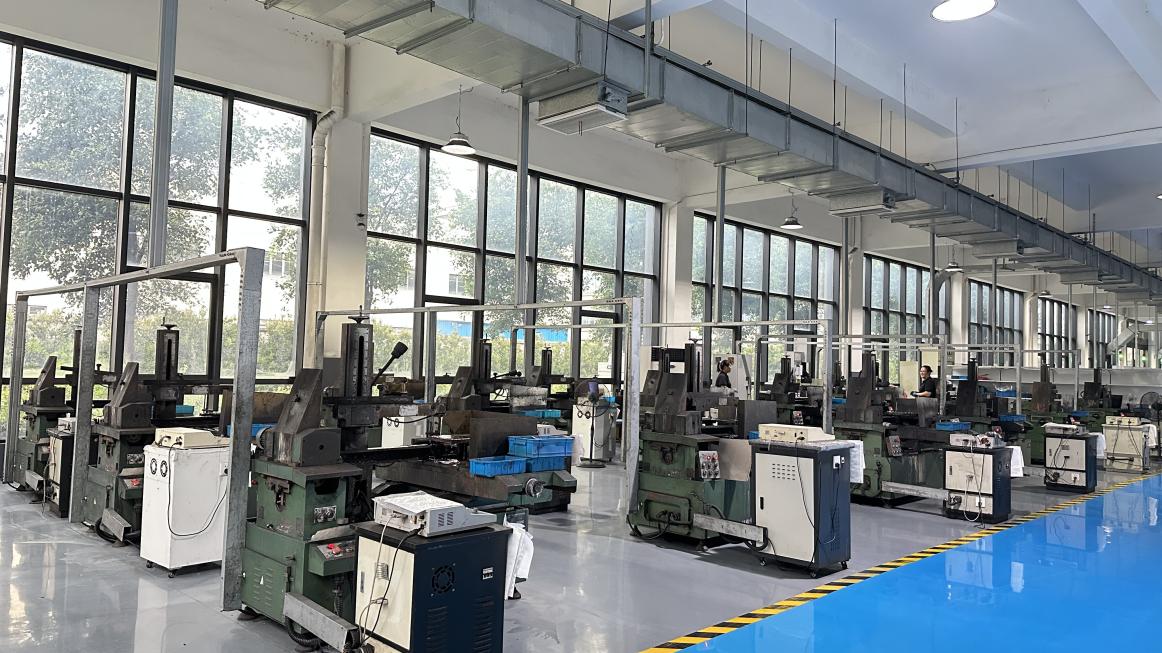
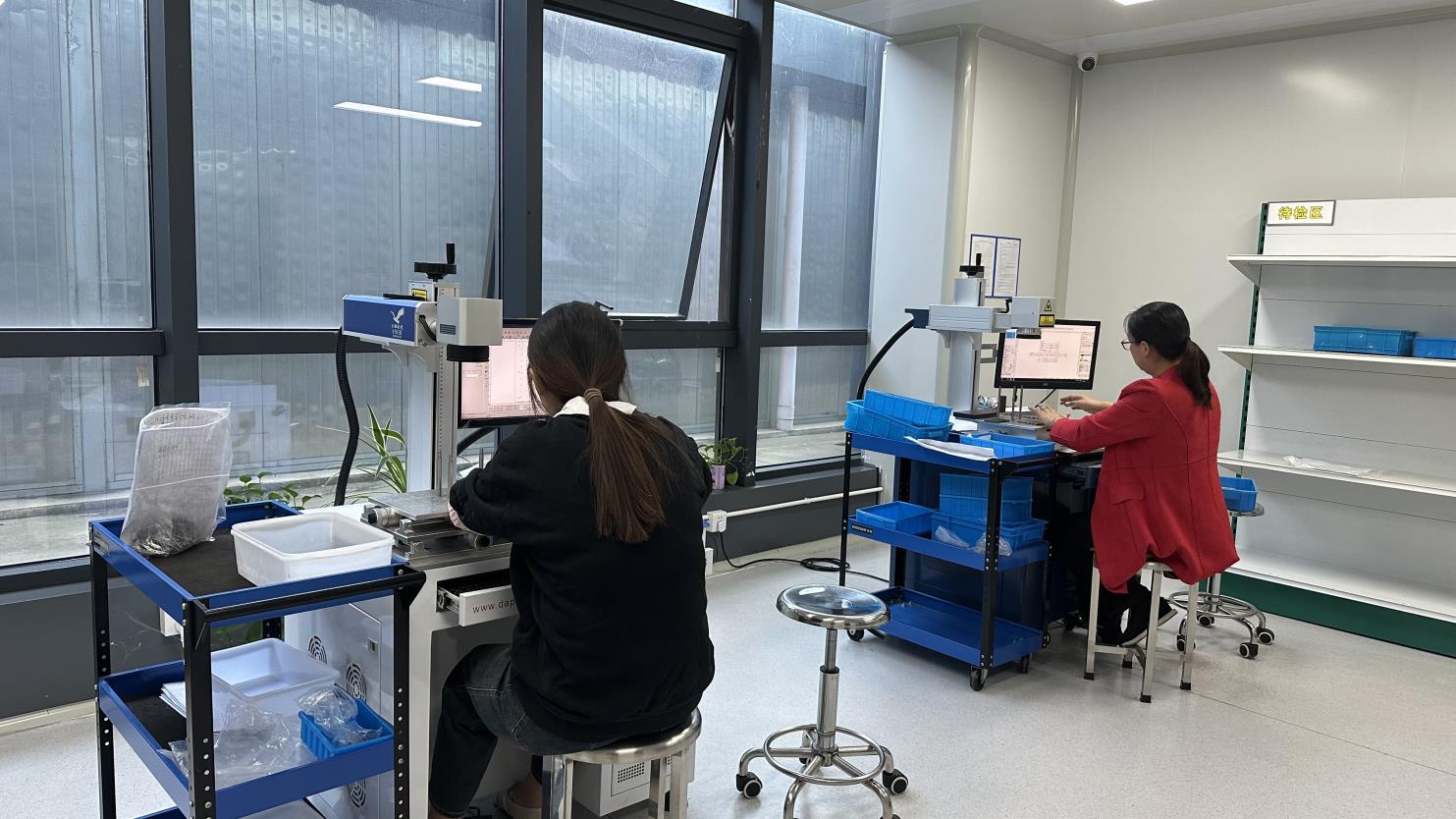
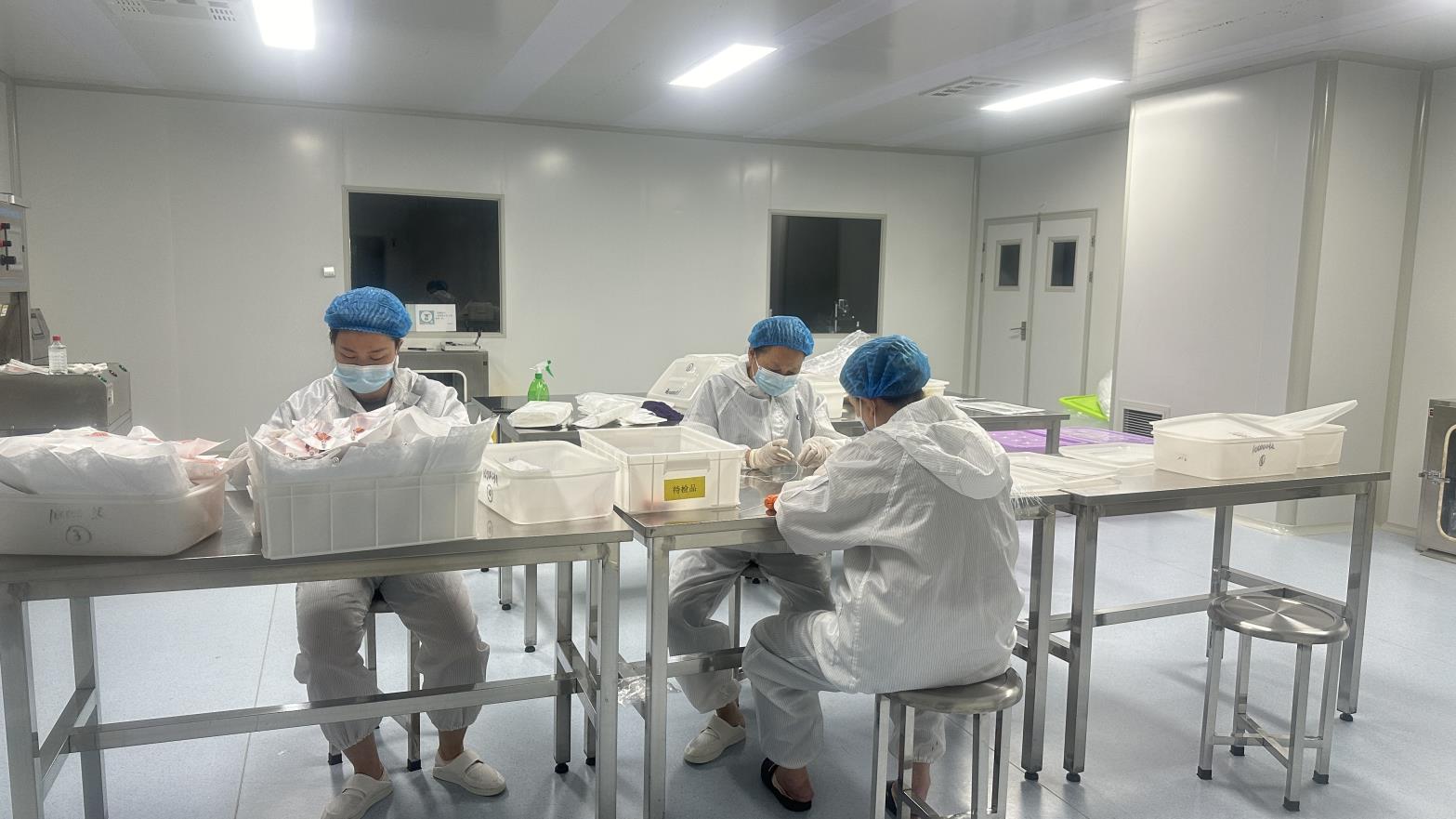

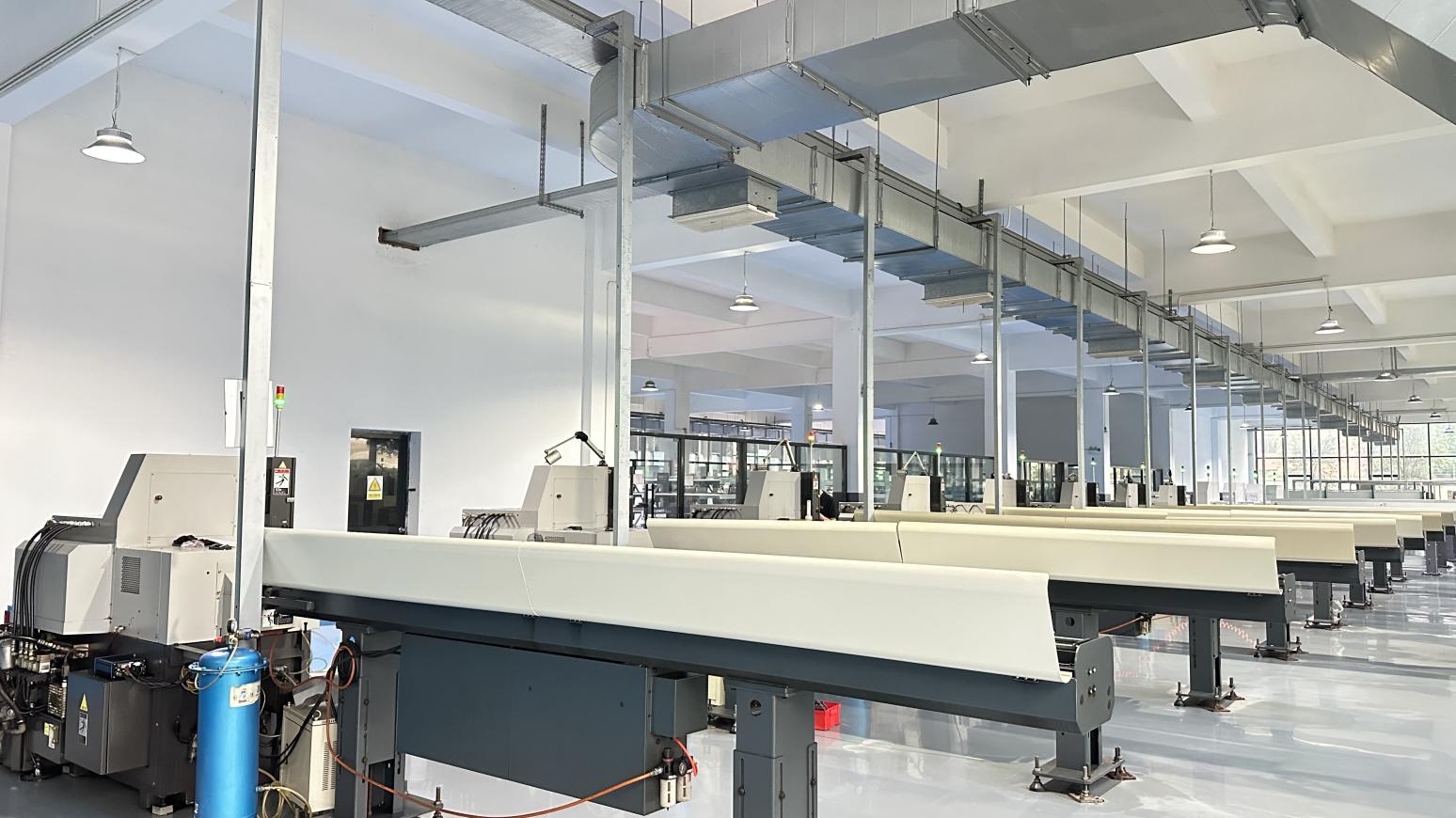
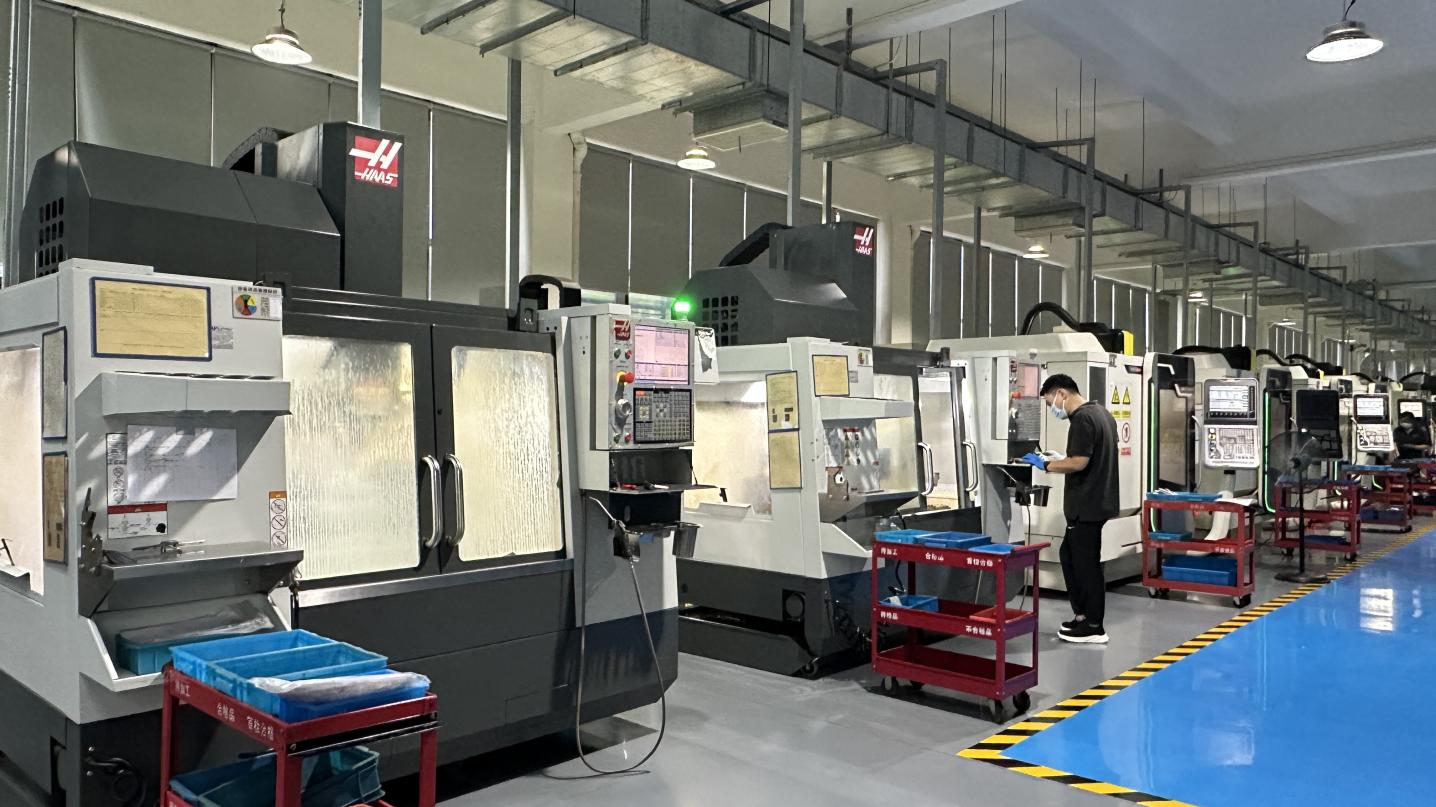
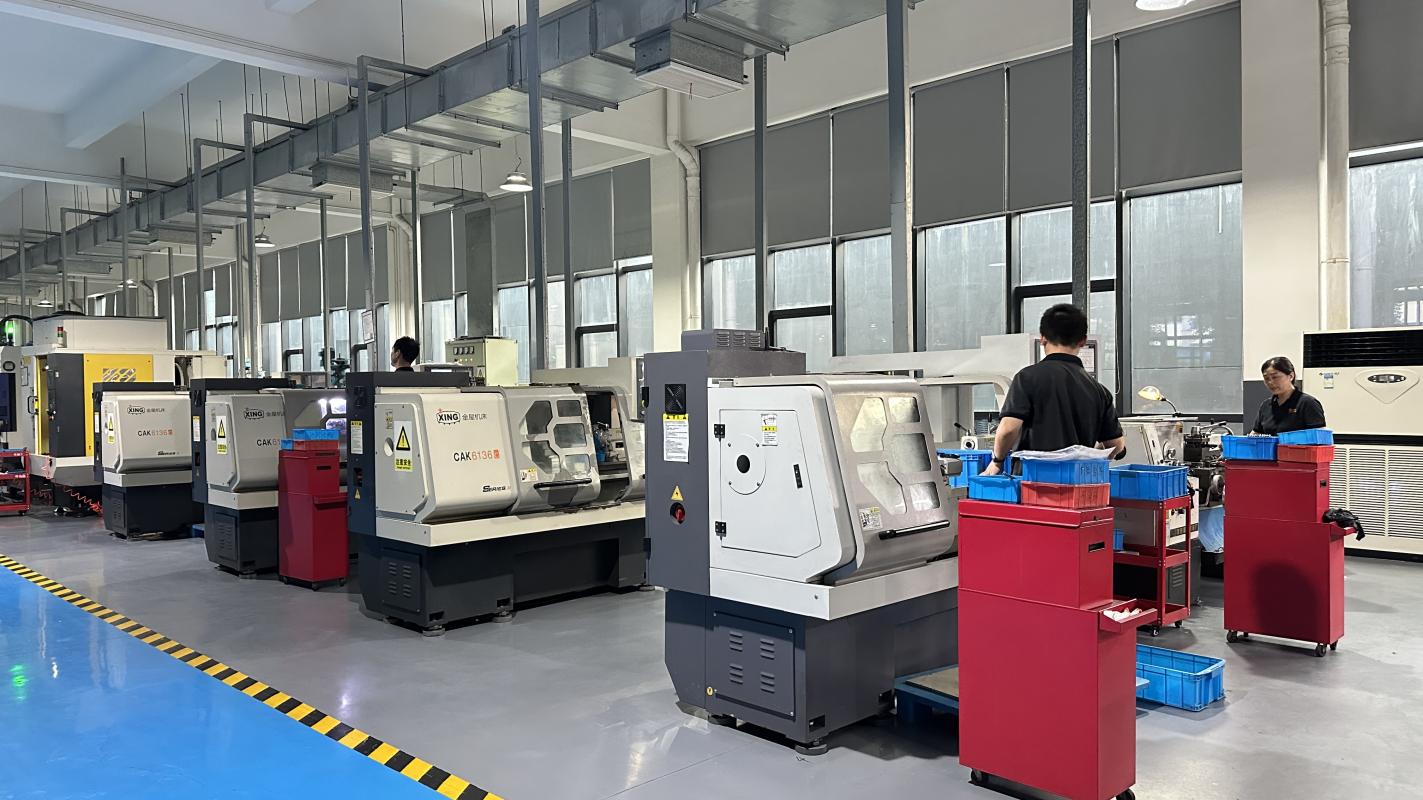
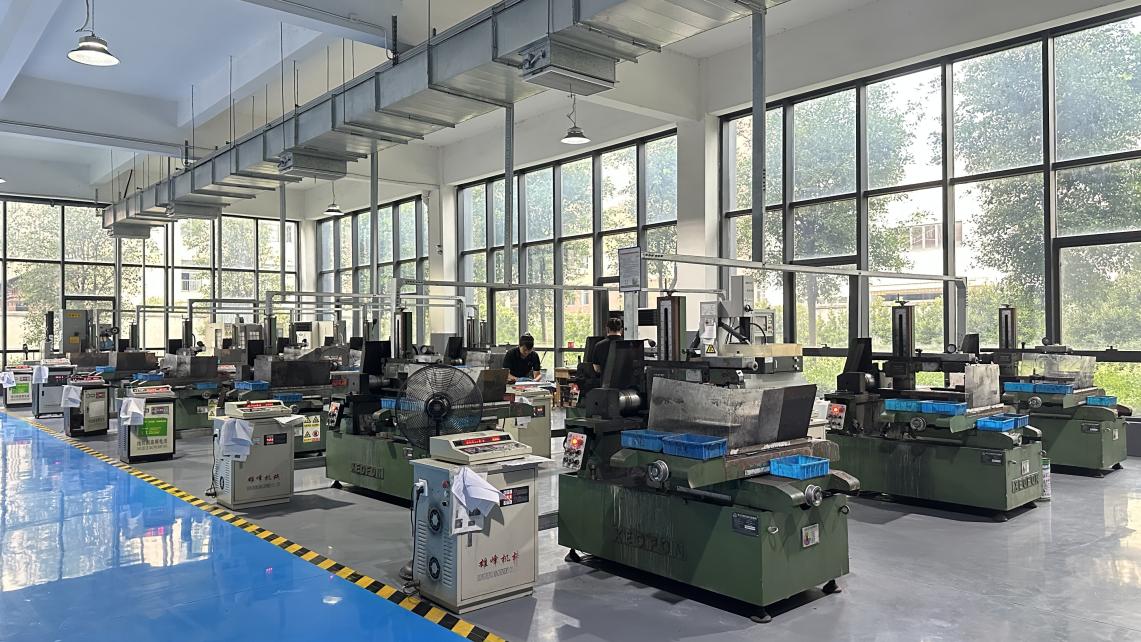
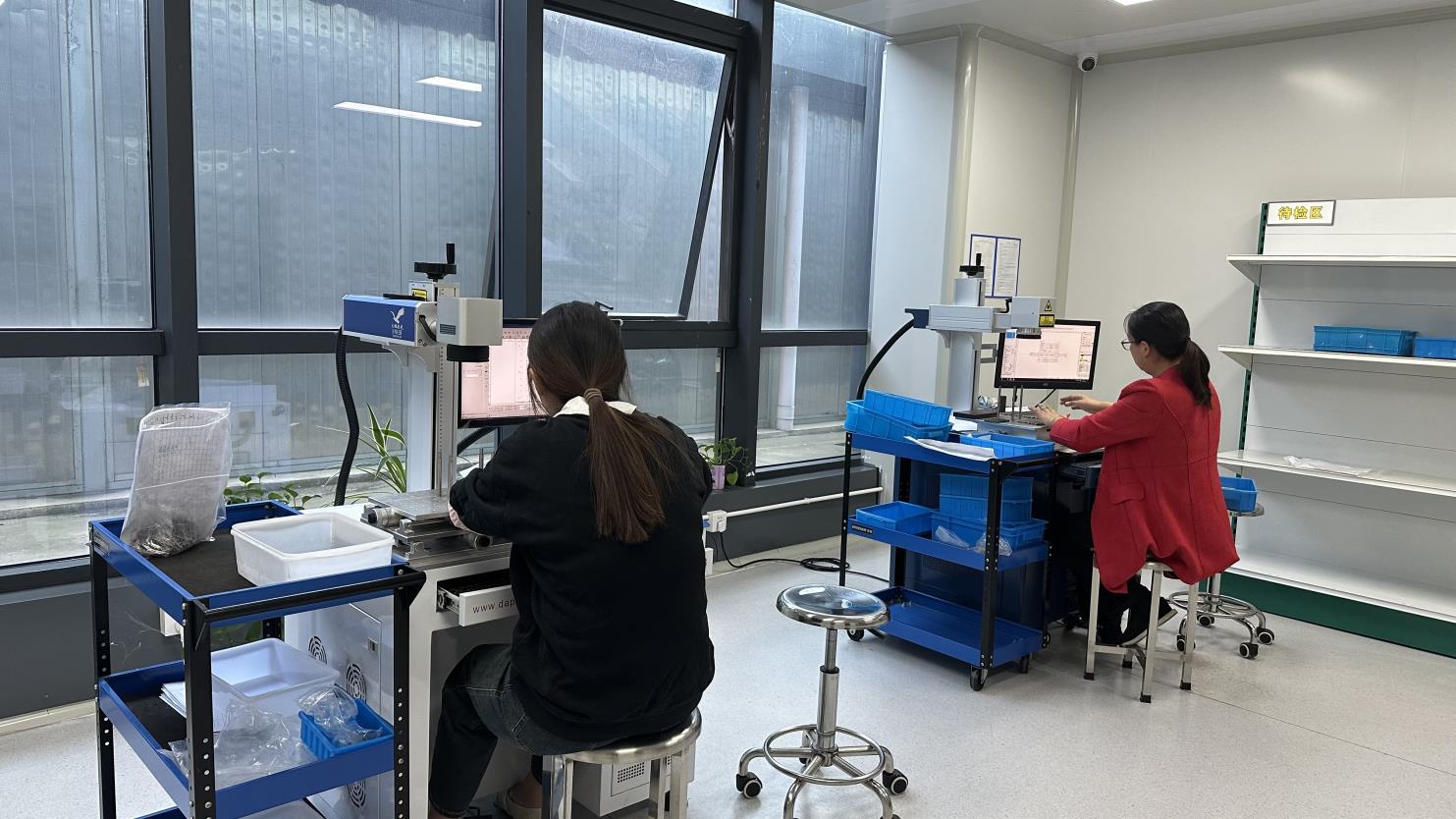
Addressing the complex orthopedic surgical needs globally by developing customized modular components that mitigate taper corrosion and system mismatch.
Modular femoral heads require strict dimensional tolerance matching to prevent micro-motion inside the metallic taper connection. Under physiological loading cycles, poor taper tolerance can lead to fretting and crevice corrosion (known as tribocorrosion), releasing metallic ions into local surrounding tissue.
Our OEM/ODM engineering protocol addresses this specific issue through sub-micron machining controls. We specialize in producing custom ceramic hip heads compatible with diverse standard taper geometries, including:
Restoring native joint tension and offset is vital to reducing post-surgical instability and implant dislocation risks. We provide a broad selection of head offsets to cover all anatomical challenges:
Exporting implantable class III medical components demands rigorous compliance protocols. Bonevia has established a complex network with more than 850 international partners, aligning global sourcing capabilities with localized regional requirements.
Our global shipping networks efficiently supply markets across Europe, Southeast Asia, the Middle East, and South America. We maintain extensive validation files to support local registrations, offering full traceability documents, biocompatibility assessments, and technical portfolios compliant with FDA, CE MDR, and domestic ministries of health.
Our 35-person quality team handles the regular audit requests from international clients, facilitating smooth custom clearances and rapid product registration approvals.
| Compliance Metric | Standard Verification | Clinical Relevance |
|---|---|---|
| ISO 13485 | Certified Quality System | Consistent design & development safety controls |
| FDA 510(k) / CE MDR | Class III Equivalency | Permits legal import and clinical deployment in USA/Europe |
| ISO 6474-2 | Alumina-Toughened Ceramic Standard | Validates structural matrix strength and density limits |
| ASTM F1873 | Material Specification Standard | Guarantees purity and crystal size parameters for implants |
Exploring localized clinical environments and anticipating the technological trends that will shape joint arthroplasty over the next decade.
Younger patients require implants capable of surviving high dynamic cycles and unexpected impact forces. Ceramic heads paired with crosslinked polyethylene minimize wear and virtually eliminate osteolysis risks, offering a lifespan that potentially lasts a lifetime without revision.
During revision surgery, the existing titanium femoral stem taper may be slightly damaged. Using ceramic transition heads with customized inner titanium sleeves enables surgeons to preserve the well-fixed femoral stem, minimizing bone loss and surgical time.
For older patients suffering from femoral neck fractures, bipolar and total hip constructs using large-diameter ceramic heads reduce dislocation risks. This facilitates immediate post-operative weight-bearing and accelerates overall rehabilitation.
Our long-term R&D blueprint focuses on three primary fields of material innovation, aiming to expand our existing 120 annual design variations with next-generation bearing materials:
Detailed answers to technical, manufacturing, and regulatory questions commonly raised by orthopedic surgeons, distributor quality managers, and clinical evaluators.
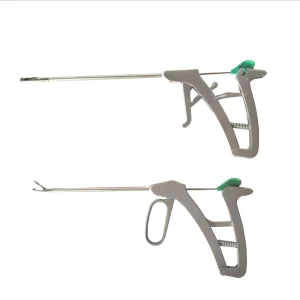
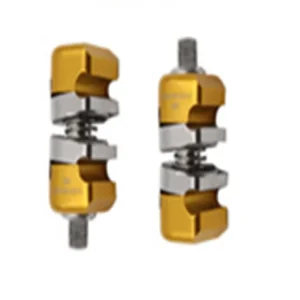
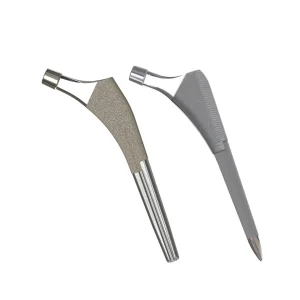
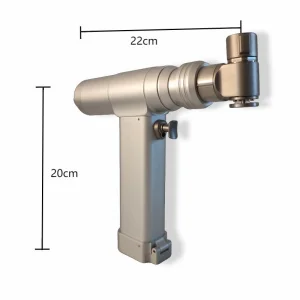
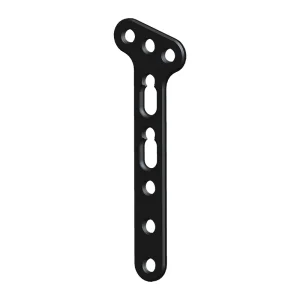
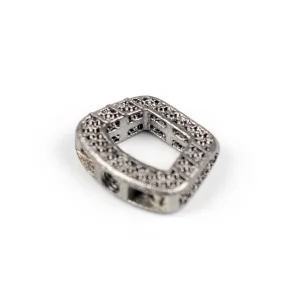
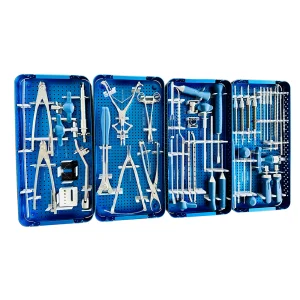
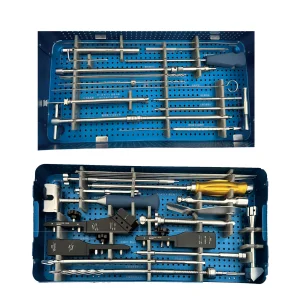
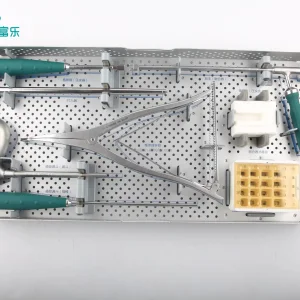
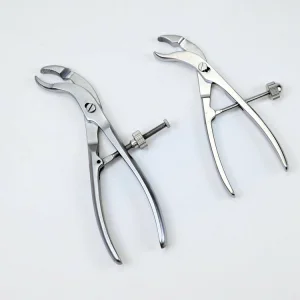
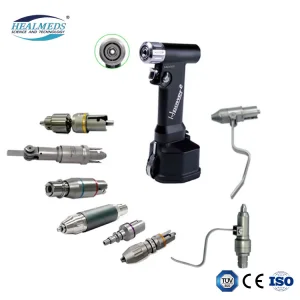
A secondary portfolio of specialized instruments, cutting devices, and spinal fusion implants designed to integrate seamlessly into modern orthopedic procedures.