Bonevia
Bonevia
Bonevia
High-precision instruments and biocompatible implants engineered for complex reconstruction surgeries.
Understanding mechanical load profiles, biocompatibility standards, and clinical performance parameters.
In modern sports medicine, the primary objective of anterior cruciate ligament (ACL) and posterior cruciate ligament (PCL) reconstruction is to re-establish anatomical joint stability and facilitate rapid biological incorporation of the soft-tissue graft. Among various graft anchorage options, the cortical fixation button has emerged as the clinical gold standard for femoral suspensory fixation. This popularity stems from its mechanical efficiency, high ultimate tensile load capacity, and minimal risk of bone tunnels enlargement compared to traditional interference screws.
Suspensory fixation implants rely on cortical bone engagement at the outer femoral cortex, distributing the stress load across a broad surface area. This configuration mitigates the risk of fixation failure in osteopenic bone and protects the graft from localized shear forces. For medical procurement officers, hospital networks, and orthopedic distributors worldwide, identifying a qualified OEM/ODM partner capable of producing high-performance, regulatory-compliant cortical buttons is critical to maintaining patient safety and gaining competitive market share.
Fabricated exclusively from medical-grade Titanium Alloy (Ti-6Al-4V ELI) or high-grade PEEK-OPTIMA polymers, optimizing biocompatibility and MRI compatibility while maintaining structural integrity under peak cyclic loading conditions.
Available in both fixed loop length configurations (ranging from 15mm to 60mm) and adjustable loop variants, facilitating precise graft placement and tensioning within the osseous femoral tunnel.
Engineered to withstand cyclic displacements and ultimate load limits exceeding 1000 N, satisfying all key ASTM and ISO clinical mechanical testing parameters for sports medicine reconstructive surgery.
Enabling private-label differentiation through advanced design capabilities, prototype testing, and cleanroom production.
Navigating the complex landscape of sports medicine devices requires more than just standard catalog options. Medical device brands require bespoke specifications to support unique surgical philosophies and instrumentation sets. Our comprehensive OEM/ODM capabilities address these design nuances by offering tailored solutions for every aspect of cortical button design:
By leveraging computational finite element analysis (FEA) and biomechanical test benches, we reduce the time-to-market for novel device designs. Our R&D engineering team designs and prototypes next-generation implants with improved pull-through capabilities and lower profile profiles, minimizing tissue irritation at the lateral cortex.
A premier manufacturing partner for world-class orthopedic implants and surgical instruments.
Bonevia Orthopedic Technology Co., Ltd. is a professional manufacturer specializing in orthopedic implants and surgical solutions, dedicated to advancing innovation in trauma, spine, and joint reconstruction products. Since its establishment in 2015, the company has grown steadily into a trusted supplier in the global orthopedic industry.
With a modern production facility covering approximately 320㎡, Bonevia maintains strict quality management standards and efficient manufacturing processes. The company records an annual export revenue of around USD 8–15 million, supported by 6 years of export experience and over 10 years of overall industry experience.
Quality assurance is a core focus at Bonevia. The company implements multiple inspection methods including incoming material inspection, in-process quality control, and final product testing, supported by a dedicated quality team of 35 professionals. This ensures all products meet international medical device standards.
Bonevia has a solid trade foundation with diversified global distribution networks, serving major markets across Europe, Southeast Asia, the Middle East, and South America. Its supply chain ecosystem includes more than 850 partners, enabling stable raw material sourcing and efficient production delivery.
The company serves a wide range of clients, including hospitals, orthopedic clinics, surgical centers, and medical distributors. Bonevia also demonstrates strong R&D capabilities, offering OEM and ODM customization services to meet specific clinical requirements.
In the past year, Bonevia successfully launched 120 new product designs, supported by a research and development team of 85 engineers, continuously driving innovation in orthopedic implant systems and surgical instruments.
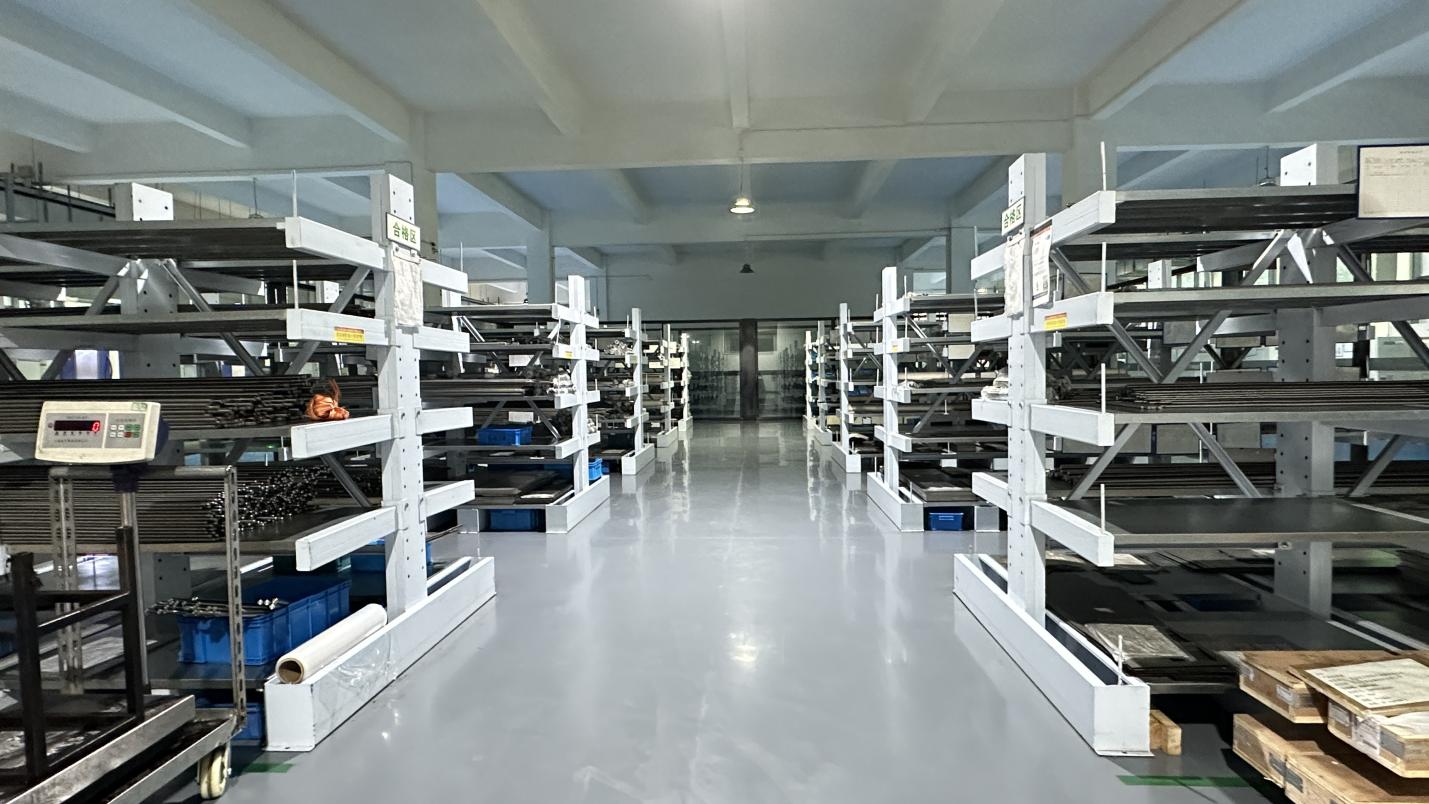
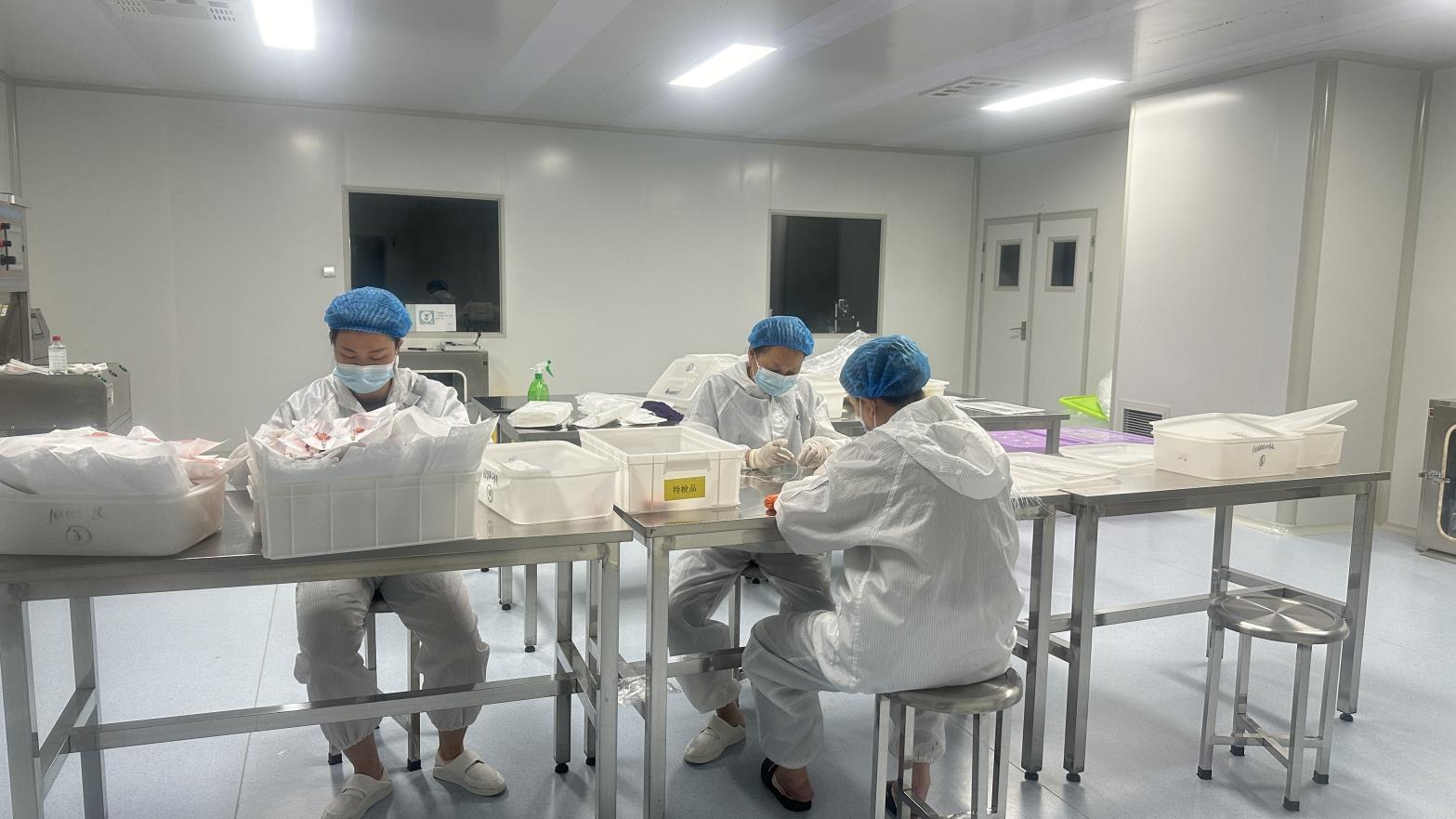
Every stage of production is meticulously monitored to guarantee defect-free implants for international markets.
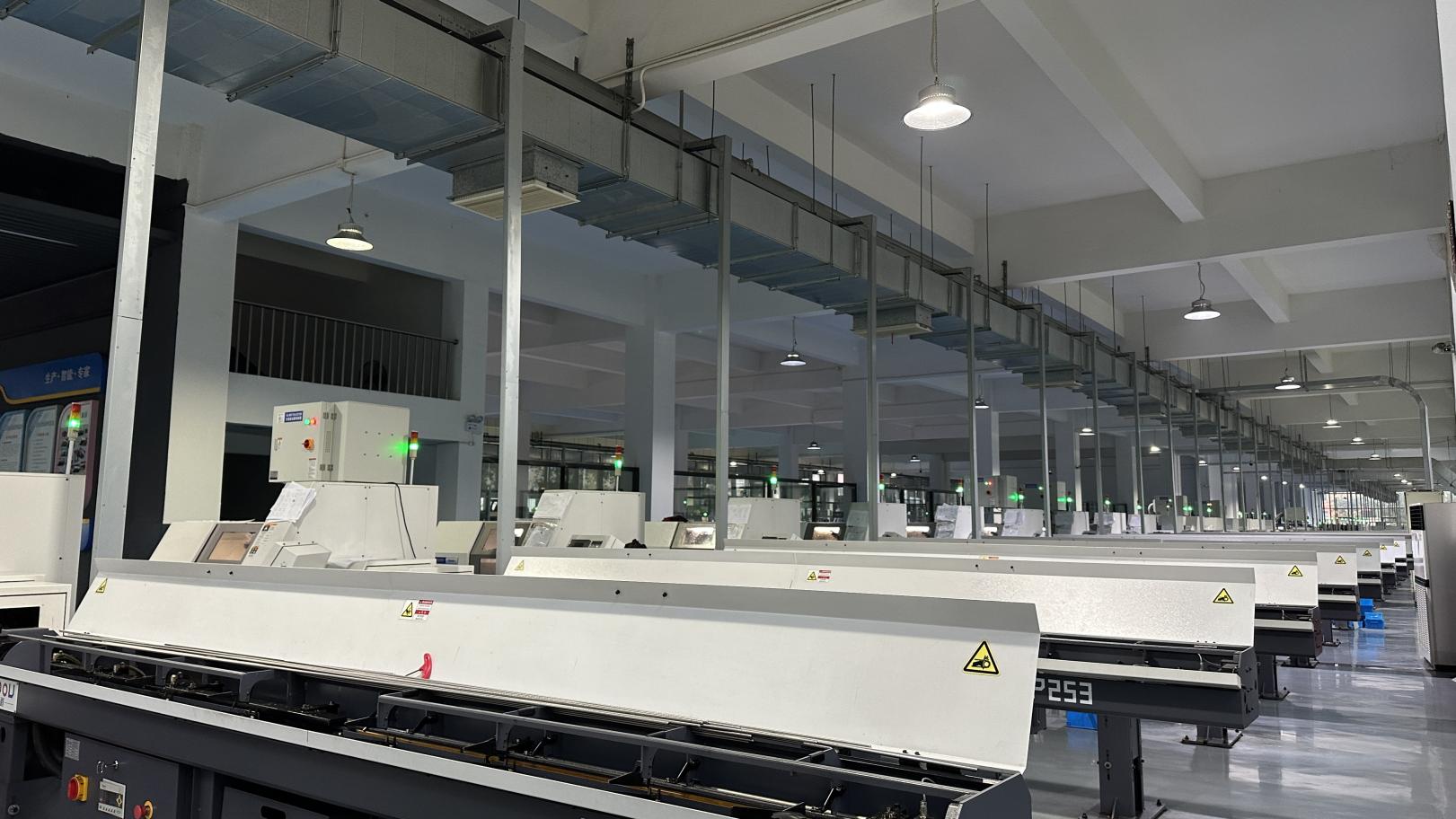
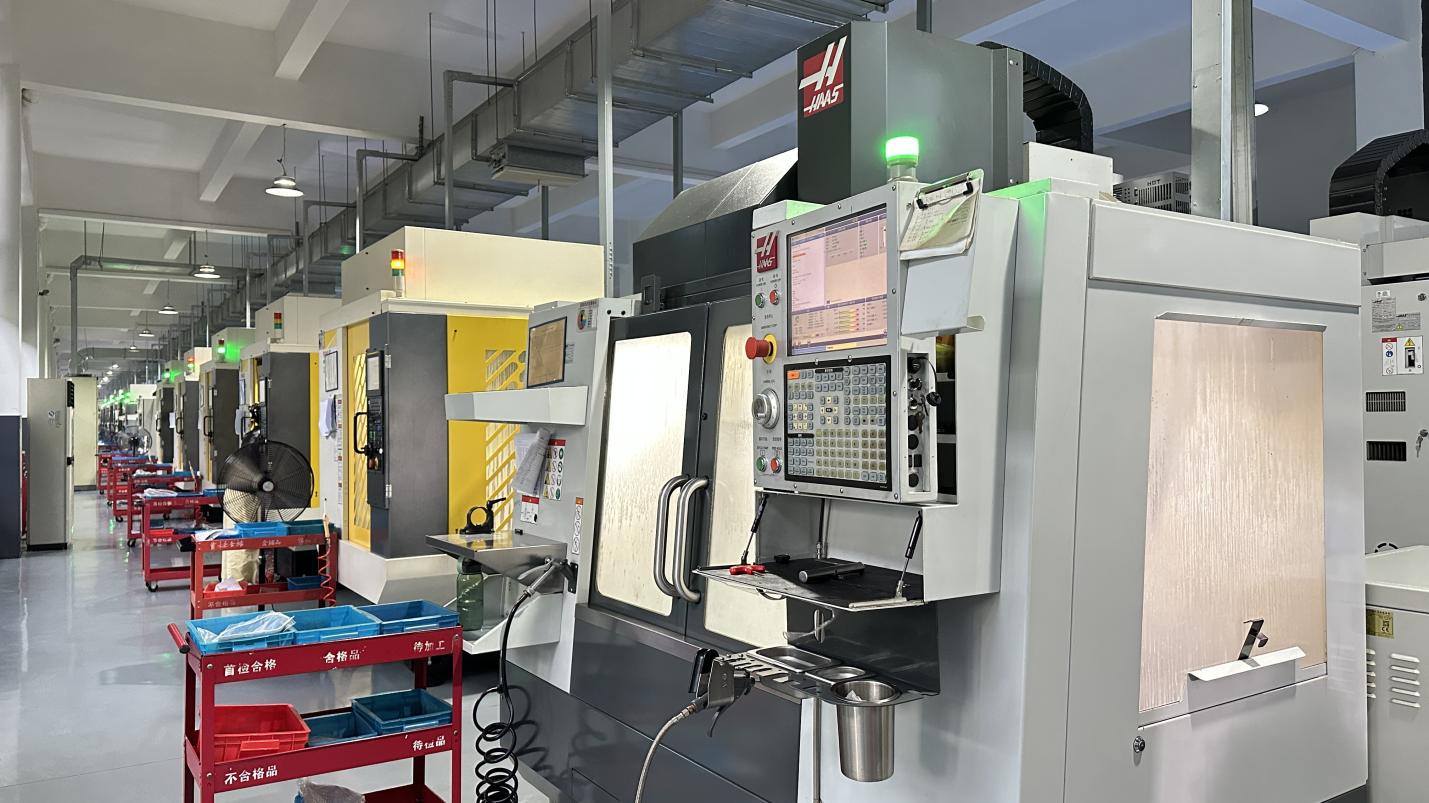
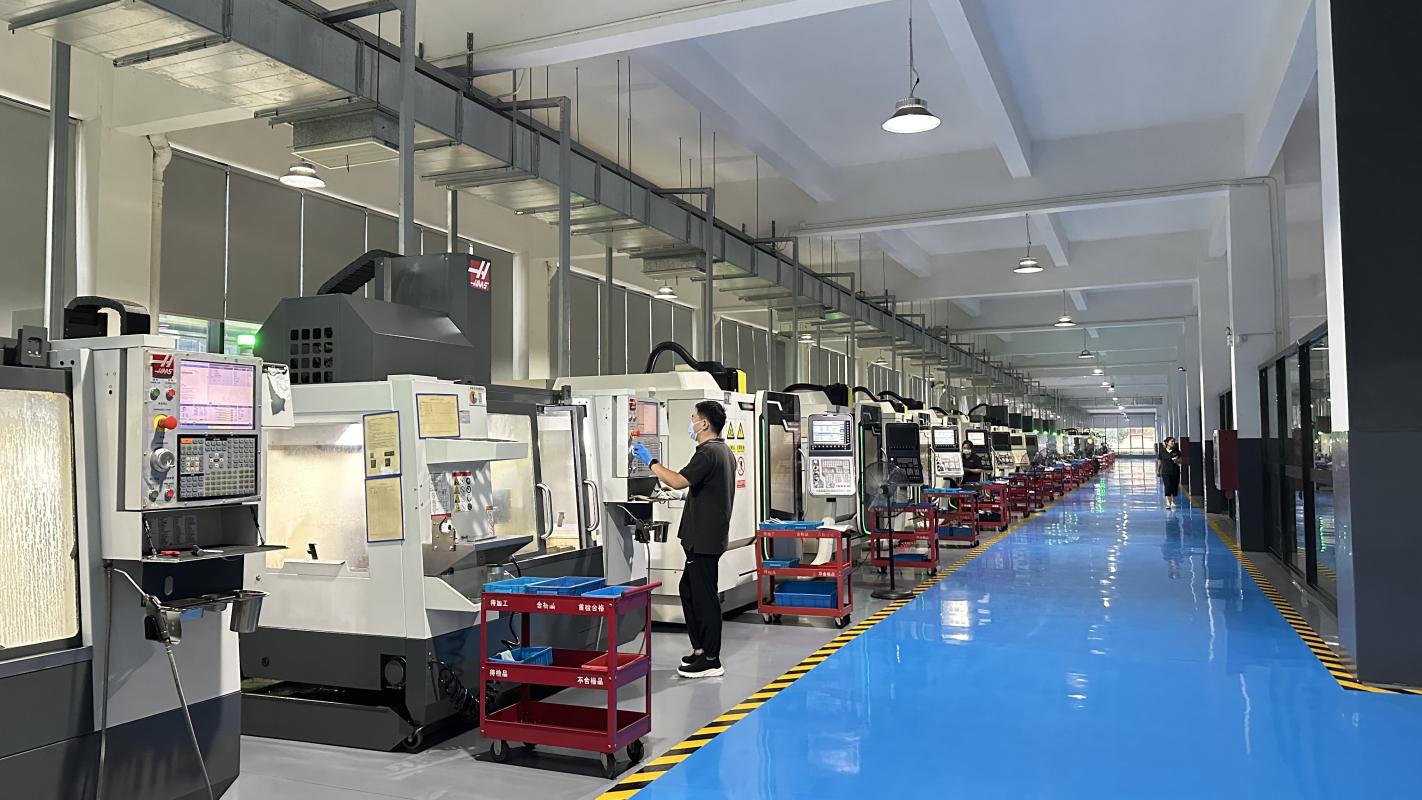
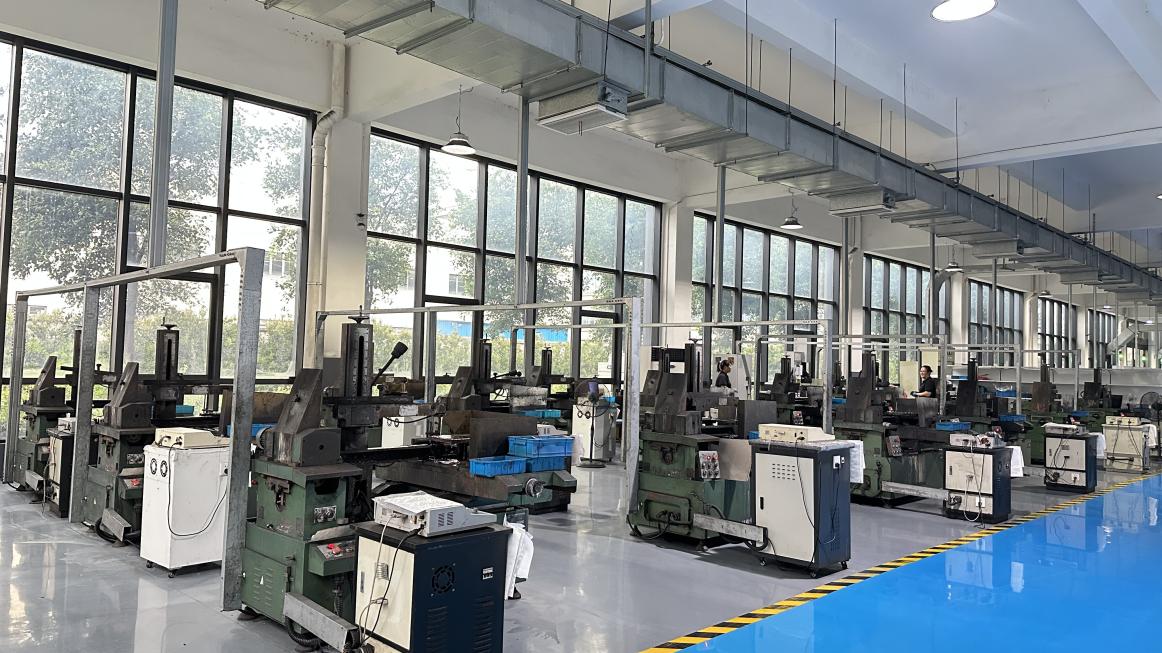
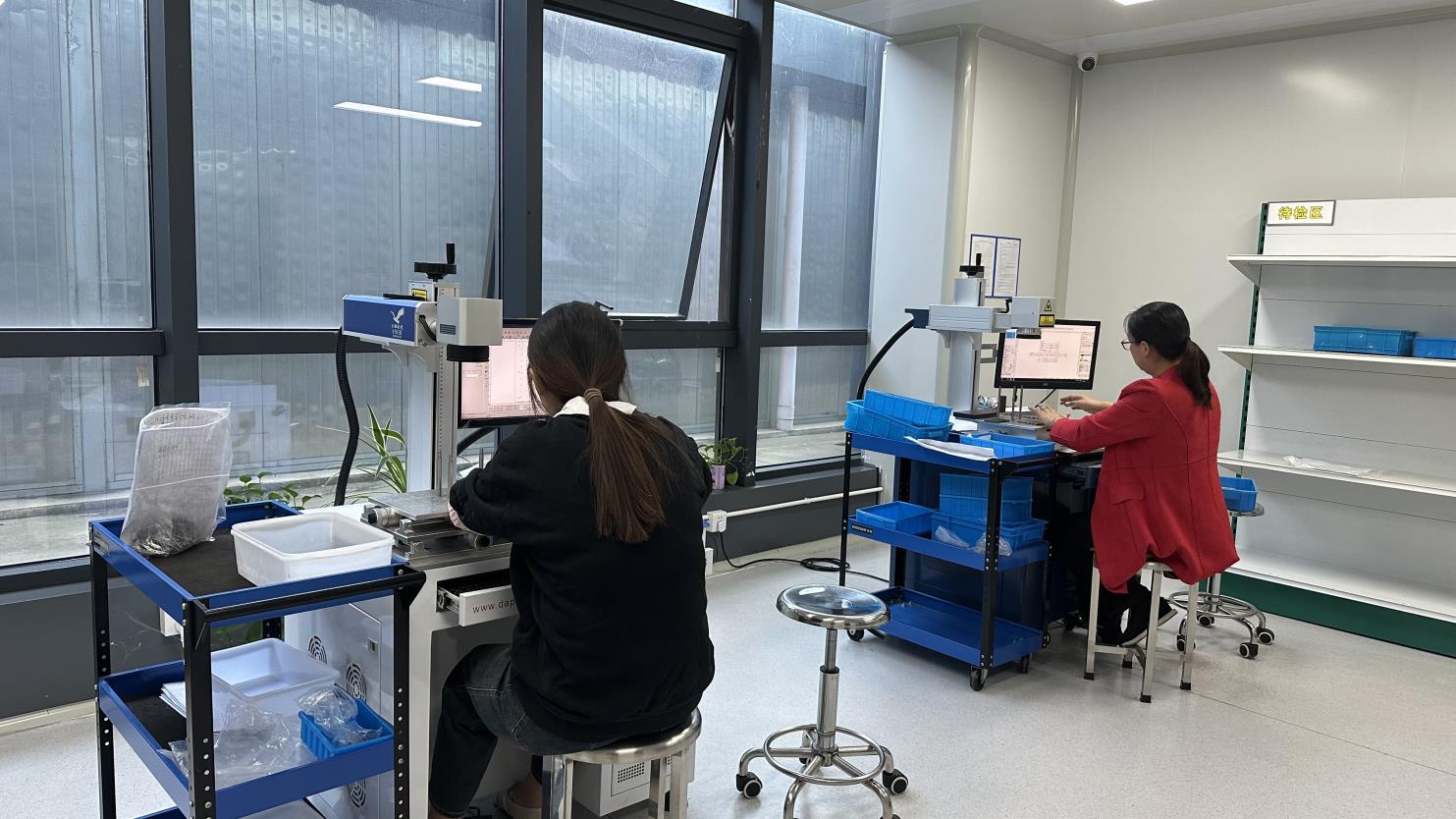
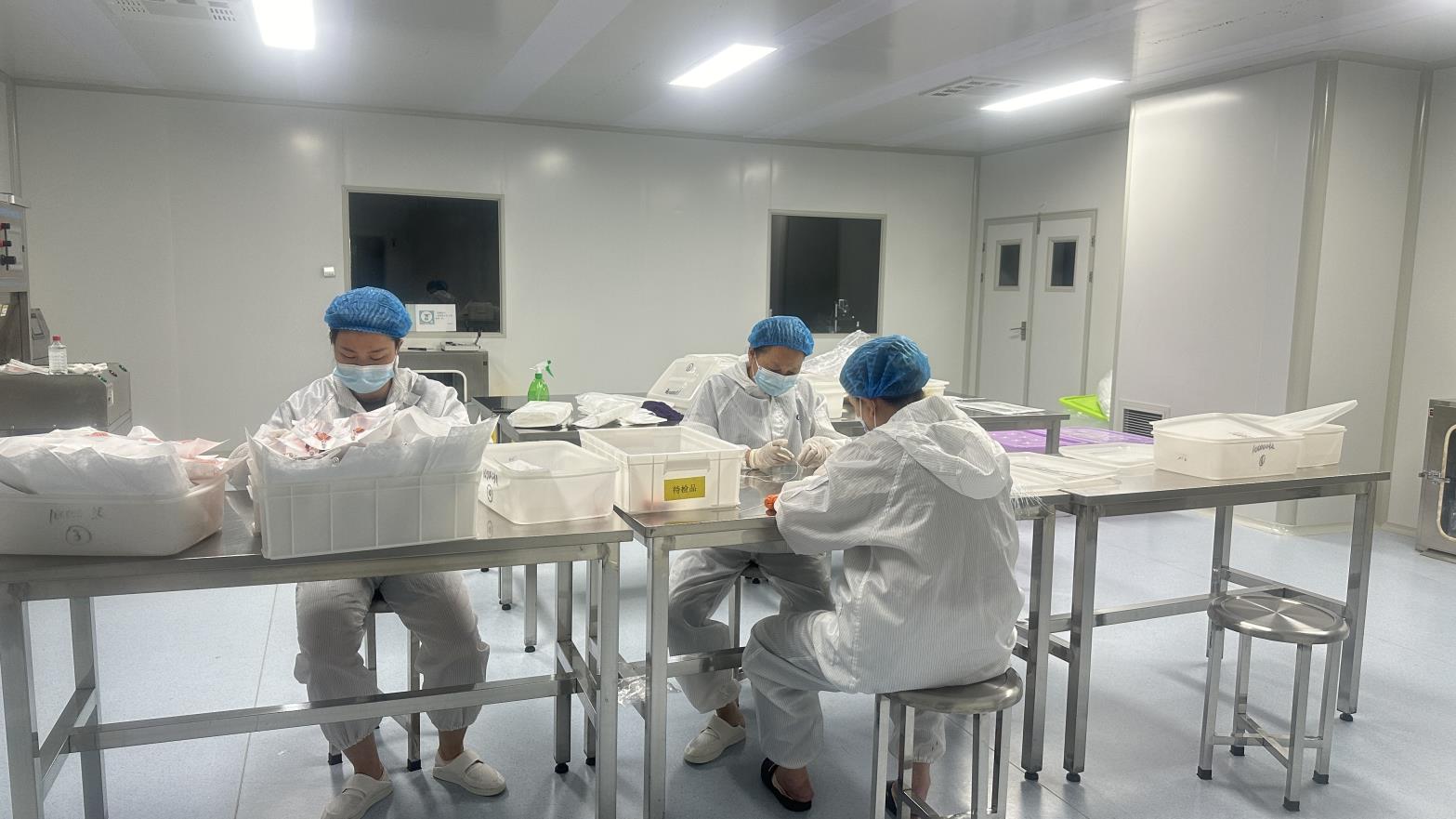

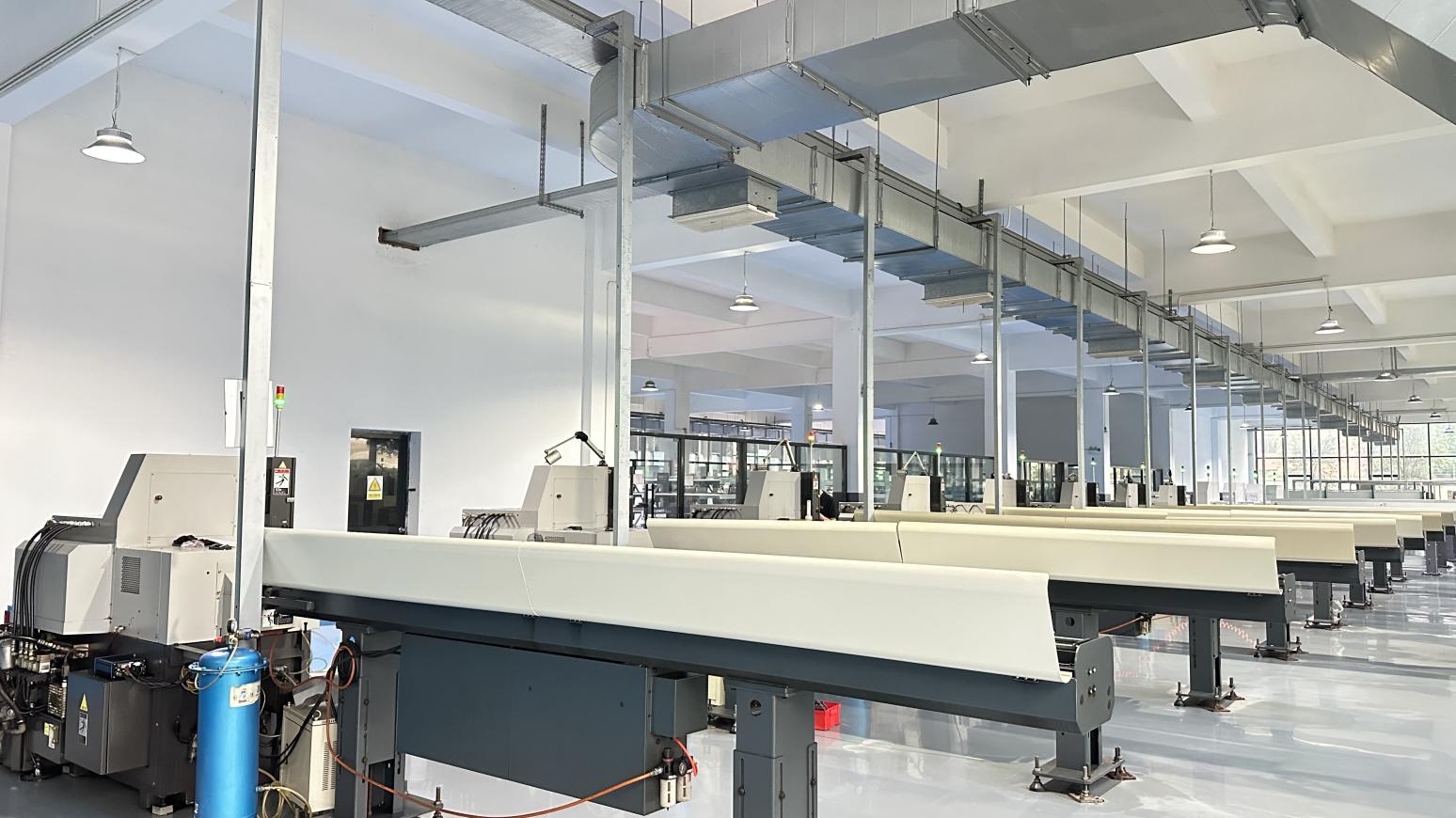
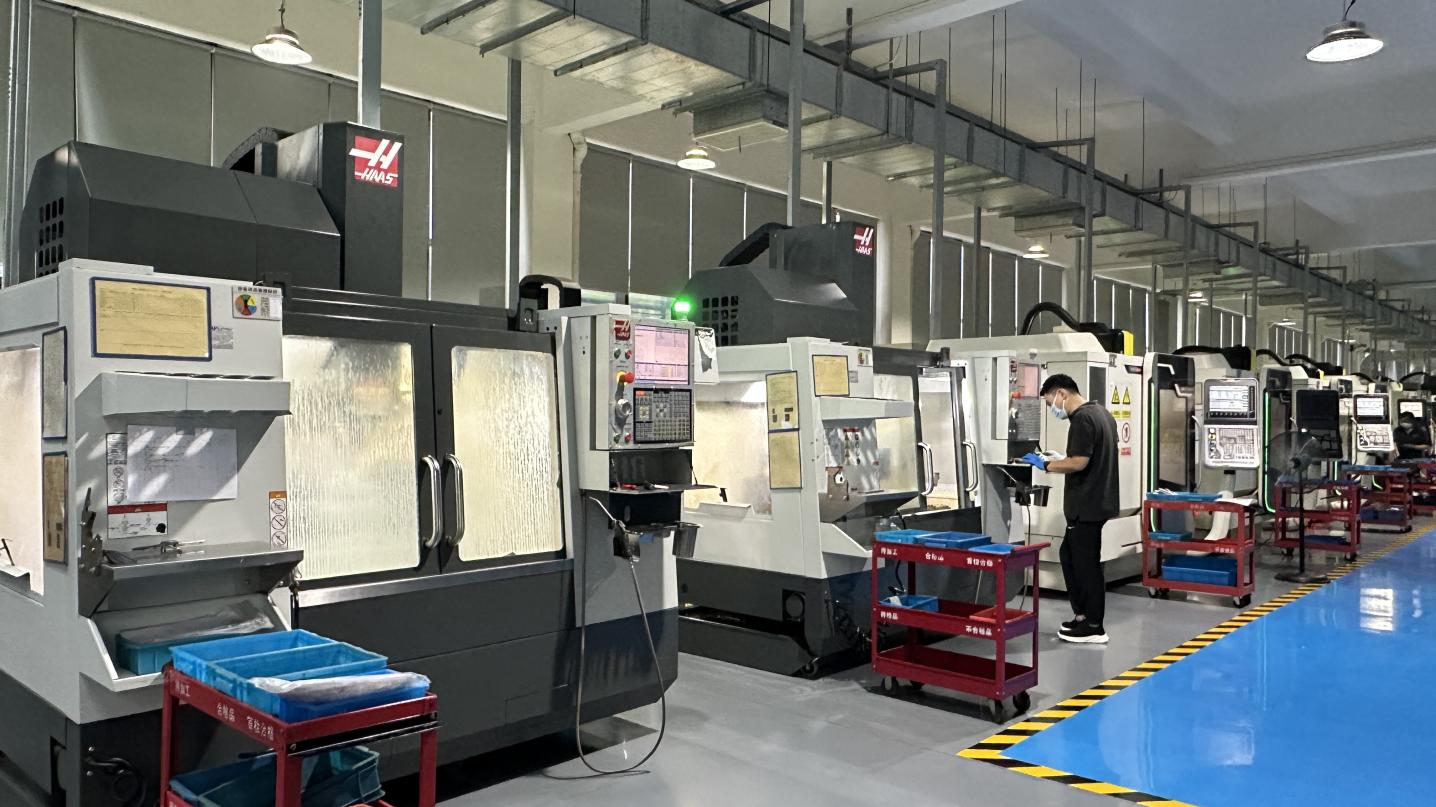
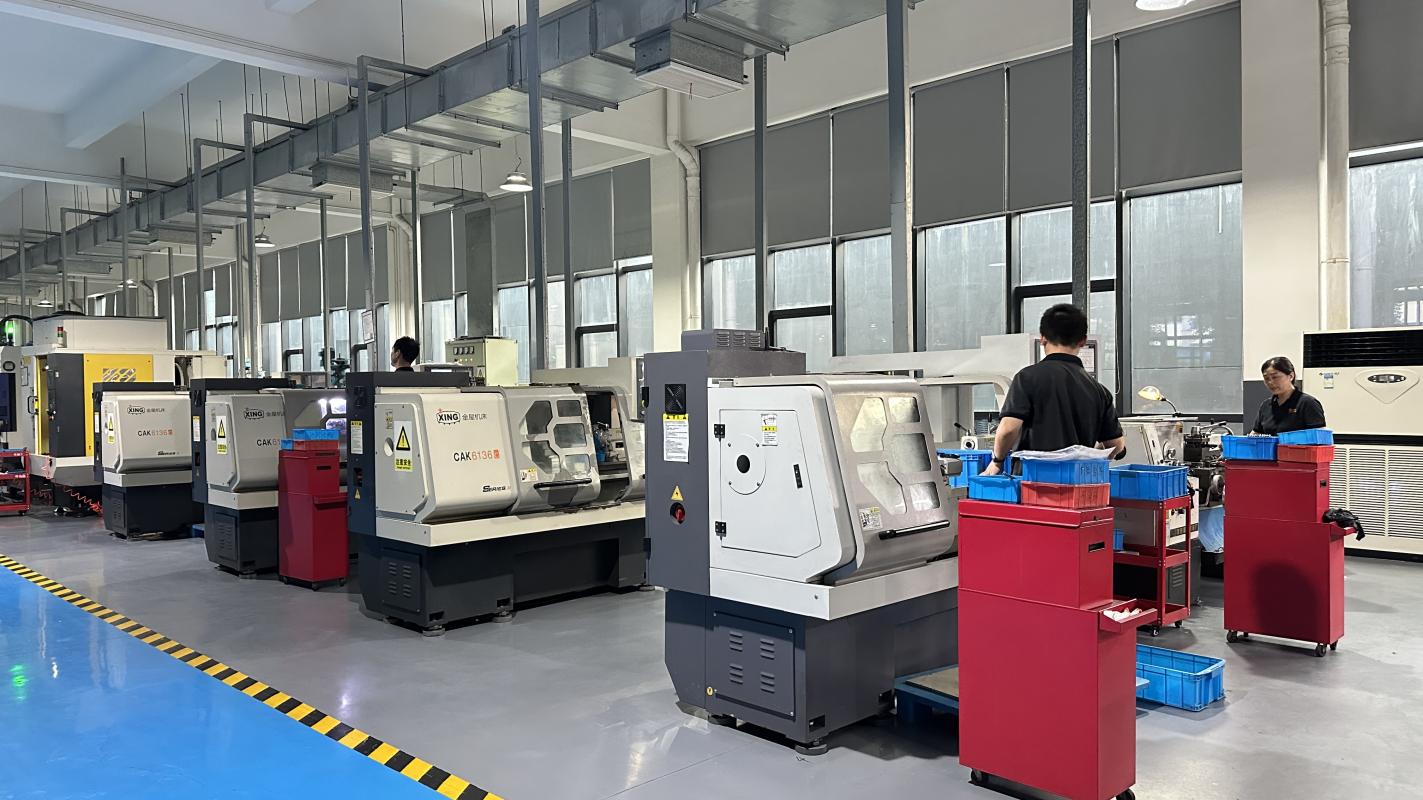
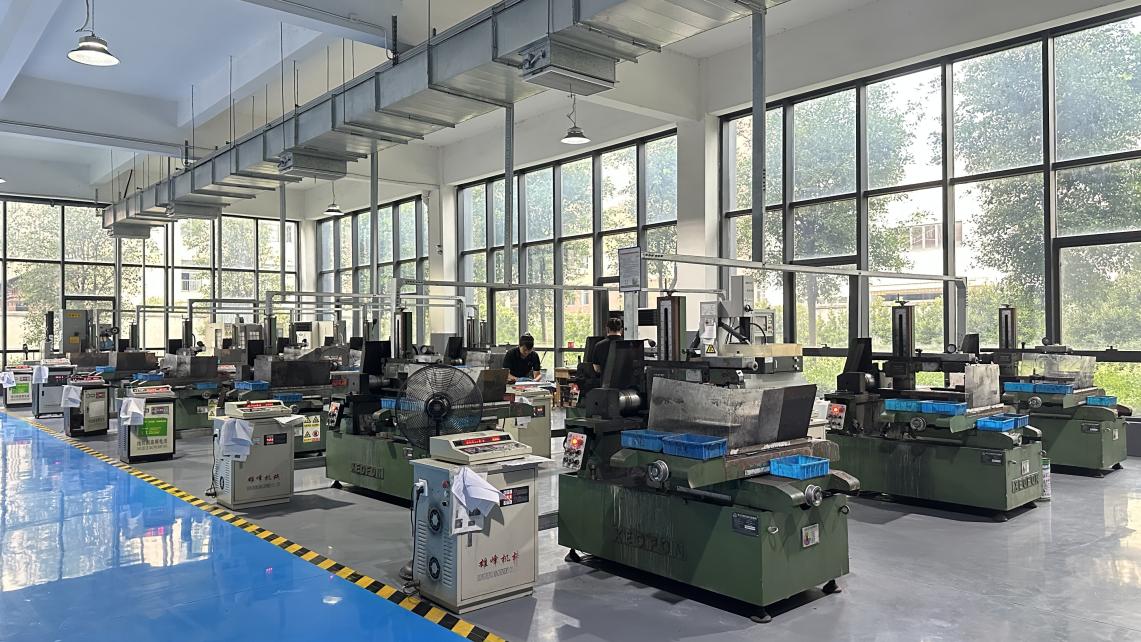
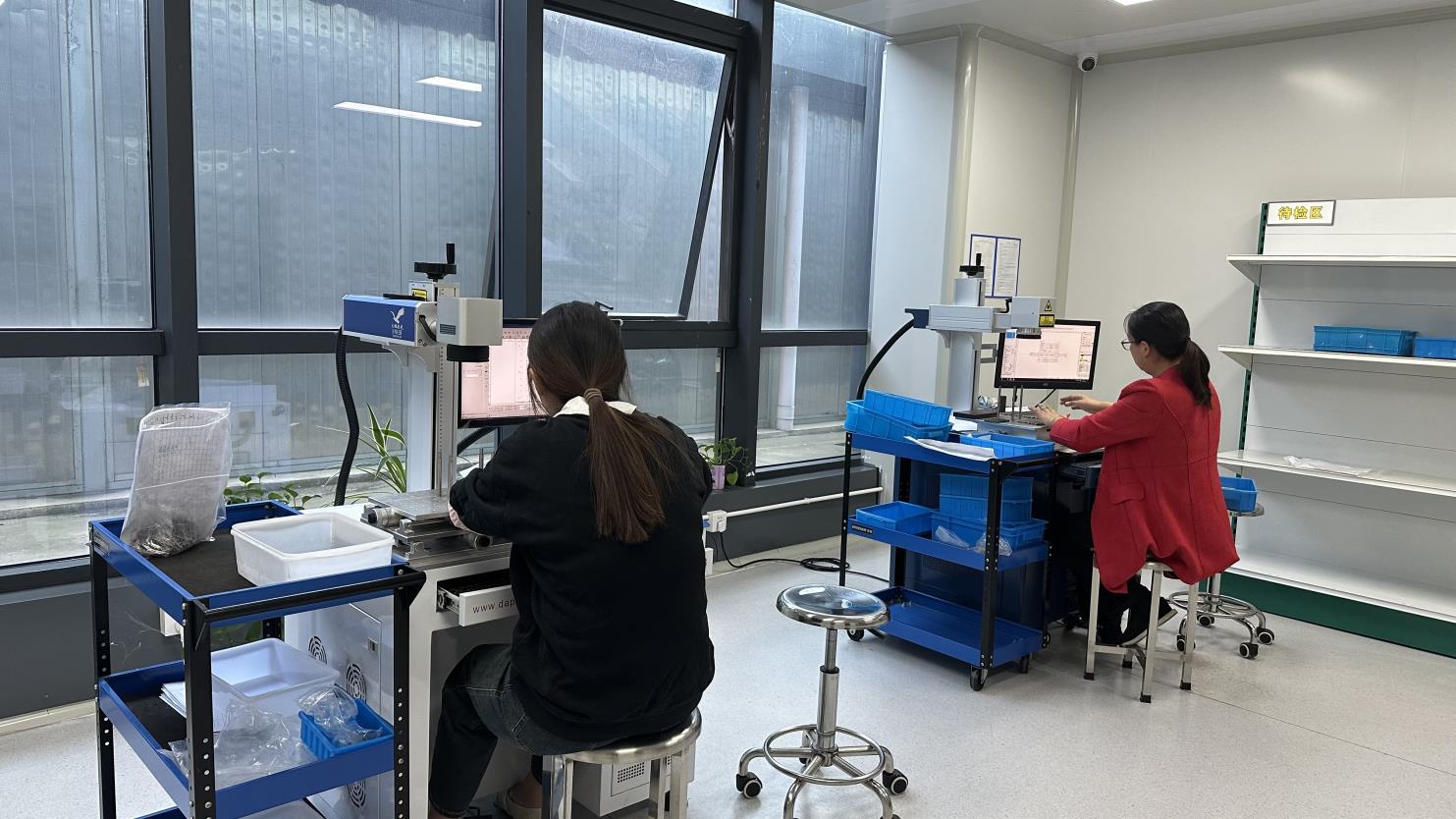
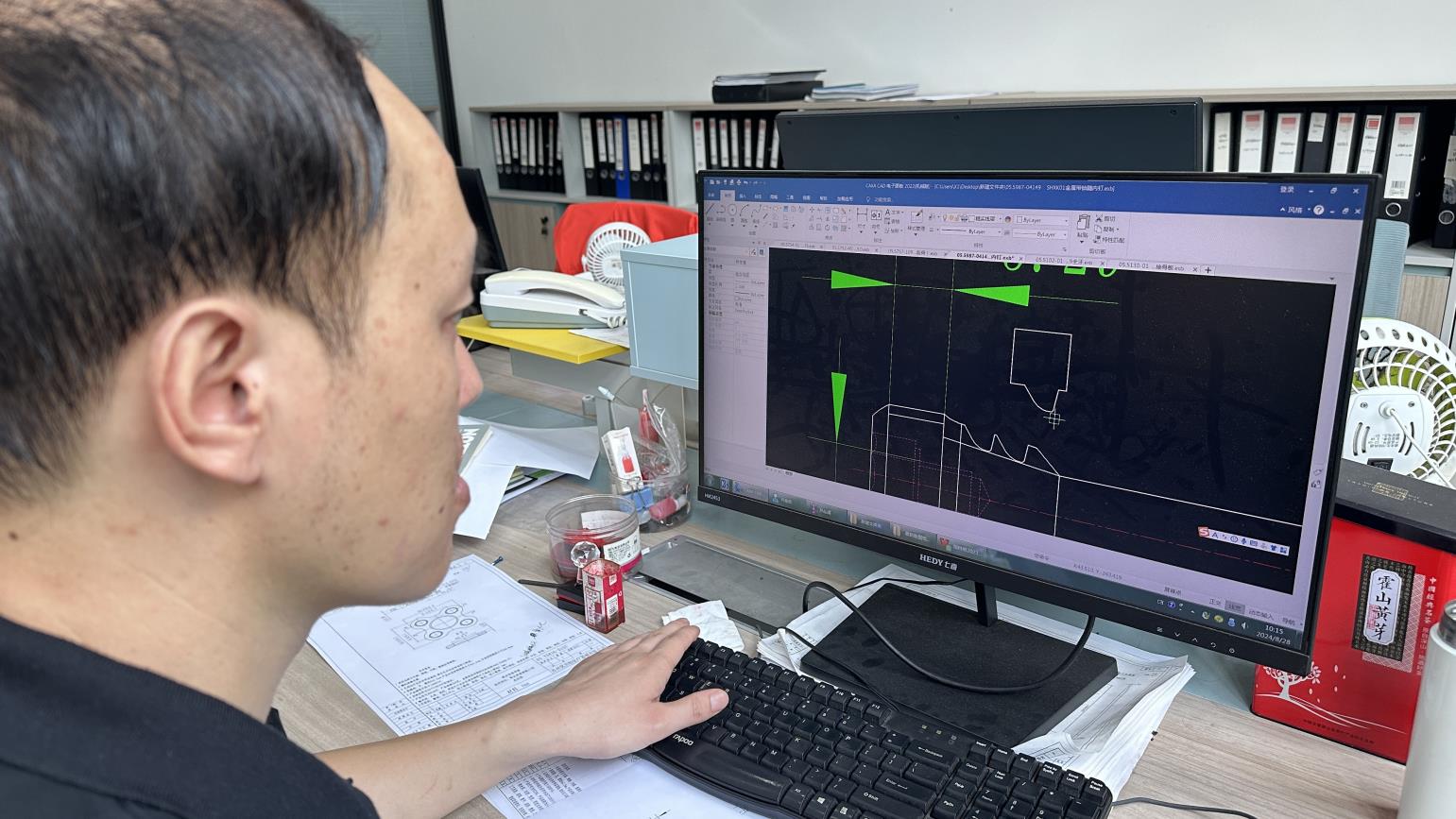
Advanced modeling software simulates stress distributions and optimizes button geometries prior to manufacturing.
Rigorous dimensional analysis using micro-coordinate measurement machines (CMM) and dynamic tensile strength testers.
Addressing procurement challenges, logistics optimization, and localized regulatory support.
Procuring medical implants at a global scale involves complex regulatory and logistical pathways. As a dedicated partner, Bonevia provides streamlined solutions to mitigate risks for our global distribution and hospital networks:
Our production facilities maintain compliance under ISO 13485 quality systems. We provide comprehensive documentation packages, including material certificate reports, biocompatibility documentation (ISO 10993), and sterilization validation studies to assist in local registration pathways (CE, FDA, or local MoH certifications).
By partnering with over 850 raw material and component suppliers, we maintain stable production pipelines, preventing supply shortages of medical-grade Titanium and ultra-high molecular weight polyethylene fibers. This direct integration safeguards against cost fluctuations and lead-time delays.
We provide multiple transport solutions including temperature-controlled express air freight, reliable ocean shipping, and custom customs clearance support. Each shipment is double-verified to ensure structural package integrity and complete sterility upon arrival at your warehouse.
The future of sports medicine suspensory fixation and advanced material science.
The sports medicine sector is evolving rapidly, driven by clinical demands for faster patient recovery times, stronger initial graft fixation, and lower rates of revision surgery. To support our OEM/ODM clients, our R&D team targets several key clinical focus areas:
By incorporating CAD simulation programs, high-speed automated machining centers, and validation protocols, we help brands transition concepts from initial CAD files to clinically functional orthopedic implants. Partnering with Bonevia means securing access to high-precision trauma, spine, and joint reconstruction technologies.
Answers to critical questions regarding compliance, product configurations, and custom private-label solutions.
Browse our wide-ranging portfolio of spinal fixation devices, trauma nails, and advanced surgical instruments.