Bonevia Bonevia

OEM/ODM Elbow Replacement Implants Manufacturers & Exporters

Advanced Bio-Tribological Engineering, High-Precision Manufacturing, and Global Regulatory Compliance for Next-Generation Orthopedic Arthroplasty

Clinical Context & Mechanical Paradigms in Elbow Reconstruction

Deciphering the biomechanical demands of Total Elbow Arthroplasty (TEA) for clinical and manufacturing success.

Total Elbow Arthroplasty (TEA) represents one of the most complex joint reconstructions in orthopedic medicine. Unlike the relatively stable ball-and-socket configuration of the hip or the primarily hinge motion of the knee, the elbow is a highly constrained three-joint complex (humeroulnar, humeroradial, and proximal radioulnar joints) that experiences immense rotational torques, shear forces, and load configurations.

For modern medical device distributors and sourcing managers, understanding the design paradigms of elbow implants is crucial. Traditionally, elbow implants have evolved through three distinct design concepts:

  • Fully Constrained Implants: Early hinge designs that linked the humeral and ulnar components rigidly. While they provided initial stability, the complete lack of physiological laxity resulted in extreme mechanical stress concentration at the bone-cement interface, culminating in high rates of aseptic loosening and mechanical failure.
  • Unconstrained (Non-linked) Implants: Relying entirely on the patient's intact soft tissue, collateral ligaments, and musculature for stability. These implants minimize mechanical stress transmission to the bone interfaces but present a significant risk of postoperative instability, subluxation, and dislocation if ligamentous support is compromised.
  • Semi-constrained (Linked) Implants: The current clinical gold standard. Featuring a loose hinge mechanism that allows a small degree of varus-valgus and rotational "laxity" (typically 7-10 degrees). This design absorbs peak torsional forces while preventing joint dislocation, making it the ideal solution for patients with severe bone loss or ligamentous instability.

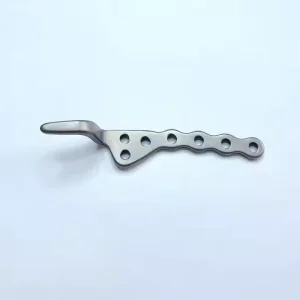
Our OEM/ODM engineering pipeline specializes in producing these advanced semi-constrained systems, utilizing premium biocompatible materials such as Cobalt-Chromium-Molybdenum (CoCrMo) alloys for articulating surfaces, Titanium alloys (Ti6Al4V ELI) for bone-anchoring stems, and Highly Cross-Linked Polyethylene (HXPE) for the articulating liners to maximize wear resistance and ensure decades of implant survival.

Corporate Capability & Strategic Heritage

Bonevia Orthopedic Technology Co., Ltd. is a professional manufacturer specializing in orthopedic implants and surgical solutions, dedicated to advancing innovation in trauma, spine, and joint reconstruction products. Since its establishment in 2015, the company has grown steadily into a trusted partner in the global orthopedic industry.

With a modern production facility covering approximately 320㎡, Bonevia maintains strict quality management standards and efficient manufacturing processes. The company records an annual export revenue of around USD 8–15 million, supported by 6 years of export experience and over 10 years of overall industry experience.

Our global operations are optimized to support complex medical device sourcing, offering customized, high-precision implants that meet the exact requirements of national healthcare tenders, private hospital networks, and medical distributors worldwide.
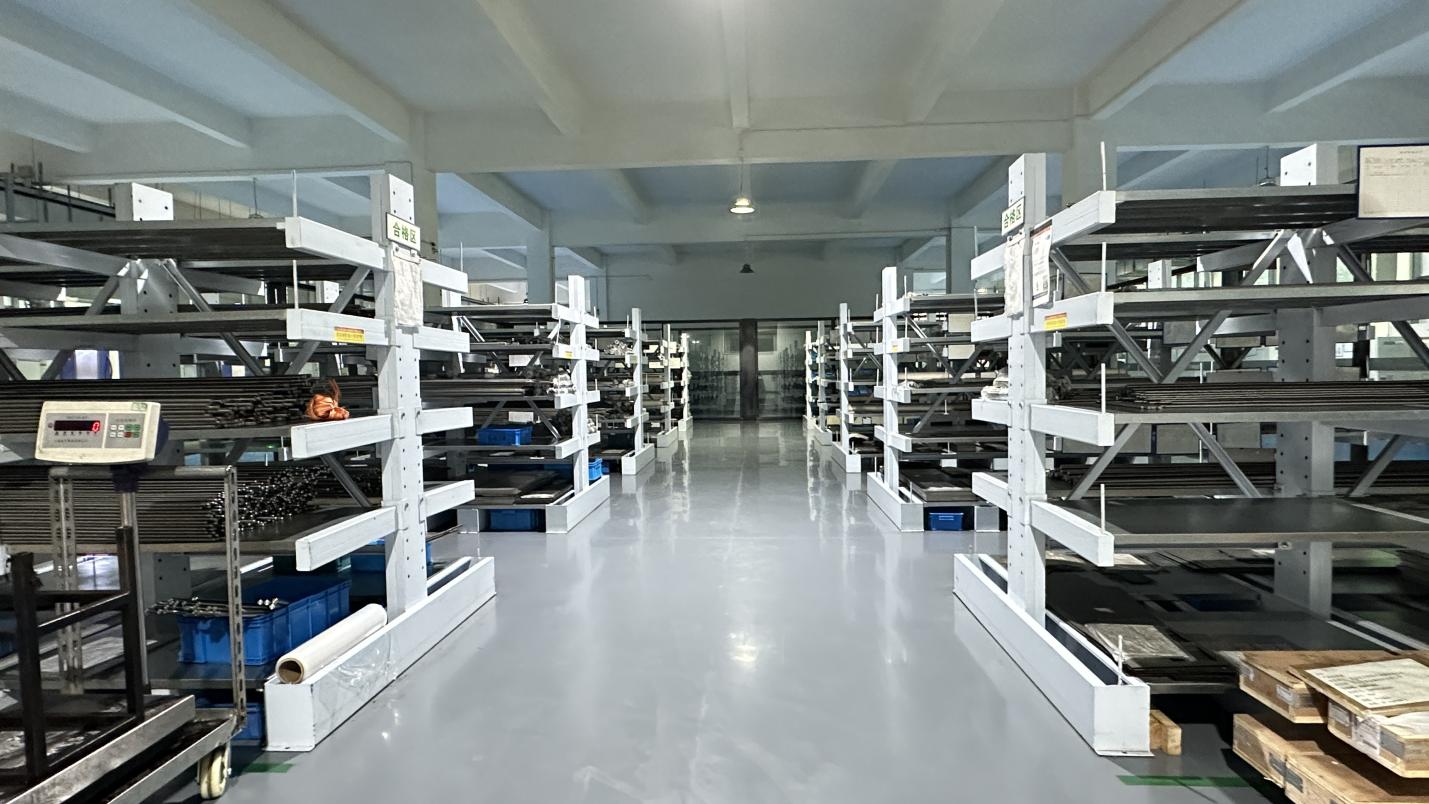
Bonevia Orthopedic Facility & Staff
2015
Established
USD 8-15M
Annual Export Revenue
35
QC Professionals
85
R&D Engineers
120+
New Designs Yearly
850+
Global Partners

Technology Roadmap & Future Outlook

Pushing the boundaries of joint arthroplasty through materials science and additive manufacturing.

Advanced Biomaterial Surfaces
To combat the long-term risk of aseptic loosening, our roadmap integrates hydroxyapatite (HA) coatings and highly porous titanium structures. These simulate trabecular bone structure, encouraging rapid osseointegration and securing long-term biological fixation of non-cemented humeral and ulnar stems.
Additive Manufacturing (3D Printing)
3D printing allows the fabrication of patient-specific implants (PSIs) and components with custom-designed biomechanical properties. Laser powder bed fusion (LPBF) enables us to produce complex geometric forms that standard CNC milling machines cannot replicate.
Smart Sensor Integration
The next generation of joint implants will incorporate micro-sensor arrays designed to track real-time load distribution, kinematic wear, and potential micro-motion within the patient, sending diagnostics directly to clinical teams.

Macro Industry Solutions for Global Procurement

Providing customized OEM/ODM models for dynamic and demanding orthopedics markets.

Hospital & Surgical Center Tenders
We provide fully traceable, custom-marked orthopedic implant sets with dedicated instrumentation kits. Our manufacturing facility handles both small-batch specialized geometries and massive bulk production runs, facilitating successful public and private sector tender fulfillment.
Exclusive OEM/ODM Branding
Leverage our state-of-the-art production facility to design and build your own proprietary implant brand. From CAD modeling to custom laser marking and sterile packaging, we maintain the strict confidentiality and absolute technical compliance required by top-tier medical brands.
R&D Collaborative Customization
With 85 dedicated engineers and 120 new product designs successfully finalized in the past year, we collaborate closely with academic clinicians, surgical researchers, and distributors to develop next-generation solutions for specific demographic or anatomical needs.

China Factory 4.0: Modern Manufacturing Workflow & Supply Chain Resilience

A meticulous step-by-step production flow engineered for medical-grade implant accuracy.
Raw Materials Inspection
1. Raw Materials Sourcing

Medical-grade Ti6Al4V & CoCrMo checked by optical emission spectrometers.

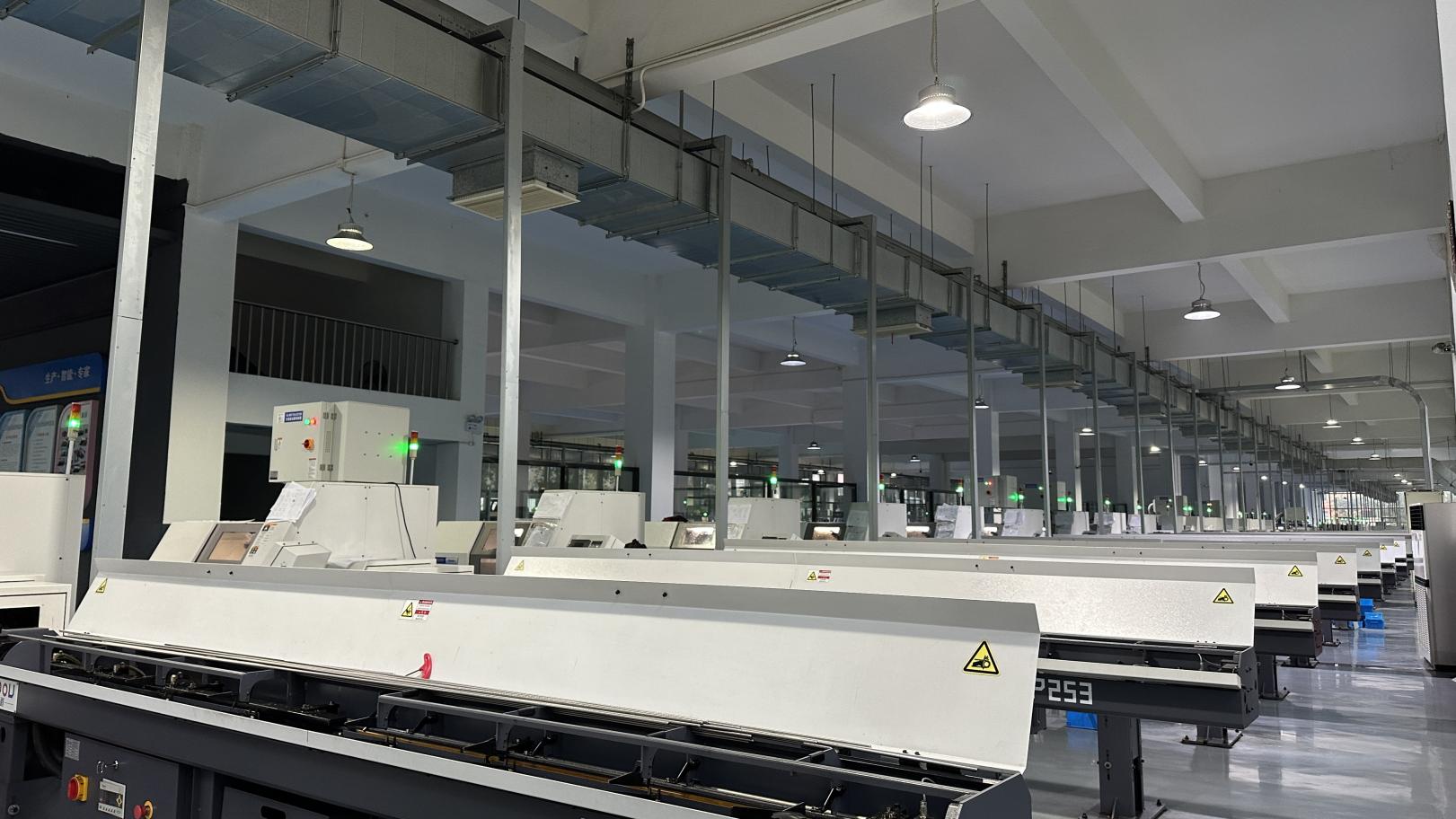
Slitting Process
2. Precision Slitting

High-accuracy mechanical slitting to divide raw stocks into workable formats.
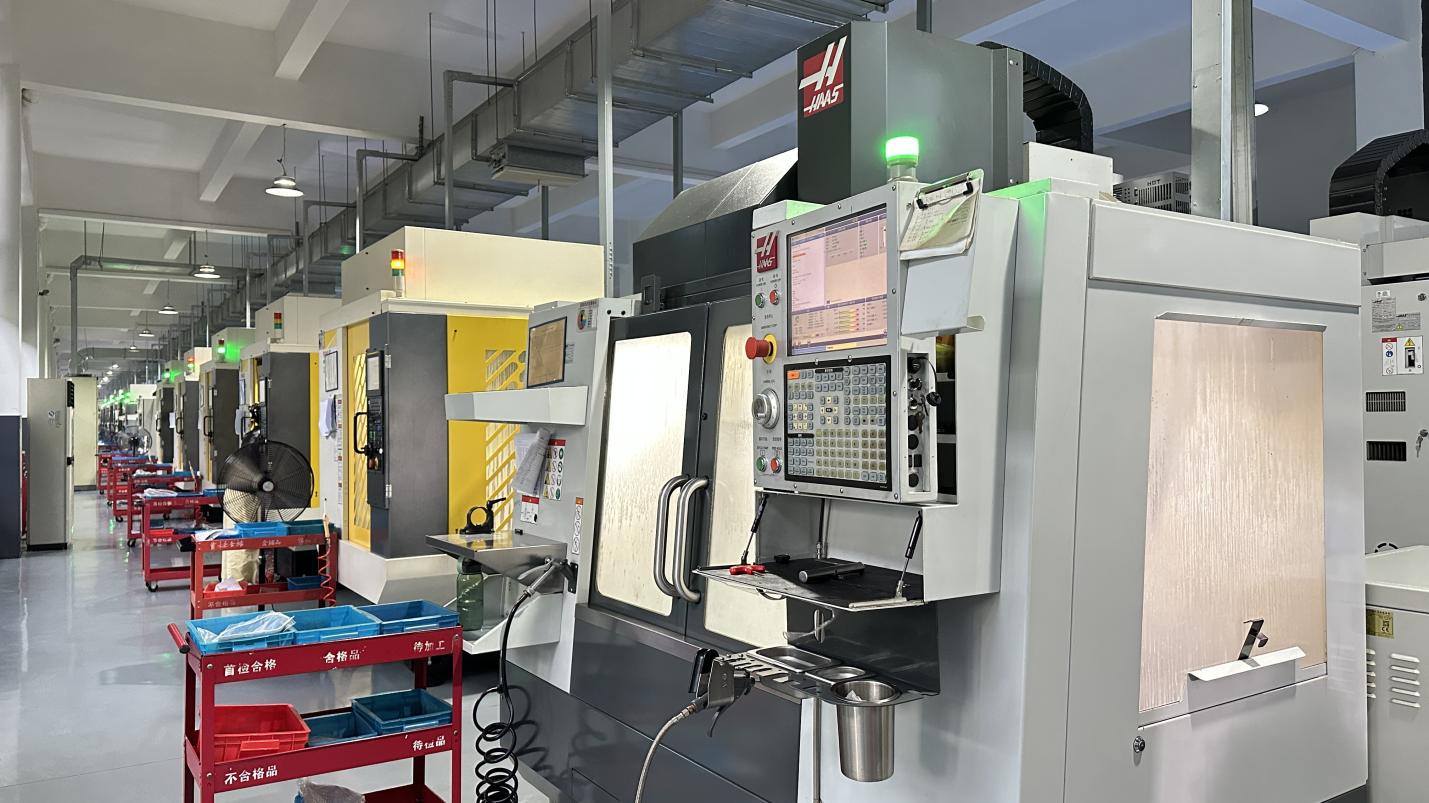
Machining Process
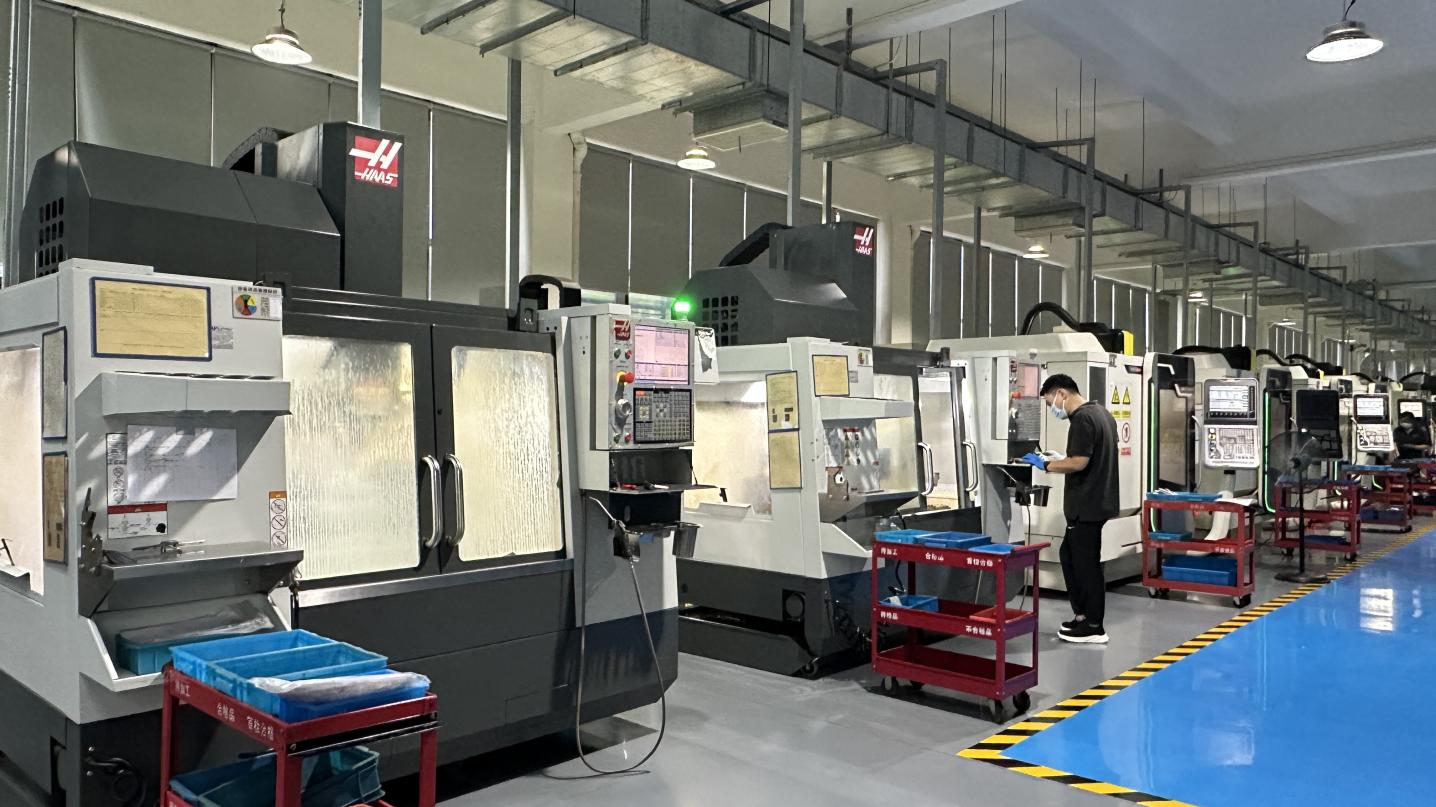
3. CNC Machining

Multi-axis high-speed CNC milling mills precise humeroulnar joint contours.
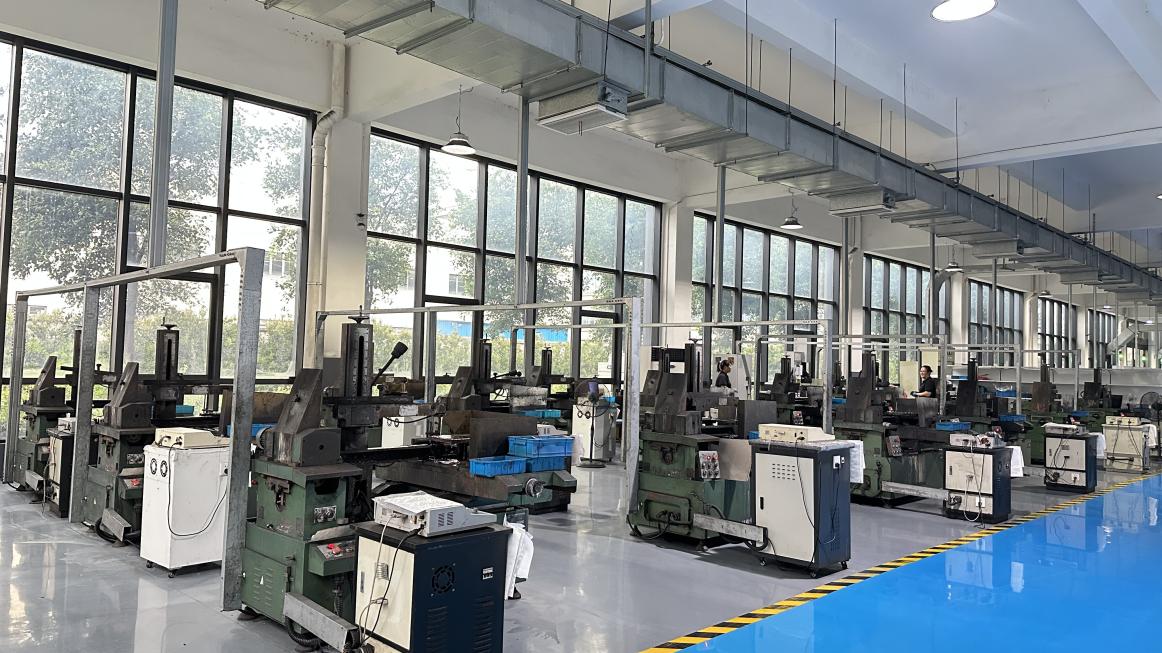
Wire-cutting Process
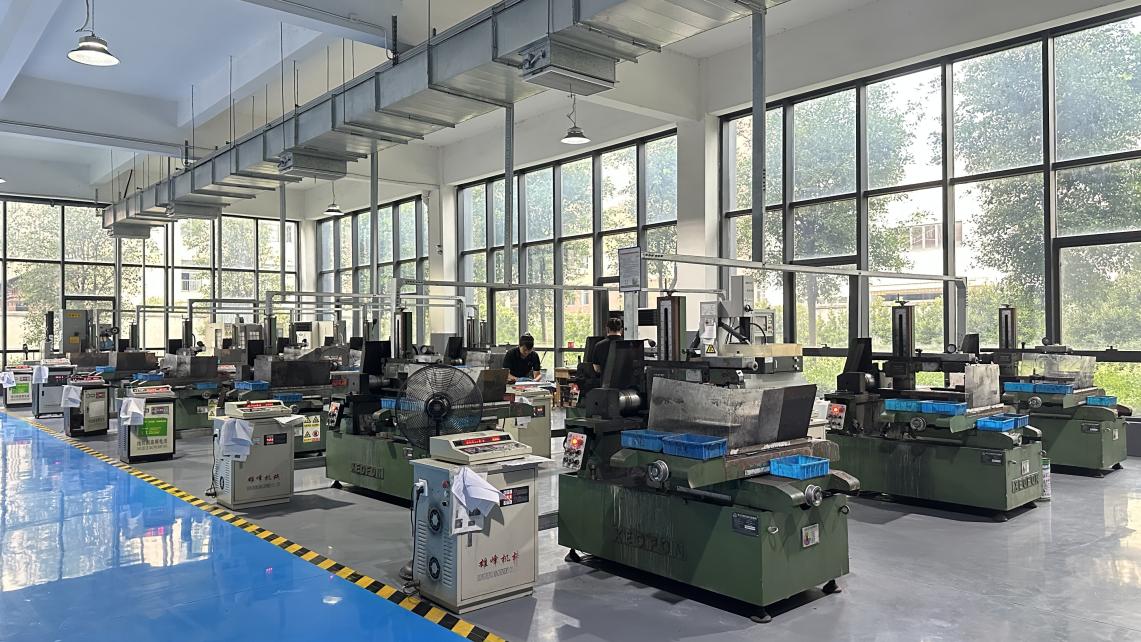
4. High-Precision Wire-cutting

Slow-feeding wire EDM processes micro-slots and customized interlocking tabs.
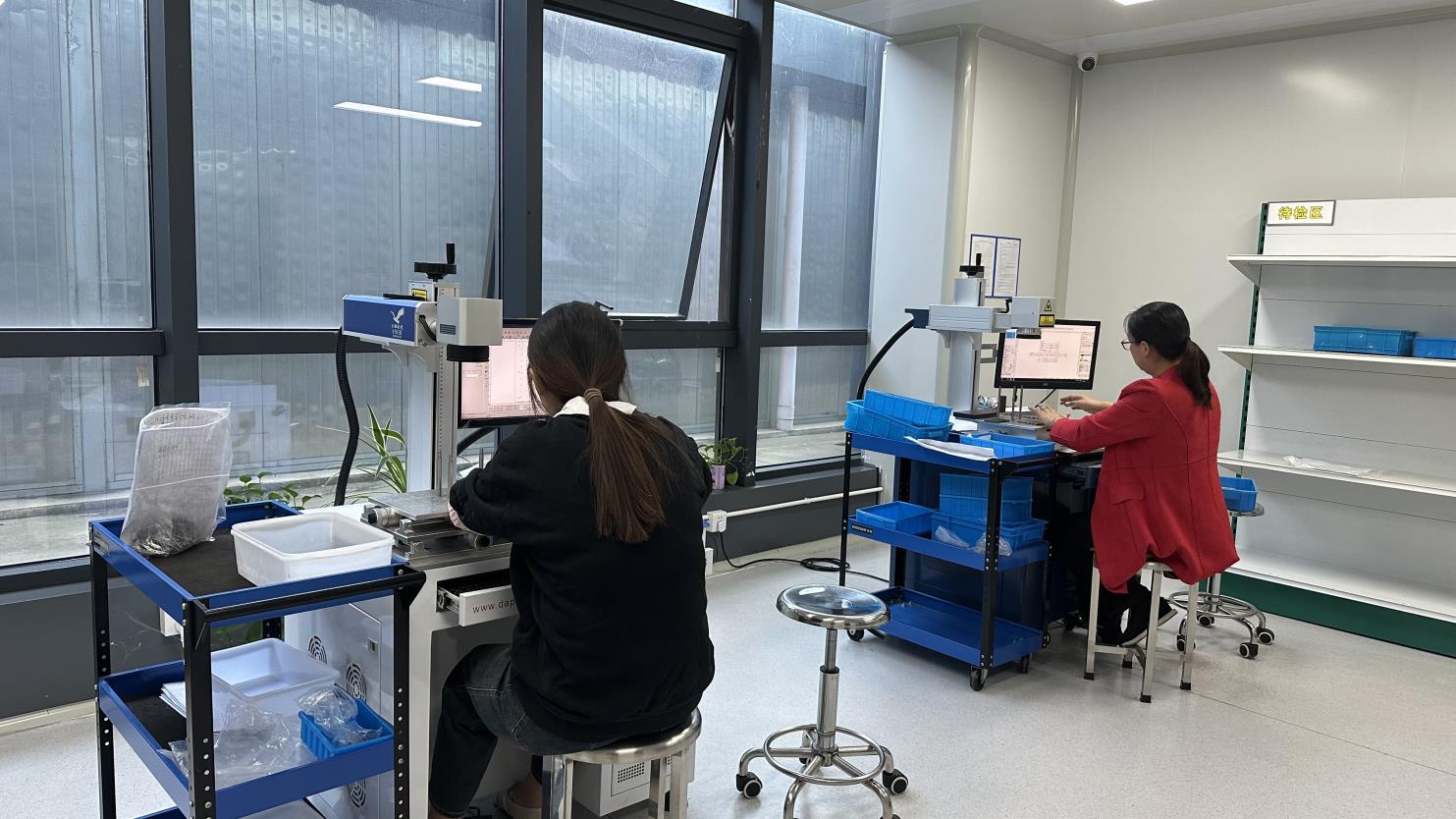
Laser Marking
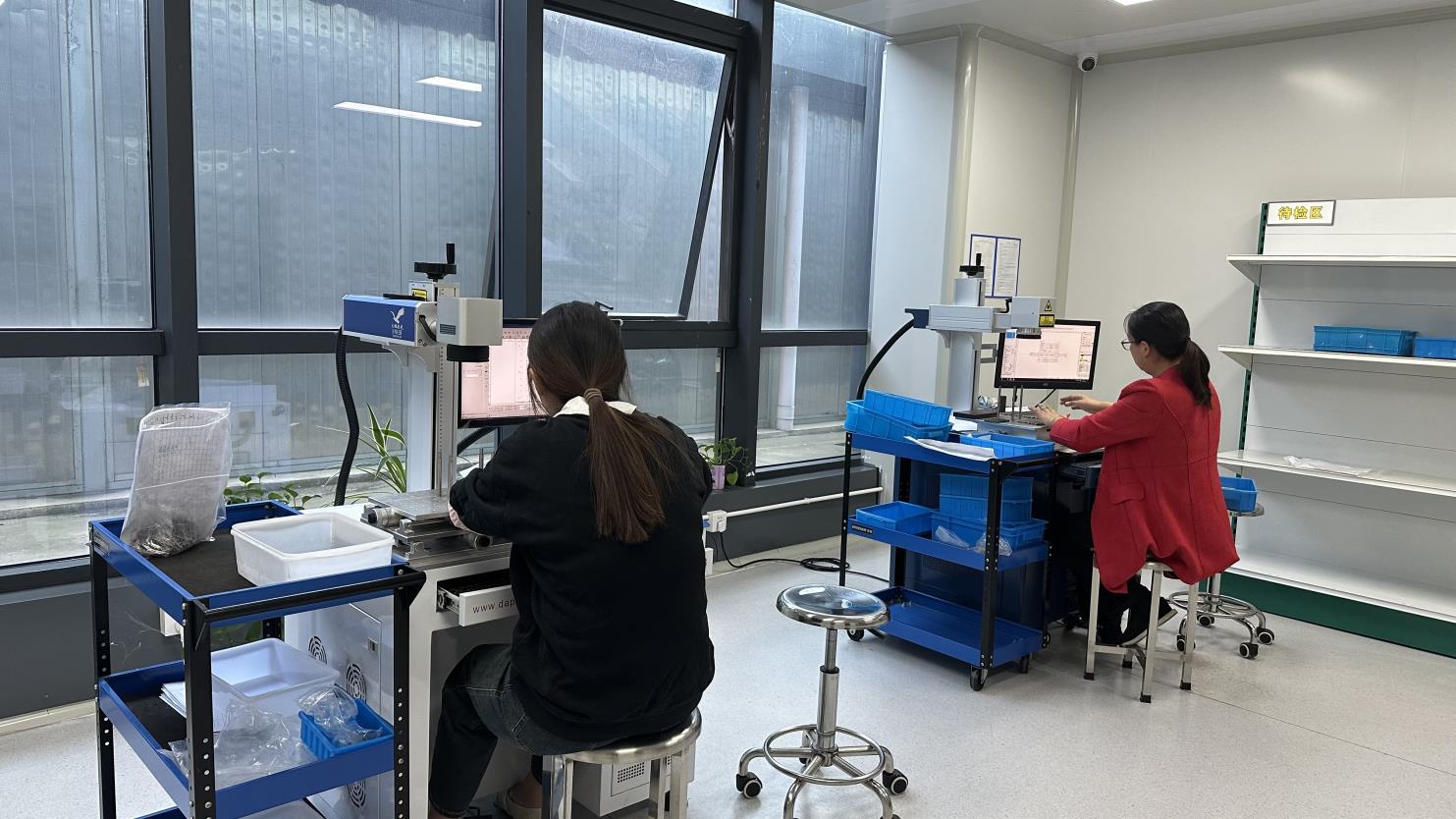
5. Fiber Laser Marking

Traceable barcode, serial number, and size indications laser etched indelibly.
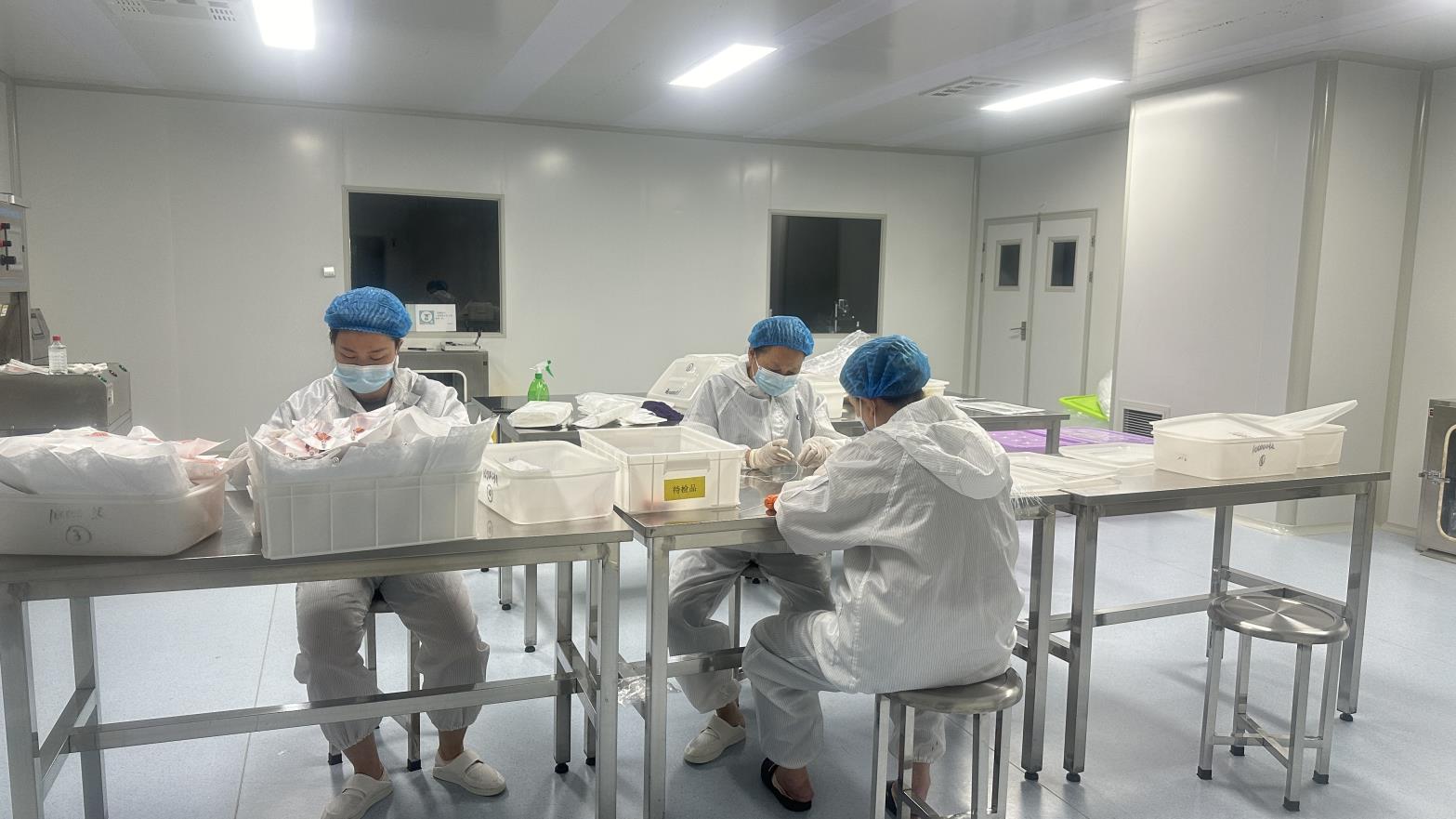
Inspection and Packing
6. CMM & Quality Inspection

3D coordinate measuring machines verify sub-micron deviations.
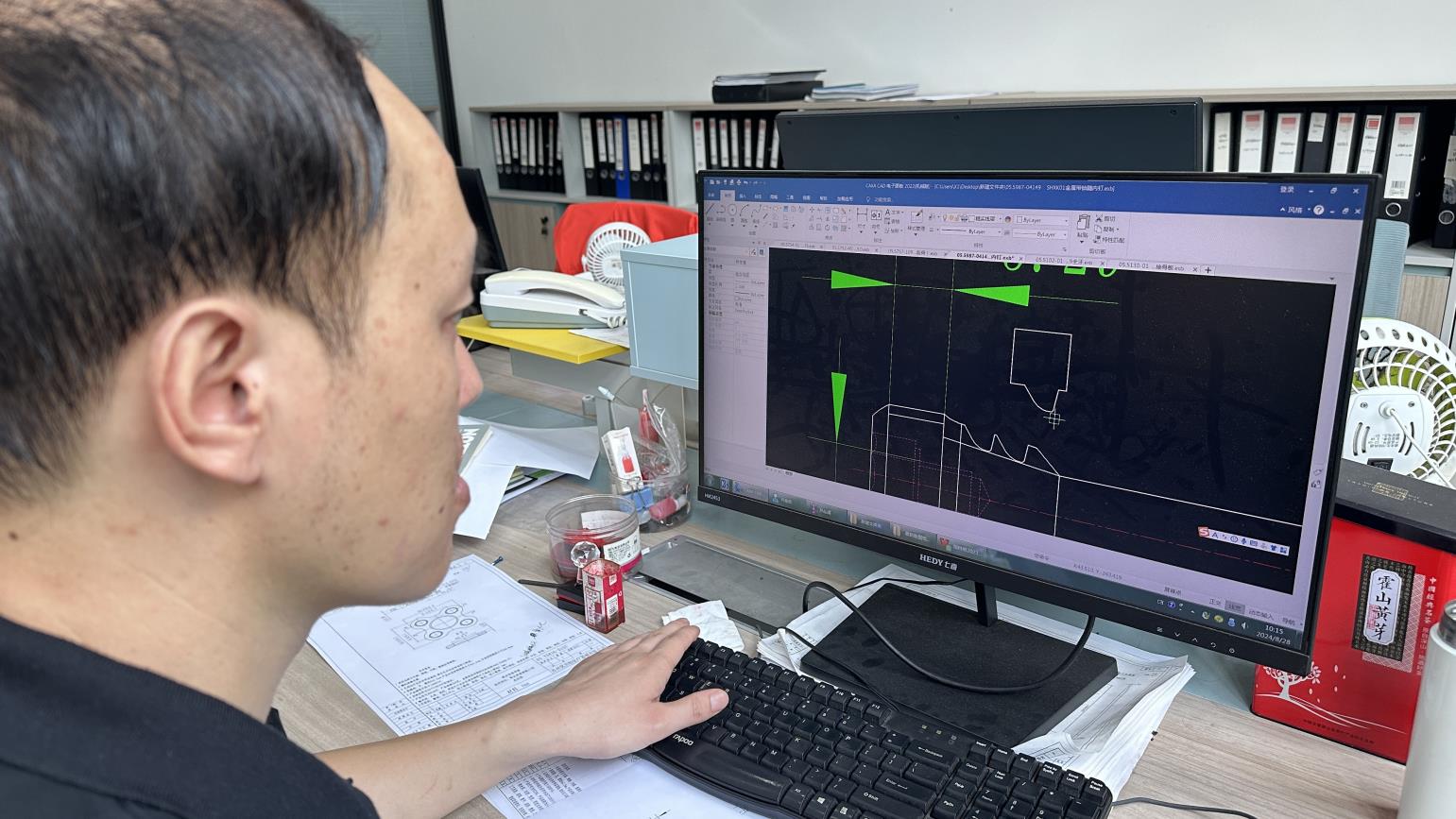
CAD/CAM Design Center
7. R&D CAD/CAM Interface

Direct engineering translation from surgeon ideas to functional manufacturing plans.

Warehouse and Logistics
8. Warehouse & Sterilization

Class 10,000 packing environment and secure logistics management.
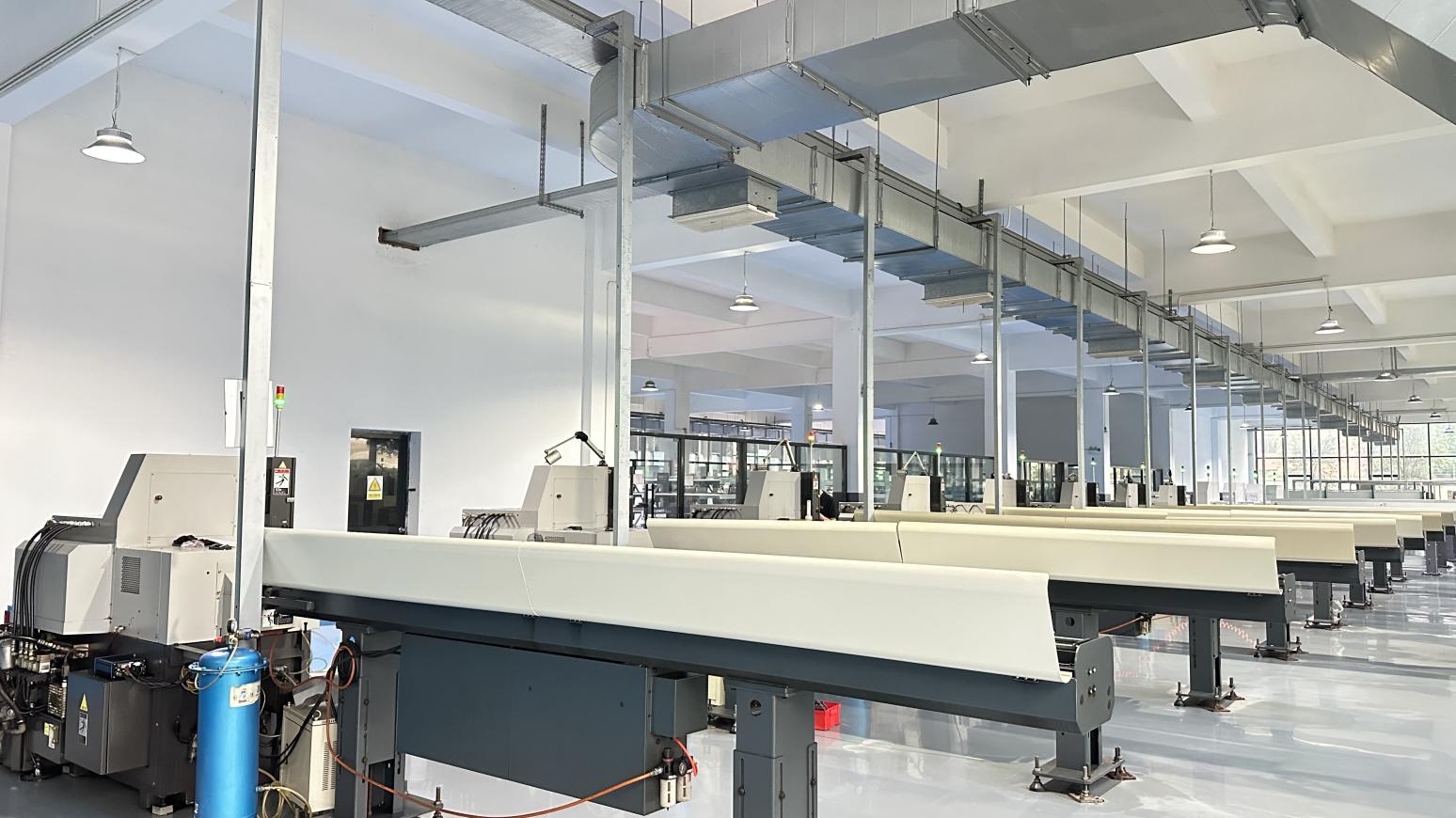
Precision Production Machinery Fleet

Slitting Machine
High-Speed Slitting Machine
CNC Machining Center
Multi-Axis CNC Machining Center
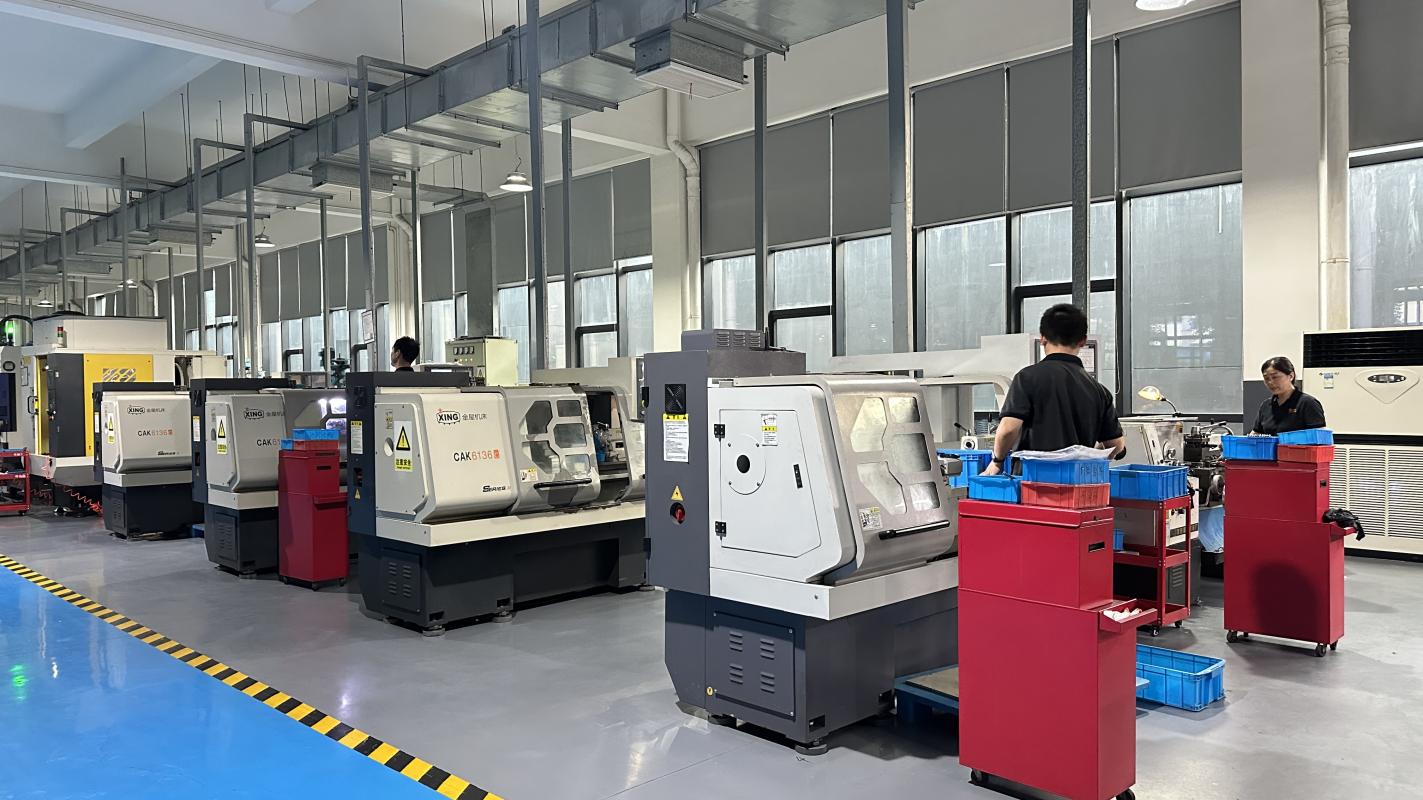
Lathe
Precision Swiss Lathe
Wire-cutting Machine
Precision Wire-cutting System
Laser Marking Machine
Laser Marking and Engraving Hub

Localization Support & Regulatory Compliance

Bridging global standards with local clinical support structures for zero-risk distribution.

Distributing orthopedic implants requires strict regulatory compliance. Bonevia integrates a robust system of documentation and certification designed to clear customs and pass local medical association checks seamlessly.

Multi-Stage Quality Audits
Led by a specialized QC team of 35 professionals, we execute strict Incoming Quality Control (IQC), In-Process Quality Control (IPQC), and Final Quality Control (FQC) protocols. Each batch is fully traceable from the initial melting log of the raw metal.
Global Regulatory Dossiers
We provide full technical documentation including CE files, ISO 13485 certification records, sterilization validation reports (gamma radiation and ethylene oxide protocols), and material biocompatibility reports (ISO 10993 series).
Diversified Global Logistics
Operating in Europe, Southeast Asia, the Middle East, and South America, we leverage a dynamic shipping network. We handle cold-chain and secure medical packaging requirements to prevent moisture, dust, or impact damage during transit.

Technical & Commercial FAQ

In-depth responses to direct engineering, material, and logistics queries.
Q: What specific material compositions are used in your elbow prosthesis humeral and ulnar stems?
A: Our stems are manufactured from premium implant-grade Titanium Alloy (Ti-6Al-4V ELI) conforming to ASTM F136 or Cobalt-28Chromium-6Molybdenum (CoCrMo) alloy conforming to ASTM F1537. Titanium stems are chosen for non-cemented applications to enable direct osseointegration, whereas CoCrMo is preferred for cemented designs due to its excellent fatigue resistance under bending and rotational shear stresses.
Q: What tests are performed to validate the biomechanical longevity of the articulating hinges?
A: Our joint mechanisms undergo rigorous wear and fatigue testing under ASTM F1378 (Standard Specification for Elbow Prostheses) protocols. This includes multi-million cycle dynamic simulated wear testing under joint loads up to 1500 N, assessing debris volume generation, tracking mechanical deformation of UHMWPE/HXPE liners, and evaluating the stability of locking mechanisms to ensure a simulated survival rate of over 15-20 years.
Q: What is the lead time for custom OEM/ODM elbow implant production?
A: The standard development lifecycle includes: Initial CAD/CAM modeling (7-10 working days); Rapid 3D metal prototyping / test machining (15-20 days); Mechanical validation testing (depending on protocols); Cleanroom batch production, sterilization packing, and quality certification (30-45 days). Average complete cycle times range from 60 to 90 days from initial design freeze to export shipment.
Q: How do you manage sterilization and cleanroom assembly requirements?
A: All implants are cleaned, assembled, and primary-packaged inside our class 10,000 (ISO Class 7 equivalent) cleanrooms. We offer both Ethylene Oxide (EtO) gas sterilization and Gamma Irradiation (typically 25-40 kGy dose). Each shipment is accompanied by a Sterilization Batch Report, biological indicator certificates, and residual gas analysis validation.
Q: Are your implant instrumentation sets customized to match the implants?
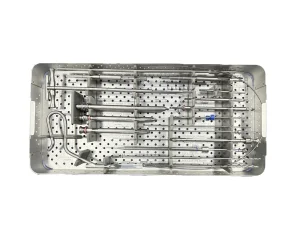
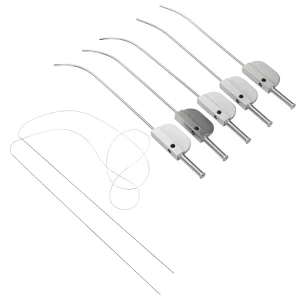
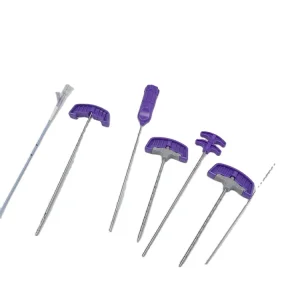
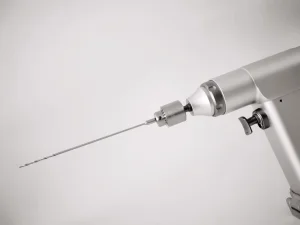
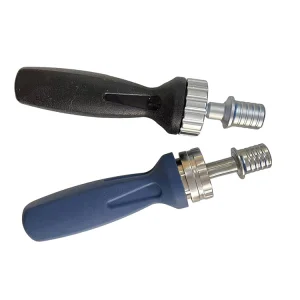
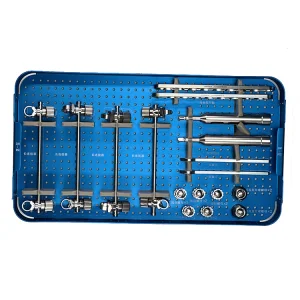
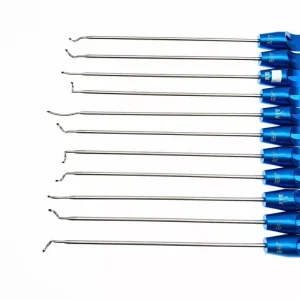
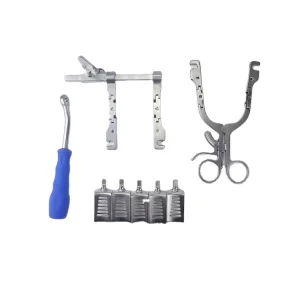
A: Yes. Every OEM/ODM implant system is matched with a custom Surgical Instrument Set (reusable trial stems, bone rasps, drills, alignment guides, and tensioners) machined from surgical-grade stainless steel (SUS630/SUS440C). These are designed to withstand autoclaving (134°C) without losing spatial calibration or alignment accuracy.
Q: What are the payment terms and shipping options for bulk global exports?
A: We support standard international payment pathways, including T/T and L/C. Shipments are handled through Ex-Works, FOB, CIF, or DDU structures. Since our annual export volume is USD 8–15 million, we have established discounted contracts with key air freight and express courier networks to ensure rapid shipping and cost efficiency.