Bonevia
Bonevia
Bonevia
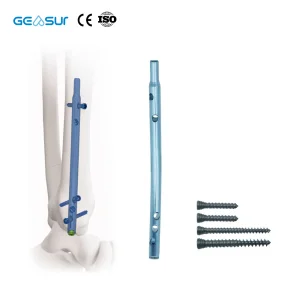
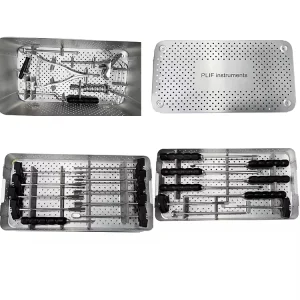
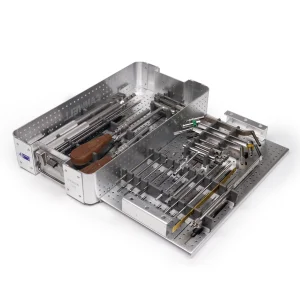
High-precision manufactured surgical tools and fixators complying with ISO and CE medical standards.
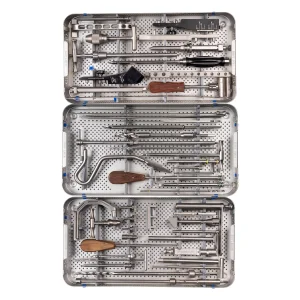
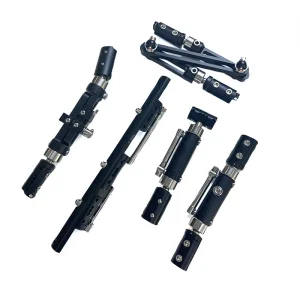
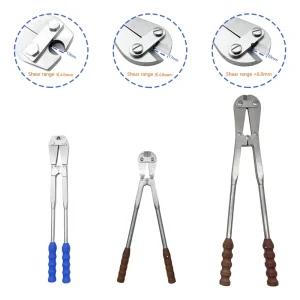
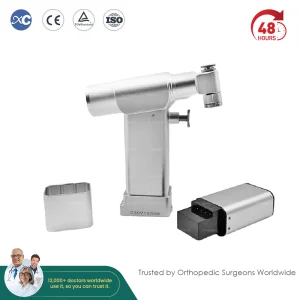
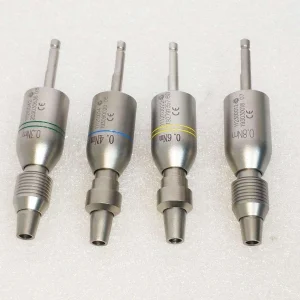
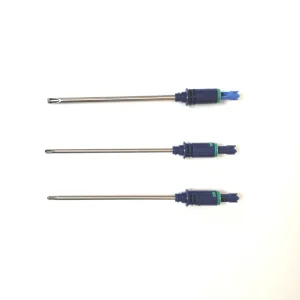
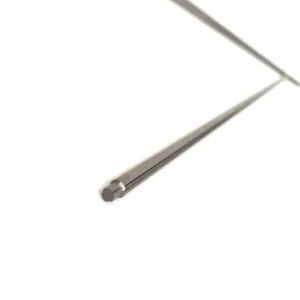
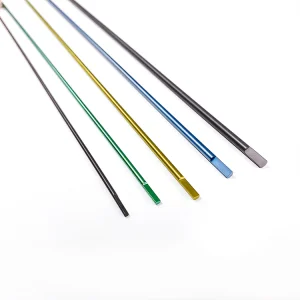
The clinical paradigm in sports medicine has shifted decisively from partial meniscectomy to meniscal preservation. The meniscus is a critical fibrocartilaginous structure responsible for load distribution, shock absorption, and joint stability. Long-term studies show that partial or total tissue removal dramatically accelerates the onset of osteoarthritis. Consequently, repairing torn meniscal tissue using advanced implant systems is now the gold standard.
Modern surgical techniques utilize three primary mechanical approaches: All-Inside, Inside-Out, and Outside-In suture delivery. The All-Inside approach has gained immense popularity due to its minimally invasive nature, enabling surgeons to complete the repair entirely within the joint cavity through standard portals. This method requires specialized delivery needles pre-loaded with ultra-high-molecular-weight polyethylene (UHMWPE) sutures and biocompatible anchors, which secure the tear without compromising neighboring vascular structures.
Material science remains the backbone of this evolution. Implant designers alternate between bioabsorbable materials (like PLLA and PLGA) and non-absorbable polymers like Polyetheretherketone (PEEK). Our R&D focuses on developing low-profile implant anchors that deliver superior pull-out strength, minimize articular cartilage damage, and support long-term healing in the red-white and red-red vascular zones of the meniscus.
Low-profile PEEK anchors paired with UHMWPE sutures minimize biomechanical failure, providing reliable, knotless fixation inside the joint capsule.
Implant delivery systems engineered to match anatomical variations, ensuring precise deployment in the vascular red-red and red-white zones.
Managing regulatory conformity, mechanical integrity, and unit economic scalability in sports medicine supply chains.
Procuring medical implants demands compliance with global regulatory standards. Our systems are manufactured to align with CE (MDR), FDA 510(k) pathway parameters, and ISO 13485 quality systems, reducing market-entry risk.
Medical buyers audit pull-out resistance, knot security, and structural fatigue life. We utilize advanced bio-mechanical testing configurations to verify performance characteristics under physiological loading simulation.
We support customized modifications of delivery needles, handles, and implant dimensions to help brands build distinct orthopedic portfolios without capital-intensive machinery investments.
Bonevia Orthopedic Technology Co., Ltd. is a professional manufacturer specializing in orthopedic implants and surgical solutions, dedicated to advancing innovation in trauma, spine, and joint reconstruction products. Since its establishment in 2015, the company has grown steadily into a trusted supplier in the global orthopedic industry.
With a modern production facility covering approximately 320㎡, Bonevia maintains strict quality management standards and efficient manufacturing processes. The company records an annual export revenue of around USD 8–15 million, supported by 6 years of export experience and over 10 years of overall industry experience.
Quality assurance is a core focus at Bonevia. The company implements multiple inspection methods including incoming material inspection, in-process quality control, and final product testing, supported by a dedicated quality team of 35 professionals. This ensures all products meet international medical device standards.
Bonevia has a solid trade foundation with diversified global distribution networks, serving major markets across Europe, Southeast Asia, the Middle East, and South America. Its supply chain ecosystem includes more than 850 partners, enabling stable raw material sourcing and efficient production delivery.
The company serves a wide range of clients, including hospitals, orthopedic clinics, surgical centers, and medical distributors. Bonevia also demonstrates strong R&D capabilities, offering OEM and ODM customization services to meet specific clinical requirements. In the past year, Bonevia successfully launched 120 new product designs, supported by a research and development team of 85 engineers, continuously driving innovation in orthopedic implant systems and surgical instruments.
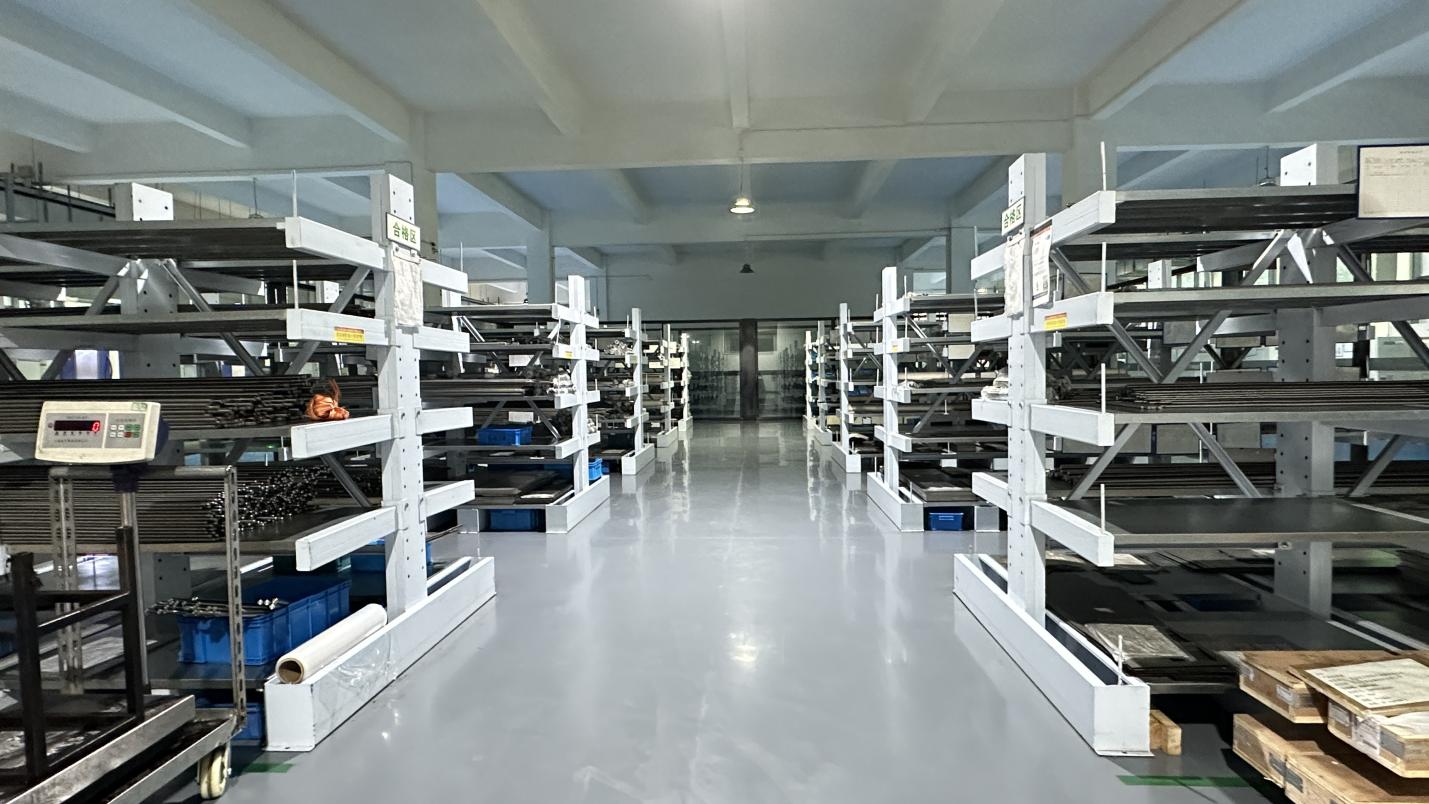
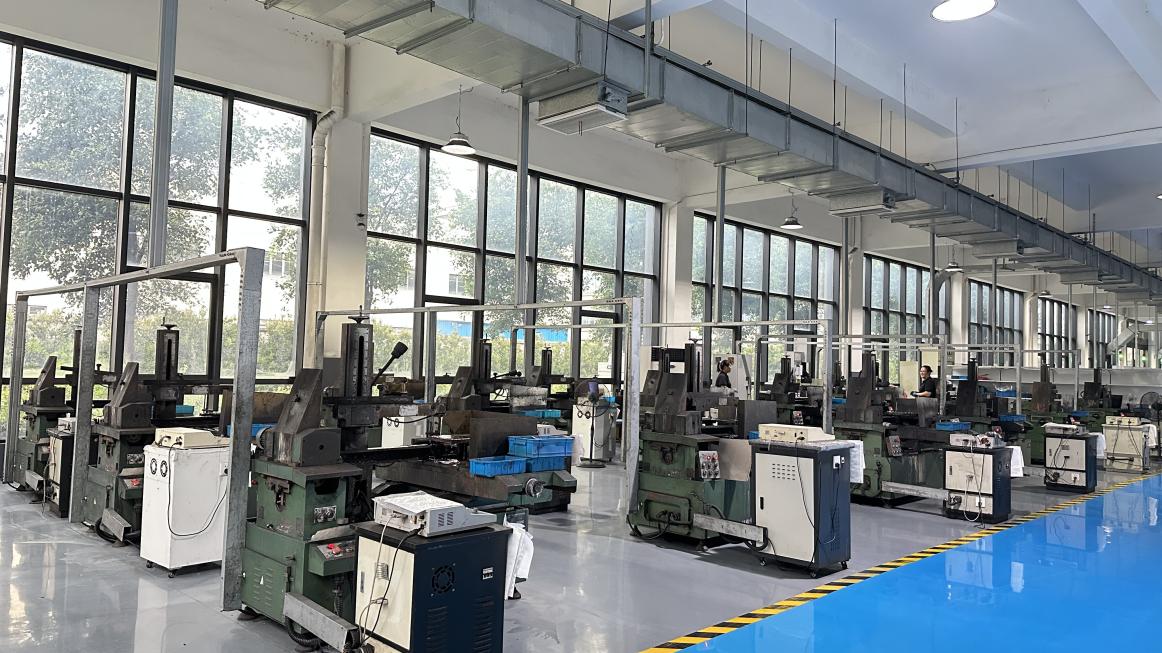
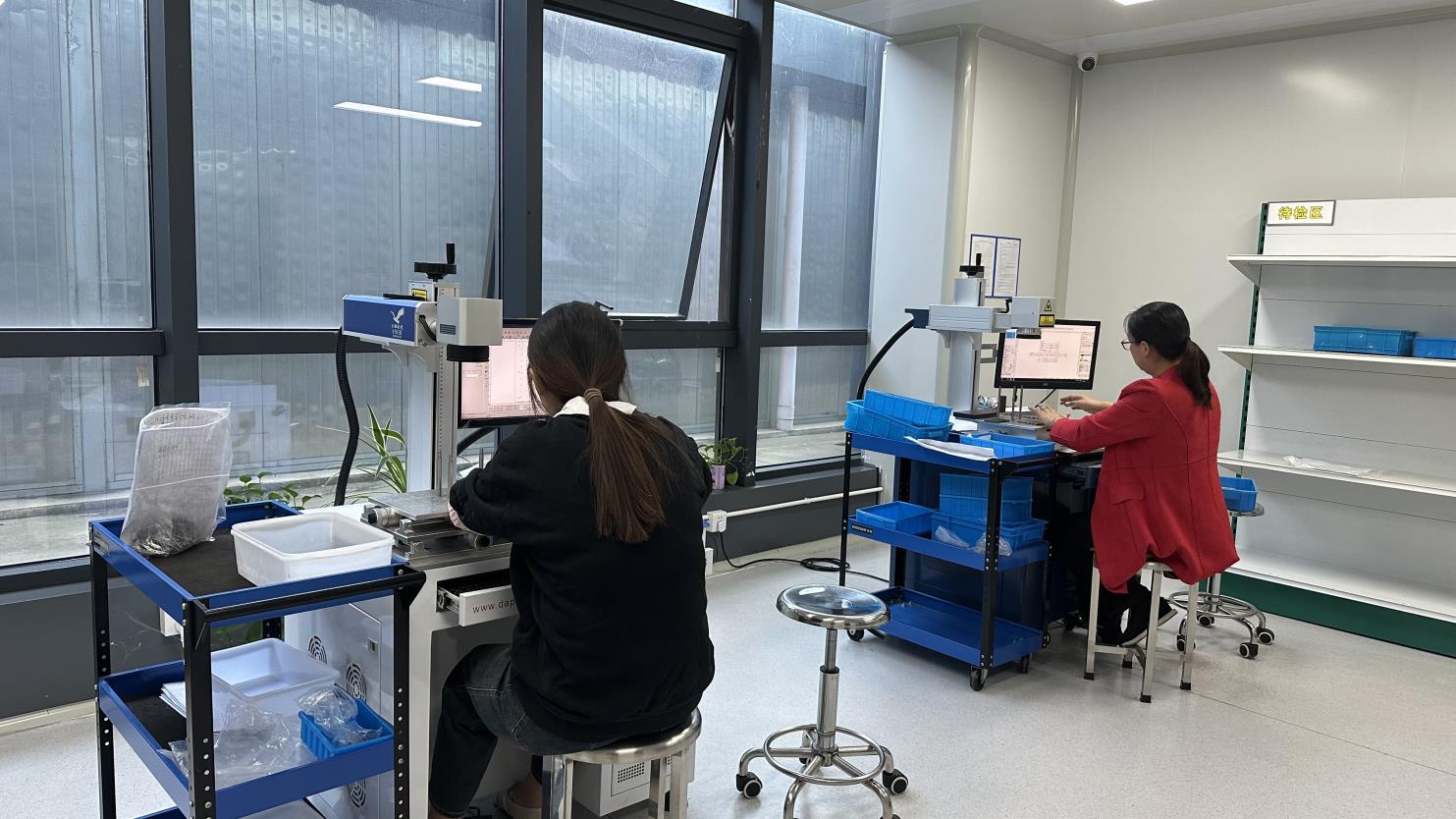
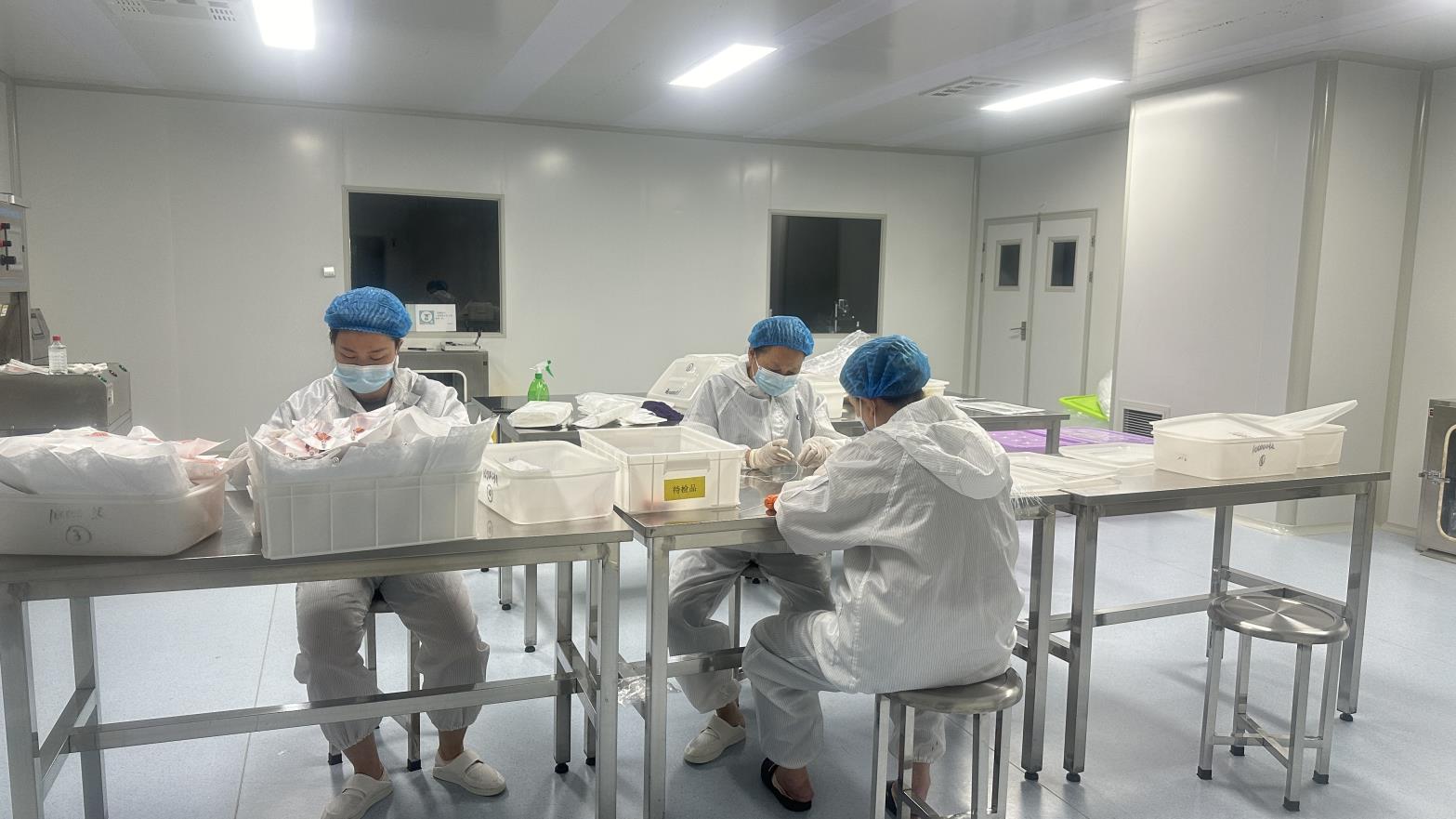
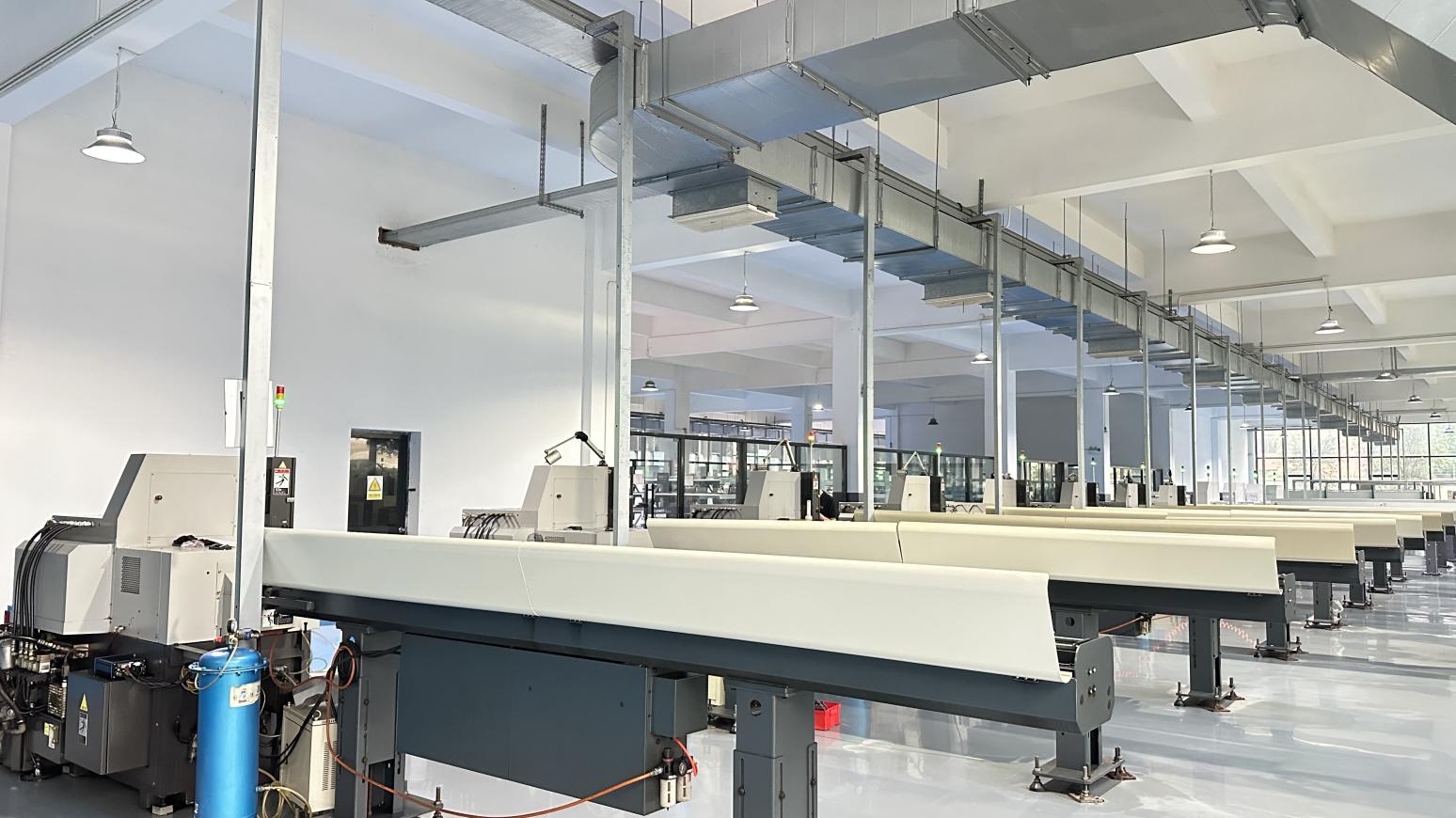
How our orthopedic manufacturing facility converts high-grade titanium, PEEK, and stainless steel raw materials into high-precision clinical products.
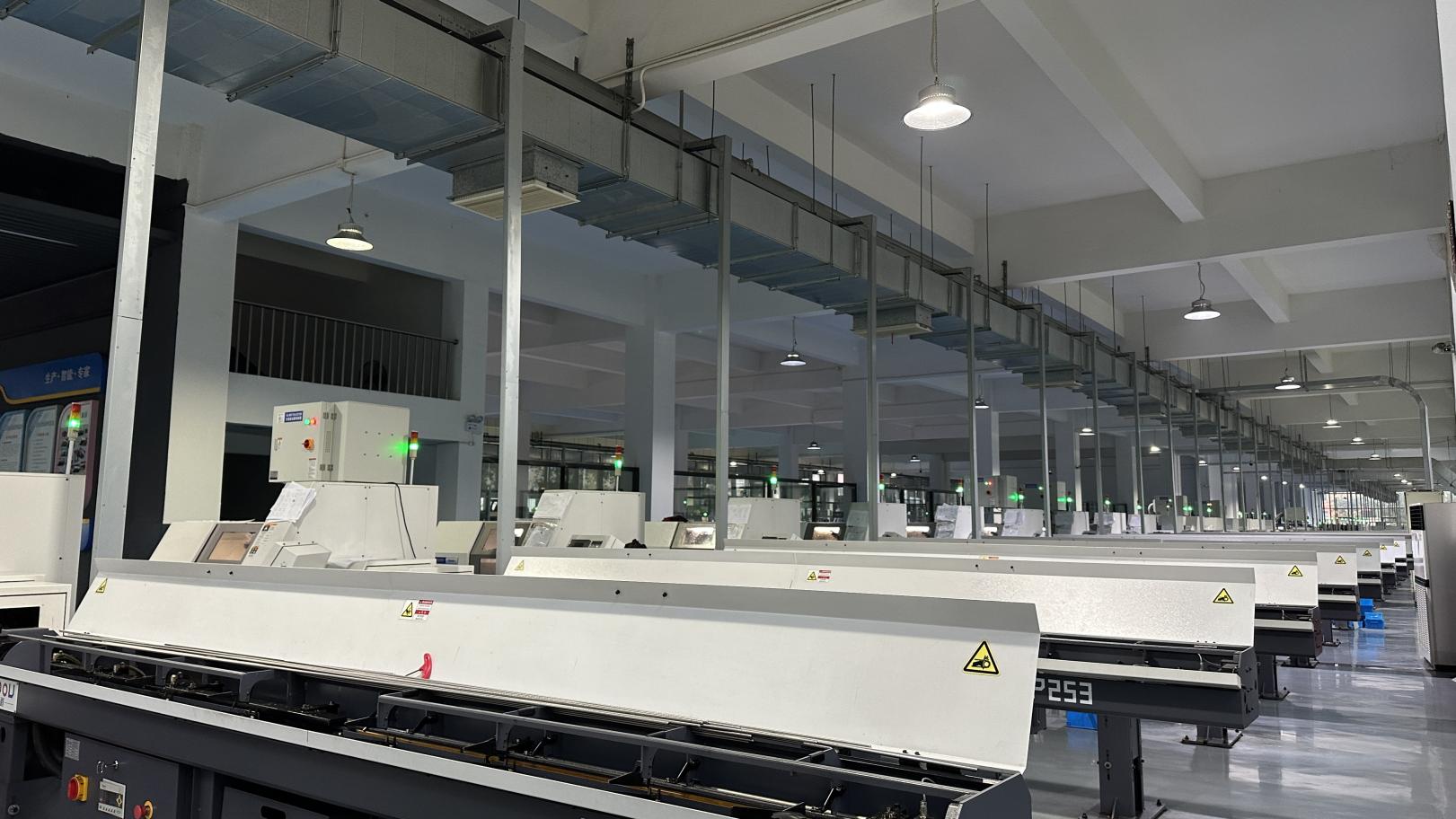
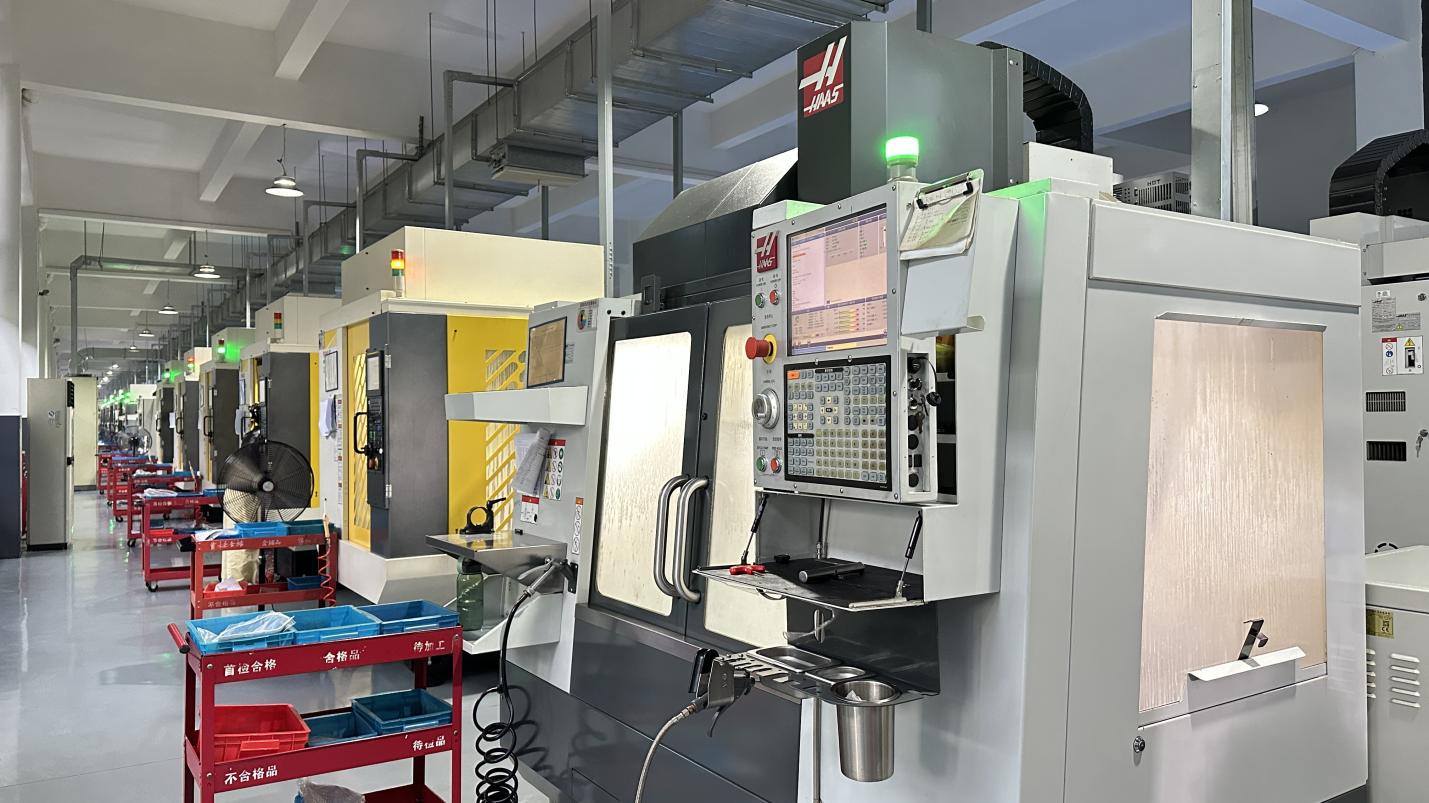
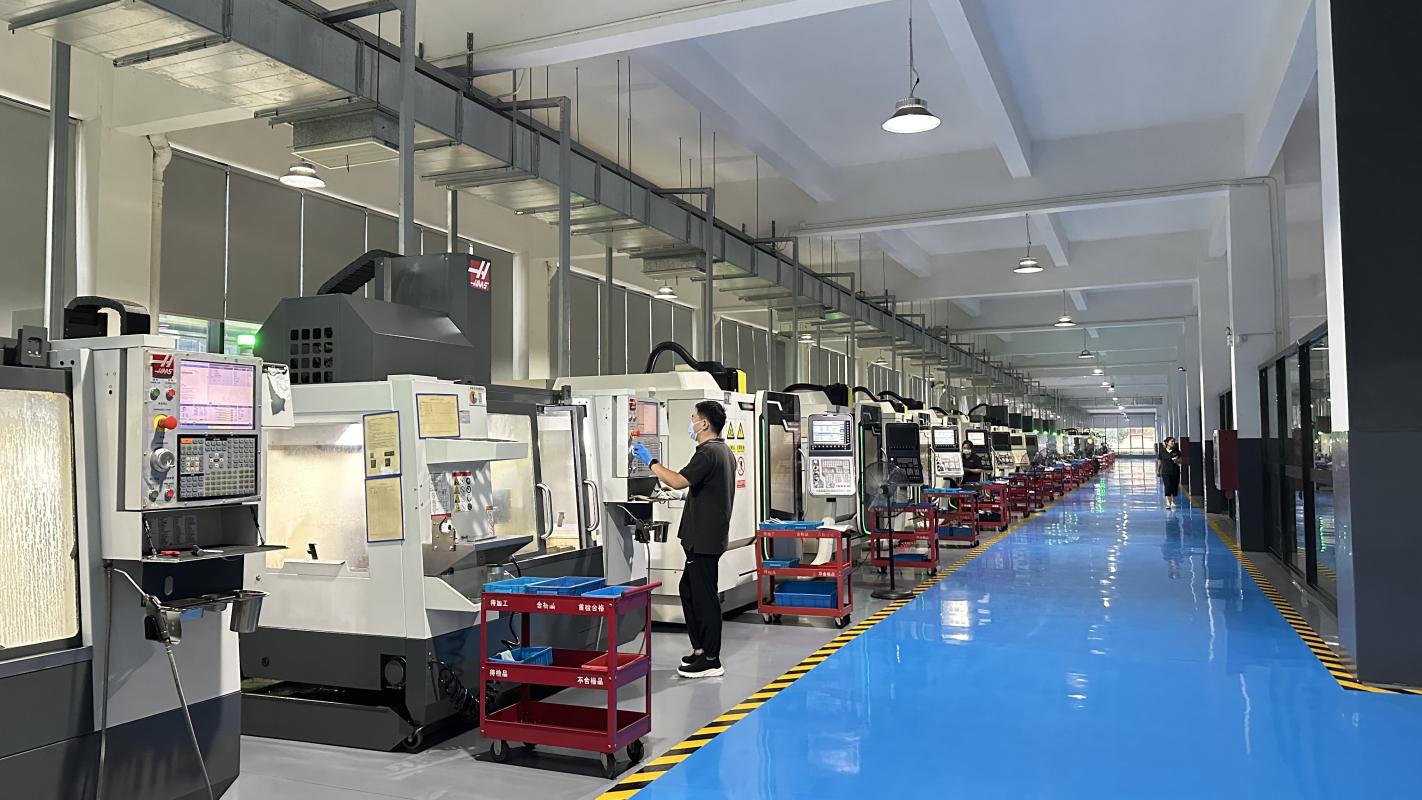

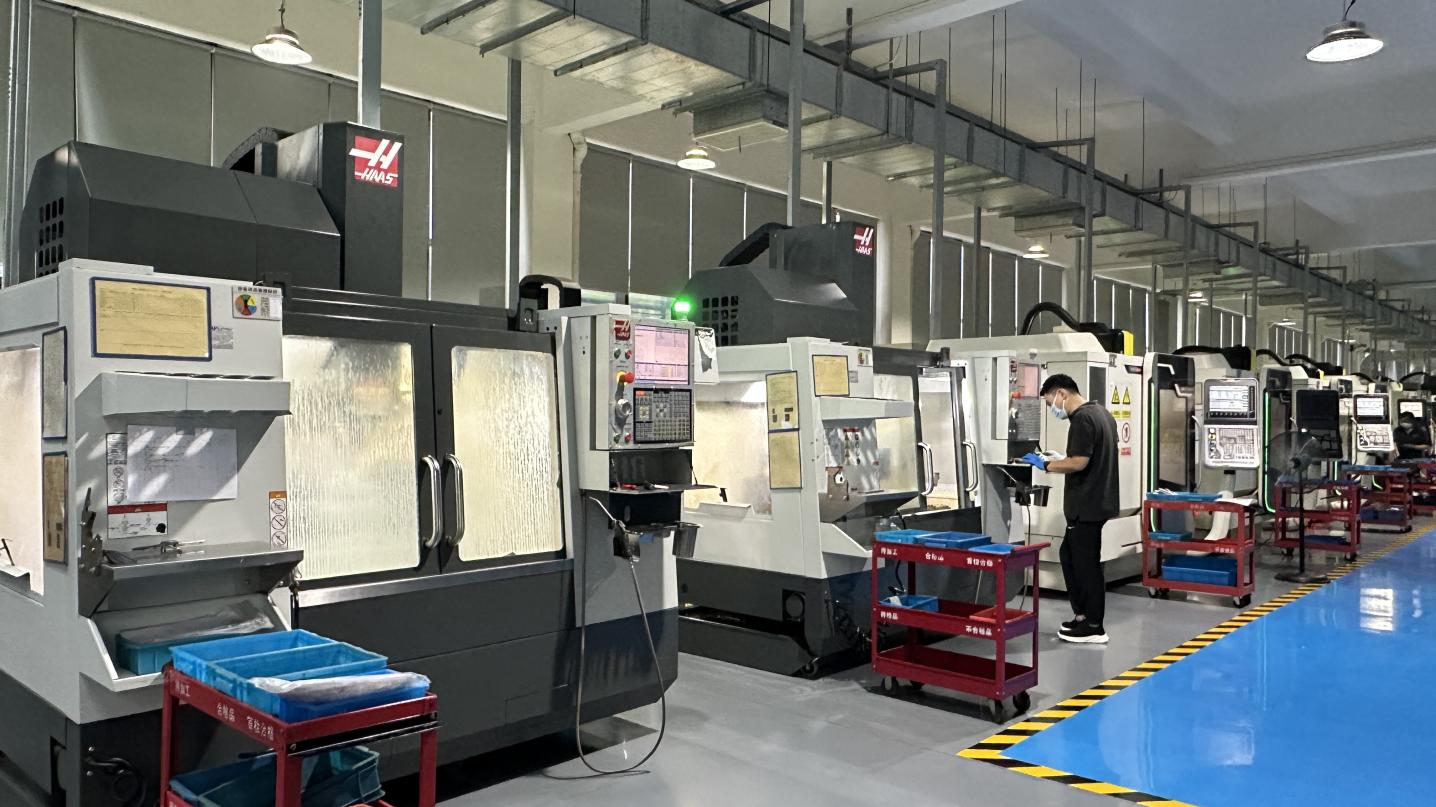
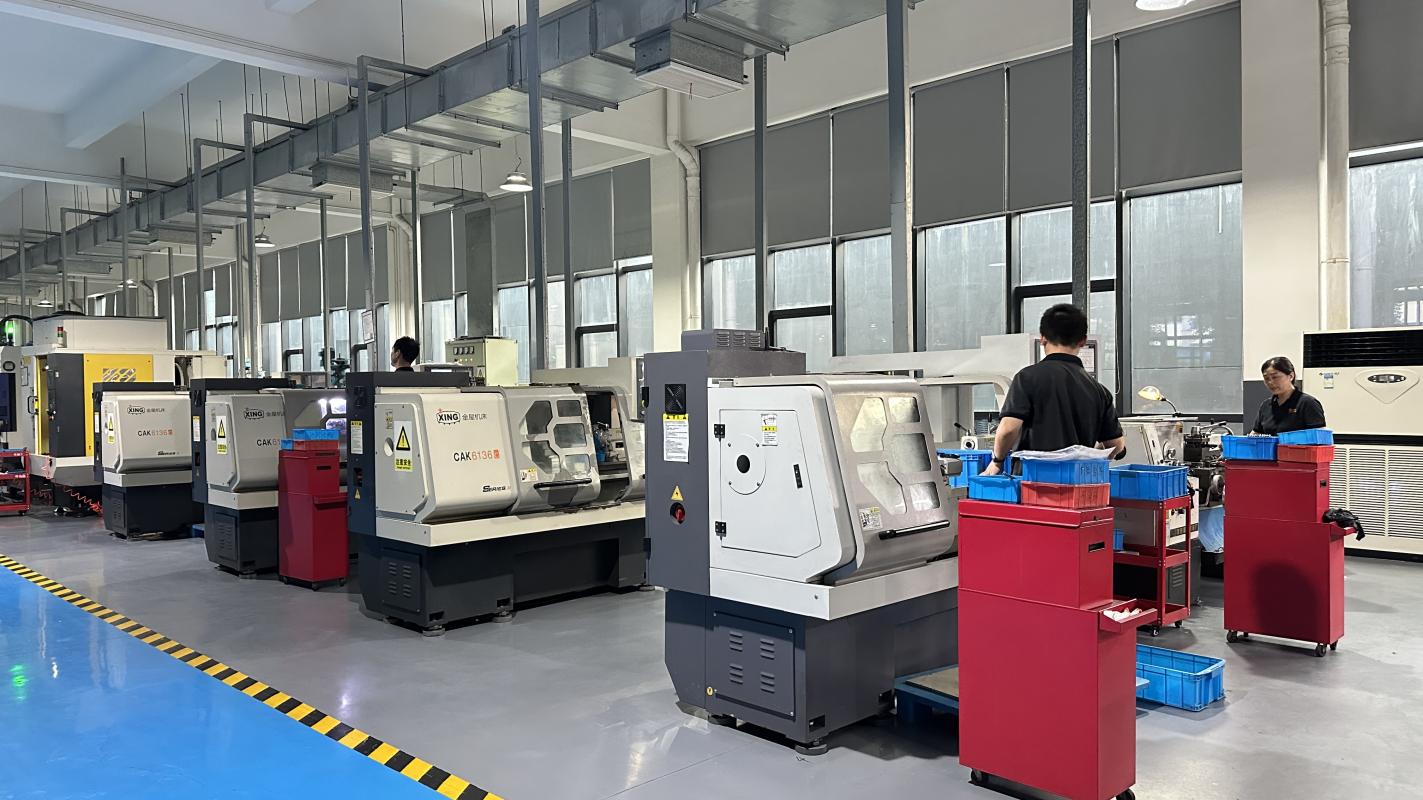
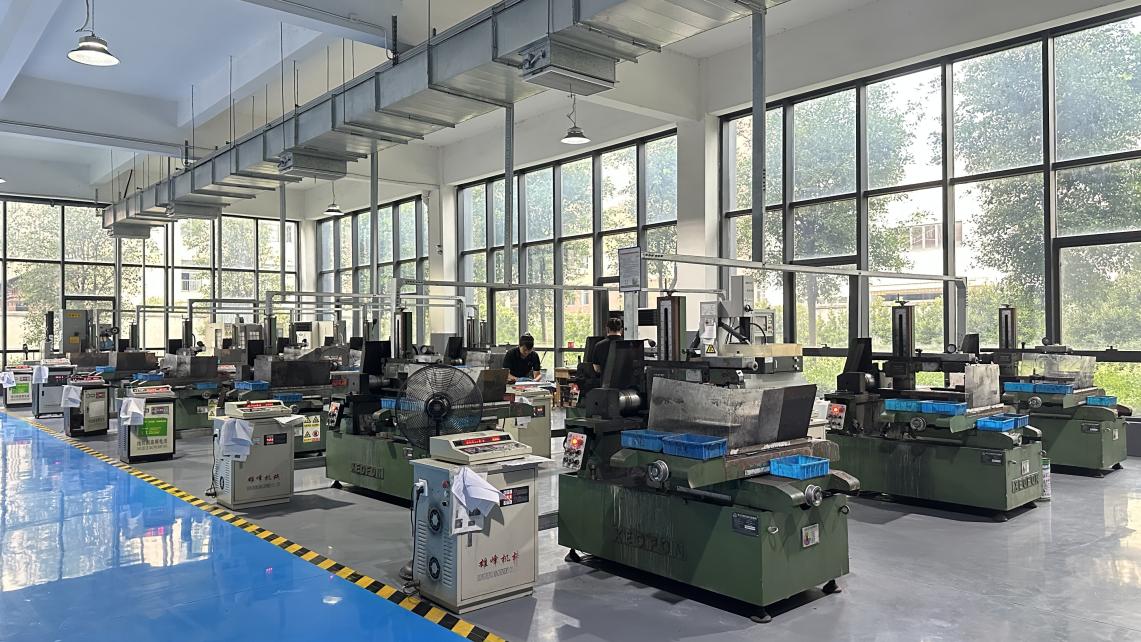
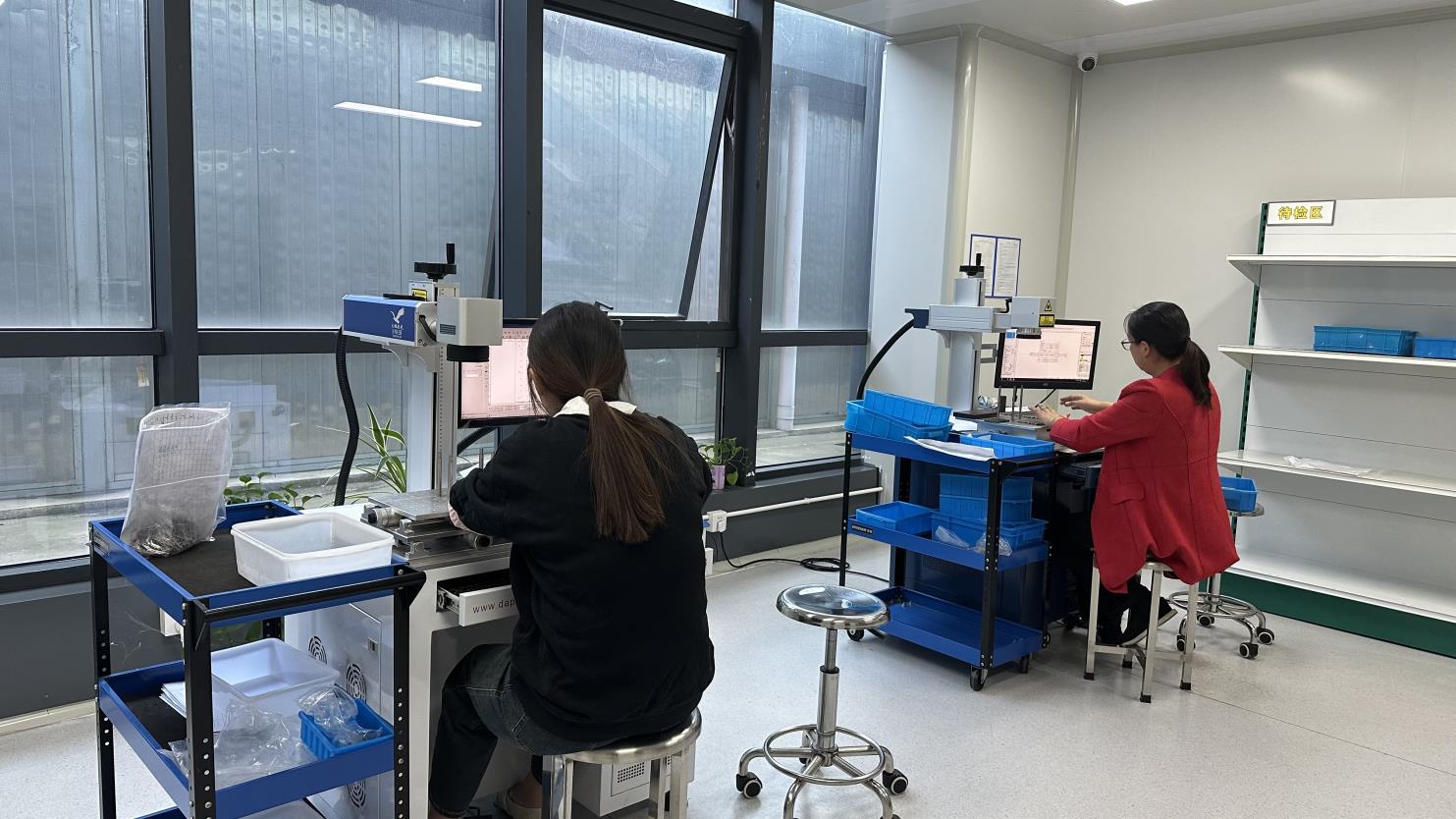
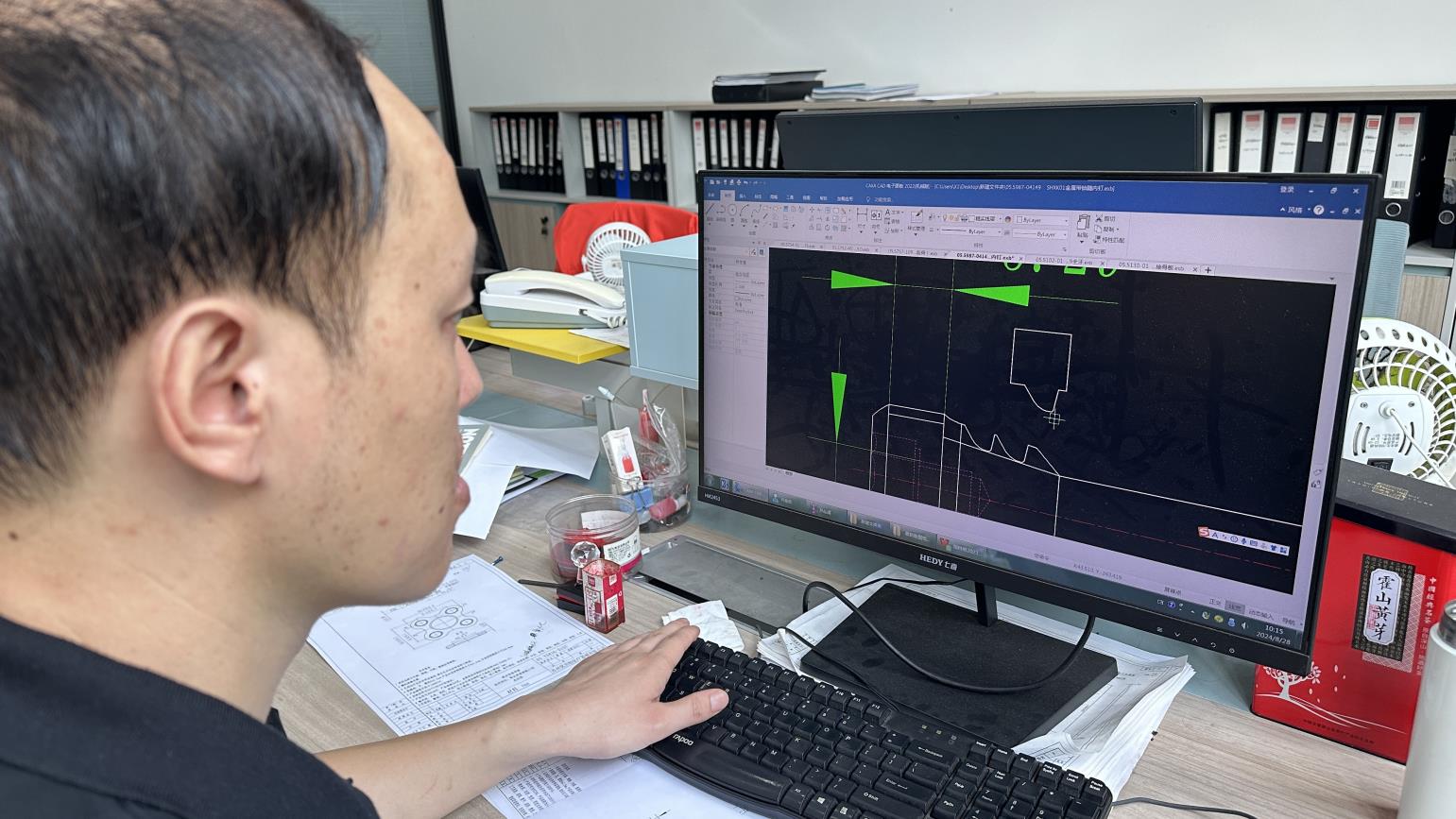
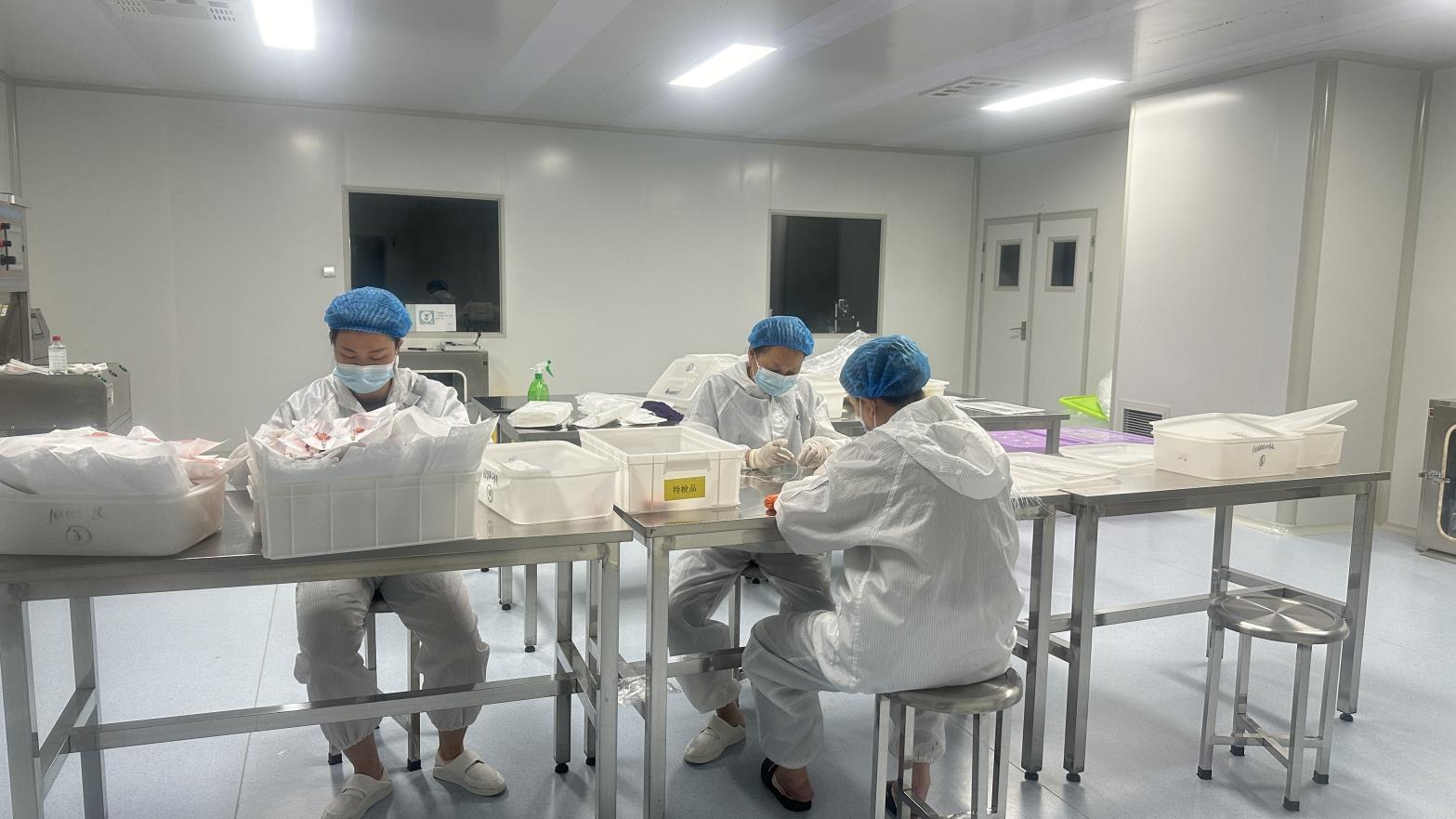
The performance requirements for meniscal repair and general orthopedic trauma devices differ significantly across regional healthcare systems, hospital capacities, and operational settings:
Key technical, quality assurance, and supply chain questions answered by our engineering department.
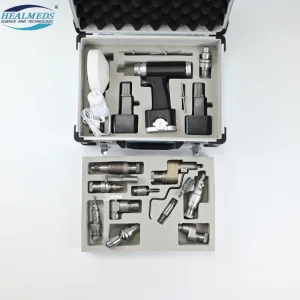
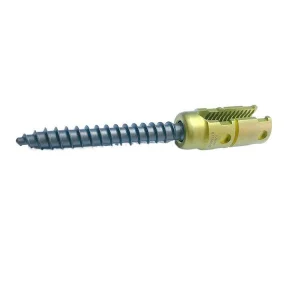
Discover our highly specialized spine systems, drill systems, and biocompatible suture anchors.