Bonevia
Bonevia
Bonevia
Advanced surgical instruments, titanium implant systems, and precision interventional materials.
Proximal femoral fractures, specifically intertrochanteric and subtrochanteric fractures, present high biomechanical challenges in orthopedic trauma surgery. Geriatric patients with osteoporotic bone tissue require internal fixation systems that can withstand cyclic loading while minimizing the risk of failure, rotation, or helical blade cut-out.
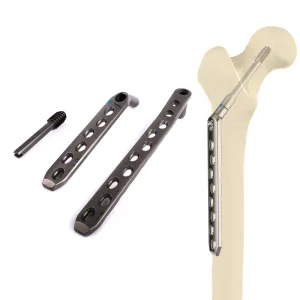
The PFNA (Proximal Femoral Nail Antirotation) system represents a key milestone in intramedullary load-sharing technology. Unlike traditional dynamic hip screws (DHS), the intramedullary nail offers a shorter lever arm, reducing the bending moment on the implant.
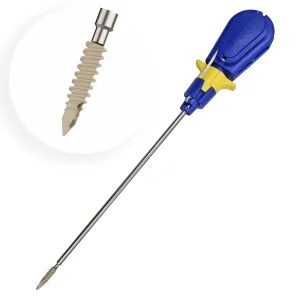
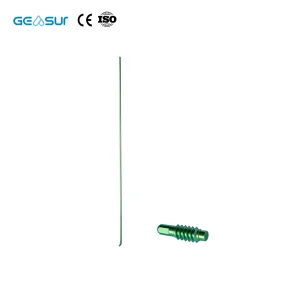
The defining feature of the PFNA is the helical blade, which compacts the bone marrow during insertion rather than removing it. This compaction provides enhanced purchase in osteoporotic bone, substantially increasing resistance to varus collapse and rotational dislocation compared to standard hip screws.
A trusted global supplier specializing in orthopedic implants and customized surgical solutions since 2015.
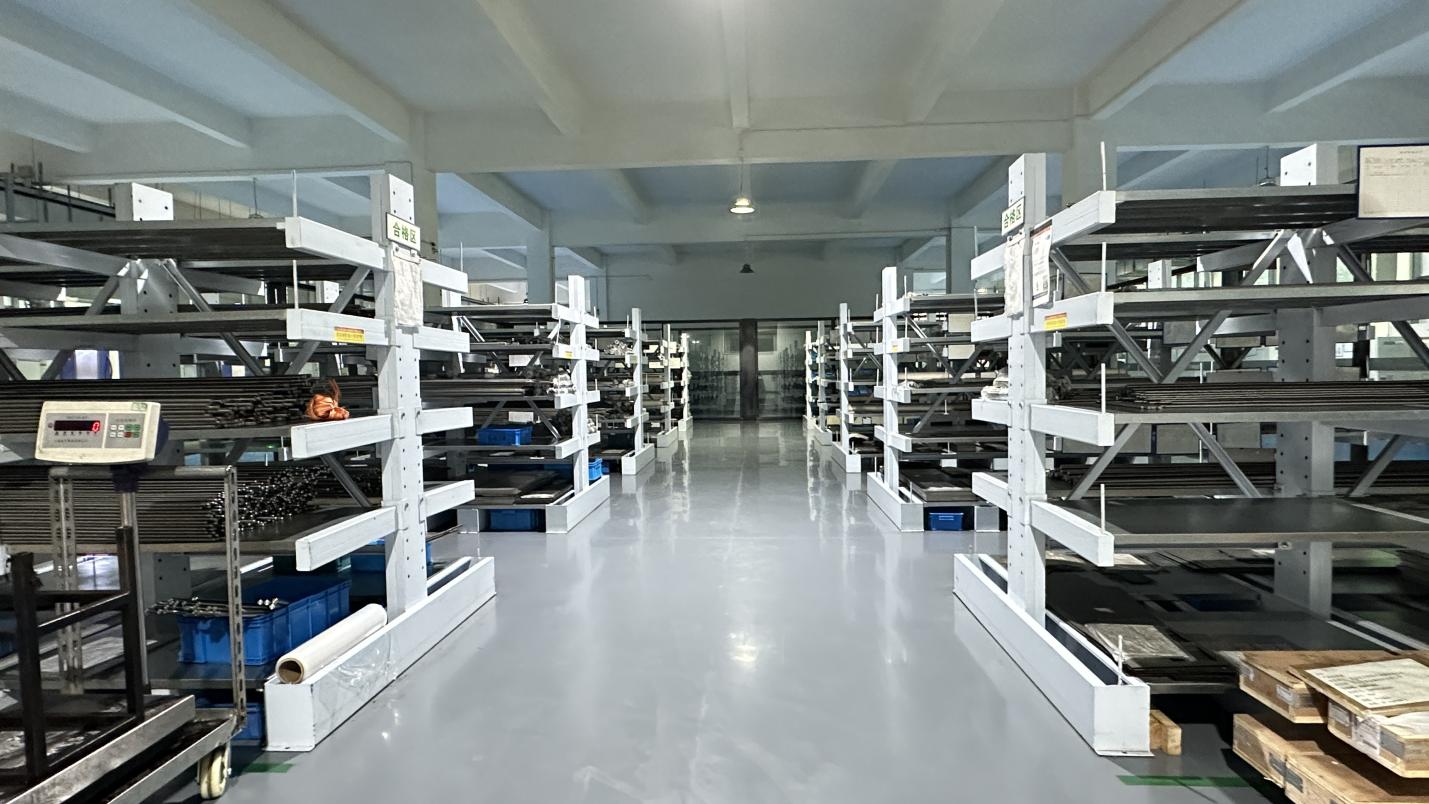
At Bonevia Orthopedic Technology Co., Ltd., we are committed to advancing global healthcare by delivering high-precision trauma, spine, and joint reconstruction systems. Operating from a modern production facility equipped with high-precision manufacturing systems, we deliver clinical reliability and mechanical durability.
Backed by a robust network of over 850 partners, we ensure stable raw material sourcing and consistent production delivery. We serve a diverse global client base, including hospitals, orthopedic clinics, surgical centers, and medical distributors across Europe, Southeast Asia, the Middle East, and South America.
With comprehensive OEM and ODM capabilities, we partner with clients to customize orthopedic implant solutions that address specific clinical needs, supported by our experienced engineering and regulatory teams.
Annual Export Revenue
Dedicated QA Team
R&D Innovators
New Products Annually
A look inside our manufacturing workflow, utilizing advanced CNC machining, wire cutting, and rigorous quality inspection protocols.
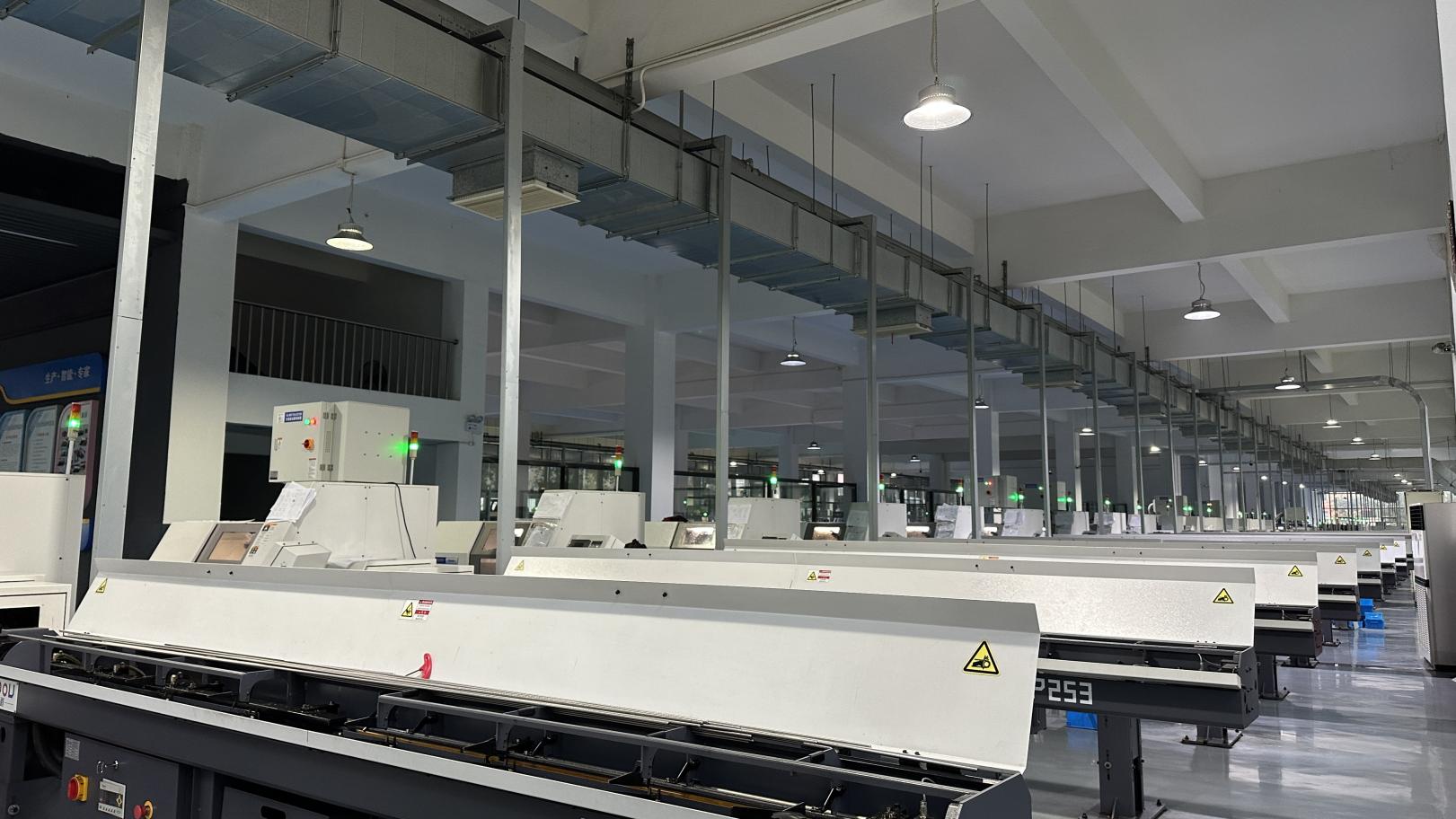
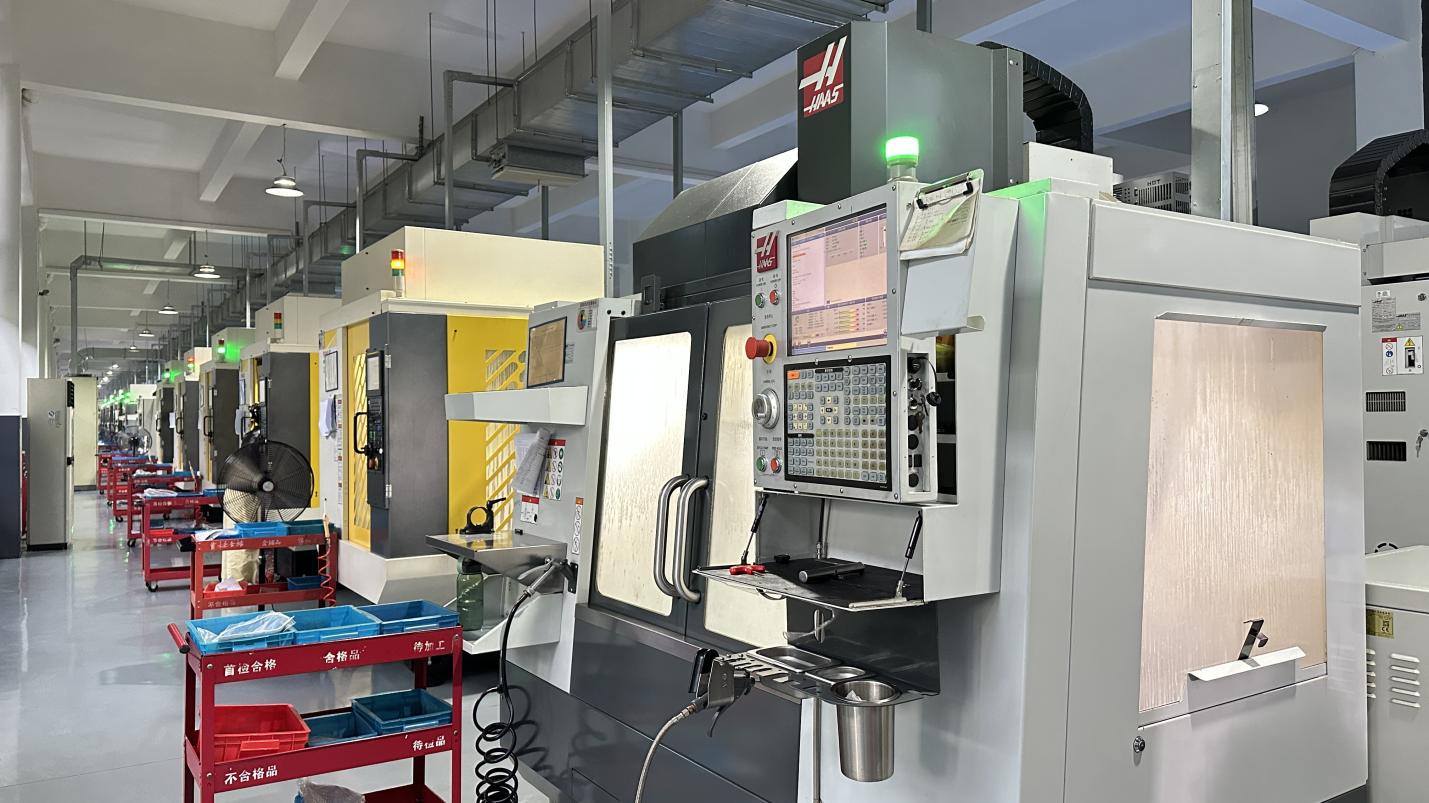
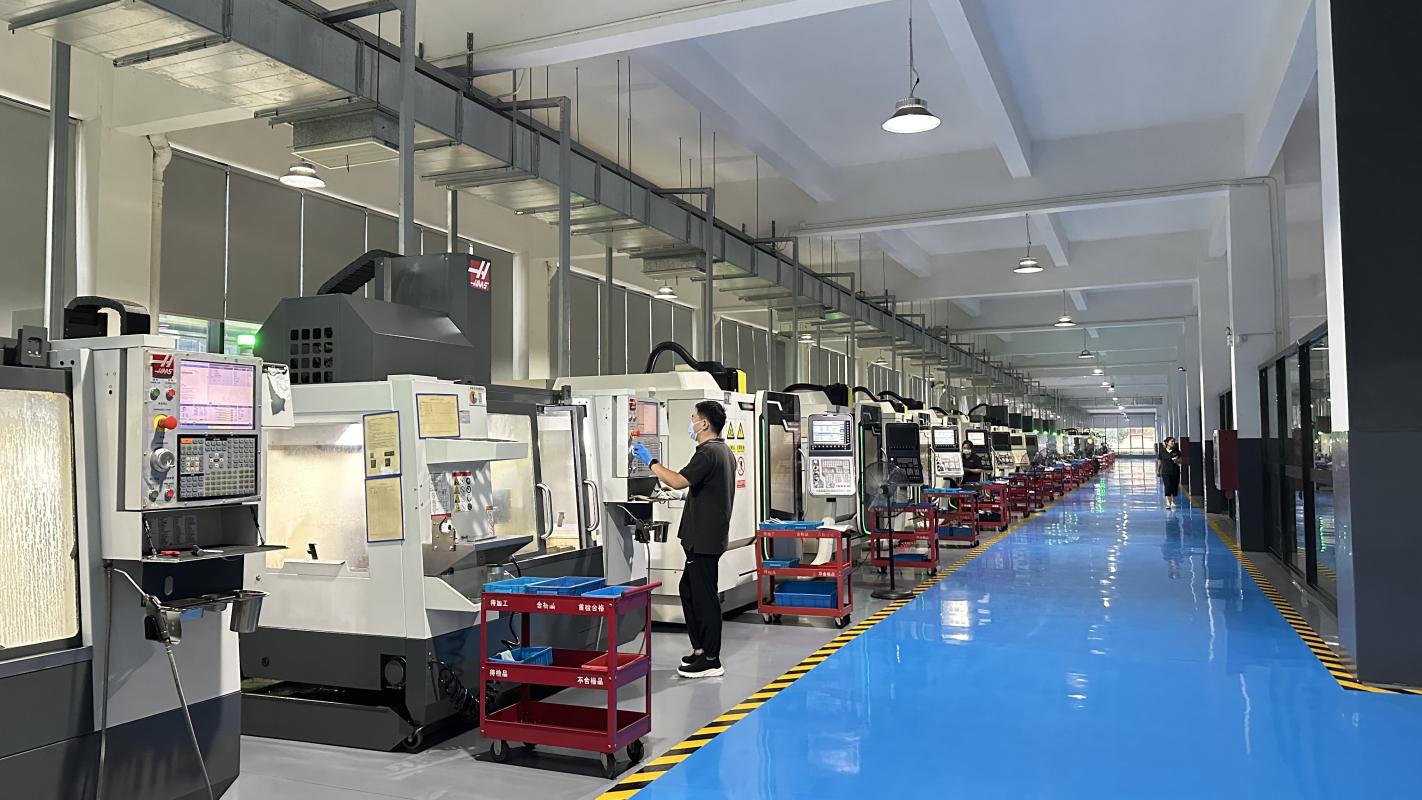
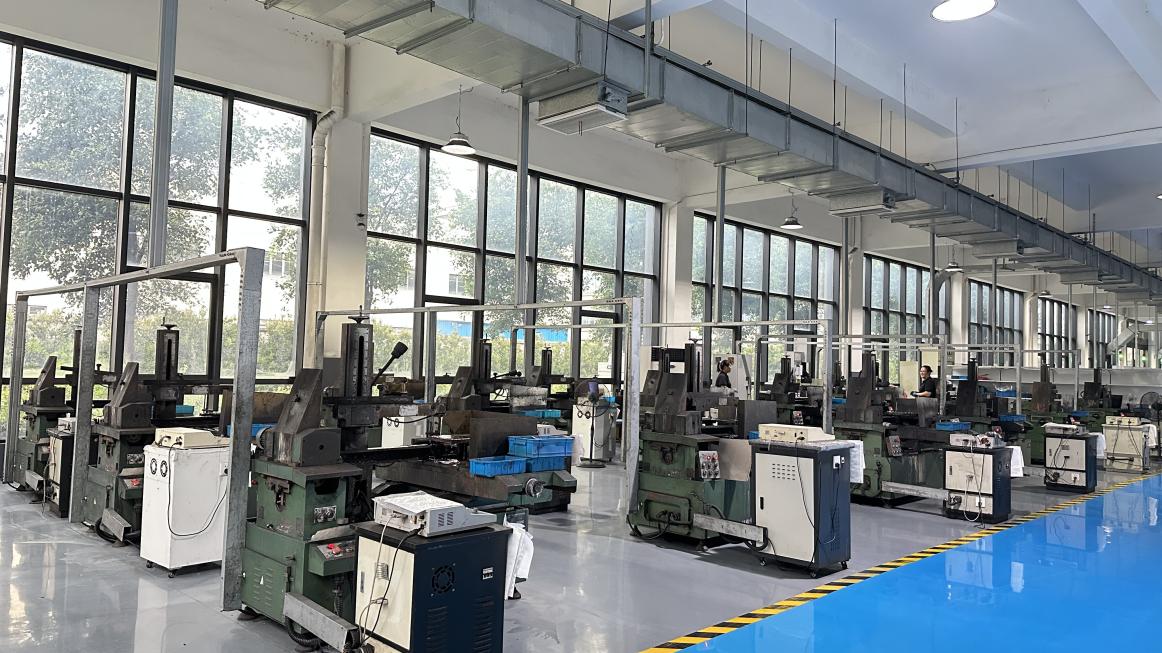
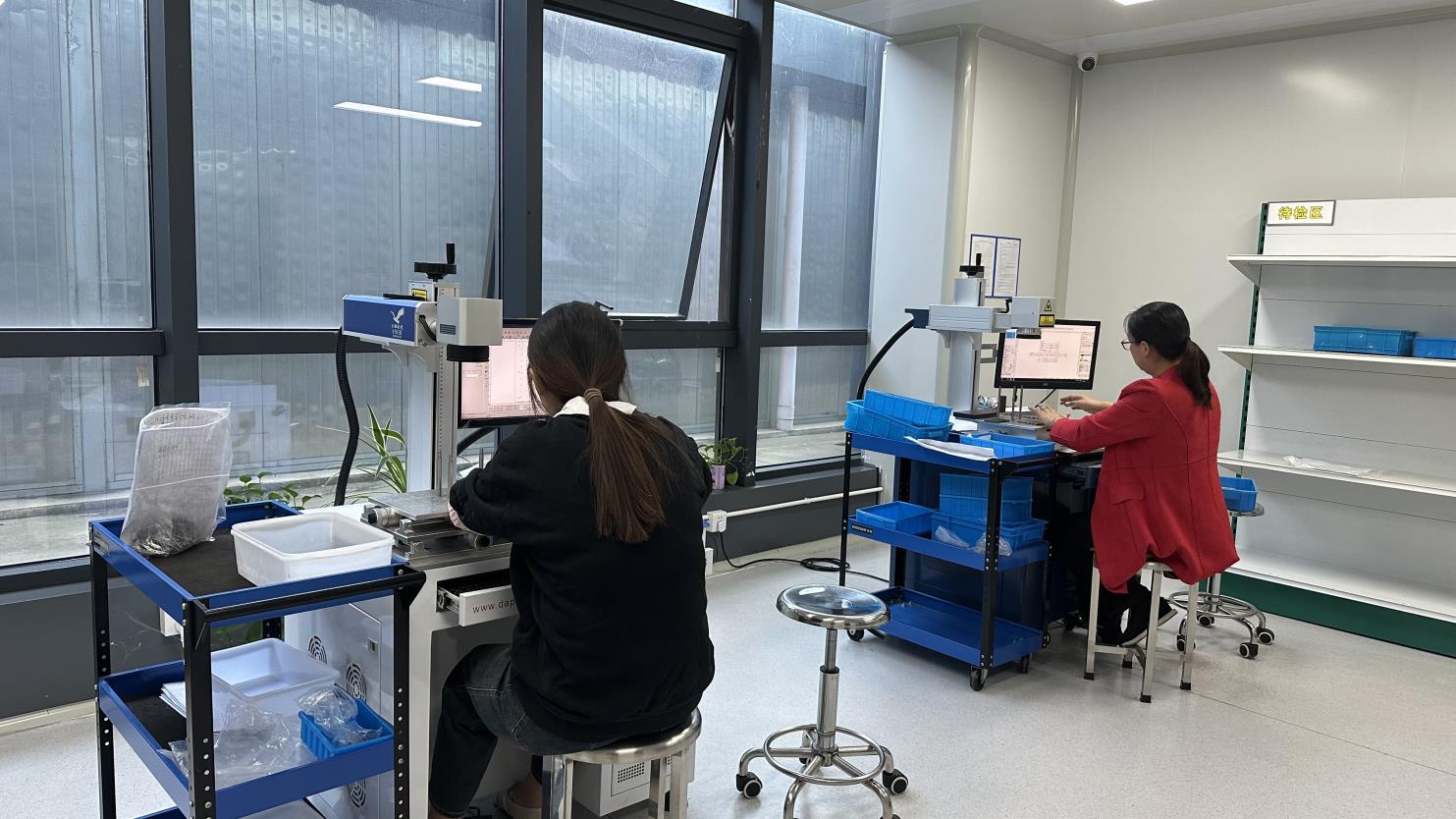
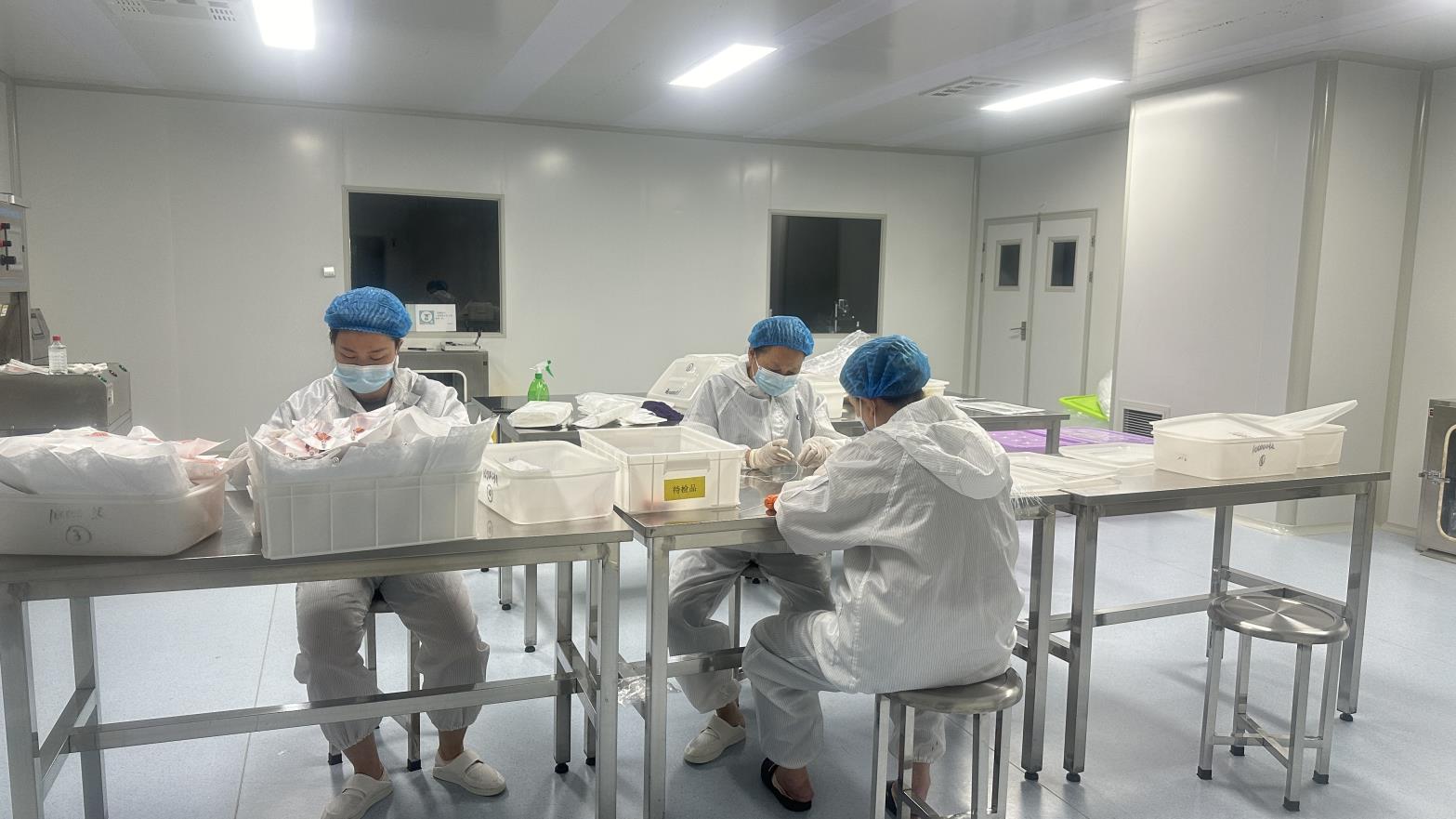

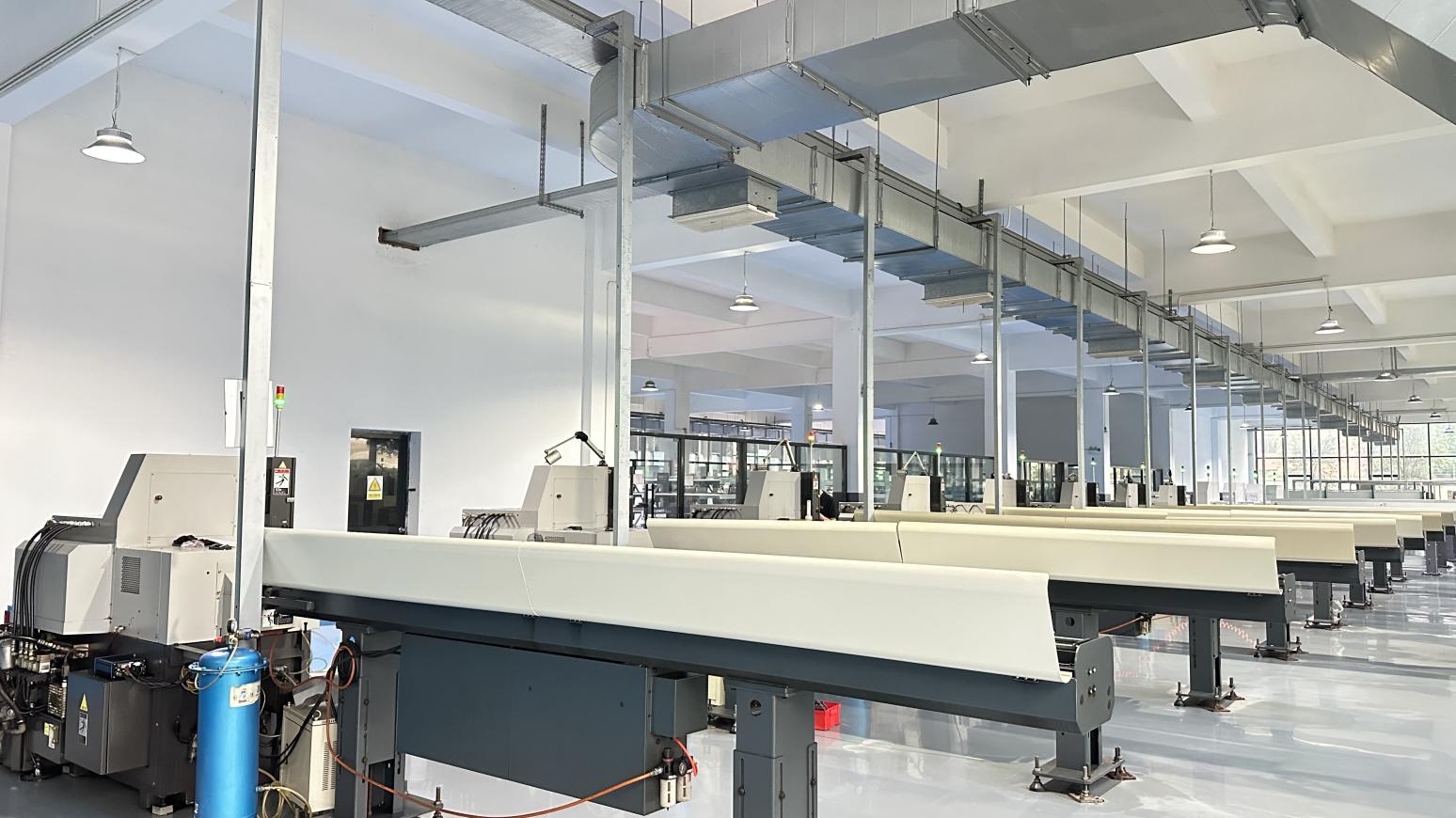
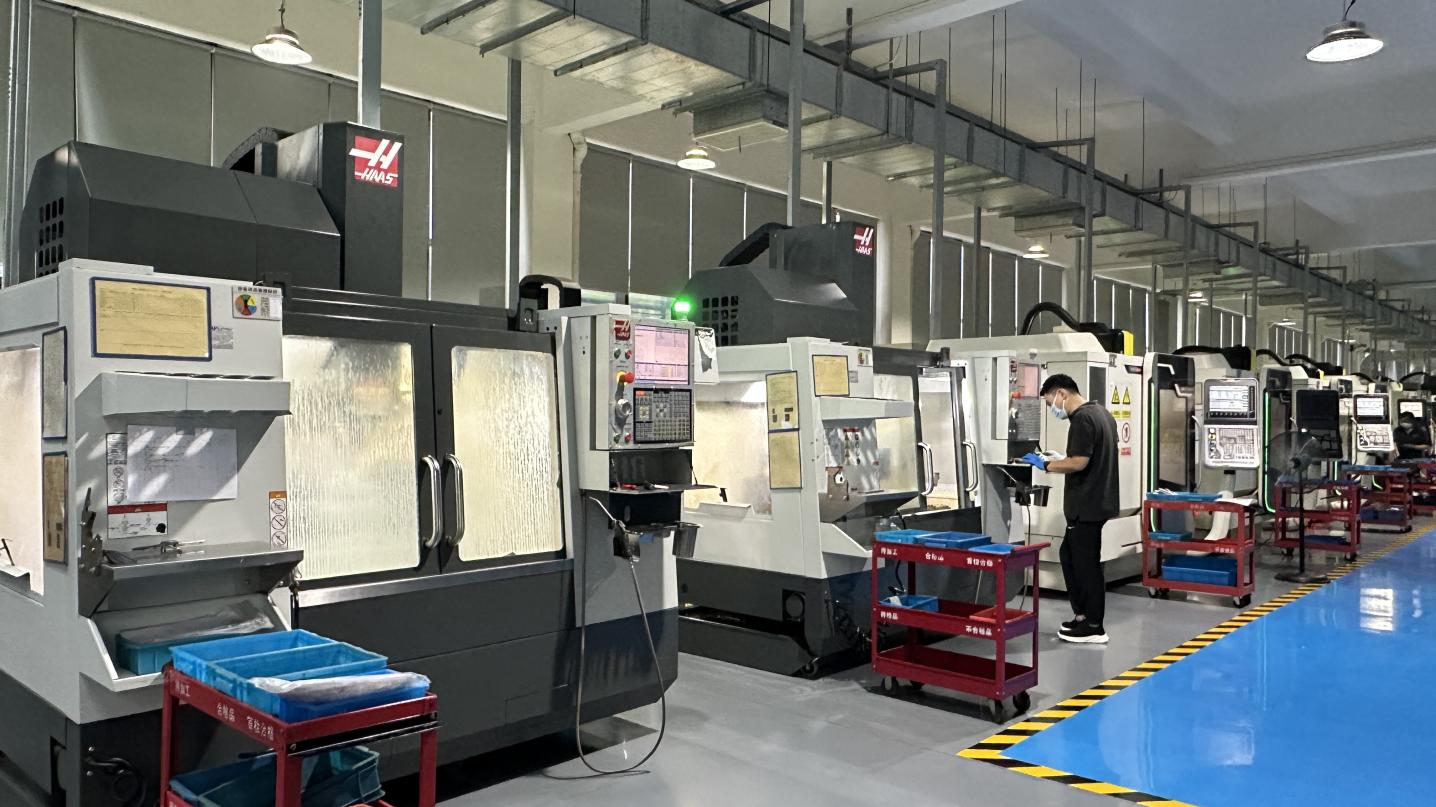
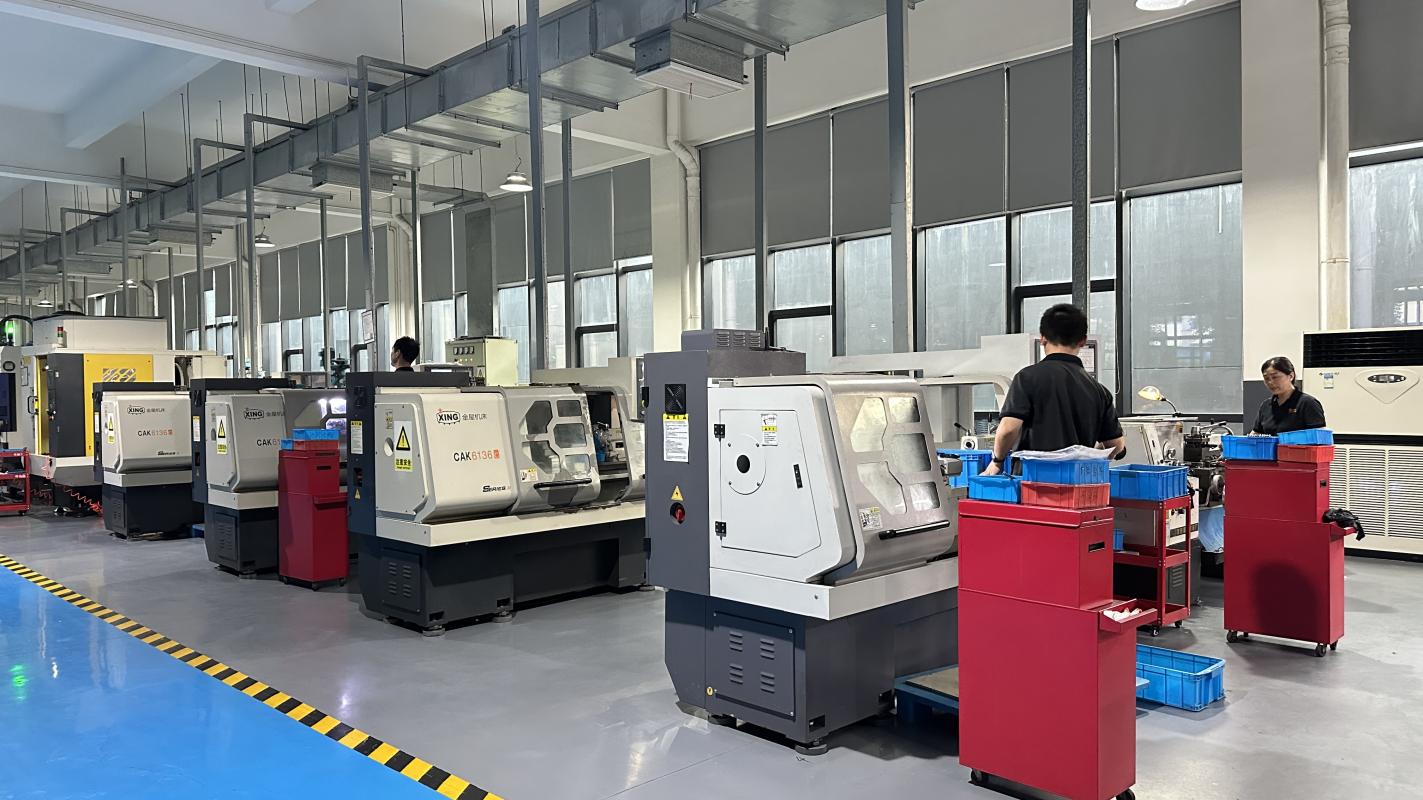
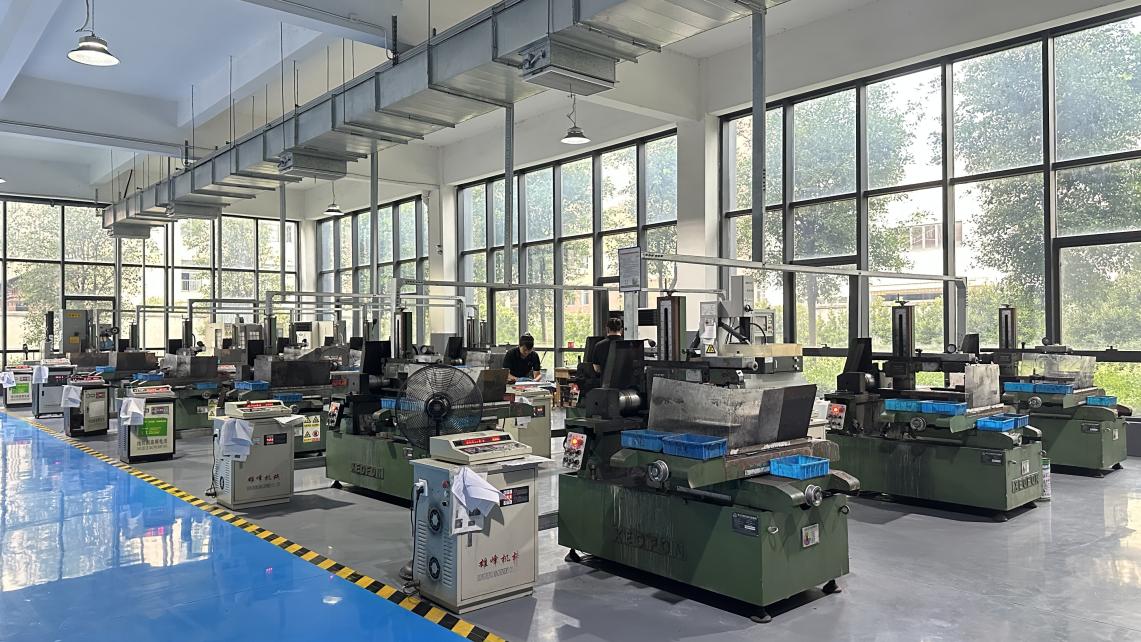
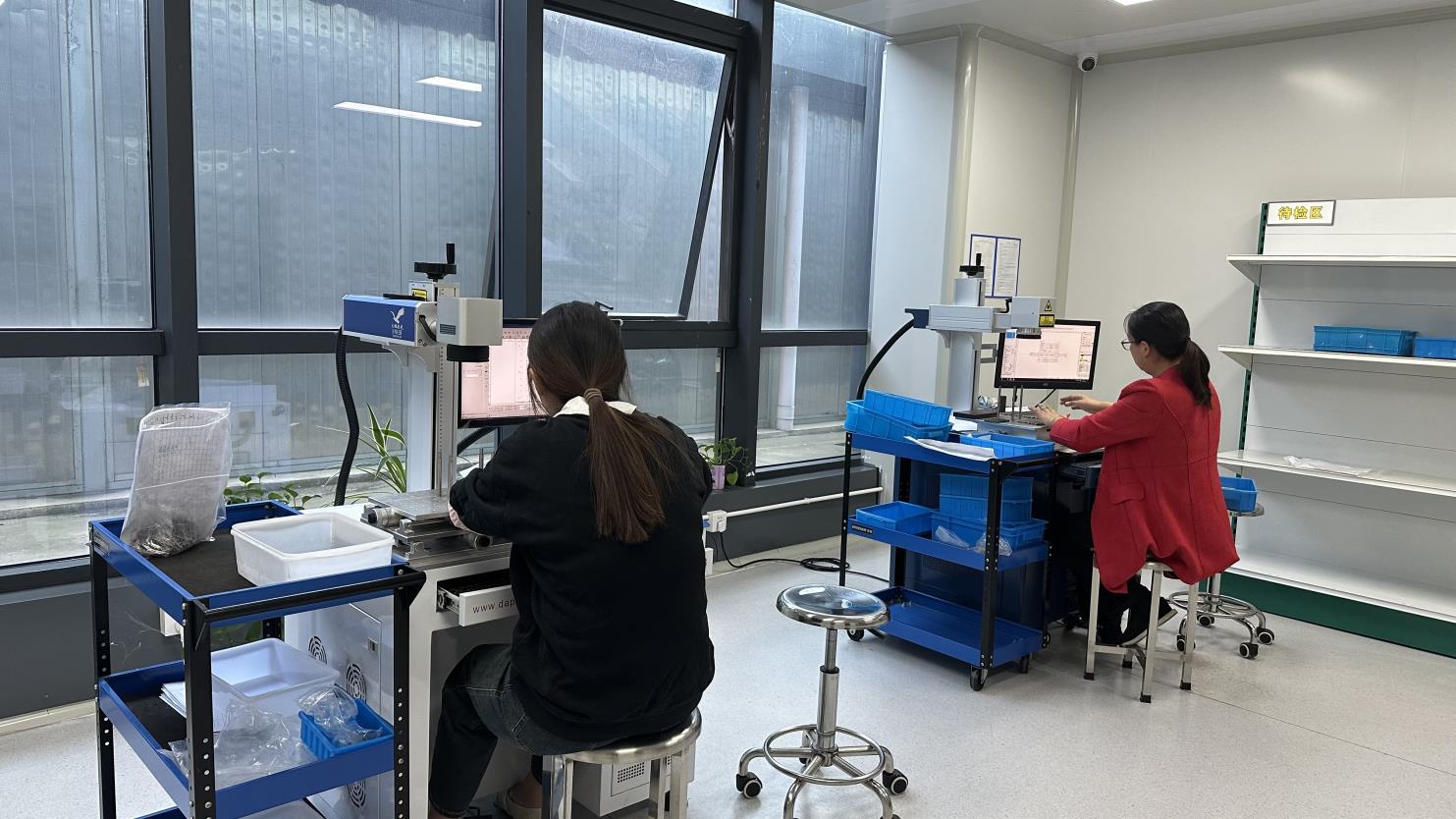
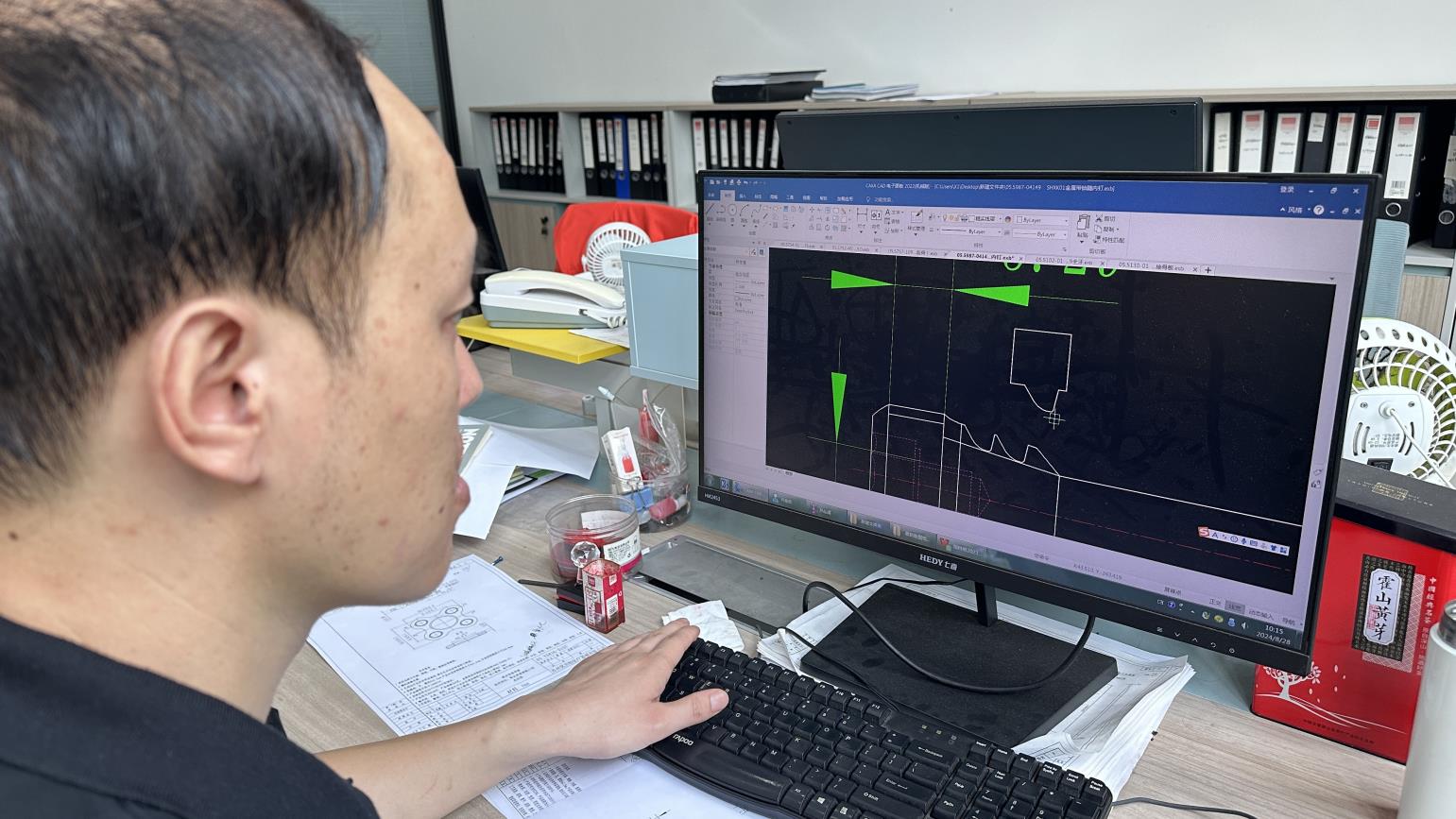
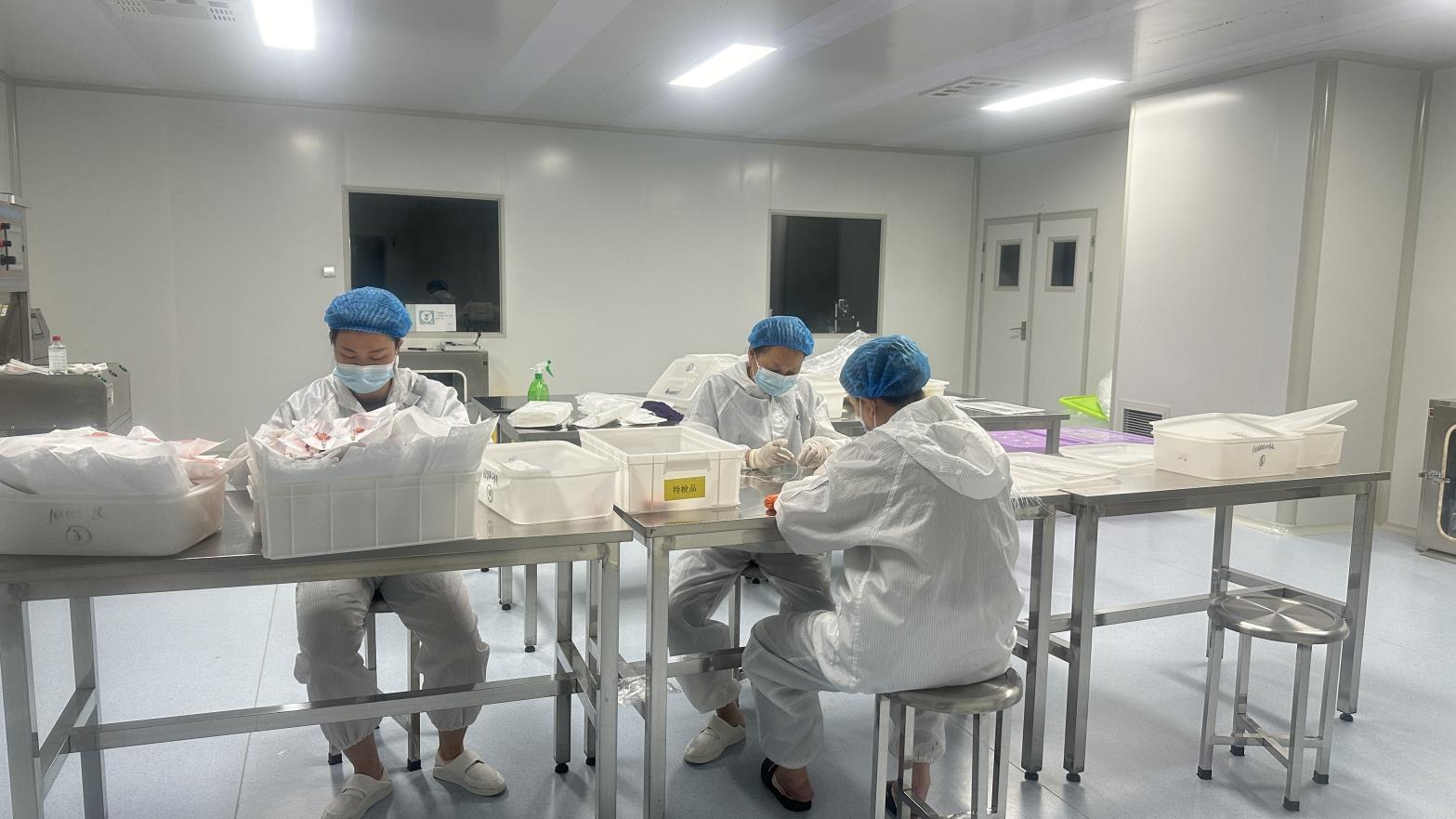
China's orthopedic manufacturing sector has transitioned from cost-focused production to a hub of high-precision engineering. By leveraging a concentrated ecosystem of medical-grade titanium raw suppliers, surface-treatment specialists, and logistics infrastructure, Bonevia delivers reliable products with optimized turnaround times.
Our localization in this medical manufacturing hub allows us to source certified biocompatible titanium alloys (ASTM F136) efficiently. We combine this cost-efficiency with rigorous international validation standards, offering a balanced combination of quality, capacity, and cost-effectiveness for global distributors.
Engineered to adapt. Tailored to perform. Supporting global orthopedic brands with custom modifications.
Modifying nail geometry, helical blade lengths, and proximal angles to match regional anthropometric variations and clinical demographics.
Providing advanced anodic passivation, type II anodizing, and custom color-coding systems for identification in the sterile field.
Compiling technical documentation and verification data to support ISO 13485, CE (MDR), and FDA regulatory clearance procedures.
Orthopedic implants demand traceabilty and structural reliability. At Bonevia, our 35-member quality inspection team oversees a multi-stage validation system:
Expanding into new markets requires alignment with regional healthcare structures, patient anatomy variations, and regulatory frameworks.
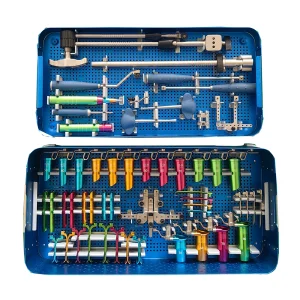
Our R&D team adjusts instrument sets and implant configurations to match regional surgical approaches. We provide customizable sizing options and packaging configurations (sterile vs. non-sterile) to help distributors comply with local hospital purchasing requirements.
We also provide technical file preparation, material safety data sheets, and sterilization cycle validation reports to streamline regulatory review by local health authorities.
Key technology developments changing trauma surgery and product design.
Developing low-profile carbon-fiber carbon-reinforced radiolucent aiming arms to minimize soft-tissue damage and improve intraoperative fluoroscopy visualization.
Implementing specialized surface micro-texturing on proximal nails to encourage bone integration and reduce the micro-motion that causes post-operative discomfort.
Integrating digital template data with patient CT scans, allowing orthopedic surgeons to select optimal nail curvatures and blade lengths prior to incision.
Technical, logistical, and partnership inquiries regarding our PFNA manufacturing systems.
Dynamic locking plates, trauma fixation options, and veterinary surgical implants.