Bonevia
Bonevia
Bonevia
Class III high-precision surgical components and orthopedic fixation systems engineered for superior biomechanical stability.
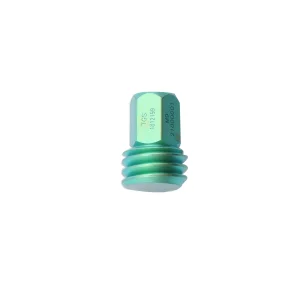
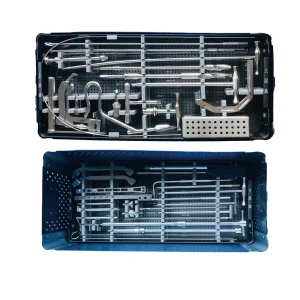
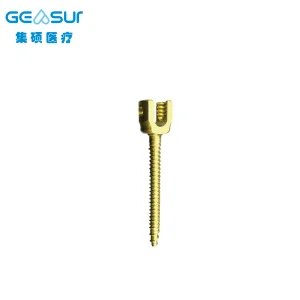
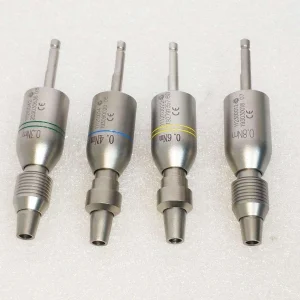
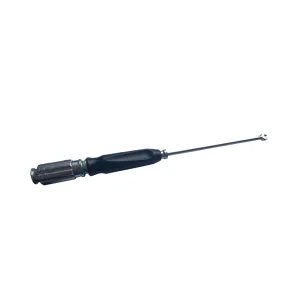
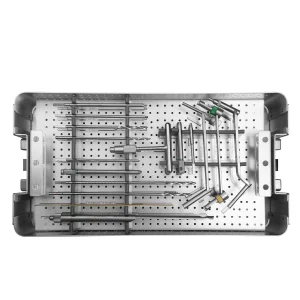
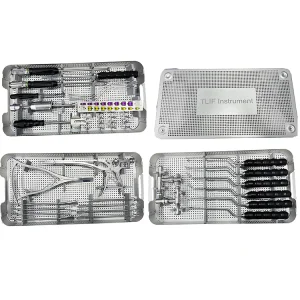
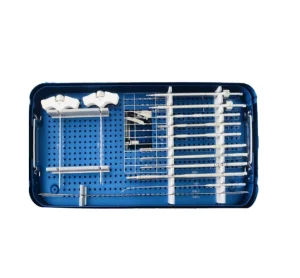
Within complex spinal surgeries, maintaining structural stability while accommodating patient-specific anatomical variations is paramount. Spinal hooks, including laminar, pedicle, and transverse process variations, serve as critical anchors in modern posterior fixation constructs. These components are vital when anatomical anomalies, compromised bone density, or prior surgical outcomes limit the viability of pedicle screws.
As a leading name in orthopedic implants, Bonevia Orthopedic Technology Co., Ltd. leverages a deep-seated biomechanical understanding to design, engineer, and manufacture industry-grade spinal hooks. We bridge the gap between clinical demands and high-precision manufacturing, ensuring that every implant delivered maximizes patient safety, reduces operation times, and provides robust long-term stabilization.
Our comprehensive OEM/ODM infrastructure is optimized to support medical device brands and clinical institutions globally, translating strict mechanical criteria into scalable, FDA and CE MDR-compliant solutions.
An analysis of market movements, clinical demands, and material sciences driving the future of spinal fixation.
In the highly regulated orthopedic market, global procurement teams (from multinational device firms to hospital consortiums) face significant hurdles related to regulatory compliance (MDR/FDA), production consistency, and material traceability. Purchasing departments must secure manufacturing partners that provide more than just production capacity; they require transparent quality management systems.
Bonevia resolves these issues by implementing a rigorous E-E-A-T validated protocol across all manufacturing sectors. Every shipment of raw titanium or cobalt-chromium alloy is accompanied by certified mill test reports (MTR). Our in-house testing facilities perform comprehensive mechanical testing (tensile, yield, and elongation) and fatigue testing simulating millions of cycles under ASTM F1717 and ASTM F1798 standards. This ensures that spinal hooks resist deformation and crack propagation under intense corrective spinal forces.
A successful spinal fusion system is not just about individual implants; it is about the system's synergy. Spinal hooks must integrate seamlessly with pedicle screws, transverse rods, set screws, and connectors. Bonevia excels in delivering complete macro system solutions. We develop not only the implantable spinal hooks but also the customized instrumentation required for exact surgical placement, including torque limiters, distractors, holders, and trial templates.
Our OEM/ODM services employ a structured design-for-manufacturing (DFM) approach. In collaboration with clinical consultants and orthopedic designers, our R&D department optimizes hook geometry to distribute stress concentrations evenly, preventing bone-implant interface failure. We support high-mix, low-volume (HMLV) production cycles, allowing our clients to pilot new designs in select clinical markets before engaging in scale production.
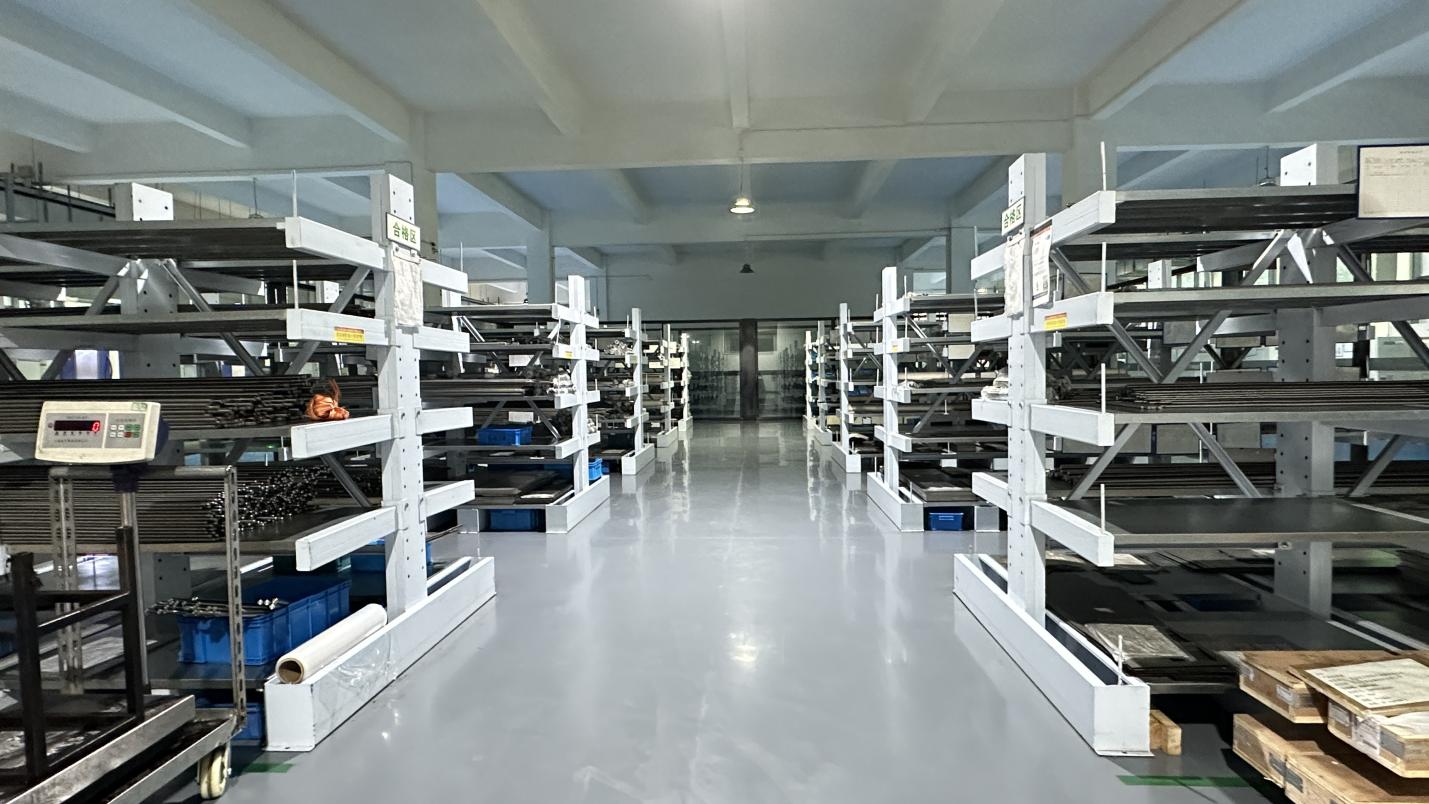
Inside Bonevia's advanced manufacturing facility: tracking orthopedic implant production from raw material to final sterile packaging.
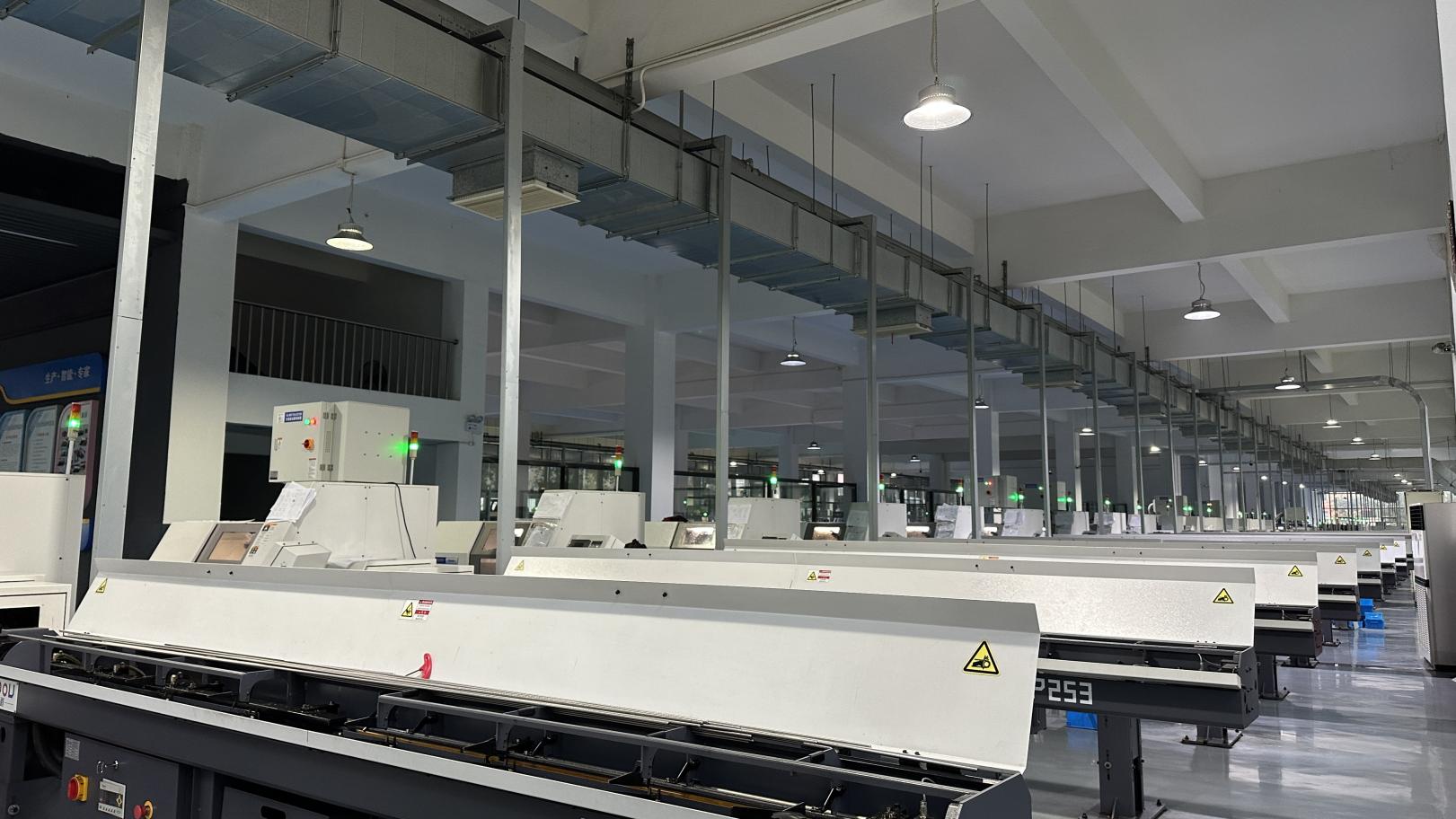
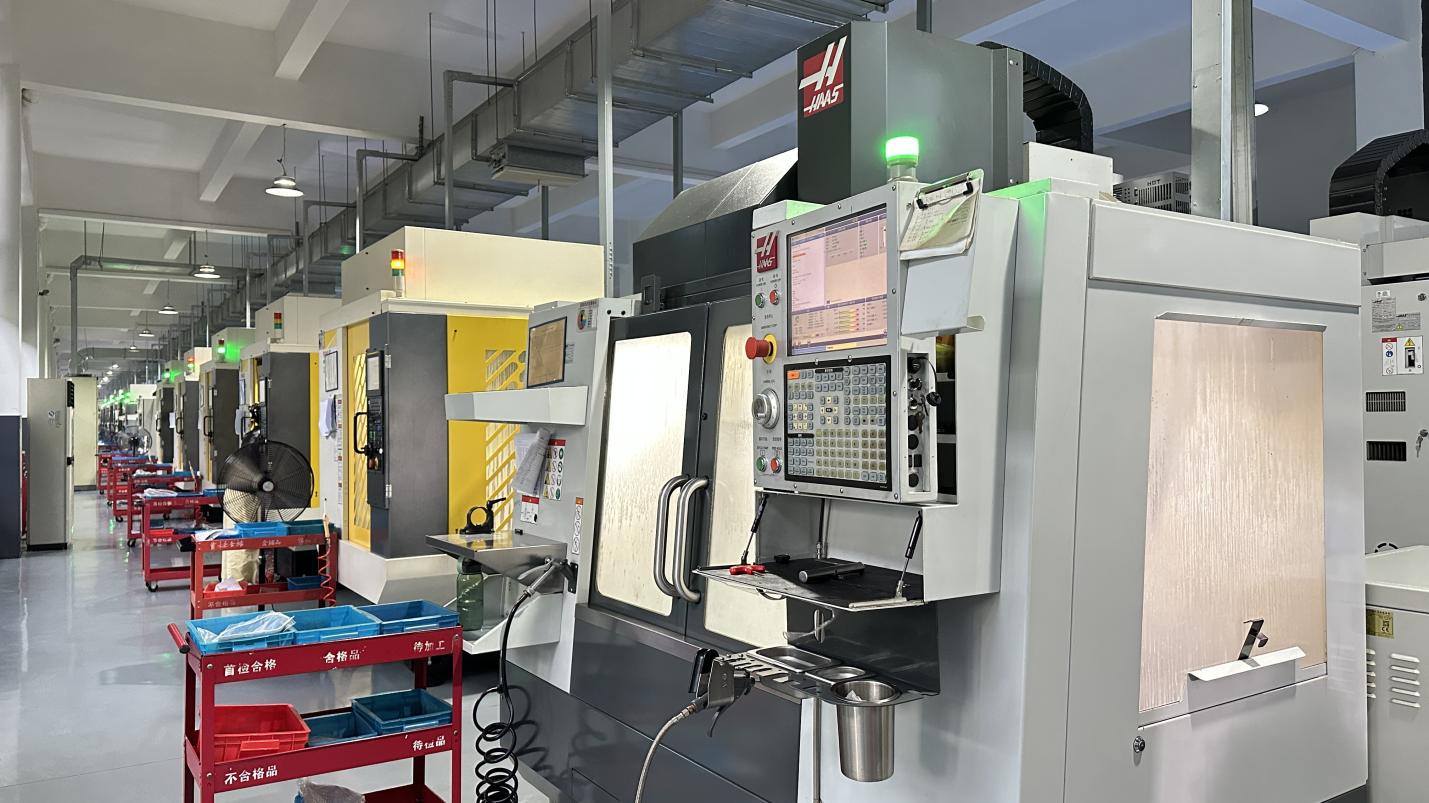
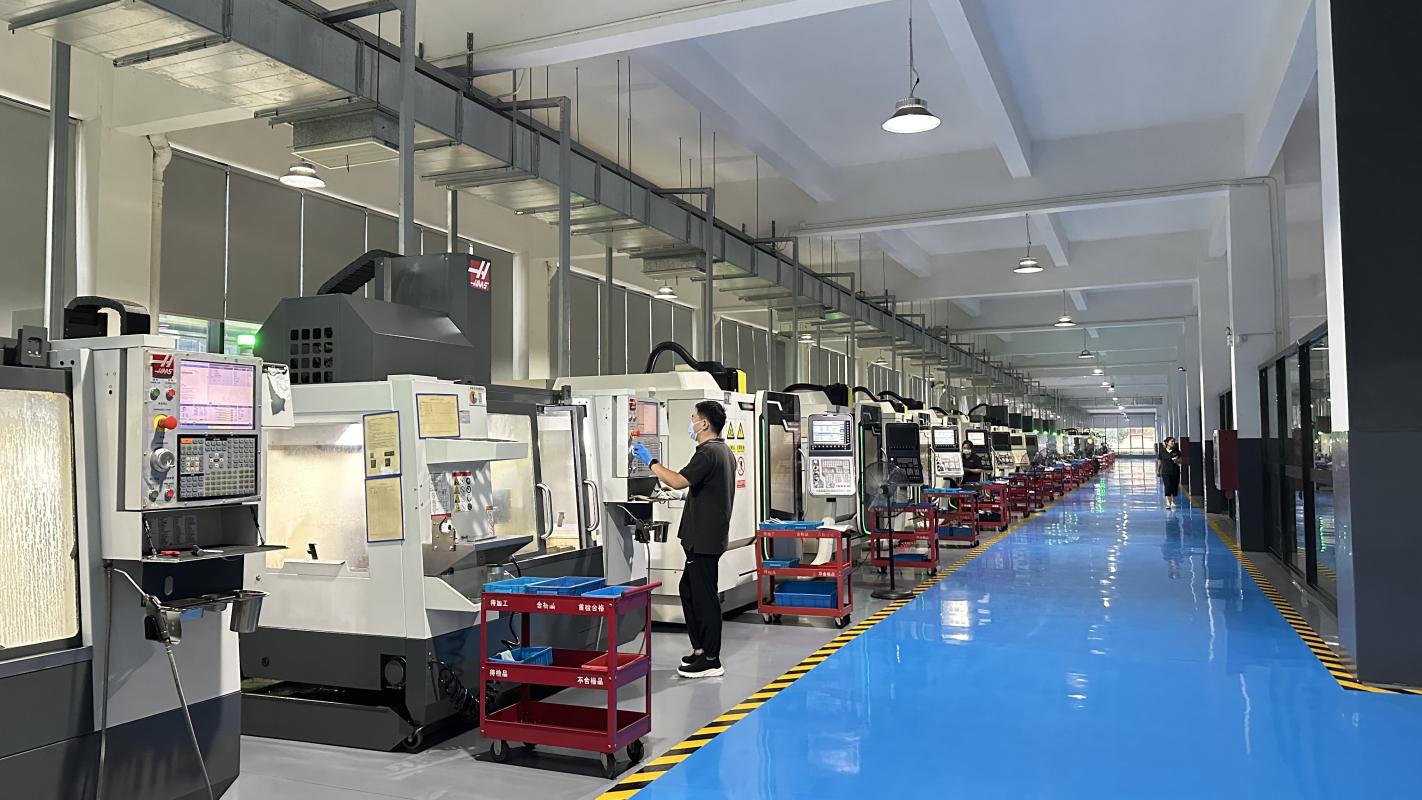
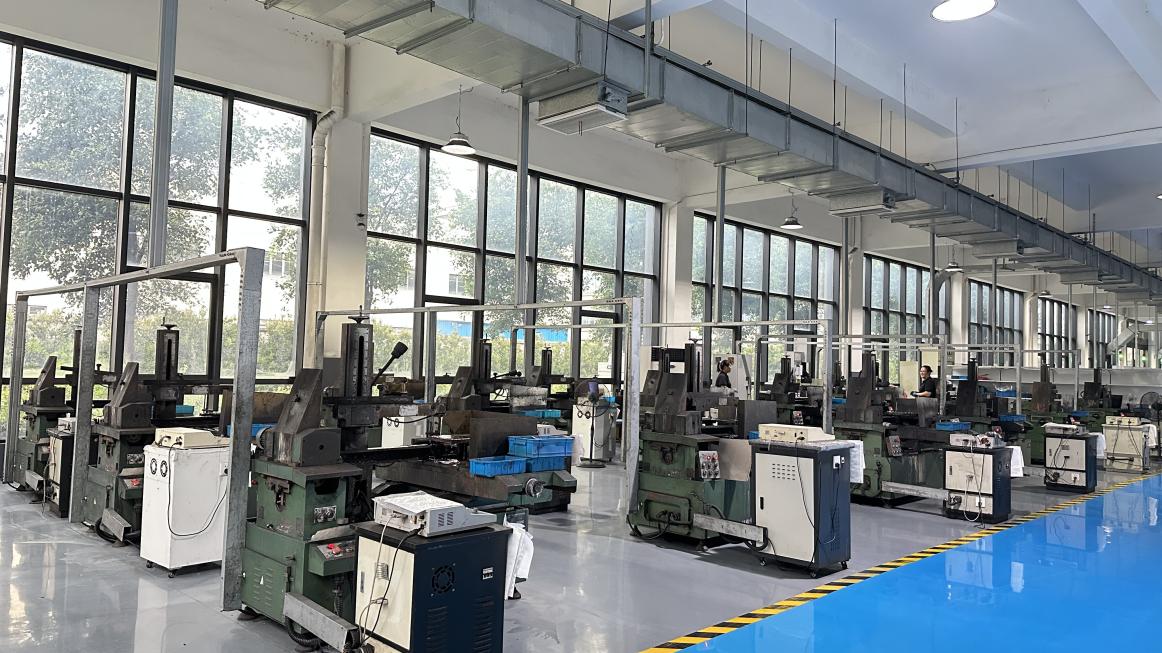
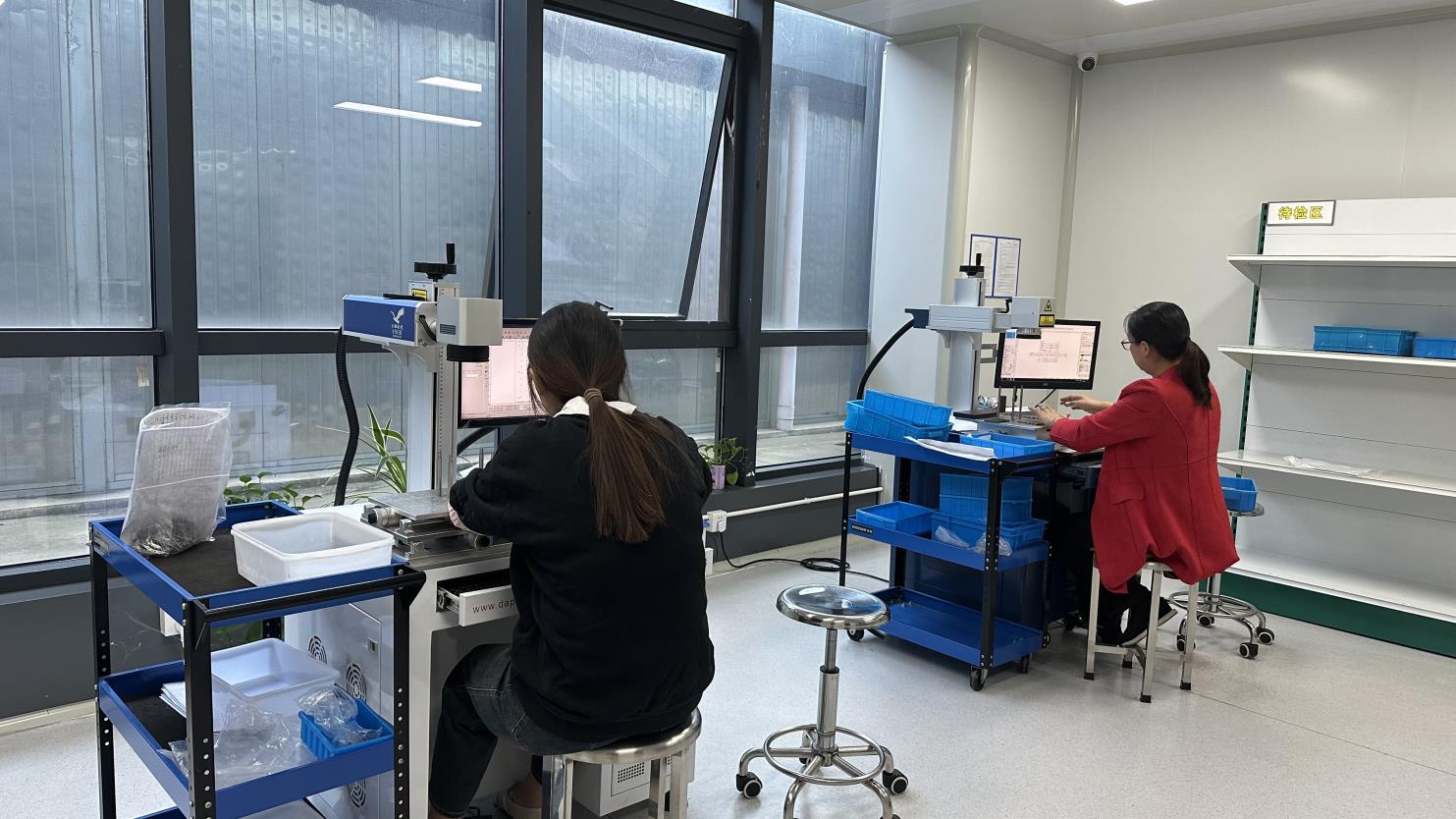
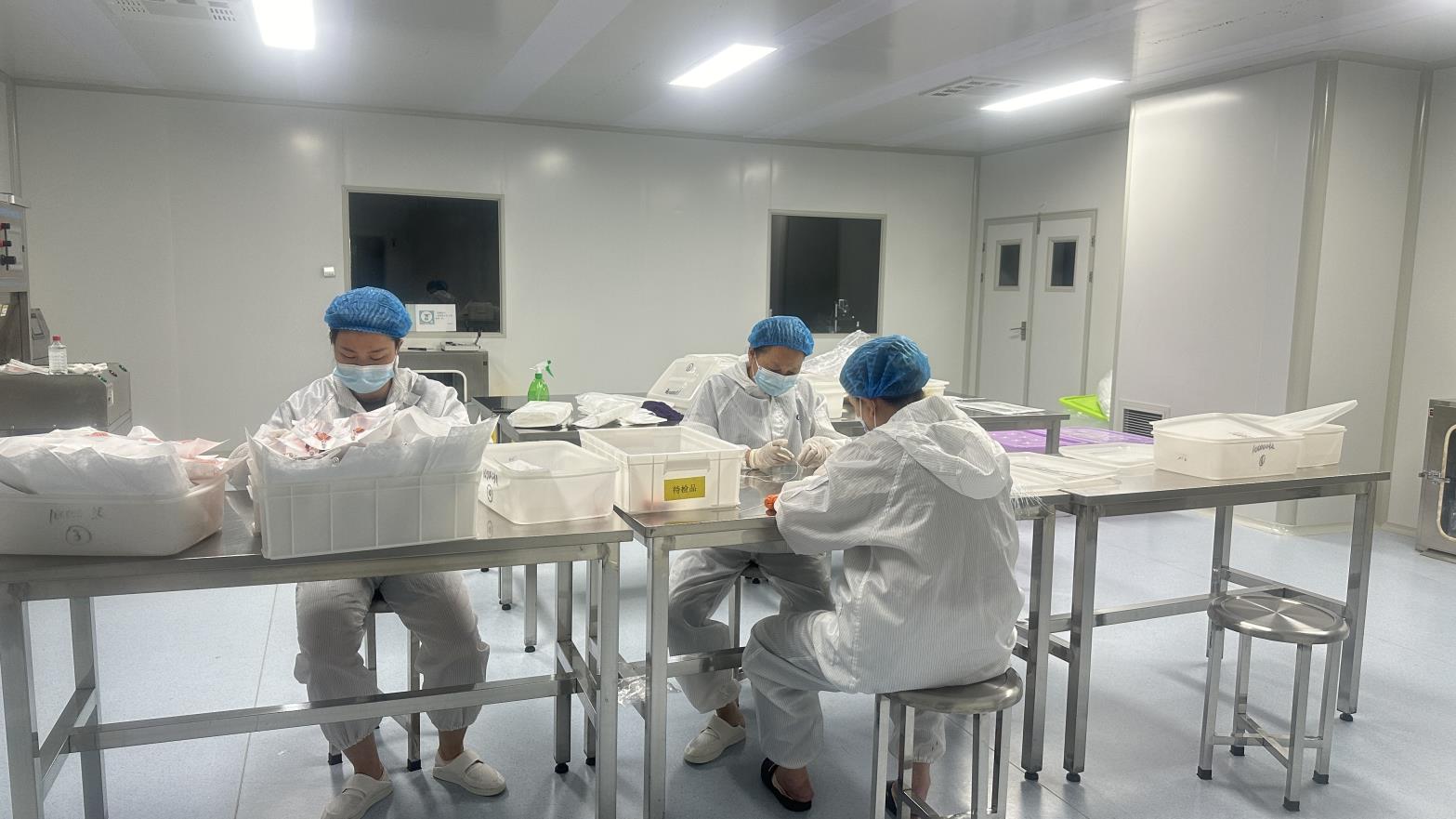
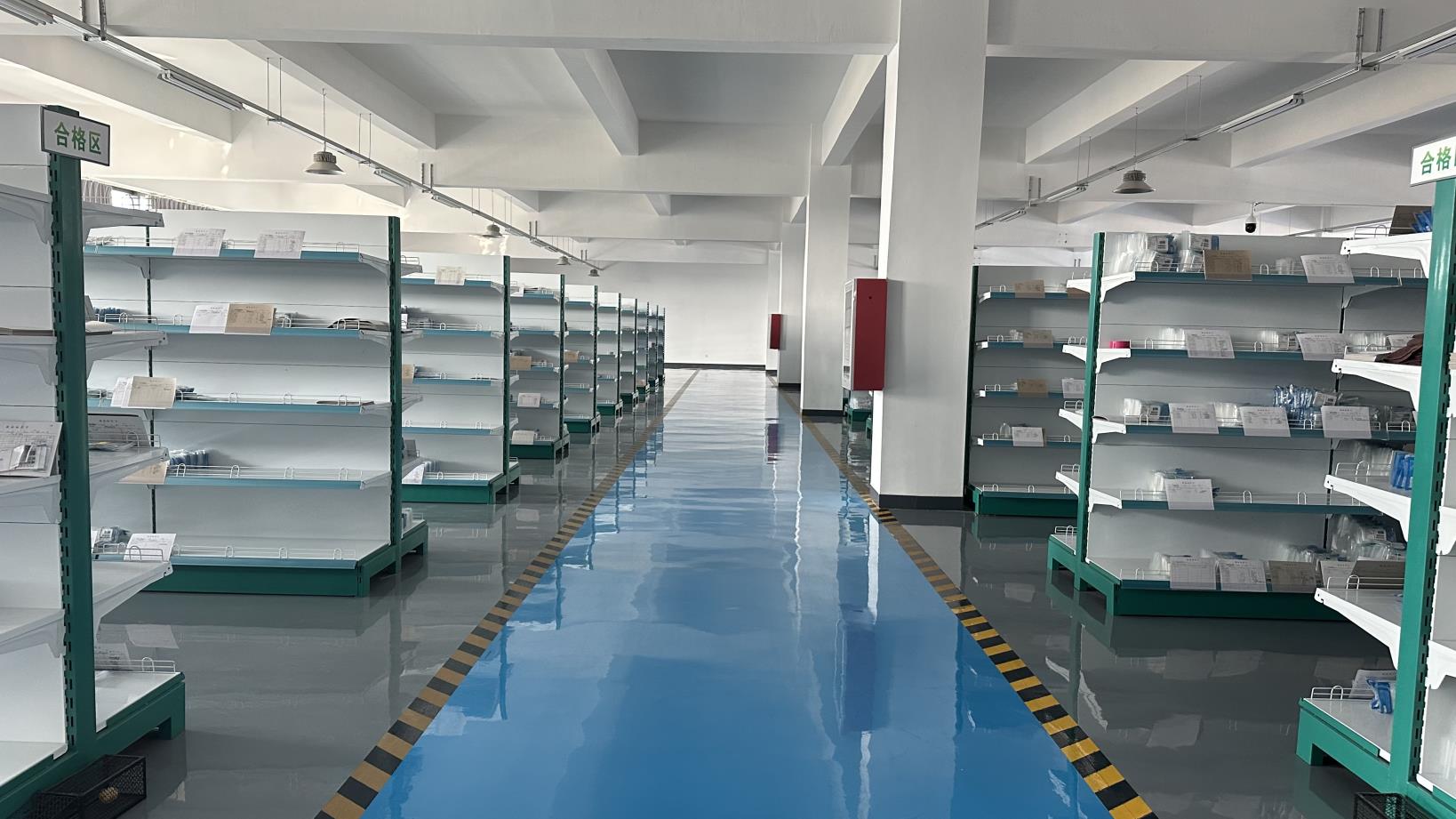
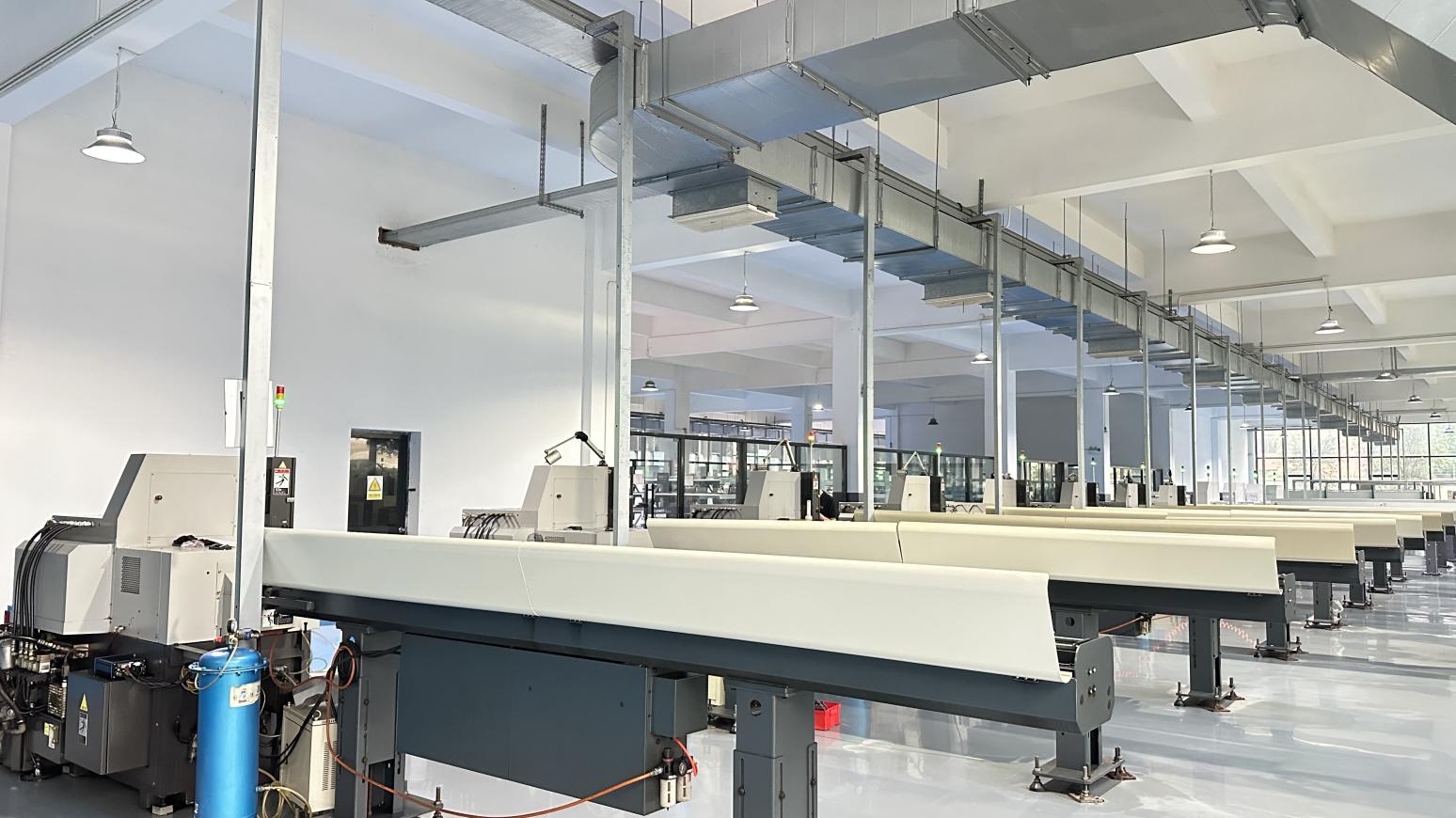
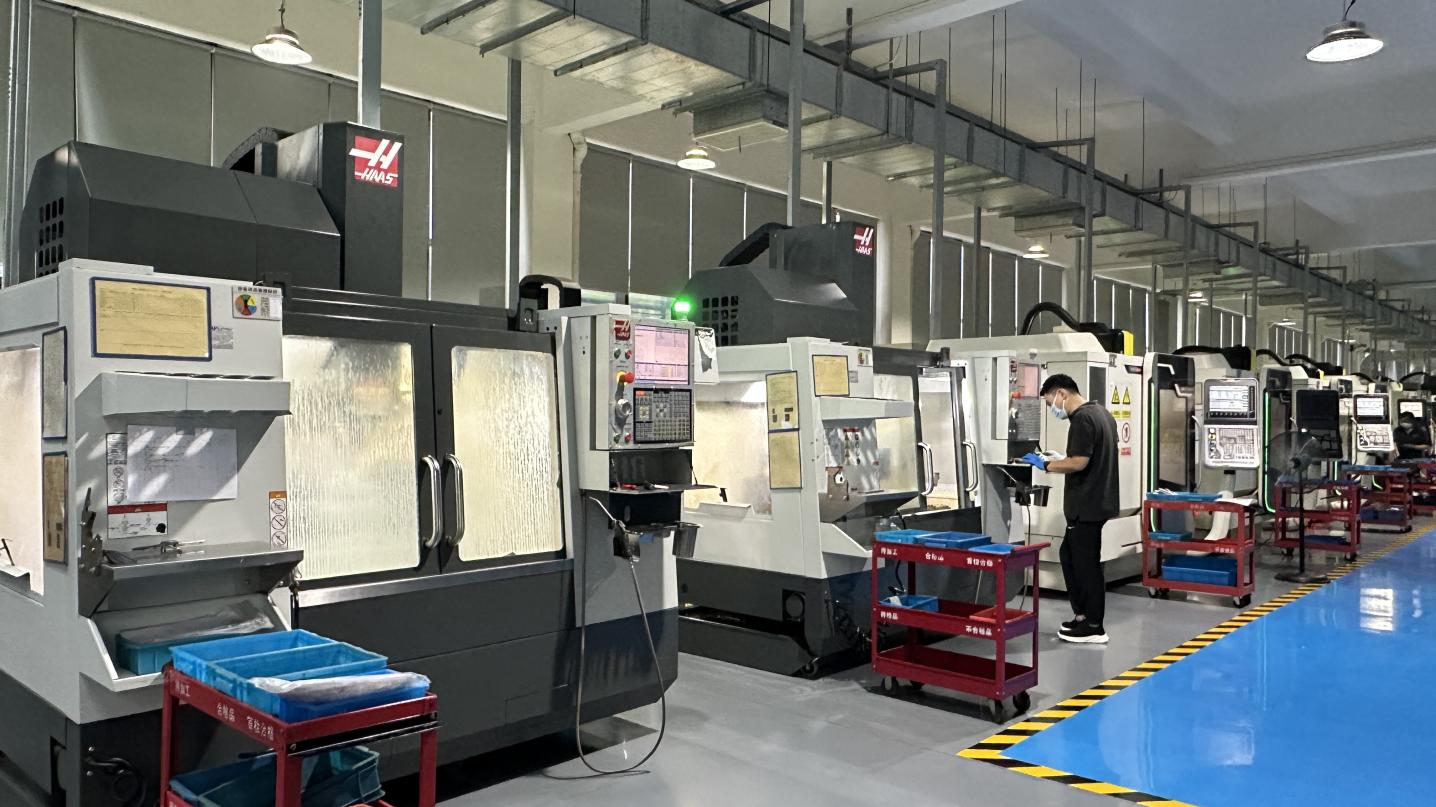
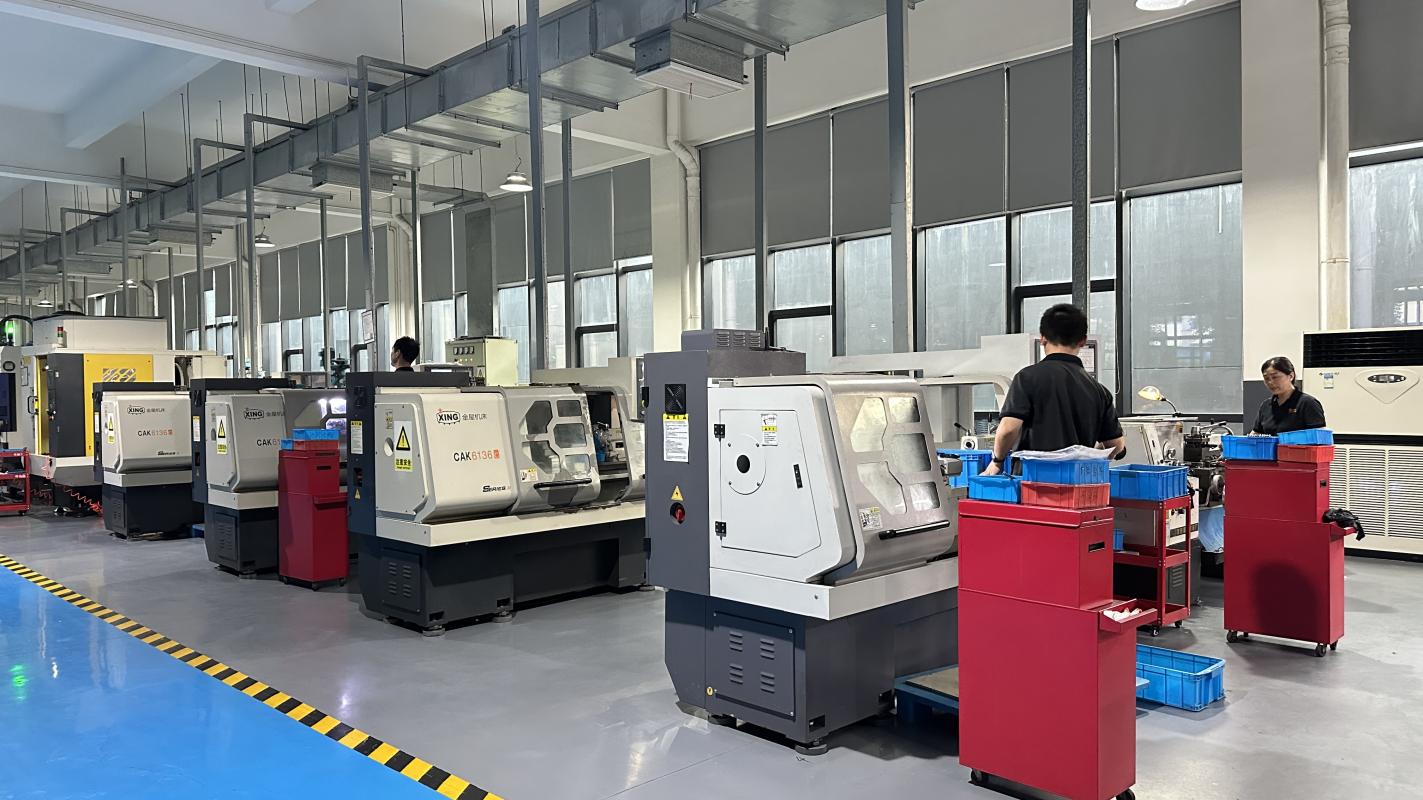
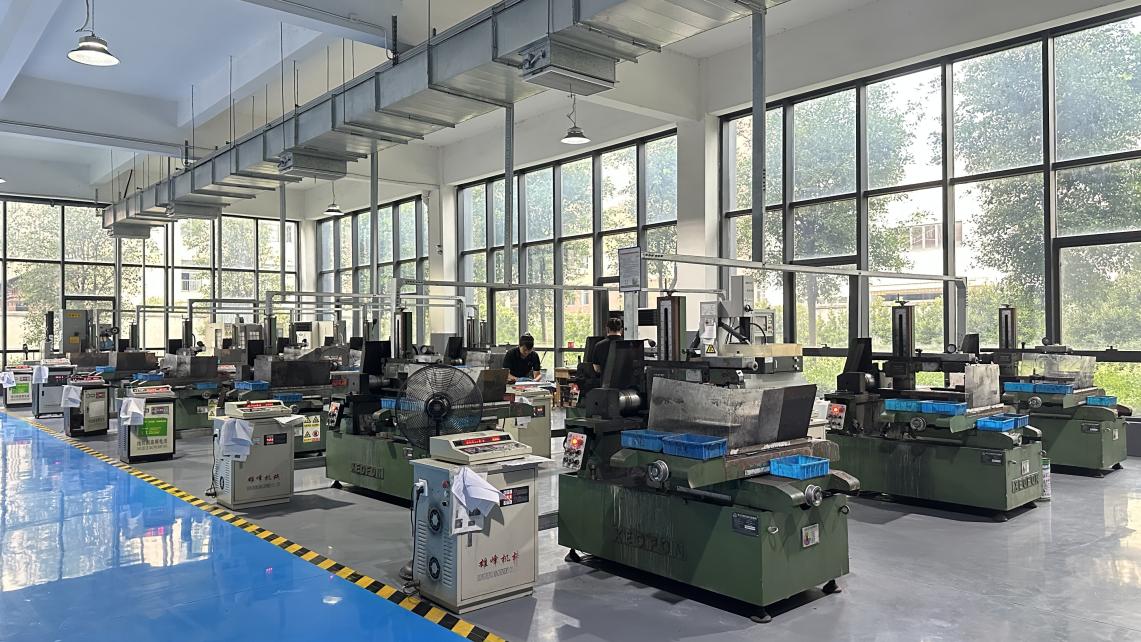
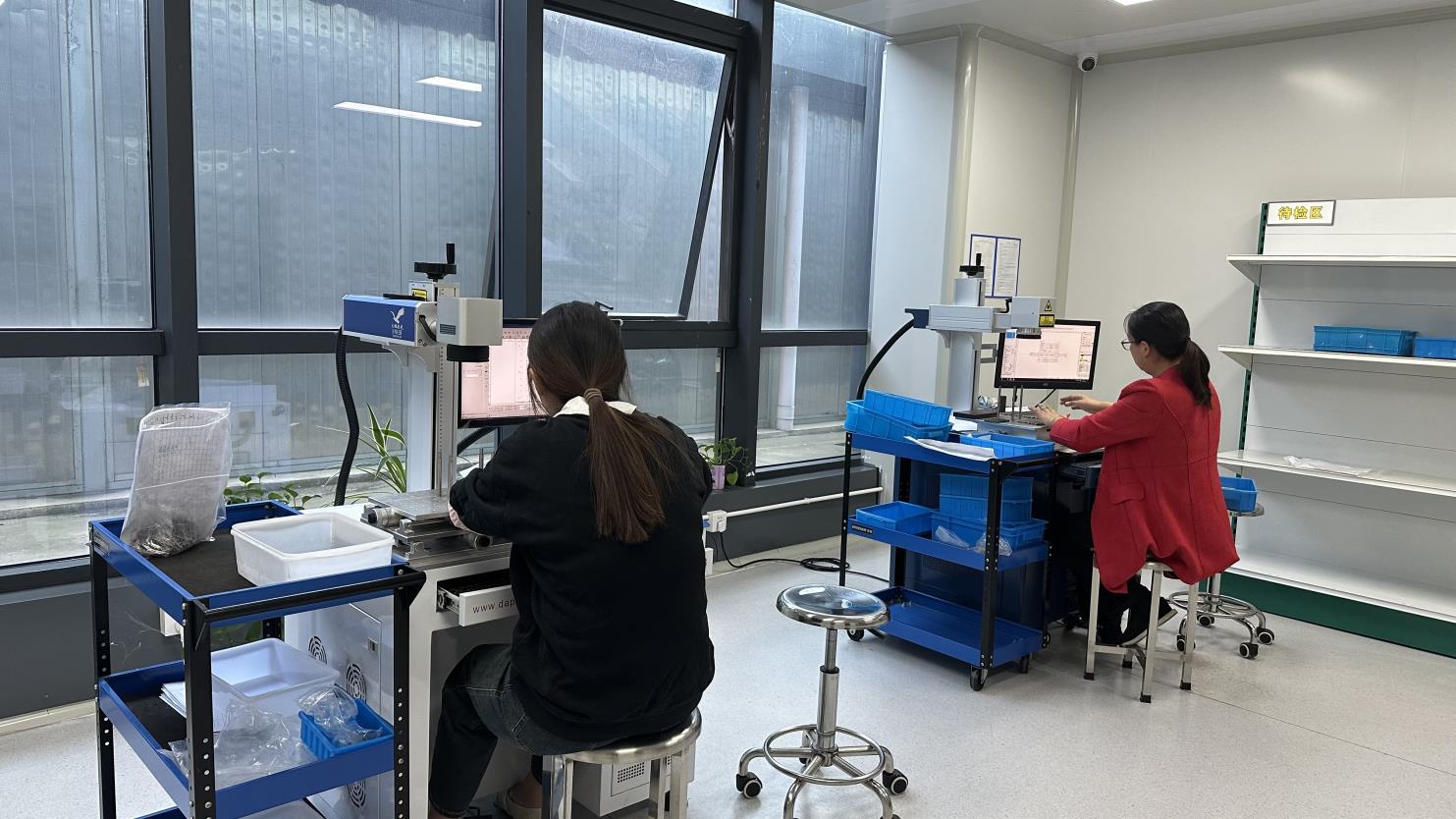
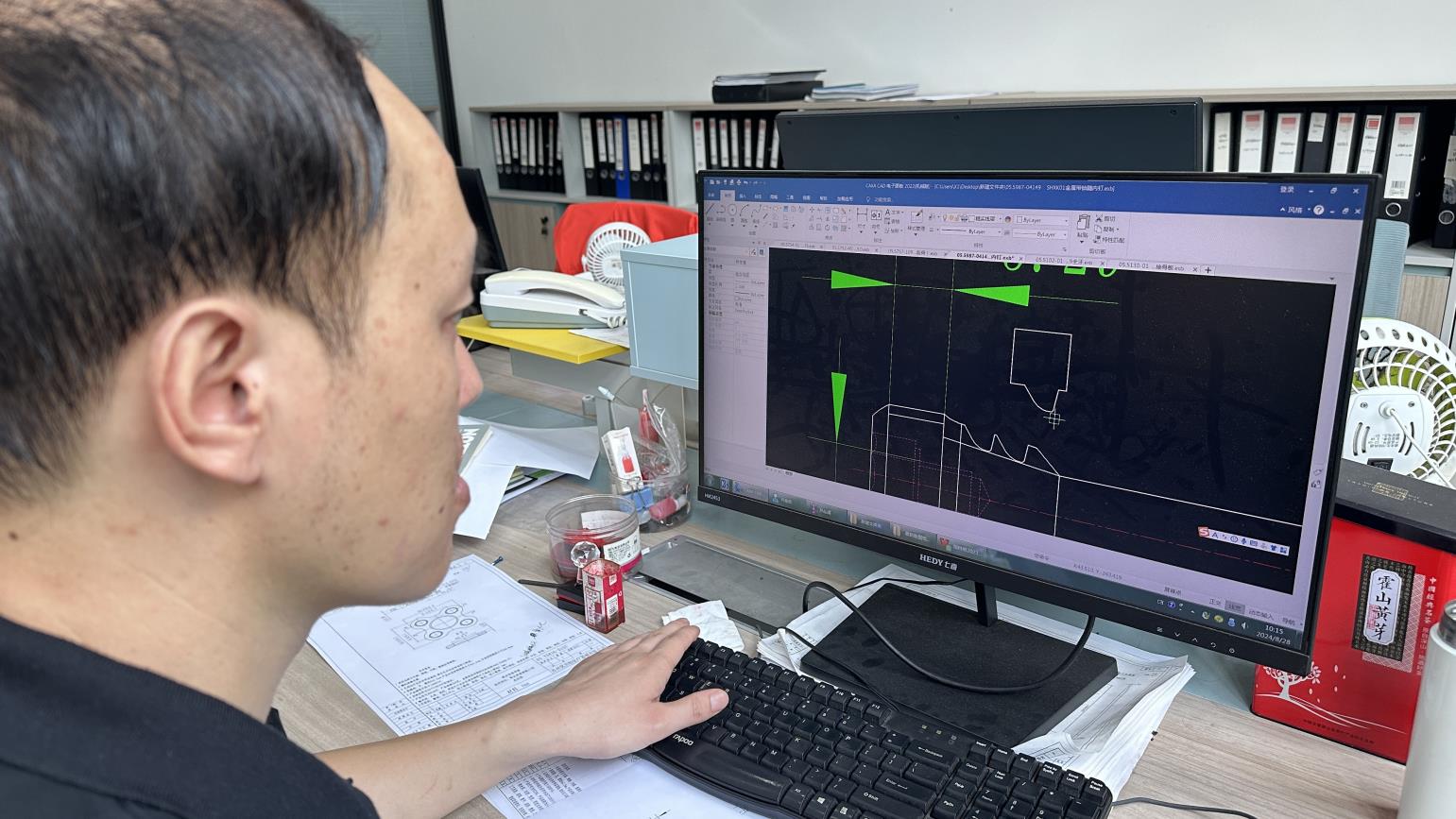
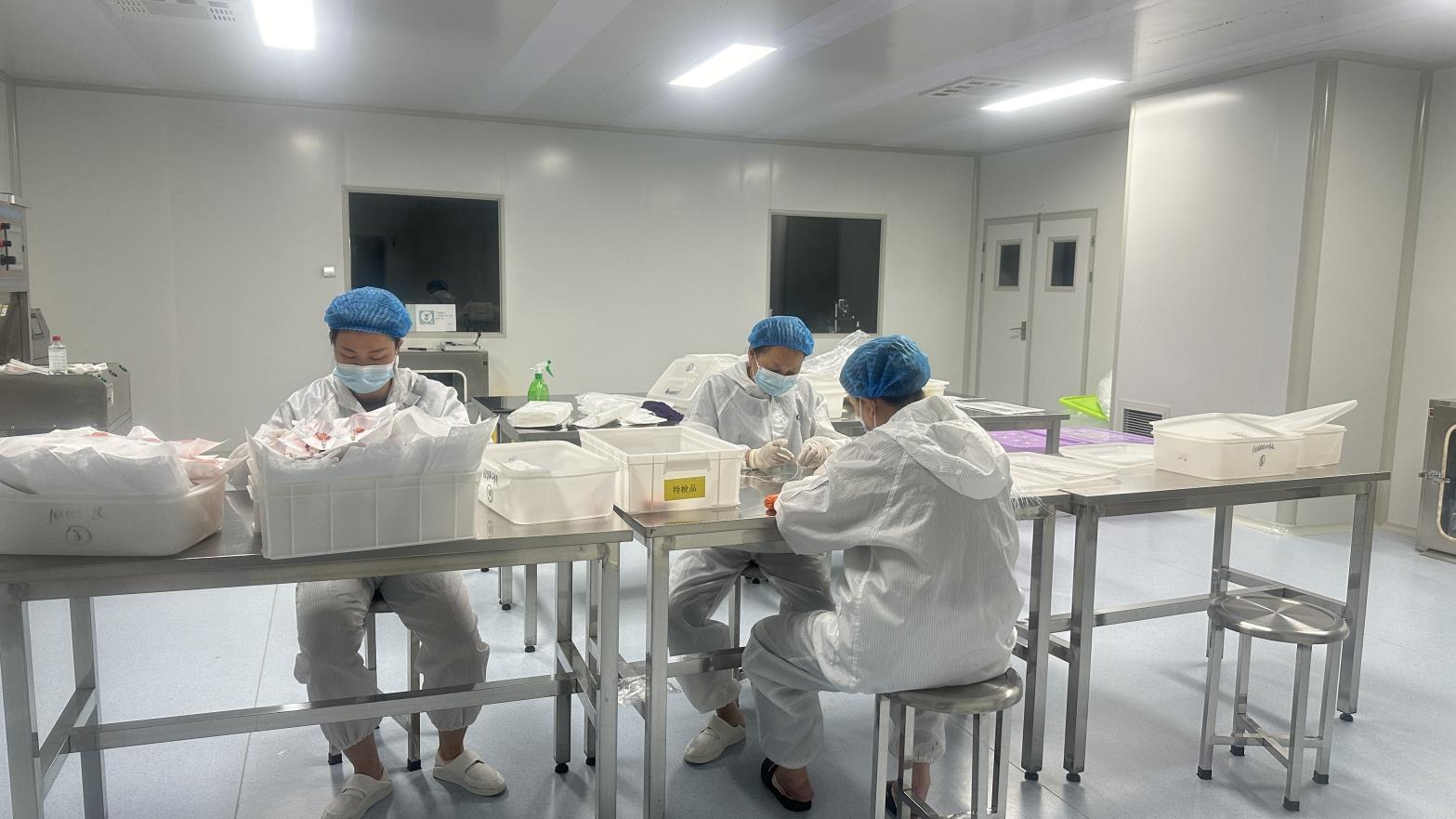
From conceptual sketch to sterile implant: Bonevia provides comprehensive, regulation-certified manufacturing services.
For brands with established designs, Bonevia acts as an extension of your manufacturing floor. We build according to your exact prints and tolerance matrices, maintaining complete confidentiality of proprietary designs.
Have a clinical need but lack technical designs? Our R&D team consisting of 85 skilled engineers is equipped to design orthopedic implants and instrument systems from the ground up.
Answering critical engineering and distribution questions for global medical buyers.
Providing comprehensive surgical support from high-speed drills to custom arthroplasty prostheses.