Bonevia
Bonevia
Bonevia
Premium class-III implants and surgical instrument systems engineered for global medical institutions.
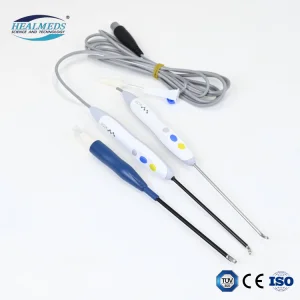
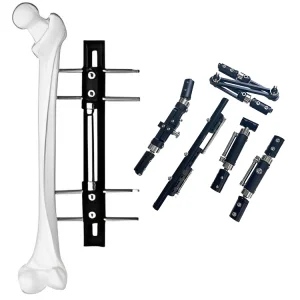
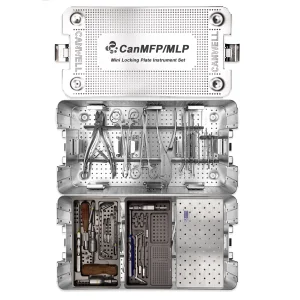
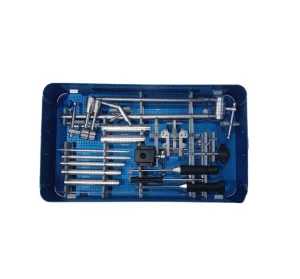
Establish Trust via Documented Excellence and Comprehensive Manufacturing Capabilities
Bonevia Orthopedic Technology Co., Ltd. is a highly specialized manufacturer dedicated exclusively to orthopedic implants and precision surgical solutions. Our clinical development roadmap covers key innovations across trauma, joints, and complex spinal internal fixation systems. Since our establishment in 2015, we have translated advanced biomechanical design criteria into reliable orthopedic solutions for the global healthcare community.
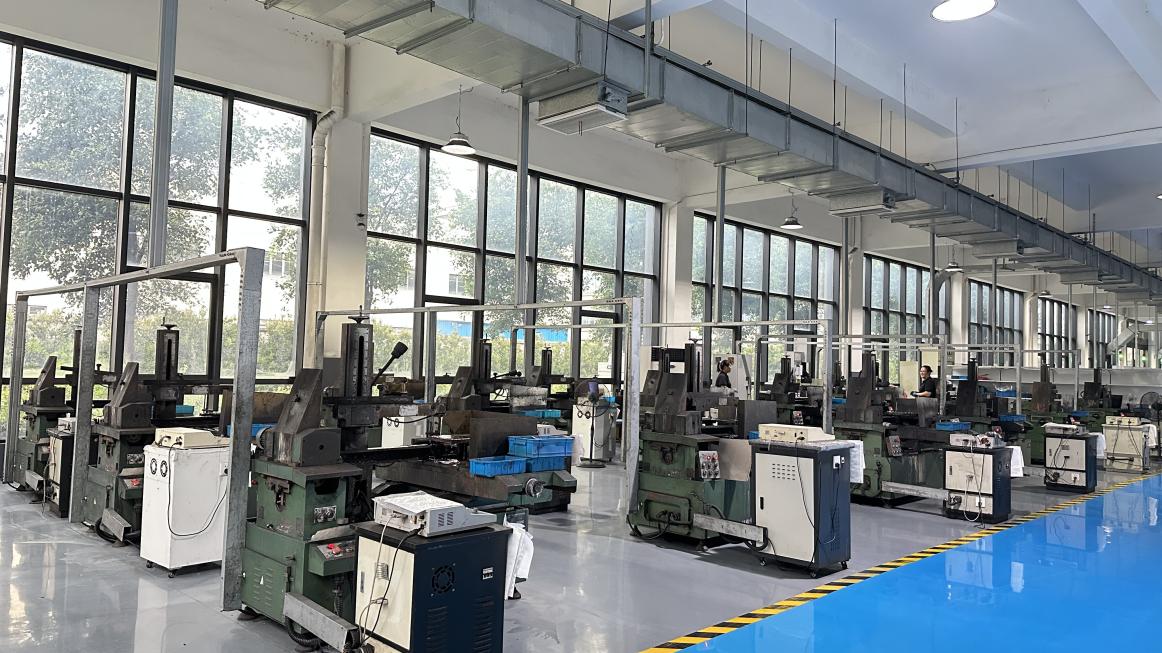
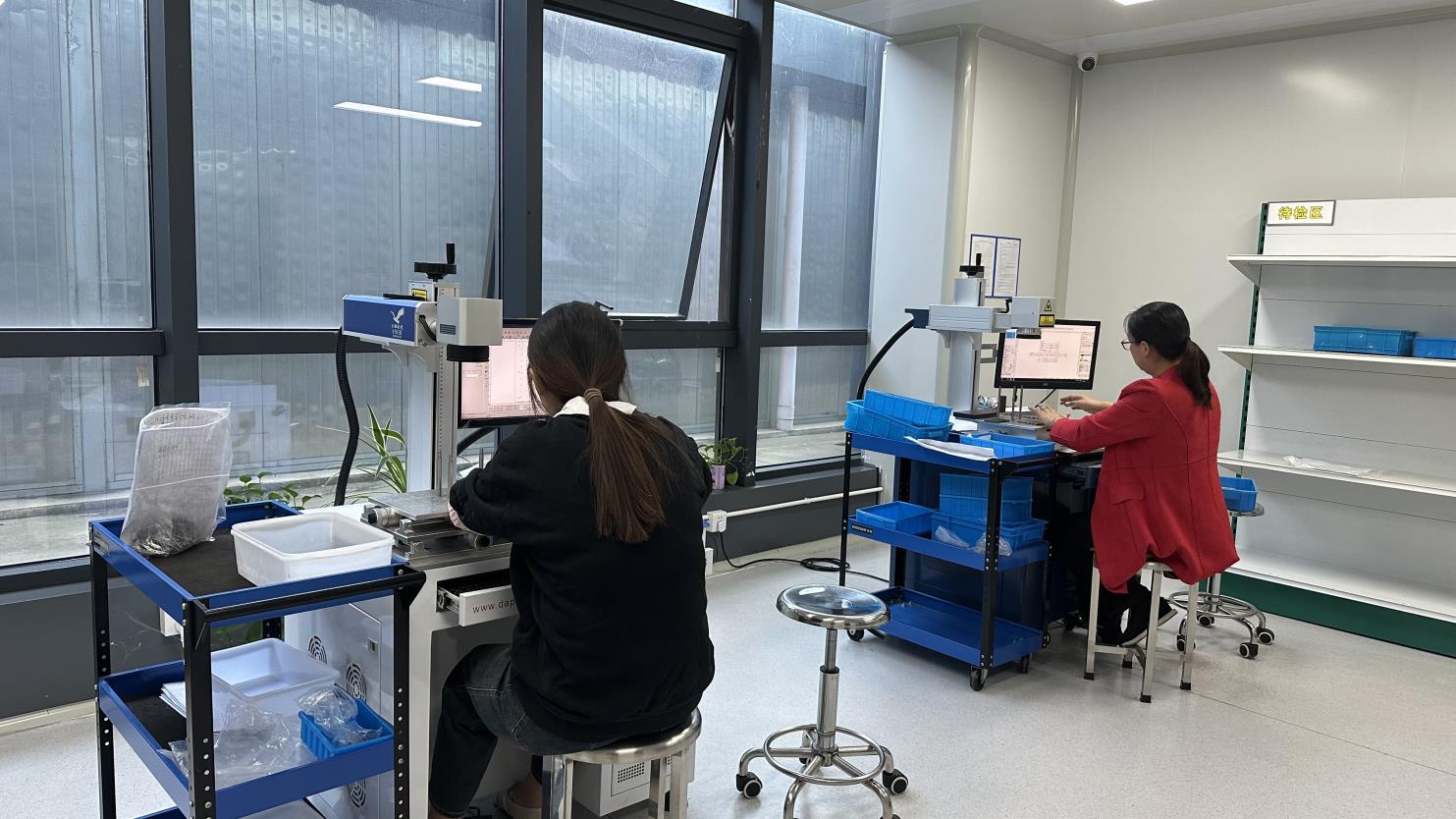
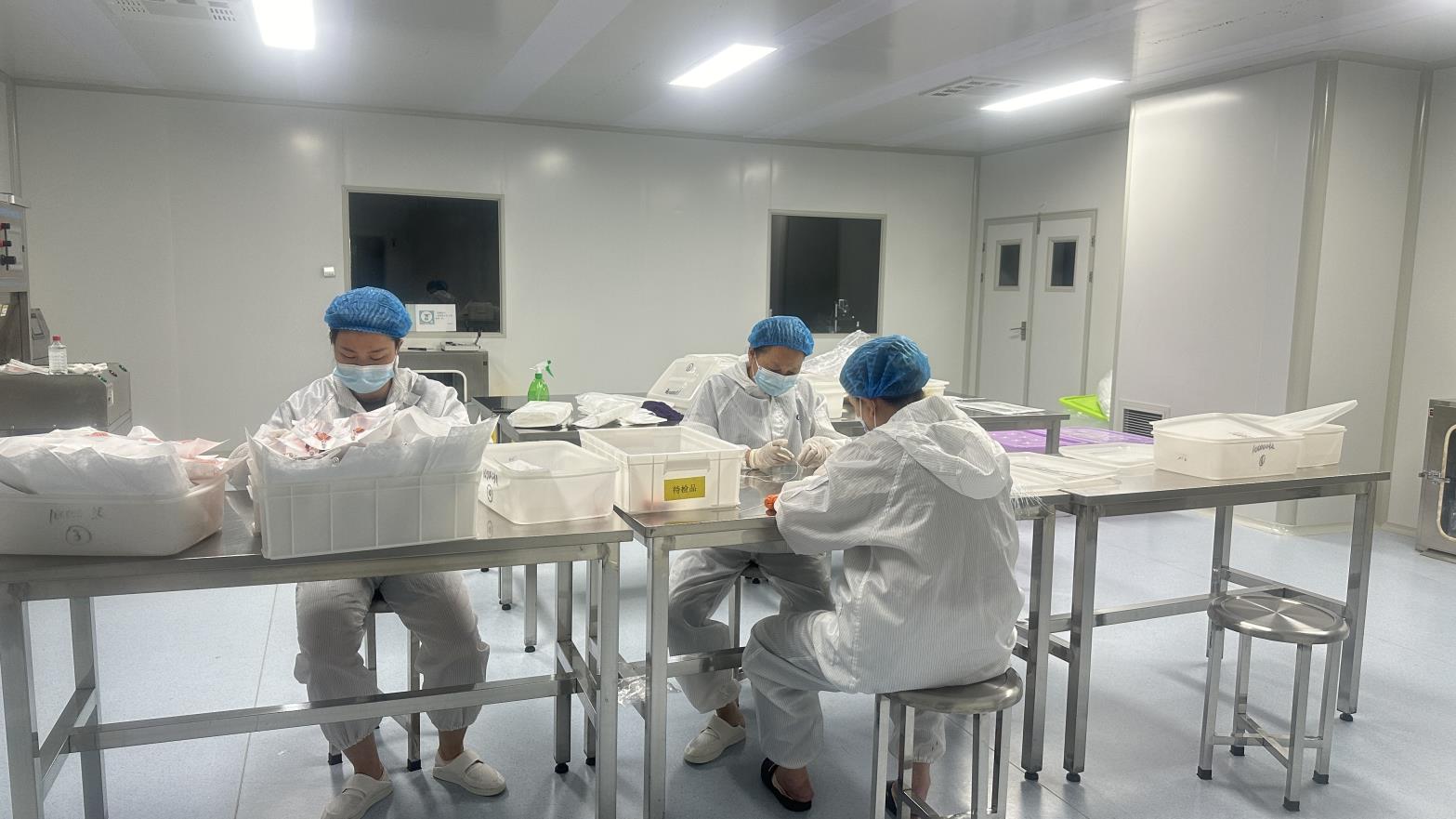
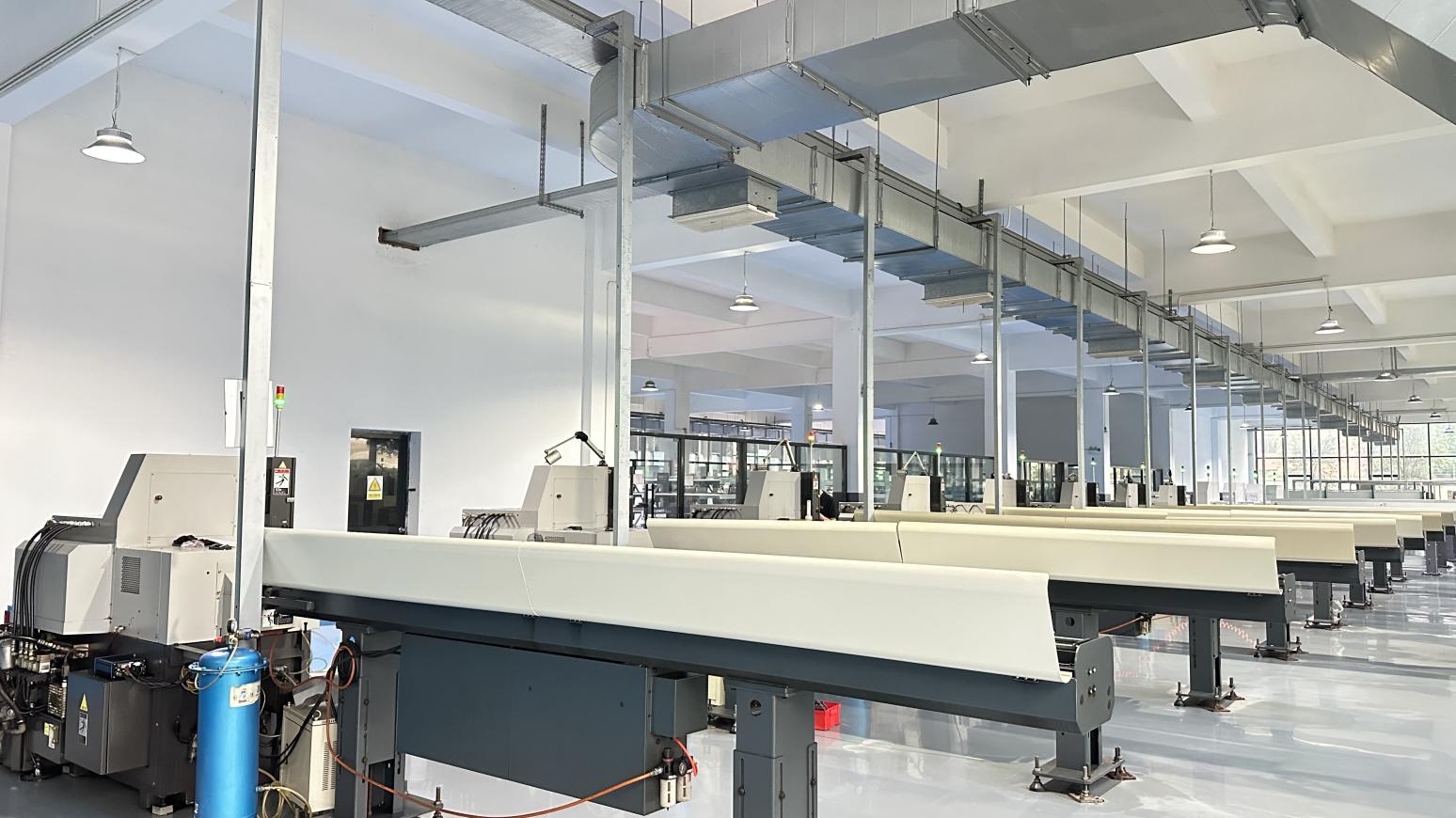
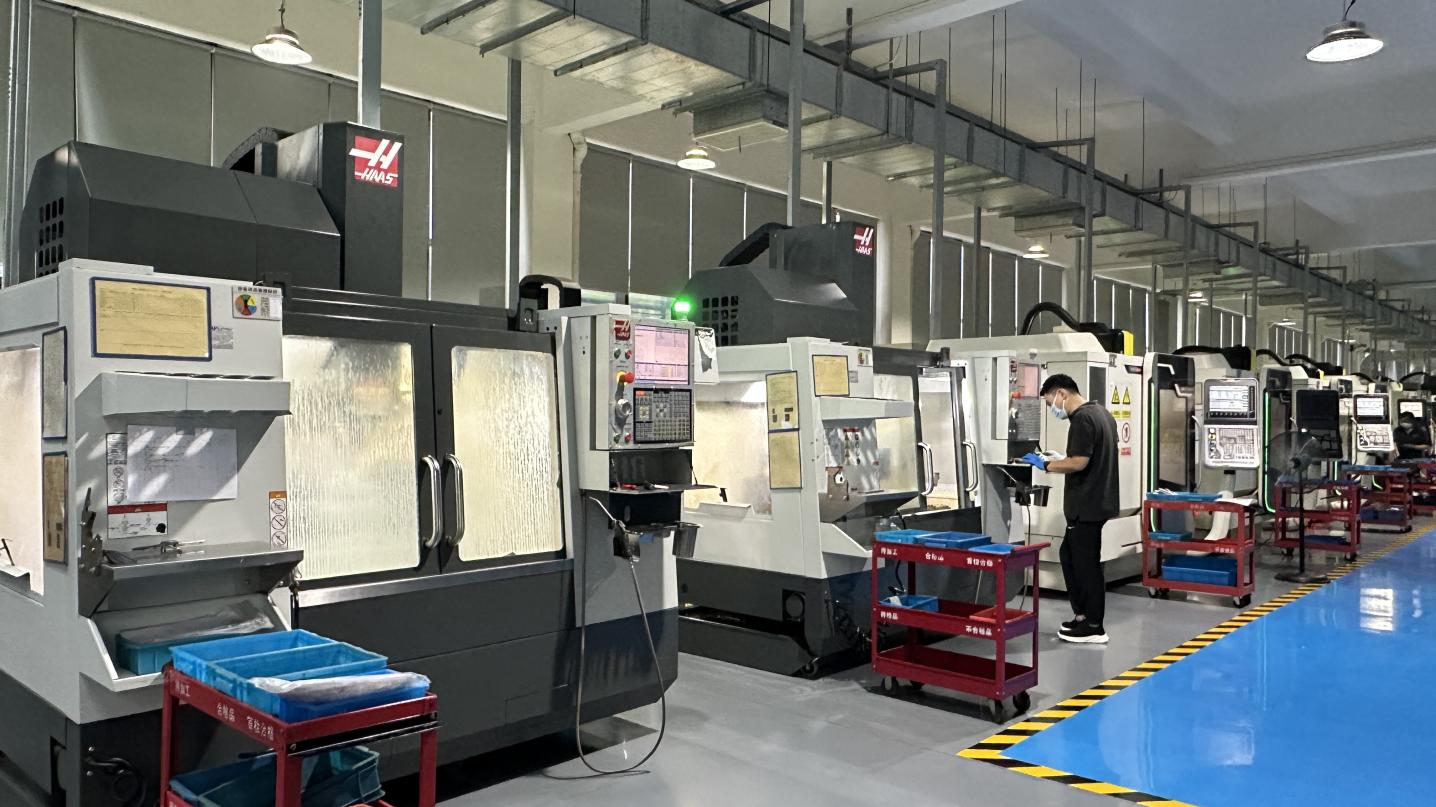
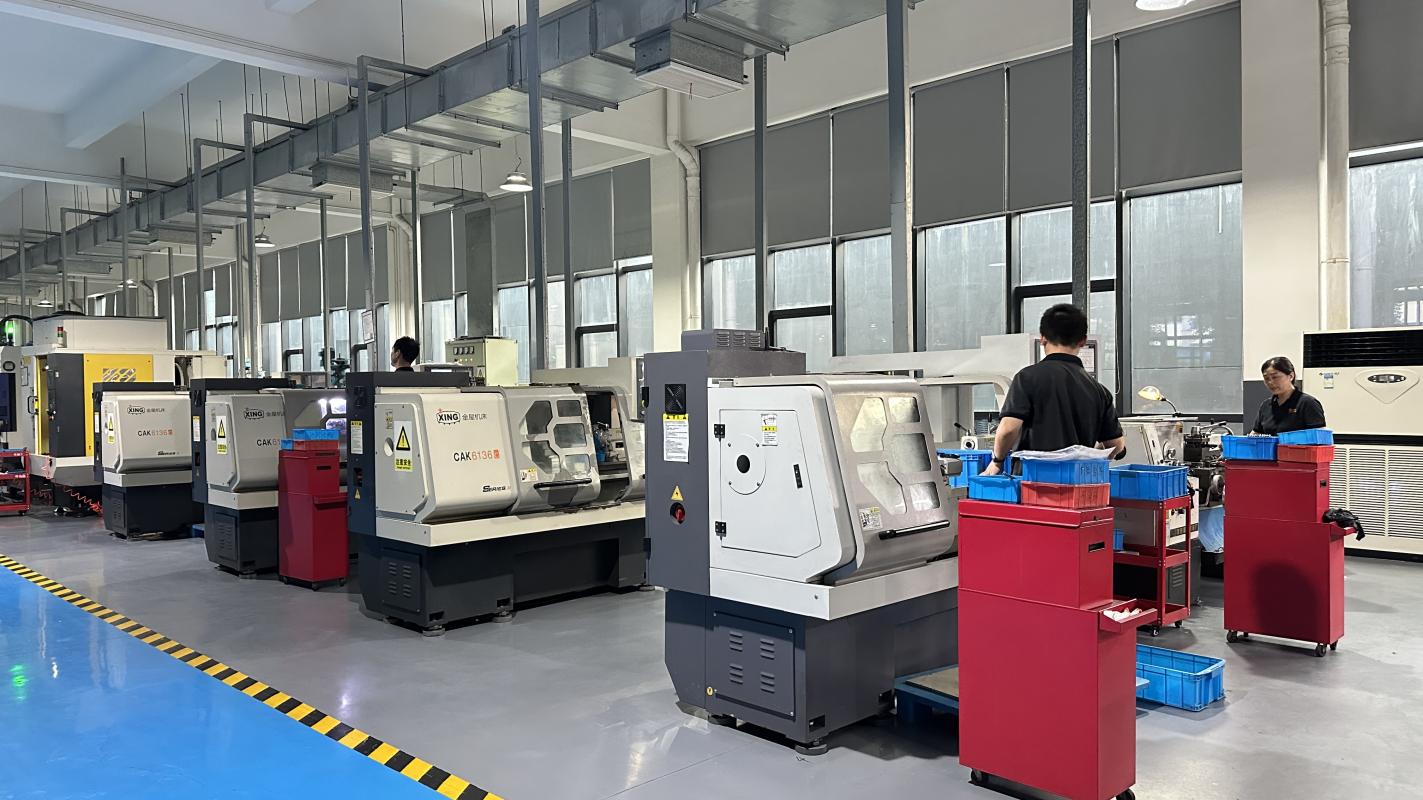
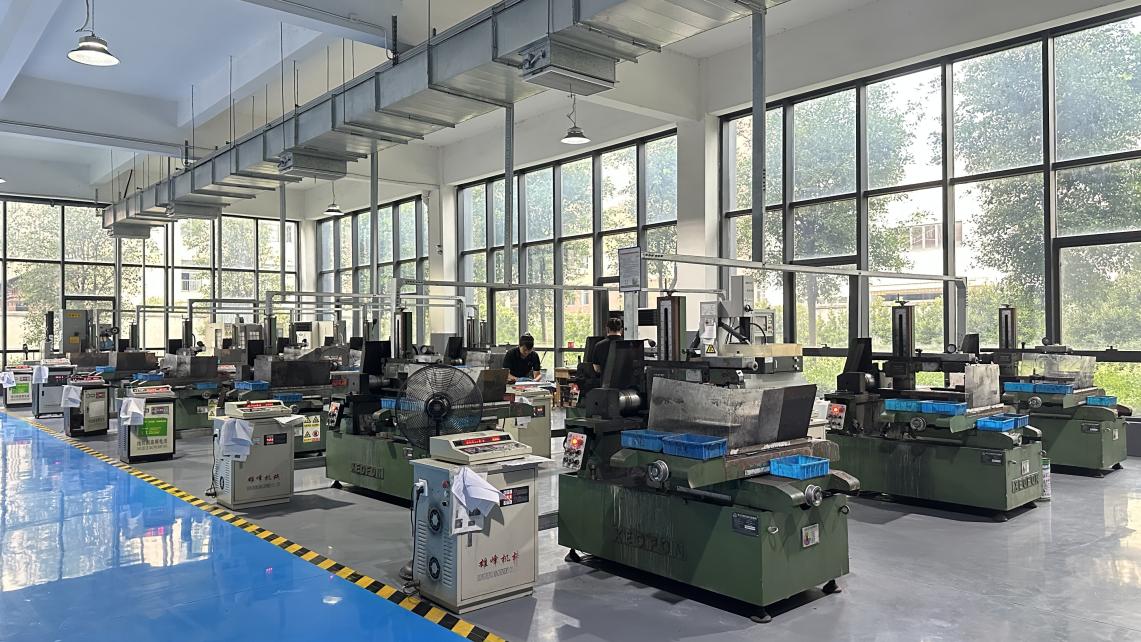
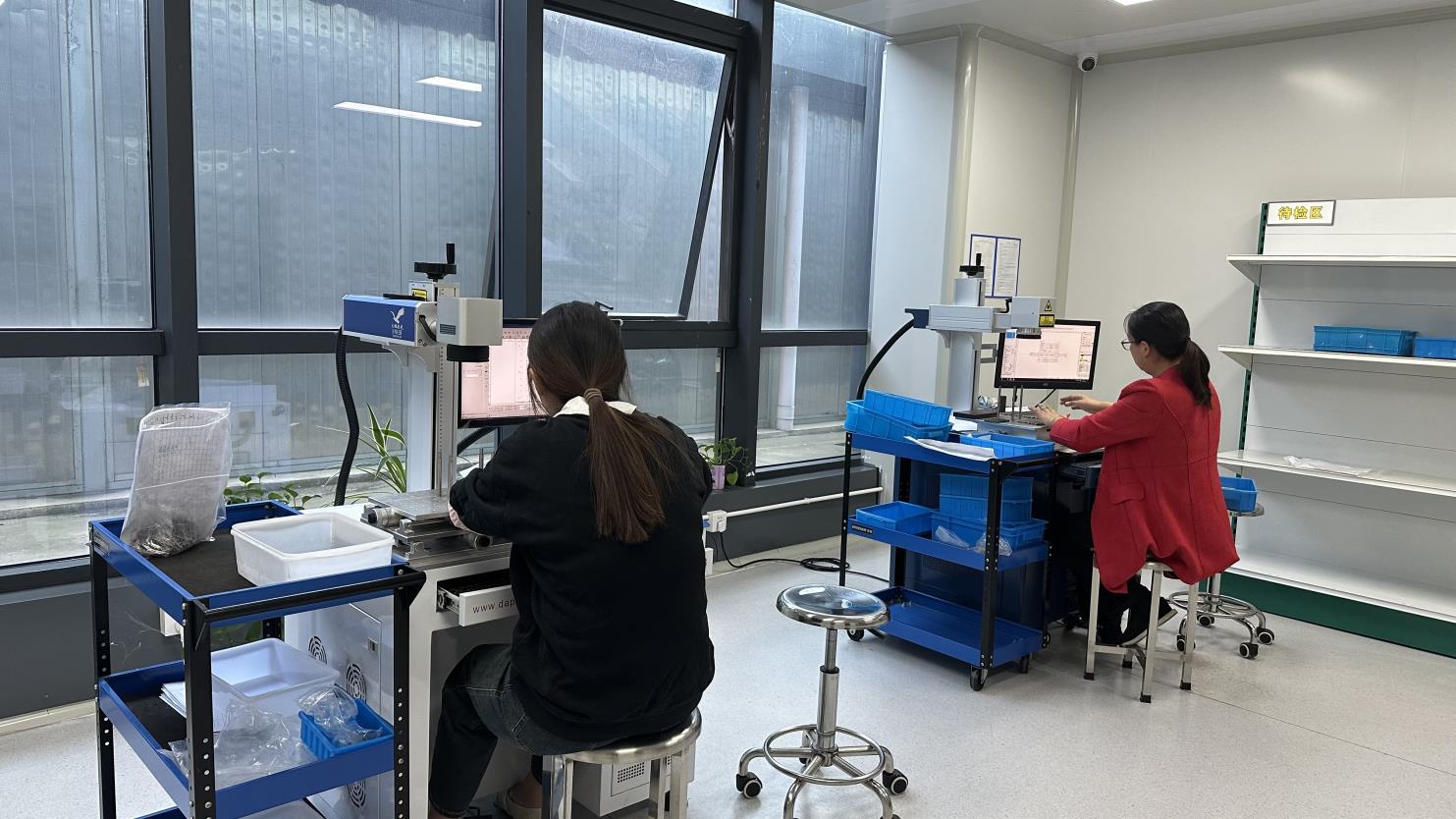
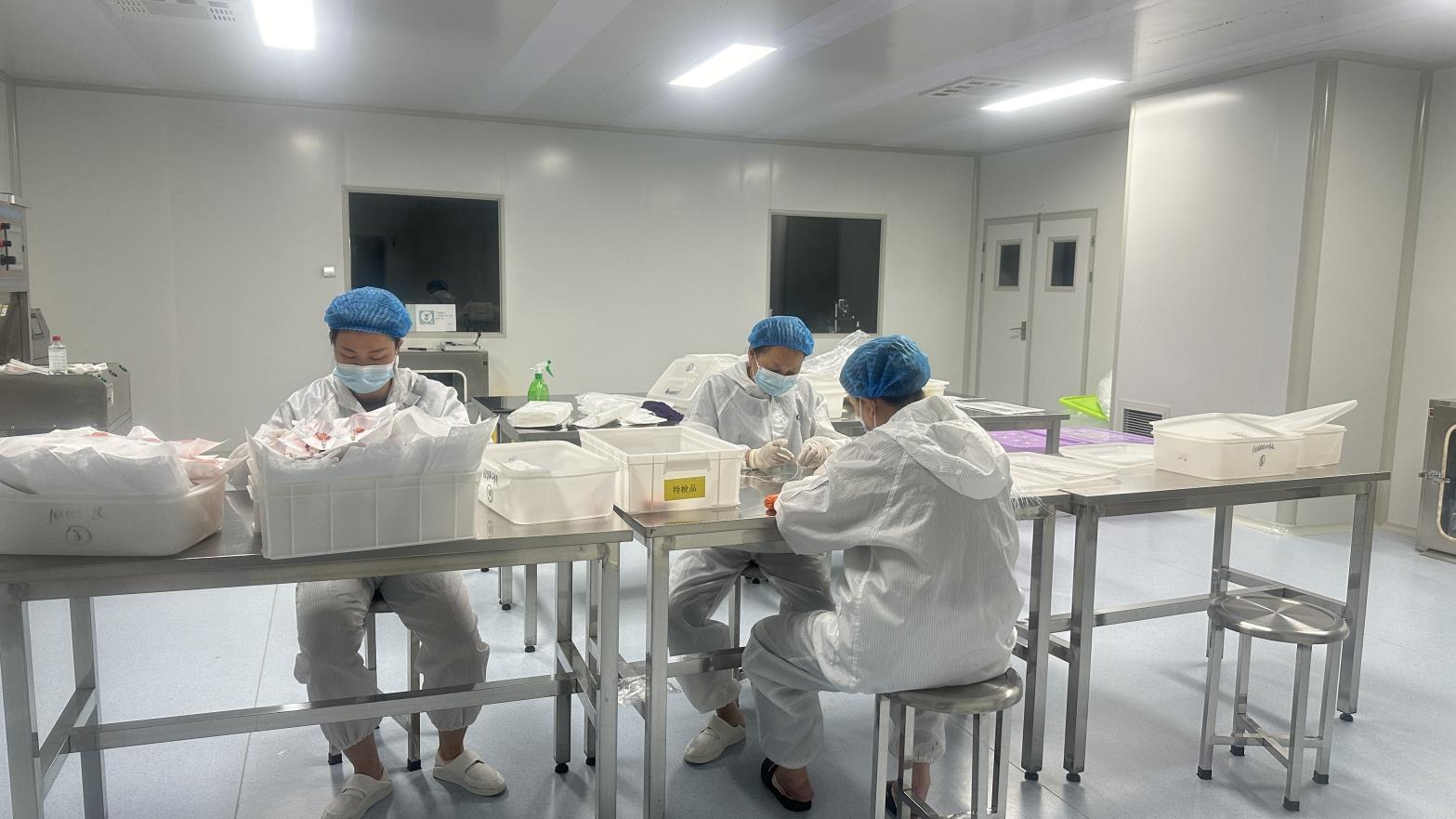
Leveraging our state-of-the-art production environments, we run cleanroom assemblies and precision machining facilities that guarantee physical and metallurgical consistency. Anchored in rigorous international regulatory compliance, Bonevia bridges the gap between sophisticated surgeon feedback and robust, volume-scale medical device production.
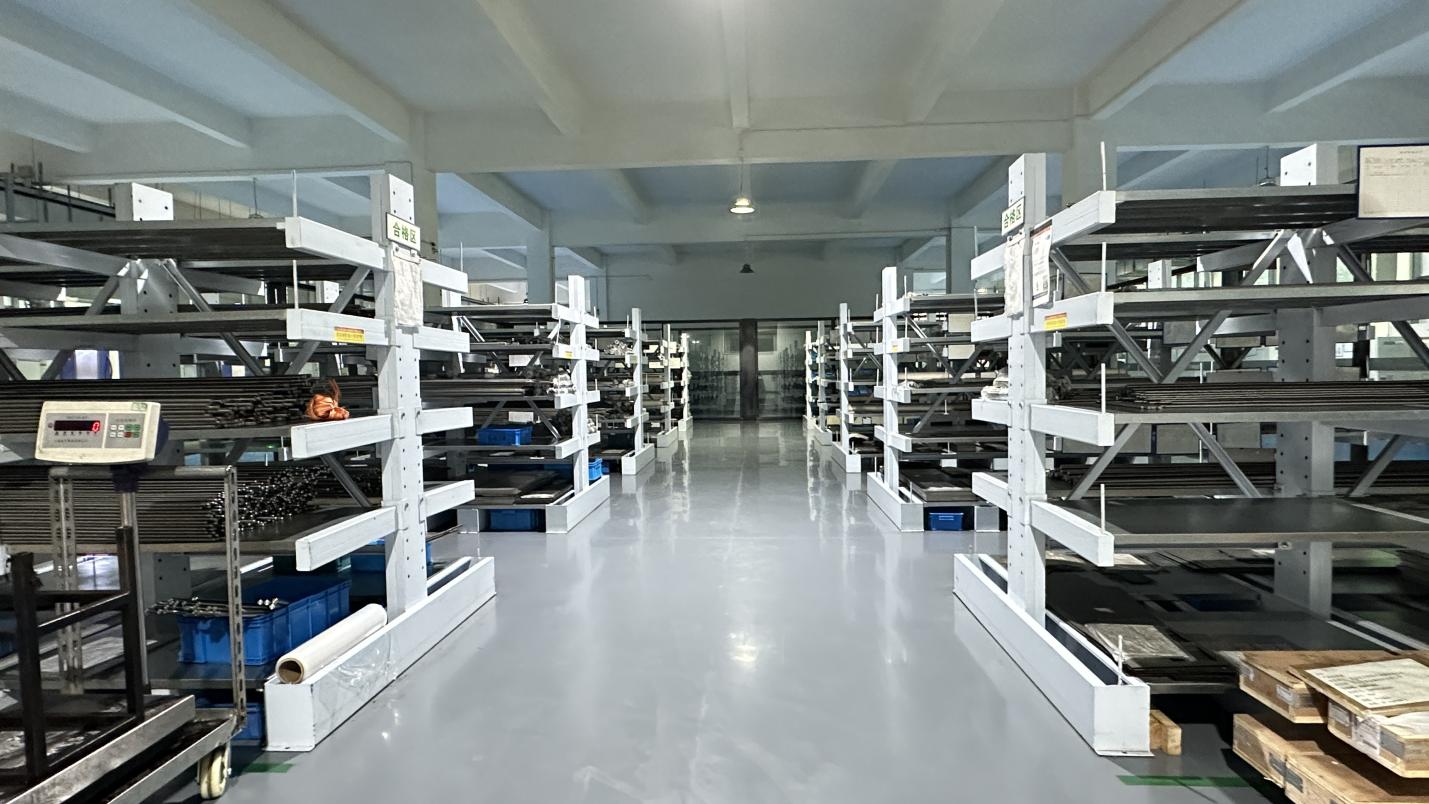
Every stage of production—from alloy sourcing to final sterile packaging—is strictly audited to secure clinical reliability.
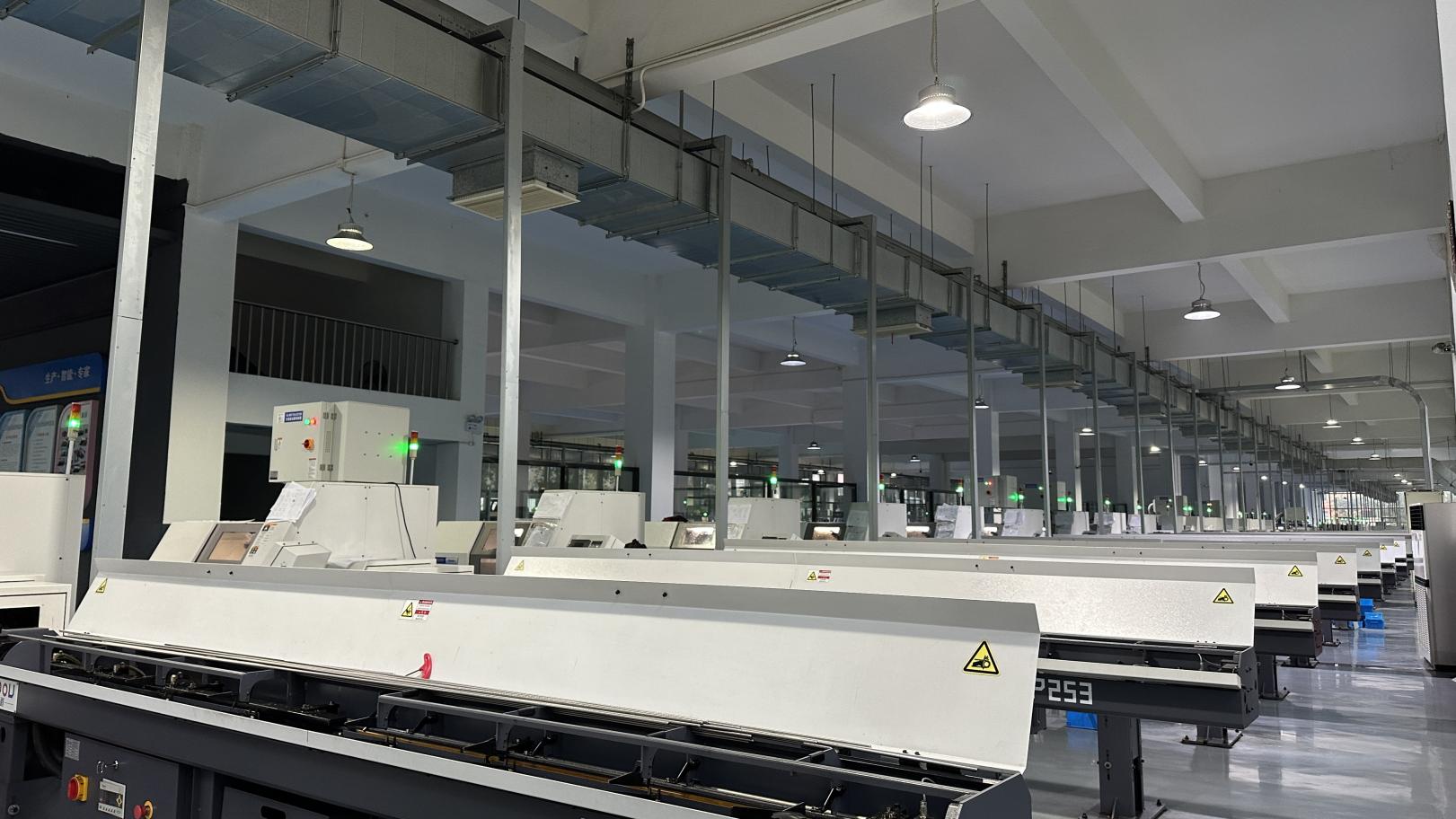
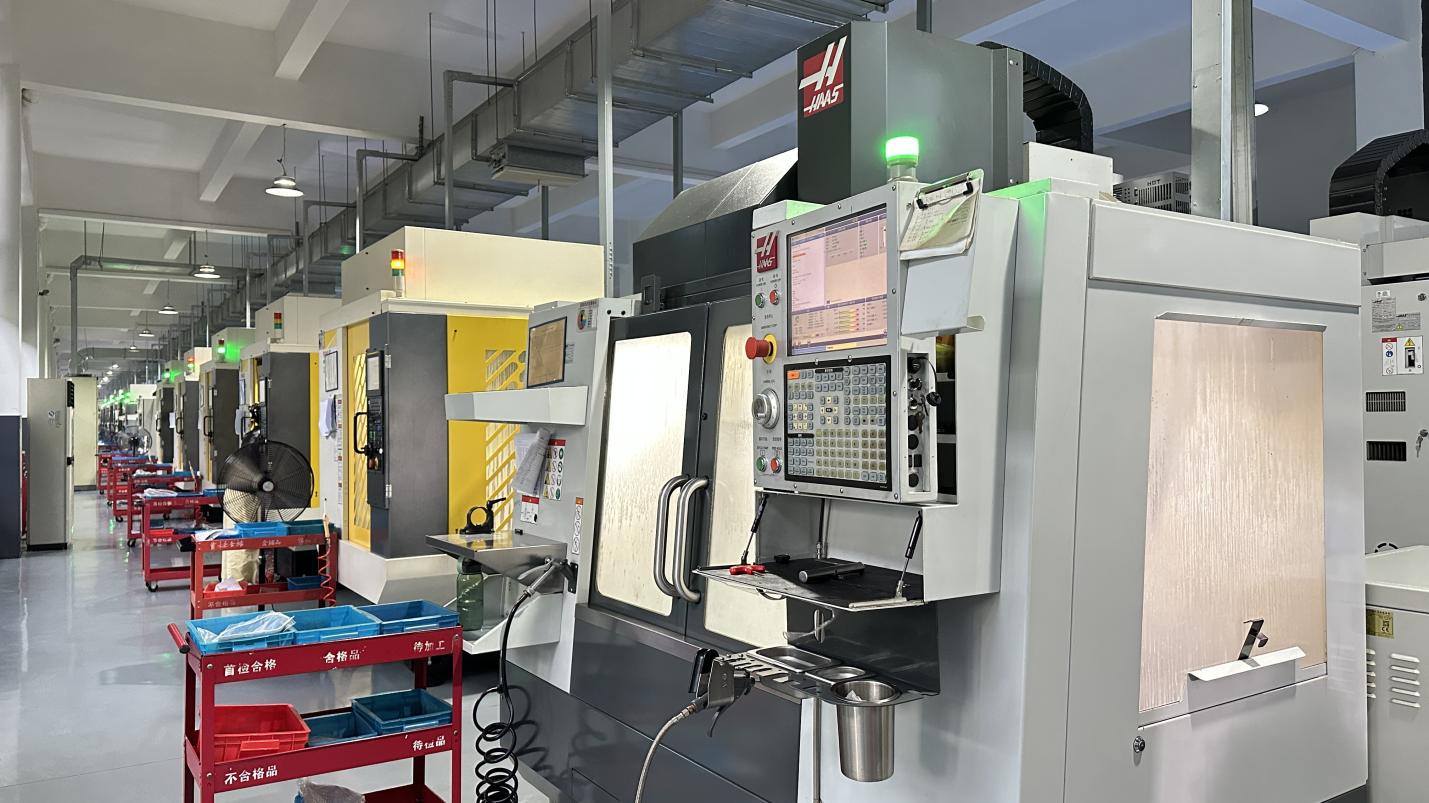
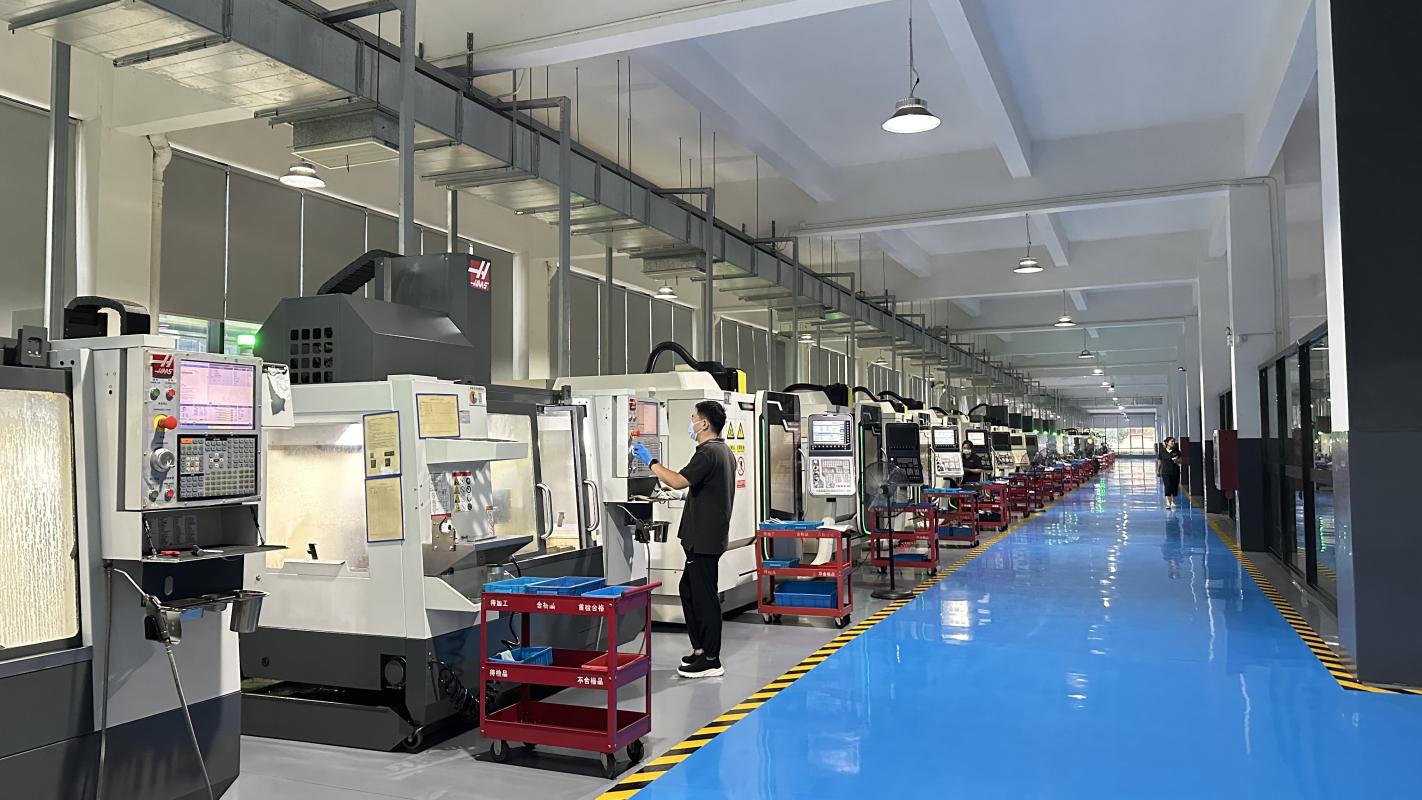

Pioneering Next-Generation Biomechanical Integrity and Material Science Solutions
While Ti6Al4V (Grades 5 & 23) remains the baseline for pedicle screws and rods due to high biocompatibility and yield strength, Bonevia is advancing towards high-performance thermoplastic options. Polyetheretherketone (PEEK) and Carbon Fiber-reinforced PEEK (CFR-PEEK) are utilized to match the elastic modulus of human cortical bone, reducing stress-shielding, and eliminating metal artifacts in post-operative MRI and CT diagnostics.
Our ODM roadmap actively integrates additive manufacturing (EBM/SLM) to fabricate porous titanium scaffolds. These structures simulate trabecular bone geometry with 60%–80% porosity, fostering direct osteointegration and rapid vascularization, outperforming traditional solid acid-etched surfaces.
The next frontier features sensorized fixation networks. Bonevia is prototyping micro-sensors integrated into rods and cages to measure real-time mechanical strain, detect early non-union or construct failure, and wirelessly transmit data to clinical dashboards for predictive patient management.
Translating Clinical Scenarios into Targeted, Patient-Specific Construct Architectures
| Pathological Focus | Biomechanical Challenge | Engineering Fixation Solution | Target Patient Outcome |
|---|---|---|---|
| Degenerative Disc Disease (DDD) | Loss of disc height, Segmental instability, Neural compression. | Low-profile posterior pedicle screws and bullet-nose TLIF/PLIF cages. | Restore sagittal alignment and maximize fusion rates via localized graft distribution. |
| Adult Spinal Deformity (ASD) & Scoliosis | Multi-planar structural deviation, severe rotational shear. | High-rotation capability polyaxial screws, cobalt-chrome (CoCr) rods, and sacropelvic anchors. | Provide high correction forces while distributing stress to prevent proximal junctional kyphosis (PJK). |
| Tumor & Complex Trauma Reconstructions | Vertebral collapse, severe neurological compromise. | Expandable corpectomy cages coupled with heavy-duty pedicle instrumentation. | Immediate biomechanical stability and structural weight-bearing replacement. |
| Minimally Invasive Surgery (MIS) | Soft tissue trauma, blood loss, long recovery times. | Cannulated pedicle screws, percutaneous rod insertion paths, and tubular retractors. | Sparing of multifidus muscles, minimized surgical incision length, faster rehab. |
Aligning OEM/ODM Deliveries with High-Stake Procurement Requirements
Global healthcare suppliers must maintain compliance audits. We supply material analysis reports (MTRs) tracing back to raw titanium ingots (ASTM F136 / ISO 5832-3 standards). Every production lot receives a unique device identification (UDI) code, tracking the product from initial CNC slitting to sterile hospital delivery.
We accommodate both bulk non-sterile implants (processed by hospital autoclaves) and cleanroom-packaged, gamma-irradiated sterile implants (packed in double Tyvek pouches). Sterile packaging ensures immediate operating-room readiness and mitigates liability for cross-contamination.
Moving from MDD to EU MDR (2017/745) introduces strict requirements for Class III implants. Bonevia provides complete clinical evaluation reports (CERs) and technical documentation files. We actively support regional registrants with the necessary dossiers to clear FDA 510(k), ANVISA, PMDA, and NMPA approvals.
How Digitally Consolidated Manufacturing Delivers Scalable Quality and Competitive Cost Advantages
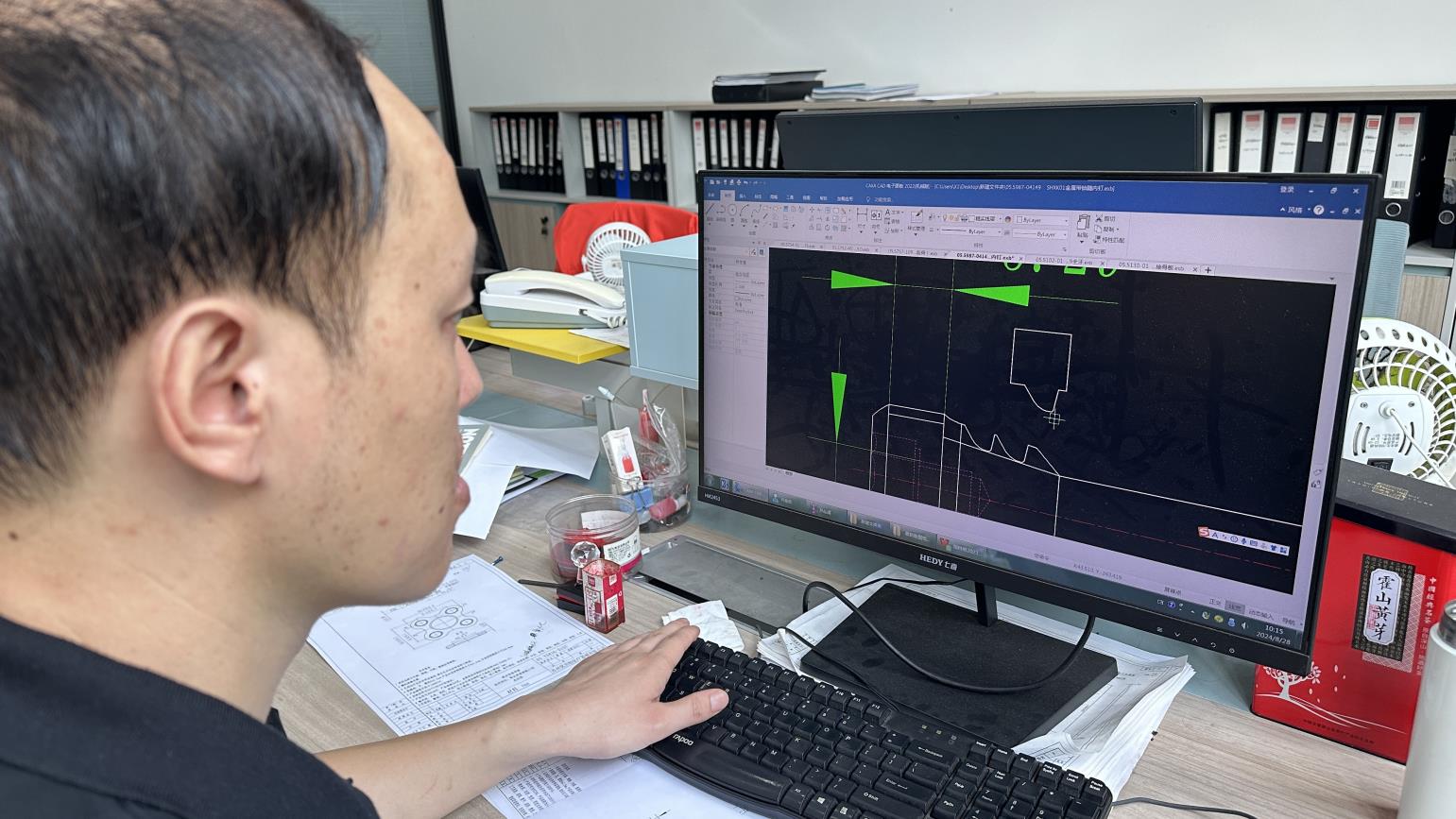
Traditional machining setups require multiple clamping steps, introducing potential dimensional errors. By employing advanced multi-axis CNC turn-mill centers, we machine complex pedicle screw geometries—including dual-thread profiles and polyaxial head slots—in a single setup. This delivers sub-micron tolerances and eliminates thread run-out errors.
Supported by a network of over 850 strategic partners, Bonevia maintains consistent raw material supply. Even during logistics constraints, our titanium alloy and PEEK stocks remain insulated. This localized network minimizes lead times, allowing us to deliver high-quality spinal fixation components at highly competitive price points.
With 85 dedicated engineers and 120 new designs launched annually, we transition custom OEM designs into functional, sterile-packaged medical prototypes within 4 to 6 weeks. This rapid cycle facilitates early clinical testing and speeds up time-to-market.
Navigating Regional Requirements via Certified Standards
Our quality management systems are audited and certified to meet ISO 13485:2016 standards. From incoming inspection of raw titanium rods to dimensional testing and final validation, every step is documented within our electronic quality management system (eQMS). This ensures complete audit readiness for FDA, EU MDR, and other regional health authorities.
Registering medical devices in markets across South America, the Middle East, and Southeast Asia requires meticulous documentation. Bonevia provides complete dossier sets—including mechanical testing reports (ASTM F543 for bone screws), biocompatibility assays (ISO 10993), and sterilization validations—to help our partners expedite local registrations.
Answers to key questions from procurement officers, medical distributors, and surgical design partners.
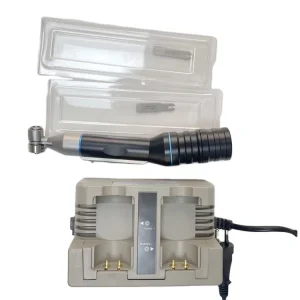
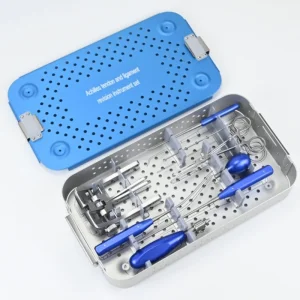
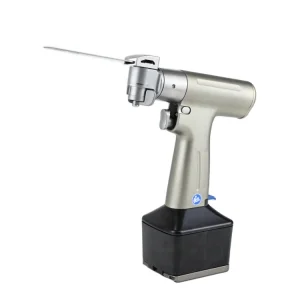
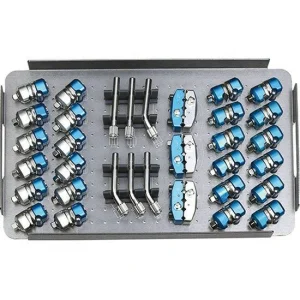
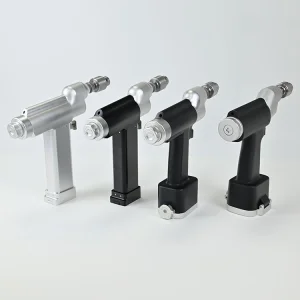
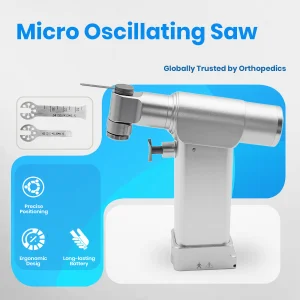
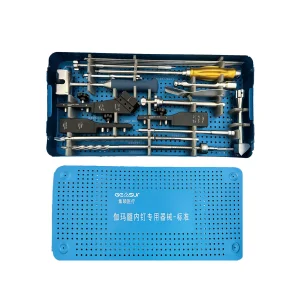
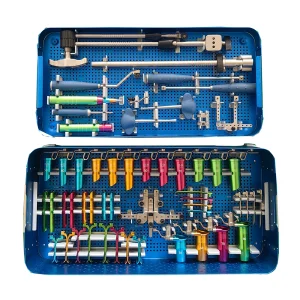
Further precision instrumentation, medical power tools, and specialized joint implants.