Bonevia
Bonevia
Bonevia
Clinical-grade surgical instrumentation and implants engineered to global regulatory protocols.
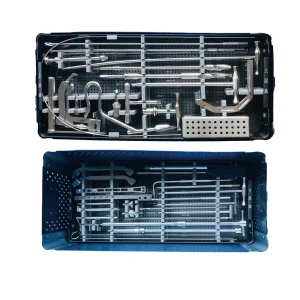
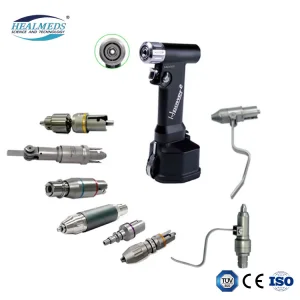
The global spinal surgery device market is experiencing rapid expansion, driven by an aging demographic, the rising incidence of degenerative spinal diseases, and a shift towards minimally invasive spine surgery (MISS). Spine instrument sets constitute the operational backbone of these clinical interventions. Without high-precision surgical instruments, even the most advanced orthopedic implants cannot be safely or accurately anchored.
For global healthcare organizations, medical device distributors, and hospitals, sourcing orthopedic instruments involves navigating complex regulatory terrains (such as EU MDR 2017/745 and FDA 510(k) clearances). Sourcing agents require suppliers that offer absolute material safety (using biocompatible alloys like ASTM F136 Titanium, medical-grade PEEK, and specialized martensitic stainless steels), ergonomic layouts to limit surgeon fatigue, and flawless mechanical tolerances (typically within ±0.01 mm).
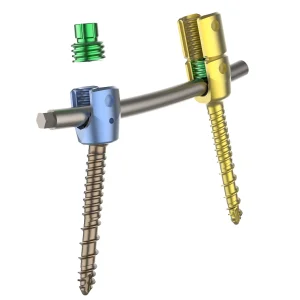
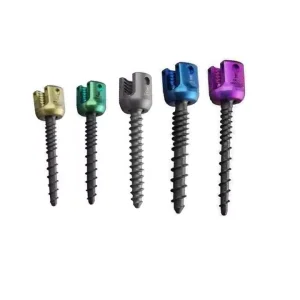
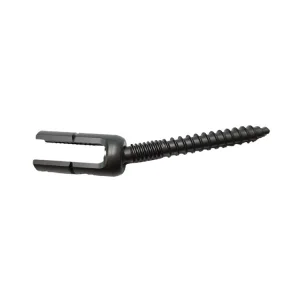
Modern surgical trends demand integration between implants (e.g., pedicle screws, TLIF/PLIF cages) and instrumentation. Modern surgical processes prioritize modular, custom-configured instrument kits that reduce sterilizing costs for medical systems, speed up preparation times inside operating rooms, and provide high utility across various spinal approaches.
Why top orthopedic brands select Chinese manufacturing centers for complex OEM and ODM demands.
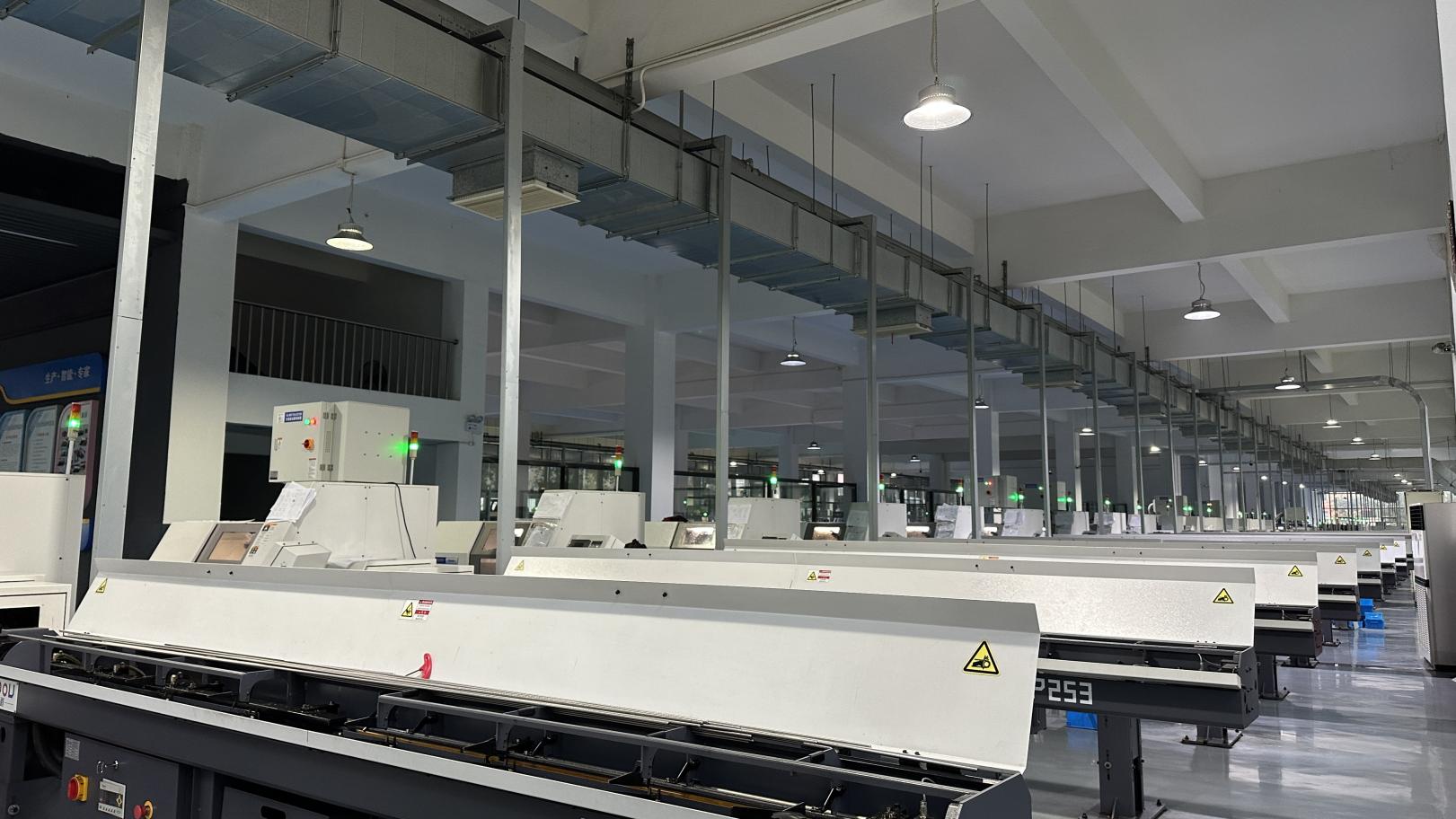
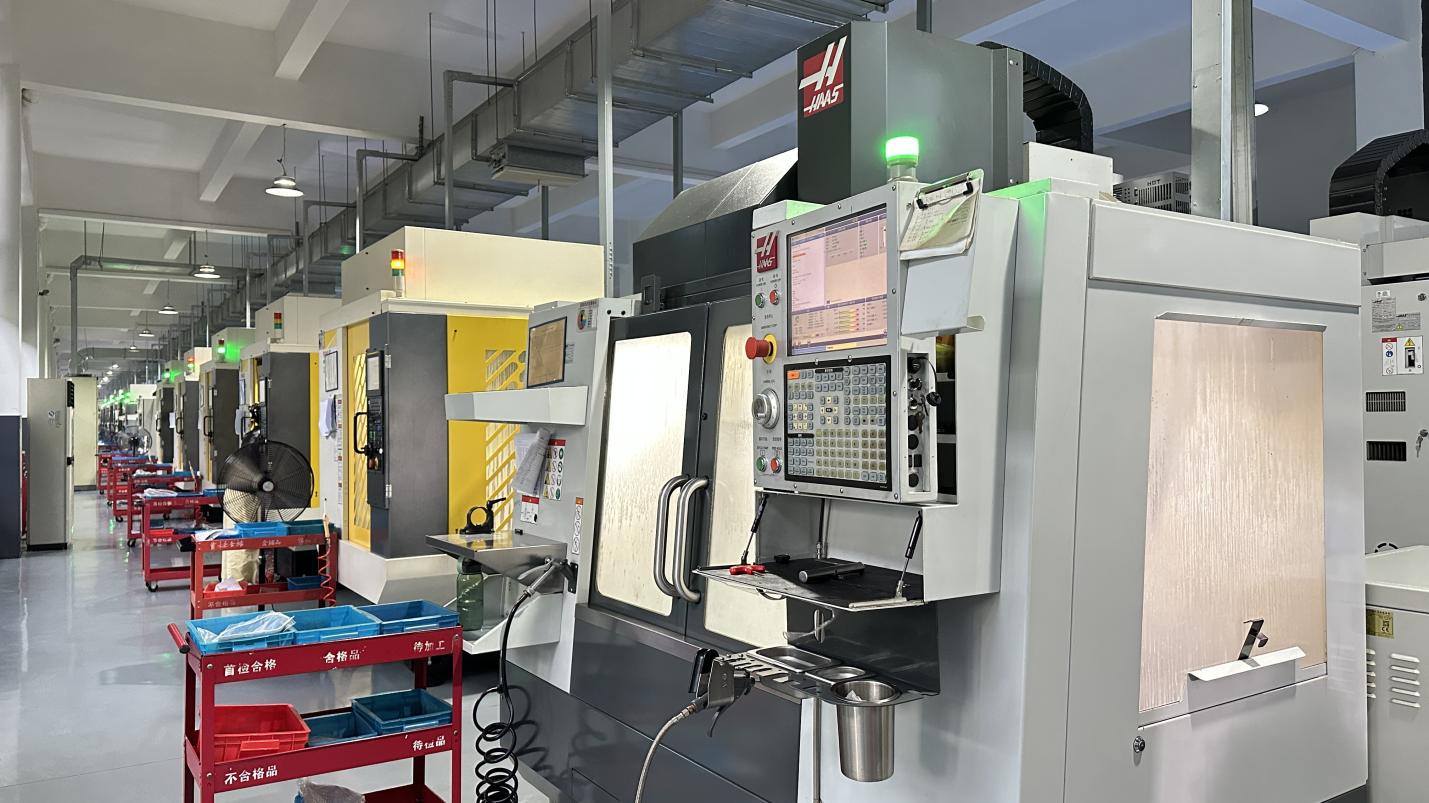
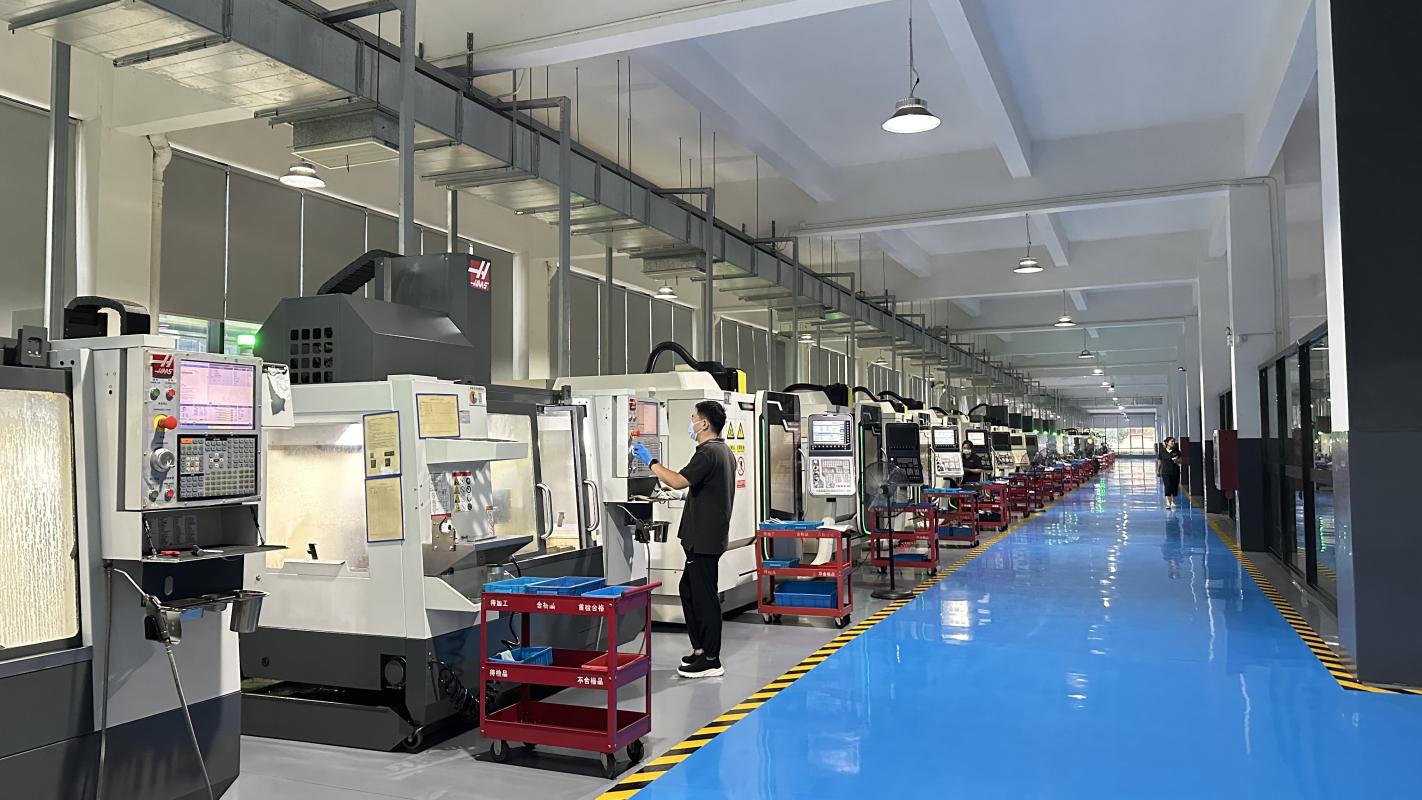
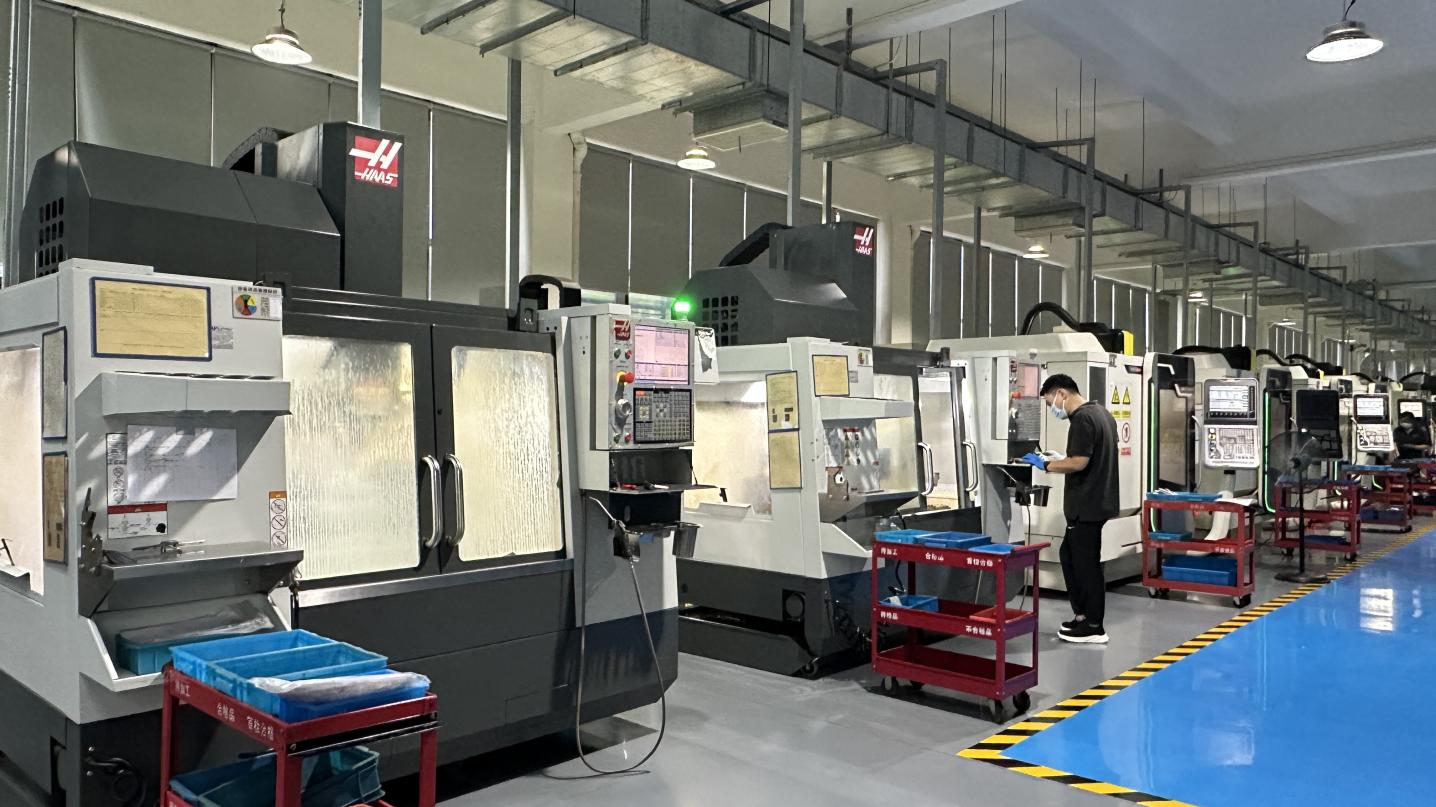
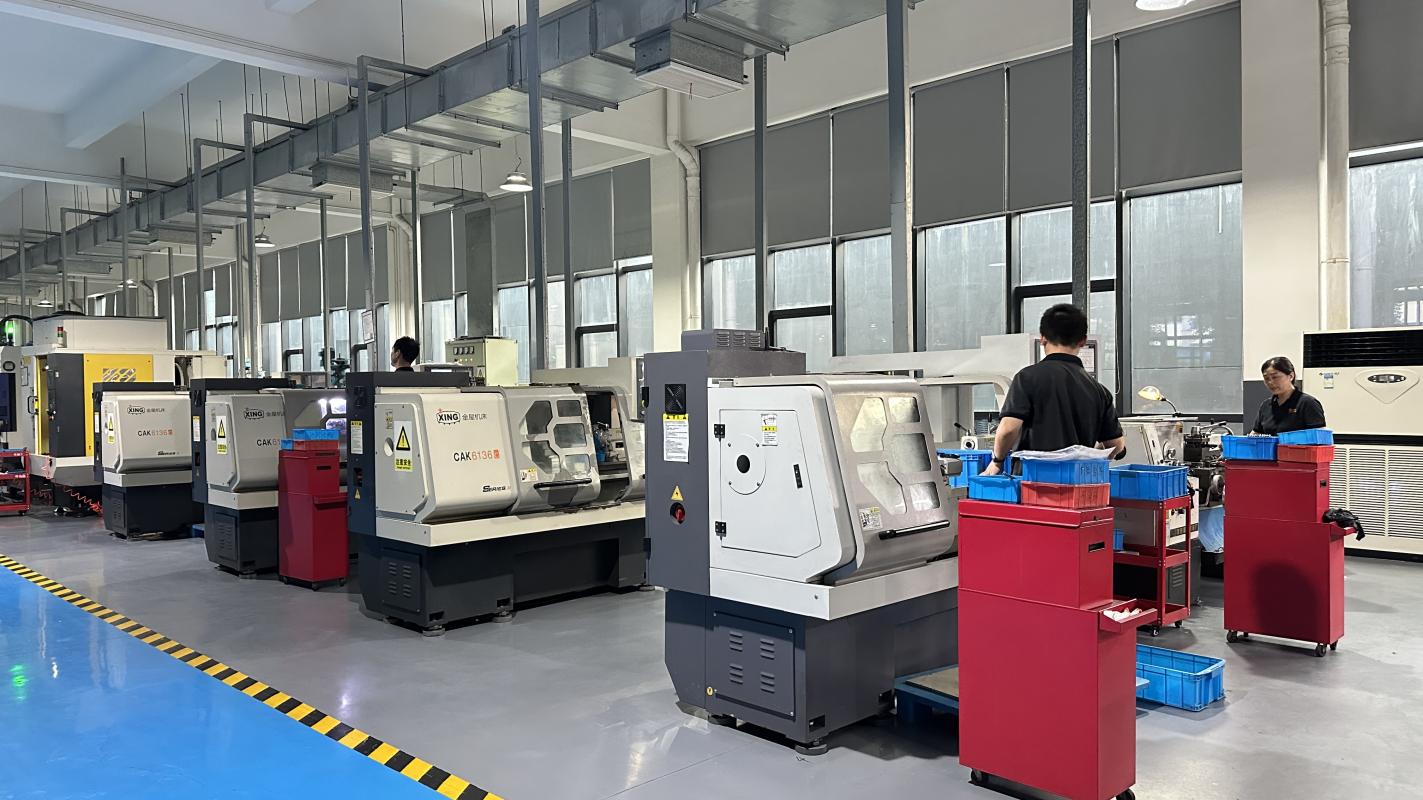
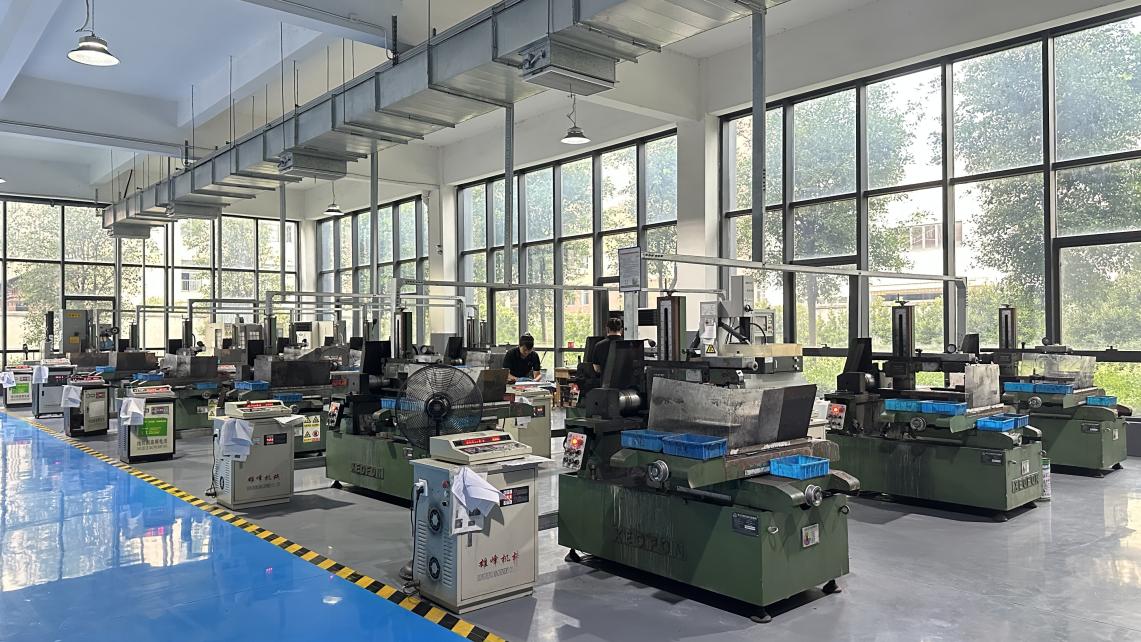
China has established an integrated industrial supply chain for orthopedic devices, offering rapid prototype design, material sourcing, and specialized machining capabilities. What sets Chinese suppliers apart is the fusion of high-precision CNC machinery and low overhead costs.
By leveraging specialized raw-material providers and processing centers, factories can complete new designs in weeks instead of months. Global purchasers benefit from high adaptability: small-batch trial orders for niche surgical instruments or mass-scale production of spinal screw systems can be handled in the same hub.
Bonevia Orthopedic Technology Co., Ltd. is a professional manufacturer specializing in orthopedic implants and surgical solutions, dedicated to advancing innovation in trauma, spine, and joint reconstruction products. Since our establishment in 2015, we have grown into a trusted supplier in the global orthopedic industry.
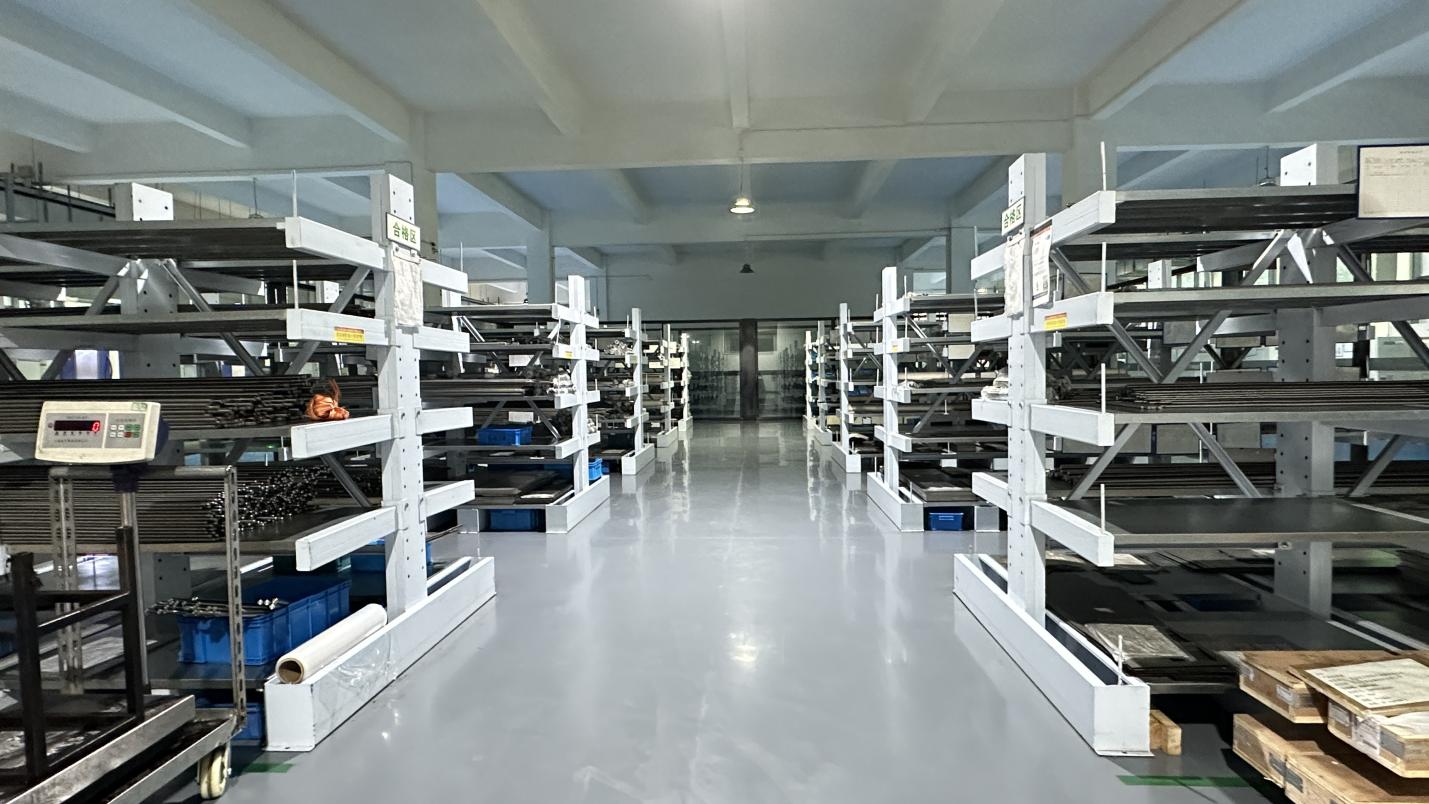
With a modern production facility covering approximately 320㎡, Bonevia maintains strict quality management standards and efficient manufacturing processes. We record an annual export revenue of around USD 8–15 million, supported by 6 years of export experience and over 10 years of overall industry experience.
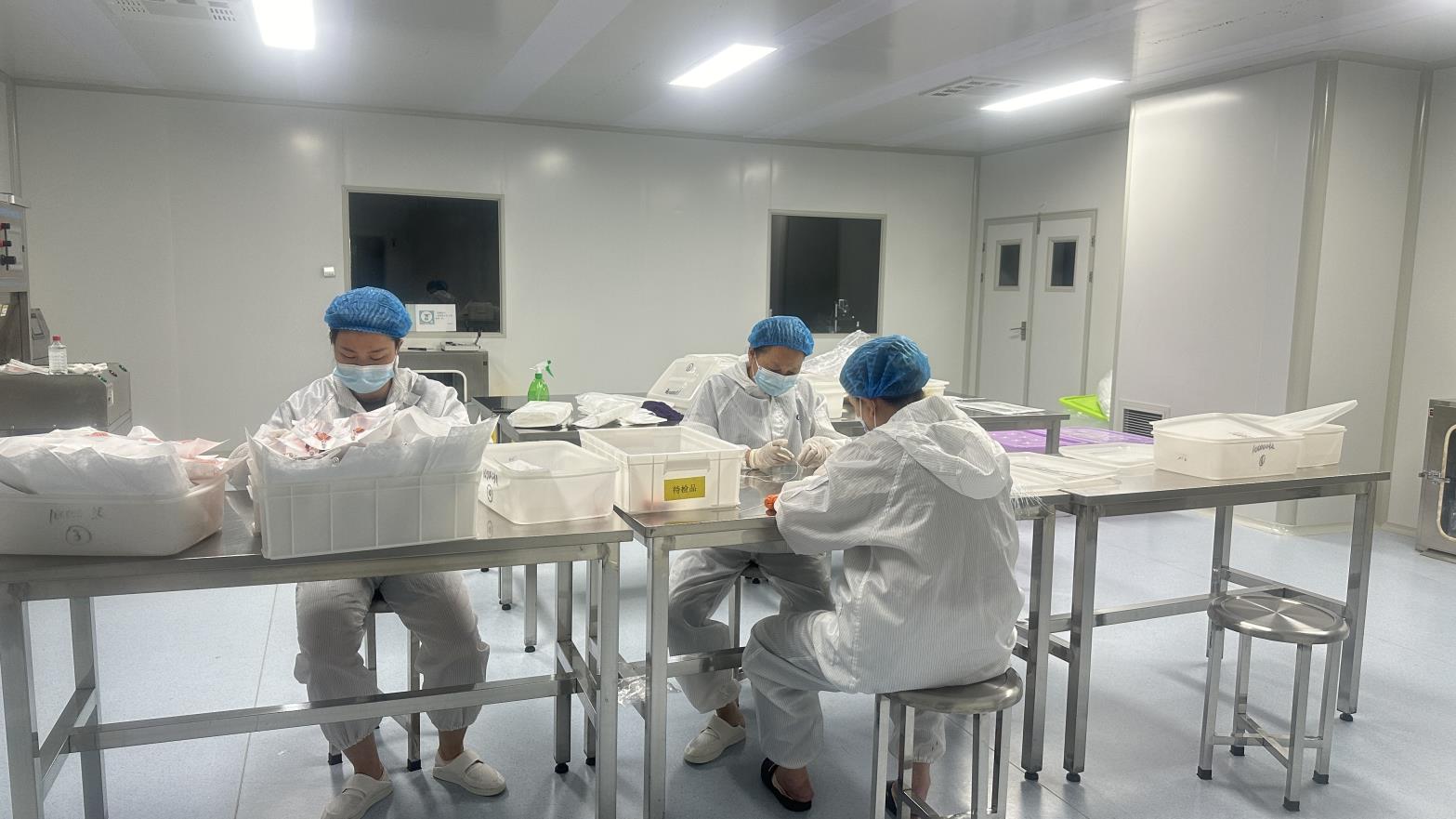
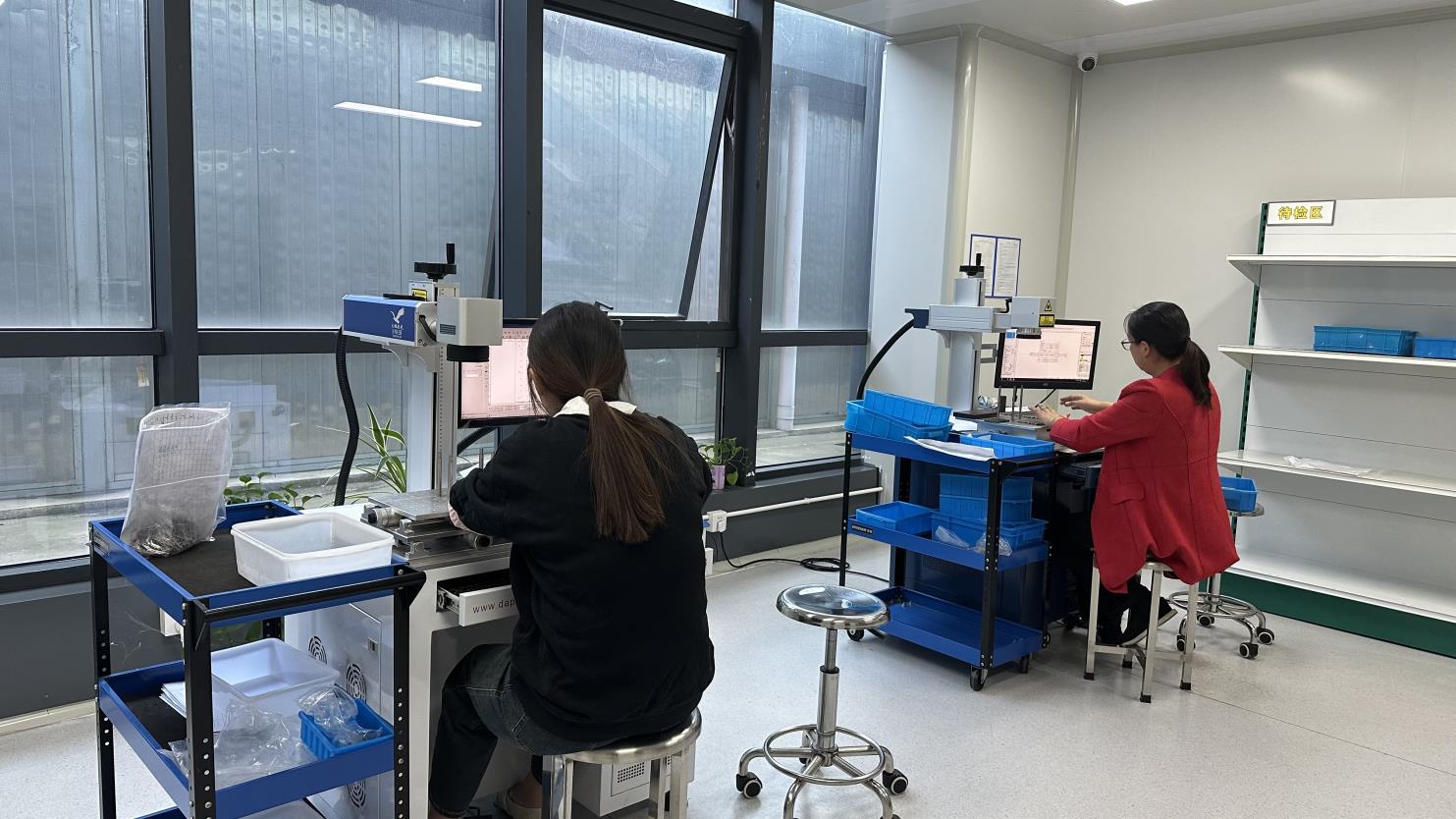
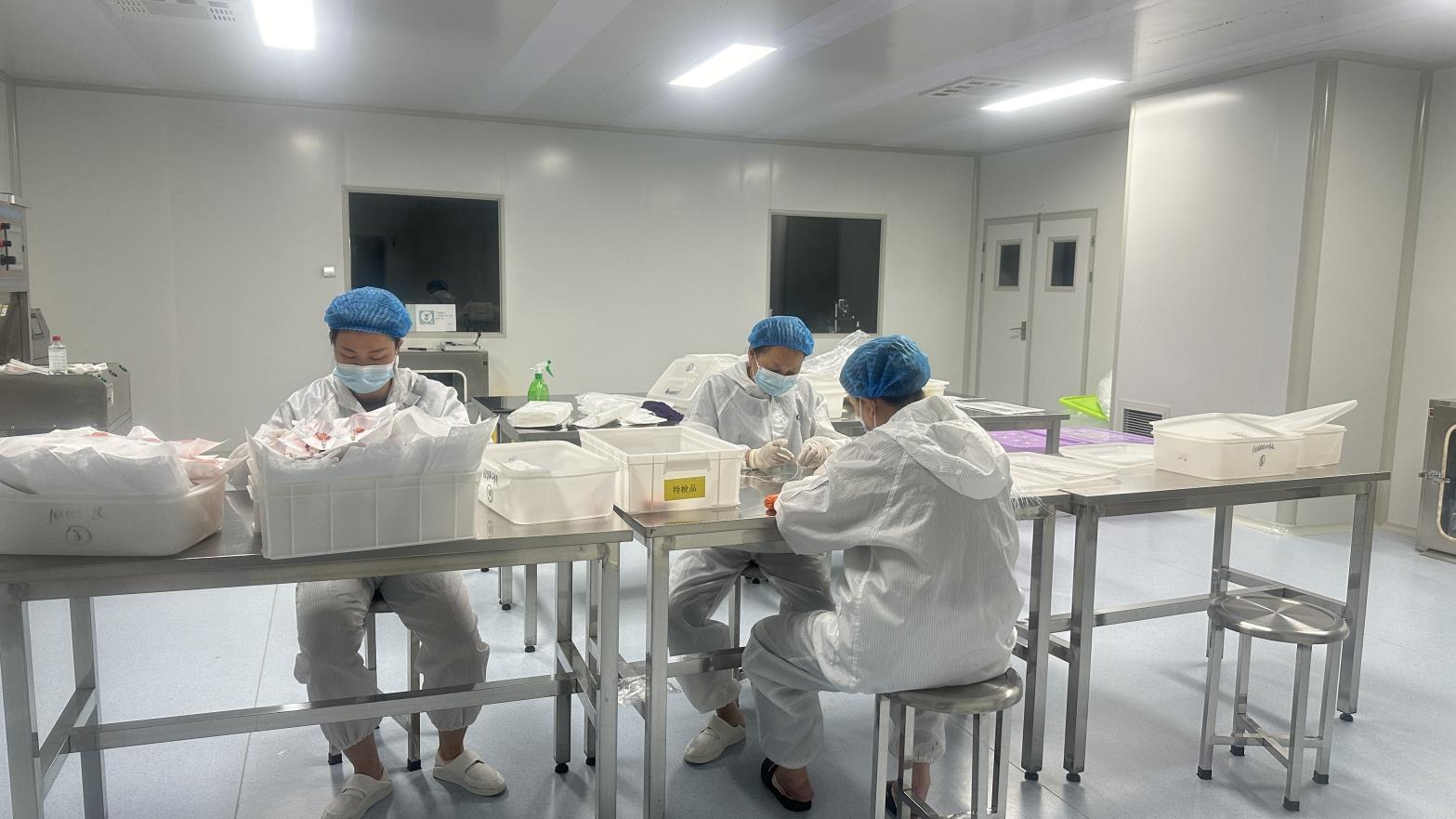
Quality assurance is a core focus at Bonevia. The company implements multiple inspection methods including incoming material inspection, in-process quality control, and final product testing, supported by a dedicated quality team of 35 professionals. This ensures all products meet international medical device standards.
We have built a solid trade foundation with diversified global distribution networks, serving major markets across Europe, Southeast Asia, the Middle East, and South America. Our supply chain ecosystem includes more than 850 partners, enabling stable raw material sourcing and efficient production delivery.
We serve a wide range of clients, including hospitals, orthopedic clinics, surgical centers, and medical distributors. Bonevia also demonstrates strong R&D capabilities, offering OEM and ODM customization services to meet specific clinical requirements. In the past year, Bonevia successfully launched 120 new product designs, supported by a research and development team of 85 engineers, continuously driving innovation in orthopedic implant systems and surgical instruments.
Optimized instrument assemblies targeted for specific surgical environments and patient demographics.
Technical comparison of typical component profiles, material configurations, and sterilization tolerances.
| Instrument Class | Common Components | Material Standard | Primary Clinical Focus | Autoclave Lifetime |
|---|---|---|---|---|
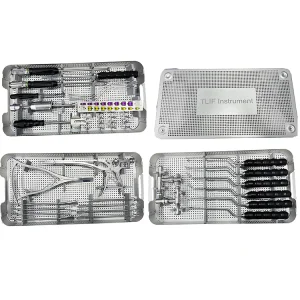
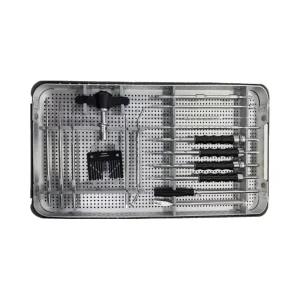
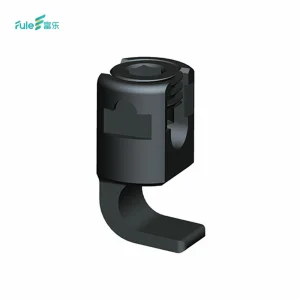
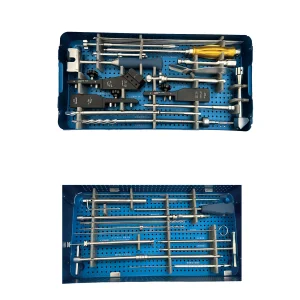
| Pedicle Screw Instrument Set | Mono/Polyaxial Screwdrivers, Rod benders, T-handles, Probe taps, Torque wrenches | ASTM F136 Ti6Al4V ELI / SUS 630 | Degenerative lumbar stabilization, spondylolisthesis, thoracic fixation | > 500 Cycles (134°C) |
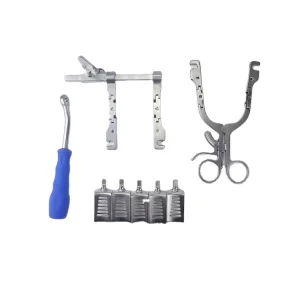
| Cervical Retractor System | Transverse/Longitudinal frames, modular blade selections, soft tissue retractors | High-tensile Grade 2 Titanium & Medical PEEK | Anterior Cervical Discectomy and Fusion (ACDF), disc arthroplasty | > 800 Cycles (134°C) |
| Intervertebral Fusion Cage Tooling | Trial implants, cage inserters, osteotomes, bone curettes, rasps | SUS 420 Mod / PEEK-OPTIMA inserts | TLIF/PLIF/LLIF cage positioning & bone graft preparation | > 600 Cycles (134°C) |
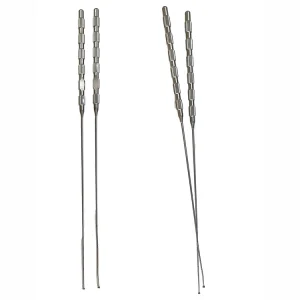
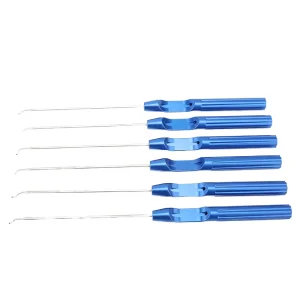
| Endoscopic Spine Instruments | Micro-shaver blades, grasping forceps, articulating curettes, guide-wires | High-performance medical steel alloys | Percutaneous endoscopic lumbar discectomy (PELD) | > 350 Cycles (134°C) |
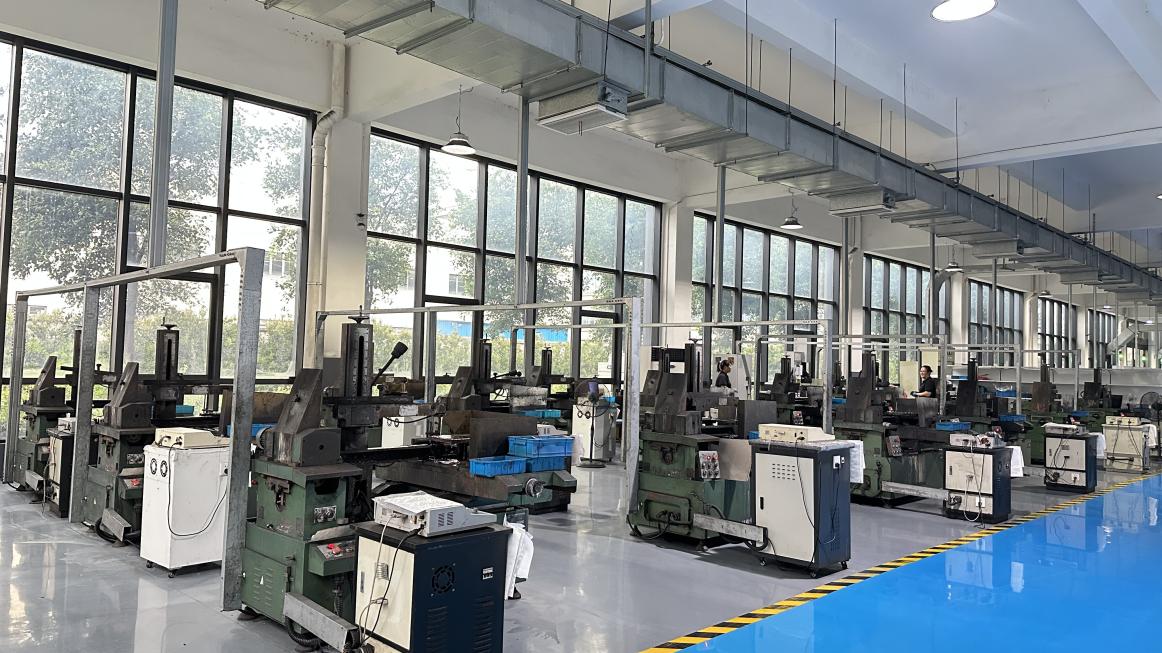
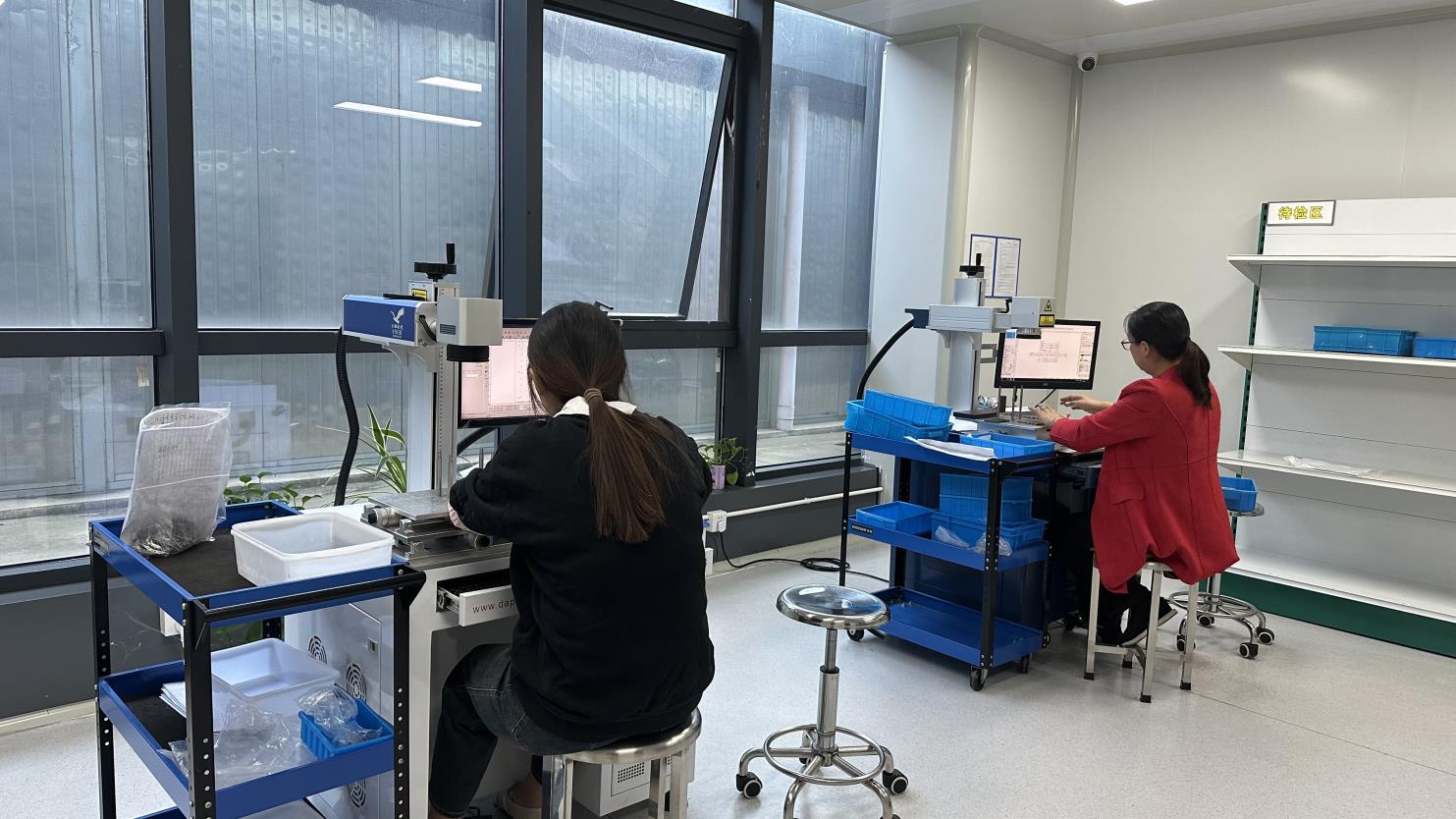
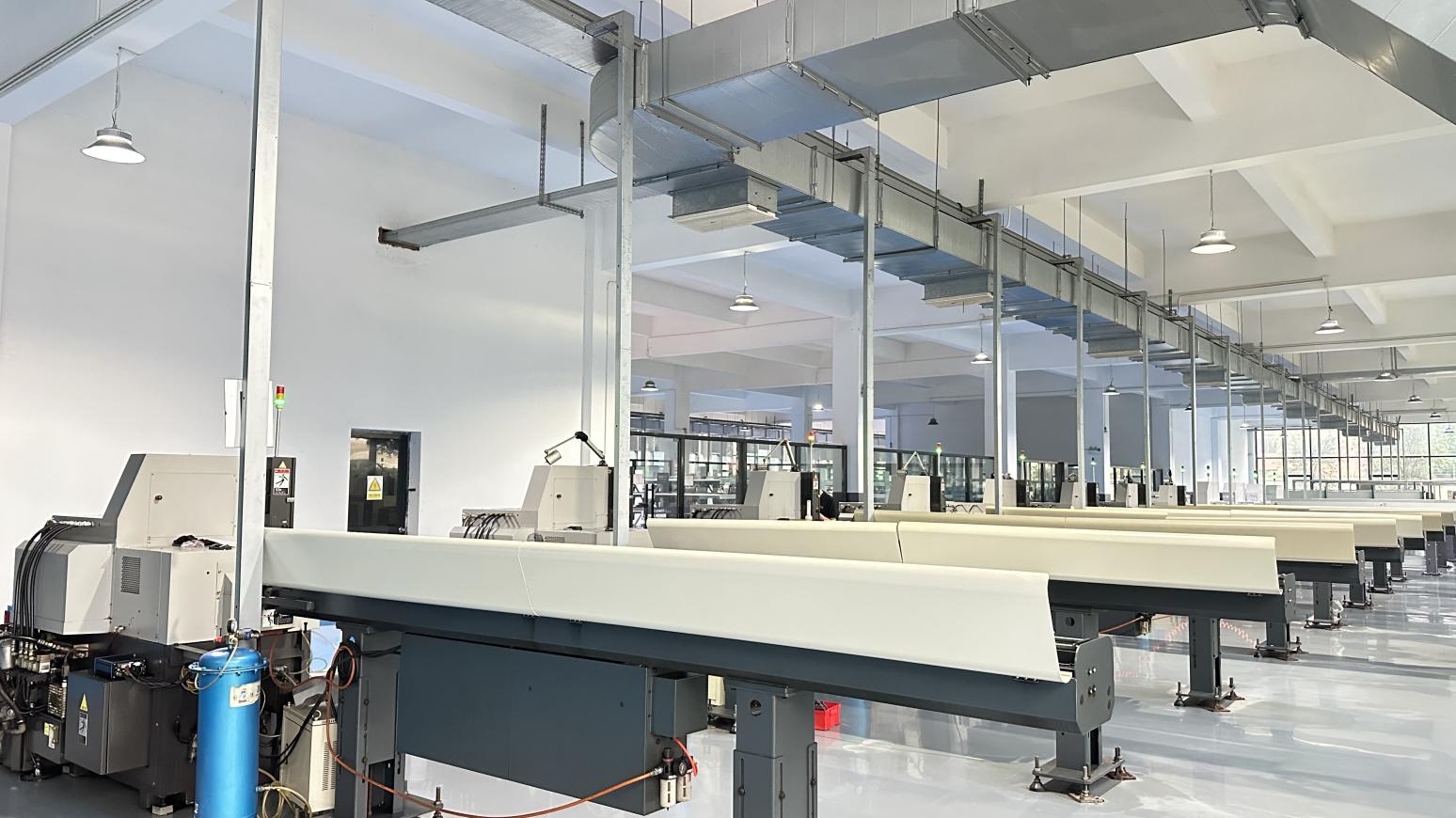
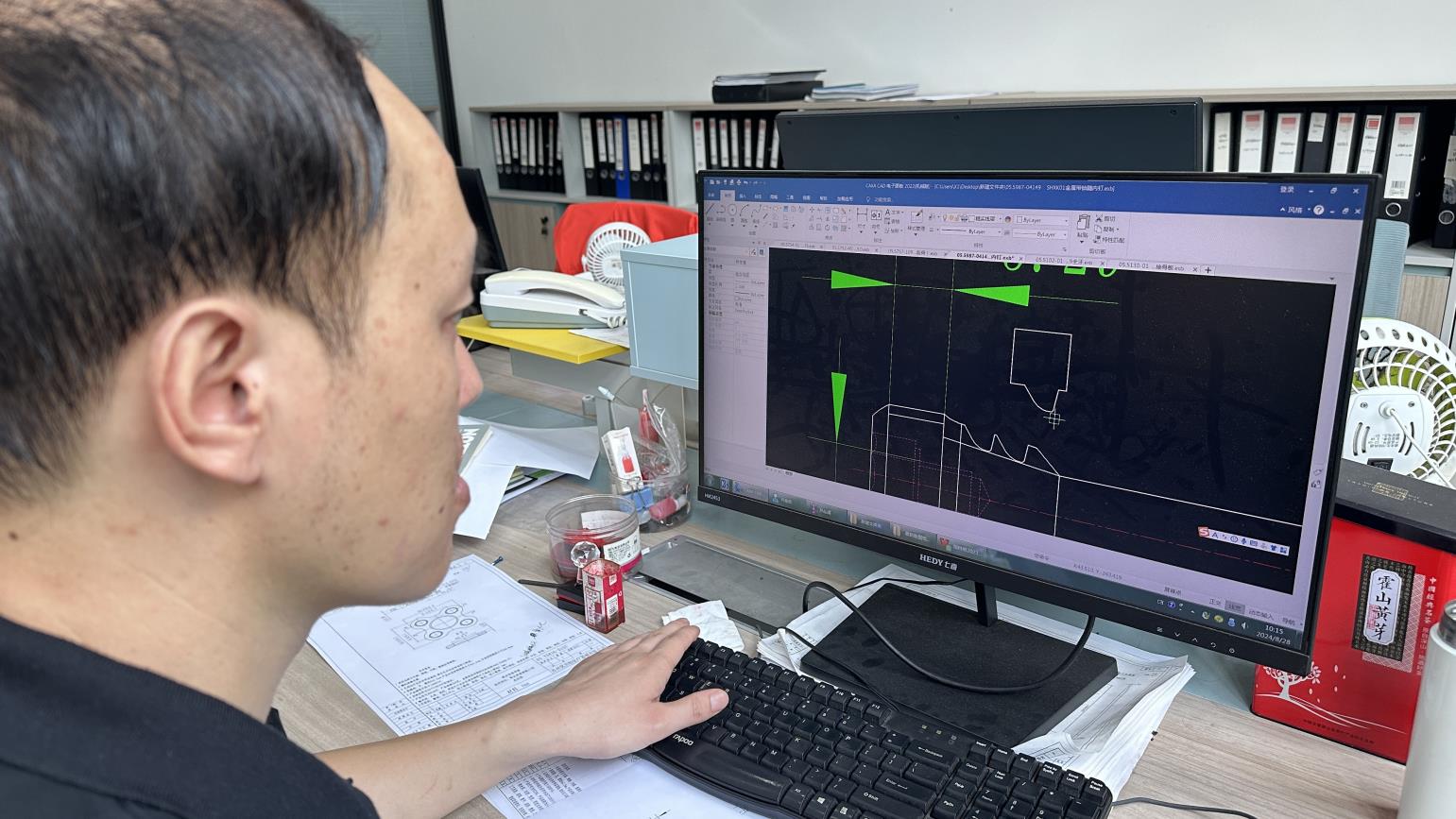
Our 15-step manufacturing line ensures that every medical-grade component adheres to high-precision tolerance profiles.

Answers to common industry questions regarding manufacturing, shipping, and quality assurance.
Clinical-grade surgical instrumentation and implants engineered to global regulatory protocols.