Bonevia
Bonevia
Bonevia
Explore our elite class of orthopedic solutions manufactured under rigorous quality systems to assure optimal surgical performance.
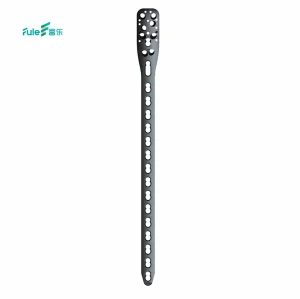
In modern orthopedics, Tibial Locking Plates have redefined the stabilization of complex proximal and distal tibial fractures. Unlike conventional dynamic compression plates (DCP) that rely entirely on plate-to-bone friction for stability, locking screw systems create a rigid fixed-angle construct. This mechanism behaves similarly to an external fixator but internally, preserving the crucial periosteal blood supply and promoting secondary bone healing (callus formation).
From an engineering perspective, the design must mitigate several stress vectors: vertical load-bearing forces during post-operative patient movements, torsional stresses during limb rotation, and angular deformation under muscular tension. The proximal tibia features asymmetrical condyles that demand anatomically contoured implants. Modern OEM/ODM factories utilize sophisticated finite element analysis (FEA) to pre-test stress distributions, ensuring plates exhibit optimal fatigue resistance without provoking stress shielding.
| Parameter | Titanium Alloy (Ti-6Al-4V ELI) | Stainless Steel (316L) | PEEK (Polyetheretherketone) |
|---|---|---|---|
| Elastic Modulus (GPa) | 110 - 114 (Closer to cortical bone) | 190 - 200 (Stiff) | 3.5 - 4.0 (Ultra-flexible, requires reinforcement) |
| Biocompatibility Index | Outstanding (High osseointegration) | Excellent (Standard clinical track record) | Inert (No metal ion release) |
| MRI Compatibility | High (Minimal artifacting) | Low (Strong artifacting) | Absolute (Radiolucent) |
| Common Clinical Case | Complex comminuted fractures, osteoporotic bone | Heavy loading, dynamic weight-bearing frames | Radiolucent tumor-targeted reconstructions |
By modeling implants from extensive CT-scan databases of diverse human bones, OEM/ODM manufacturers can produce anatomic plates that fit over 95% of patients without intraoperative bending. This drastically reduces surgical duration and mitigates micro-fractures induced by manual contouring in the operating room.
Traditional locking systems restrict screw insertion to a single trajectory. Variable Angle (VA) locking technology allows up to a 15-degree cone of variation, enabling surgeons to precisely target articular fragments while avoiding existing hardware, joint capsules, or nerves.
Established in 2015, Bonevia Orthopedic Technology Co., Ltd. has established itself as an innovative force in the manufacturing of trauma, spine, and joint reconstruction systems. Operating with a core team of over 85 R&D engineers, Bonevia successfully released 120 new custom product designs in the past year alone. This strong research backbone enables us to translate complex surgeon concepts into sterile-packed, market-ready implants.
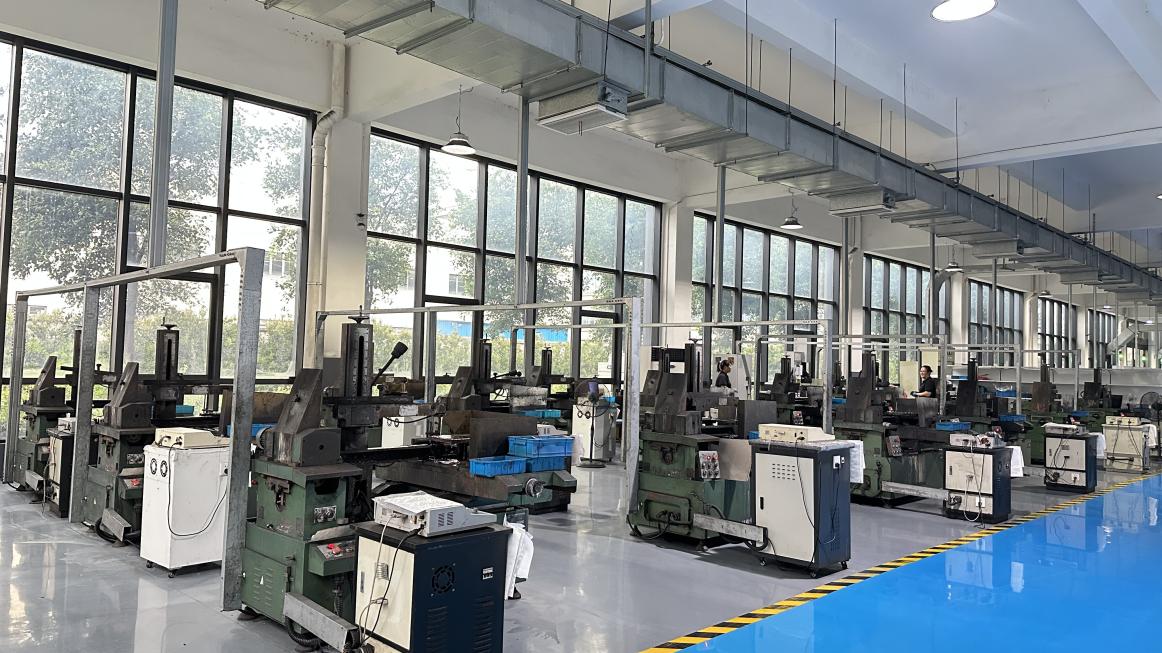
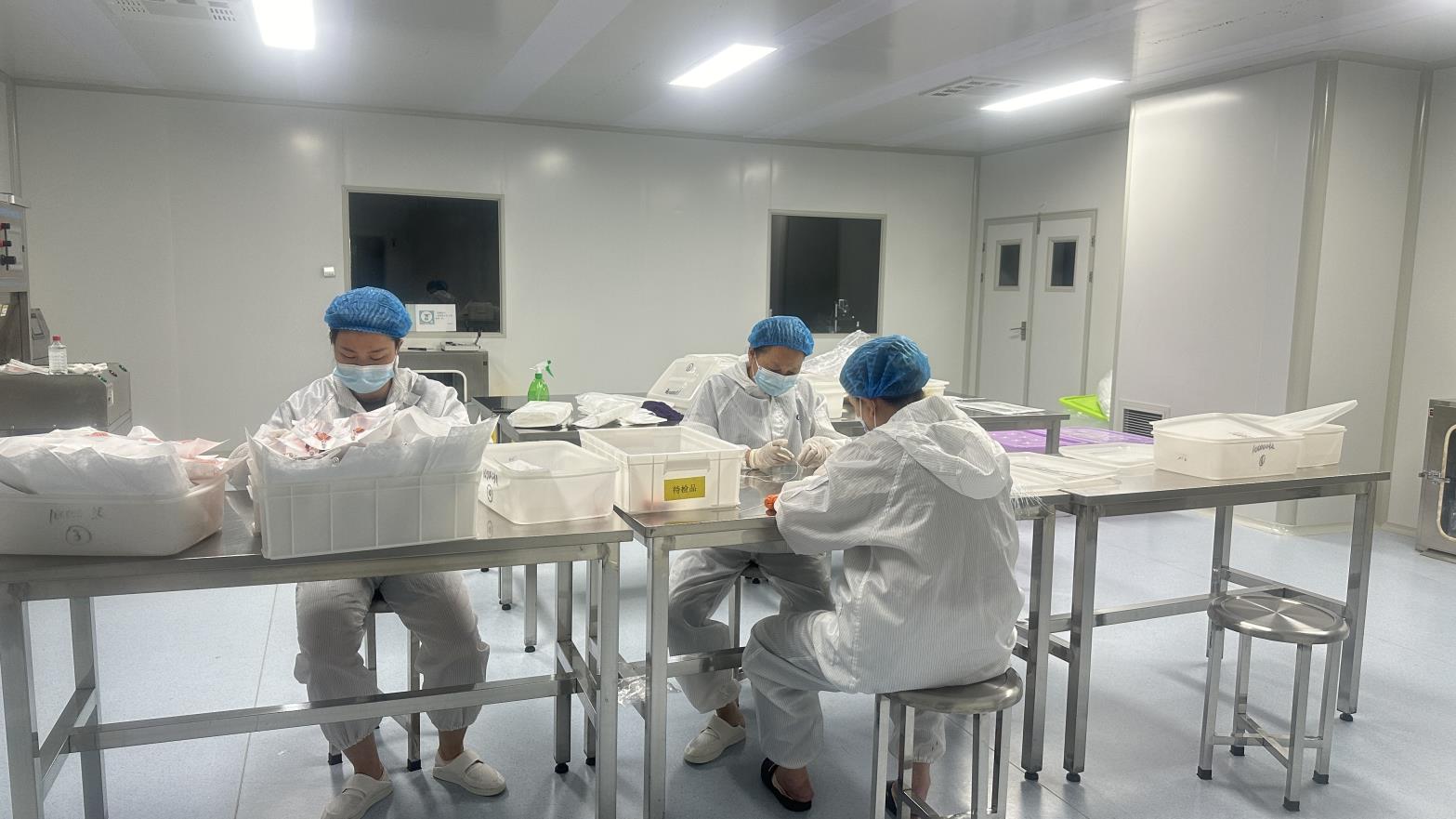
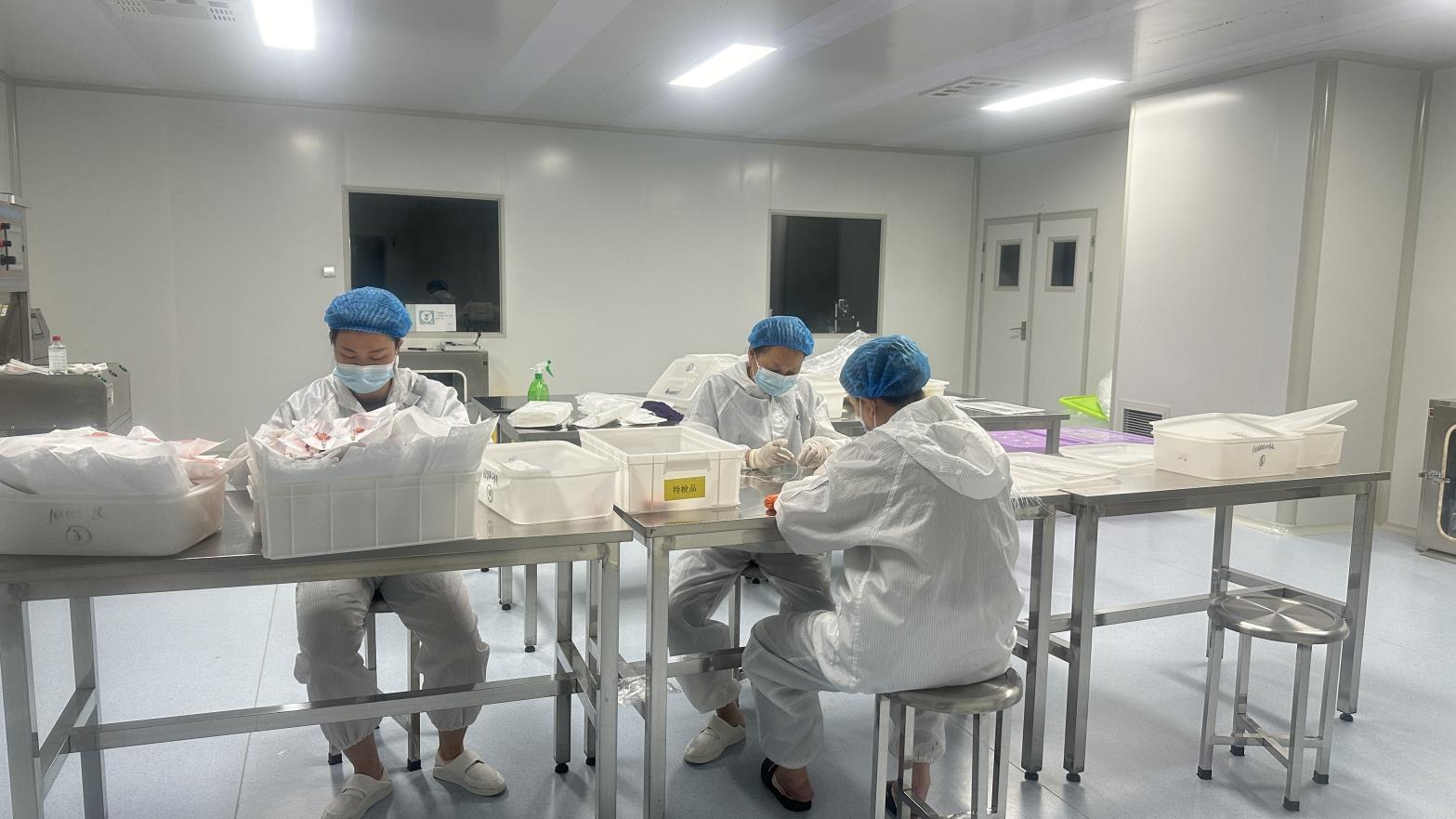
Our production footprint is defined by precision and control. To support strict regulatory demands, our specialized 320㎡ ultra-clean packaging and testing facility utilizes class-leading micro-particle monitoring to enforce sterile-packaging standards. With an annual export volume ranging between USD 8–15 million, backed by over 10 years of collective industry experience and 6 years of focused export operations, Bonevia serves a distributed client network including hospitals, orthopedic clinics, surgical centers, and Tier-1 medical distributors across Europe, Southeast Asia, the Middle East, and South America.
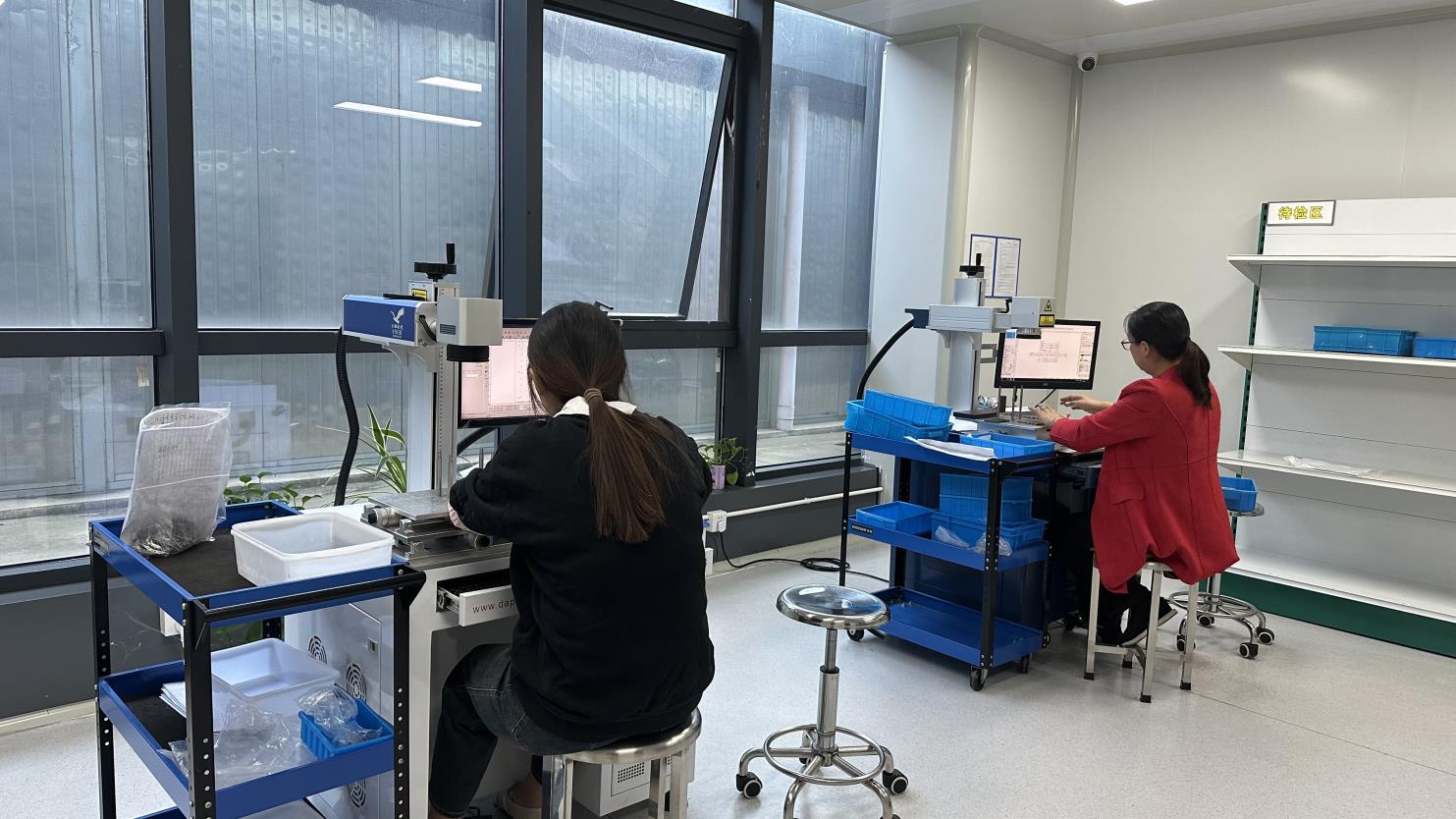
Supported by a specialized team of 35 QA/QC professionals. We execute rigorous incoming material spectrometry, in-process dimensional tolerancing via OMM, and mechanical fatigue verification.
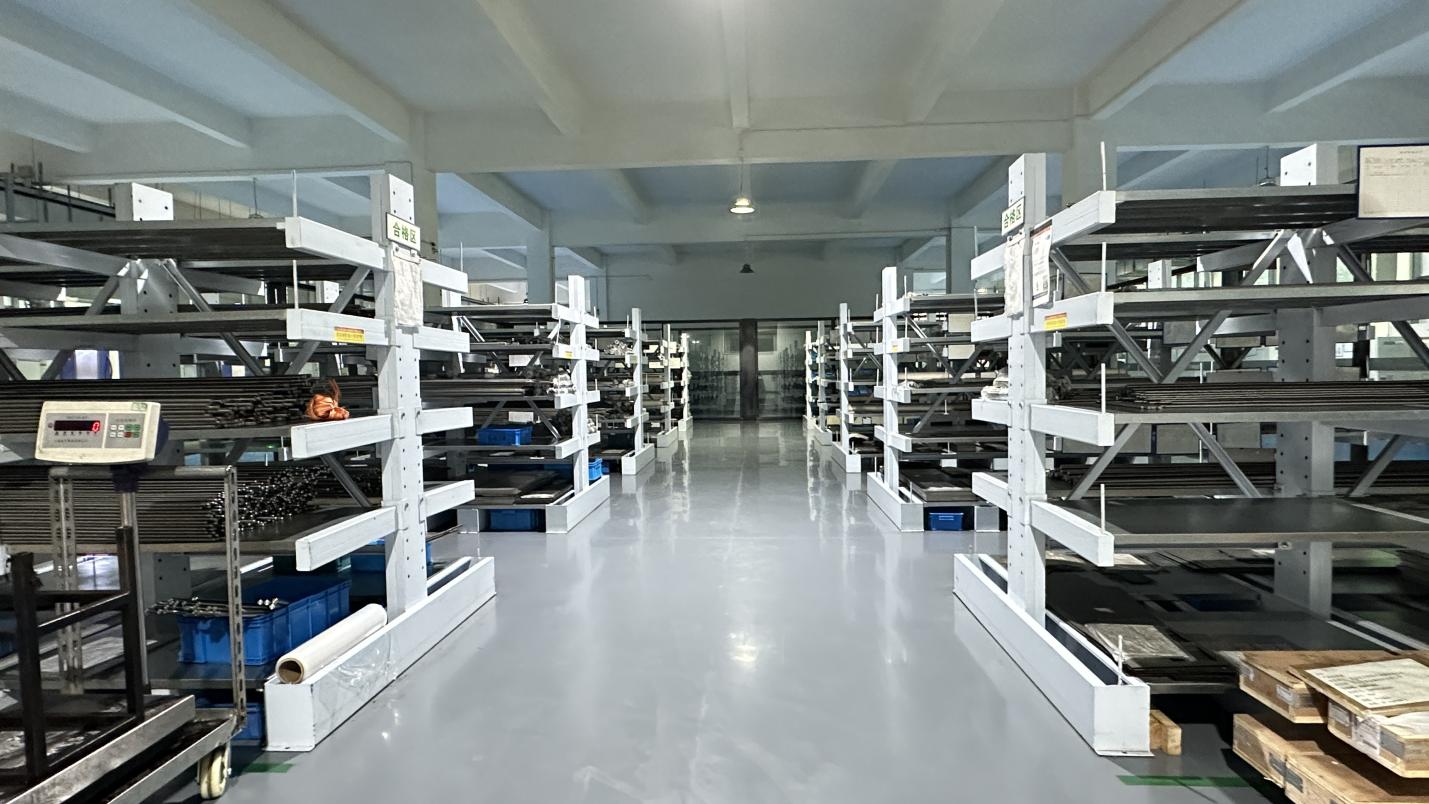
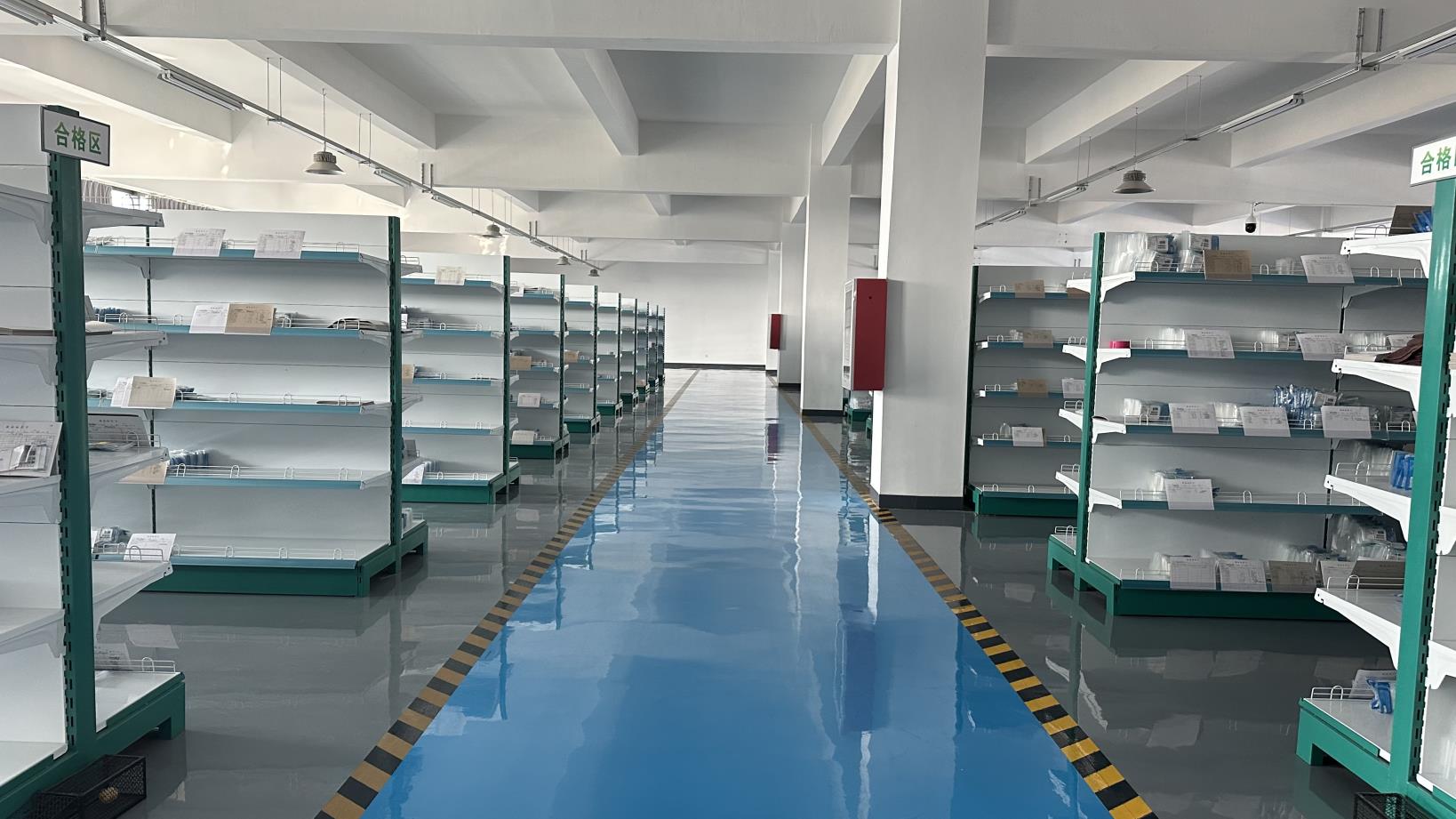
We source certified medical-grade raw titanium (Ti-6Al-4V ELI) and implantable stainless steel (316LVM) exclusively from audited suppliers among our network of over 850 partners.
Seamlessly serving markets across the globe. Bonevia provides integrated export logistics, customs clearing documentation, and localization dossiers to guarantee smooth entry into your regional market.
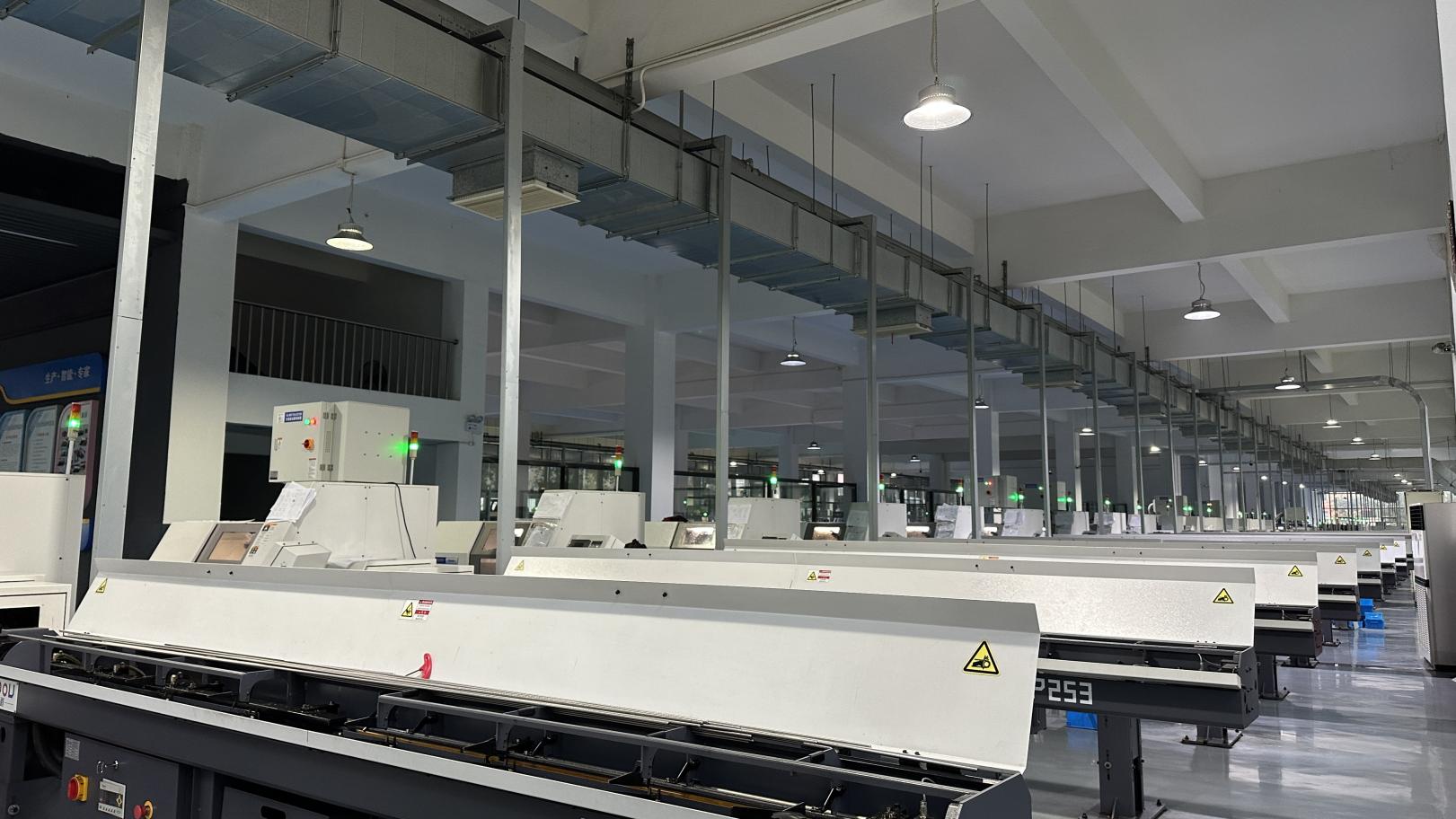
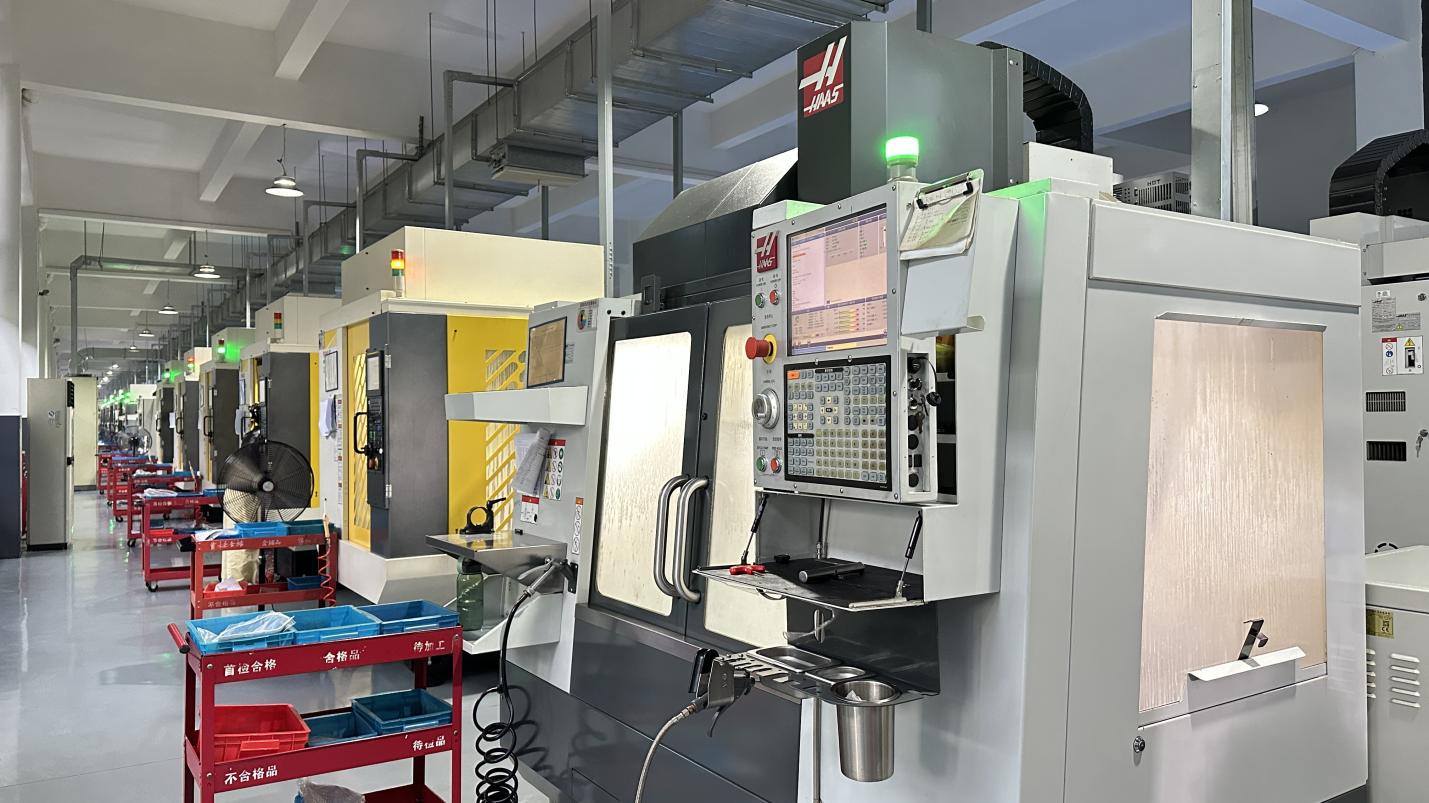
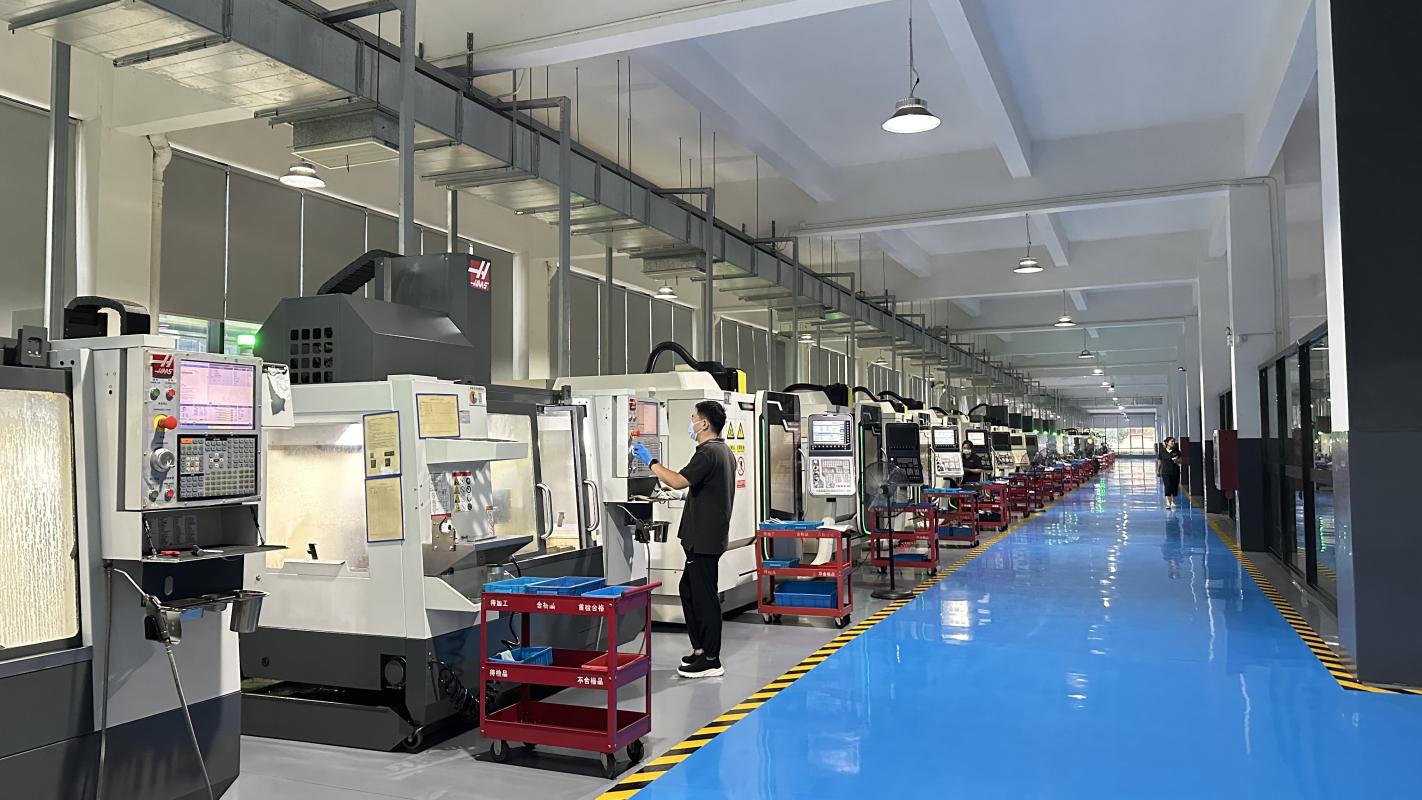
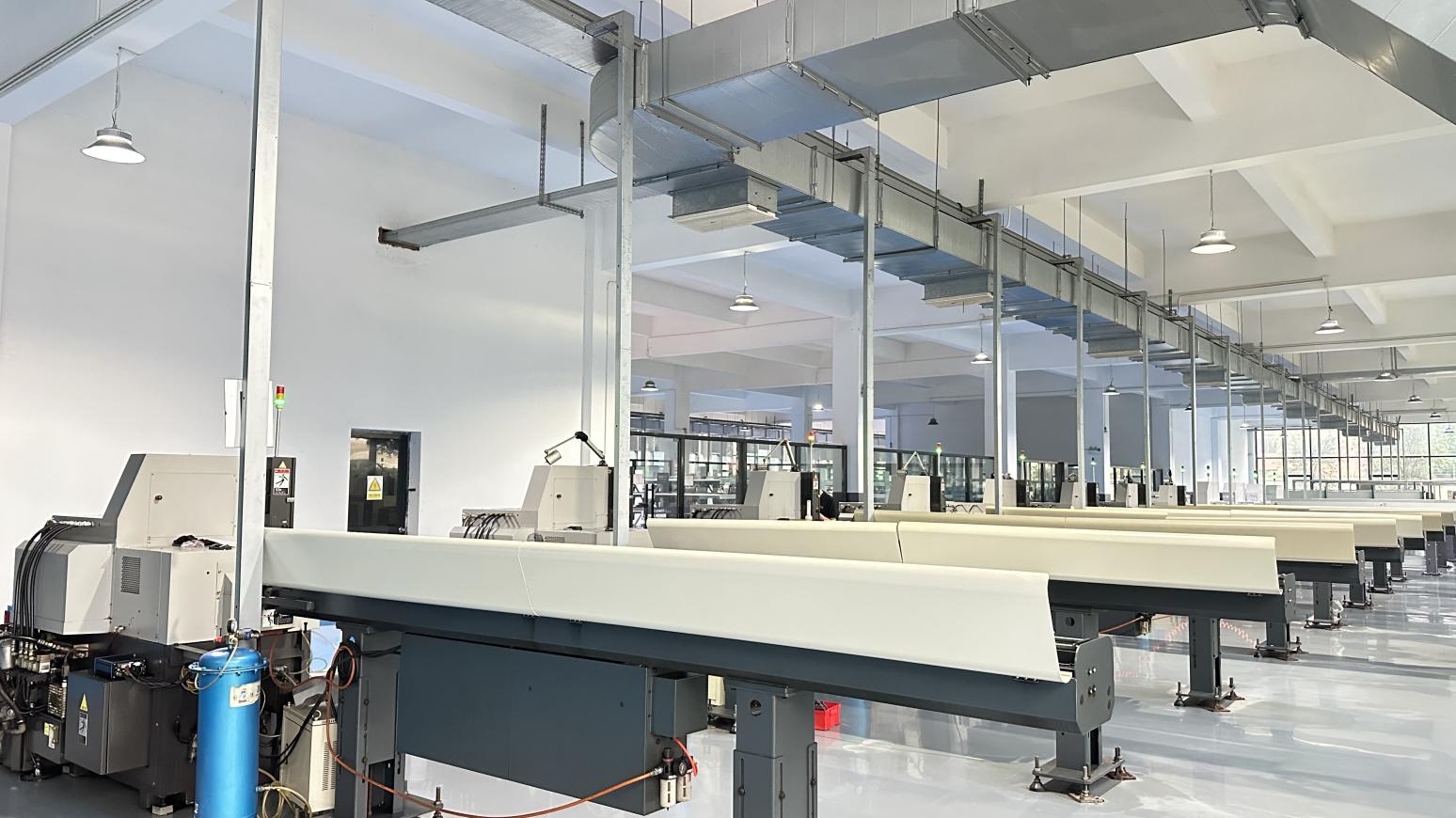
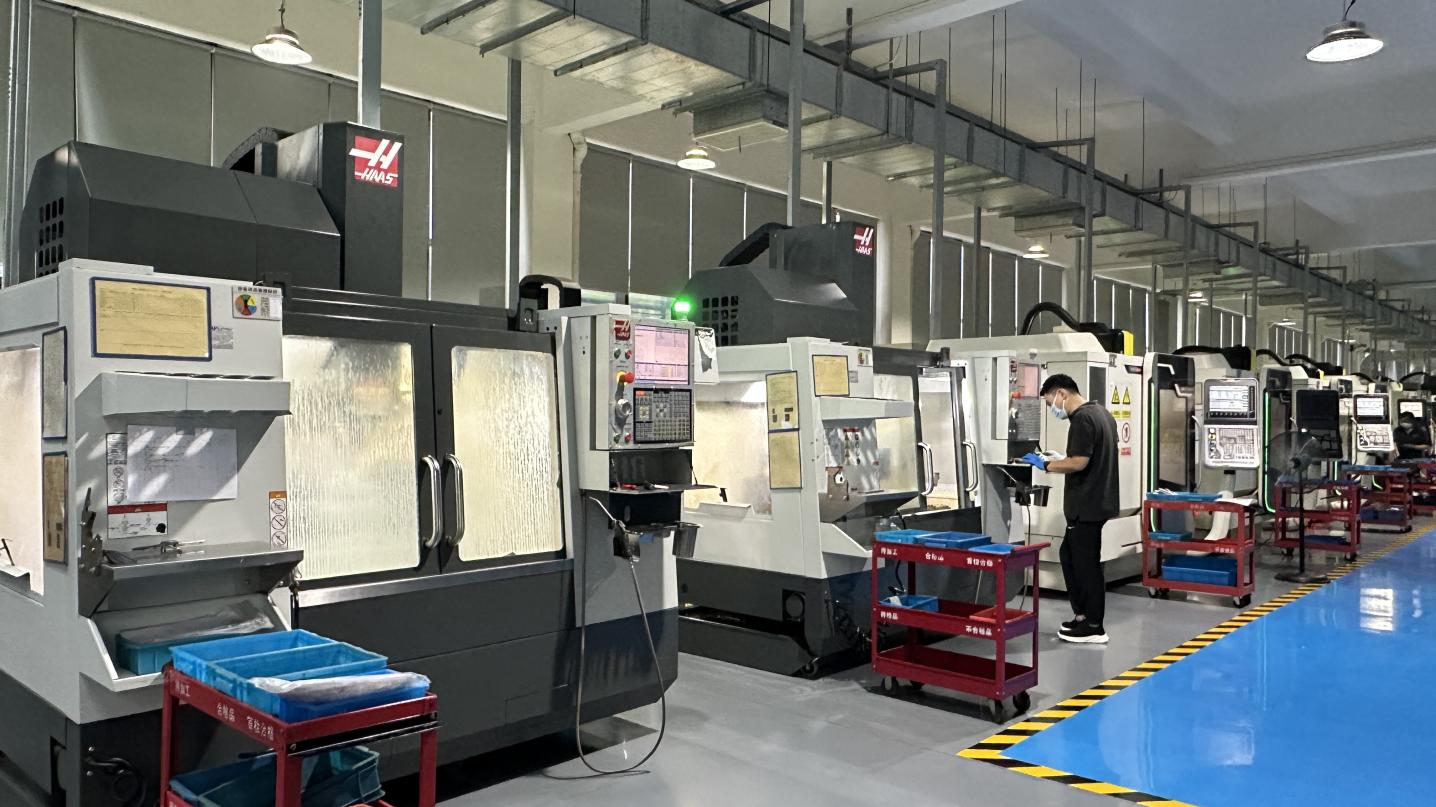
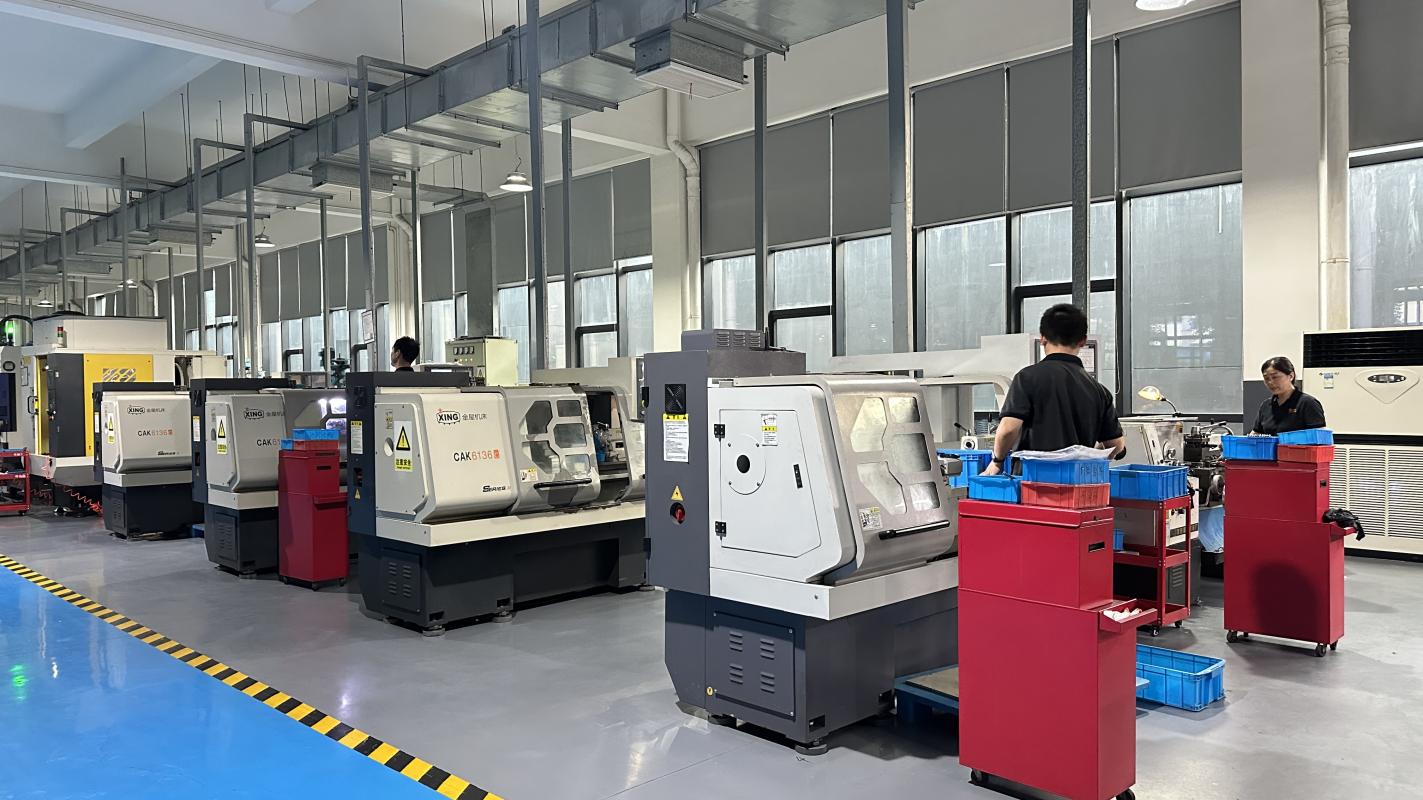
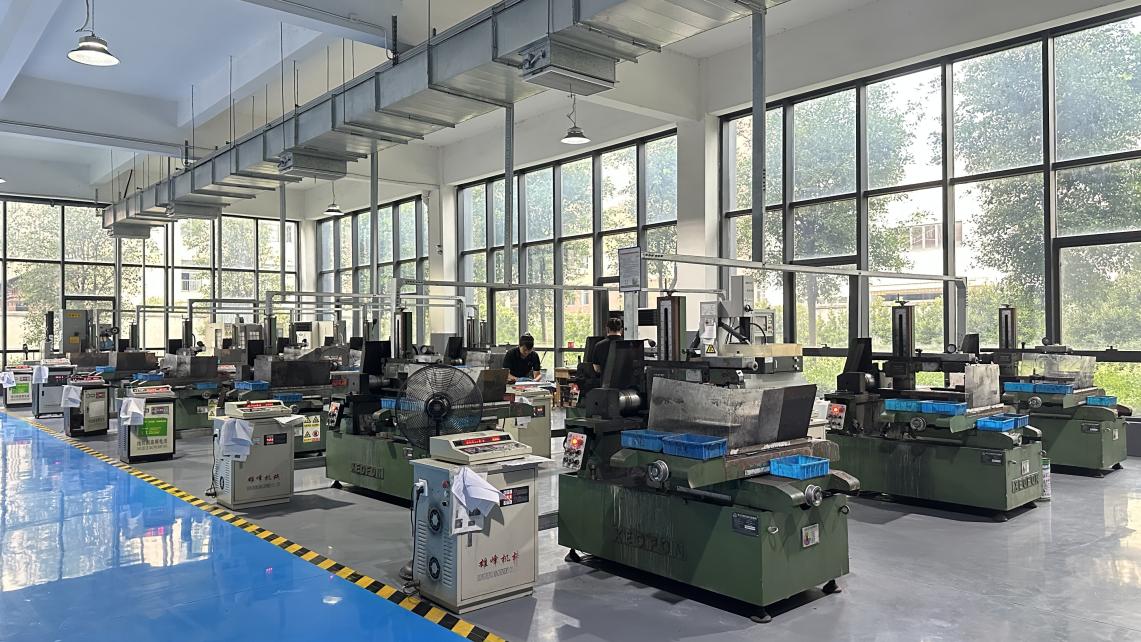
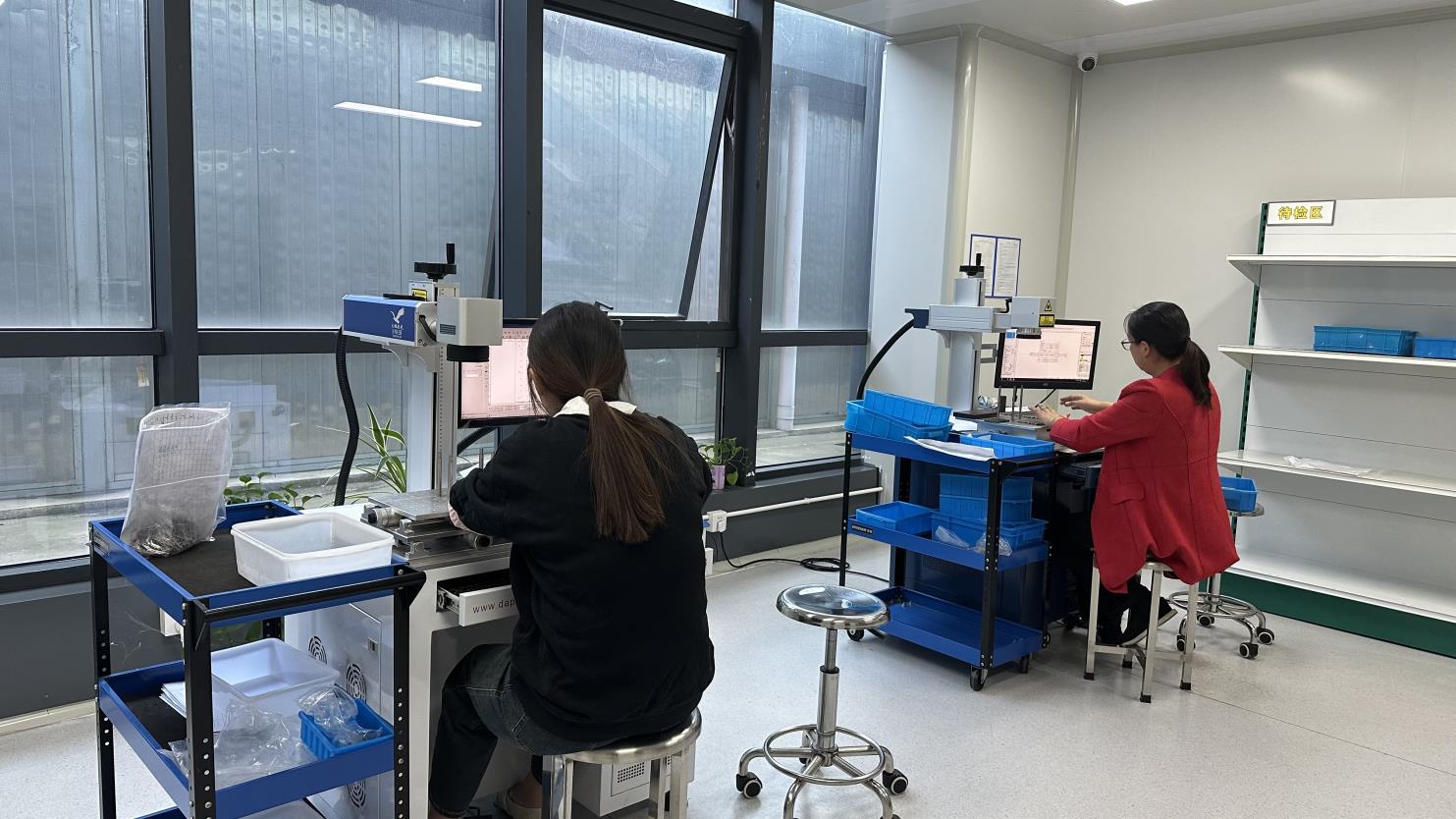
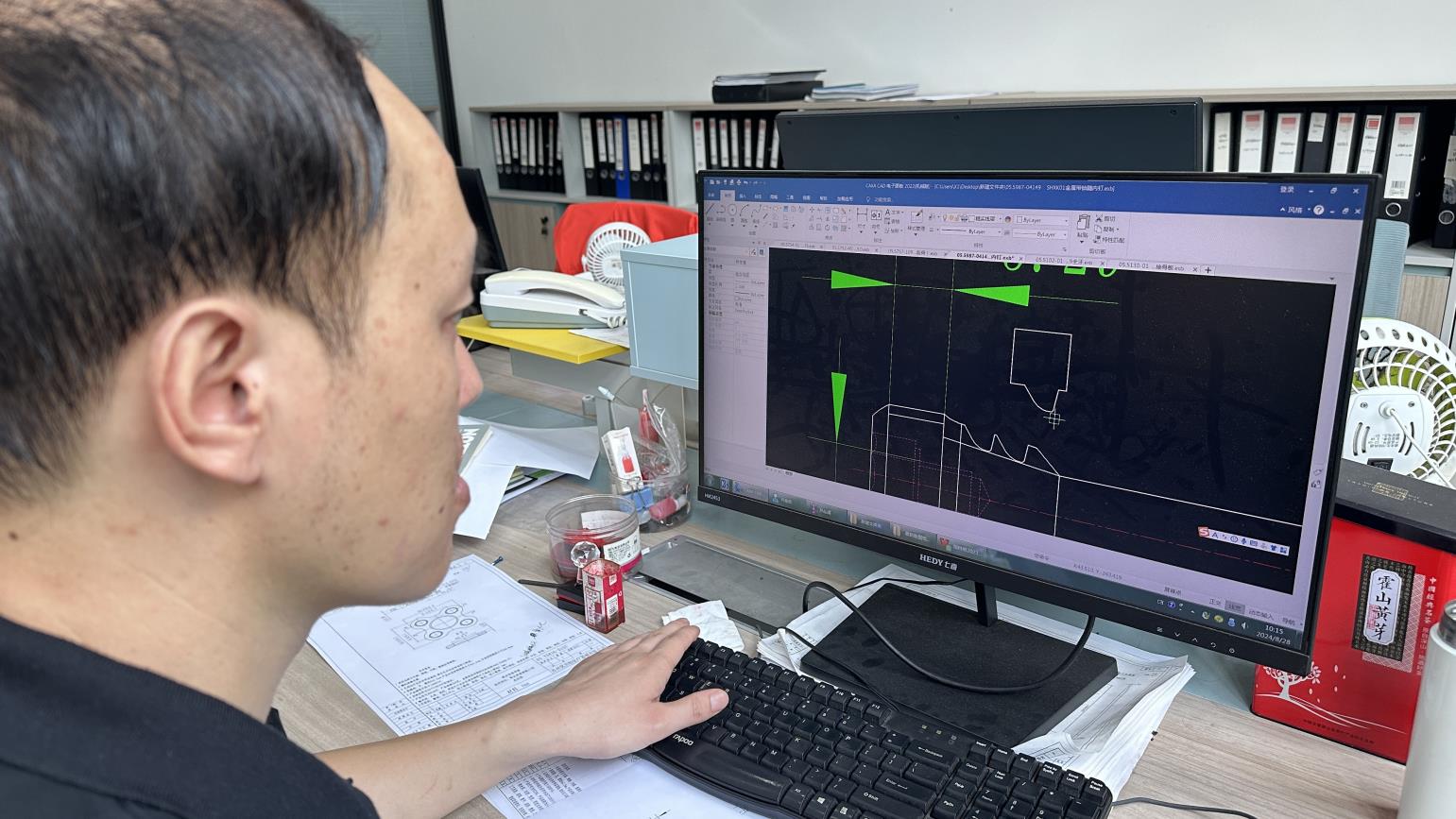
Peer into our advanced workflow where precision engineering meets sterile safety guidelines, showcasing our high-tech industrial footprint.
Registering medical devices in different countries requires a deep understanding of local regulatory frameworks. For global OEM/ODM buyers, importing tibial plates is not just about product dimensions; it requires a manufacturer that can provide a full technical documentation dossier. At Bonevia, we support distributors and brand owners with technical files aligned with CE MDR (Regulation EU 2017/745), FDA 510(k) submissions, and local registrations in South America (ANVISA) and Southeast Asia (HSA, FDA Philippines, etc.).
Every batch of tibial locking plates is accompanied by a certificate of compliance detailing chemical analysis and mechanical tensile testing (under ASTM F136/F138 specifications). To protect our partners from liability and ensure absolute commercial security, Bonevia carries comprehensive global product liability insurance, providing an extra layer of commercial protection that typical small-scale mills cannot offer.
China's orthopedic manufacturing clusters, particularly in the Jiangsu and Changzhou industrial hubs, offer significant benefits for global sourcing managers. These hubs feature complete supply chain integration: raw material processors, specialized multi-axis CNC machine builders, medical-grade anodization lines, and certified sterile packaging suppliers are situated in close proximity.
This concentration of specialized facilities dramatically reduces lead times. For custom ODM designs, the turnaround from finalized CAD models to physical prototypes can be completed in as little as 10 to 14 days. Additionally, localized automation and high-throughput CNC tool paths allow us to achieve high dimensional accuracy while reducing labor costs, passing the savings on to our global distribution partners.
The orthopedic trauma landscape is evolving rapidly. We are seeing a shift from standardized implants to patient-specific plates (PSIs) shaped dynamically based on 3D CT reconstructions. Furthermore, the integration of 3D printing (additive manufacturing) directly into the manufacturing process allows the creation of porous trabecular titanium structures. This mimics natural bone porosity and encourages rapid osseointegration, significantly reducing recovery times for patients with severe non-union fractures.
In the veterinary sector, procedures like Tibial Plateau Leveling Osteotomy (TPLO) are seeing increased demand for locking plate systems. As veterinary medicine aligns closer with human surgical standards, factories must offer adapted, down-scaled configurations of human implant technologies. This requires versatile toolpaths and quick machine re-calibration capabilities, both of which are core components of our manufacturing services.
Tibial locking plates are not a single-product solution. Their engineering and design variations are tailored to the specific anatomical location of the bone damage, as categorized by the AO Foundation/OTA classification systems:
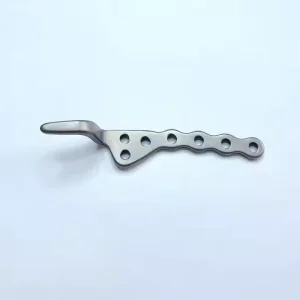
Designed to treat Schatzker Type I-VI proximal tibial fractures. These plates feature a lateral contours that sit flush against the lateral condyle. The locking screws are directed upwards and inwards to support the subchondral bone, preventing post-operative articular collapse.
Distal tibia fractures (like Pilon fractures) feature minimal soft tissue coverage. Thus, distal plates must have an ultra-low profile design and tapered ends to ease percutaneous insertion (MIPO technique), minimizing the risk of wound complications or skin necrosis.
Specifically adapted for canine cruciate ligament repairs. These plates are contoured to fit the canine proximal tibia. The locking construct allows for rapid recovery, enabling dogs to return to early post-operative weight-bearing with minimal risk of construct failure.
Essential insights on raw materials, manufacturing standards, and customized development requirements.
High-durability orthopedic saws, plates, and surgical fixation systems designed for demanding hospital and clinic environments.