Bonevia
Bonevia
Bonevia
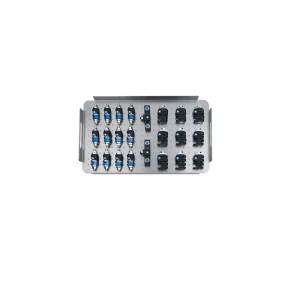
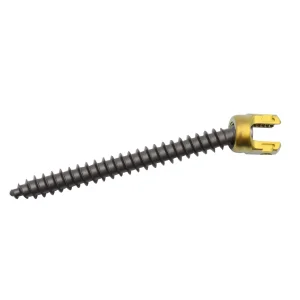
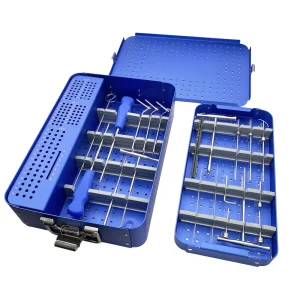
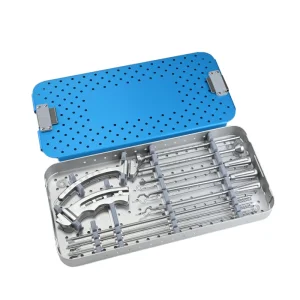
Explore our high-precision implant systems and specialized instrument sets engineered for surgical excellence.
Why modern spinal fusion relies on advanced thermoplastic engineering and optimized implant geometry.
Polyetheretherketone (PEEK) exhibits an elastic modulus (approximately 3.6 GPa) that closely matches that of human cortical bone. Unlike traditional titanium rigid constructs, PEEK cages allow for physiological load-sharing across the fusion site, minimizing stress shielding. This dynamic stress transfer stimulates natural osteogenesis, promoting healthier, faster spinal fusion.
For orthopedic surgeons, visualizing the progression of bone growth is crucial. PEEK is completely radiolucent, appearing as a shadow on X-ray and CT scans. This allows clear visualization of the interbody space and bone graft integration. Tantalum or titanium markers are strategically embedded into the cage to verify precise positioning under fluoroscopy.
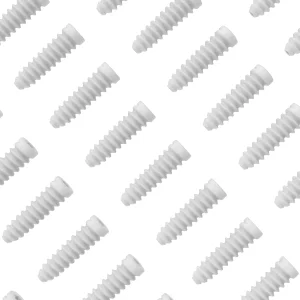
Engineered with bidirectional serrated surfaces to resist migration and ensure high initial stability, preventing cage retropulsion into the spinal canal.
Optimized internal volume allows for maximum bone graft packing, establishing a robust pathway for bridging bone formation.
A tapered leading edge facilitates ease of insertion, minimizing neural retraction and reducing distraction-associated endplate trauma during placement.
Addressing the complex regulatory, technical, and supply chain demands of orthopedic distributors and OEM buyers.
Procuring spinal implants globally requires navigability through strict regulatory systems. Medical distributors, private hospital chains, and surgical OEM brands search for partners who guarantee:
At Bonevia, our custom OEM/ODM process solves these challenges. We provide complete manufacturing documentation (DHF/DMR) that expedites regional registration processes, from FDA 510(k) to European CE MDR submissions.
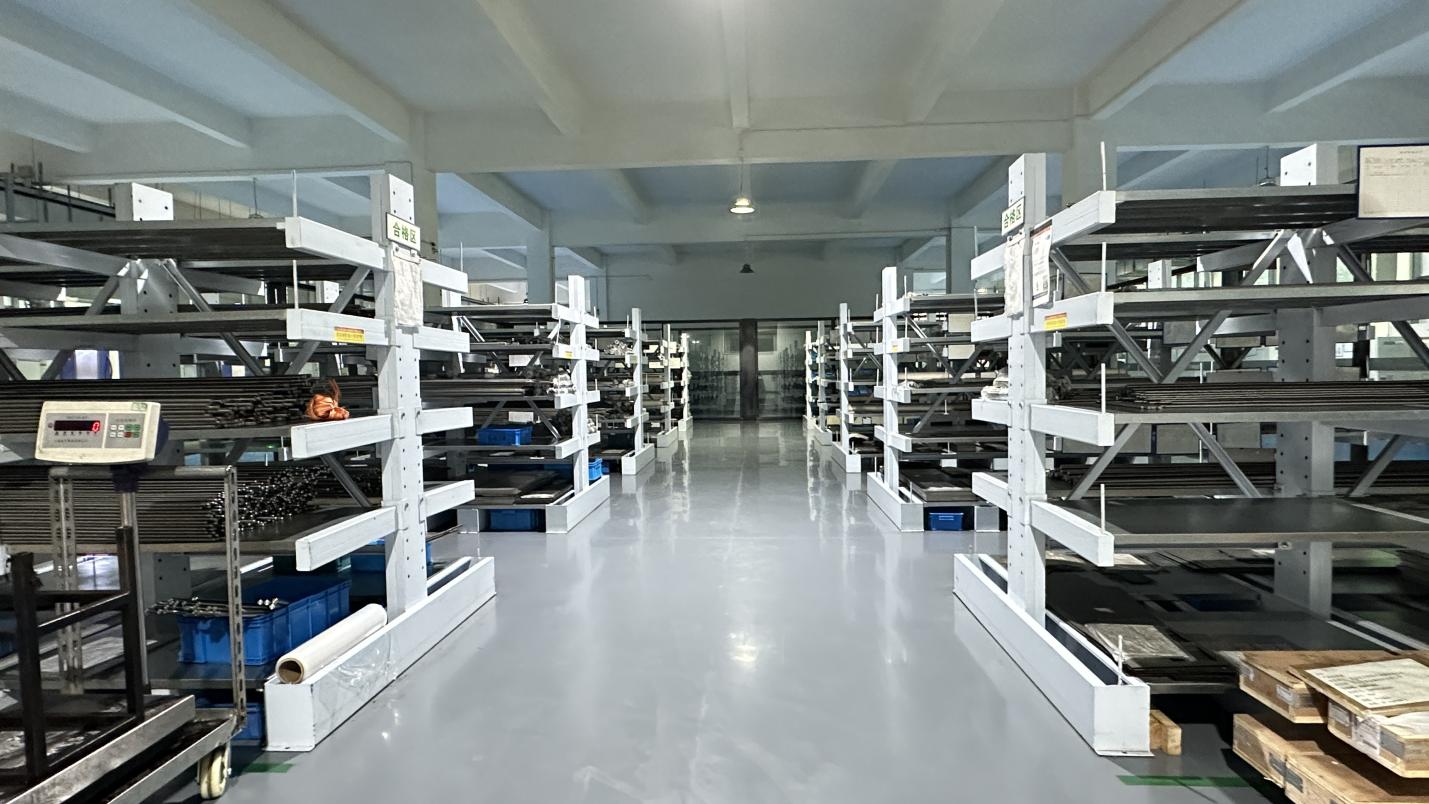
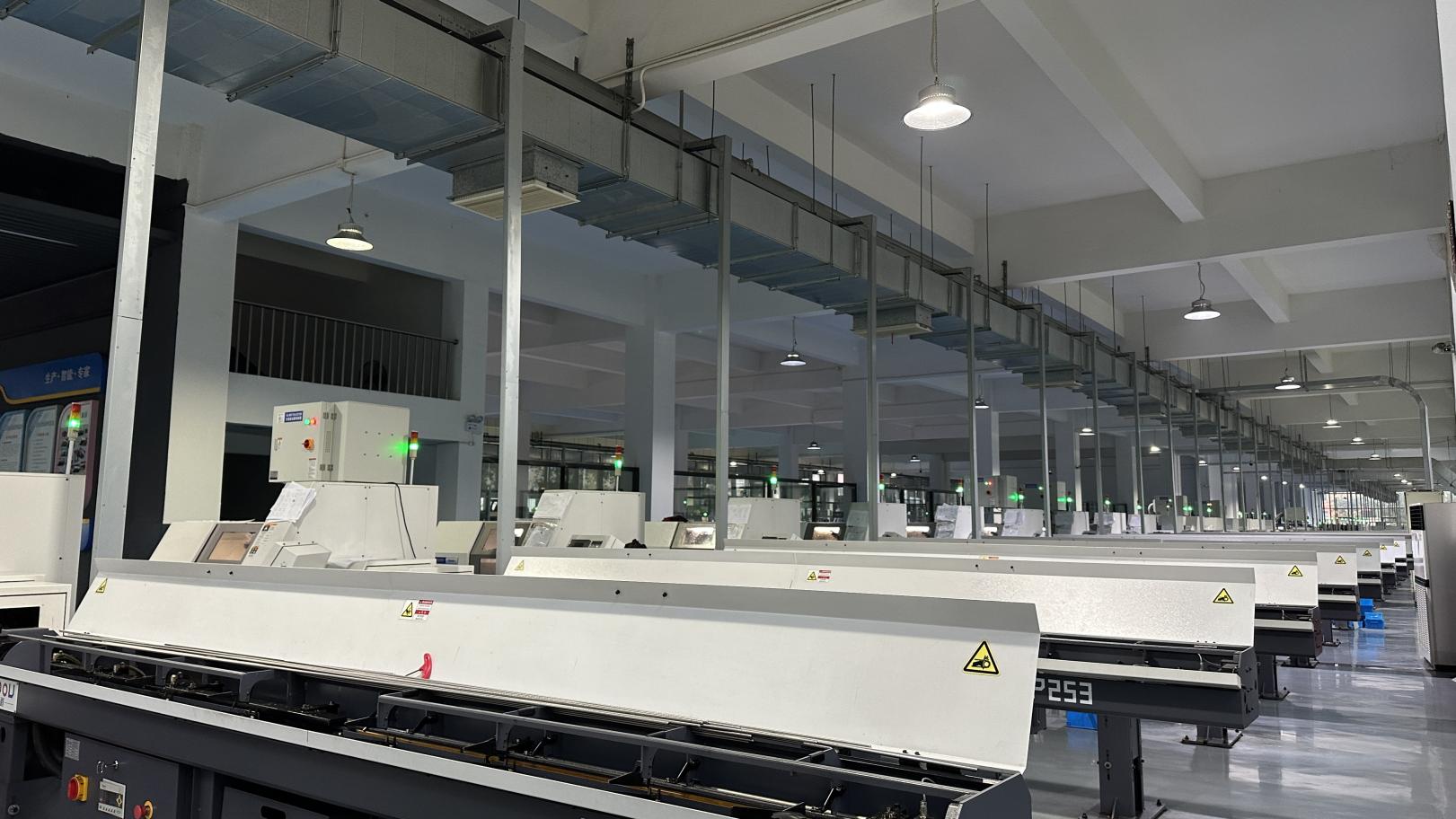
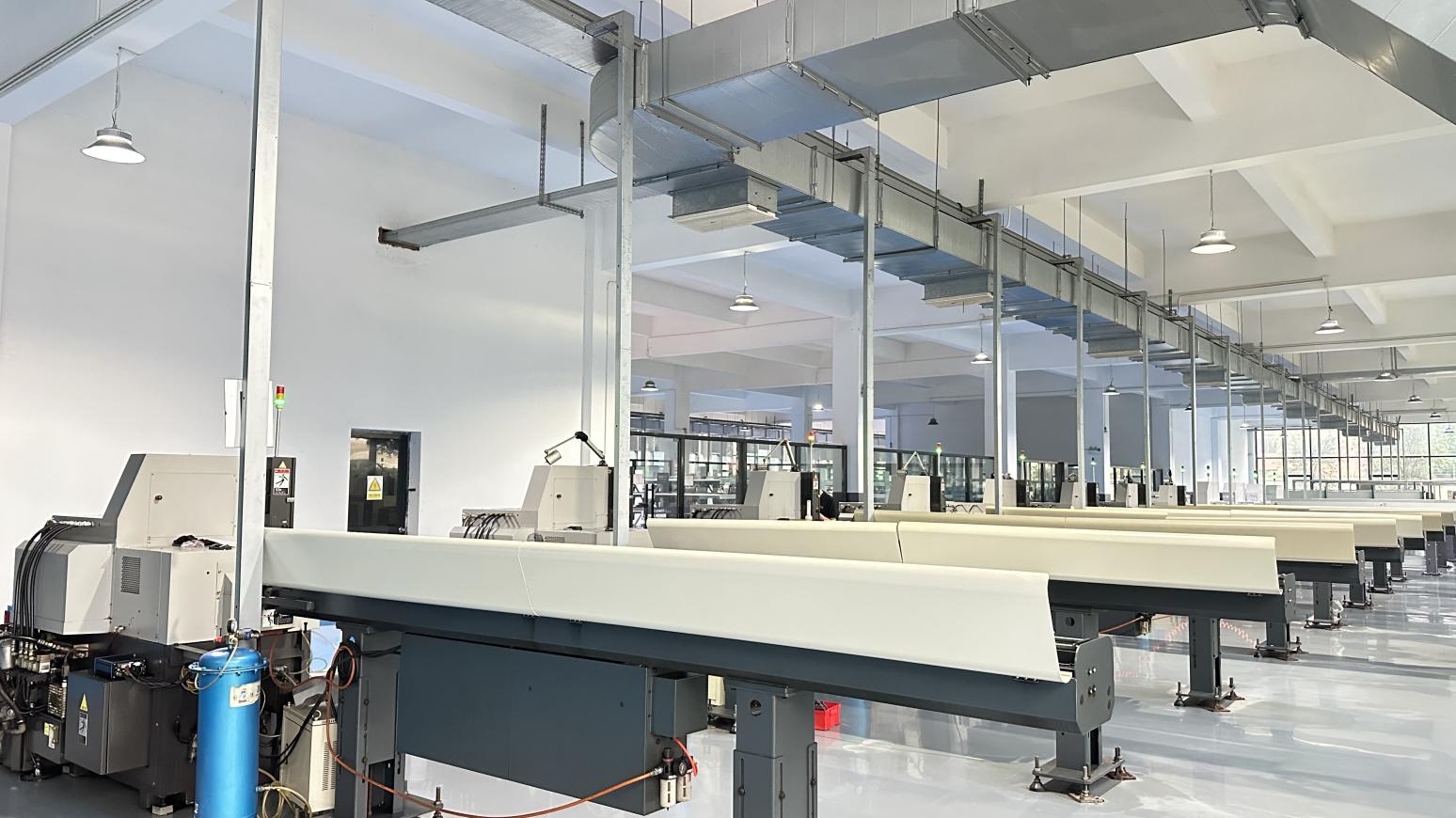
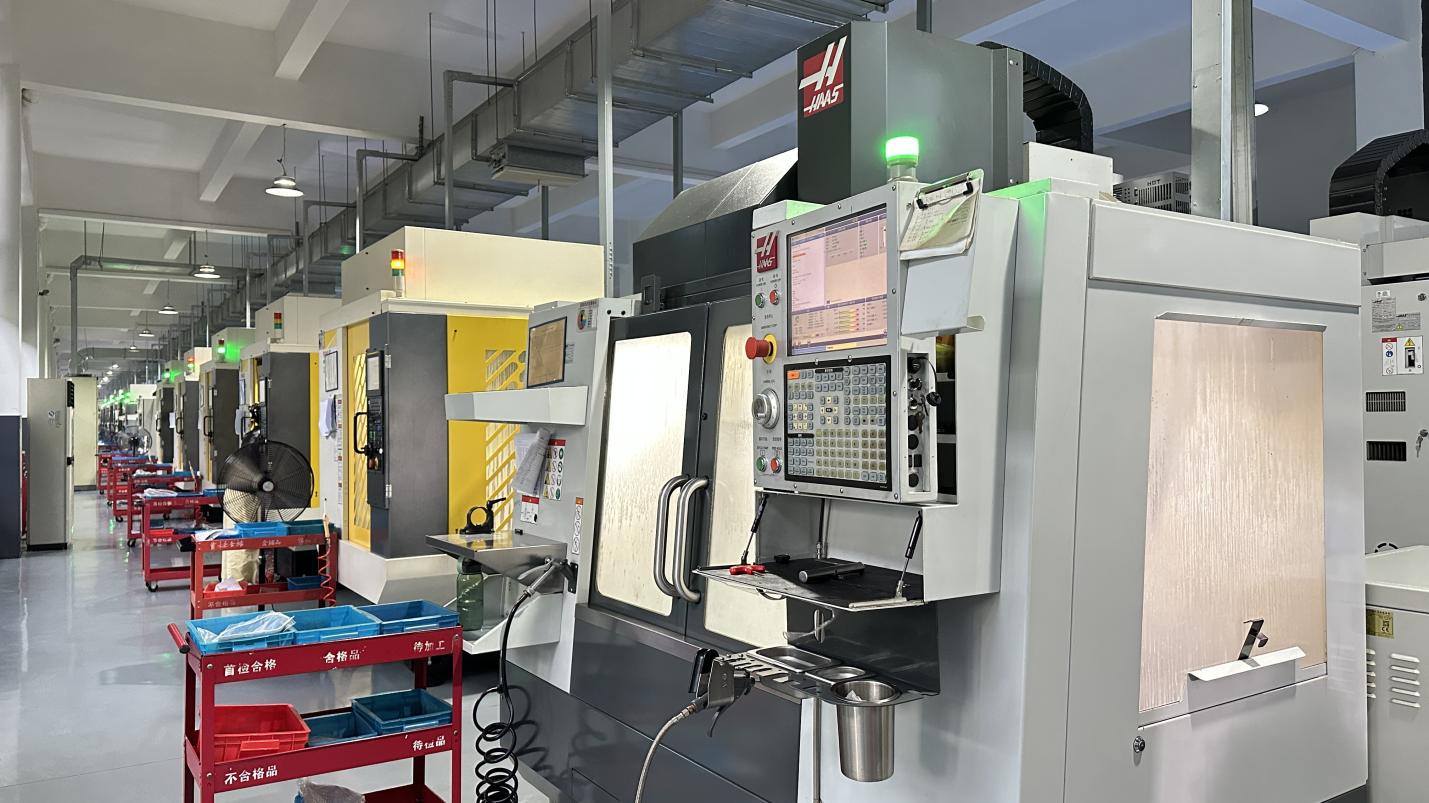
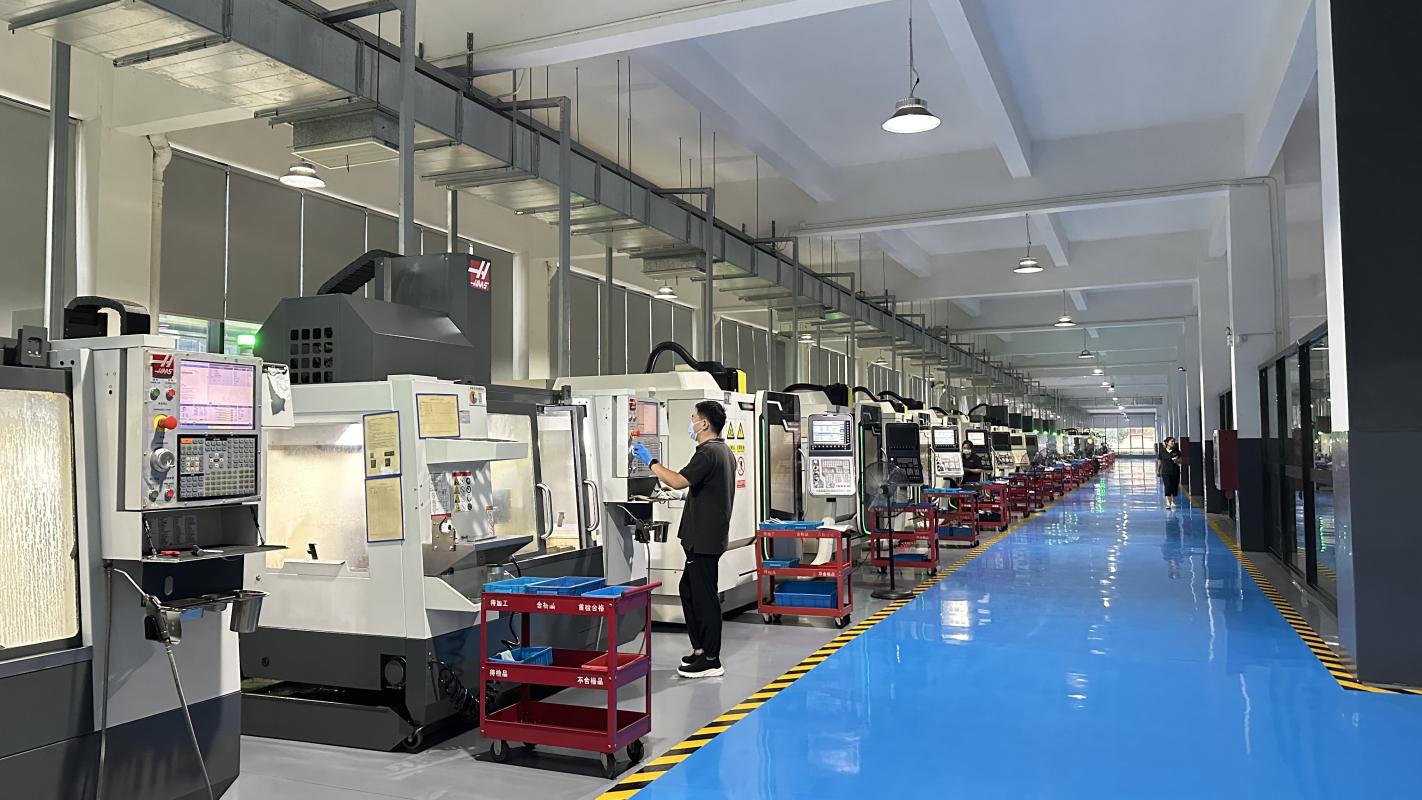
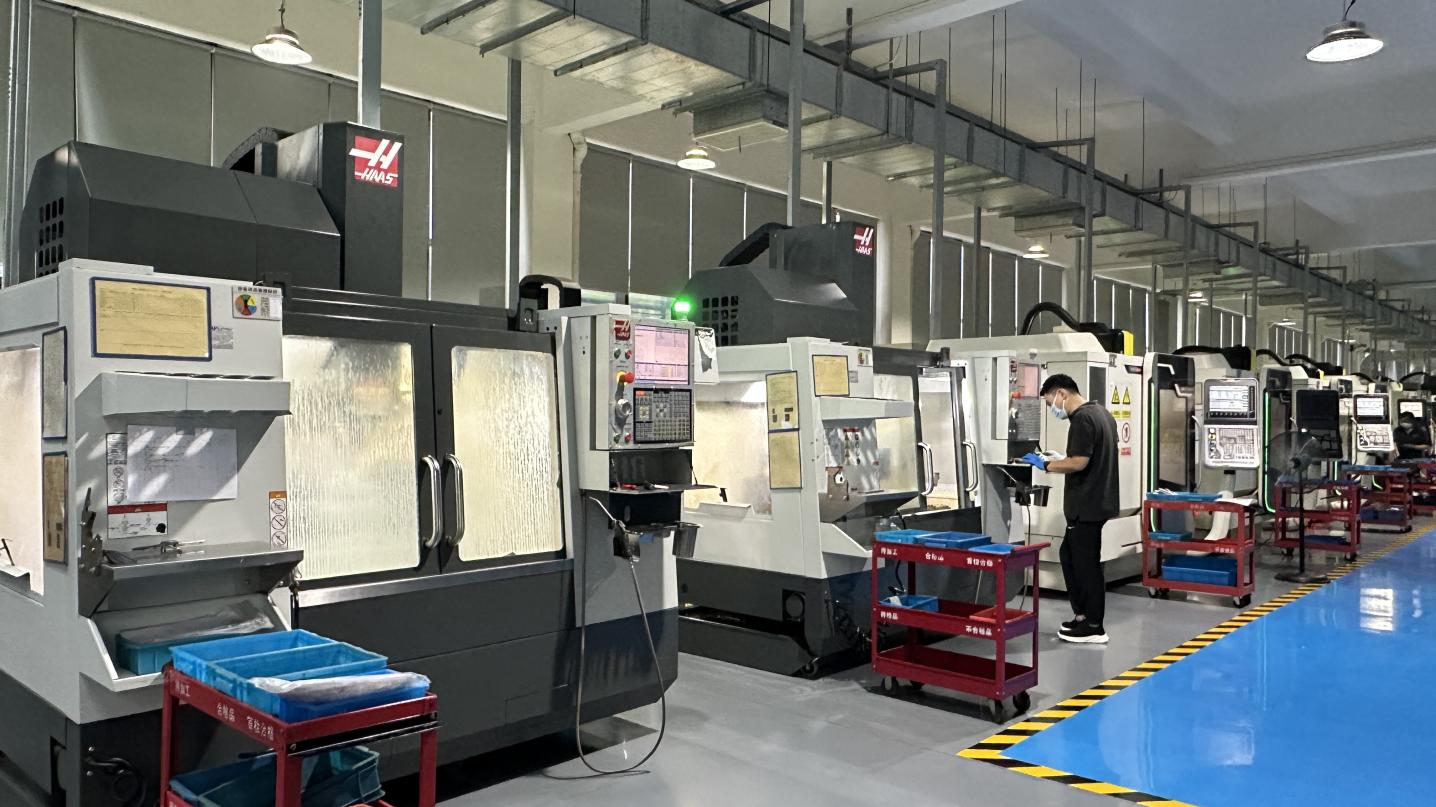
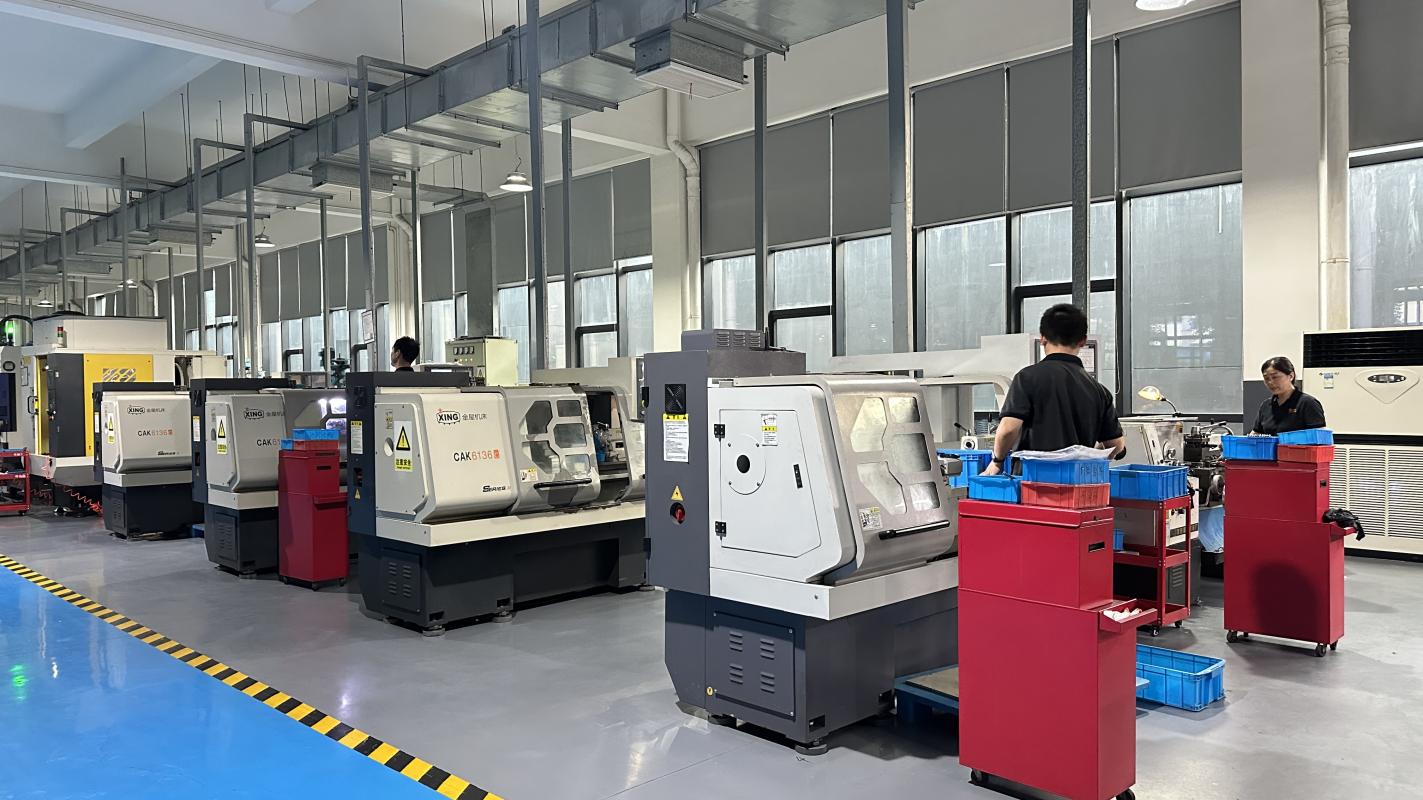
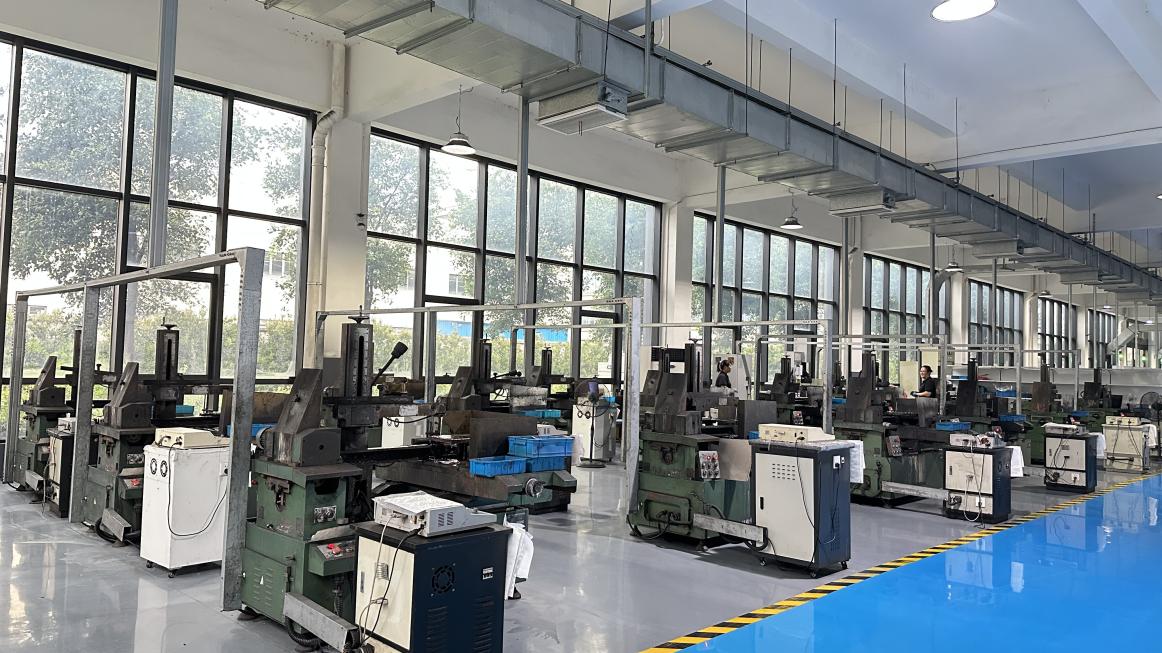
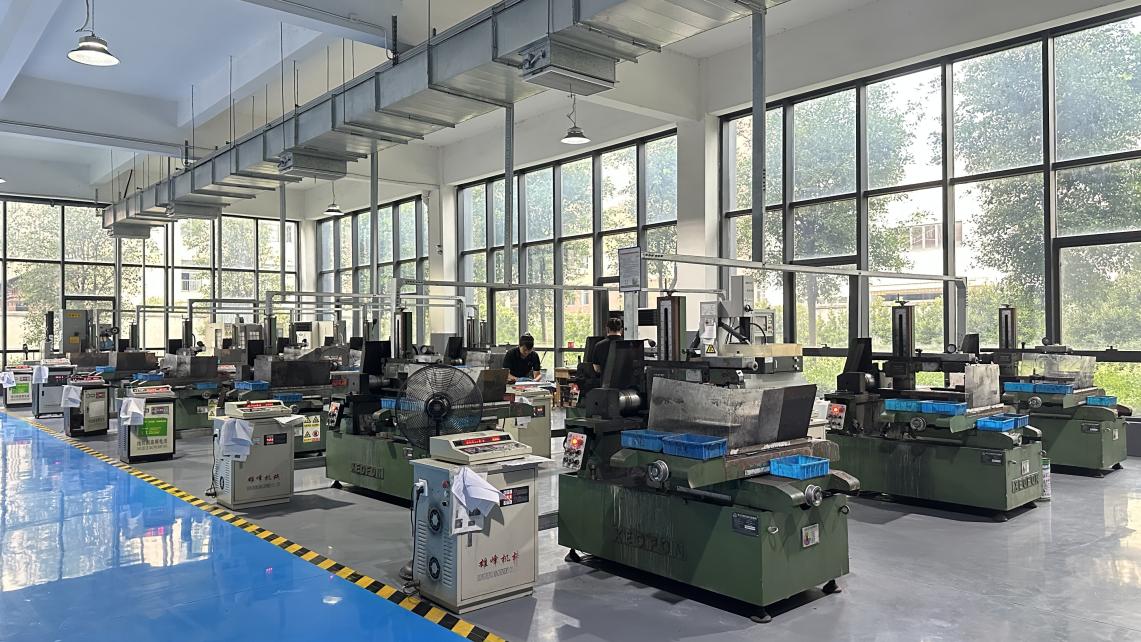
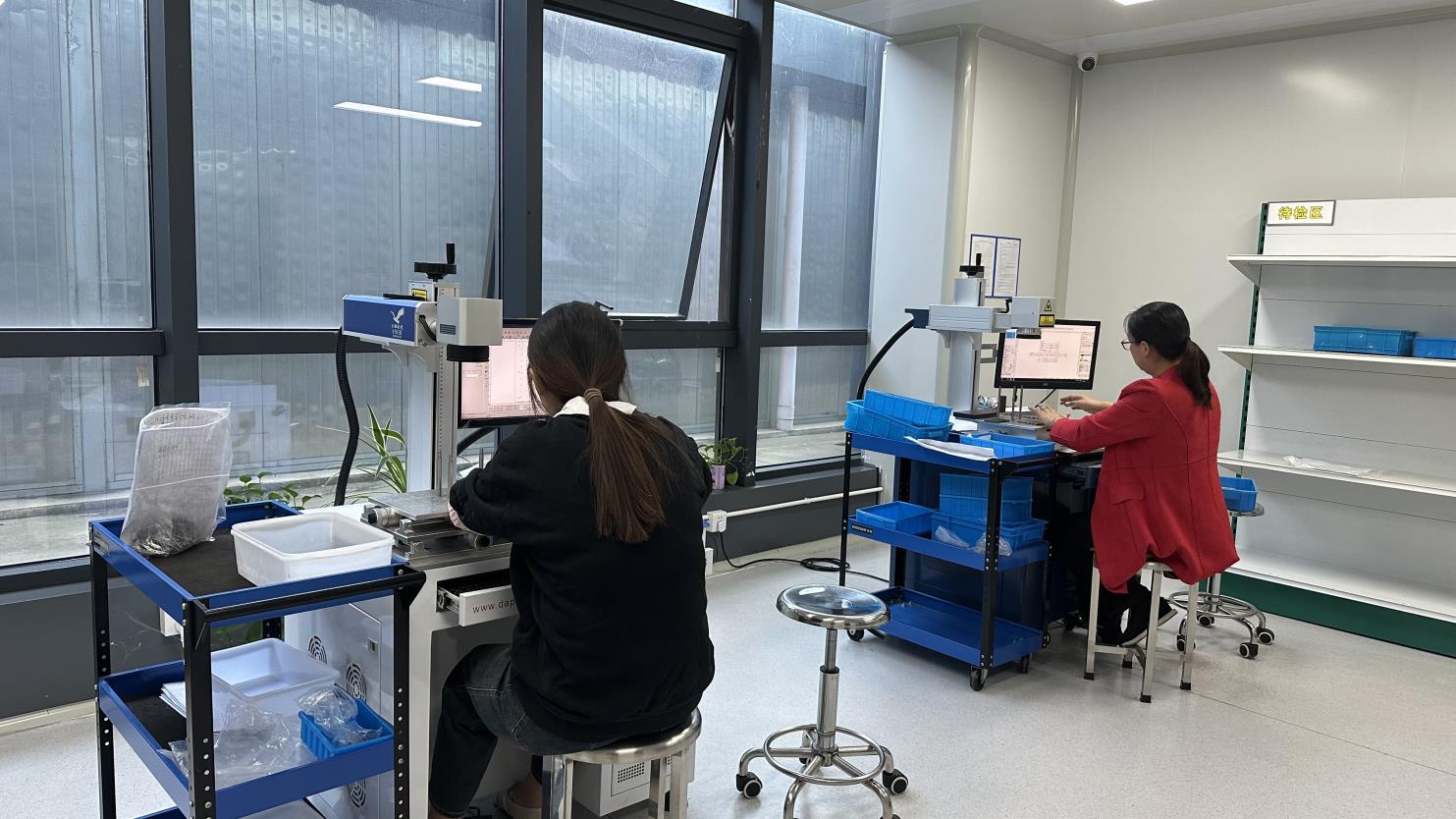
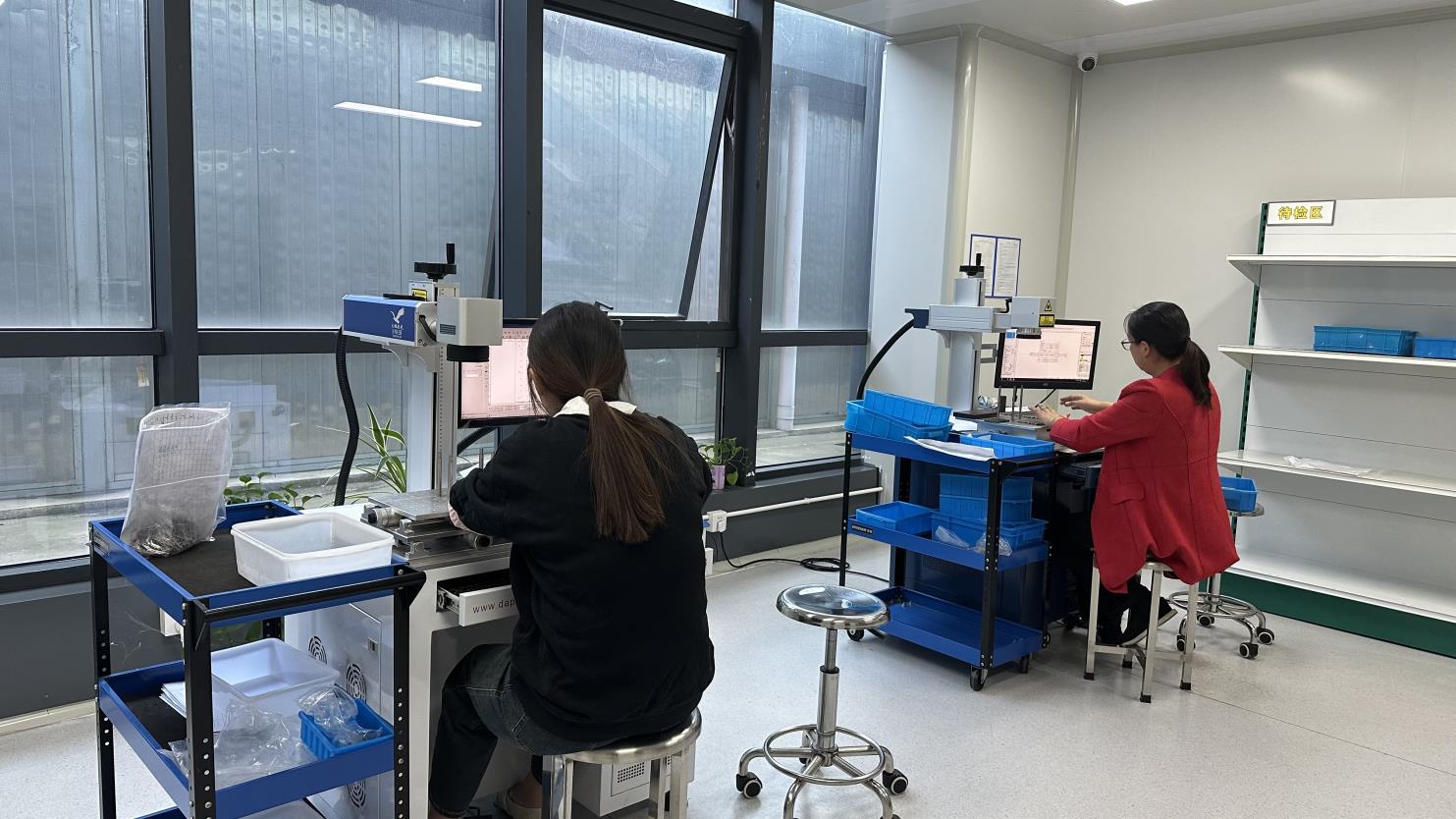
Inside Bonevia Orthopedic's state-of-the-art medical device production lines.
Bonevia Orthopedic Technology Co., Ltd. is a professional manufacturer specializing in orthopedic implants and surgical solutions, dedicated to advancing innovation in trauma, spine, and joint reconstruction products. Since its establishment in 2015, the company has grown steadily into a trusted supplier in the global orthopedic industry.
With a modern production facility covering approximately 320㎡, Bonevia maintains strict quality management standards and efficient manufacturing processes. The company records an annual export revenue of around USD 8–15 million, supported by 6 years of export experience and over 10 years of overall industry experience.
Quality assurance is a core focus at Bonevia. The company implements multiple inspection methods including incoming material inspection, in-process quality control, and final product testing, supported by a dedicated quality team of 35 professionals. This ensures all products meet international medical device standards.
Bonevia has a solid trade foundation with diversified global distribution networks, serving major markets across Europe, Southeast Asia, the Middle East, and South America. Its supply chain ecosystem includes more than 850 partners, enabling stable raw material sourcing and efficient production delivery.
The company serves a wide range of clients, including hospitals, orthopedic clinics, surgical centers, and medical distributors. Bonevia also demonstrates strong R&D capabilities, offering OEM and ODM customization services to meet specific clinical requirements.
In the past year, Bonevia successfully launched 120 new product designs, supported by a research and development team of 85 engineers, continuously driving innovation in orthopedic implant systems and surgical instruments.

Transitioning from traditional materials to osseointegrative surface science and smart spinal constructs.
While PEEK features ideal mechanical characteristics, its hydrophobic nature restricts direct bone apposition. To overcome this, our R&D team is developing advanced surface treatments:
The next generation of spinal fusion products leverages additive manufacturing to produce complex macro-porous geometries not achievable via standard CNC machining.
A multi-stage quality control structure satisfying global medical regulatory standards.
Every single batch of medical-grade PEEK and titanium alloy undergoes Fourier Transform Infrared Spectroscopy (FTIR) fingerprinting and Mechanical Tensile Testing before entering our machining floors.
Employing high-accuracy CMM (Coordinate Measuring Machines) to verify dimensional profiles down to ±0.01mm tolerance levels. Automated vision inspection monitors the consistency of the serrated teeth profiles.
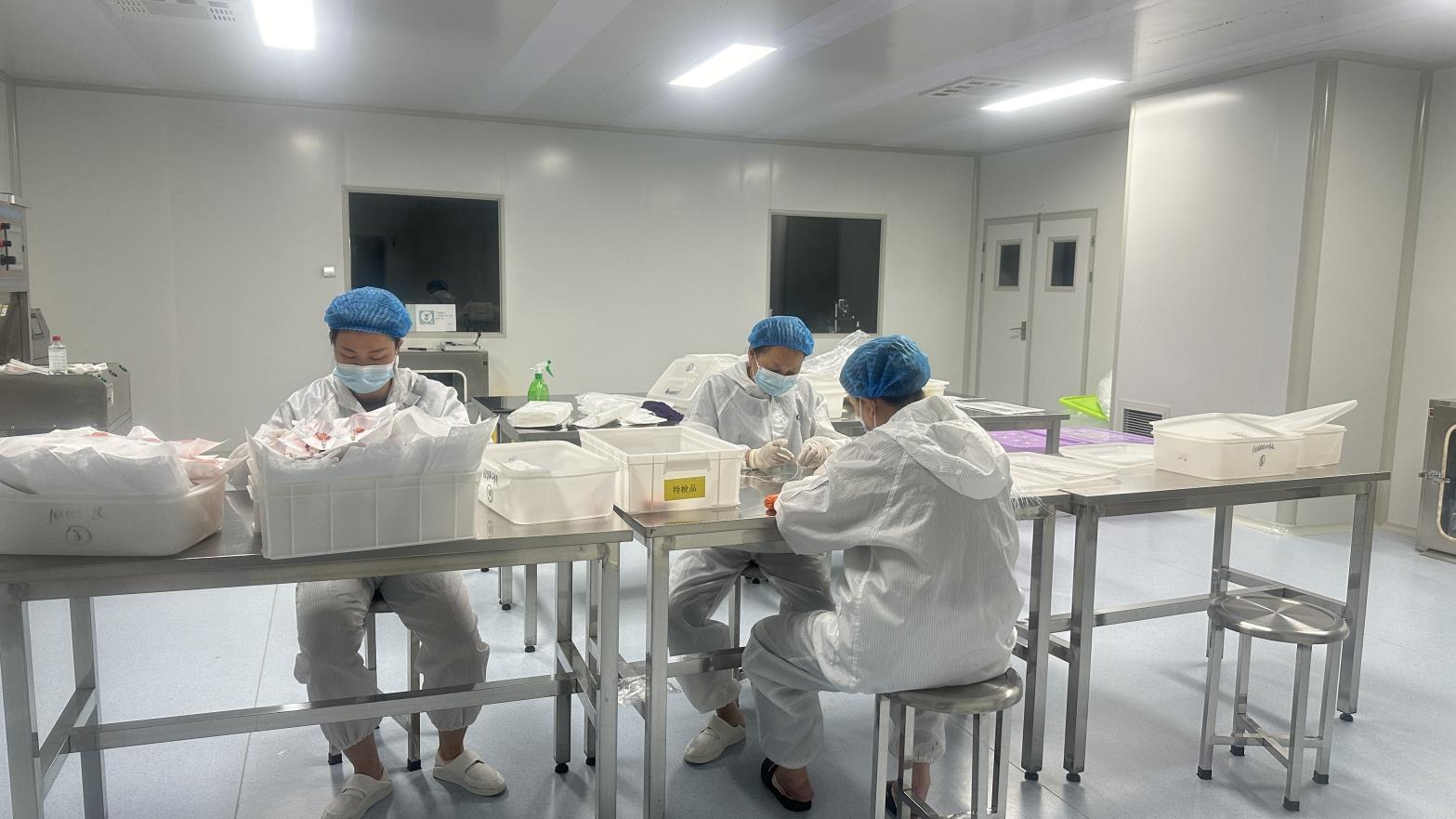
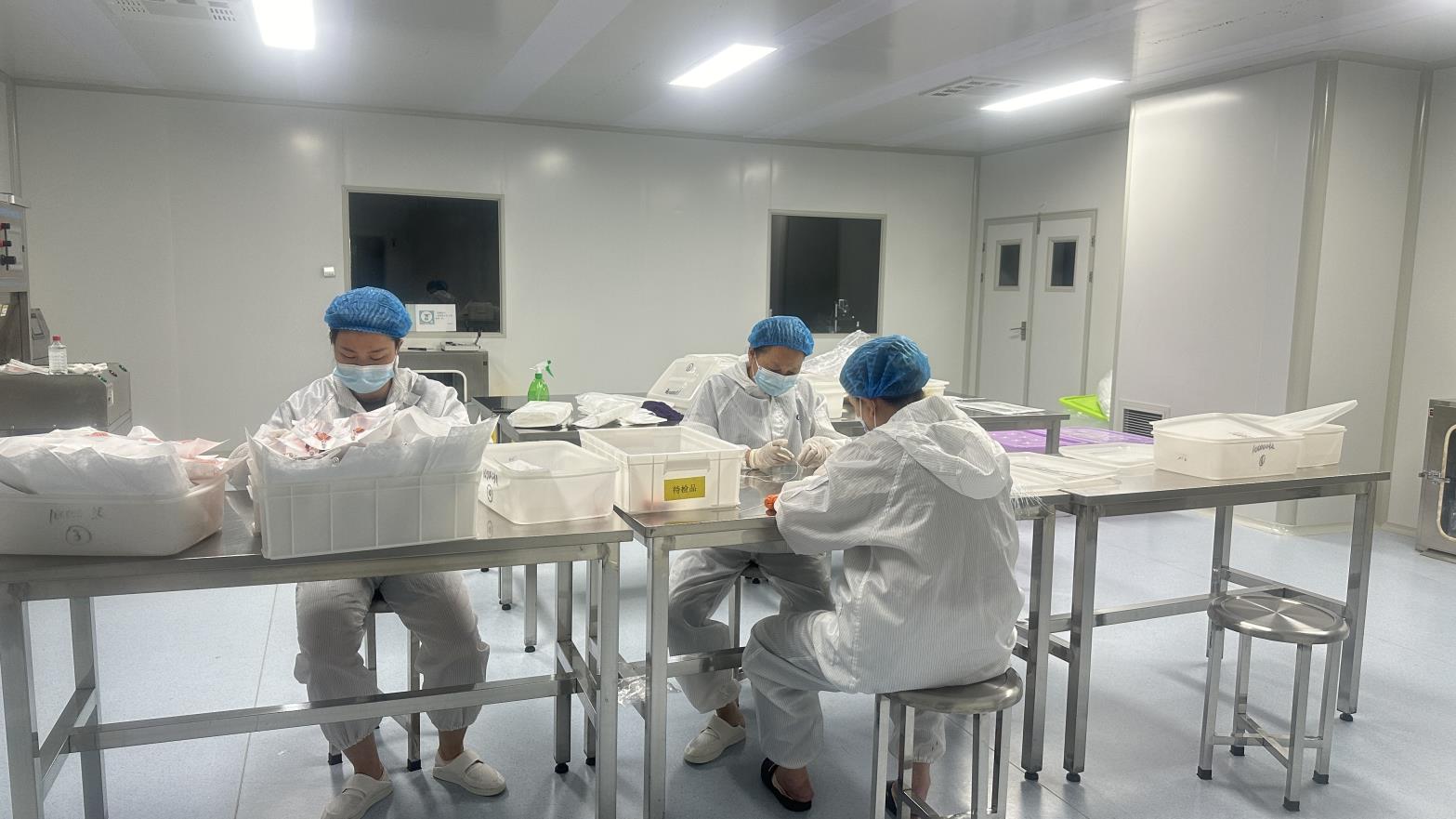
Final washing and packaging are performed in an ISO Class 7 cleanroom environment. Cleanroom sterilization indicators and particulate monitoring systems ensure a clean barrier before shipping.
How we take your conceptual drawing and transition it to a validated, market-ready clinical implant.
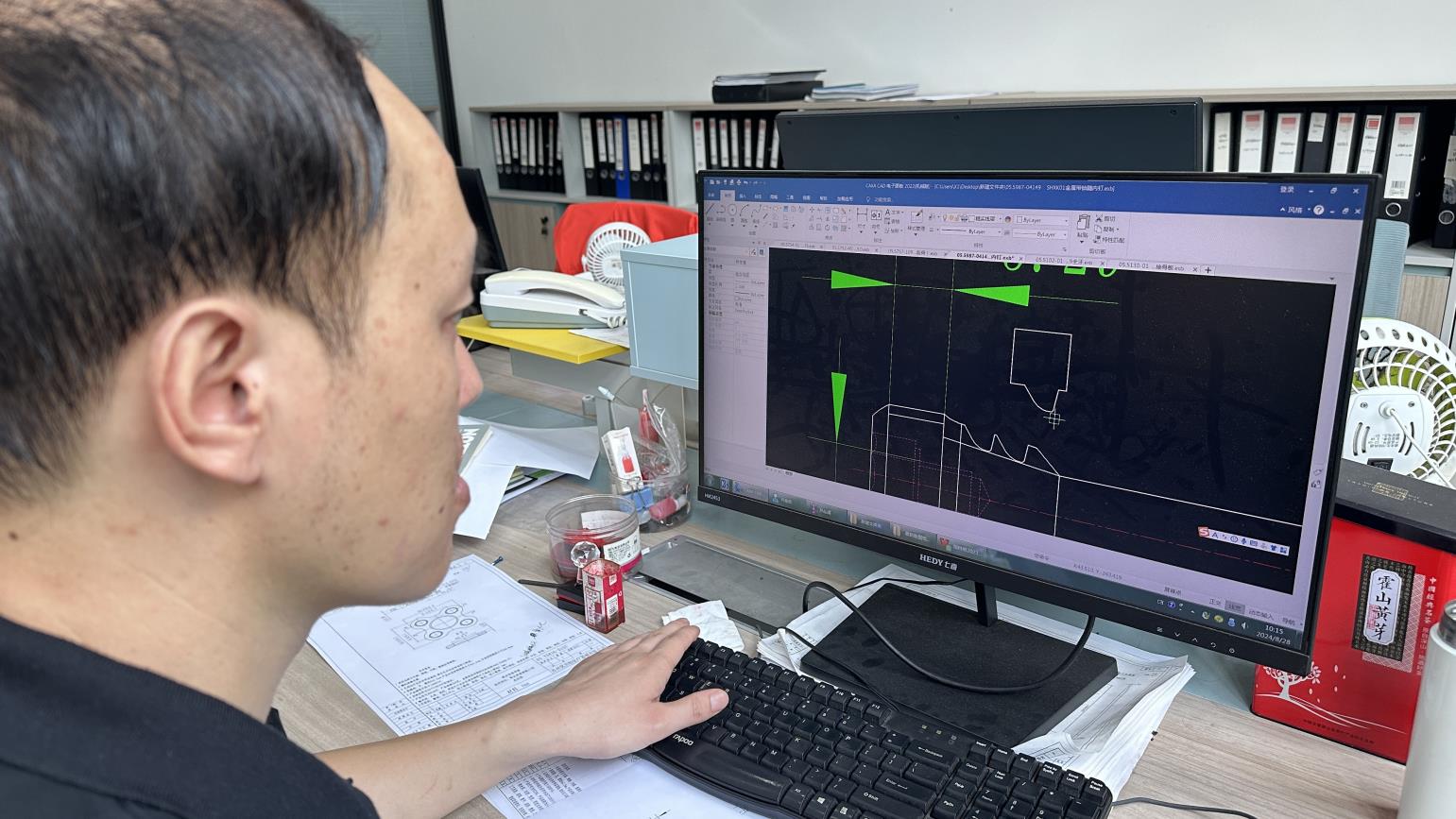
Converting parameters into 3D CAD models and verifying structural FEA simulations.
Rapid fabrication of functional test mockups in plastic/PEEK to verify sizing.
Subjecting cages to ASTM F2077 fatigue and subsidence protocols.
Mass CNC fabrication in ISO 13485 certified facility.
Compiling FDA/CE technical dossiers for regional registrations.
B2B technical questions regarding our OEM manufacturing capacities, regulatory support, and material options.
Explore our external fixator modules, suture anchors, and pediatric intramedullary systems.