Bonevia
Bonevia
Bonevia
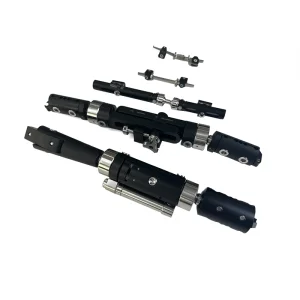
In modern traumatology, the treatment of complex distal radius fractures, intra-articular displacements, and wrist joint instabilities requires precise biomechanical management. Wrist External Fixators are engineered to provide stable distraction, neutralize axial loads, and maintain anatomical alignment through the principle of ligamentotaxis. This minimally invasive technique avoids the extensive soft-tissue dissection often associated with open reduction and internal fixation (ORIF), thereby preserving local blood supply and accelerating recovery.
For orthopedic surgeons, the choice of fixator depends heavily on the device's adjustability, rigidity, and radio-translucency. Highly anatomical fractures require precise pin placement in the safe zones of the second metacarpal and radial shaft. High-quality raw materials, such as biocompatible titanium alloy and carbon fiber rods, ensure that patients do not suffer from adverse tissue reactions while offering excellent radiolucency for postoperative radiographic assessments.
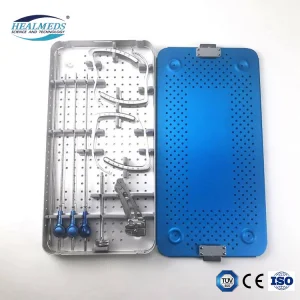
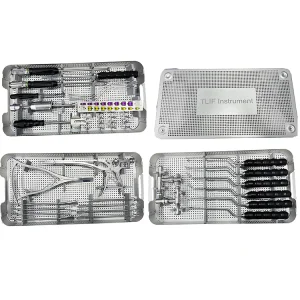
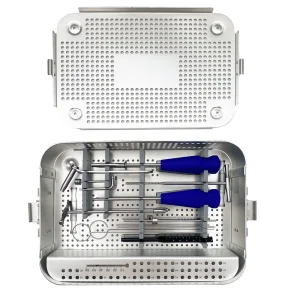
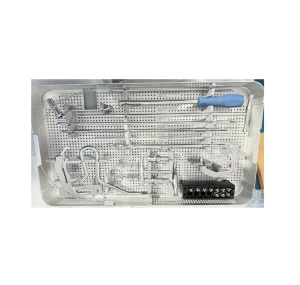
Medical device distributors, hospital chains, and brand owners face unique regional challenges. Sourcing off-the-shelf components often fails to meet specific clinical preferences or strict local regulatory criteria. This is where OEM and ODM customization services become vital. Through close collaboration with an experienced design and engineering team, companies can modify rod lengths, pin diameters, clamp configurations, and sterilization box layouts to align with their target market's surgical practices.
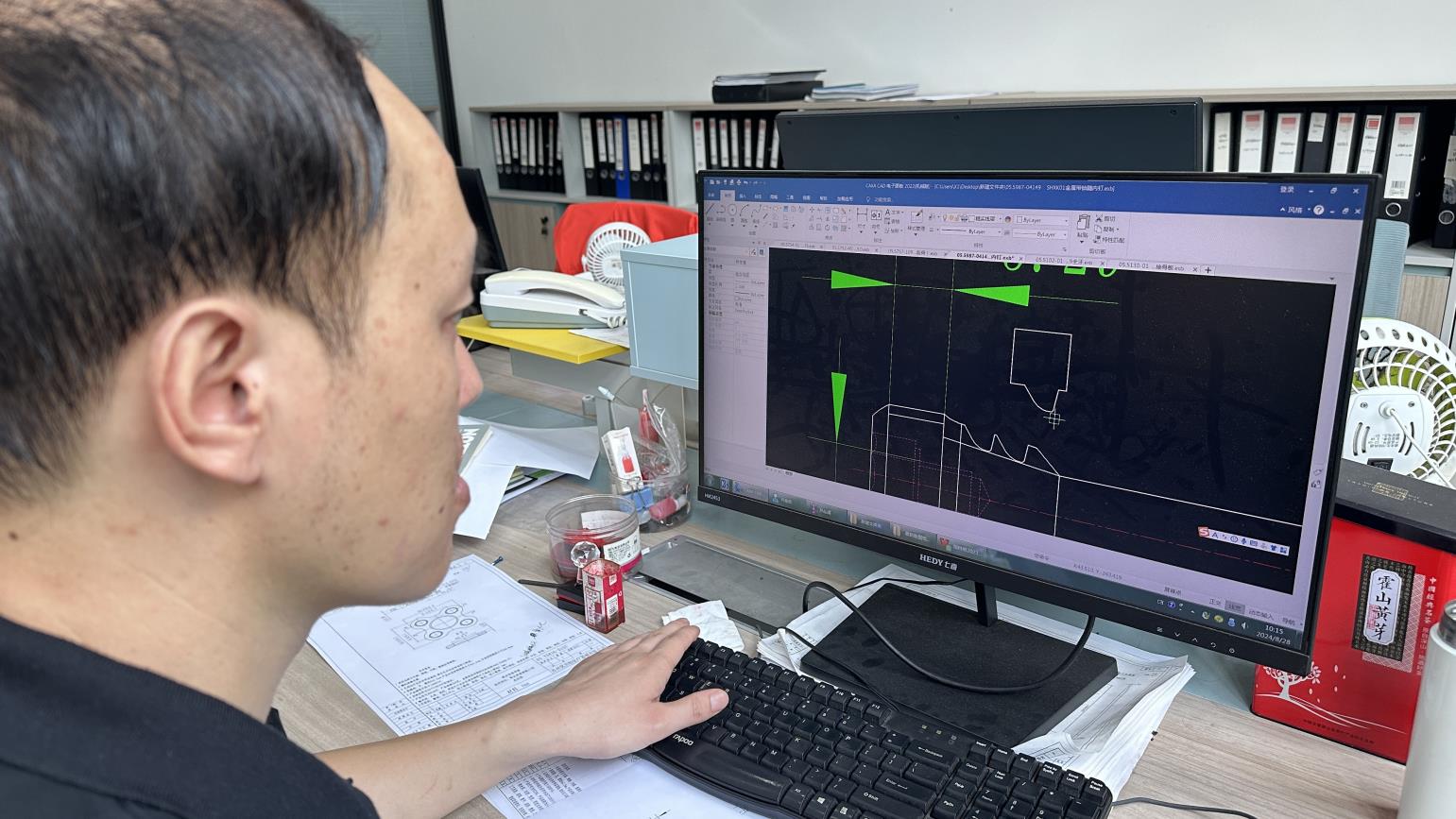
A resilient OEM/ODM process begins with high-fidelity CAD/CAM drafting, structural FEA (Finite Element Analysis) simulation, and rapid prototyping. Whether you require dynamic wrist fixators that allow controlled joint motion or rigid static constructs for high-energy trauma stabilization, our manufacturing facilities deliver bespoke designs that adhere strictly to Class II and Class III medical device manufacturing protocols.
We source medical-grade titanium alloys (Ti-6Al-4V ELI) and high-strength carbon fiber composites from verified Tier-1 suppliers. Every batch undergoes chemical composition and mechanical tensile strength testing to guarantee flawless clinical performance under load.
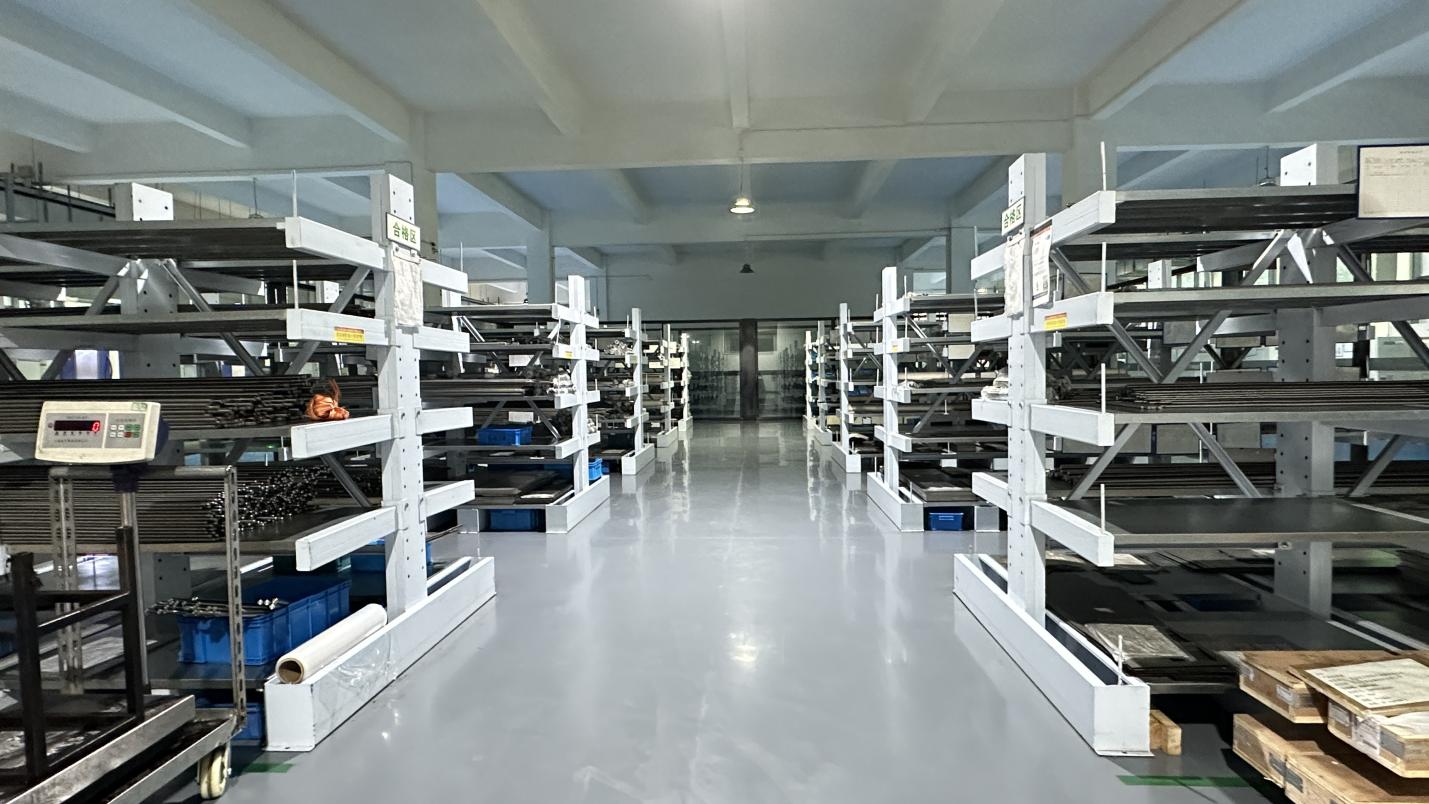
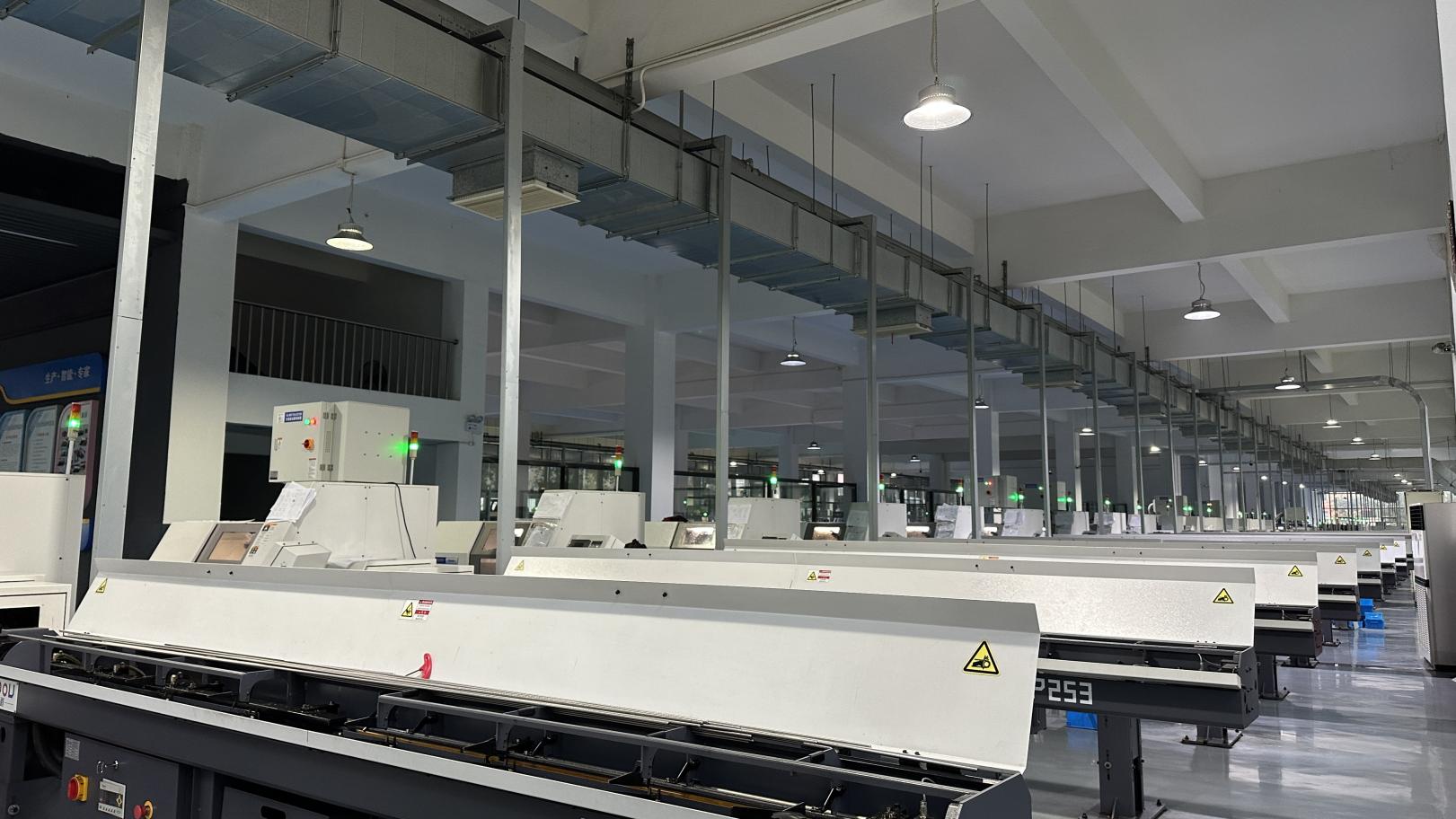
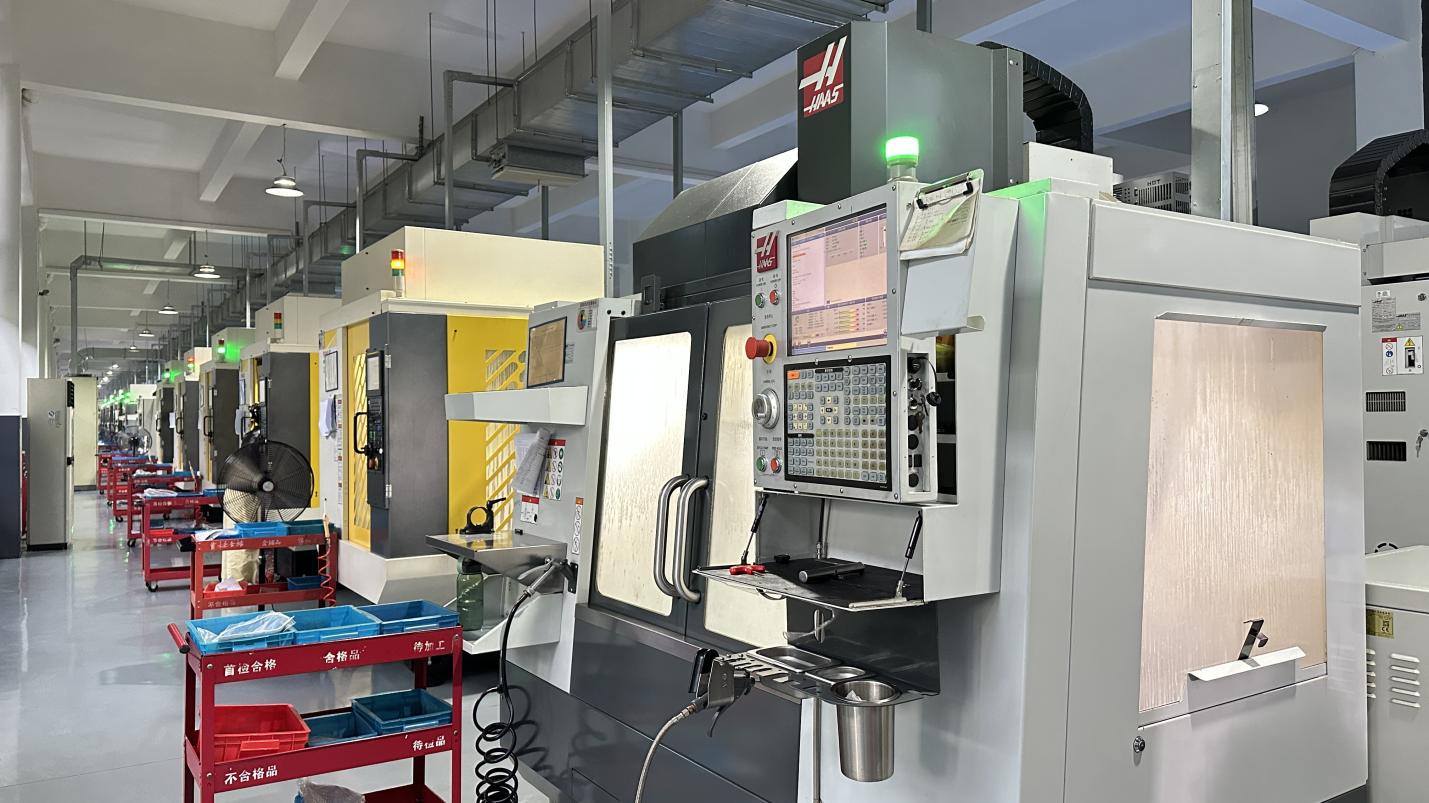
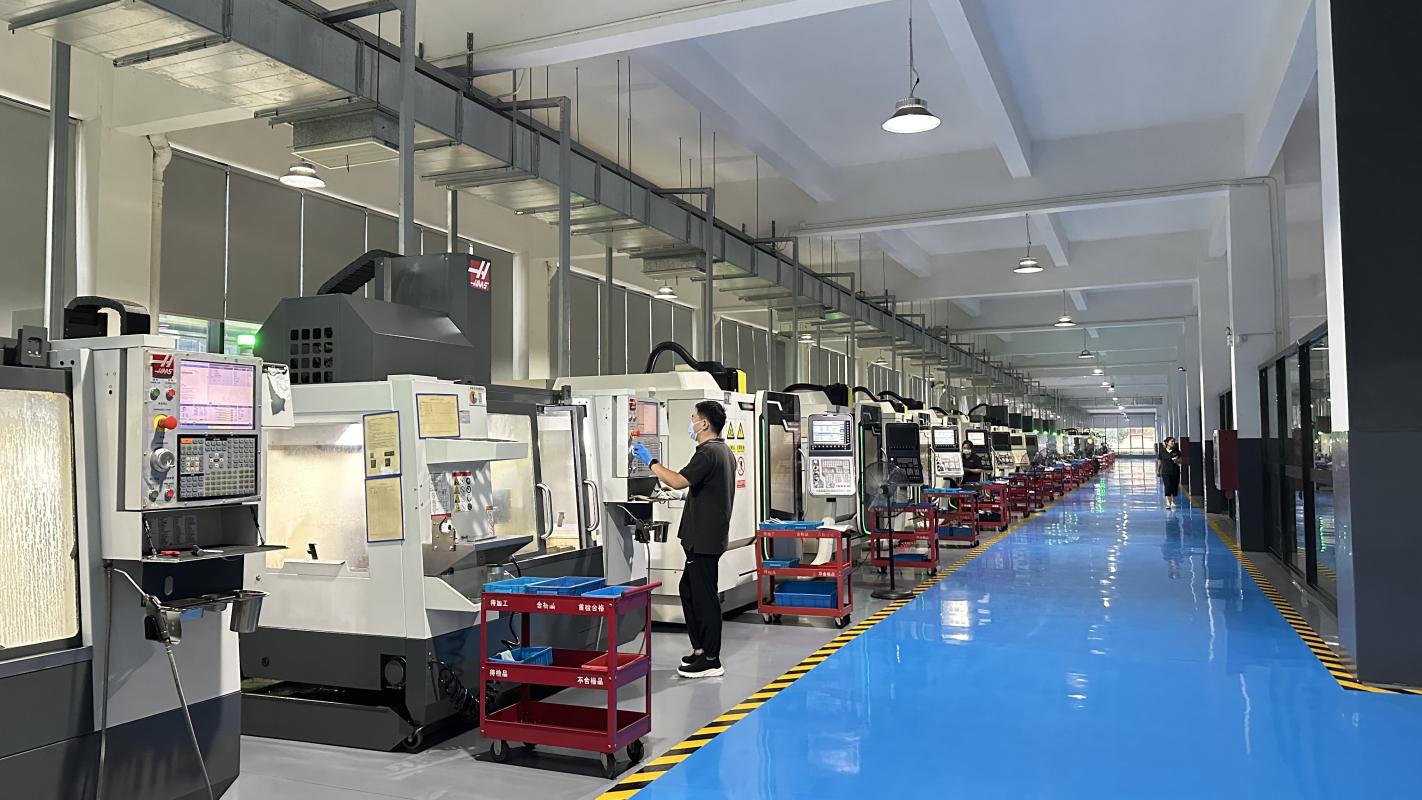
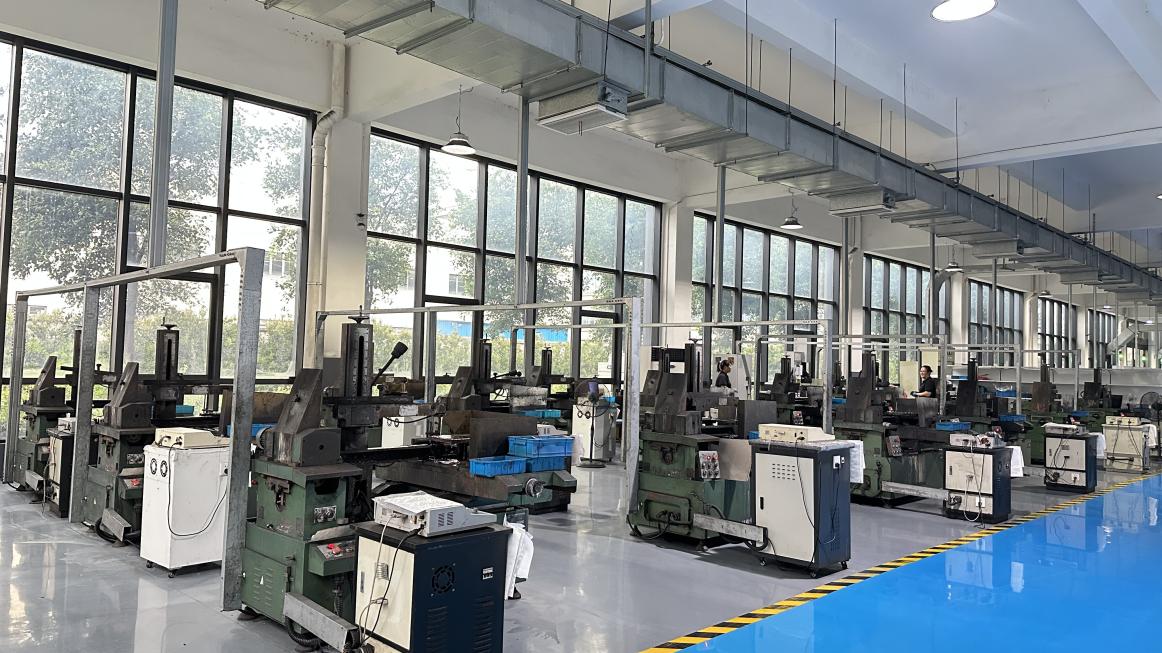
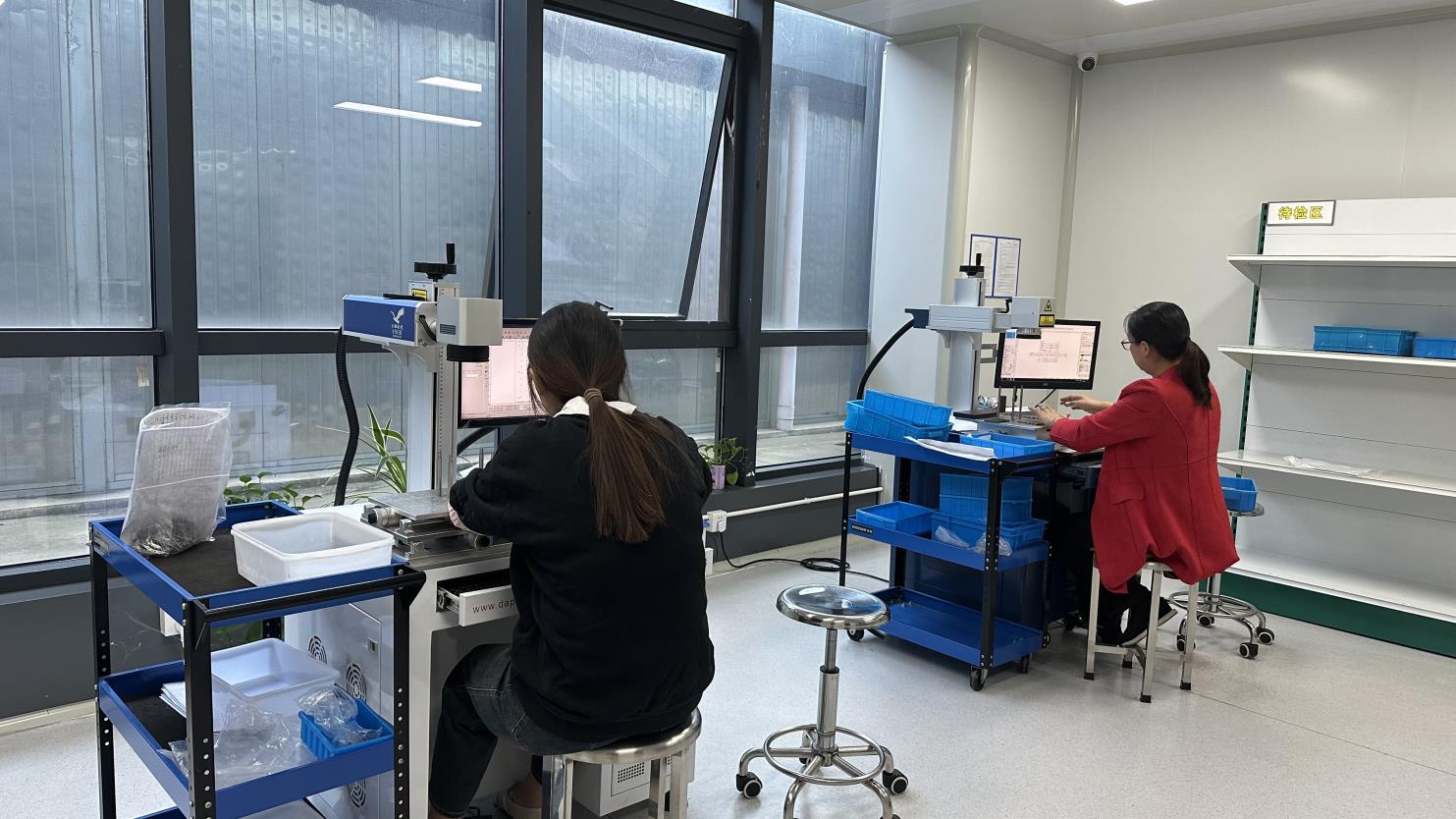
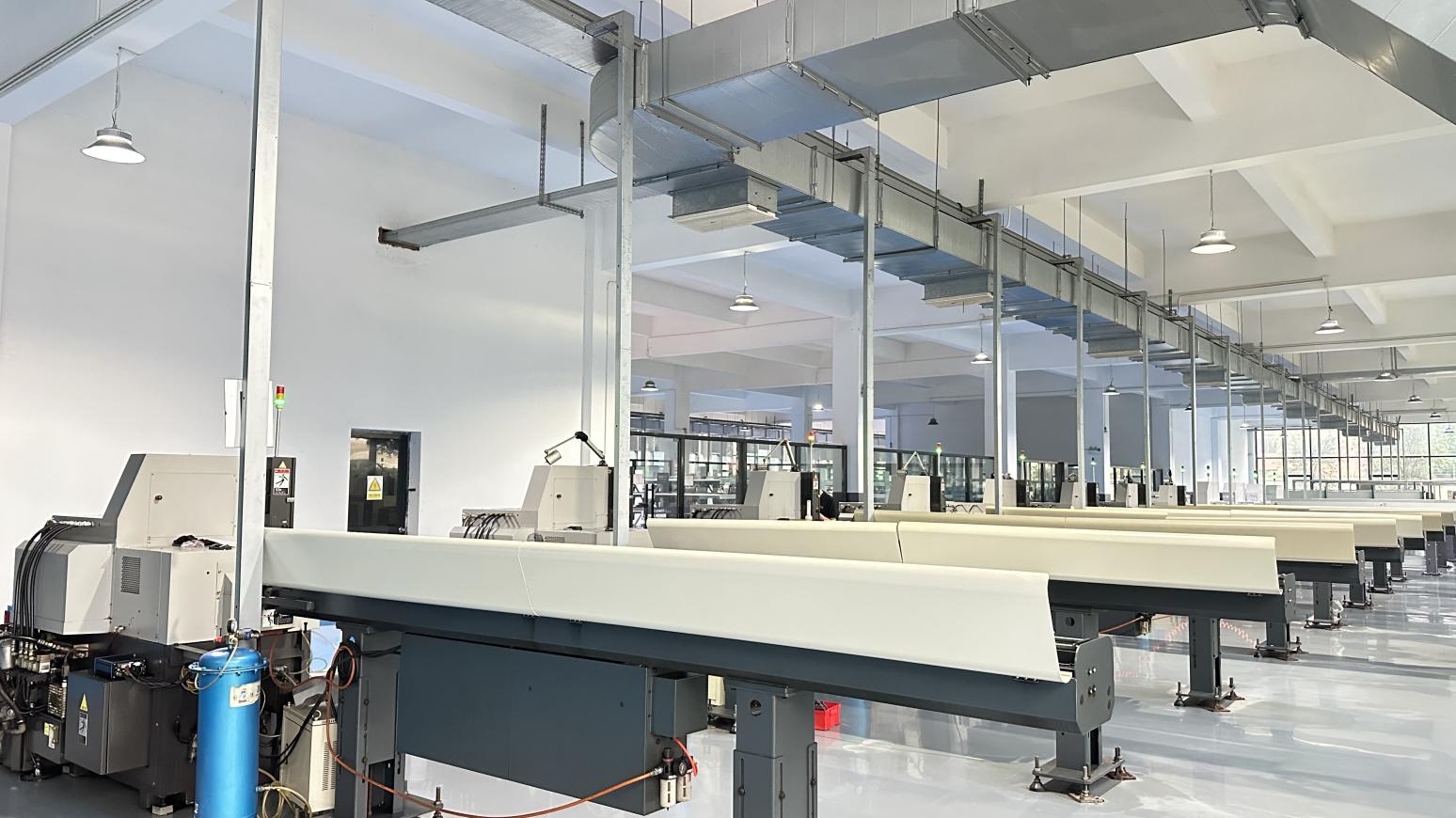
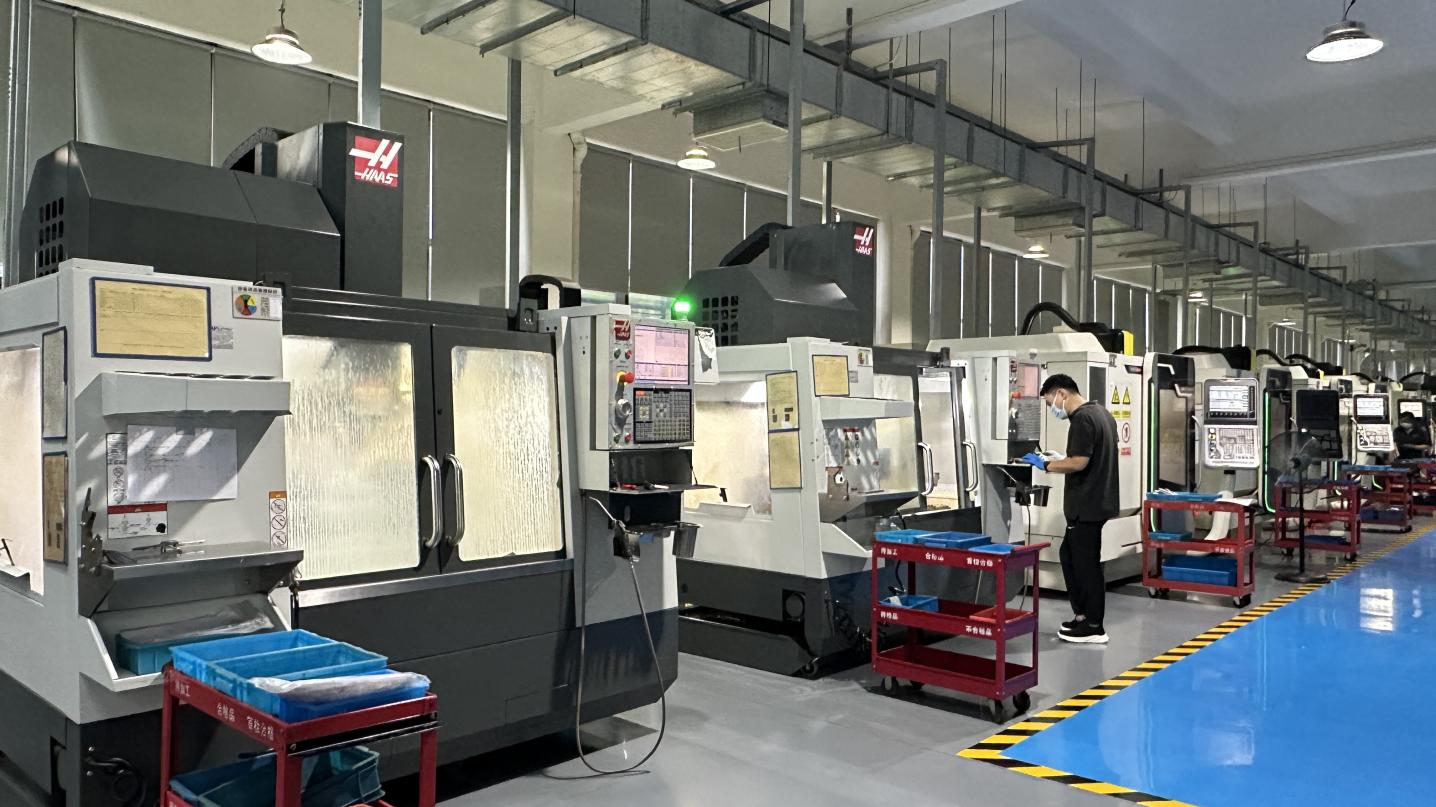
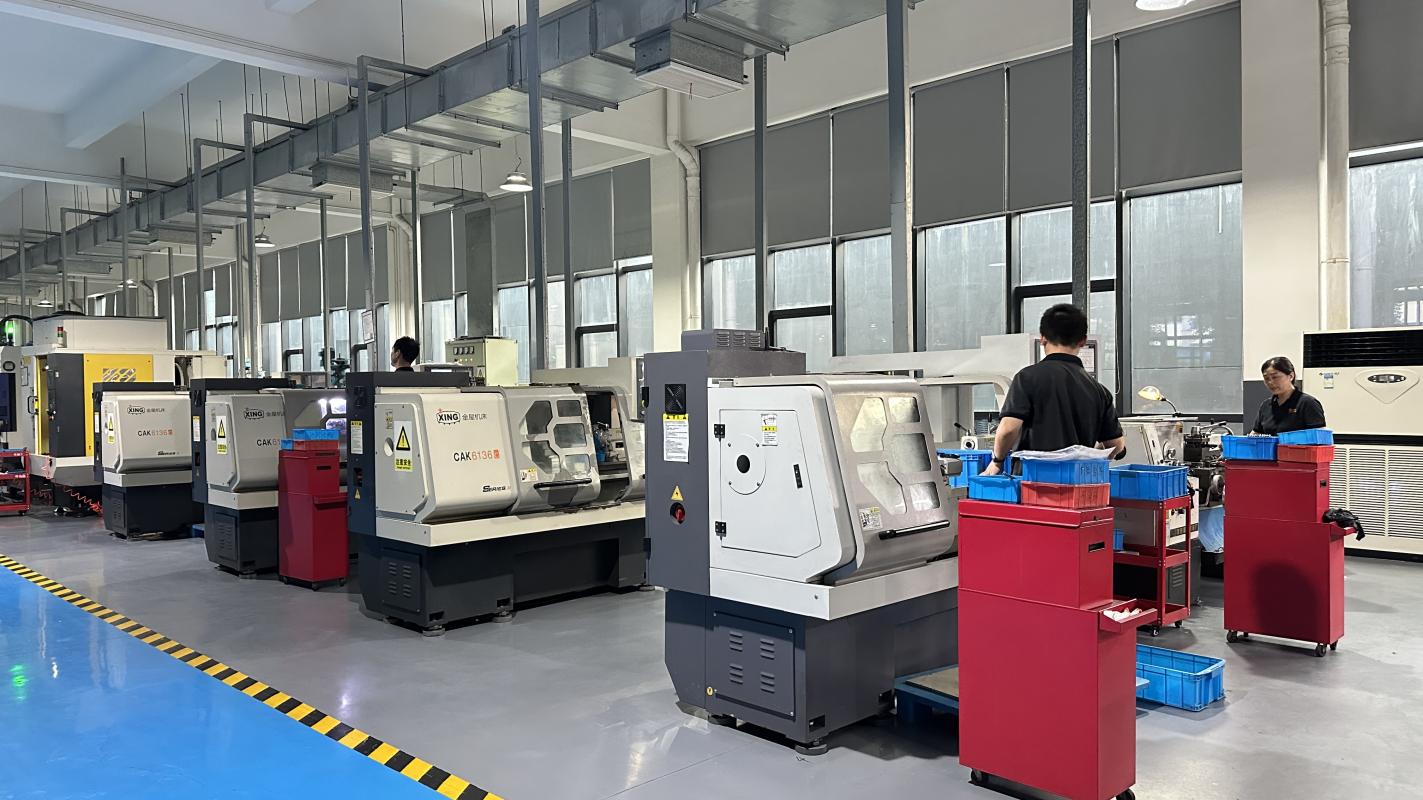
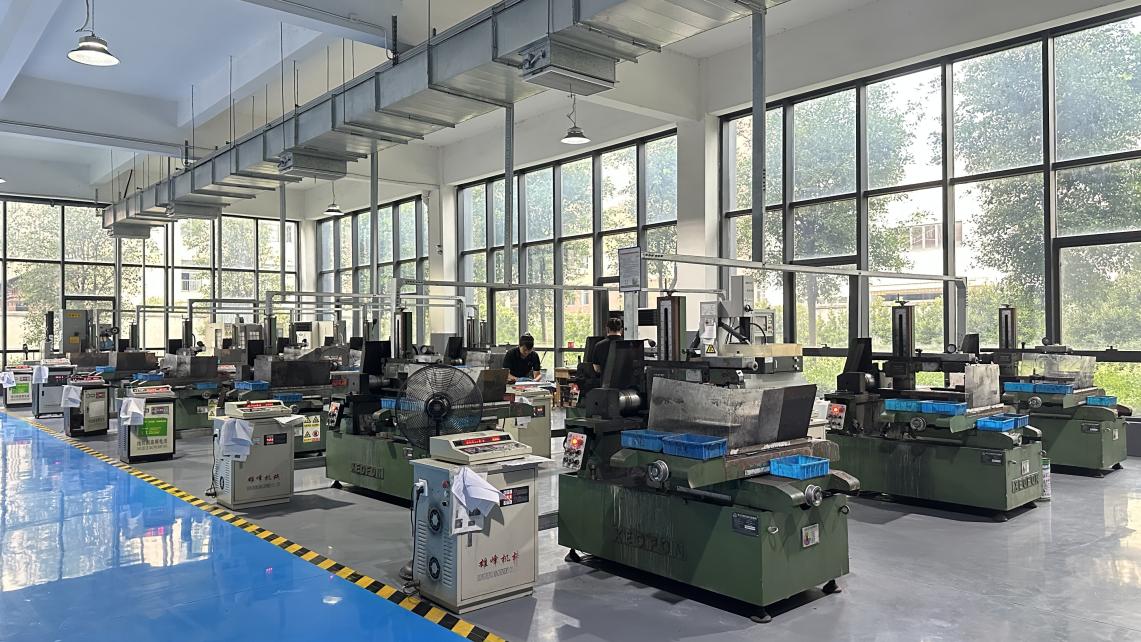
Our machining lines are equipped with high-precision CNC multi-axis centers, wire-cutting machines, and Swiss-type lathes. This setup ensures micron-level tolerances for pin clamps, snap-fit joints, and compression rods.
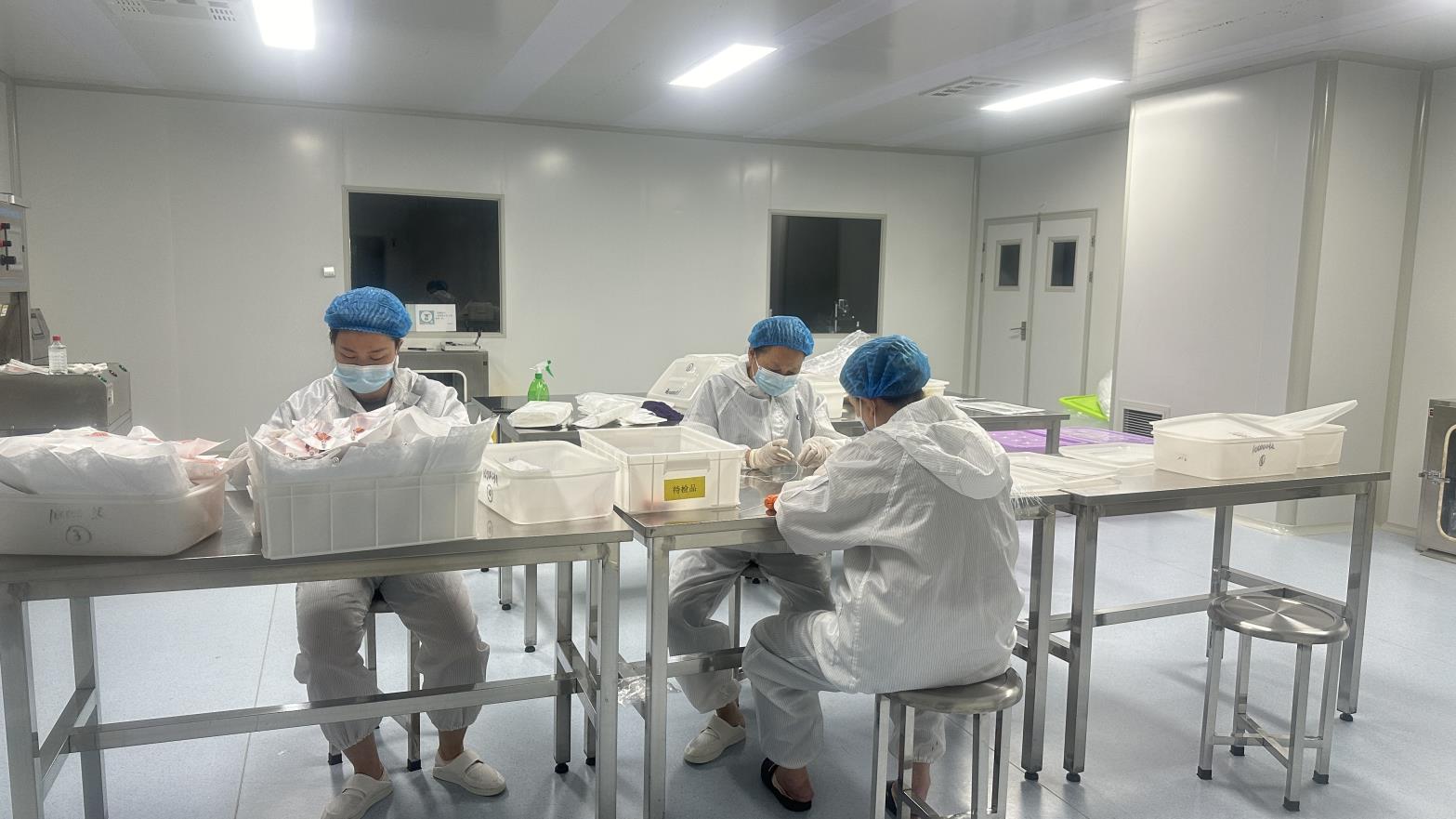
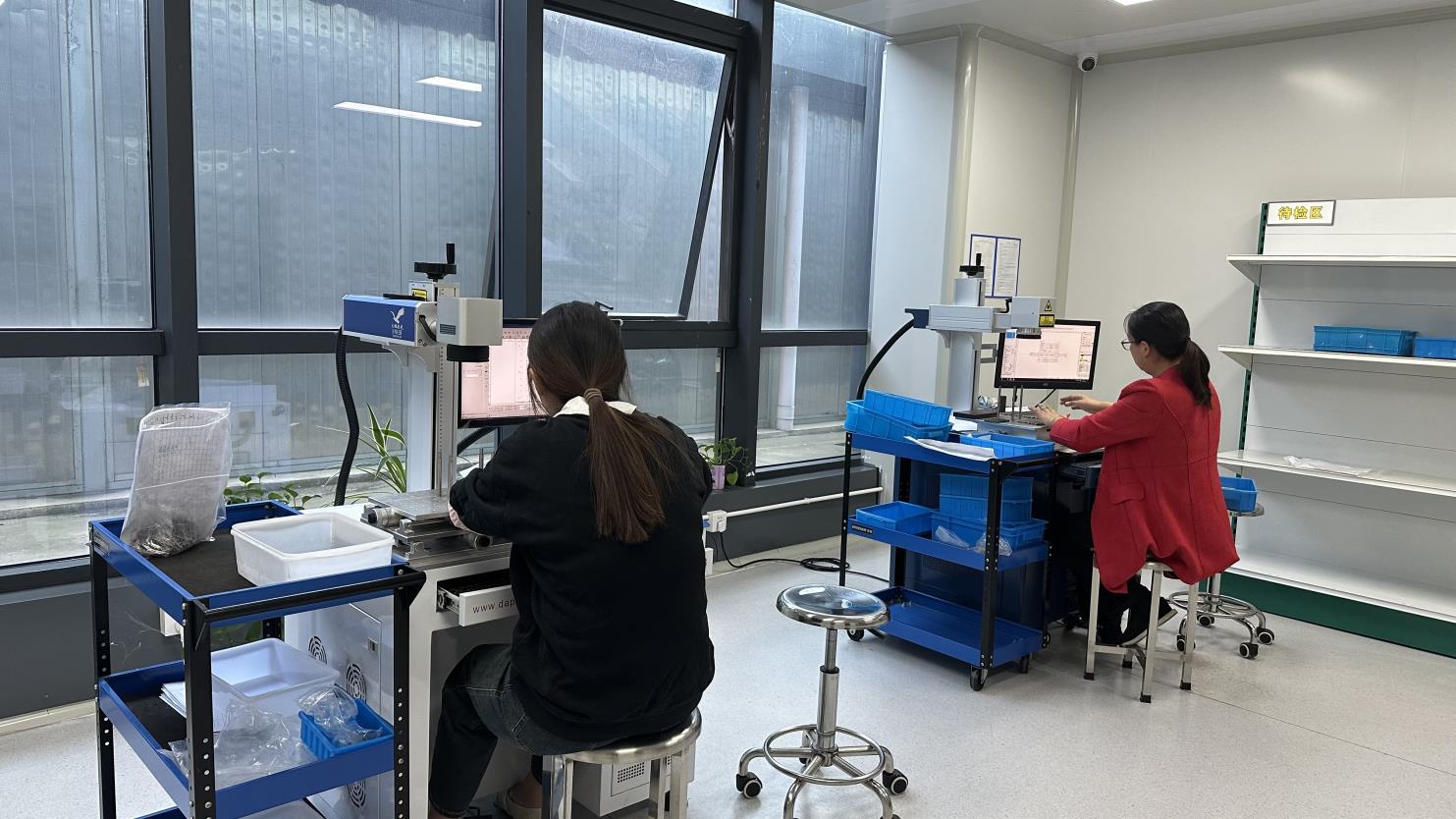
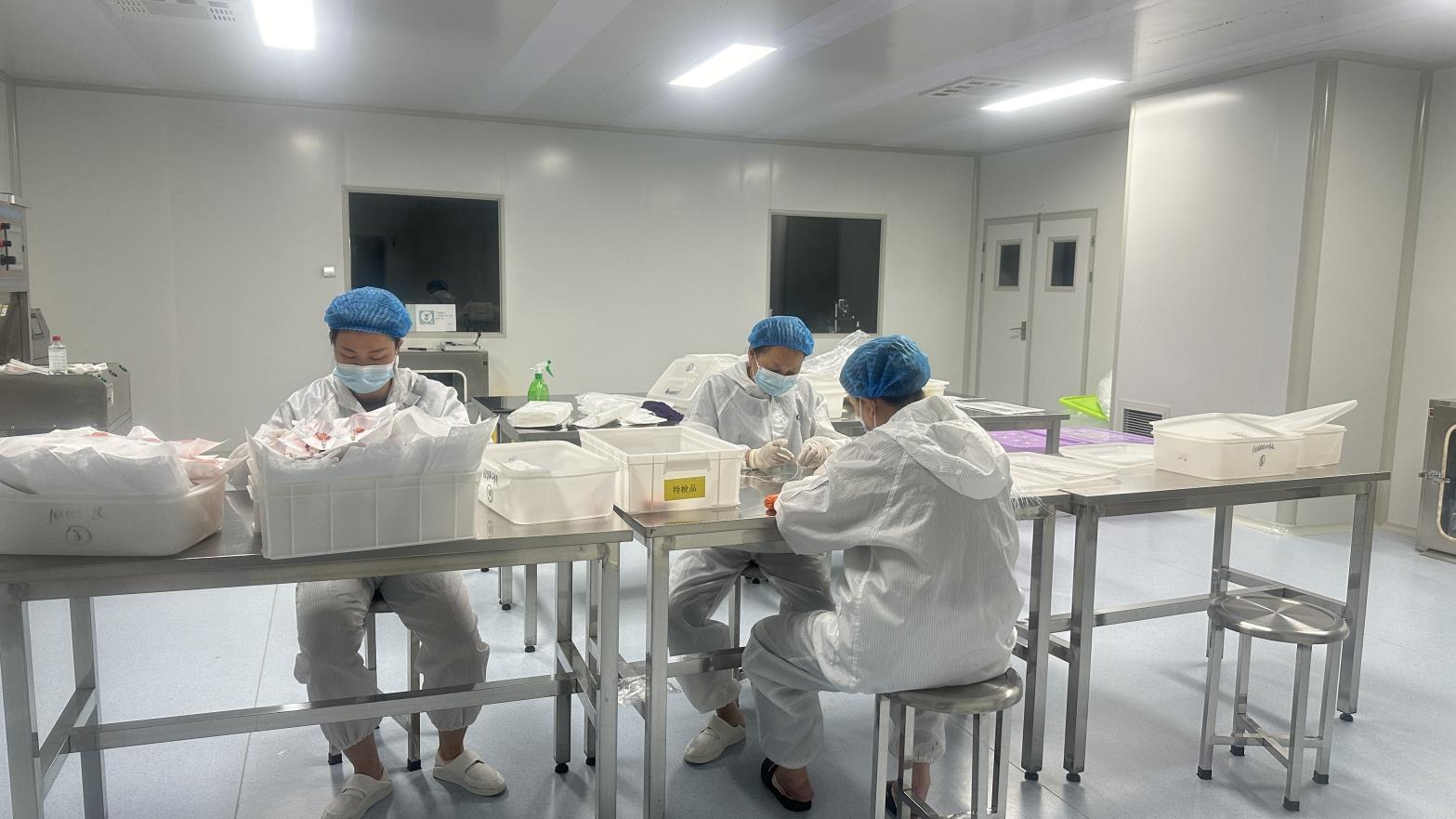
Supported by a specialized quality control team of 35 professionals, we perform incoming material inspection, in-process quality control, and rigorous final product testing (tensile, exhaustion, corrosion, and dimensional tests).
Bonevia Orthopedic Technology Co., Ltd. is a professional manufacturer specializing in orthopedic implants and surgical solutions, dedicated to advancing innovation in trauma, spine, and joint reconstruction products. Since its establishment in 2015, the company has grown steadily into a trusted supplier in the global orthopedic industry.
With a modern production facility covering approximately 320㎡, Bonevia maintains strict quality management standards and efficient manufacturing processes. The company records an annual export revenue of around USD 8–15 million, supported by 6 years of export experience and over 10 years of overall industry experience.
Quality assurance is a core focus at Bonevia. The company implements multiple inspection methods including incoming material inspection, in-process quality control, and final product testing, supported by a dedicated quality team of 35 professionals. This ensures all products meet international medical device standards.
Bonevia has a solid trade foundation with diversified global distribution networks, serving major markets across Europe, Southeast Asia, the Middle East, and South America. Its supply chain ecosystem includes more than 850 partners, enabling stable raw material sourcing and efficient production delivery.
The company serves a wide range of clients, including hospitals, orthopedic clinics, surgical centers, and medical distributors. Bonevia also demonstrates strong R&D capabilities, offering OEM and ODM customization services to meet specific clinical requirements.
In the past year, Bonevia successfully launched 120 new product designs, supported by a research and development team of 85 engineers, continuously driving innovation in orthopedic implant systems and surgical instruments.

Navigating the complex landscape of international medical device regulations requires more than just manufacturing capabilities. Our team provides comprehensive localization support to ensure seamless customs clearance and local market entry. We assist distributors and brand owners in drafting and organizing documentation required for compliance with the EU Medical Device Regulation (MDR 2017/745), US FDA 510(k), ANVISA (Brazil), and local Ministry of Health registrations.
By providing structured clinical evaluation reports (CERs), raw material certificates, biocompatibility test results, and validated sterilization parameters, we eliminate regulatory bottlenecks. Additionally, our multilingual surgical technique guides (STGs) and training modules help local sales forces and surgeons master the installation and dynamic adjustments of the fixators.
Purchasing departments worldwide seek options to mitigate supply chain disruptions. The concentration of advanced manufacturing technology, raw material production, and engineering talent in China provides distinct strategic advantages. Our manufacturing ecosystem leverages localized supply chains for aerospace-grade titanium and high-purity carbon composites, reducing transport costs and shortening lead times.
Furthermore, the high density of modern industrial tooling centers allows us to rapidly prototype, iterate designs, and scale production compared to Western counterparts. We balance cost-effective manufacturing processes with strict compliance with ISO 13485 quality standards, ensuring premium orthopedic implants remain accessible to healthcare providers globally.
The field of external fixation is rapidly evolving. We are shifting from static, rigid constructs to dynamic, patient-specific configurations. The core trends shaping our R&D roadmap include: