 Bonevia
Bonevia
Bonevia
Explore our premium selection of engineered surgical instrument sets, power system accessories, and arthroscopic repair solutions designed for optimal clinical outcomes.
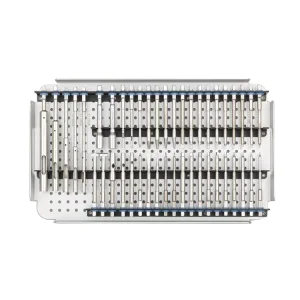
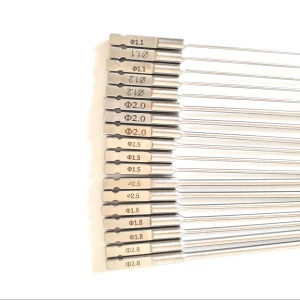
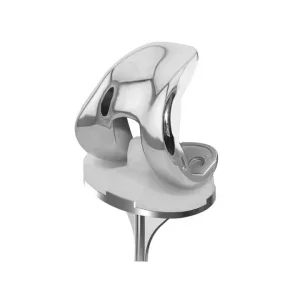
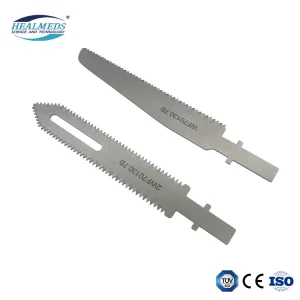
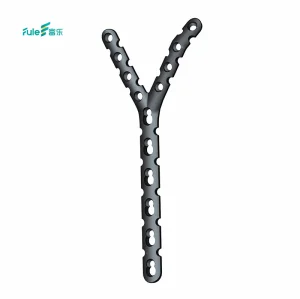
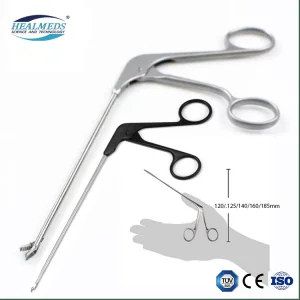
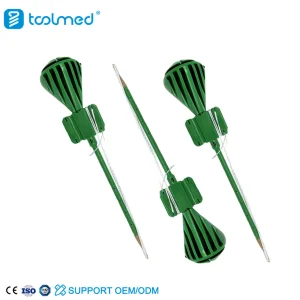
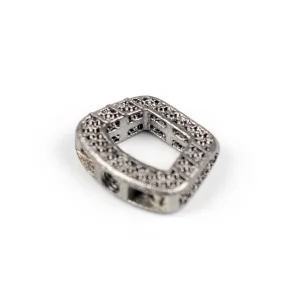
Founded in 2015, Bonevia Orthopedic Technology Co., Ltd. has established itself as an innovative, high-fidelity developer and manufacturer of orthopedic implants and precision surgical systems. Focused on addressing complex clinical scenarios across joint reconstruction, spine therapy, and trauma repair, the company bridges the gap between surgical safety and manufacturing excellence.
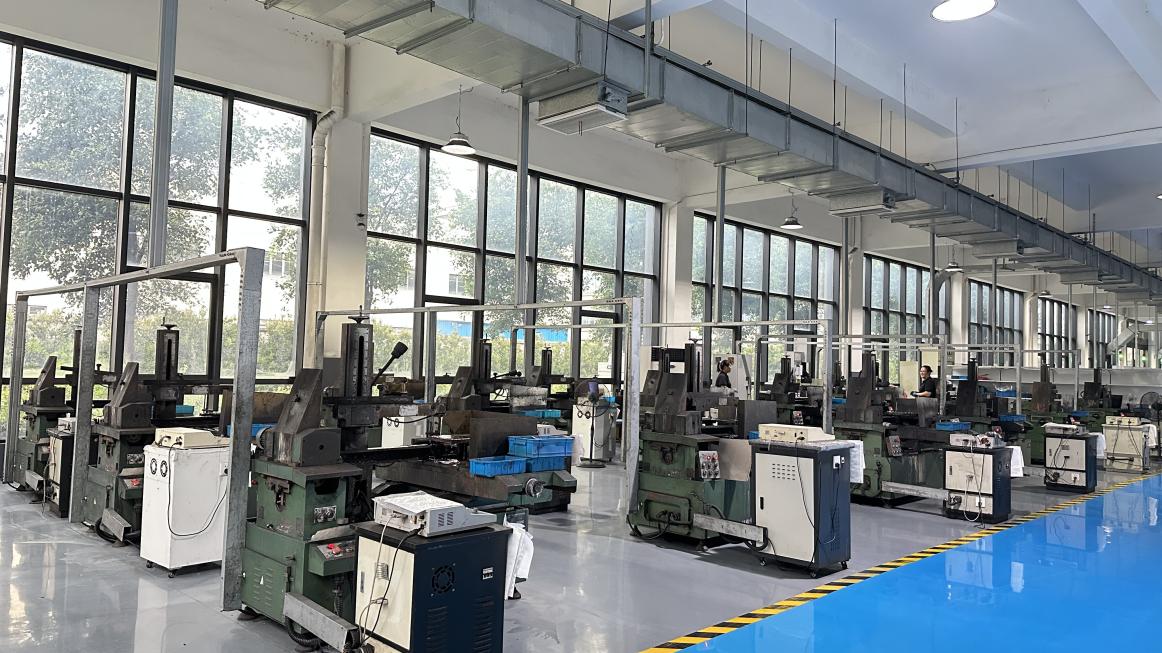
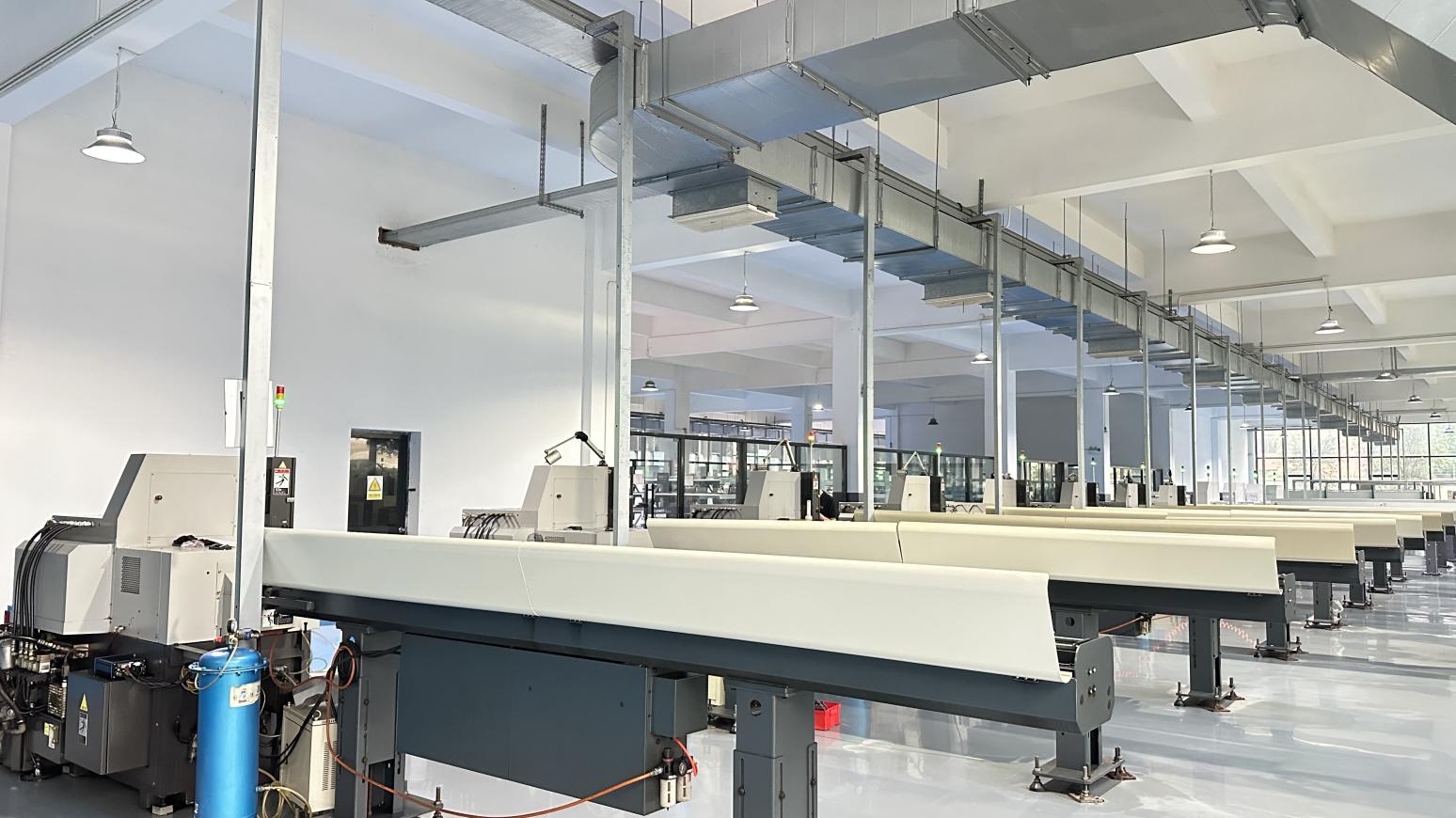
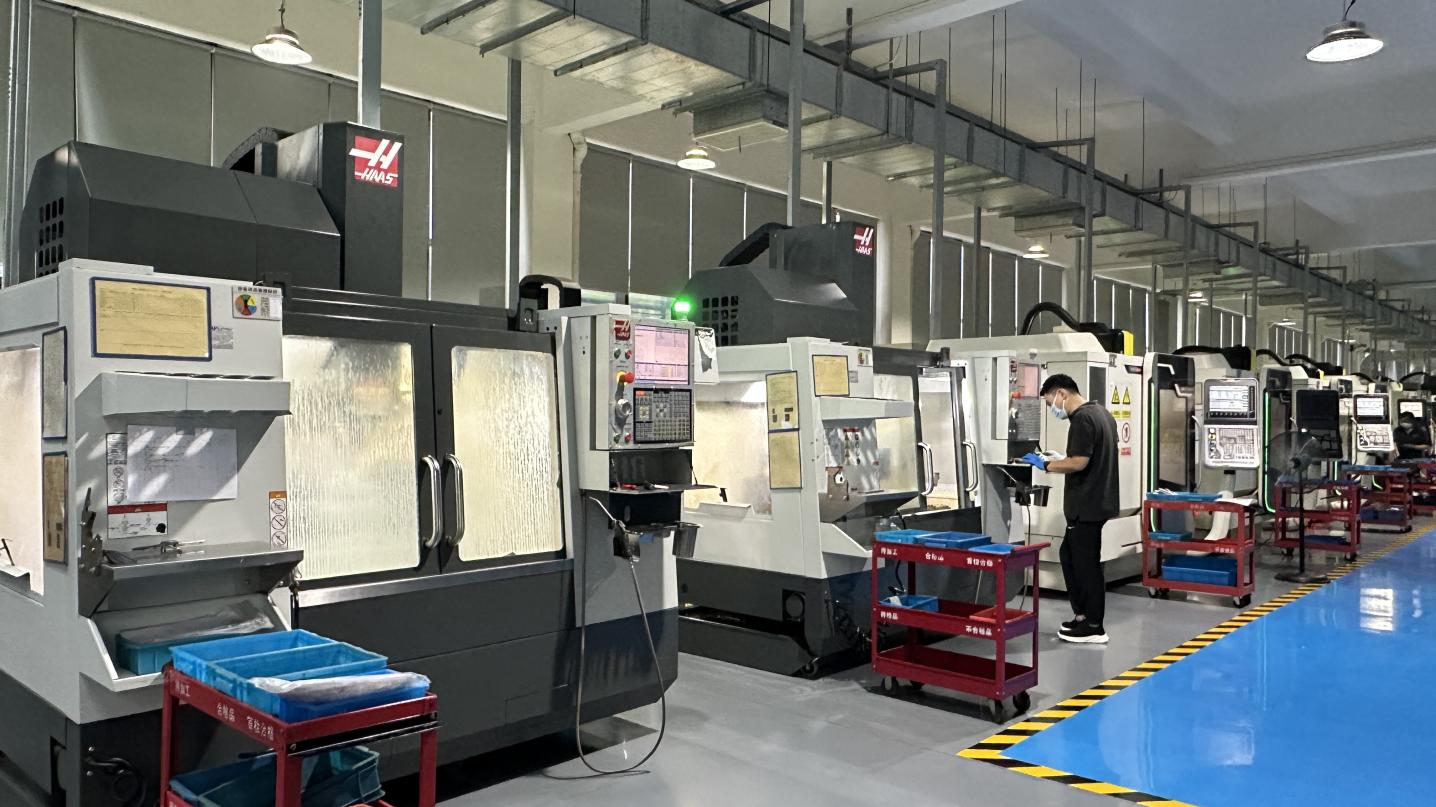
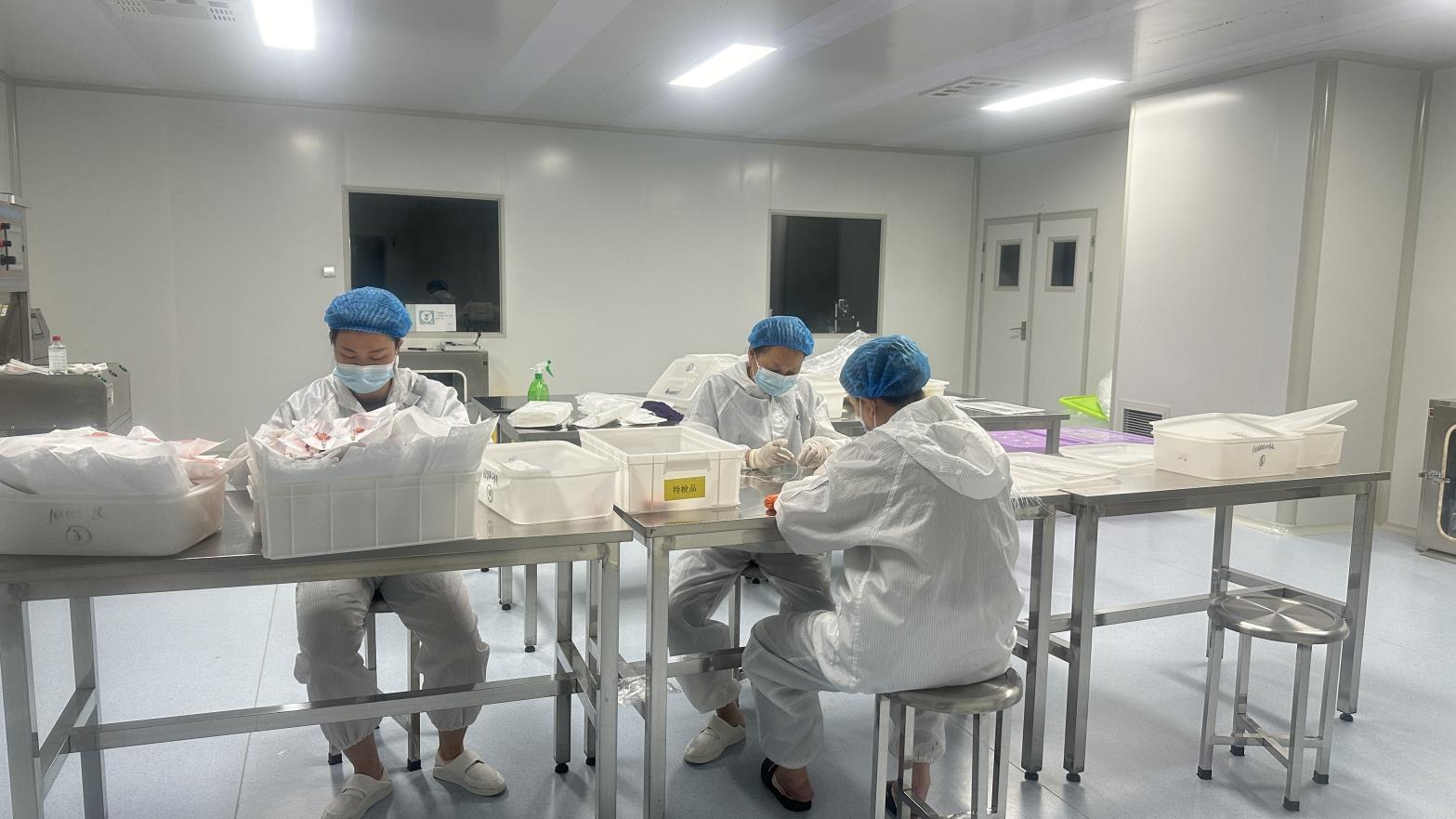
Operating a modernized, temperature-regulated manufacturing facility covering approximately 320㎡, Bonevia implements strict compliance structures that meet global quality management requirements. Backed by a diverse raw material supply system containing over 850 partners, we ensure steady sourcing, high batch consistency, and uninterrupted operational capacity.
By blending robust manufacturing frameworks with active clinical R&D, Bonevia serves an extensive clientele base of medical distributors, public and private hospitals, and dedicated orthopedic clinics across Western and Eastern Europe, Southeast Asia, South America, and the Middle East.
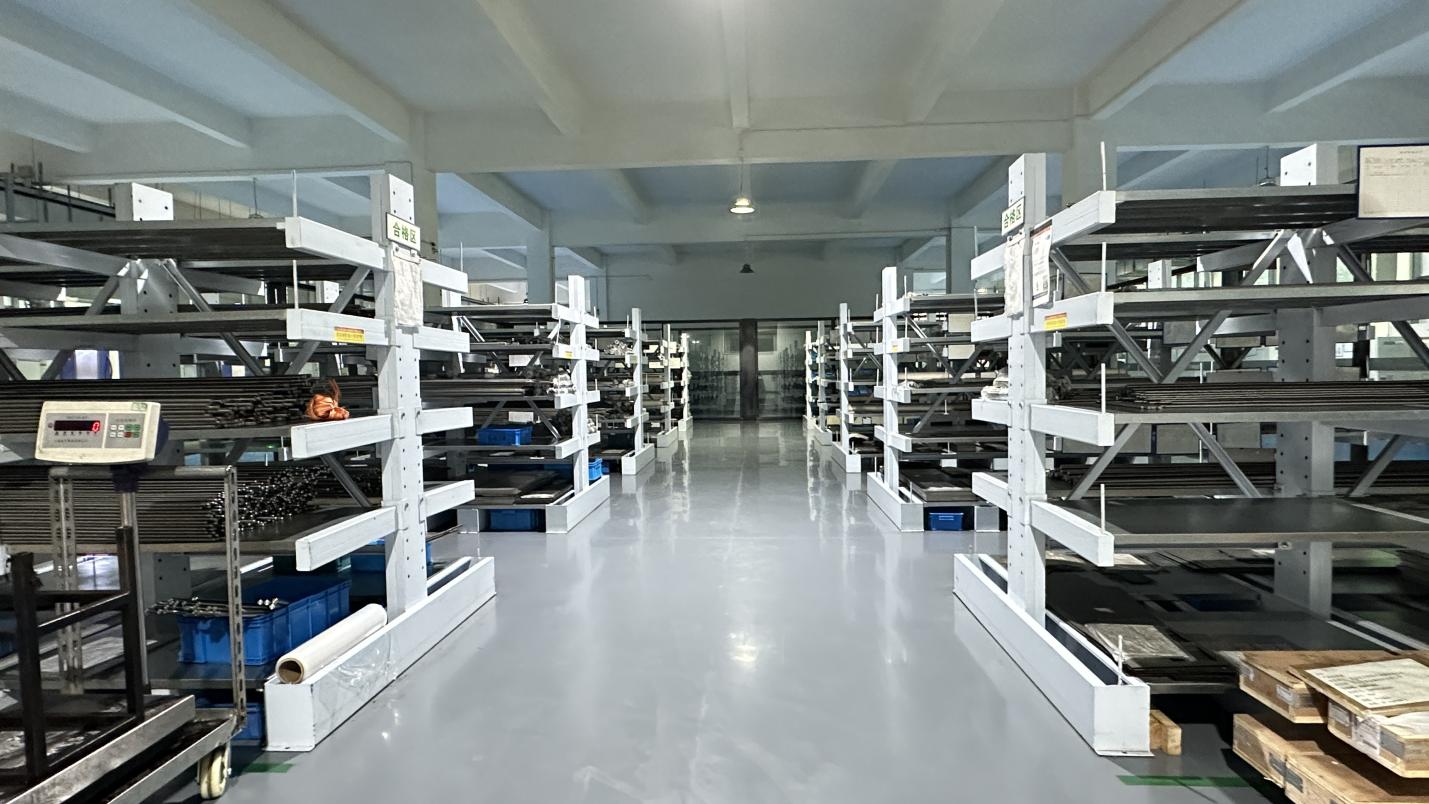
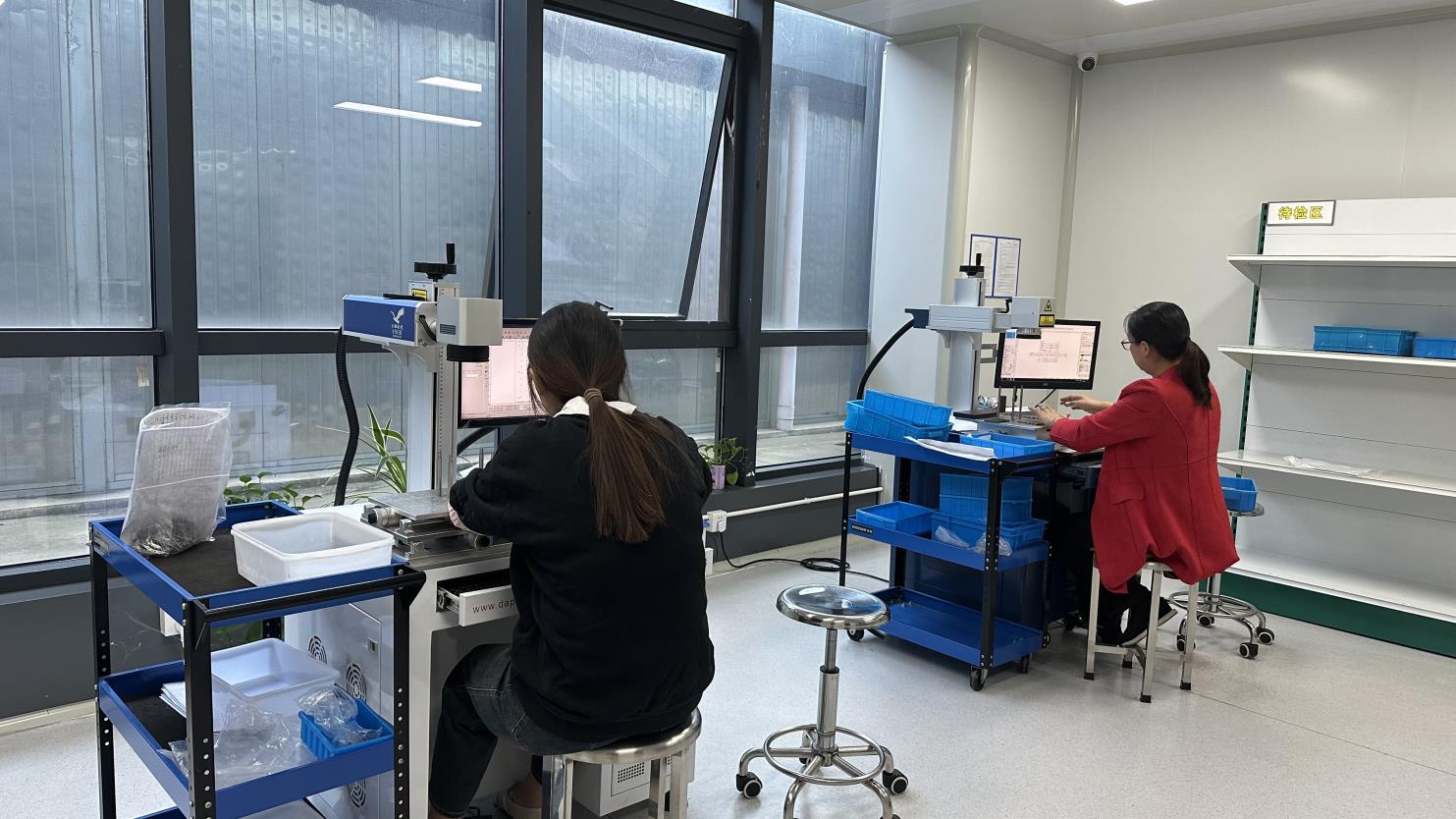
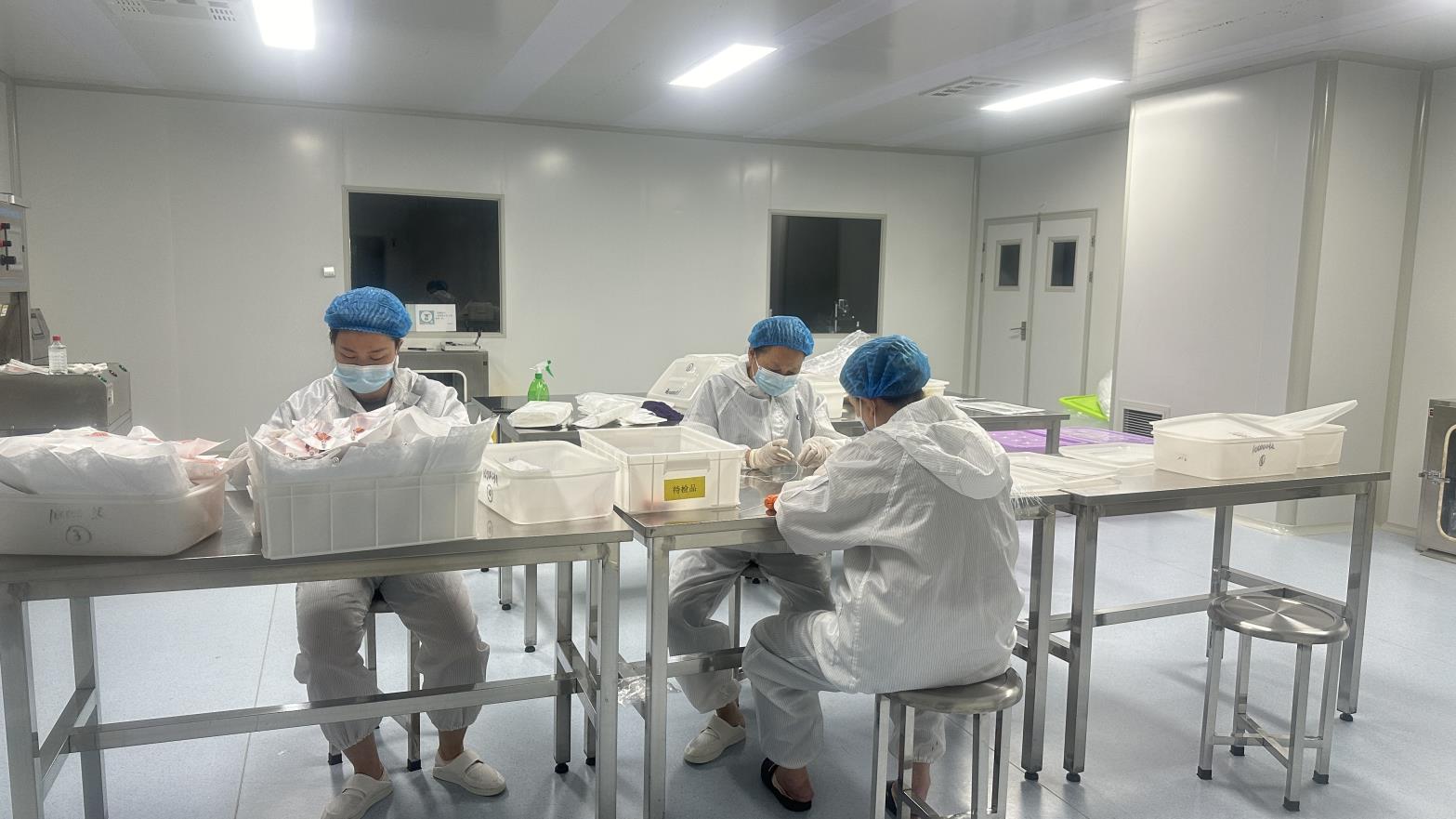
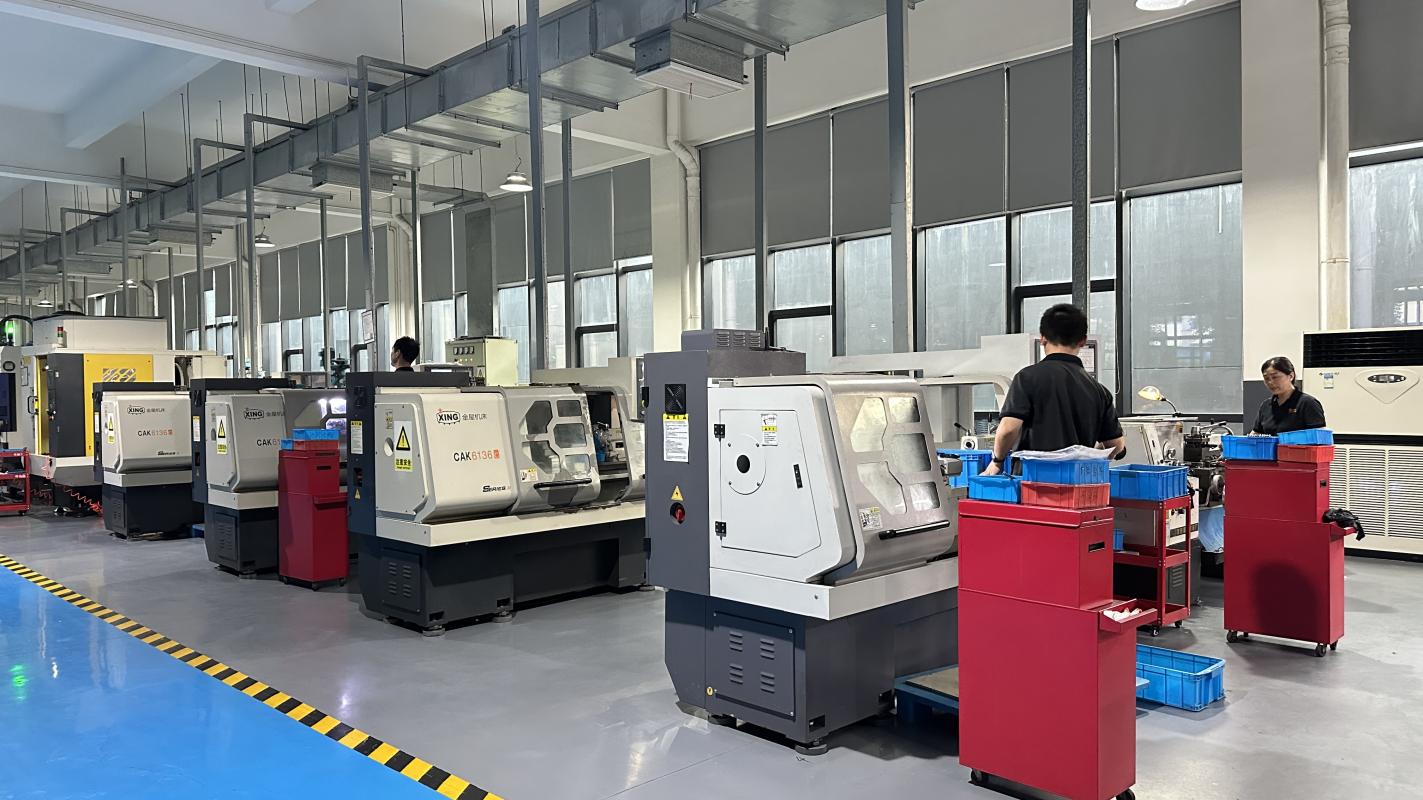
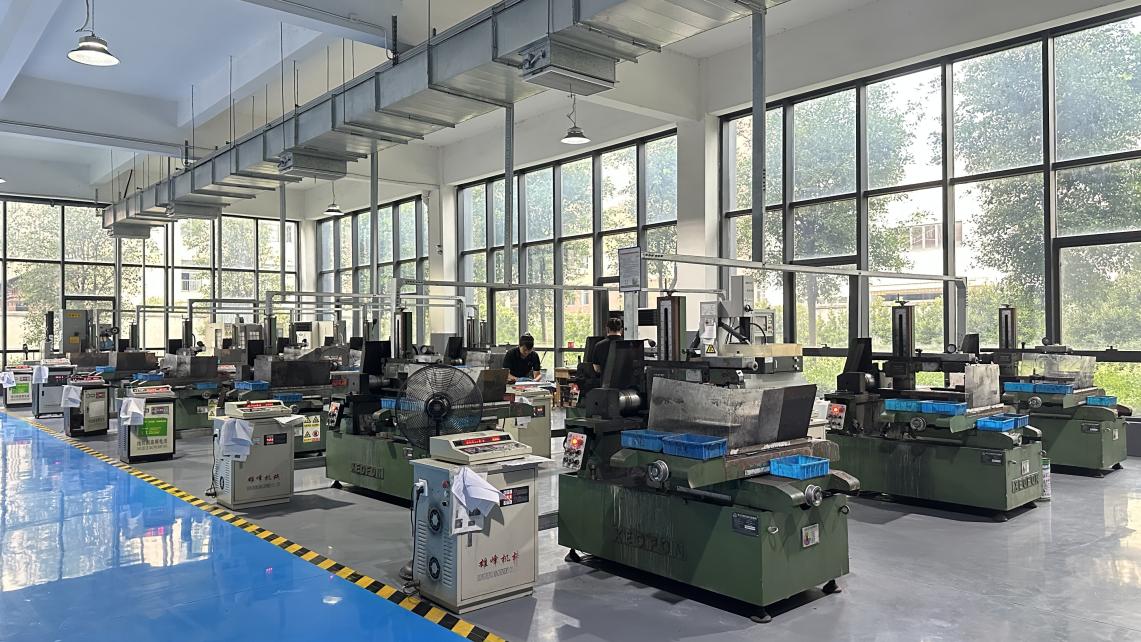
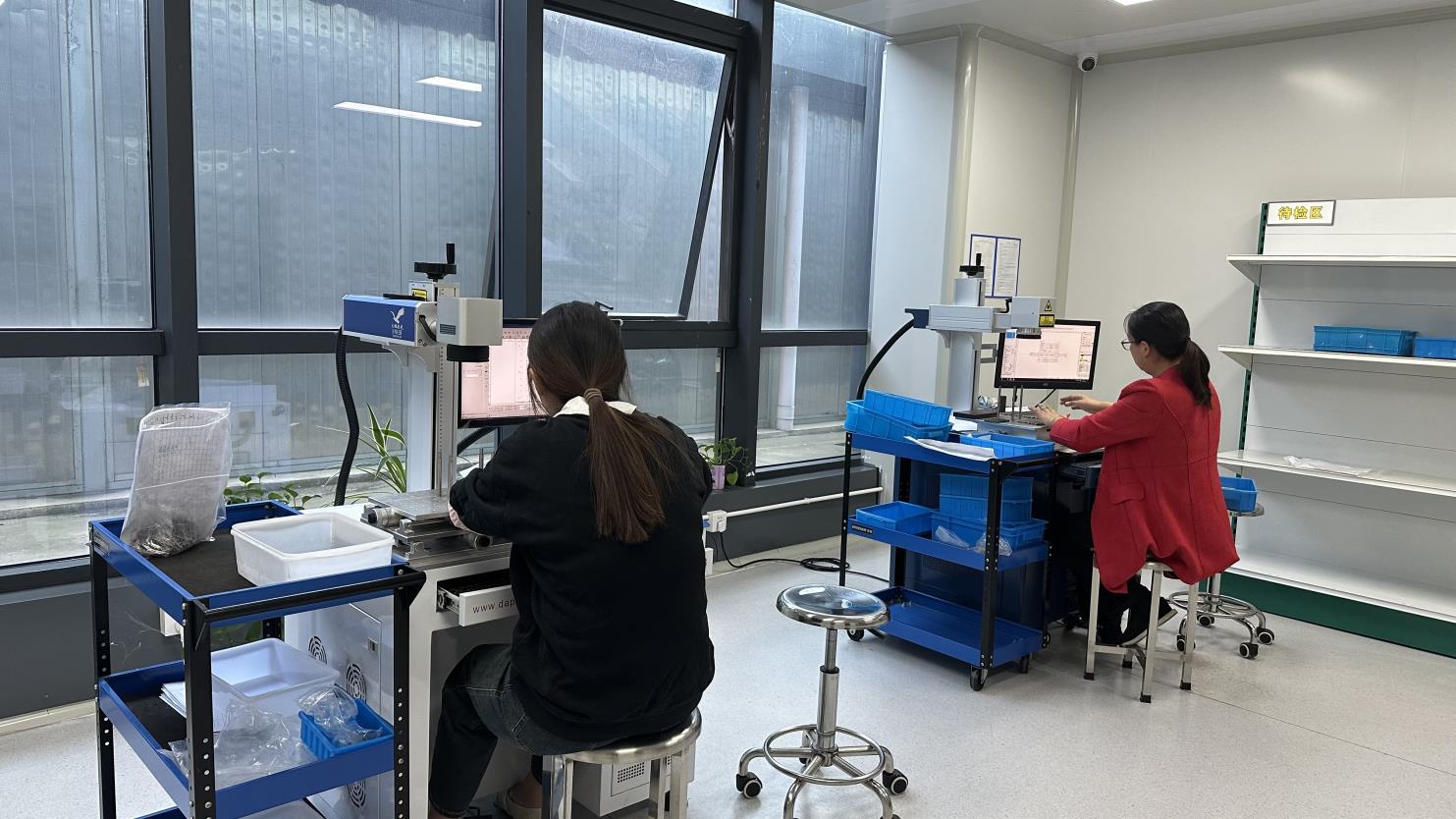
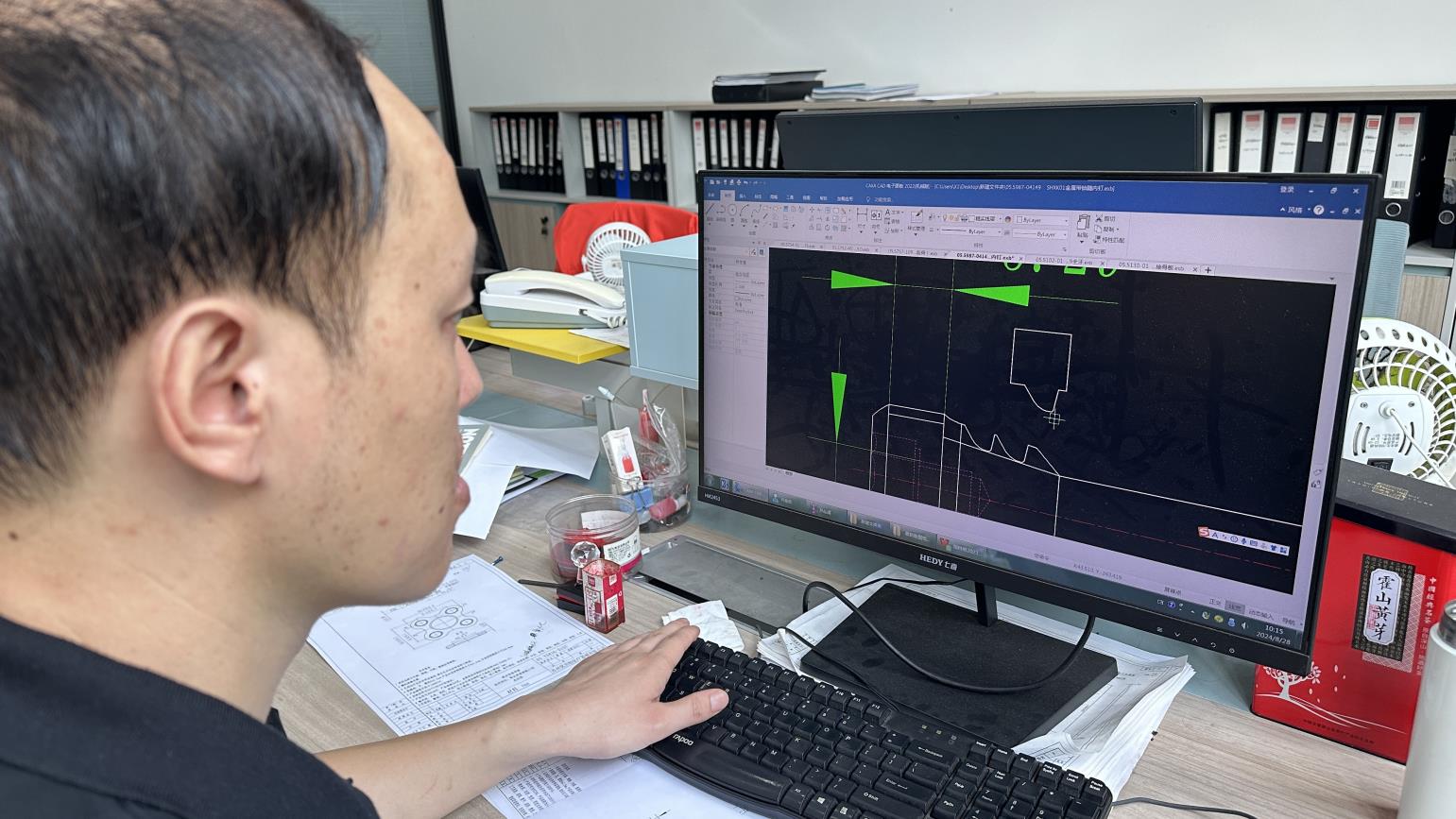
Delivering precision surgical tolerances through CNC machining, wire EDM cutting, and strict stage-gate inspection methodologies.
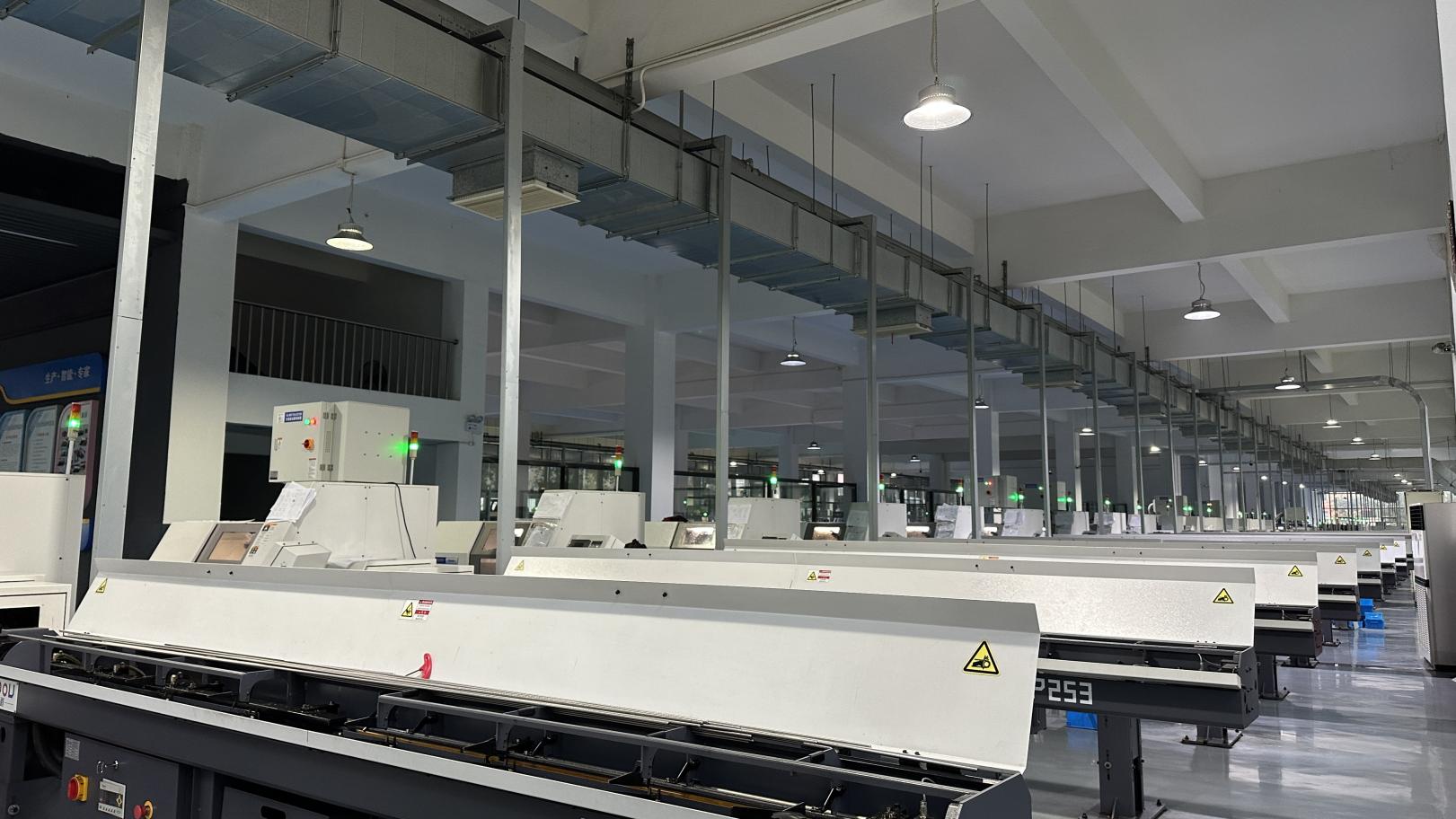
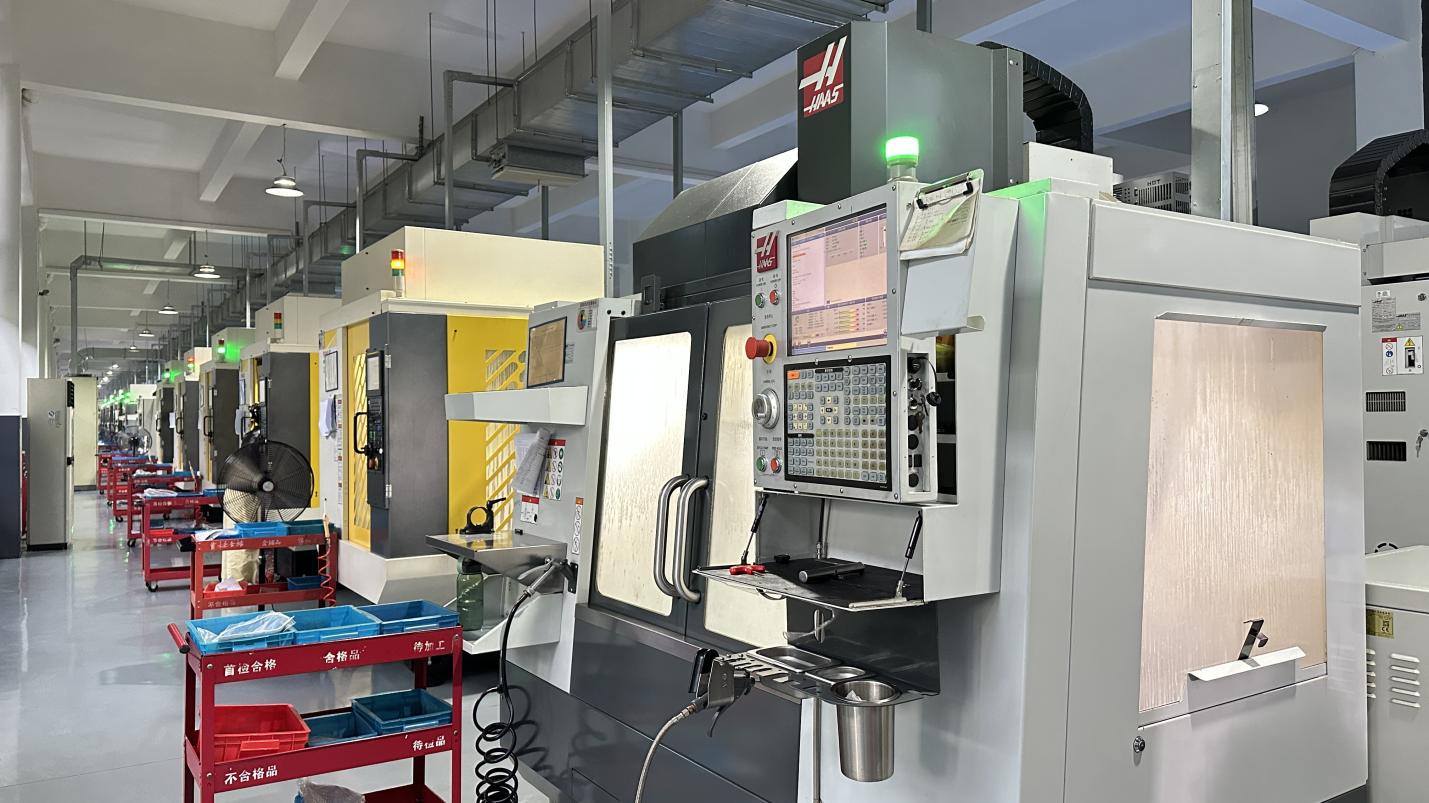
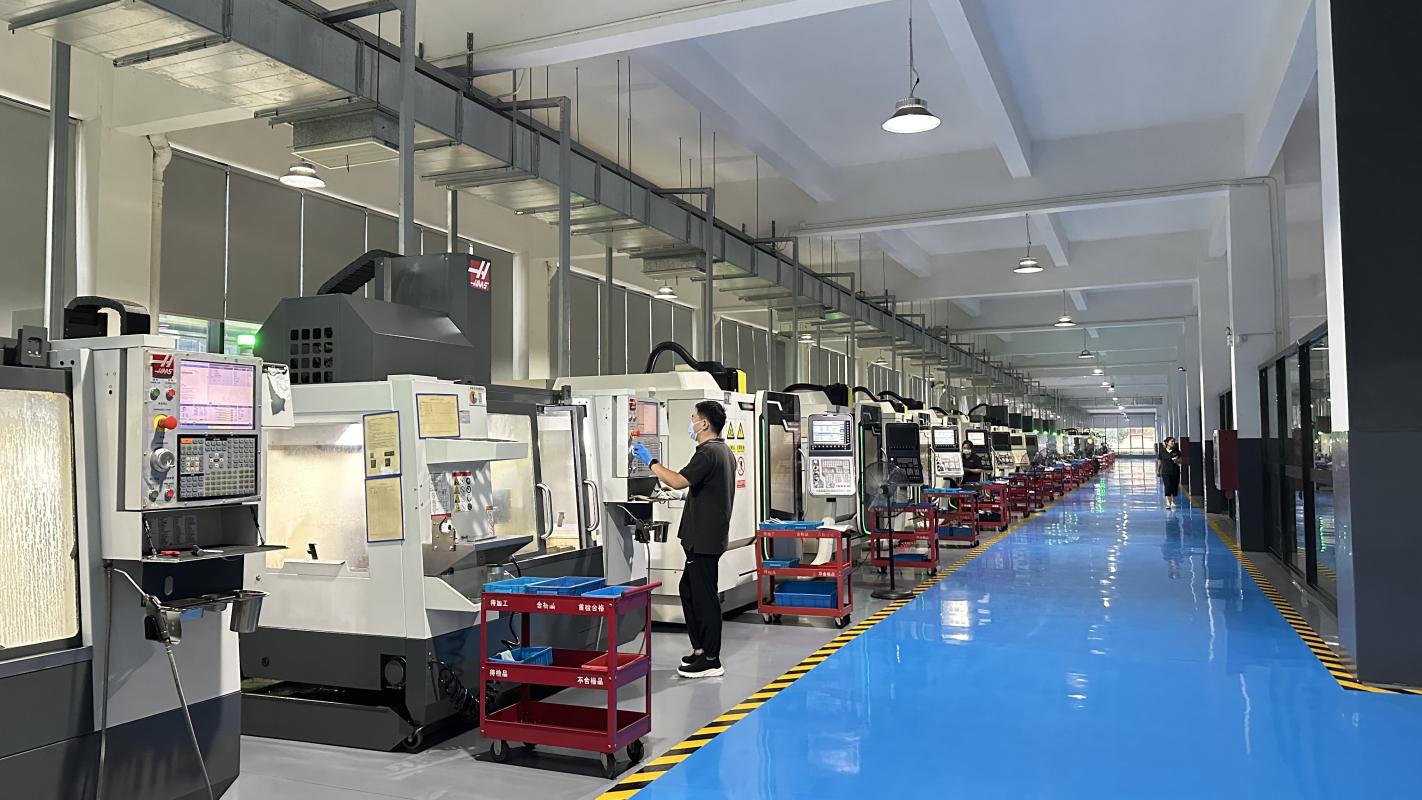

A deep exploration into material selection, manufacturing optimization, clinical localization, and macro economic variables impacting global orthopedic procurement.
The manufacturing landscape for orthopedic implants and instrumentation has undergone a massive paradigm shift. Over the past decade, Chinese production hubs have transitioned from high-volume manufacturers to high-tech, precision engineering centers. This development is exemplified by companies like Bonevia Orthopedic Technology, which rely on specialized micro-machining infrastructures and robust internal quality controls.
Key to China's competitive advantage in hip replacement instruments (such as acetabular reamers, trial heads, broaches, and femoral stem retractors) is the localization of the industrial supply chain. Integrated raw material processing of medical-grade titanium alloys (Ti-6Al-4V ELI conforming to ASTM F136) and ultra-high-molecular-weight polyethylene (UHMWPE) minimizes import delays. This proximity between metallurgical refineries, high-speed multi-axis CNC milling machines, and surface finishing centers reduces production lead times by up to 40% compared to traditional Western supply chains.
“Sourcing from highly localized manufacturing networks allows distributors to optimize inventory holding indexes while assuring clinical end-users of instrument tolerances below ±0.01 mm, which is fundamental to successful implant-to-bone integration.”
Furthermore, the concentration of skilled engineers in biomedical hubs facilitates rapid prototyping. Bonevia's generation of 120 new designs in the past fiscal year alone indicates the agility of its 85-engineer R&D center, a scale of specialized human capital that is challenging to replicate cost-effectively in other manufacturing markets.
Modern Total Hip Arthroplasty (THA) is moving rapidly toward minimally invasive surgery (MIS) and computer-assisted navigation compatibility. The instruments of today must adapt to these paradigms:
Orthopedic instrumentation needs to be configured based on regional clinical preferences and localized regulatory environments. In North American and Western European markets, hospital procurement models prioritize comprehensive, single-use, sterile-packaged instrument kits to reduce sterilization backlogs within the central sterile processing department (SPD). Conversely, emerging markets in Southeast Asia and South America often rely on heavy-duty, reusable, modular stainless steel instrument trays that can withstand repeated autoclave cycles (up to 1,000 cycles at 134°C) without showing signs of galvanic corrosion or mechanical wear.
Veterinary orthopedics represents another high-growth vertical for customized joint reconstruction. The anatomical diversity in canine and feline total hip replacements requires micro-sized instruments, including miniature femoral stems and specialized cementless HA (hydroxyapatite) coated implants. Sourcing suppliers with flexible OEM capabilities, such as Bonevia's custom design divisions, allows hospital networks and private practices to acquire tools tailored to their patient demographics.
For international medical distributors and large-scale healthcare purchasing groups, the total cost of ownership (TCO) extends beyond the unit price. Regulatory compliance is the single most critical factor in mitigating procurement risks. Suppliers must maintain valid ISO 13485 quality systems and provide comprehensive technical documentation, including raw material mill test certificates, biocompatibility studies (ISO 10993 series), and sterilization validation data.
Bonevia mitigates import risks by offering turn-key OEM/ODM customization services. Our team of 35 quality assurance professionals oversees a multi-layered inspection strategy (incoming, in-process, and final product testing). By combining reliable supply chain pathways with customizable packaging designs, global buyers can decrease time-to-market and build resilient sourcing pipelines.
Maximize clinical efficiency and revision precision with our specialized surgical systems, trauma plating networks, and animal arthroplasty platforms.
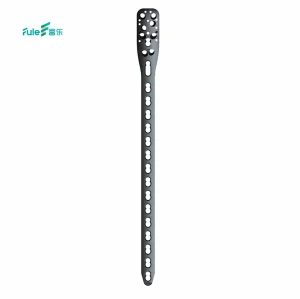
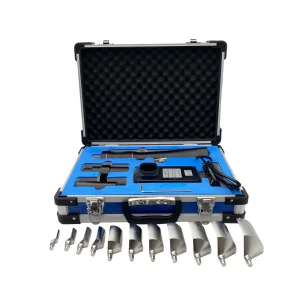
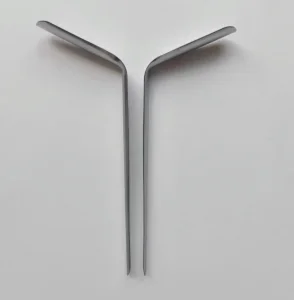
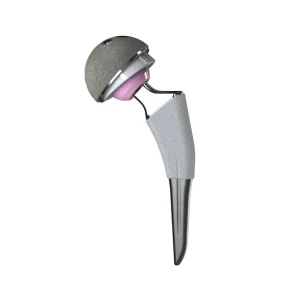
Direct professional insights concerning biocompatibility, precision tolerances, export logistics, and customization options.
We source medical-grade Titanium Alloys (such as Ti-6Al-4V ELI in compliance with ASTM F136) and specialized surgical-grade Stainless Steels (SUS 630 / SUS 420). For structural implants like joint interfaces and spinal cages, PEEK-OPTIMA and additively manufactured porous titanium structures are utilized to guarantee biocompatibility and mechanical durability.
Our quality management workflow is certified under ISO 13485. All class II and class III devices undergo strict stage-gate evaluation by our 35-person QA division. We provide full technical documentation dossiers including chemical evaluation profiles, sterility performance validations, and fatigue performance test logs required for regional import clearances.
For custom surgical tools or modifications to standard sets, our R&D group of 85 engineers leverages advanced CAD modeling to output initial designs within 5 to 7 business days. Upon design sign-off, precision prototyping via multi-axis CNC machines and wire-cutting centers typically requires between 20 and 35 days, depending on geometry complexity.
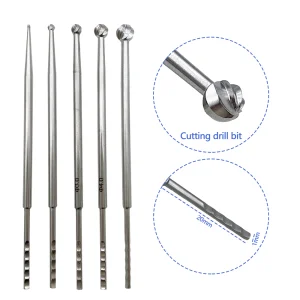
Yes. Veterinary applications (such as canine total hip replacements and TPLO surgeries) require distinct micro-geometries and mechanical load profiles. We design and manufacture dedicated veterinary surgical kits, including small-scale cementless stems and matching drill bits, to meet the needs of animal hospitals globally.
Our instruments are processed in ultra-sonic cleaning baths to eliminate particulate residue from manufacturing. They are packaged in medical-grade Tyvek pouches or sterilization trays suitable for steam autoclaving, ethylene oxide (EtO) sterilization, or gamma irradiation, ensuring sterile-ready delivery to hospitals.
While standard orthopedic implant components have flexible MOQs, customized surgical sets or private label (OEM) configurations require a detailed review of production run sizes. Our international trade team works with clients to determine optimized initial order points that align with regional distribution projections.