Bonevia
Bonevia
Bonevia
Explore our highly certified surgical instrumentation and implant systems designed for maximum pull-out strength and structural longevity.
Anterior Cruciate Ligament (ACL) reconstruction stands as one of the most critical procedures in contemporary sports medicine. Key to its clinical success is the method of graft fixation, where interference screws serve as the mechanical cornerstone. Historically, metallic screws (typically Titanium alloys) dominated clinical practices due to their exceptional immediate pull-out strength and biostability. However, the paradigm is rapidly shifting towards bioabsorbable and biocomposite materials such as Poly-L-Lactic Acid (PLLA) combined with Hydroxyapatite (HA) or Beta-Tricalcium Phosphate (β-TCP).
These advanced biocomposite formulations not only provide robust initial mechanical fixation but also promote osteoconduction, gradually replacement of the screw structure with natural bone over a period of 18 to 36 months. As a premium supplier, we recognize that surgeons demand versatile thread pitches, high torsional resistance, and optimized driver interfaces (such as star or hexalobe profiles) to prevent screw breakage during insertion into dense tibial or femoral bone tunnels.
For international medical distributors, orthopedic clinics, and surgical centers, sourcing ACL implants requires balancing biocompatibility verification with regulatory compliance.
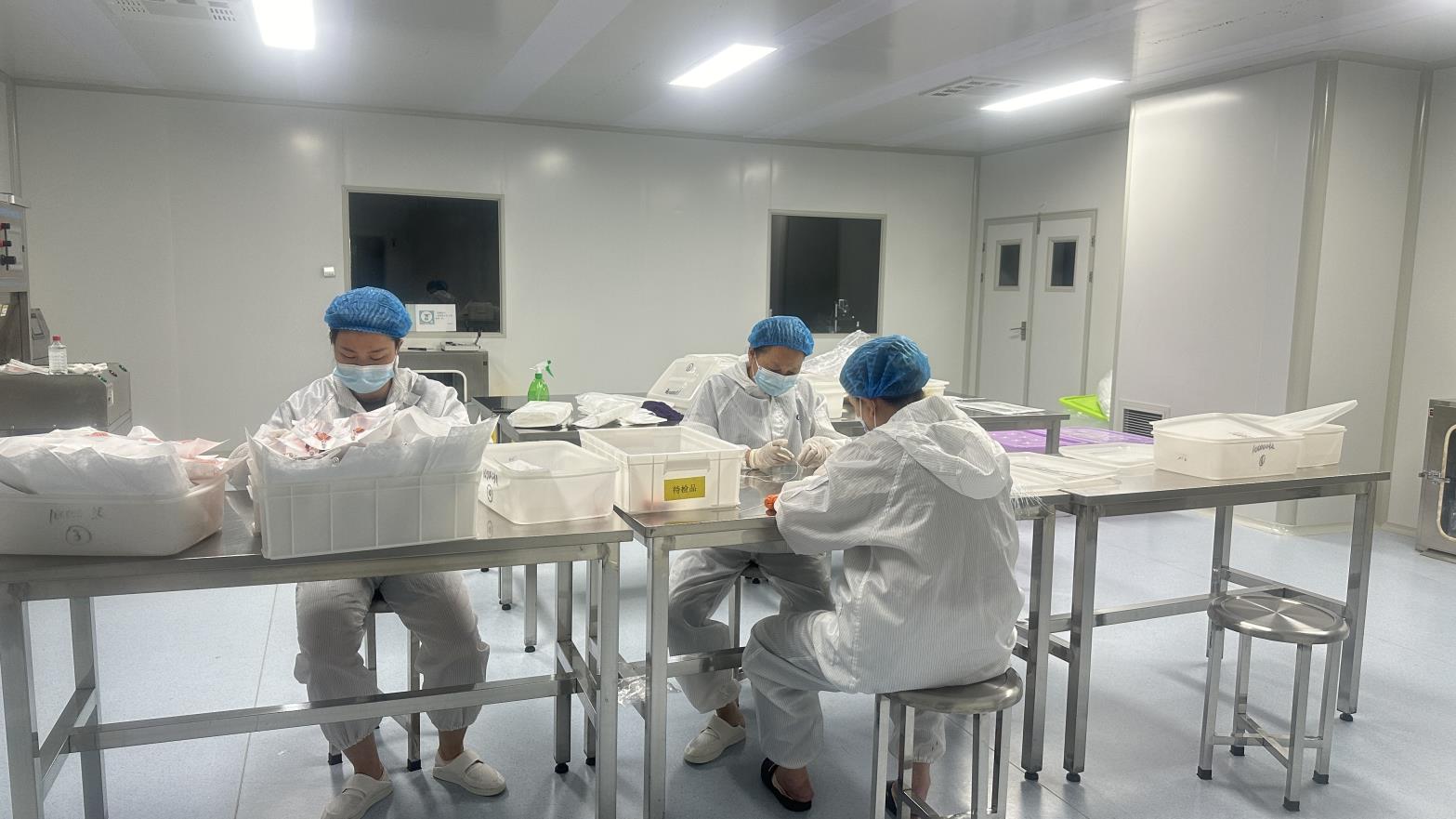
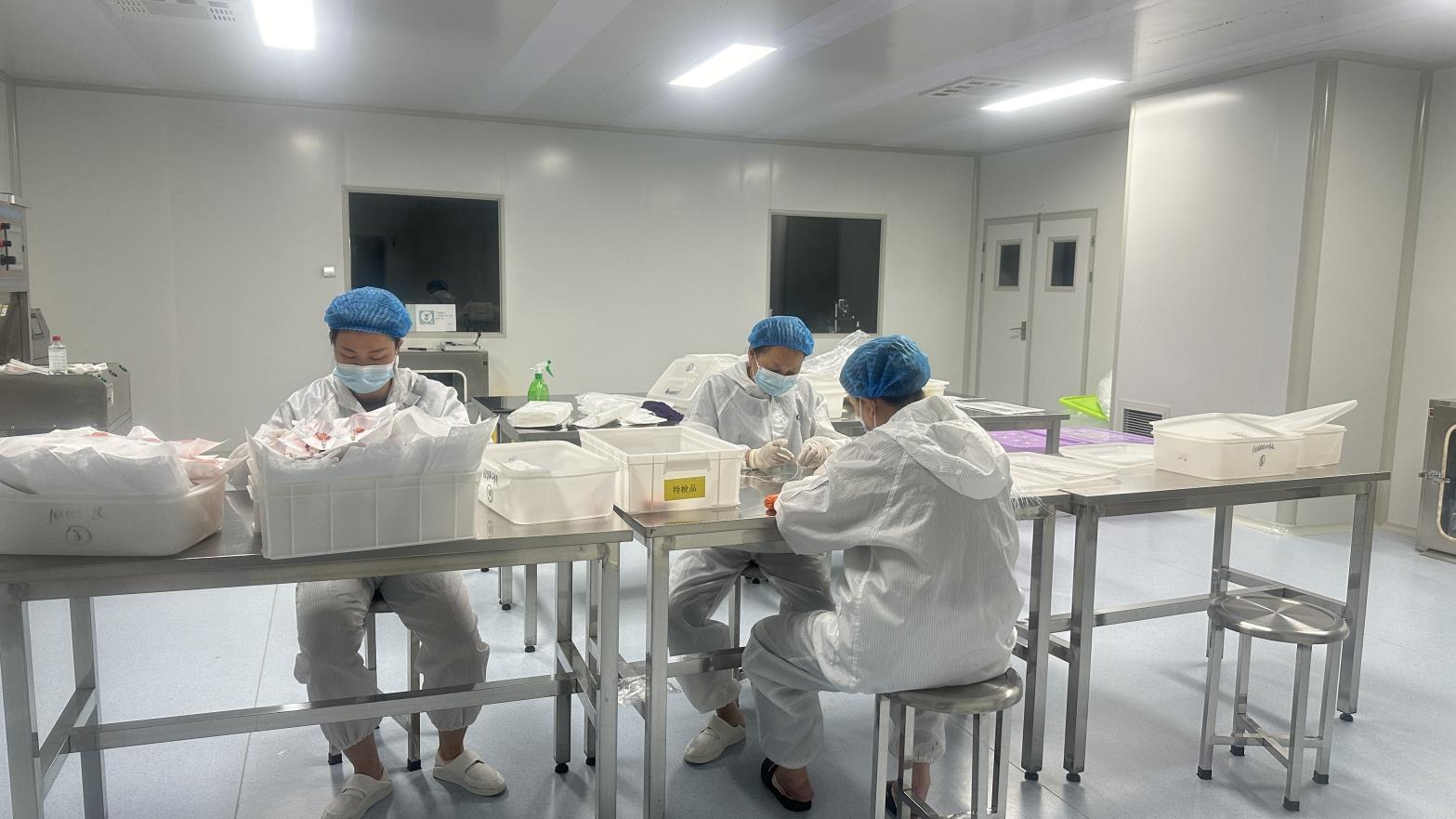
In B2B medical sourcing, quality control is paramount. Standard criteria for selecting an interference screw supplier include ISO 13485 certification, CE marking, and compliance with local regulatory frameworks (such as FDA approvals or NMPA registration). Furthermore, surgical centers require optimized packaging—often double sterile barrier bags—to ensure rapid delivery directly into the sterile field of the operating room.
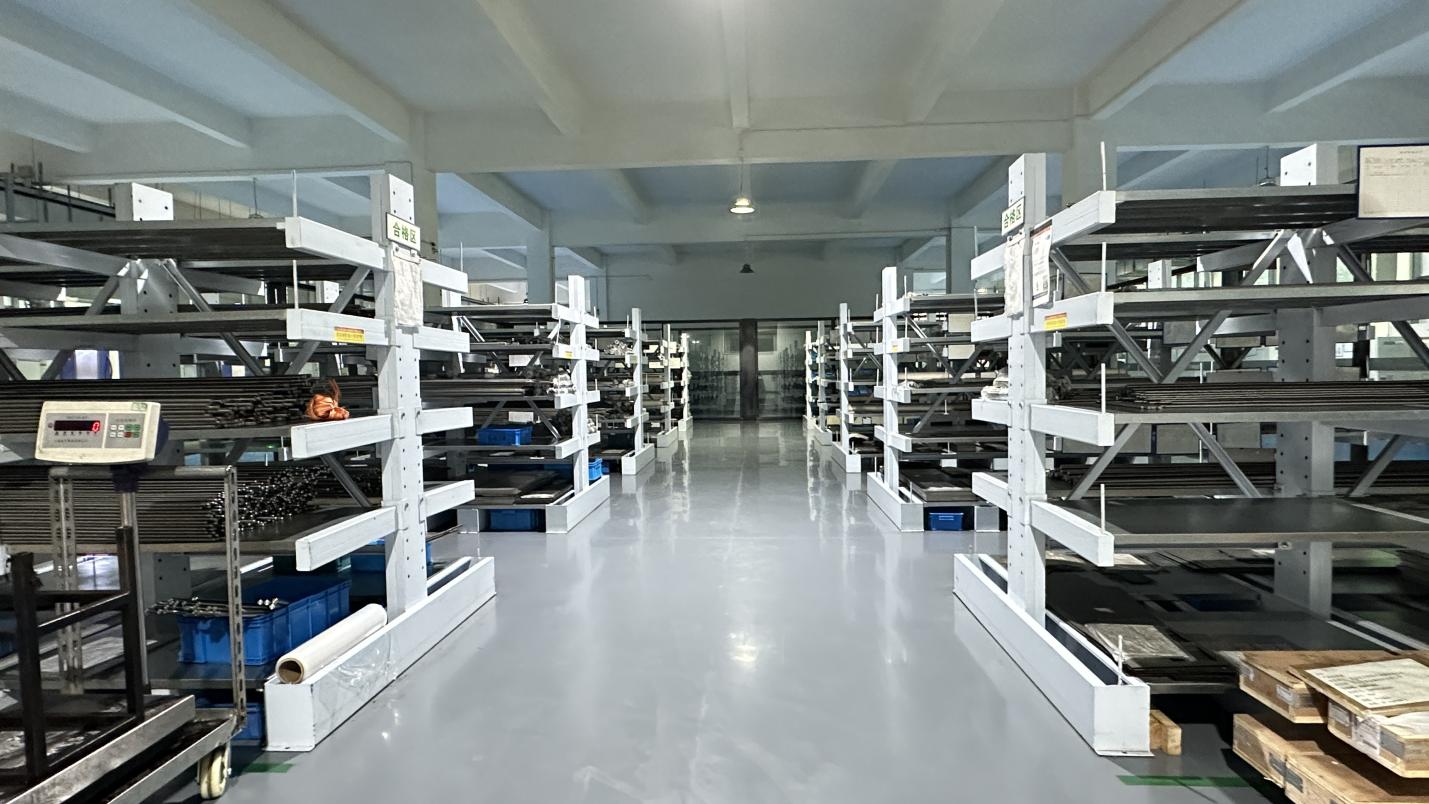
Our supply chain ecosystem bridges the gap between high-precision industrial output and sterile clinical application. With a network of over 850 partners, we secure medical-grade titanium and high-purity biopolymers to maintain production stability even during global supply chains fluctuations. This robust commercial infrastructure guarantees that hospitals and clinics receive a continuous supply of standard and customized implants without surgical delays.
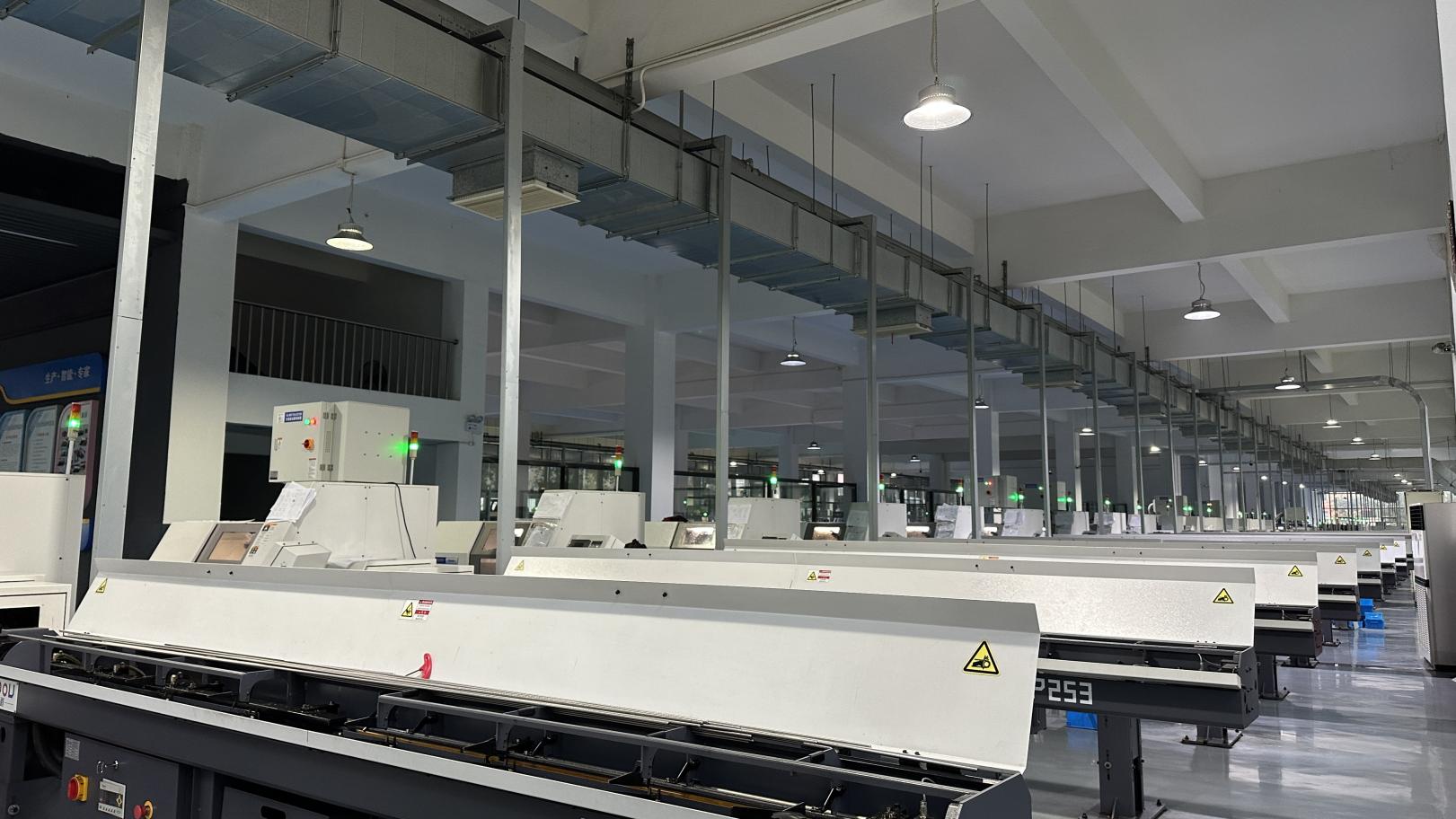
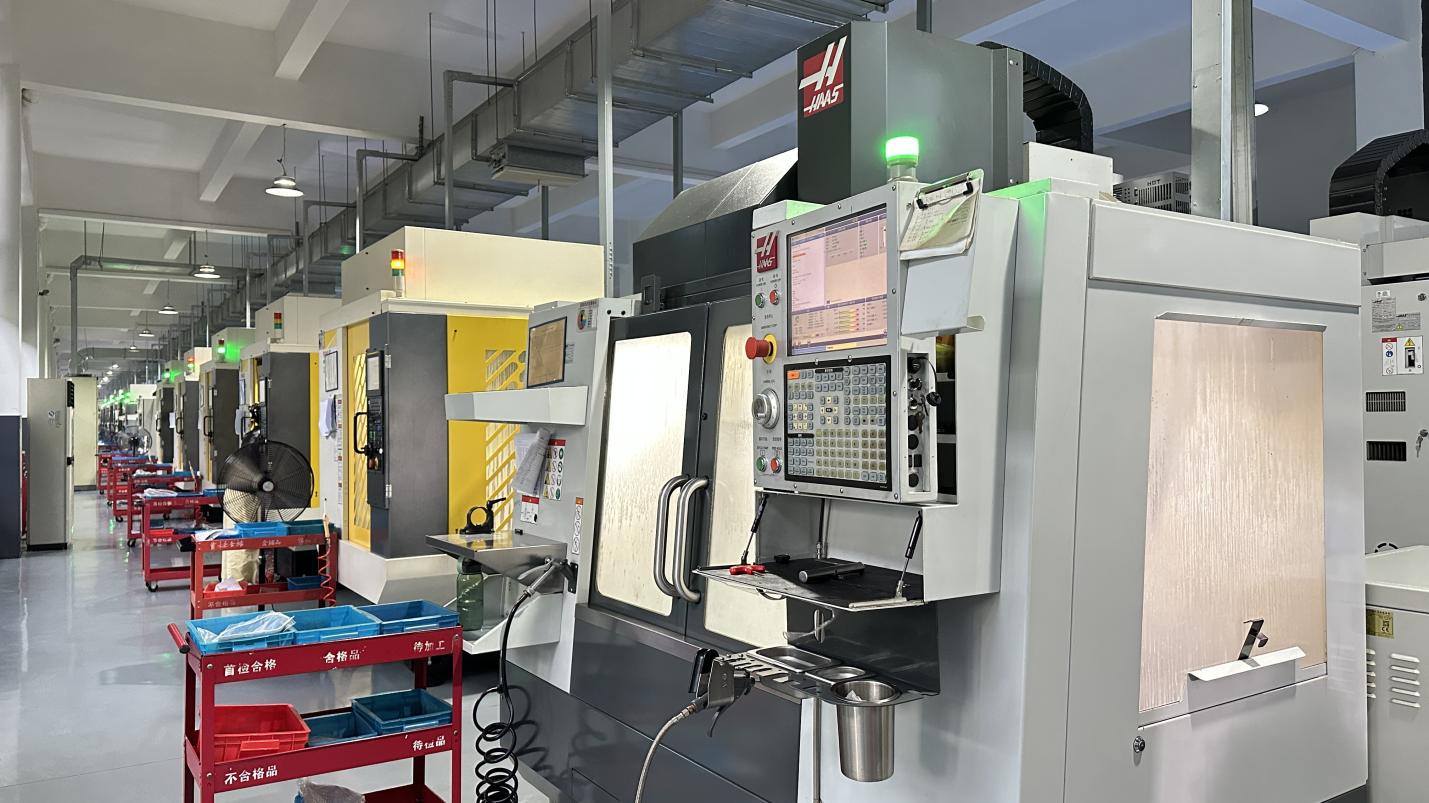
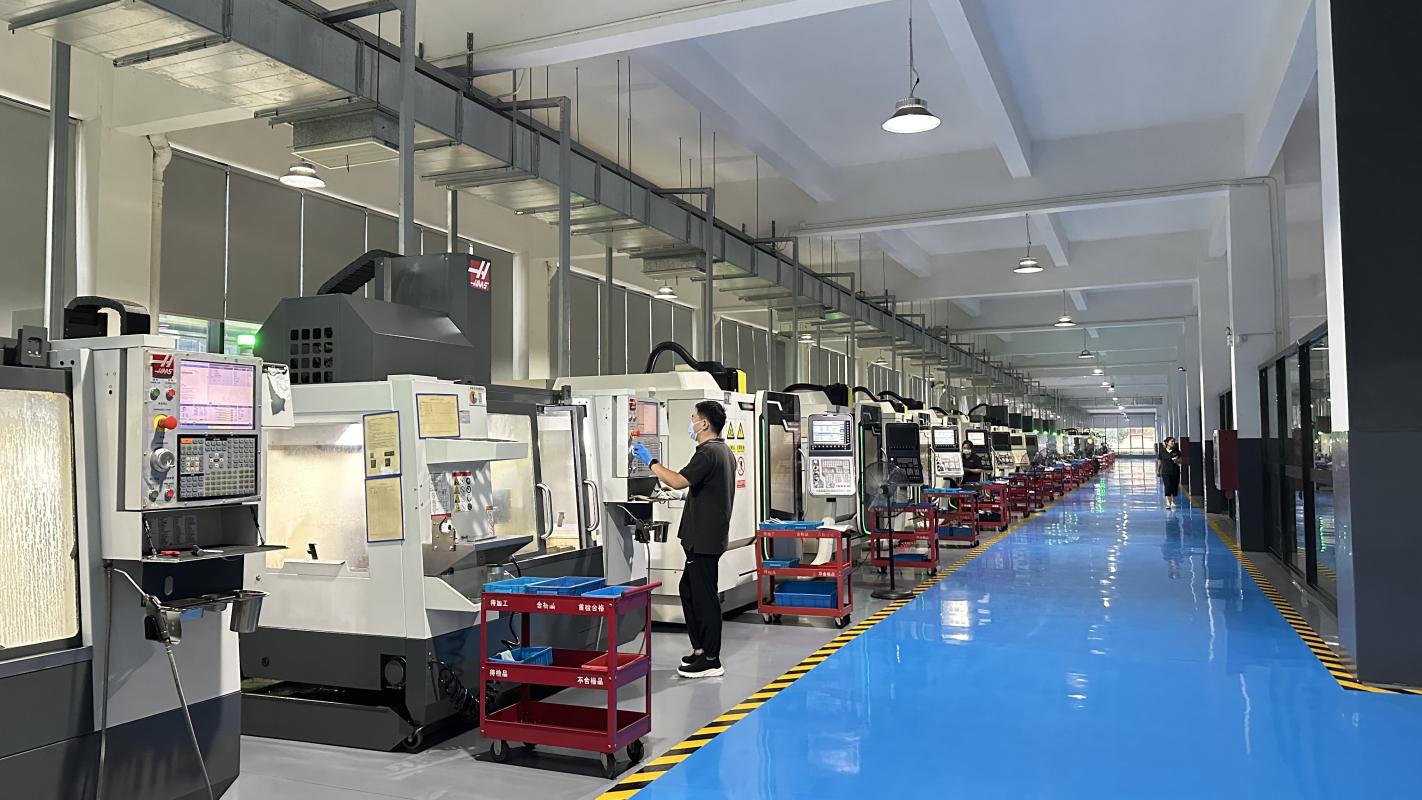
Behind every implant lies a sophisticated manufacturing ecosystem where advanced automation, strict quality control, and lean manufacturing converge.
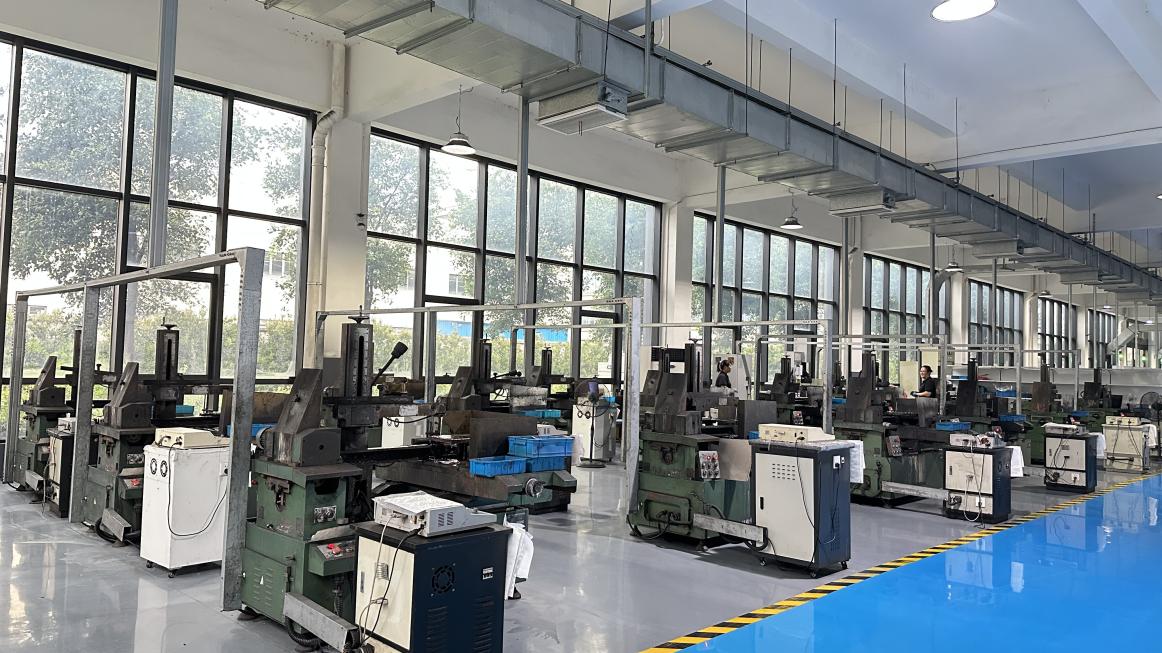
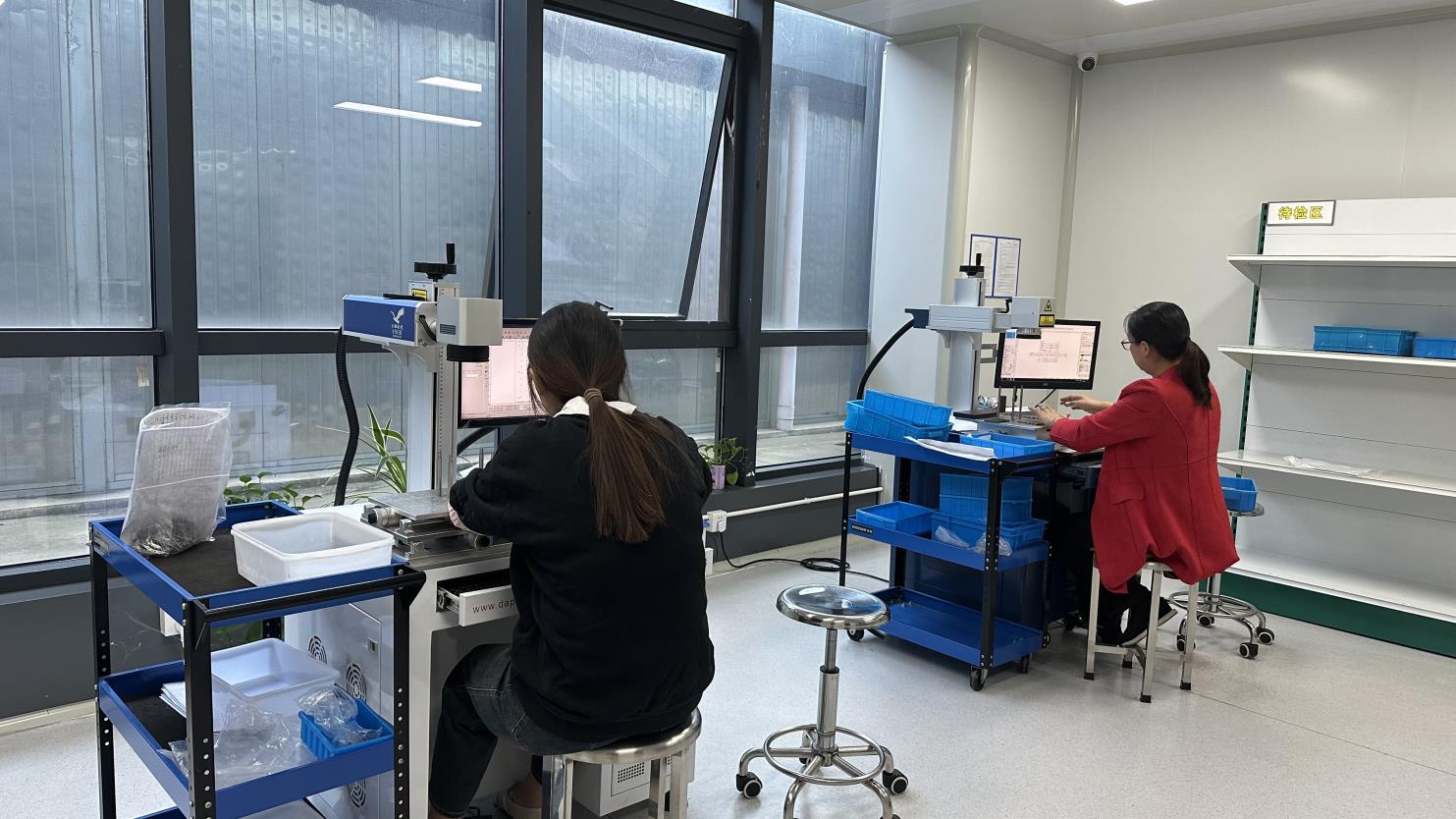
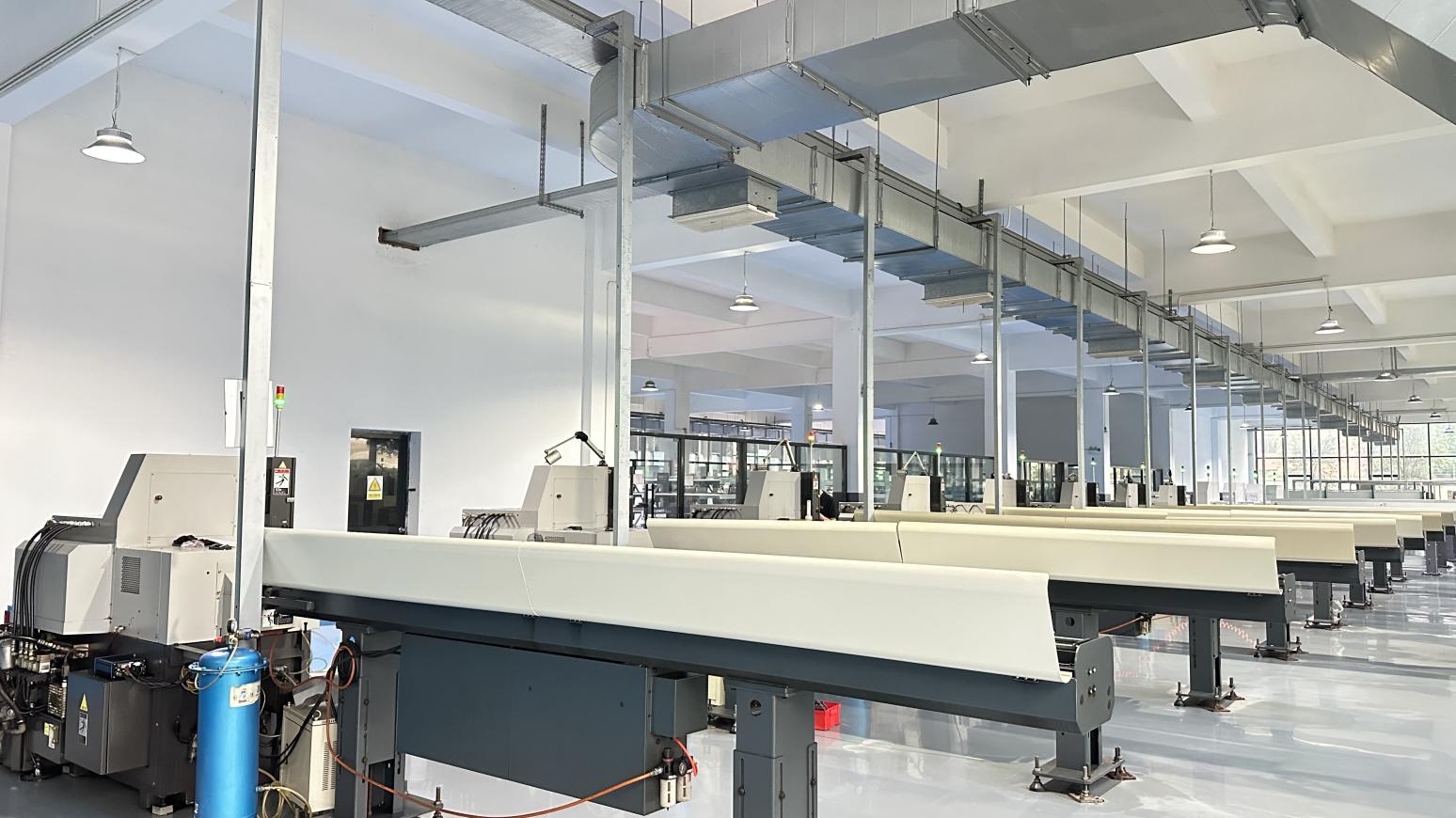
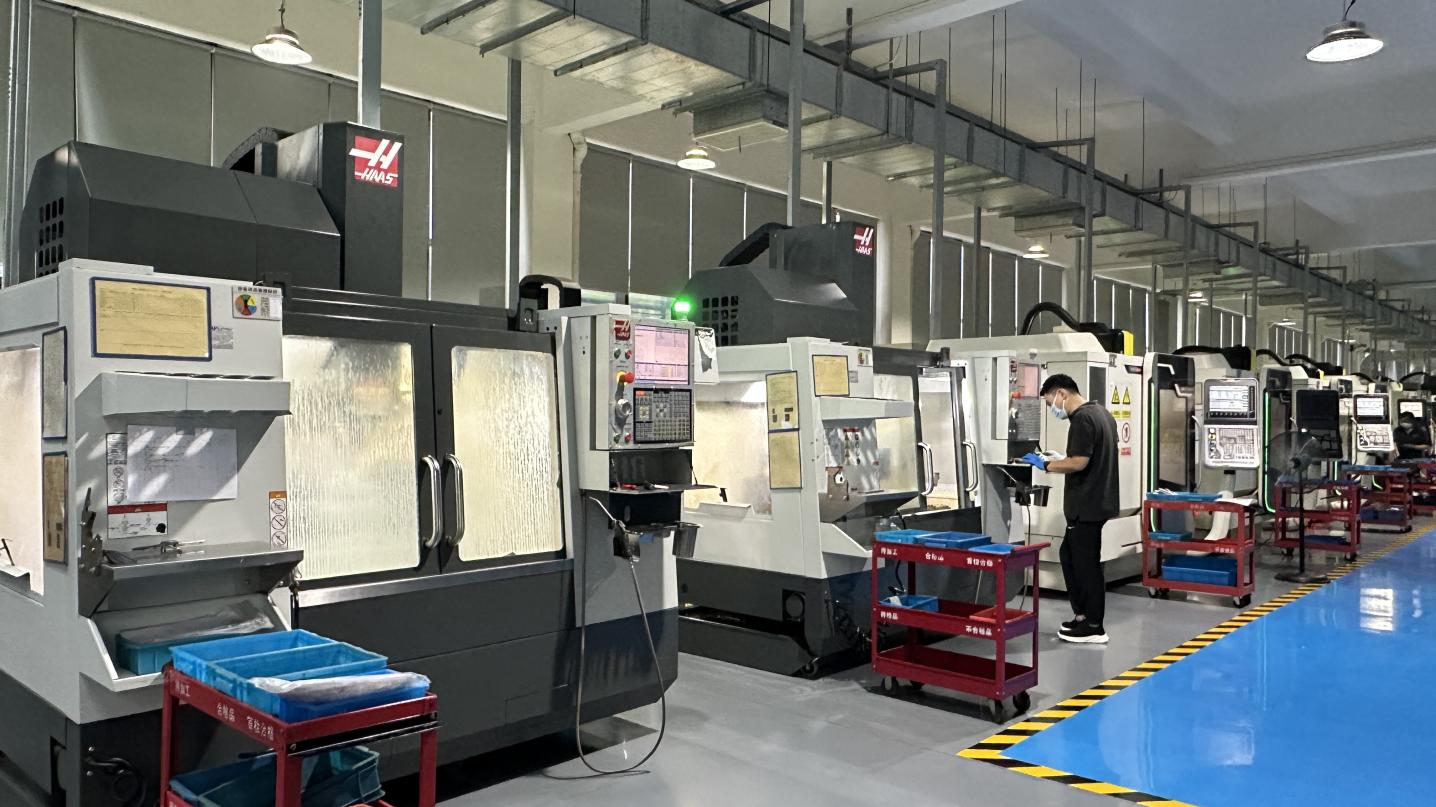
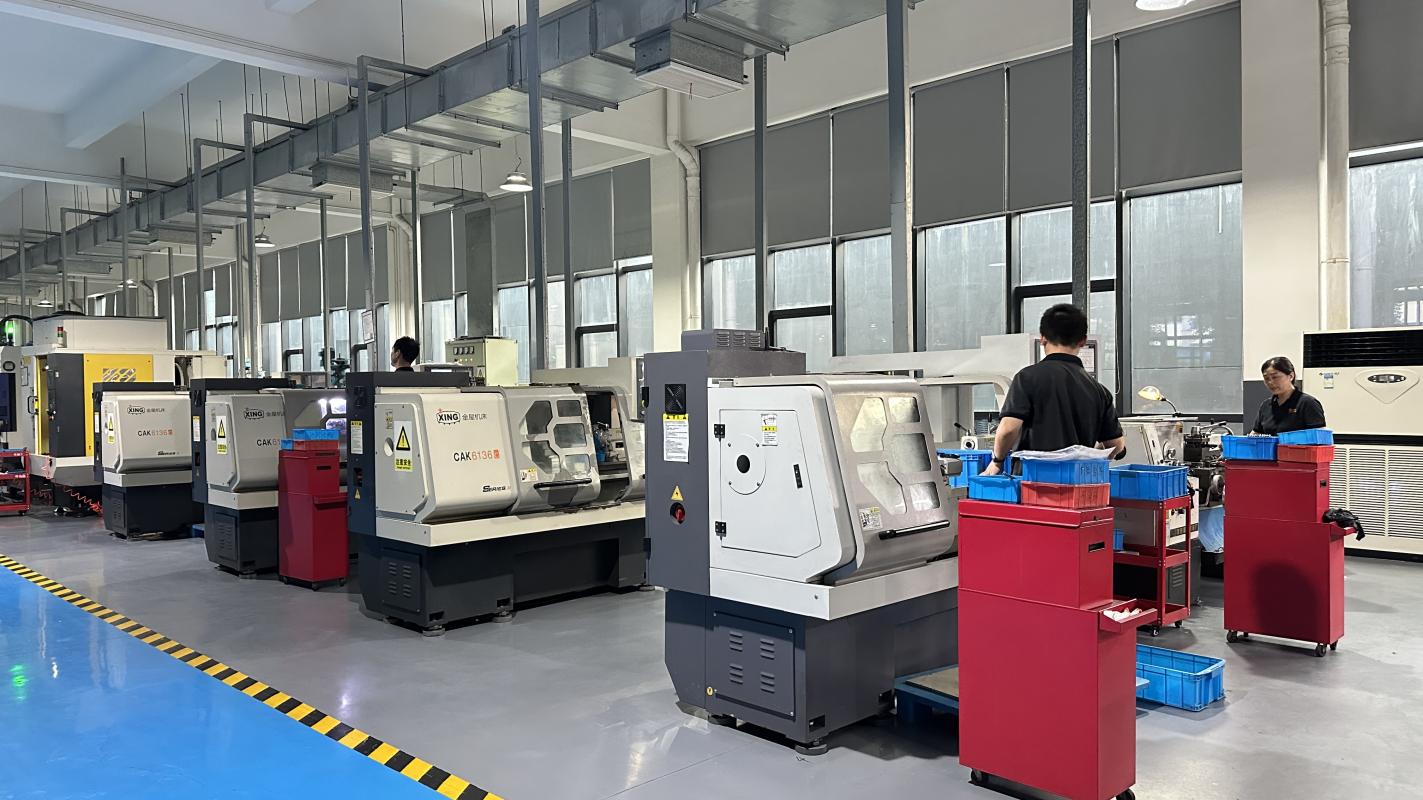
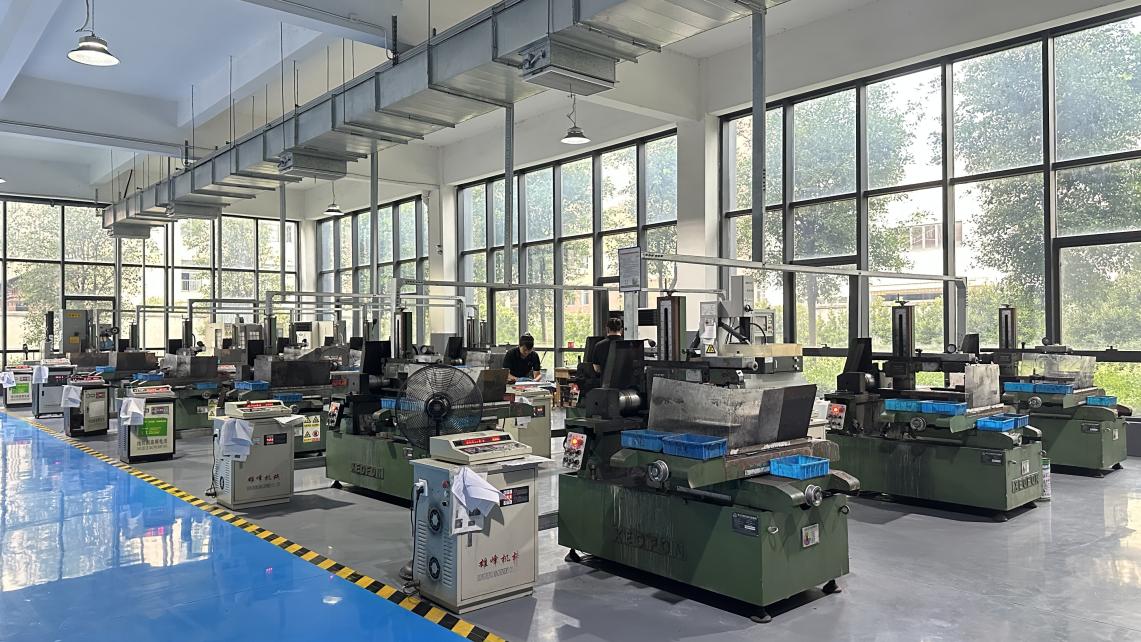
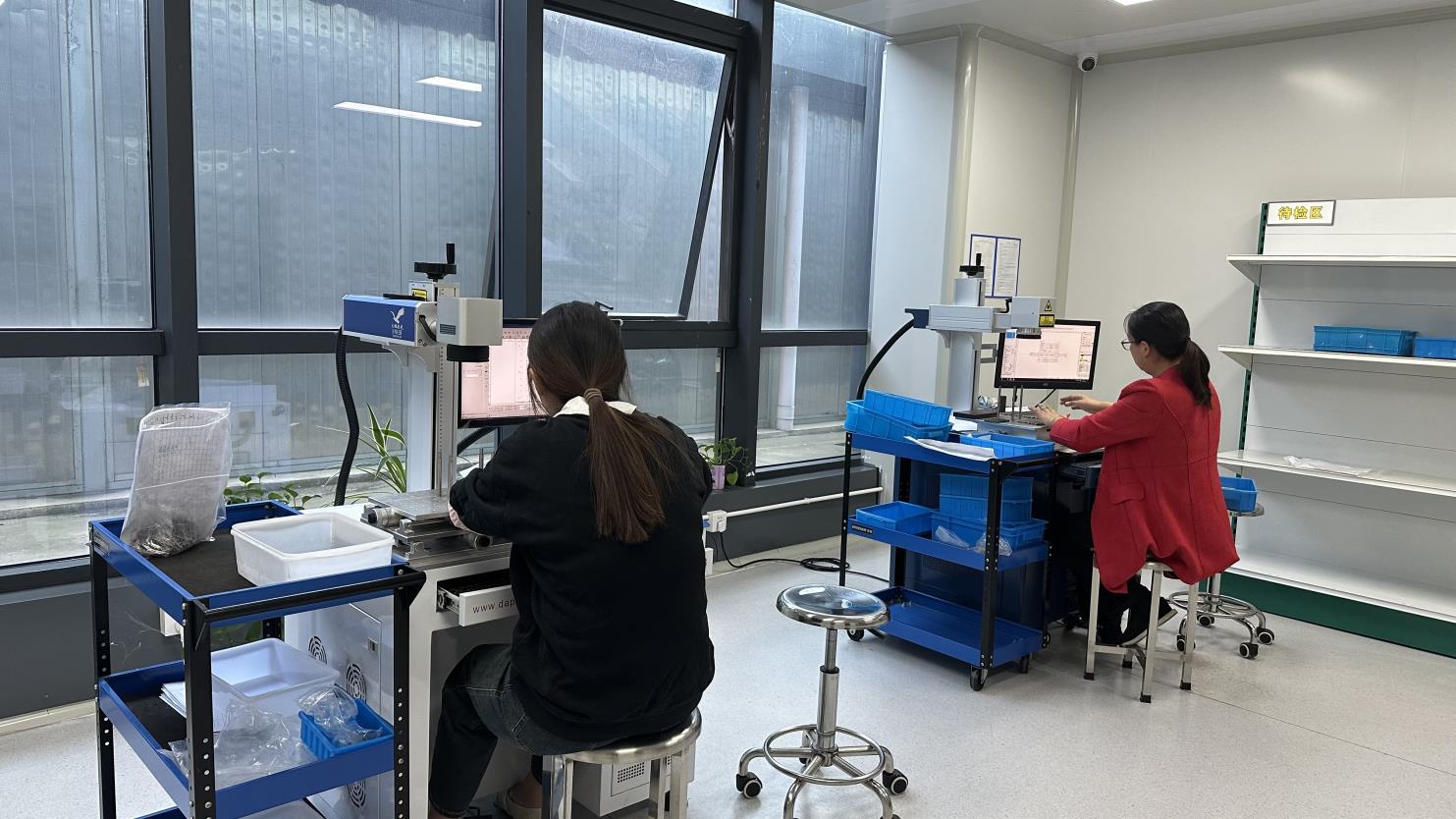
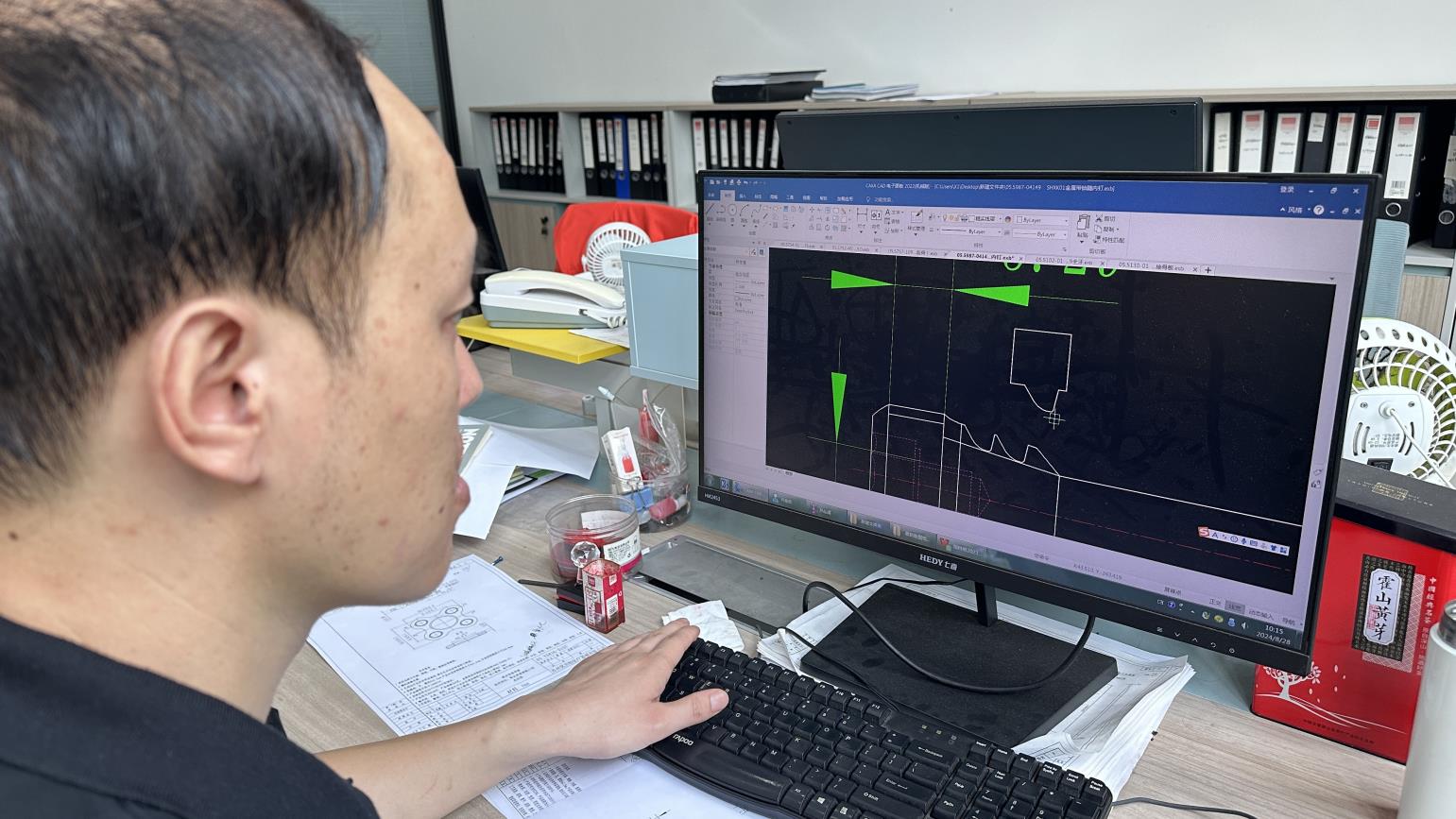
Bonevia Orthopedic Technology Co., Ltd. operates a state-of-the-art production facility structured under Factory 4.0 parameters. Our 320㎡ modern cleanroom and machining workshop house computerized numerical control (CNC) machining centers, wire-cutting machines, and advanced laser marking systems. By implementing smart automation, we achieve dimensional tolerances of less than 5 microns, ensuring that every interference screw aligns perfectly with its corresponding driver and insertion instrumentation.
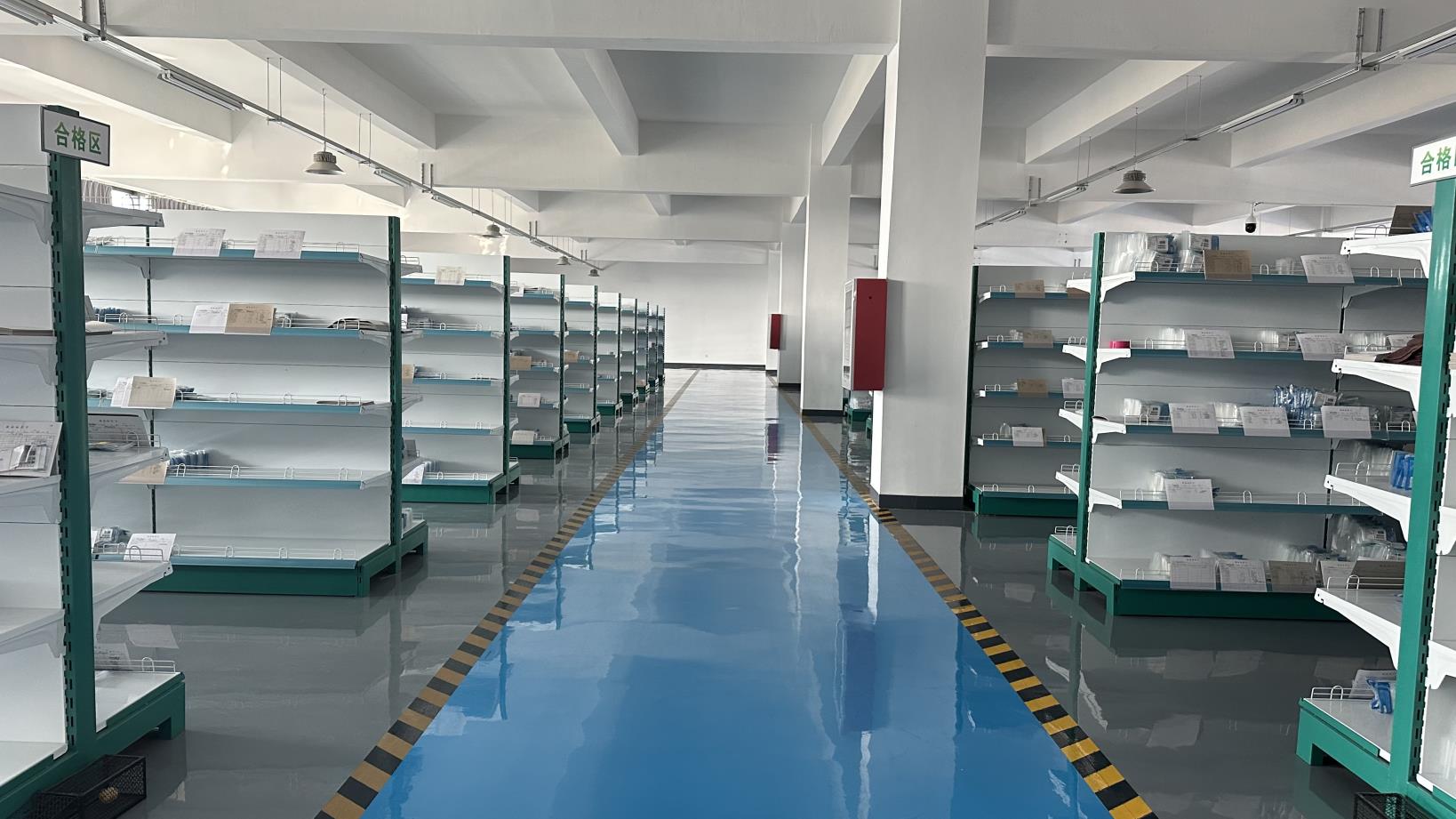
Our Quality Assurance department is staffed by 35 dedicated professionals who execute a three-tier quality control protocol: Incoming Material Inspection (IQC), In-Process Quality Control (IPQC), and Final Product Testing (FQC). Using optical comparators, torque testing systems, and fatigue analysis software, we verify the mechanical integrity of each batch before packaging, assuring clinics of the highest reliability levels.
Simulated biomechanical loading indicating uniform stress distribution across screw threads in ACL tibia fixation.
Different clinical environments impose distinct requirements on implant design. For example, in active sports medicine centers, revision surgeries require interference screws that can be easily drilled through or removed without damaging surrounding bone tunnels. PEEK (Polyetheretherketone) screws are often favored here, combining metal-like strength with MRI compatibility, preventing artifact interference during post-operative scans.
In pediatric or young athlete populations, soft-tissue graft fixation (such as hamstring tendon grafts) requires screws with soft, rounded thread shapes to prevent structural damage to the graft fibers. Conversely, Bone-Patellar Tendon-Bone (BTB) grafts require high-rigidity screws with aggressive thread pitches to achieve stable bone-to-bone fixation inside the femoral tunnel. By offering customizable options through our robust OEM/ODM divisions, Bonevia ensures clinics receive exactly what their surgical staff requires.
Every interference screw design undergoes simulated mechanical pull-out tests in synthetic bone models (sawbones) of varying densities (15PCF to 30PCF). The goal is to ensure that the fixation device can withstand loads exceeding 500 N, mirroring the physiological forces experienced during early post-operative rehabilitation and aggressive physical therapy programs.
Find authoritative answers regarding material selection, clinical performance, and international distribution services.
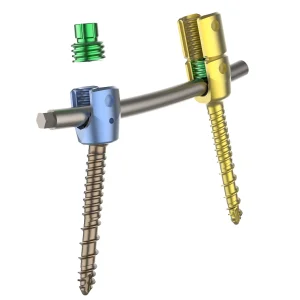
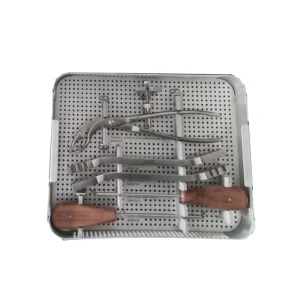
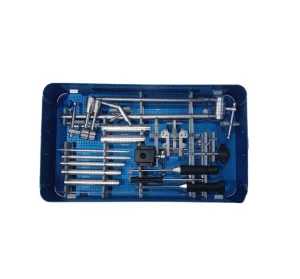
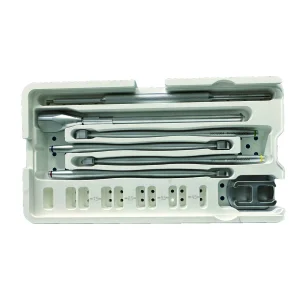
Browse our extensive selection of dynamic screws, spinal fixation systems, external fixators, and specialized surgical equipment.