Bonevia
Bonevia
Bonevia
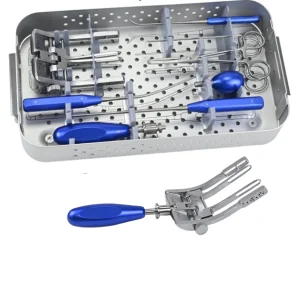
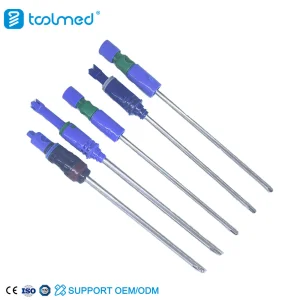
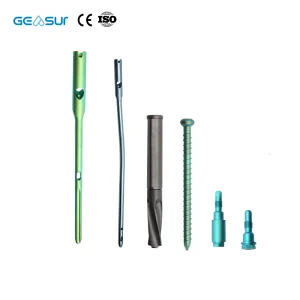
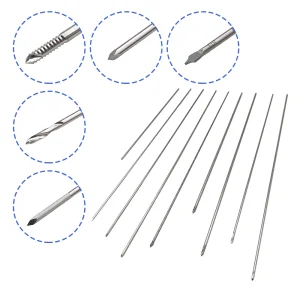
High-precision medical implants and manual instrument sets engineered for spine, trauma, and orthopedic surgeries.
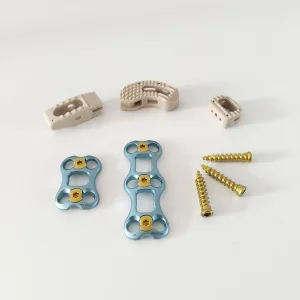
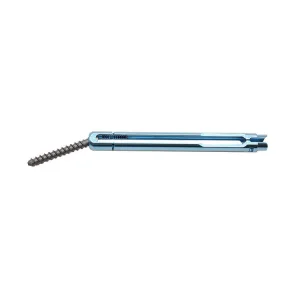
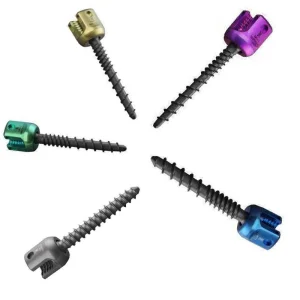
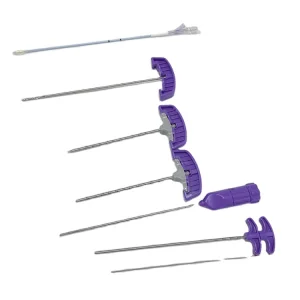
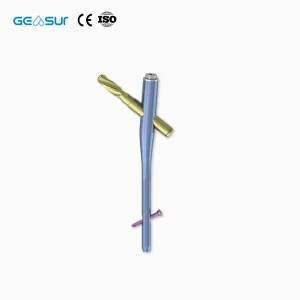
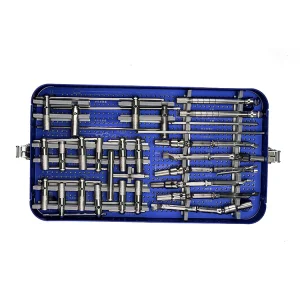
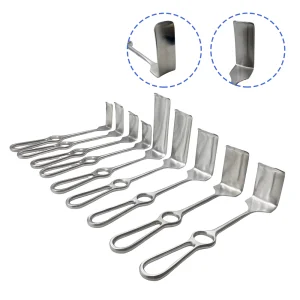
Total Knee Arthroplasty (TKA) stands as one of the most successful and clinically proven surgical interventions in modern medicine, drastically improving the quality of life for patients suffering from severe osteoarthritis, rheumatoid arthritis, and post-traumatic joint degeneration. The clinical success of TKA depends heavily on the precision of bone resections, correct joint alignment, and the balanced distribution of ligamentous tension. Consequently, the quality, ergonomics, and reliability of knee arthroplasty instruments are paramount.
From the perspective of medical device procurement directors and orthopedic distributors, sourcing these high-stakes surgical instruments requires a holistic evaluation of the supplier’s R&D strength, material compliance, and technological scalability. The global knee reconstruction instrument market is evolving rapidly, shifting from standard, manual cutting jigs to specialized patient-matched systems, ergonomic surgical handles, and smart navigation interfaces that reduce variability in the operating room.
Corporate Integrity & Advanced Manufacturing Capacity
Bonevia Orthopedic Technology Co., Ltd. is a professional manufacturer specializing in orthopedic implants and surgical solutions, dedicated to advancing innovation in trauma, spine, and joint reconstruction products. Since its establishment in 2015, the company has grown steadily into a trusted supplier in the global orthopedic industry.
With a modern production facility covering approximately 320㎡, Bonevia maintains strict quality management standards and efficient manufacturing processes. The company records an annual export revenue of around USD 8–15 million, supported by 6 years of export experience and over 10 years of overall industry experience.
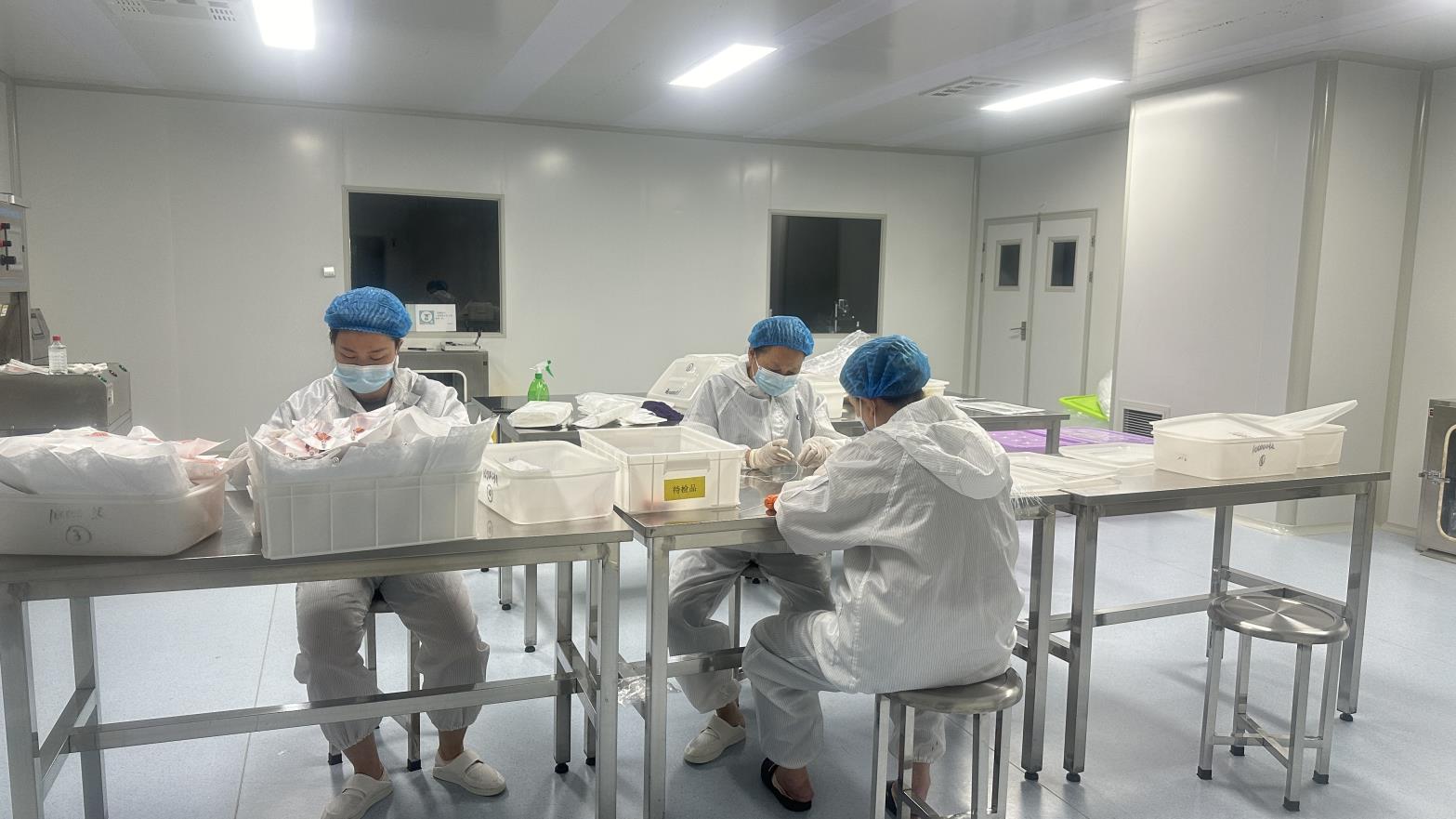
Quality assurance is a core focus at Bonevia. The company implements multiple inspection methods including incoming material inspection, in-process quality control, and final product testing, supported by a dedicated quality team of 35 professionals. This ensures all products meet international medical device standards.
Bonevia has a solid trade foundation with diversified global distribution networks, serving major markets across Europe, Southeast Asia, the Middle East, and South America. Its supply chain ecosystem includes more than 850 partners, enabling stable raw material sourcing and efficient production delivery.
The company serves a wide range of clients, including hospitals, orthopedic clinics, surgical centers, and medical distributors. Bonevia also demonstrates strong R&D capabilities, offering OEM and ODM customization services to meet specific clinical requirements. In the past year, Bonevia successfully launched 120 new product designs, supported by a research and development team of 85 engineers, continuously driving innovation in orthopedic implant systems and surgical instruments.

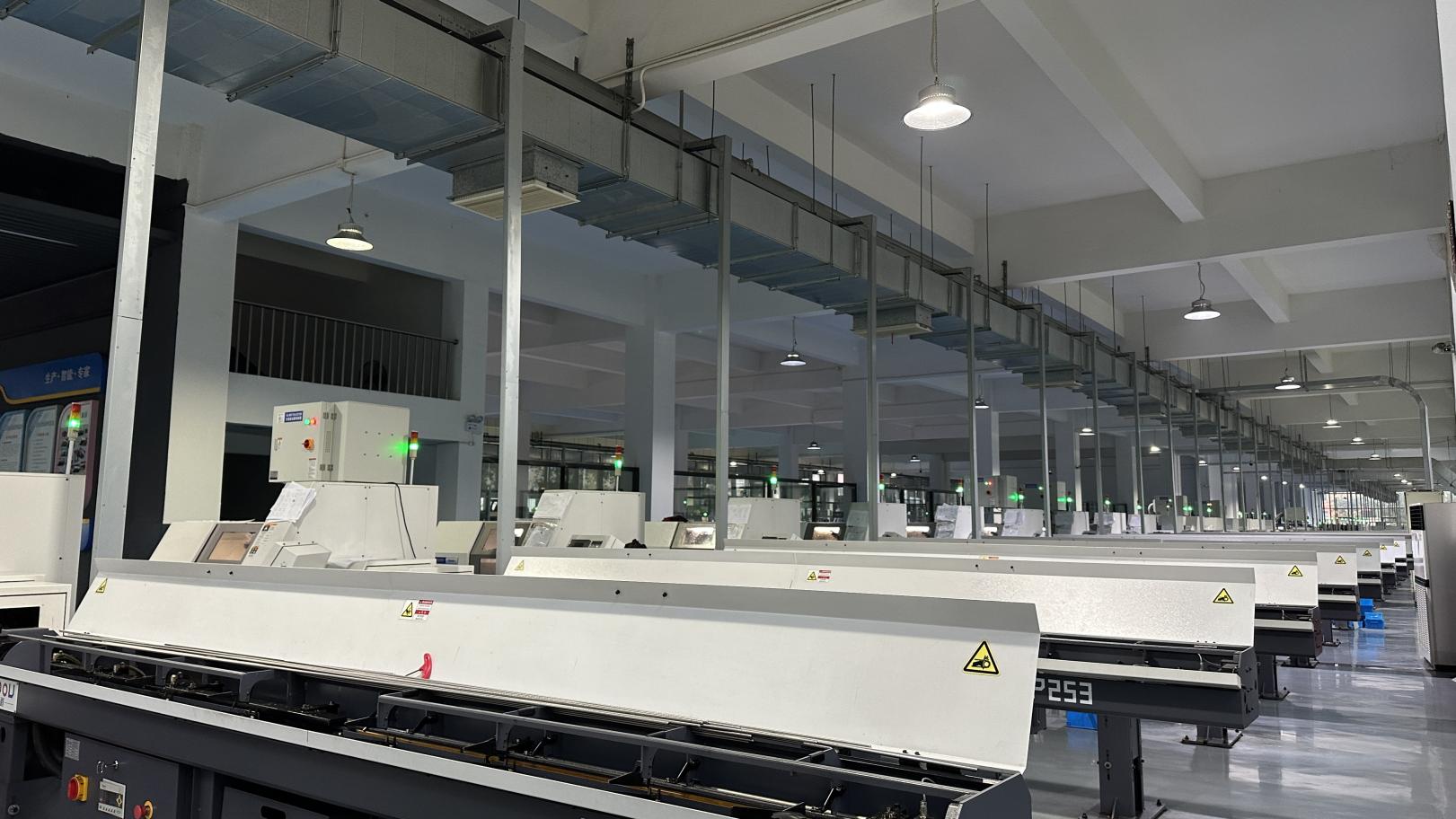
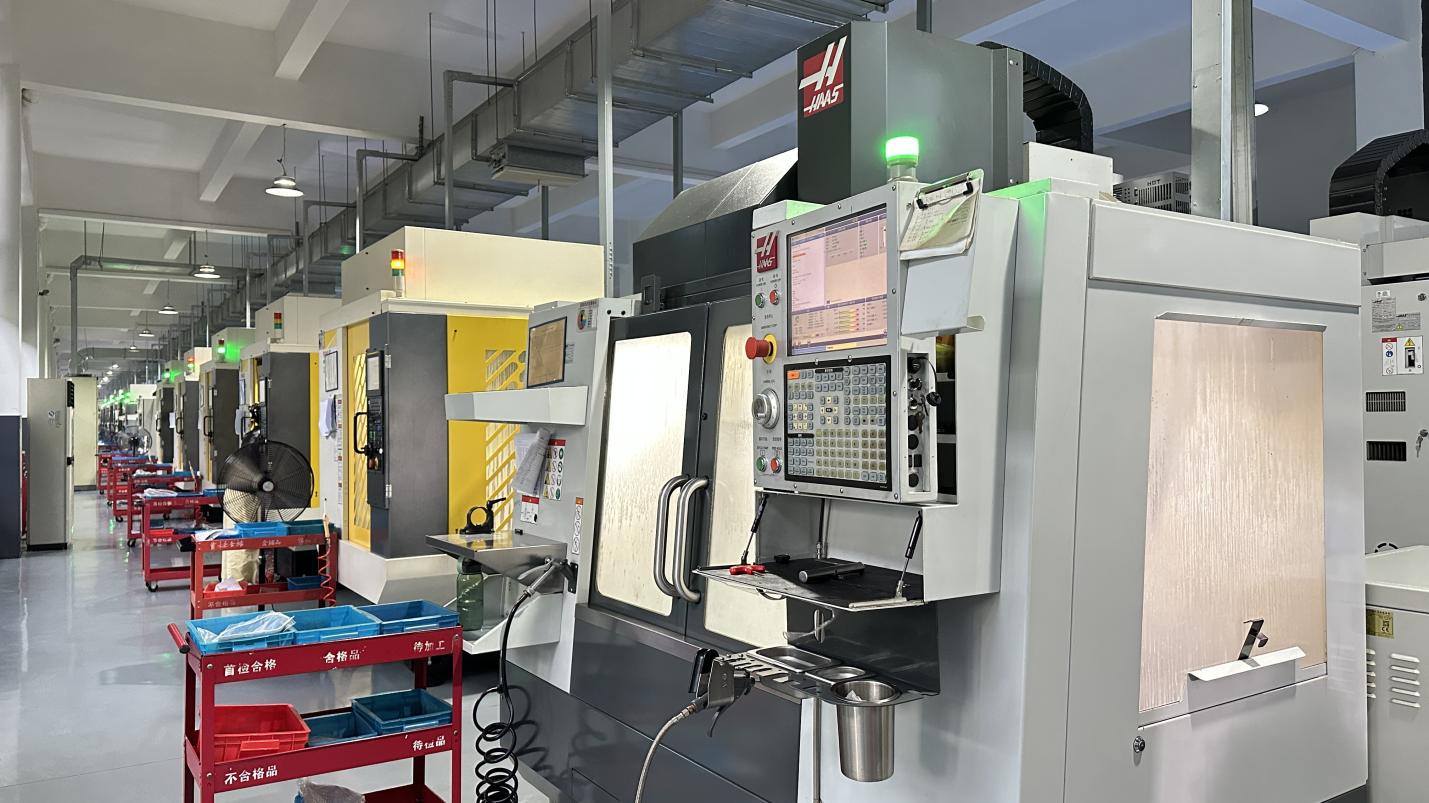
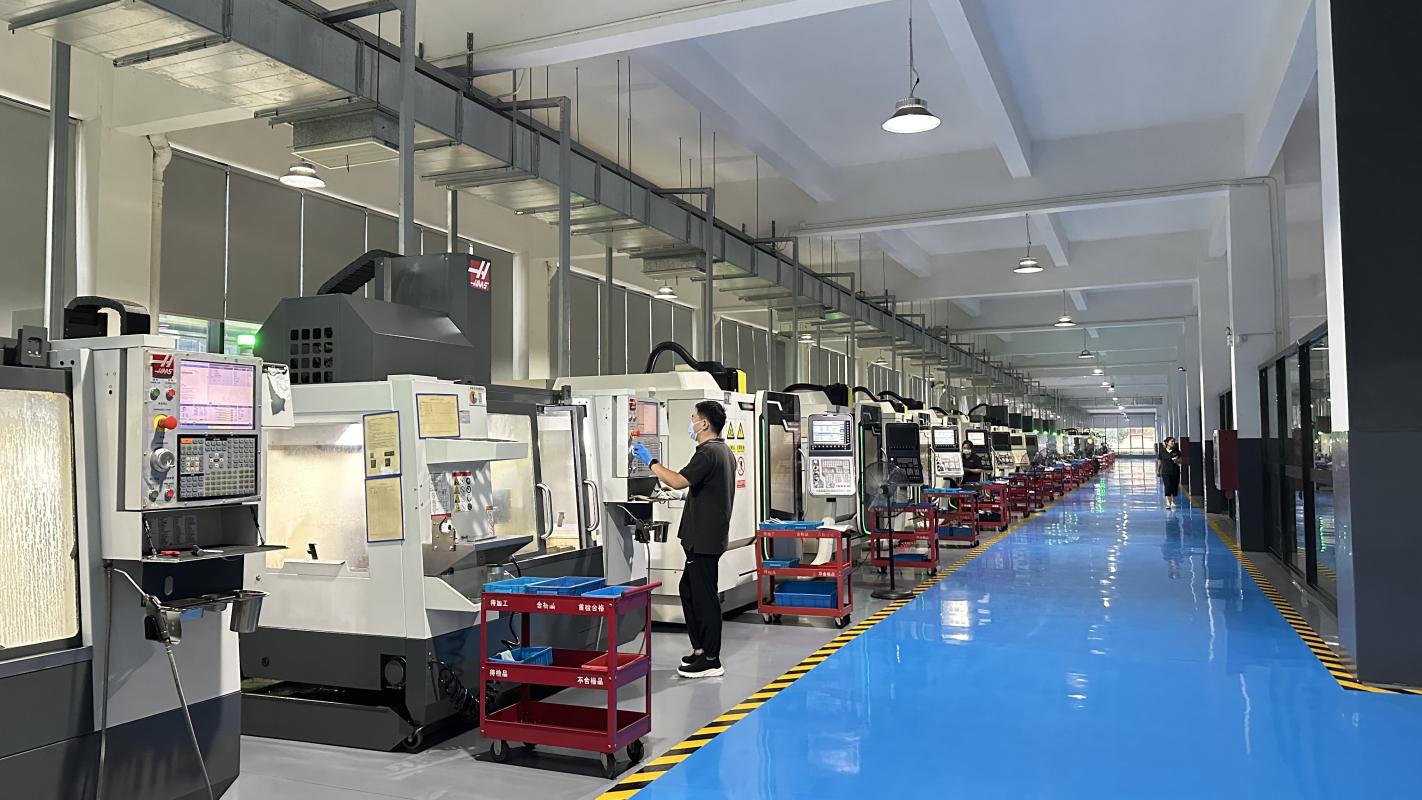
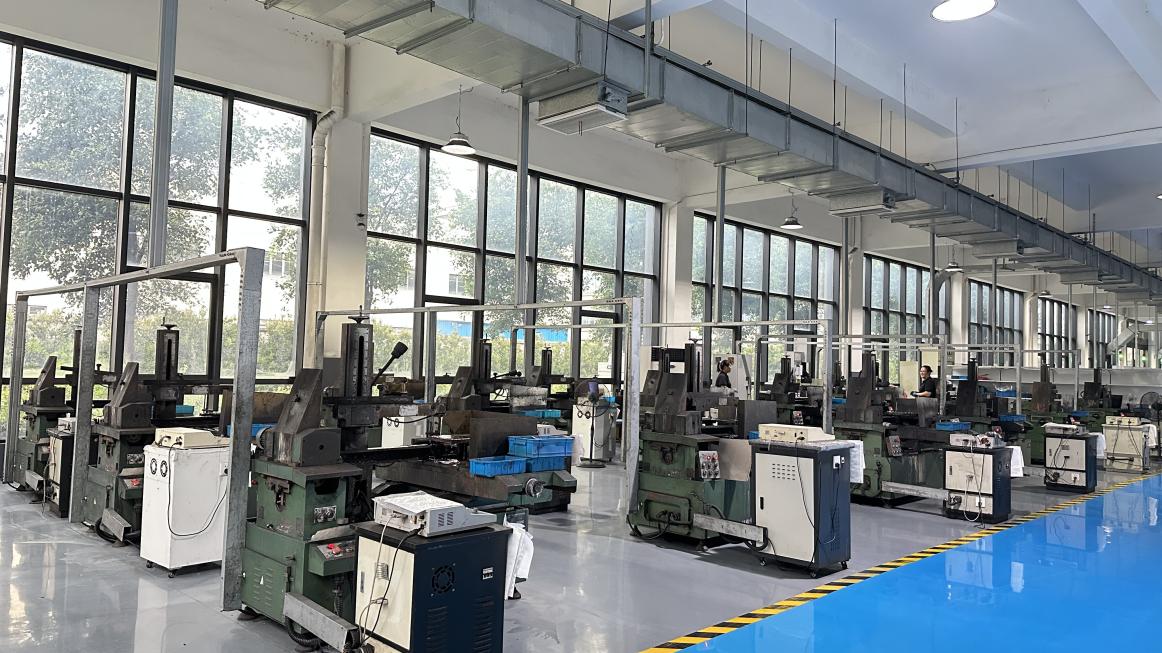
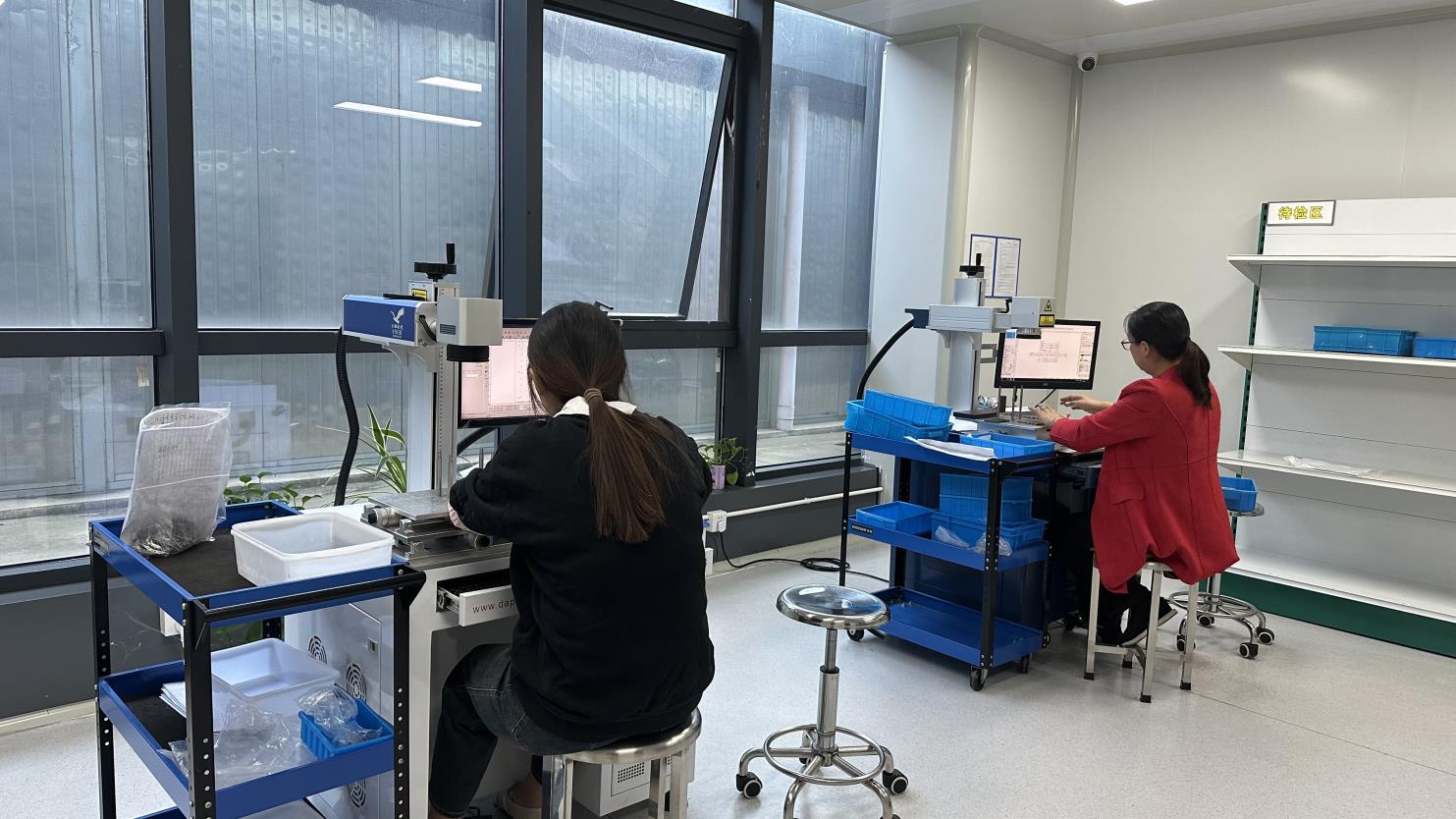
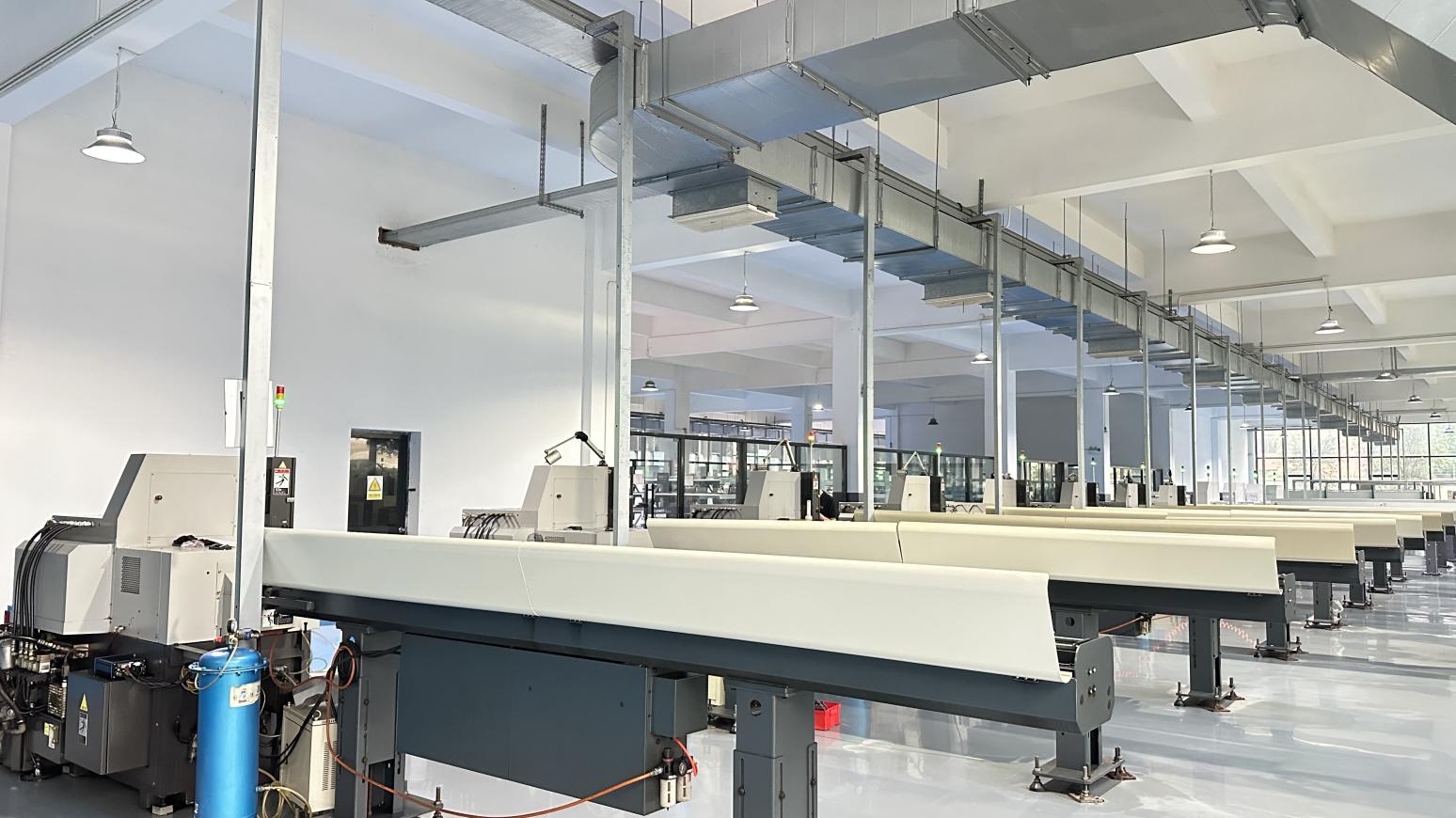
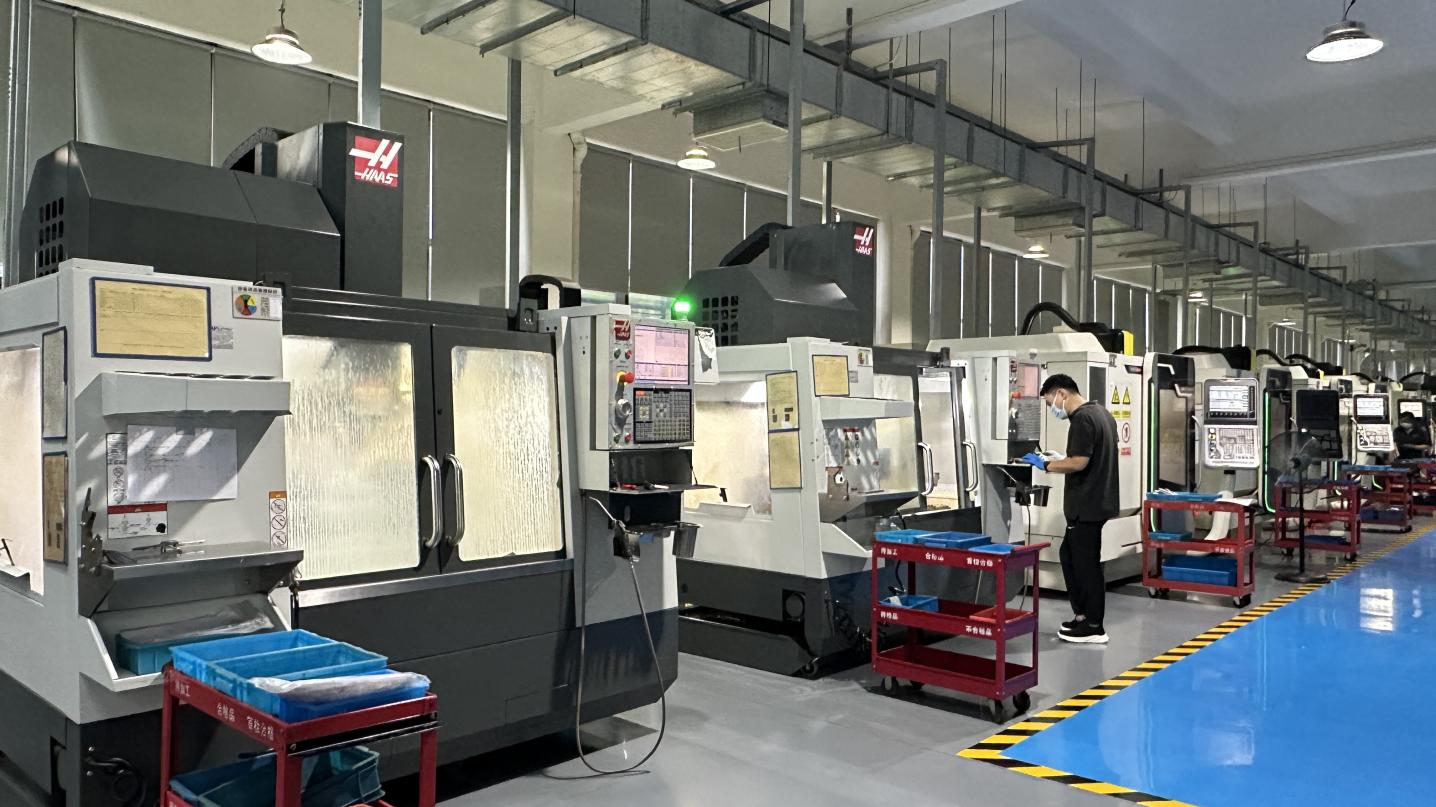
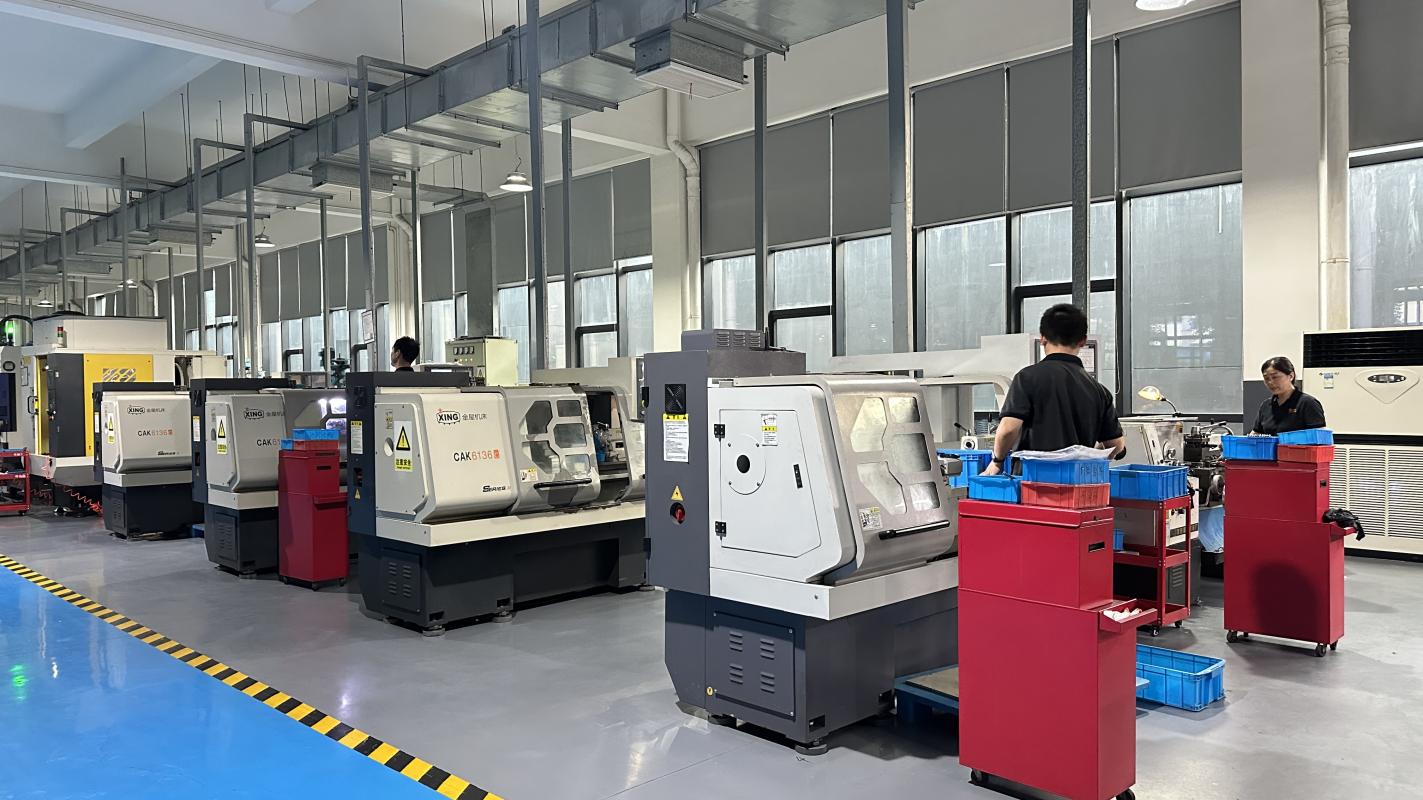
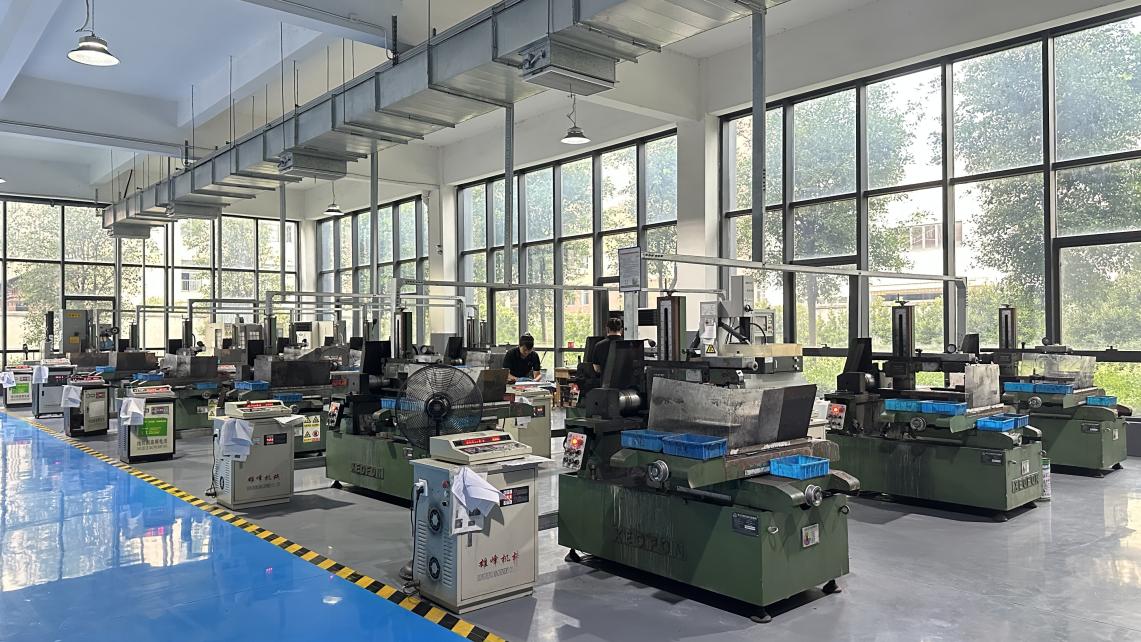
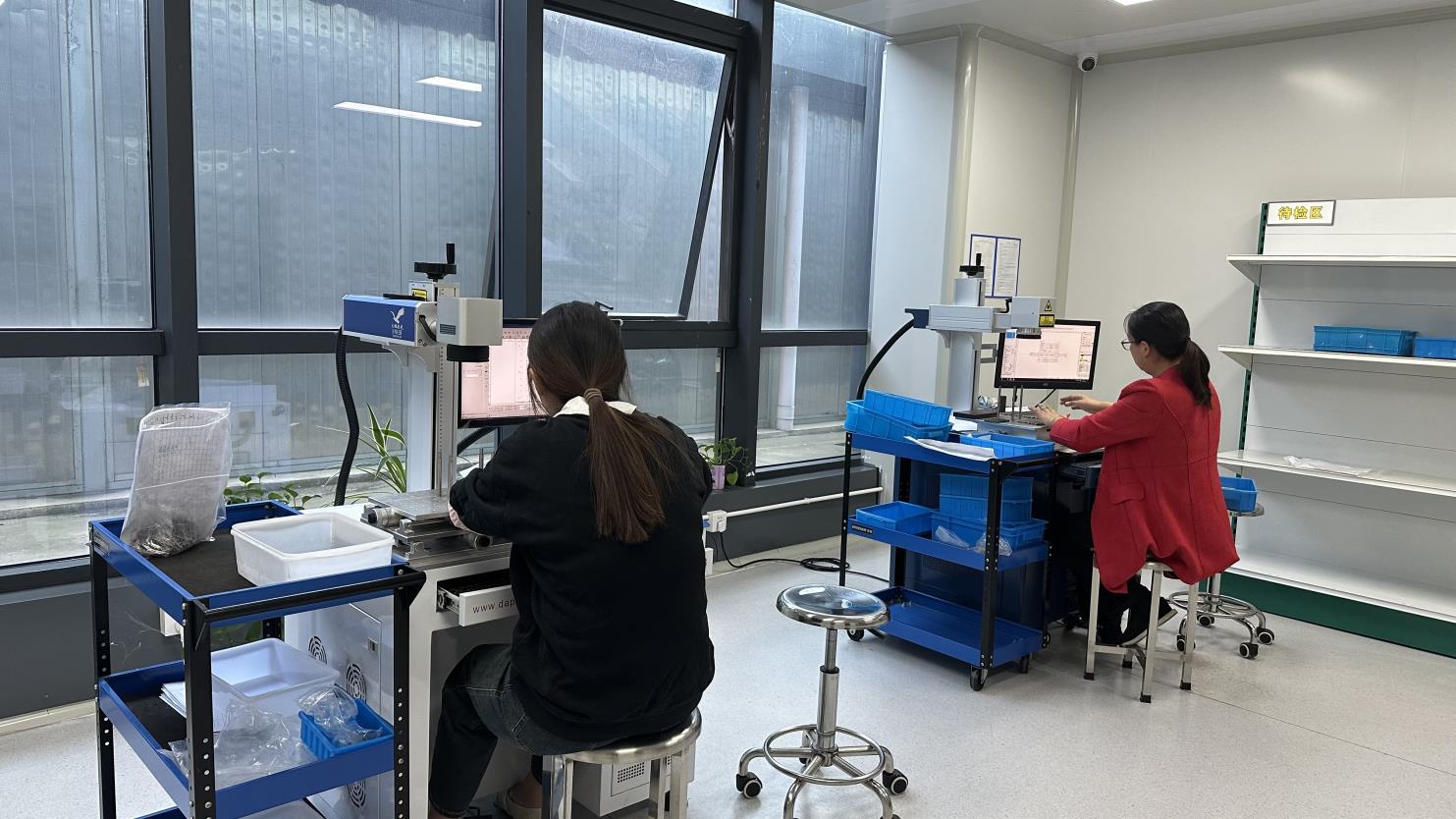
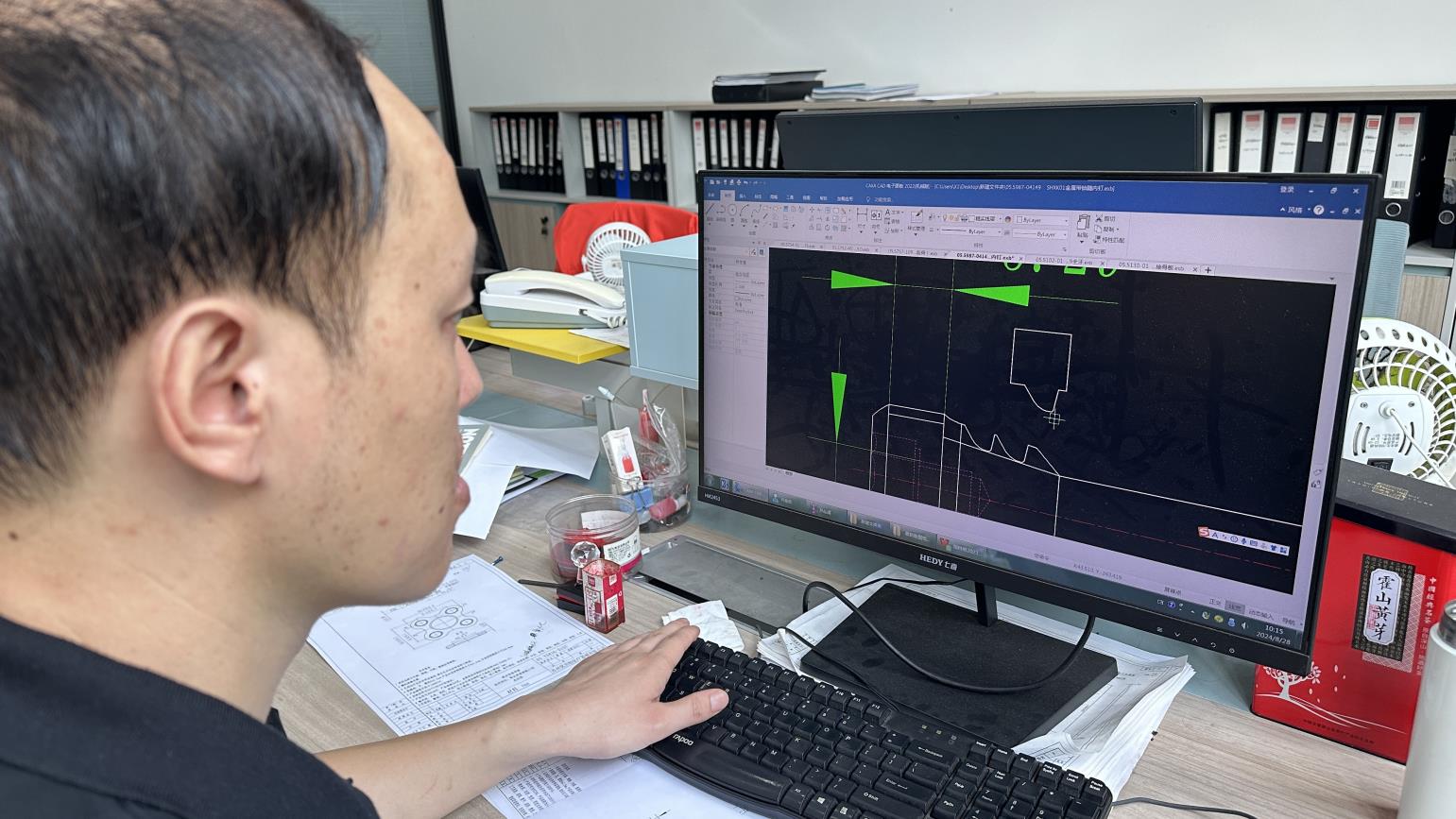
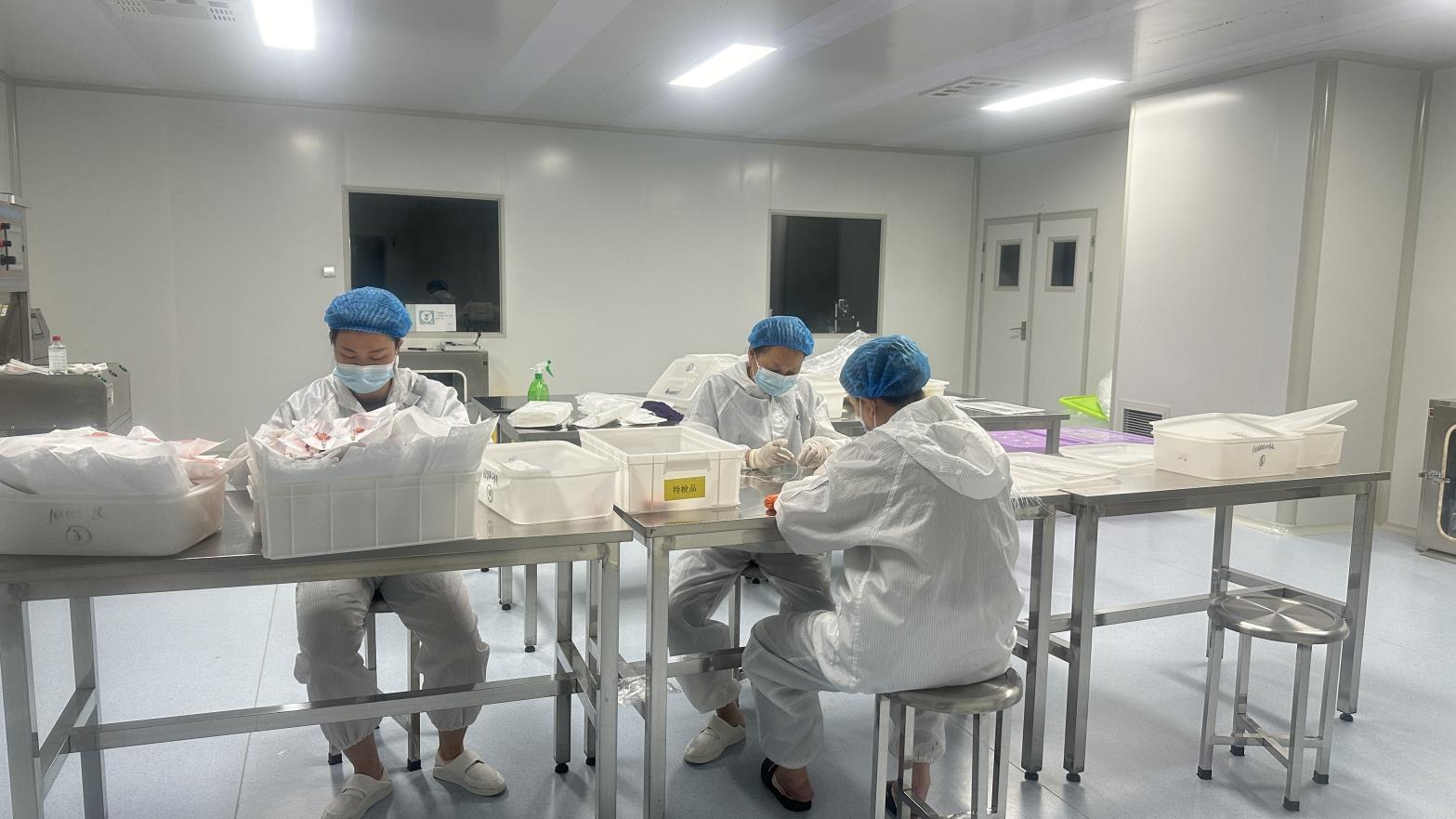
A look inside our advanced, medical-grade production line. Each stage follows strict ISO 13485 regulations to guarantee dimensional accuracy and biocompatibility.

How leading manufacturers are leveraging advanced metallurgy and digital twins to prepare for the next generation of knee arthroplasty procedures.
Utilizing pre-operative CT/MRI data to print 3D cutting blocks tailored to individual anatomy. This significantly increases accuracy and decreases surgical times. Suppliers must integrate advanced CAD workflows with medical-grade polymers (e.g., Nylon 12, PEEK).
Wear-resistance is improved using Physical Vapor Deposition (PVD) coatings, such as Titanium Nitride (TiN). Matte-finished surgical instruments prevent glare under surgical LED lights, mitigating ocular strain for orthopedic surgeons.
As robotic-assisted total knee arthroplasty (TKA) becomes mainstream, manual surgical instruments are modified to carry optical tracking arrays. High-end suppliers design custom sensor mounts with strict mechanical tolerances.
Optimizing procurement efficiency through simplified supply chain management, standardized trays, and modular kit configurations.
Processing standard surgical trays incurs substantial costs for healthcare networks. Top suppliers now design modular surgical kits, grouping essential cutting blocks, drills, and sizers to minimize overall weight and sterilizer footprint.
Global supply chains frequently face raw material bottlenecks, particularly for medical-grade 17-4 PH stainless steel and titanium alloys. Bonevia’s strategic inventory planning buffers critical components, securing rapid dispatch.
The manufacturing of premium orthopedic instruments has shifted from artisanal manual grinding to digital precision loops. Under the China Factory 4.0 paradigm, suppliers deploy advanced vertical milling stations, smart wire-EDM, and automated coordinate-measuring machines (CMM) to attain micro-level repeatability.
This integration of automated design-to-build workflows allows manufacturers like Bonevia to achieve significant efficiency gains. Rather than compromising quality, cost-effectiveness is driven by local supply chain density, automated component processing, and the seamless pairing of structural testing and raw material traceability.
Furthermore, local tooling ecosystems facilitate rapid prototyping. Design modifications requested by global clients can be simulated, prototyped, and tested within weeks, accelerating time-to-market compared to traditional Western fabrication pipelines.
Ensure regulatory compliance and clinical safety when auditing knee reconstruction instrument suppliers.
Validate that the factory operates under strict ISO 13485 (Medical Devices Quality Management). Products intended for key markets must hold CE markings (EU MDR 2017/745) and/or FDA 510(k) clearances.
Ensure mill test certificates are provided for every batch. Surgical-grade alloys such as Custom 455, Custom 465, and 17-4 PH stainless steel must comply with ASTM F899 standards for surgical instruments.
Evaluate the manufacturer’s CAD engineers. The ability to design and manufacture custom bone-cutting guides, trial stems, and patellar templates is vital for strategic product differentiation.
Navigating the complex regulatory landscape of different target markets requires active localization and regulatory support. Top-tier manufacturers assist their global clients with the necessary technical dossiers to streamline registration processes.
Provision of raw material analysis reports, biocompatibility credentials, processing validation files, and lifecycle sterilization testing results.
Full integration of GS1 standard Unique Device Identification (UDI) barcoding and serial numbers directly onto the metal surface via chemical/laser etching.
Robust quality feedback systems to record feedback from clinical usage and support continuous product iterations.
Get professional insights into quality standards, custom engineering, and international ordering processes.
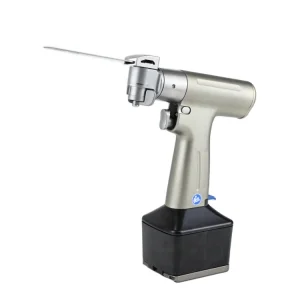
Explore our specialized orthopedic tools, sports medicine reconstruction instruments, and surgical power saw systems.