Bonevia
Bonevia
Bonevia
Highly certified materials and precision tooling designed to optimize surgical workflows and long-term joint arthroplasty outcomes.
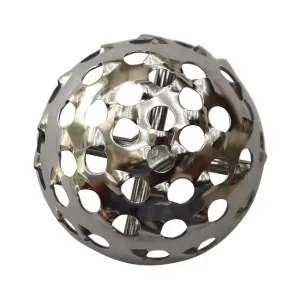
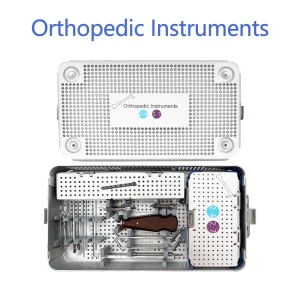
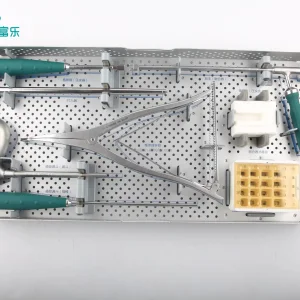
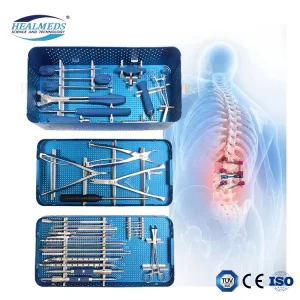
Within the realm of Total Hip Arthroplasty (THA), selecting the optimal tribological bearing pair remains a critical choice for clinical performance. Historically, Metal-on-Polyethylene (MoP) configurations represent the gold standard, offering decades of clinical follow-up data. By pairing a high-strength metal alloy femoral head—typically composed of Cobalt-Chromium-Molybdenum (CoCrMo)—with an Ultra-High-Molecular-Weight Polyethylene (UHMWPE) acetabular liner, manufacturers provide a solution balanced in cost, elasticity, impact absorption, and biomechanical durability.
Historically, the primary limitation of first-generation MoP systems was wear-induced osteolysis, driven by sub-micron polyethylene wear debris triggering an inflammatory macrophage response. However, the introduction of Highly Cross-linked Polyethylene (XLPE), cross-linked via gamma or electron-beam irradiation and thermally treated to eliminate free radicals, has drastically reduced linear wear rates by up to 90%. Modern developments such as Vitamin E stabilization (HXLPE) further mitigate oxidative degradation, maintaining mechanical properties over millions of gait cycles.
Clinical Value Metric: Standard UHMWPE bearing systems exhibit a wear rate of roughly 0.1 mm to 0.2 mm per year. In contrast, modern Highly Crosslinked Polyethylene (XLPE) pairs display wear rates below 0.01 mm per year, reducing the incidence of particle-induced osteolysis and subsequent revision surgeries.
Exploring advancements in biomaterials, surface coatings, and regulatory standards shaping the next decade of joint reconstruction.
Integration of Vitamin E (alpha-tocopherol) directly into XLPE matrices prevents in vivo oxidation without altering critical mechanical cross-linking densities, extending implant longevity for younger, active patients.
3D-printed porous metal backings (such as Trabecular Titanium structures) are welded to solid substrates to promote rapid biological osseointegration, eliminating the reliance on bone cement.
Combining a smaller femoral head inside a large, freely floating polyethylene liner that articulates with a metallic cup, dual-mobility reduces dislocation risks in complex revision cases.
When sourcing medical-grade hip joints from international manufacturers, hospital procurement panels and regional distributors base decisions on clinical track records and strict risk-management matrices. Total Cost of Ownership (TCO) extends beyond the purchase price of the implant to include sterile shipping integrity, surgical instrument set availability, and regulatory certification clearance (such as US FDA 510(k), CE mark under MDR, and local NMPA registrations).
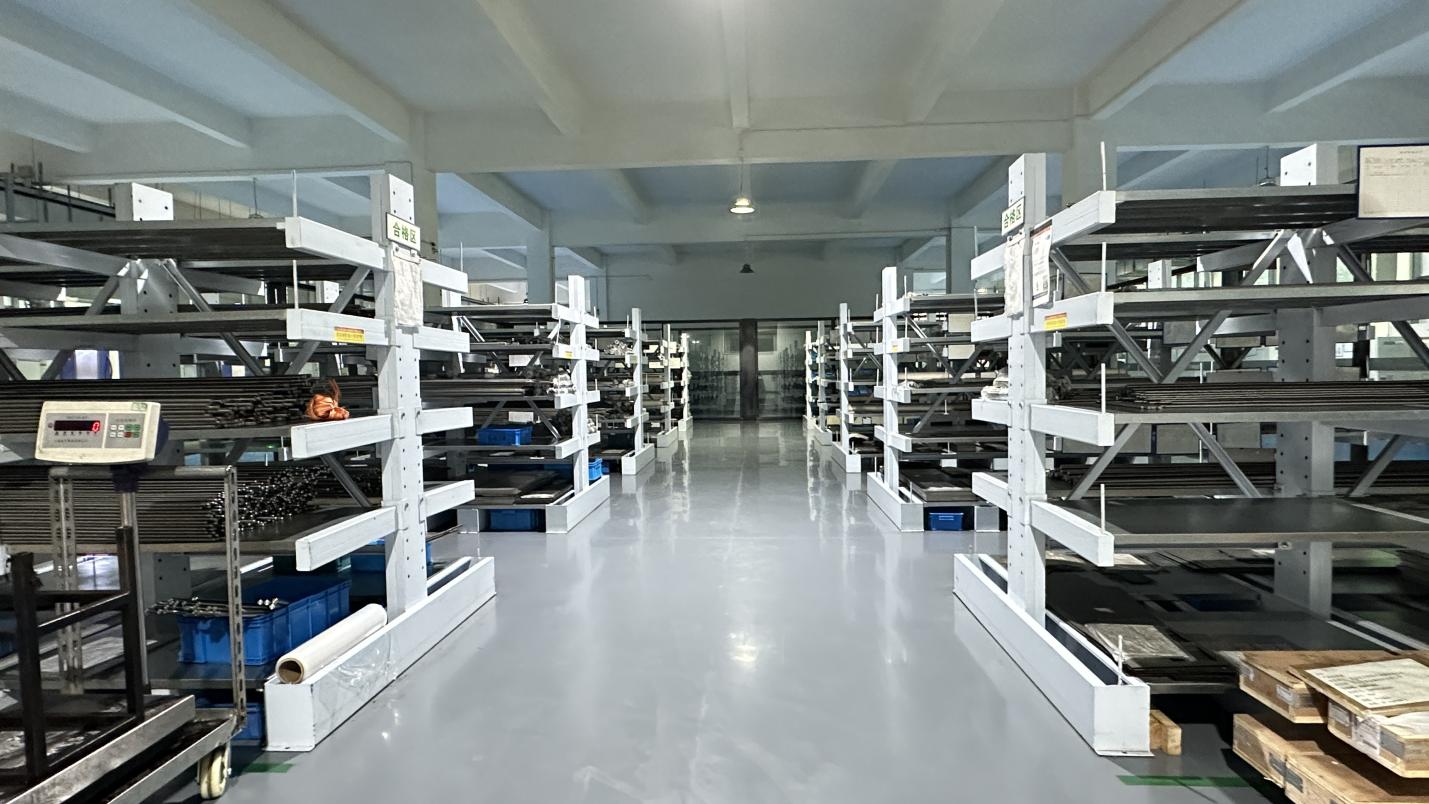
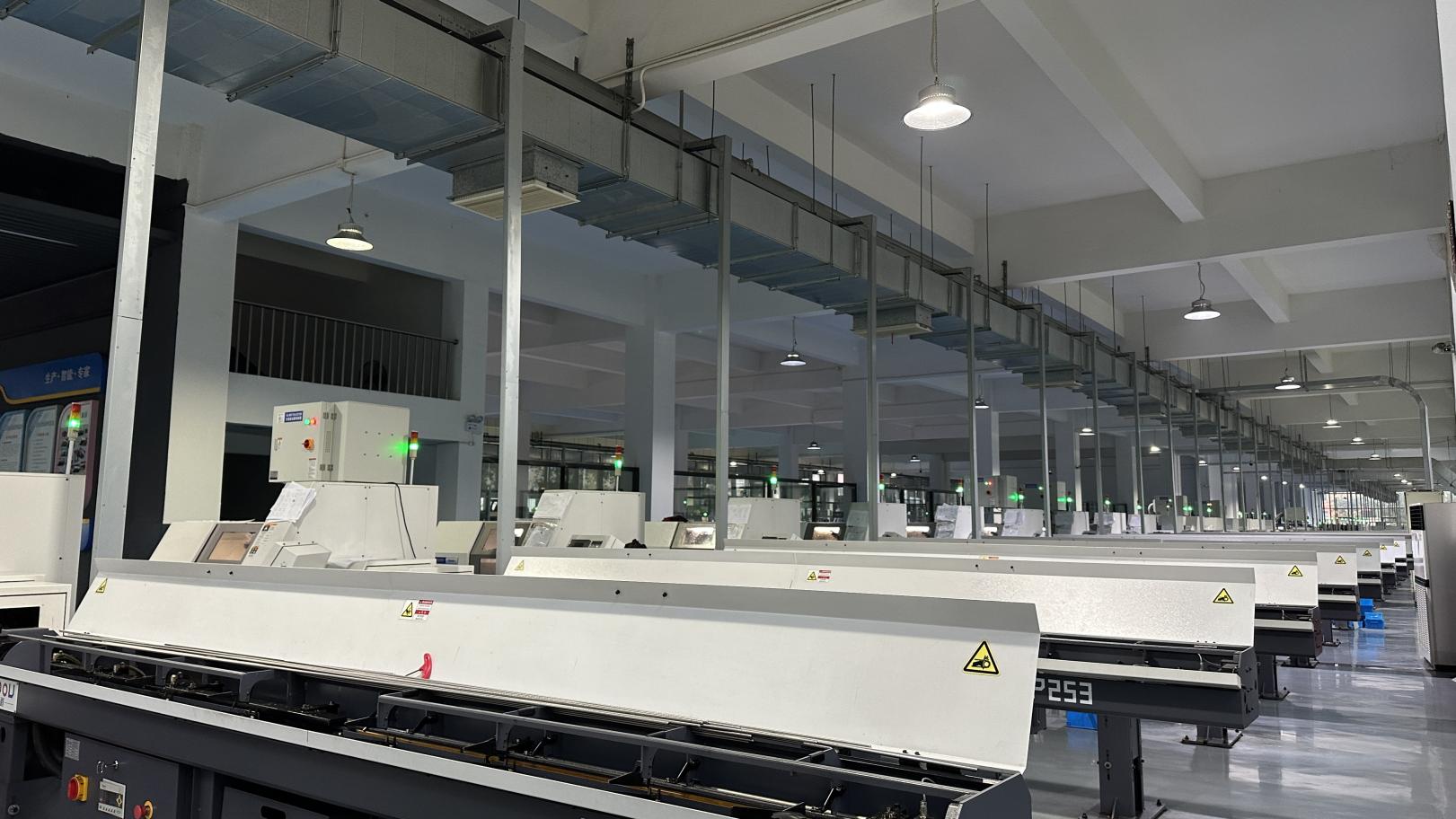
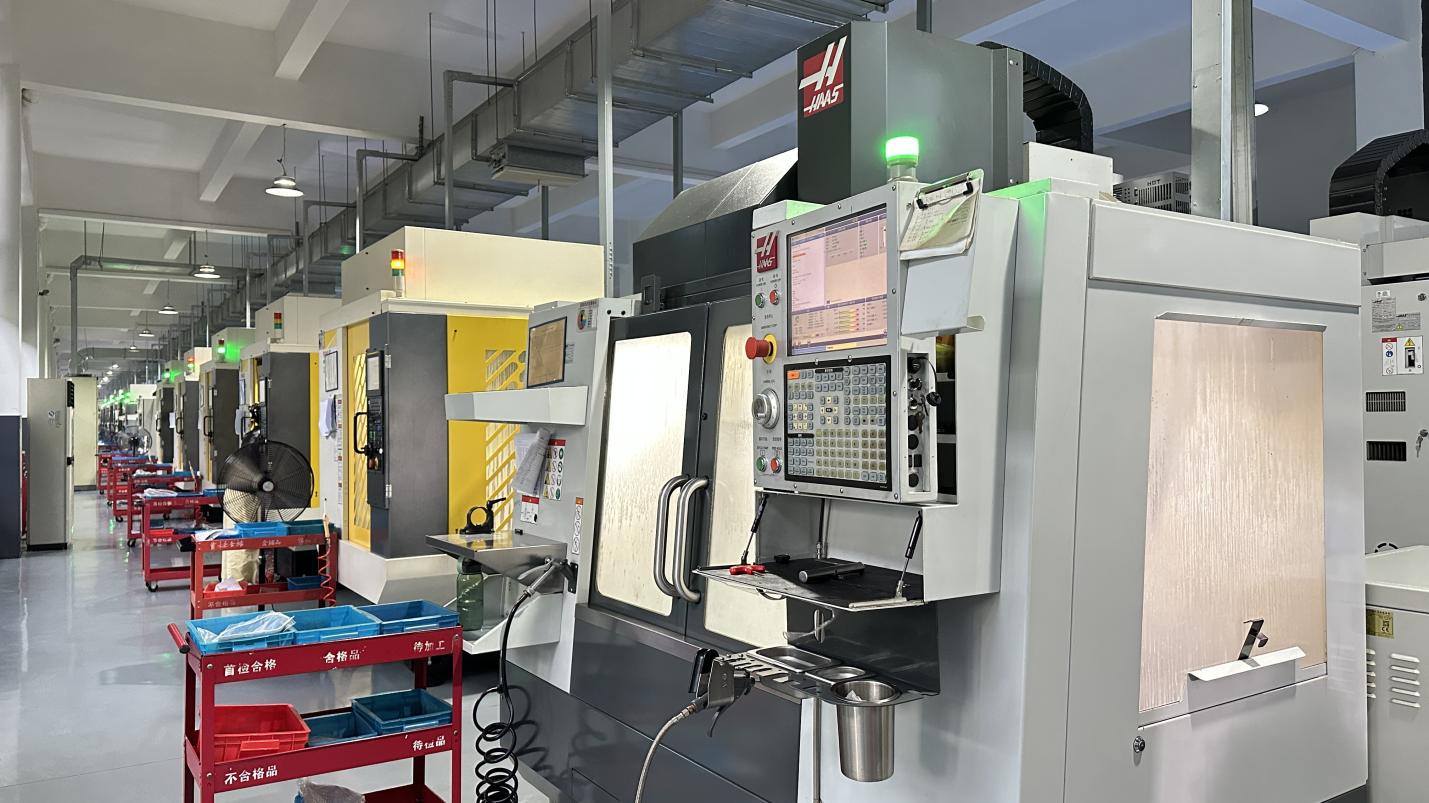
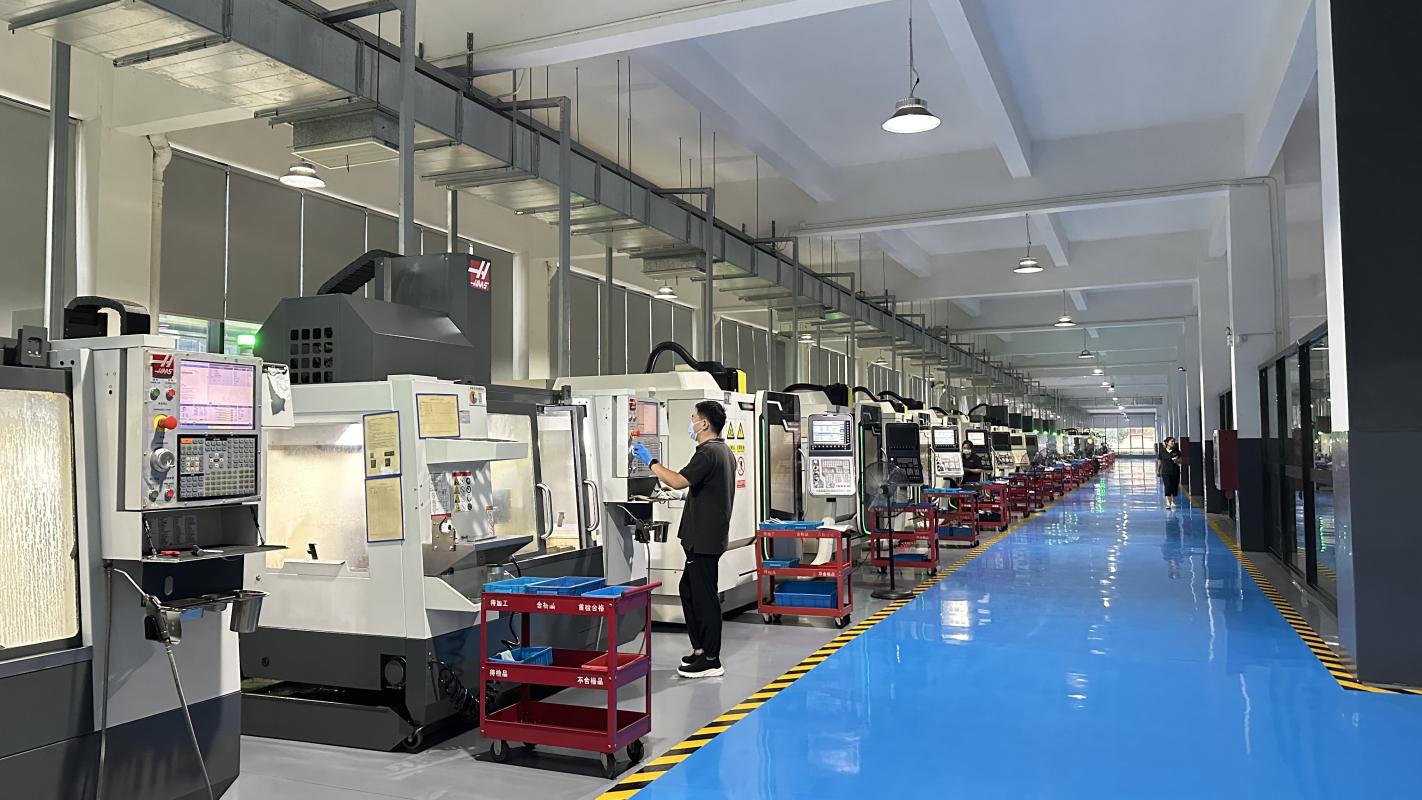
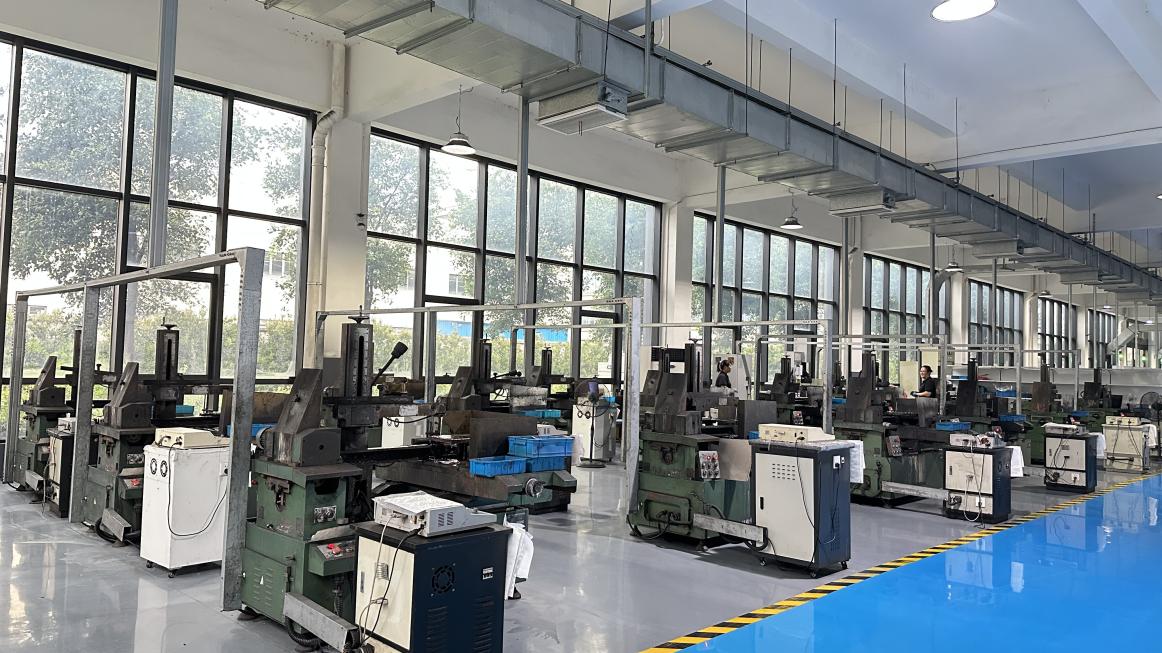
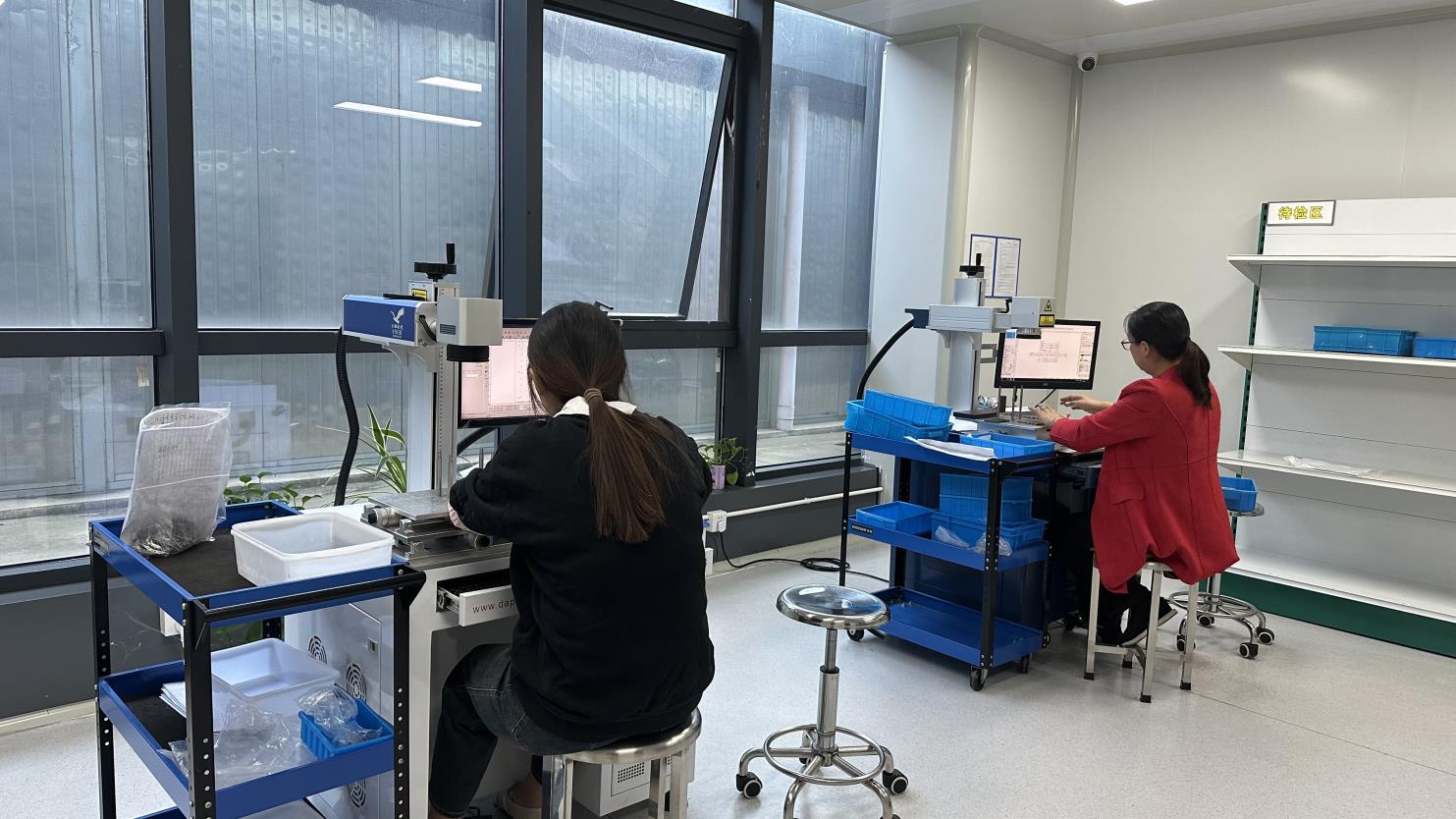
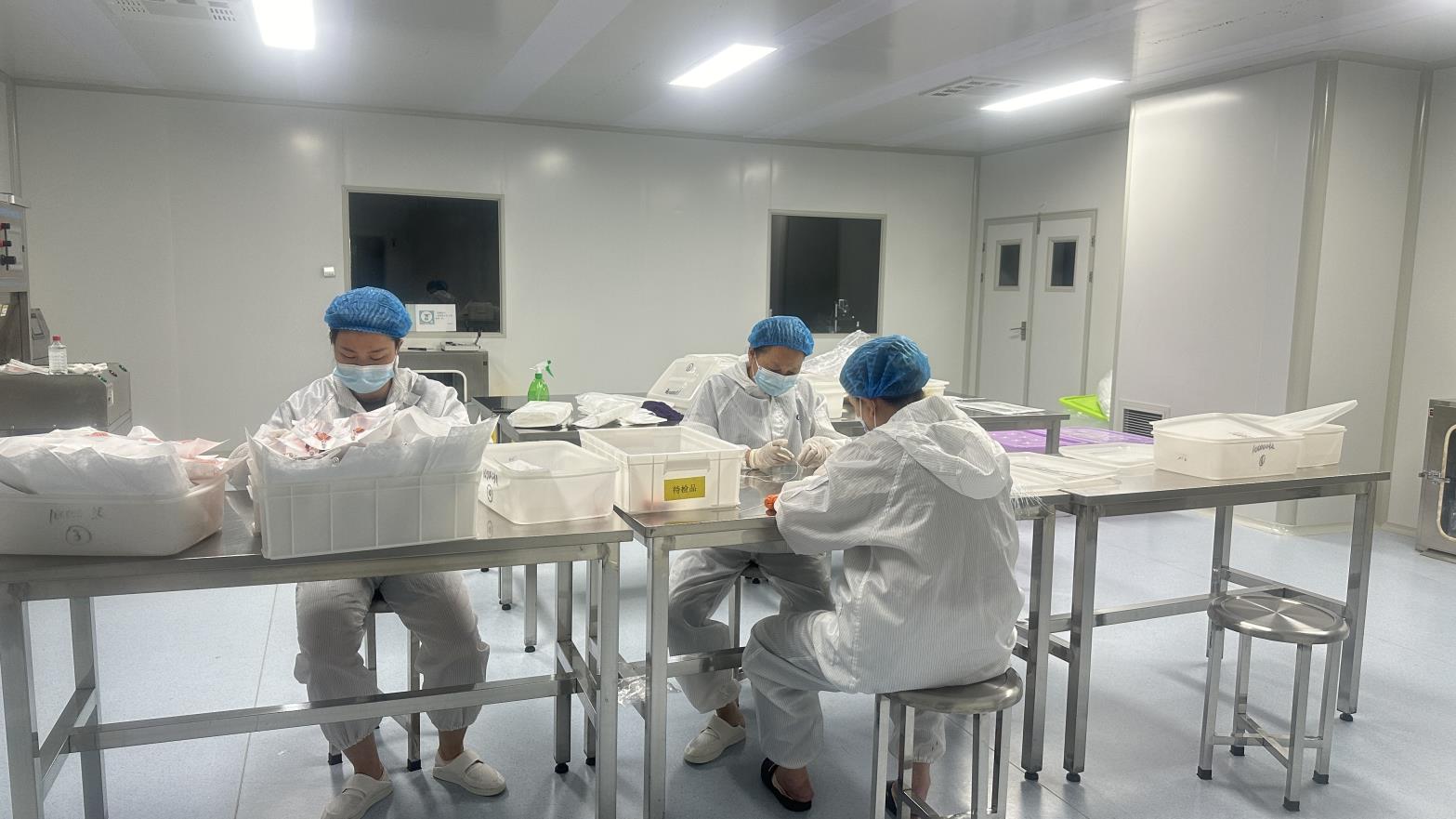
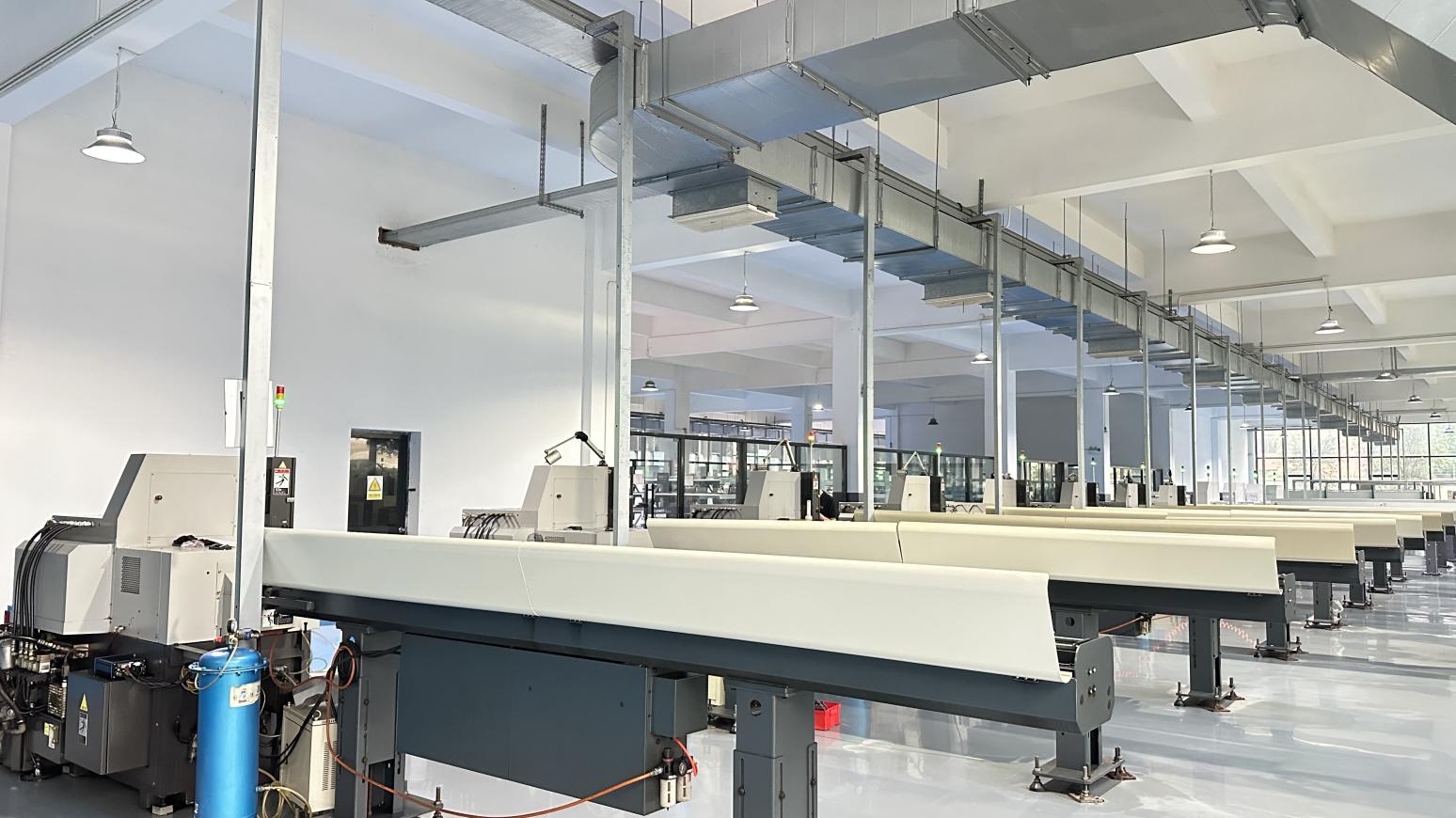
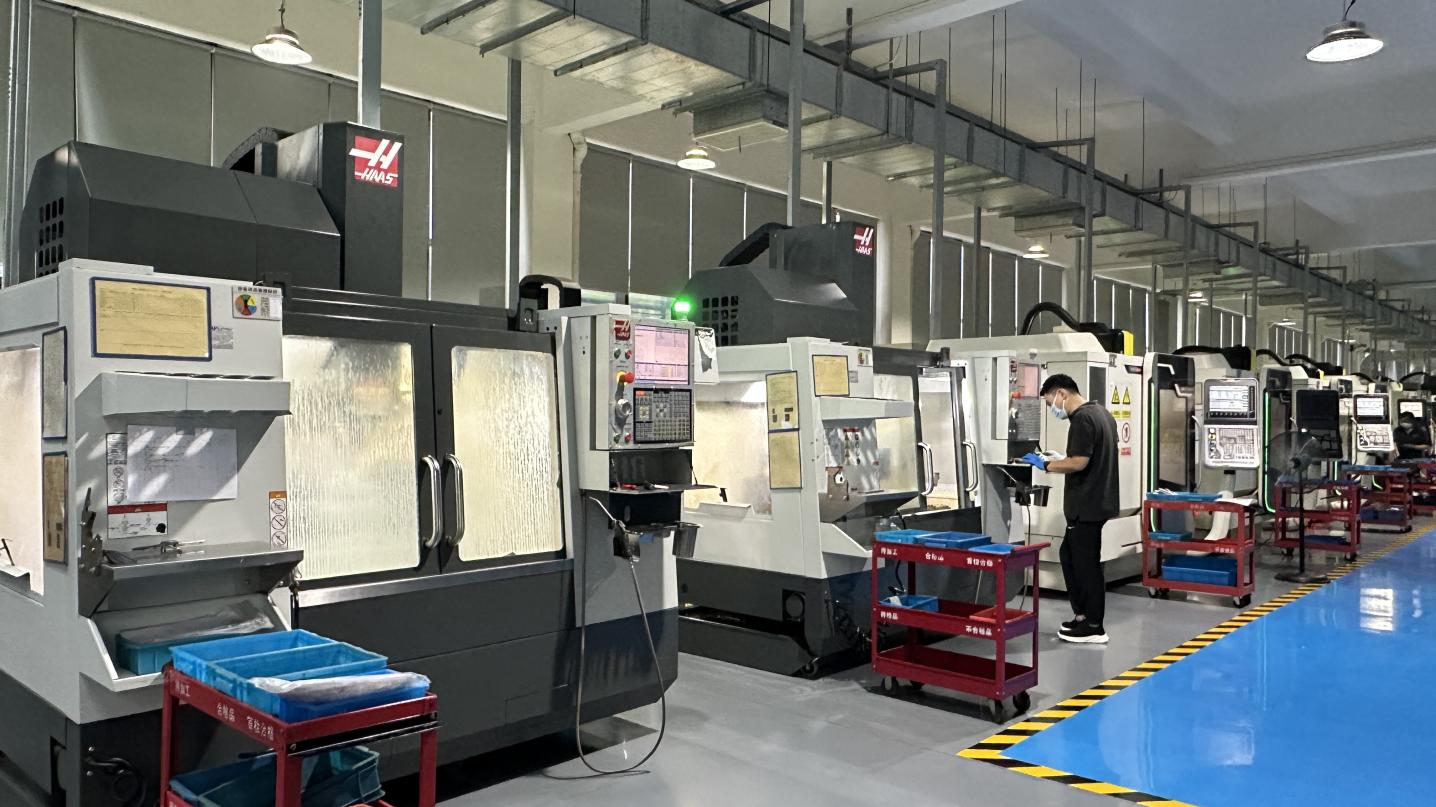
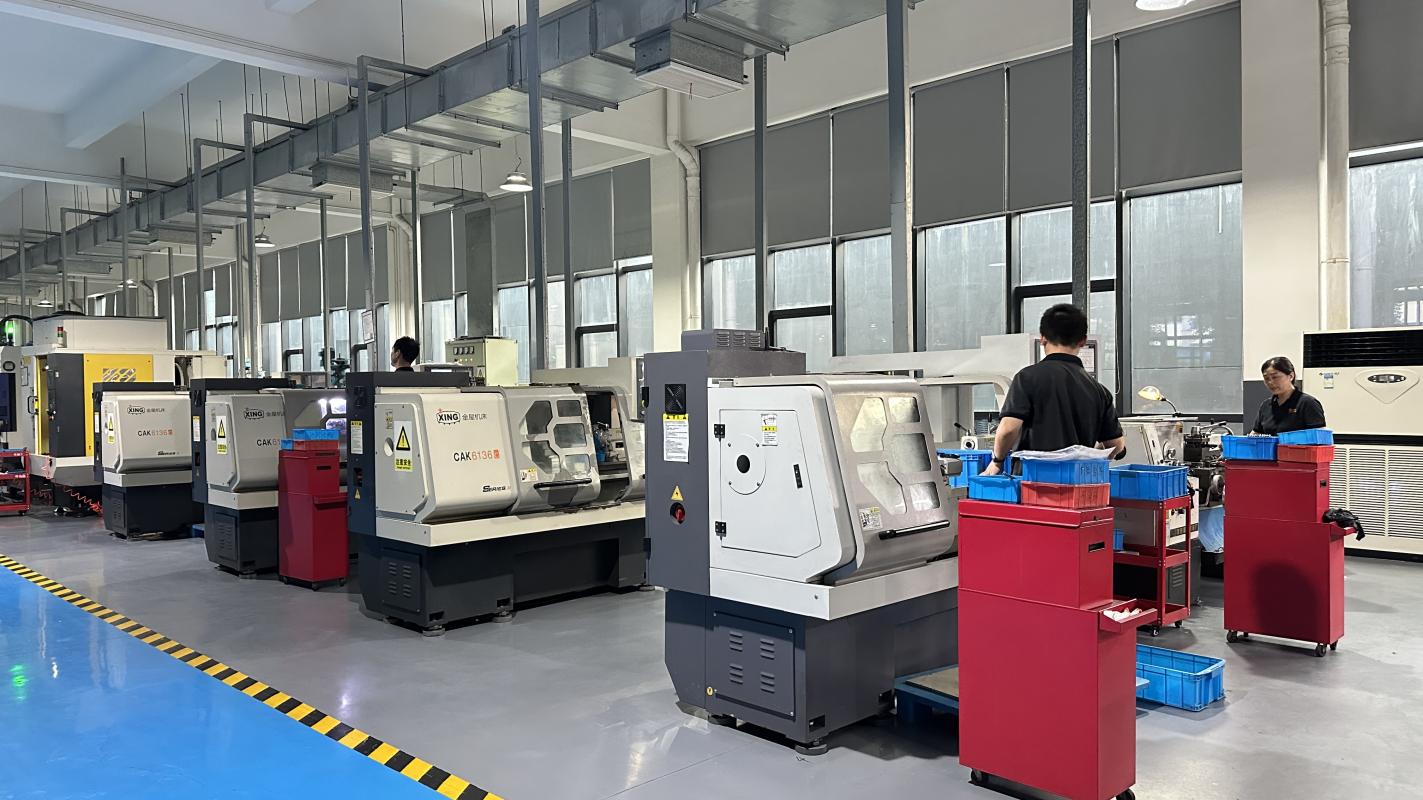
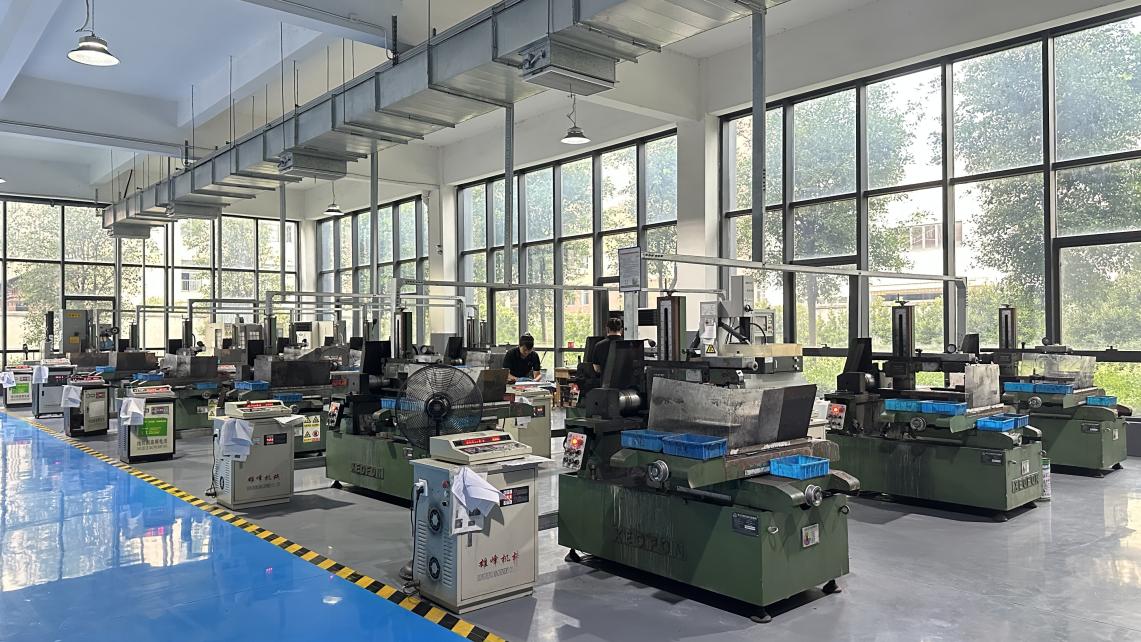
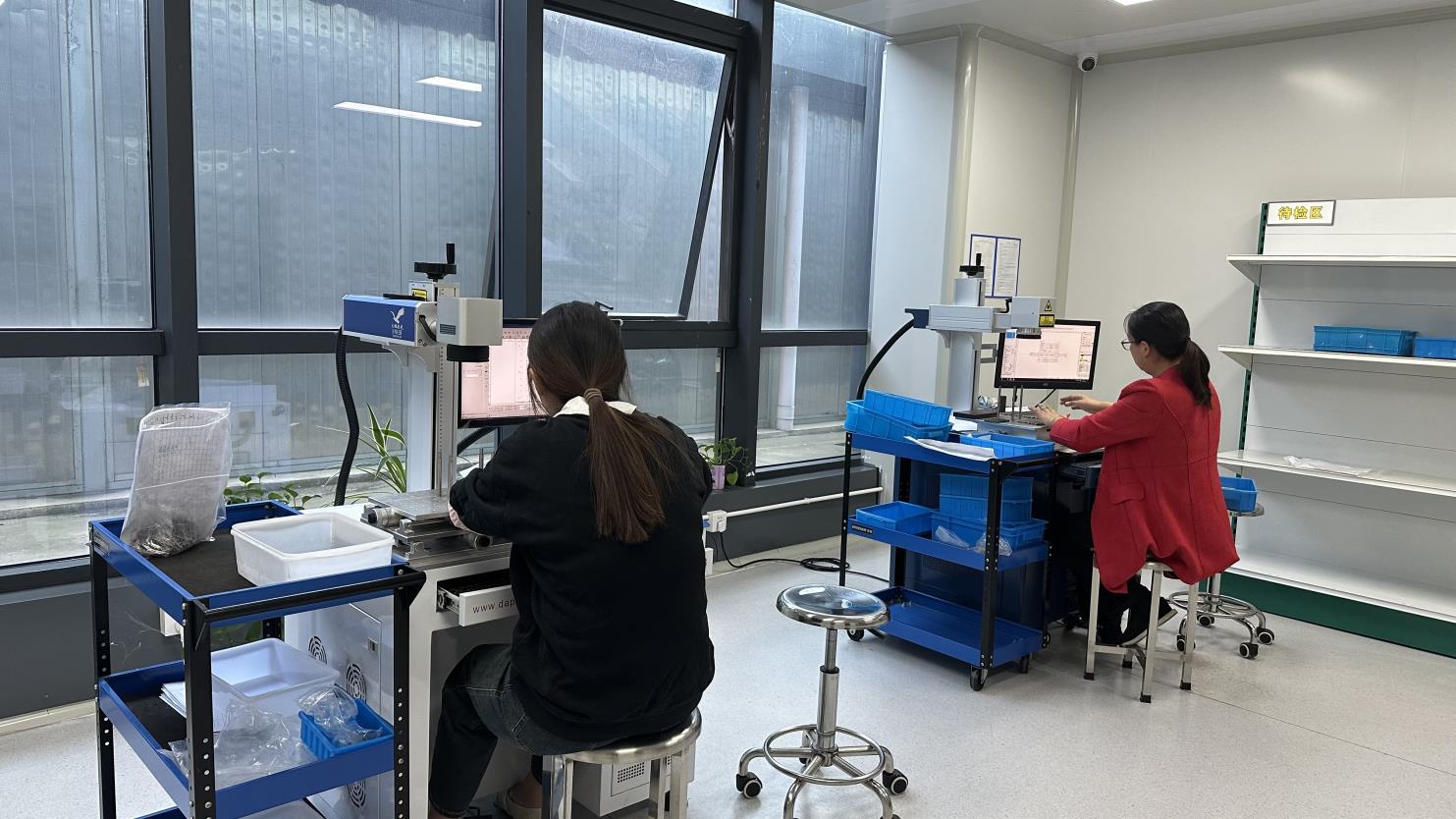
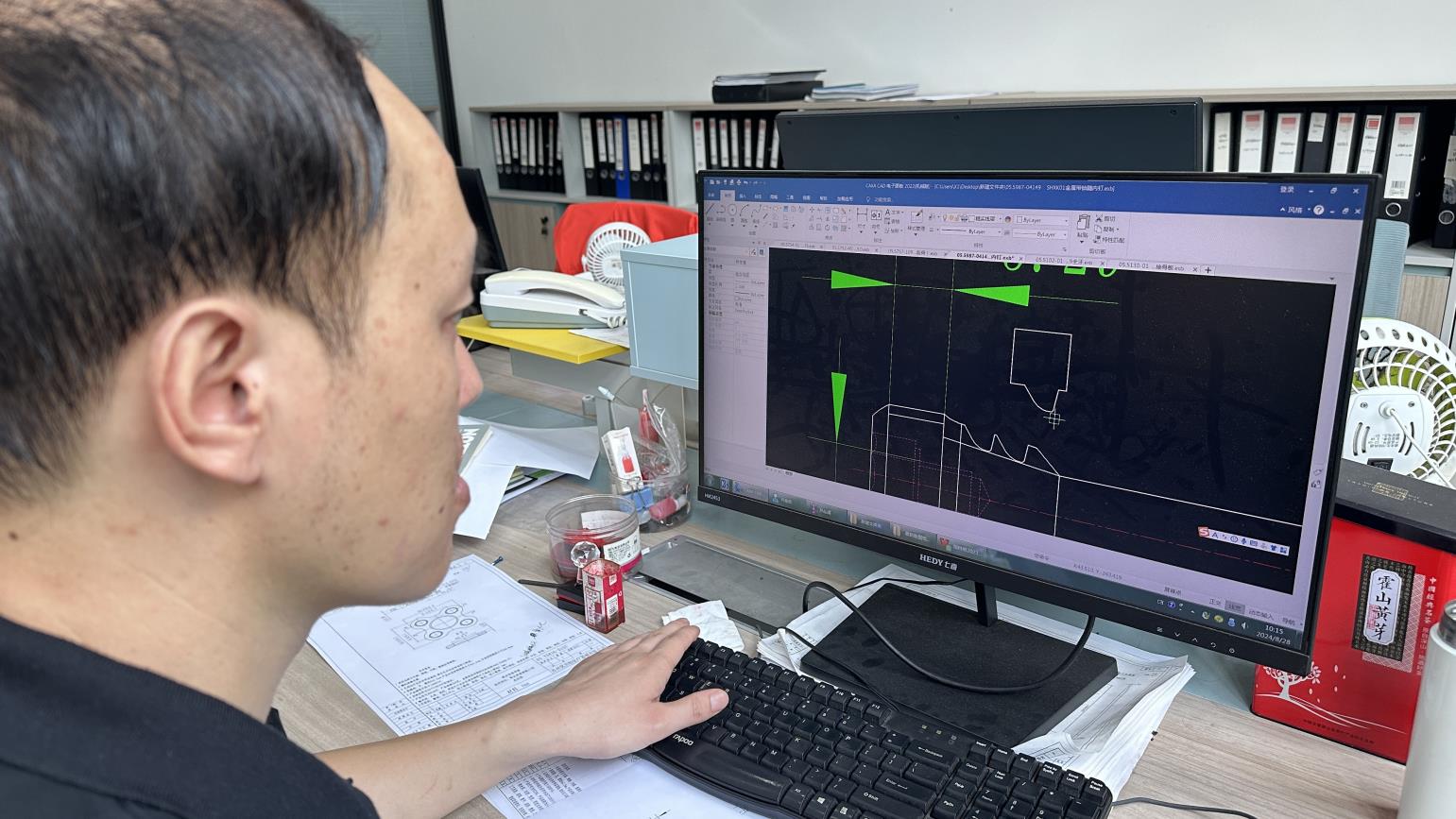
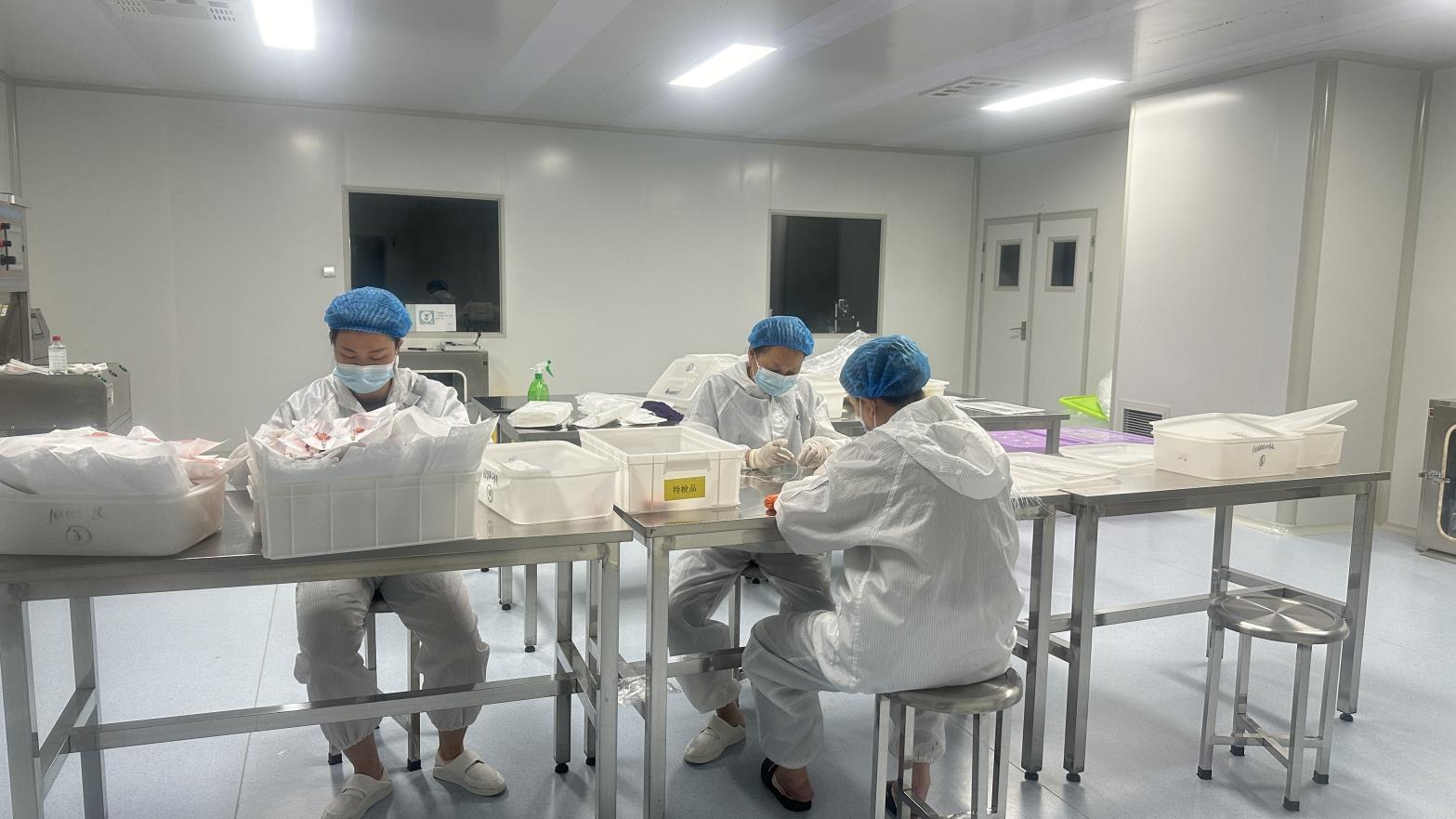
The global orthopedic market has witnessed a significant shift toward automated high-precision manufacturing bases in China. By adopting Factory 4.0 concepts, manufacturers like Bonevia Orthopedic Technology are integrating multi-axis CNC milling, high-precision EDM wire-cutting, laser-marking serialization, and Class 10,000 (ISO Class 7) cleanroom facilities.
These advanced platforms reduce manual interaction with the raw materials, ensuring sub-micron dimensional accuracy for acetabular liners and femoral heads. Furthermore, consolidated supply ecosystems in China reduce component lead times by sourcing high-purity medical alloys and advanced polymers locally, enabling agile responses to fluctuating hospital demands.
Understanding the global competitive structure enables distributors to choose partners that best align with their volume, regulatory compliance, and R&D requirements. Below is the analysis of the leading manufacturers in the joint arthroplasty segment:
Bonevia Orthopedic Technology Co., Ltd. is a professional manufacturer specializing in orthopedic implants and surgical solutions, dedicated to advancing innovation in trauma, spine, and joint reconstruction products. Since its establishment in 2015, the company has grown steadily into a trusted supplier in the global orthopedic industry.
With a modern production facility covering approximately 320㎡, Bonevia maintains strict quality management standards and efficient manufacturing processes. The company records an annual export revenue of around USD 8–15 million, supported by 6 years of export experience and over 10 years of overall industry experience.
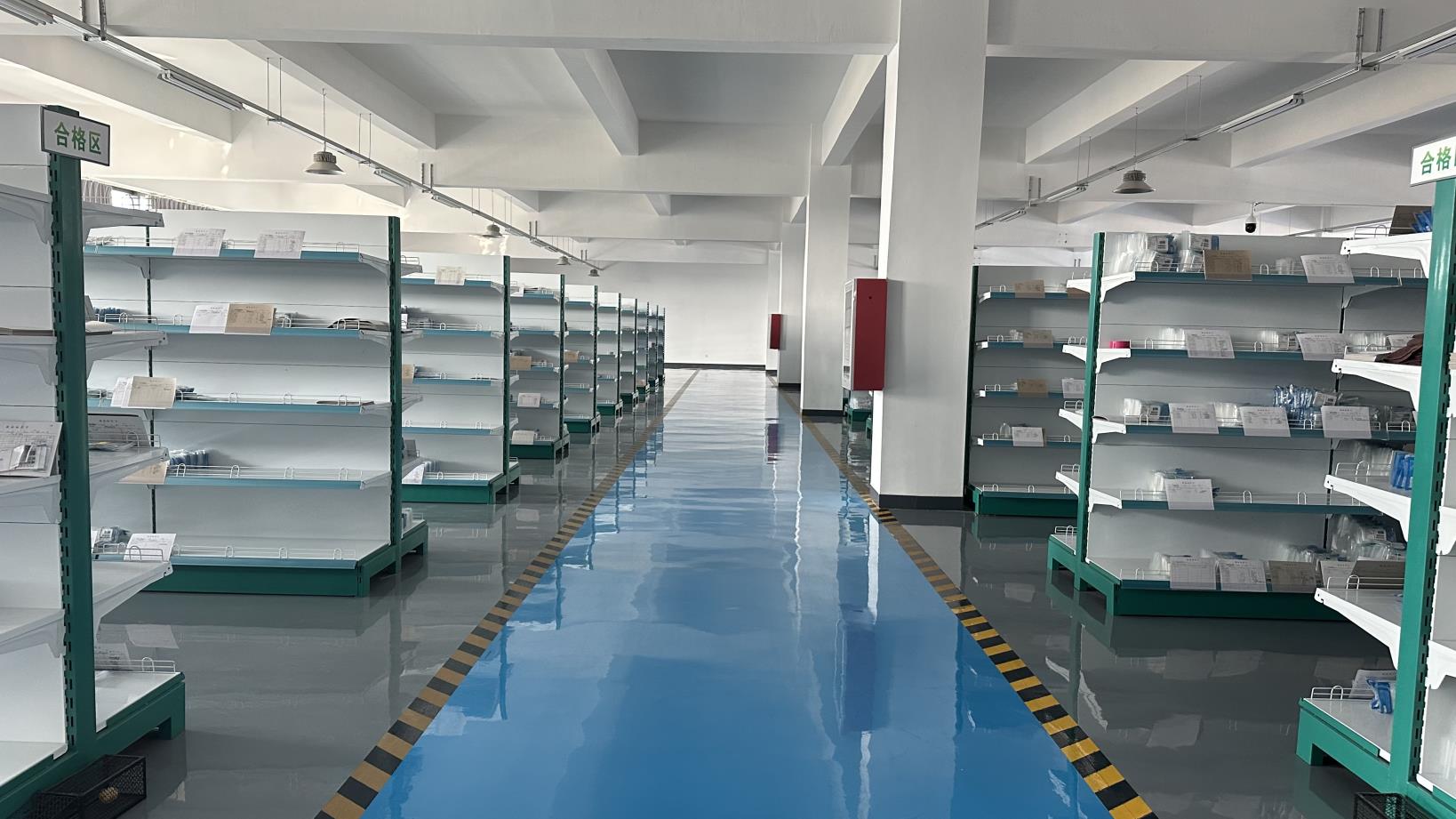
Quality assurance is a core focus at Bonevia. The company implements multiple inspection methods including incoming material inspection, in-process quality control, and final product testing, supported by a dedicated quality team of 35 professionals. This ensures all products meet international medical device standards.
Bonevia has a solid trade foundation with diversified global distribution networks, serving major markets across Europe, Southeast Asia, the Middle East, and South America. Its supply chain ecosystem includes more than 850 partners, enabling stable raw material sourcing and efficient production delivery. The company serves a wide range of clients, including hospitals, orthopedic clinics, surgical centers, and medical distributors. Bonevia also demonstrates strong R&D capabilities, offering OEM and ODM customization services to meet specific clinical requirements.
In the past year, Bonevia successfully launched 120 new product designs, supported by a research and development team of 85 engineers, continuously driving innovation in orthopedic implant systems and surgical instruments.
The versatility of Metal-on-Polyethylene (MoP) bearing designs makes them highly adaptable across diverse global healthcare infrastructure profiles:
In public healthcare facilities across developing regions, budget constraints restrict the extensive use of expensive ceramic-on-ceramic configurations. MoP configurations provide an economically viable alternative, boasting low failure rates that ensure effective allocation of public medical resources.
For patients over the age of 65 with moderate daily activity levels, the absolute wear rate of highly cross-linked polyethylene is sufficiently low to outlast the patient's remaining lifespan. This makes it an ideal option, minimizing the surgical risks and high costs of revision procedures.
In revision arthroplasty or cases with severe neuromuscular dysfunction, MoP dual-mobility systems offer a high range of motion without sacrificing joint stability, drastically reducing the risk of postoperative dislocation.
Technical explanations regarding materials, longevity, wear mechanisms, and OEM partnership expectations.
MoP bearings offer higher fracture toughness and elasticity compared to CoC, eliminating the risk of ceramic breakage or clinical "squeaking" noises. They are also easier to manufacture, making them highly cost-effective while delivering excellent clinical durability using modern Highly Cross-Linked Polyethylene (XLPE) options.
XLPE is treated with gamma or electron-beam radiation, which breaks the polymer chains and allows them to reform as cross-linked molecular bonds. This structure dramatically reduces adhesive and abrasive wear rates, minimizing the generation of sub-micron particles that trigger local inflammatory reactions and bone resorption.
Yes. Bonevia Orthopedic Technology Co., Ltd. applies strict quality control systems covering incoming, in-process, and final inspection phases. These operations align with standard medical device manufacturing protocols (ISO 13485) and CE requirements, guided by our 35-person quality team.
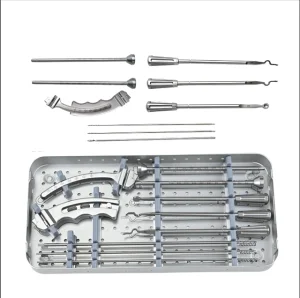
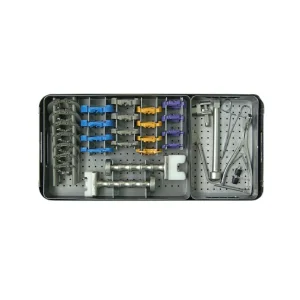
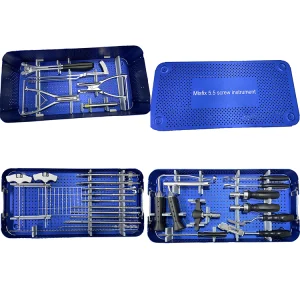
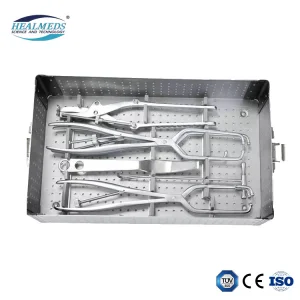
Yes. Supported by 85 R&D engineers, Bonevia provides robust OEM/ODM design services. We frequently customize instrument sets (such as reamers, drill templates, or plate geometries) to match the clinical requirements of surgical teams and distributors.
Cobalt-Chromium-Molybdenum (CoCrMo) alloy is the preferred choice for femoral heads due to its high hardness and corrosion resistance, which allow it to be polished to a mirror finish. Titanium alloys are widely used for the cementless femoral stems and acetabular shells to facilitate bone ingrowth.
With stable raw material partnerships (850+ partners) and advanced machinery (CNC, lathes, wire-cutting), we ensure quick production turnaround. Standard orders are typically prepared and dispatched within 30 to 45 days, depending on custom parameters.
Vitamin E (alpha-tocopherol) acts as a natural antioxidant within the polymer. It neutralizes the free radicals generated during the irradiation cross-linking process, preventing long-term mechanical degradation caused by in vivo oxidation.
Bonevia serves hospitals, clinics, and medical distributors across Europe, Southeast Asia, the Middle East, and South America, supported by over six years of dedicated export experience and compliance processes.
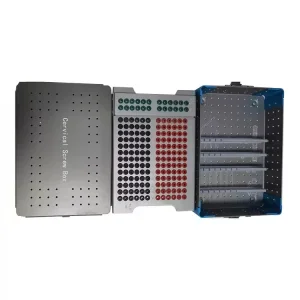
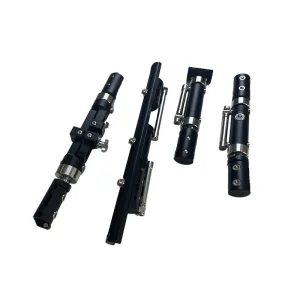
Explore our extended clinical catalog, encompassing spinal fixation, veterinary surgery kits, and arthroscopic instruments.