Bonevia
Bonevia
Bonevia
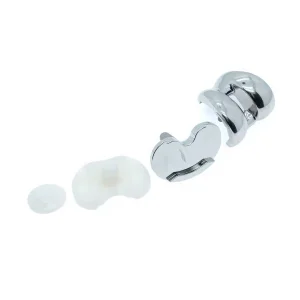
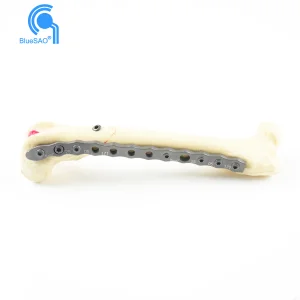
Explore our top-tier precision-engineered implant portfolios optimized for human surgical interventions and specialized veterinary joint reconstruction.
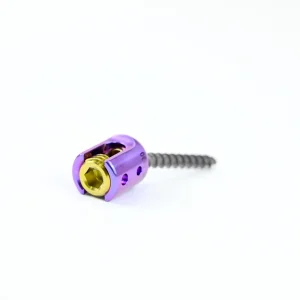
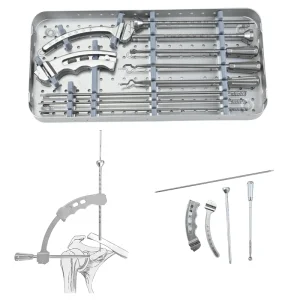
Why modularity is shaping clinical outcomes, decreasing inventory overhead, and leading the transition to custom-fit arthroplasty and spinal fusion.
Decoupled modular designs permit precise correction of limb-length discrepancies, proximal femoral offsets, and anteversion profiles, drastically minimizing dislocation risk and premature liner wear.
By standardizing junction components, healthcare systems significantly reduce logistics overhead. Distributors can achieve over 1,000 distinct custom fit variants from a baseline inventory of under 100 components.
Advanced biomaterials combine CoCrMo alloy articulation matrices with biocompatible Titanium alloy (Ti-6Al-4V ELI) femoral bodies and highly crosslinked polyethylene inserts for enhanced osseointegration.
Pioneering precision manufacturing pathways, advanced OEM/ODM customization capabilities, and rigorous multi-stage quality control mechanisms.
Bonevia Orthopedic Technology Co., Ltd. is a clinical-grade manufacturing pioneer specializing in orthopedic implants and surgical instrumentation kits. Founded in 2015, Bonevia has systematically scaled its production technologies to target complex anatomical challenges in trauma repair, spinal stabilization, and total joint arthroplasty.
Operated under stringent ISO 13485:2016 guidelines, the company handles an annual export footprint spanning USD 8–15 million. Backed by 6 years of pure international supply chain export experience and over 10 years of combined biomedical engineering expertise, Bonevia serves as an essential partner to medical device distributors, public hospitals, and veterinary surgical clinics across Europe, Southeast Asia, South America, and the Middle East.
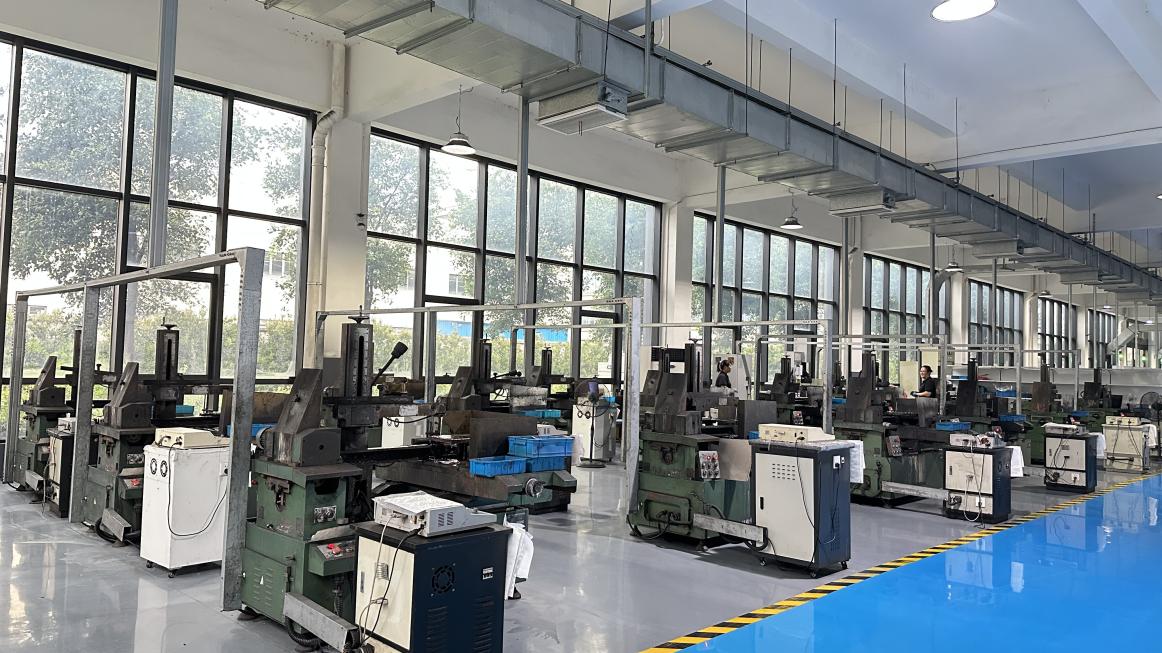
Bonevia's core competence lies in high-volume titanium machining, cobalt-chromium alloy forging, and ultra-high-molecular-weight polyethylene (UHMWPE) component machining. Supported by a dedicated research division consisting of 85 R&D engineers, the factory introduced 120 new clinical-grade product designs in the past year alone.
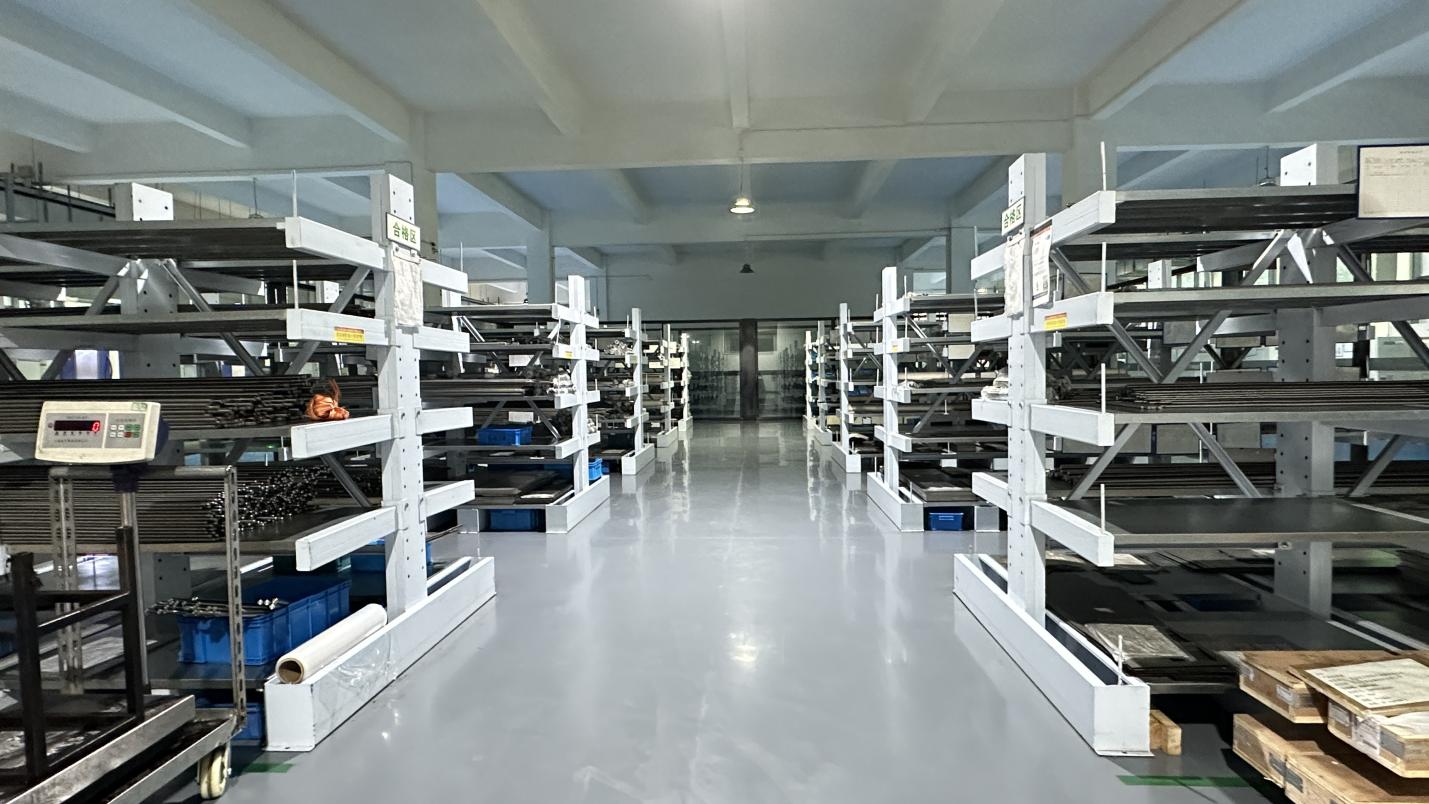
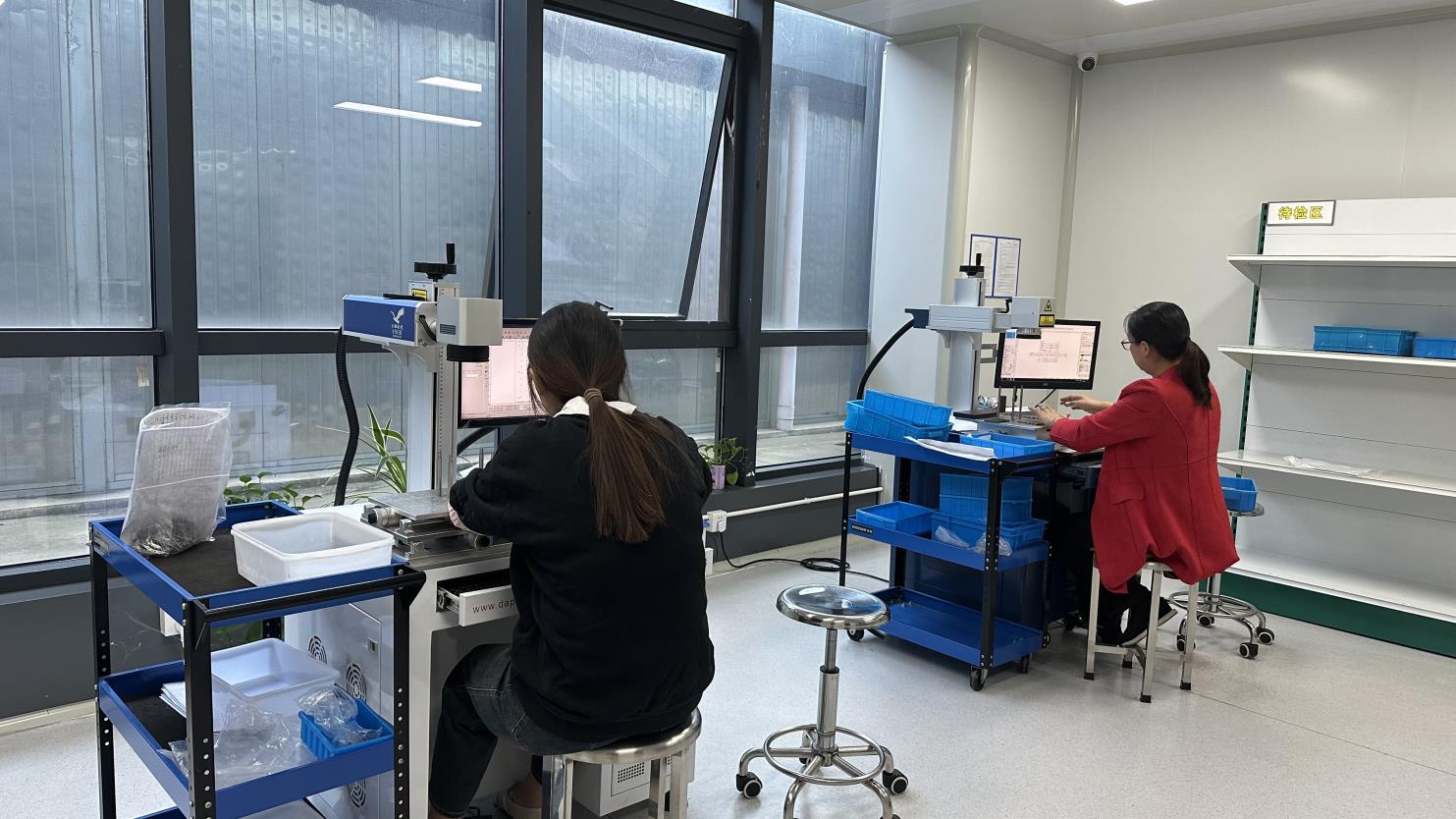
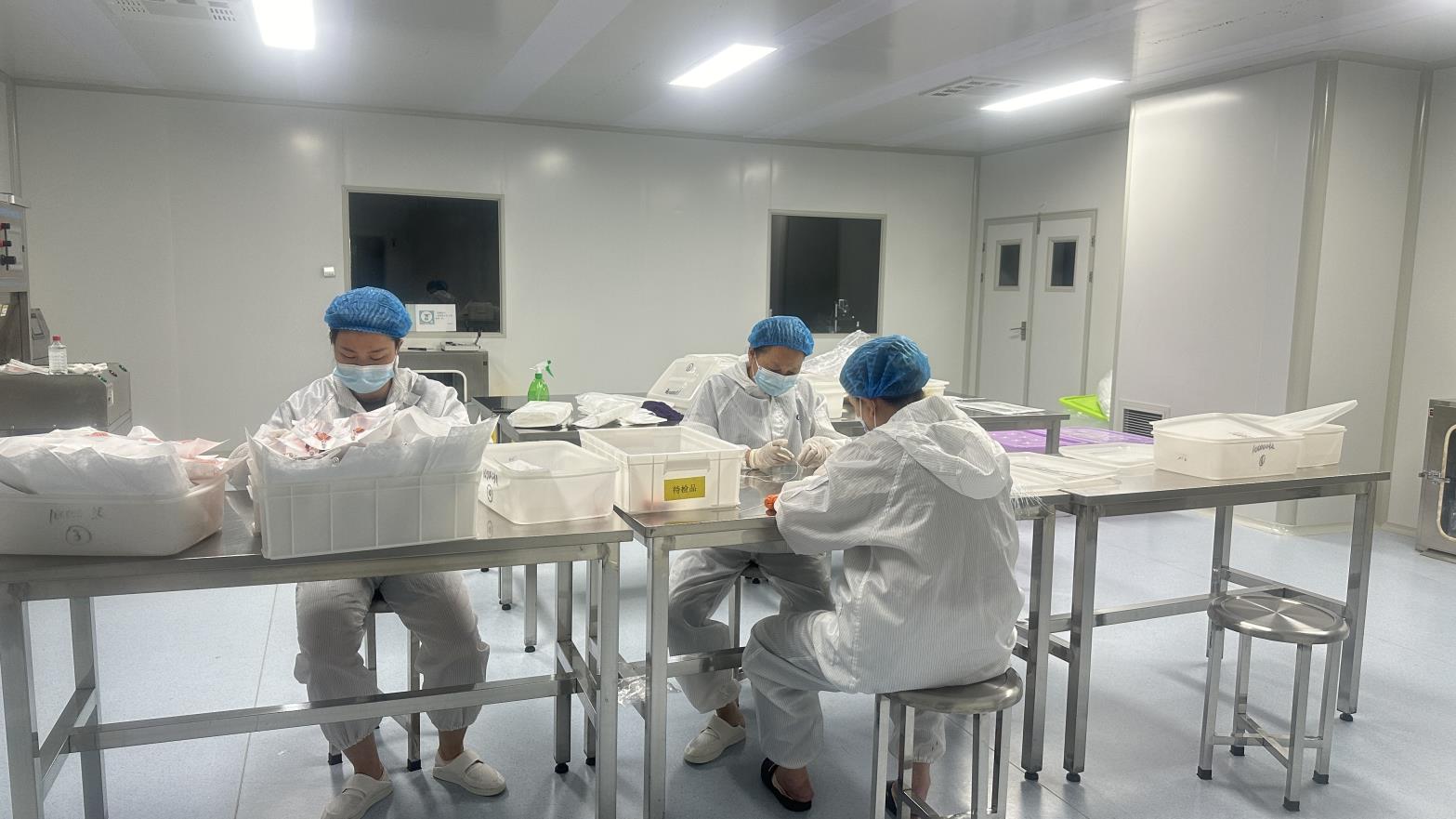
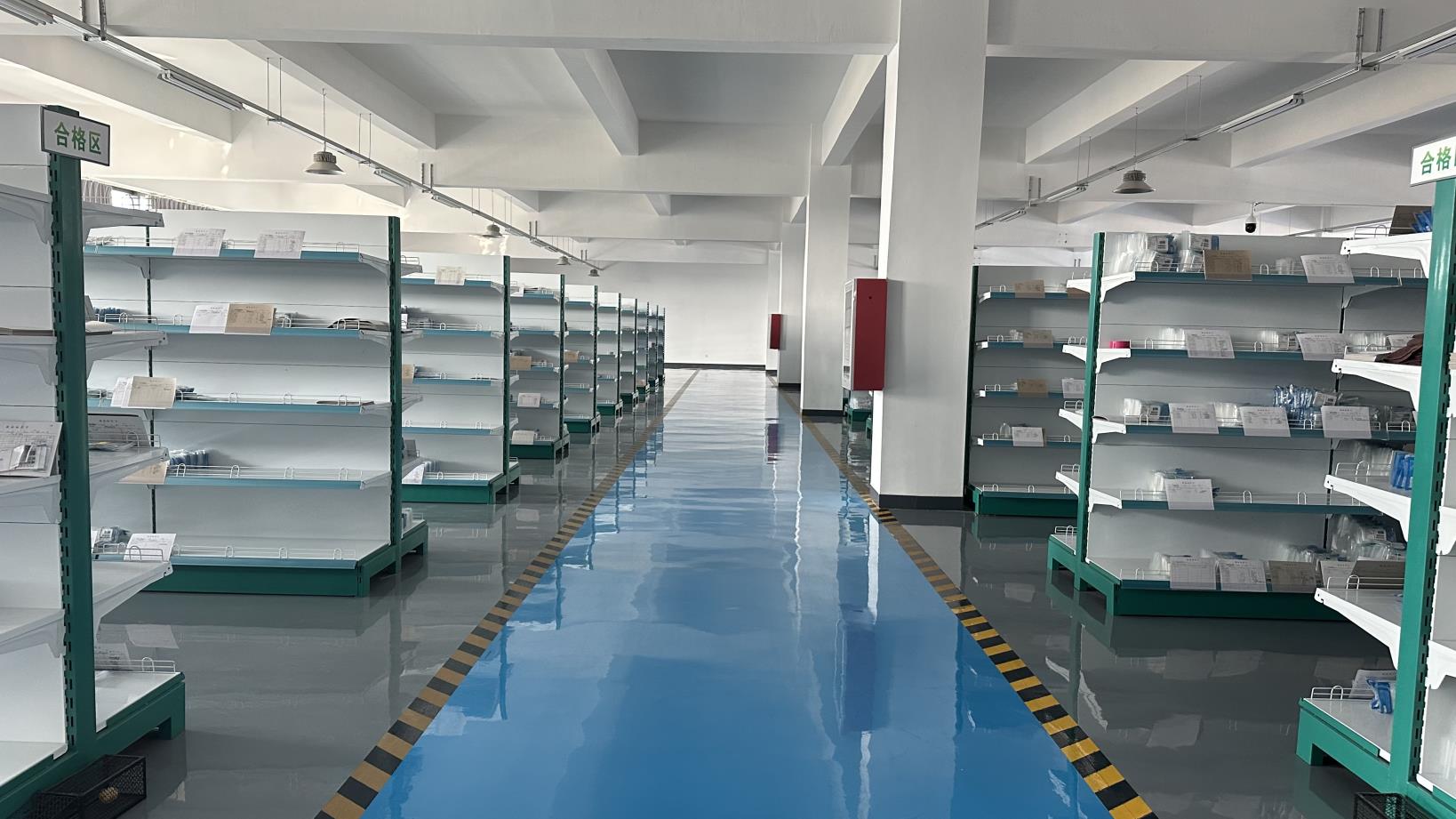
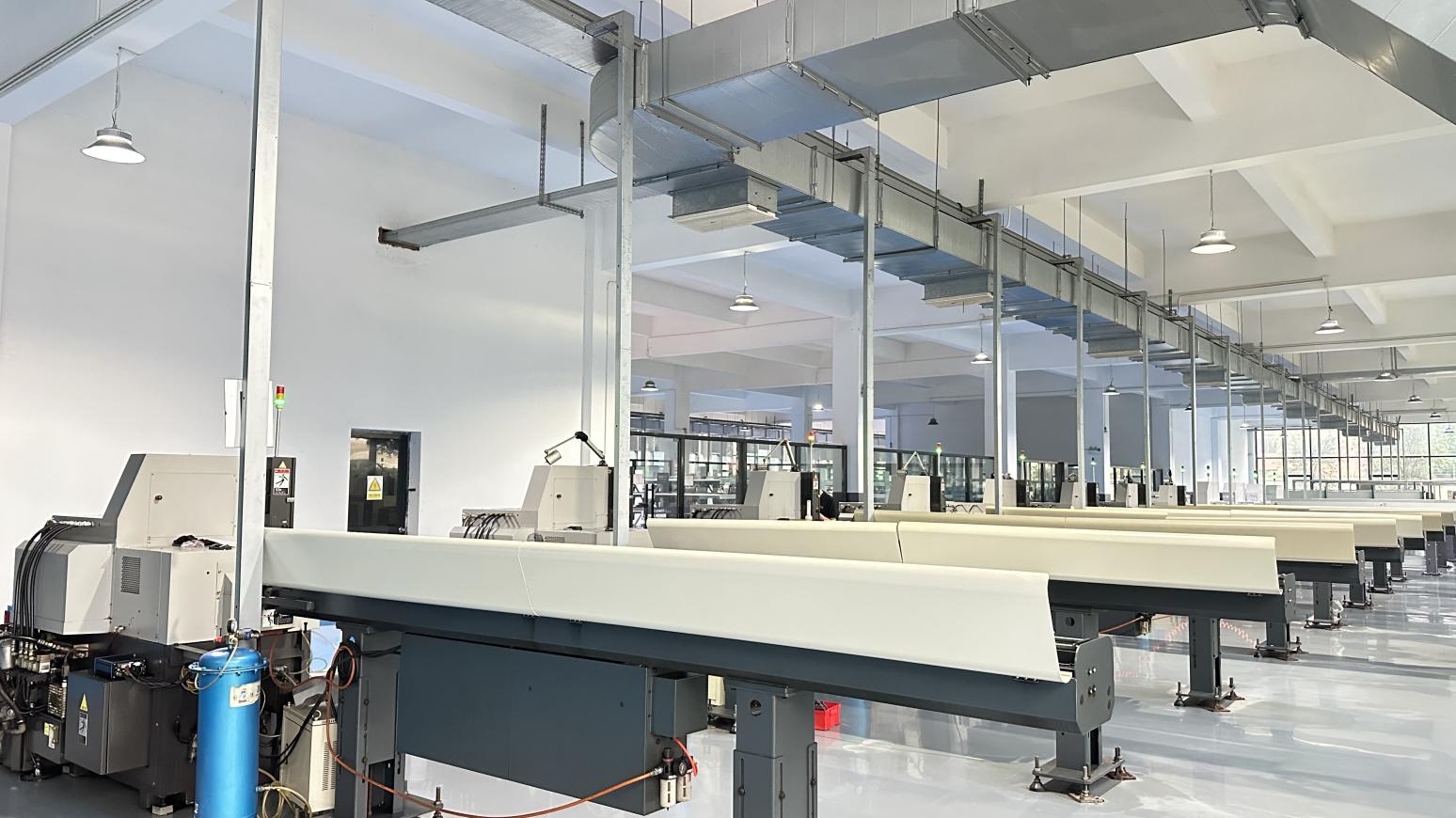
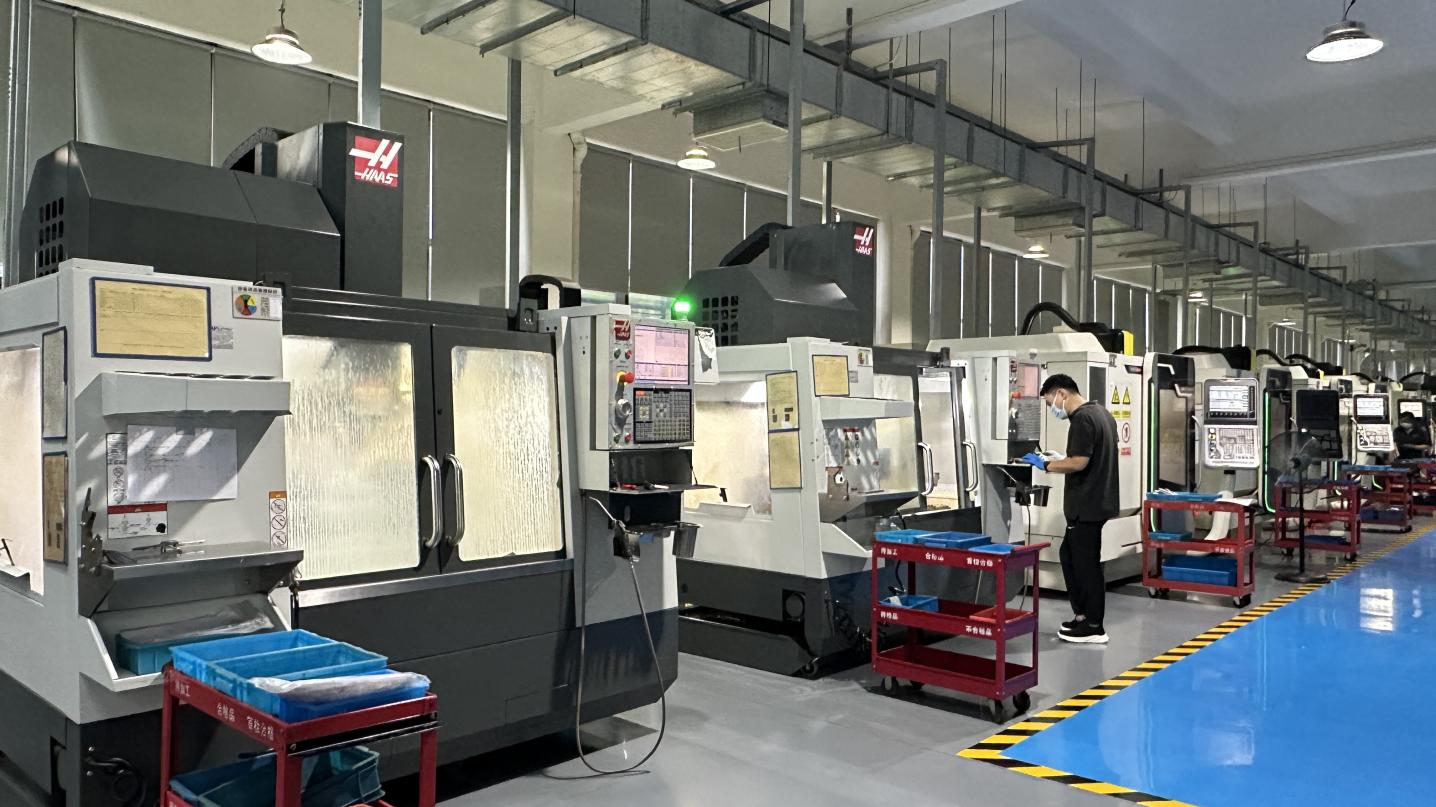
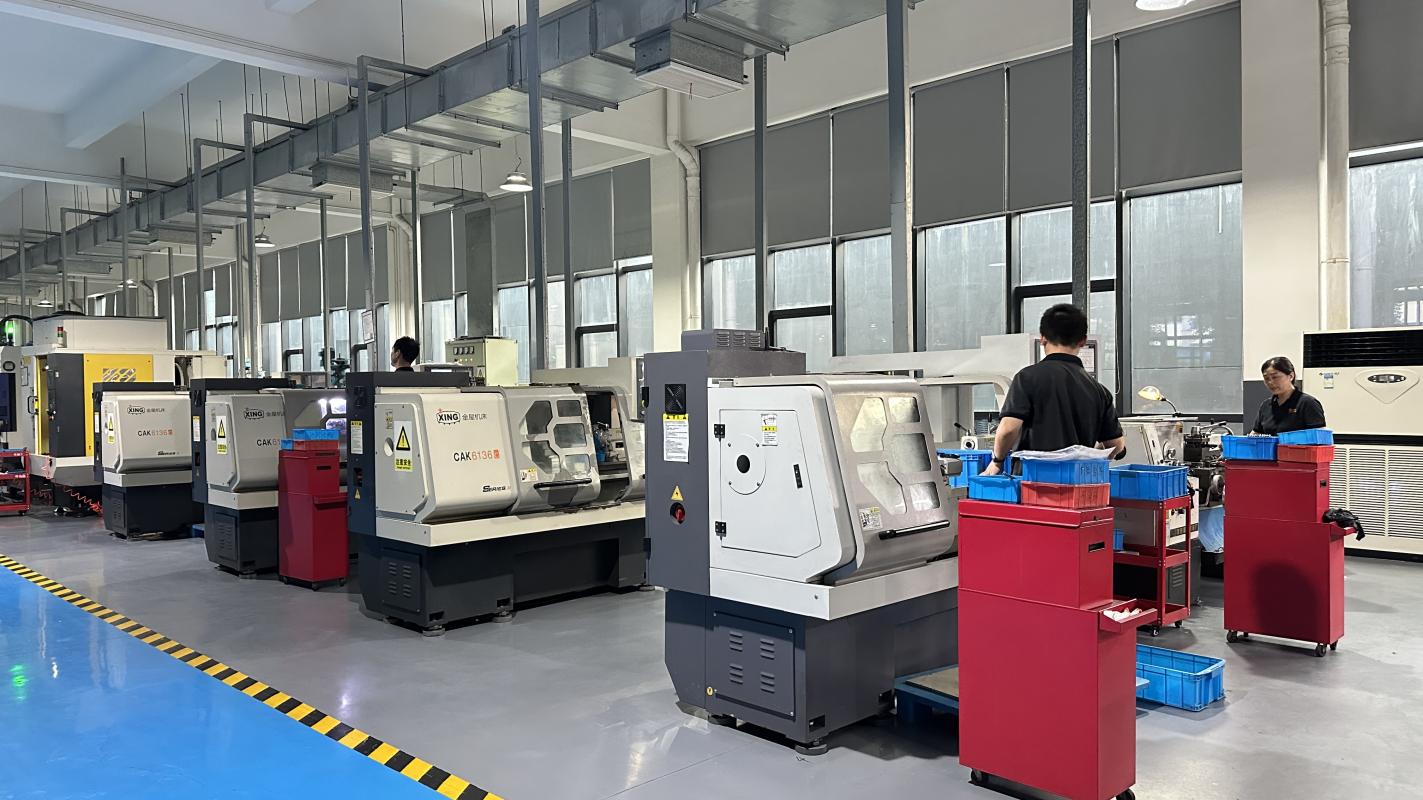
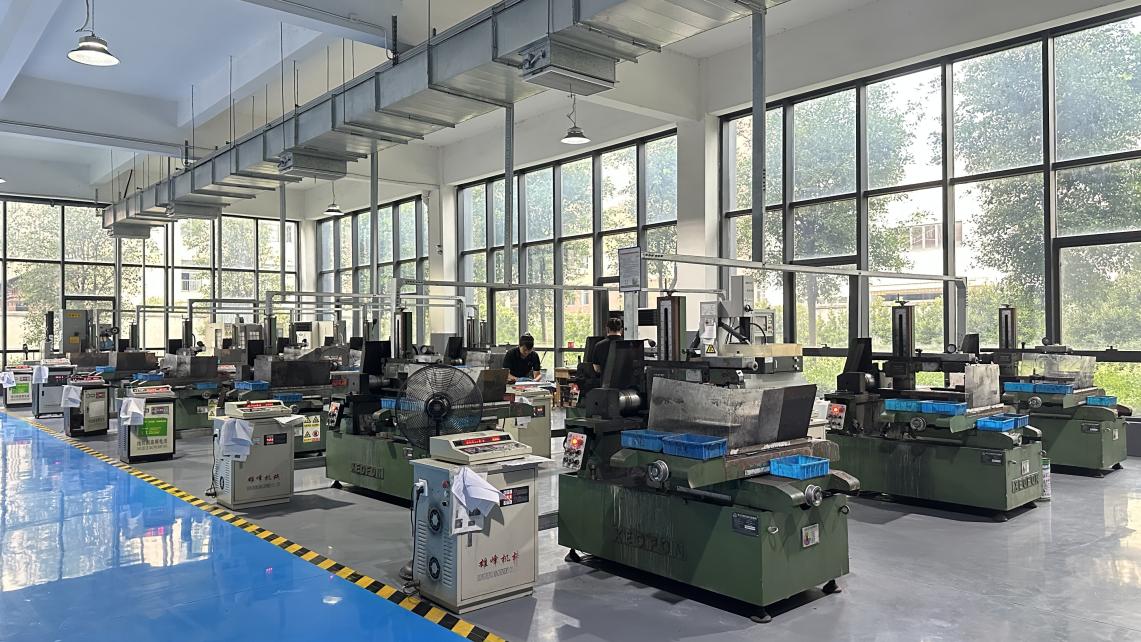
Behind the scenes of micro-tolerance machining, automated CNC operations, laser-guided validation, and class-10,000 cleanroom packaging.
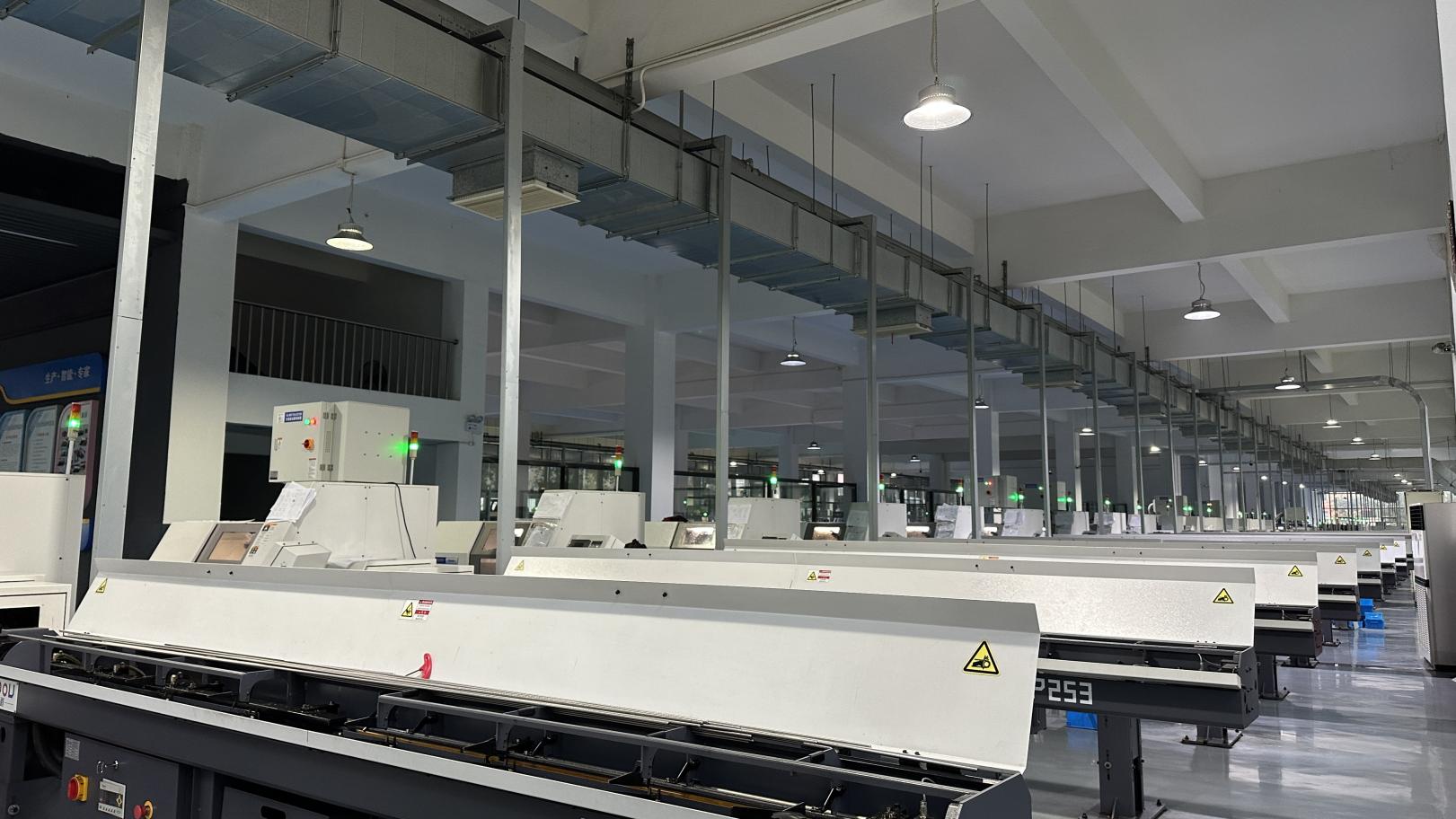
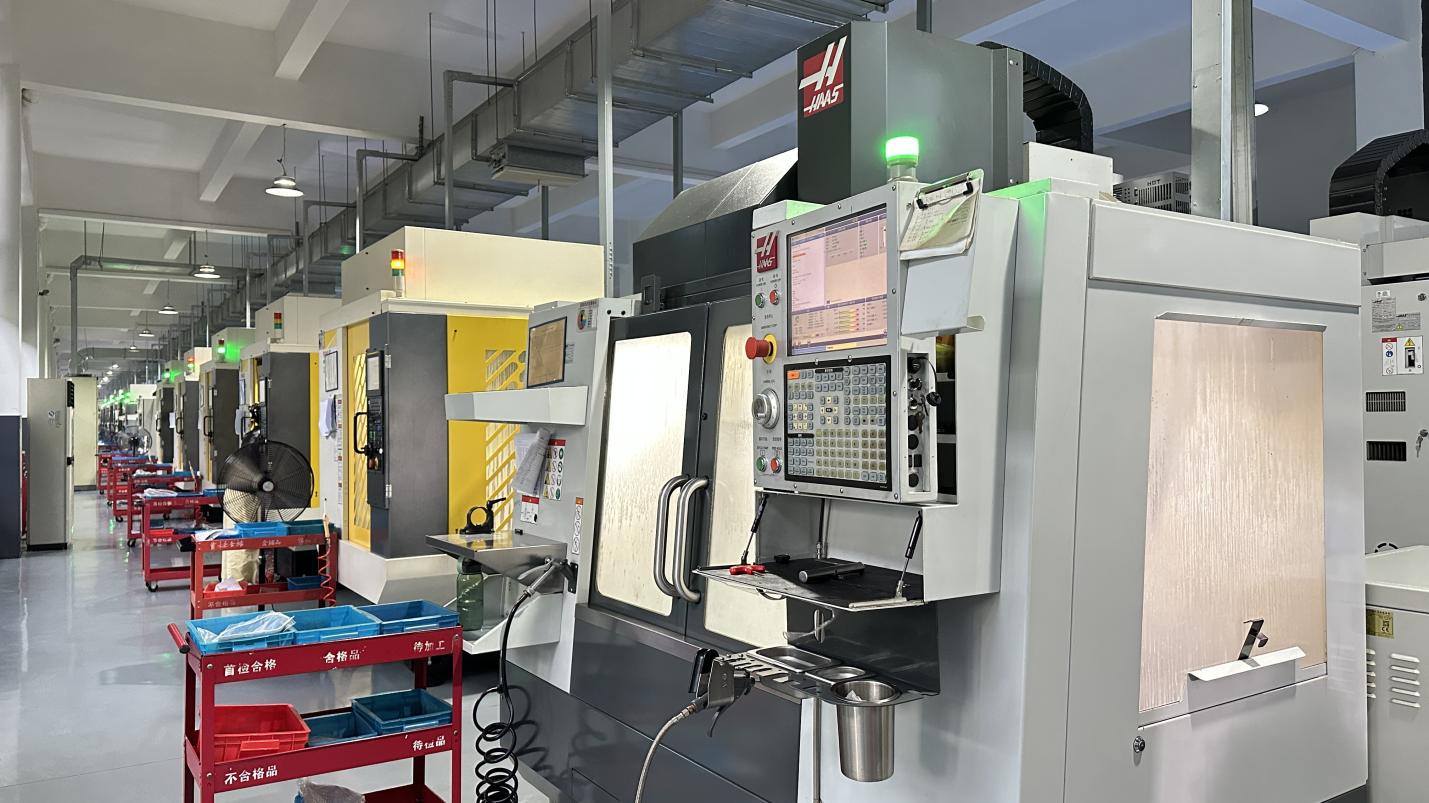
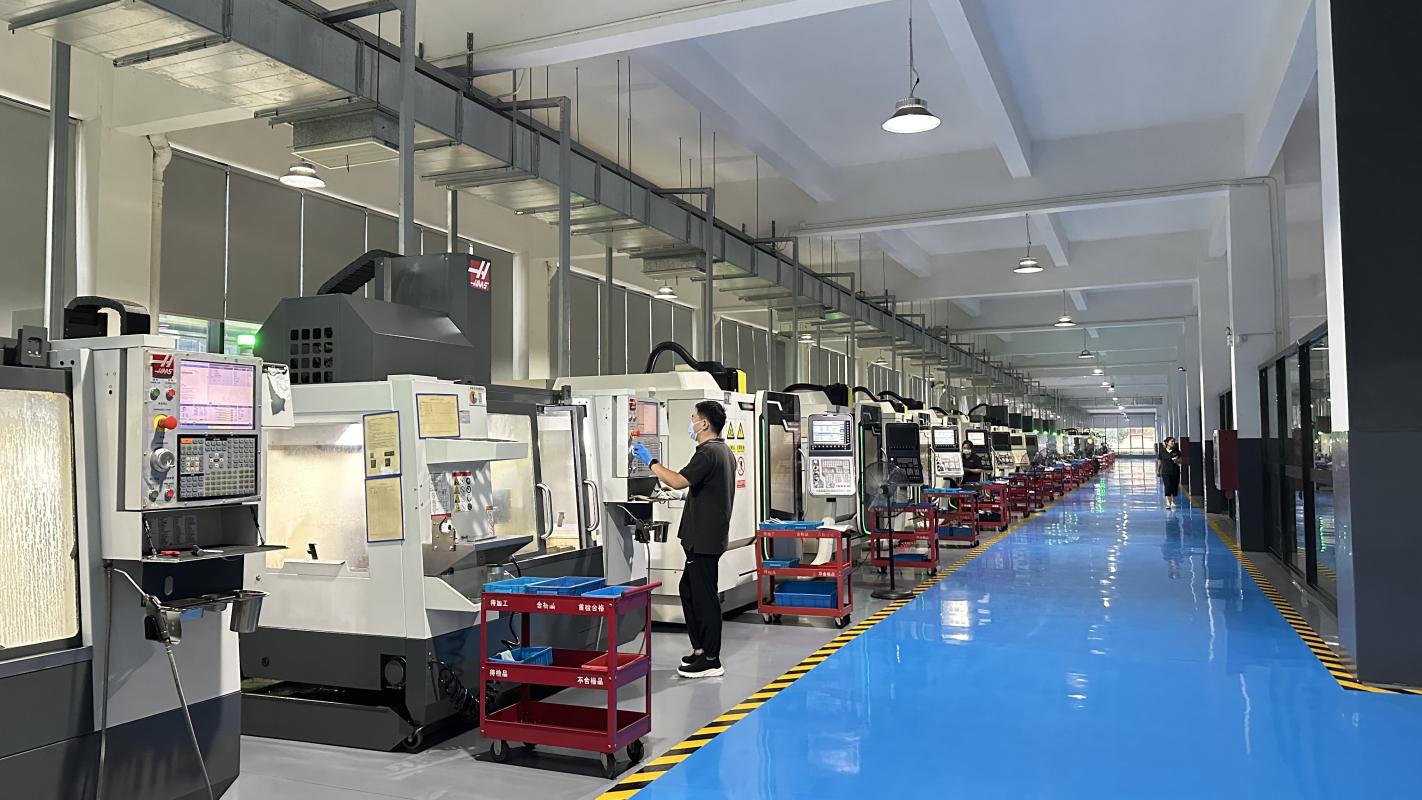
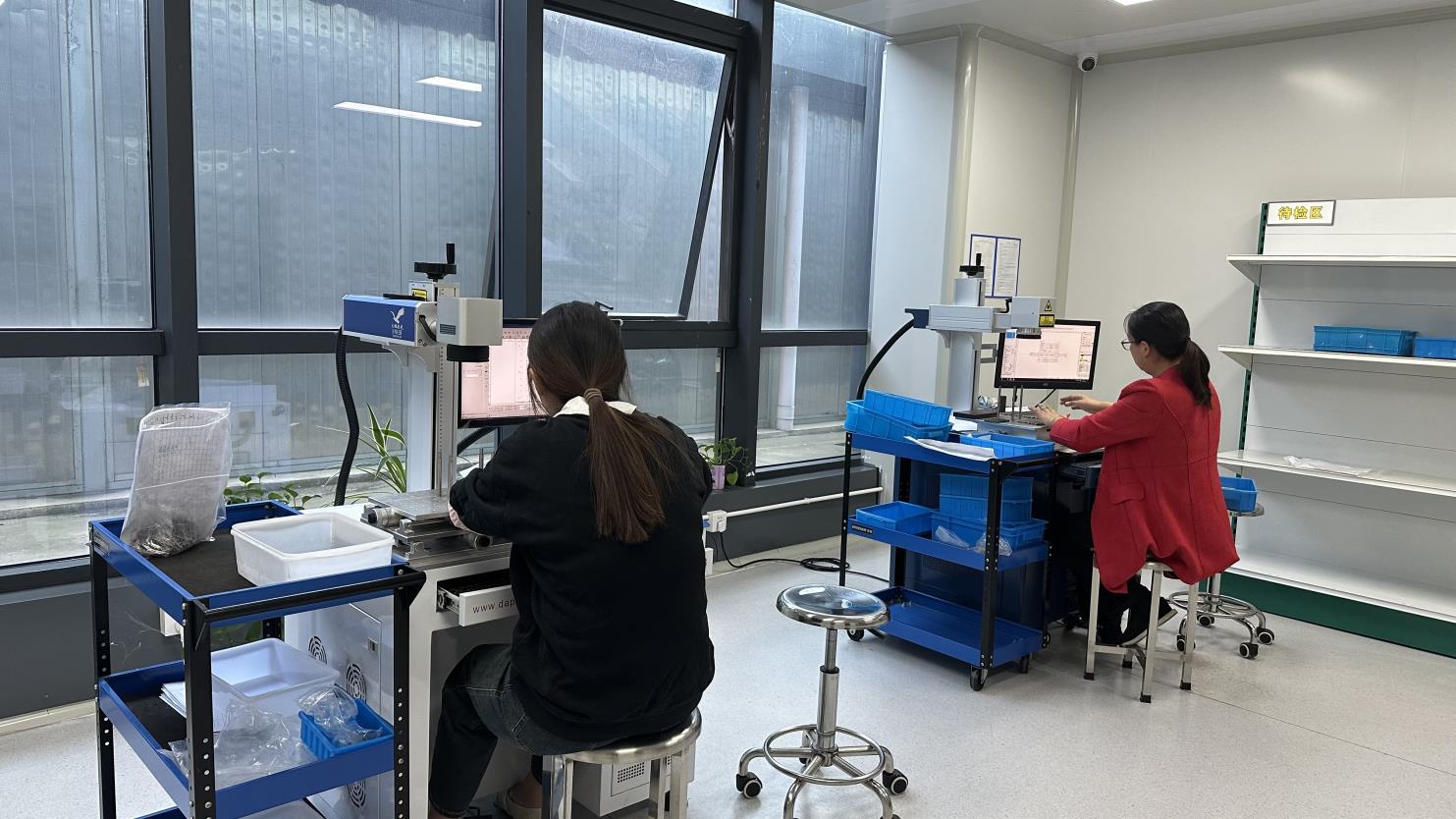
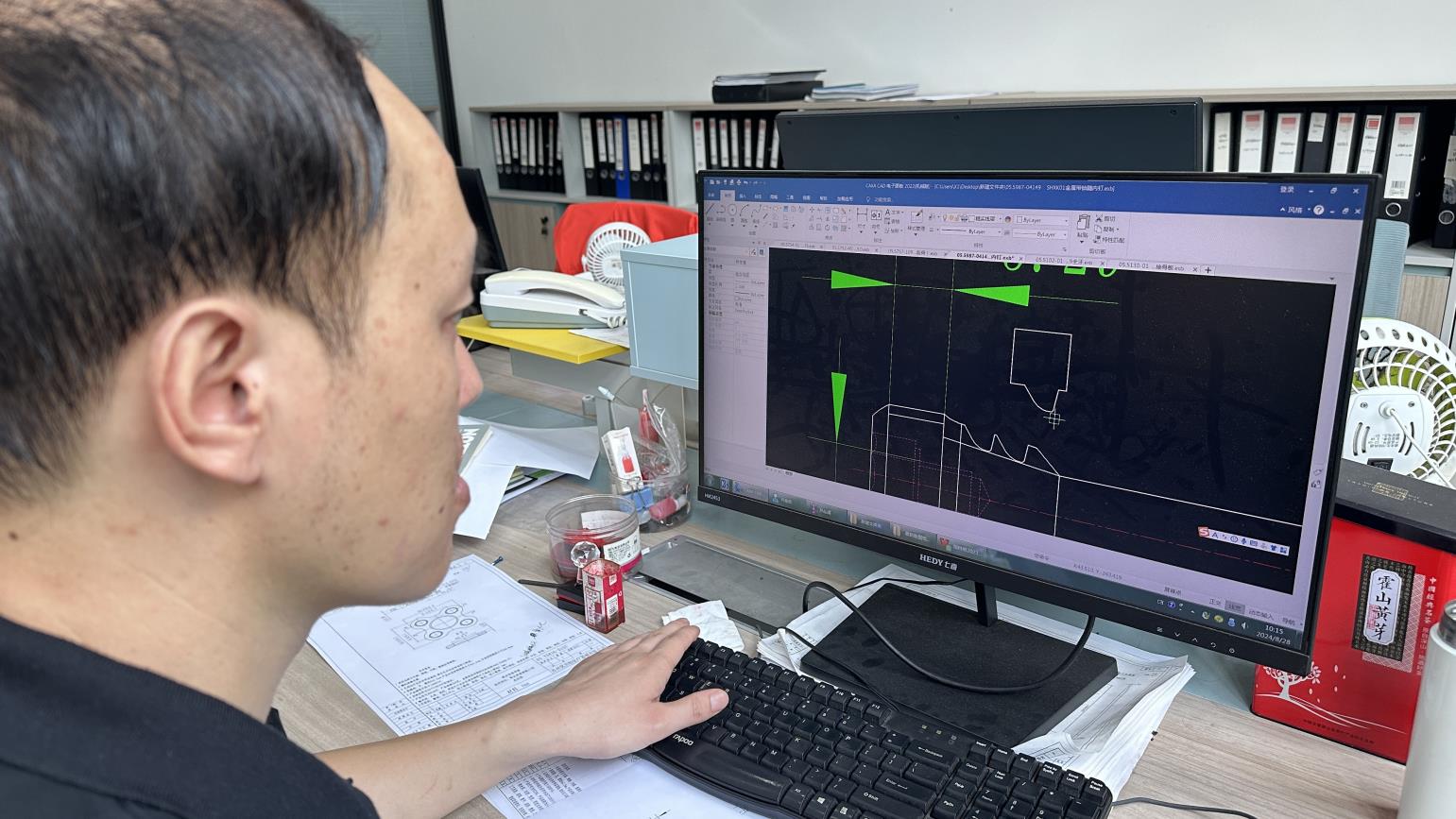
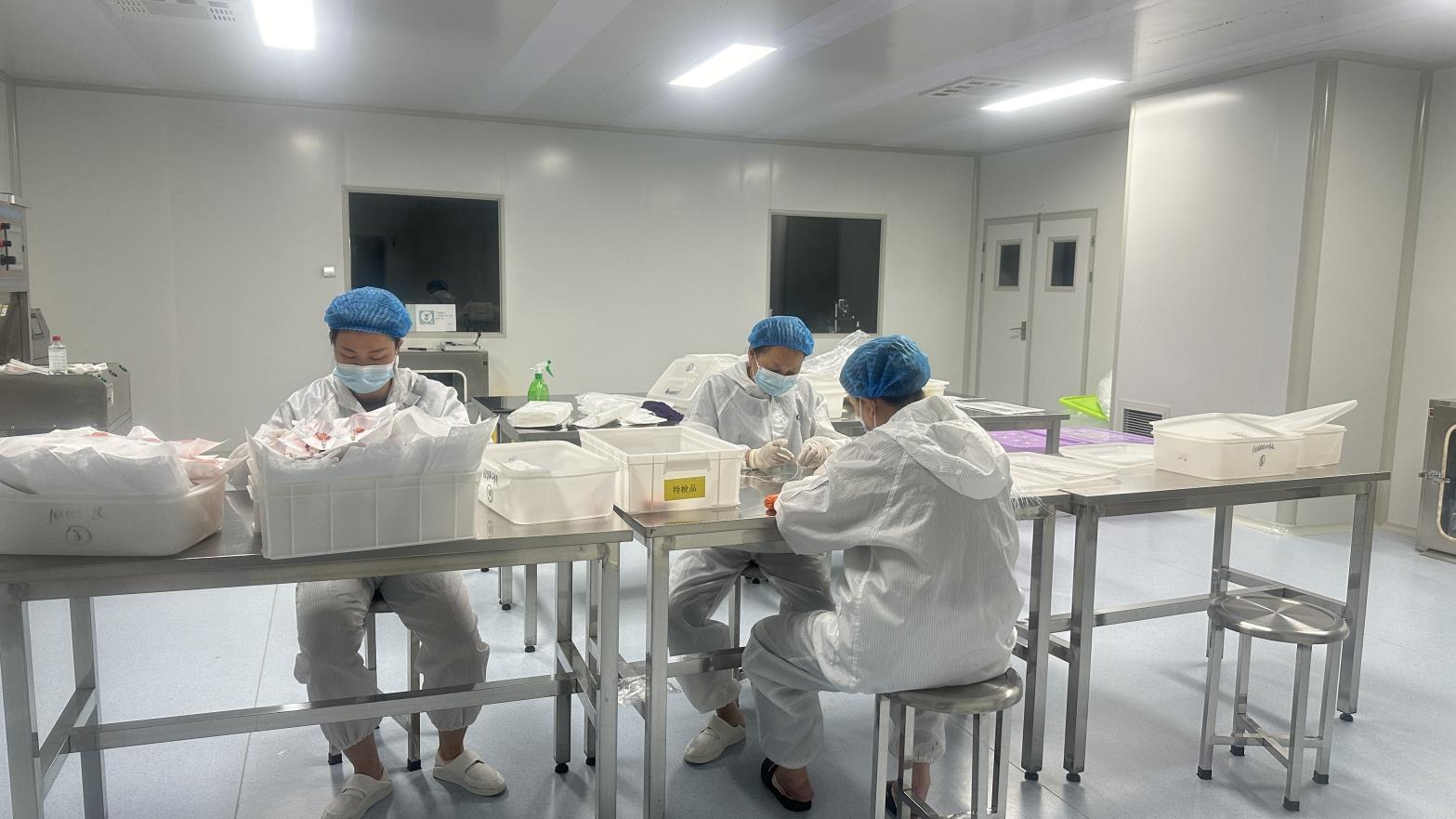
Analyzing structural parameters, operational parameters, and mechanical failure profiles for surgical procurement teams.
| Implant Parameters | Modular Reconstruction Systems | Monolithic (Monoblock) Systems | Primary Clinical Advantages |
|---|---|---|---|
| Biomechanical Fit | In-situ adjustability of offset, neck angle, and length. | Pre-determined configurations; relies on template match. | Drastically decreases the risk of postoperative joint dislocation. |
| Inventory Footprint | Interlocking components optimized for modular pairing. | Requires storing complete assemblies in every size. | Reduces capital lock-up in hospital inventory systems. |
| Structural Interface | Requires taper connections (e.g., Morse Taper 12/14). | Single continuous component (zero mechanical interface). | No interface means zero risk of micro-fretting or corrosion. |
| Revision Versatility | Permits replacement of individual worn components. | Requires removal of the entire bone-anchored stem. | Preserves healthy cortical bone during revision surgeries. |
| Manufacturing Tolerances | Sub-micron tolerances (<0.5 μm) required to guarantee lock. | Standard CNC tolerances suffice (~5.0 μm). | Demands high-grade CNC facilities like Bonevia. |
Navigating medical regulatory landscapes: CE (MDR), FDA 510(k), ISO 13485, and localized orthopedic distribution laws.
Every batch of implant titanium (Ti-6Al-4V ELI) and Cobalt-Chrome alloy (CoCrMo) undergoes spectroscopic verification and mechanical stress testing prior to manufacturing release.
Automated coordinate measuring machines (CMM) monitor micro-tolerances of taper angles, taper diameter ratios, and screw thread pitches, ensuring matching accuracy.
Final packaging occurs inside Class-10,000 cleanrooms, adhering to ISO 11607 packaging guidelines, ensuring sterile protection for shipping to client destinations.
From 3D-printed trabecular metal structures to intelligent sensors for real-time load monitoring.
Direct technical answers addressing materials, custom engineering limits, and supply-chain logistics for medical procurement departments.
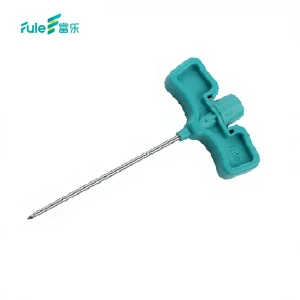
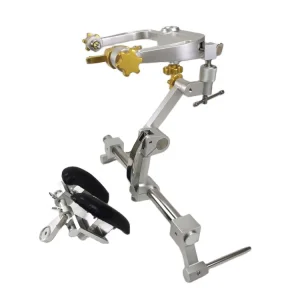
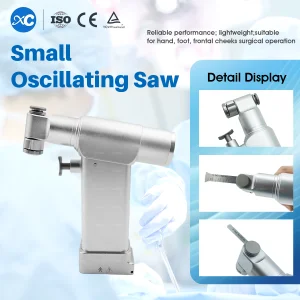
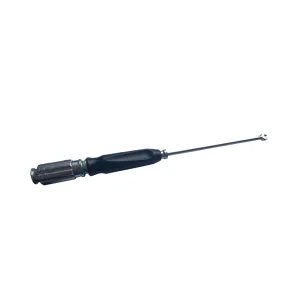
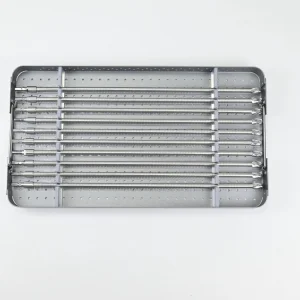
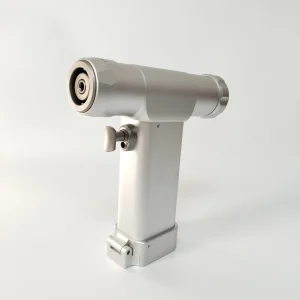
Complete our comprehensive catalog with advanced vertebroplasty sets, external fixation rigs, and precise orthopedic power tool suites.