Bonevia
Bonevia
Bonevia
Precision-engineered orthopedic solutions for veterinary and human clinical care.
Analyzing the demand patterns, clinical value parameters, and structural benefits of Monoaxial Pedicle Screws compared to Polyaxial alternatives.
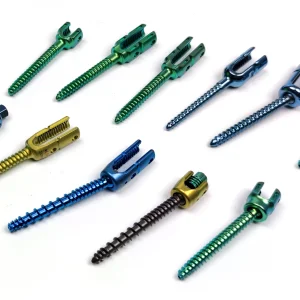
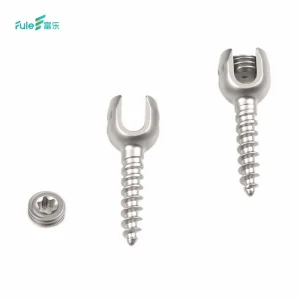
Unlike polyaxial configurations, monoaxial pedicle screws establish a fixed, rigid angle relative to the screw axis. In deformity correction like scoliosis or traumatic fracture reduction, this absolute rigidity guarantees maximum vertebral translation force without joint slippage, securing spinal stabilization parameters across thoracic and lumbar segments.
Medical-grade Ti-6Al-4V ELI (ISO 5832-3 / ASTM F136) represents the standard. This biocompatible alloy delivers optimal fatigue limit tolerances, corrosion mitigation, and reduced artifacts in post-operative MRI/CT scans. Advanced manufacturing ensures precise thread integration for superior bone anchorage.
Monoaxial screws are indispensable in pediatric and adult deformity correction. They transfer corrective maneuvers directly to the spinal column. Combining them with 5.5mm or 6.0mm rod configurations allows surgeons to perform de-rotation, compression, and distraction with predictable mechanical leverage.
Bonevia Orthopedic Technology Co., Ltd. is a professional manufacturer specializing in orthopedic implants and surgical solutions, dedicated to advancing innovation in trauma, spine, and joint reconstruction products. Since its establishment in 2015, the company has grown steadily into a trusted supplier in the global orthopedic industry.
With a modern production facility covering approximately 320㎡, Bonevia maintains strict quality management standards and efficient manufacturing processes. The company records an annual export revenue of around USD 8–15 million, supported by 6 years of export experience and over 10 years of overall industry experience.
Quality assurance is a core focus at Bonevia. The company implements multiple inspection methods including incoming material inspection, in-process quality control, and final product testing, supported by a dedicated quality team of 35 professionals. This ensures all products meet international medical device standards.
Bonevia has a solid trade foundation with diversified global distribution networks, serving major markets across Europe, Southeast Asia, the Middle East, and South America. Its supply chain ecosystem includes more than 850 partners, enabling stable raw material sourcing and efficient production delivery.
The company serves a wide range of clients, including hospitals, orthopedic clinics, surgical centers, and medical distributors. Bonevia also demonstrates strong R&D capabilities, offering OEM and ODM customization services to meet specific clinical requirements.
In the past year, Bonevia successfully launched 120 new product designs, supported by a research and development team of 85 engineers, continuously driving innovation in orthopedic implant systems and surgical instruments.
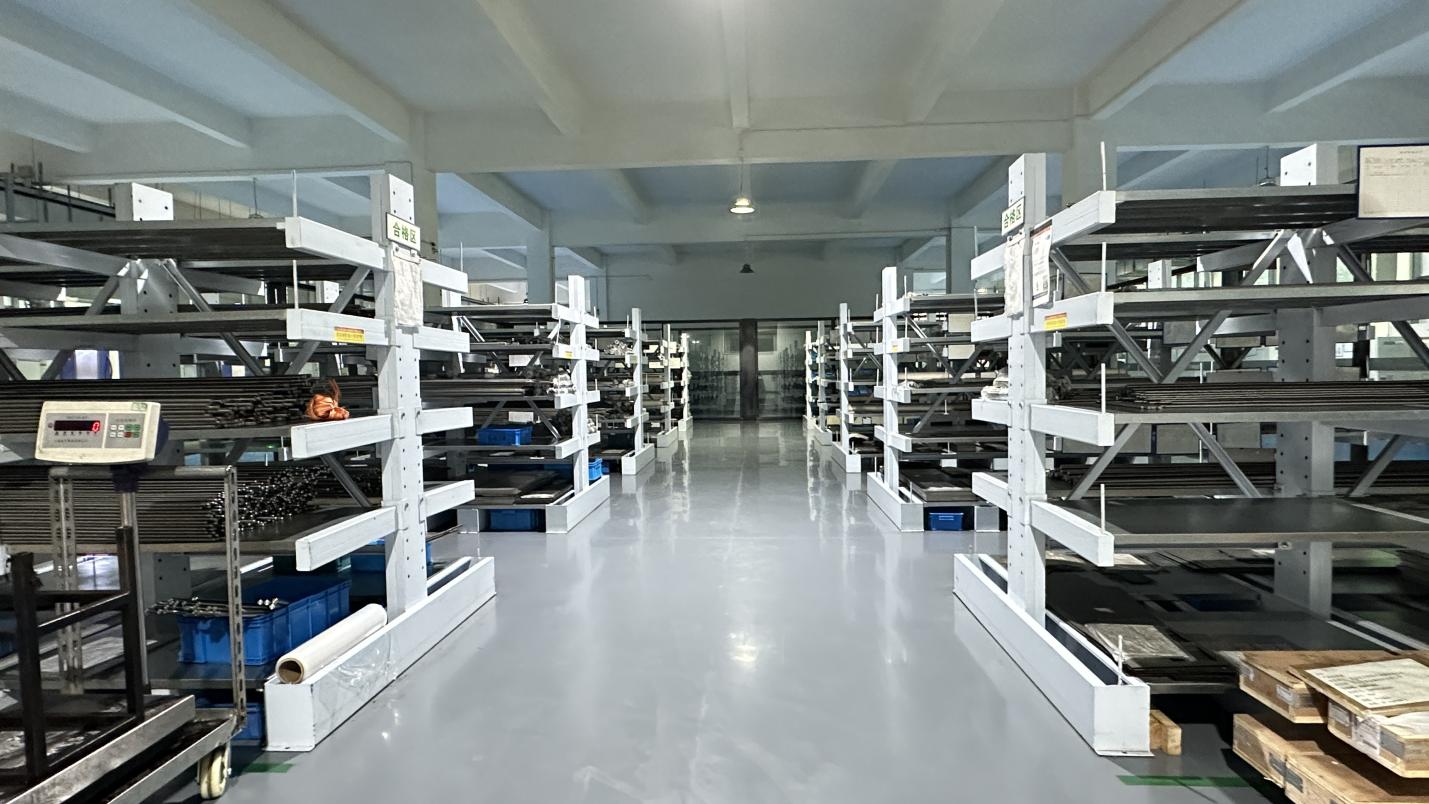
Examine our step-by-step implant production line. Each stage integrates rigorous in-process verification to exceed international spine implant regulations.
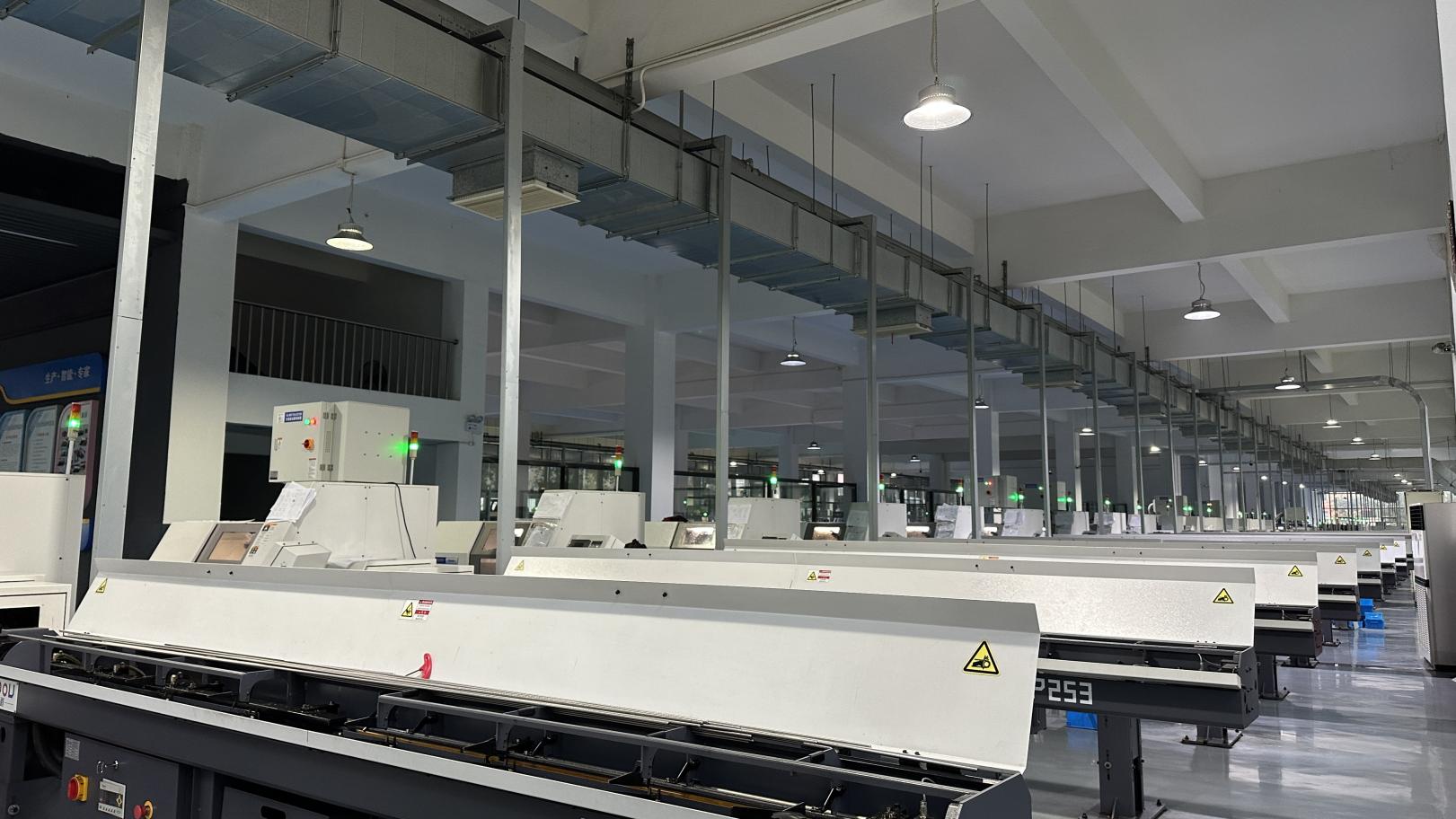
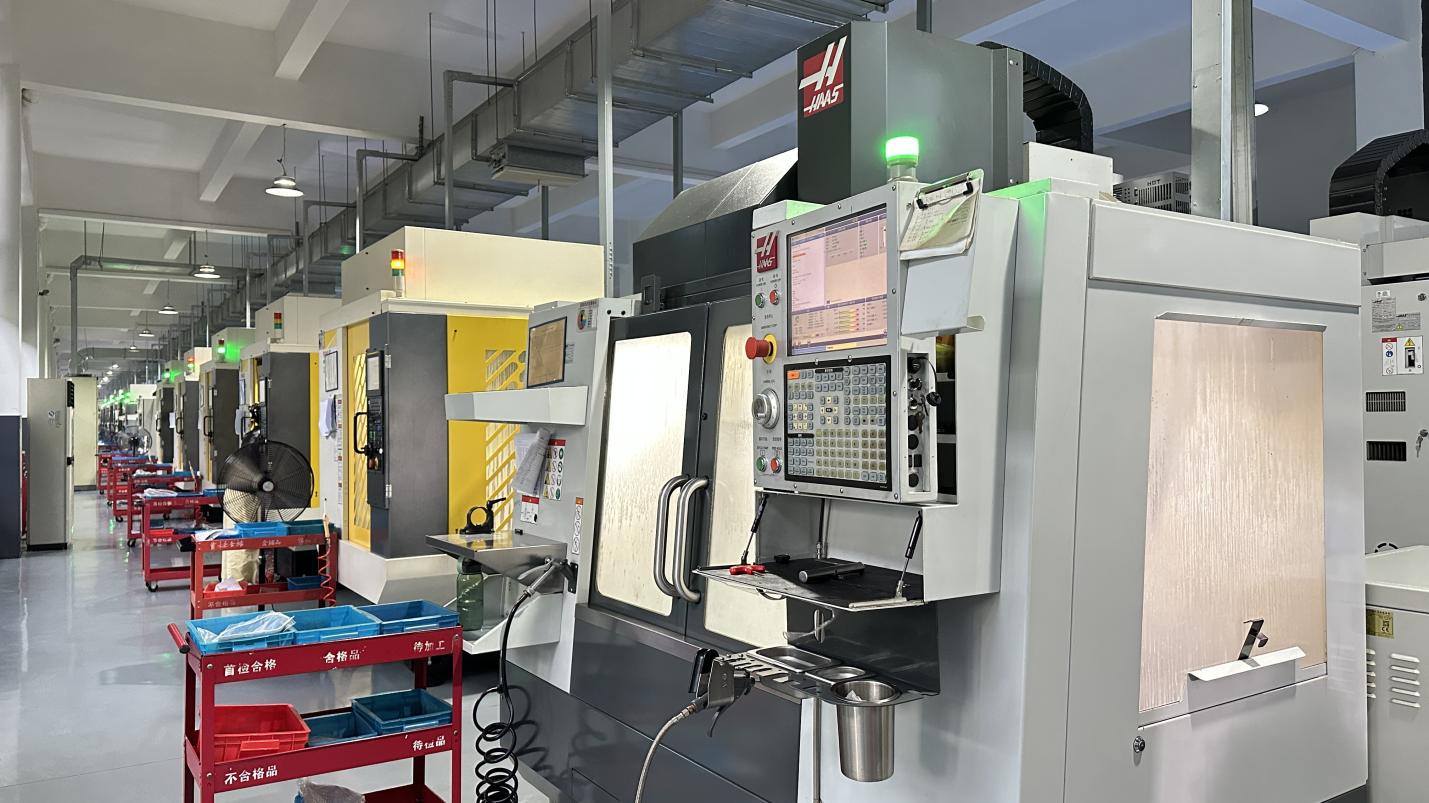
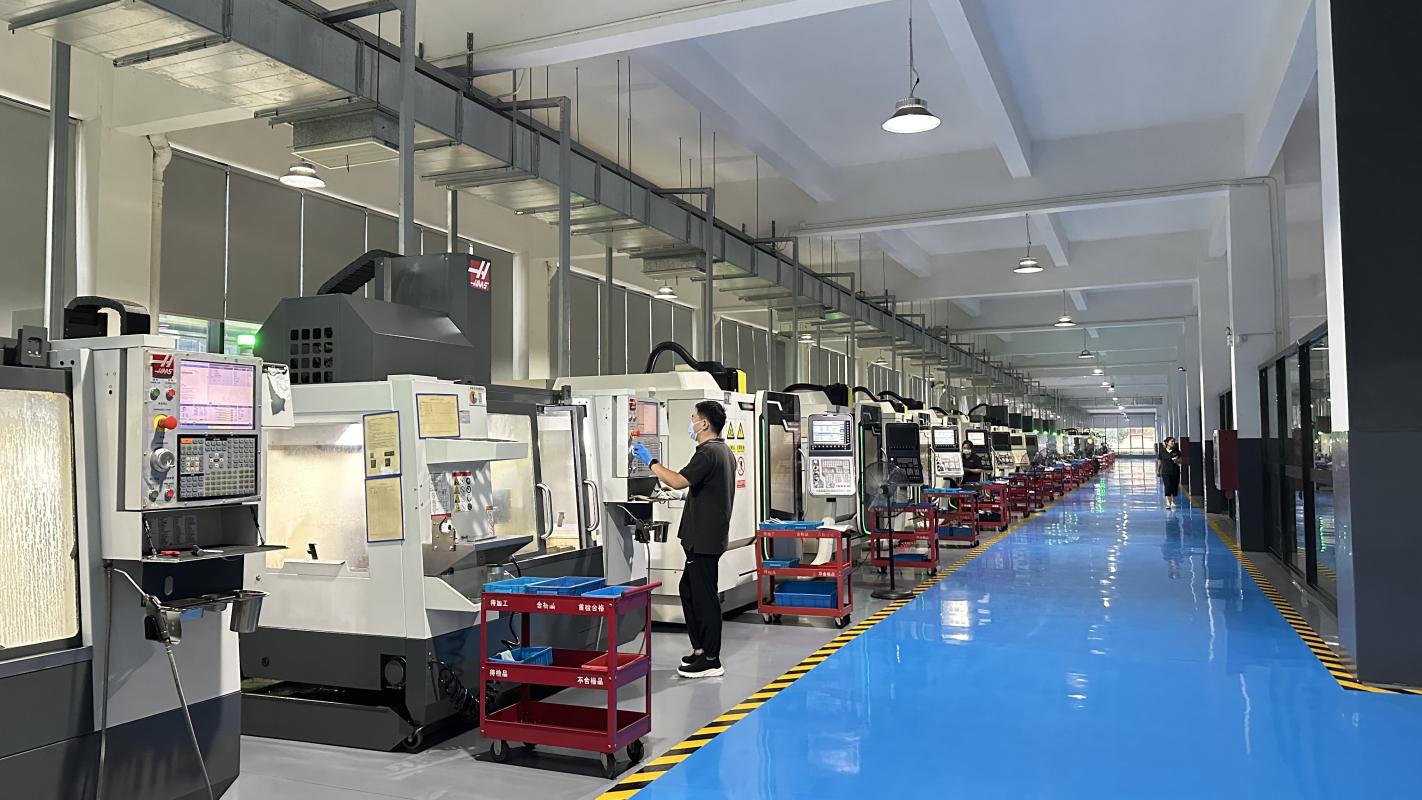
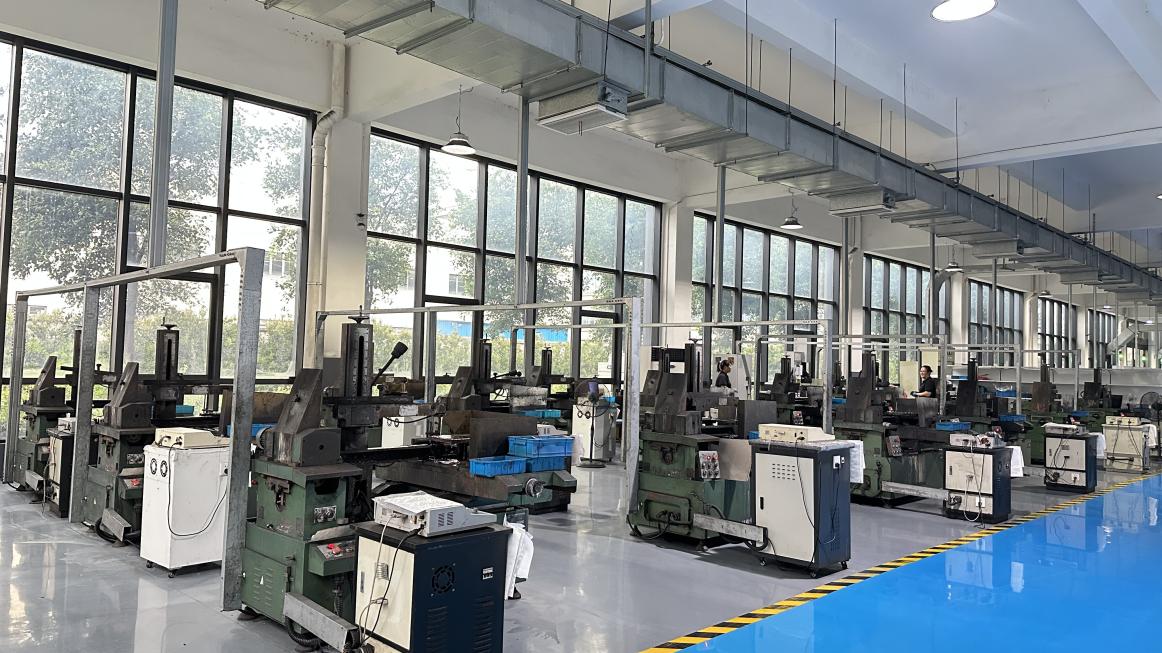
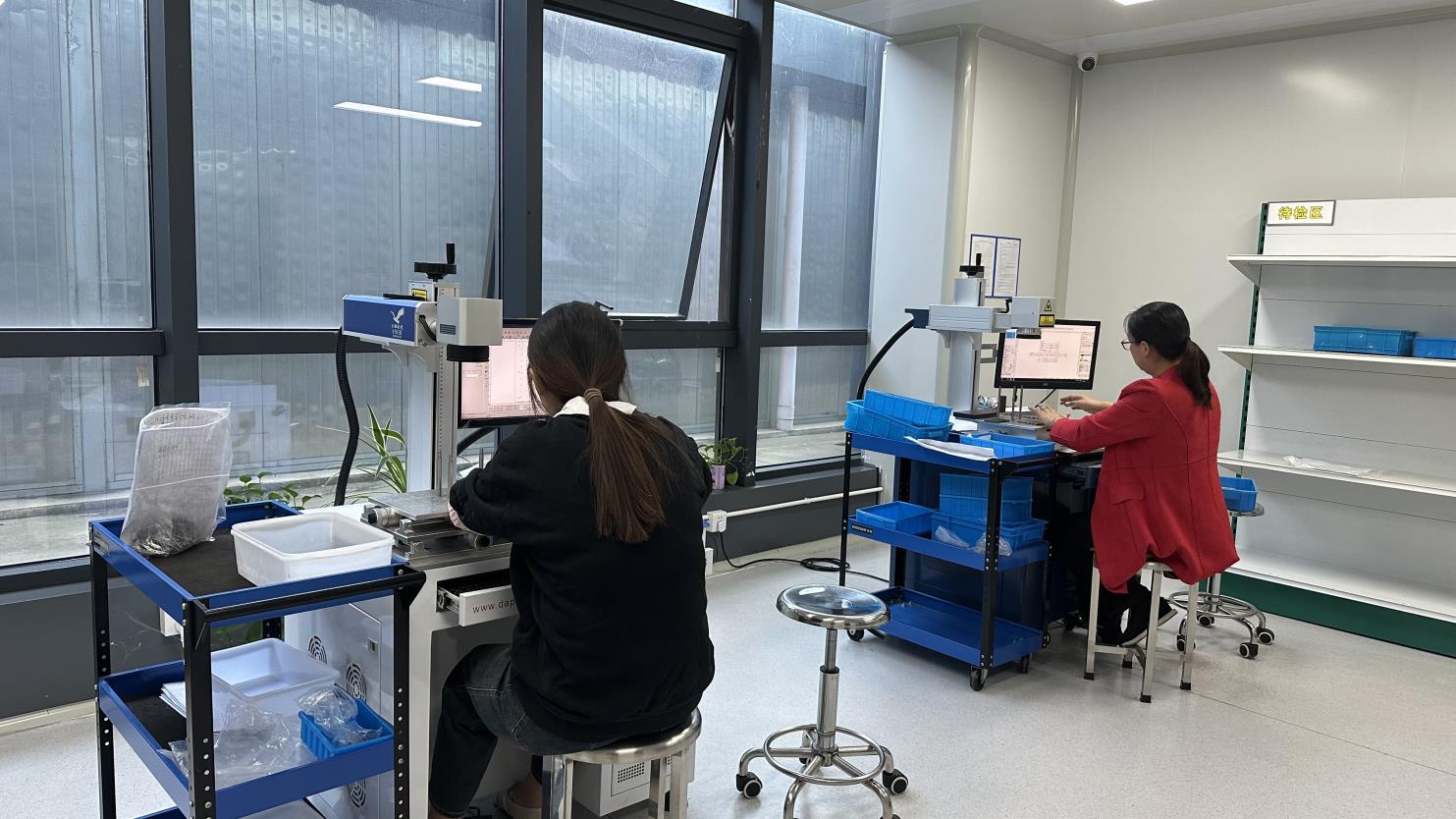
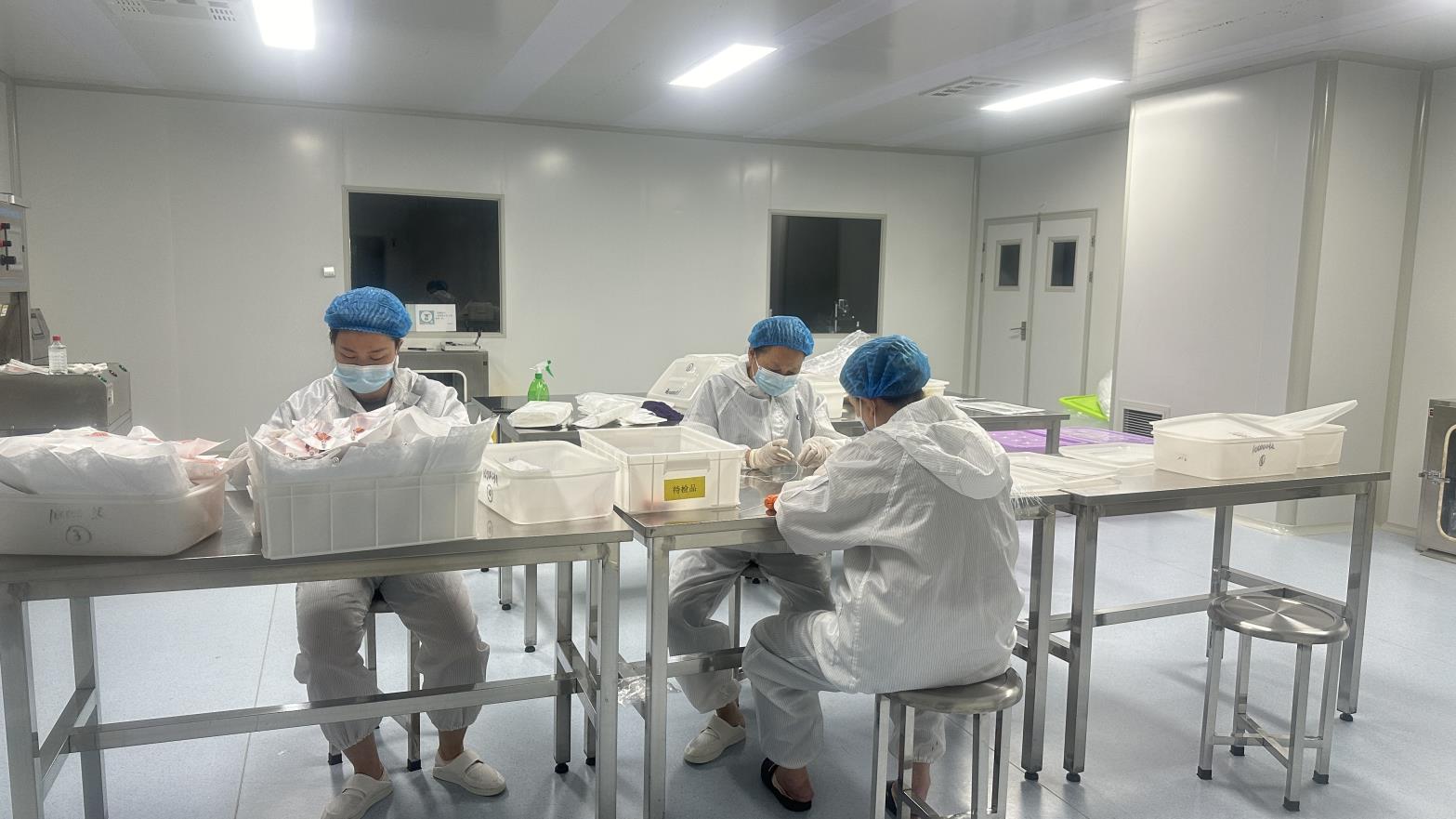

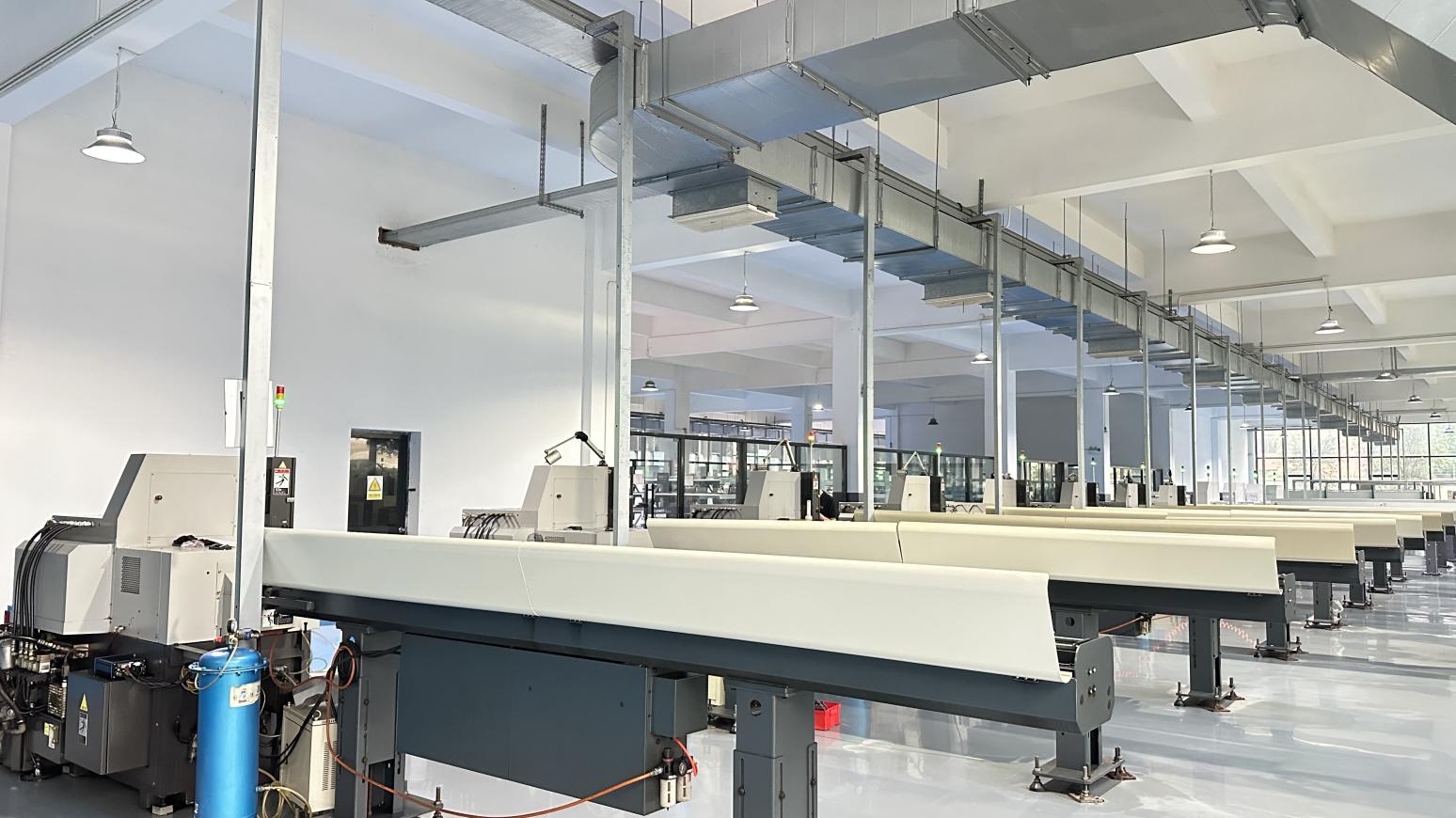
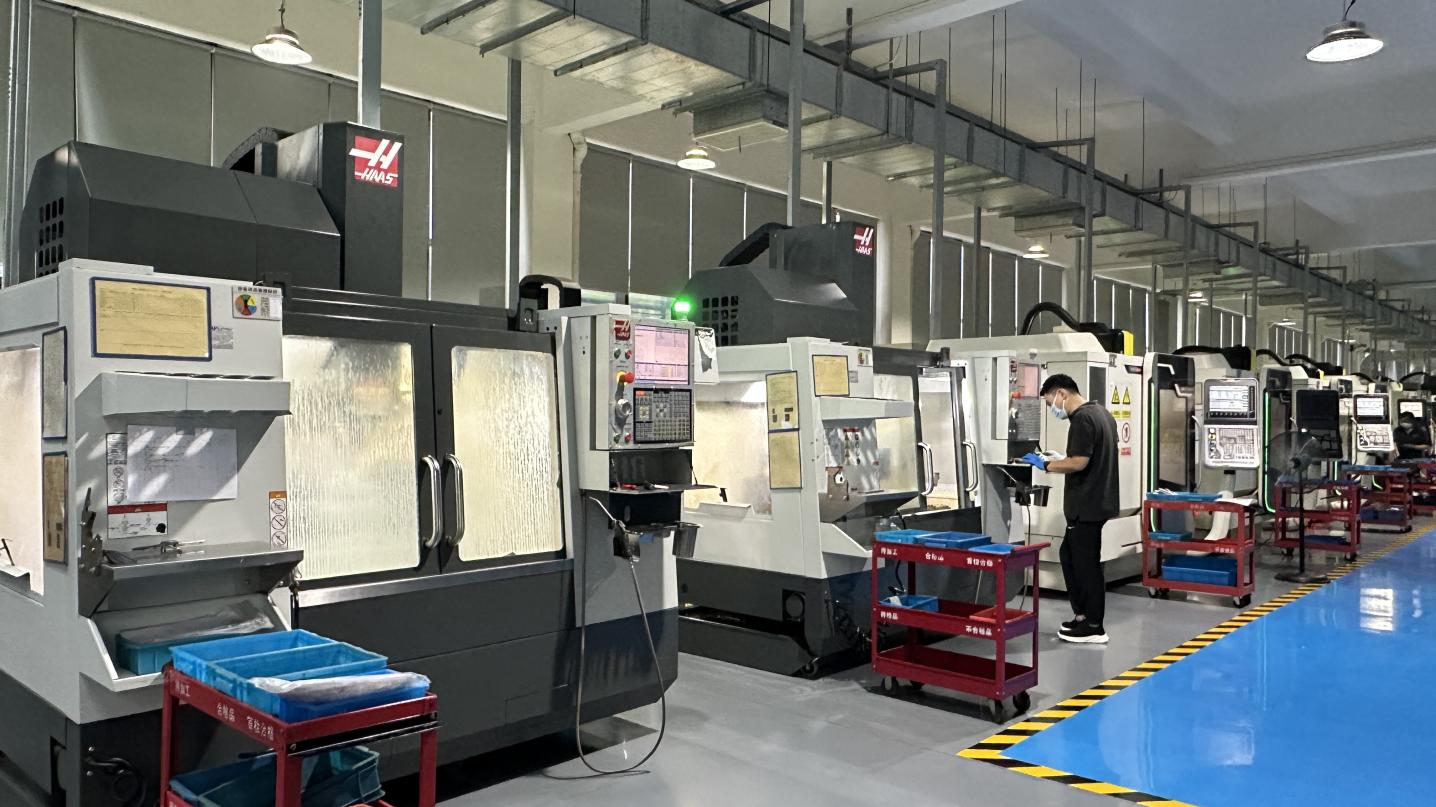
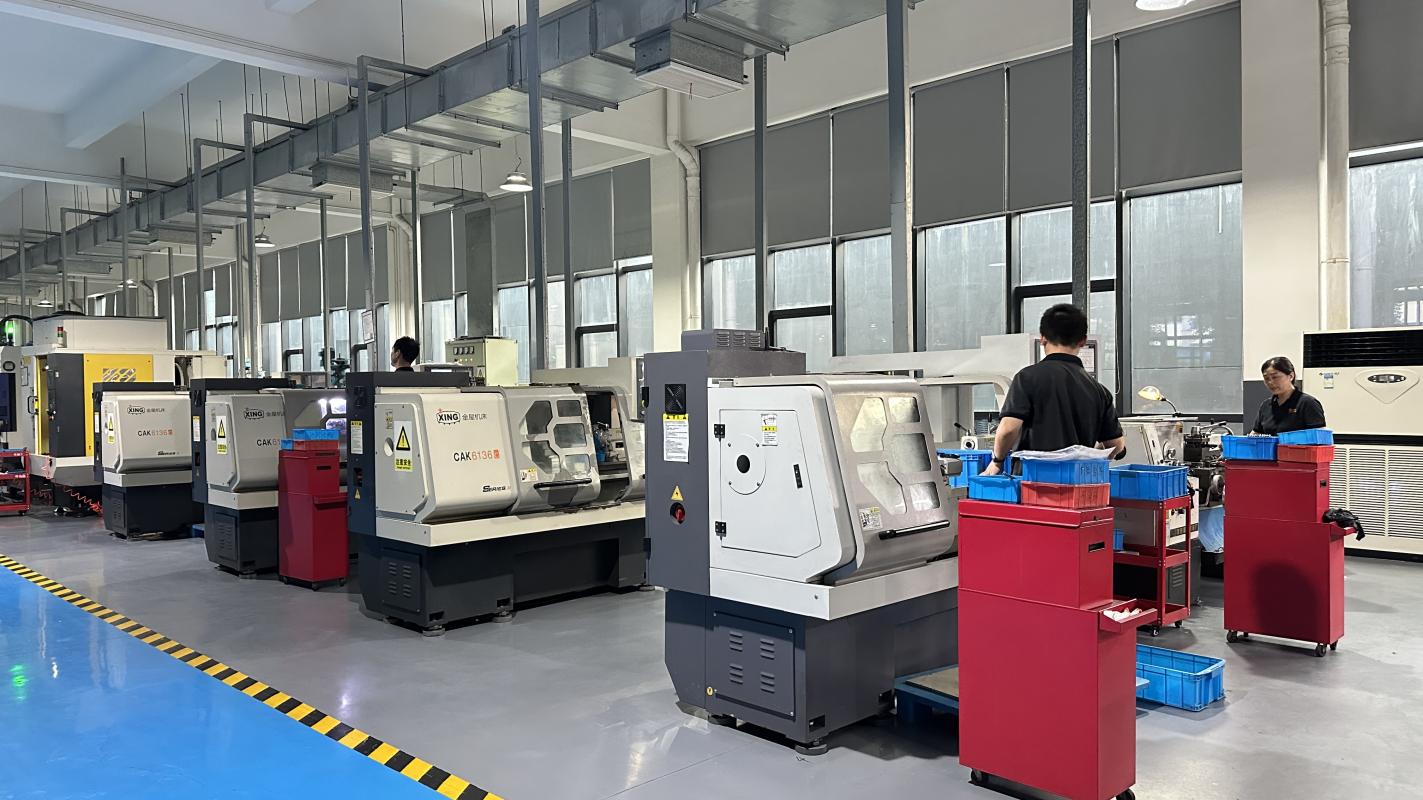
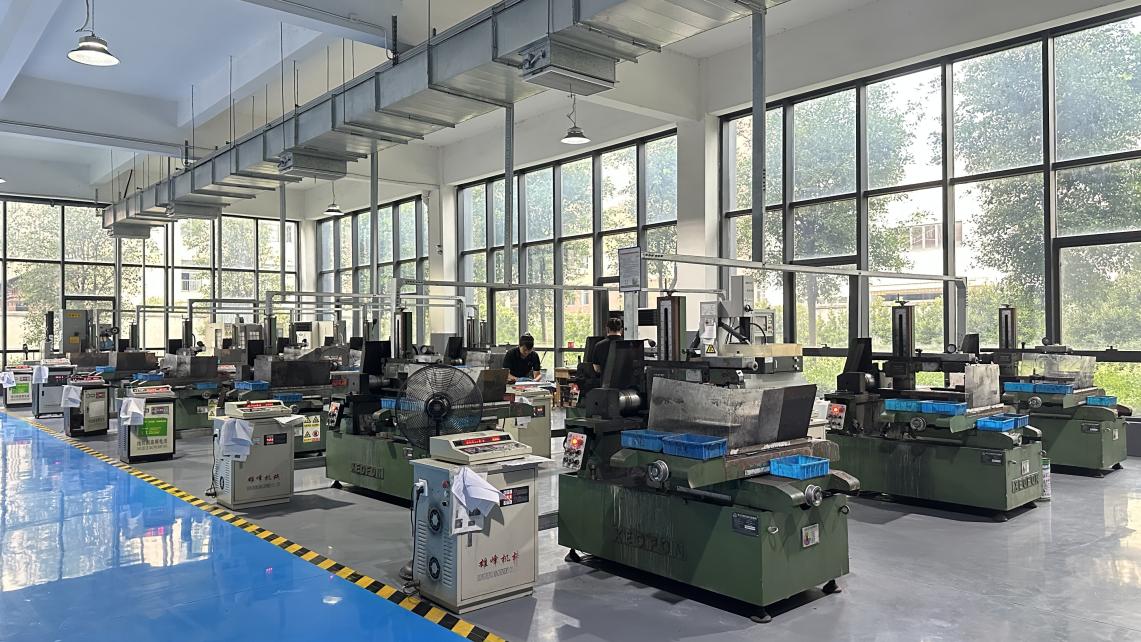
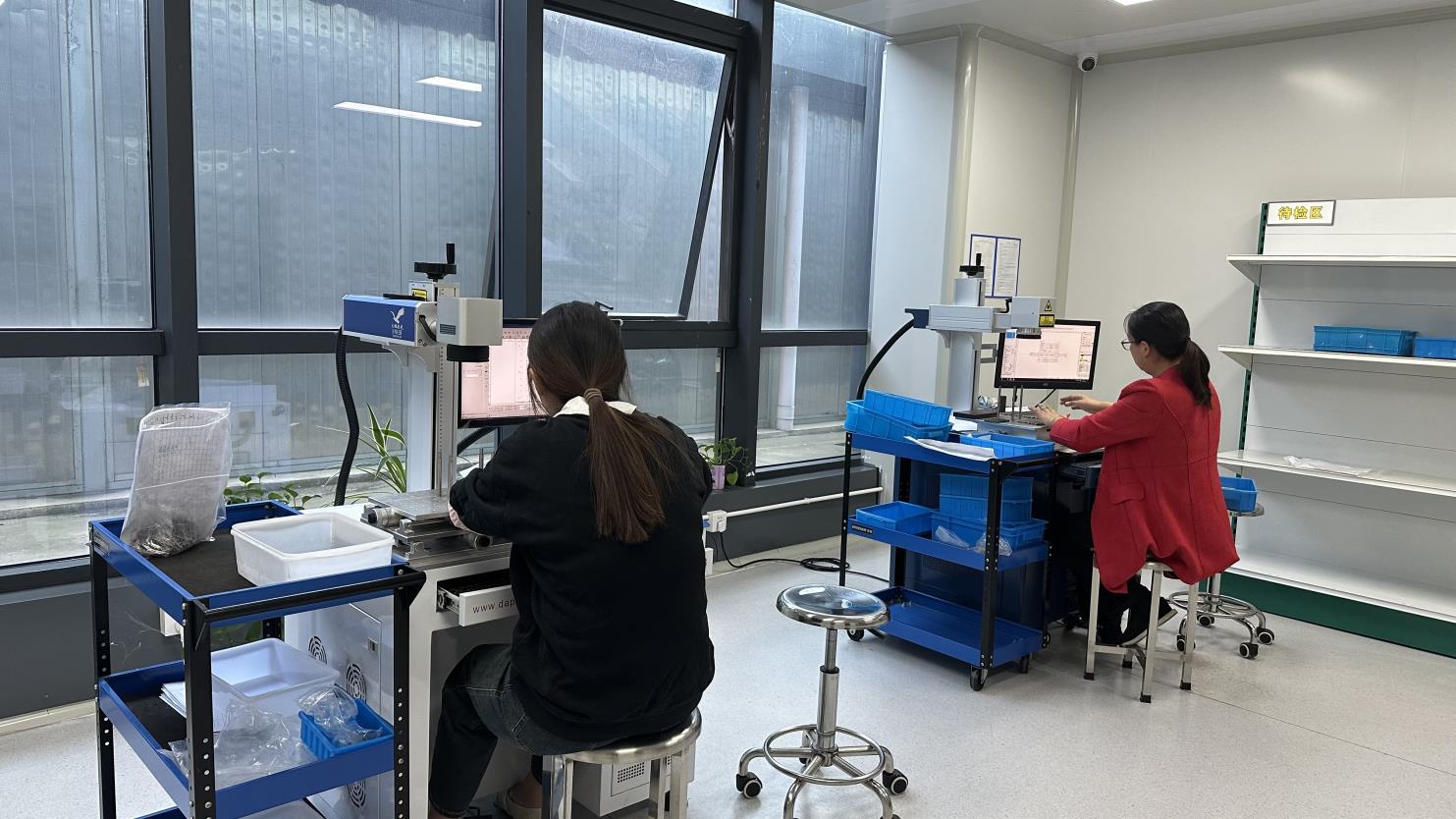
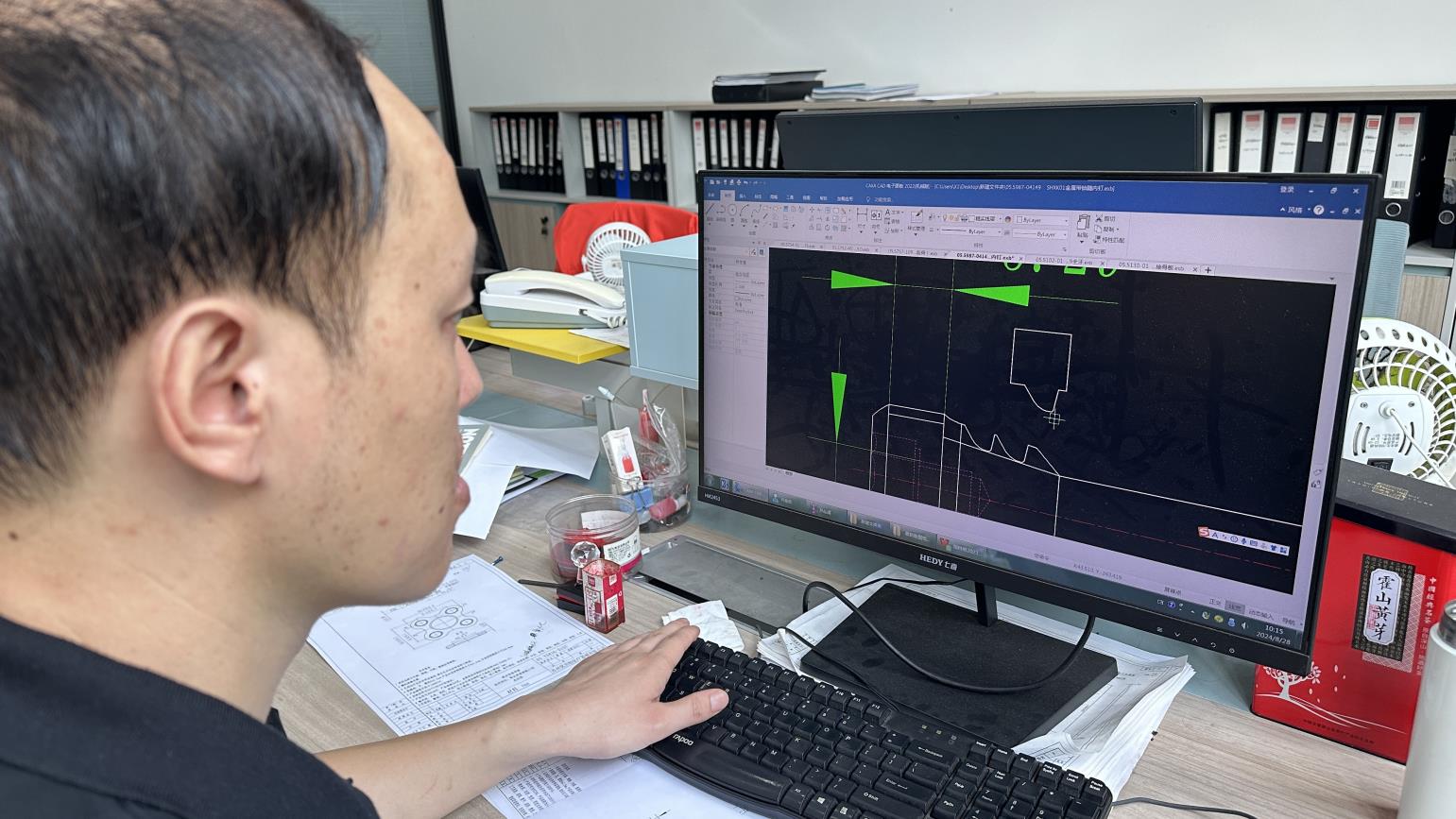
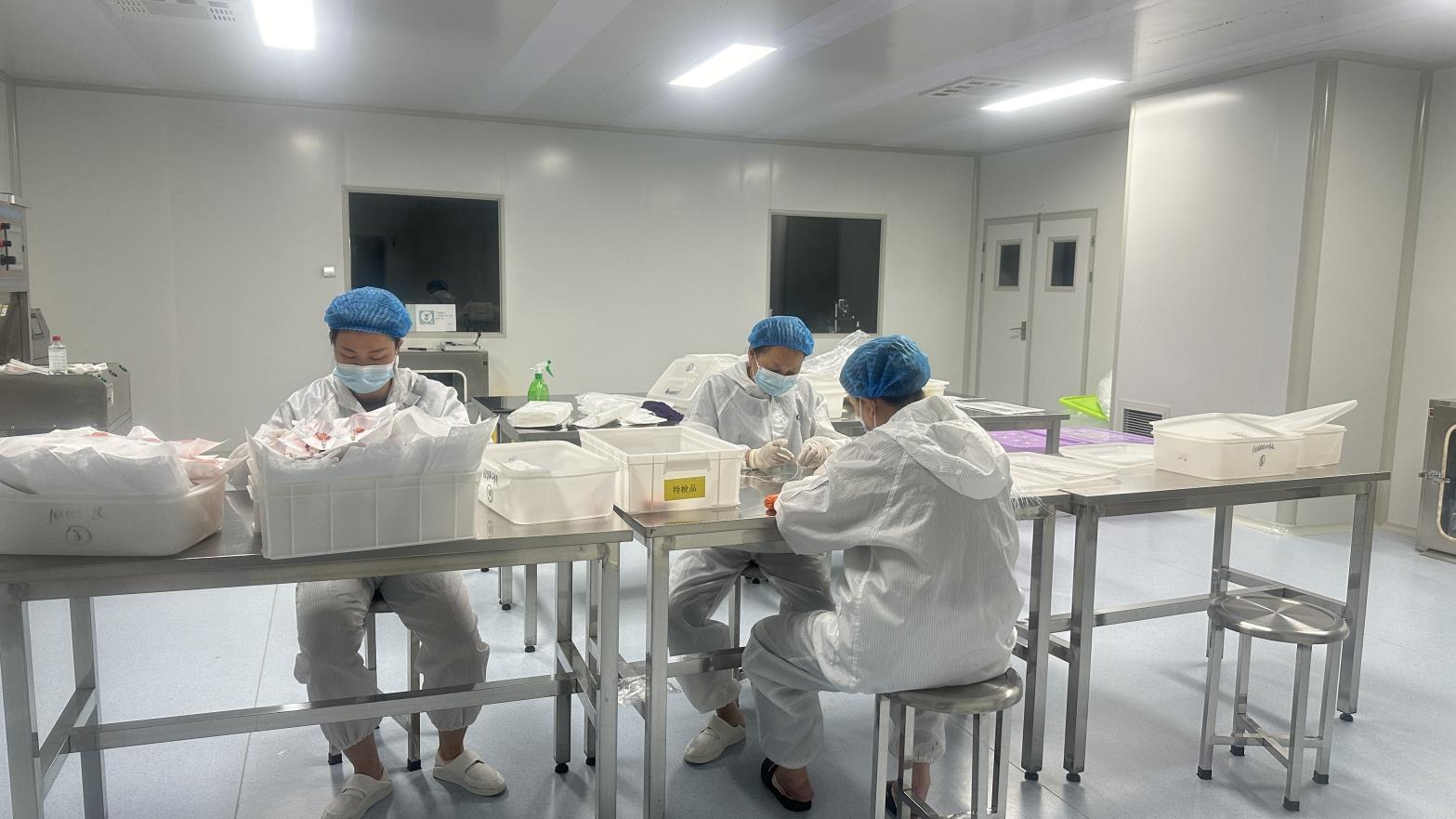
For global distributors and hospital procurement agents, meeting international safety metrics is non-negotiable.
| Compliance Sector | Standards Required | Bonevia Implementation & Safeguards |
|---|---|---|
| Quality Management System | ISO 13485:2016 | Total traceability from titanium raw bar stock to finished product, including heat batch certification. |
| Material Conformity | ASTM F136 / ISO 5832-3 | Exclusively utilizes implant-grade Ti-6Al-4V ELI (Extra Low Interstitial) alloys to prevent implant degradation. |
| Cleanroom Standards | ISO Class 7 (Class 10,000) | Post-wash drying and inner packaging executed in monitored environments to keep bioburden under control. |
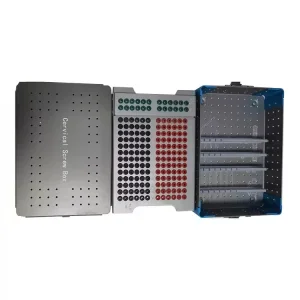
| Sterilization Validation | ISO 11137 (Gamma Irradiation) | Full validation protocols for both sterile-packaged systems and hospital steam-sterilizable cassettes. |
| Traceability Protocol | Unique Device Identification (UDI) | Laser-marked barcodes and serial numbers on every pedicle screw head to facilitate digital patient records. |
Surgical procedures are evolving towards robotic integration, navigation guidance, and customized surface textures.
Applying anodic oxidation and hydroxyapatite (HA) coating increases osseointegration rates, minimizing early-stage screw loosening in osteoporotic bone tissue.
Future monoaxial screws will integrate with stereotactic navigation systems. Specially calibrated screw heads allow robotic arms to verify entry vectors in real time.
Ongoing research targets magnesium-based alloys for pediatric spinal stabilization, designed to absorb after fusion is completed, avoiding secondary extraction surgeries.
Key commercial and clinical questions answered for international hospital buyers and distributors.
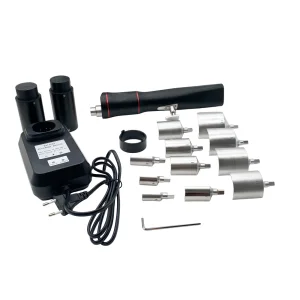
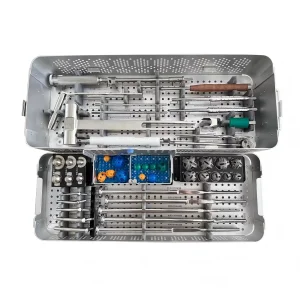
Explore our comprehensive trauma and power tool range to complete your surgical logistics setup.