Bonevia
Bonevia
Bonevia
Clinical-grade implants and instrumentation systems engineered for maximum biomechanical stability and patient safety.
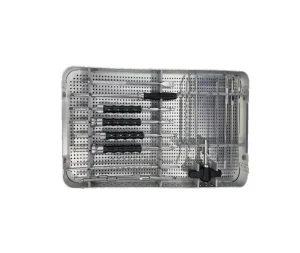
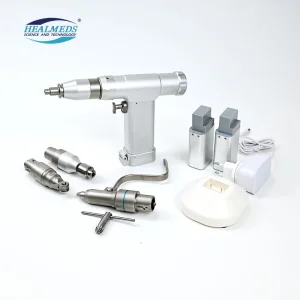
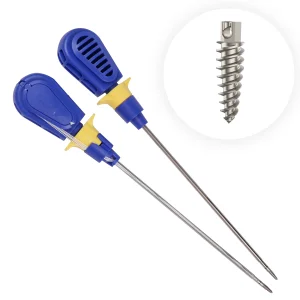
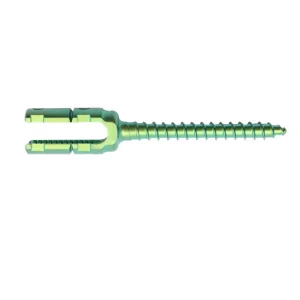
An in-depth analysis of Occipito-Cervical Fixation (OCF) design, manufacturing rigor, and global trade dynamics.
Occipito-cervical fixation is one of the most biomechanically demanding stabilization procedures performed in spinal surgery. Indicated for patients suffering from craniocervical junction instability caused by trauma, rheumatoid arthritis, neoplasm, or congenital anomalies, these implant systems must endure cyclical loads while safeguarding vital vascular and neurological structures.
The occipito-cervical junction (C0-C1-C2) is responsible for a significant portion of head rotation, flexion, and lateral bending. Designing a rigid, posterior internal fixation system that matches this anatomical transition zone is highly complex. The occipito-cervical plate must accommodate different skull thicknesses while securing solid purchase without risk of dural penetration. The transition to the cervical spine requires polyaxial screw adjustability, rod contouring flexibility, and high pull-out strength.
To achieve this, globally competitive manufacturers rely on titanium alloys (Ti-6Al-4V ELI) and advanced cobalt-chromium rods that offer structural rigidity alongside excellent biocompatibility and MRI compatibility.
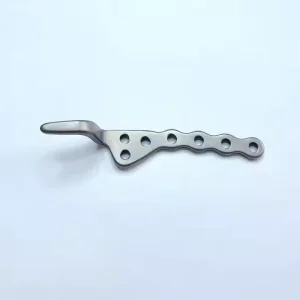
Plates are engineered to fit suboccipital contours seamlessly, reducing soft-tissue irritation and minimizing post-operative patient discomfort at the C0 level.
Screws allow up to 40 degrees of divergence/convergence, giving spine surgeons the flexibility to bypass complex anatomical variations safely.
Threaded locking caps ensure maximum biomechanical stability under multi-axial load combinations, preventing rod slippage.
A global leader in trauma, spine, and joint reconstruction innovation since 2015.
Established in 2015, Bonevia Orthopedic Technology Co., Ltd. has consistently advanced the state-of-the-art in spinal implants and surgical equipment. With a modern precision production facility covering approximately 320㎡, Bonevia leverages top-tier manufacturing environments alongside rigorous quality management programs to supply hospitals, surgical centers, and medical distributors globally.
Supported by 6 years of export experience and more than 10 years of overall orthopedic industry experience, Bonevia generates an annual export revenue of USD 8–15 million. Their robust global footprint spans across key healthcare markets in Europe, Southeast Asia, the Middle East, and South America, supported by a growing network of over 850 international partners.
The company is strongly focused on technological innovation and R&D. Armed with a team of 85 engineers, Bonevia introduced 120 new product designs within the past year alone. This prolific development capacity facilitates their highly flexible OEM and ODM customization services, helping global distributors deploy bespoke implants customized for specific local clinical needs.
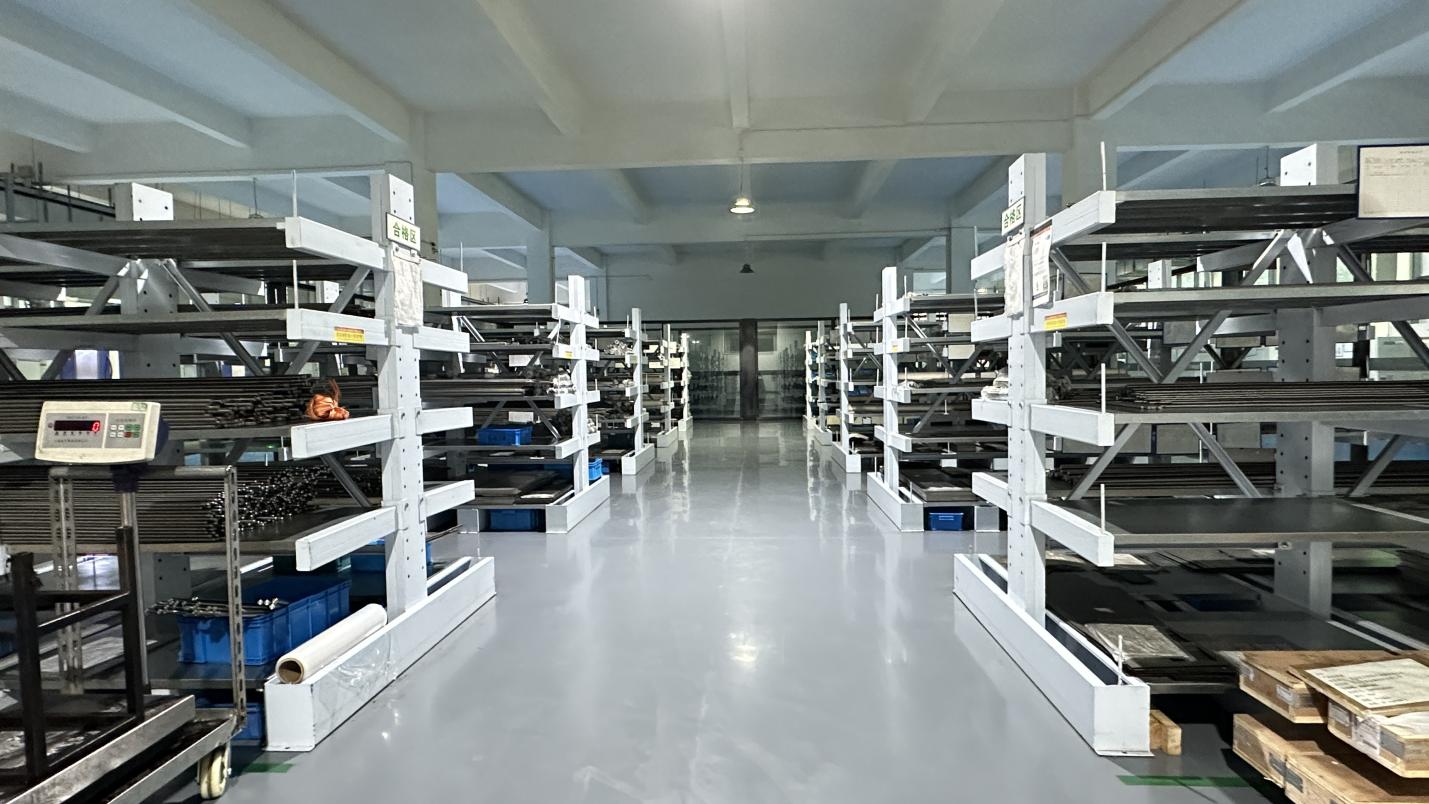
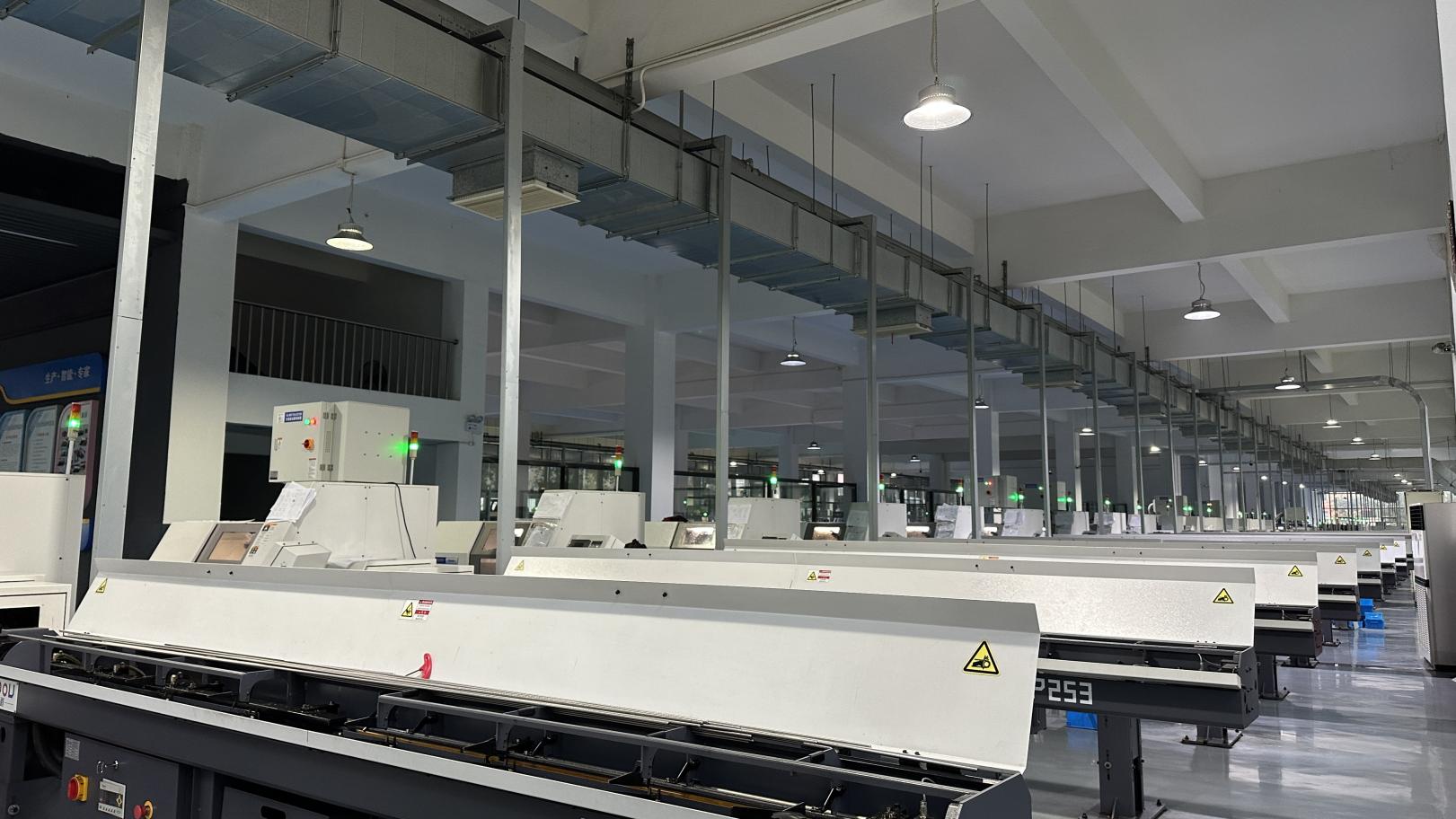
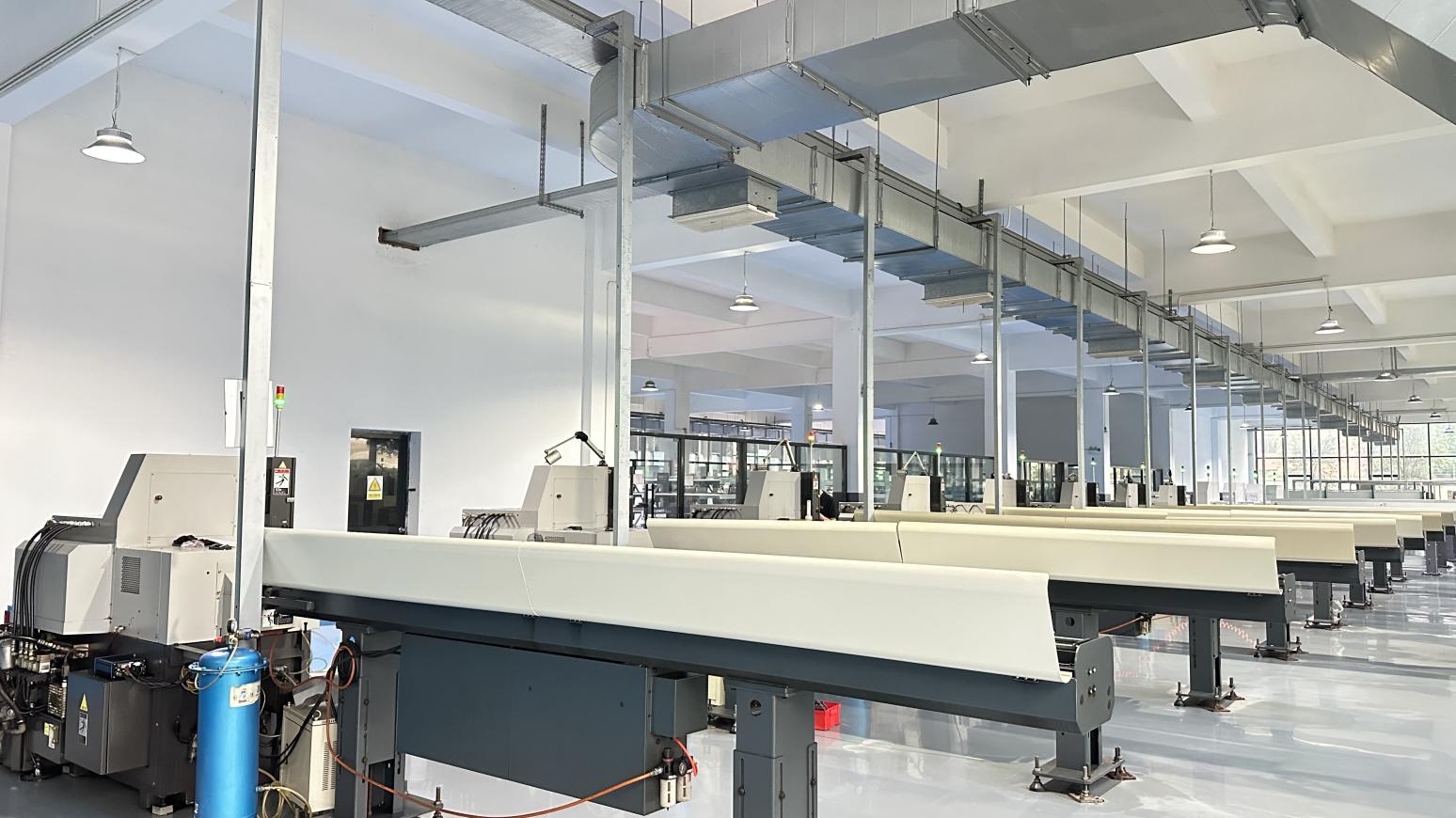
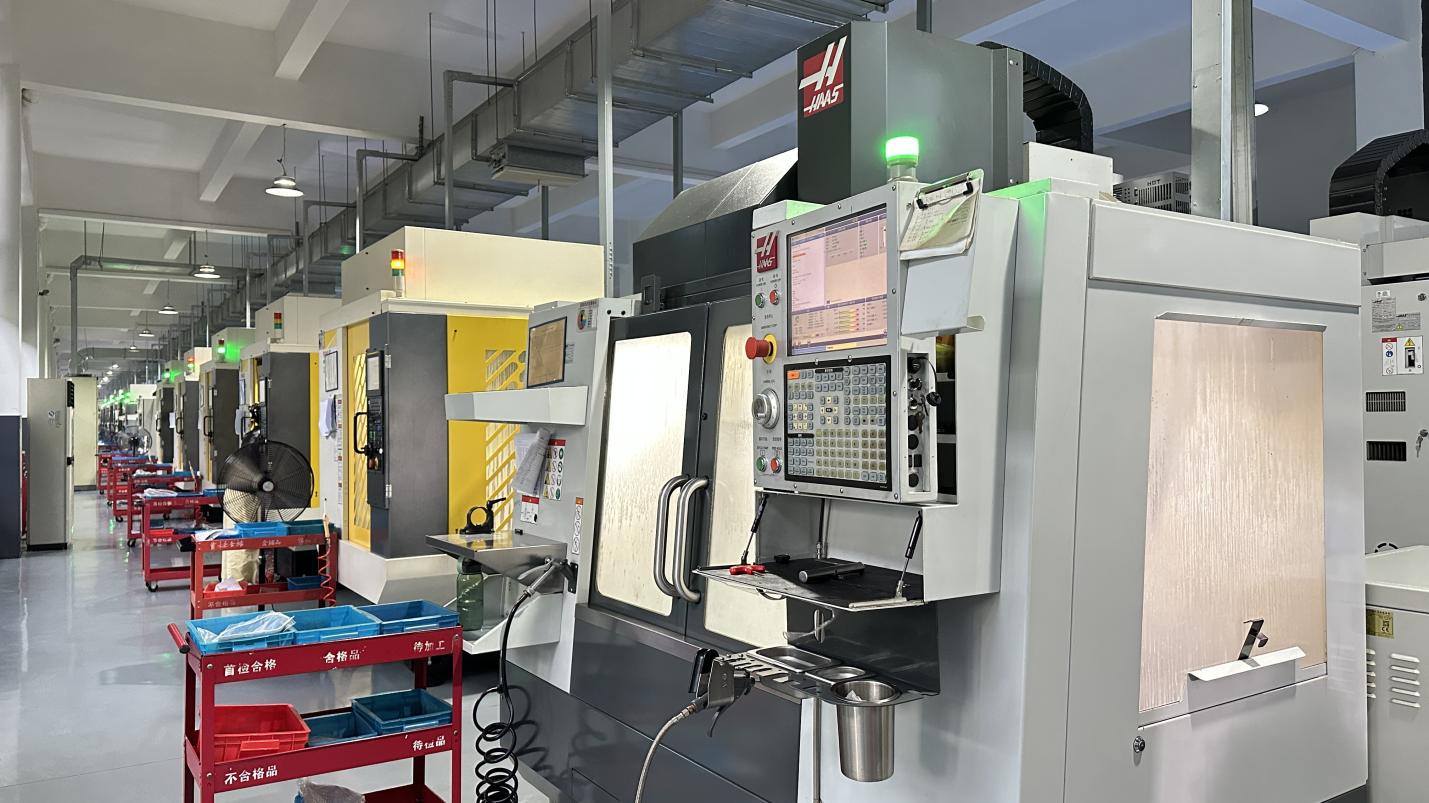
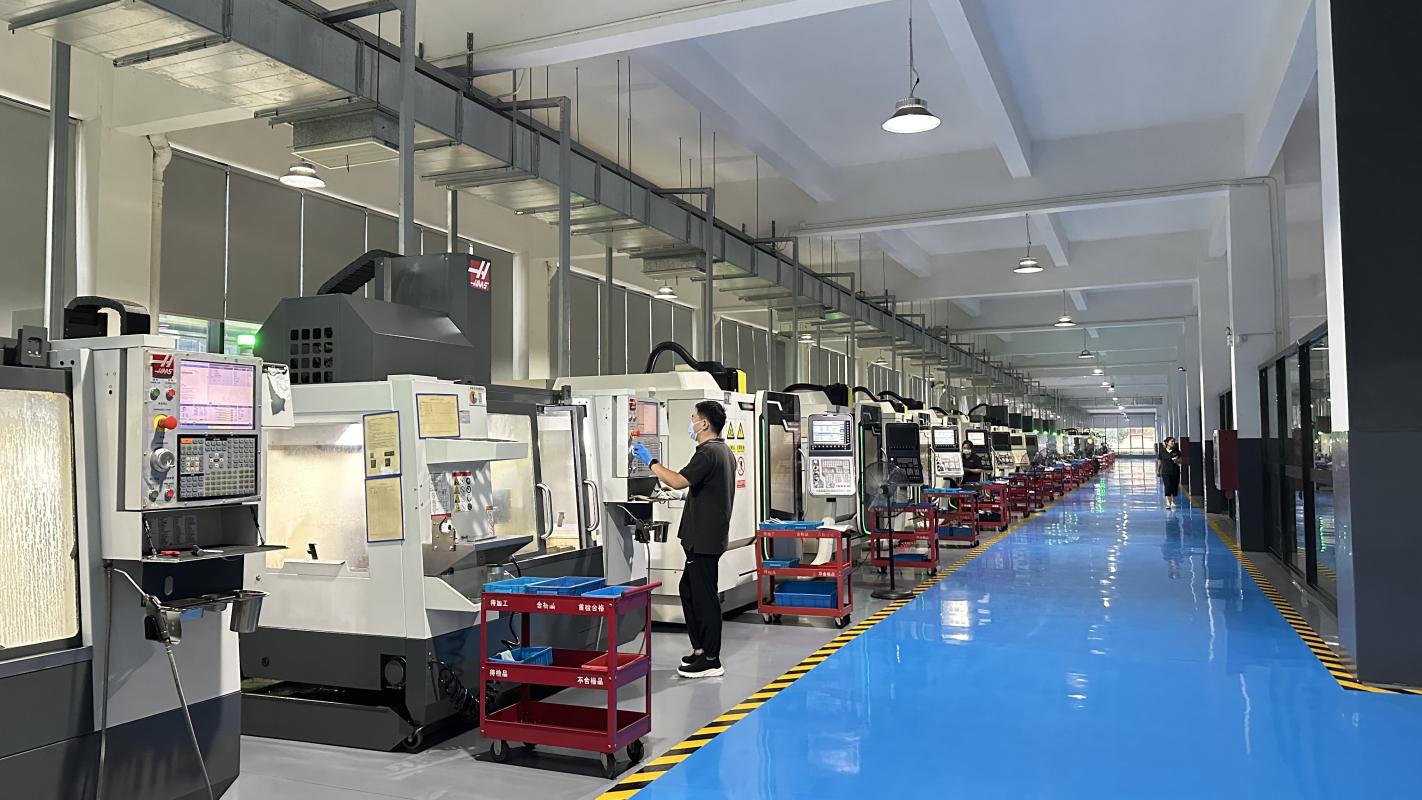
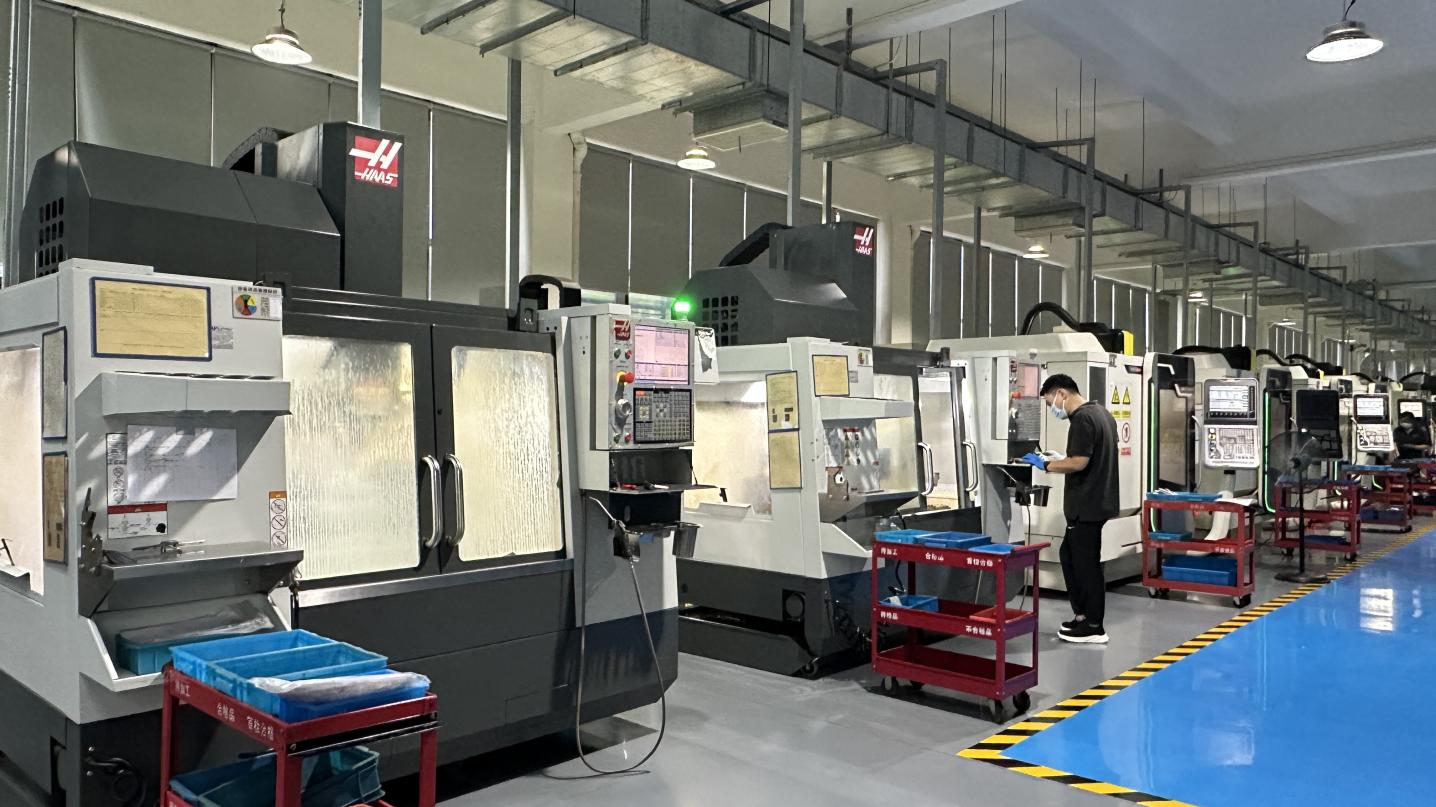
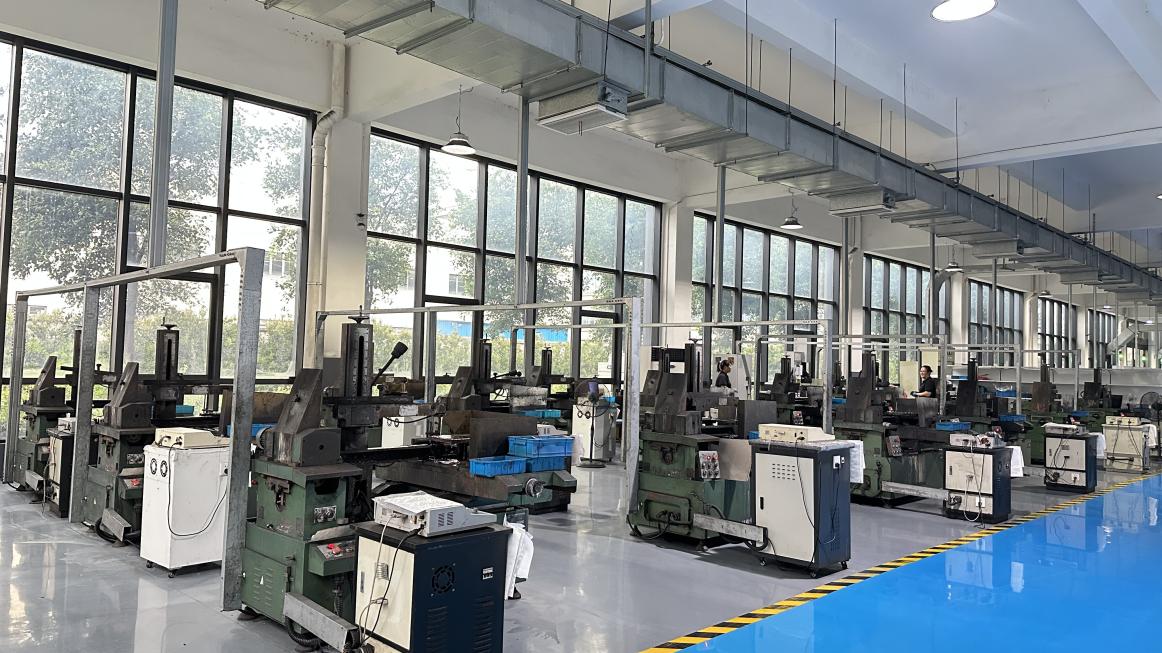
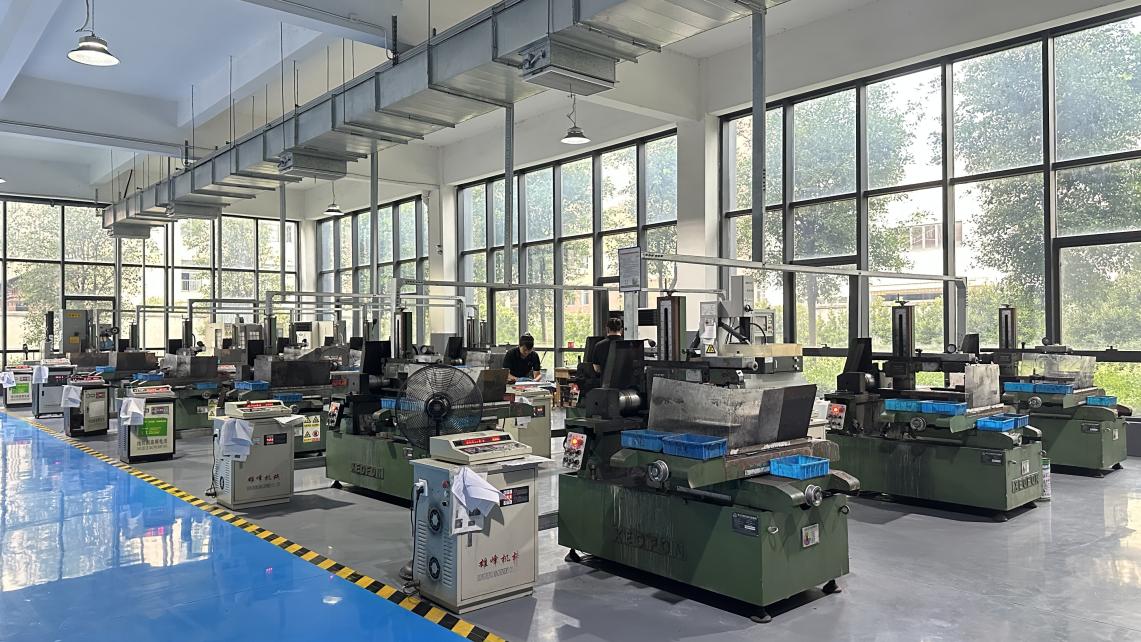
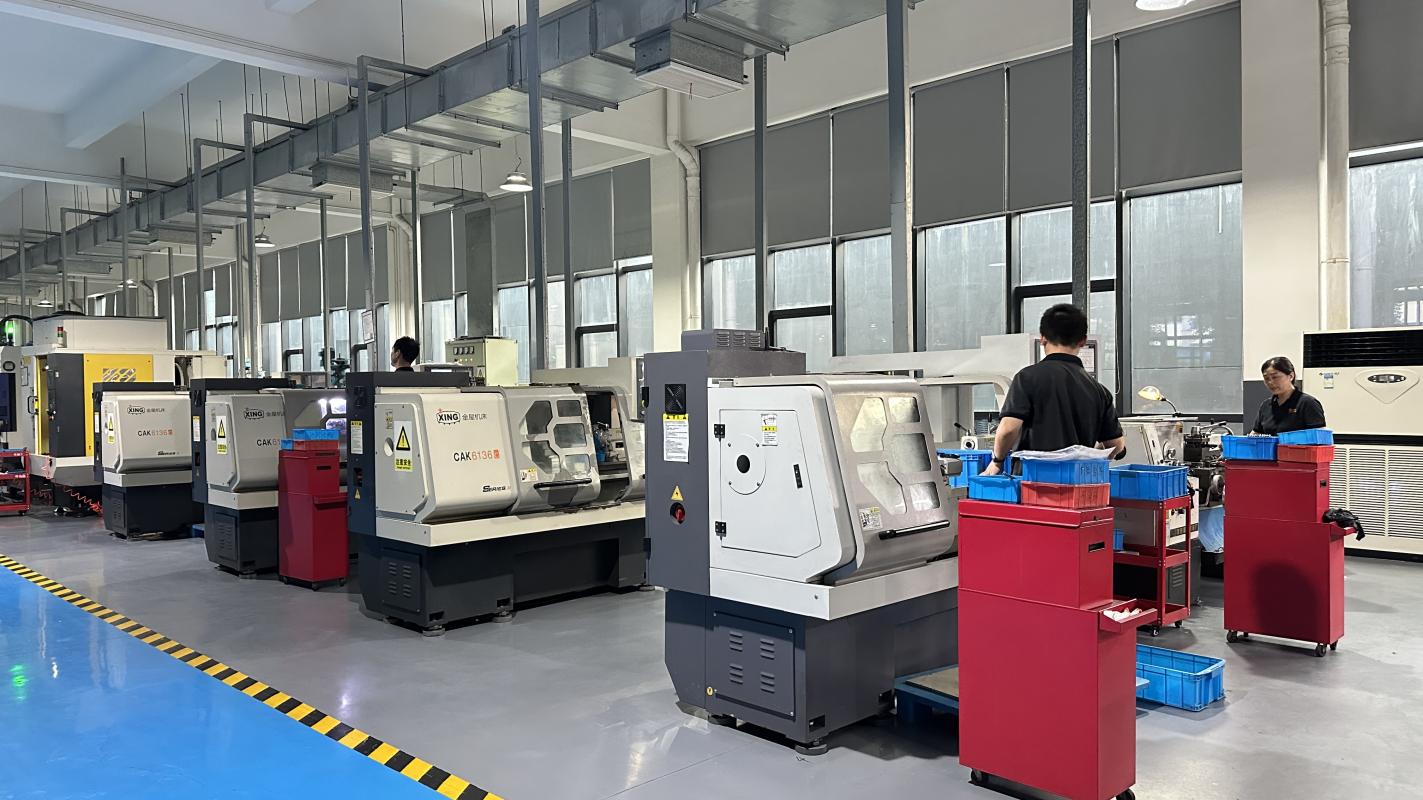
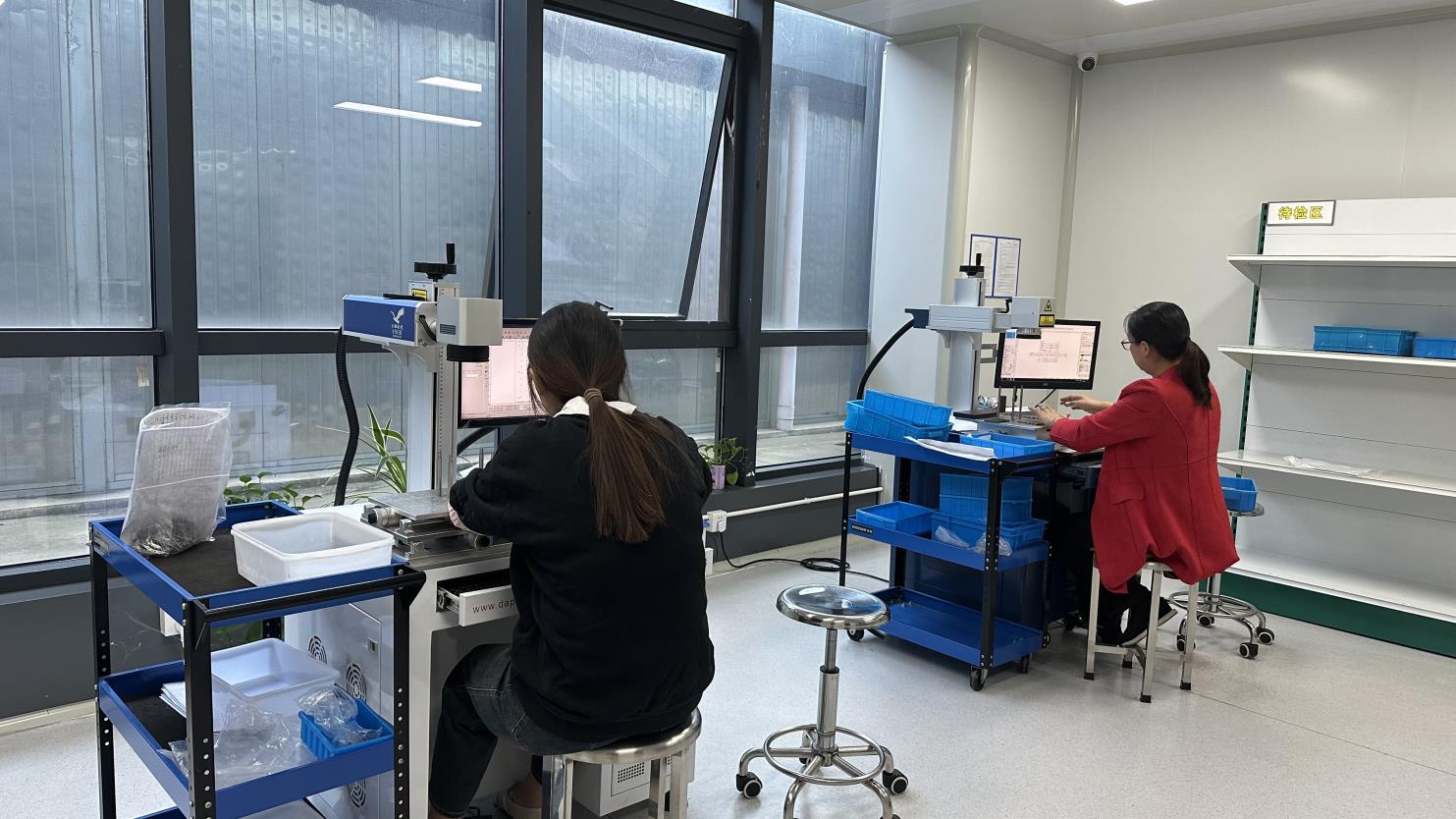
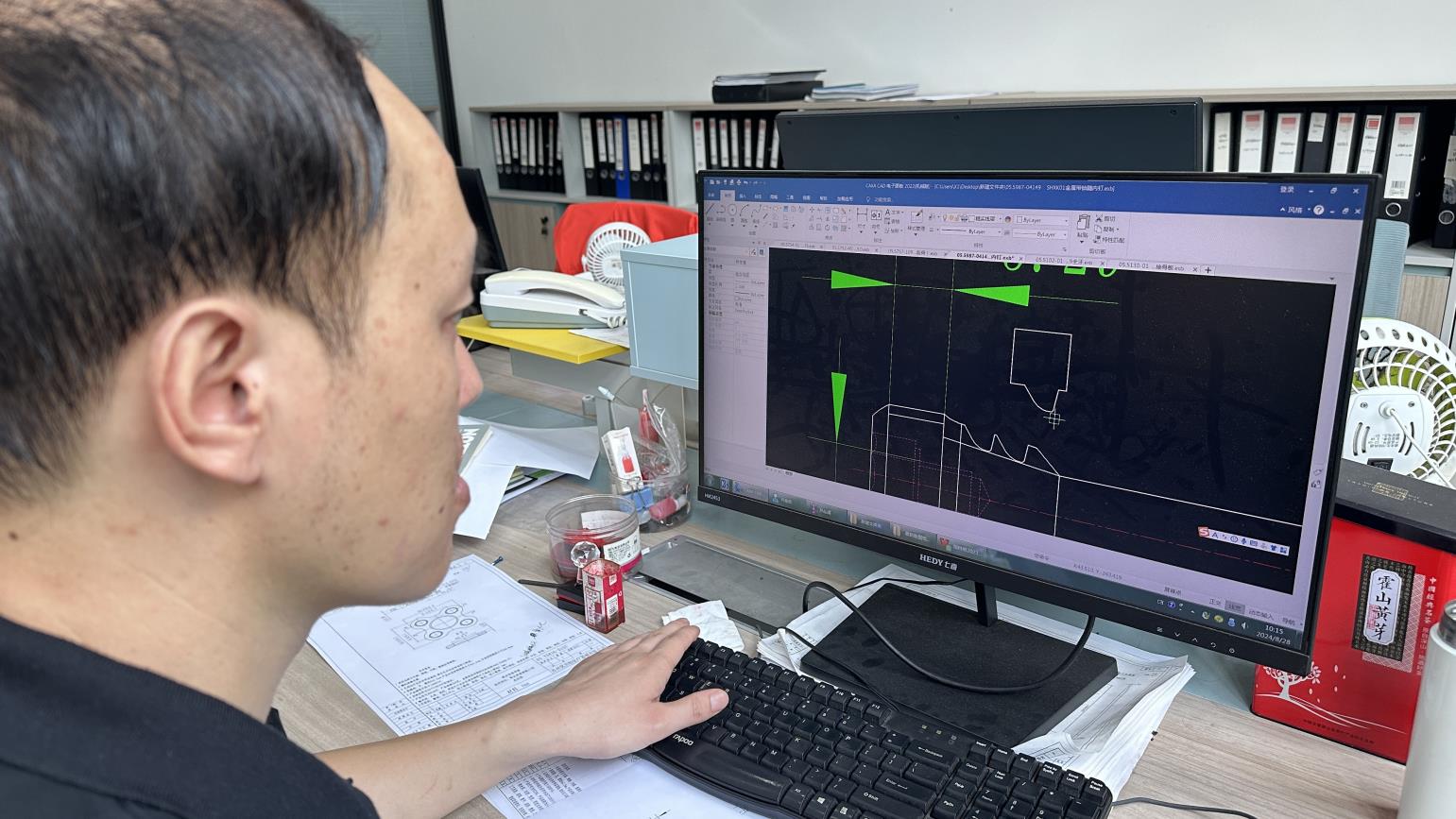
Witness the journey from raw medical-grade titanium to finished sterile-ready implants.
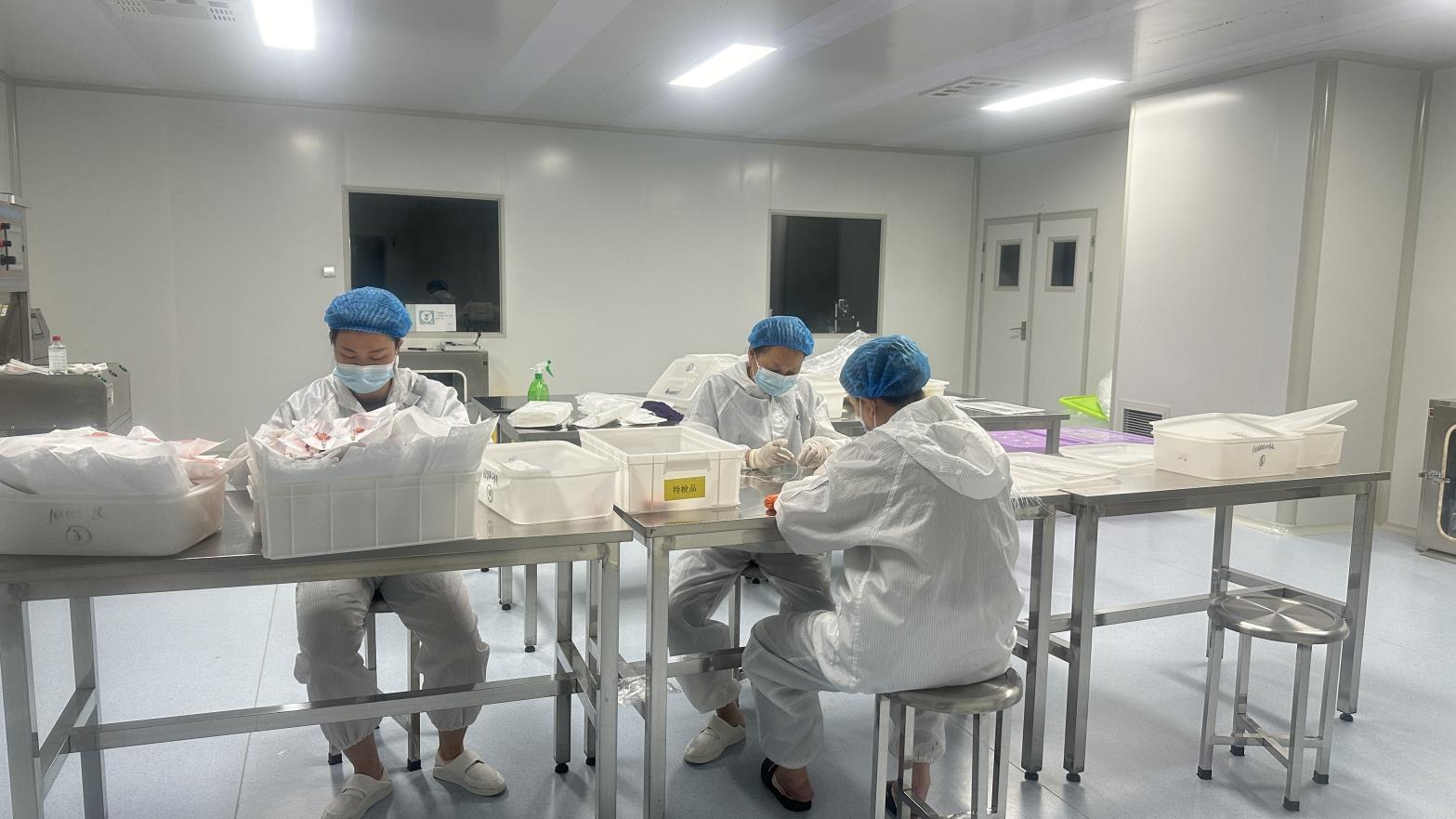
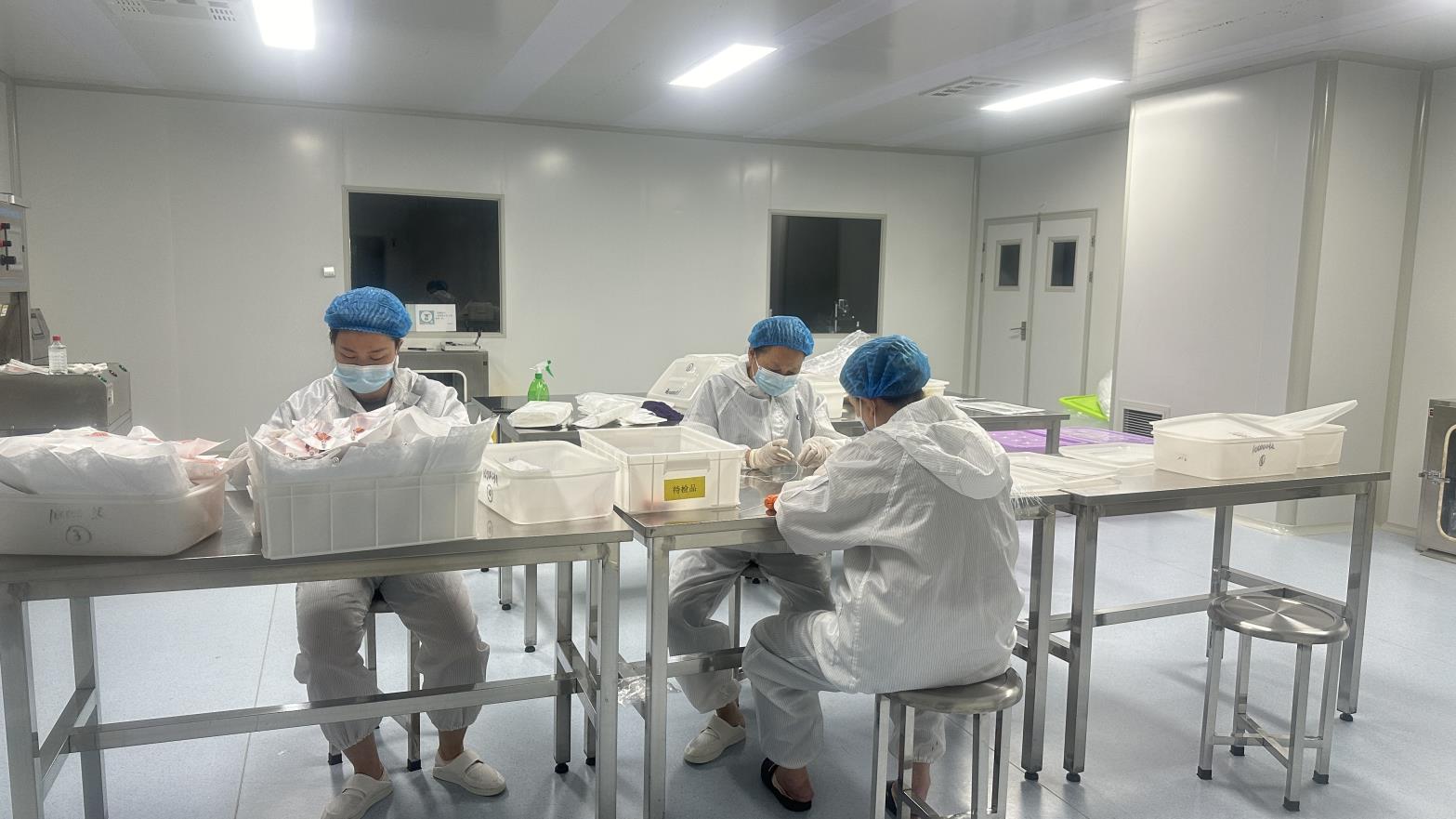

Why modern global orthopedic brands choose China-based precision manufacturing hubs.
Over the last decade, China’s medical device supply chain has transitioned from a volume manufacturer to an high-precision hub. The ecosystem around Bonevia Orthopedic Technology Co., Ltd. demonstrates how geographic clustering of material sourcing, Swiss CNC precision milling, and surface treatment technologies creates unmatched efficiency.
Understanding the intersection of engineering roadmap innovations and regulatory frameworks.
The design of occipito-cervical fixation devices is undergoing rapid transformation, guided by digital health developments and personalized medicine. Bonevia’s design team keeps a close eye on these three core directions:
Integrating pre-operative CT scans with 3D-printing systems to produce custom-machined occipital plates that match unique anatomical configurations.
Designing screw geometries compatible with optical tracking arrays and electromagnetic surgical navigation systems for optimal accuracy.
Incorporating sub-micron surface modification methods (chemical vapor deposition, micro-arc oxidation) to enhance early bone integration.
Because occipito-cervical stabilization involves high-risk surgery, regulatory bodies scrutinize implant quality. Bonevia maintains a dedicated 35-member quality team implementing exhaustive testing procedures:
Critical procurement insights for medical device distributors, hospitals, and surgical centers.
All load-bearing plates and polyaxial screws are manufactured from medical-grade Titanium Alloy (Ti-6Al-4V ELI) conforming to ASTM F136. Certain specialized components and rods can also be sourced in Cobalt-Chromium (Co-Cr) alloys or PEEK (polyetheretherketone) to meet localized surgical preferences.
Our engineering team of 85 R&D professionals can modify screw lengths, plate widths, contour profiles, and instrument handle layouts. Once we receive your specification sheets or design requirements, we create 3D CAD models and prototype them in our facility.
Quality assurance is managed by 35 QA specialists. We utilize three core inspection methods: Incoming Material Inspection (via spectrometer analysis), In-Process Quality Control (using CNC coordinate measuring machines), and Final Product Testing (mechanical stress and optical surface checks).
Standard components are maintained in our inventory. For customized OEM designs or volume orders, standard lead times run between 30 and 45 days. This rapid turnaround is made possible by our local supply chain ecosystem of 850 partners.
Yes. The tool interface, pedicle screw connections, and drivers are designed to work with surgical navigation systems. This helps ensure precise implant placement during posterior spinal fusion.
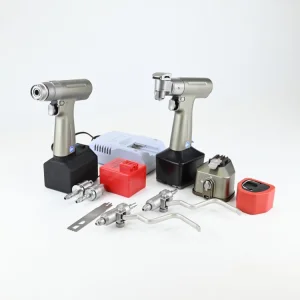
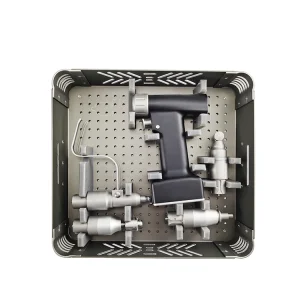
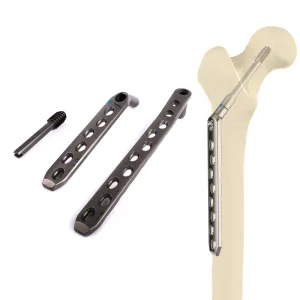
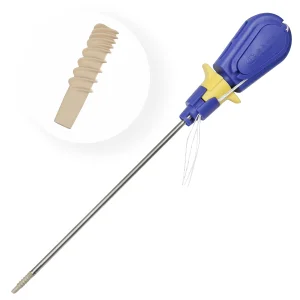
Complete surgical toolsets, power systems, and specialized trauma plates to complement hospital operating rooms.