Bonevia
Bonevia
Bonevia
Discover our globally trusted, high-precision orthopedic surgical instruments designed for complex reconstruction and veterinary care.
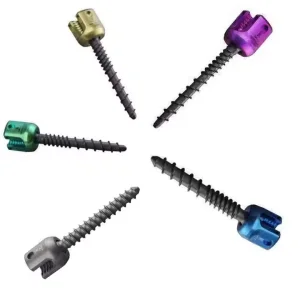
Revision Total Knee Arthroplasty (rTKA) stands as one of the most complex challenges in modern orthopedics. Unlike primary arthroplasty, which enjoys predictable survivorship curves, revision knee surgeries require deep management of bone defects, joint line instability, biological implant-fixation failure, and soft-tissue deficiency. As global populations age and the active life expectancy of primary knee implant recipients extends past 15 to 20 years, the macro demand for high-tier revision knee prostheses is rising sharply.
According to recent epidemiological assessments, the leading indications for revision surgery include aseptic loosening, mechanical instability, prosthetic joint infection (PJI), and periprosthetic fractures. Designing and exporting these highly specialized implants demands massive engineering integrity. The global market is transitioning from simple monobloc, standardized designs toward modular structural configurations featuring customizable femoral/tibial stems, offset adapters, and advanced metal augments. This white paper serves to analyze the leading engineering parameters, industrial capacity, and export landscapes governing top-tier revision knee prostheses.
The distribution of manufacturing power in orthopedic joint reconstruction is highly consolidated yet undergoing decentralization. While historically dominated by a few multinational conglomerates based in North America and Western Europe, emerging technological corridors in East Asia have developed sophisticated, FDA-registered and CE-marked manufacturing structures. Factories specializing in revision knee systems must master advanced metallurgical processing, ultra-precise CNC milling, and high-performance cleanroom packaging.
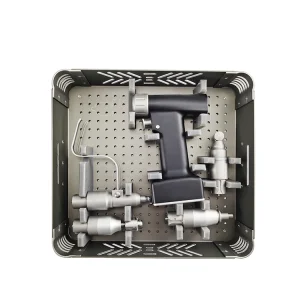
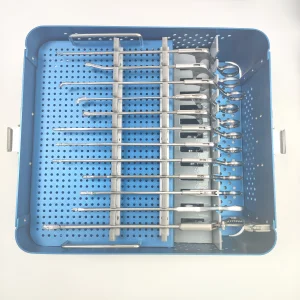
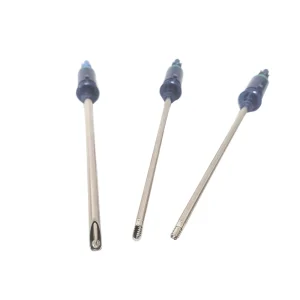
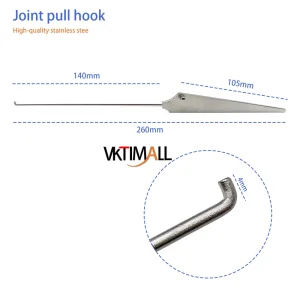
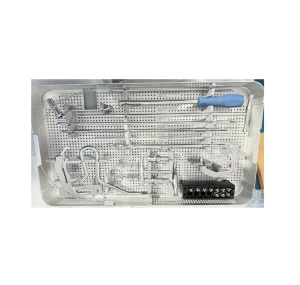
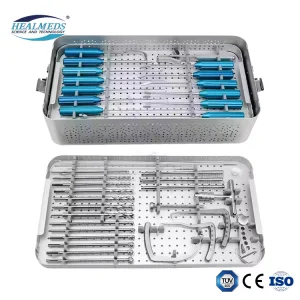
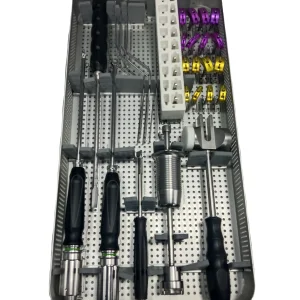
Exporters are evaluated not merely on volume, but on the ability to supply comprehensive instrument sets and real-time clinical design modifications (ODM/OEM). Advanced revision knee systems necessitate complex instrumentation—reamers, offset guides, extraction toolkits—to enable orthopedic surgeons to navigate diverse intraoperative anatomies. As a result, the commercial focus is shifting toward integrated solutions suppliers that offer both the titanium/cobalt-chrome implants and the specific high-tolerance surgical instrument sets required to deploy them.
Engineering rTKA prostheses requires resolving the tension between biocompatibility, mechanical fatigue resistance, and bone-mimicking elasticity. Standard architectures consist of three core components:
Advanced manufacturing incorporates highly cross-linked polyethylene (HXLPE) infused with anti-oxidative agents such as Vitamin E (alpha-tocopherol). This structural combination reduces delamination and oxidative wear over prolonged operational lifecycles, reducing the probability of secondary revisions due to osteolysis.
Under our strict ISO 13485 quality control regime, we process premium medical implants and custom instrumentations using cutting-edge CNC and wire-cutting infrastructure.
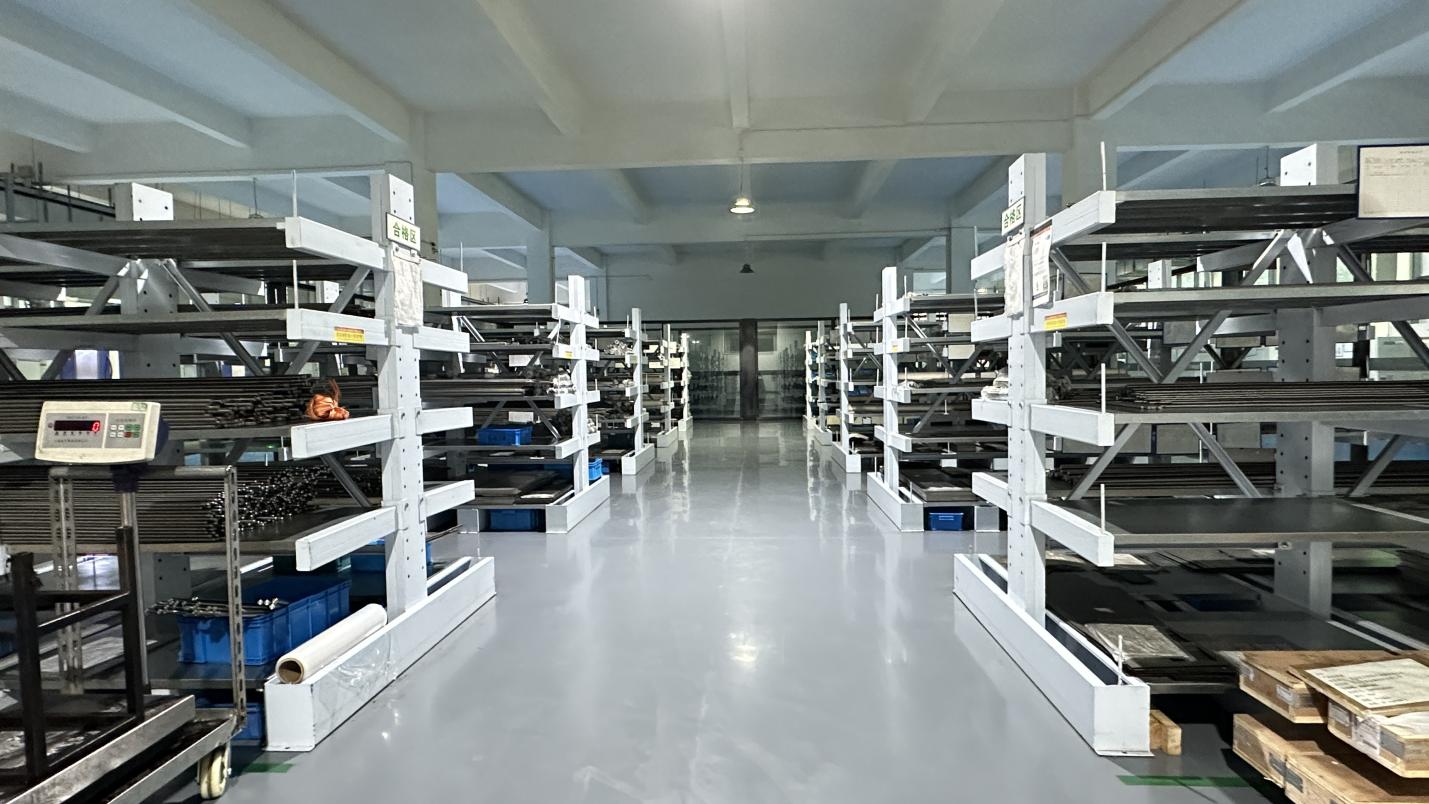
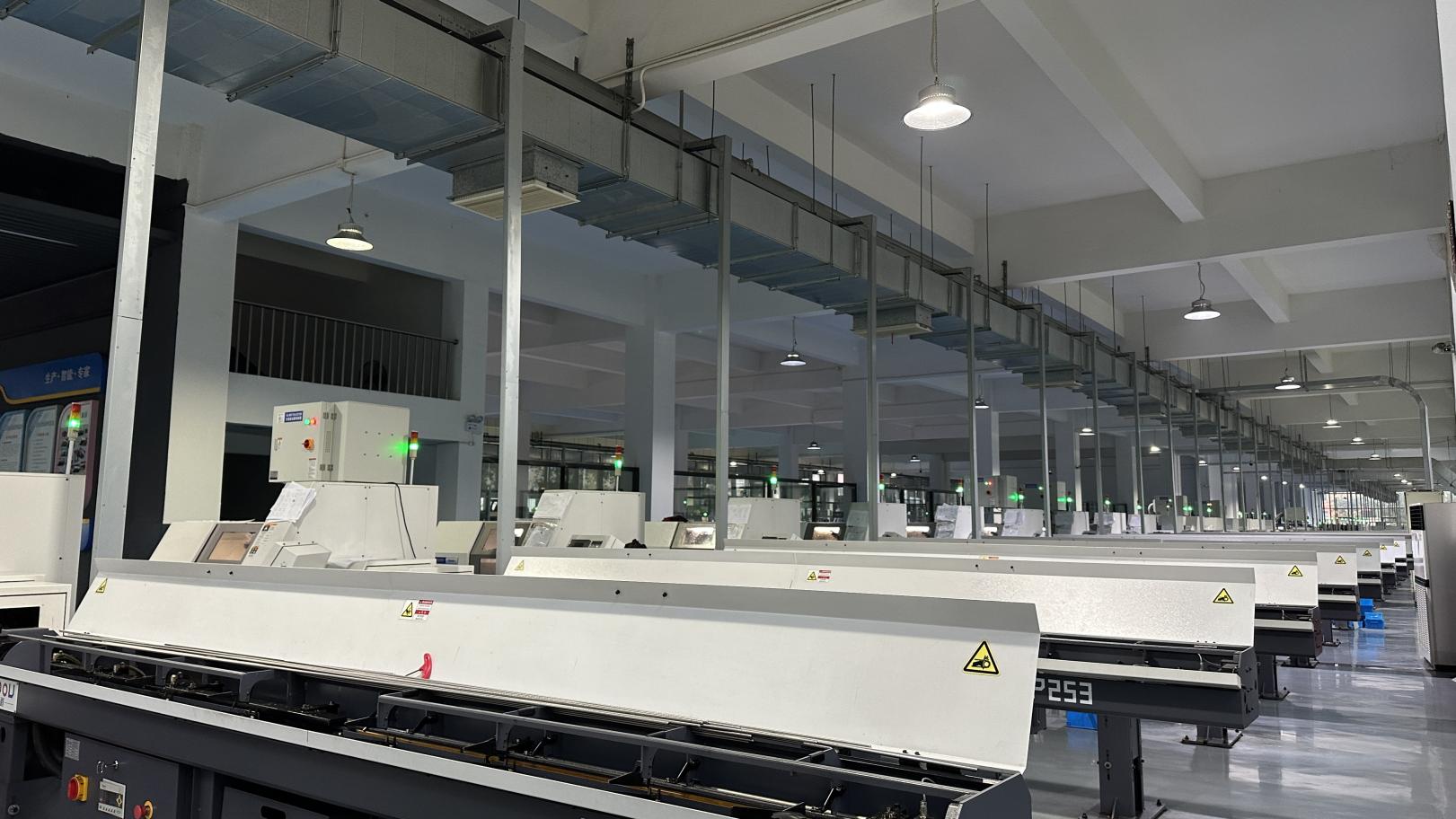
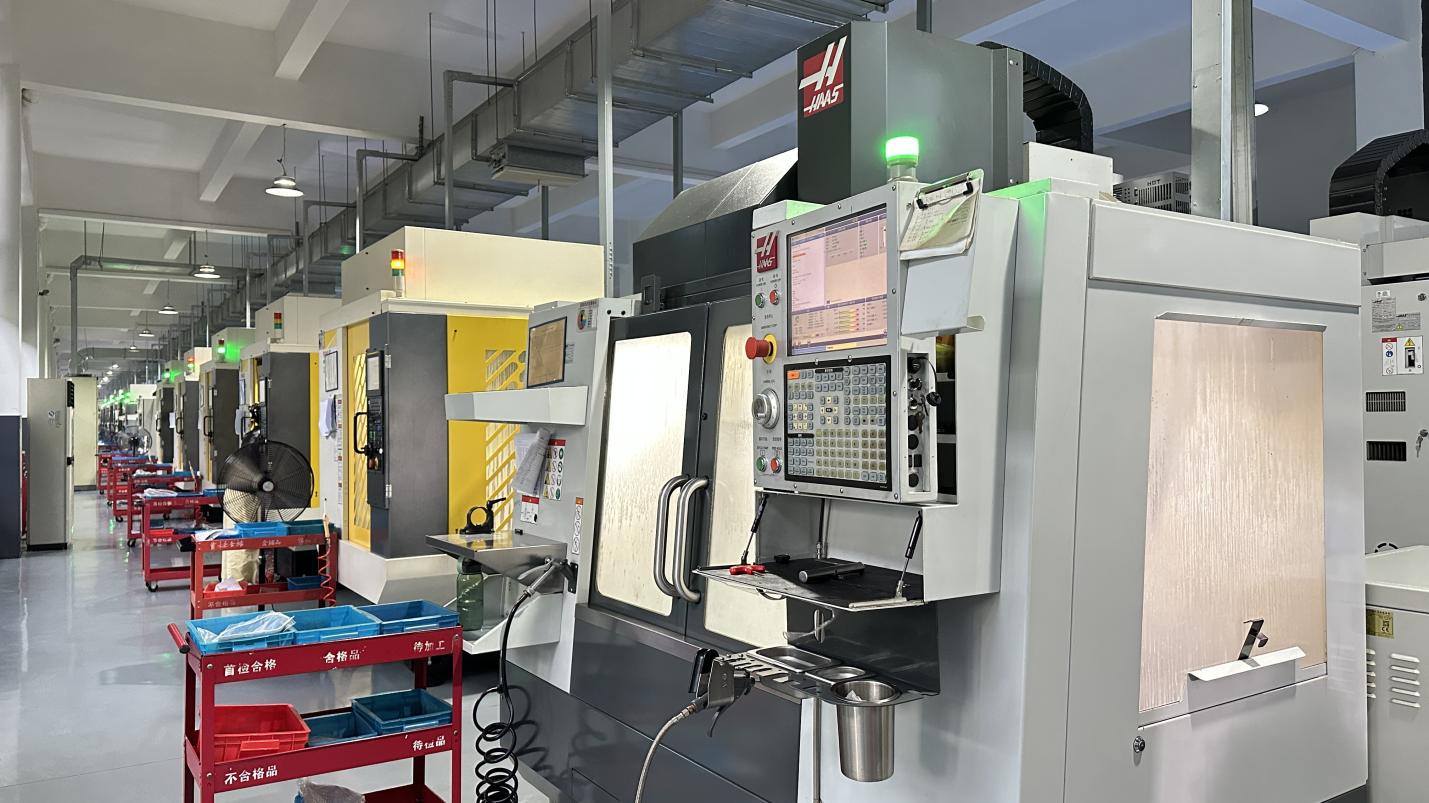
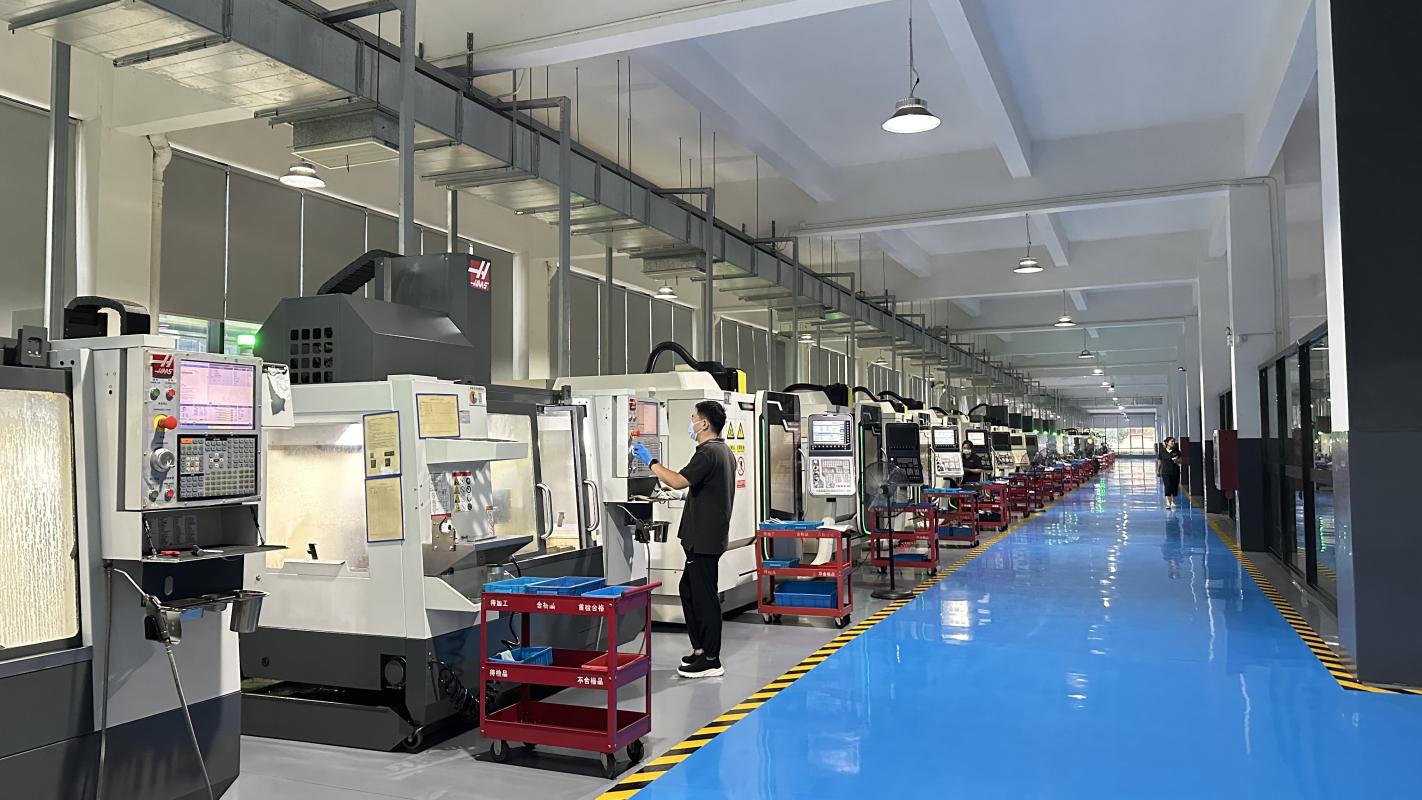
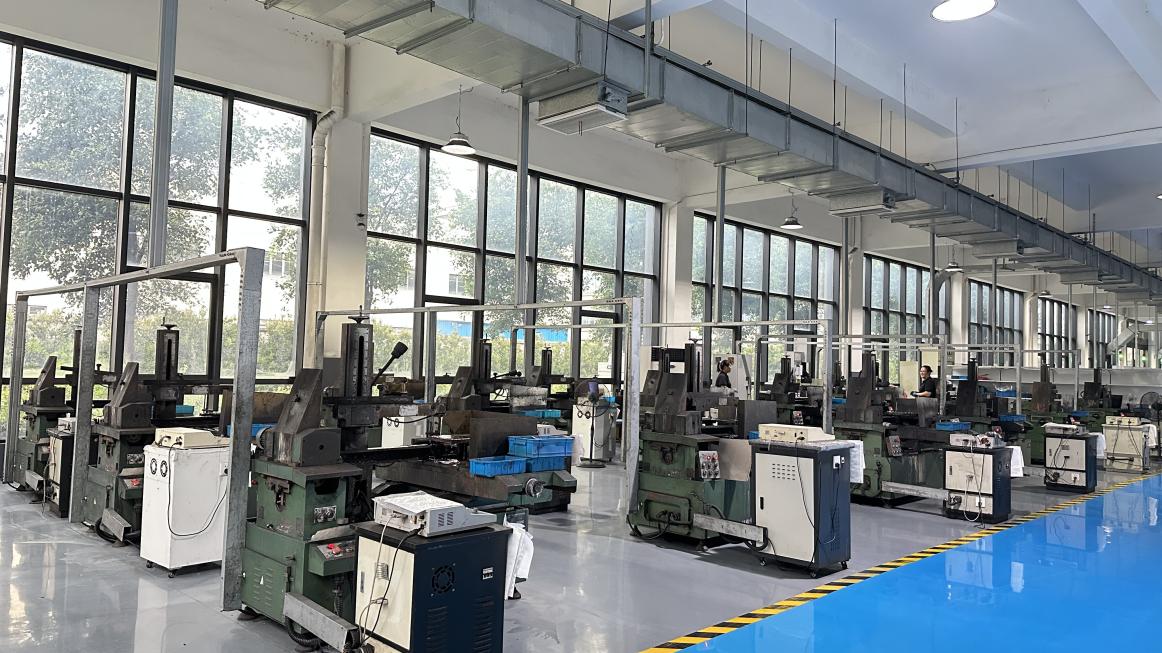
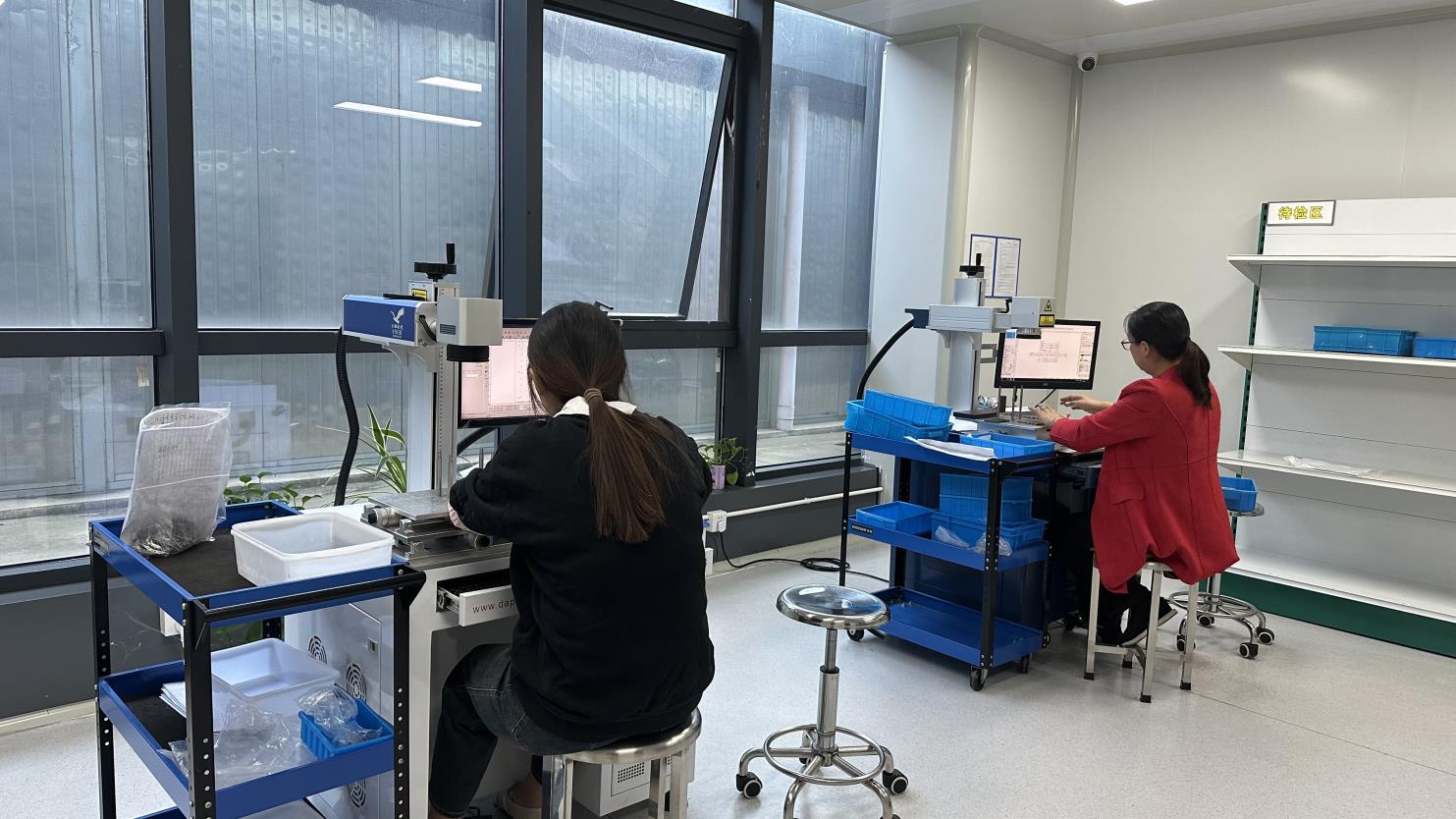
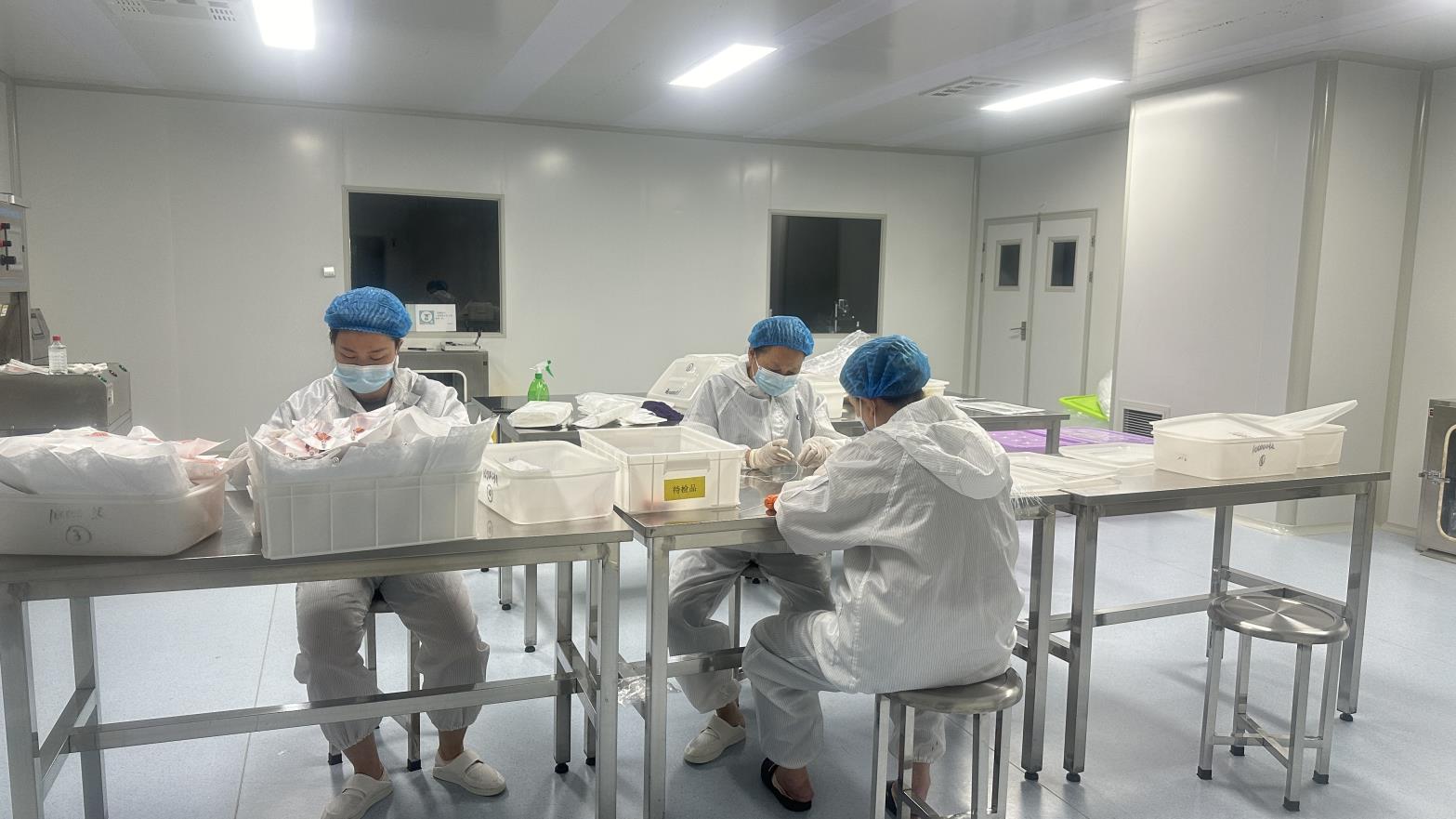

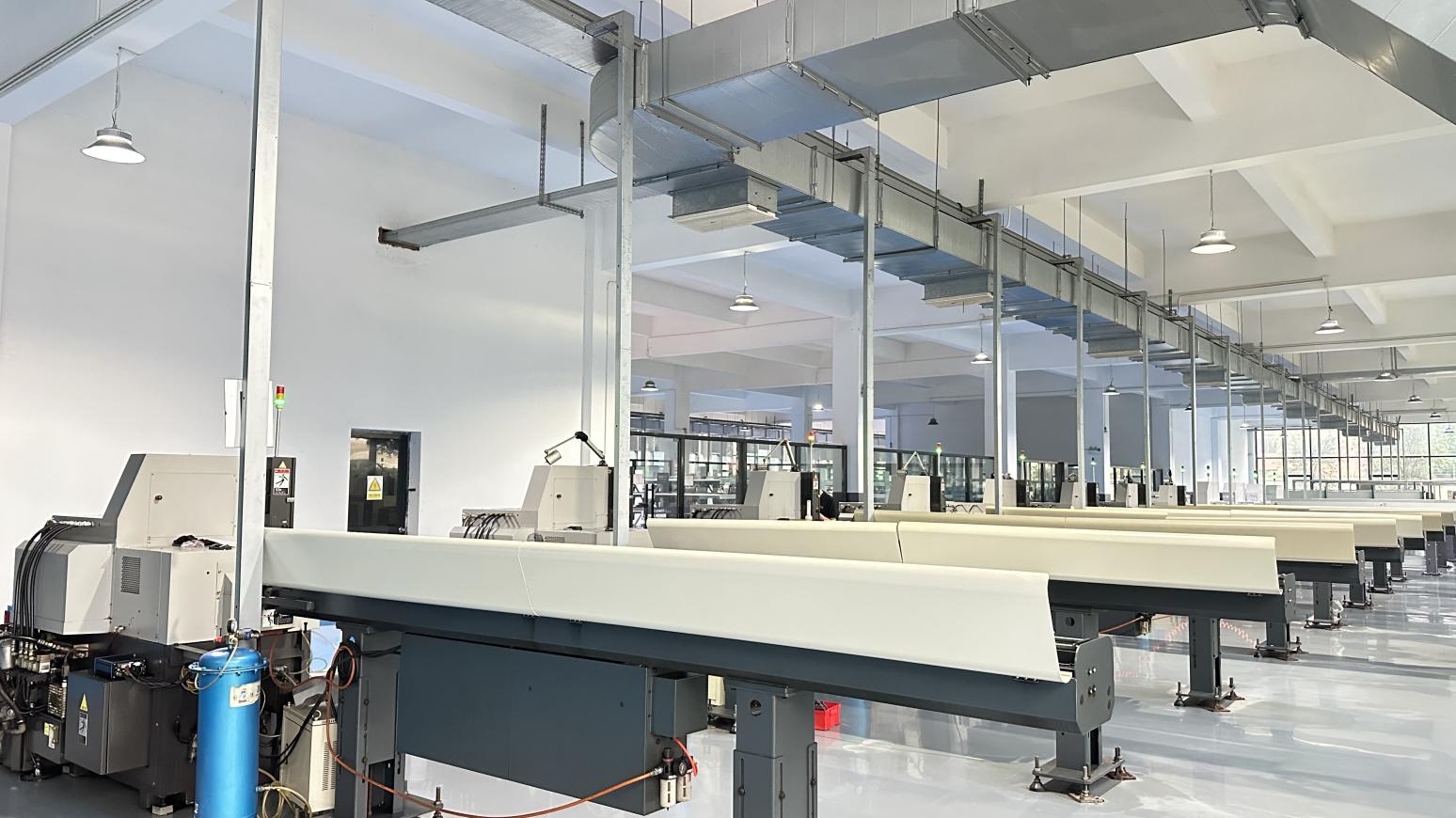
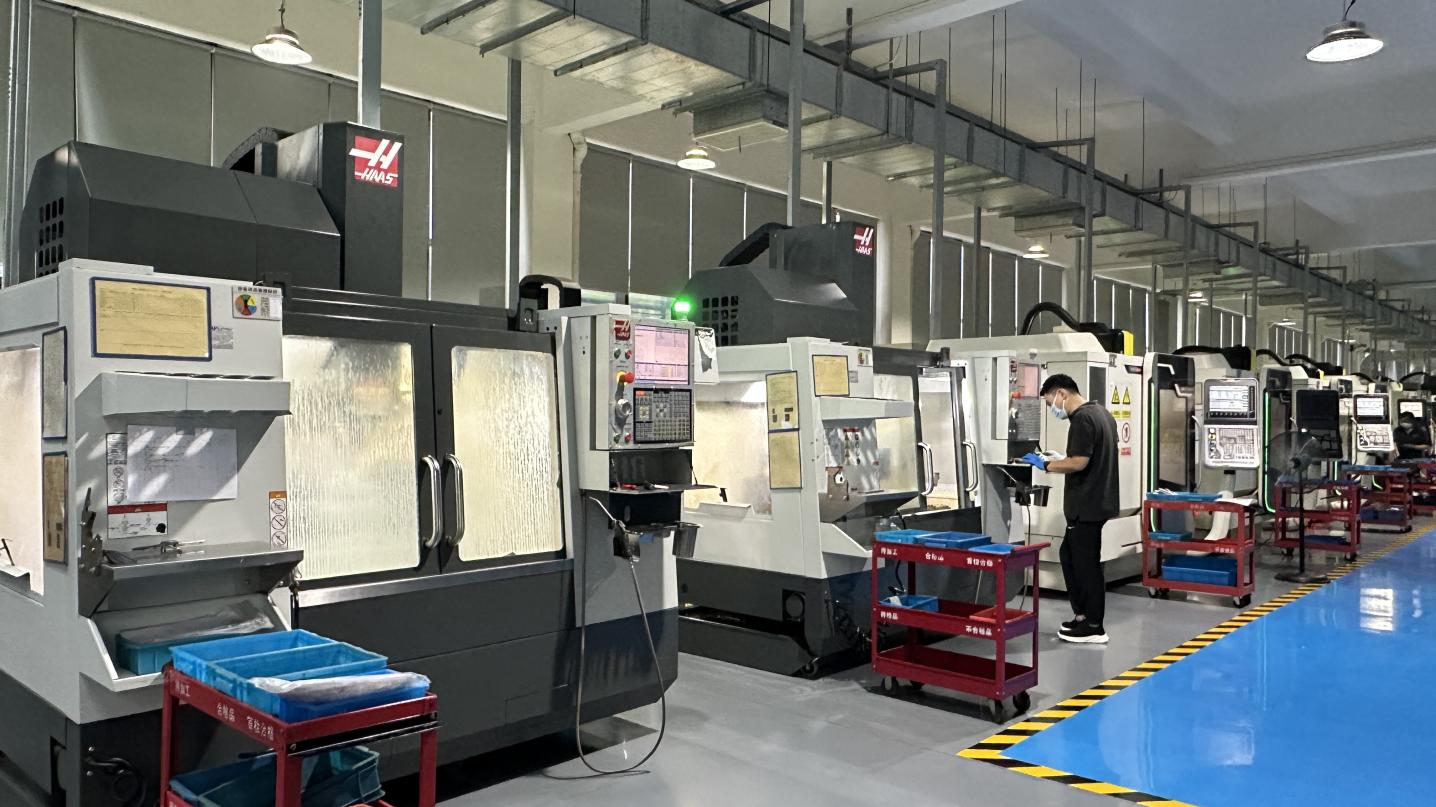
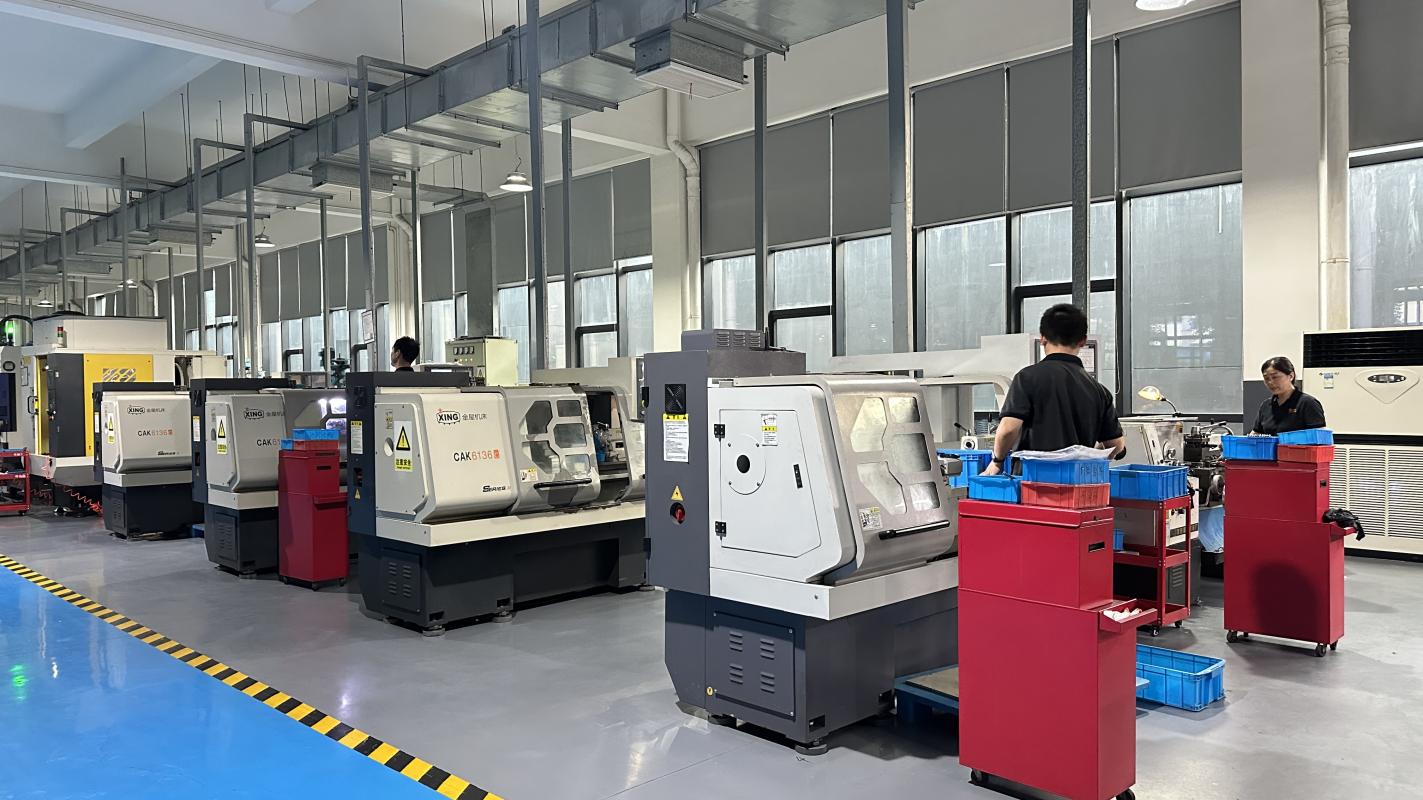
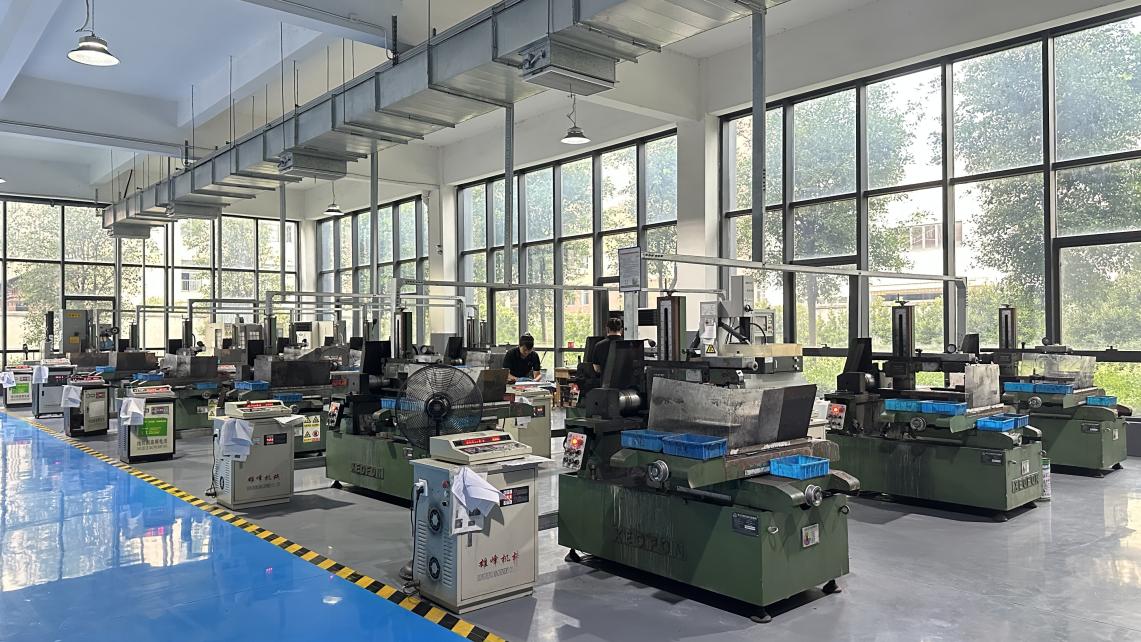
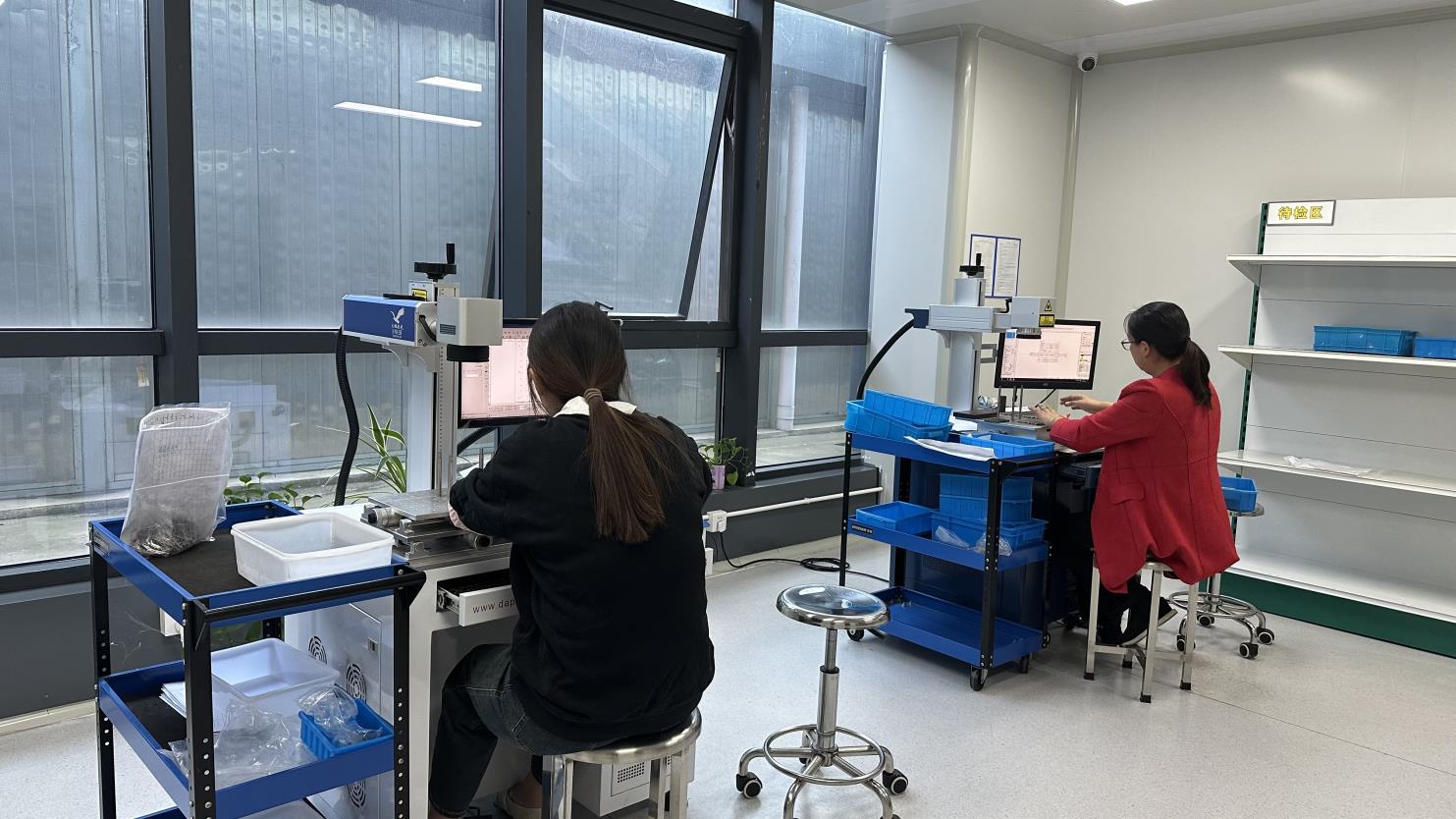
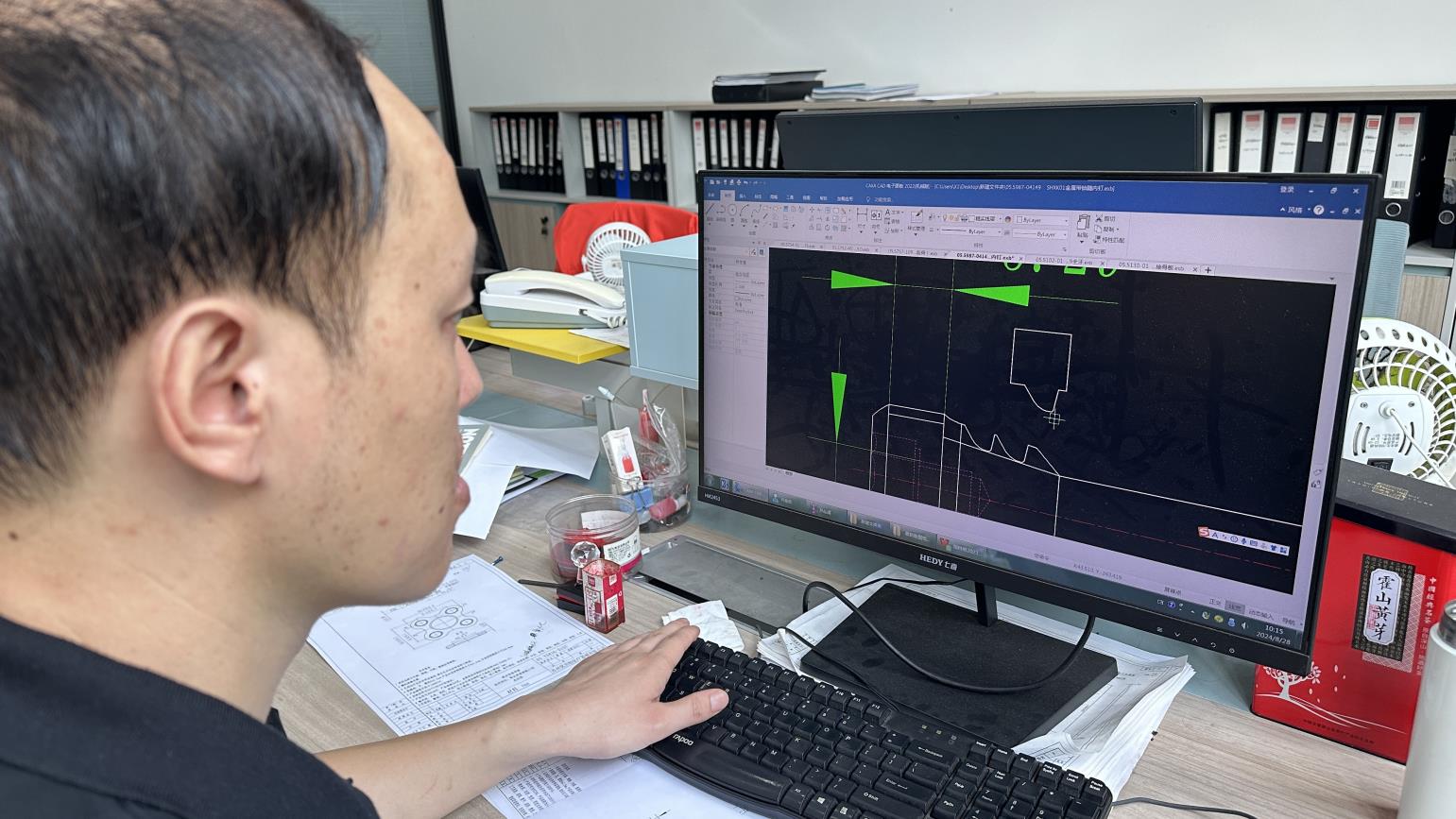
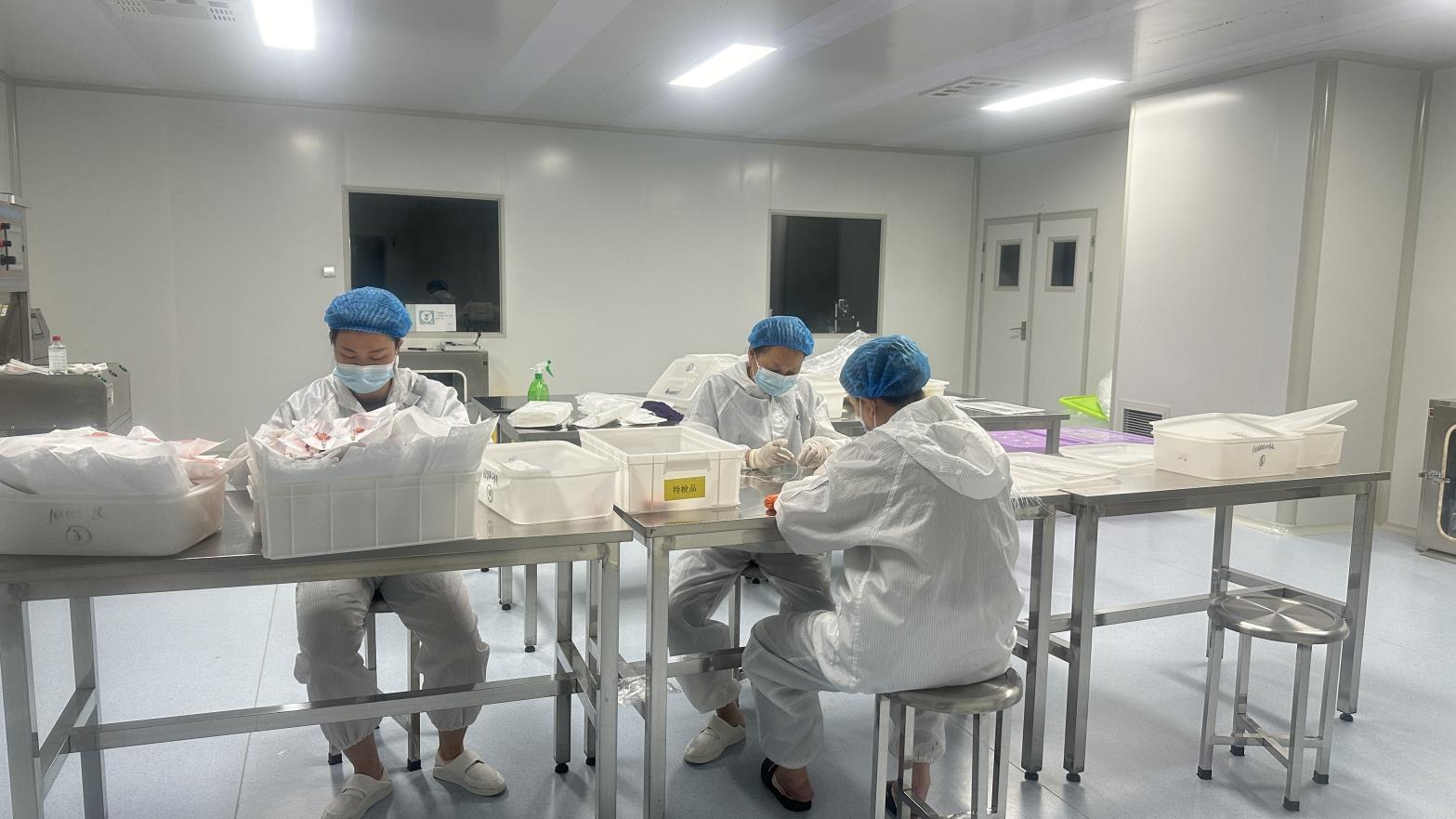
Established in 2015, Bonevia Orthopedic Technology Co., Ltd. has established itself as an innovative force in the manufacturing of trauma, spine, and joint reconstruction implants. Operating a modern, high-precision production environment of approximately 320㎡, Bonevia employs advanced spatial planning to implement rigorous cleanroom environments and high-efficiency material logistics. This micro-engineered facility achieves an outstanding yield density, generating an annual export revenue of USD 8 to 15 million.
Bonevia's operations are supported by a deep pool of technical expertise, comprising over 10 years of orthopedic industry experience and 6 years of dedicated global export experience. Under strict compliance frameworks, the company maintains a dedicated quality assurance team of 35 certified quality control inspectors, alongside a robust R&D team of 85 specialized engineers. This deep engineering core allowed Bonevia to successfully design and introduce 120 new product designs over the past fiscal year.
The company's supply chain resiliency is guaranteed by relationships with over 850 strategic raw material and logistics partners. This ensures seamless procurement of surgical-grade medical metals (Titanium, Cobalt-Chrome, PEEK) and consistent delivery. Serving orthopedic clinics, regional trauma centers, and international medical device distributors, Bonevia exports to key clinical sectors in Europe, Southeast Asia, the Middle East, and South America, offering both off-the-shelf and customizable OEM/ODM portfolios.
Exporters in the orthopedic implant sector must address a complex global regulatory environment. Medical devices used in joint revision must conform to strict standards prior to clinical introduction:
Bonevia mitigates these regulatory barriers through structured localized support models. By supplying complete technical dossiers, material certificates, and cleaning/sterilization validations, the company helps global distributors accelerate local registrations. Post-market clinical surveillance systems are also utilized to collect real-world data, satisfying regulatory compliance requirements across diverse jurisdictions.
While human joint revision represents the core of the global orthopedic market, veterinary surgery has seen similar technical growth. Advanced veterinary medicine now offers total hip and knee replacements to canine and feline patients suffering from severe osteoarthritis or congenital deformities.
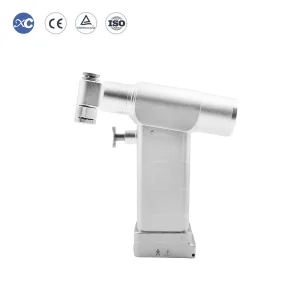
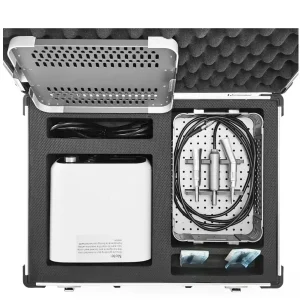
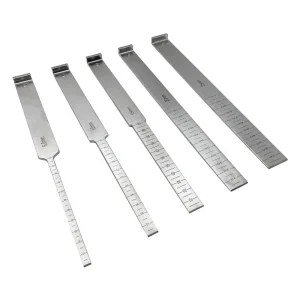
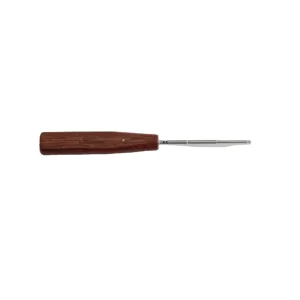
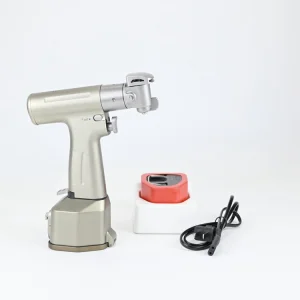
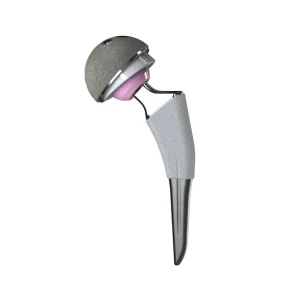
The engineering crossover between human and veterinary implants is profound. Veterinary surgeons require high-performance, compact instrumentation—such as mini multi-functional drills and specialized thin osteotomes—matching the requirements of pediatric or small-bone surgery. Exporters like Bonevia bridge this clinical gap. By scaling down design systems for veterinary joint surgery, they supply high-durability cementless femoral stems featuring Hydroxyapatite (HA) bioactive coatings. This design approach stimulates rapid bone in-growth, addressing the challenging healing environments typical of veterinary patients.
The future of revision knee arthroplasty centers on customization and smart technology integration. Over the next five years, the industry expects to adopt several core innovations:
By integrating R&D efforts with smart surgical navigation workflows, production facilities can transition from standard component supply models toward interactive clinical partnerships, reducing the frequency and complexity of subsequent revision procedures.
Explore our technical collection of premium trauma fixations, intramedullary nail kits, shaver blades, and spinal cages engineered for surgical accuracy.
Technical and procurement insights into revision arthroplasty manufacturing and international logistics.