Bonevia
Bonevia
Bonevia
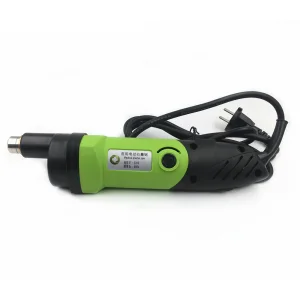
Direct access to regulatory-approved medical devices, arthroplasty cups, spinal fixation screws, and precision bone saw systems from trusted production lines.
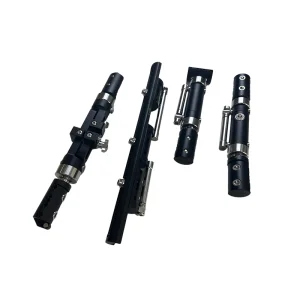
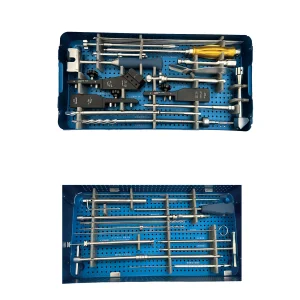
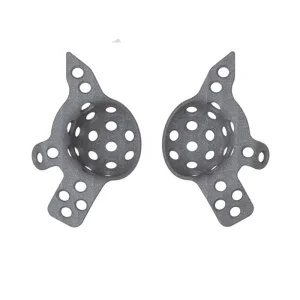
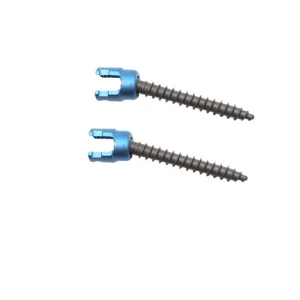
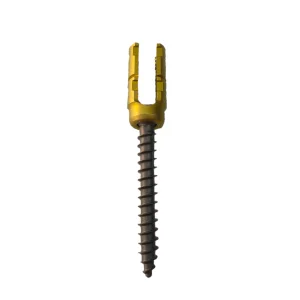
Total Hip Arthroplasty (THA) is widely recognized as one of the most cost-effective and clinically successful interventions in modern medicine. The acetabular component—comprising the acetabular shell (or cup) and its corresponding liner—serves as the load-bearing interface in the pelvic structure. Globally, the demand for acetabular shells is expanding rapidly, driven by demographic aging, rising rates of osteoarthritis, and the expanding clinical indication for younger, more active patient cohorts.
Historically dominated by multinational orthopedic brands based in North America and Western Europe, the global supply chain is undergoing a structural transition. Top-tier Chinese medical manufacturers are leverage state-of-the-art metallurgy, CNC machining, and biological coating technologies to provide high-performance solutions. These solutions match the clinical efficacy of established OEMs while offering significant cost efficiency to hospitals, medical centers, and national healthcare systems facing budget pressures.
In total hip reconstruction, fixing the acetabular component to the pelvic bone structure follows two main philosophies: cemented and cementless fixation.
Typically manufactured from Ultra-High-Molecular-Weight Polyethylene (UHMWPE), these cups are anchored to the bone bed using PMMA bone cement. This design is highly clinical for patients with compromised bone quality, severe osteoporosis, or irradiated bone, where biological bone in-growth is unlikely to occur.
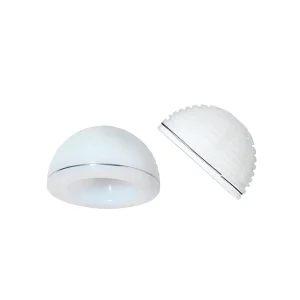
These devices utilize a high-roughness titanium alloy shell. The primary mechanical stability is achieved through a precise press-fit design (often oversized by 1-2mm relative to the reamer diameter). Secondary biological fixation occurs via osseointegration as host bone tissue grows into the porous surface of the metal.
Designed to minimize dislocation risks, dual mobility systems incorporate an extra articulating interface. The femoral head is captured inside a mobile polyethylene liner, which in turn articulates within a polished metal shell, providing superior range of motion and exceptional joint stability.
For modern orthopedic departments, the press-fit cementless cup has become the standard of care for primary hip arthroplasty. The technological challenge lies in creating a highly porous structure on the shell's outer surface that matches the modulus of elasticity of trabecular bone, thereby preventing stress shielding while encouraging robust bone remodeling.
The choice of materials is crucial for the clinical longevity of acetabular implants, directly impacting the joint's wear rates, mechanical fatigue limits, and biocompatibility profile.
For global procurement managers at orthopedic companies, hospital consortia, and international distributors, selecting a reliable medical manufacturer in China is a strategic decision that balances economics with product quality.
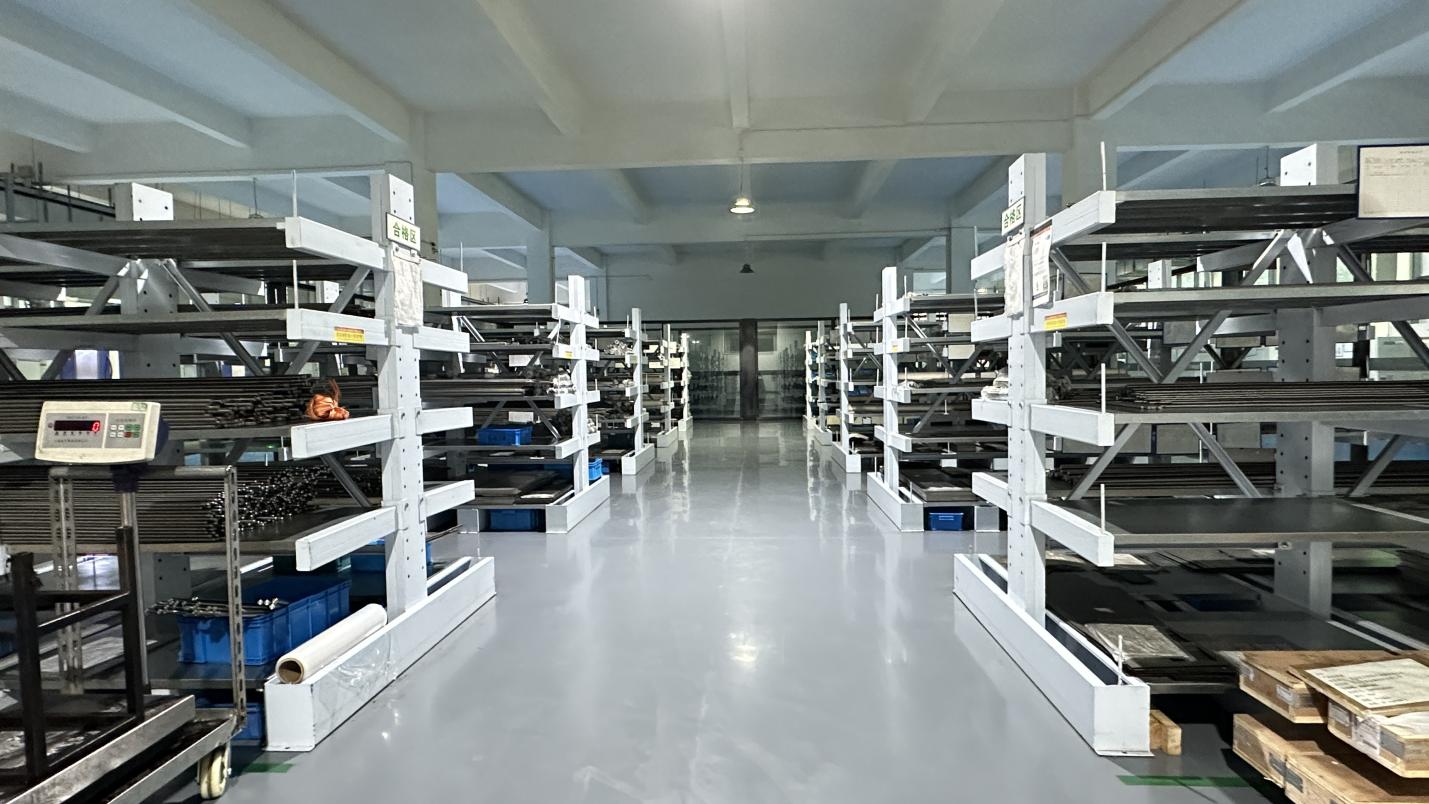
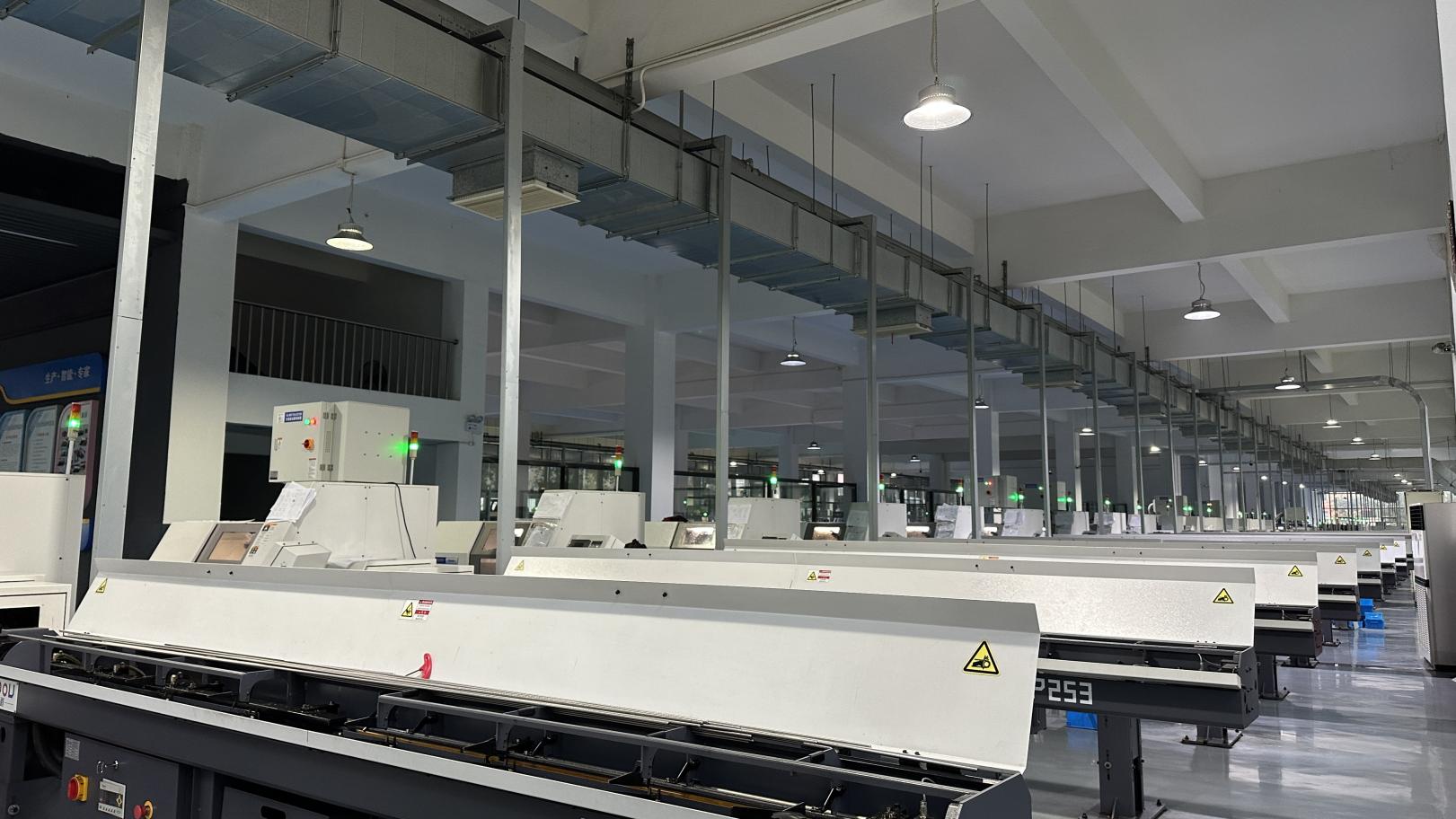
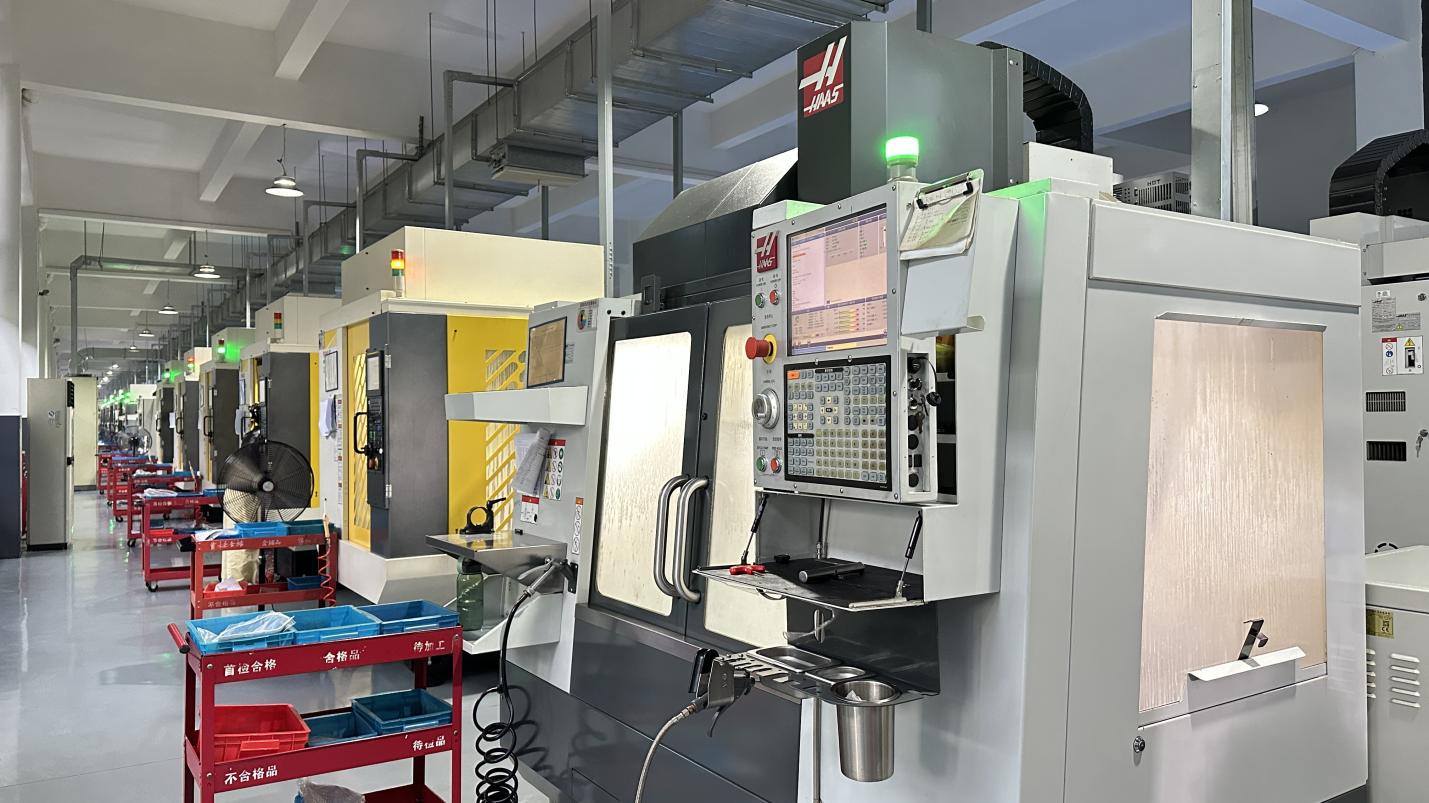
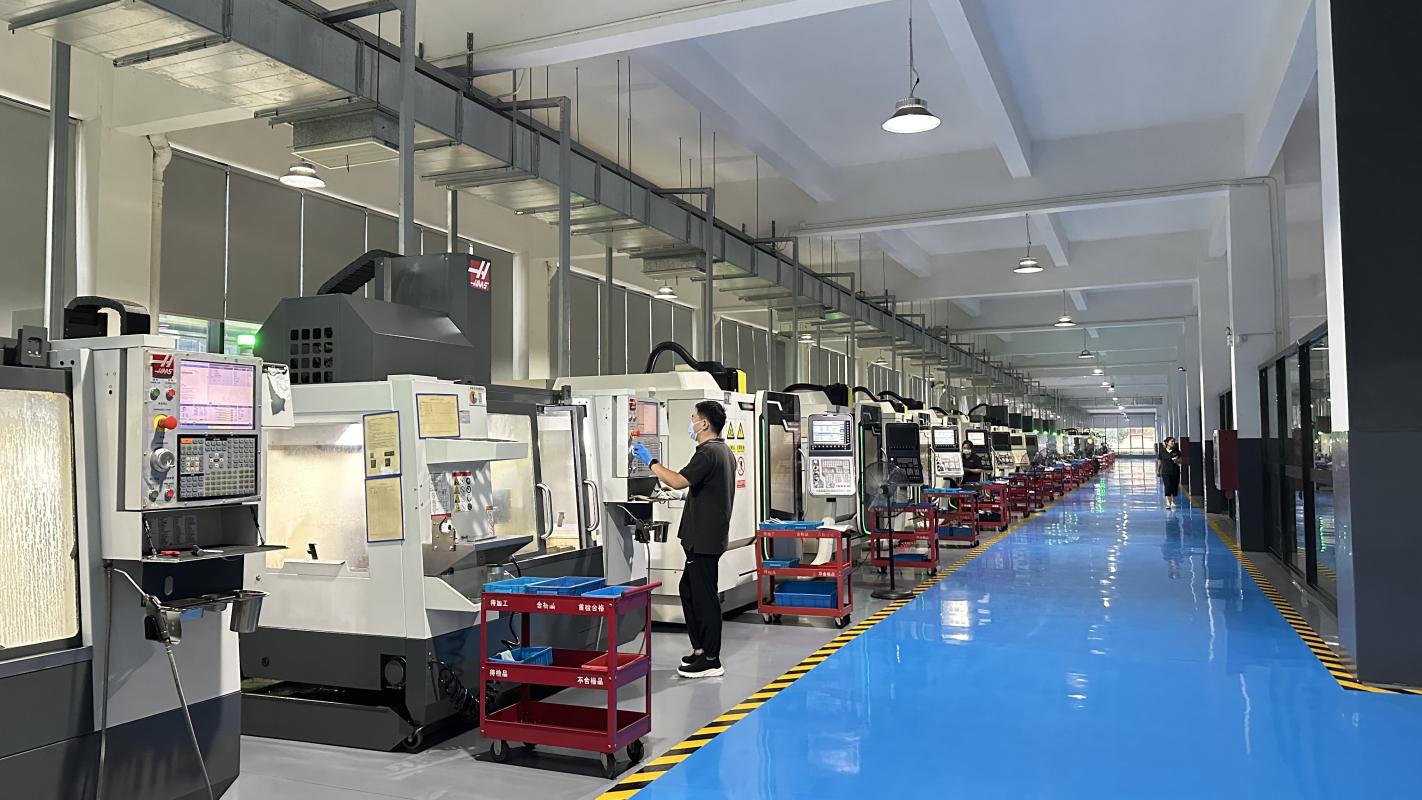
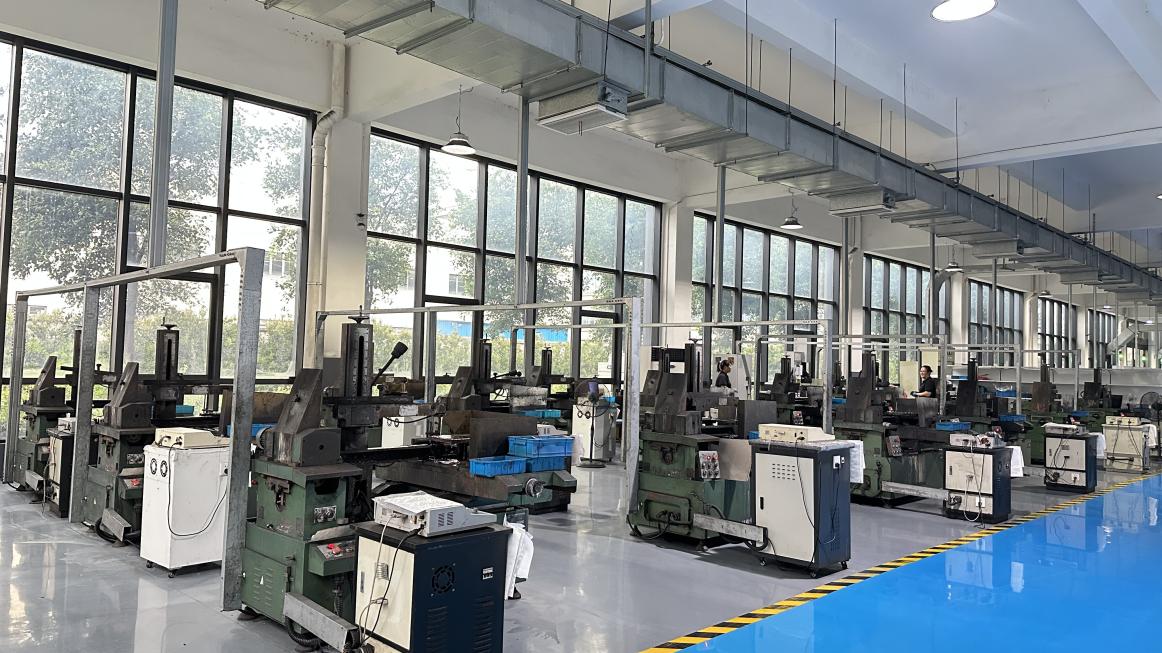
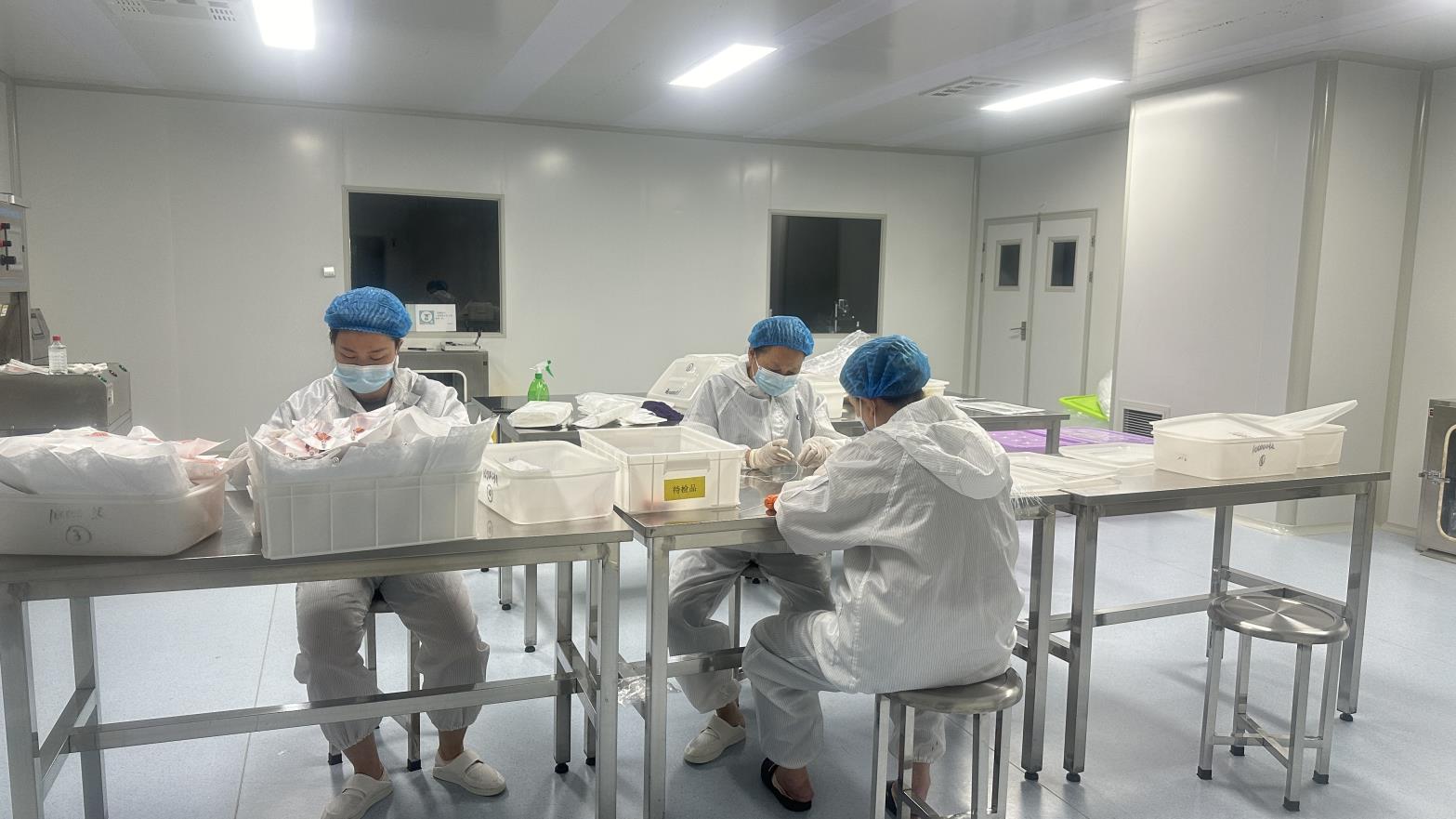
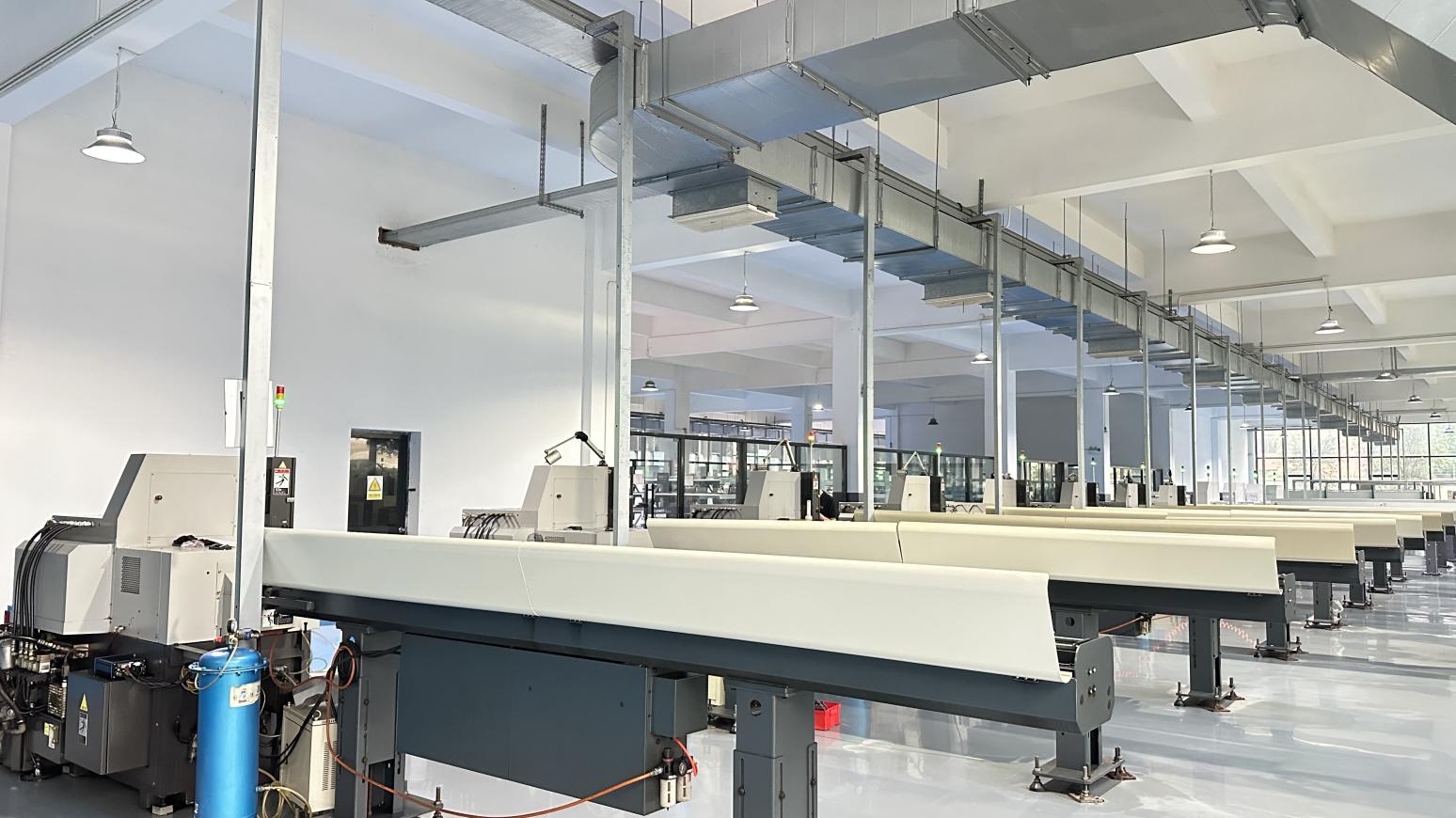
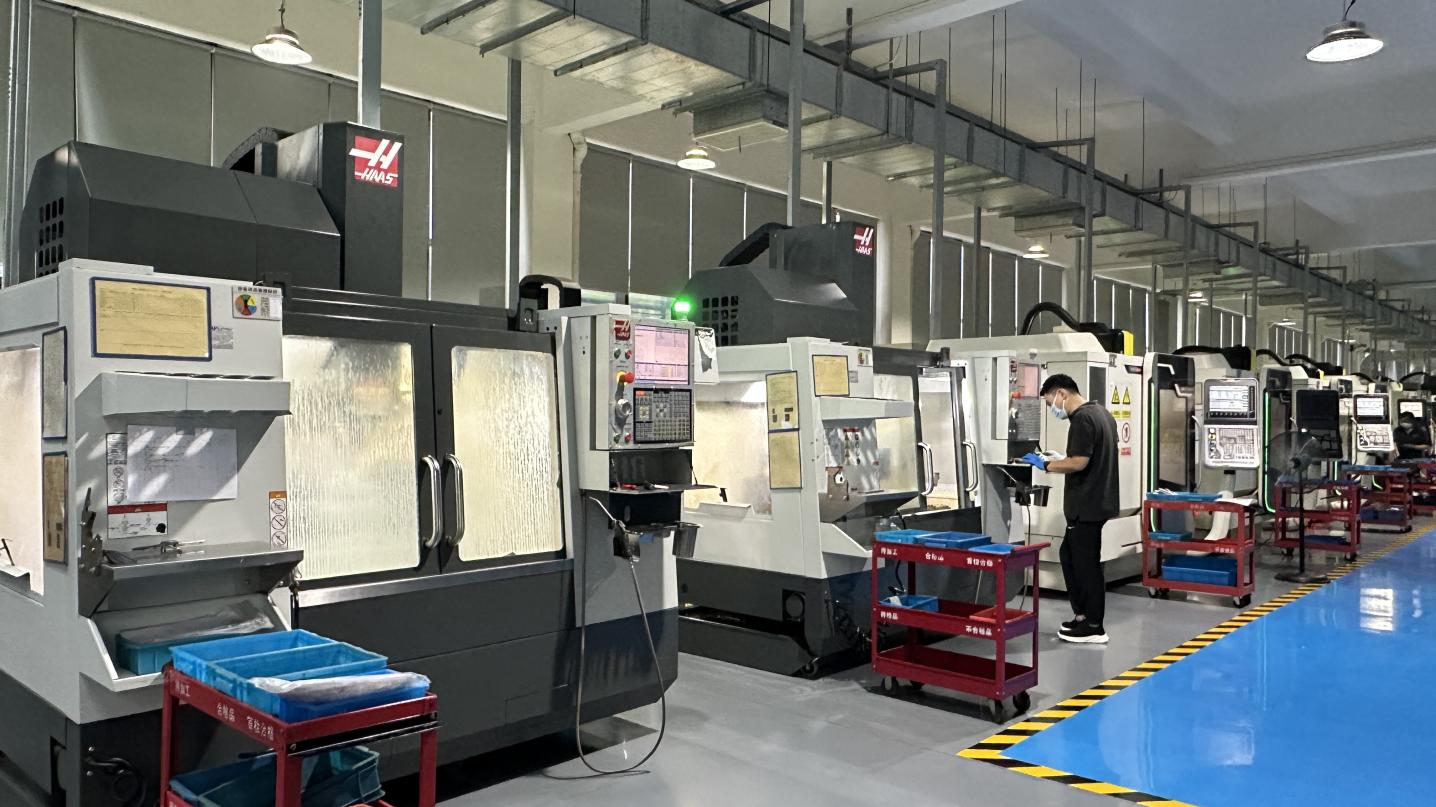
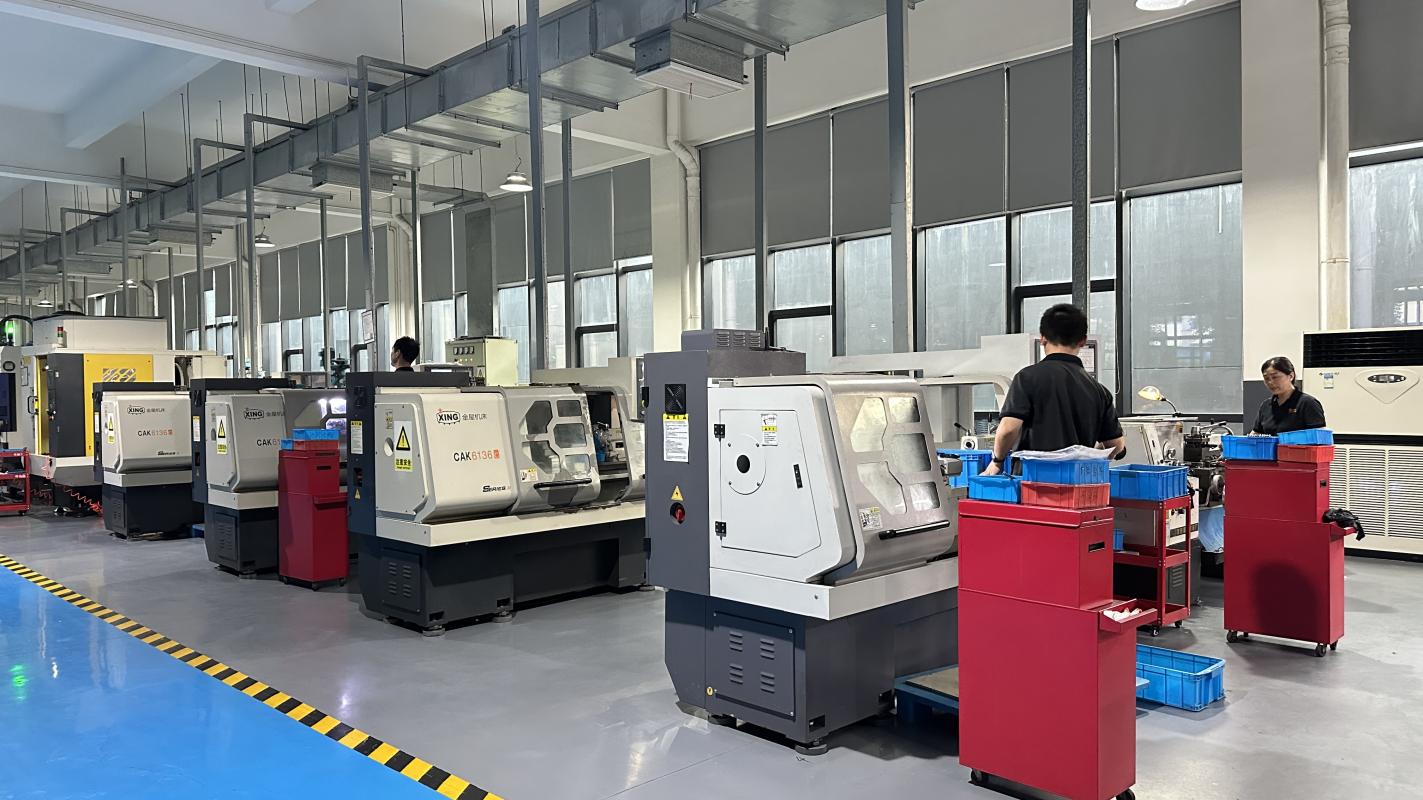
By establishing long-term partnerships with dedicated Chinese manufacturers, procurement departments can benefit from a streamlined vertical integration model. This model features automated CNC Swiss machining, advanced surface treatment facilities, and class 10,000 cleanroom packaging within a single centralized ecosystem. This configuration significantly reduces lead times, minimizes freight overheads, and provides flexibility for custom OEM and ODM configurations designed to meet local clinical needs.
In accordance with Google's E-E-A-T guidelines for medical-grade devices, manufacturers must demonstrate verifiable compliance with regional and international health legislation. Joint reconstruction implants are classified as Class III medical devices (the highest risk category), requiring strict quality control, detailed documentation, and extensive clinical follow-ups.
Certified factories operate under ISO 13485 Quality Management Systems for Medical Devices. Products intended for the European Union must meet the requirements of the EU Medical Device Regulation (MDR 2017/745), requiring clinical evaluation files and post-market clinical follow-ups (PMCF). For the North American market, manufacturers must obtain FDA 510(k) clearance, requiring extensive mechanical validation tests, including dynamic compression, shear fatigue, and wear performance assessments as defined by ISO 7206 standards.
Bonevia Orthopedic Technology Co., Ltd. is a professional manufacturer specializing in orthopedic implants and surgical solutions, dedicated to advancing innovation in trauma, spine, and joint reconstruction products. Since its establishment in 2015, the company has grown into a trusted supplier in the global orthopedic industry.
Quality assurance is a core focus at Bonevia. The company implements multiple inspection methods including incoming material inspection, in-process quality control, and final product testing, supported by a dedicated quality team of 35 professionals. This ensures all products meet international medical device standards.
Bonevia has a solid trade foundation with diversified global distribution networks, serving major markets across Europe, Southeast Asia, the Middle East, and South America. Its supply chain ecosystem includes more than 850 partners, enabling stable raw material sourcing and efficient production delivery. The company serves a wide range of clients, including hospitals, orthopedic clinics, surgical centers, and medical distributors. Bonevia also demonstrates strong R&D capabilities, offering OEM and ODM customization services to meet specific clinical requirements.
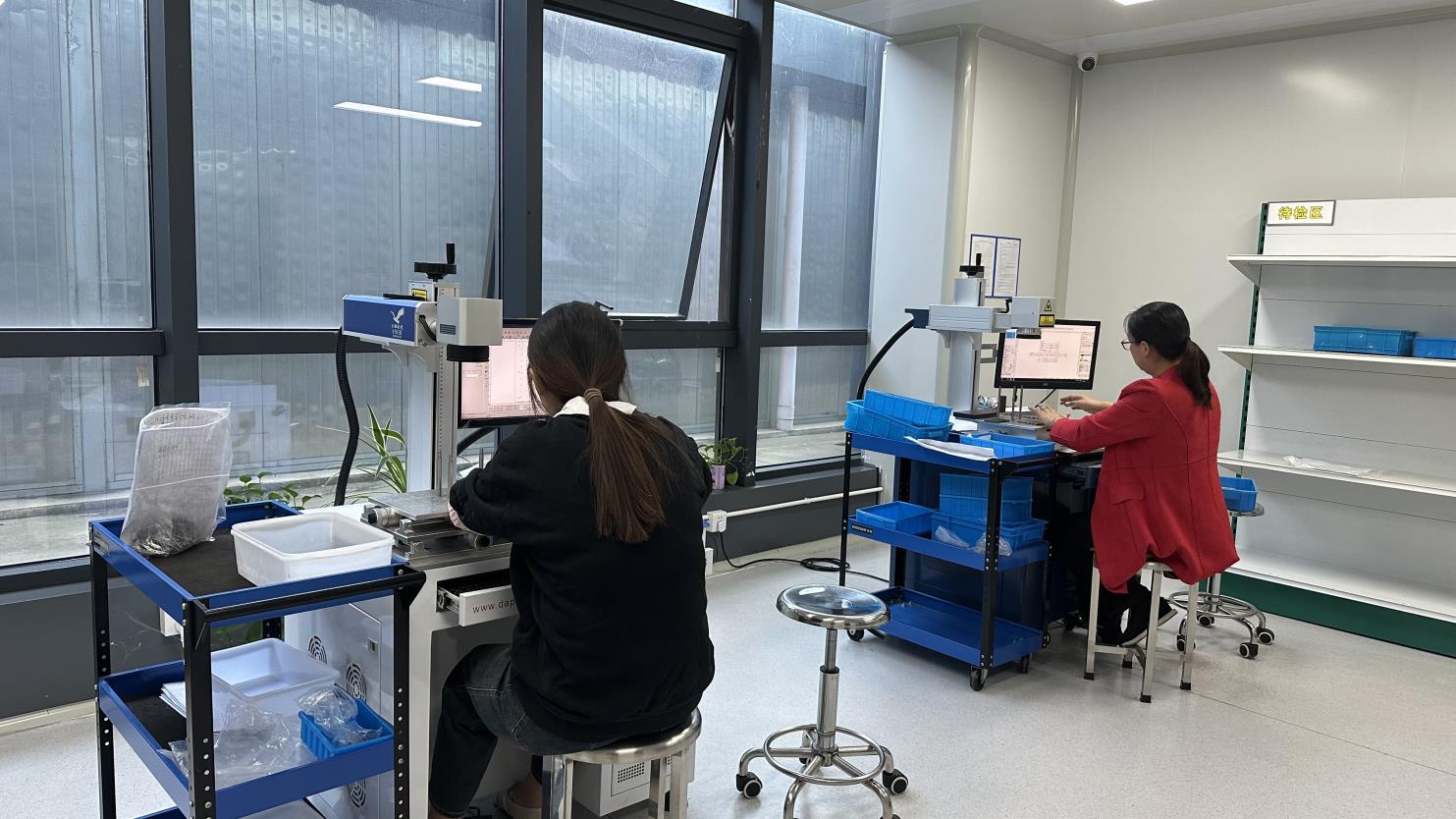
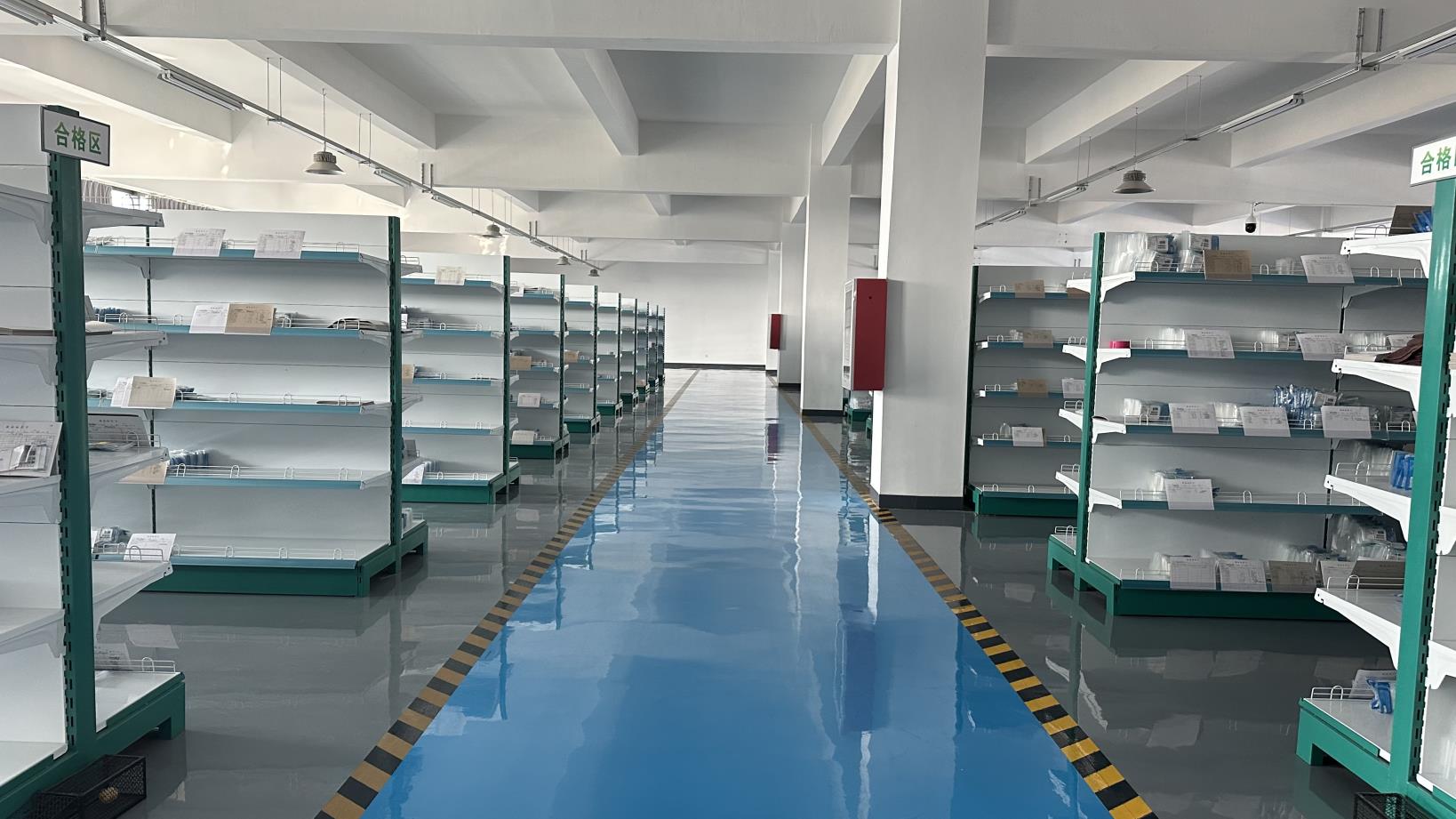
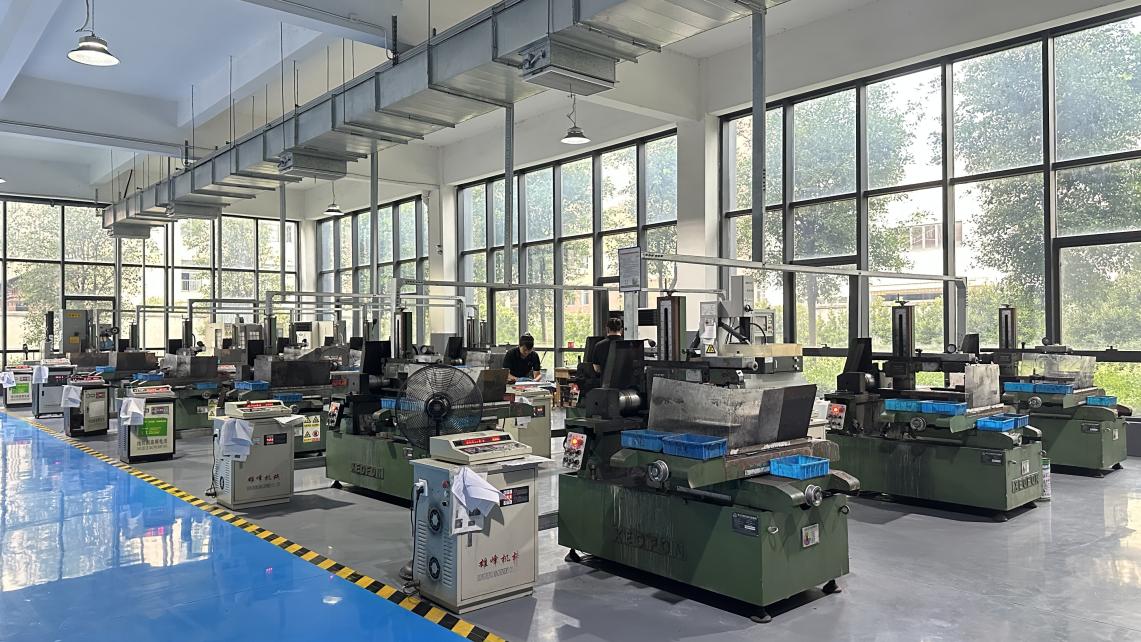
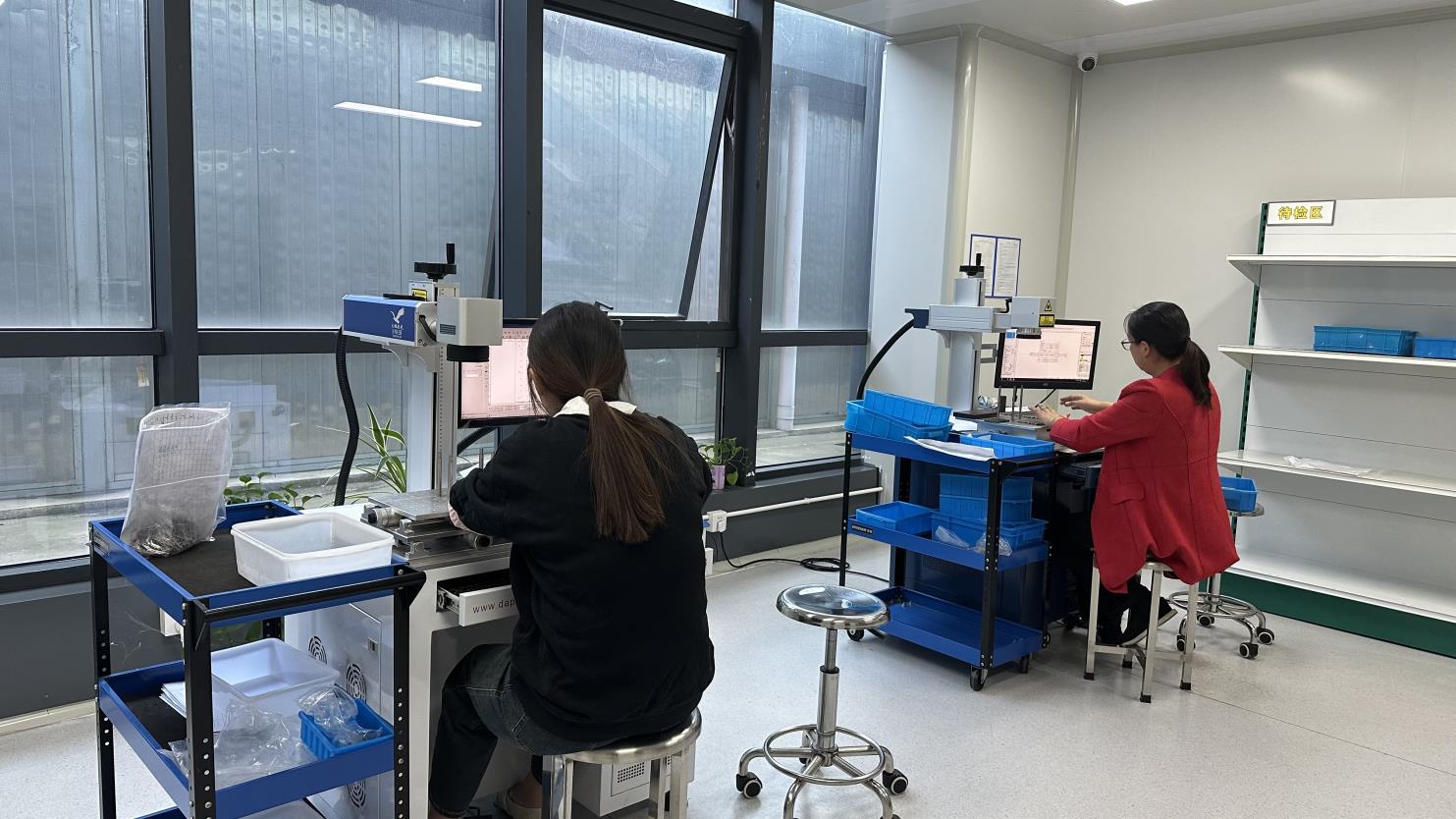
Every acetabular shell, pedicle screw, and fixation plate goes through a highly regulated manufacturing sequence. Below is the pictorial validation of our specialized machining, design, and inspection workflow:
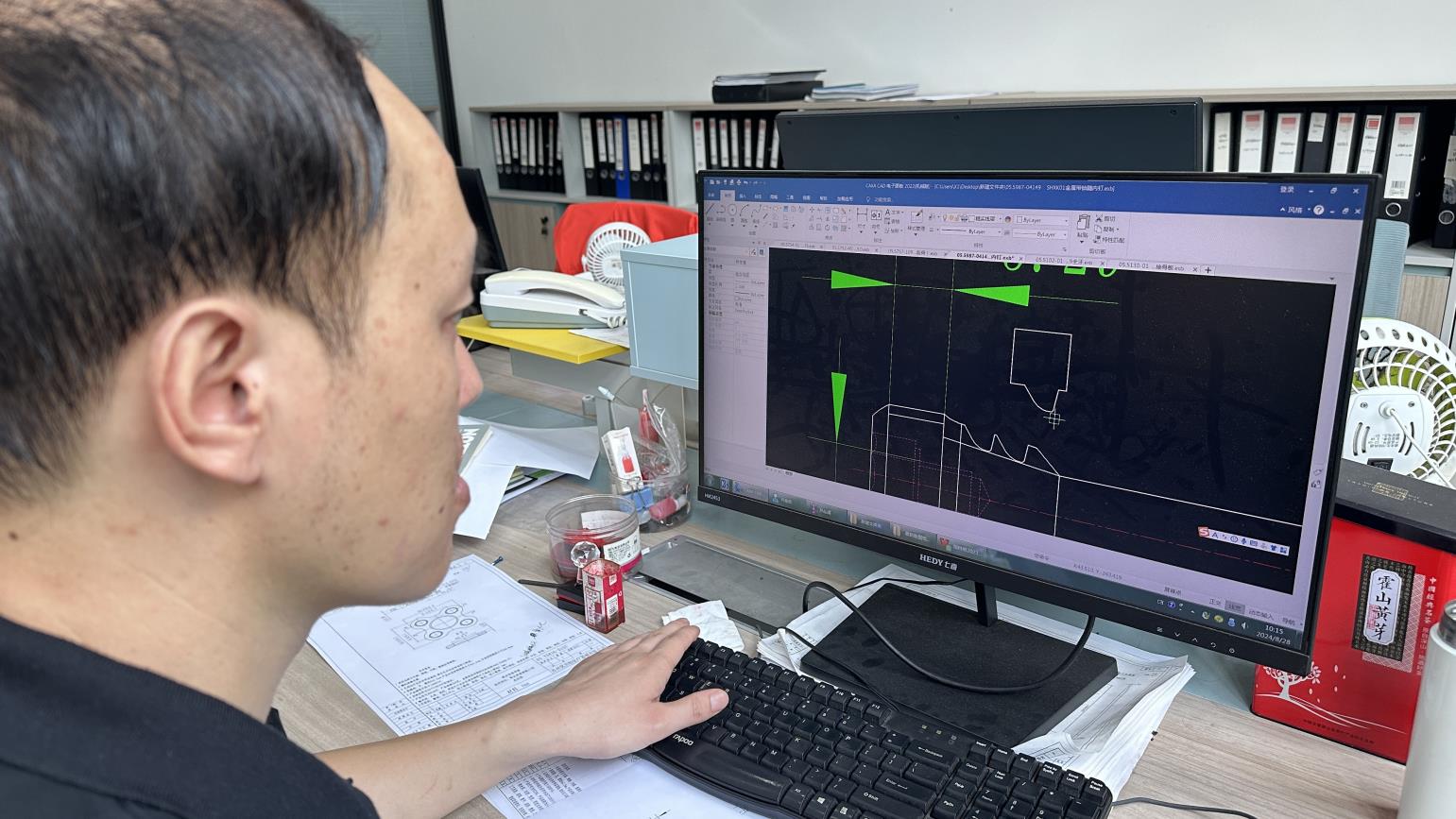
3D Design & Final Quality Control
Equipped with high-precision Coordinate Measuring Machines (CMM) and digital visual projection systems ensuring compliance down to < 5 microns tolerance.
Find direct, professional answers addressing critical technical, regulatory, and supply chain questions.
We strictly process medical-grade Titanium-6Aluminum-4Vanadium ELI (Extra Low Interstitial) conforming to ASTM F136 and ISO 5832-3 standards. This material delivers superior mechanical properties, excellent fatigue limit, and optimal bio-compatibility relative to standard industrial titanium.
Our porous coating is generated using advanced vacuum plasma spraying (VPS) and 3D printing (electron beam melting - EBM). The pore size is maintained in the range of 300 to 600 micrometers with a porosity percentage of 60% to 80%. This design maximizes bone cell migration, facilitating rapid secondary biological fixation.
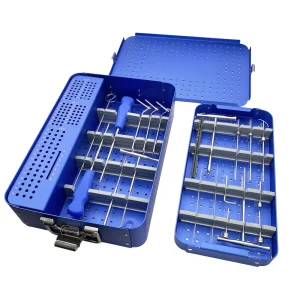
Yes. Backed by our R&D team of 85 engineers, we offer full design integration from CAD prototyping to clinical validation. We customize cup dimensions, outer geometry, screw hole configurations, and matching orthopedic surgical instrumentation kits based on your clinical dossiers.
Our manufacturing systems conform strictly to ISO 13485 standards. Selected reconstruction components are CE marked (MDR Class III) and carry regulatory dossiers that streamline registrations with national health authorities across Europe, Latin America, the Middle East, and Asia.
Standard implants are packaged in cleanroom Class 10,000 double-sterile blister packs (Ethylene Oxide or Gamma sterilized). Typical lead times vary from 30 to 45 days, depending on batch sizes, custom marking requests, and logistics channels.
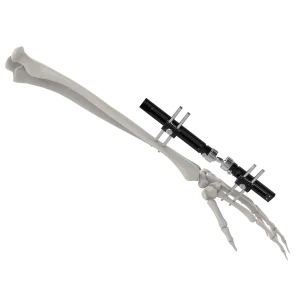
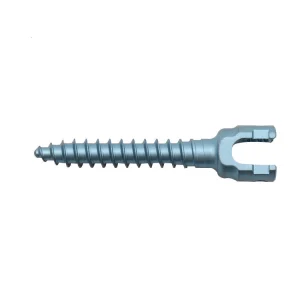
Browse our comprehensive selection of internal trauma plates, pedicle screws, external fixator frames, and replacement joints.