 Bonevia
Bonevia
Bonevia
Explore our premium clinical implants engineered for optimal patient outcomes and biomechanical stability.
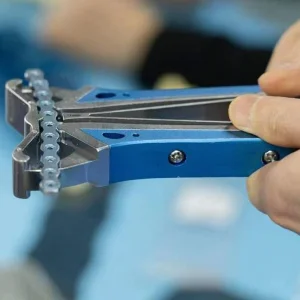
A comprehensive study on biomechanical properties, clinical outcomes, and the structural advantages of adjustable loop fixation.
In modern sports medicine, particularly anterior cruciate ligament (ACL) and posterior cruciate ligament (PCL) reconstructions, suspensory fixation has emerged as the premier standard for securing soft-tissue grafts in the femoral tunnel. Among the primary modalities, Adjustable Loop Suspended Fixation systems offer distinct advantages over fixed-loop structures. Historically, fixed-loop cortical button fixations required precise preoperative calculation of the femoral tunnel length and the graft size. Any measurement discrepancy compromised graft-to-tunnel contact, causing suboptimal graft integration, micromotion, or the "windshield wiper" and "bungee cord" effects within the bone tunnel.
By employing a loop structure that can be dynamically tensioned post-insertion, orthopedic surgeons can ensure complete graft fill in the bone tunnel, maximize the graft-to-bone contact interface, and achieve ideal initial tensioning. The mechanical design of the adjustable loop relies on a self-locking friction knot, which resists retrograde slippage under physiological loading. The loop is composed of high-strength, ultra-high-molecular-weight polyethylene (UHMWPE) braided sutures, integrated with a titanium cortical plate. This configuration guarantees high ultimate tensile strength and minimizes dynamic elongation over cyclic loading cycles.
One of the primary evaluation metrics for adjustable loop constructs is dynamic elongation under cyclic load, mimicking standard postoperative rehabilitation regimes. In comparative clinical biomechanical trials, Bonevia's adjustable loops demonstrate micro-displacement characteristics matching or exceeding premium global brands. This is achieved through proprietary weaving patterns of the UHMWPE fibers and micro-polished eyelet pathways in the titanium button. Polishing mitigates friction-induced wear on the suture loop, preventing micro-shredding and maintaining structural tension over the critical first 6 to 12 weeks of bone healing.
The cortical button itself is manufactured using titanium alloy (Ti6Al4V ELI) conforming to ASTM F136 standards. This medical-grade material provides exceptional biocompatibility, rapid osseointegration, and a low magnetic resonance signature. Its low profile ensures minimized prominent implant irritation, particularly in anatomies with minimal soft-tissue coverage over the lateral femoral cortex.
Take an interactive tour through our clinical-grade manufacturing processes, combining advanced CNC engineering with rigorous QC.
Bonevia Orthopedic Technology Co., Ltd. features a modern production facility optimized for manufacturing implants and instruments of strict precision. Supported by 10+ years of industry experience, Bonevia combines automated machinery with a dedicated quality team of 35 inspection professionals to execute incoming, in-process, and final inspection methodologies.
Spectral analysis of medical grade titanium alloys and PEEK compounds to confirm purity and ASTM compliance.
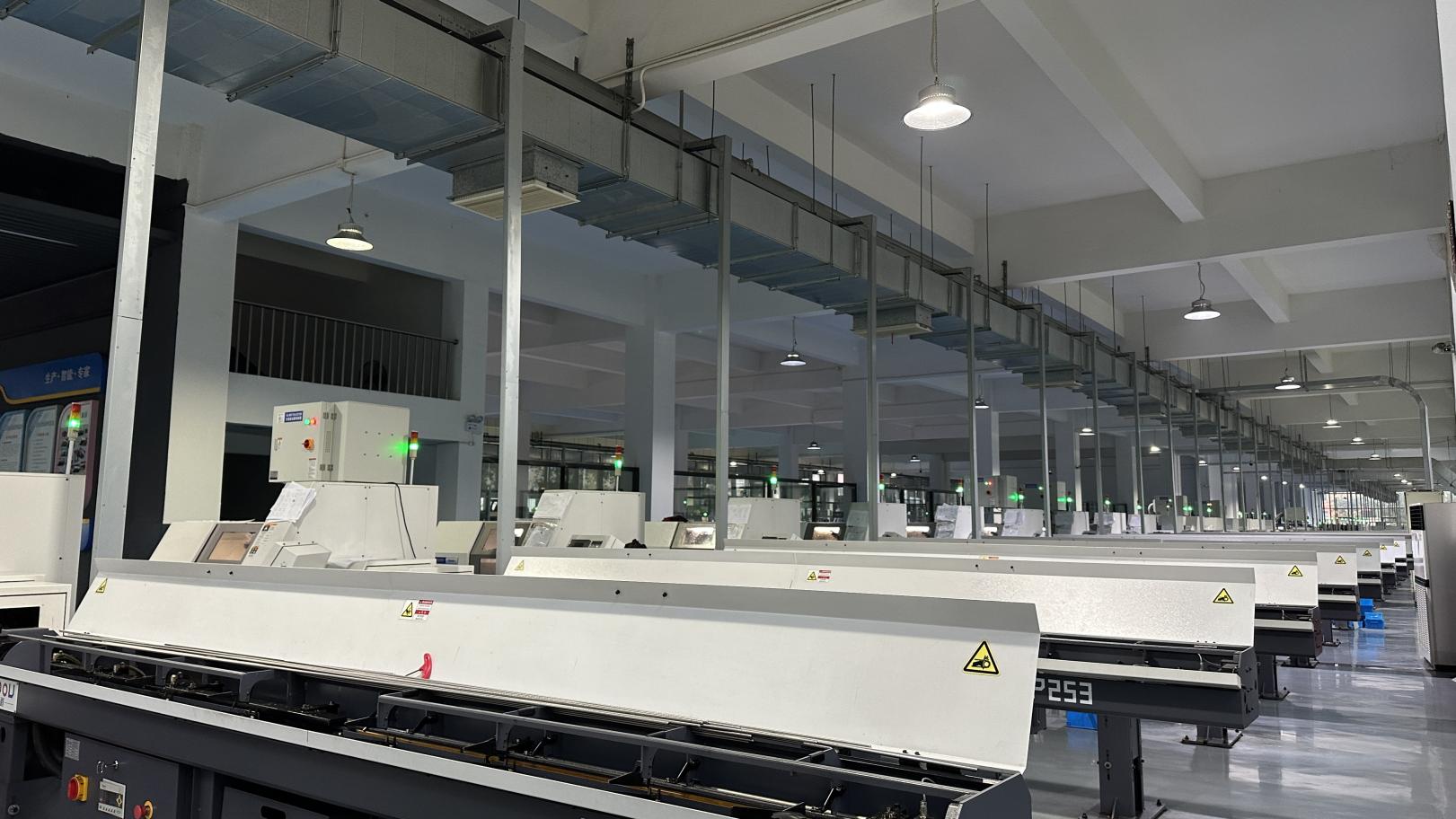
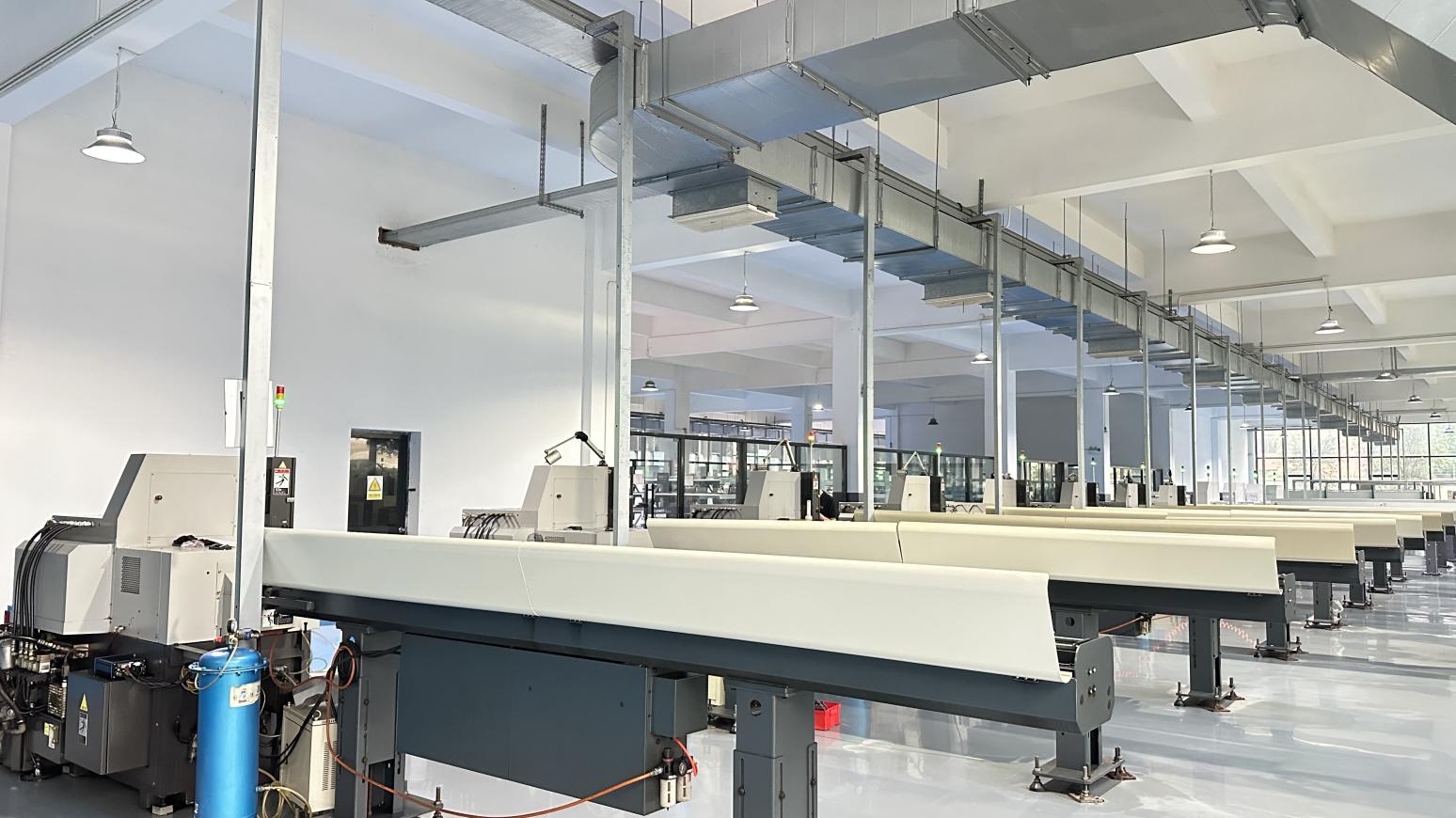
Precision material preparation utilizing advanced slitting machinery for seamless feed into the production lines.
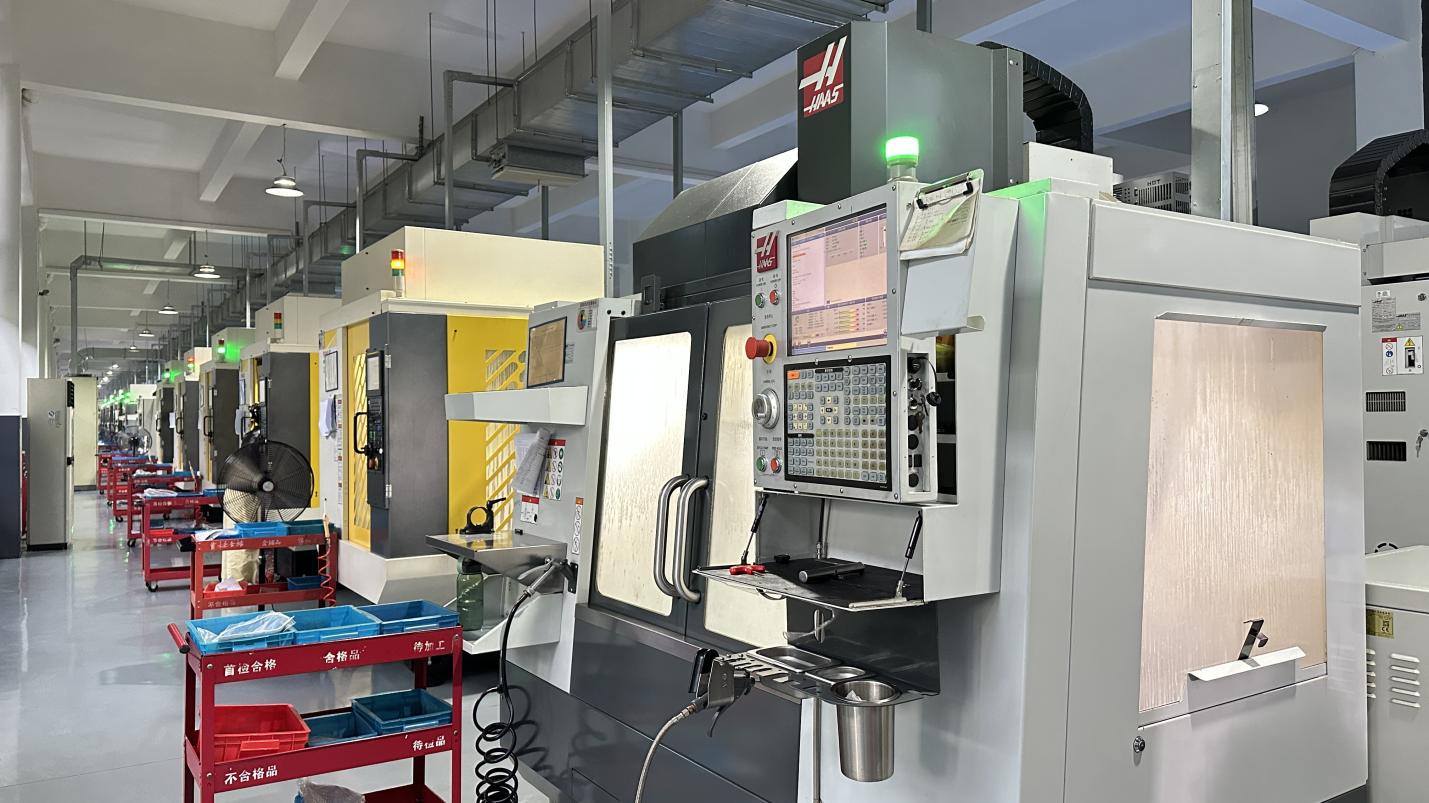
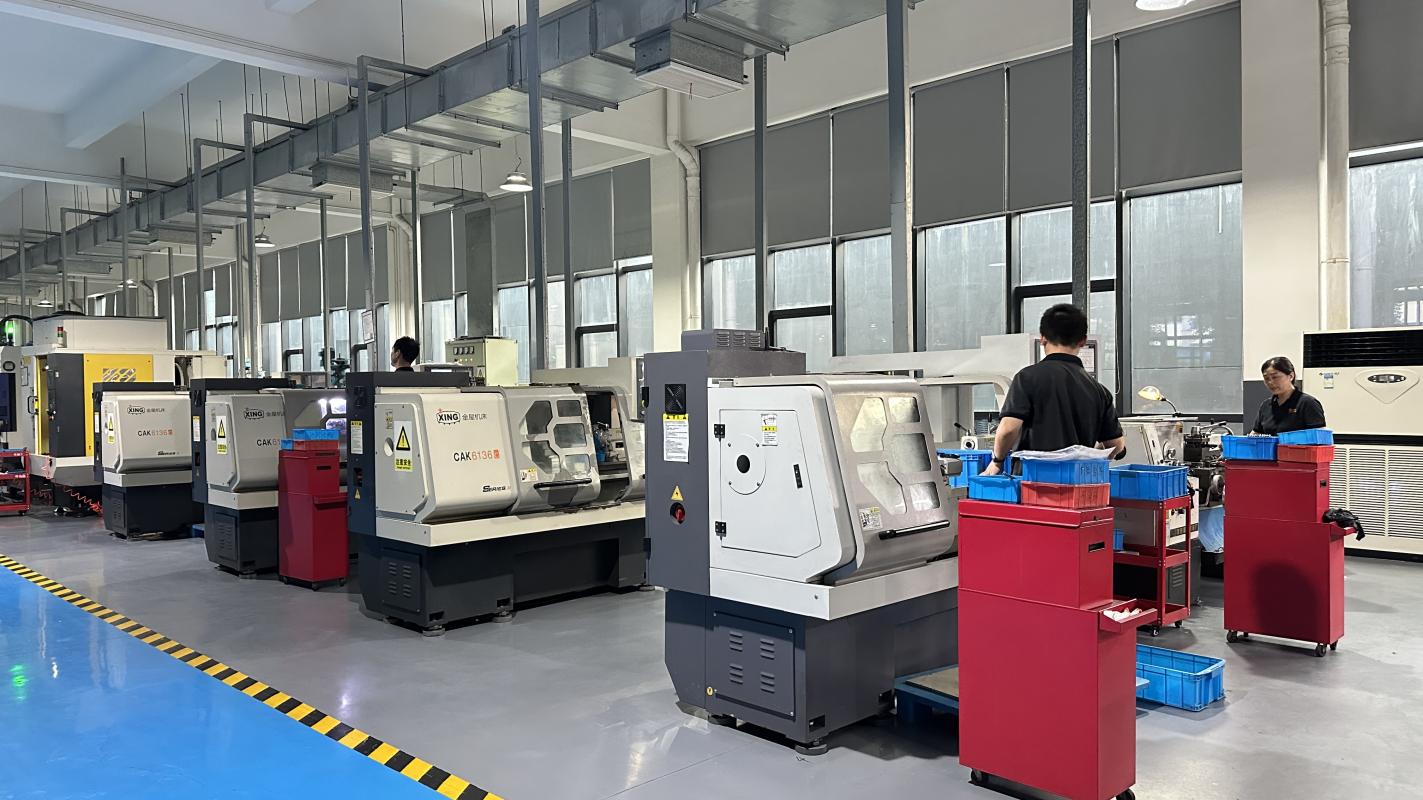
Rough turning and dimensioning processes forming the foundational profile of cortical plates and implants.
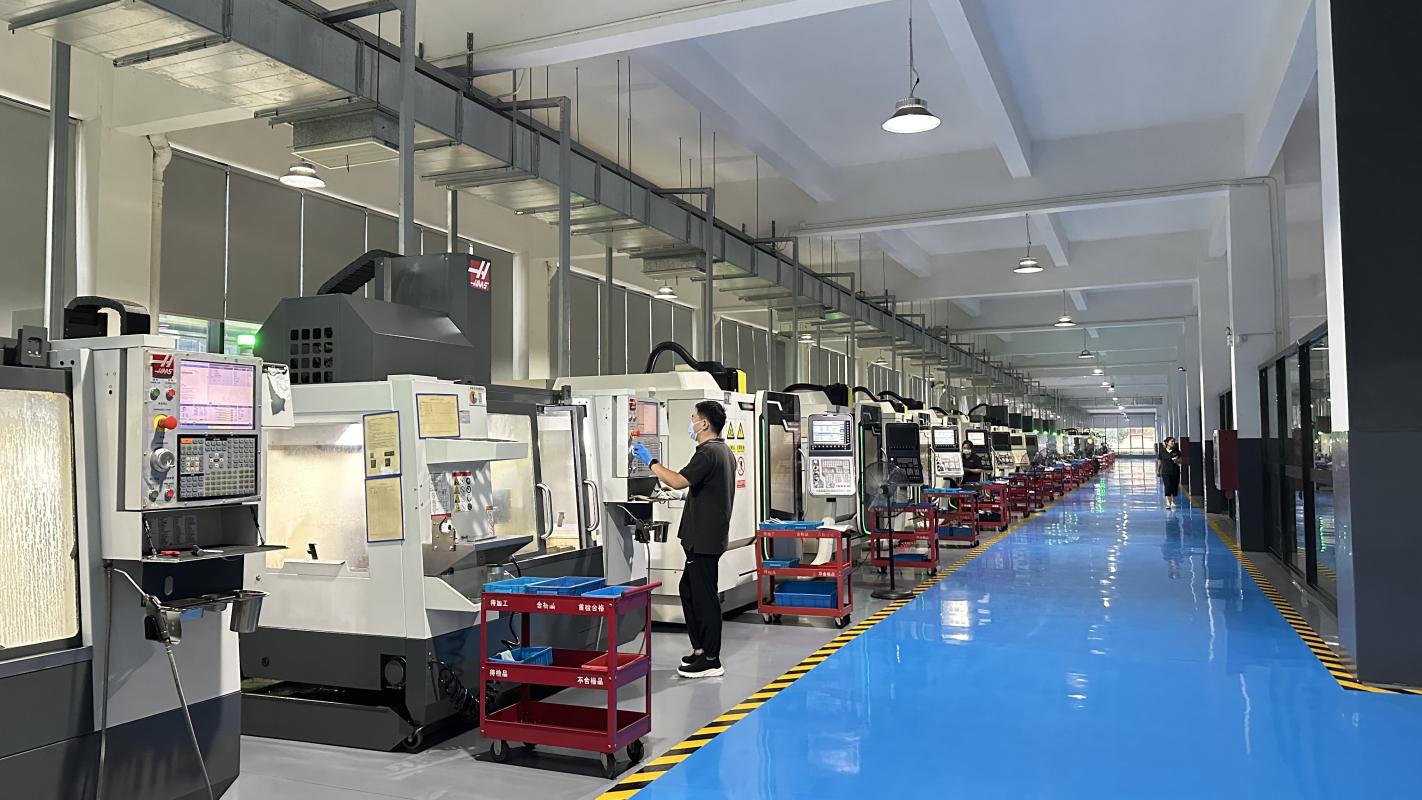
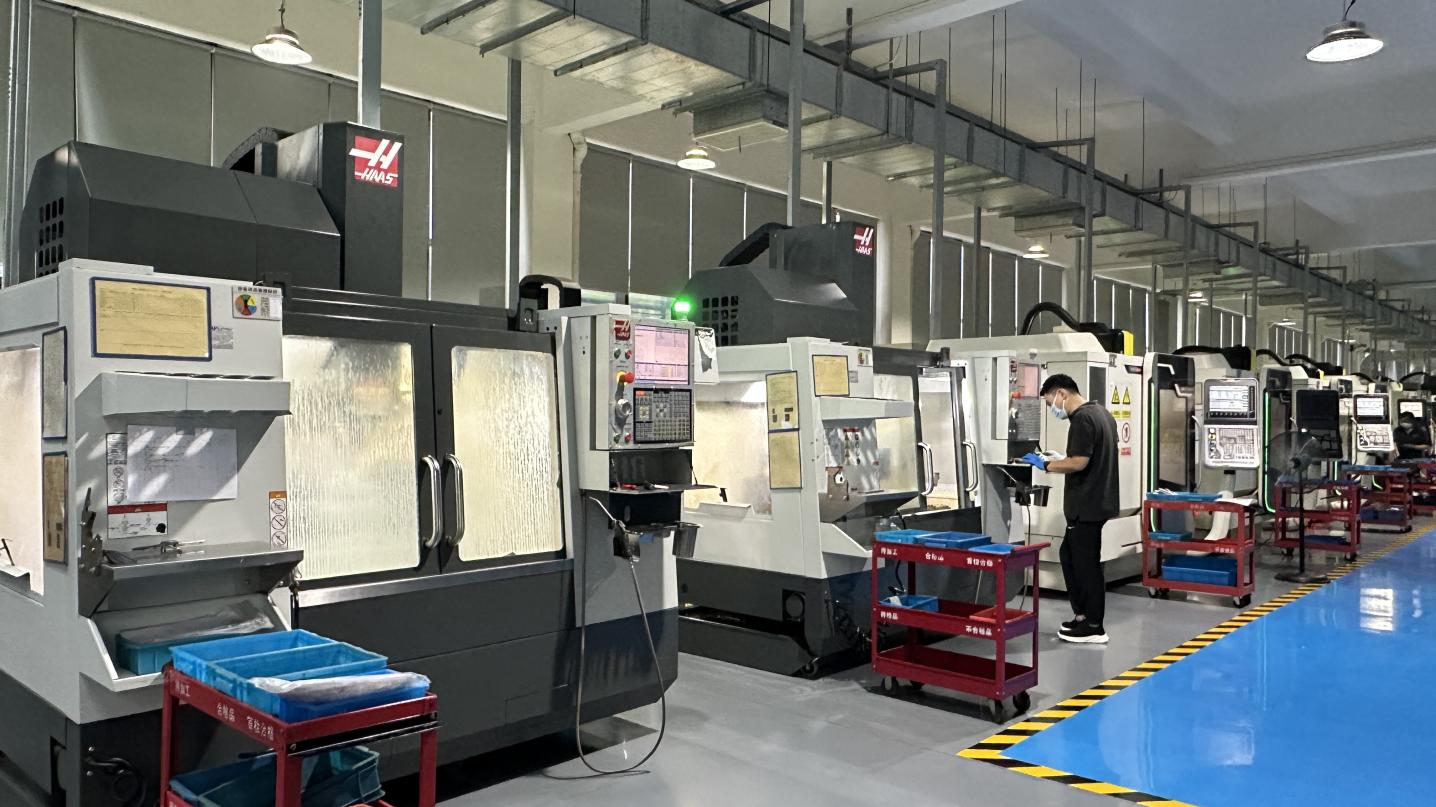
High-precision multi-axis milling of intricate channels and loop contact eyelets to micron-level tolerances.
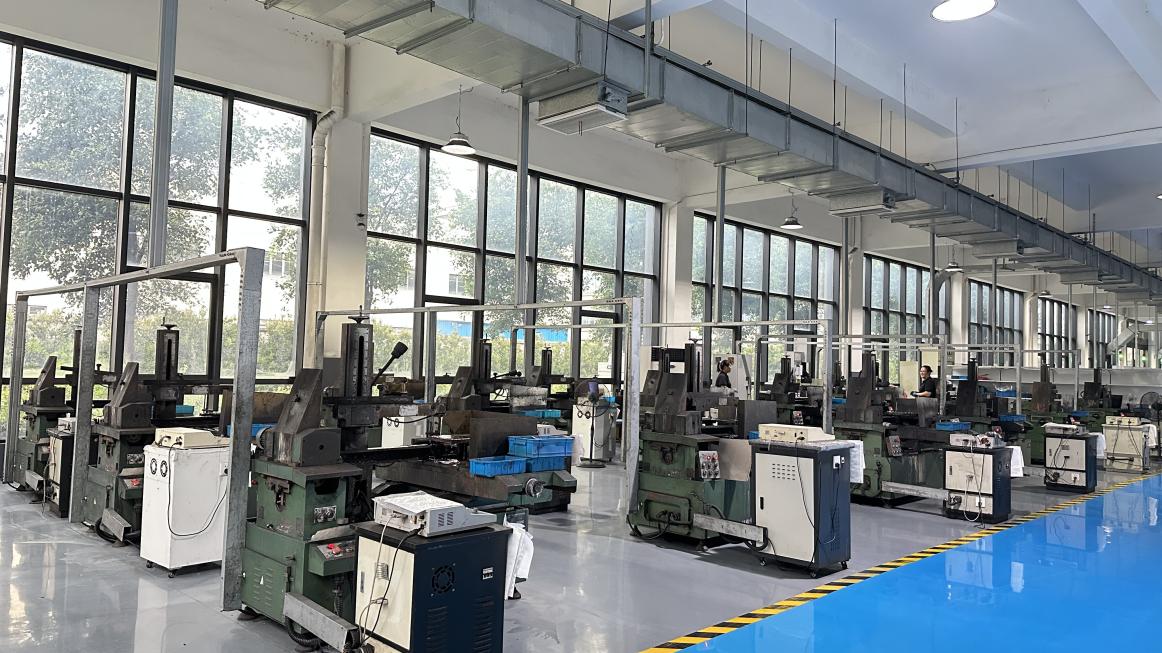
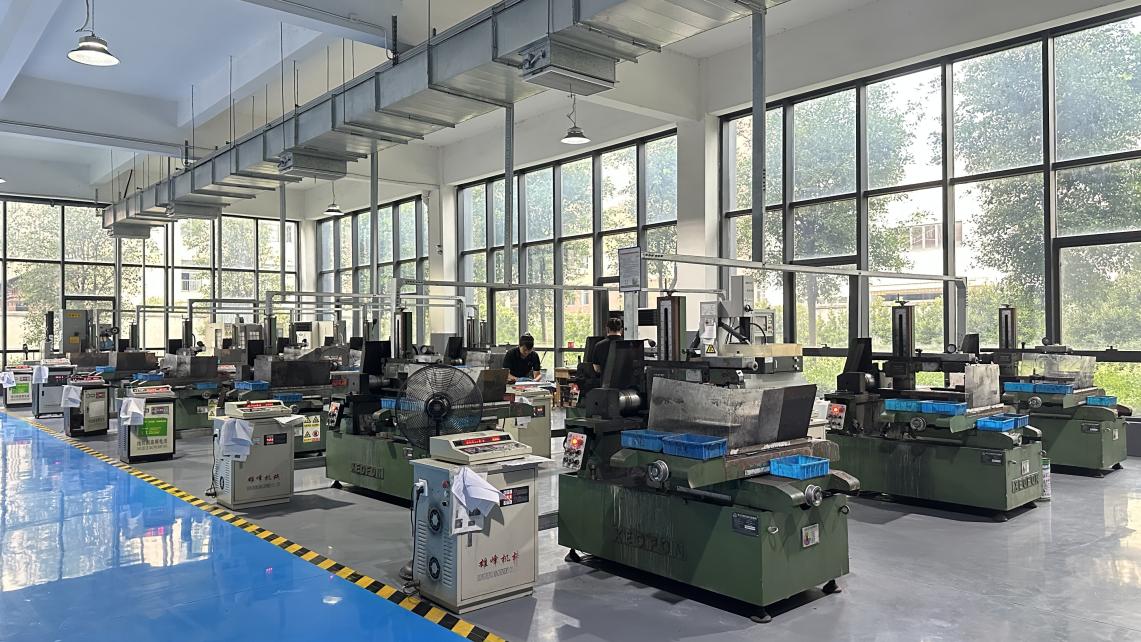
Electrical Discharge Machining allows stress-free geometric fabrication of complex orthopedic shapes.
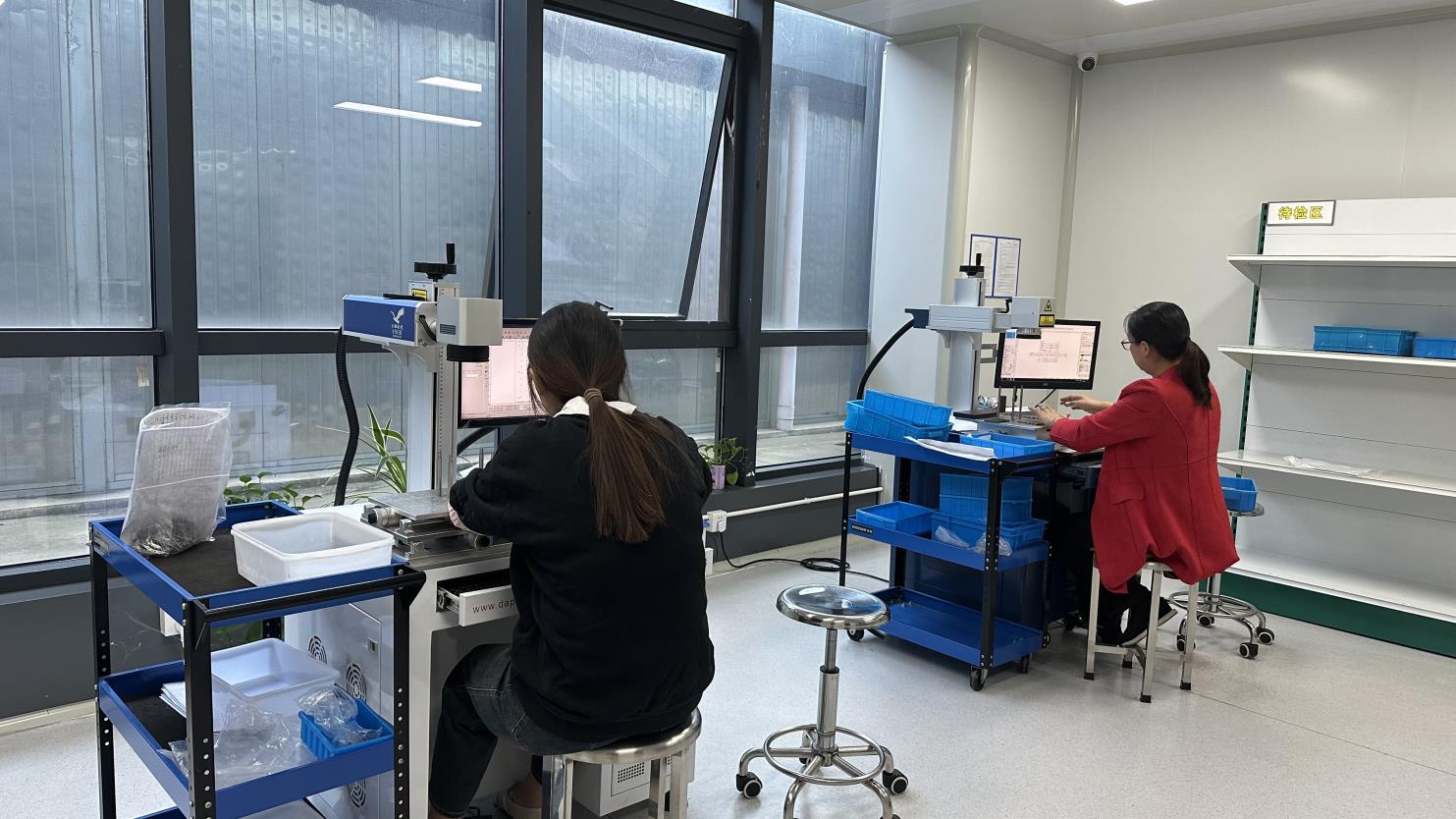
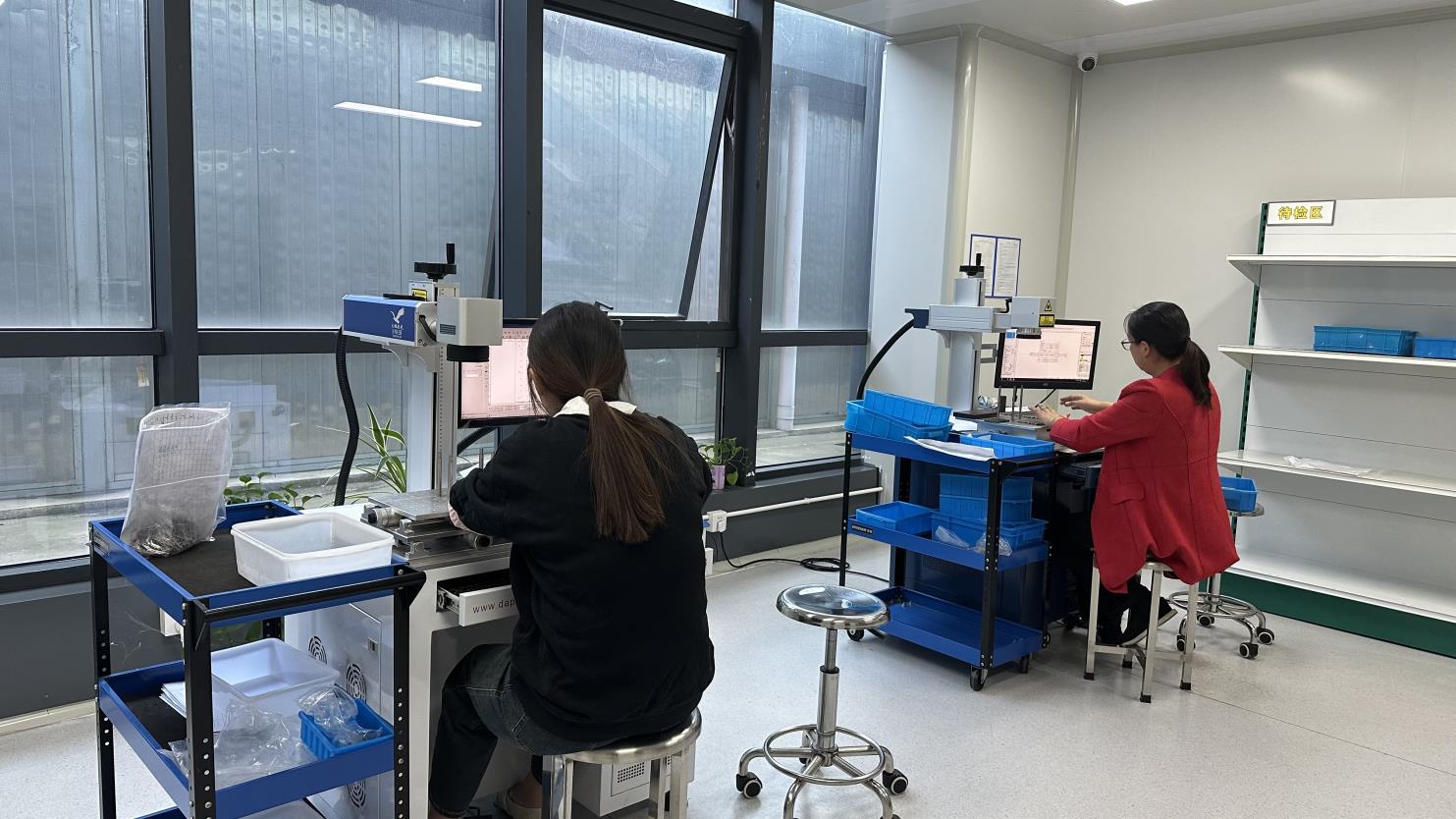
Adding UDI and tracing codes directly to the implant, ensuring full global clinical lifecycle tracking.

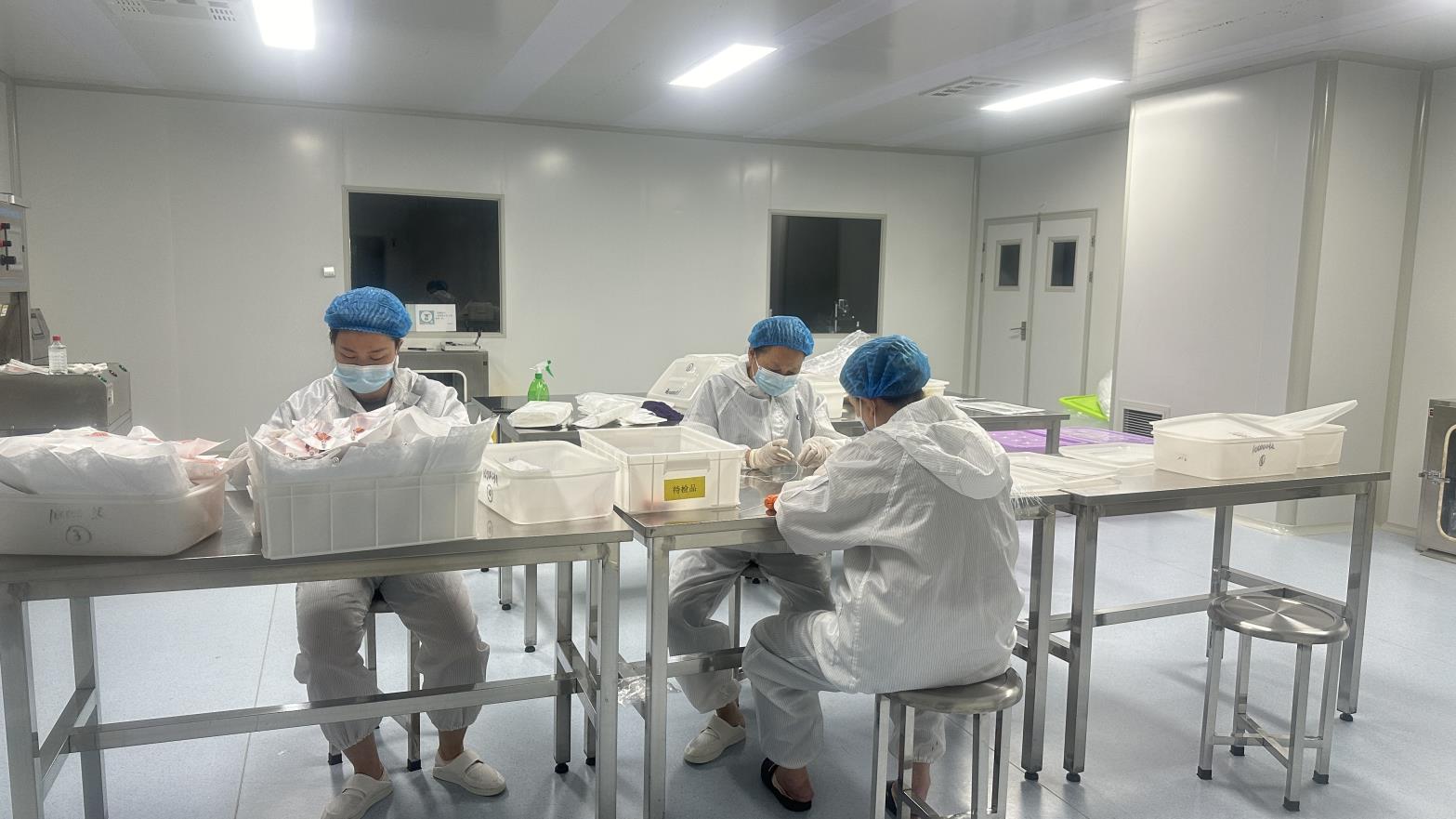
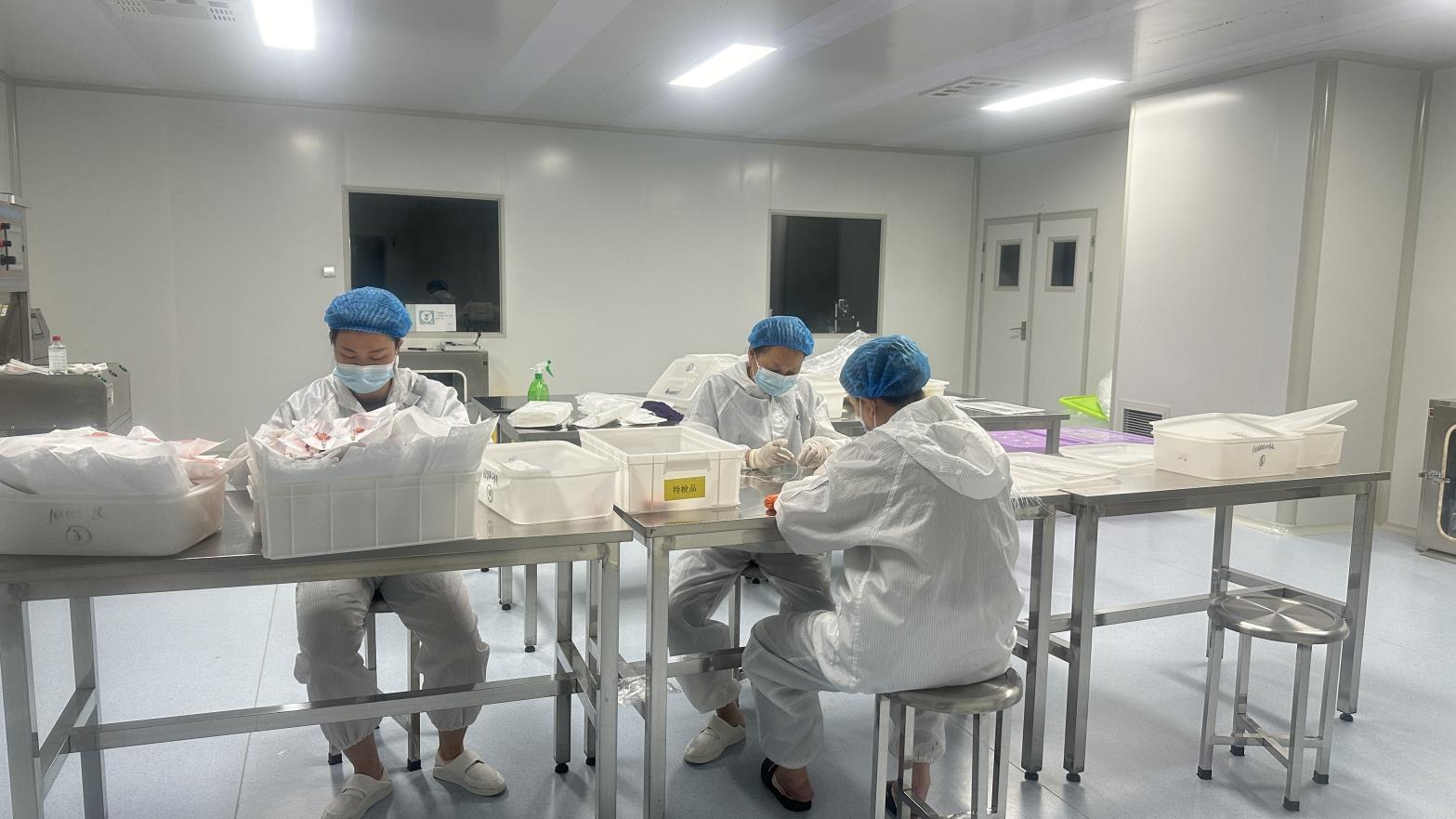
Strict multi-layered QA checks followed by packing within cleanroom environments to maintain sterile field integrity.
Temperature and humidity-controlled storage safeguarding surgical equipment and devices before global shipping.
Innovative trajectories shaping next-generation sports medicine and fixation systems over the next decade.
As joint reconstruction surgical procedures transition toward minimally invasive and outpatient environments, suspensory implants are undergoing significant developmental changes. The primary technological advancements focus on the implementation of bio-active interfaces and modified composite structures:
Our commitment to R&D is highlighted by our 85-engineer innovation lab, which engineered 120 new designs in the past year alone. This ensures our global distribution network has direct access to cutting-edge surgical technologies that meet strict international regulatory standards.
How Bonevia mitigates risks for international distributors, clinics, and surgical systems suppliers.
Navigating global healthcare distribution channels requires absolute adherence to regulatory compliance. Class III medical devices (such as orthopedic implants and internal fixation systems) are subject to stringent oversight by agencies globally (MDR CE, FDA, NMPA). Bonevia facilitates global market entry by maintaining a clean regulatory trail and offering comprehensive document dossiers.
We provide our international distributors with:
• Full Traceability Documentation: Complete material certifications (ASTM F136 titanium, medical-grade PEEK) and clean sterilization records.
• Dedicated Regulatory Support: Document dossiers formatted for quick local registration (CE/ISO compliance).
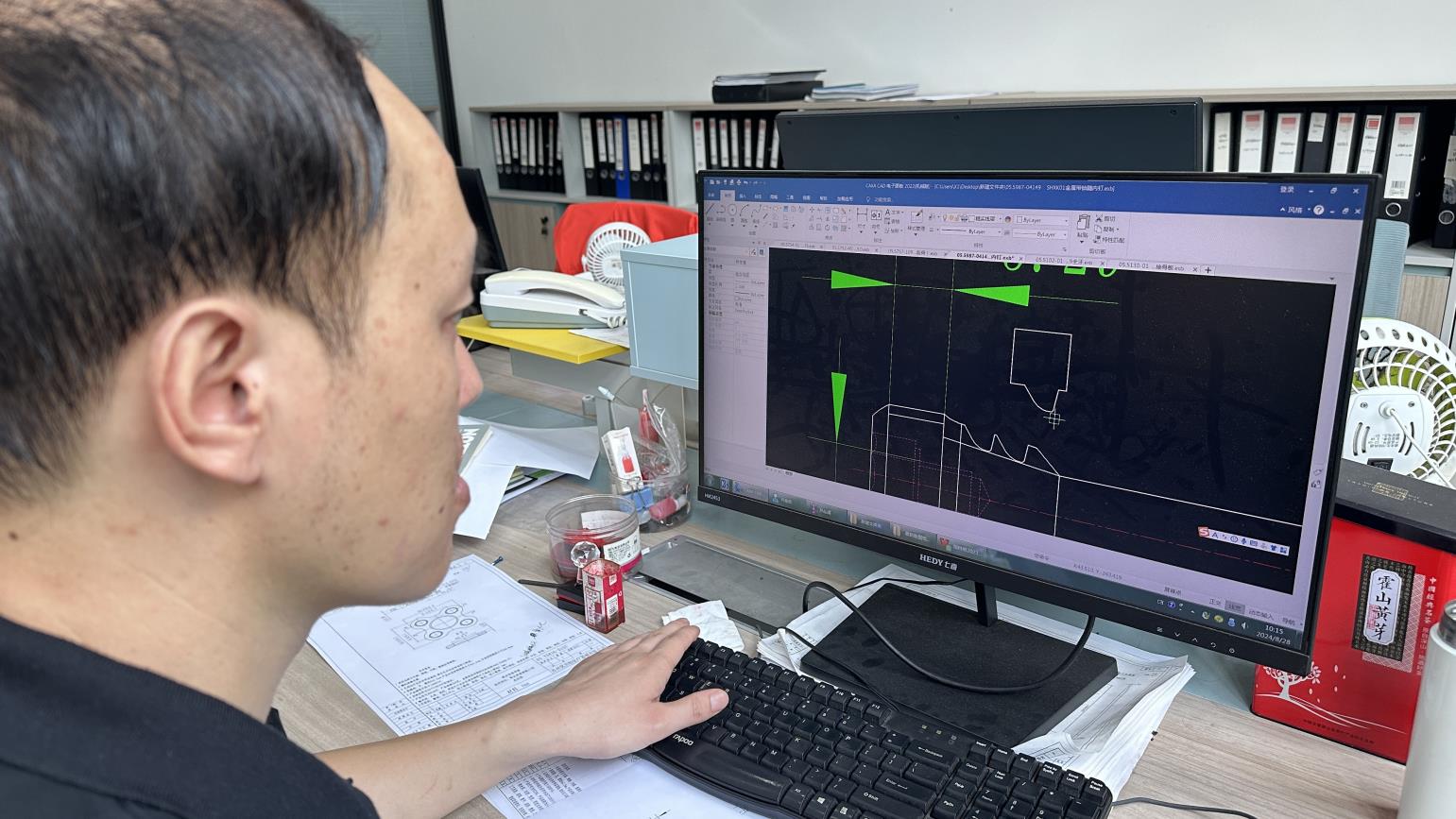
• Strong OEM/ODM Customization: Advanced customized designs utilizing 3D modeling and prototyping tools.
• Flexible Logistics & Risk Mitigation: Supported by USD 8-15 million in export revenue and 6 years of export history, we provide efficient delivery routes across Europe, Southeast Asia, the Middle East, and South America.
Insights into mechanical limits, sizing parameters, and OEM procurement options.
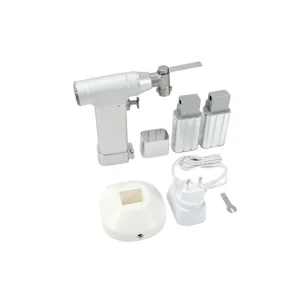
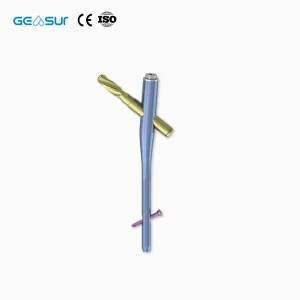
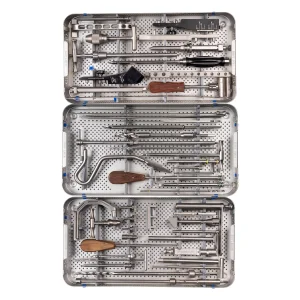
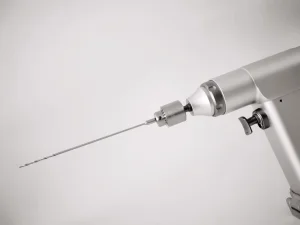
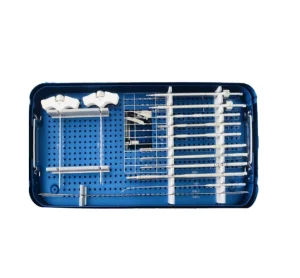
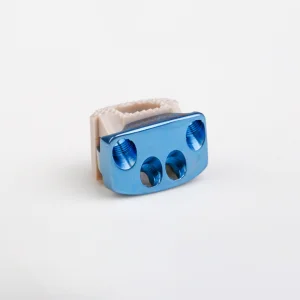
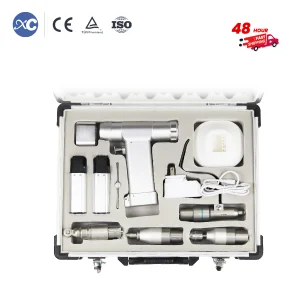
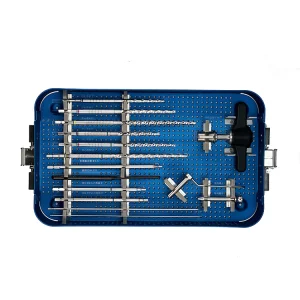
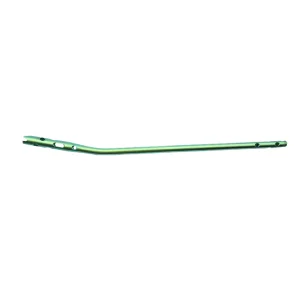
Complete surgical sets, power tools, and spinal implants engineered to support complex surgical applications.
Connect directly with our engineering division to discuss custom material specs, OEM branding requirements, or volume pricing models for global hospital distribution networks.