Bonevia
Bonevia
Bonevia
Discover our advanced range of spine stabilization systems, surgical instruments, and veterinary implants engineered to strict global performance benchmarks.
Analyzing market dynamics, anatomical efficacy, and the structural shift toward minimally invasive spine surgeries (MISS).
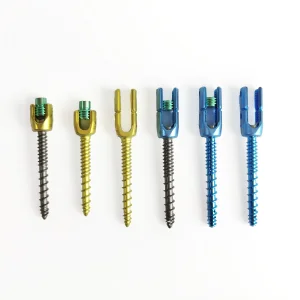
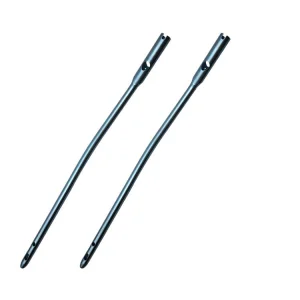
In modern spine surgery, rigid internal fixation has evolved from simple plate mechanisms to complex pedicle screw systems. Among these, cannulated pedicle screws represent a landmark technological advancement. By incorporating a hollow central axial bore (cannulation), these systems allow surgeons to pass the screw over a pre-placed guide wire (K-wire). This guide-wire insertion method forms the foundation of Minimally Invasive Spine Surgery (MISS), which significantly reduces soft-tissue damage, cuts perioperative blood loss, and shortens patient recovery times.
Beyond traditional insertion pathways, the hollow core of cannulated pedicle screws serves a critical secondary therapeutic purpose: bone cement (PMMA) augmentation. For geriatric and osteoporotic patients, traditional pedicle screws face high risks of loosening, pull-out, or construct failure due to low bone mineral density. Fenestrated cannulated screws enable controlled PMMA delivery directly into the surrounding cancellous bone structure through side ports, dramatically increasing pull-out strength and anchoring stability in compromised vertebrae.
Globally, the demand for spinal implants is rising, driven by aging populations, a higher incidence of degenerative spinal disorders, and a growing clinical preference for MIS procedures. Hospital procurement teams and medical device distributors face the constant challenge of securing highly precise, biocompatible implants that meet rigorous international regulatory standards (such as CE, FDA, and ISO 13485) while keeping procurement costs manageable. This balance is where premium Chinese manufacturers provide crucial support.

A premier manufacturer dedicated to innovation in trauma, spine, and joint reconstruction systems.
Established in 2015, Bonevia Orthopedic Technology Co., Ltd. has developed into a trusted global supplier within the orthopedic sector. Operating from a highly optimized, high-precision production environment covering 320㎡ of cleanroom and manufacturing space, Bonevia leverages deep industrial expertise to produce medical-grade implant systems that meet the highest mechanical and biological criteria.
Backed by over 10 years of overall industry experience and 6 years of export expertise, Bonevia records an annual export revenue of USD 8–15 million. The company serves a diverse client portfolio, including hospitals, specialized orthopedic clinics, surgical centers, and distribution partners across Europe, Southeast Asia, the Middle East, and South America.
Evaluating the manufacturing advantages, industrial integration, and cost-efficiency of Chinese orthopedic production hubs.
We source raw titanium alloys (typically Ti-6Al-4V ELI / Grade 5 conforming to ASTM F136) from verified aerospace and medical suppliers. This ensures outstanding fatigue strength, corrosion resistance, and superb biocompatibility.
Using multi-axis Swiss-type lathe machinery, we produce the complex internal cannulations and precise thread structures (dual-lead, cortical-cancellous transition) required for flawless surgical performance.
Our quality control program consists of incoming material checks, in-process monitoring, and final mechanical verification (tension, torsion, and fatigue testing under ASTM F1717 standards) overseen by 35 QA specialists.
A detailed look at our vertical integration, showcasing the specialized machinery and meticulous control protocols at every step of production.
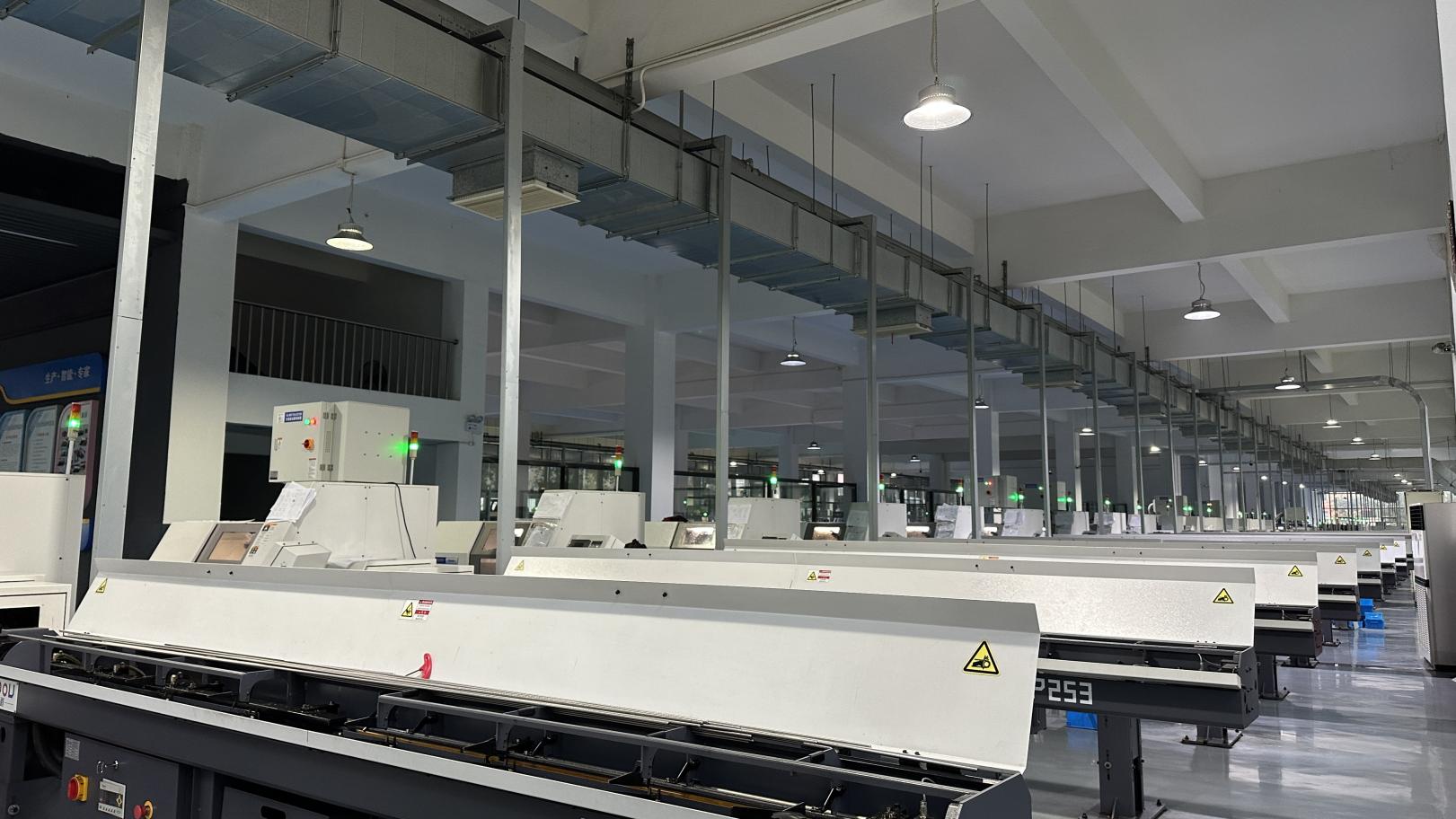
Slitting
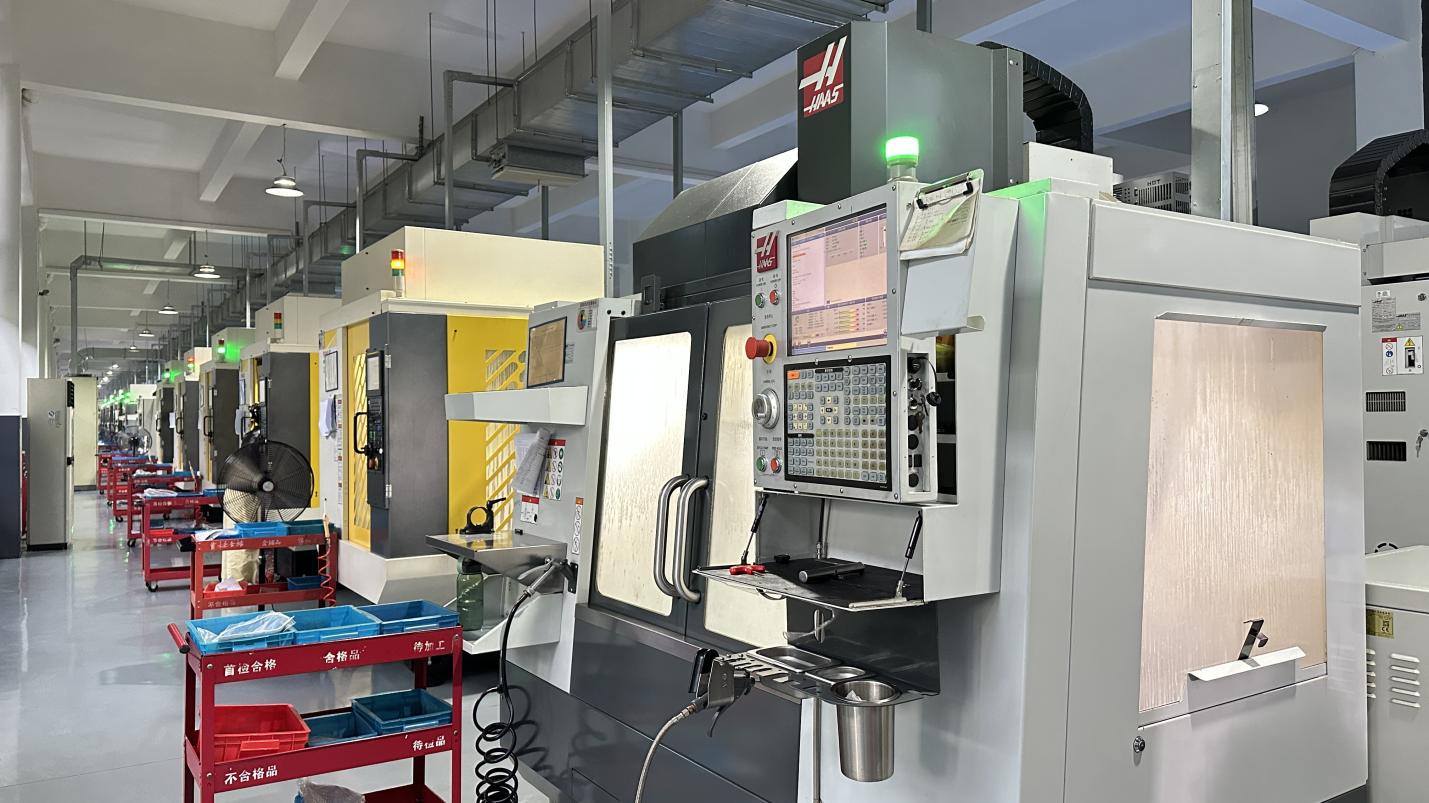
Machining (Primary)
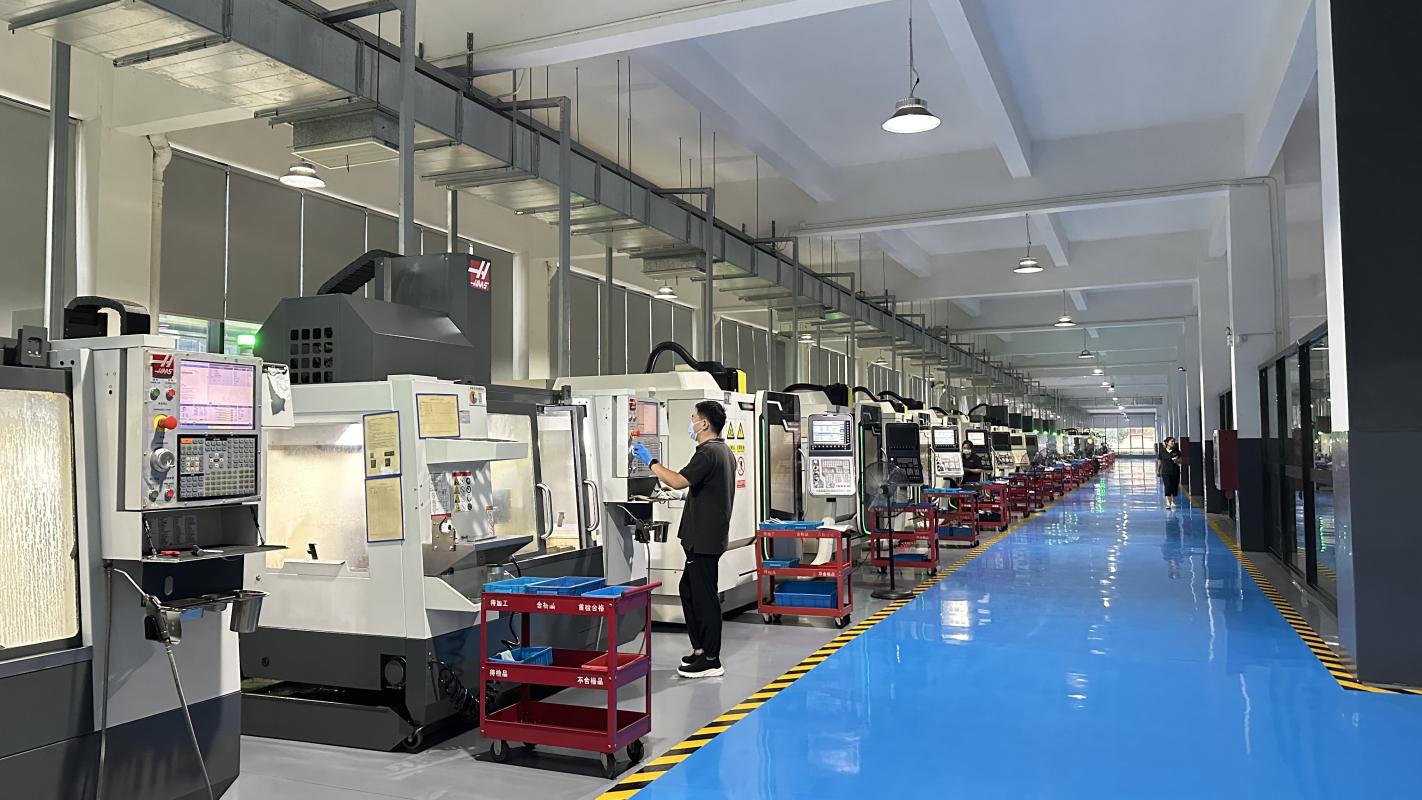
Machining (Finishing)
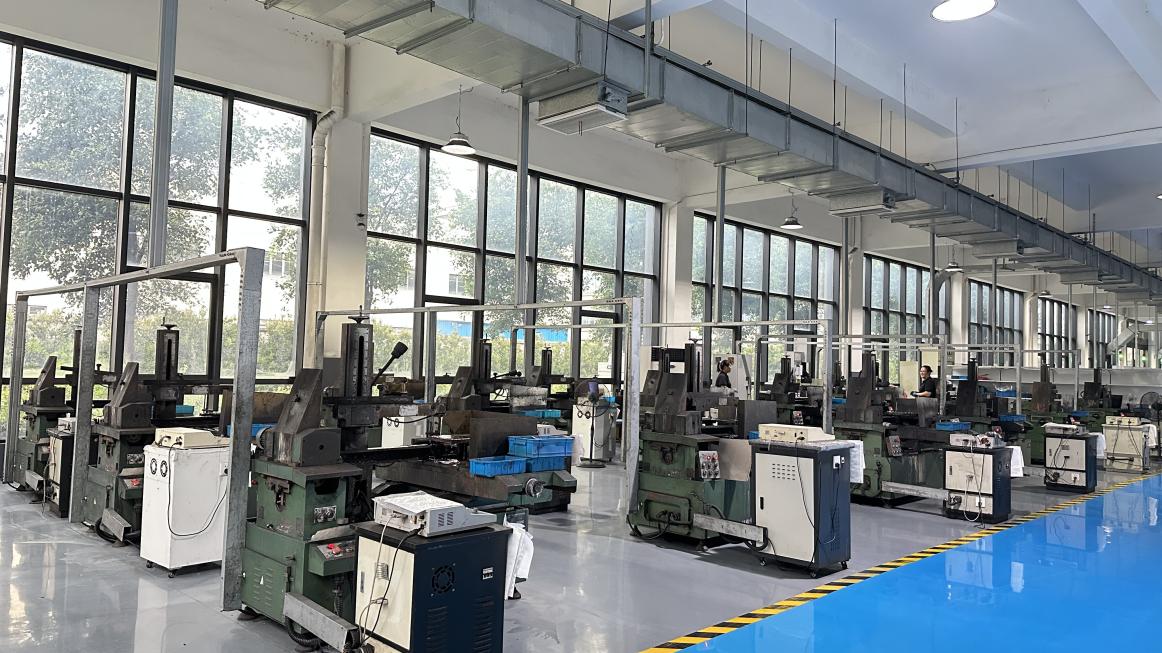
Wire-cutting
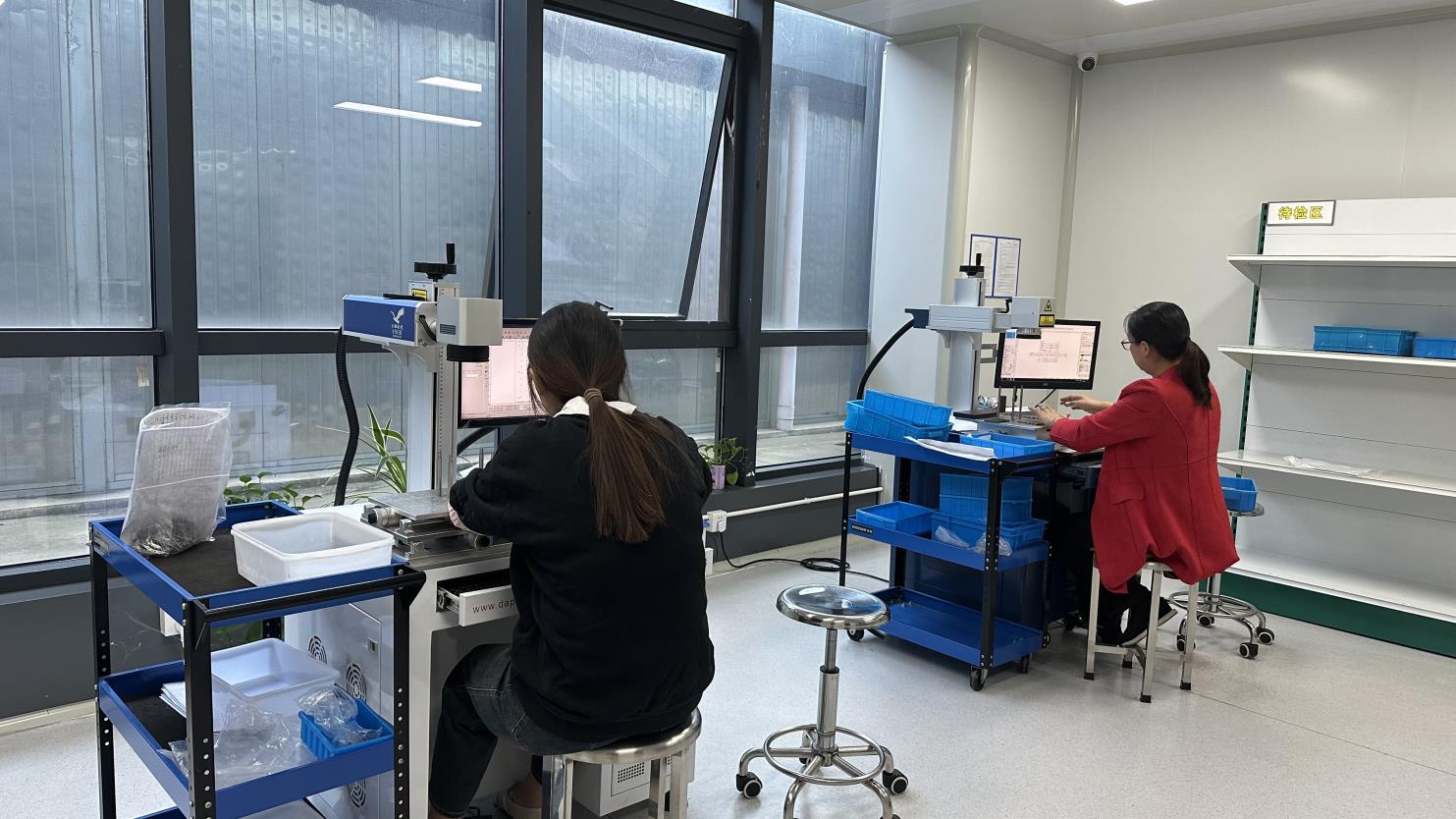
Laser Marking
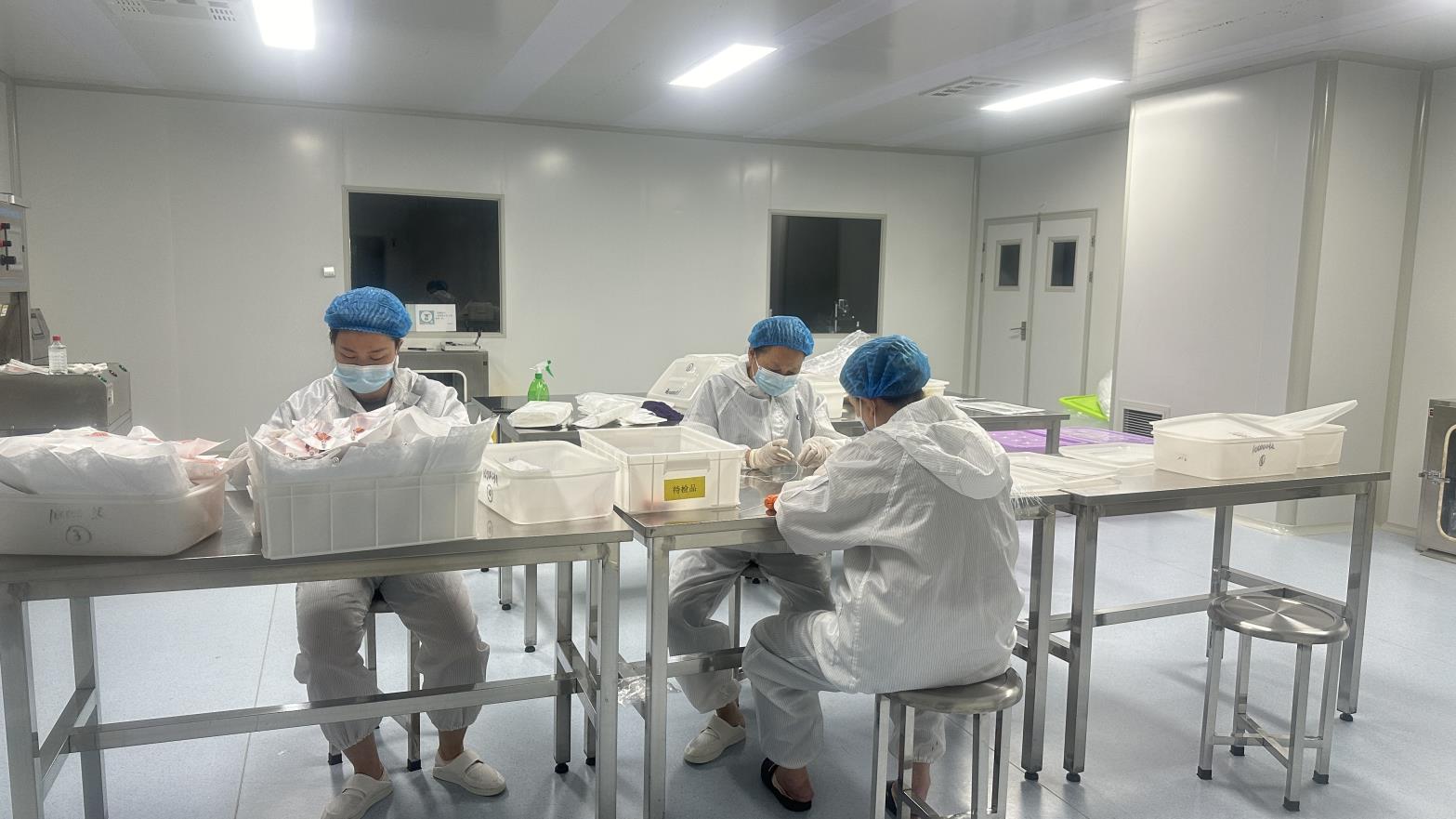
Inspection & Packing

Finished Goods Warehouse
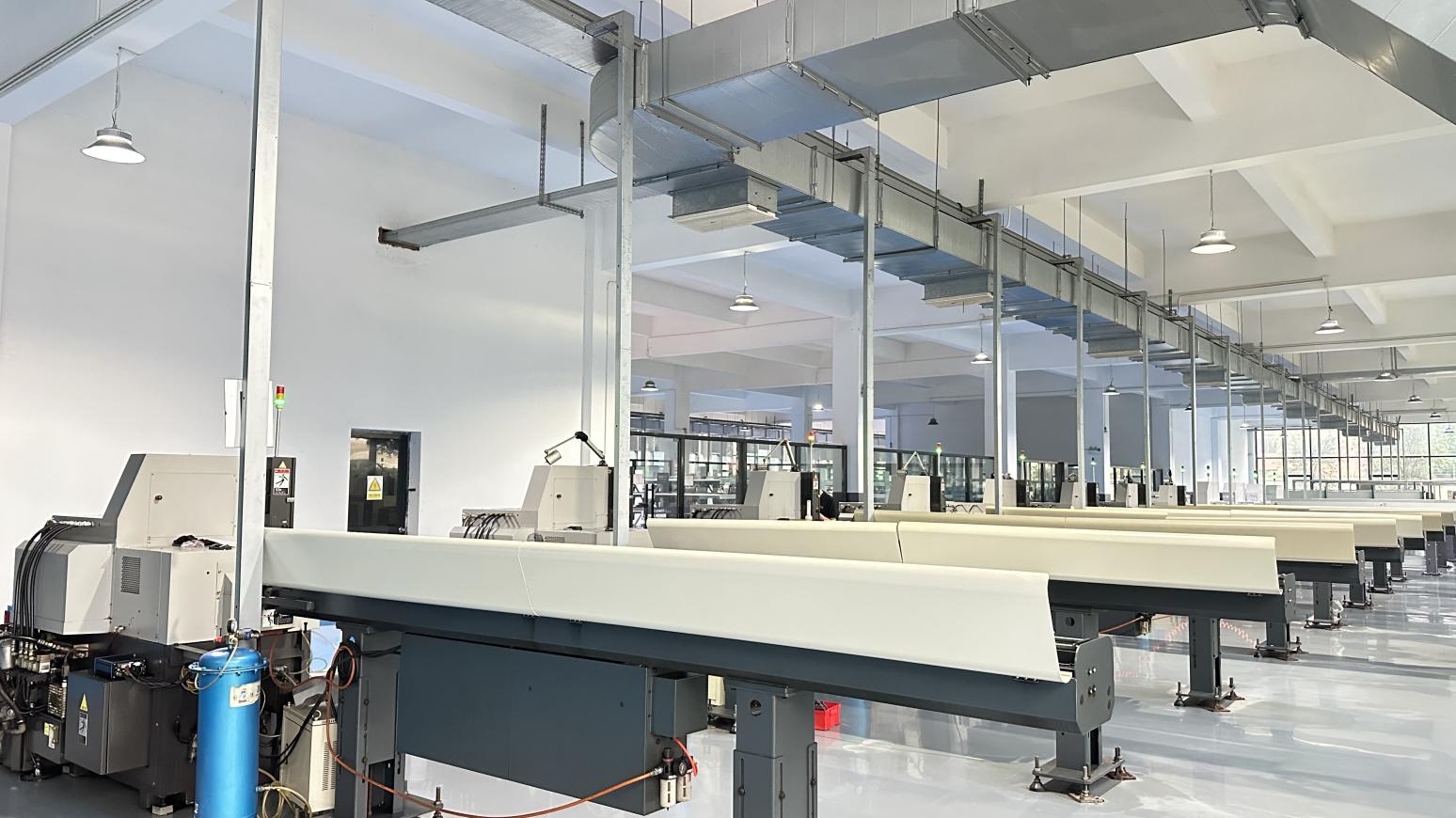
Slitting Machine
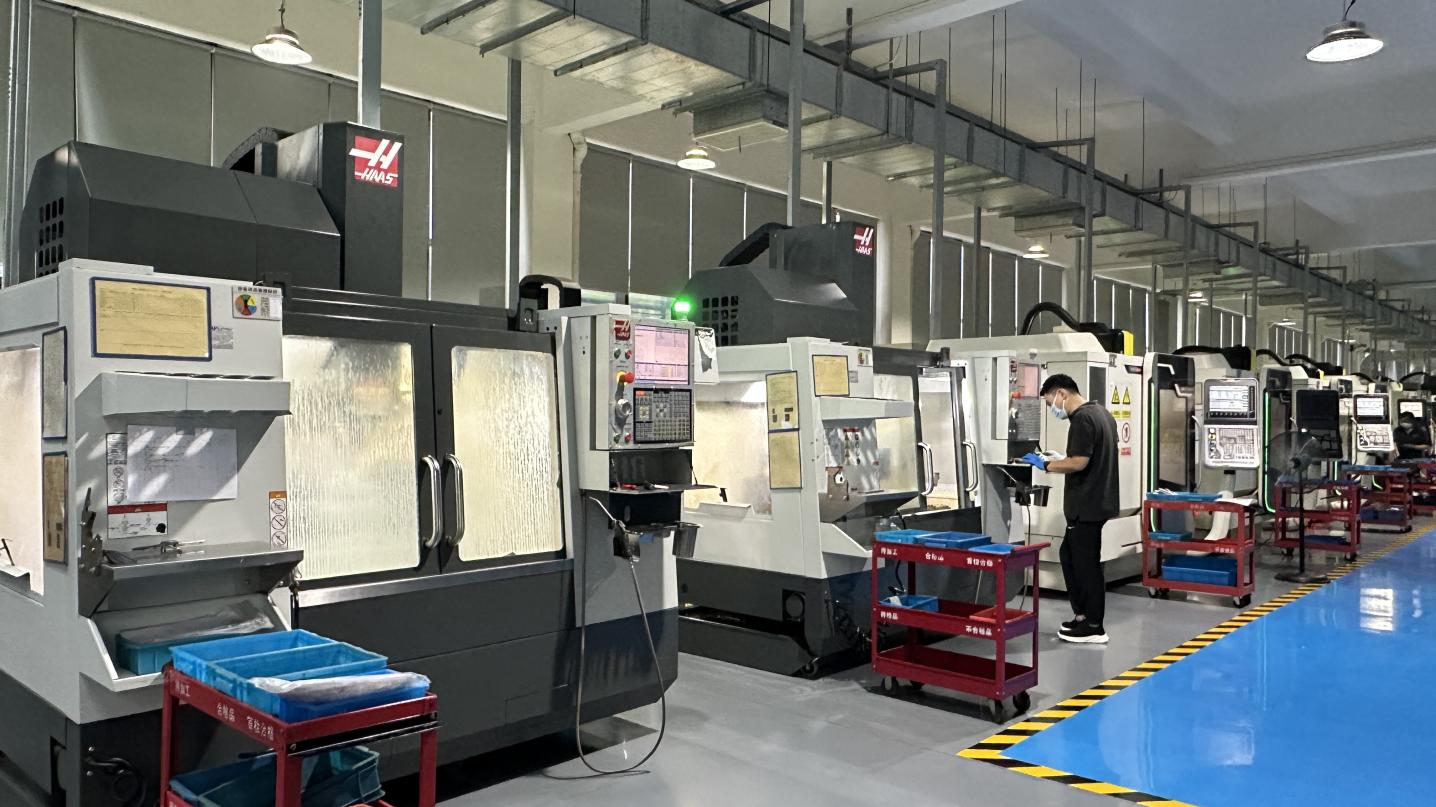
CNC Machining Center
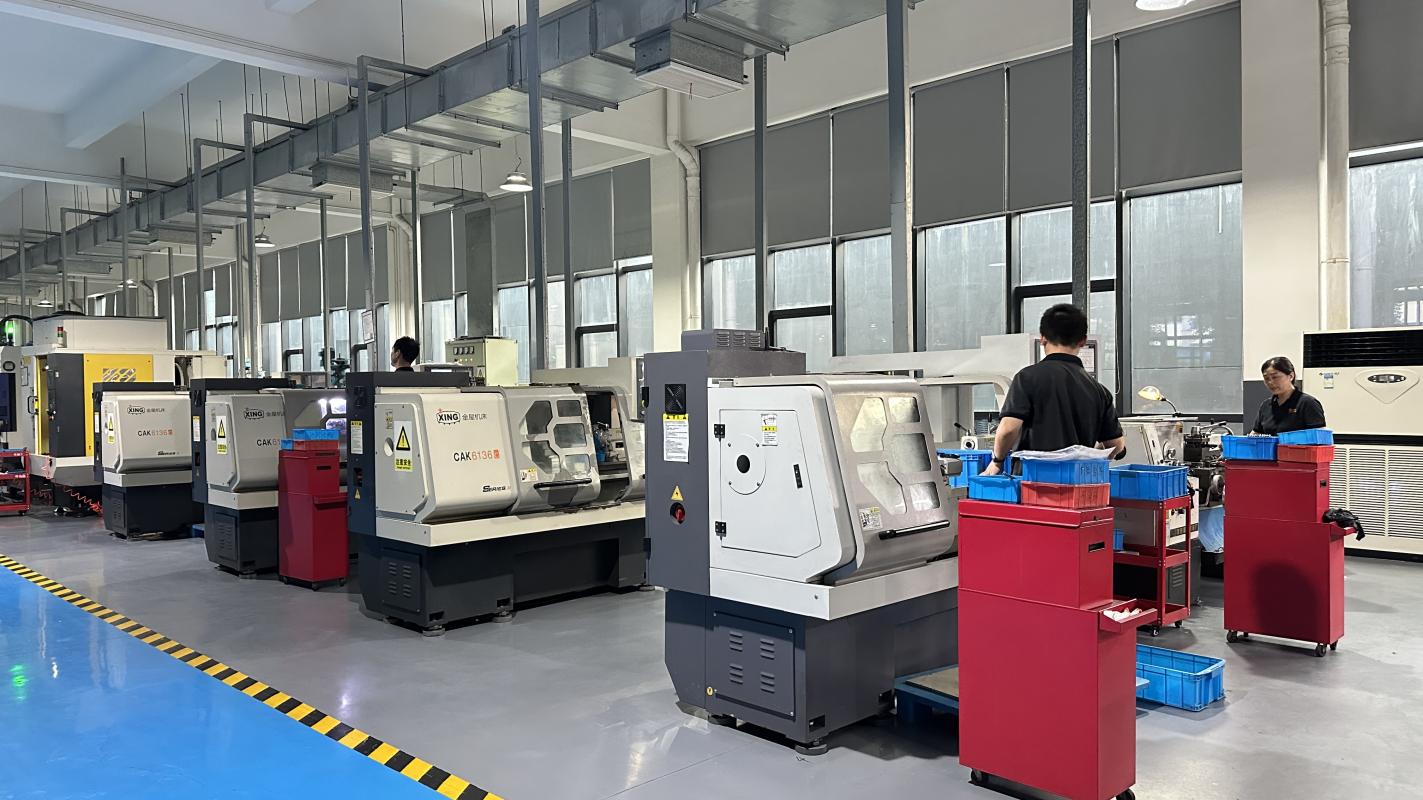
Precision Lathe
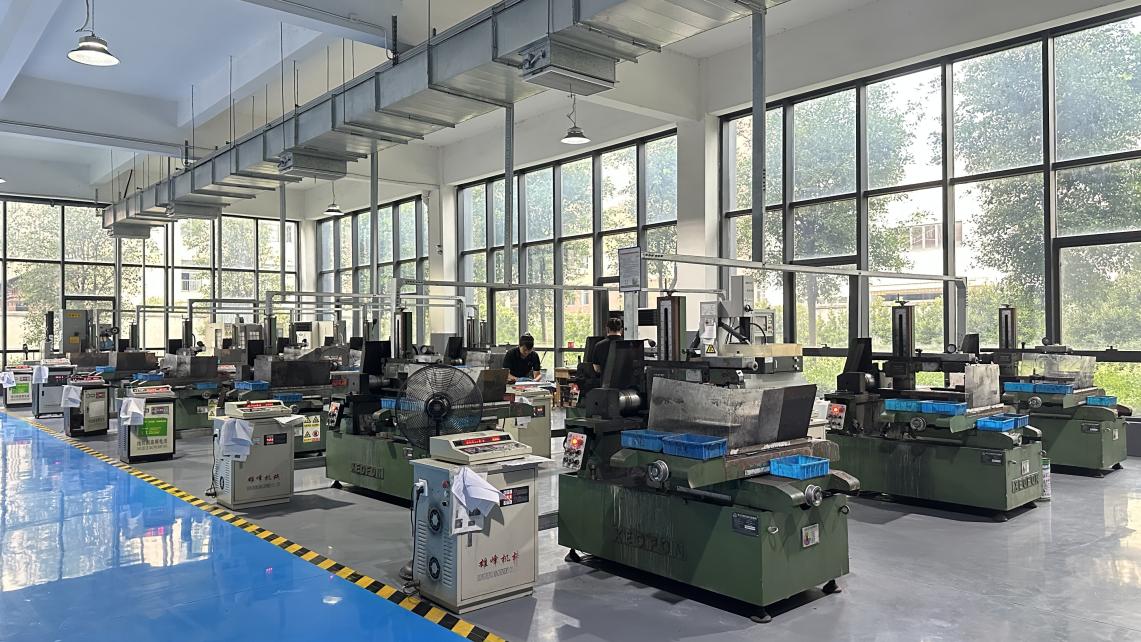
Wire-cutting Machine
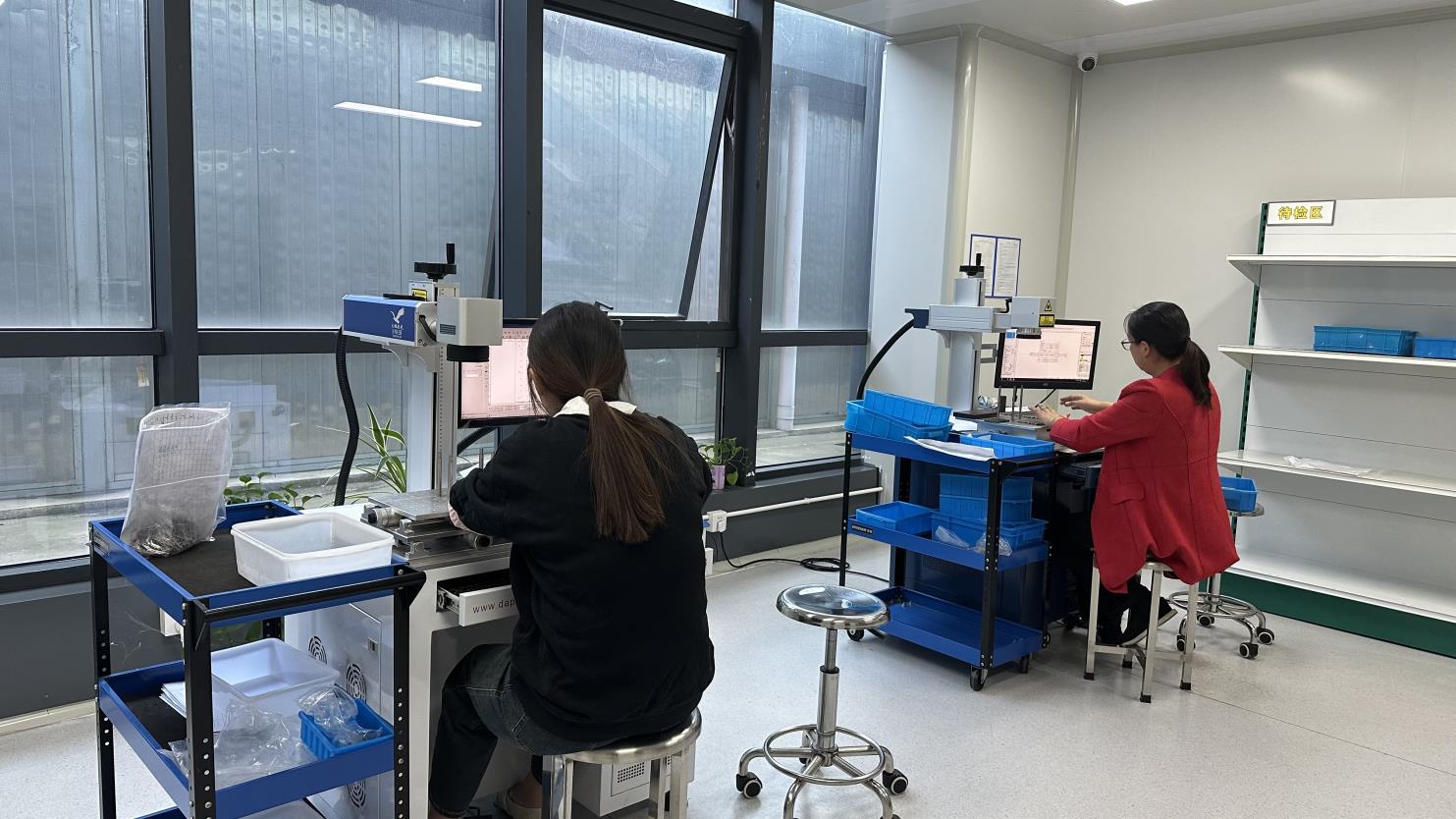
Laser Marking Machine
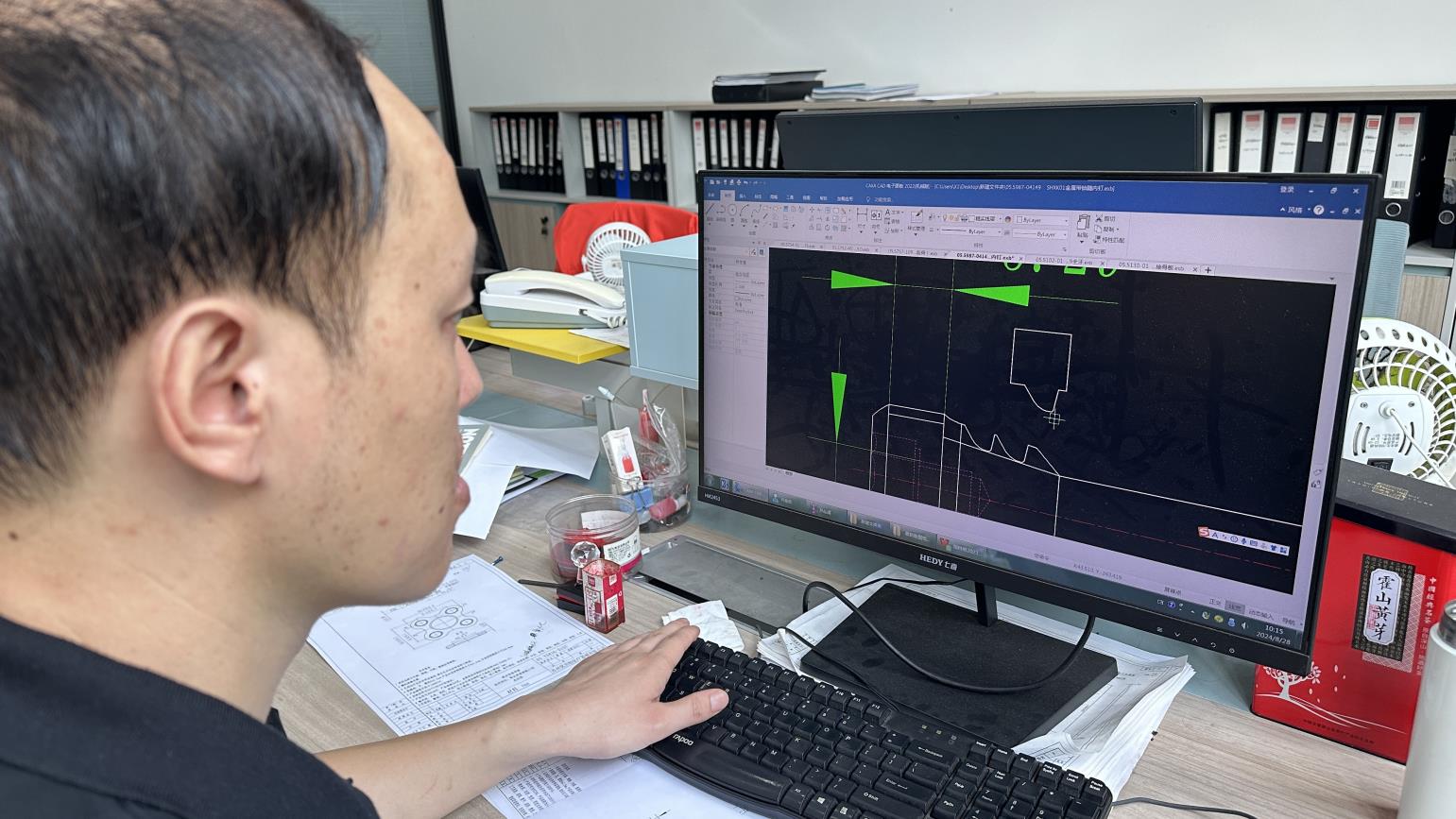
CAD/CAM Design
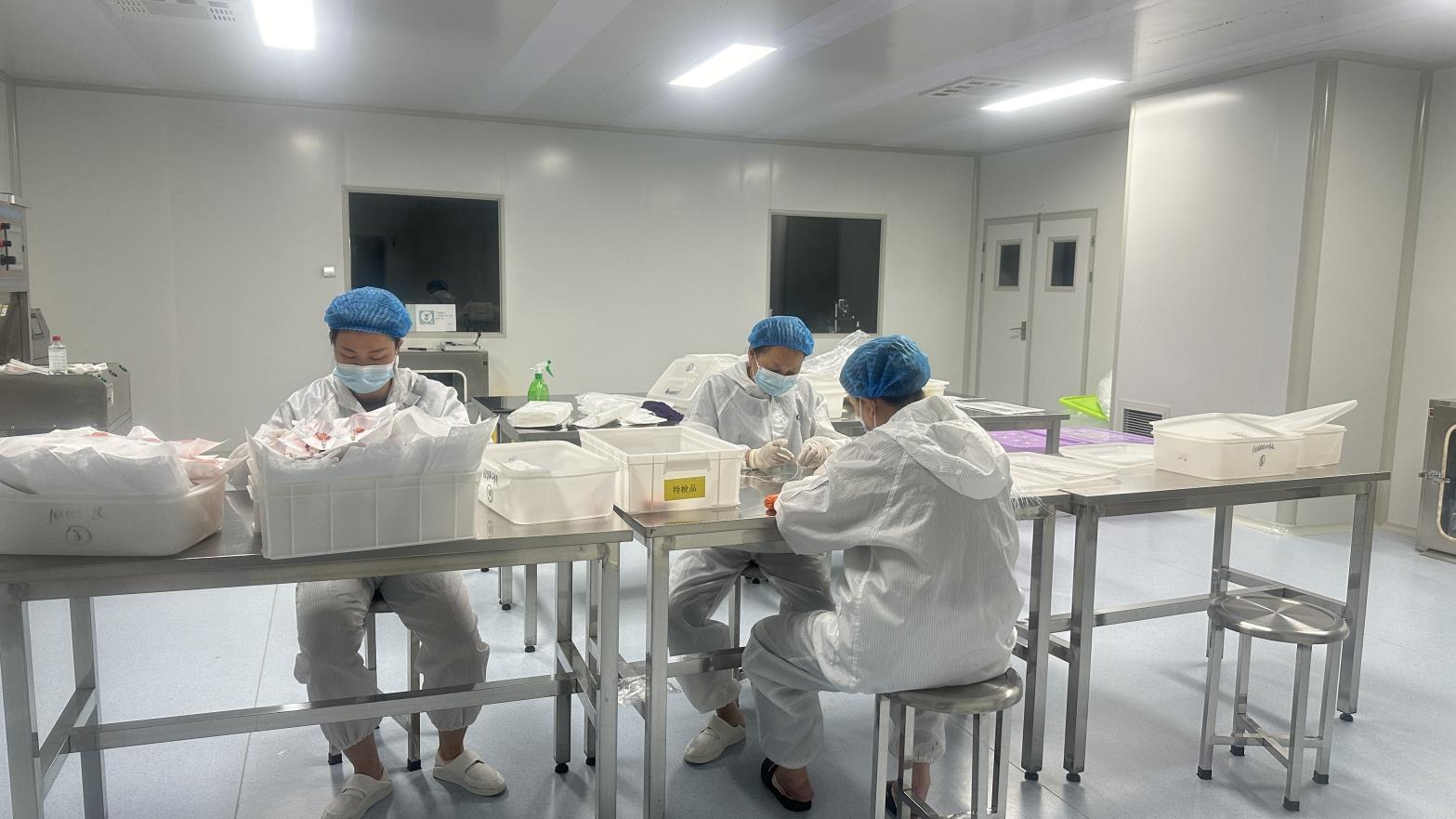
Microscopic Inspection
Understanding where and how cannulated pedicle screws function across standard and complex spinal surgical procedures.
Cannulated pedicle screw systems are specifically designed to address diverse spinal pathologies. Their structural configuration provides targeted solutions for critical clinical scenarios:
| Design Parameter | Standard Polyaxial Pedicle Screw | Cannulated Fenestrated Screw |
|---|---|---|
| Core Design | Solid core for maximum torsional stiffness | Hollow core (cannulated axial bore) |
| Bone Cement Adaptation | Not compatible | Highly compatible via lateral fenestration ports |
| Placement Modality | Direct freehand or navigated insertion | Guided insertion over K-wires (ideal for MISS) |
| Clinical Indication | Degenerative disc diseases, stable bone structures | Osteoporotic spine, MISS, highly complex revisions |
Discover how material science, robotic integration, and bioactive surface modifications are shaping the next generation of spinal implants.
Advanced coatings, such as Hydroxyapatite (HA) or titanium plasma spray, are applied to the screw threads to accelerate osseointegration. This creates a stronger, direct structural bond between the living bone and the implant surface.
Modern cannulated pedicle systems are designed to seamlessly integrate with computer-aided surgical planning software, intraoperative CT scanning, and robotic navigation systems to ensure precise, risk-free placement.
While titanium remains the industry standard, carbon-fiber reinforced polyetheretherketone (CFR-PEEK) is gaining traction. It mimics the elasticity of natural cortical bone, reduces stress shielding, and supports artifact-free postoperative imaging.
Expert insights addressing regulatory compliance, mechanical performance, customization, and logistical challenges for medical implant sourcing.
We use high-grade titanium alloy (Ti-6Al-4V ELI) conforming to ASTM F136 specifications. This alloy provides exceptional mechanical biocompatibility, high fatigue strength under dynamic spinal loads, and zero magnetic resonance artifacts, ensuring safe postoperative MRI diagnostic evaluation.
Yes. Bonevia operates under a strict ISO 13485 quality system. Our orthopedic implants are designed, verified, and manufactured to align with European CE regulations and international guidelines, ensuring safety and performance across global clinical networks.
While cannulation introduces a hollow core, our CAD engineering optimizes the outer-to-inner diameter ratio and uses dual-thread designs. This maintains outstanding torsional stability, ensuring the screw stands up to typical surgical insertion forces without risk of structural shear or deformation.
Yes. Bonevia supports extensive OEM and ODM customization. Backed by 85 R&D engineers, we customize thread pitches, screw dimensions, fenestration patterns, and instrumentation sets to meet the unique requirements of medical device developers and distributors worldwide.
Depending on the customization requirements and order volume, typical manufacturing and quality inspection cycles range from 4 to 6 weeks. Our strong supply network of over 850 partners helps ensure consistent raw material access, enabling dependable, on-time delivery.
Explore more precision-engineered implants, trauma solutions, and specialized surgical equipment from our production facility.