Bonevia
Bonevia
Bonevia
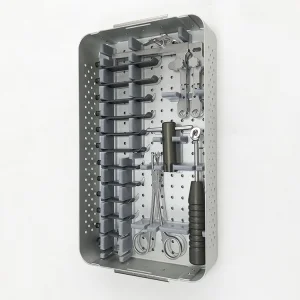
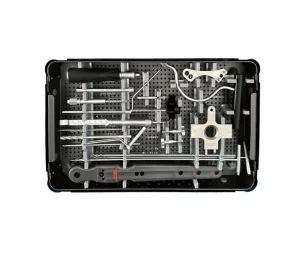
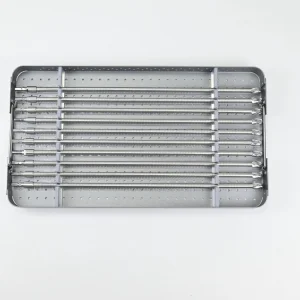
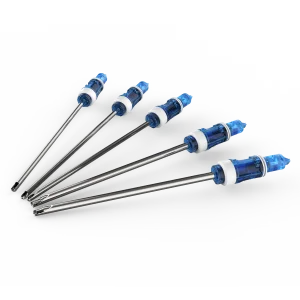
Explore our top orthopedic surgical assemblies, bone plates, external fixators, and precision medical instruments engineered to clinical perfection.
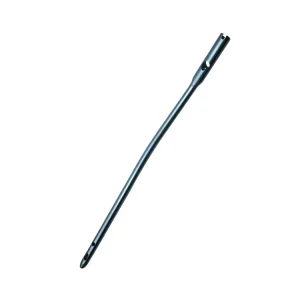
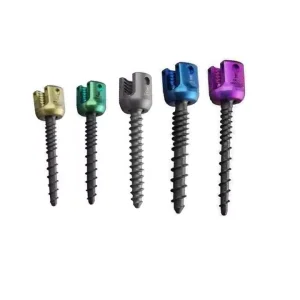
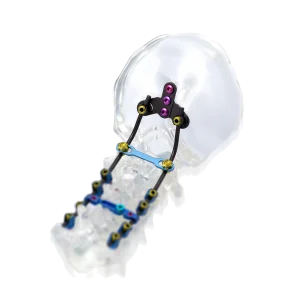
Established in 2015, Bonevia Orthopedic Technology Co., Ltd. stands as a premier specialized manufacturer and structural OEM/ODM service provider in the orthopedic implant sector. We focus on advancing surgical outcomes through the precision fabrication of trauma systems, spinal internal fixations, and joint reconstruction technologies.
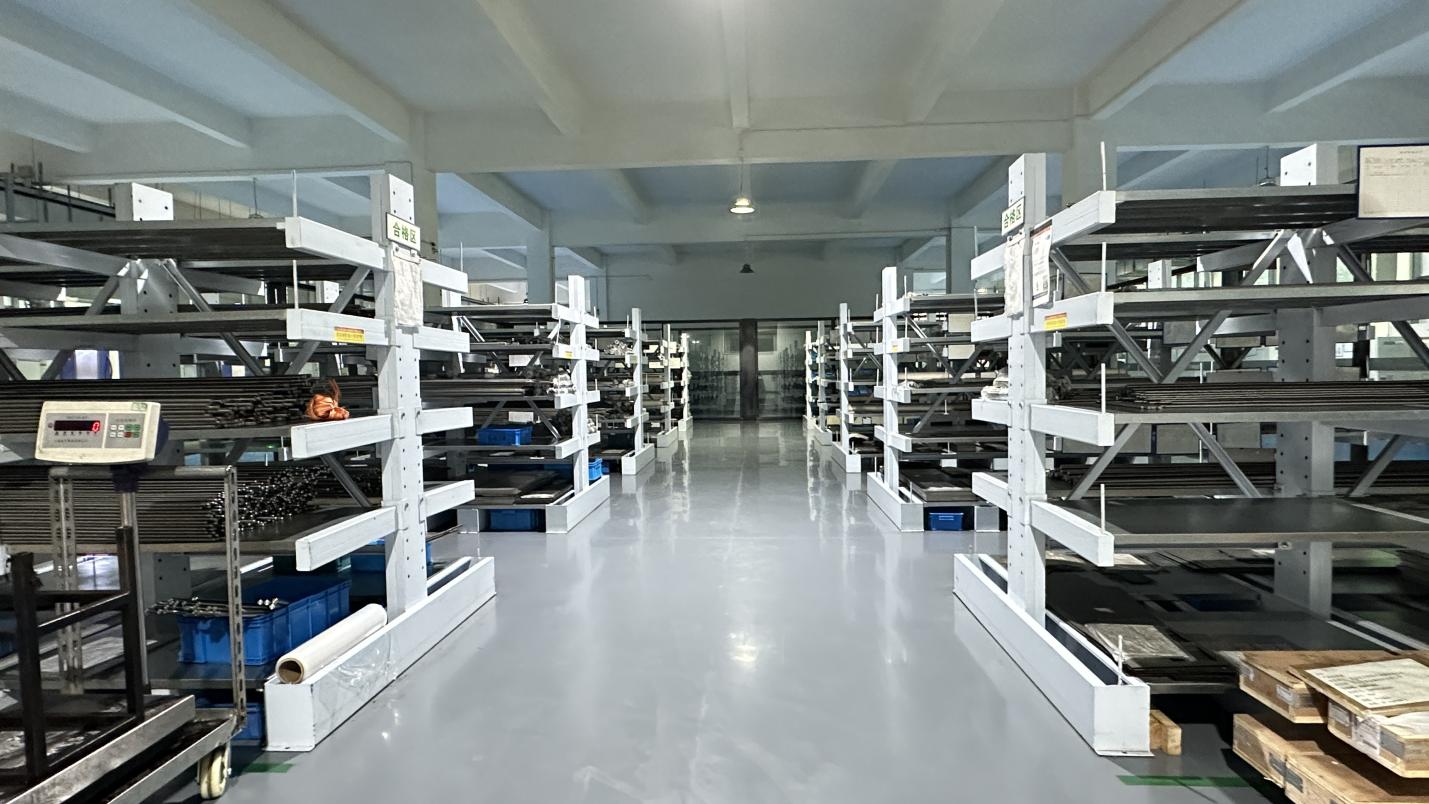
Over the past decade, we have consolidated our industrial footprint by operating a state-of-the-art production base. This facility facilitates an annual export volume ranging between USD 8–15 million. Leveraging over 10 years of domestic manufacturing heritage combined with 6 years of global export compliance experience, Bonevia reliably serves a complex international network of healthcare institutions, clinics, and medical distributors.
Our commitment to patient safety and structural reliability is anchored by our multidisciplinary Quality Assurance department consisting of 35 dedicated QA professionals. With robust procurement lines sourcing from more than 850 qualified raw material suppliers, we execute rapid prototyping and scalable production of high-end orthopedic solutions, releasing over 120 new innovative product designs annually driven by our R&D engineering cohort of 85 clinical specialists.
By optimizing metallurgical compositions and mastering the mechanical interface between polymethyl methacrylate (PMMA) bone cement and high-grade titanium/CoCrMo alloys, Bonevia ensures that every cemented femoral stem, cup, and component provides optimal primary stability and excellent long-term clinical survivorship.
Why cemented fixation remains the gold standard in geriatric joint arthroplasty, osteoporotic bone conditions, and complex primary hip revisions.
Unlike press-fit components relying on biological bone ingrowth, cemented hip prostheses leverage bone cement (PMMA) to act as a physical grout, filling voids and establishing immediate mechanical interlocking within the femoral canal.
Elderly patients suffering from Dorr Type C bone structures lack the regenerative capability for biological fixation. Cemented stems significantly reduce the risk of intraoperative periprosthetic fractures and early post-operative subsidence.
By utilizing bone cement infused with heat-stable antibiotics (e.g., Gentamicin or Tobramycin), surgeons can construct a local drug-delivery mechanism directly at the implant site, drastically lowering Periprosthetic Joint Infection (PJI) rates.
Clinical Advantage: For surgeons, cemented femoral stems offer unmatched tolerance for anatomical variations. Because the PMMA cement layer compensates for discrepancies between the inner cortex of the femur and the metal stem geometry, a highly reliable fit is achieved regardless of whether the bone displays a stovepipe or trumpet configuration. This versatility ensures immediate weight-bearing capabilities post-operation, accelerating patient mobilization and reducing long-term hospital stays.
A visual walk-through of the premium orthopedic implant production line at our ISO-certified facilities.
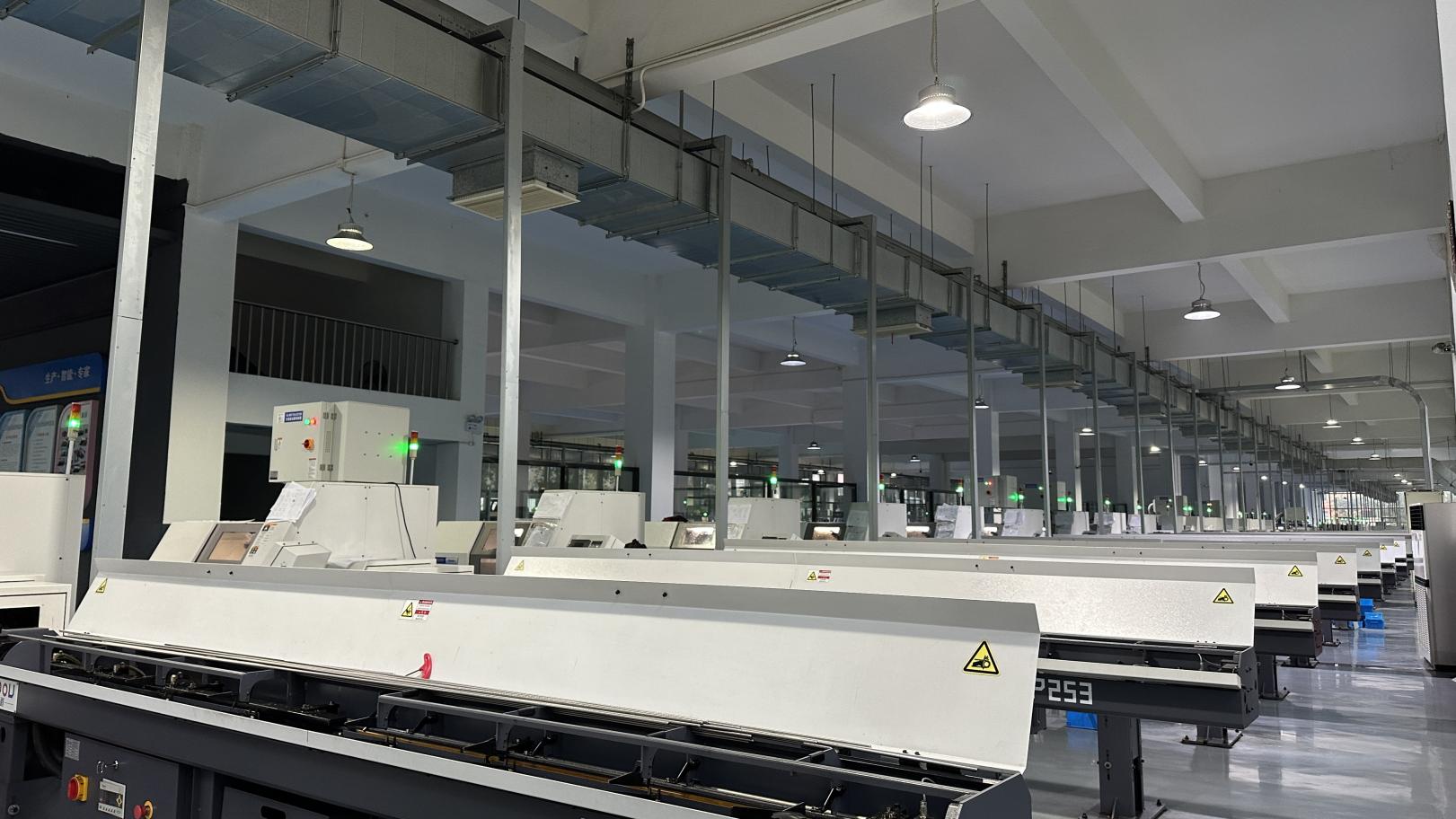
Materials & Slitting
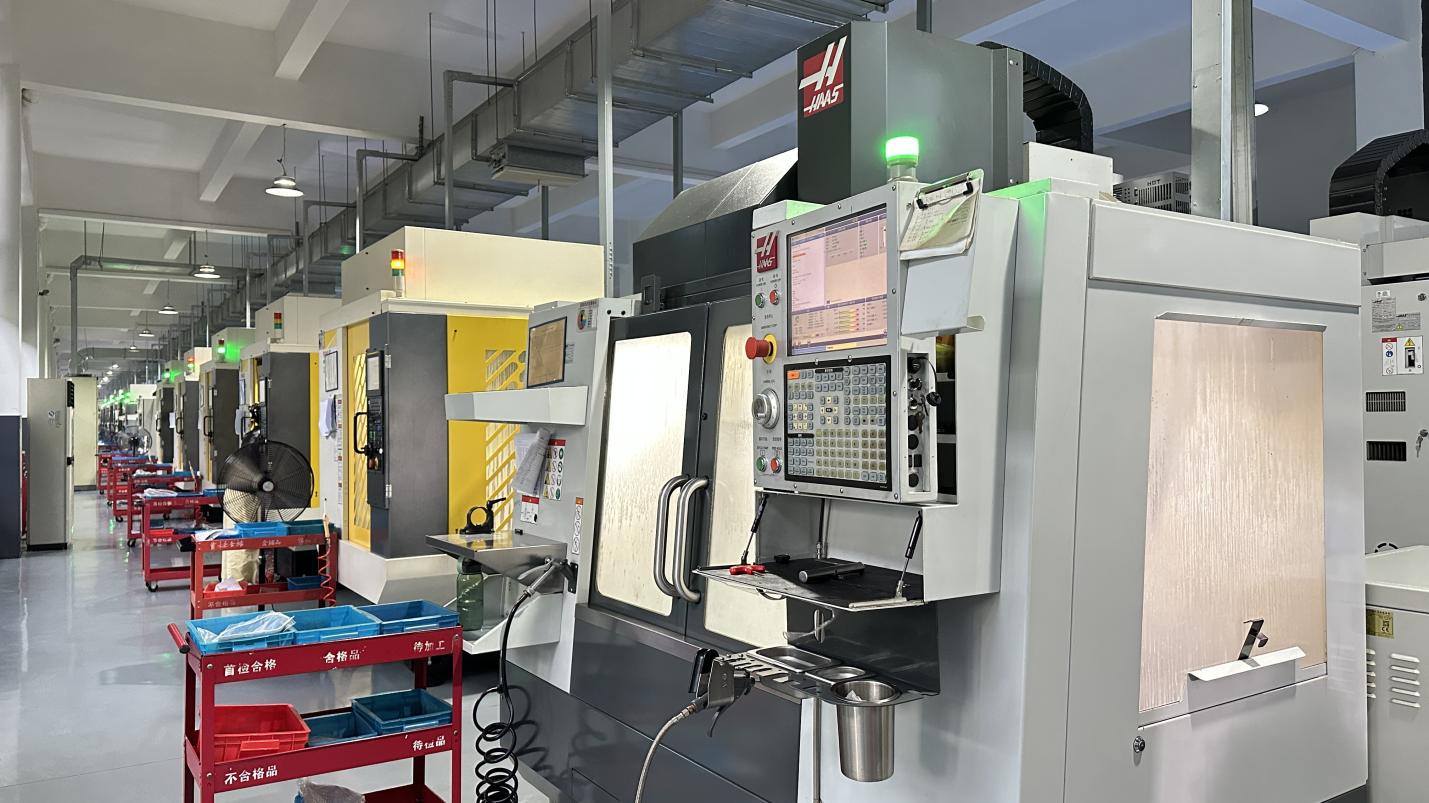
CNC Machining
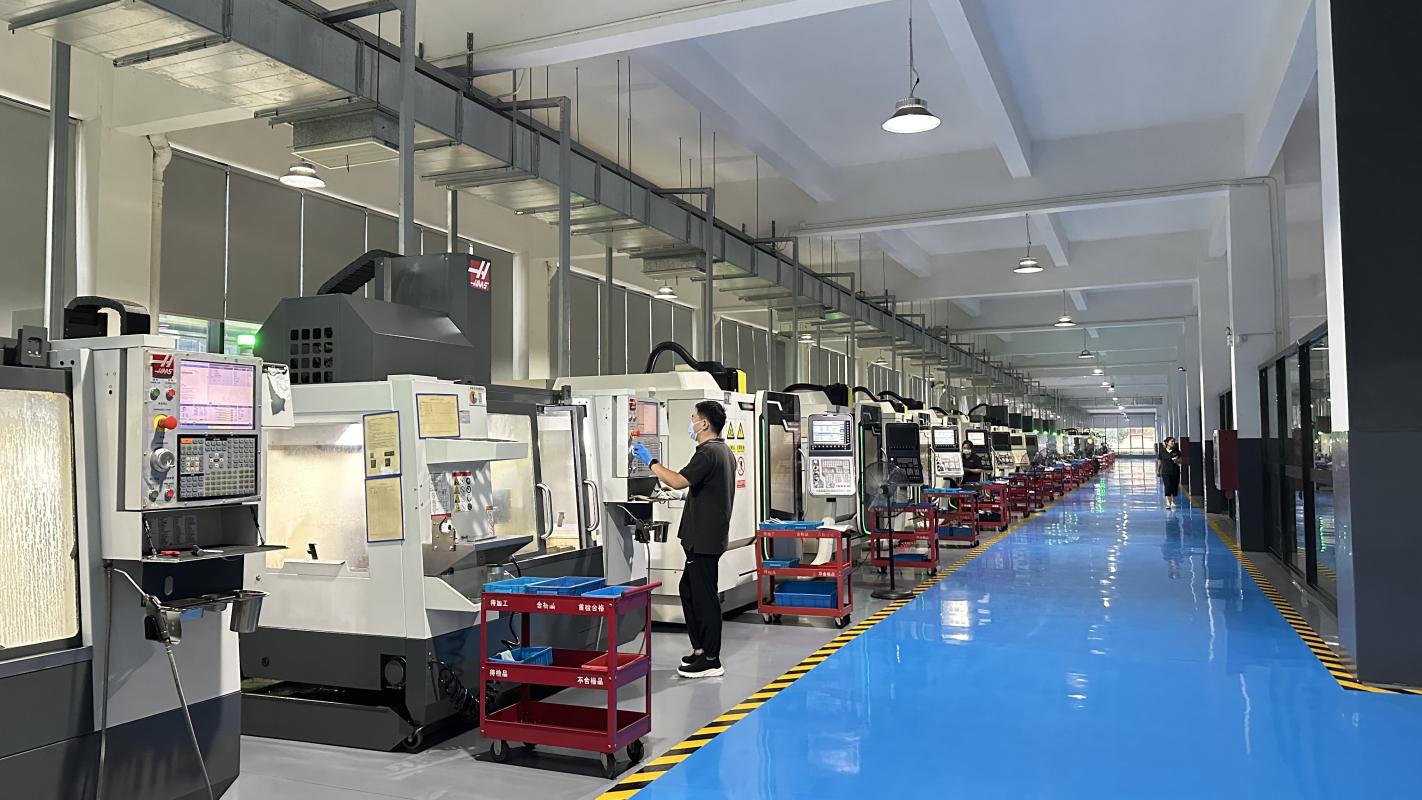
Profile Machining
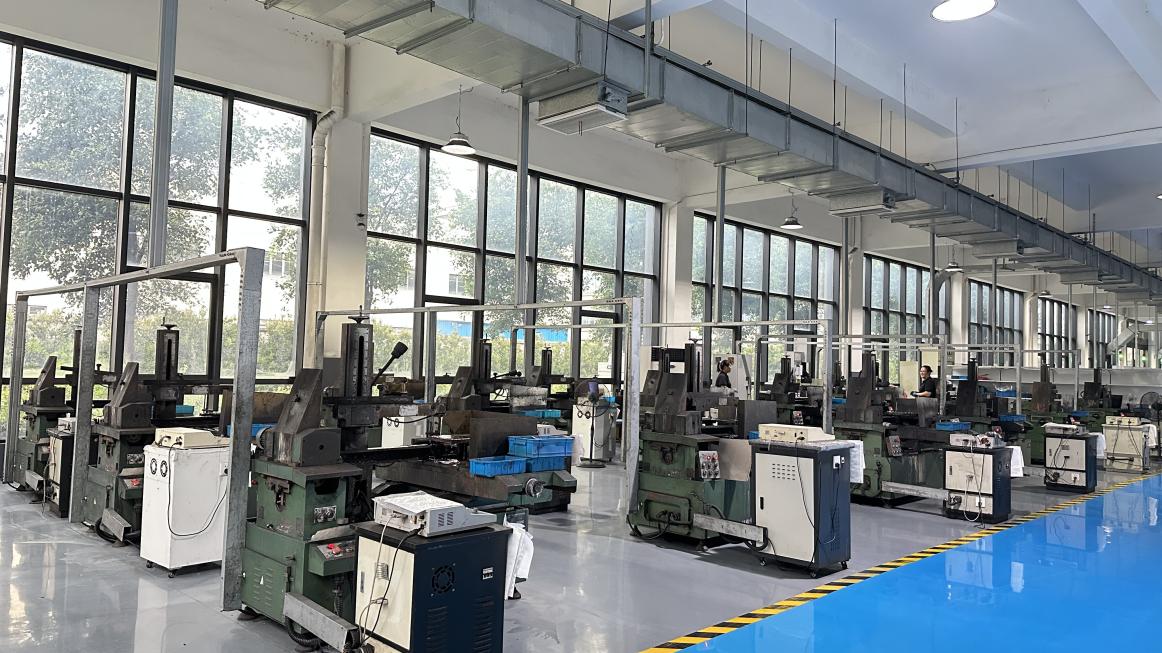
Precision Wire-cutting
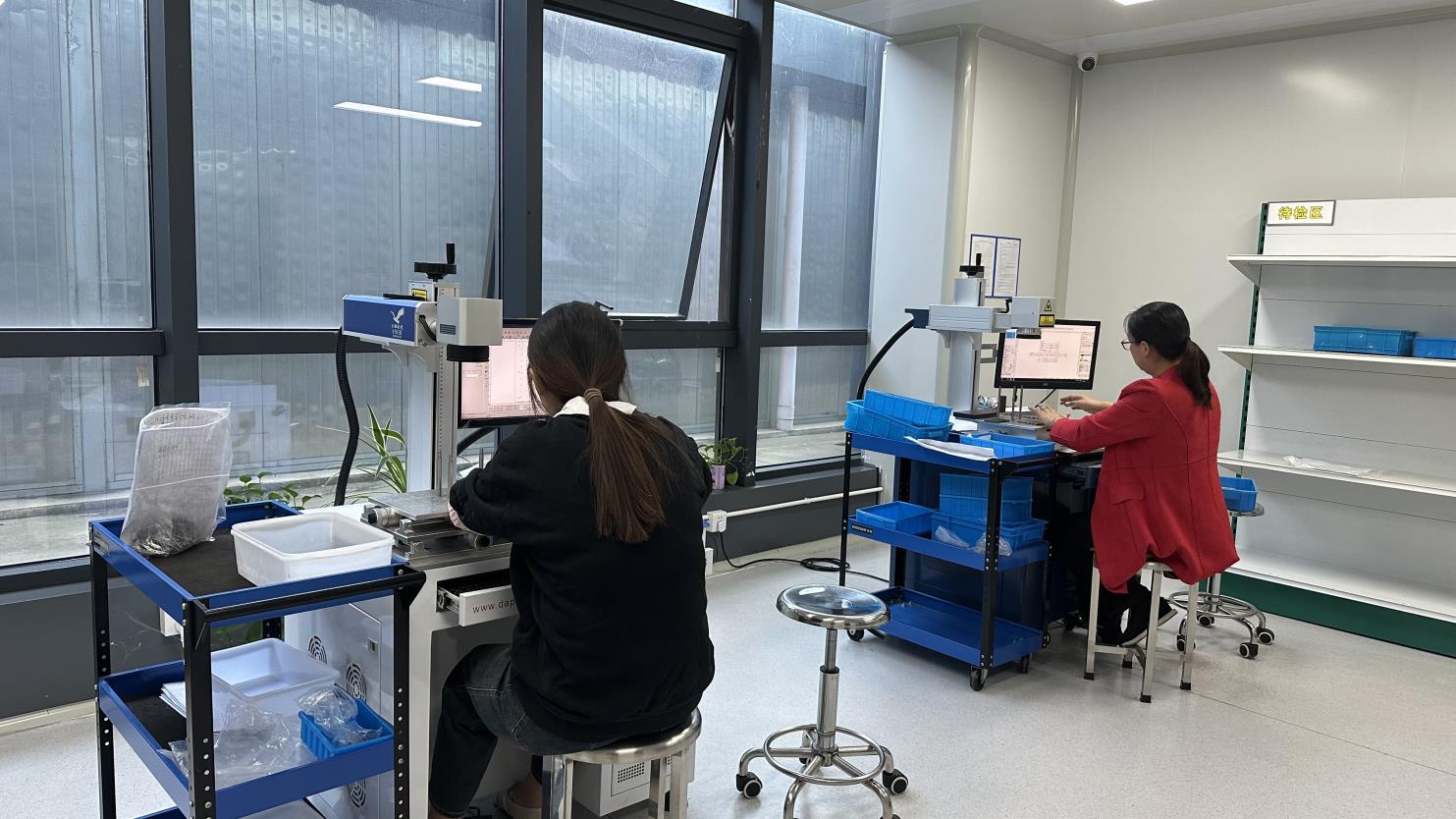
Laser UDI Marking
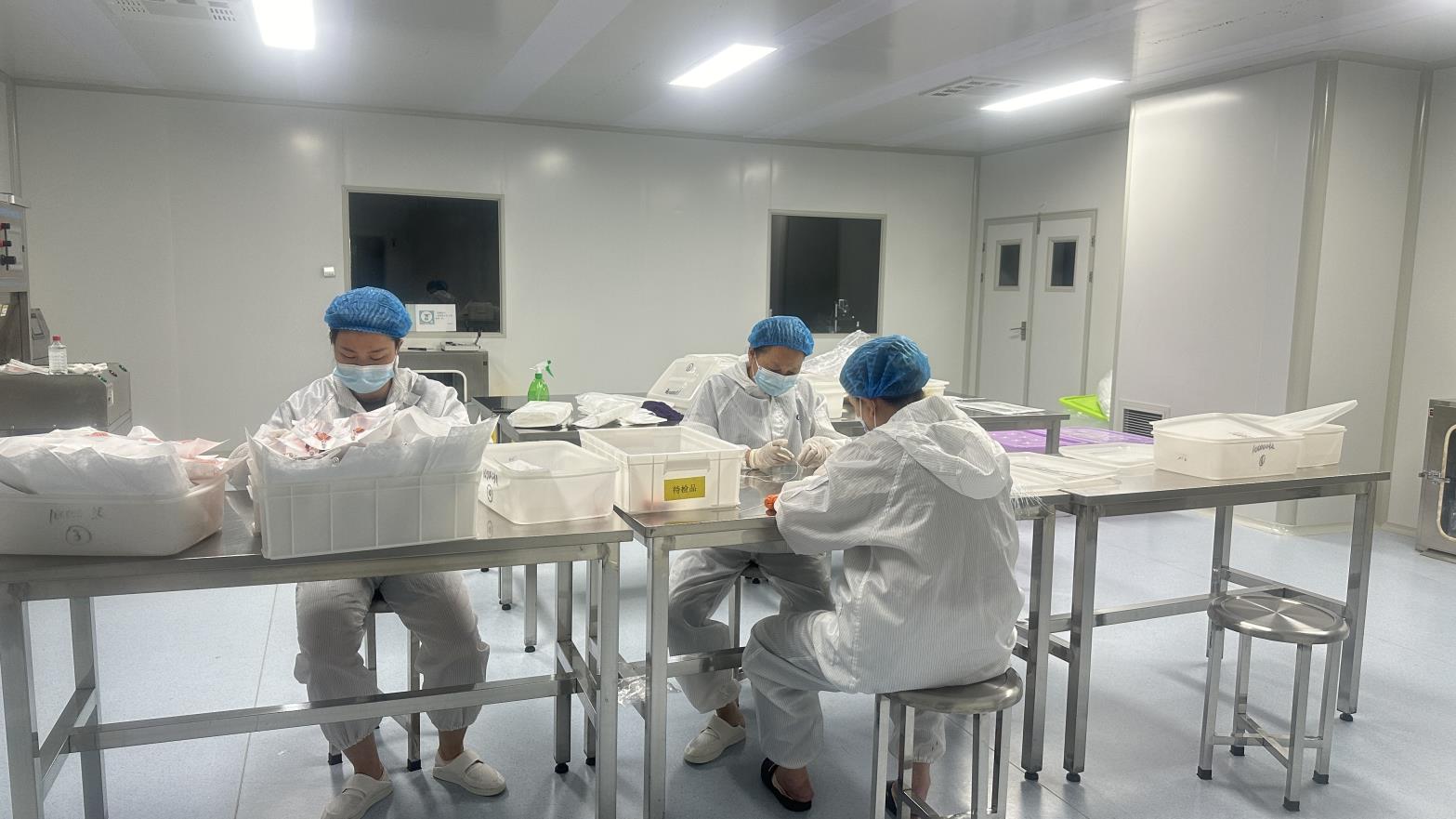
Inspection & Packing
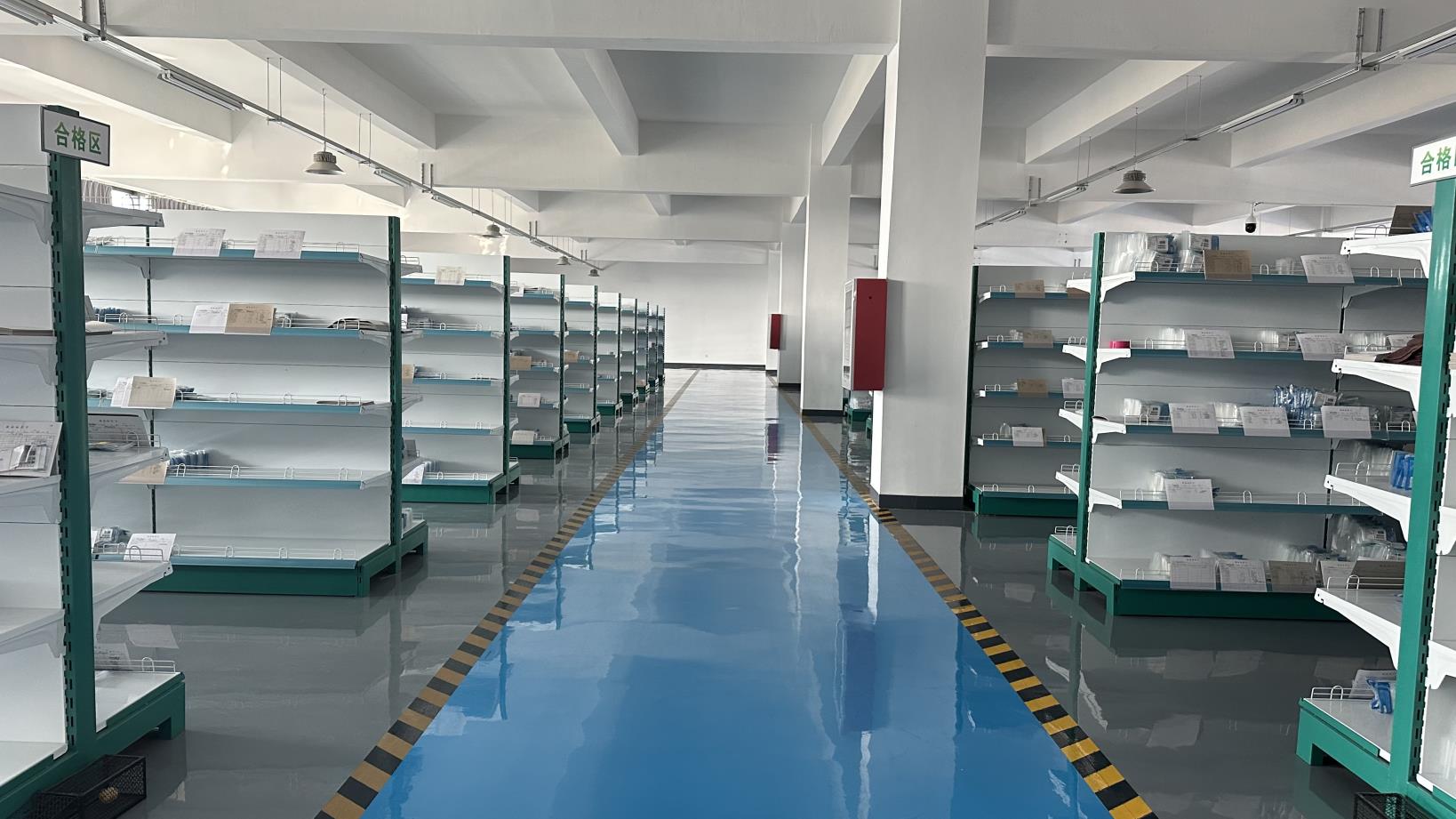
Sterile Warehouse
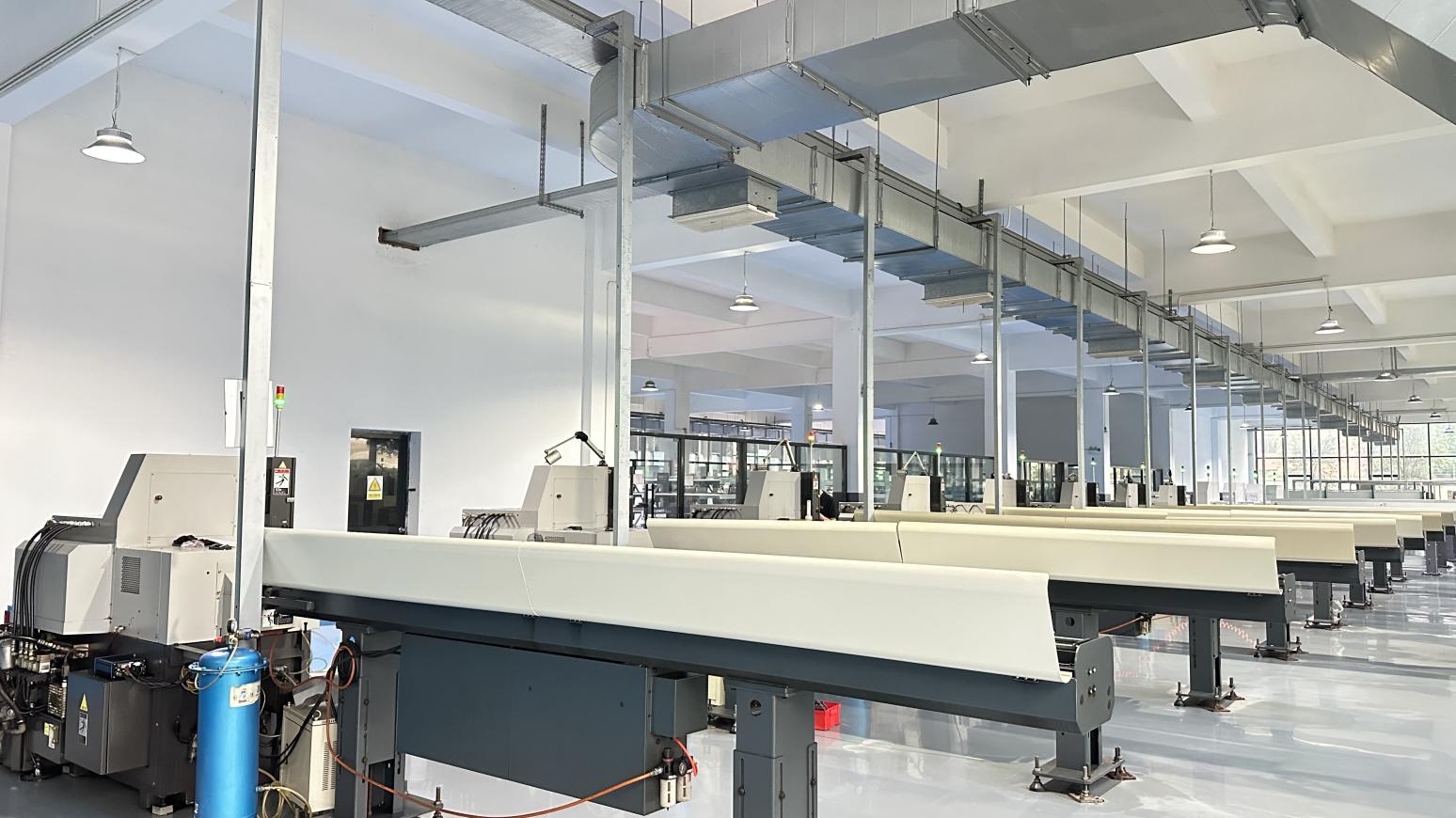
Slitting Machine
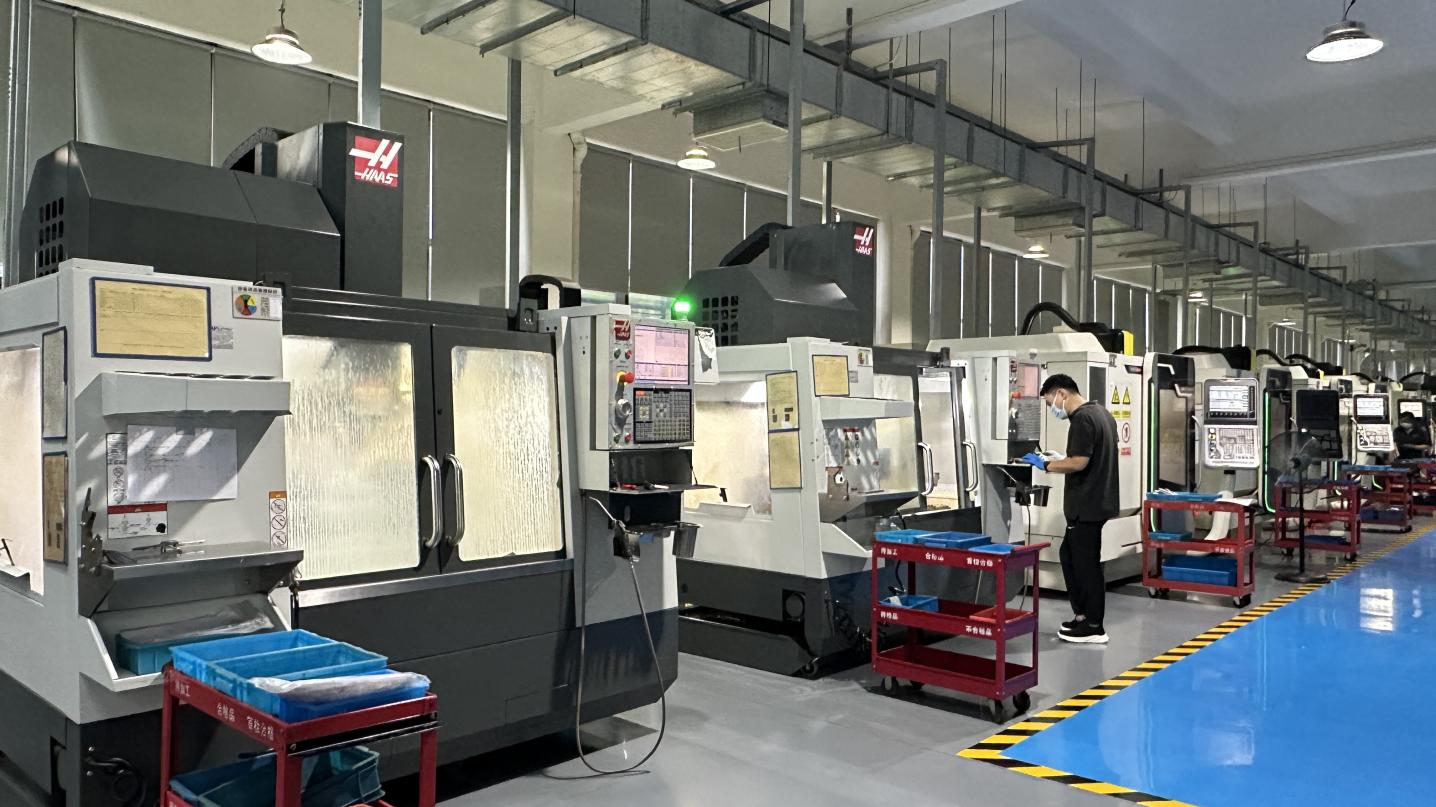
CNC Machining Center
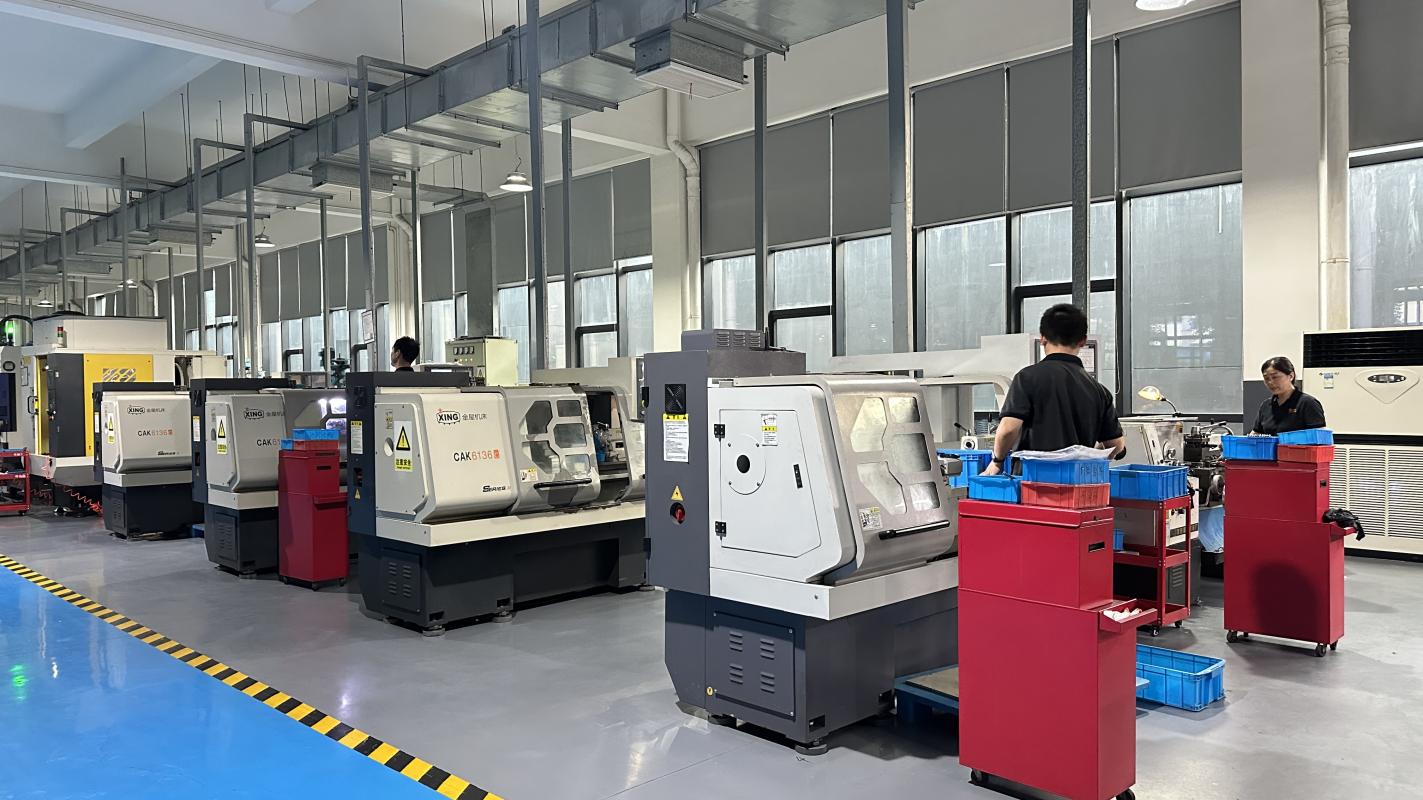
Precision Lathe
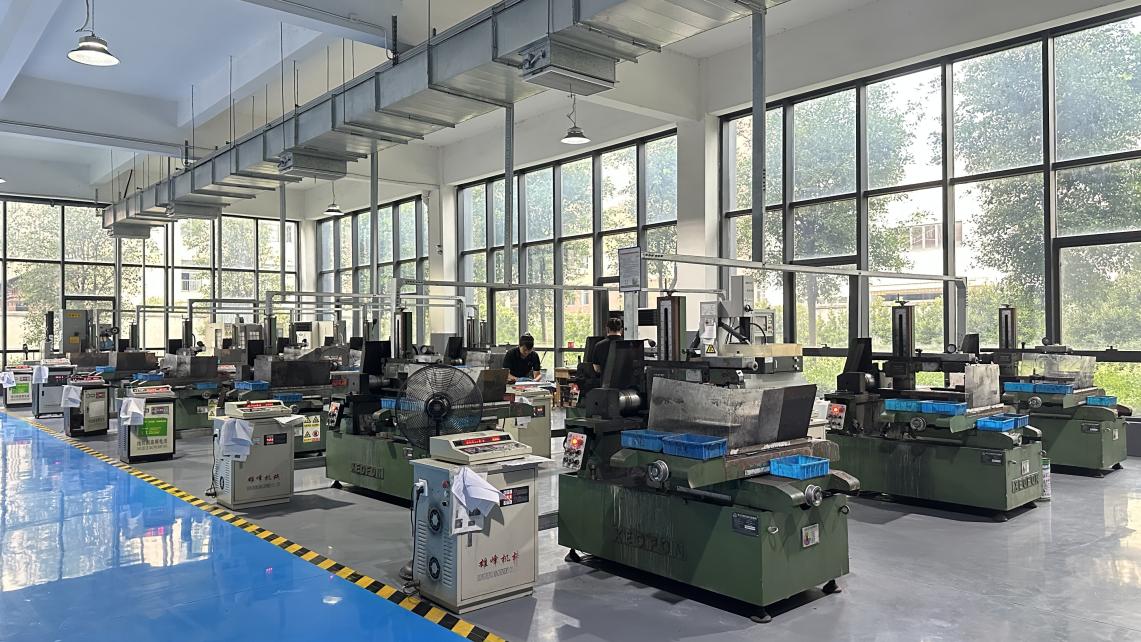
Wire-cutting Machine
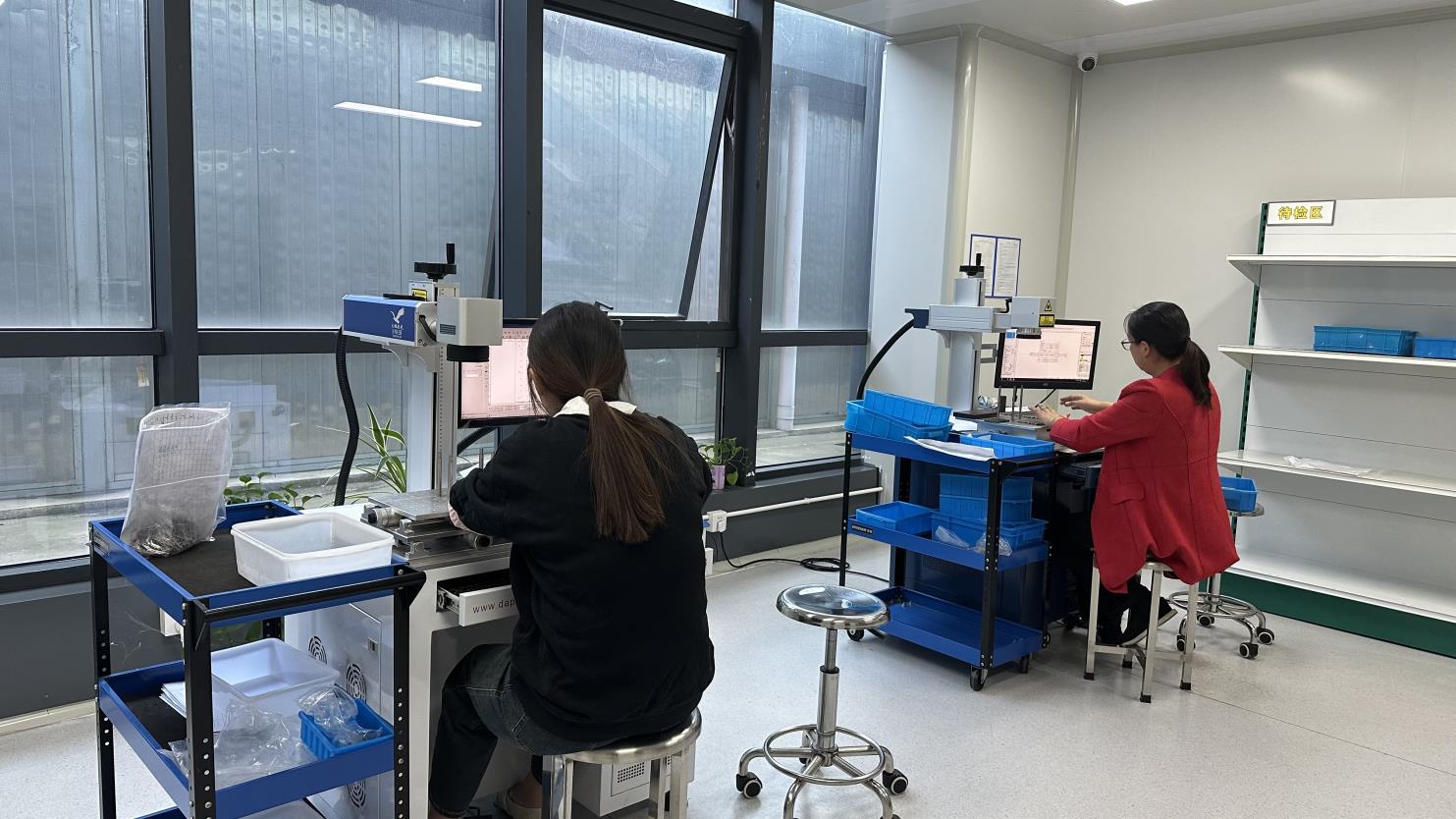
Laser Marking Machine
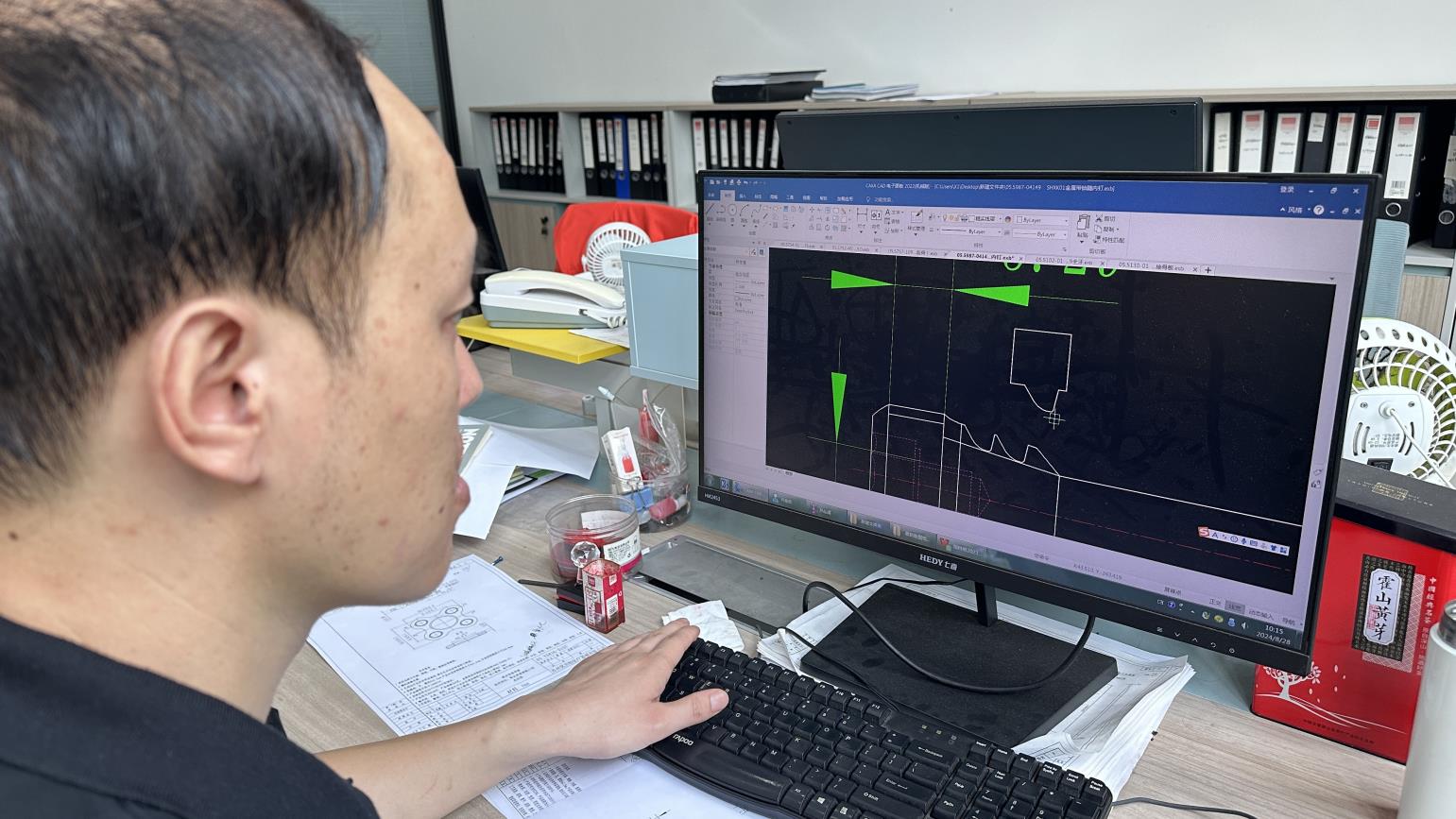
Prosthesis Design
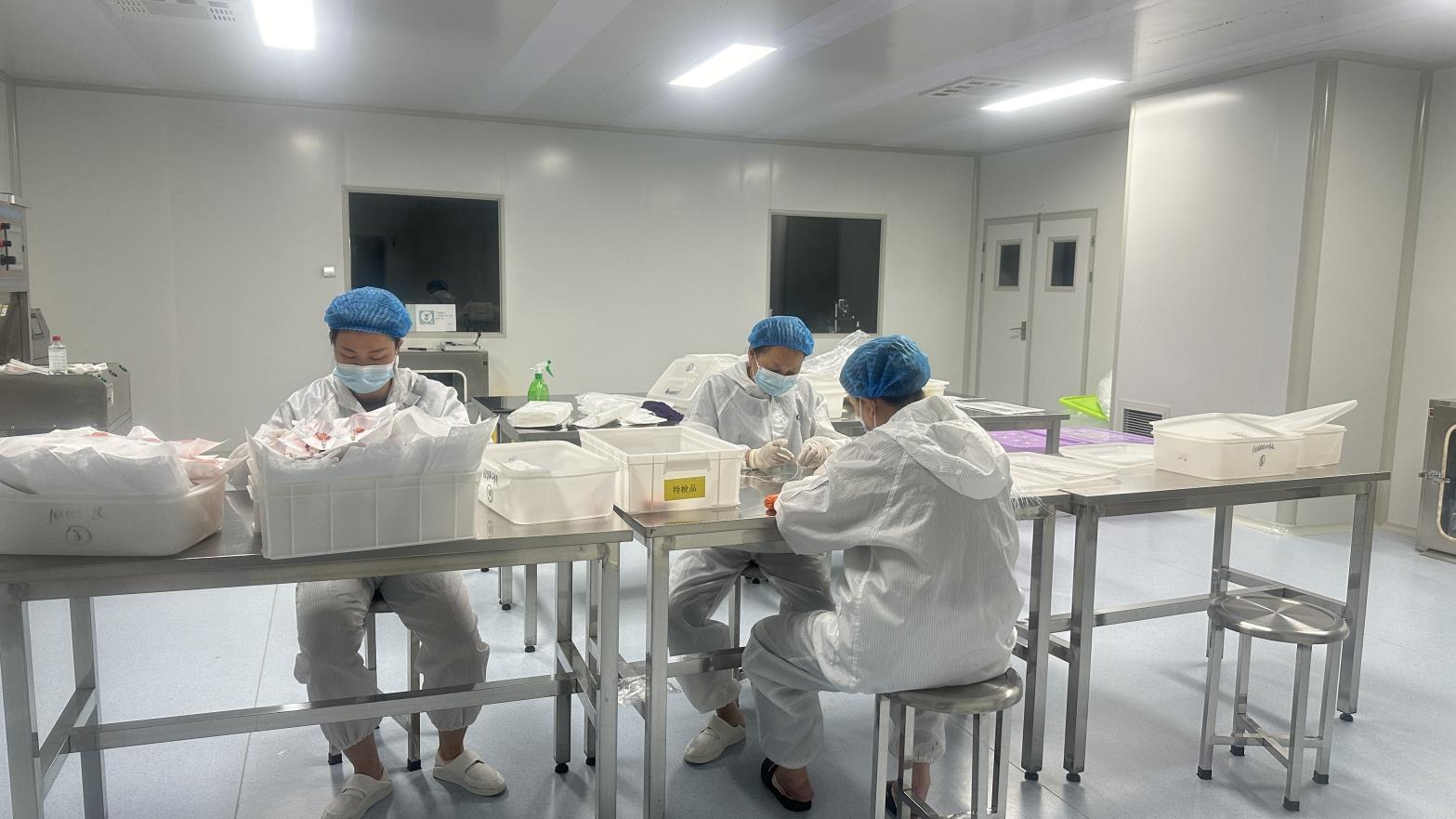
Dimensional Inspection
How sourcing from a centralized medical manufacturing hub in China optimizes production efficiency, lead times, and materials costs.
Our direct integration with domestic medical-grade titanium (Ti6Al4V ELI) and cobalt-chromium-molybdenum (CoCrMo) forging mills guarantees a stable material pipeline and immunity to global raw material inflation.
The concentration of thermal treatment facilities, anodizing plants, cleanroom packaging solutions, and sterilized transportation logistics within our regional hub reduces production overhead and lead times by over 30% compared to Western competitors.
Our robust pool of 85 design engineers translates orthopedic CT scans and clinical sketches into customized production files (CAD/CAM), allowing quick turnarounds for customized femoral stems and revision components.
Navigating international regulatory frameworks with absolute traceabilty and clinical verification.
Sourcing clinical implants internationally requires uncompromising adherence to global regulatory regimes. Bonevia’s factory implements an ISO 13485-certified quality management system that ensures every cemented femoral stem produced conforms to strict dimensional tolerances, high fatigue-resistance requirements, and international bio-compatibility standards.
For large-scale tenders, hospital networks, and distributors across Europe, South America, and the Asia-Pacific region, Bonevia provides full technical files supporting registration, including:
From primary arthroplasty to complex structural revisions: matching the prosthesis configuration with regional surgical techniques.
Ideal for elderly osteoporotic patients where bone-implant mechanical stability must be immediate. The cement layer acts as a mechanical buffer, preventing micro-motion and reducing post-operative pain.
In cases where extensive bone loss is present in the proximal femur, a long-stem cemented prosthesis allows the surgeon to anchor the implant deeper in the diaphyseal bone segment, bypassing compromised proximal structures.
Frequently used in femoral neck fracture treatments in frail patients. The combination of a modular bipolar head and a cemented femoral stem allows for rapid mobilization, reducing pulmonary and vascular complications associated with prolonged bed rest.
Key information to address procurement questions, technical specifications, and factory sourcing standards.
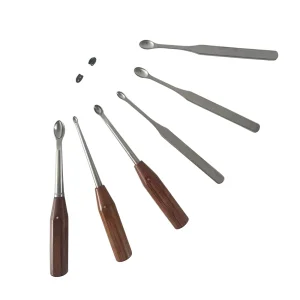
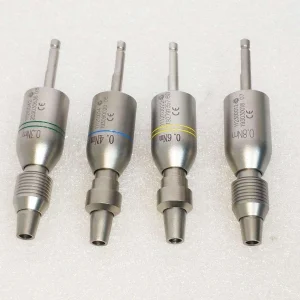
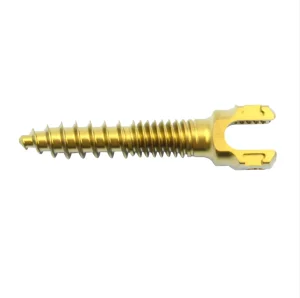
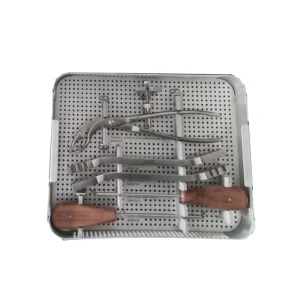
Complete your clinical assembly with our highly specialized veterinary tools, spine systems, and orthopedic surgical instrumentation.
Gain access to specialized orthopedic hardware manufacturing. Connect with our engineering department for comprehensive OEM specifications, material testing reports, and custom pricing schedules.
Contact Sourcing Specialists